
Nanjing
NanjingThe Ancient Capital of Ten Dynasties
Six dynasties deep, one city layered
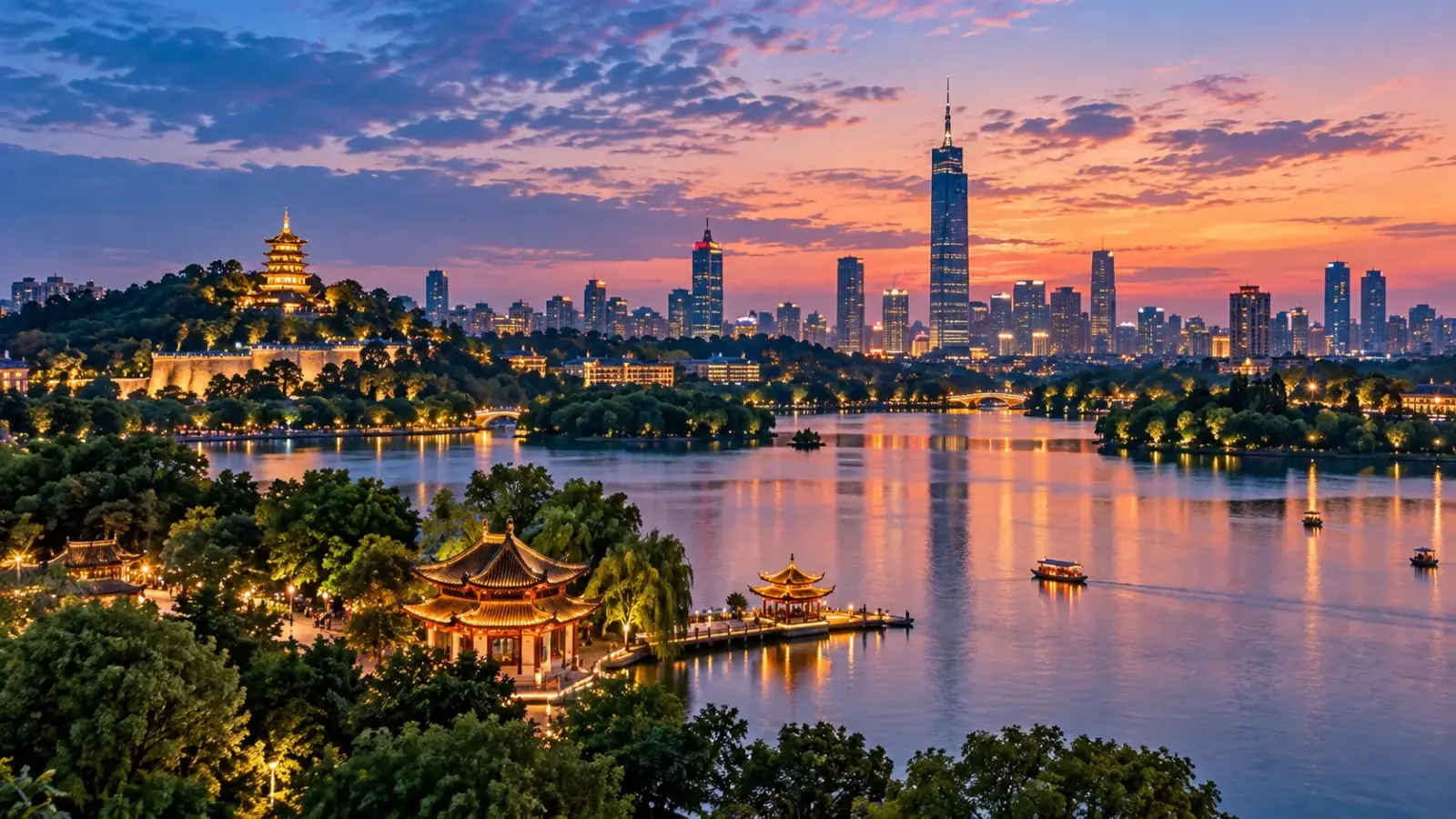
Nanjing is best understood through six dimensions: the ancient capital of the Six Dynasties, the imperial city of the Ming, the memory of the Republican era, the culture of the Qinhuai River, mountains and lakes within the city, and the everyday flavours of Jinling. If Beijing speaks of imperial order and Xi’an of the dawn of Chinese civilisation, Nanjing is a city of accumulated layers — where the grandeur of old capitals and the texture of modern life coexist within easy walking distance.
Six cultural keywords worth collecting
For centuries the political and cultural heart of southern China, its imperial temperament and mountain-and-river layout shaped a uniquely layered city character.
The Xiaoling Mausoleum, the city walls and Zhonghua Gate preserve the early-Ming capital — exceptional in imperial tombs and urban defence.
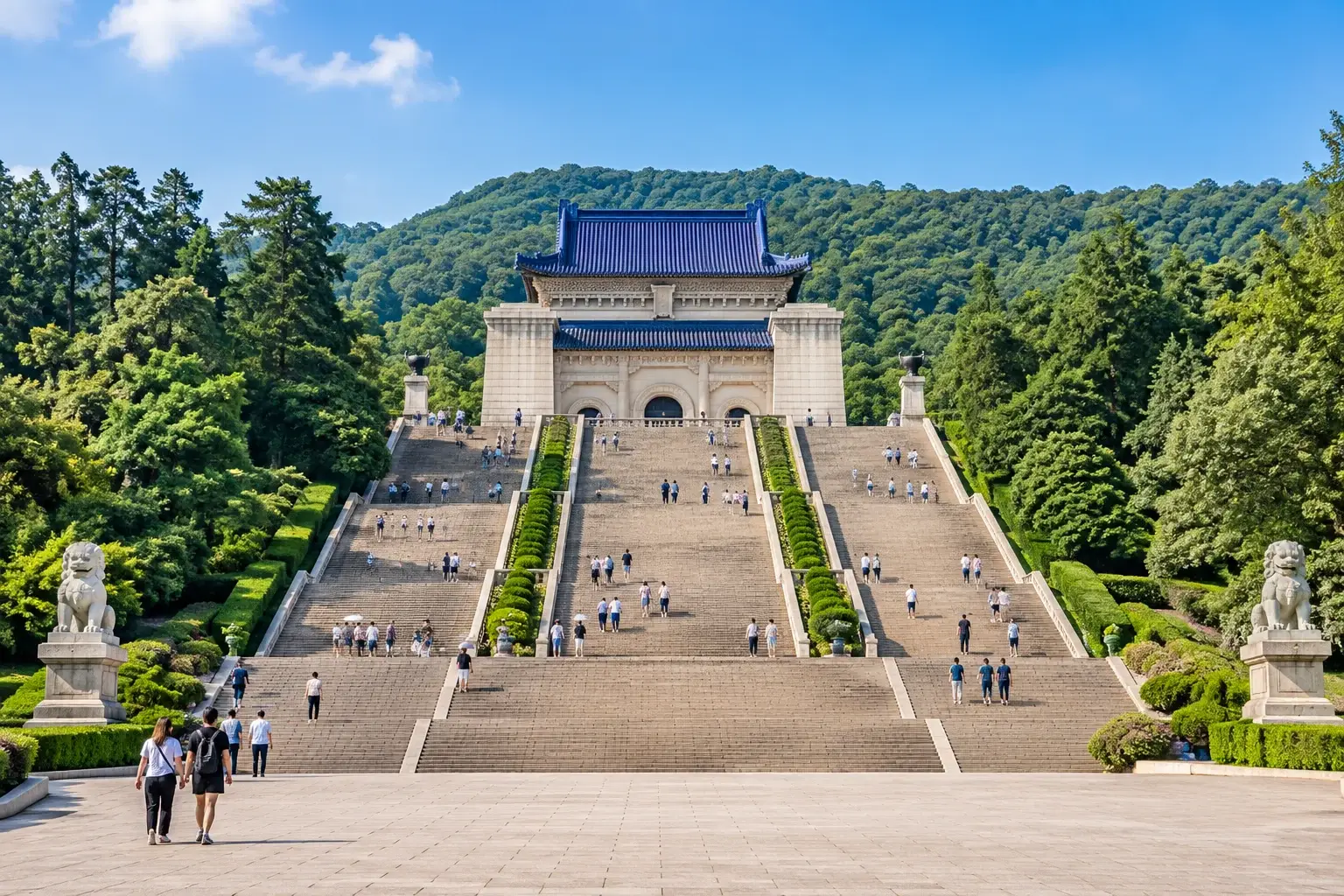
The Sun Yat-sen Mausoleum, the Presidential Palace and many modern buildings make Nanjing essential to understanding China’s modern history.
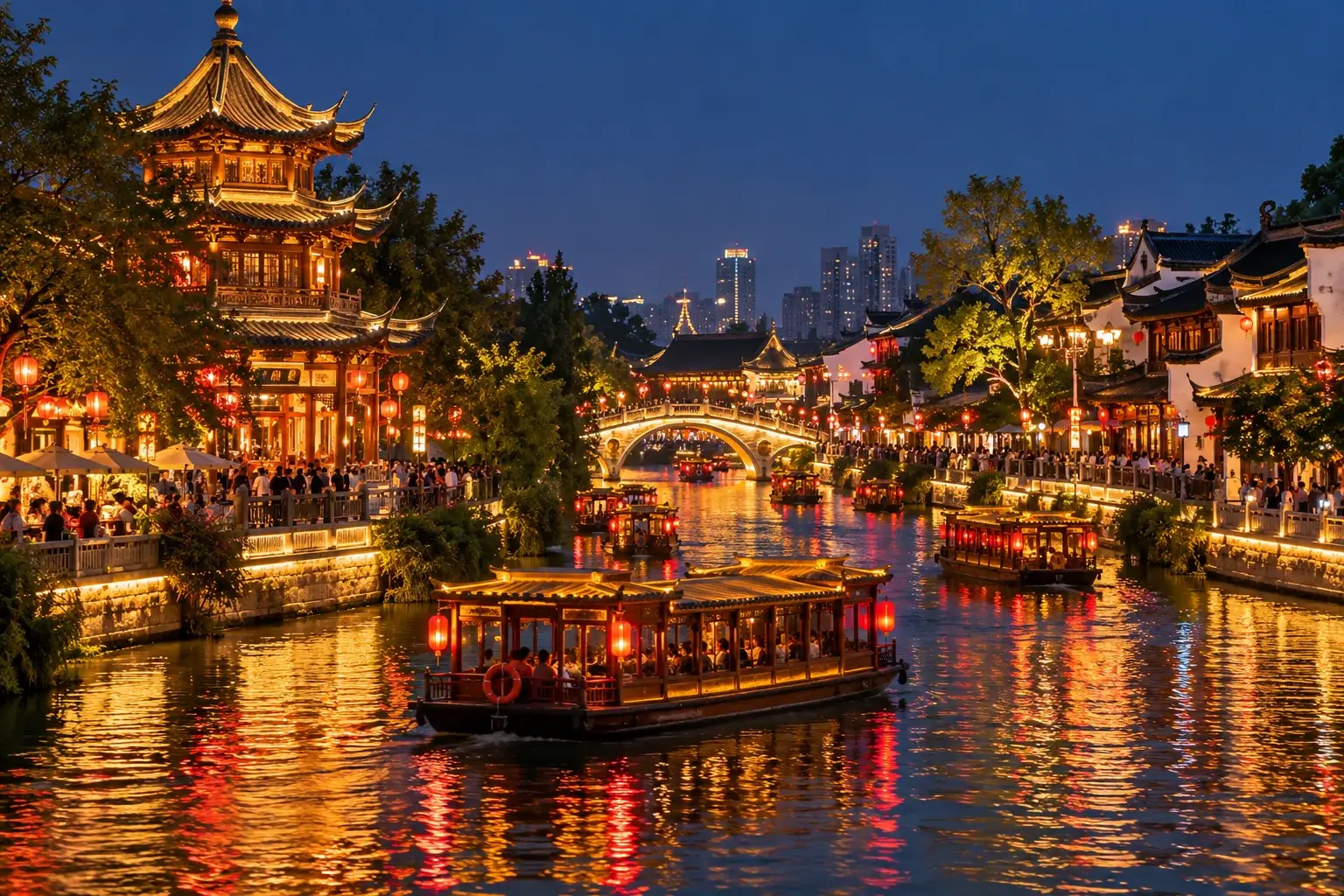
The Confucius Temple, the Qinhuai River, the imperial examination hall and Laomendong form the most atmospheric and literary memory of Jinling.
Purple Mountain, Xuanwu Lake, Qixia Mountain and the old streets weave together, giving Nanjing a rare “city within mountains and water” character.
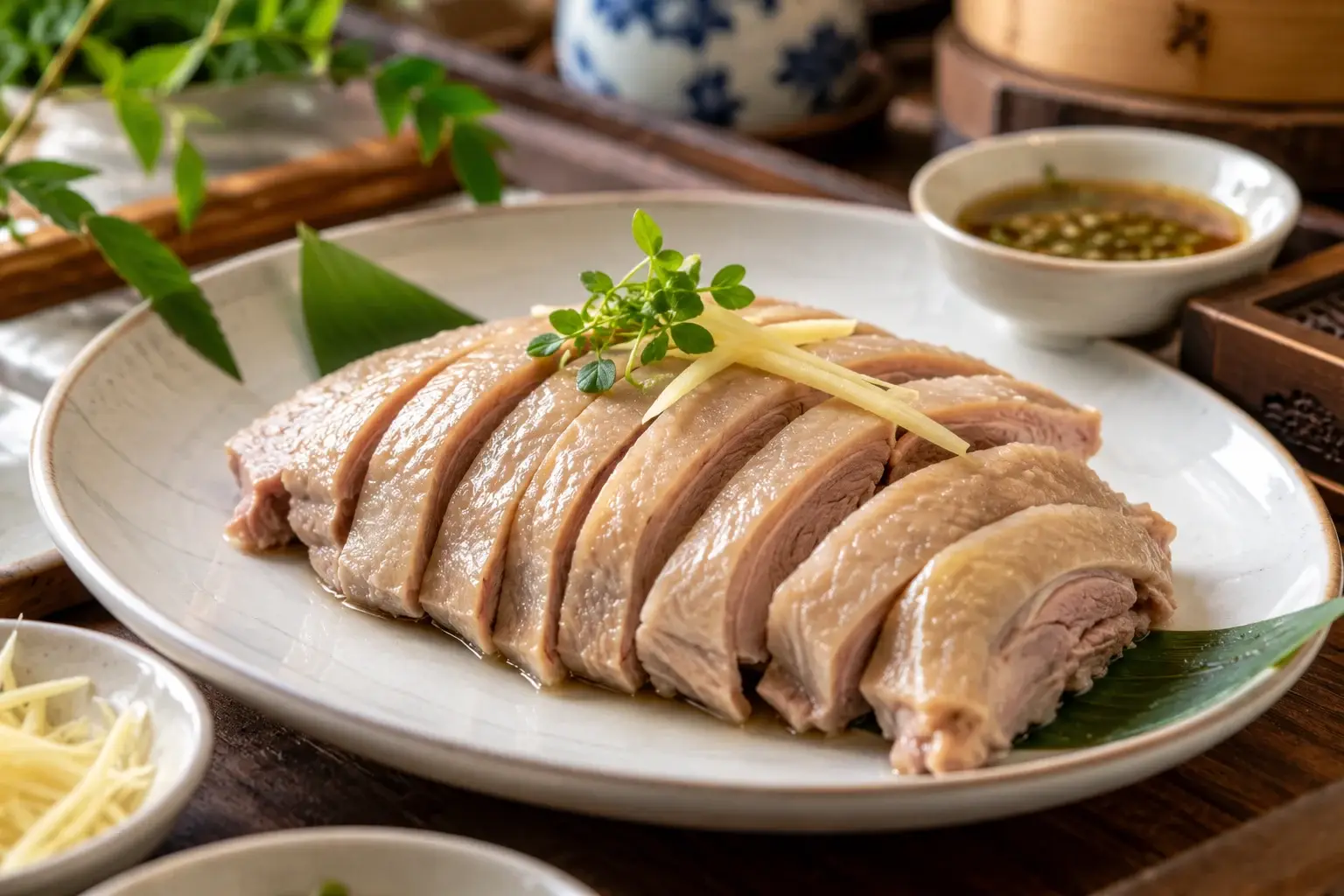
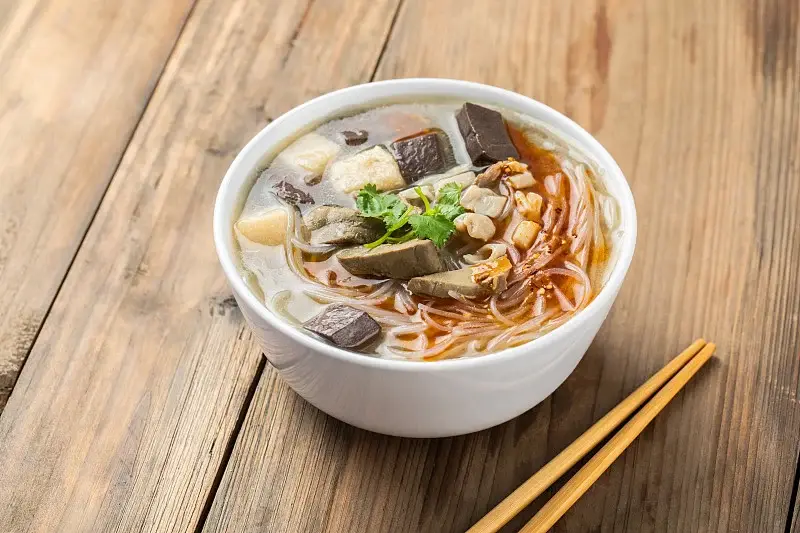
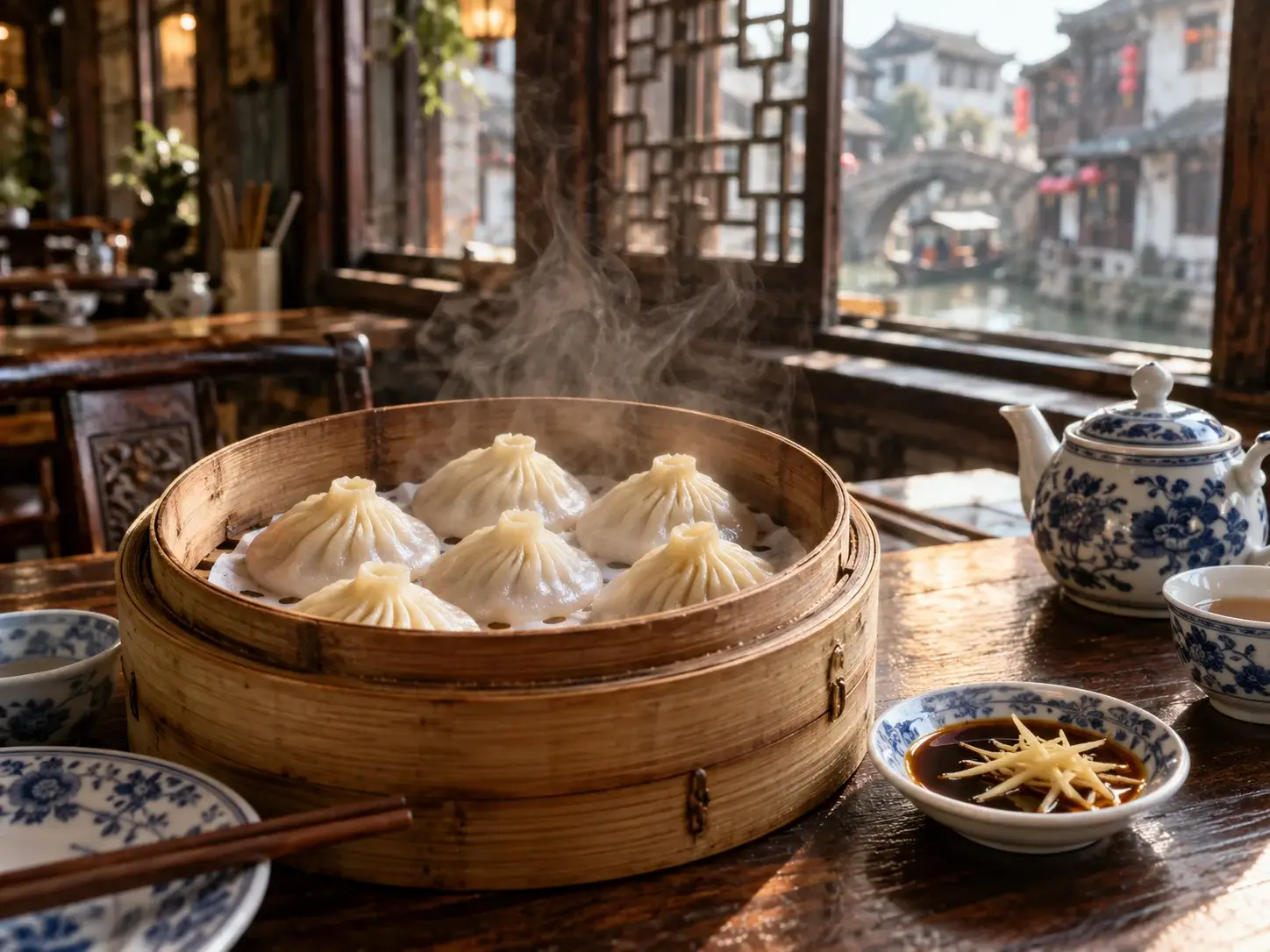
Salted duck, duck-blood vermicelli soup, soup dumplings and osmanthus desserts give this historic city a very warm, everyday taste.
Three depths of discovery
Classic Essentials
Core city profile · Classic recommendations- Sun Yat-sen Mausoleum
- Ming Xiaoling Mausoleum
- Confucius Temple & Qinhuai River
- Nanjing Museum
- Ming City Wall
Cultural Immersion
Cultural background · In-depth experiences- Presidential Palace
- Six Dynasties Museum
- Qixia Temple
- Laomendong
- Imperial Examination Museum
Leisure & Extension
Nature & leisure · Family-friendly experiences- Xuanwu Lake
- Niushoushan
- Purple Mountain
- Yangtze Riverfront
Five currents that shaped the city of layers
The Six Dynasties & a Southern Imperial Capital
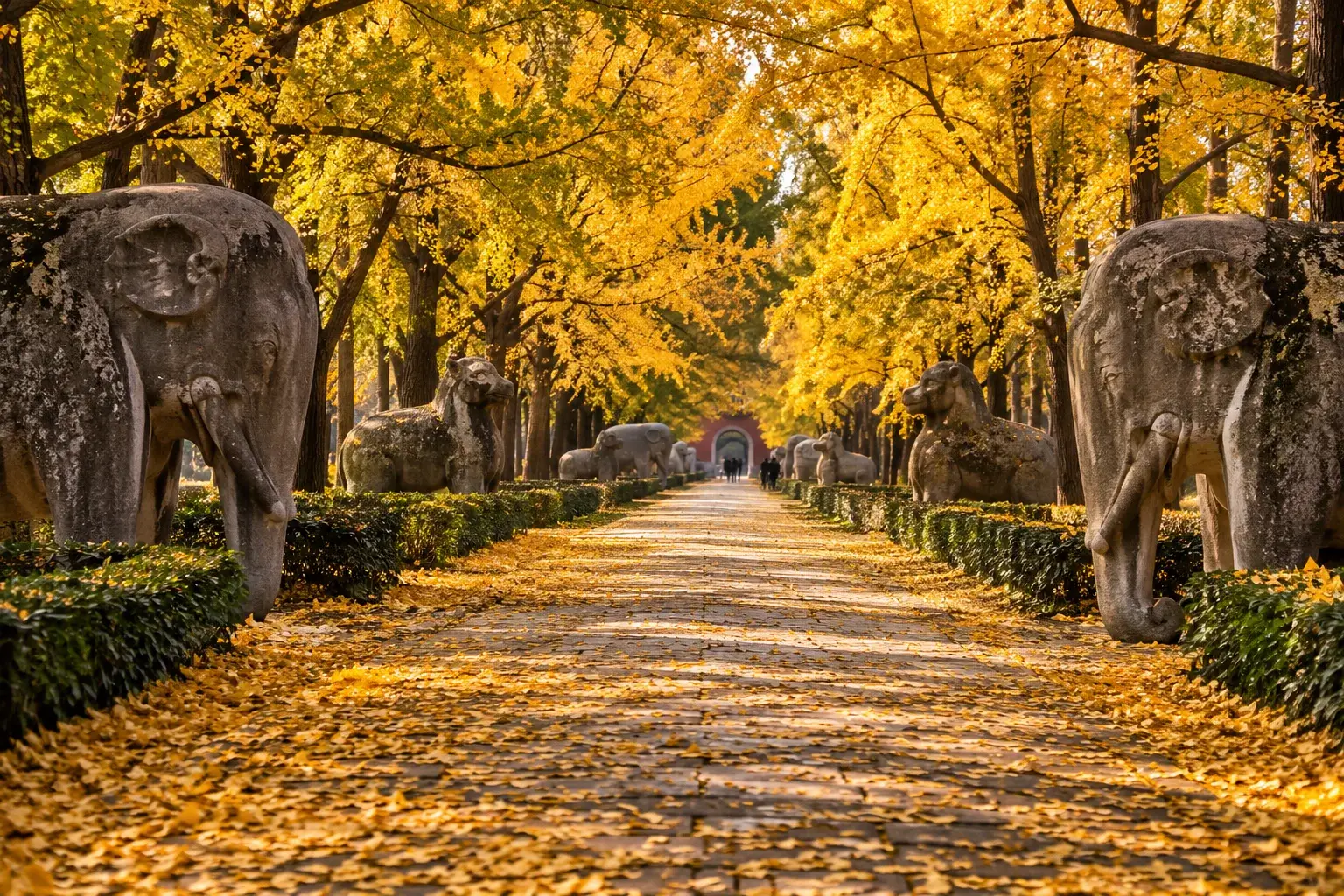
Nanjing grew up against mountains and the river, long serving as the south’s political and cultural centre. The Jiankang of the Six Dynasties planted the city’s deep literary tradition and imperial temperament. Walking between Purple Mountain, the city walls and the old quarters, visitors still feel the historical pattern of “mountains, water and imperial city coexisting.”
The Ming Capital, Its Tombs & Walls
In the early Ming dynasty Nanjing was the empire’s capital, and the Xiaoling Mausoleum with the Nanjing city wall are its most important surviving heritage. Unlike a single palace, Nanjing’s Ming legacy runs from an emperor’s tomb to city defence and spatial planning — helping visitors read how an ancient Chinese capital was organised as a whole.
Republican Culture & Modern Memory
Nanjing’s modern history is densely concentrated. The Sun Yat-sen Mausoleum, the Presidential Palace and many modern buildings record the dramatic changes of 20th-century Chinese politics, education, urban planning and social life — adding a complex modern narrative to the ancient capital.
The Qinhuai River, Imperial Exams & Civic Culture
The Qinhuai River is one of Nanjing’s most atmospheric and literary spaces. The Confucius Temple, the imperial examination hall, painted boats, old streets and night markets together form the memory of “Ten Li of Qinhuai” — education, commerce, cuisine, lanterns and street life, and the easiest place for foreign visitors to feel the city’s ancient, lively soul.
Food & the Nanjing Way of Life
Nanjing’s food combines Jiangnan refinement with real street-side warmth. Duck dishes are the signature — from salted duck to duck-blood vermicelli soup — connecting daily meals to the city’s memory. Soup dumplings, rice cakes and osmanthus desserts make the flavour of Nanjing softer and more seasonal.
Where to begin
Six places that together carry the essence of Nanjing — the Sun Yat-sen Mausoleum, the Ming Xiaoling Mausoleum, the Confucius Temple and Qinhuai River, the Nanjing Museum, the Presidential Palace, and the Zhonghua Gate city wall.
Mountains, temples & living heritage
For travellers who want to go past the postcards: Niushoushan’s contemporary Buddhist architecture, Qixia Mountain’s autumn temples, Xuanwu Lake and Jiming Temple, the Six Dynasties Museum on Changjiang Road, the old lanes of Laomendong, and the Yangtze view from Yuejiang Tower.
A chapter of history & peace
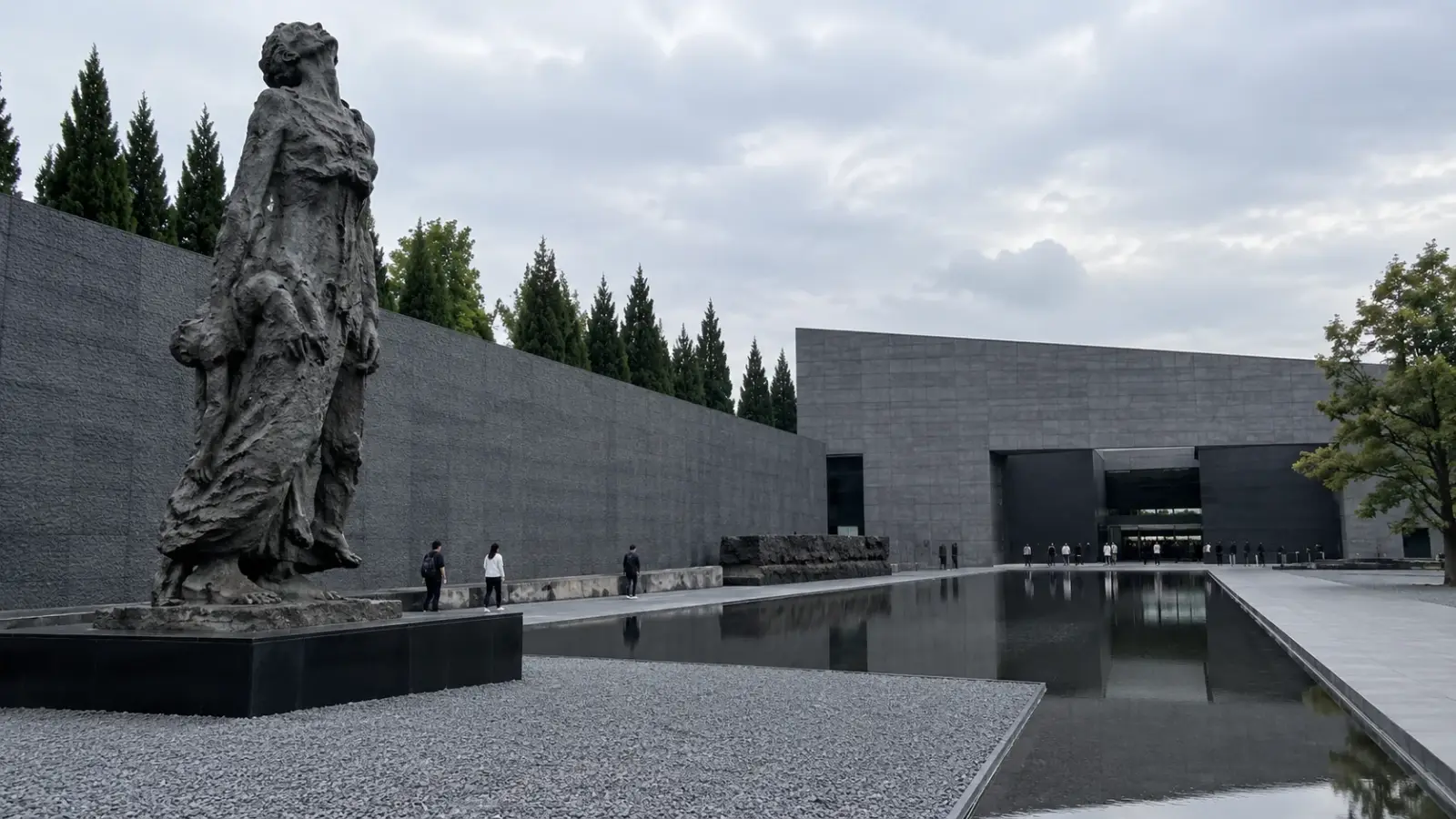
Memorial Hall of the Victims in Nanjing Massacre
Opened on 15 August 1985 on the historical Jiangdongmen site, the Memorial Hall preserves the memory of the Nanjing Massacre of 1937 through artefacts, archives, photographs, film and oral histories — serving remembrance, research and peace education.
For travellers seeking to understand Nanjing’s modern history, this is an unmissable place of historical memory. It is not a sightseeing stop, but a memorial to be entered with seriousness, restraint and respect.
Allow 2–3 hours and confirm opening hours and reservations through the official channels before visiting. Keep quiet, avoid staged posing, and note that some exhibits may be emotionally intense — families should plan according to the age and sensitivity of fellow travellers.
The city beyond the ancient walls
The Yangtze River Bridge and riverfront, Hexin New Town and the Jiangsu Grand Theatre, the Nanjing Eye footbridge across the river, and the green trails of Purple Mountain — Nanjing at leisure, beyond the tombs and temples.
The taste of Jinling
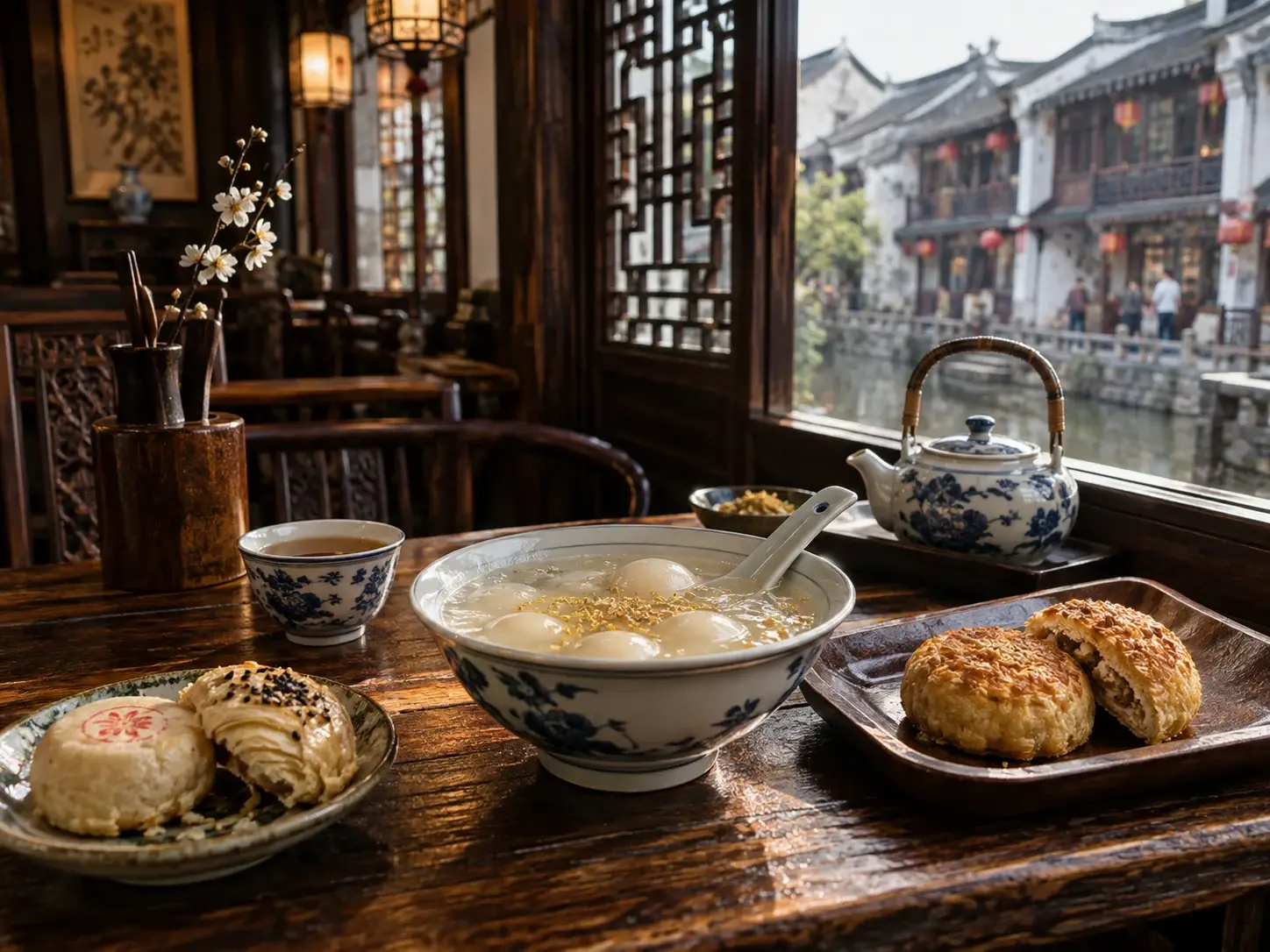
Four tastes of local life
Nanjing’s food does not rely on heavy seasoning. Its charm comes from duck dishes, broths, delicate pastries and the gentle sweetness of Jiangnan. For foreign visitors it makes the ideal “light part” of a historical trip — tombs, walls and museums by day, a hot bowl of soup or a basket of dumplings back in everyday city life by night.
How to eat the city
Thin-skinned, tender and clear — the taste that defines Nanjing’s restraint.
The quick, everyday meal that keeps the city running.
Thin wrappers and hot broth — the friendly side of Jiangnan pastry.
Finish sweet, then take an evening stroll through the Confucius Temple or Laomendong.
Five ways to walk the layers
Nanjing is more than an ancient capital, and more than a city of the Republican era. What makes it truly fascinating is the layering — the literati heritage of the Six Dynasties, Ming city walls, Republican memory, the lanterns of Qinhuai, mountains and lakes inside the city, and the everyday flavours of Jinling, all stacked into one walkable city. 南京不只是古都,也不只是民国城市。它真正迷人的地方,在于六朝文脉、明代城墙、民国记忆、秦淮烟火、山水城林与金陵美食共同构成的城市层次感。
Start Your Journey