
Shanghai
ShanghaiThe Global Metropolis
Where history and the future face each other
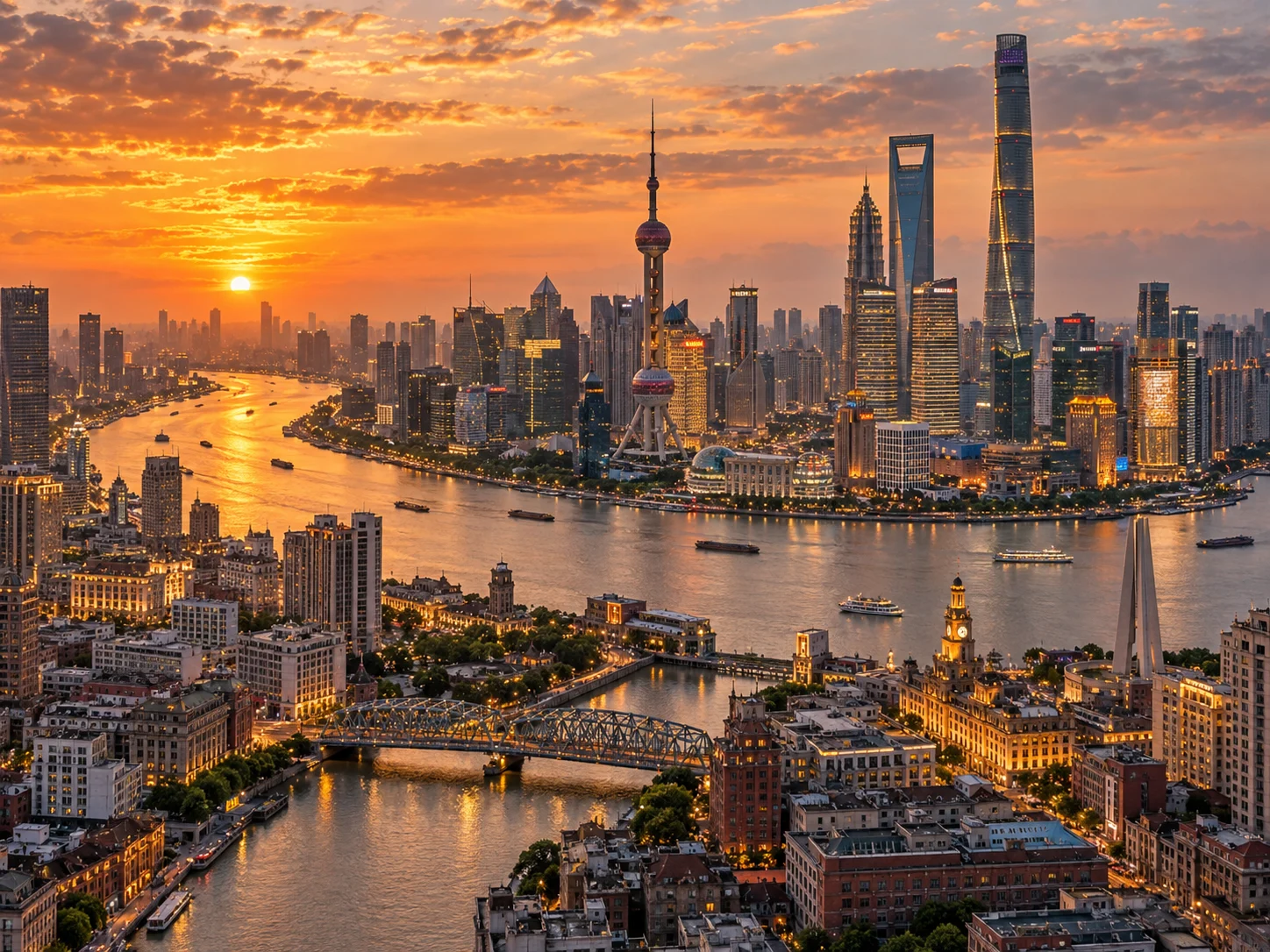
Shanghai sits at the mouth of the Yangtze River, on both banks of the Huangpu. It evolved from a Jiangnan county and a modern treaty port into a global metropolis, today known for finance, shipping, fashion, design, conventions, museums and a distinctive urban aesthetics. For the international visitor, the city’s appeal is not only its towers — it is the unique visual collision of the historic Bund and the futuristic skyline placed side by side.
Six cultural keywords worth collecting
The most distinctive label of Shanghai — open, inclusive, stylish and refined, where Chinese tradition meets international urban life.
The Huangpu River and modern port trade shaped Shanghai into one of China’s earliest gateways to the world.
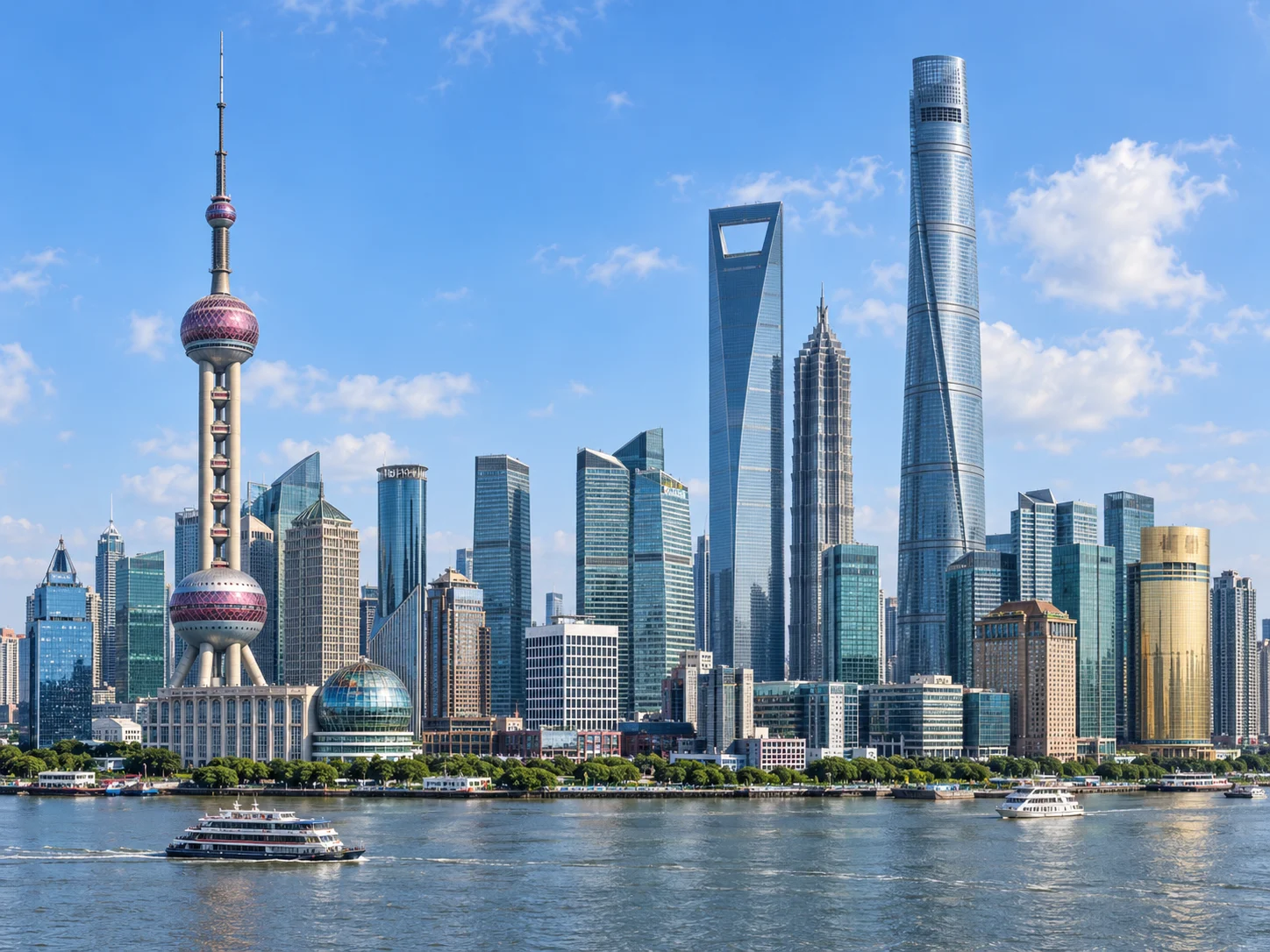
On the same river, historic buildings and futuristic towers stand across from each other — China’s most iconic urban contrast.
More than an architectural form — the shikumen house carries modern Shanghai’s civic life, lanes and collective memory.
Museums, art spaces and converted industrial quarters make Shanghai ideal for culturally deep itineraries.
Xiaolongbao, shengjian, Benbang cuisine, coffee culture and street strolling — the most tangible side of daily Shanghai.
Three depths of discovery
City Essentials
City image · Classic recommendations- The Bund
- Lujiazui
- Nanjing Road
- Yu Garden
- Former French Concession
- Xintiandi
Cultural Deep Dives
Cultural background · Deep experiences- Shanghai Museum
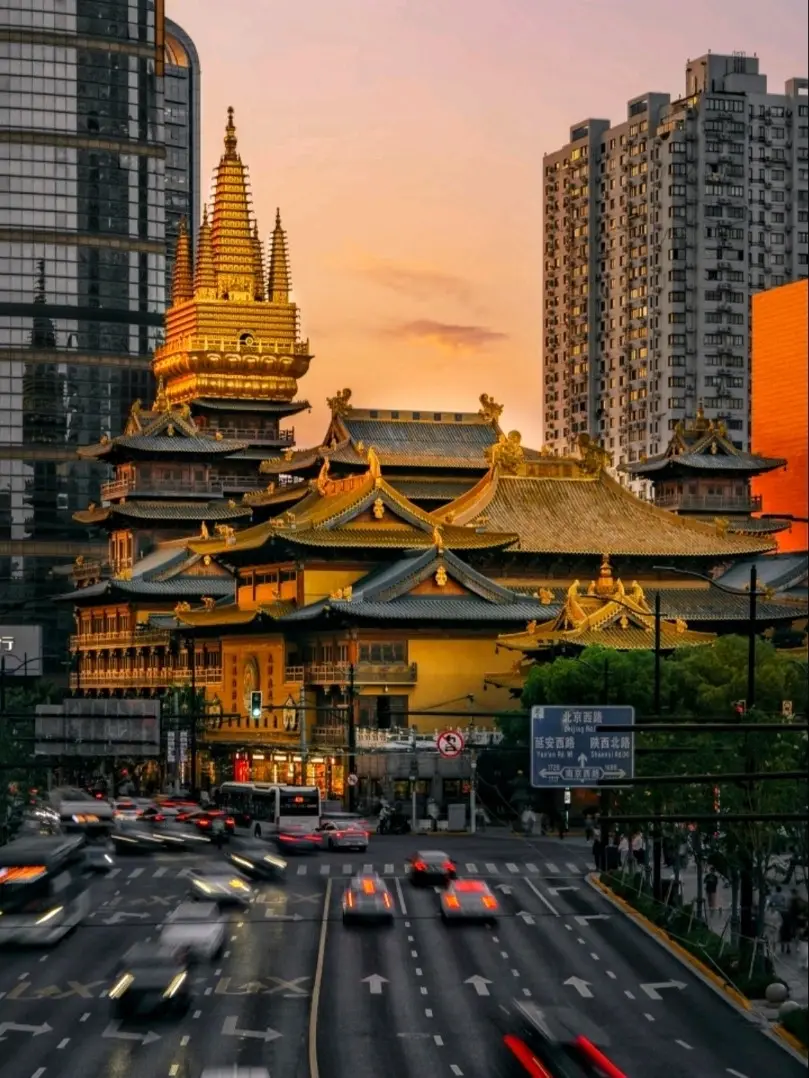
- Jing’an Temple
- Tianzifang
- Longhua Temple
- Shikumen neighbourhoods
Modern & Leisure
Modern lifestyle · Family leisure- Suzhou Creek & North Bund
- West Bund
- Zhujiajiao Water Town
- Shanghai Disney Resort
- Pudong Riverside
Five currents that made the city
The Bund, the Port & the Riverside City
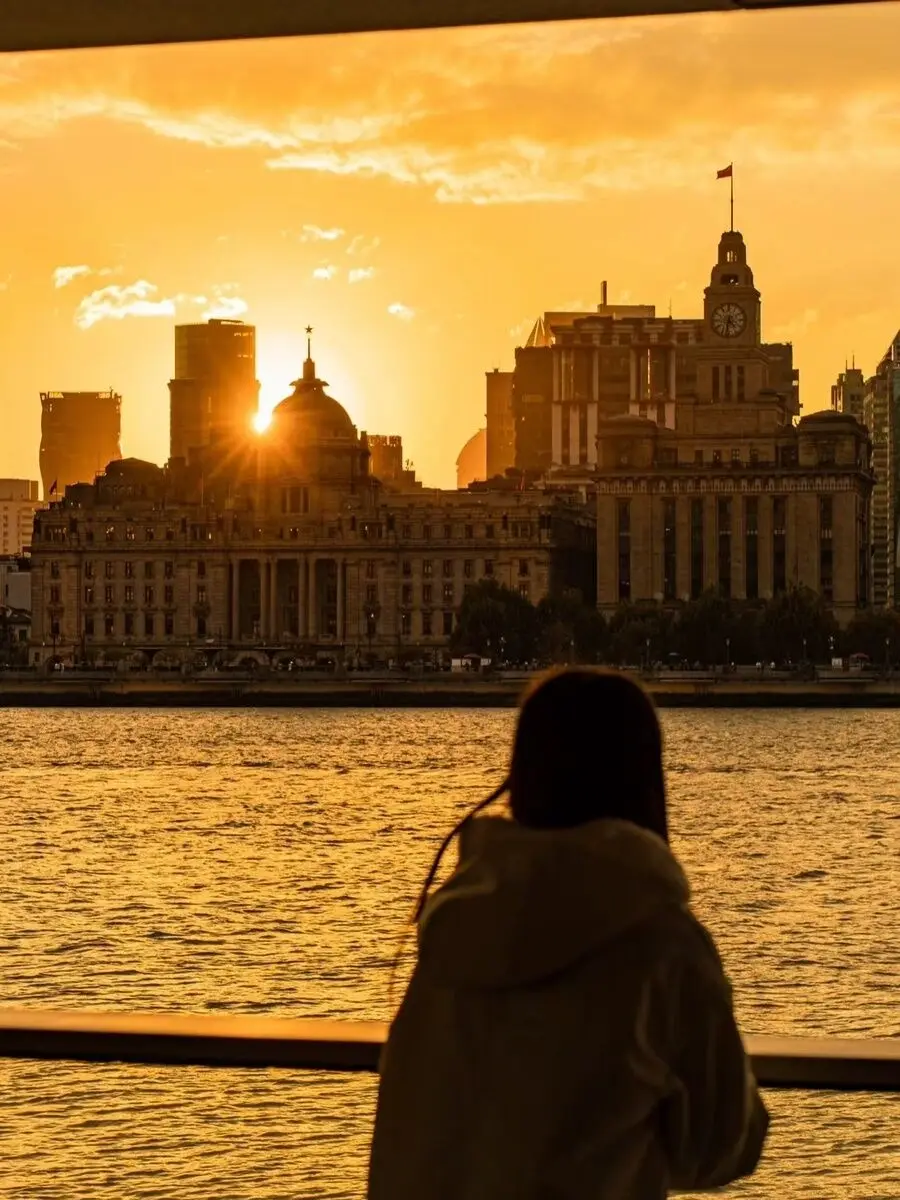
Shanghai’s development cannot be separated from the Huangpu River — or from modern port trade, finance and migration. The Bund remains one of the clearest symbols of the city’s historical identity, while cruises, riverside promenades and the lights of both banks continuously reinforce Shanghai’s image of a city that rose with the river and opened to the sea.
Haipai Culture & Urban Modernity
Haipai culture is usually summed up as open, refined, pragmatic, stylish and hybrid. It grew from the meeting of Jiangnan tradition, modern social transformation and international urban exchange, and lives today in language, literature, film, fashion, architecture, food and the everyday way of life.
Shikumen & the Memory of the Citizen City
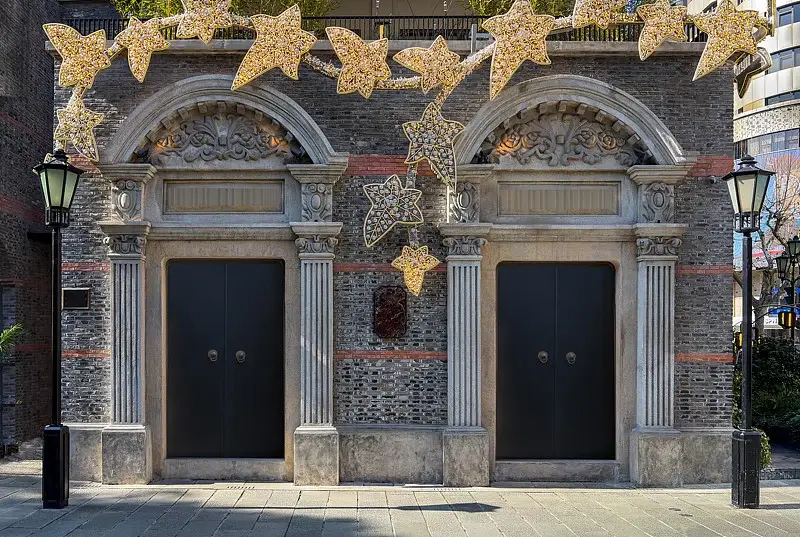
Shikumen is a defining form of Shanghai’s modern housing, fusing Chinese courtyard houses with Western terraced living. Today, districts like Xintiandi and Tianzifang continue and reinterpret this shikumen-style memory of the city — each in its own way.
The Skyline, Design & the New Image of Shanghai
The Lujiazui skyline — the Oriental Pearl, Jin Mao Tower, Shanghai World Financial Center and Shanghai Tower — is one of the most recognisable modern cityscapes in China. It is more than a postcard: it represents Shanghai’s standing in finance, business and a globalised world.
Food & the Urban Way of Life
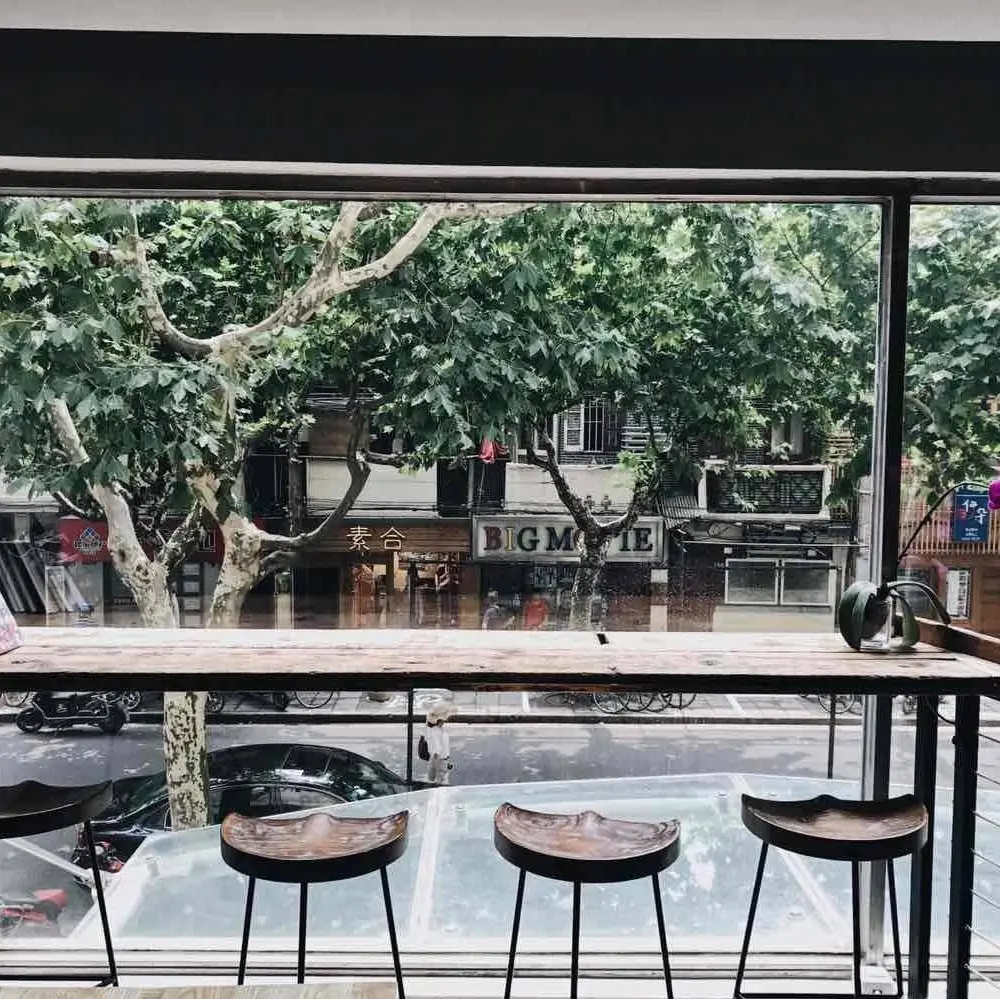
Shanghai’s appeal also lies in its tangible daily life: breakfast stalls, Benbang restaurants, cafés, desserts, street strolling and nightlife. Visitors quickly feel the “Haipai way of living” itself through food and the atmosphere of the streets.
Where to begin
Six places that together carry the essence of Shanghai — the historic waterfront, the modern skyline, the great shopping street, the Jiangnan garden, the plane-tree lanes and the reinvented shikumen quarter.
History, faith & heritage
For travellers who want to go past the postcards: a great art museum, a temple inside the business district, a maze of creative lanes, a Jiangnan water town, an ancient monastery and the everyday riverside of Suzhou Creek.
The city beyond tradition
A riverside art belt, a graffiti-covered creative park, a fairytale resort for the family, and the open green spaces of Pudong — Shanghai at leisure.
The taste of Shanghai days
Four tastes of local life
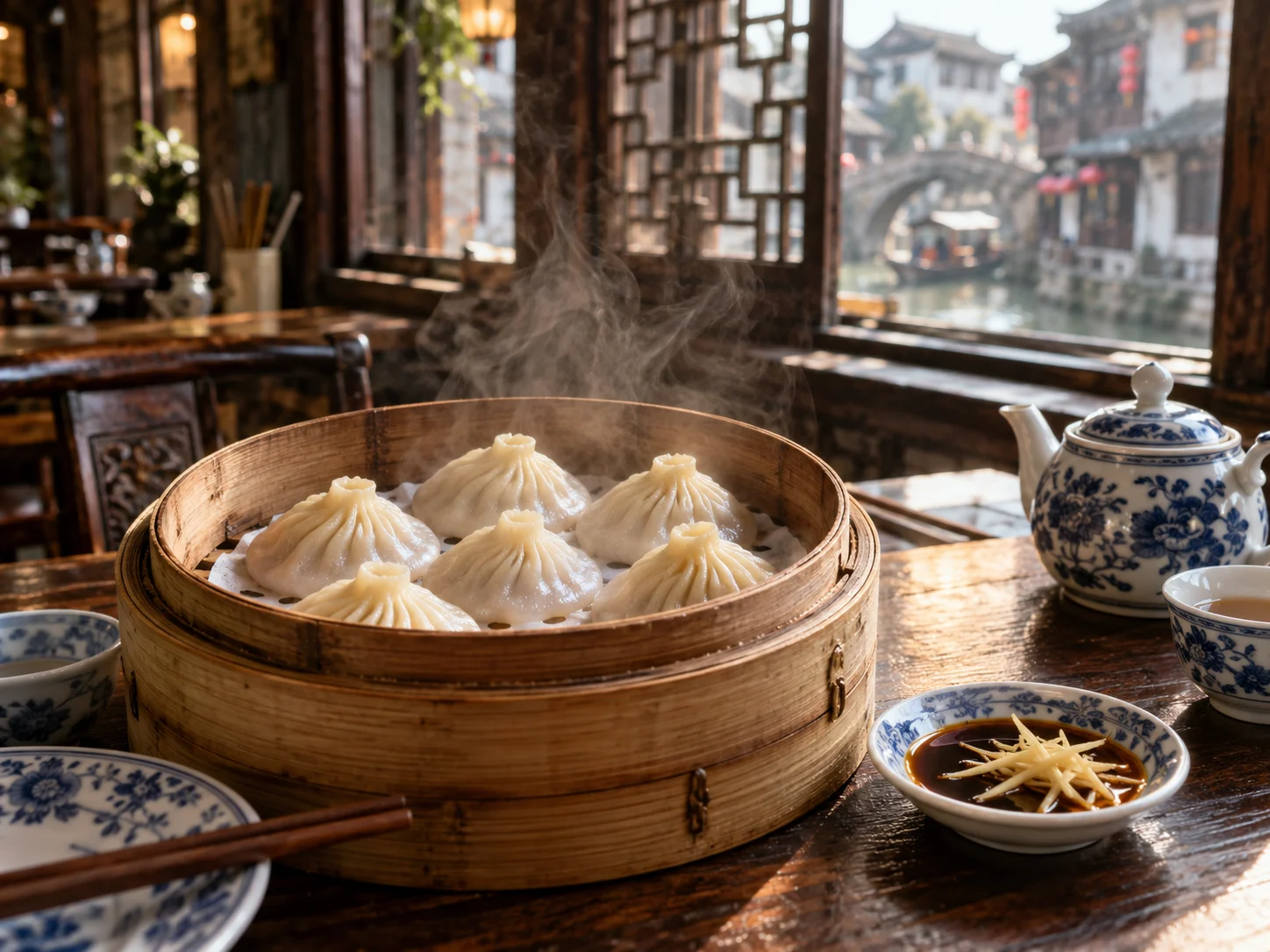
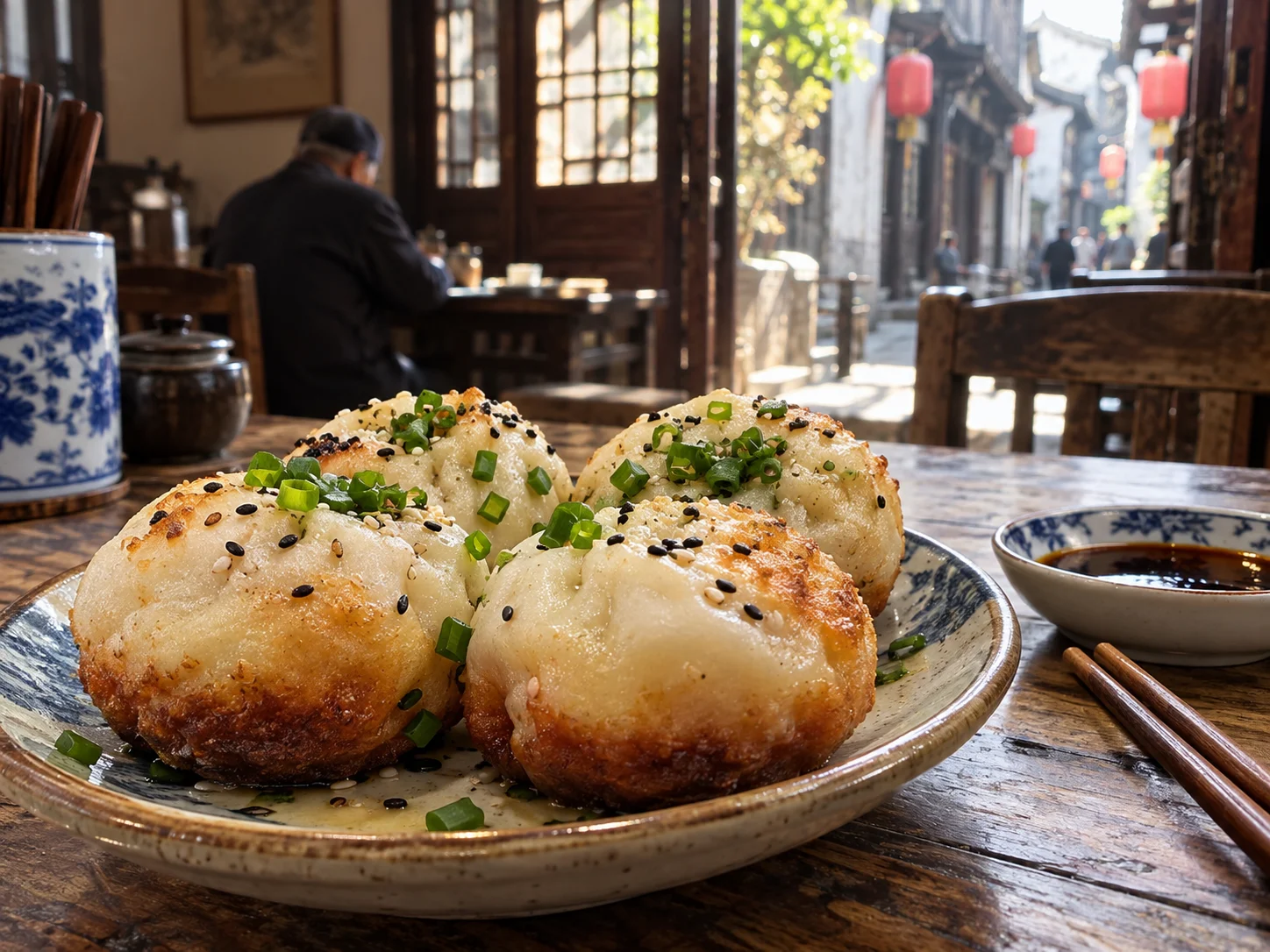
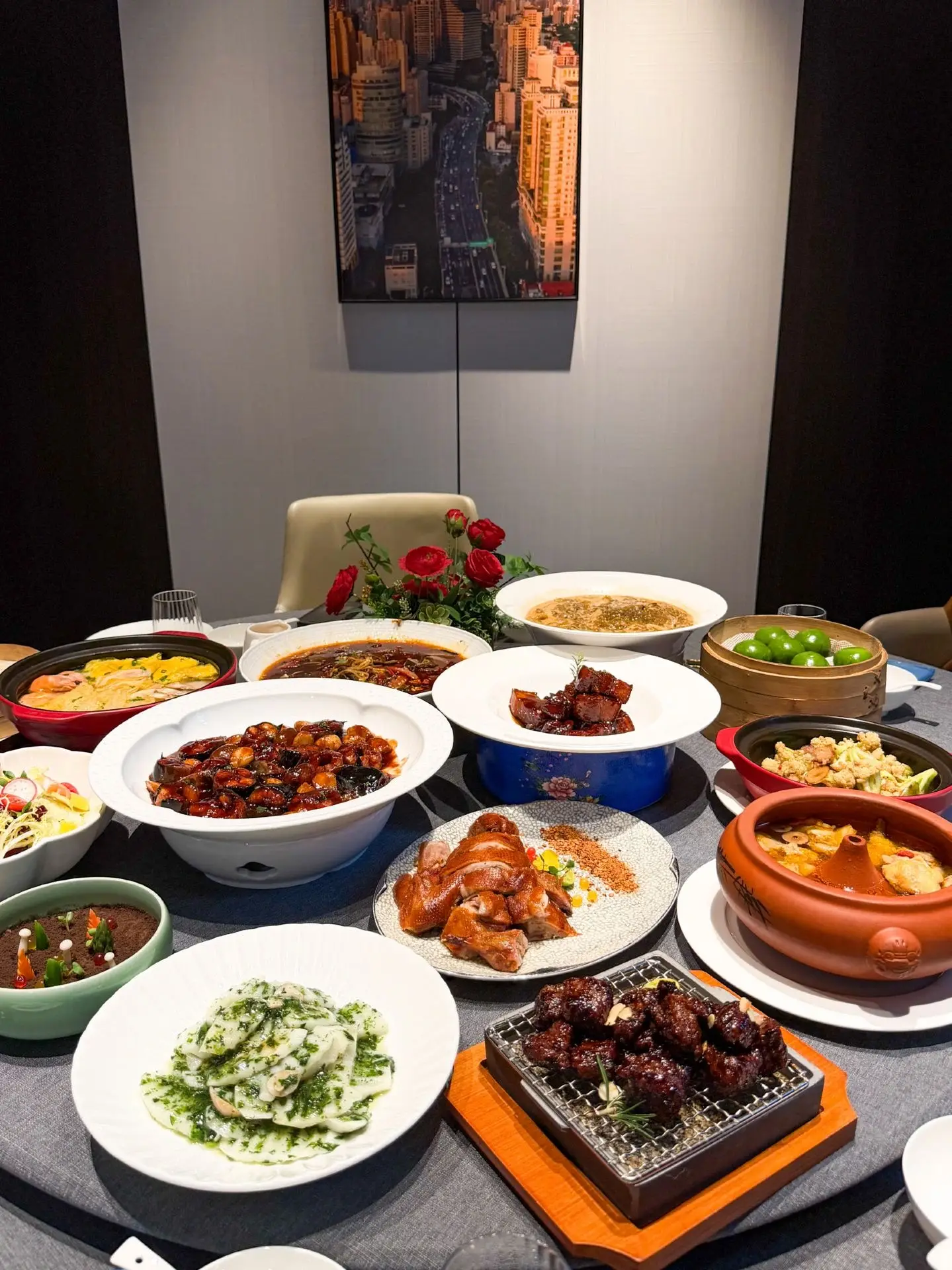
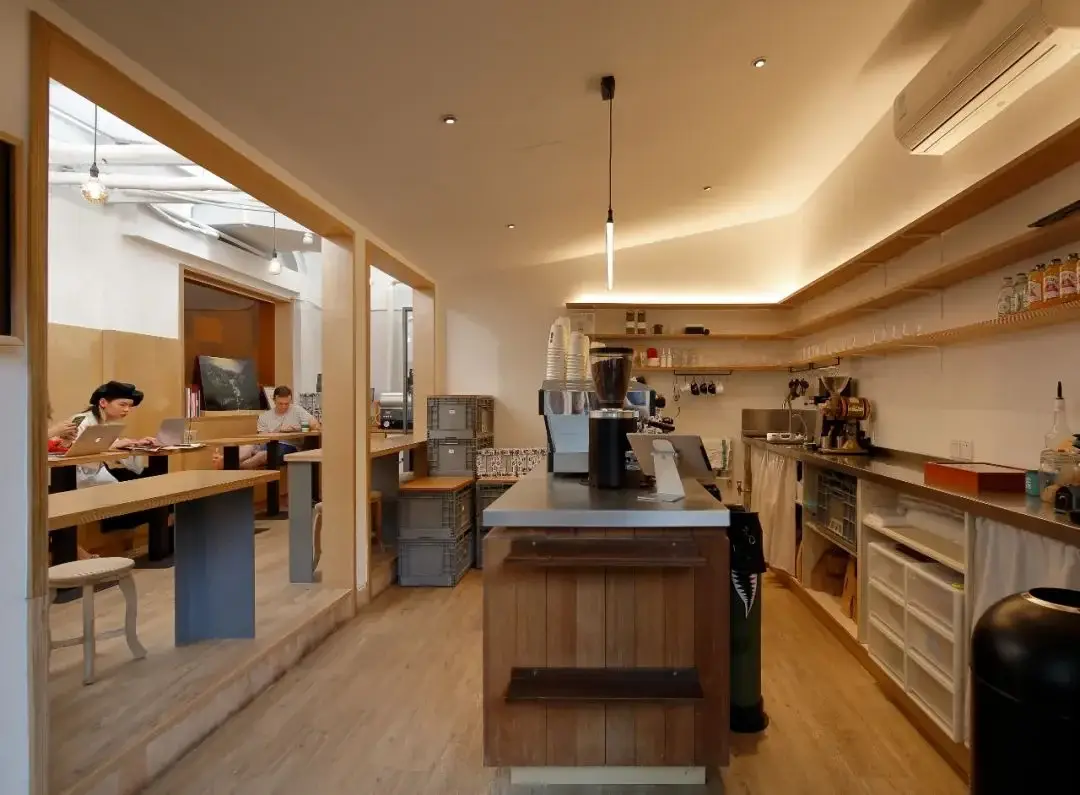
The charm of Shanghai food is not only “what to eat” but “how and where”. Breakfast stalls, Benbang restaurants, cafés, corner desserts and dining spaces inside historic quarters together form the most direct, most lovable part of the city.
How to eat the city
Start with xiaolongbao or shengjian at a neighbourhood stall.
A proper meal of red-braised pork and time-honoured dishes.
A café pause in the French Concession or Xintiandi.
Snacks and desserts through a historic quarter at your own pace.
Five ways to walk the city
Shanghai is not just a skyline, and not just historic buildings. What makes it truly captivating is the layered texture of the city — riverside history, modern ambition, neighbourhood life, food and Haipai culture woven together. 上海不只是天际线,也不只是历史建筑。它真正迷人的地方,在于滨江历史、现代野心、街区生活、美食气质与海派文化共同构成的城市层次感。
Start Your Journey