
Chongqing
ChongqingThe Mountain & River Metropolis
Where mountains and rivers build the city
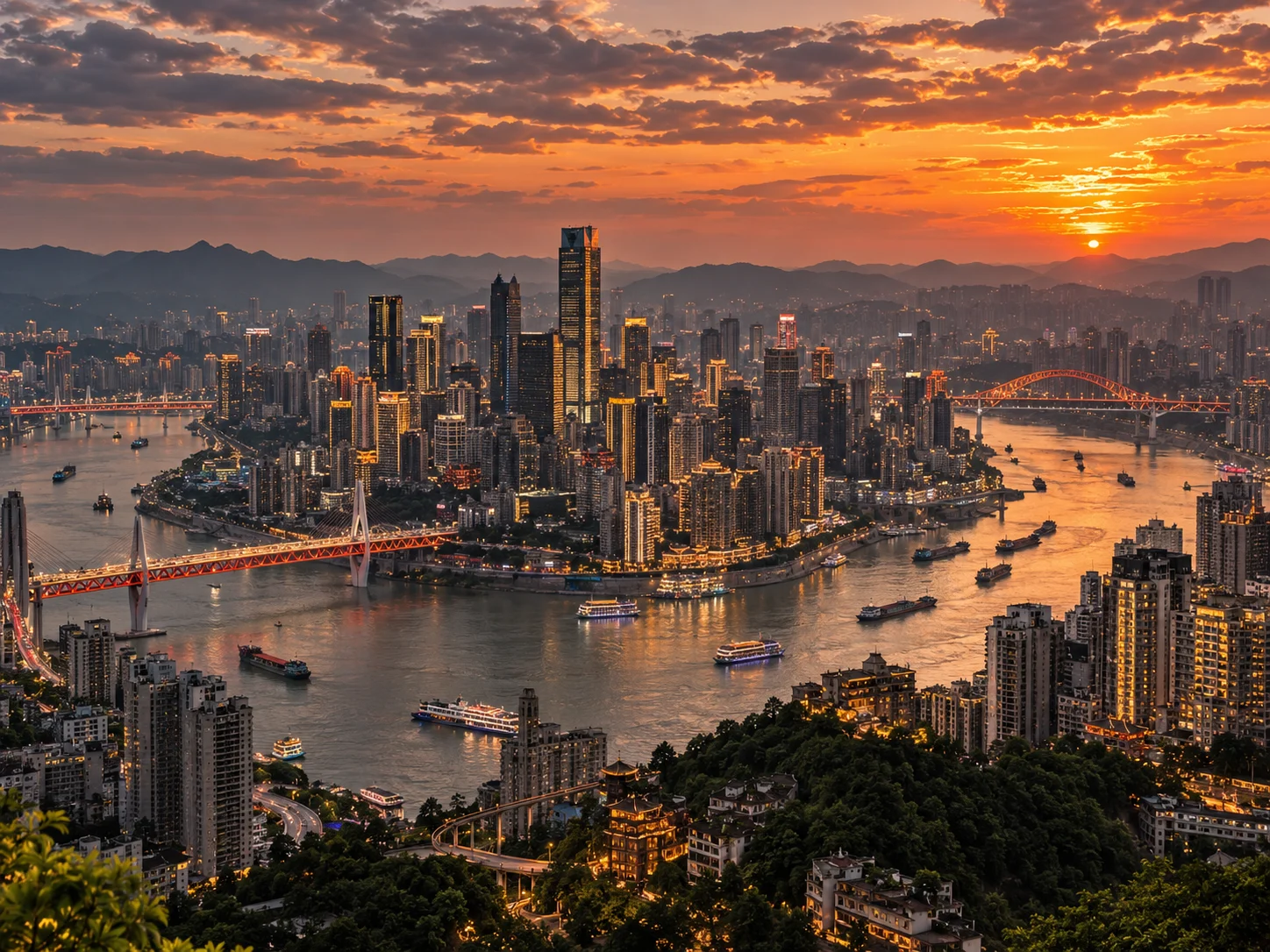
Chongqing lies in Southwest China on the upper reaches of the Yangtze River. It is a vast mountain-and-river metropolis shaped by steep terrain, major waterways, bridges, tunnels and dense urban neighbourhoods. The Yangtze and Jialing rivers meet in the urban core, while roads, stairways and buildings unfold along the hillsides. For that reason, “Mountain City” and “River City” are not just nicknames — they describe Chongqing’s most visible spatial identity.
Six cultural keywords worth collecting
Slopes, stairways, cliffside architecture, river bridges, and rail transit passing through buildings create one of the world’s most recognisable layered cityscapes.
The Yangtze and Jialing rivers have shaped Chongqing’s urban form, port economy, transport system, and riverside lifestyle.
Mountain living, local dialects, folk arts, food culture, and a strong sense of place together form Chongqing’s cultural foundation.
Historically, river transport, trade, and migration created a lively, open, socially intense, and highly adaptive urban character.
Chongqing played a major role in modern Chinese history. Sites such as the Three Gorges Museum, the Great Hall of the People, and Hongyan heritage locations help explain this layer.
Hot pot, Chongqing noodles, jianghu cuisine, and night markets are not merely food — they are part of the city’s social rhythm and personality.
Three depths of discovery
City Essentials
Core city profile · Classic recommendations- Hongya Cave
- Jiefangbei
- Liziba
- Yangtze River Cableway
- Ciqikou
- Chaotianmen
Cultural Deep Dives
Cultural background · In-depth experiences- Three Gorges Museum
- Huguang Guild Hall
- Dazu Rock Carvings
- Hongyan heritage sites
Nature & Modern Life
Modern city image · Family and nature- Nanbin Road
- Eling Testbed 2
- Chongqing Zoo
- Wulong Karst
Four currents that made the city
A Mountain-and-River City with Multi-Level Transportation
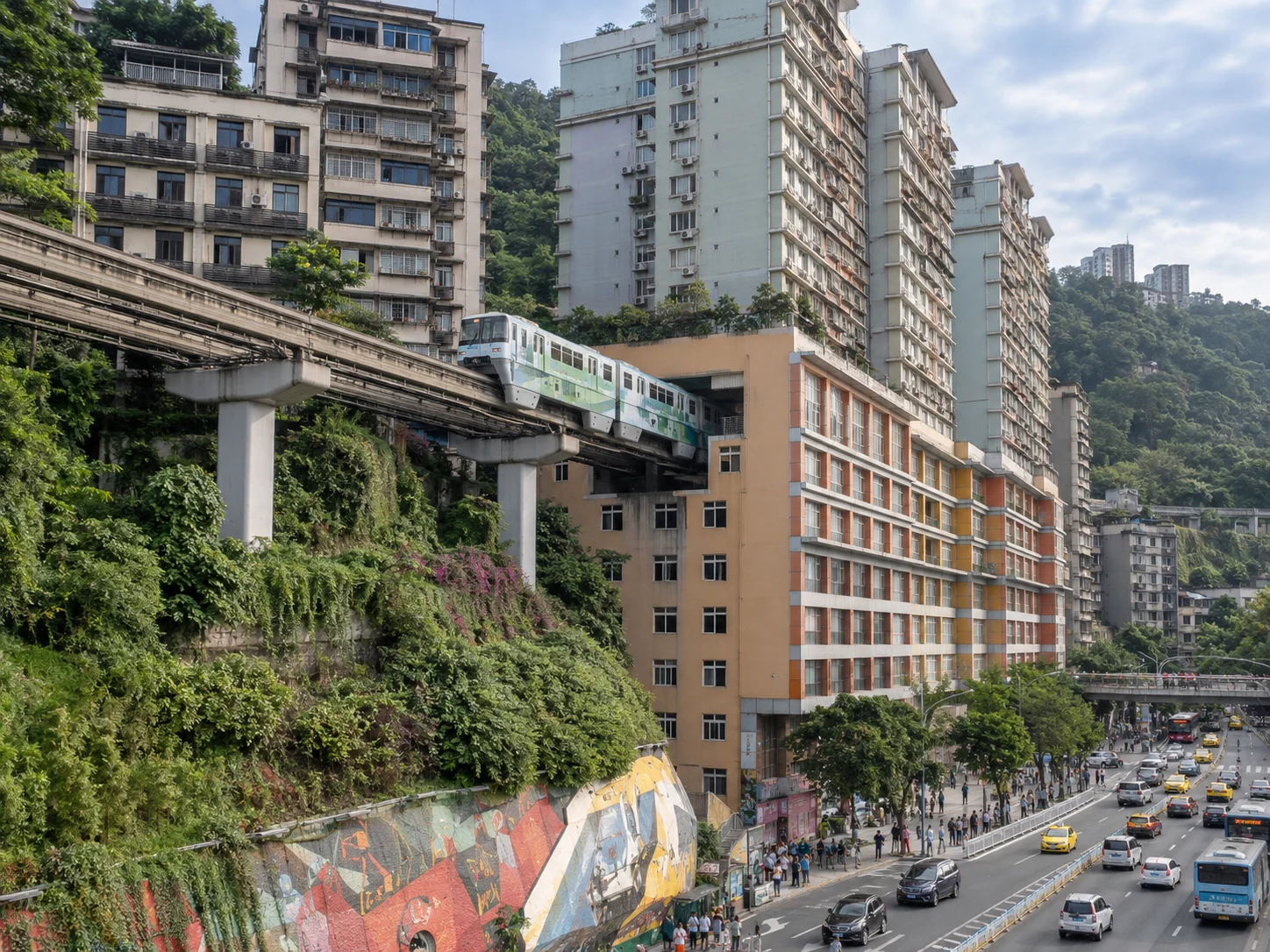
Central Chongqing is built between hills and river valleys. Traditional streets follow the terrain, while the modern city uses elevated roads, tunnels, cross-river bridges, rail transit and cableways to connect areas at very different heights. This is why one floor of a building may face one street while another floor faces a completely different level, and why a place that looks close on a map can involve a long climb or descent in reality.
Liziba Monorail Station, the Yangtze River Cableway, the Mountain City Trail, Shibati and the city’s dense network of bridges are some of the best places to understand this layered urban structure.
Bayu Culture & the Dockside Urban Temperament
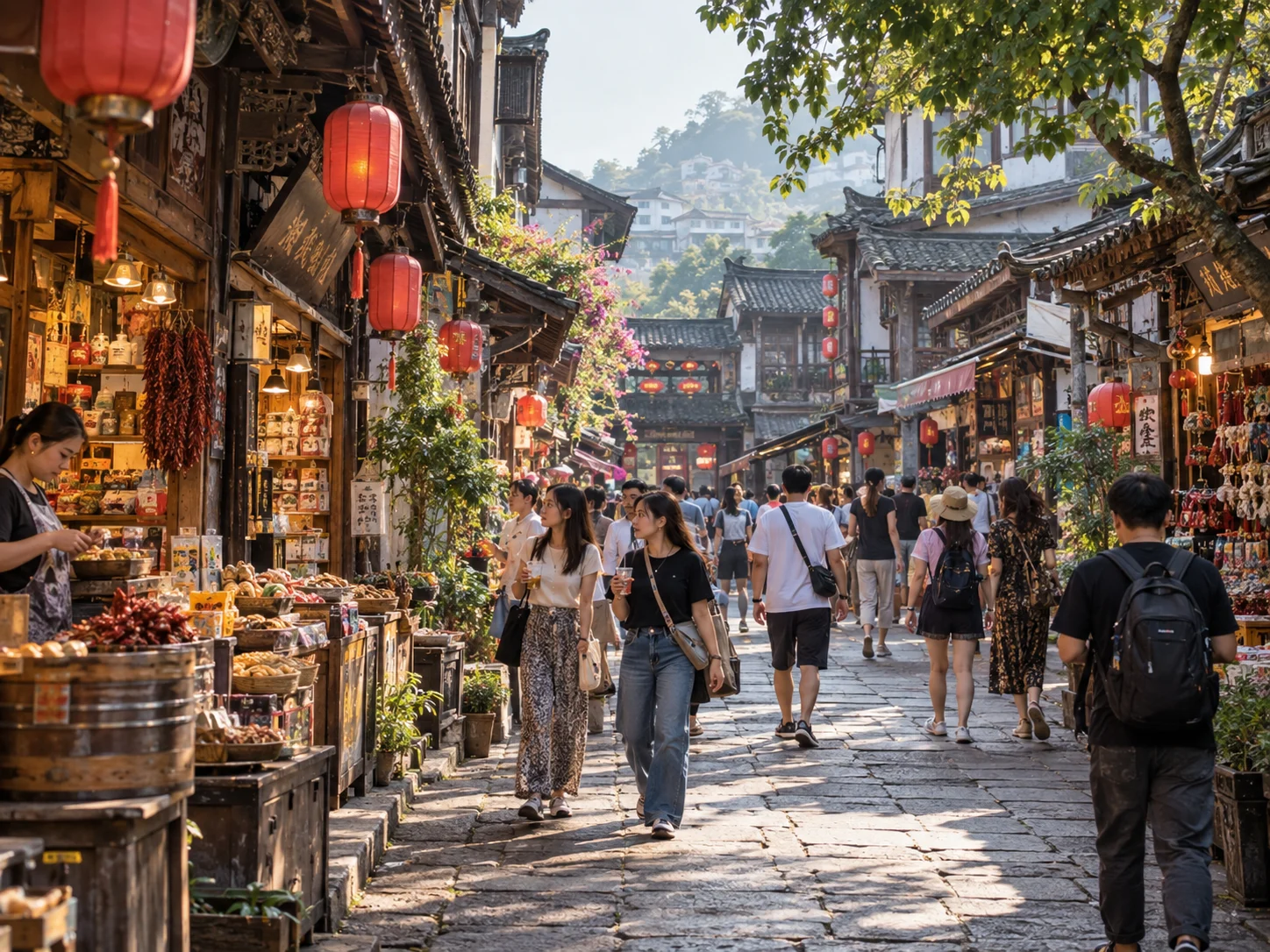
Bayu culture is rooted in mountain geography and the Yangtze River system. Centuries of river transport, trade and migration gave Chongqing a distinctive dockside spirit: direct in speech, intense in rhythm, highly social, and notably resilient. Stilted architecture, old docks, hillside lanes and riverside markets are some of the clearest spatial expressions of this culture.
Night Views & the “8D” Sense of Space
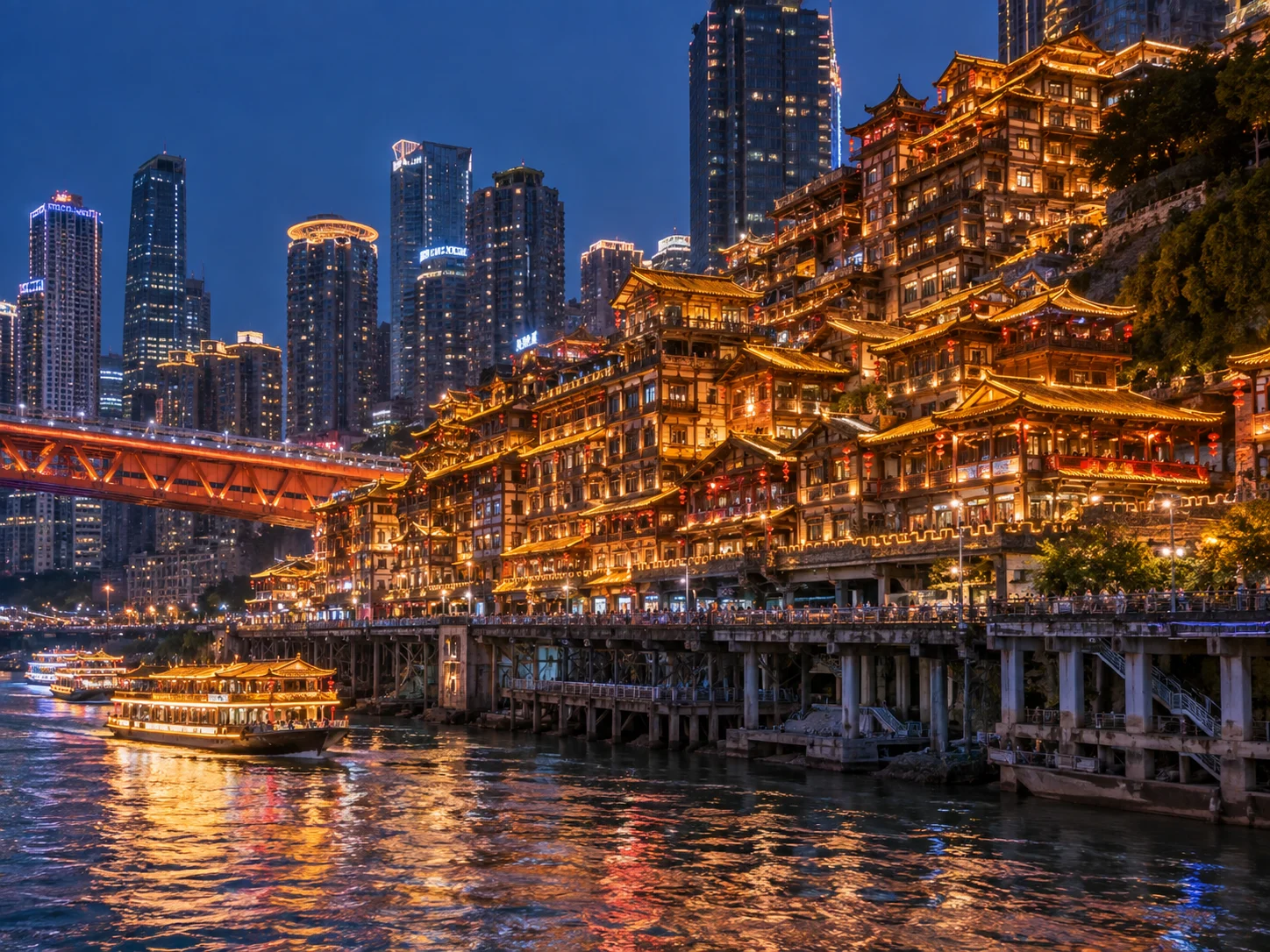
What makes Chongqing’s night view special is not only the lights, but also the vertical city structure behind them. Buildings climb the hillsides, bridges cross the rivers, and roads and rail lines move at different levels. At night, lighting amplifies this effect. Hongya Cave, Nanbin Road, Chaotianmen and the two-rivers cruise are among the best places to experience it.
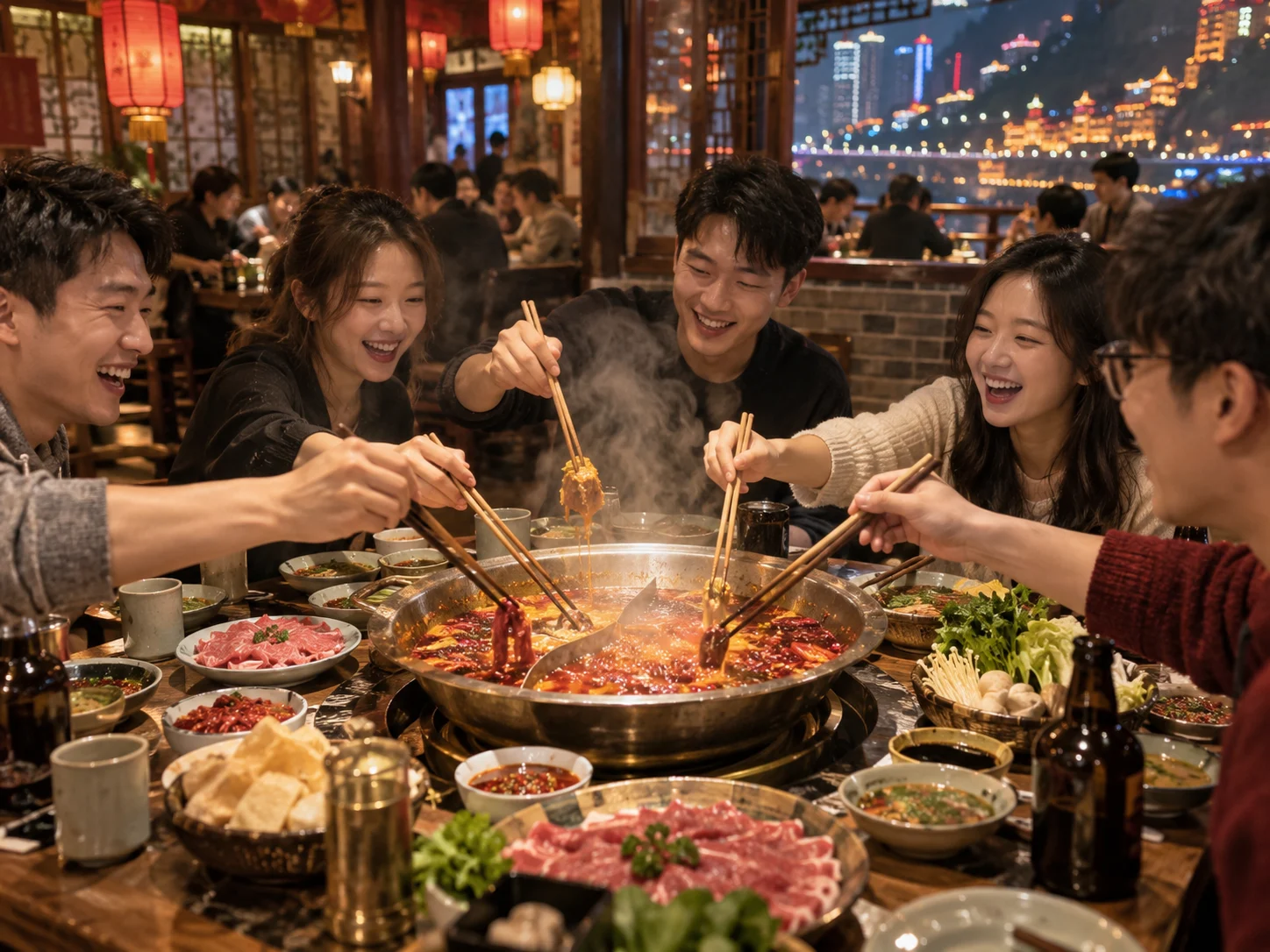
Hot Pot: A Social Way of Life
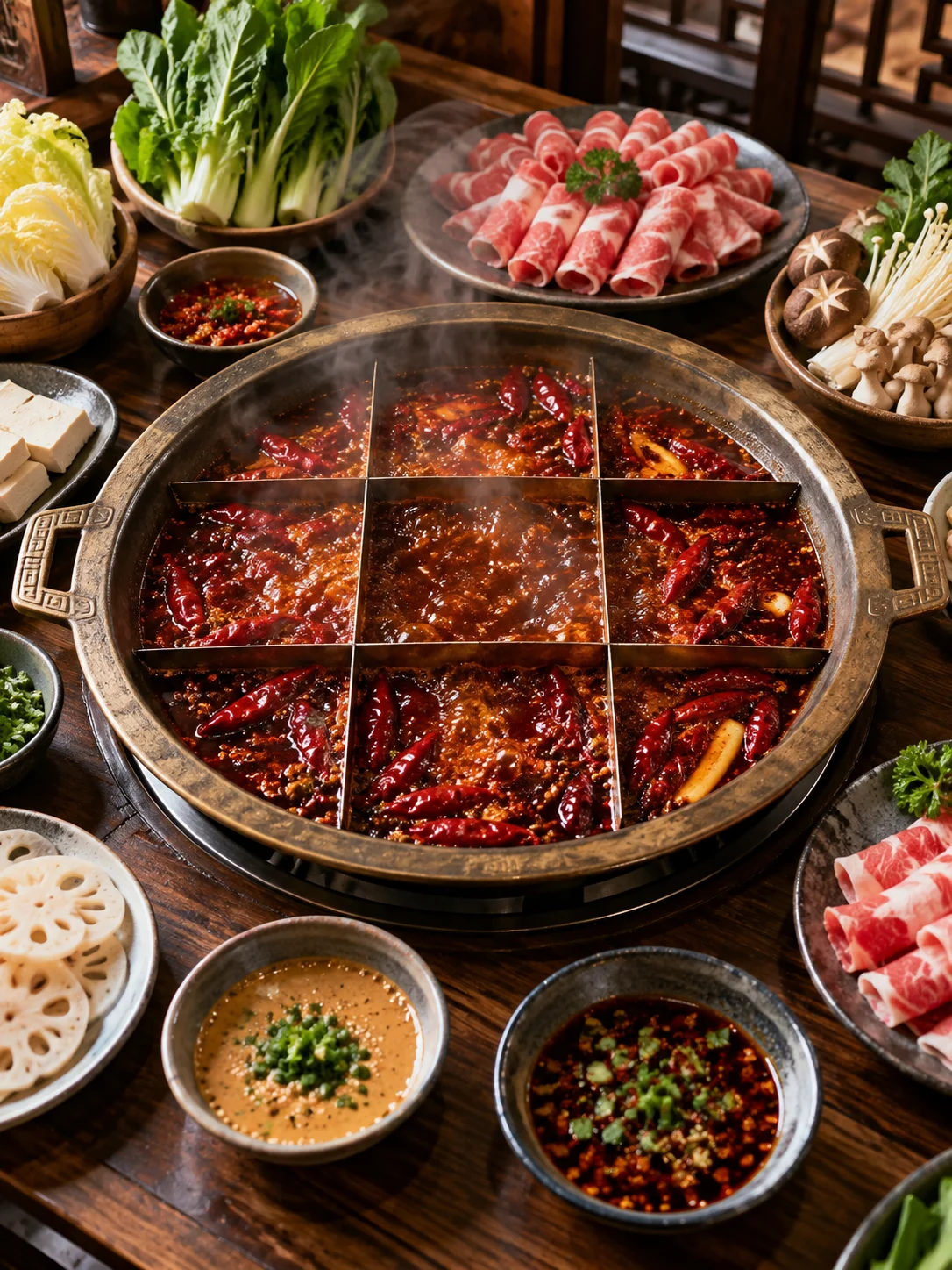
Chongqing hot pot is known for its beef tallow base, chilies, Sichuan peppercorns and a wide variety of ingredients. Yet its deeper importance lies in the shared social setting: friends, families and colleagues gather around one pot, cooking and talking together. This direct, lively, communal way of eating fits Chongqing’s urban temperament perfectly.
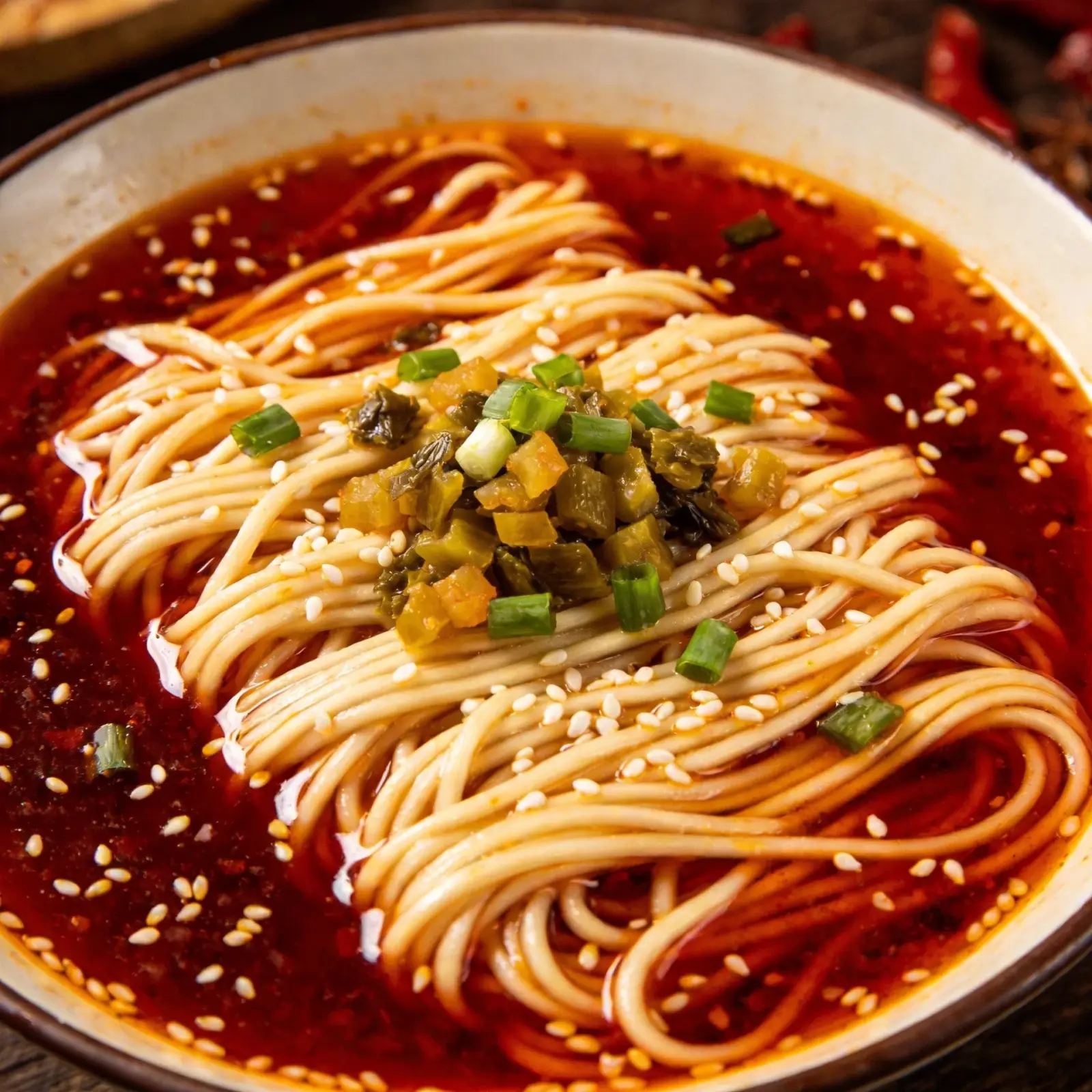
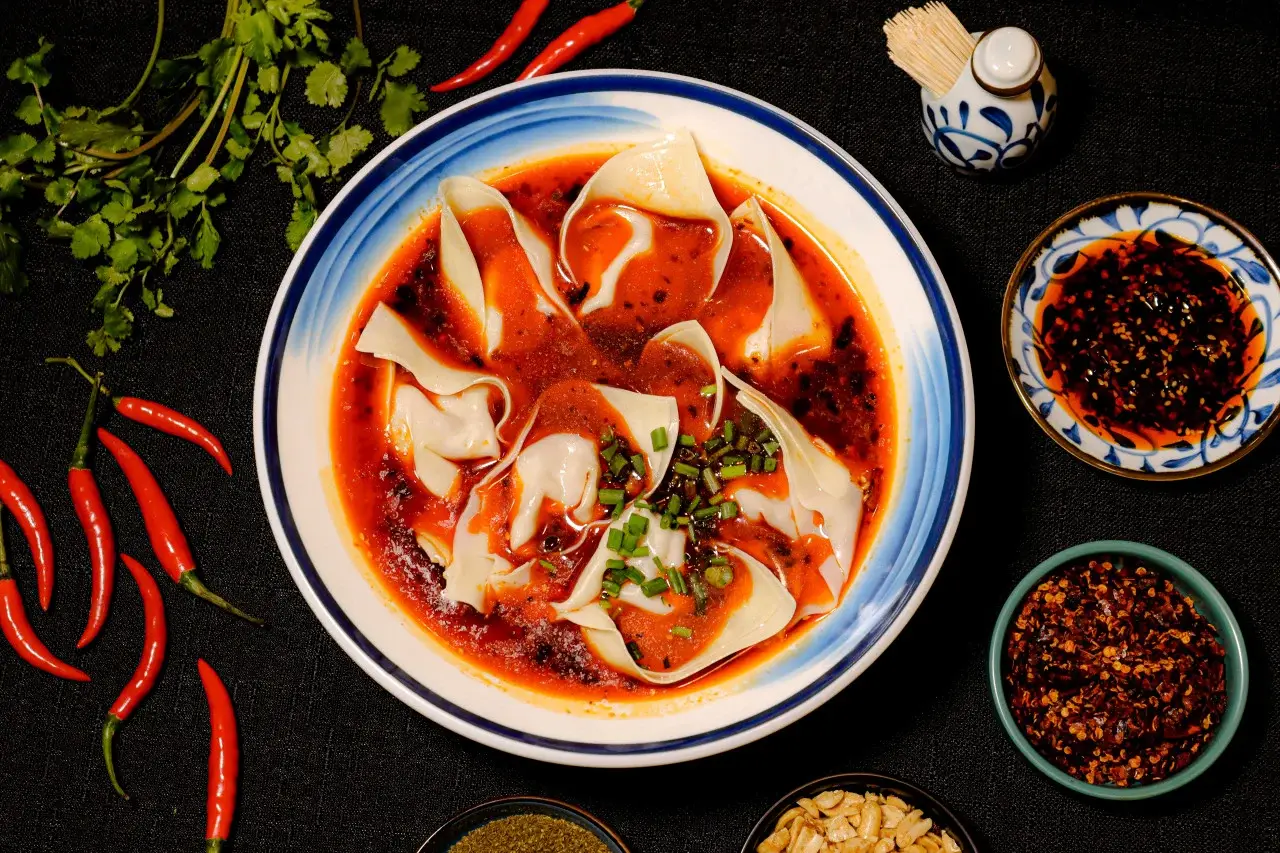
Beyond hot pot, Chongqing noodles, suanlafen, chaoshou, jianghu dishes and iced desserts such as bingfen also reveal different aspects of the city’s everyday food culture.
Where to begin
Six places that together carry the essence of Chongqing — the stilted night-view landmark, the commercial heart, the train that passes through a building, the riverside ancient town, the cableway over the Yangtze, and the great confluence of two rivers.
History, memory & heritage
For travellers who want to go past the postcards: a great museum facing a monumental hall, a yellow-walled guild hall, the wartime memory of Hongyan, a UNESCO grotto treasure, the layered everyday life of Baixiangju, and the skyline of Jiangbeizui.
The city beyond tradition
A converted industrial creative quarter, a riverside night-walk with an old street, giant pandas in the zoo, and the World Natural Heritage karst of Wulong — Chongqing at leisure.
The taste of mountain-city days
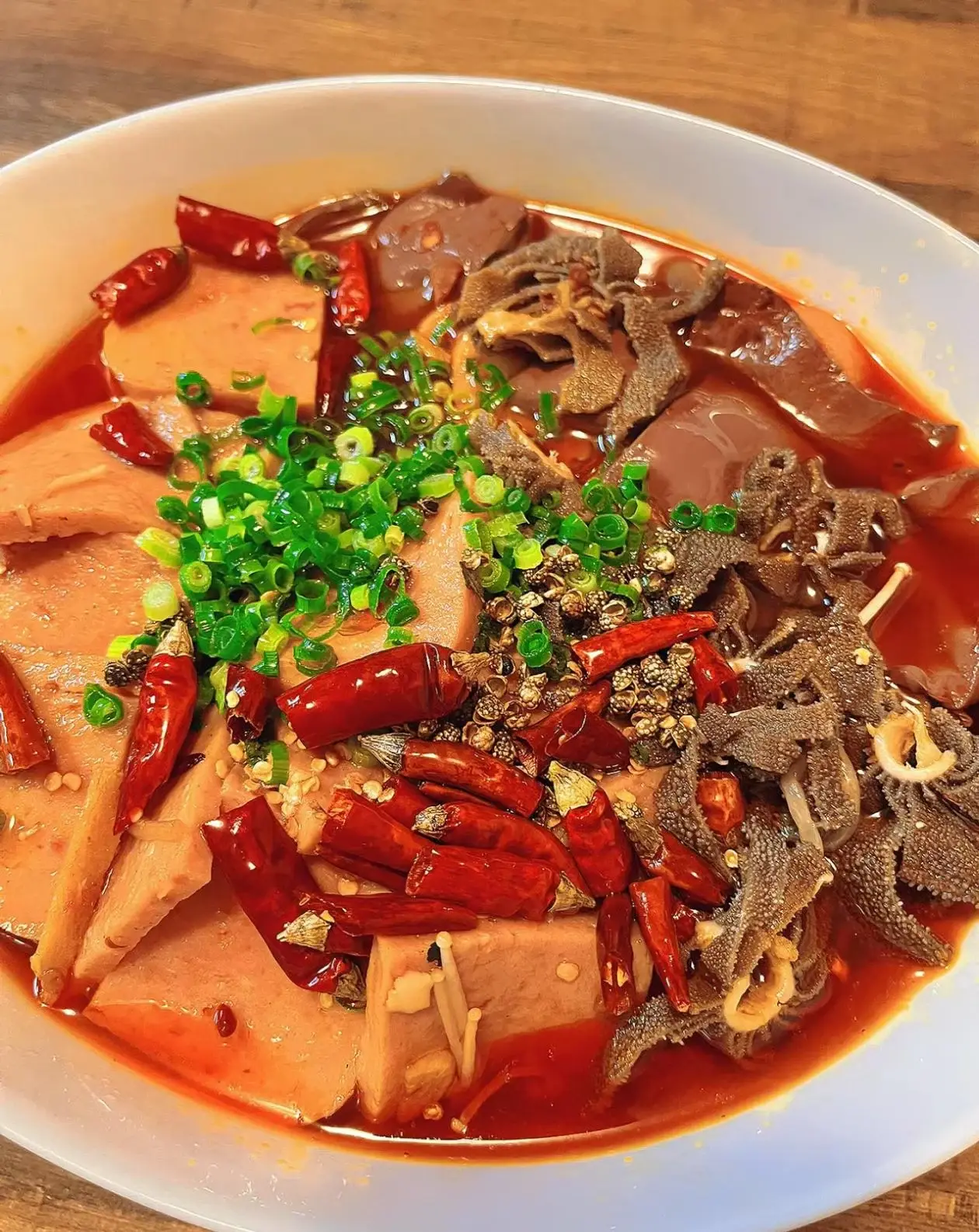
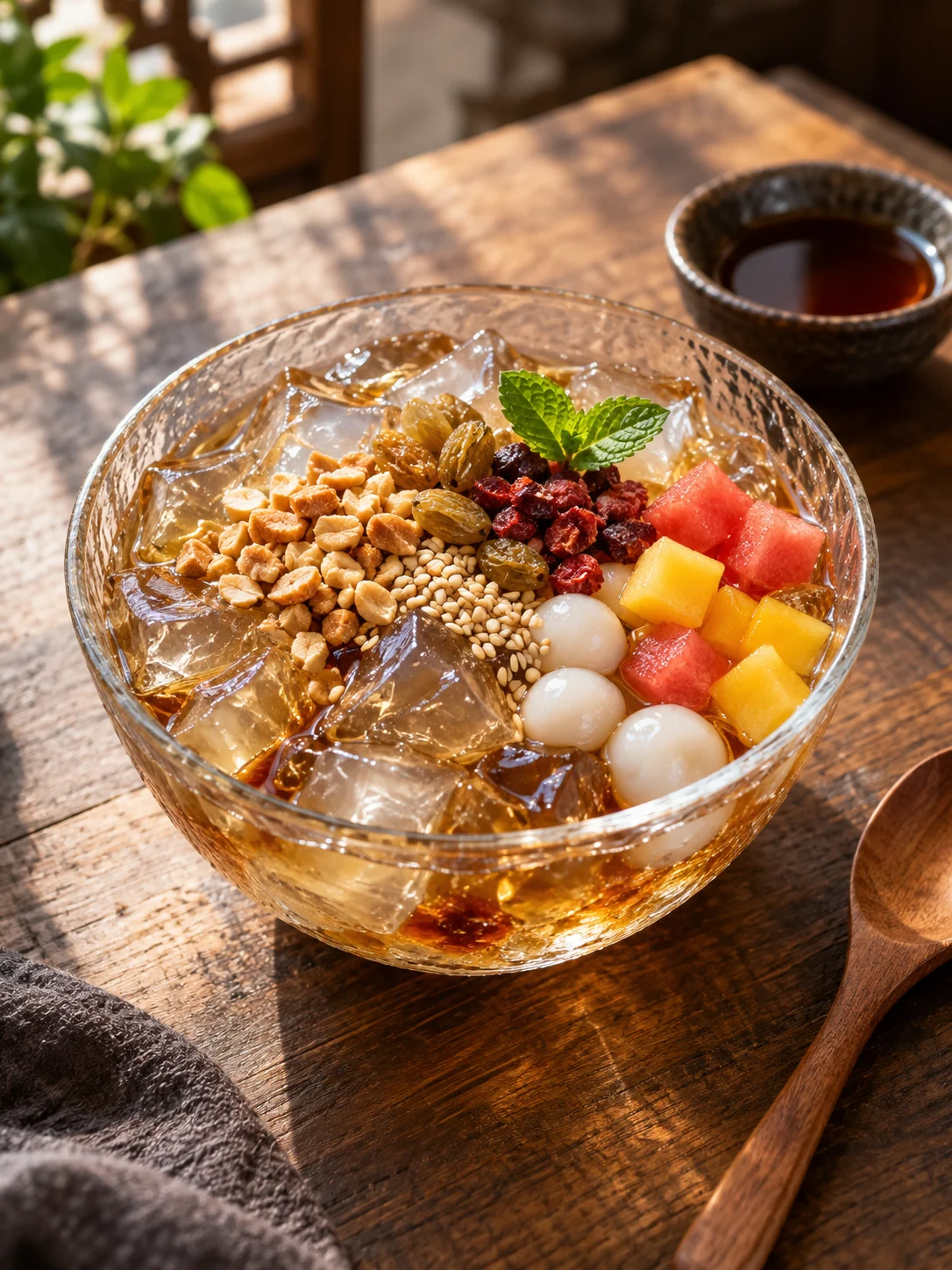
Five tastes of local life
A trip to Chongqing is inseparable from the city’s bold and spicy food culture, but what truly matters is not only the heat level. What is worth experiencing is the lively social atmosphere, the strong street-food culture and the rhythm of the city at night.
How to eat the city
Gather around one pot and share the evening the Chongqing way.
A quick bowl of noodles in chilli oil to start the day.
Bold dishes and generous portions at a lively table.
End with bingfen, liangxia or late-night street snacks.
Five ways to walk the mountain city
Chongqing is not a city remembered for only one internet-famous landmark. The real Chongqing lives in its mountains and rivers, its slopes and bridges, its rail transit, hot pot, and the layered rhythm of everyday life after dark. 重庆不是只被记住一个网红地标的城市。真正的重庆,藏在山水之间、坡坎桥隧之中、轻轨穿楼、火锅热气,与入夜后层层叠叠的城市节奏里。
Start Your Journey