
Harbin
HarbinIce & Snow, European Charm & Northern Life
Five words for Harbin’s double nature
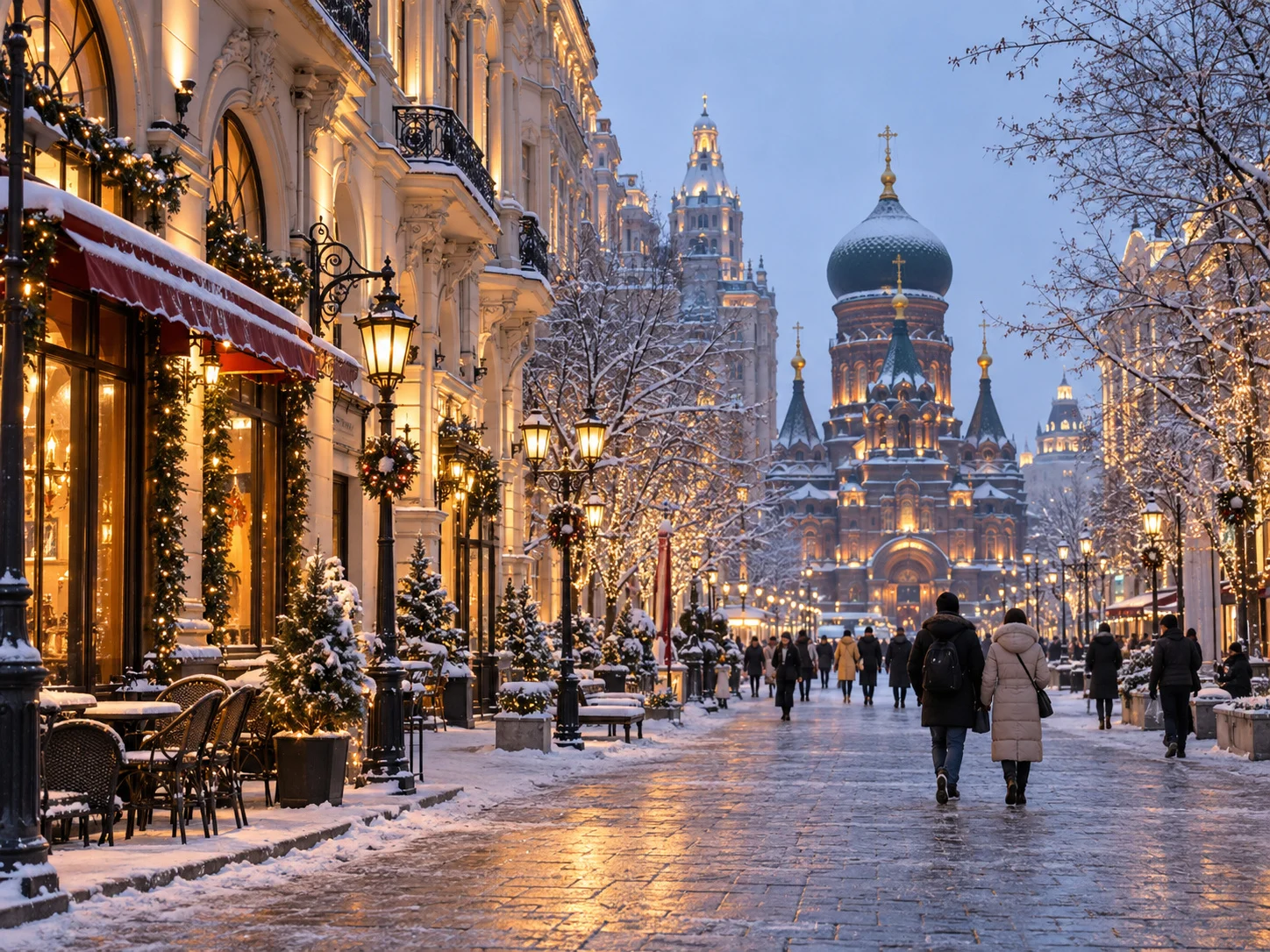
Harbin’s greatest charm is that “cold” and “warm” exist at the same time: outside there is ice, snow, the frozen river and blue twilight, while inside there are hot tea, bread, sausage, restaurants and crowds. The travel experience comes from this strong contrast.
Five cultural keywords worth collecting
World-class ice and snow landscapes and winter city life in one destination.
The layered architecture and streets left by modern city development.
The city’s most important natural space, completely different in winter and summer.
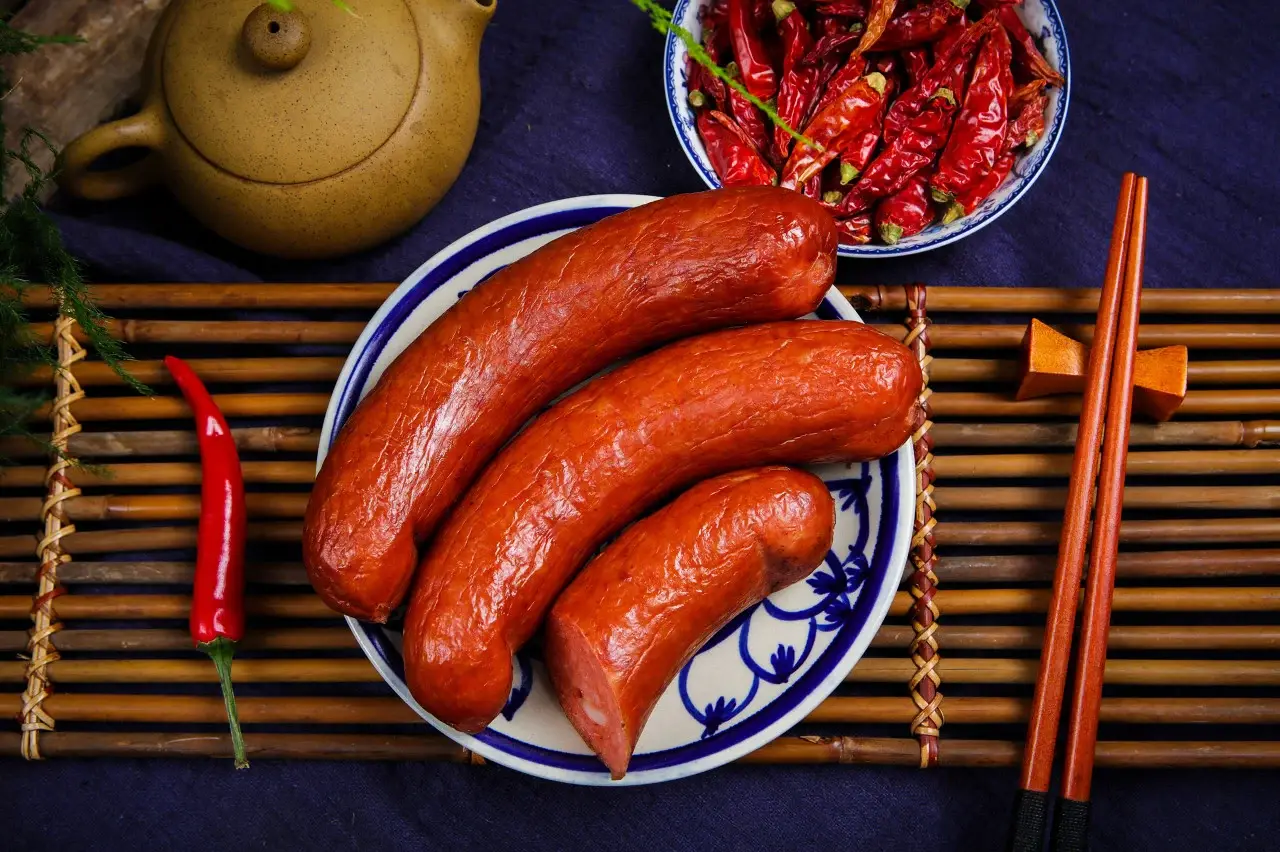
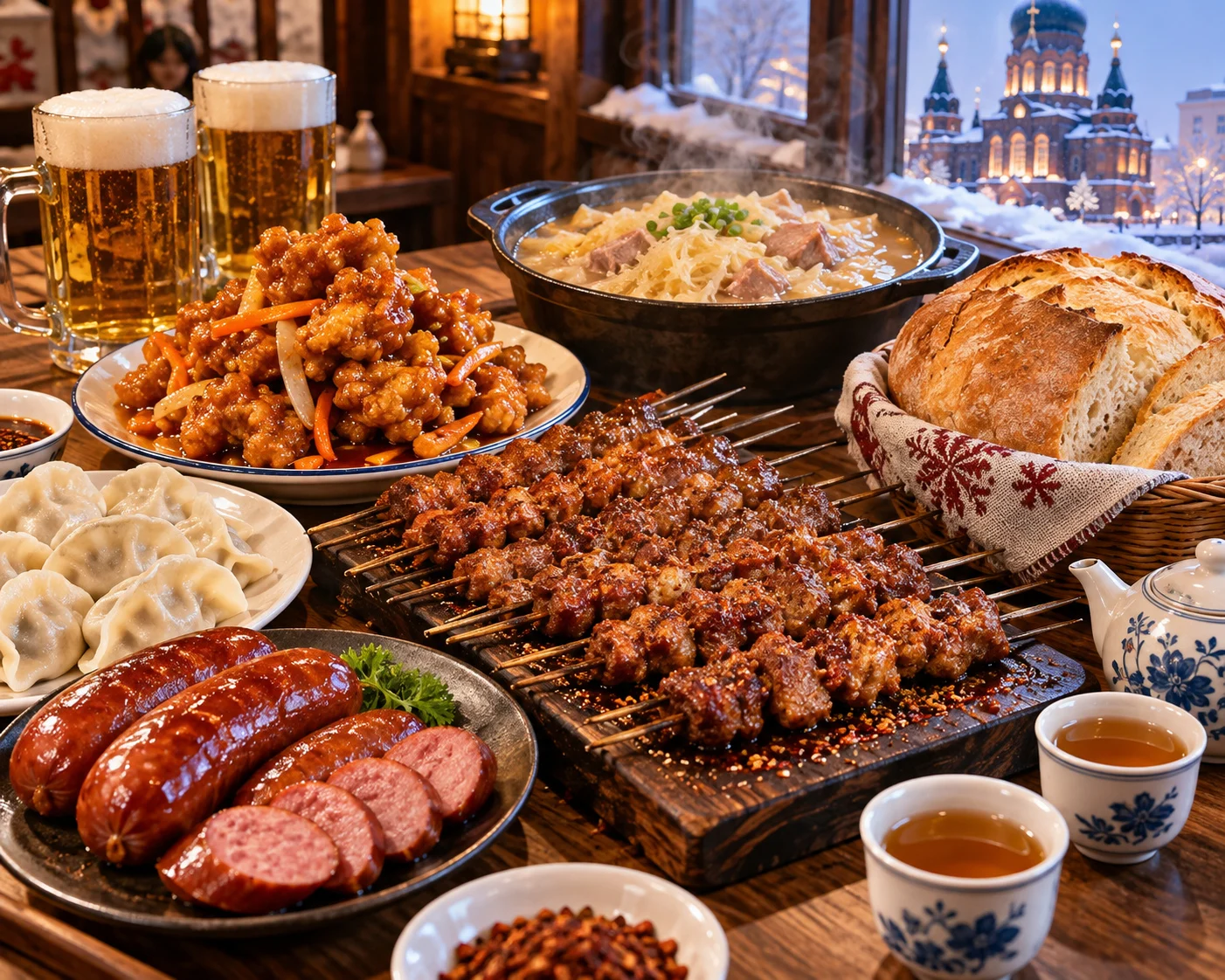
Guobaorou, red sausage, dumplings and stews form a warm, direct taste memory.
Winter lights, snow reflections and historic architecture make Harbin ideal for night walks.
Three ways to enter Harbin
Classic Winter
First-time visitors / photography- Central Street & Songhua River
- Ice & Snow World
Architectural & Heritage
Culture / city walkers- Saint Sophia & Central Street
- Laodaowai & Chinese Baroque
Family Ice & Snow
Families / children- Sun Island snow sculptures
- Ice activities on the river
Three currents behind the ice city
Railway, Trade & a Diverse City
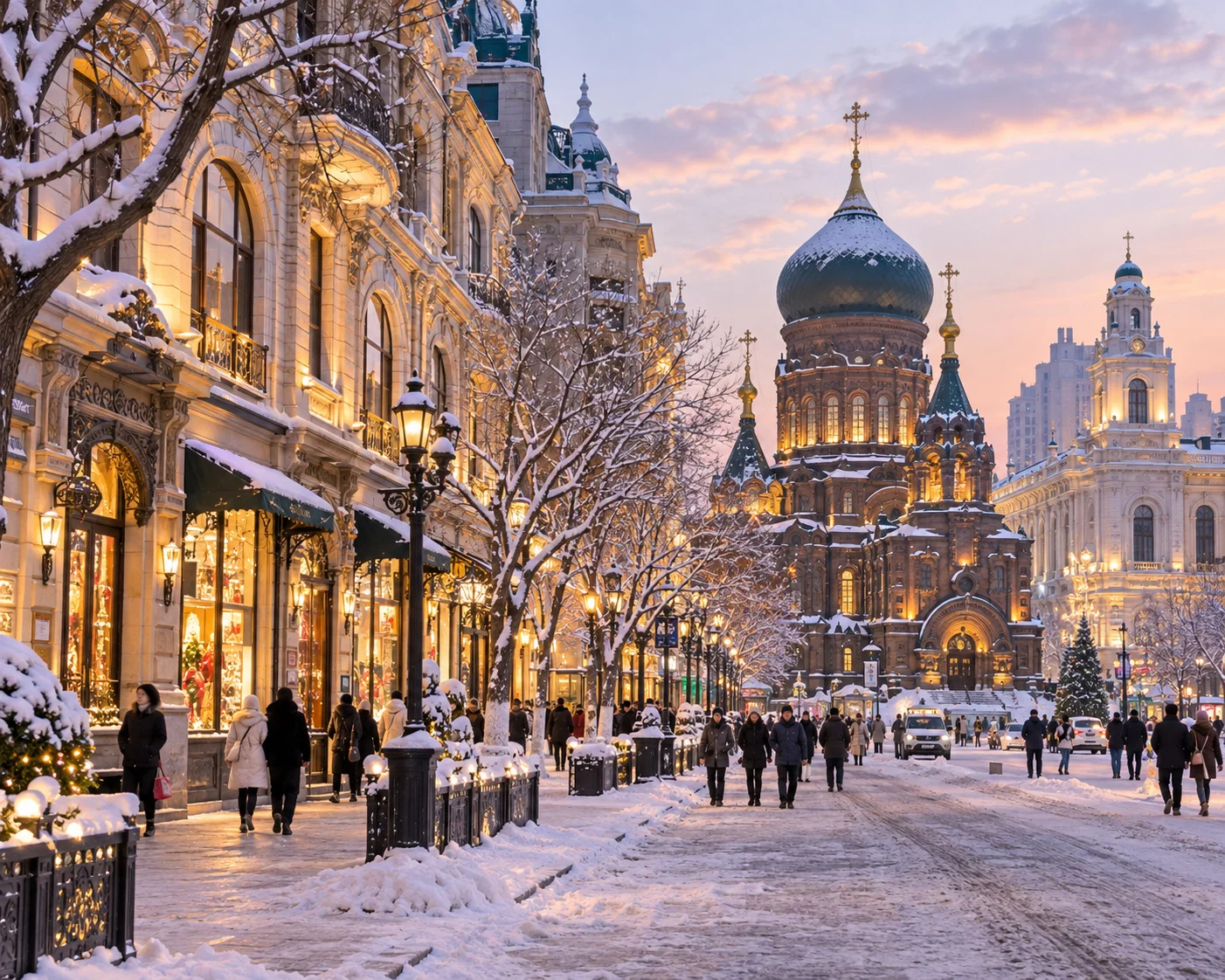
Harbin’s modern urban development is closely tied to railway construction, cross-border trade and Northeast China’s regional transport. People of different cultural backgrounds left diverse traces in architecture, commerce, religion, food and daily life.
European Architecture & Northeastern Life
Harbin’s charm is not simply “looking like Europe”. What is worth observing is how European facades, Orthodox churches, commercial streets and Northeastern Chinese life have long coexisted and gradually formed a city style unique to Harbin.
Ice & Snow Culture
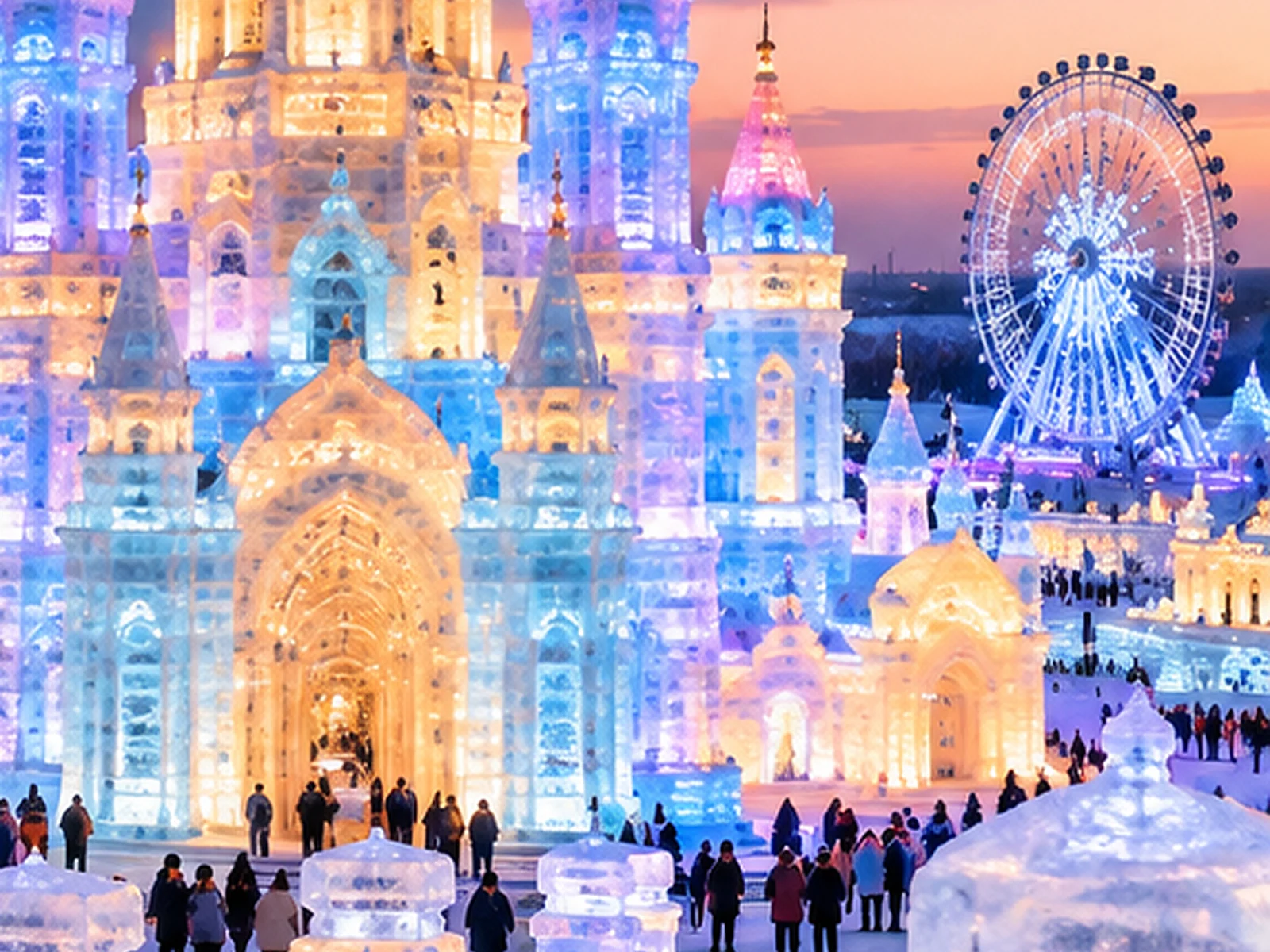
Cold did not stop the city in winter; instead it shaped unique public culture such as ice sculpture, snow sculpture, winter sports and night lighting. Ice and snow here are not only natural conditions but also part of the city’s creativity.
Where to begin
Four places that carry the essential Harbin: Saint Sophia Cathedral as the architectural entry, Central Street for European-style winter walking, Ice & Snow World for the illuminated ice city, and the frozen Songhua River for winter riverside life.
Beyond the four icons
For travellers who want more than the four landmarks: Sun Island snow sculptures, the Laodaowai and Chinese Baroque old district, the snow villages and ski resorts beyond the city, and the quieter side of Harbin across the seasons.
Warm tables, wild tigers & contemporary Harbin
The most comfortable part of a Harbin trip is the contrast between cold outdoors and warm indoors: a table of Northeastern dishes, a Siberian tiger in the snow, a night market with steam rising, and a slow walk through snowy Central Street.
Cold outside, warm inside
City in the Snow
Harbin’s charm is not only in its landmarks. European facades, snowy streets, warm windows and steaming restaurants all enter daily life. The contrast between -20°C outside and a hot meal inside is the city’s core feeling.
Old Districts & Local Life
Beyond Central Street, the Laodaowai and Chinese Baroque district shows a more local side of Harbin: old architecture, food stalls and the everyday rhythm of the city.
How to Plan the Warm Hours
A natural rhythm: see architecture and history by day, enter ice and lights at dusk, and finish with a hot Northeastern dinner. Leave one “blank slot” for a snowy evening walk and a warm restaurant.
Direct flavours, warm portions

Four families of local taste
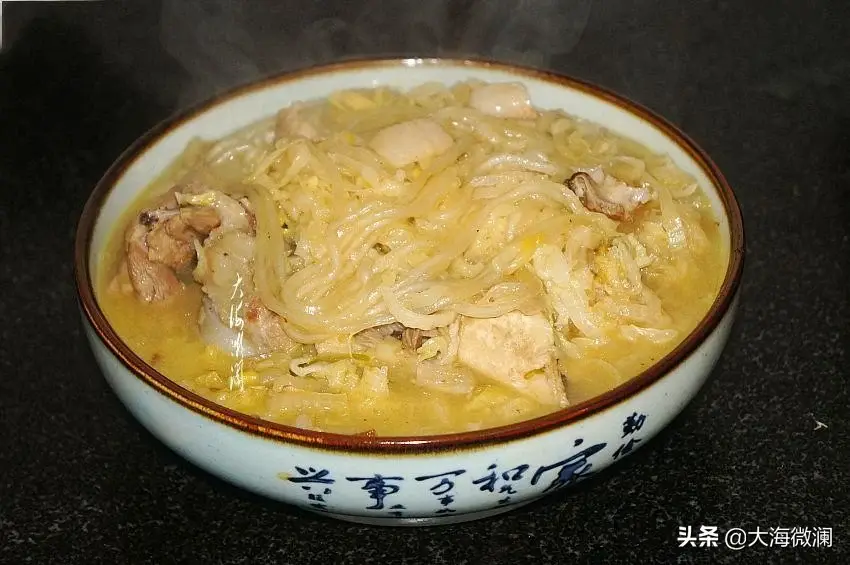
Harbin cuisine suits winter travel: direct flavours, solid portions, many hot dishes, and a memory of Russian-style bread and sausage. The contrast between cold outdoors and a warm table is one of the most comfortable parts of the trip.
A balanced Harbin winter day
Walk Saint Sophia, Central Street and the old districts; step in for a hot drink whenever the cold bites.
Enter the illuminated ice world or snowy Central Street as the sky turns blue and the lamps come on.
Finish with guobaorou, stew, dumplings and red sausage — shared among 2–4 people.
End with a snowy night walk, a bowl of hot soup or Russian-style tea and bread.
Northeastern portions are large — share rather than over-order. After a day outdoors, choose hot dishes, soups and indoor rest first.
Dress warm, move slow
Best Season
For ice and snow, winter is the core season. Opening dates of specific ice and snow projects depend on temperature and the season’s operations — confirm before departure.
Warm Clothing
Layer up: down jacket, thermal layers, windproof pants, hat, scarf, gloves and non-slip warm shoes. Phone and camera batteries drain faster in the cold.
Transport
Harbin has an airport, high-speed rail and metro. The core areas — Central Street, Saint Sophia, the riverfront — suit a mix of walking and public transport.
Where to Stay
For a first visit, choose Central Street, Saint Sophia or a metro-convenient area. In winter, keep outdoor commutes short.
Dining Tips
Northeastern dishes come in large portions — 2–4 people sharing is ideal. After outdoor time, prioritise hot dishes, soups and indoor rest.
Slow Travel Philosophy
Harbin’s charm is not “cold” alone. It turns freezing into ice sculpture, snow into city light, and long winter nights into warm public life — slow down, find a snowy street and a warm restaurant.
Four ways to walk the ice city
The truly charming part of Harbin is not “cold”. It turns freezing winter into ice sculpture, snow into city light, and long winter nights into warm public life. You need not keep chasing more sights — a slow snowy evening walk and a warm restaurant are often more memorable than ticking off more places. 冰雪有光,北国有暖。
Start Your Journey