
jiayuguan
JiayuguanThe Grand Hub at the Edge of the Gobi
Six words for the frontier stronghold
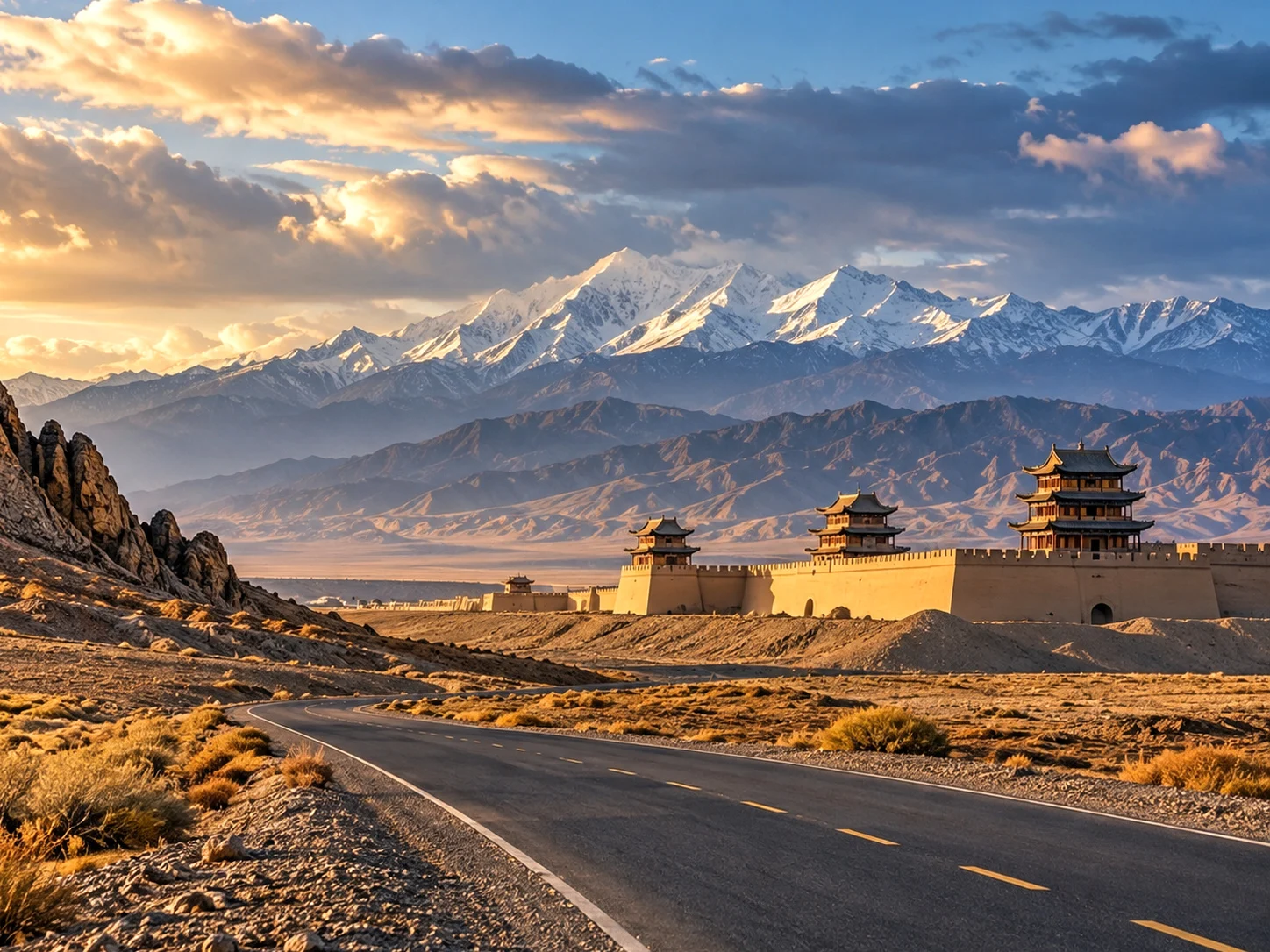
Dunhuang represents Silk Road art; Zhangye its rainbow Danxia. Jiayuguan is the city that explains the Ming Great Wall on the Silk Road — the fort, the cliffside wall, the canyon beacon tower and the Gobi all in one horizon. First-time visitors do not just see a ruin here; they stand at the western edge of imperial China and feel the scale of the frontier.
Six cultural keywords worth collecting
Jiayuguan Fort is the city’s defining image and the first doorway to Ming frontier defence.
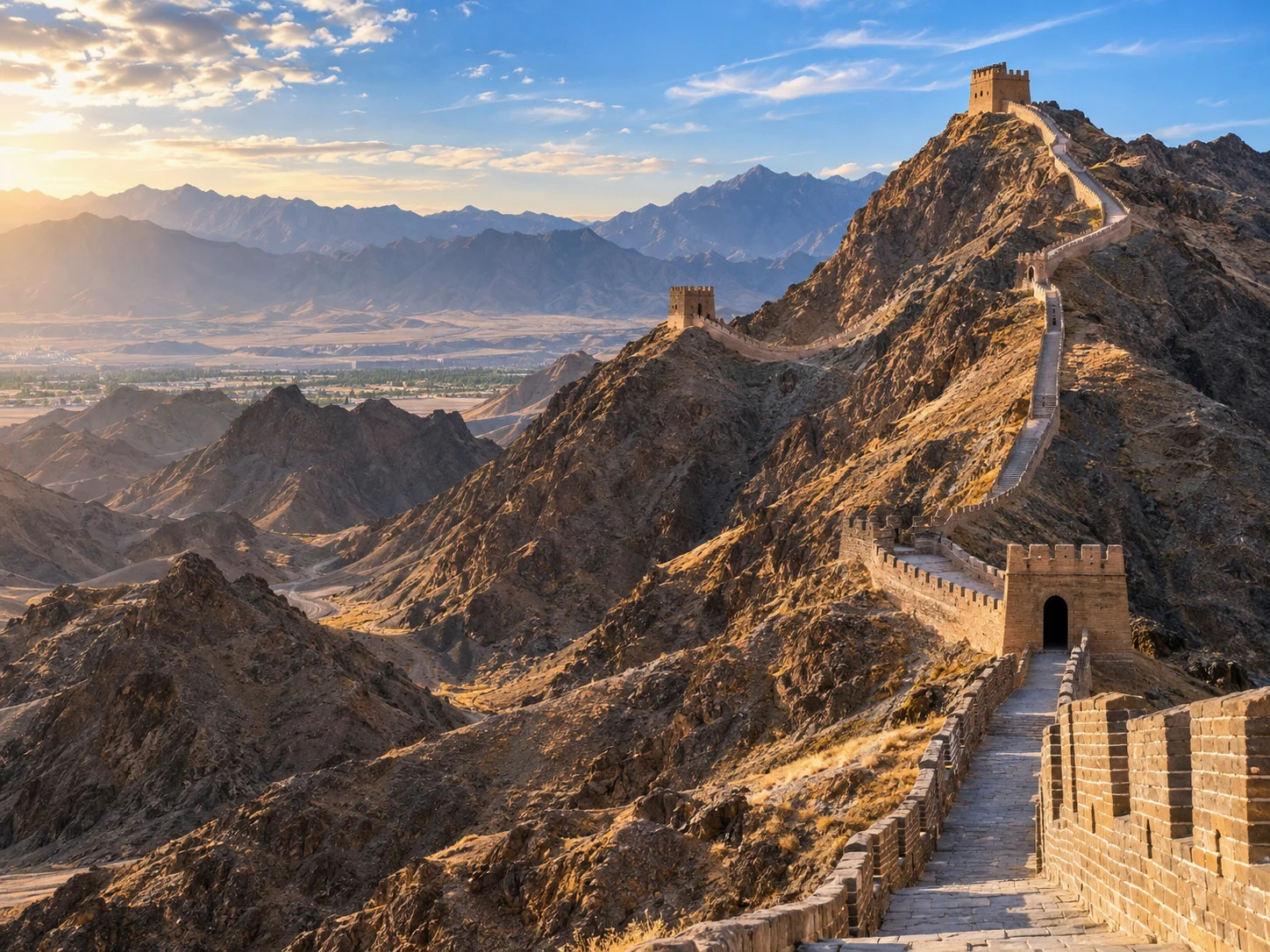
Fort, cliffside wall and canyon beacon tower tell one complete frontier-defence story.
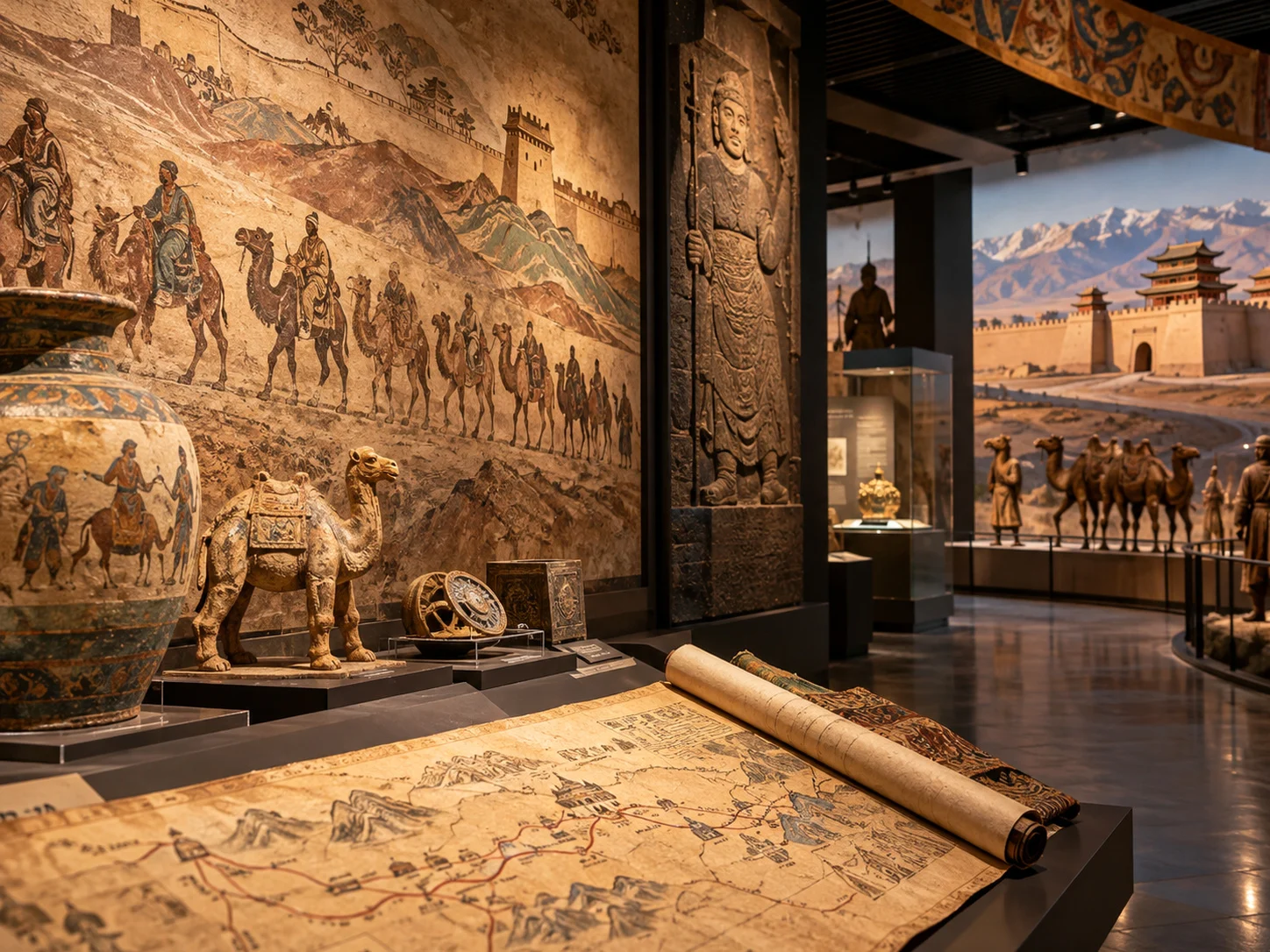
The Hexi Corridor long joined central China to the Western Regions — soldiers, merchants and culture met here.
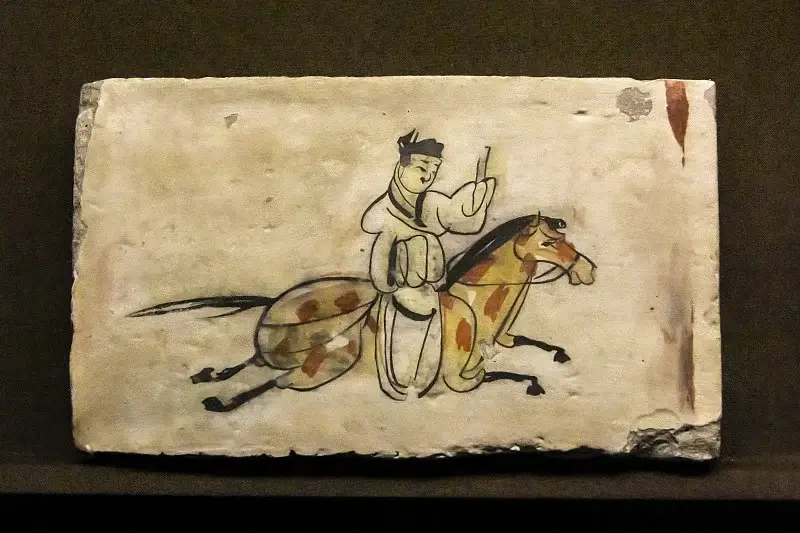
Xincheng tomb bricks of banquets, travel and farming give a rare everyday picture of the Hexi people.
Qilian snow, desert, canyons and huge skies make Jiayuguan’s most striking natural backdrop.
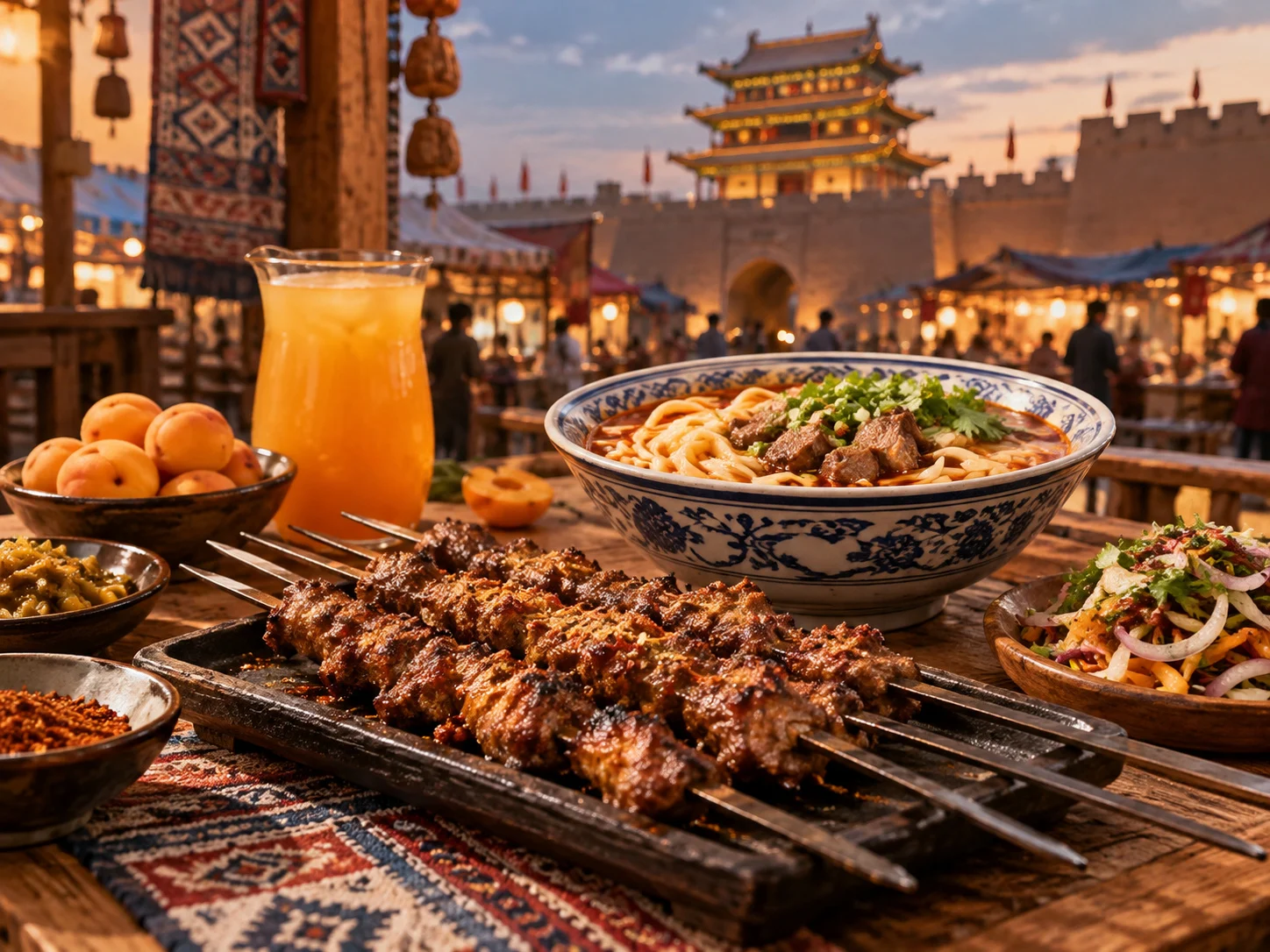
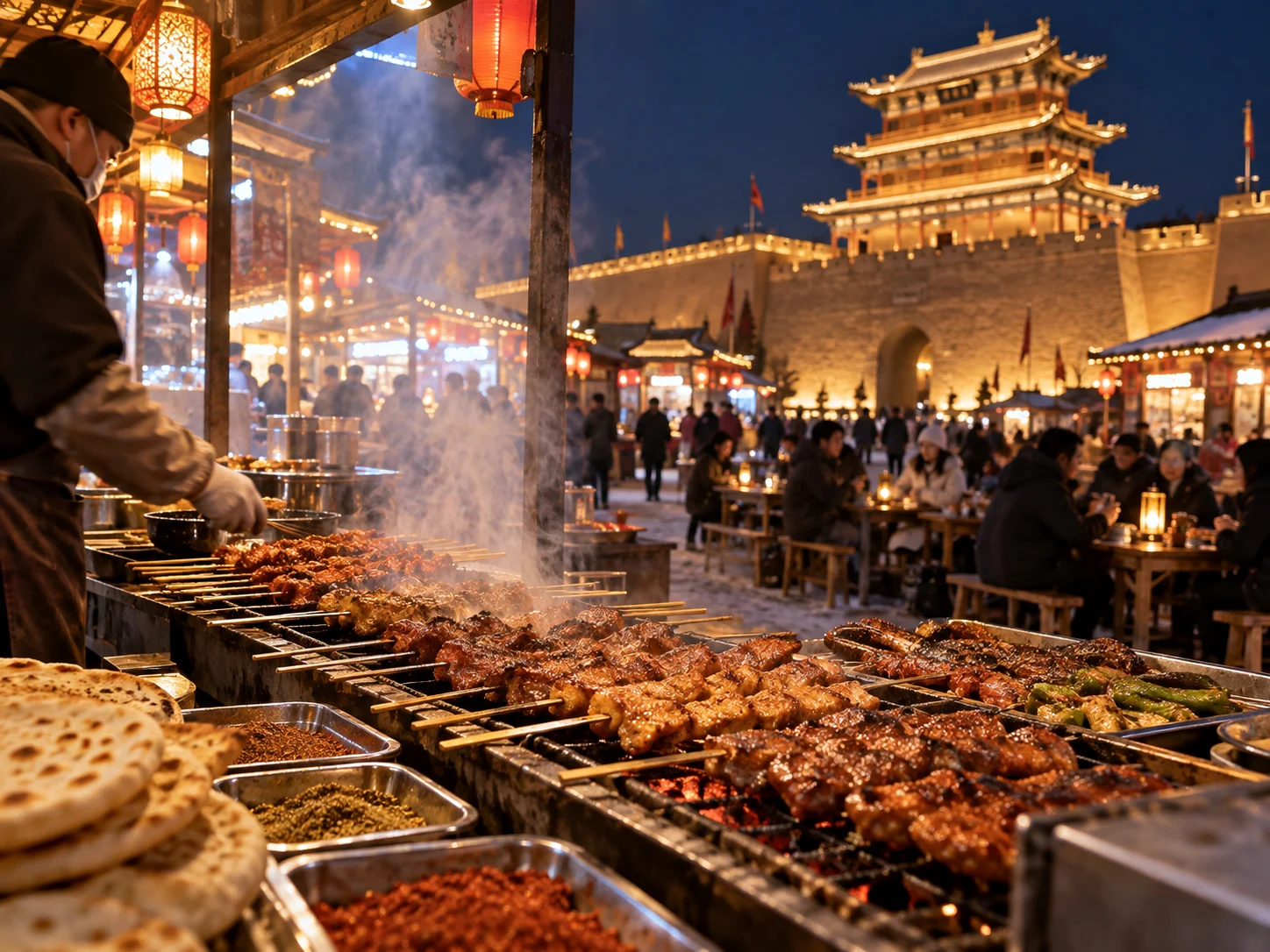
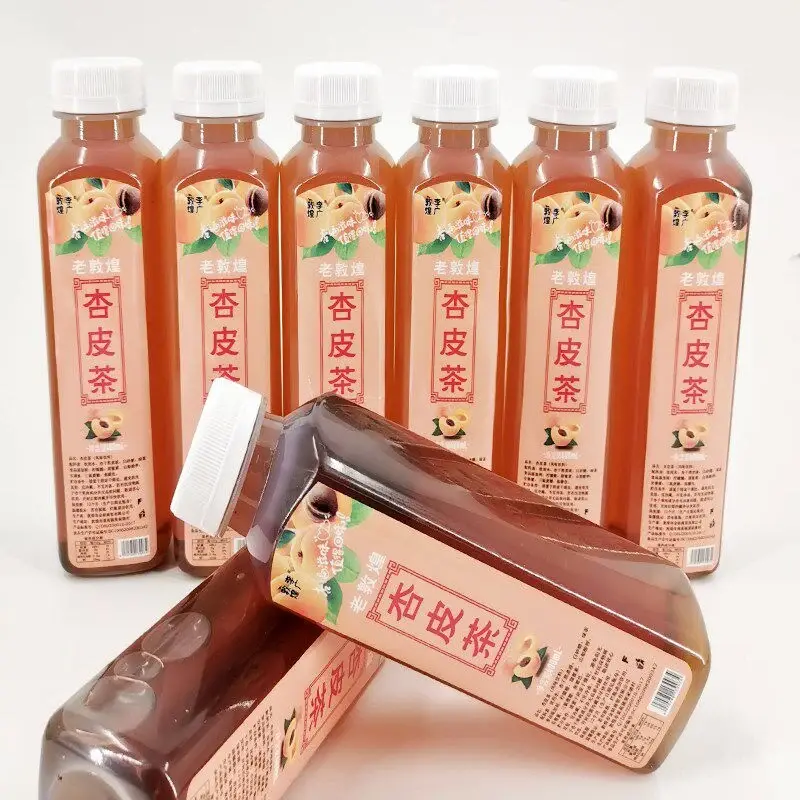
Lamb skewers, noodles, apricot drinks and night markets bring grand frontier history down to warm daily life.
Three ways to enter the frontier
Fort & Great Wall
First-time visitors / classic impression- Jiayuguan Fort, Overhanging Wall, First Beacon Tower, Great Wall Museum
Silk Road Stories
History & Silk Road lovers- Wei-Jin tomb murals, Heishan rock art, City Museum, Hexi old roads
Modern Comfort
Families / slow travellers- Zixuan Winery, Nanhu Park, Fantawild, Taolai River, night market
Five currents behind the frontier stronghold
The Great Wall, the Fort and the Hexi Corridor
Jiayuguan’s story cannot be separated from the Ming Great Wall and the transport-and-defence system of the Hexi Corridor. The fort controlled the ancient pass, and also served military, trade and border administration — making it one of the most symbolic spaces of northwest Chinese wall culture.
Silk Road Exchange & Frontier Character
People, goods and cultural flow along the Silk Road meant Jiayuguan was never an isolated military gate. Openness and defence, exchange and the border existed side by side, slowly forging the city’s strong, pragmatic and plural frontier character.
Wei-Jin Murals & Everyday Hexi Life
The painted bricks of the Xincheng Wei-Jin tombs record banquets, travel, farming and herding. Beside the grand narrative of the fort, these images give visitors a finer, more human picture of life in the Hexi region.
Gobi, Snow Mountains & the Fort’s Image
Jiayuguan’s image is built from the ancient fort, the Gobi desert and the Qilian snow range. The contrast between rammed-earth walls and distant peaks is not only a postcard — it represents the spatial scale and frontier aesthetic unique to the Hexi Corridor.
Food & the Northwest Way of Life
Jiayuguan’s appeal also comes from everyday life you can taste: grilled stalls, noodle shops, apricot drinks, night markets and local fruit. Beyond the fort and the Gobi, visitors easily feel the north-west’s warmth and openness through the table and the evening street.
Where to begin at the frontier
Four places that carry the essential Jiayuguan: the fort itself, the cliffside wall on Heishan, the First Beacon Tower above the Taolai canyon, and the Great Wall Museum that explains the whole story before you walk it.
Beyond the fort itself
For travellers who want more: the Wei-Jin tomb paintings of Xincheng, the eroded canyons of Heishan, the ancient rock carvings on its slopes, and the City Museum that ties industrial Jiayuguan to its ancient roots.
The comfortable side of the frontier
Jiayuguan is not only walls and desert. The Zixuan vineyards under the Qilian foothills, the Silk Road-themed Fantawild park, the green Taolai river valley and the lantern-lit old street at night show a city that knows how to relax.
Beyond walls, a living Hexi
Why the Silk Road Story Belongs in the Itinerary
Most visitors arrive for the fort and leave it at that. Which is exactly why a travel advisor should add the Silk Road layer — Wei-Jin tomb paintings, Heishan rock art and the museum that turns a gate into a living corridor of exchange.
How to Present It
Keep it light: tell visitors the postal messenger on the Wei-Jin brick is China’s earliest express courier, and the Heishan carvings are thousands of years older than the Ming wall. For history lovers, this often becomes the trip’s quiet highlight.
Framing It for Travellers
Describe the Silk Road layer as a bonus of the fort visit, not a separate chore. That keeps the depth while matching how most visitors actually travel the Hexi Corridor.
Skewers, noodles & the taste of the northwest
Five tastes of Jiayuguan
Jiayuguan’s food appeal is not just what you eat, but where you eat it. Grill smoke, noodle steam, apricot drinks, lantern light and the straightforward warmth of the northwest make up the taste visitors remember most clearly.
A balanced Jiayuguan day
Jiayuguan Fort and the Great Wall Museum, before the afternoon heat.
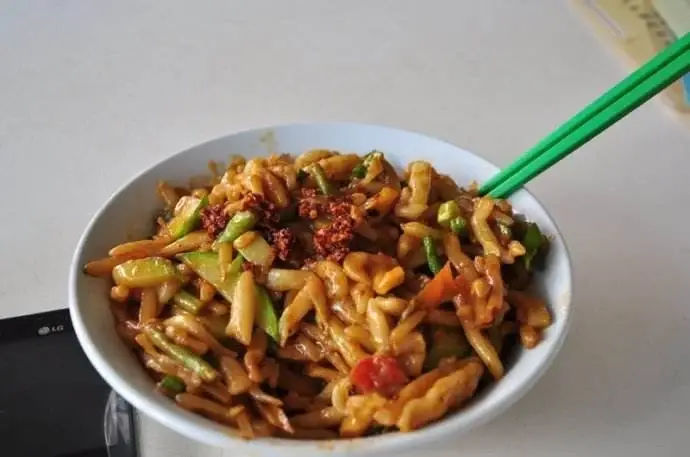
Cuoyuzi or Lanzhou-style beef noodles in a local shop.
Overhanging Wall or the First Beacon Tower above the Taolai canyon.
Lantern-lit old street, grilled lamb skewers and a cold apricot drink.
A balanced meal: one proper northwest noodle, one grill or barbecue, one apricot drink, and a stroll through the night market eating small bites as you go. That is how the frontier history and the northwest way of life meet on the table.
Plan smart, dress for the desert
Best Season
May to October is the classic window. Spring and autumn are crisp and clear for the fort and canyon; summer days are hot but evenings are cool.
Sun & Sand
The Gobi sun is strong. Bring sunscreen, a hat, sunglasses and a reusable water bottle. Mornings and late afternoons give the best light and temperatures.
Getting Around
The fort, Overhanging Wall and First Beacon Tower are 5–12 km from town. A taxi, Didi or a half-day charter is the practical way to string them together.
Tomb Murals Etiquette
At the Wei-Jin tombs, flash photography is not allowed. Follow the docent’s route — the painted bricks are fragile and best seen in low, soft light.
Where to Stay
Stay in the city centre near Xiongguang Square or the old cultural street. You will be close to dinner, the night market and an easy taxi ride to the fort.
Extend Along the Hexi
Jiayuguan sits between Zhangye and Dunhuang. If you have time, continue the Hexi Corridor loop rather than treating it as a one-day stop.
Five ways to walk the frontier
Jiayuguan is not only the fort, and not only the Gobi. Its real charm is the layered sense of a frontier — Great Wall history, Silk Road memory, snow peaks and desert, contemporary city life and the warm smoke of the northwest table — all meeting at one gate. 长城雄关,丝路烟火。
Start Your Journey