
Foshan
FoshanThe Lingnan City of Kung Fu & Cantonese Flavours
Six windows into Foshan's Lingnan streets
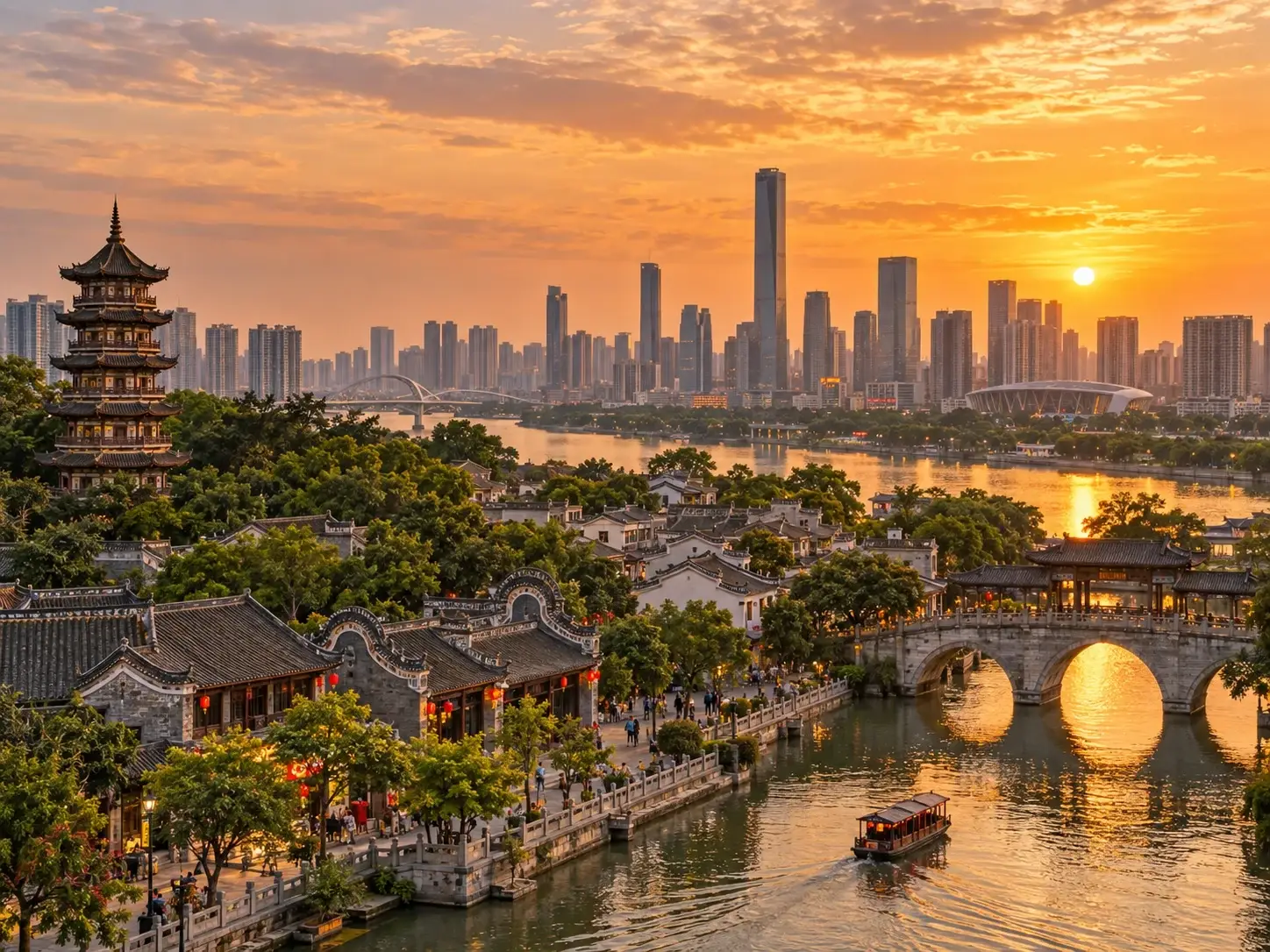
Foshan is a Lingnan city you can "read slowly": trace the gilded carvings and ceramic ridge of the Ancestral Temple, watch southern fists practised in an old courtyard, follow the smoke of a thousand-year dragon kiln, and sit down to the celebrated Shunde table.
Six cultural keywords worth collecting
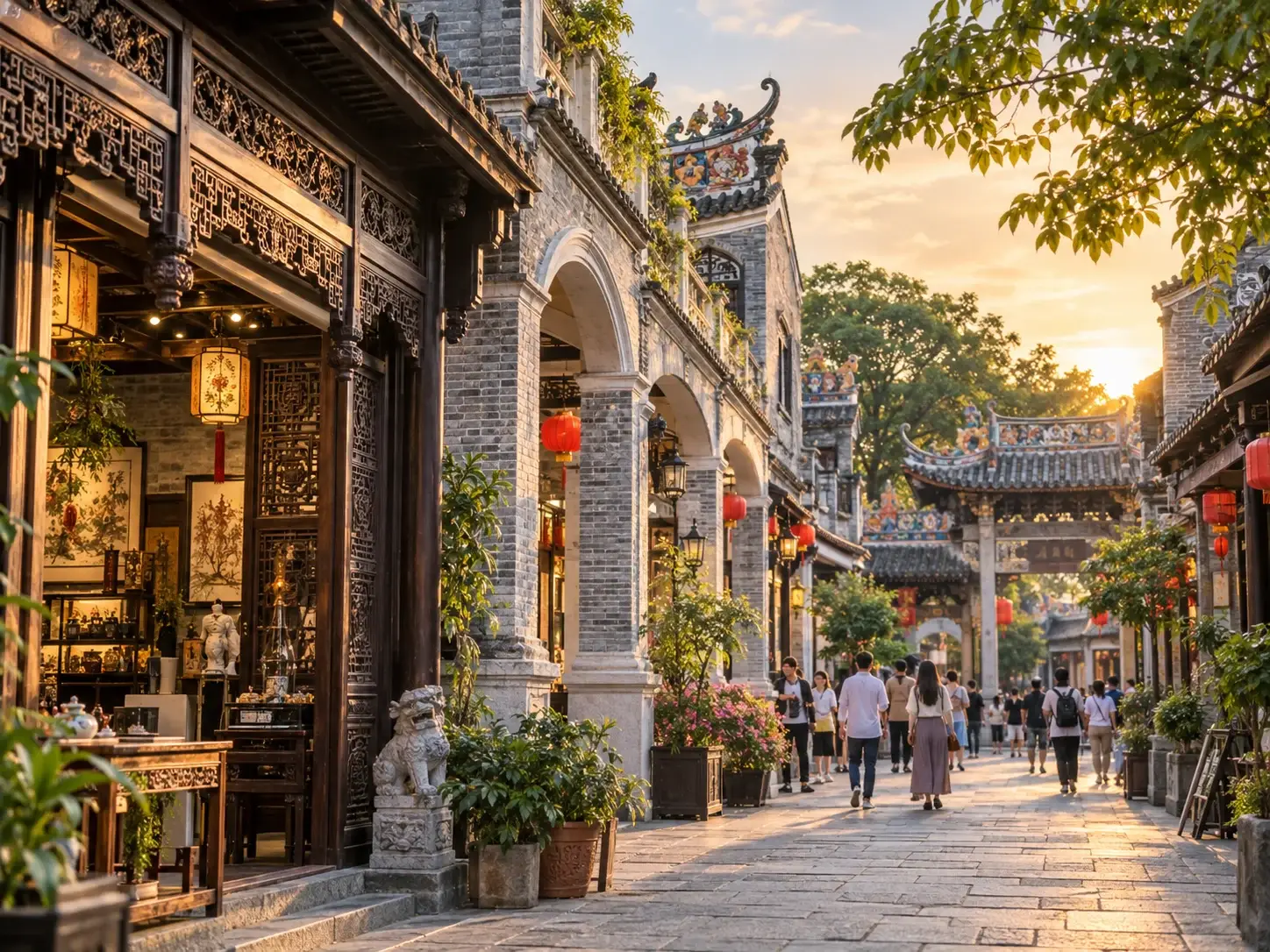
Grey-brick arcades, wok-house gables, wood carving and polychrome ridge sculpture shape Foshan's distinctive spatial aesthetic.
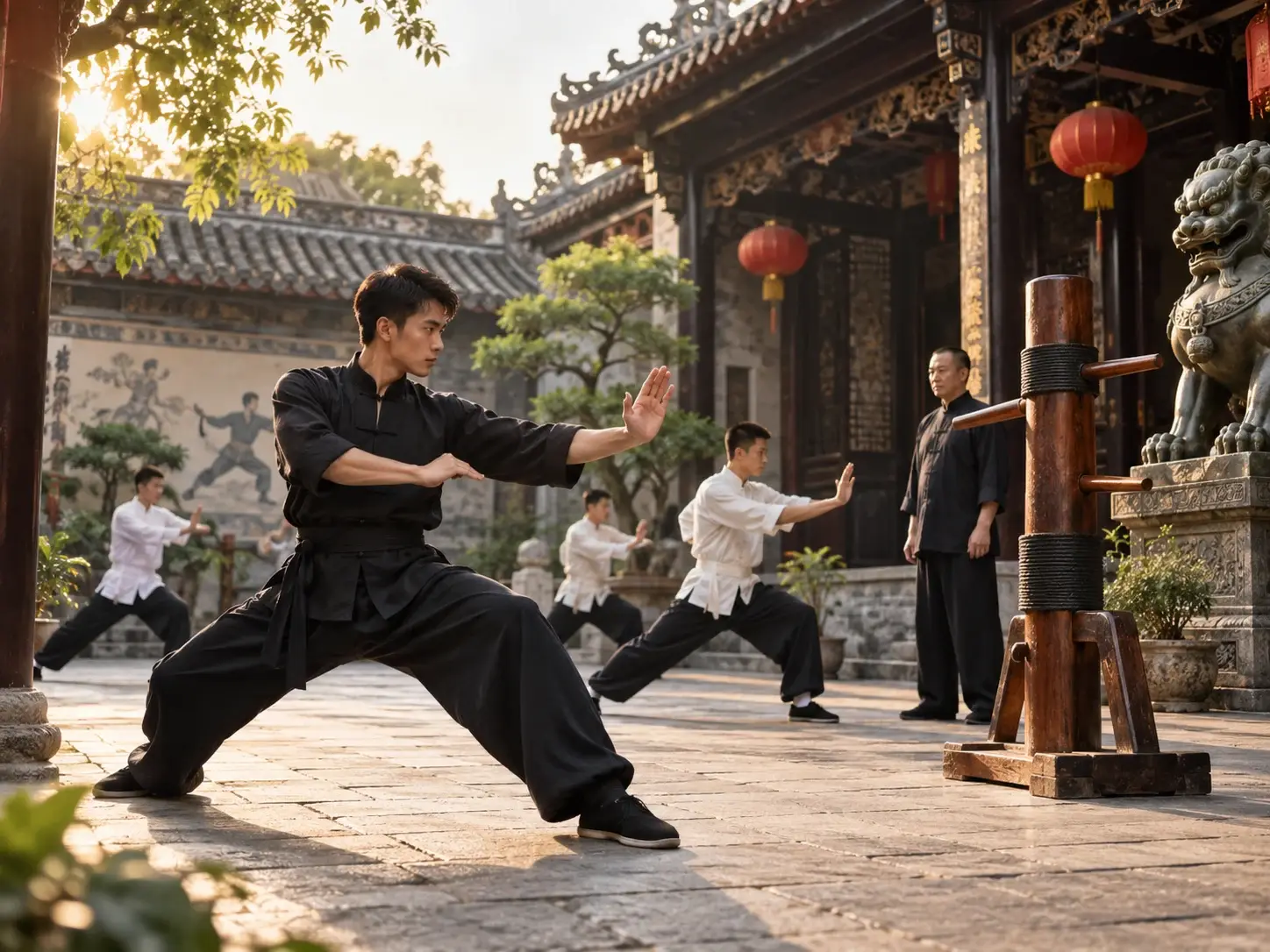
Wong Fei-hung, Yip Man, southern fists and Wing Chun make Foshan one of China's most representative martial-arts cities.
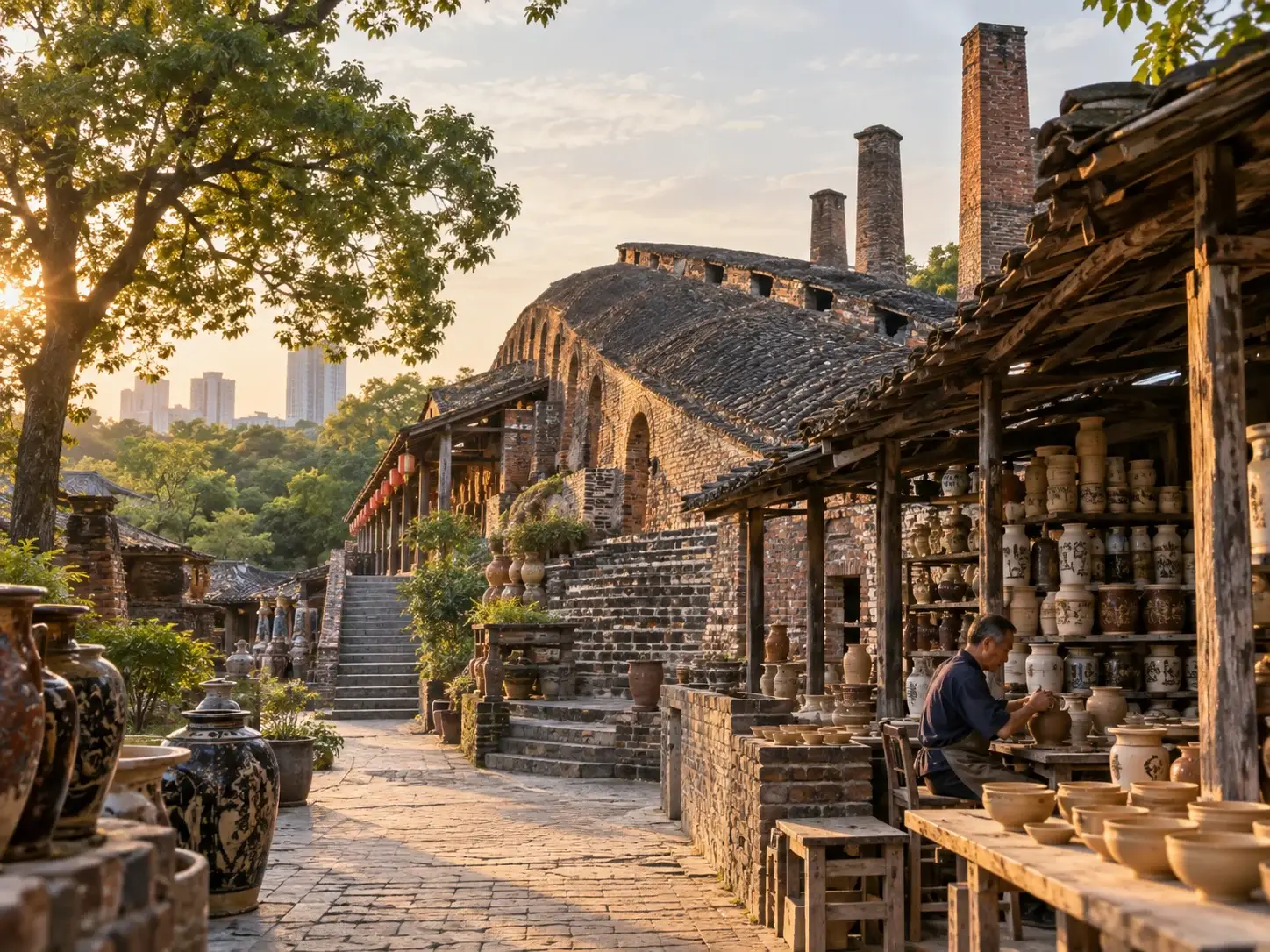
Shiwan ceramics and the Nanfeng ancient kiln give Foshan a vivid craft tradition and a kiln-side city memory.
Cantonese opera, lion dance and dragon-boat races fill the city with a lively, still-living folk atmosphere.
As a UNESCO City of Gastronomy, Shunde delivers Foshan's most compelling flavours, from raw fish to double-skin milk.
Lingnan Tiandi by night and the lake views and walks of Qiandeng Lake make Foshan not only traditional but livable.
Three depths of discovery
Heritage & Craft First
First-time visitors / the essential first impression- Foshan Ancestral Temple & old arcade streets
- Nanfeng Ancient Kiln & Shiwan pottery
Kung Fu & Lion Dance
Martial-arts & culture travellers- Kung fu culture, Wong Fei-hung & Yip Man
- Lion dance & Cantonese opera
Gardens, Food & Slow Life
Couples, foodies & slow wanderers- Qinghui Garden & Lingnan Tiandi
- Shunde table & Qiandeng Lake
Four currents that shaped the Lingnan soul
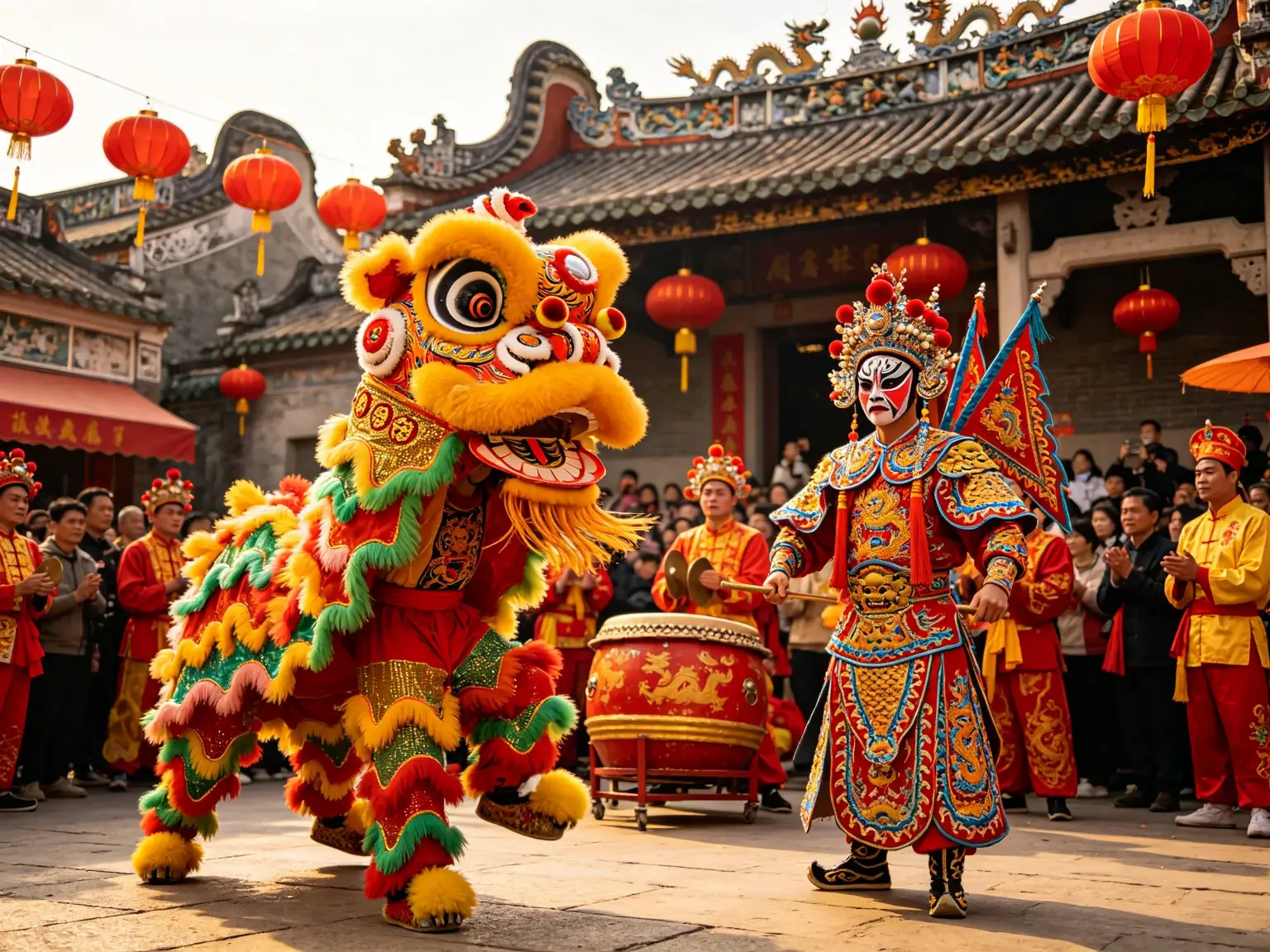
Lingnan Cantonese Culture
Foshan is one of the wellsprings of Cantonese culture, and its urban fabric preserves a great deal of Lingnan architectural language and ways of living. Arcades, ancestral halls, temples and grey-brick lanes together form the deep Lingnan ground colour of the city.
Martial Arts & the Kung Fu Spirit
Foshan holds the city memory of martial figures such as Wong Fei-hung and Yip Man, and southern fists, Wing Chun and the lion-dance spirit are deeply embedded in local culture. Kung fu here is not merely performance but a symbol of discipline, courtesy and self-cultivation.
Pottery & Traditional Crafts
Shiwan pottery and the Nanfeng ancient kiln represent Foshan's important craft heritage. From ancient kilns and ceramic figurines to everyday vessels, the city's ceramic culture carries a distinctive local character and a long lineage of skilled work.
Cantonese Opera, Lion Dance & Folk Customs
Cantonese opera, dragon boats, lion dances and temple-fair gatherings make up Foshan's living folk tradition. More than static sights, these activities show a culture that is still actively used in everyday community life.
Six places that define Foshan
Six places carry the essential Foshan: the Ancestral Temple for Lingnan sacred architecture, Qinghui Garden for a classical Lingnan garden, Lingnan Tiandi for a renewed historic quarter, the Nanfeng Ancient Kiln for ceramic craft, Shunde for a City of Gastronomy, and Qiandeng Lake for the modern waterfront.
Deep culture & living traditions
For travellers who want more than the six icons: the etiquette, discipline and training that lie behind Foshan kung fu, and the living folk arts of Cantonese opera, dragon boats and lion dance that are still practised in community life.
The contemporary & living Foshan
Today's Foshan is made for relaxed cultural travel: temples, gardens and kilns by day, then lantern-lit streets at Lingnan Tiandi, the lit skyline over Qiandeng Lake and a Shunde meal to close the evening.
The everyday Lingnan life of Foshan
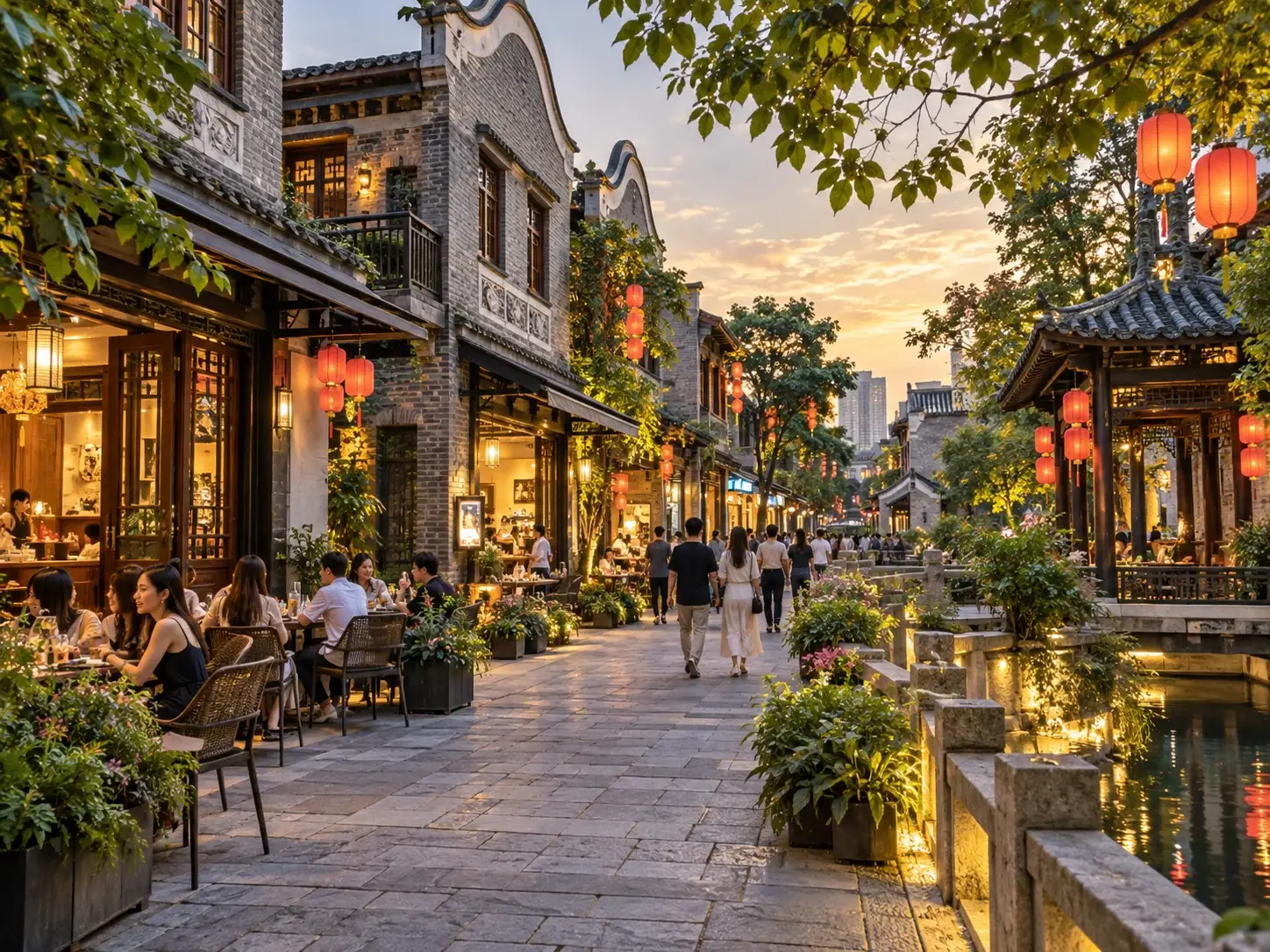
A City with a Human Tempo
Step into the old lanes, the streets around the temple and the local tea houses, and a truer Foshan appears. Old shops, teahouses and a plain yet warm Cantonese way of life make up the city's temperature, far beyond the famous landmarks.
Architecture You Can Read
Wok-house gables, polychrome ridge sculpture, wood and brick carving and grey-brick arcades give Foshan a meticulous, orderly Lingnan aesthetic legible in temples, streets and gardens alike.
How to Plan the Slow Hours
Keep one open slot each day: a slow morning in a garden, an afternoon at the kiln or in old lanes, and an unhurried Shunde dinner as the lanterns come on.
Shunde, dim sum & Cantonese cuisine
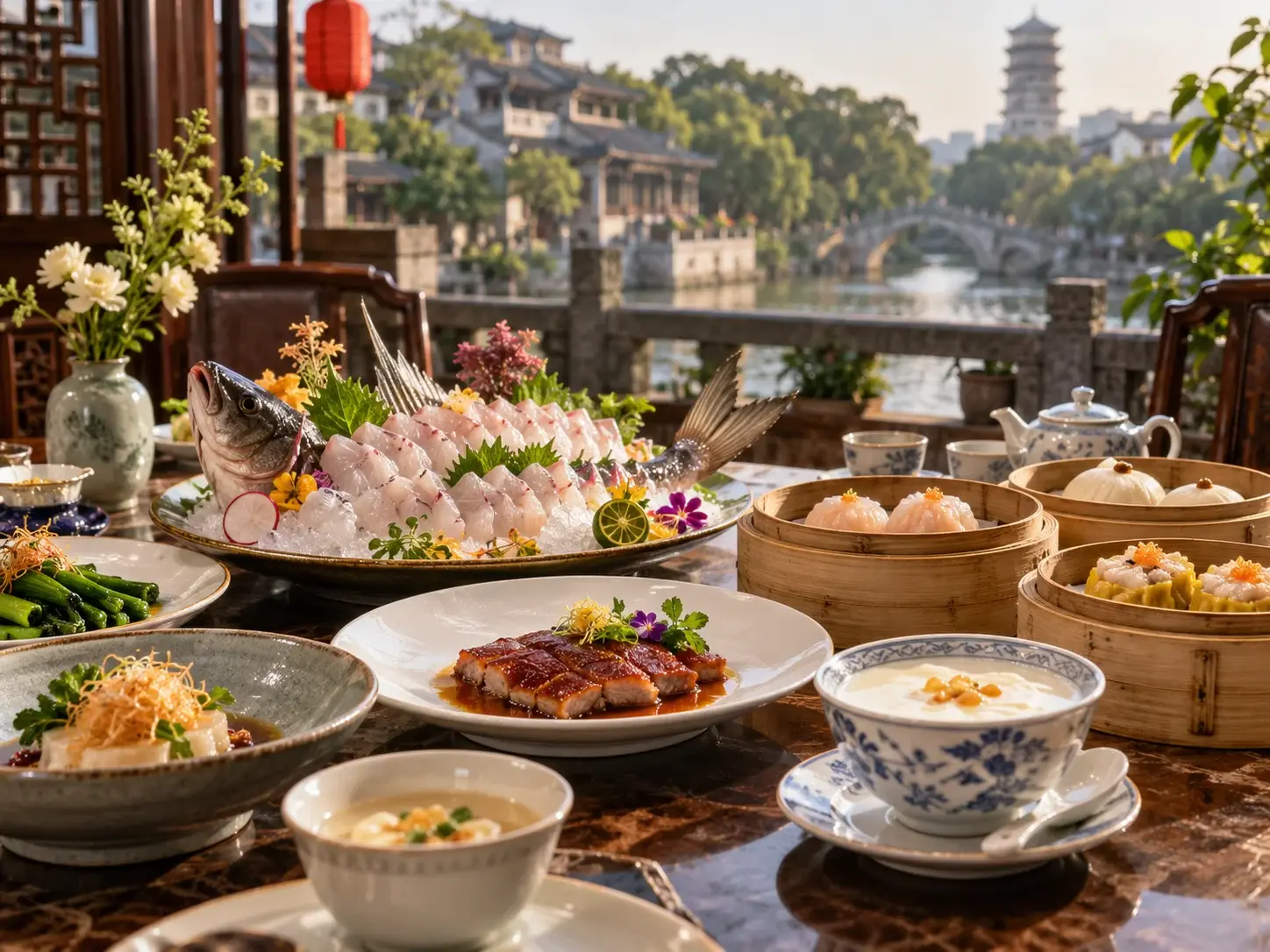
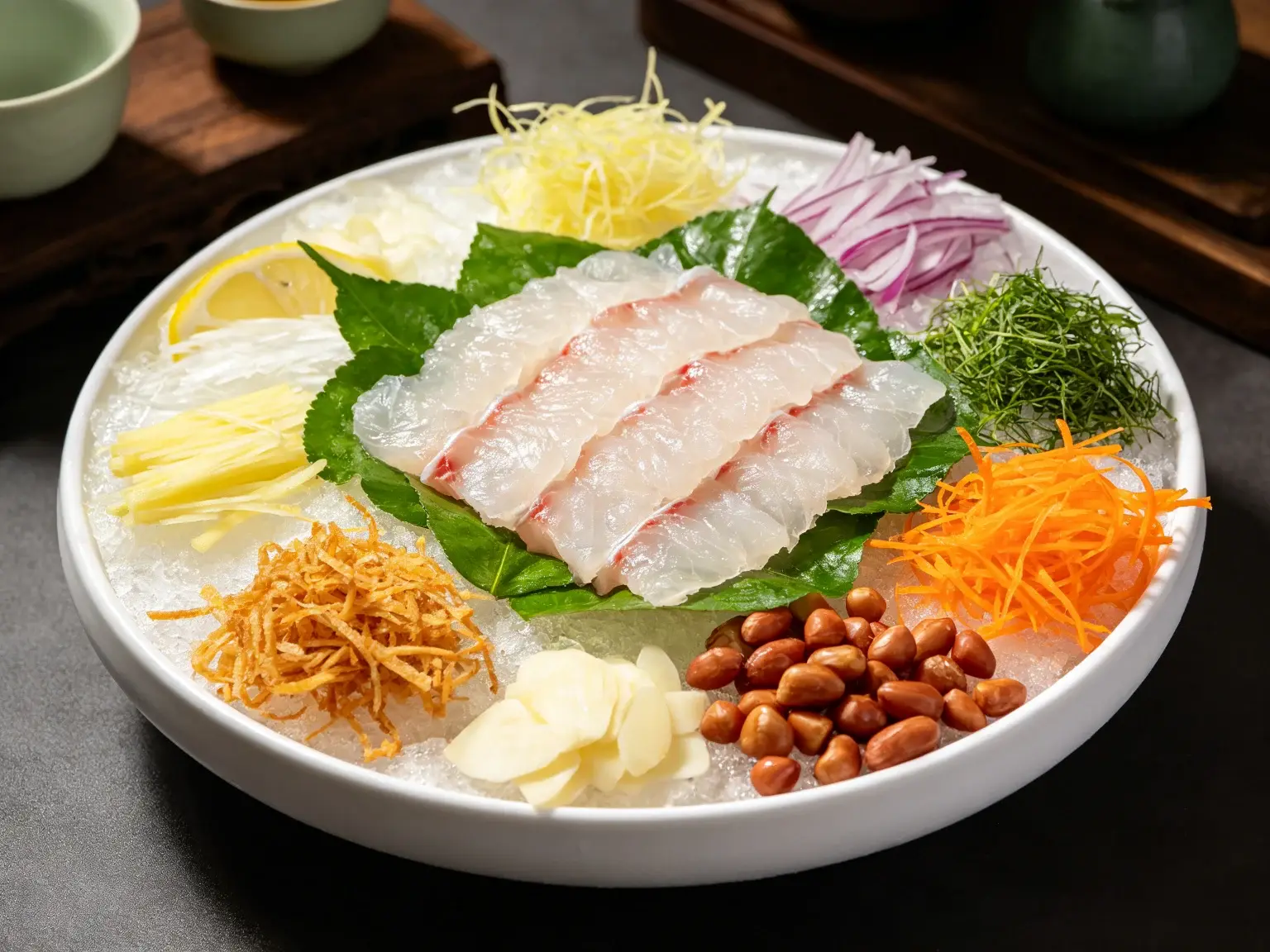
Six families of local taste
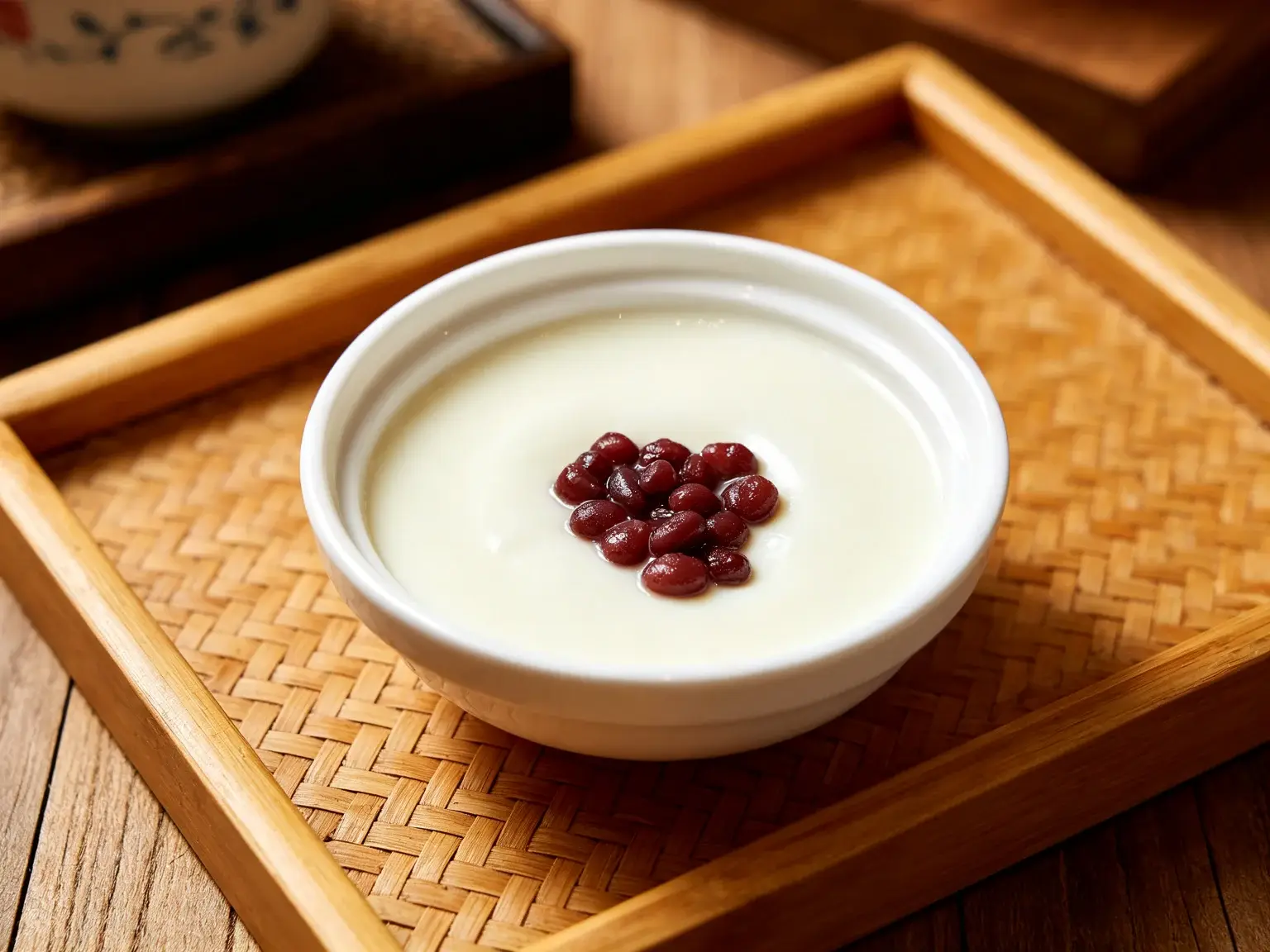
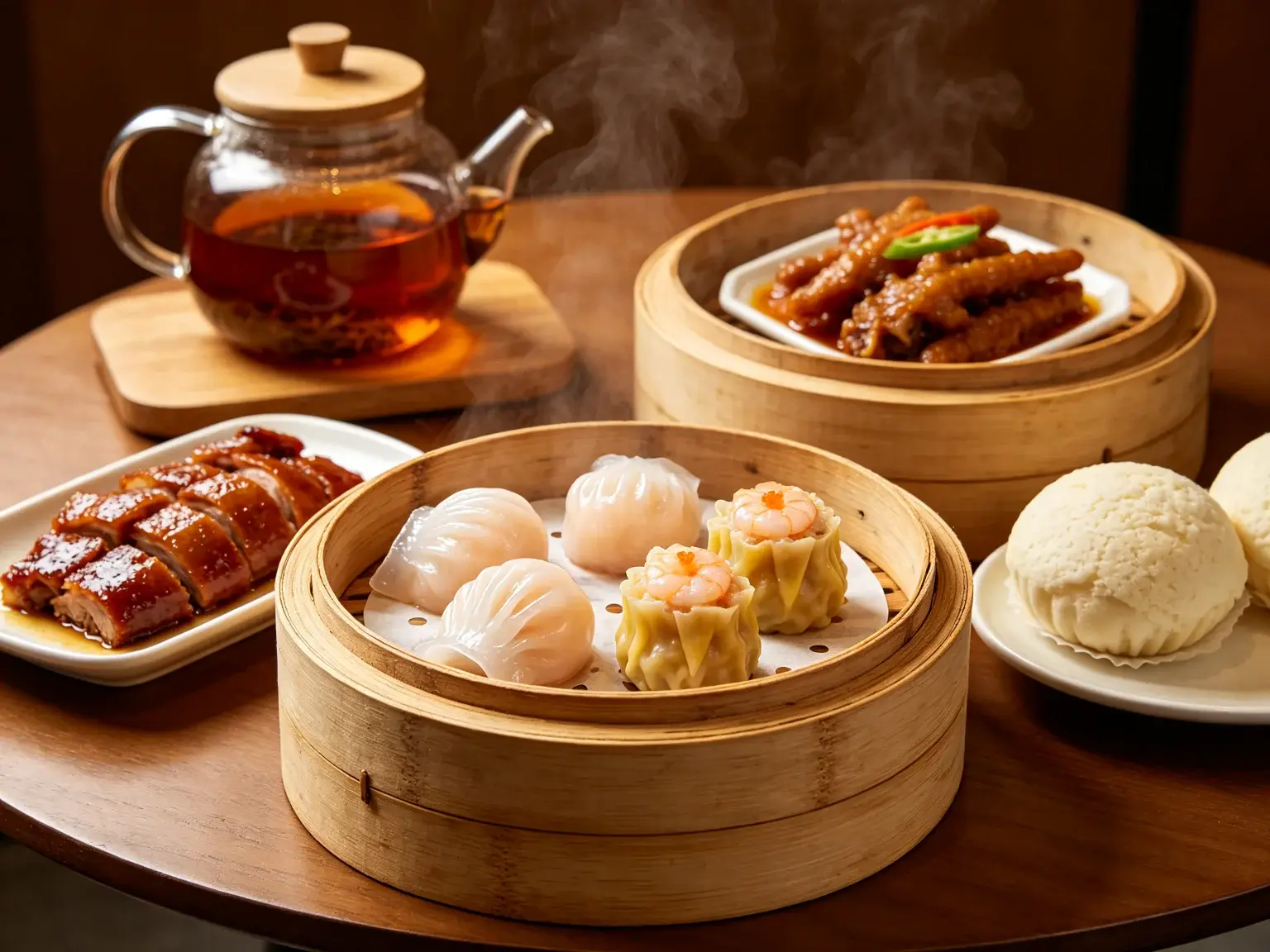
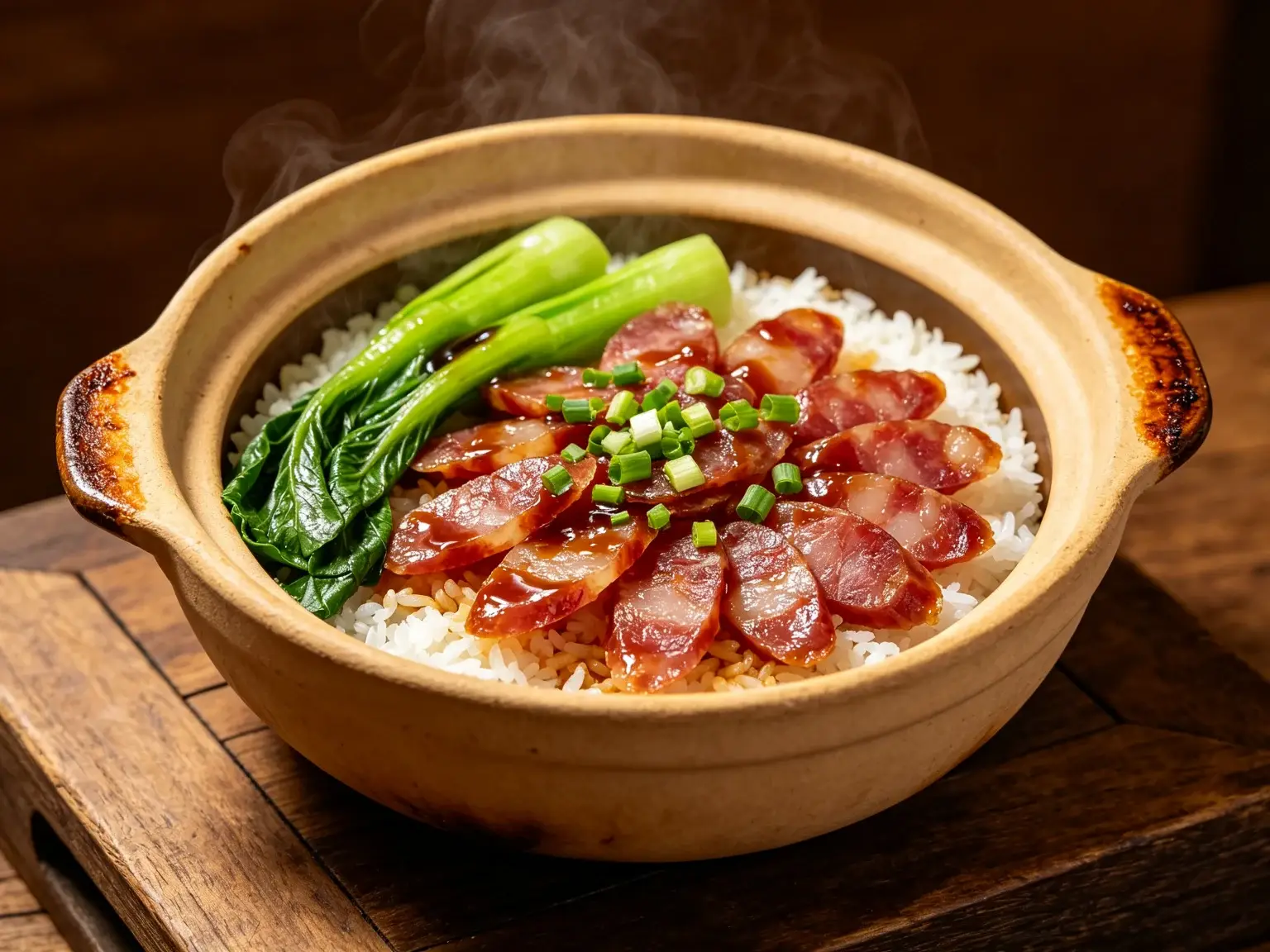
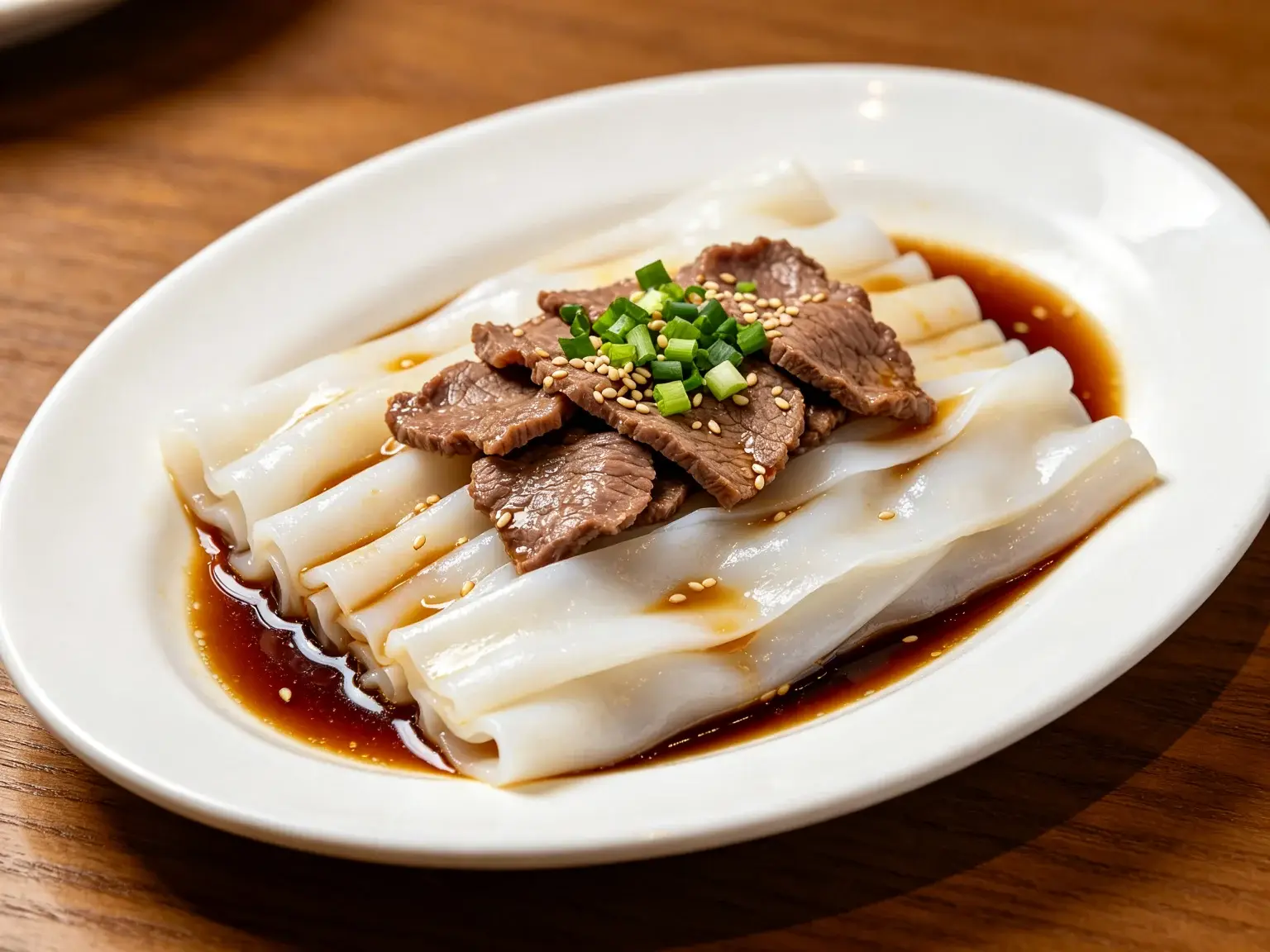
Foshan's flavours are led by Shunde cooking, grounded in the Cantonese devotion to heat control and fresh umami. Raw fish, double-skin milk, Chencun noodles, claypot rice and morning dim sum make up the part of Foshan travellers warm to most readily.
A balanced day of Foshan food
Begin with har gow, siu mai and pots of tea in a lively Cantonese morning-tea house.
Toss the fresh sliced fish with shredded ginger, lemon leaf and peanuts at a Shunde table.
Cool the day with a bowl of silken double-skin milk and a local pastry.
Share sizzling claypot rice, Chencun noodles and stir-fries as the lanterns glow.
Do not rush through meals. Cantonese food is about balance, freshness and comfort — give yourself time to linger over tea and taste slowly.
Plan by season, taste the Lingnan life
Best Season
October to December is most pleasant — warm, drier and clear for temples, gardens and the old streets. April to September is hotter, humid and rainy with occasional typhoons; prices are lower and short storms usually pass quickly.
Getting There
Foshan is close to Guangzhou Baiyun International Airport and served by Foshan Shadi Airport and Foshan West high-speed railway. The Guangfo metro line links Foshan and Guangzhou, and taxis and ride-hailing apps make getting around straightforward.
Where to Stay
Choose Chancheng near Lingnan Tiandi for the old city, temple and night walks; stay in Shunde if the table is the priority, and pick a metro-connected hotel for easy day trips into Guangzhou.
Daily Rhythm
Visit temples, gardens and kilns by day, use the warm middle hours for teahouses and old lanes, and reserve evenings for Lingnan Tiandi and the lit waterfront at Qiandeng Lake.
Heat, Rain & Humidity
The subtropical climate is hot and damp — wear light clothing, carry an umbrella and use sunscreen, and drink plenty of water. Keep a layer indoors where air-conditioning is strong, and check typhoon forecasts in summer.
Families & Foodies
Gardens, lion dances and morning dim sum suit every age, while Shunde is made for food lovers. Keep the pace unhurried and allow time simply to eat, sip tea and watch Cantonese street life.
Five ways to shape the journey
Foshan is not merely a supporting city beside Guangzhou, and it is far more than the simple labels of "an ancestral temple" and "Shunde food". Its true charm lies in the layered whole formed by Lingnan architecture, the kung fu spirit, Shiwan pottery, the Cantonese way of life and modern city leisure. The most fitting way to travel is not rushing from landmark to meal, but giving Foshan enough time — for the morning tea to steam, for the old lanes to glow at dusk, and for a Shunde dinner and a lantern-lit walk to become the journey itself. 岭南佛山,功夫之乡、美食之都,等你来。
Start Your Journey