
Hangzhou
HangzhouWhere West Lake Meets the Song Dynasty Soul
Six windows into Hangzhou’s layers
What makes Hangzhou most special is the almost invisible boundary between mountain, water, city and people: visitors can stroll by the lake, listen to temple bells in an ancient monastery, drink tea among tea hills, and step into a thoroughly modern city life all in the same day. This temperament, formed by classical landscapes and contemporary life together, is the core that Hangzhou is best suited to express to international travellers.
Six cultural keywords worth collecting
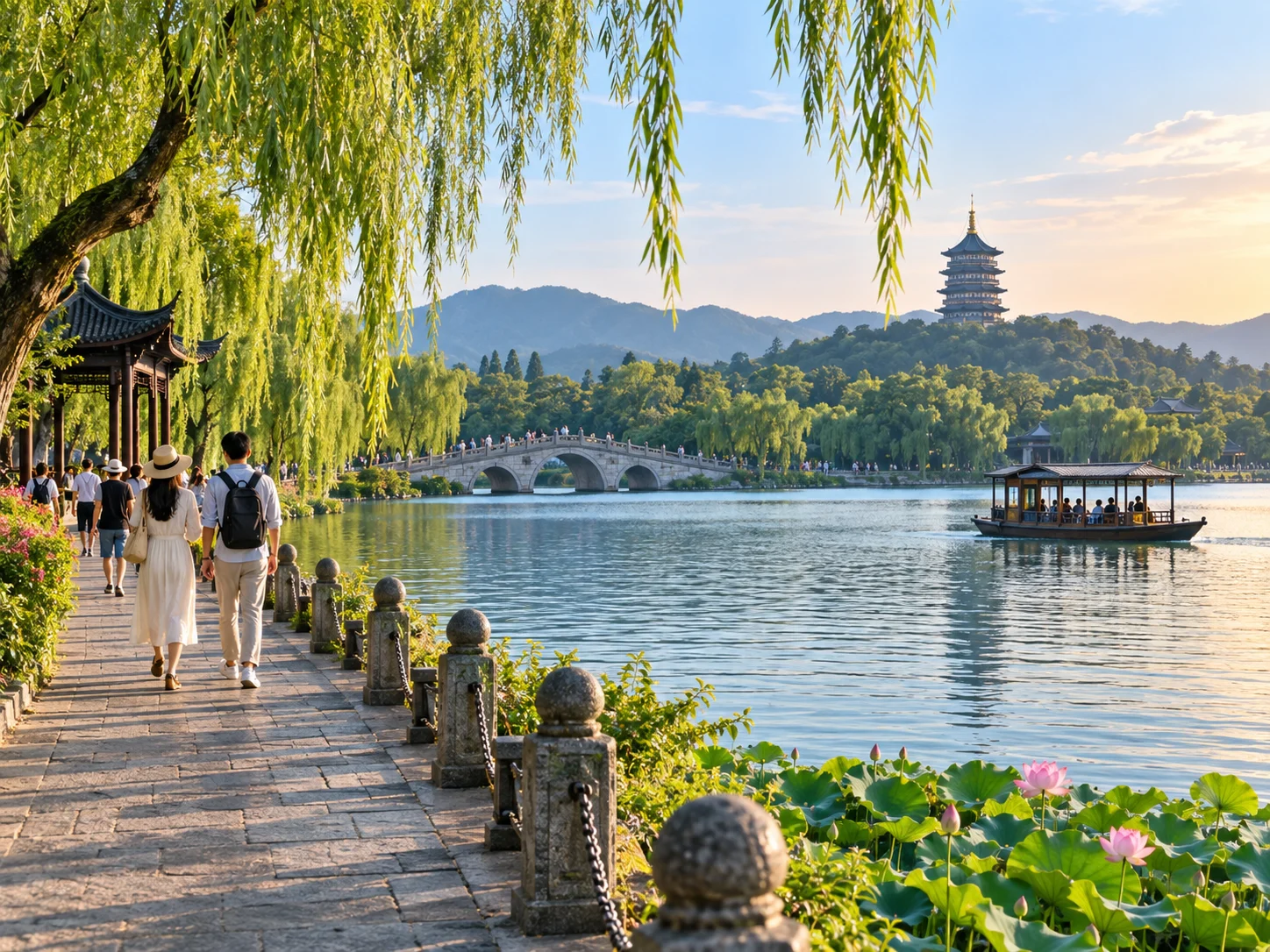
Hangzhou’s most important urban cultural symbol and the first entry point for understanding the city’s aesthetics.
Song-dynasty urban life, aesthetics and food memory still deeply influence Hangzhou today.
From tea hills to the tea table, one of Hangzhou’s most lifestyle-rich cultural experiences.
Lingyin Temple and Feilai Peak tightly combine religious culture with the natural environment.
The Beijing-Hangzhou Grand Canal records Hangzhou’s long history of commerce and urban exchange.
The riverfront new city and digital industry keep this ancient city continuously renewing itself.
Three depths of discovery
Classic Essentials
Building a first overall impression · The classic entry- West Lake
- Lingyin Temple
- Hefang Street
Cultural Immersion
Tea, canal & Song-dynasty streets- Longjing Tea Village
- Grand Canal
- Southern Song Streets
Leisure Extension
Nature, lakeside & riverfront relaxation- Xixi Wetland
- Lakeside Promenade
- Qianjiang New City
Three currents that shaped the Jiangnan soul
Southern Song Lin’an & Song-Dynasty Life
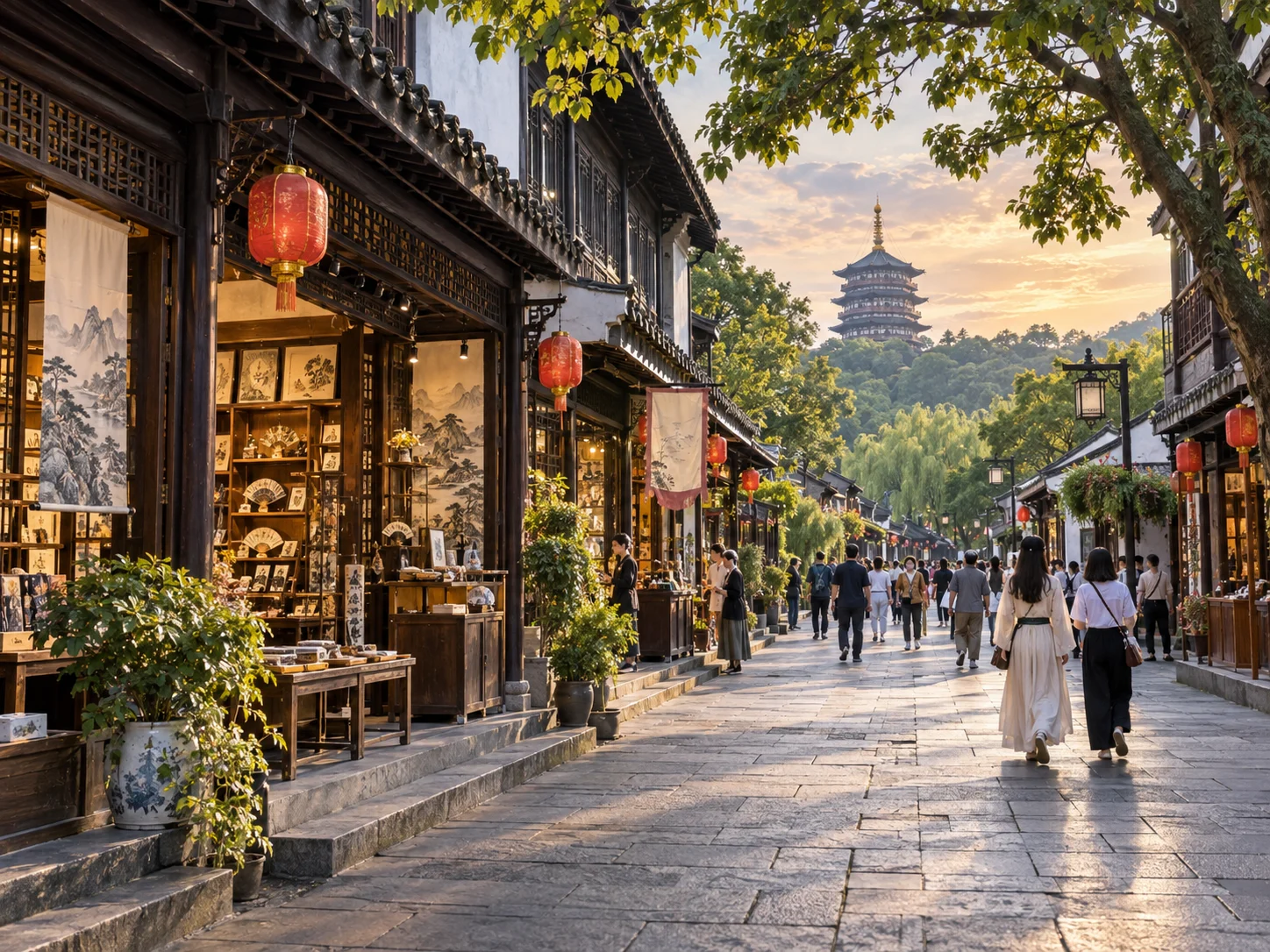
As Lin’an Prefecture during the Southern Song, Hangzhou became one of the country’s political, economic and cultural centres. Today’s old city, the Southern Song Imperial Street and Qinghefang still offer visitors an entry point for understanding Song-dynasty urban life and the Jiangnan commercial tradition.
West Lake Culture & the Poetic City
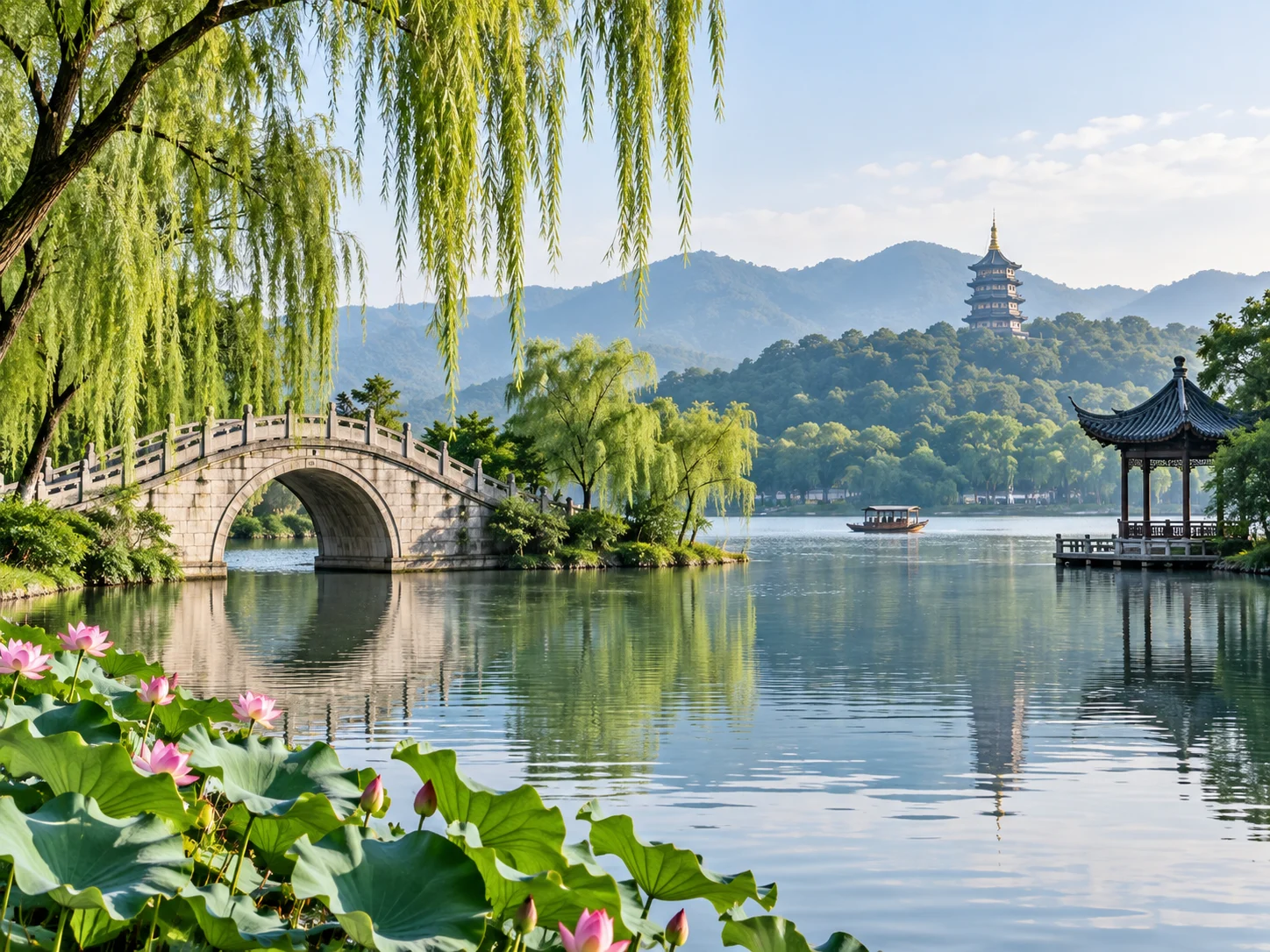
West Lake has long been shaped together with poetry, painting, gardens and urban governance. From Bai Juyi and Su Shi to generations of literati, Hangzhou’s lakes and hills have been continuously written into China’s cultural memory. The “Ten Scenes of West Lake” emphasise precisely the shared experience of season, weather, light and people.
The Jiangnan Way of Life
Hangzhou’s culture does not only exist in museums. Tea houses, streets, gardens, food and waterside walks all let history enter today’s urban life naturally. The city is best understood by walking — traditional streets, waterfronts, tea houses, gardens and small shops together form the living texture of Hangzhou.
Where to begin
Four places that carry the essential Hangzhou: West Lake where poetry meets water and mountain, Lingyin Temple for the quiet Buddhist hills, Longjing tea villages for the lifestyle of tea, and Hefang Street for the living commercial culture of the old city.
Beyond the classic postcards
For travellers who want more than the four icons: the classic Broken Bridge–Bai Causeway walk, the slow water-world of Xixi Wetland, the commercial memory of the Grand Canal, and the refined aesthetics of Song-dynasty lifestyle experiences.
Light experiences & contemporary Hangzhou
The modern value of Hangzhou lies in combining history with participation: the futuristic skyline of Qianjiang New City, a lakeside night walk, tea and pastry tasting, and the slow rhythm of a city that rewards lingering rather than rushing.
A poetic city, not a museum
Song-Dynasty Aesthetic & Tea Culture
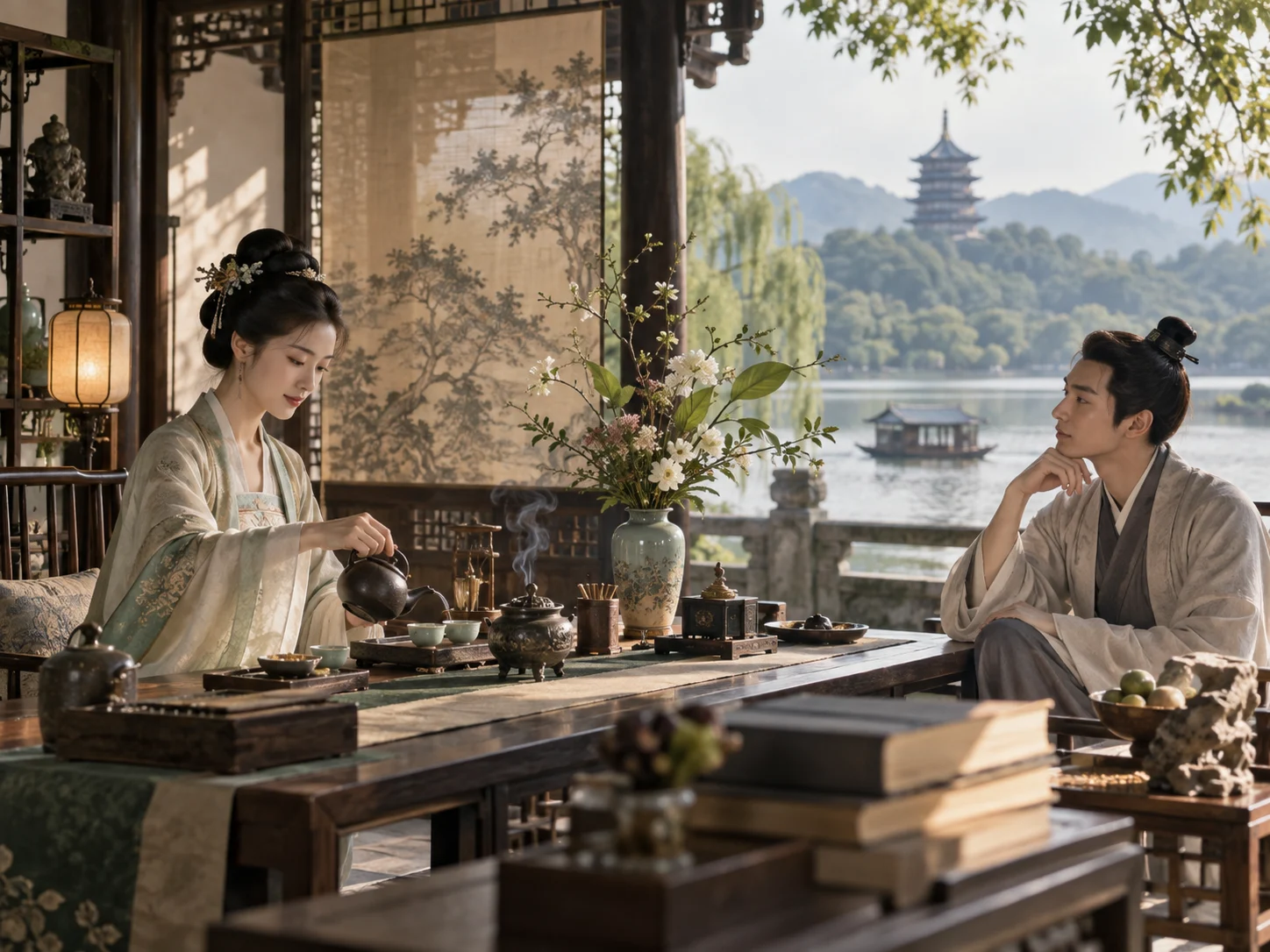
Song-dynasty style in Hangzhou is not only a historical label. Tea ware, flower arrangement, incense, calligraphy, clothing and refined food have all been re-transformed today into cultural experiences visitors can join. For international travellers the point is not “dressing up for photos” but understanding why Song aesthetics emphasise restraint, order and nature.
Old Streets & Water Towns
Hefang Street and the Southern Song Imperial Street connect traditional commerce, handicrafts, snacks and historic buildings — the most direct entry point for experiencing Hangzhou’s urban life. After dusk, the street lighting and dining atmosphere become much more complete.
How to Plan the Old City
Hangzhou is best travelled by interweaving ancient temples, tea hills and the modern city. A recommended combination: Southern Song streets + a tea house + a Song-style craft or clothing experience. If time allows, add a museum to move the experience from “beautiful” into historical context.
Clear, seasonal & true to the ingredient
Four families of local taste
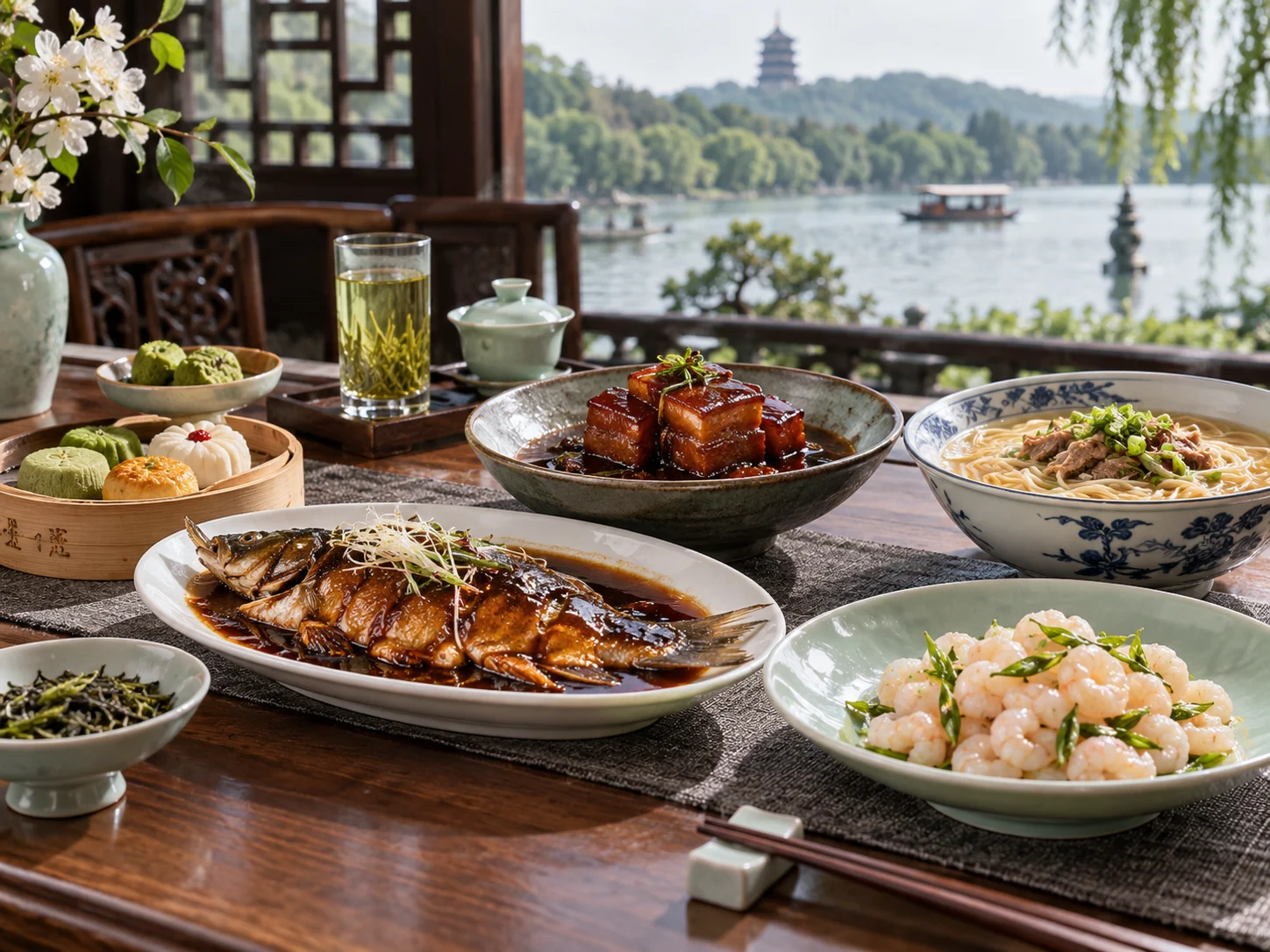
Hangzhou cuisine as a whole emphasises clarity, freshness, seasonality and the true taste of ingredients. Compared with heavier regional cuisines, it is better understood as part of a Jiangnan lifestyle: lake fish, river fish, bamboo shoots, tea, osmanthus and delicate pastries together form a gentle, seasonal food system.
A balanced day of Hangzhou food
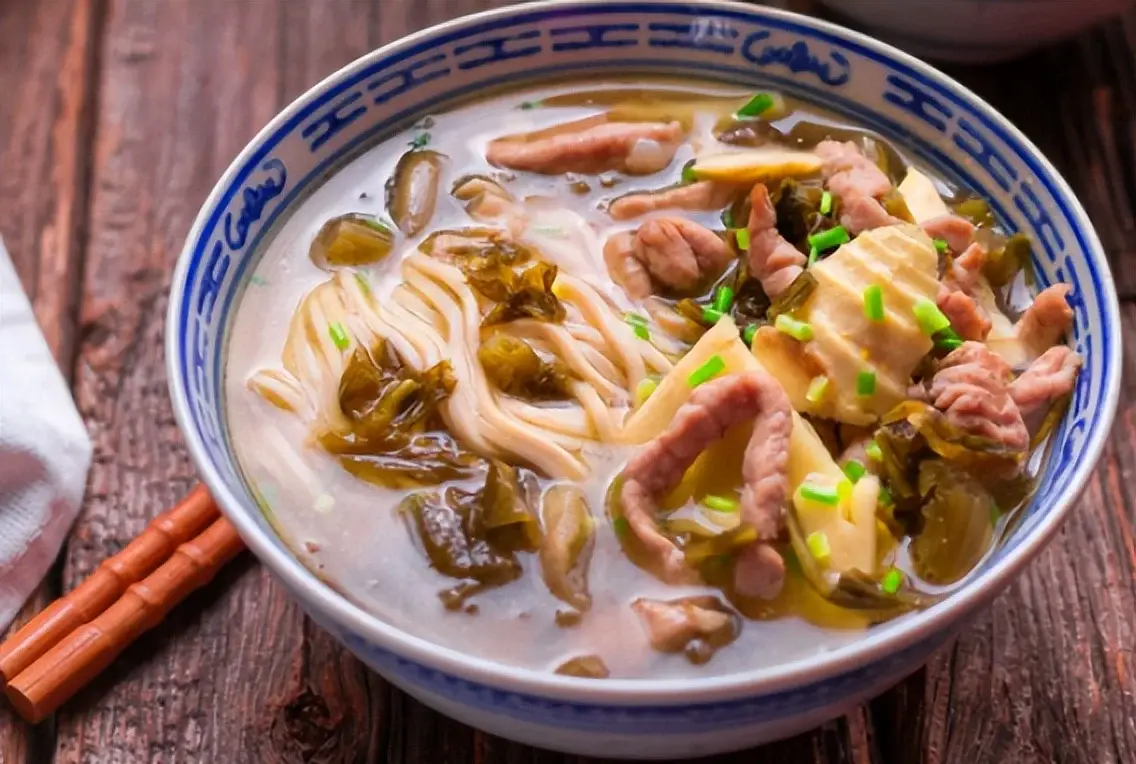
Start the day the local way: a bowl of noodles or soup dumplings, simple and warm.
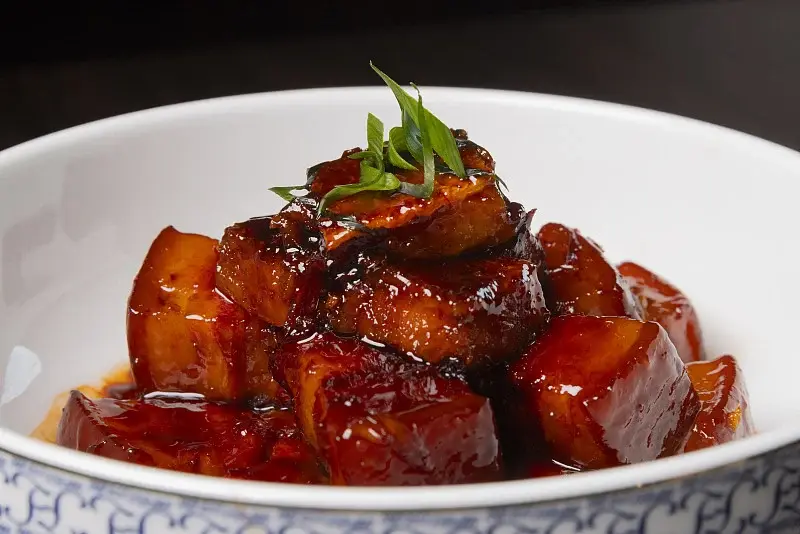
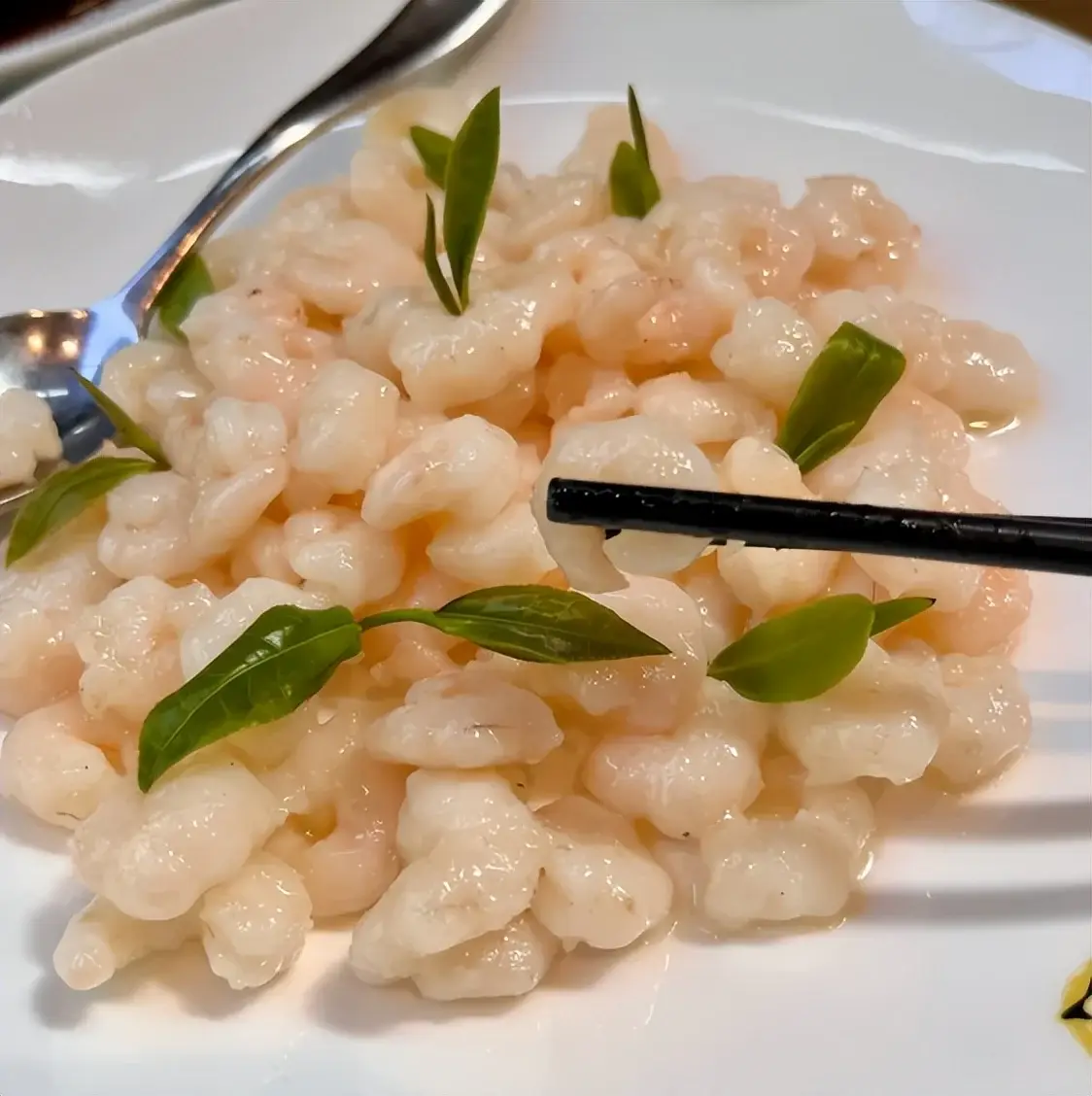
Choose a formal Hangzhou-style lunch: West Lake vinegar fish, Dongpo pork or Longjing shrimp.
Pause in a tea house with Longjing tea and osmanthus or flower-themed pastries.
After a lakeside or old-town stroll, finish with a light meal or a sweet soup.
Do not pile up every famous dish. The point is to feel the real rhythm: noodles in the morning, local dishes at noon, tea and pastries in the afternoon, and a light evening close.
Plan by season, move by district
Best Season
Spring and autumn are best for city walking and West Lake. Spring suits flowers and tea hills; autumn has comfortable temperatures and rich layered colours.
Transport
Hangzhou has high-speed rail, an airport and complete public transport. The West Lake core area is best explored on foot, by bus and by metro combined.
Where to Stay
For a first visit, stay by the lakeside, east of West Lake or in a well-connected metro area. For a quieter holiday, choose west of West Lake, near Lingyin or Xixi.
Travel Pace
Hangzhou does not suit high-density “ticket-stamping”. Two to three core themes per day is enough — especially West Lake, tea hills and wetlands all need time to linger.
Photography Tips
Early morning suits the lake, bridges and mist; evening suits Leifeng Pagoda, the lakeside and the riverfront. Old streets and tea villages work best in natural light.
Slow Travel Philosophy
Hangzhou is not a city to “finish” but a lifestyle to slowly enter. Watch a sunset, drink a cup of tea, walk an old street, take a small boat — leave time for the landscape.
Four ways to walk the Jiangnan city
Hangzhou is not a city to “finish” but a lifestyle to slowly enter. Rather than adding more sights, choose a few districts and stay a while: watch a sunset, drink a cup of tea, walk an old street, take a small boat. 山水有相逢,来杭州,遇见更好的自己。
Start Your Journey