
Hong Kong
Hong KongWhere Sky, Sea & Streets Meet
One harbour city, six layers deep
Hong Kong is best understood through six dimensions: the harbour and its seafaring history, the mountain-and-sea skyline, the meeting of East and West, Cantonese and Lingnan culture, public transport and neighbourhood life, and the culture of yum cha and food. If Beijing speaks of the depth of Chinese history and Guangzhou of the spirit of Lingnan living, then Hong Kong asks you to read one city through six layers at once — all within a short ferry ride or tram journey.
Six cultural keywords worth collecting
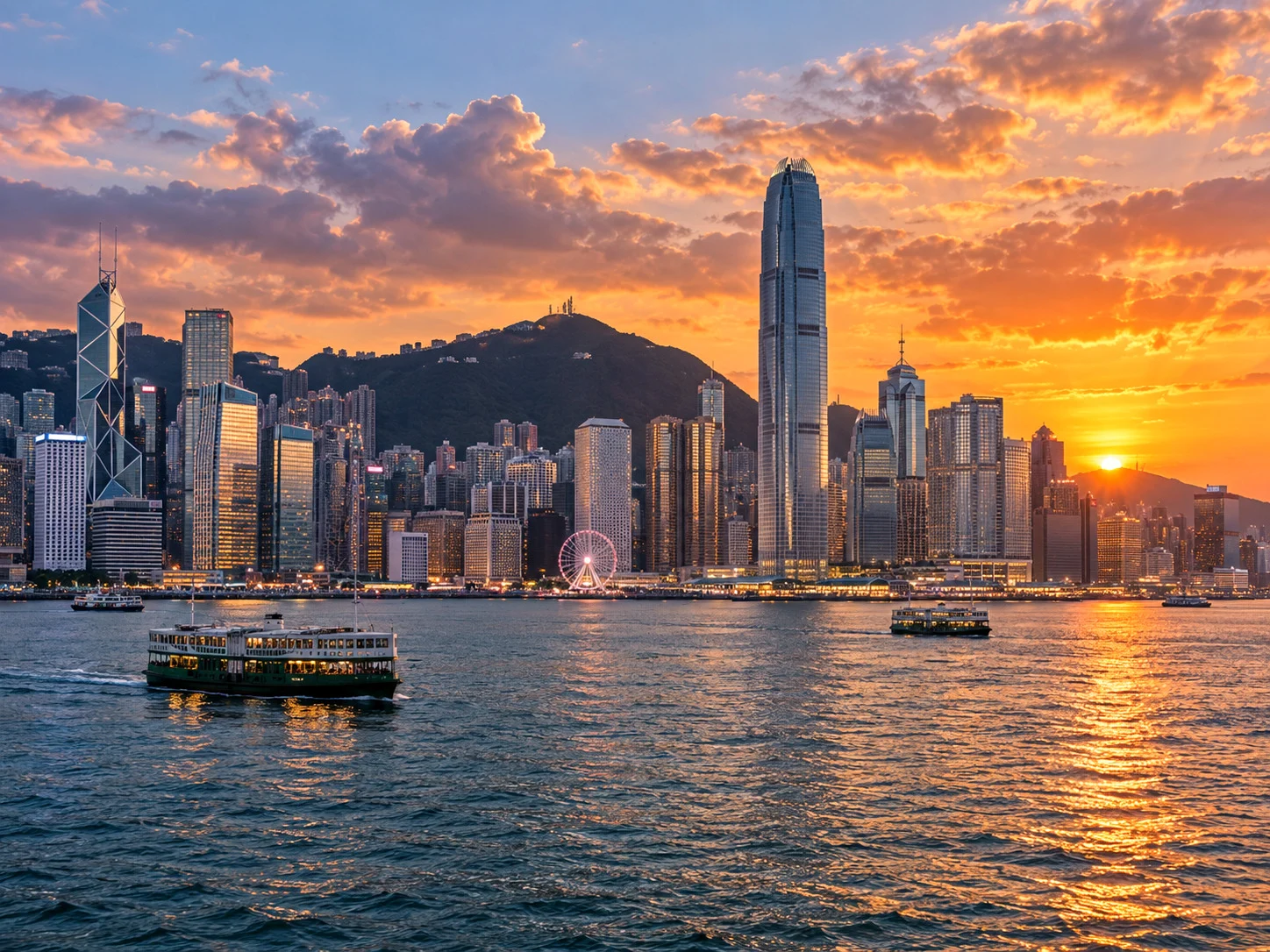
Victoria Harbour shaped not only Hong Kong’s geography but also its shipping, trade, urban growth and the life of both shores.
Lingnan tradition, port history and international urban life sit side by side, forming a highly mixed yet distinctive city character.
Cantonese speech, opera, festivals, temples, yum cha and street markets form the cultural base most visitors feel first.
Hilly terrain, dense towers, escalators, footbridges and sloping lanes create a unique three-dimensional way of walking and seeing the city.
The Star Ferry, trams, metro, buses and walkable districts are themselves an essential way to understand everyday Hong Kong.
Dim sum, cha chaan teng, siu mei, wonton noodles, desserts and street snacks let visitors enter Hong Kong life through taste.
Three depths of discovery
Classic Essentials
Core city profile · Classic recommendations- Victoria Harbour
- The Peak & Peak Tram
- Central & the Waterfront
- Star Ferry
- West Kowloon
- Wan Chai
Cultural Immersion
Cultural background · In-depth experiences- Wong Tai Sin Temple
- Chi Lin Nunnery
- Sham Shui Po
- Tai Kwun
- Ping Shan Heritage Trail
Leisure & Extension
Modern lifestyle · Family-friendly experiences- Stanley & Repulse Bay
- Hong Kong Disneyland
- Aberdeen
- Outlying Islands
Five currents that shaped the harbour city
The Harbour, Shipping & a Seafaring City
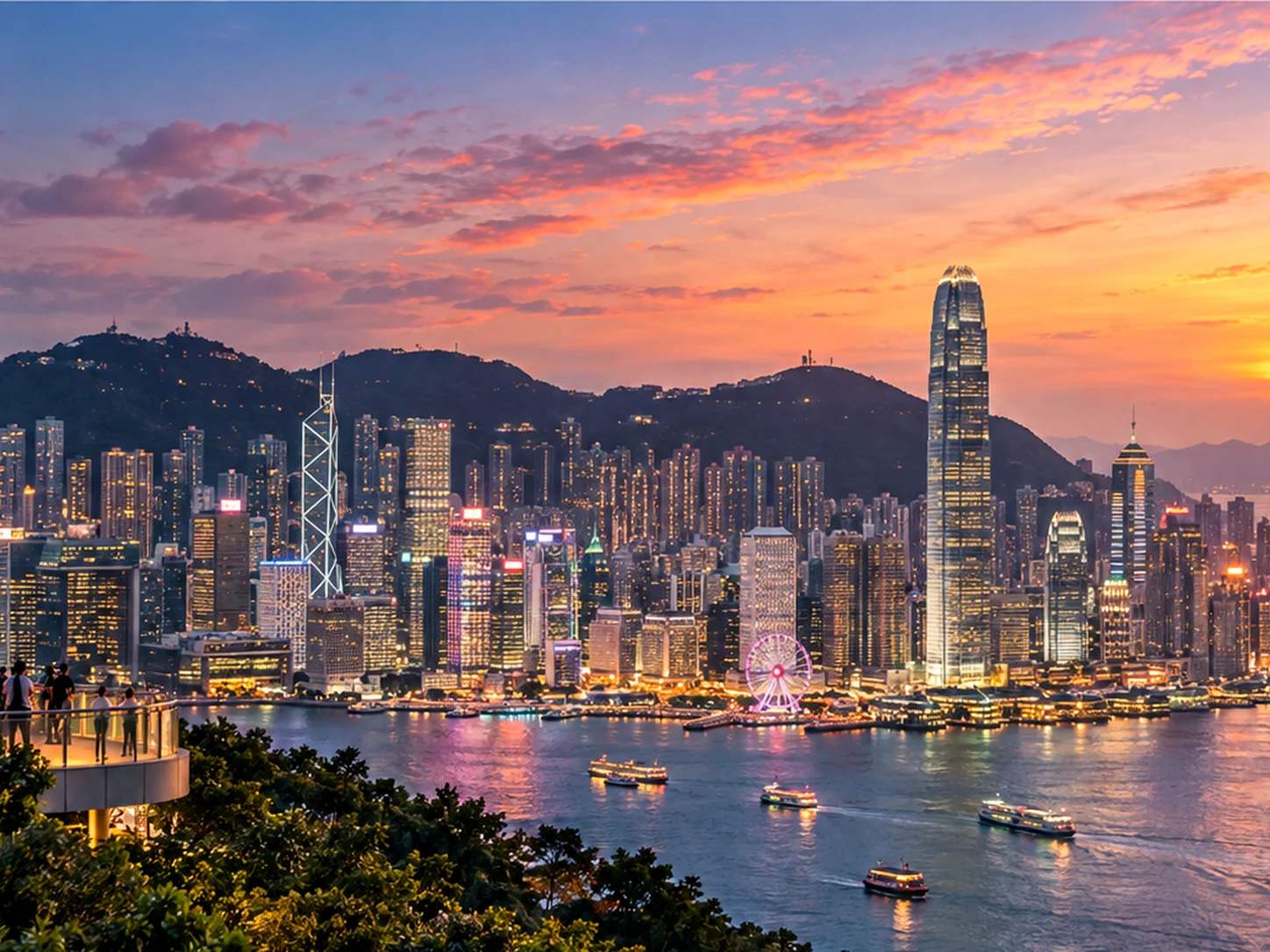
Hong Kong’s growth is inseparable from its natural deep-water harbour. Victoria Harbour has long connected Kowloon and Hong Kong Island, and witnessed shipping, trade, migration and urban expansion. Today the ferries, waterfront promenades, piers and night views still reinforce Hong Kong’s identity as a city that rose through the sea and faces it from the hills.
East Meets West & Urban Modernity
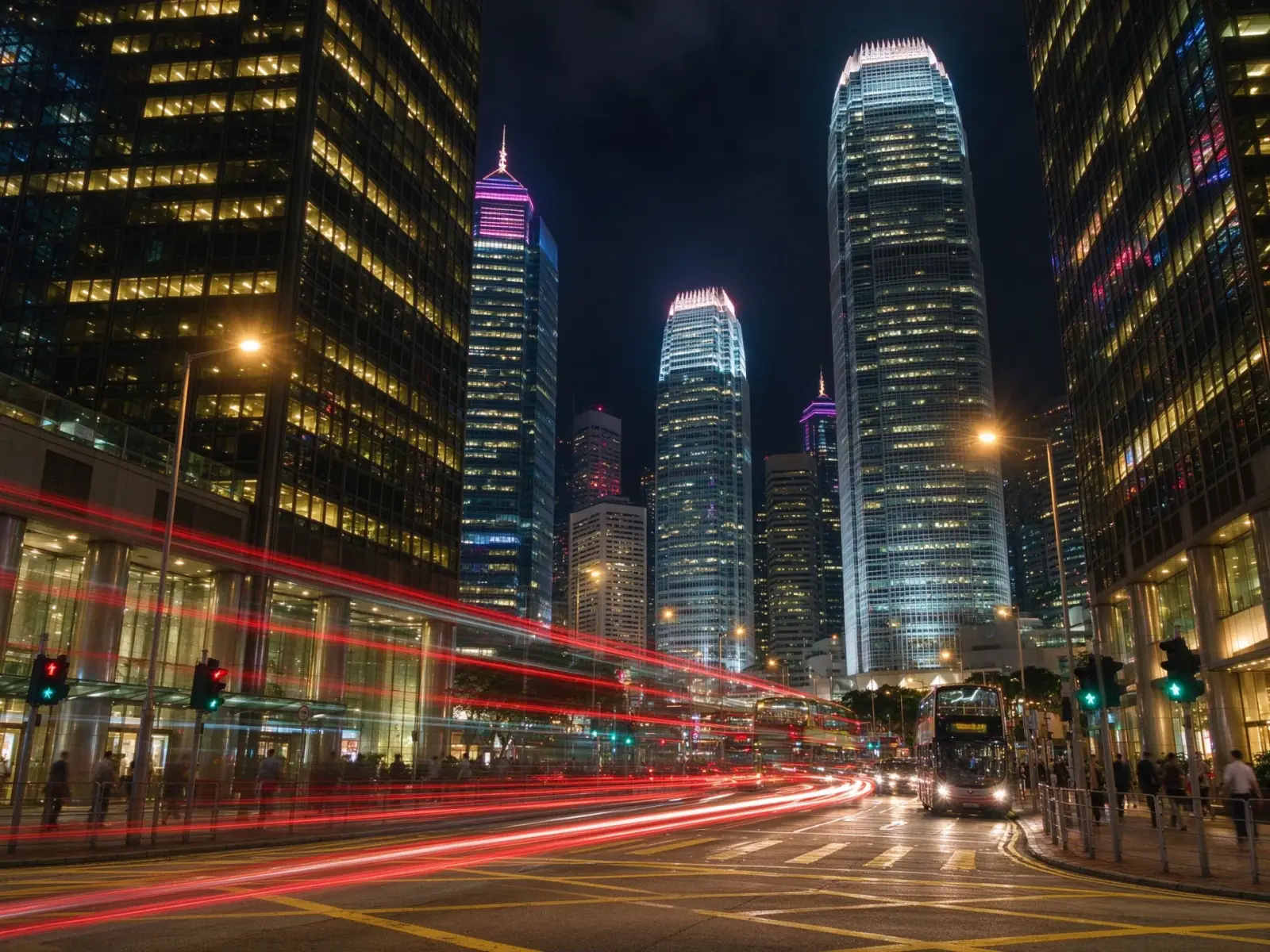
Hong Kong’s modern urban culture grew from Lingnan tradition, modern social change and international exchange together. It appears in architecture, education, law, commerce, film, popular music, design, food and daily life — and has produced a metropolitan temperament that is efficient, open and intensely local at once.
Cantonese, Street Markets & Civic Memory
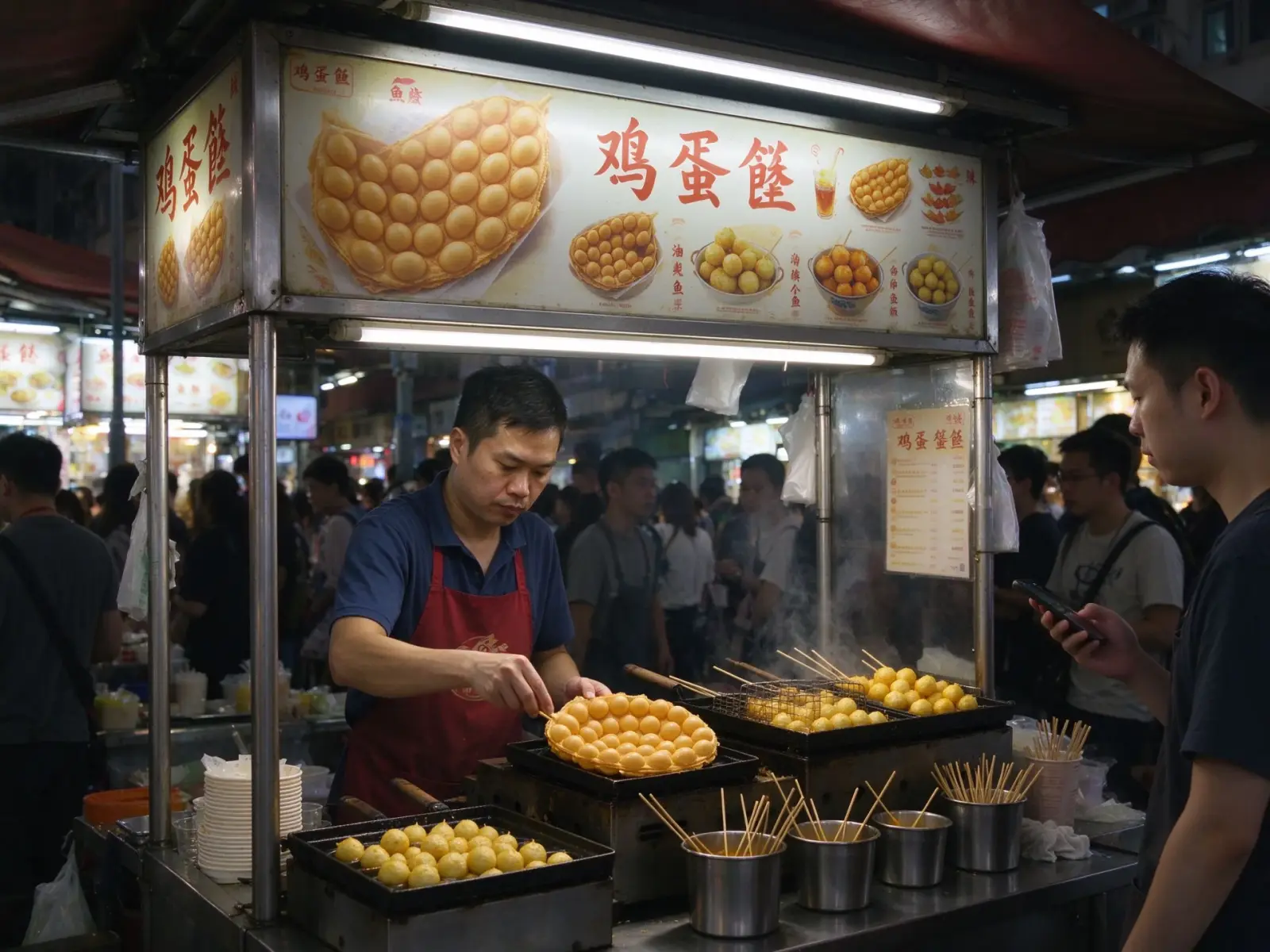
Cantonese culture and neighbourhood routine are the clearest door into Hong Kong. Old street markets, cha chaan teng, shophouse arcades, public housing estates, neon memory and dense lanes together form a vivid picture of civic life — the Hong Kong that exists beyond the skyscrapers.
Mountain Skylines & the Vertical City
The Hong Kong skyline is composed of the high-rise towers of both harbour shores, The Peak and the rolling hills behind — one of the most recognisable urban landscapes in the world. High-density building sits extremely close to natural mountain and sea, making viewpoints, trails, ferries and waterfront walks the best way to read the city’s structure.
Yum Cha, Food & the City’s Way of Life
Hong Kong’s appeal also lies in an intensely tangible daily life: morning tea, cha chaan teng, siu mei shops, street snacks, dessert houses, markets and late-night dining. In one basket of dim sum, one ferry crossing or one walk through a district, visitors quickly feel Hong Kong’s efficient yet warm rhythm.
Where to begin
Six places that together carry the essence of Hong Kong — Victoria Harbour and the Tsim Sha Tsui promenade, The Peak and its tram, Central and the waterfront, the Star Ferry, West Kowloon and M+, and the Wan Chai waterfront.
Temples, markets & living heritage
For travellers who want to go past the postcards: the incense and fortune-sticks of Wong Tai Sin, the quiet timber halls of Chi Lin Nunnery, the markets of Sham Shui Po, the sloping lanes of Sai Ying Pun, the ancestral villages of the Ping Shan Heritage Trail, and the fishing-port memory of Aberdeen.
Art, parks & the slower shore
Tai Kwun and PMQ’s creative reuse of heritage buildings, the shopping rhythm of Causeway Bay beside Victoria Park’s green, a full day at Hong Kong Disneyland, and the beaches of Stanley and Repulse Bay — Hong Kong at leisure, beyond the central skyline.
The taste of Hong Kong
Four tastes of local life
The charm of Hong Kong food is not only “what to eat” but “when and where”. Morning tea, cha chaan teng, siu mei shops, noodle houses, dessert shops and street markets together make up the most direct and accessible doorway into Hong Kong daily life.
How to taste the city
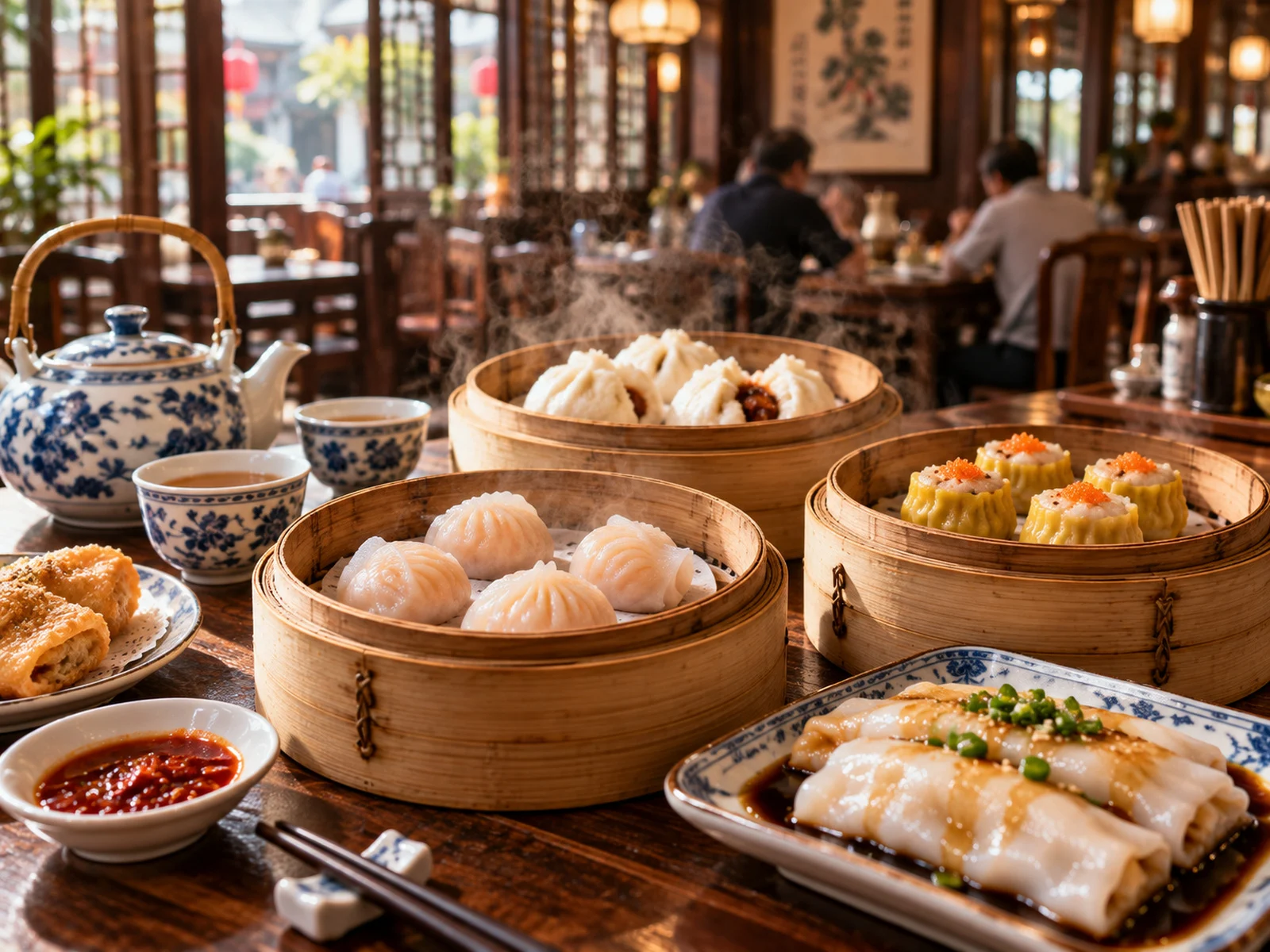
Har gow, siu mai and bamboo steamers with hot tea — the social rhythm of Cantonese mornings.
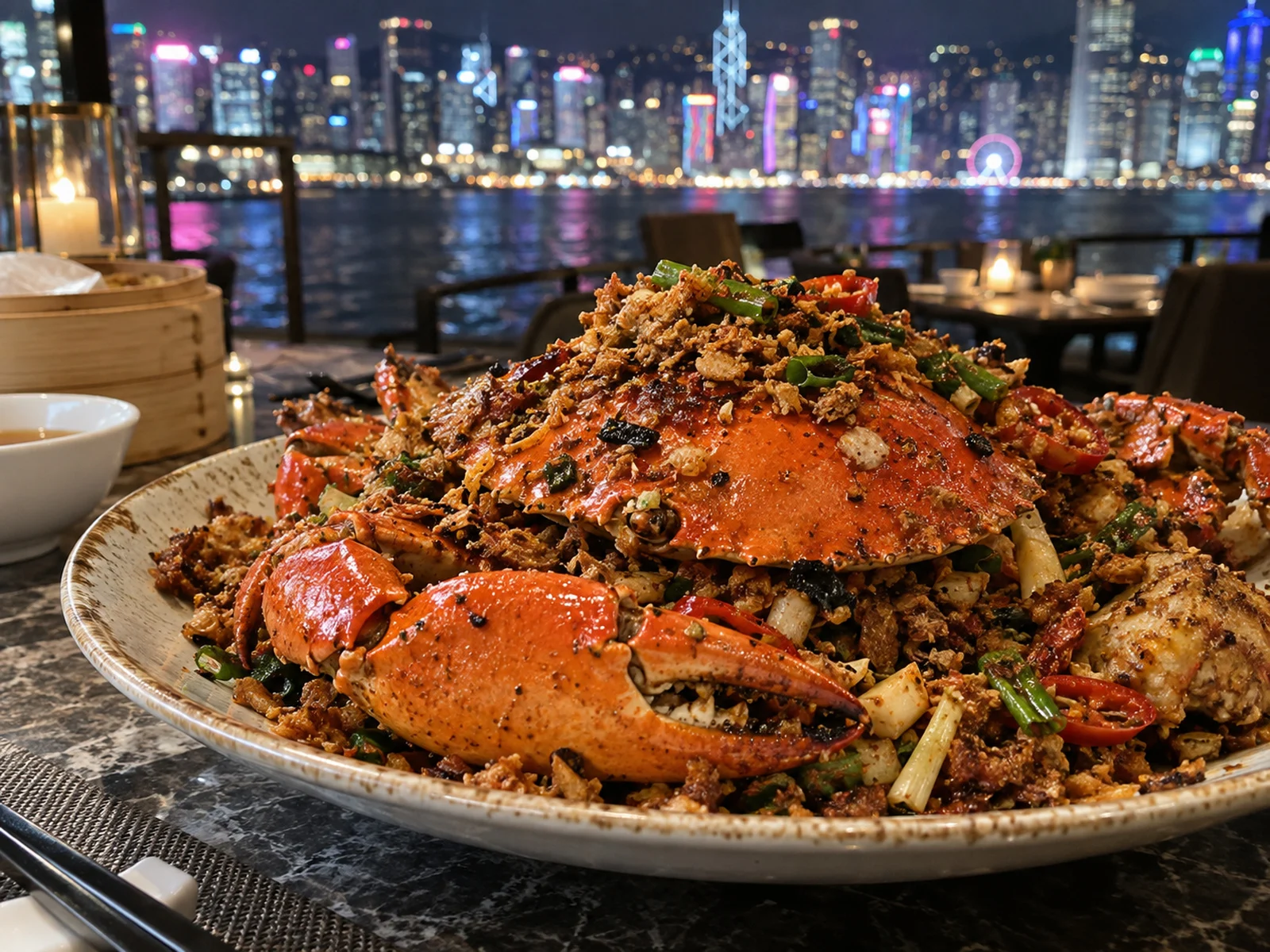
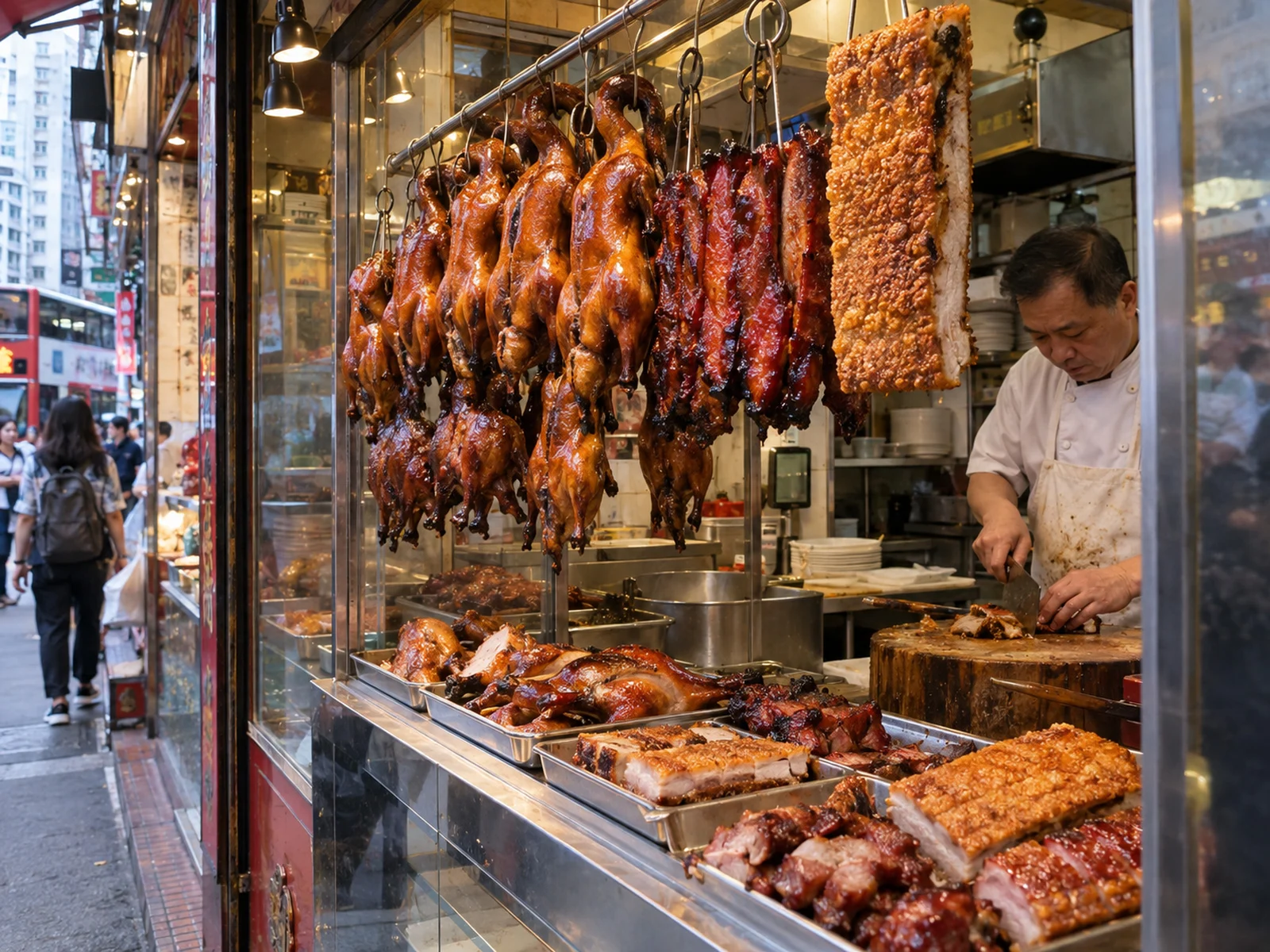
Roast goose, char siu or a harbour-side seafood meal — fire, freshness and flavour.
A thick silk-stocking milk tea with pineapple bun and egg tart — Hong Kong’s fast, mixed-table energy.
Egg waffles, fish balls and curry snacks eaten on foot through an old district — food and city life as one.
Five ways to walk the layers
Hong Kong is more than skyscrapers and shopping, and more than the neon streets of cinema. What makes it truly fascinating is the layering — the harbour, the mountain-and-sea terrain, Cantonese culture, neighbourhood life, food and the meeting of East and West, all compressed into one city. 香港不只是高楼与购物,也不只是电影里的霓虹街景。它真正迷人的地方,在于维港、山海地形、粤语文化、街区日常、美食与中西交汇共同构成的城市层次感。
Start Your Journey