
GuangzhouThe Millennium Commercial Capital
A city that has been trading for two thousand years
Guangzhou is one of the core cities of Lingnan culture and, for more than two thousand years, one of China’s great gateways of commerce and exchange. Official cultural material describes a historical city of over 2,200 years, known throughout the country as the “Millennium Commercial Capital”. The Maritime Silk Road, the Pearl River, a mercantile tradition and waves of migration shaped a character that is open, pragmatic and inclusive.
Six cultural keywords worth collecting
From ancient sea trade to modern commerce — trade is the most distinctive gene of this city.
Cantonese, opera, Guangdong music, Xiguan houses, arcades, embroidery and morning tea form one recognisable system.
Nanhai God Temple and the Guangzhou Maritime Museum tell a trade story that runs across dynasties.
Liwan’s great houses, arcades, granite lanes and time-honoured shops are the best door into old Guangzhou.
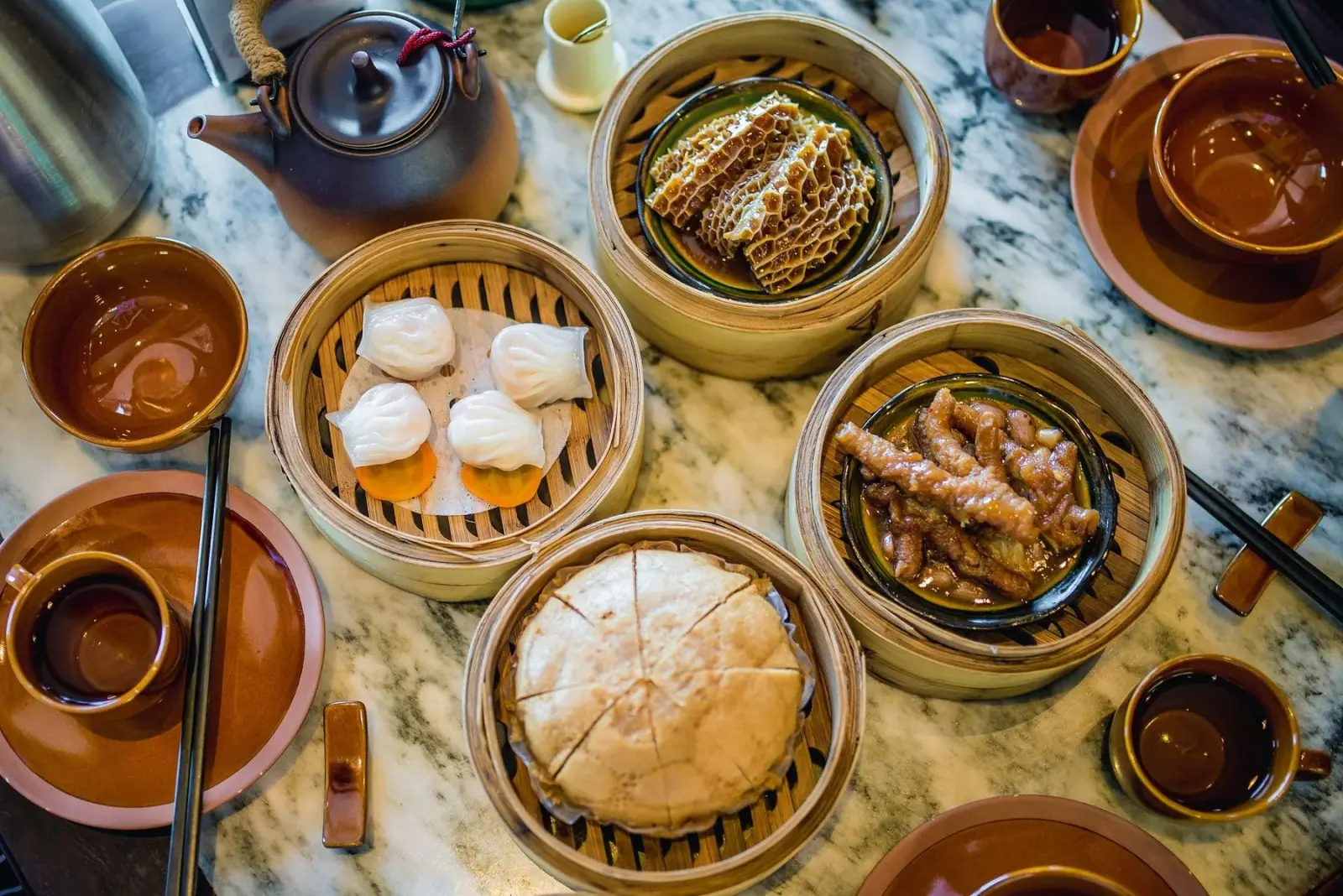
Morning tea is not breakfast — it is a social rhythm, and “one pot, two pieces” has become a city symbol.
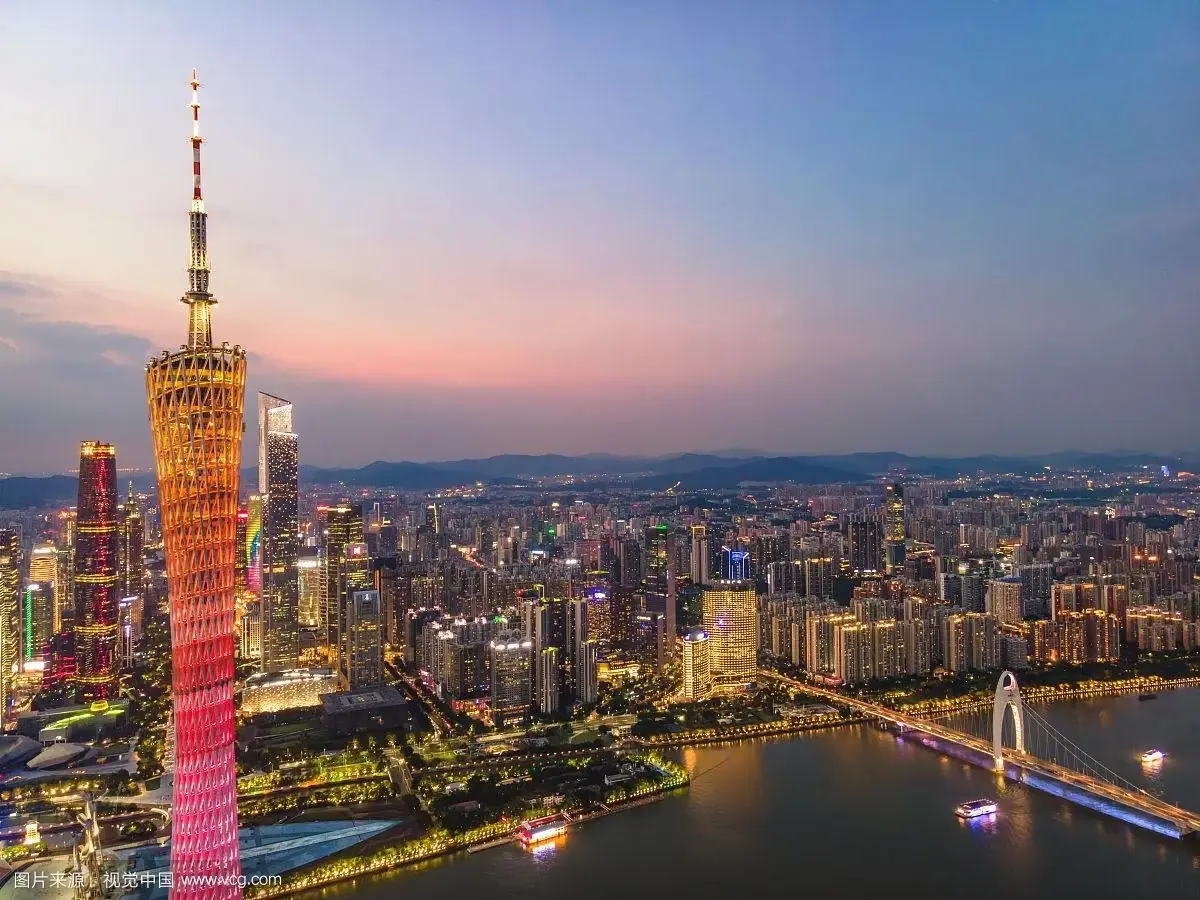
Clan halls and cathedrals stand against the Canton Tower and Zhujiang New Town — a city of deliberate contrast.
Three depths of discovery
City Essentials
City basics · Classic recommendations- Chen Clan Ancestral Hall
- Yongqing Fang & Enning Road
- Shamian Historical District
- Canton Tower & Pearl River
- Beijing Road
- Yuexiu Park
Cultural Deep Dives
Cultural background · Deep experiences- Sun Yat-sen Memorial Hall
- Nanyue King Museum
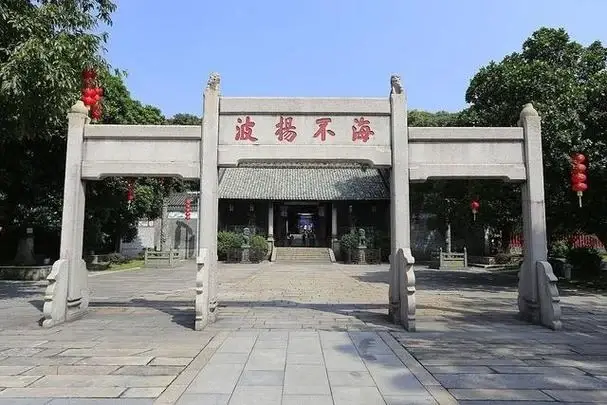
- Nanhai God Temple
- Cantonese Opera Art Museum
Modern & Leisure
Modern image · Family leisure- Zhujiang New Town & Opera House
- Baiyun Mountain
- Botanical Garden / Haizhu Wetland
- Chimelong Resort
Four currents that made the city
Maritime Trade & the Millennium Commercial Capital
Guangzhou’s history cannot be separated from its harbour. For over two thousand years it was one of China’s great foreign-trade ports and a node of the Maritime Silk Road. Commerce brought not only wealth but people, religion, cuisine, language, architecture and ways of life — which is why the city’s culture has been open from the very start.
The best places to follow this line — Nanhai God Temple, Guangzhou Maritime Museum, the Thirteen Factories area, Shamian and the Pearl River waterfront — string “ancient sea trade, modern commerce, international metropolis” into a single story.
Cantonese Culture & the Memory of Xiguan
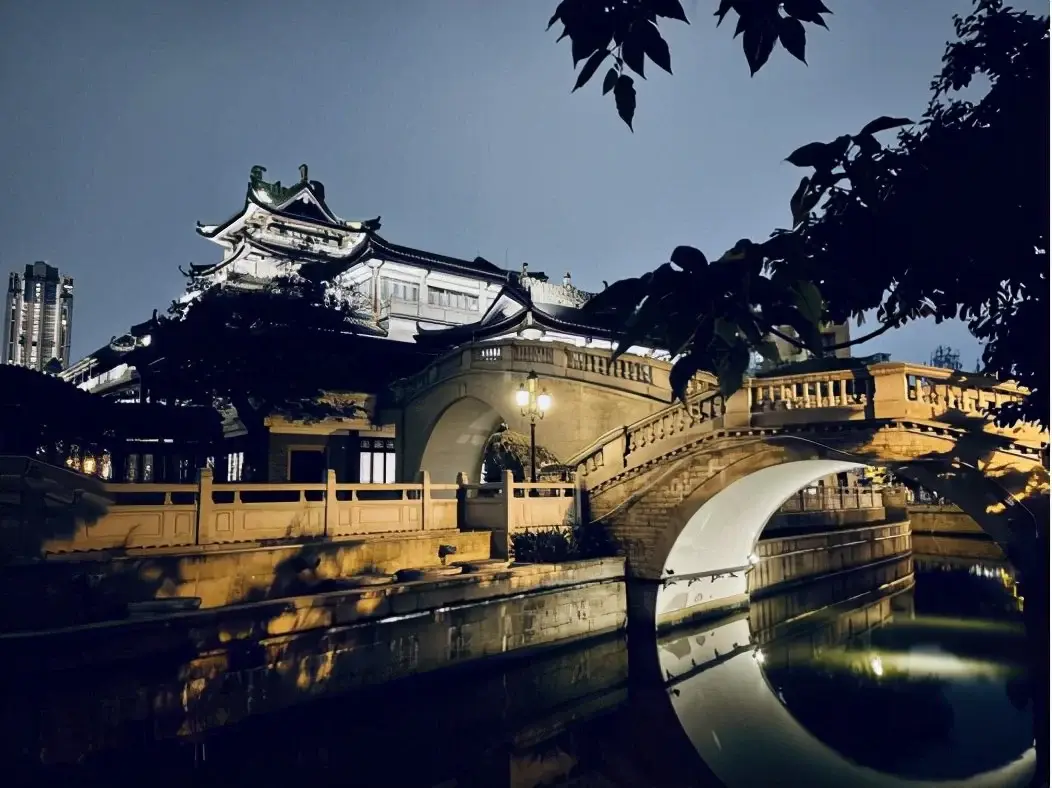
“Cantonese culture” is the key to daily life in Guangzhou — not a single art form but a system made of the Cantonese language, Cantonese opera, Guangdong music, lion dance, morning tea, Xiguan houses, arcade buildings, Cantonese embroidery and Canton enamel.
Liwan’s Xiguan quarter is where it can be observed on the ground: street scale, house forms, time-honoured shops, opera and intangible heritage all converge within a few walkable blocks.
Cantonese Opera, Lion Dance & Intangible Heritage
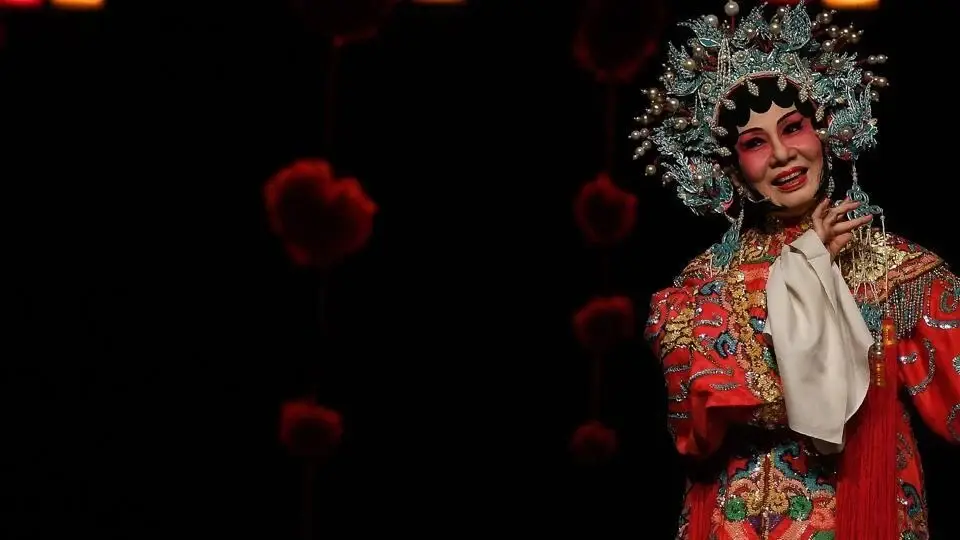
Sung in Cantonese and fusing vocal styles, instrumental music, martial performance, costume and face painting, Cantonese opera is the most representative stage art of Cantonese culture. In 2009 UNESCO inscribed it on the Representative List of the Intangible Cultural Heritage of Humanity.
Guangzhou’s lion dance, Cantonese embroidery, Canton enamel and plaster moulding are equally distinctive resources of regional identity.
Morning Tea: A Way of Life
Morning tea in Guangzhou means far more than breakfast. It is a social order and a daily ritual — slow tea, a few baskets of dim sum, unhurried conversation with family and friends. The Cantonese morning-tea custom is inscribed as a provincial-level intangible heritage item, and in 2026 the city introduced dedicated preservation regulations: dim sum has moved from habit to heritage.
Where to begin
Six places that together carry the essence of Guangzhou — Lingnan craft, Xiguan lanes, the trading waterfront, the city’s ancient axis and the Pearl River at night.
History, faith & heritage
For travellers who want to go past the postcards: a cathedral of granite, a kingdom two thousand years old, a temple of the sea gods and the tower that guards the old city.
The city beyond tradition
Zaha Hadid’s opera house on a new axis, an urban mountain, a botanical paradise inside the metropolis, and one of Asia’s great family resorts.
The taste of “Eat in Guangzhou”
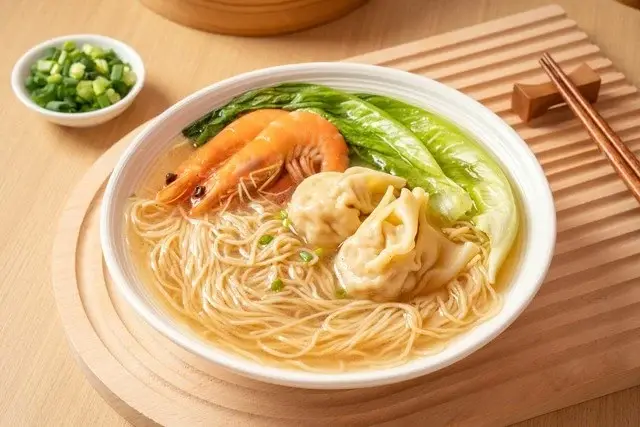
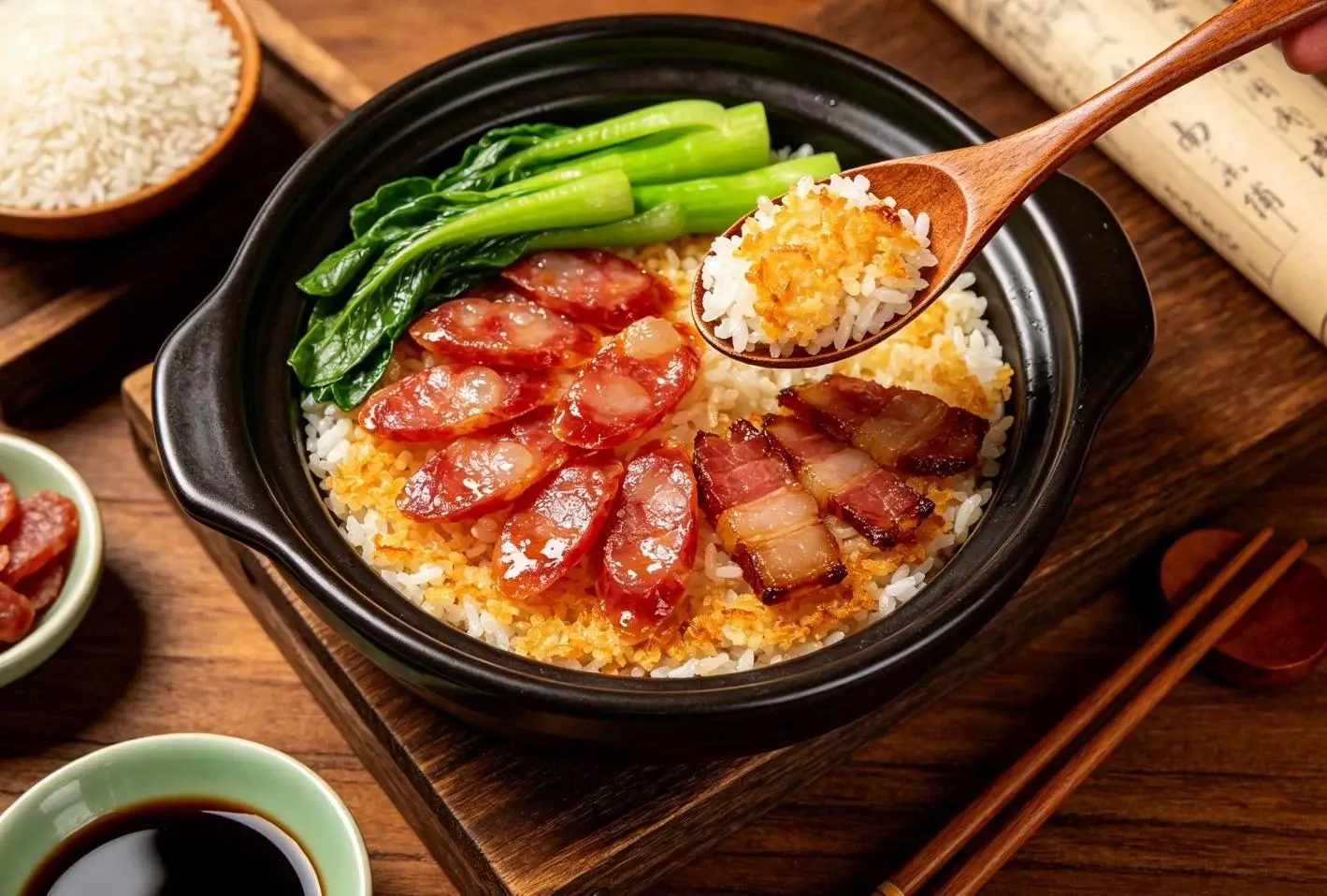
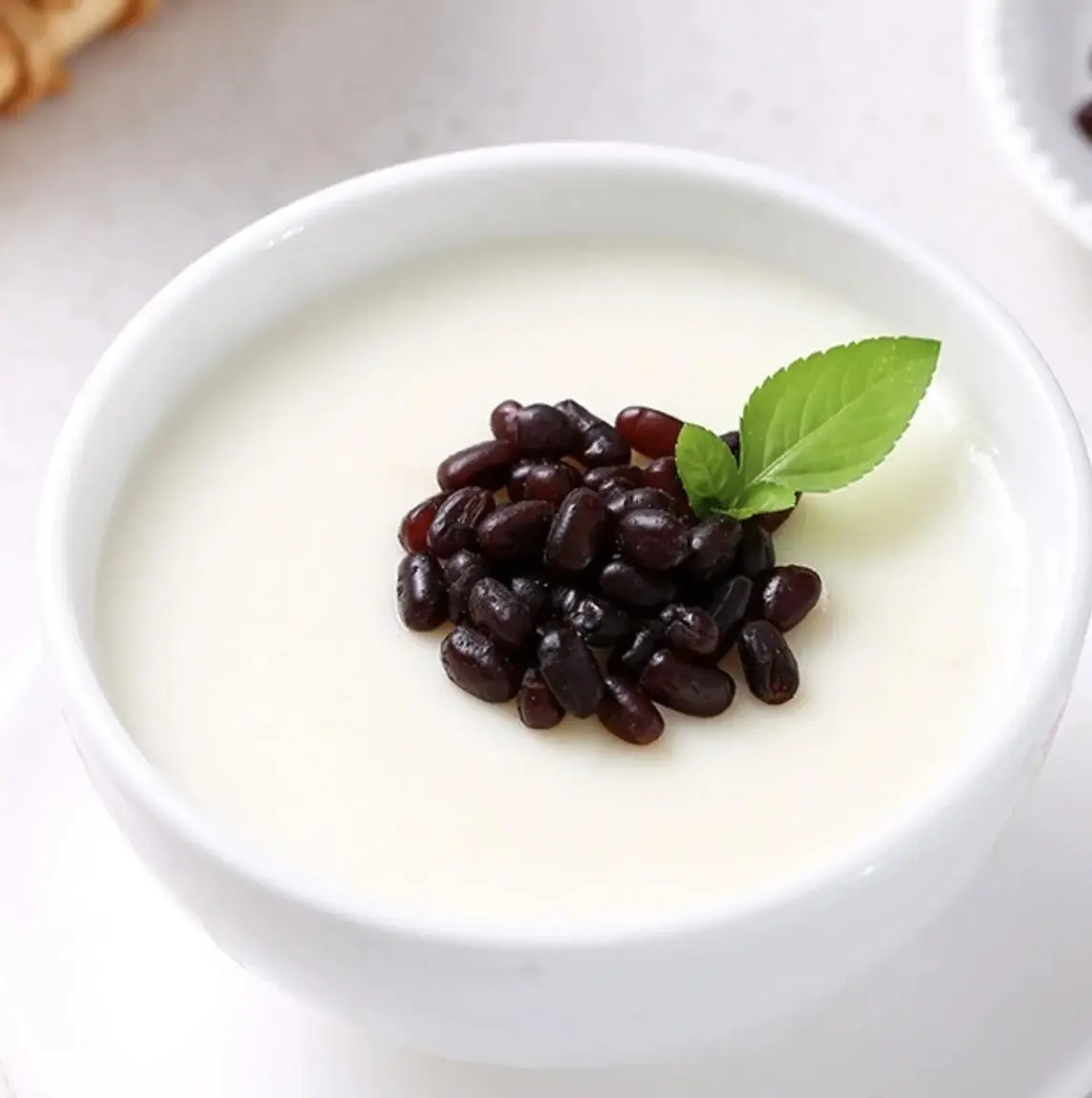
Six tastes of local life
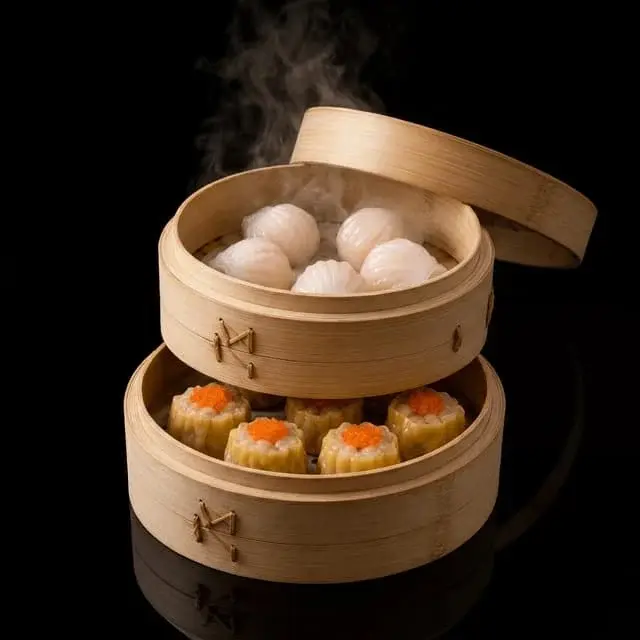
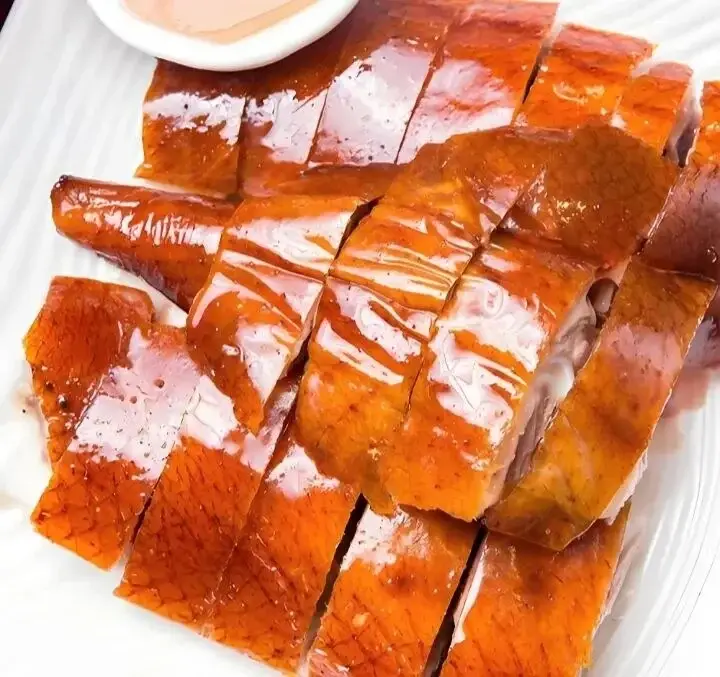
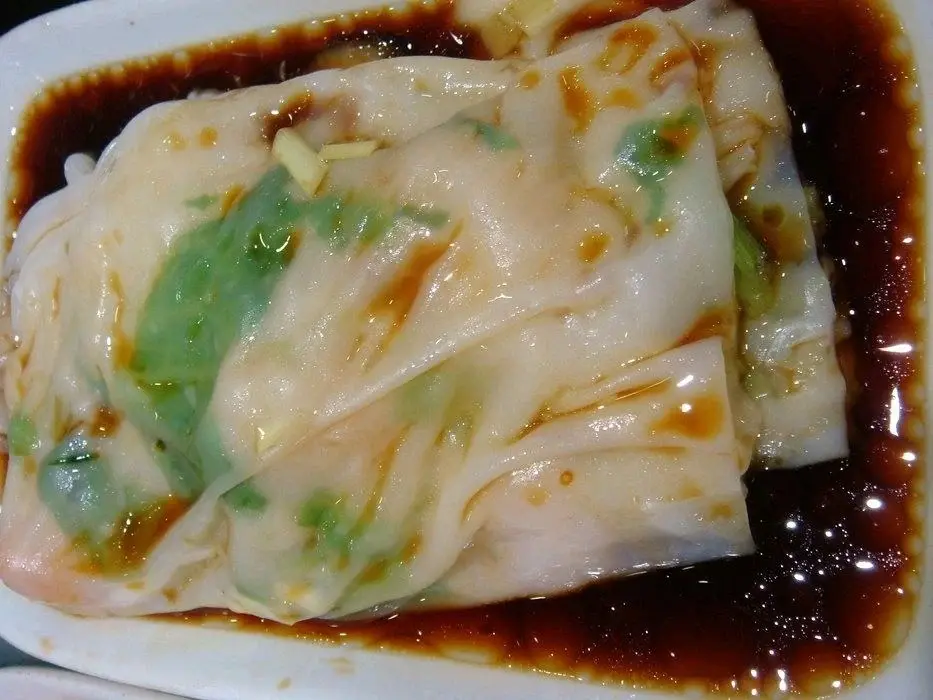
A trip to Guangzhou is inseparable from its food. Unlike most cities, eating here is not a hunt for famous dishes — it is a way of reading the city’s rhythm through teahouses, neighbourhood restaurants, roast-meat shops, sweet-soup stalls and late-night kitchens.
How to eat the city
Arrive early, share a table, and let the baskets arrive slowly.
Rice rolls, wonton noodles and bakery bites between lanes.
A proper evening meal of roast goose, char siu or claypot rice.
Finish with double-skin milk or a late-night congee stall.
Five ways to walk the city
Guangzhou is not a city remembered by a single landmark. The real Guangzhou lives on the Pearl River, in Xiguan, in the teahouses, the arcades, the Cantonese language and daily life. 真正的广州,在珠江、西关、茶楼、骑楼、粤语和日常生活里。
Start Your Journey