
Study Tour
Study Tour
Turn China itself into the classroom. Guided by historians, conservators and master artisans, students read real inscriptions, handle real materials and complete real projects at the country’s most significant heritage sites, museums and living craft workshops.
Learning from the source, not the summary
A study tour is not ordinary sightseeing. Every stop is built around a question, an expert and a task — so students leave with skills and work they can keep.
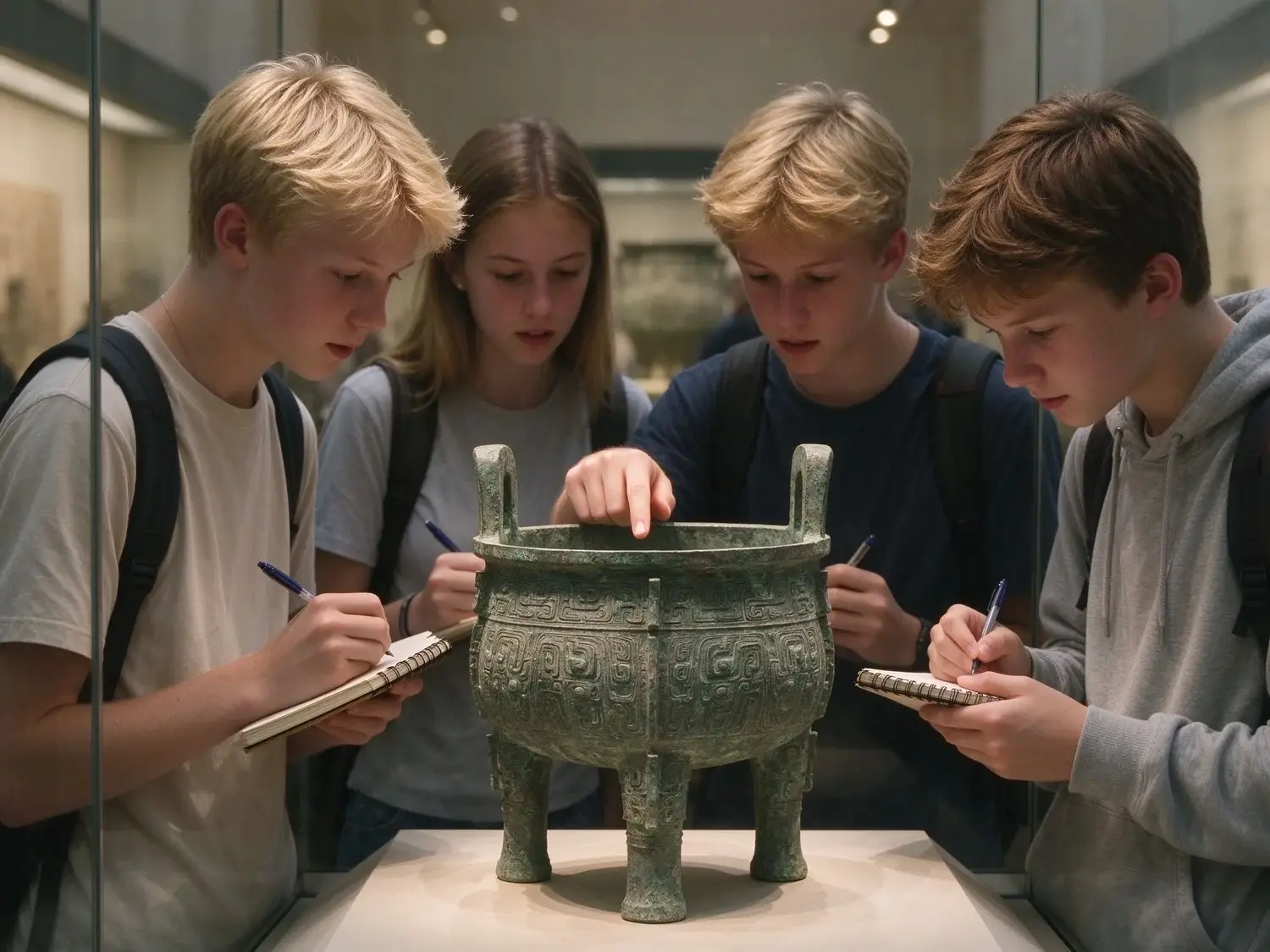
Primary-source learning
Learn from genuine artefacts, historic buildings and field sites rather than second-hand summaries.
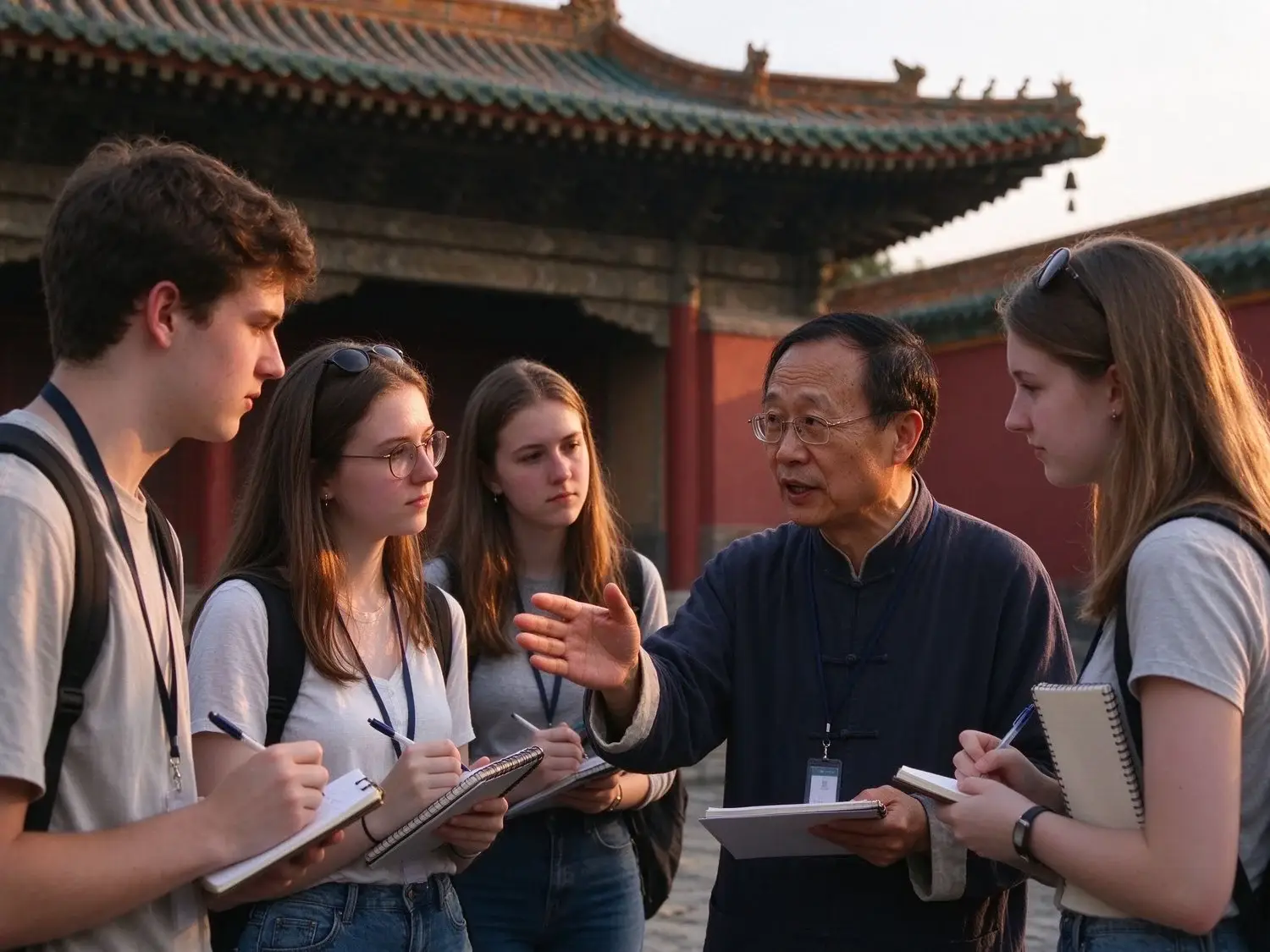
Expert-led
Walk with historians, archaeologists, museum educators and representative intangible-heritage inheritors.
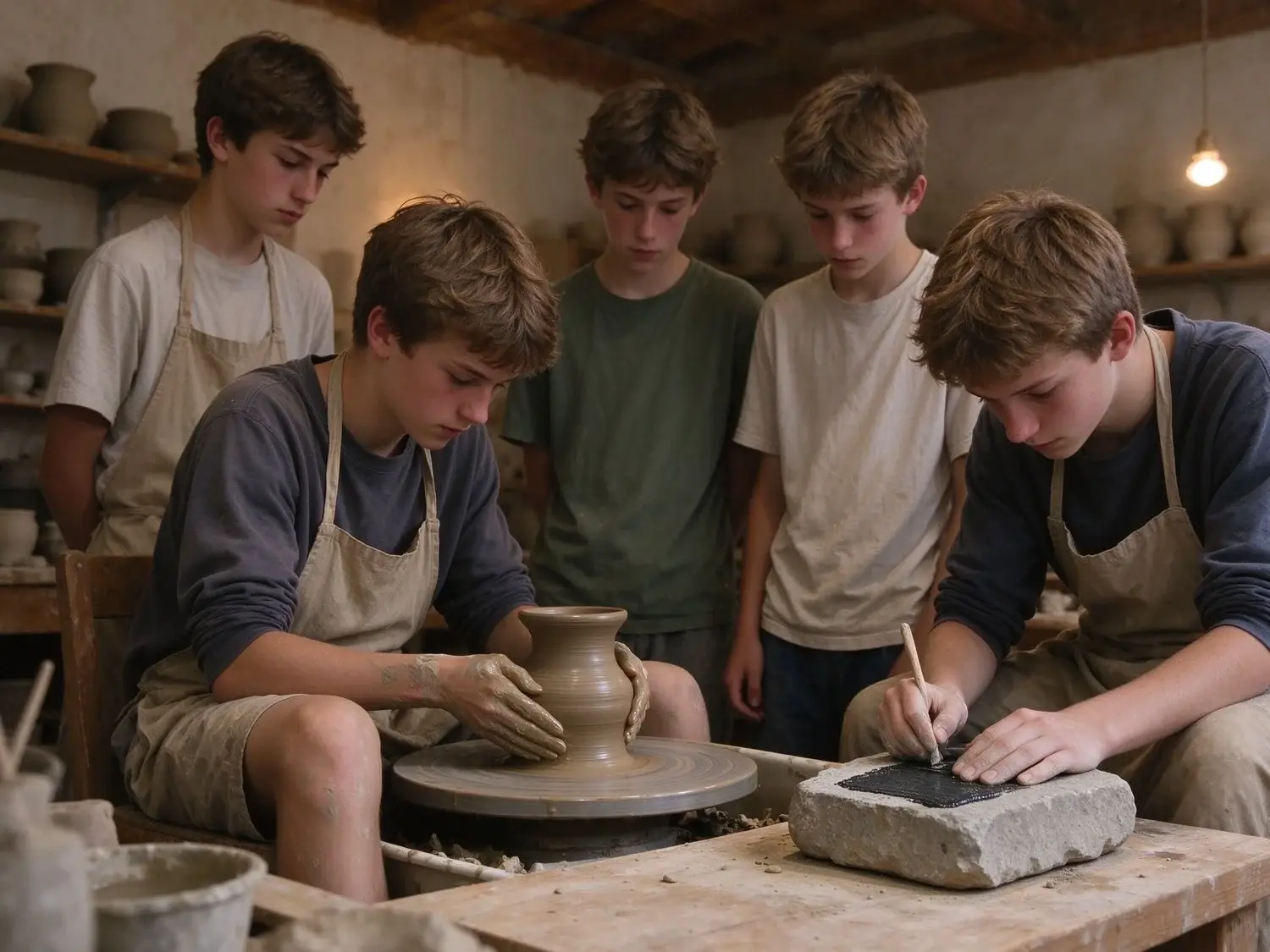
Hands-on practice
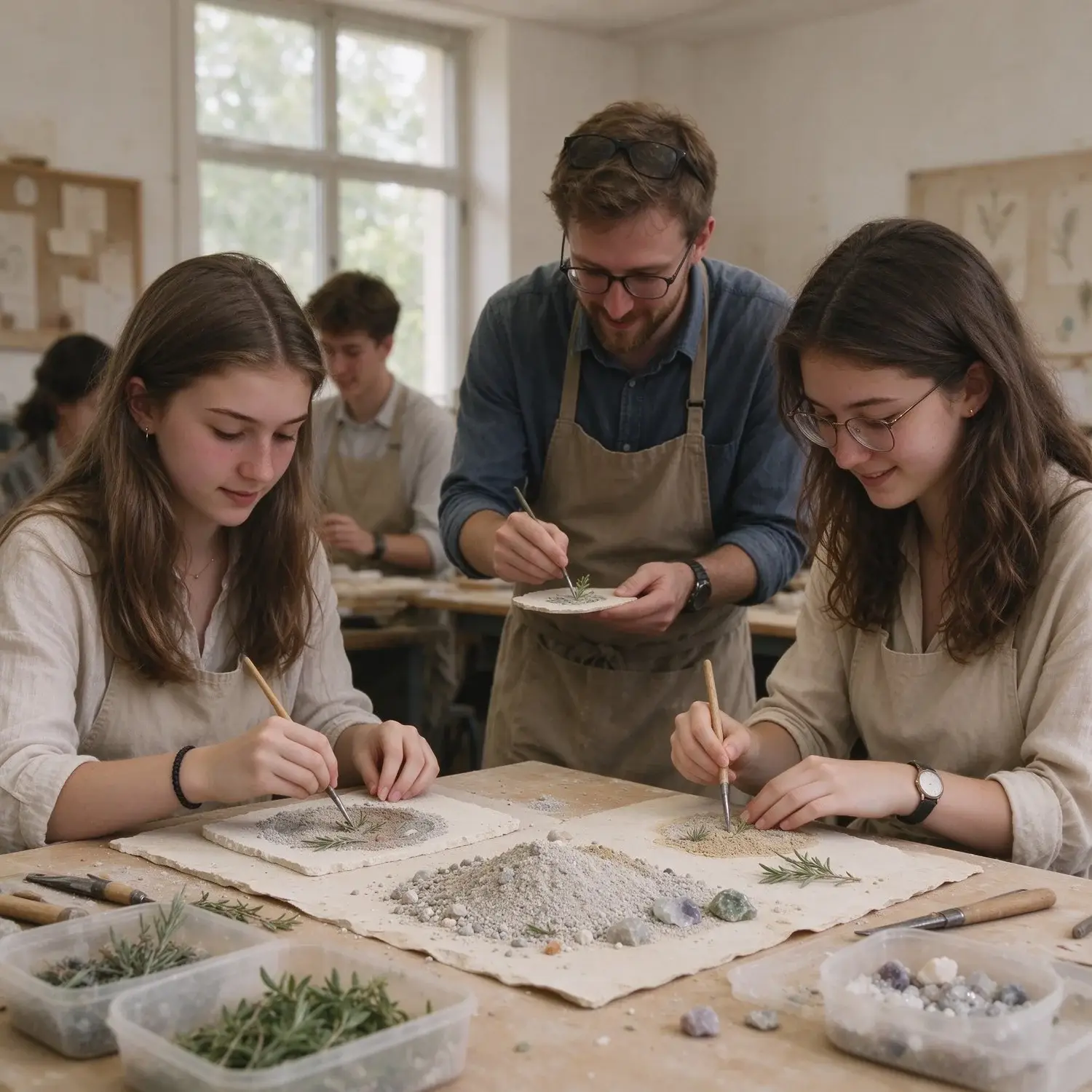
Throw pottery, make rubbings, paint architectural decoration and design your own cultural-creative work.
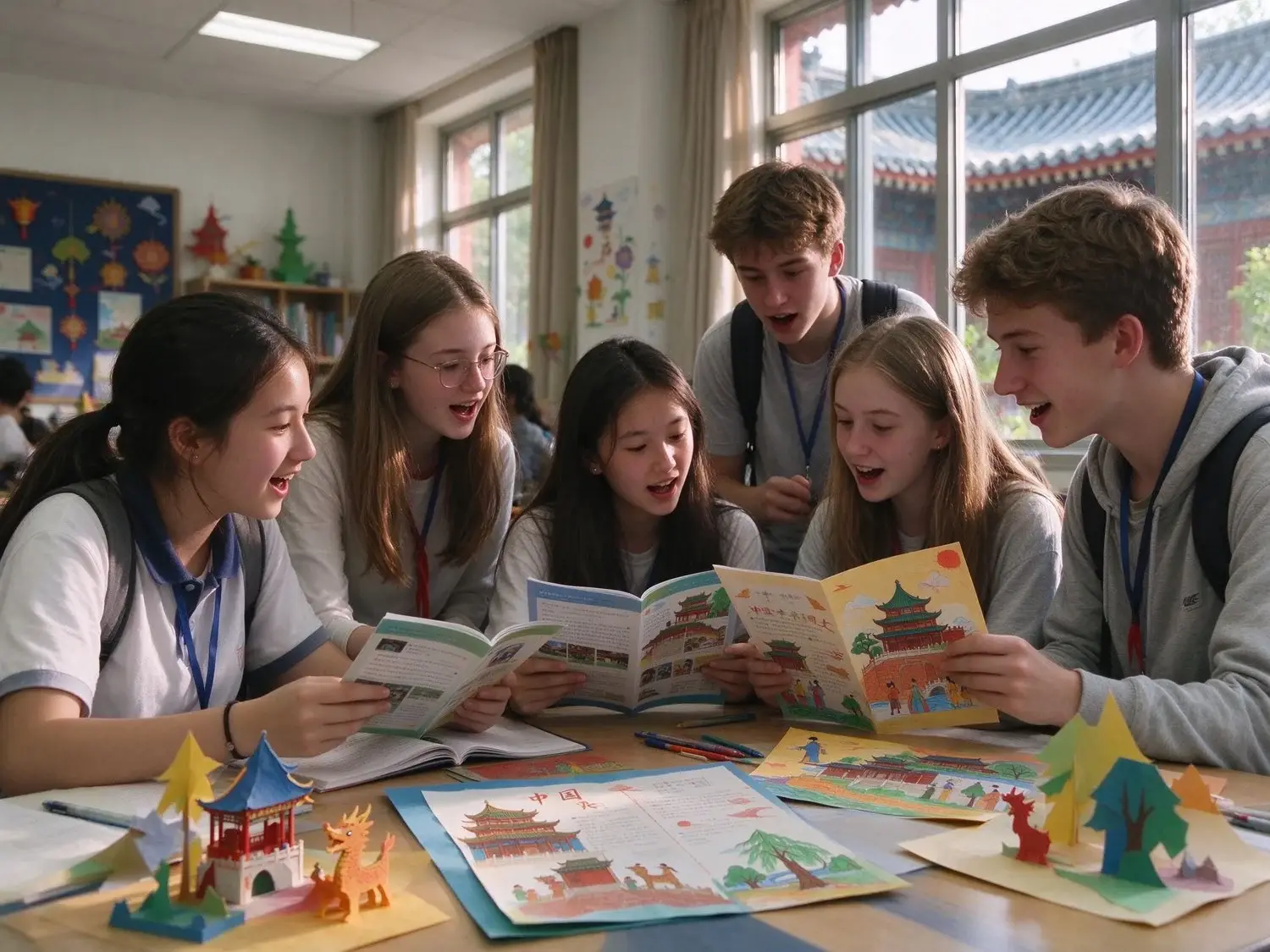
Curriculum-linked
Programmes connect history, geography, art, science and language — with tasks that produce real outcomes.
From city to classroom in three steps
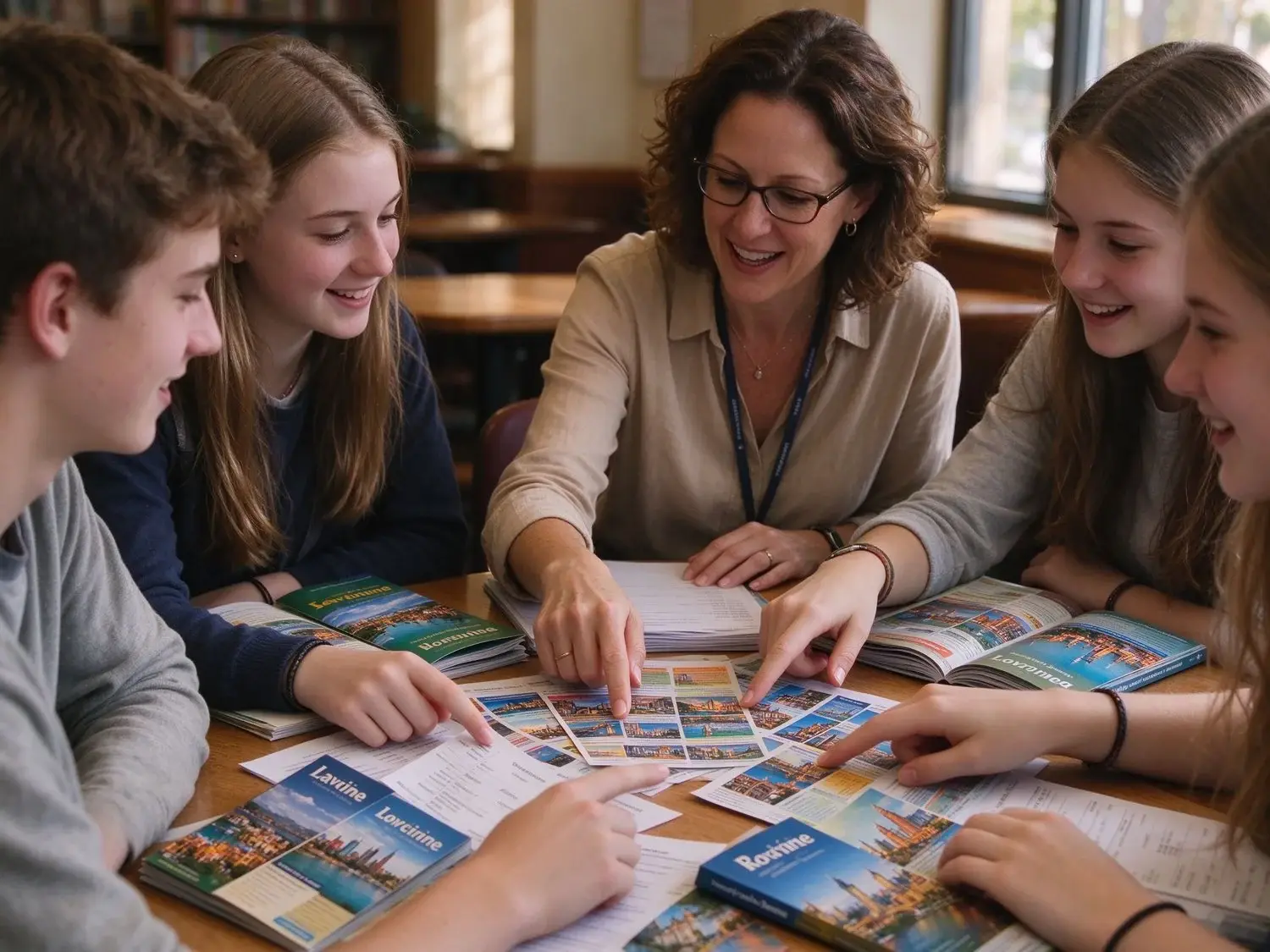
Choose a city
Fourteen cities and regions, each a distinct classroom across imperial, natural and modern China.
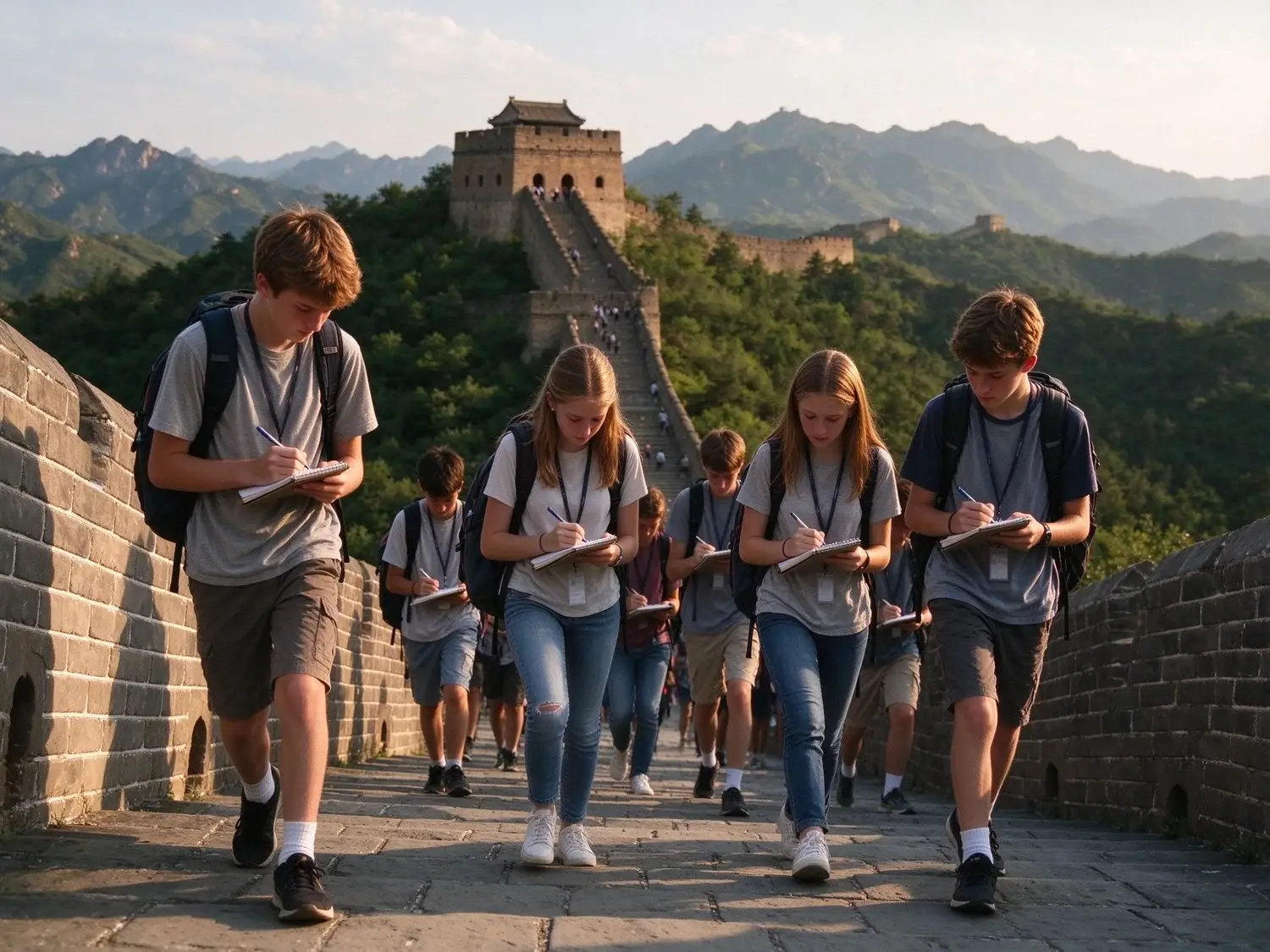
Explore field studies
Each destination profiles six essential sites, six deep-dive studies and four creative projects.
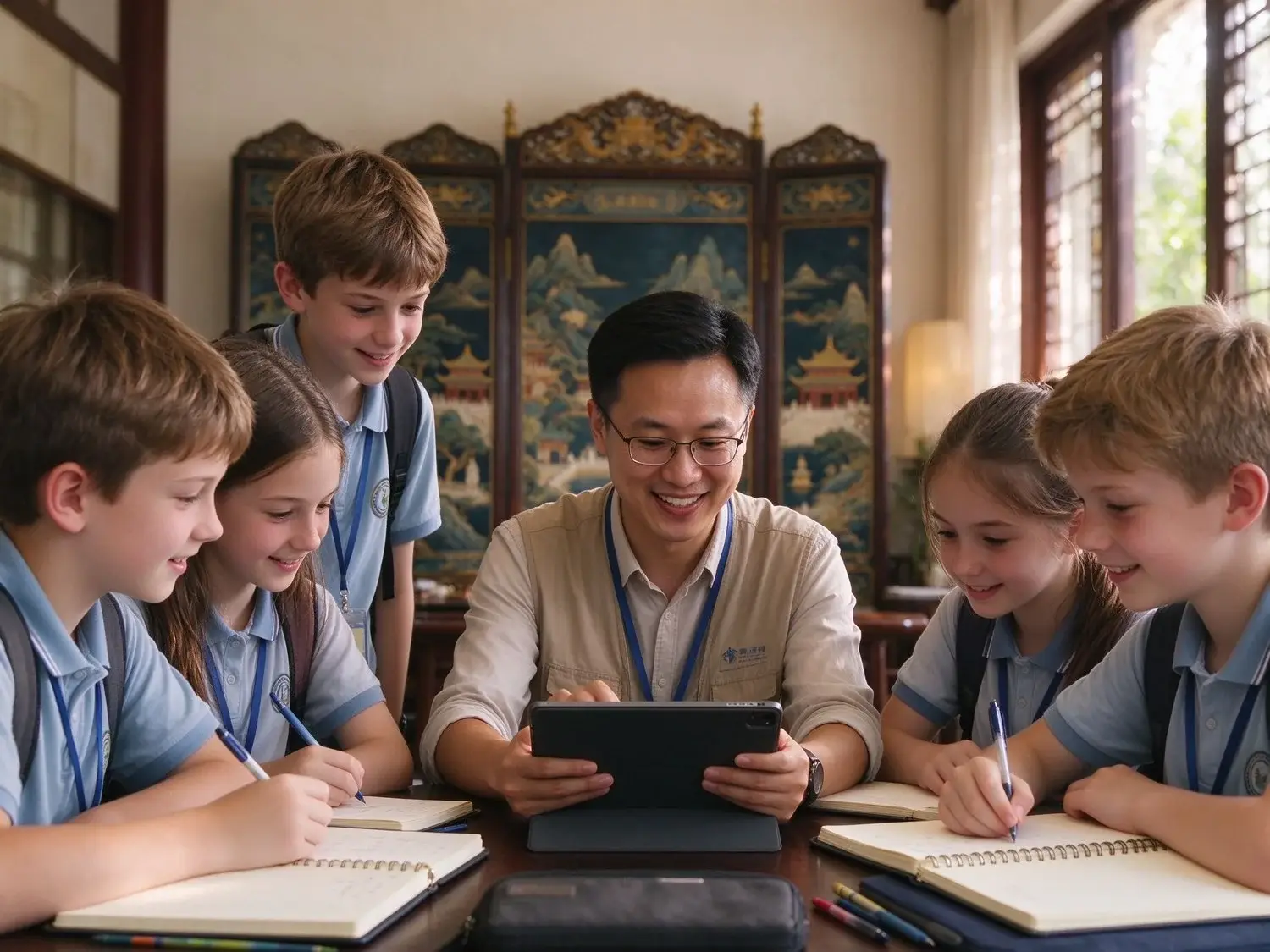
Tailor your programme
We combine studies around age, curriculum goals, interests and budget, with clear deliverables.
Choose your classroom
Fourteen destinations, one unified study format. Open a city to see its overview, cultural background and field-study programme.
Not sure which city fits your group?
Tell us your students’ age, curriculum goals and interests. We will recommend destinations and build a programme with clear learning outcomes.
Plan My Study TourBeijing
Beijing at a glance
Beijing sits on the northern North China Plain. It is China’s political, cultural and international-exchange centre, and a historic city with more than 3,000 years of urban history and over 870 years as a capital — the Liao, Jin, Yuan, Ming and Qing dynasties all built their capitals here, leaving palaces, altars and temples, gardens, the Great Wall and the hutong courtyard houses.
For students, the value of the trip is not simply “checking off the sights”. Standing before real palaces, altars and walls, they turn the dynastic systems, ritual order and city-building ideas from textbooks into things they can observe, measure and explain.
Think of Beijing as a three-dimensional history of the Chinese capital — best approached through six angles: imperial architecture and the axis; museums and artefact-based history; archaeology and conservation; the Great Wall and engineering; intangible heritage and folk life; and museum-led creativity and digital culture.
Six study keywords worth attention
Start with palaces, altars and city walls to understand the planning ideas of centrality and harmony.
National and local collections thread Chinese civilisation from prehistory to the Ming and Qing.
See field excavation, object restoration and building repair; learn how conclusions are built from evidence.
From passes, walls and beacon towers, understand ancient defence and the organisation of large works.
Meet Peking Opera, cloisonné, the Rabbit God and dough modelling — the crafts of the capital.
See how artefacts and historic buildings become exhibitions, cultural-creative products and digital experiences.
Recommended priority
| Priority | Best for | Representative sites | Use case |
|---|---|---|---|
| A · Core intro | First-time study groups in Beijing | Forbidden City, National Museum of China, Beijing Central Axis | Historical literacy / architecture basics |
| B · In-depth practice | Learners interested in history, buildings, art and archaeology | Temple of Heaven, Summer Palace, Ming Tombs | Field archaeology / conservation practice |
| C · Creative extension | Secondary, university and international students | 798 Art District, cultural-creative design, digital exhibitions | Cultural-creative design / branding |
The cultural background to Beijing study
2.1 · The capital through the dynasties
With more than 3,000 years as a city and 870 as a capital — the Liao, Jin, Yuan, Ming and Qing courts all seated here — study can follow four lines: dynasty, capital, building and object, joining scattered facts into one re-tellable story of capital civilisation.
2.2 · The Forbidden City and imperial building
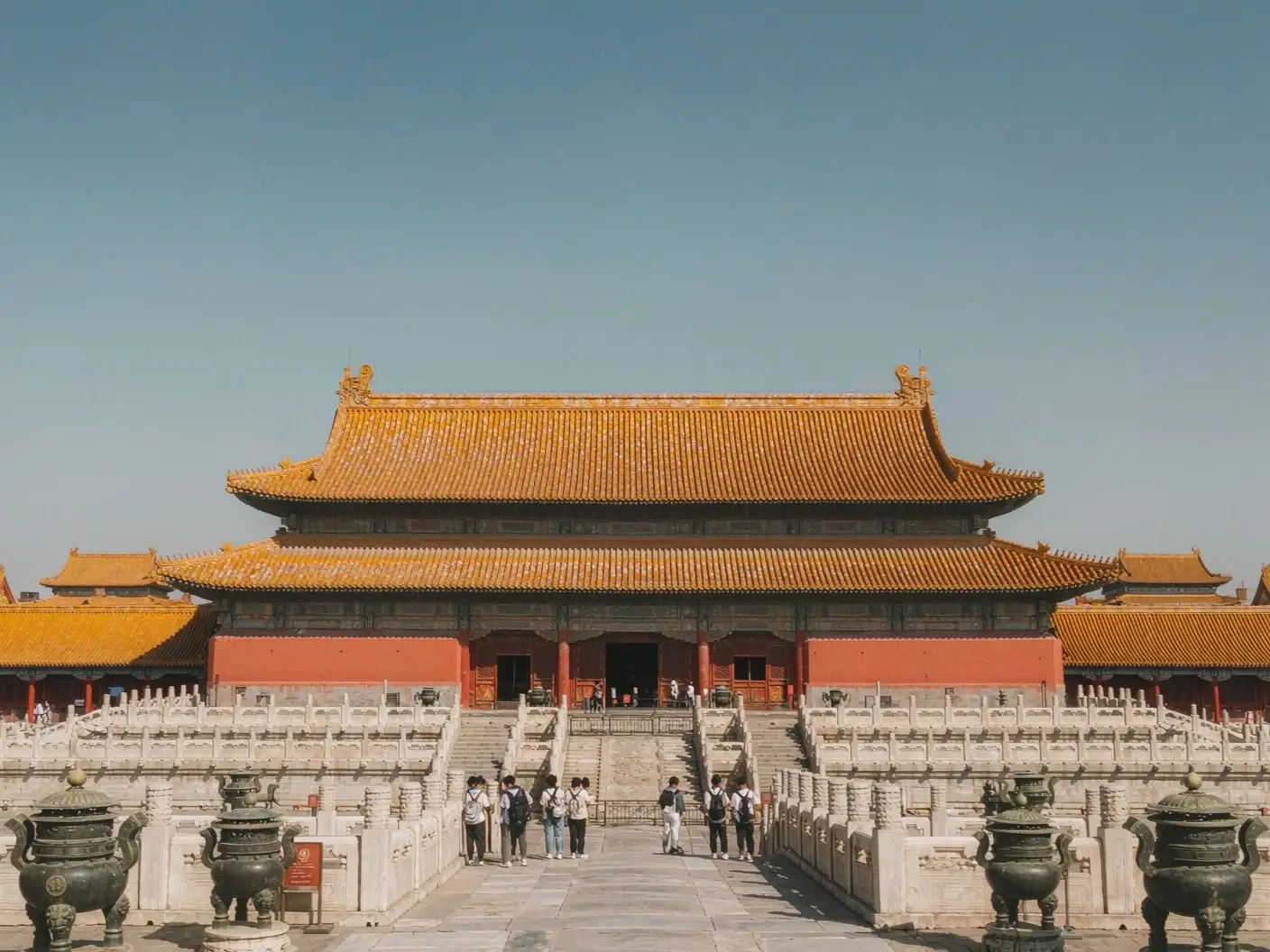
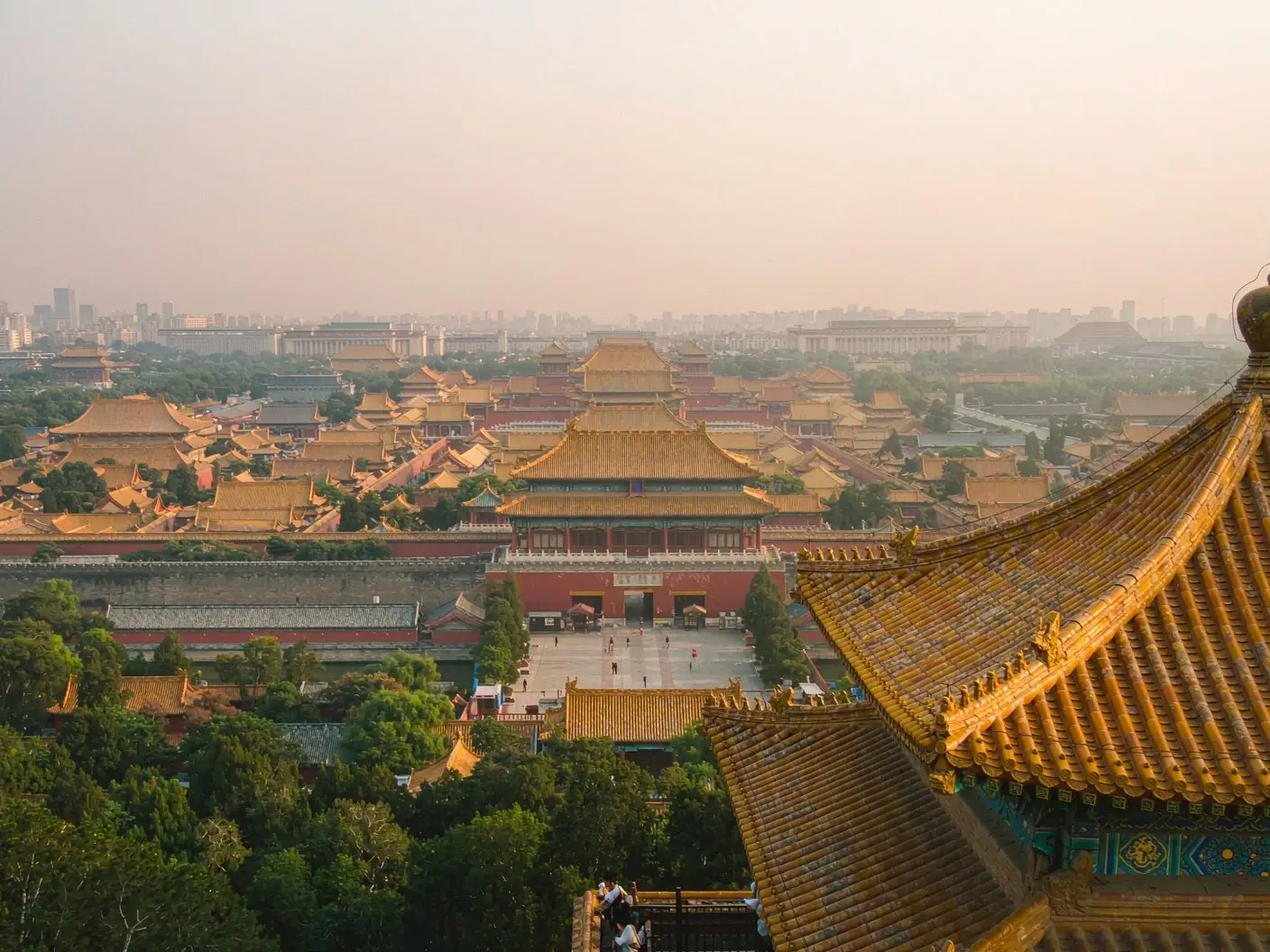
The Forbidden City is the largest and best-preserved ancient palace complex in existence; altars, gardens and city walls complete the imperial architectural system. By reading platforms, beams and frames, bracket sets, painted decoration and roof forms, students map material, structure and rank onto one another — and see why every detail of a timber building is deliberate.
2.3 · The axis and the ideal capital
Beijing’s central axis runs 7.8 km north–south through the old city, from the Bell and Drum Towers to Yongdingmen, made up of 15 heritage components. It embodies the ideal capital set out in the ancient Kaogongji. Layering the axis plan, written records and today’s city map turns history into a real exercise in spatial reasoning.
2.4 · Brick, stone and timber wisdom
Rammed-earth platforms, brick walls, timber frames and glazed-tile roofs record the materials and construction wisdom of different eras. Bringing material mechanics, soil properties, acoustics and structural stability into the historic site helps students see why ancient buildings “look simple but are calculated everywhere”.
2.5 · Imperial memory, contemporary expression
Today’s Beijing safeguards the Forbidden City, Temple of Heaven and axis while gathering museum professionals, designers and young makers. The 798 Art District, renewed hutong spaces and creative venues around the axis connect heritage, performance and markets — ideal for seeing how traditional culture keeps growing.
Six core study recommendations
The six first-priority stops for a Beijing study programme.
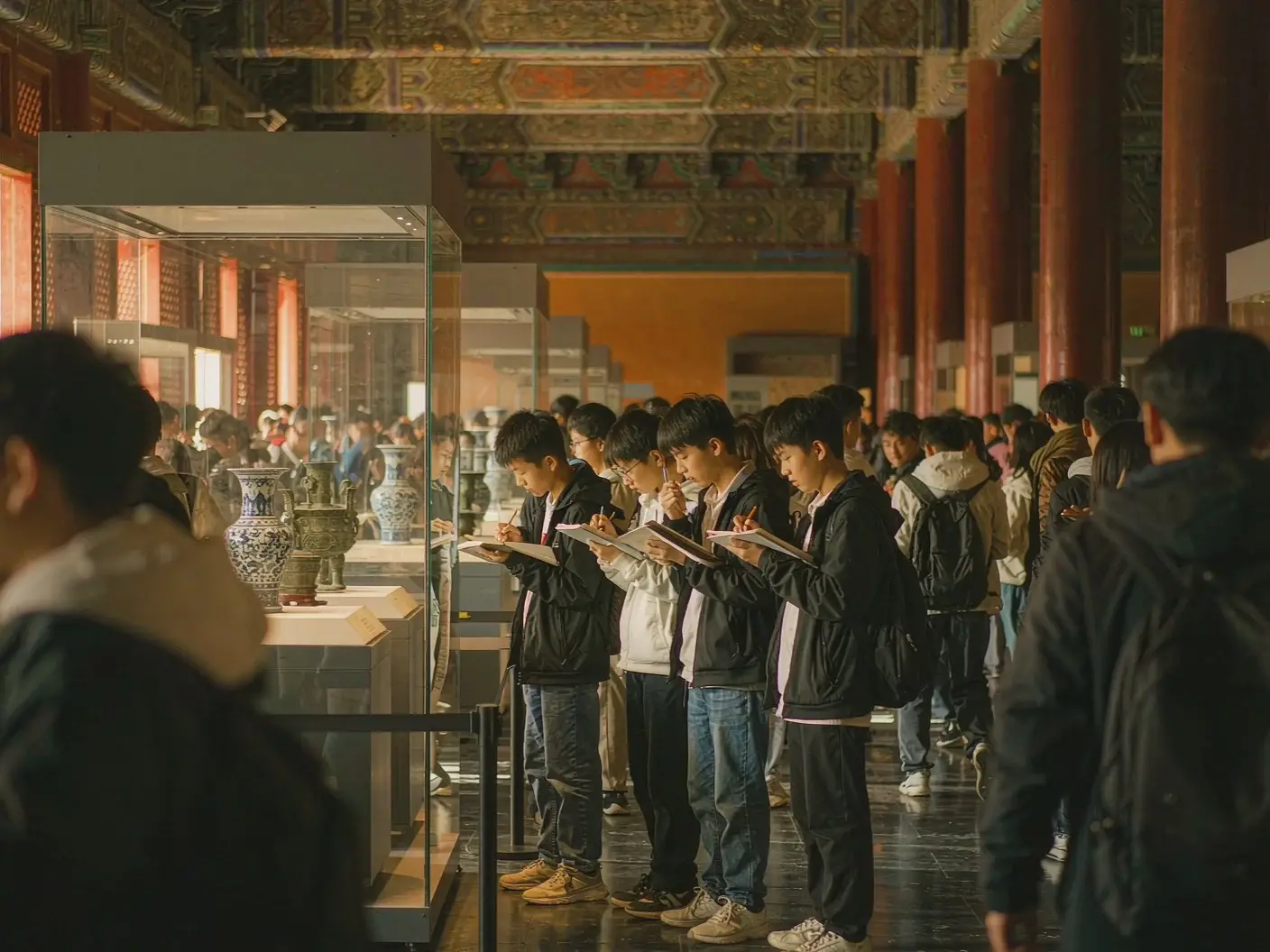
The Palace Museum (Forbidden City)
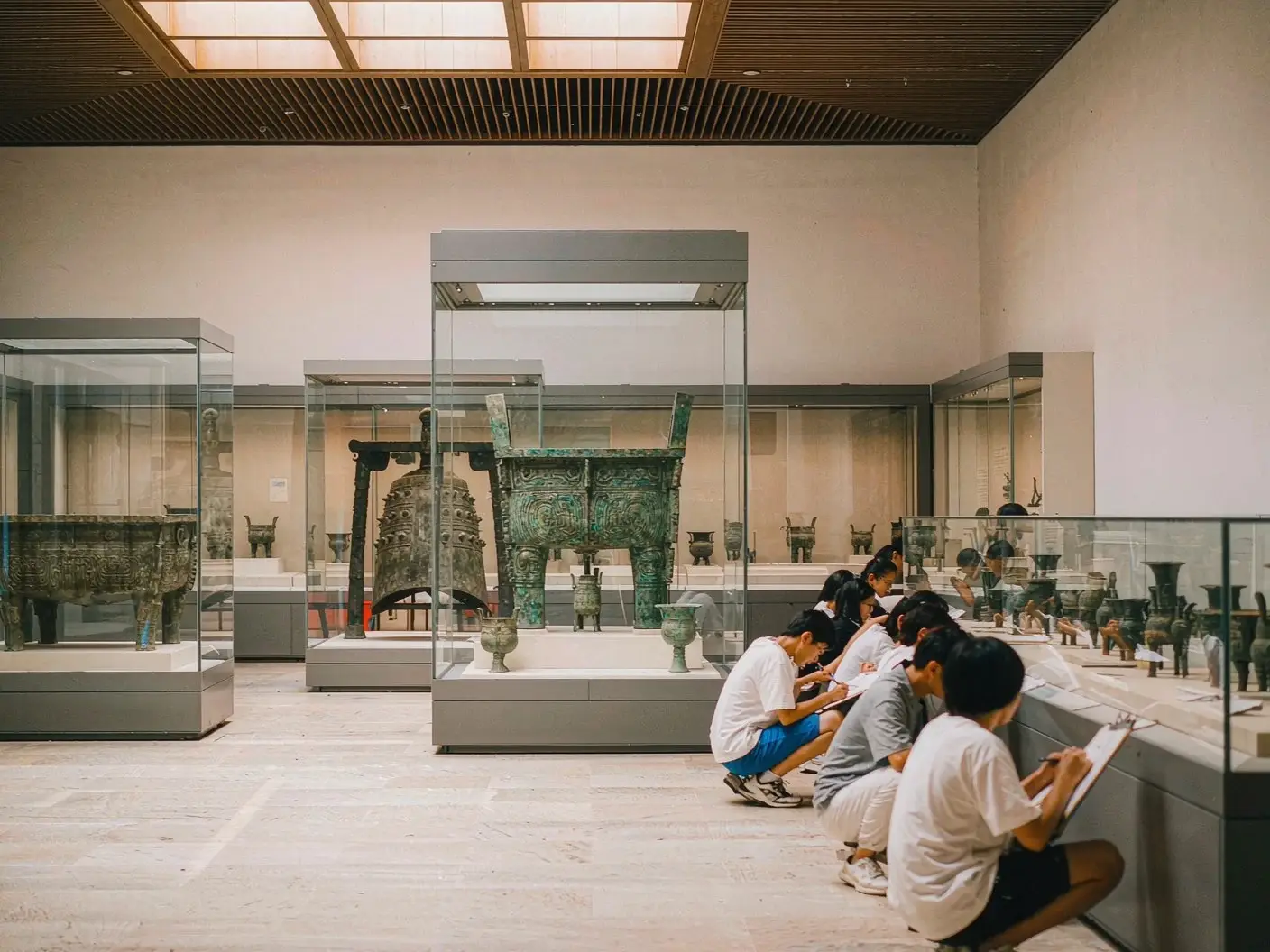
National Museum of China
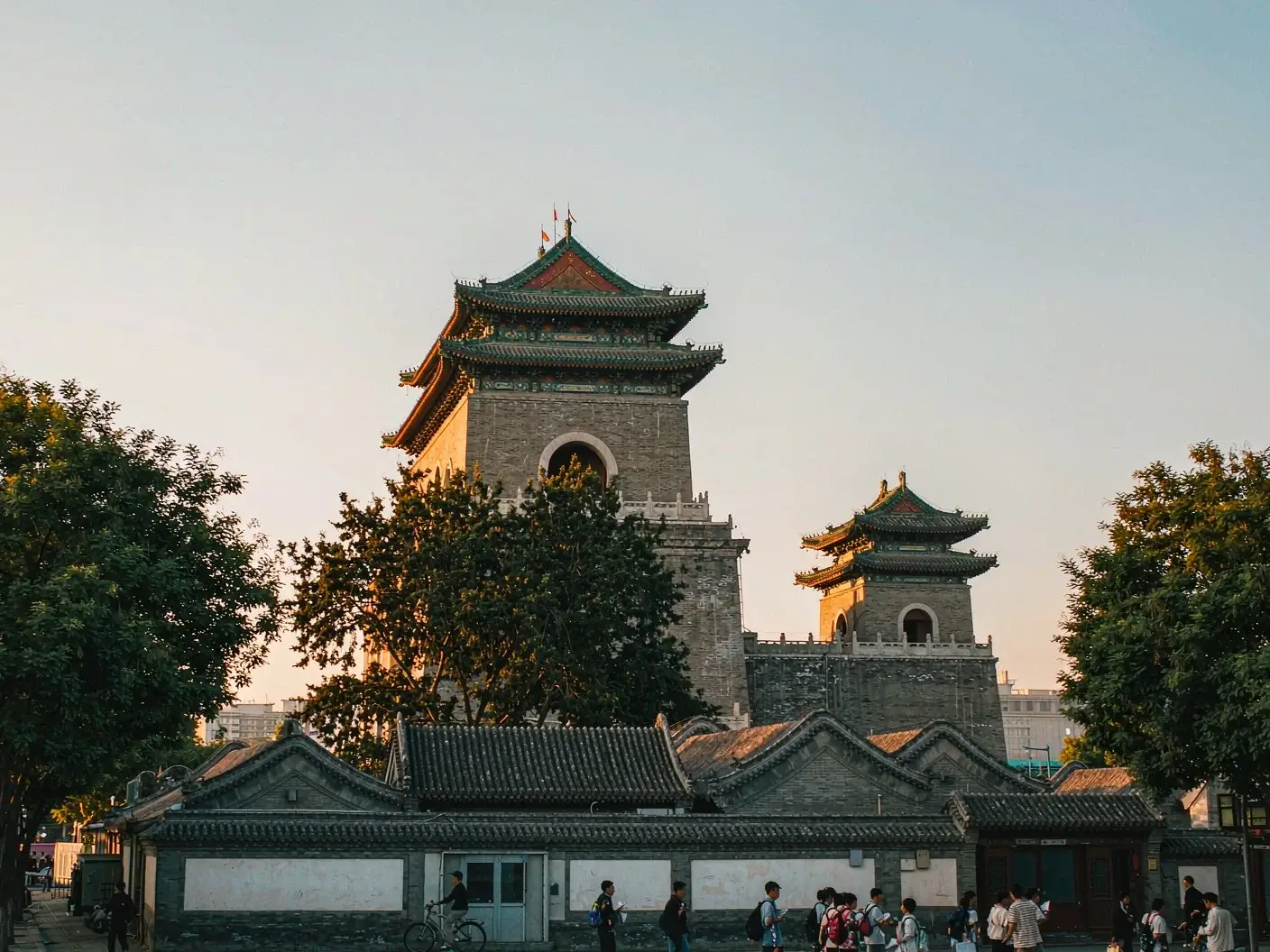
Beijing Central Axis
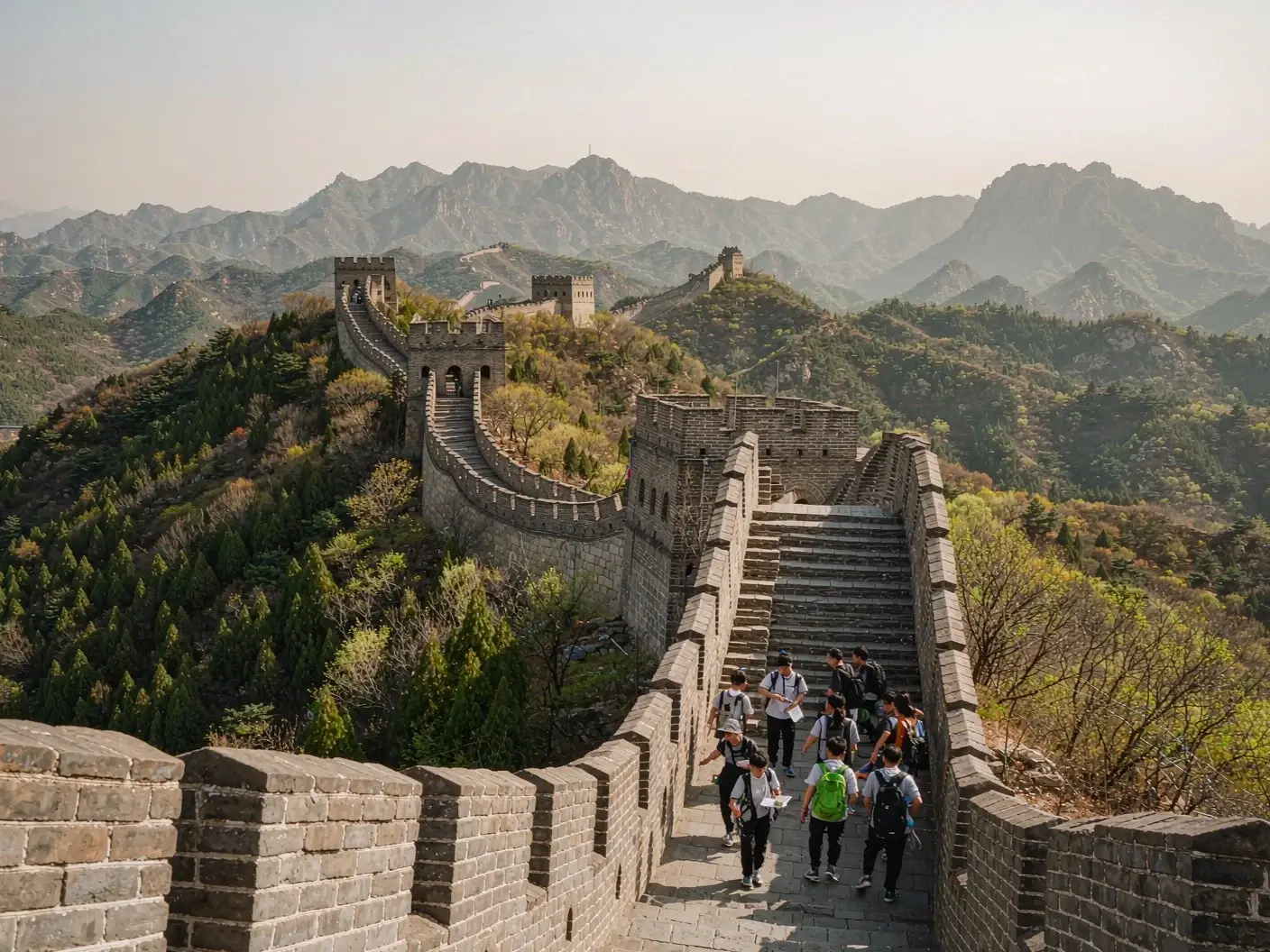
Badaling Great Wall
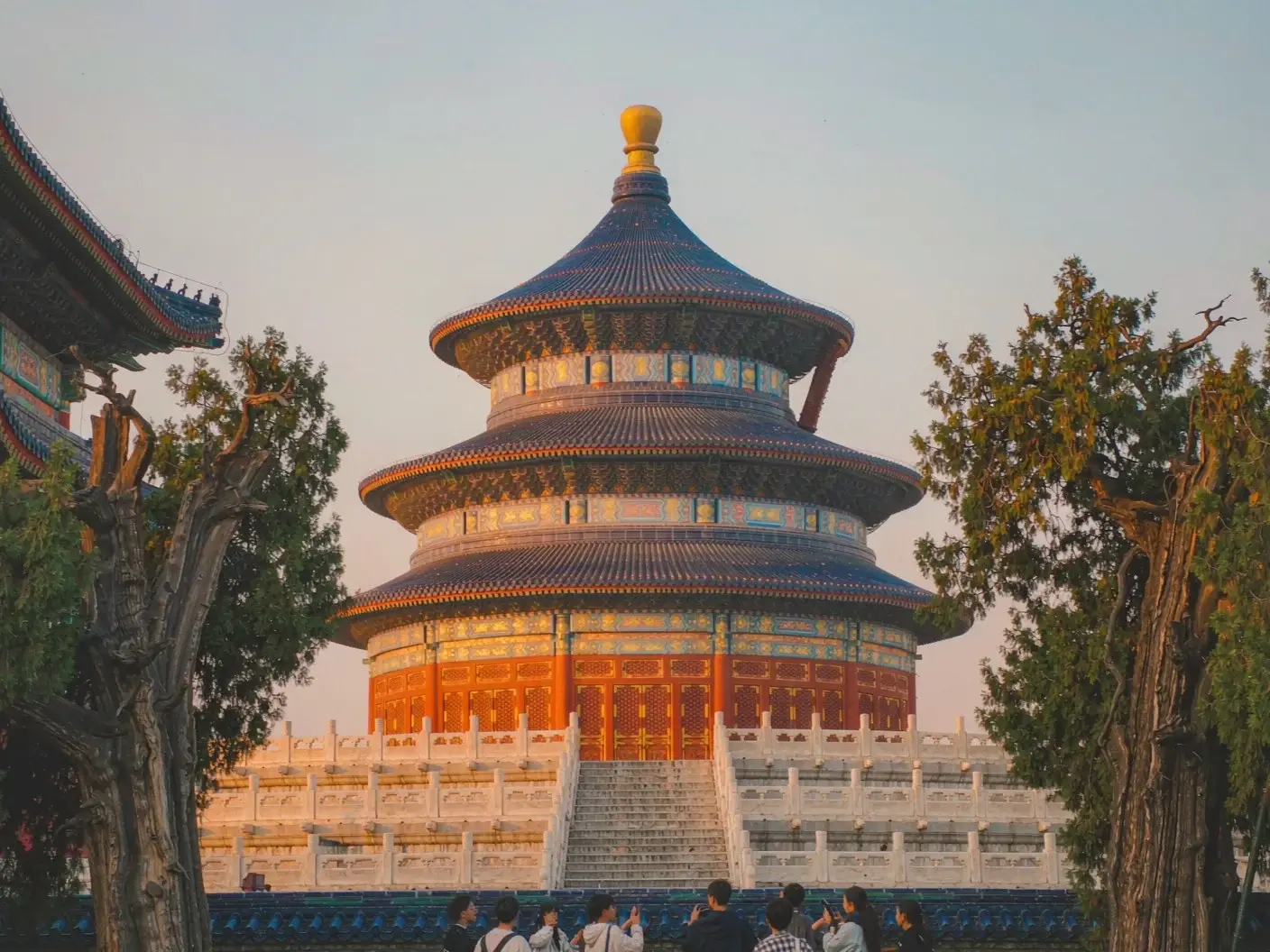
Temple of Heaven
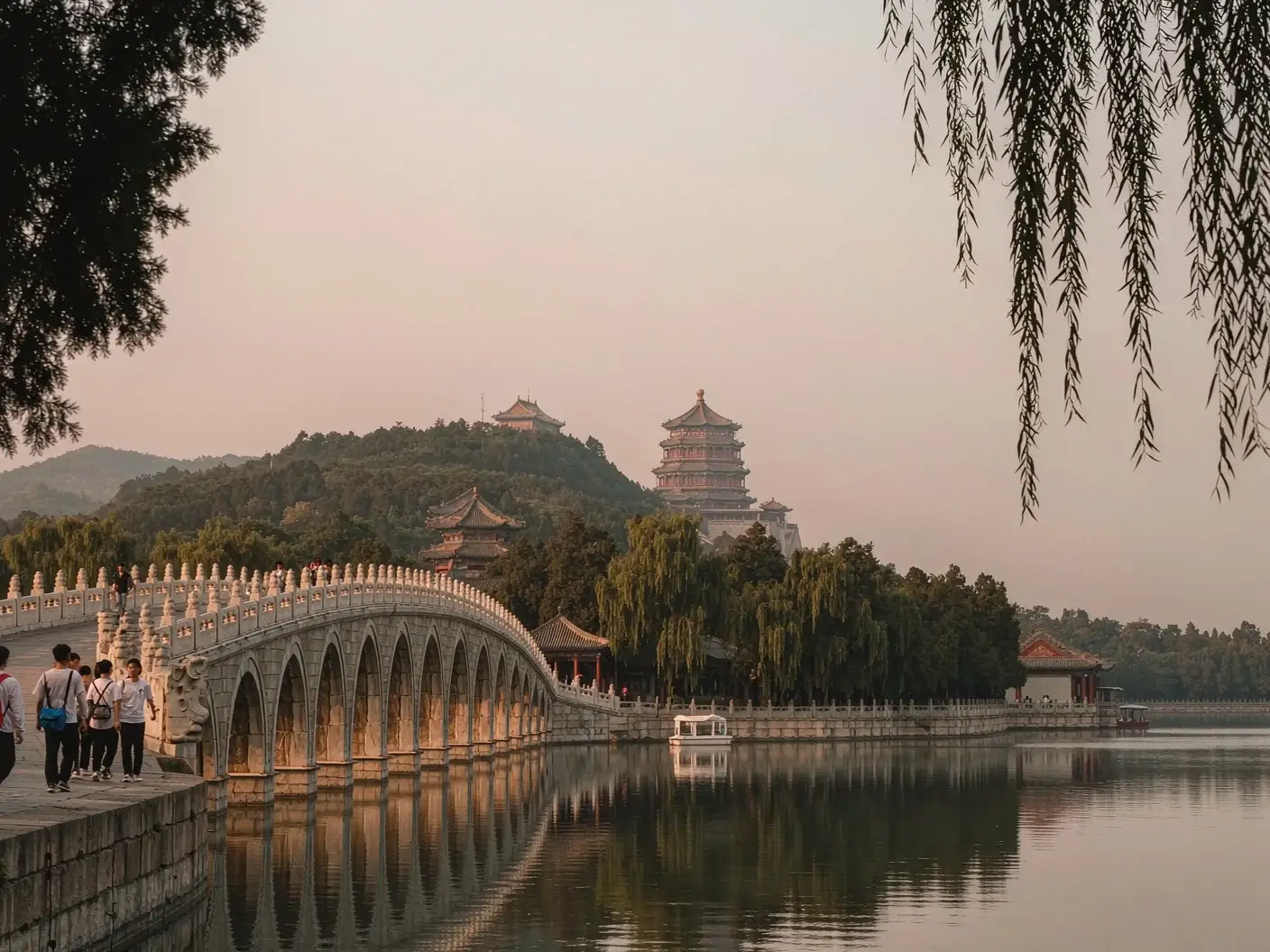
Summer Palace
Six in-depth study extensions
Longer, more specialised studies for groups with clear interests.
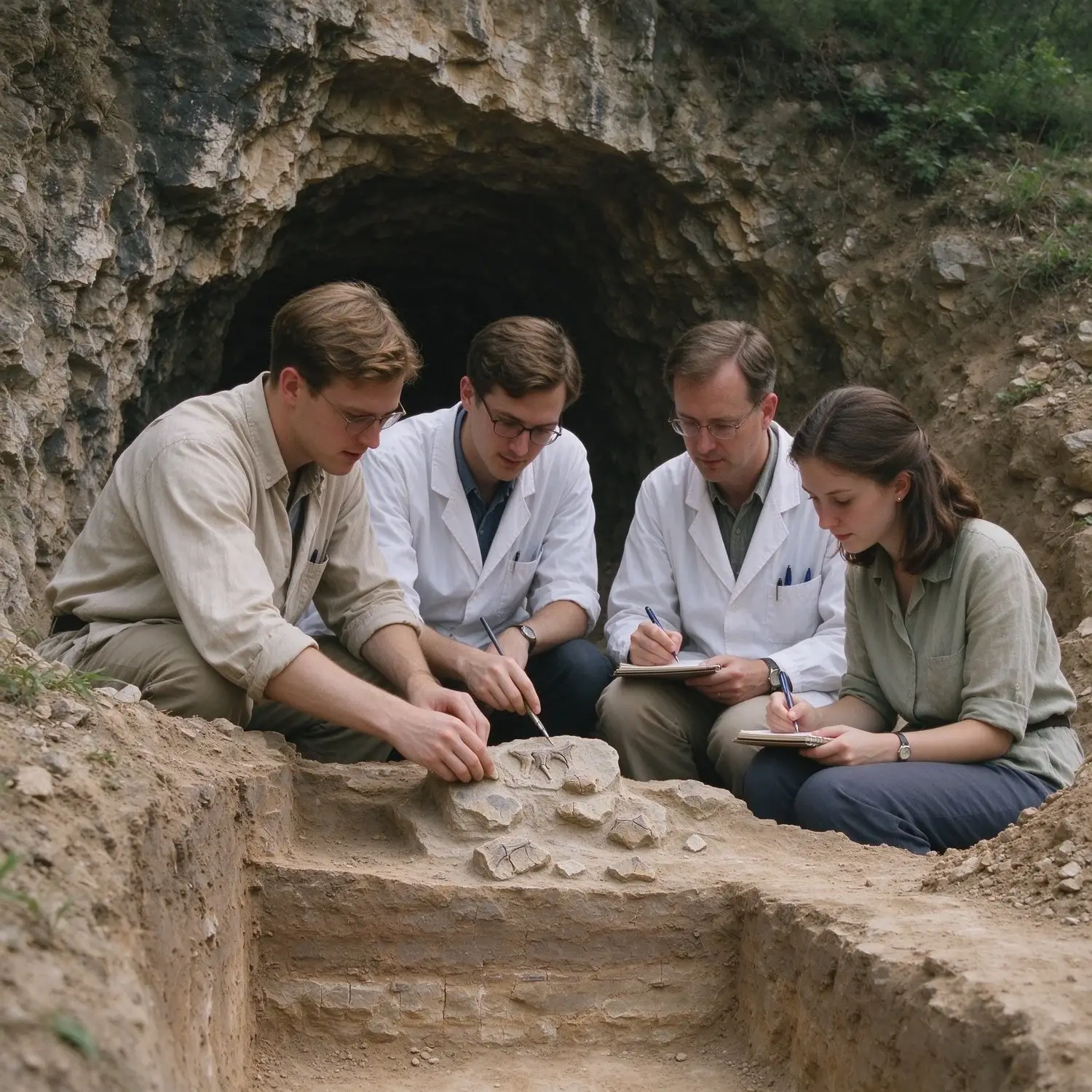
Zhoukoudian · Peking Man Site Museum
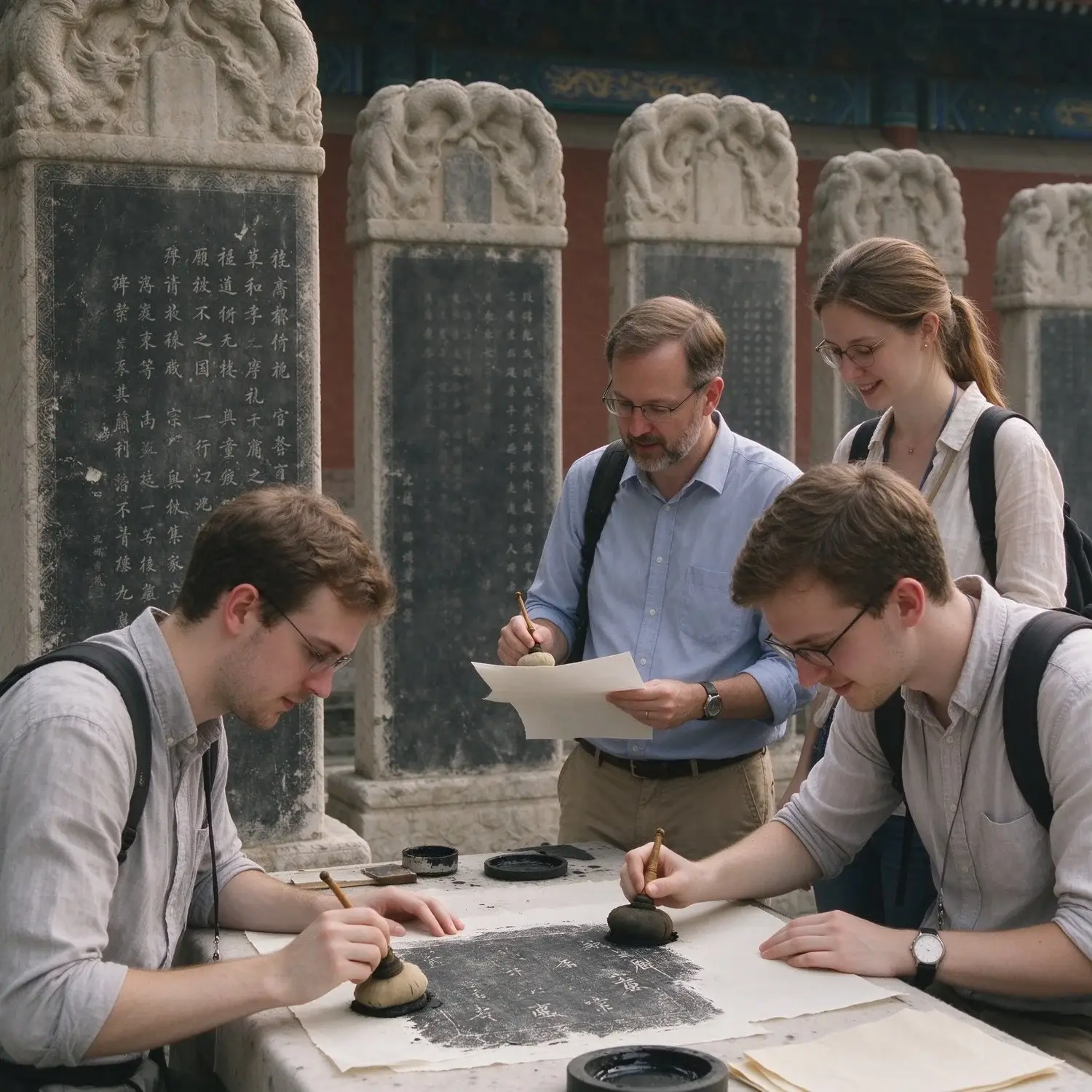
Confucius Temple & Imperial Academy with rubbing
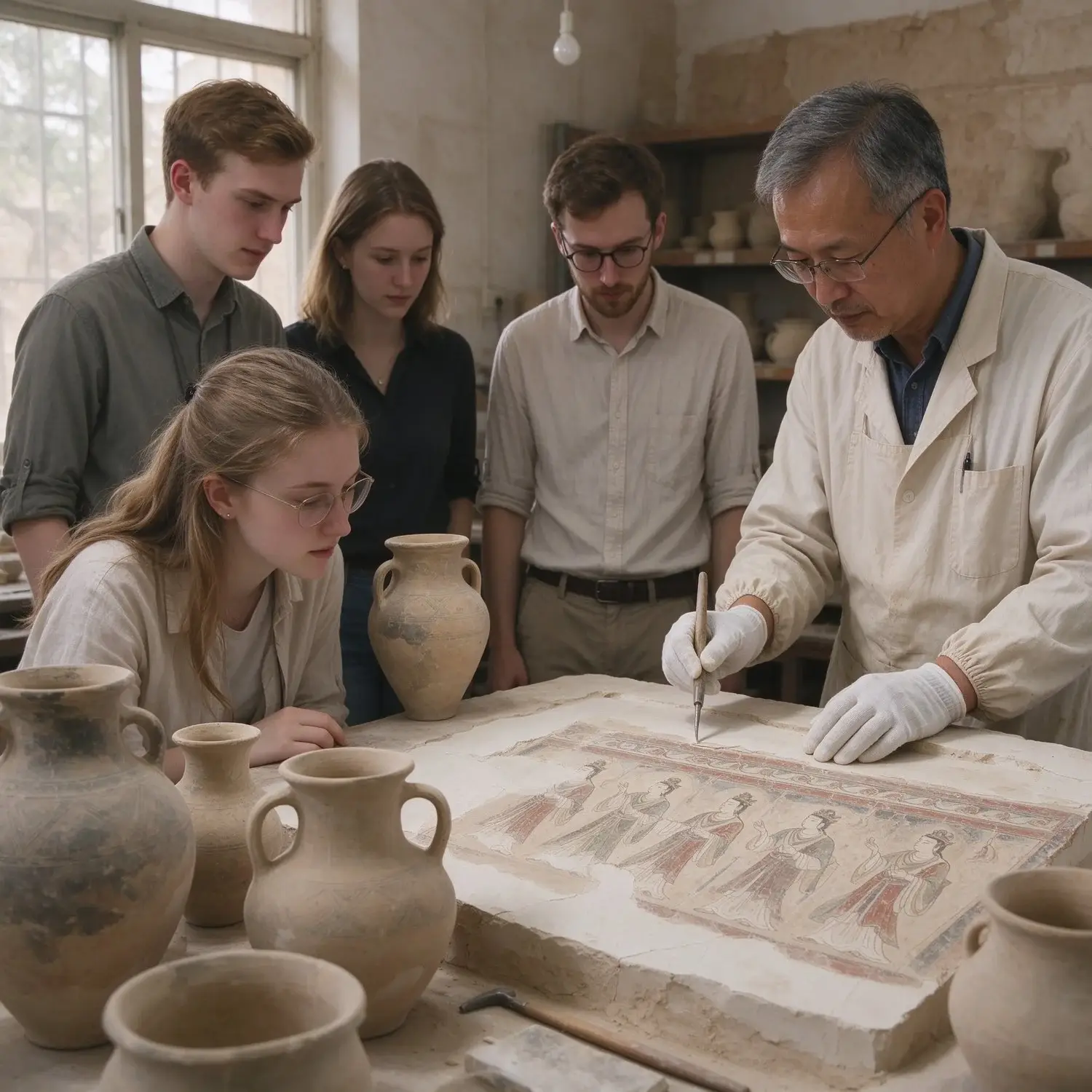
Ming Tombs with conservation practice
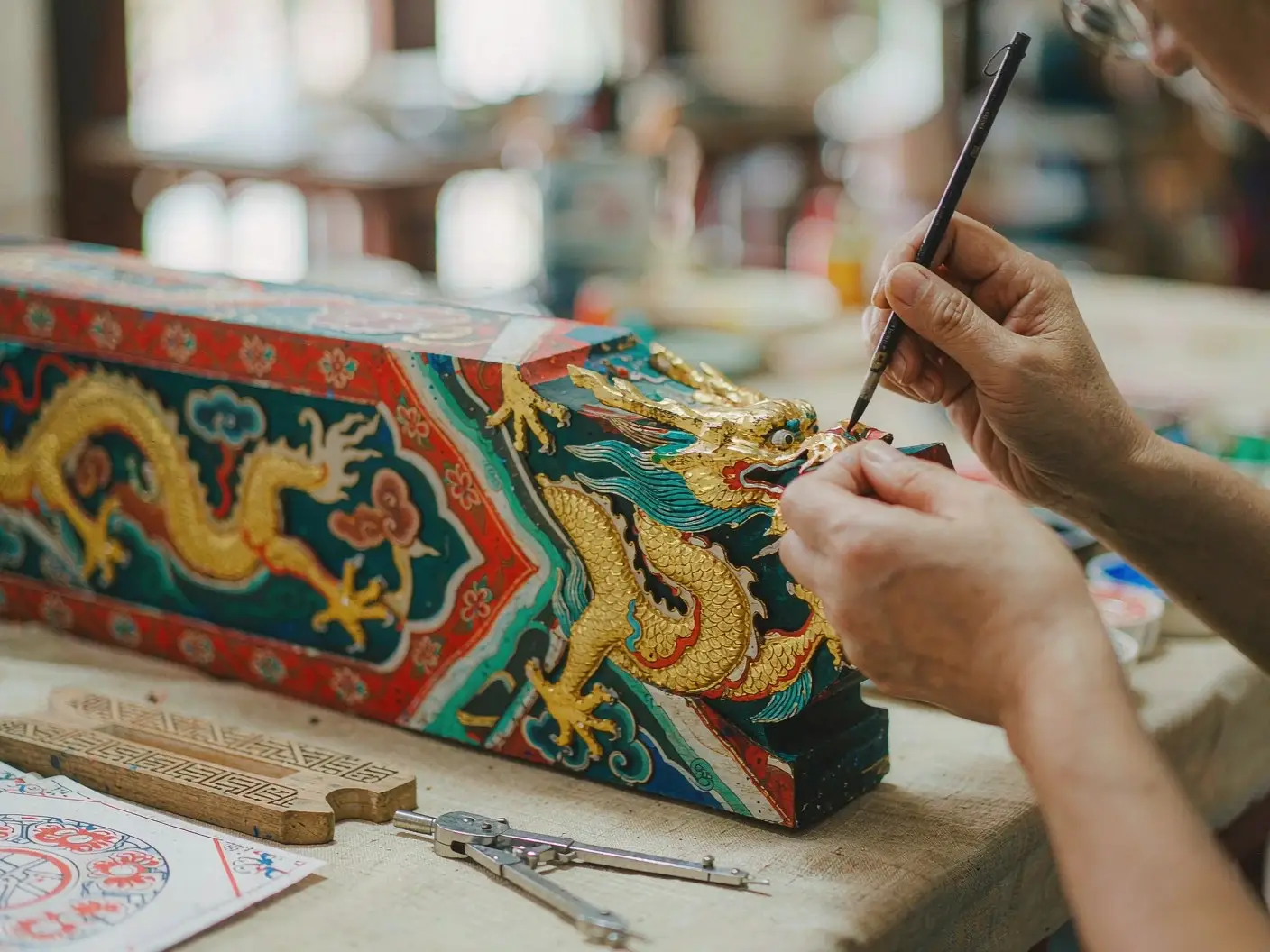
Ancient Architecture Museum · painted decoration
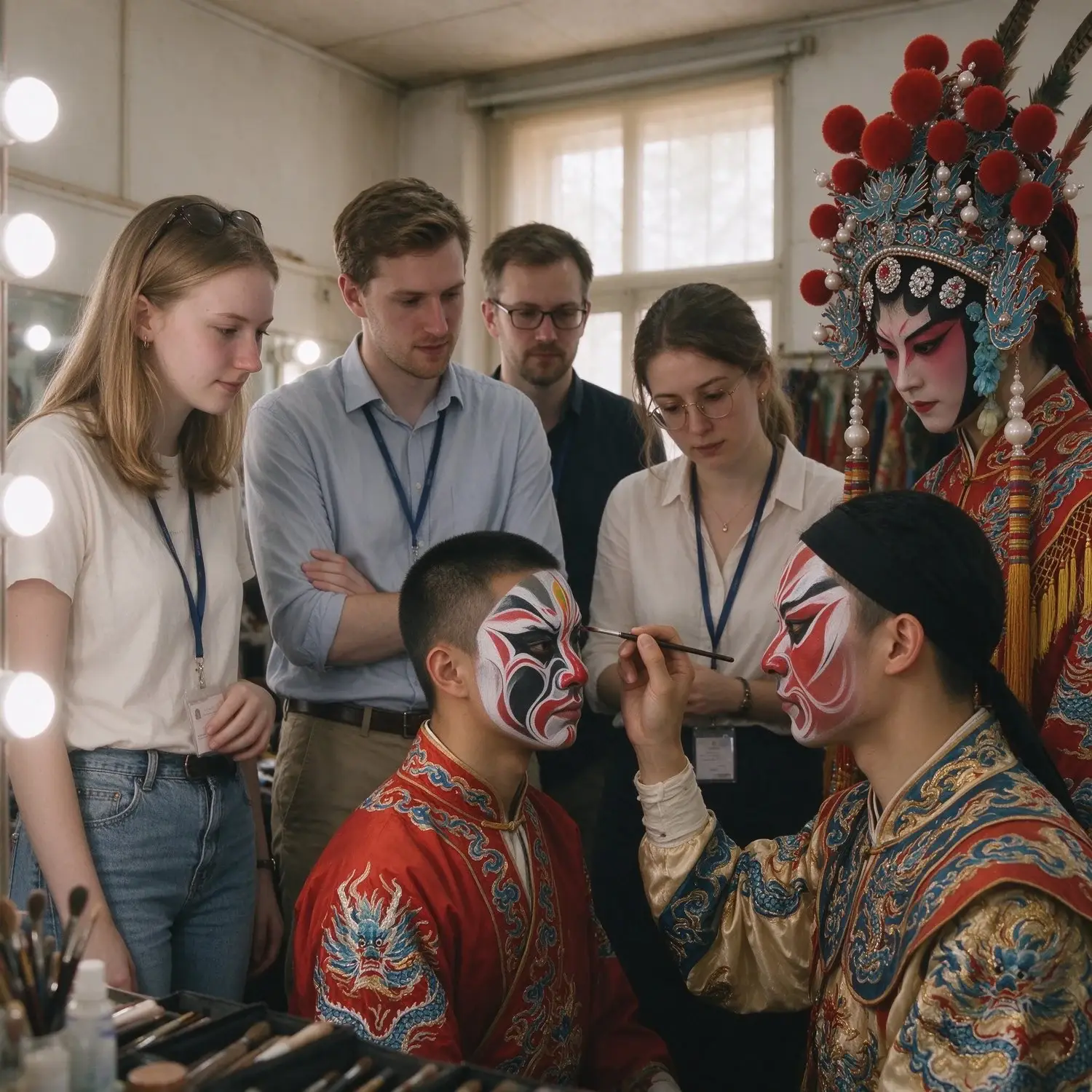
Beijing intangible heritage · opera, cloisonné & Rabbit God
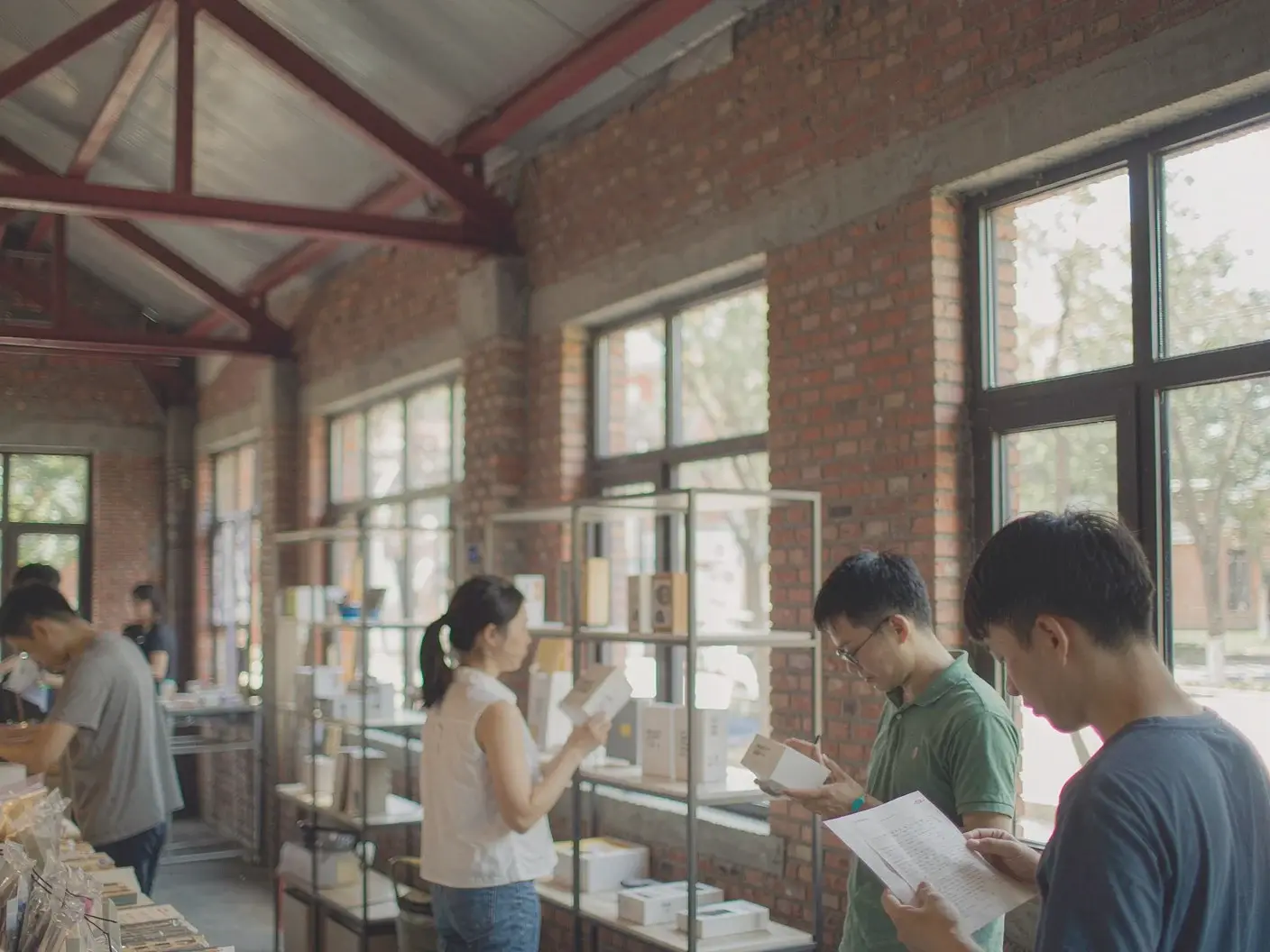
798 Art District · brand observation
Creative practice and integrated skills
Projects that turn observation into original student work.
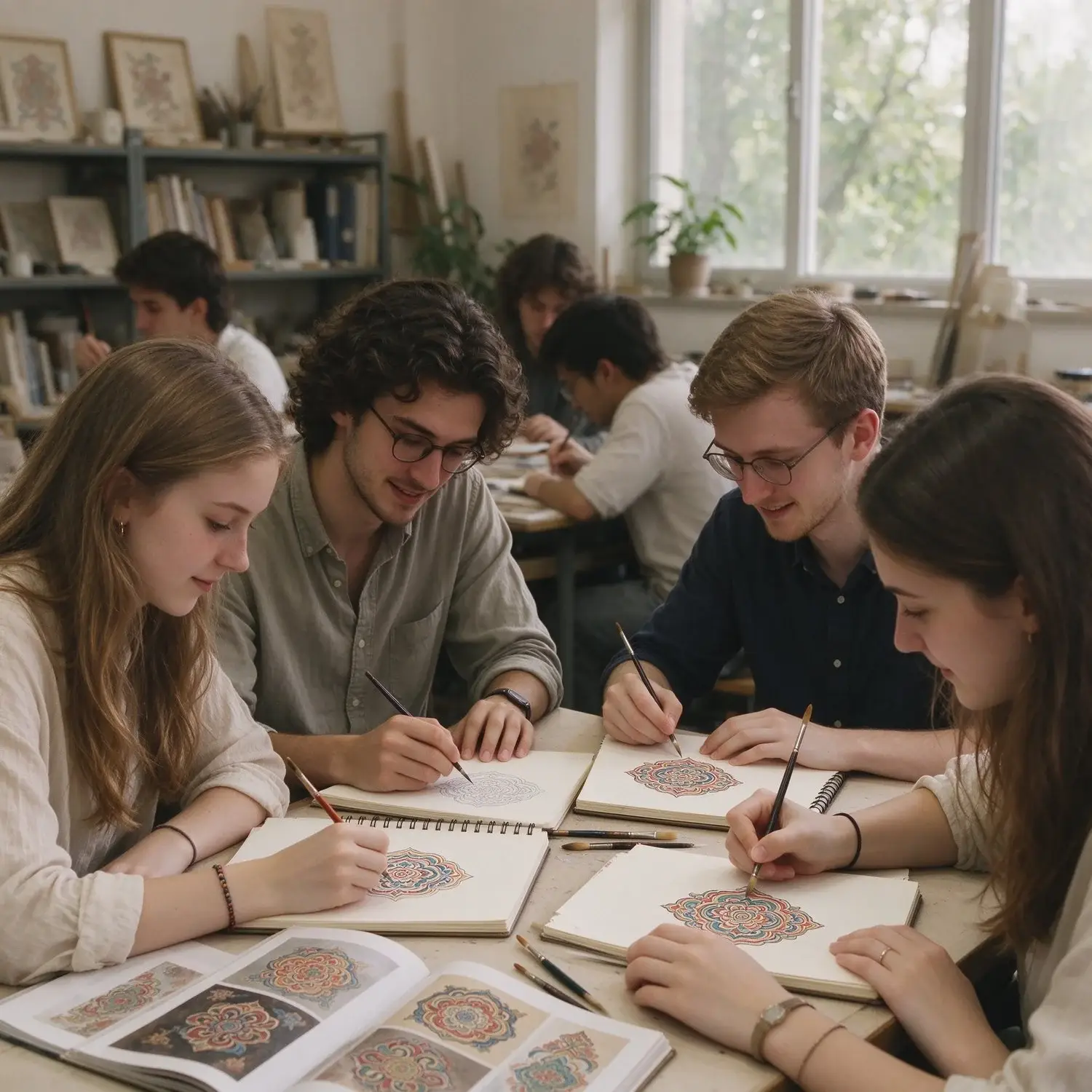
Palace motifs & visual design
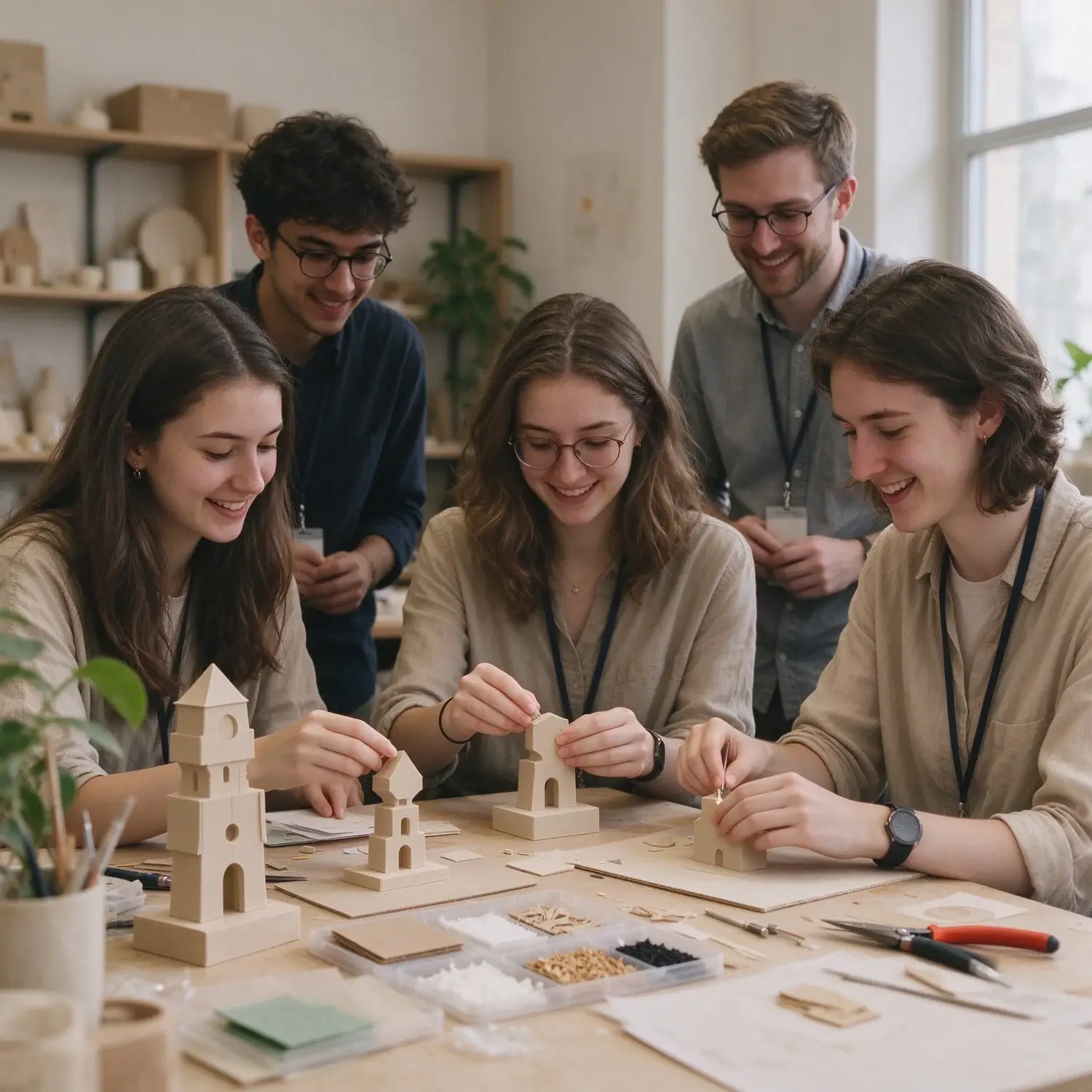
Museum cultural-creative product development

“My Beijing Brand” project
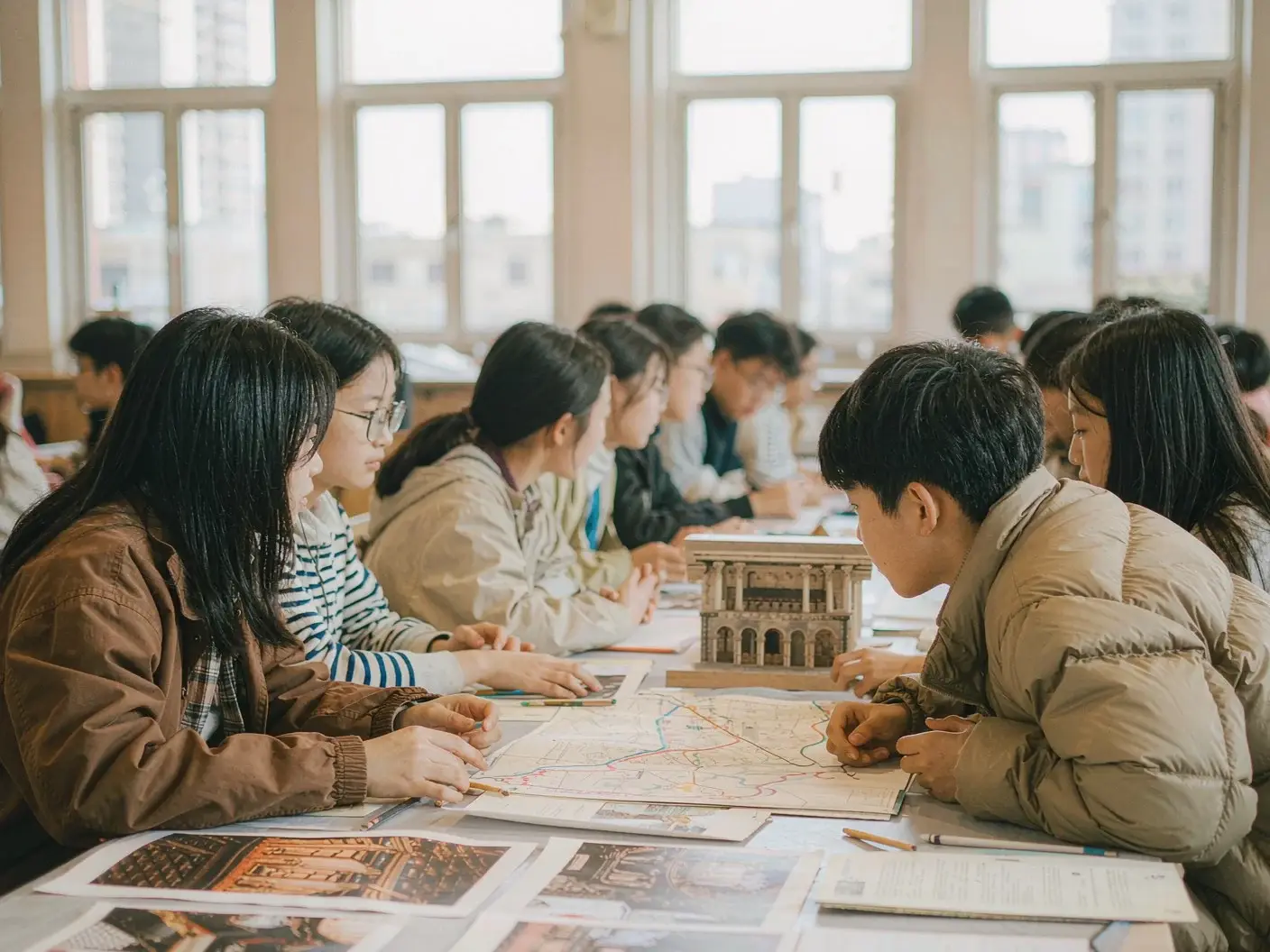
World Heritage & cross-cultural exchange
Outcomes and practical tasks
The value of Beijing study is not how many places are visited, but whether students truly leave behind outcomes of observation, practice, thinking and creation. Turn every resource point into a task that can be recorded, presented and reviewed.
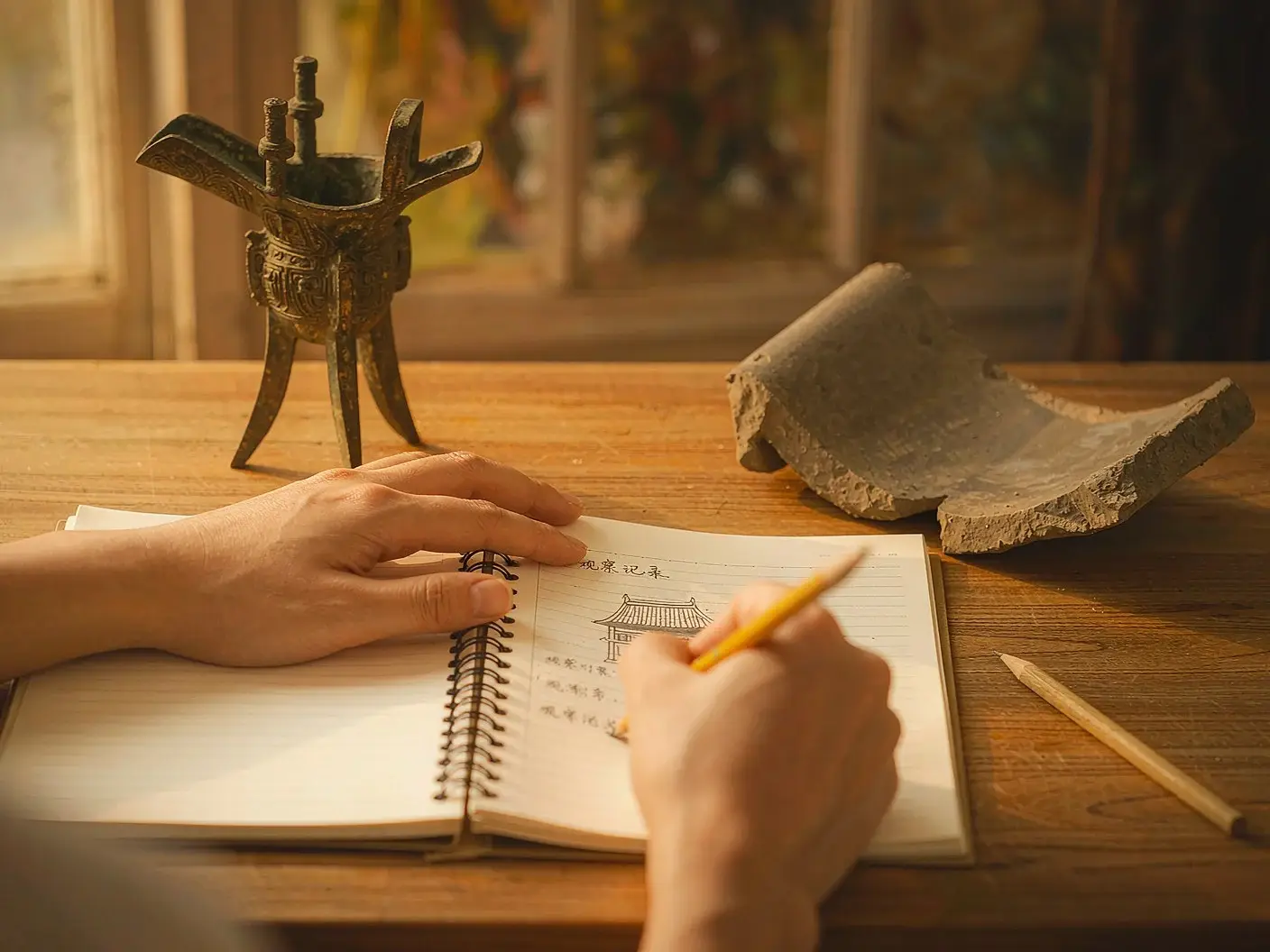
Heritage observation record
Choose one artefact or component; record material, dimensions, period, motif and location; write three unanswered questions; compile an observation card.
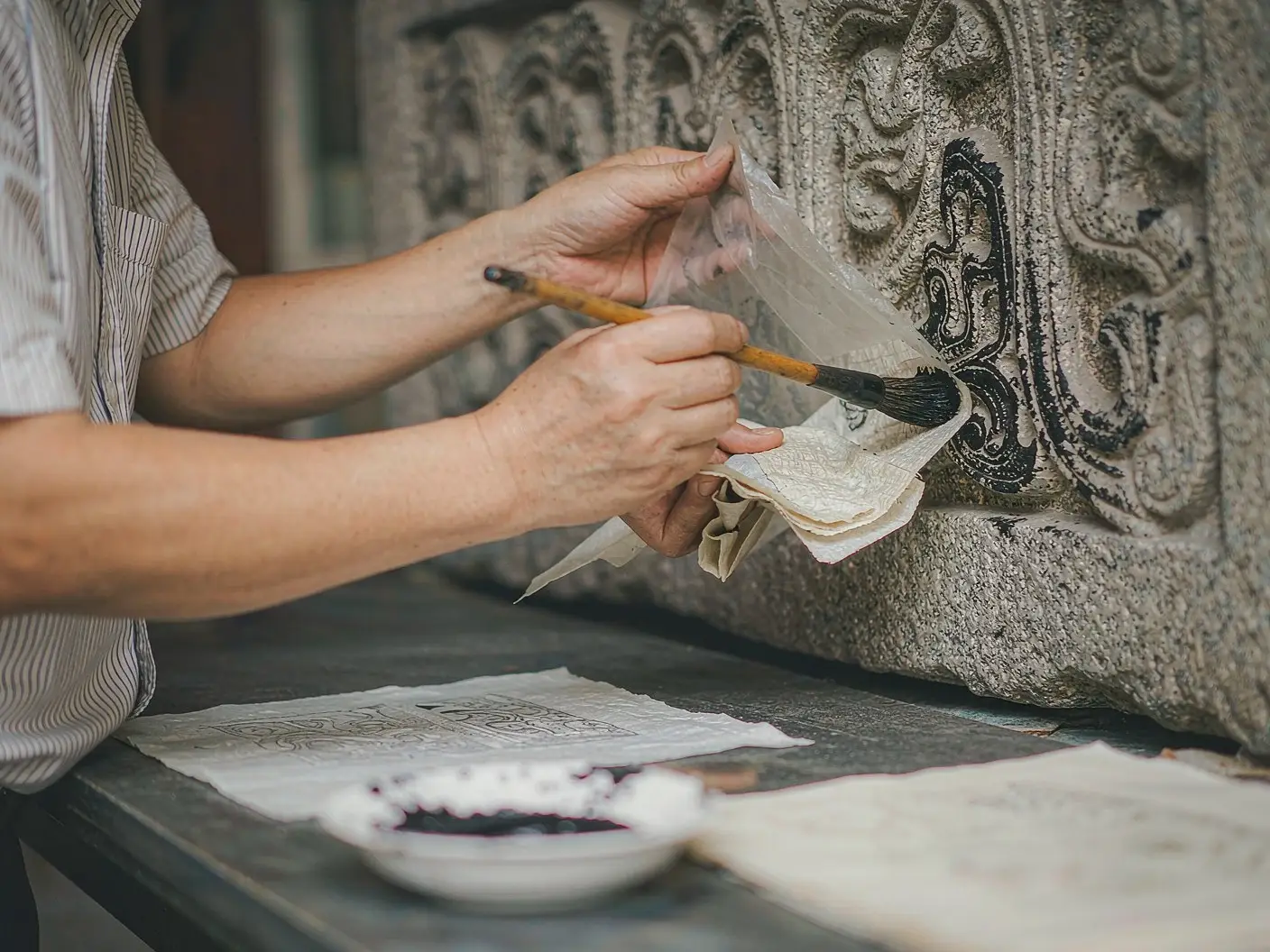
A hand-made Beijing piece
Choose rubbing, painted decoration, cloisonné or mask painting; note the hardest step, your corrections and how the result changed.
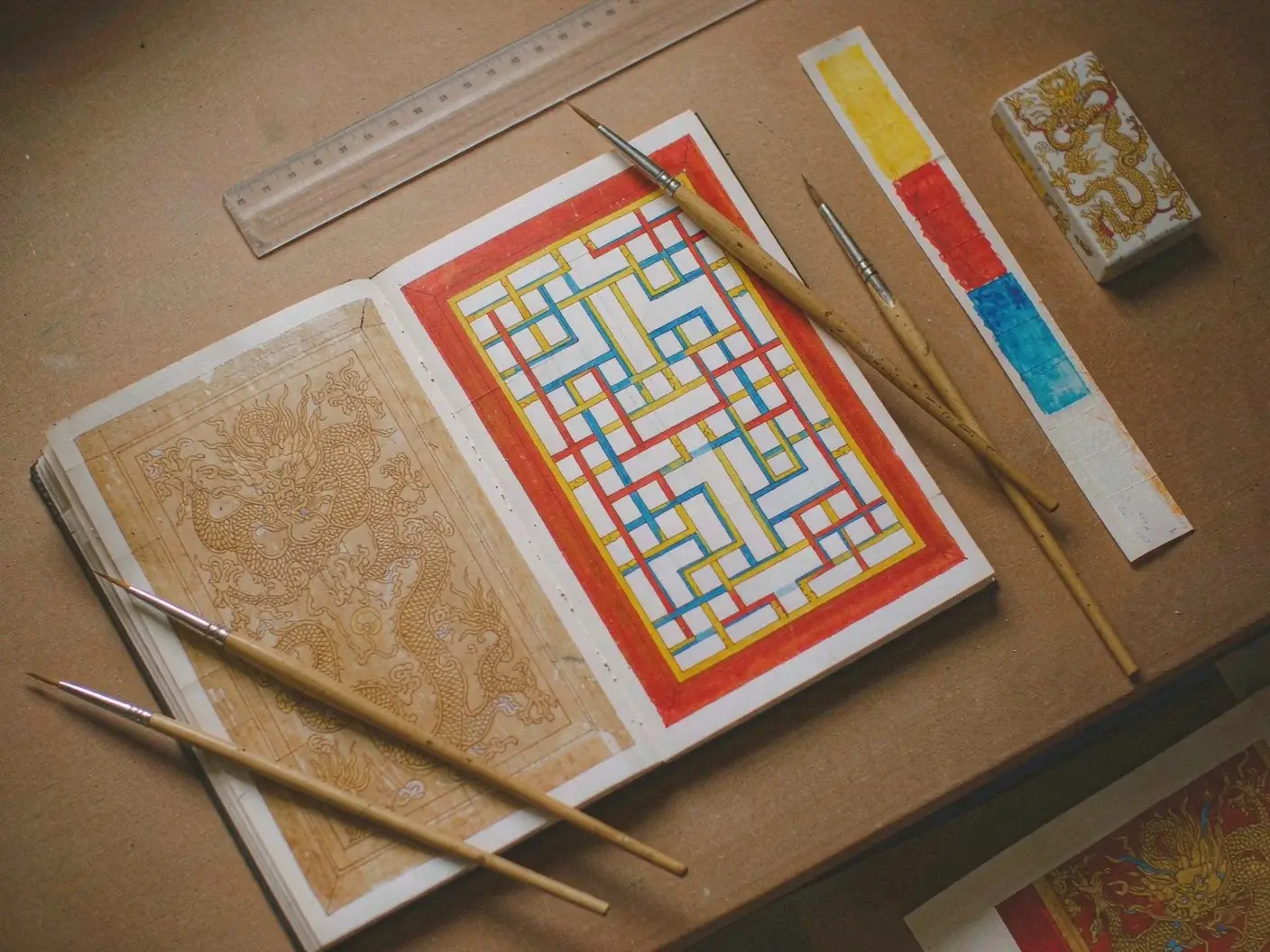
Palace motif design
Extract motif structure and rhythm, then add your own theme to make a repeating pattern with both a cultural source and your expression.
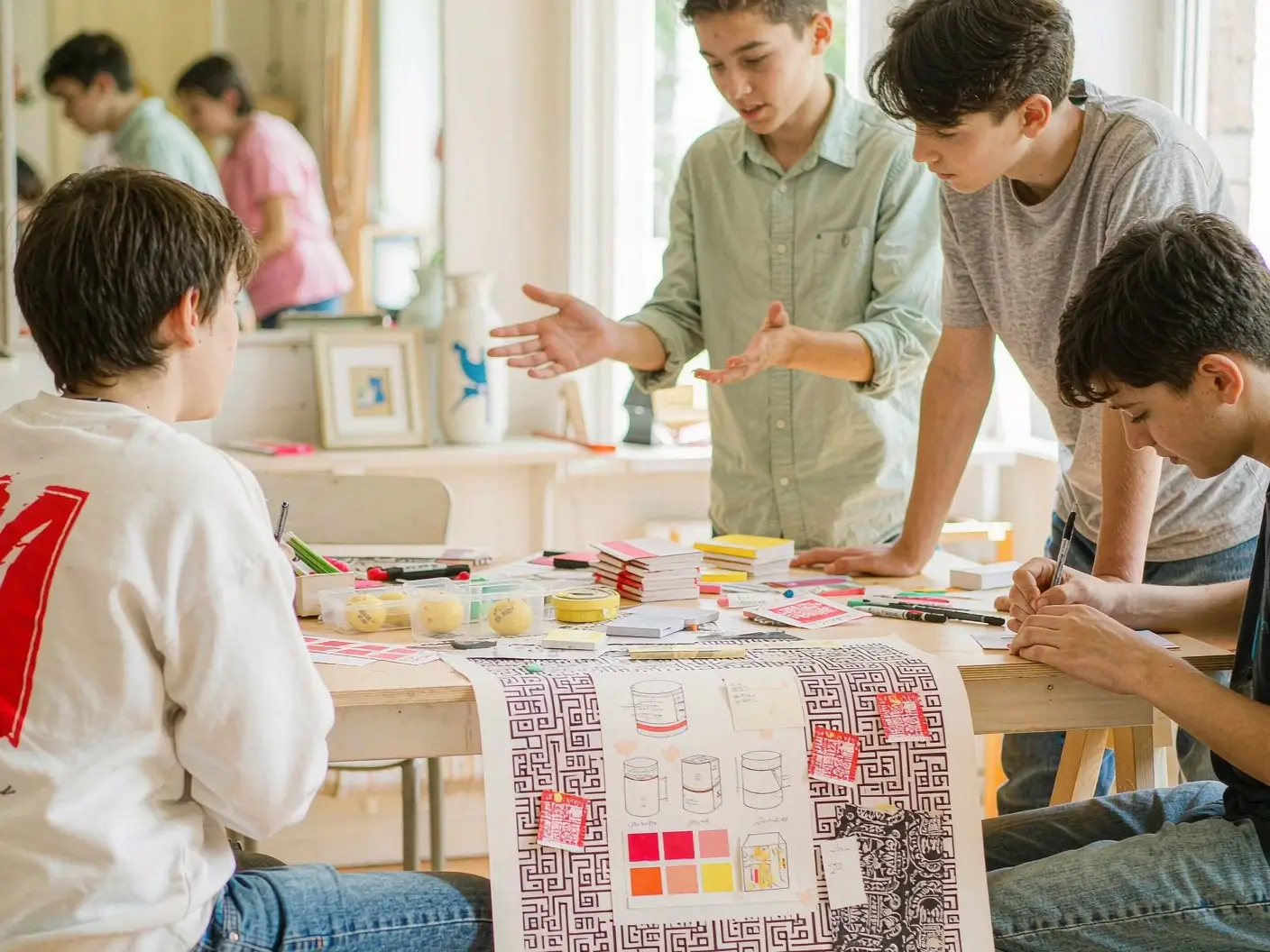
“My Beijing Brand” group
Produce a brand name, product positioning, packaging concept and three-minute talk — taking outcomes into design and expression.

One observation card + one hand-made piece + one palace motif design + one group “My Beijing Brand” presentation — joining visiting, practice, thinking and expression into a learning loop that can be shown and reviewed.
Suggested theme combinations
| Theme | Recommended combination | Audience / scenario |
|---|---|---|
| Imperial architecture & axis | Forbidden City + Temple of Heaven + Beijing Central Axis | First study / history courses |
| Archaeology & conservation | Zhoukoudian + Dingling underground palace + restoration + painted decoration | Upper primary / junior secondary / families |
| Great Wall & engineering | Badaling Great Wall + Juyong Pass + ancient military defence | Geography, engineering & military history |
| Heritage & art expression | Peking Opera + cloisonné + palace motif design | Art, design & comprehensive practice |
| World Heritage & innovation | World Heritage + digital museums + creative products + brand project | Senior secondary / university / international |
Beijing study need not be tied to fixed days or standard routes. The truly tailored approach combines, by age, curriculum goals, interests and budget, six directions — imperial architecture, archaeology and conservation, Great Wall engineering, heritage art, museum creativity and international exchange — so every programme has clear learning goals and deliverable outcomes.
Ready to build your Beijing study programme?
Share your students’ age, curriculum goals and dates. We will tailor the field studies, hands-on workshops and outcome tasks for you.
Start PlanningShanghai
Shanghai at a glance
Shanghai sits at the midpoint of China’s coastline, on the south bank of the Yangtze estuary, part of the Yangtze River Delta alluvial plain. Huating County was established in 751, giving the area its first relatively independent administration; Shanghai County was carved out in 1292 and is taken as the city’s founding. After the port opened in 1843, it grew within decades into the most important treaty-port and financial centre of the Far East. Beneath today’s Shanghai lie settlement and harbour sites such as Guangfulin and Qinglongzhen spanning several thousand years, while above ground stand whole modern quarters like the Bund’s global architecture and the shikumen lanes.
For students, the value of the trip is not simply “looking at a city”. Standing before real sites, buildings, rivers and galleries, they turn the origins of civilisation, urban planning, architectural aesthetics, materials and craft, and scientific principles from textbooks into things they can observe, measure and record.
Think of Shanghai as an open book of the Chinese Jiangnan city — best approached through six angles: the origins of civilisation and urban archaeology; the river-sea landscape and waterway engineering; modern architecture and the urban skyline; Jiangnan roots and hand craft; scientific observation and engineering; and art, creativity and urban renewal.
Six study keywords worth attention
From Guangfulin and Qinglongzhen to the opening of the port, trace how Shanghai grew from a coastal settlement to an international metropolis.
Along the Huangpu River, Suzhou Creek and harbour remains, observe the spatial logic of a city raised by its port.
From shikumen lanes to the Bund’s global architecture, learn the many building types of the modern city.
At Yu Garden and Zhujiajiao, read the city genes of Jiangnan gardens and water towns.
From the Shanghai Astronomy Museum to the century-old Sheshan Observatory, understand observation and evidence as scientific method.
From West Bund, M50 and creative parks, see how old factories and quarters are given new life.
Recommended priority
| Priority | Best for | Representative sites | Use case |
|---|---|---|---|
| A · Core intro | First-time study groups in Shanghai | Shanghai Museum, the Bund, Yu Garden | City orientation / museum basics |
| B · In-depth practice | Learners interested in architecture, history, art and science | Guangfulin, shikumen lanes, Shanghai Astronomy Museum | Archaeology observation / science & architecture |
| C · Creative extension | Secondary, university and international students | West Bund art district, M50, museum creative spaces | Design & creativity / international exchange |
The cultural background to Shanghai study
2.1 · From Guangfulin to an international metropolis
Shanghai is older than its skyline suggests. From the 6,000-year-old Songze and Liangzhu cultures to the Guangfulin Culture that filled a gap in the Yangtze Delta sequence, and on to Qinglongzhen — an early foreign-trade port and a node of the Maritime Silk Road — the city’s underground layers tell its first life. The county seat of 1292 and the treaty port of 1843 then completed the leap from a Jiangnan county town to a Far Eastern metropolis. At Guangfulin and Qinglongzhen students read the buried half of the city; at the Bund and in the shikumen, the half above ground.
2.2 · The river-sea gateway, the Bund and the shikumen lanes
Shanghai rose by its harbour. Where old towpaths once ran, the Bund’s 52 classical-revival buildings rose between the 19th and 20th centuries — a museum of world architecture mixing Gothic, Romanesque, Baroque and Beaux-Arts forms. In the concessions beside them, Western terrace layout met the Jiangnan courtyard house to create the shikumen: blue-brick walls, stone door frames, solid lacquered doors, and lanes stitched into a network. These homes were also the natural cover of the First National Congress of 1921, and shikumen craft is now national intangible heritage.
2.3 · Jiangnan roots and Haipai intangible heritage
Beyond global and modern, Shanghai has an older Jiangnan layer. Yu Garden, the only intact classical Jiangnan garden left in the city, and the five-arch Fangsheng Bridge in Zhujiajiao carry the garden and water-town gene. Around them lives a set of hand crafts — Wunijing cotton weaving, Gu embroidery, Jiading bamboo carving, Shanghai paper-cut and Jiangnan sizhu music — now 55 national intangible-heritage projects, each blending past and present, East and West.
2.4 · From astronomical observation to maritime exploration
Shanghai’s scientific line runs from a mountaintop. The Sheshan Observatory, built in 1900 by French Jesuits, held Asia’s largest refracting telescope and twice recorded Halley’s comet; restored after 2021, it reopened in 2023. Its modern counterpart is the Shanghai Astronomy Museum, opened at Dishui Lake in 2021 — the largest astronomy museum in the world, with 85% original exhibits and lunar soil from Chang’e-5. From a century-old lens to a lakeside gallery, the line itself is a lesson in how science accumulates.
2.5 · Contemporary art, creativity and urban renewal
One of Shanghai’s most moving stories is how old spaces are reused. M50 grew from a 1937 cotton mill into a cluster of galleries and studios; Sinan Mansions restored 51 garden houses stone by stone; the open-air Sinan Open Museum needs no ticket or fence, and the Sihang Warehouse keeps its restored bullet holes as its strongest exhibit. Students learn not that old houses look nice, but how historic buildings keep carrying today’s life without losing their truth.
Six core study recommendations
The six first-priority stops for a Shanghai study programme.
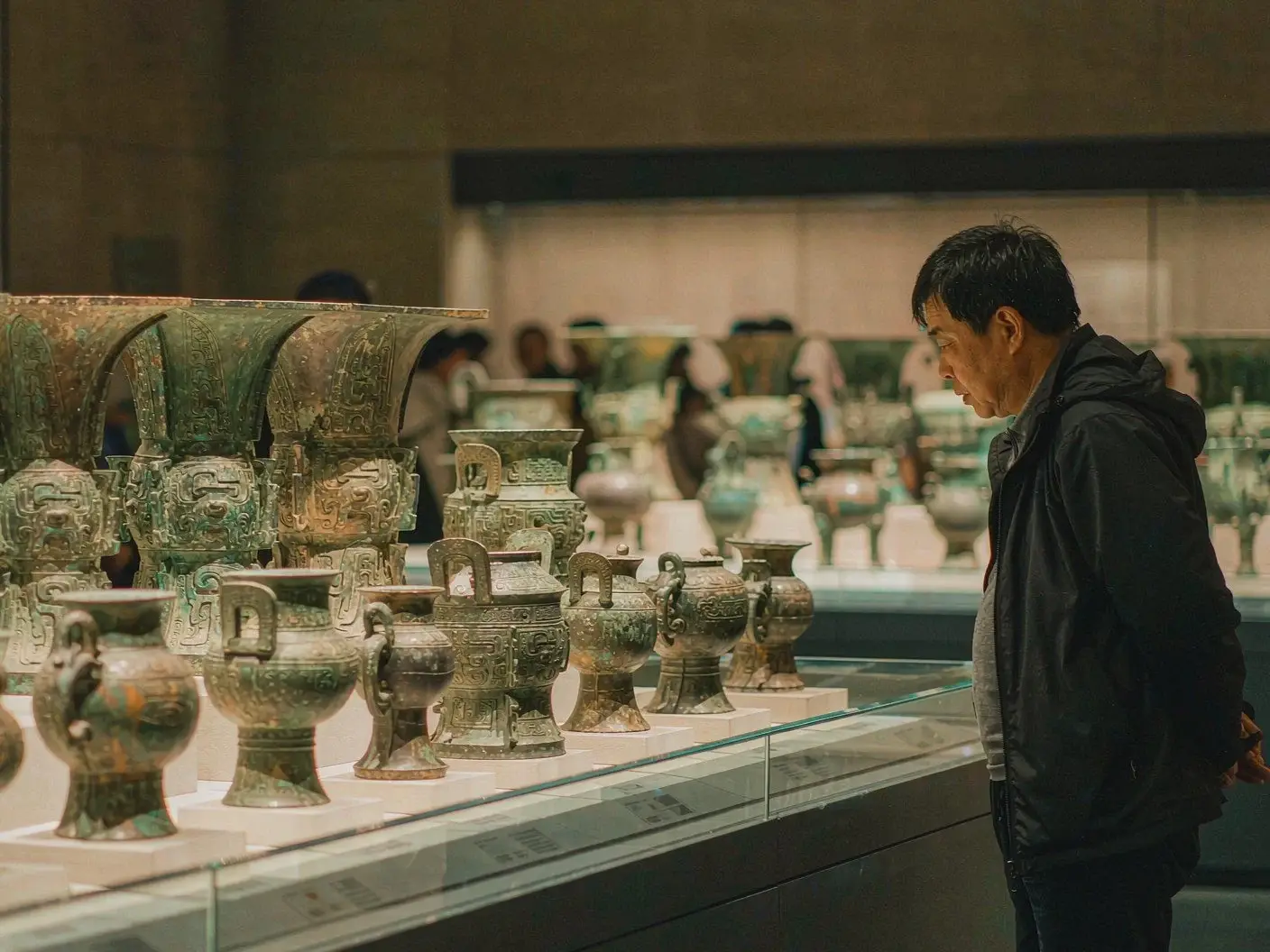
Shanghai Museum
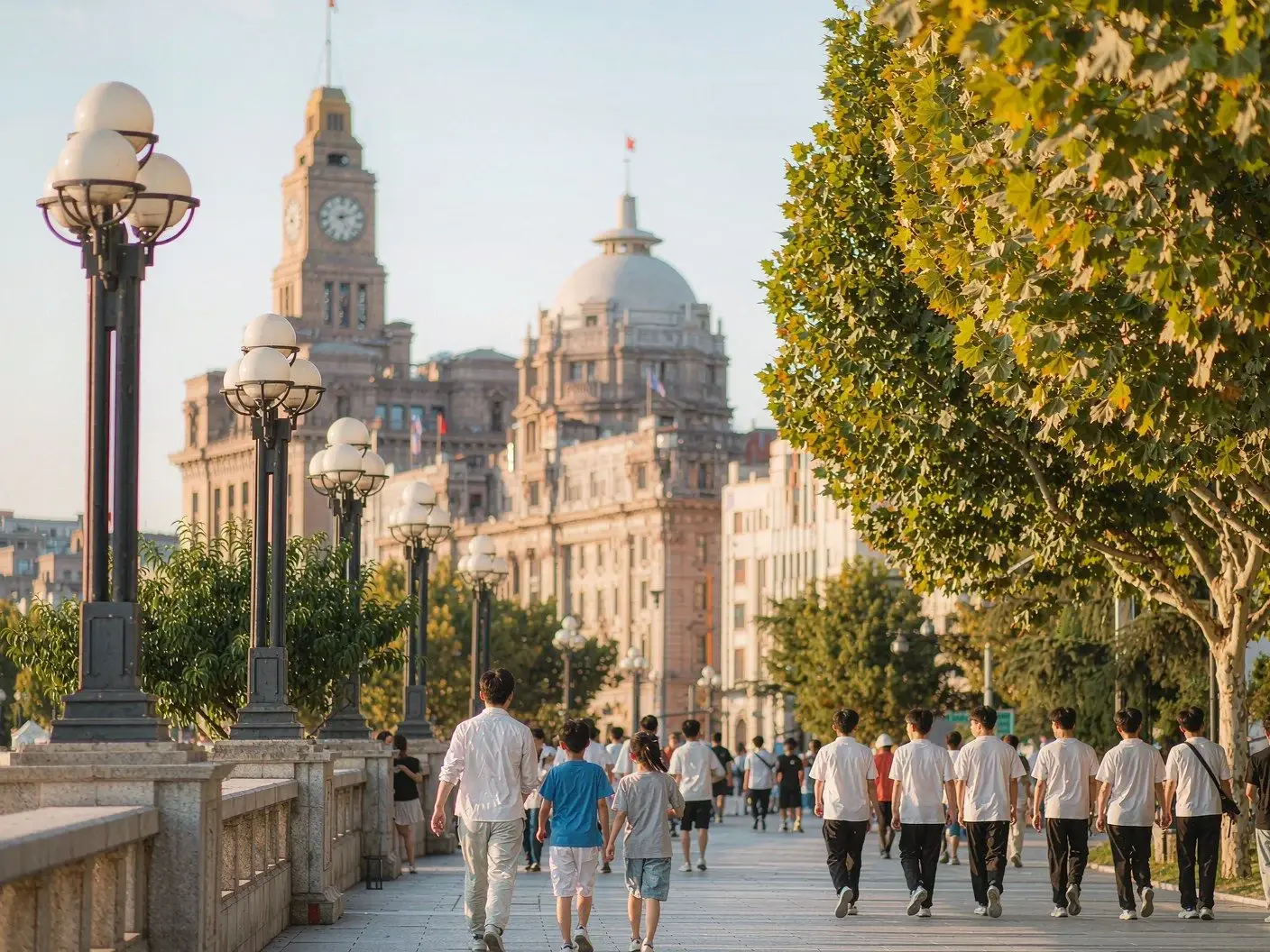
The Bund and the museum of world architecture
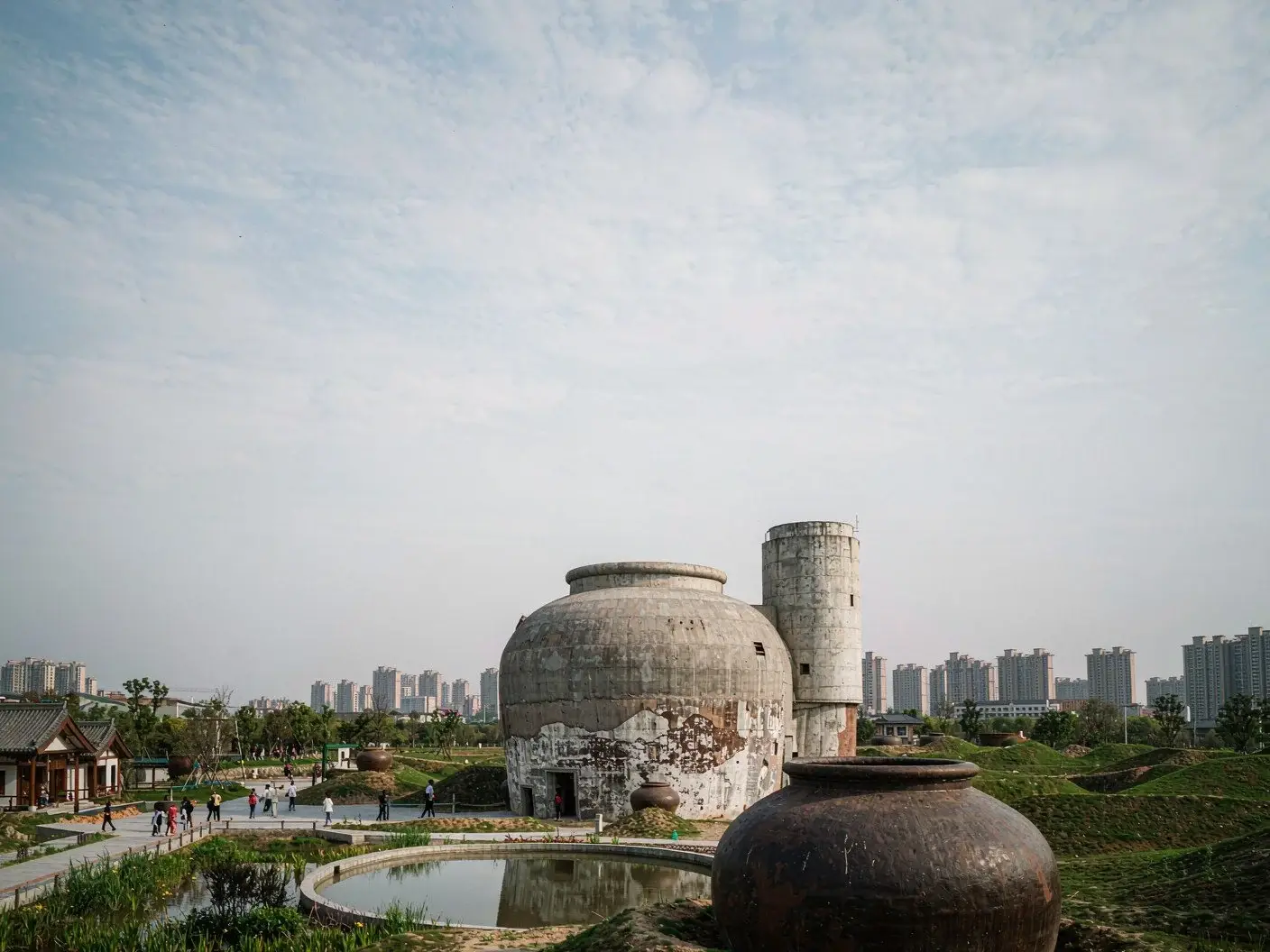
Guangfulin Cultural Relics Park
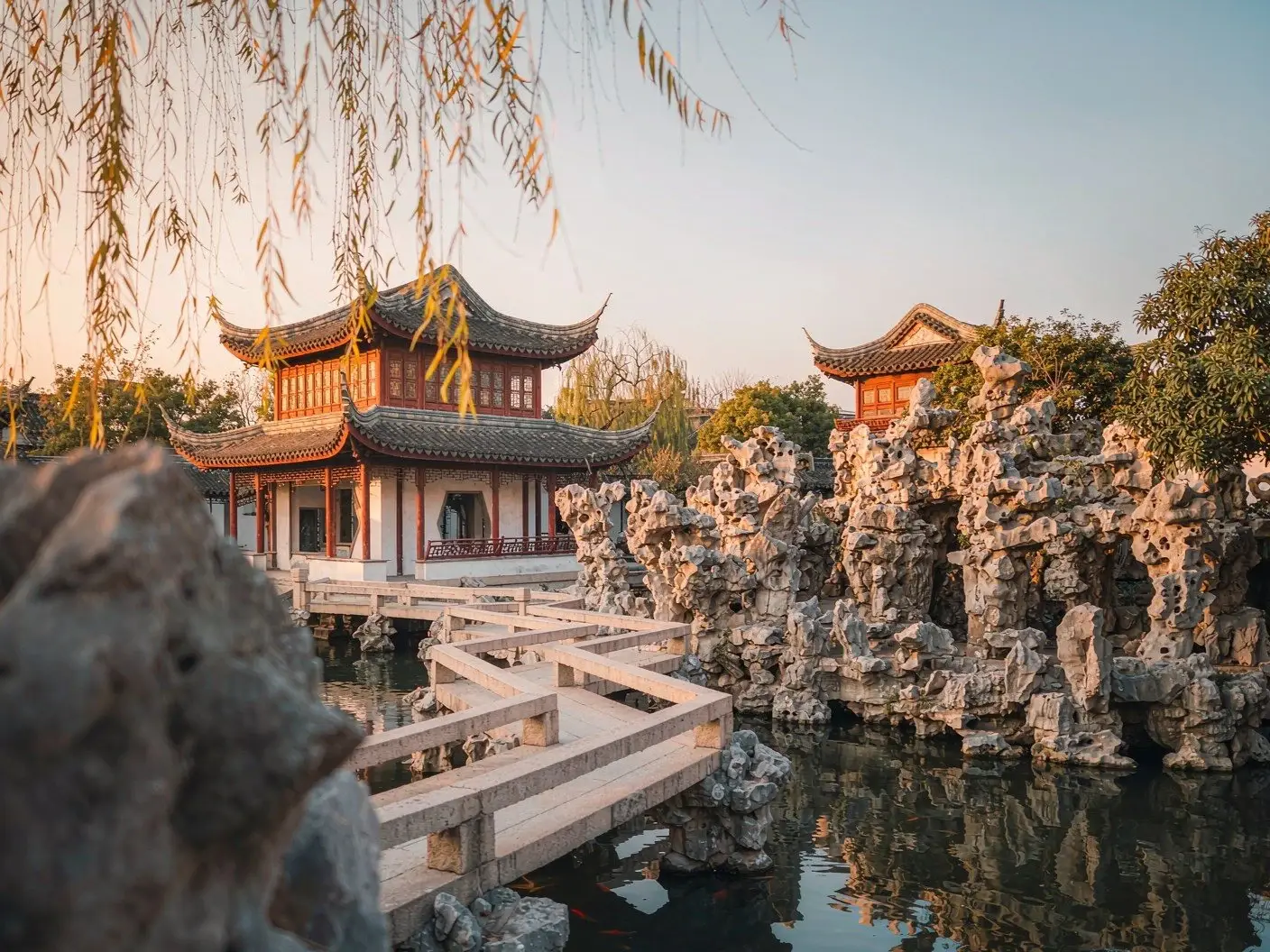
Yu Garden and the Old City God Temple area
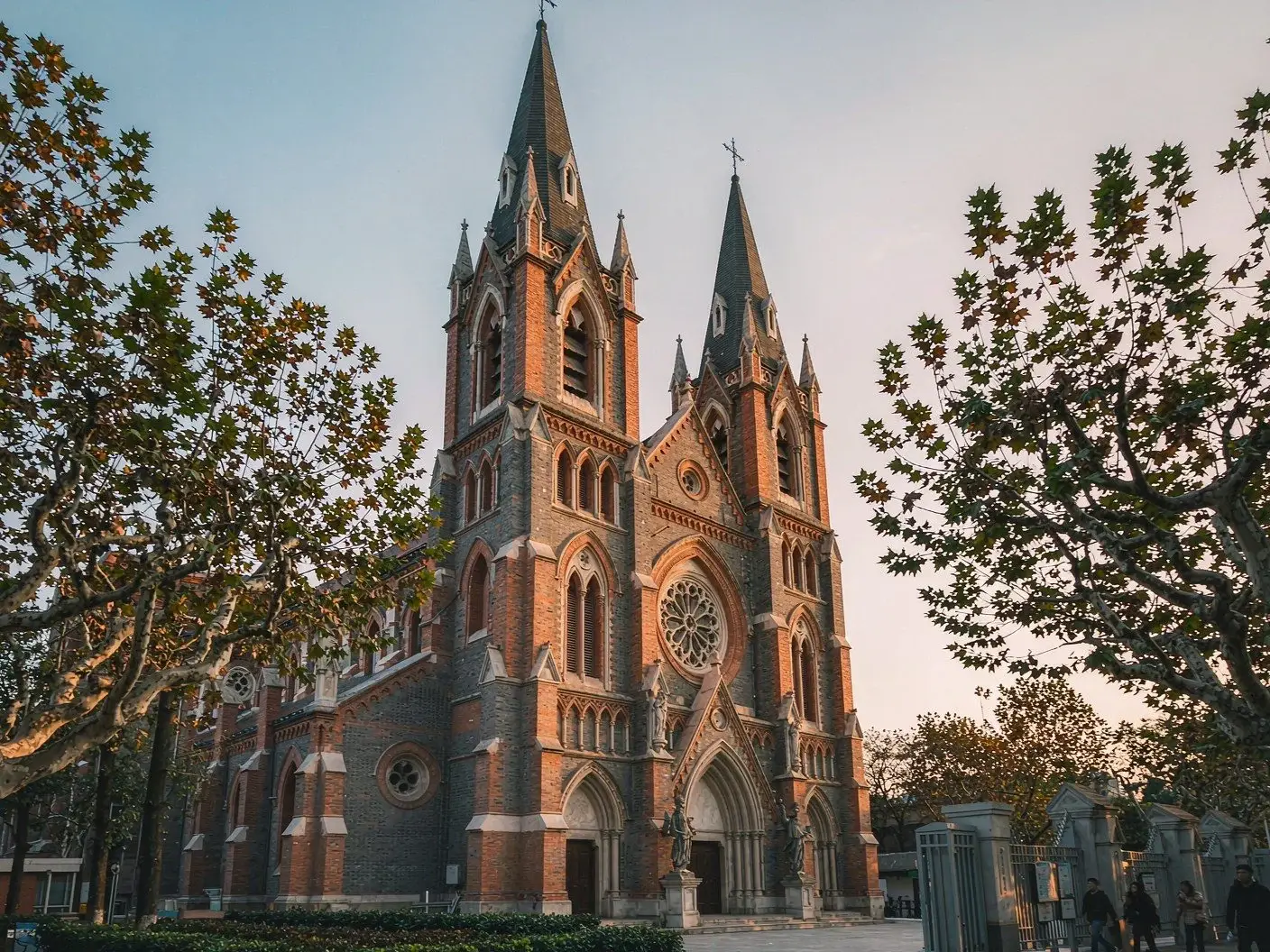
Xujiahui Source
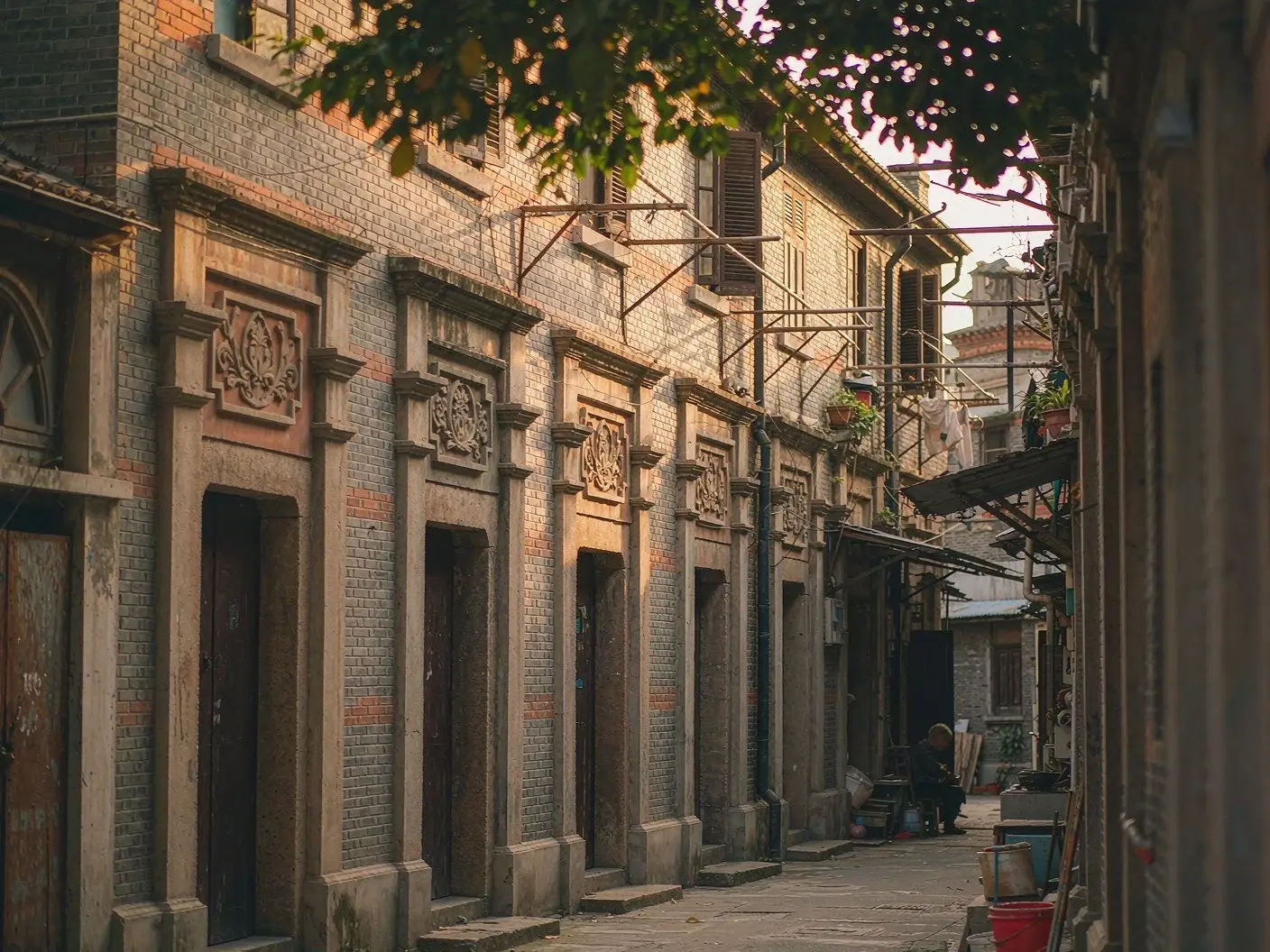
Shikumen lanes and the First National Congress site
Six in-depth study extensions
Longer, more specialised studies for groups with clear interests.
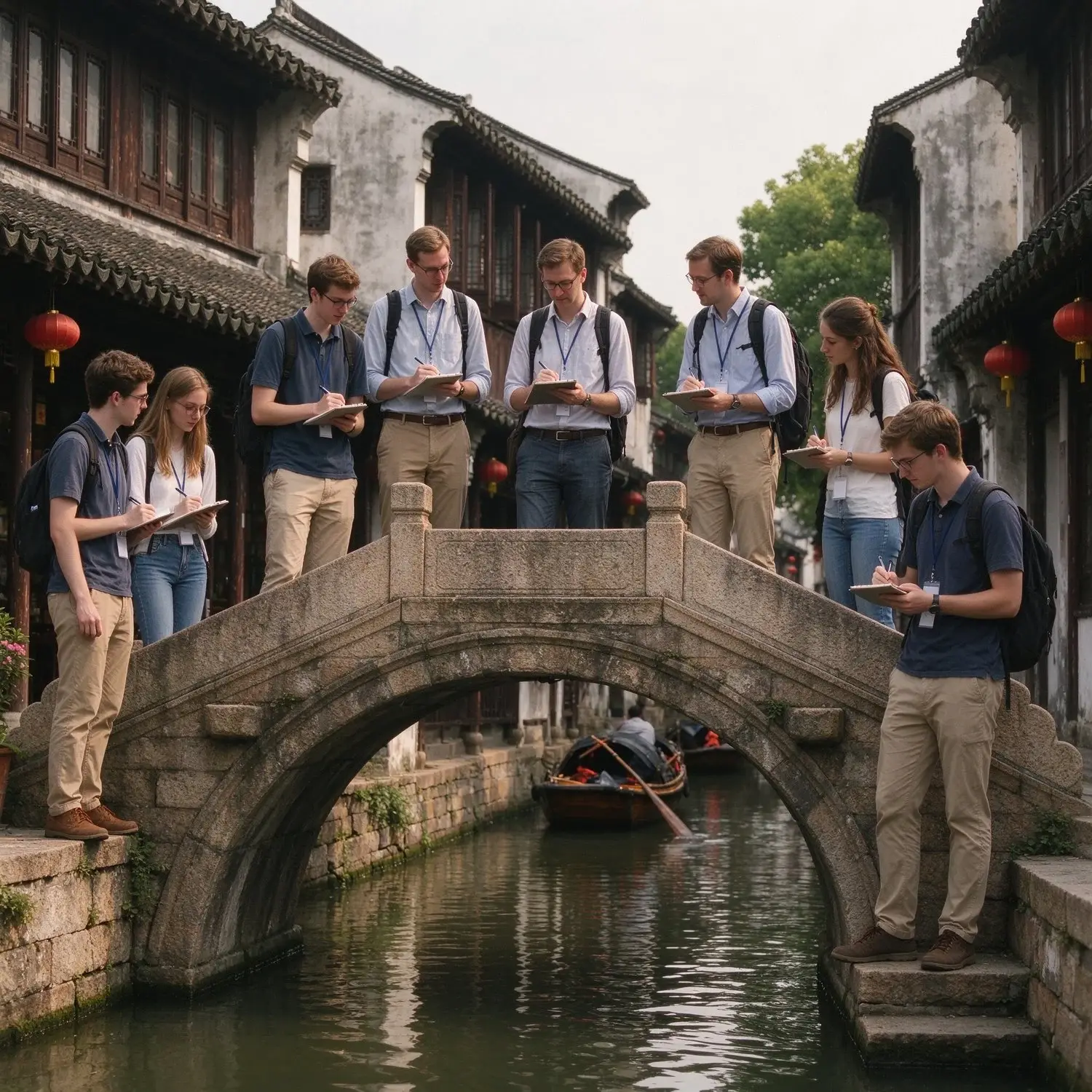
Zhujiajiao water town and Fangsheng Bridge
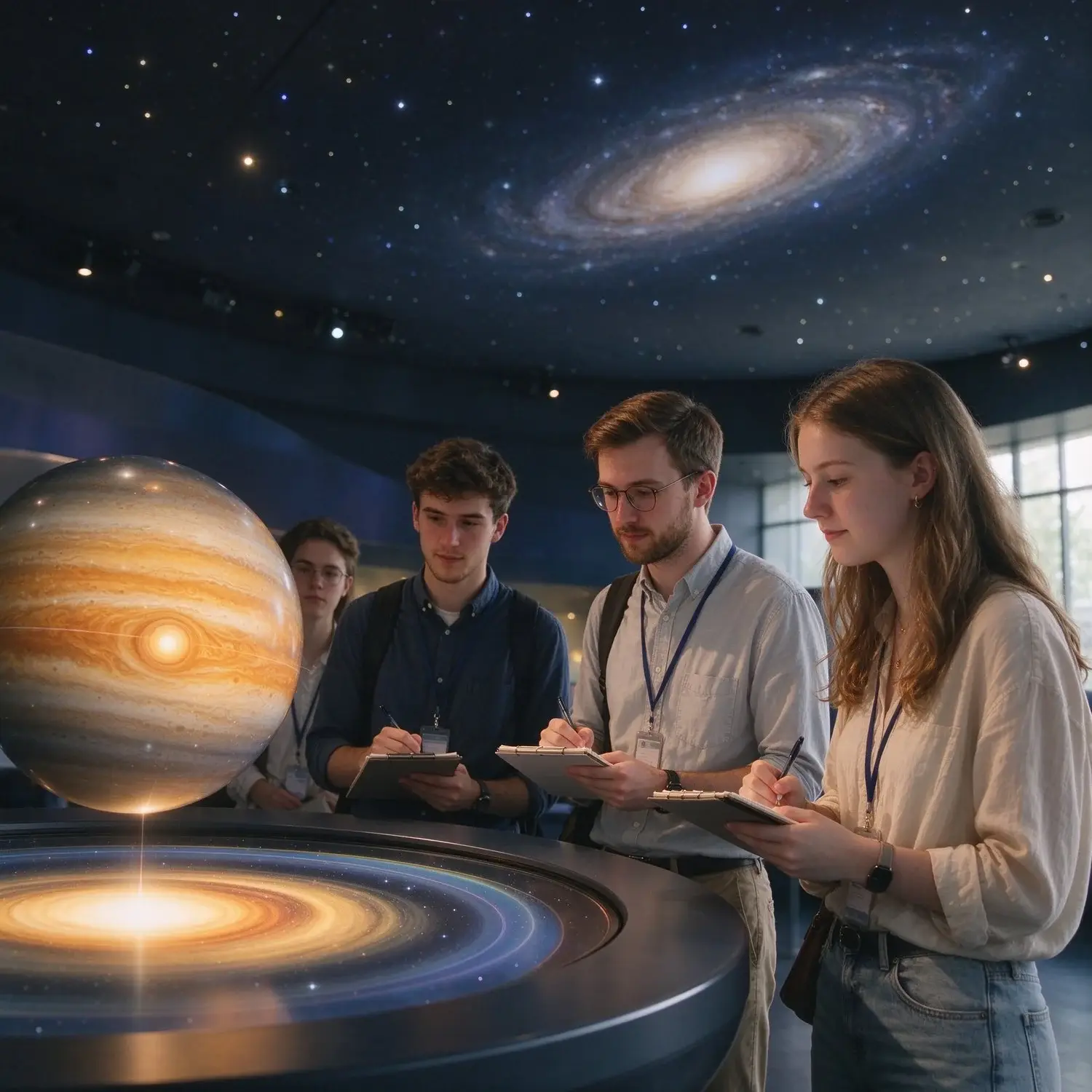
Shanghai Astronomy Museum
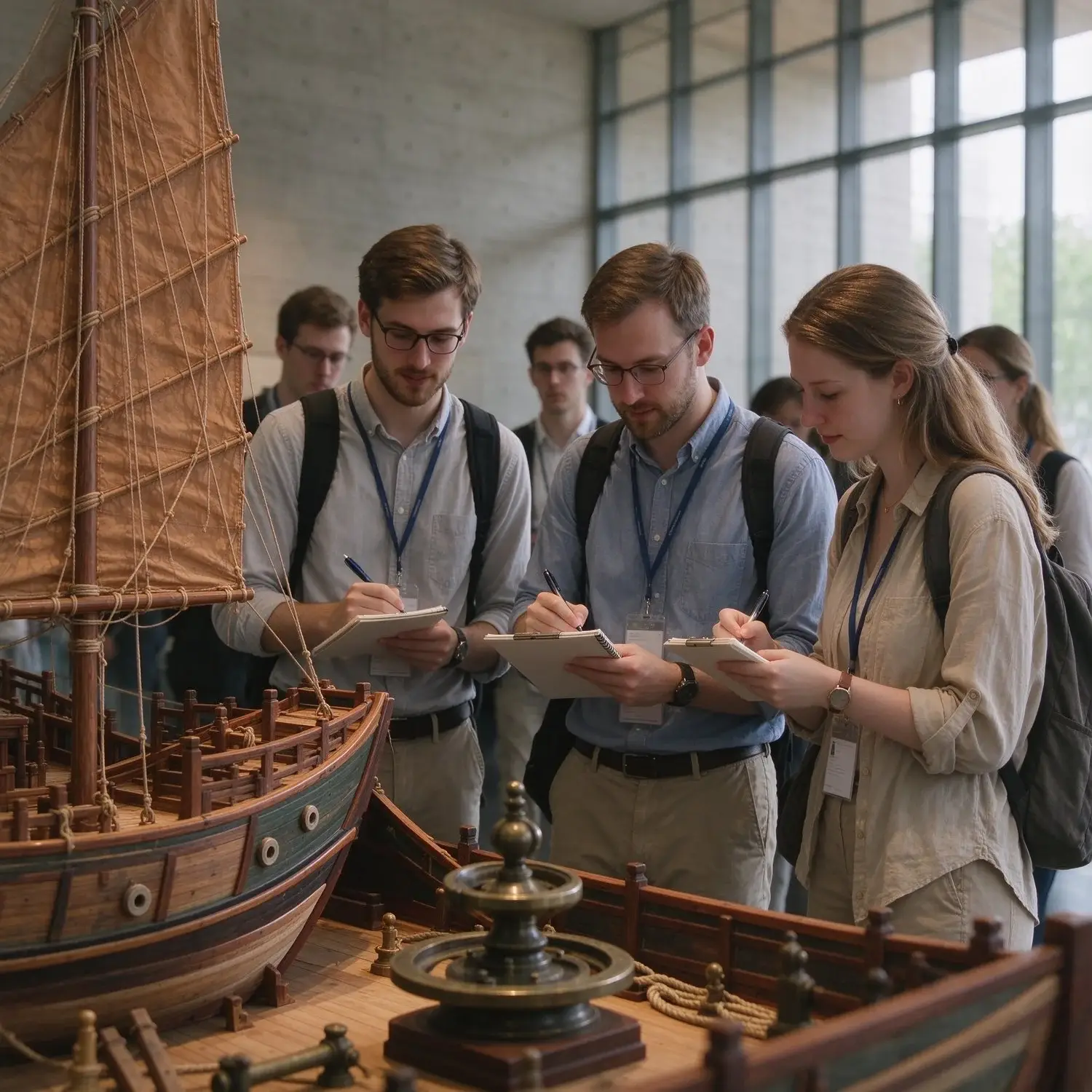
China Maritime Museum
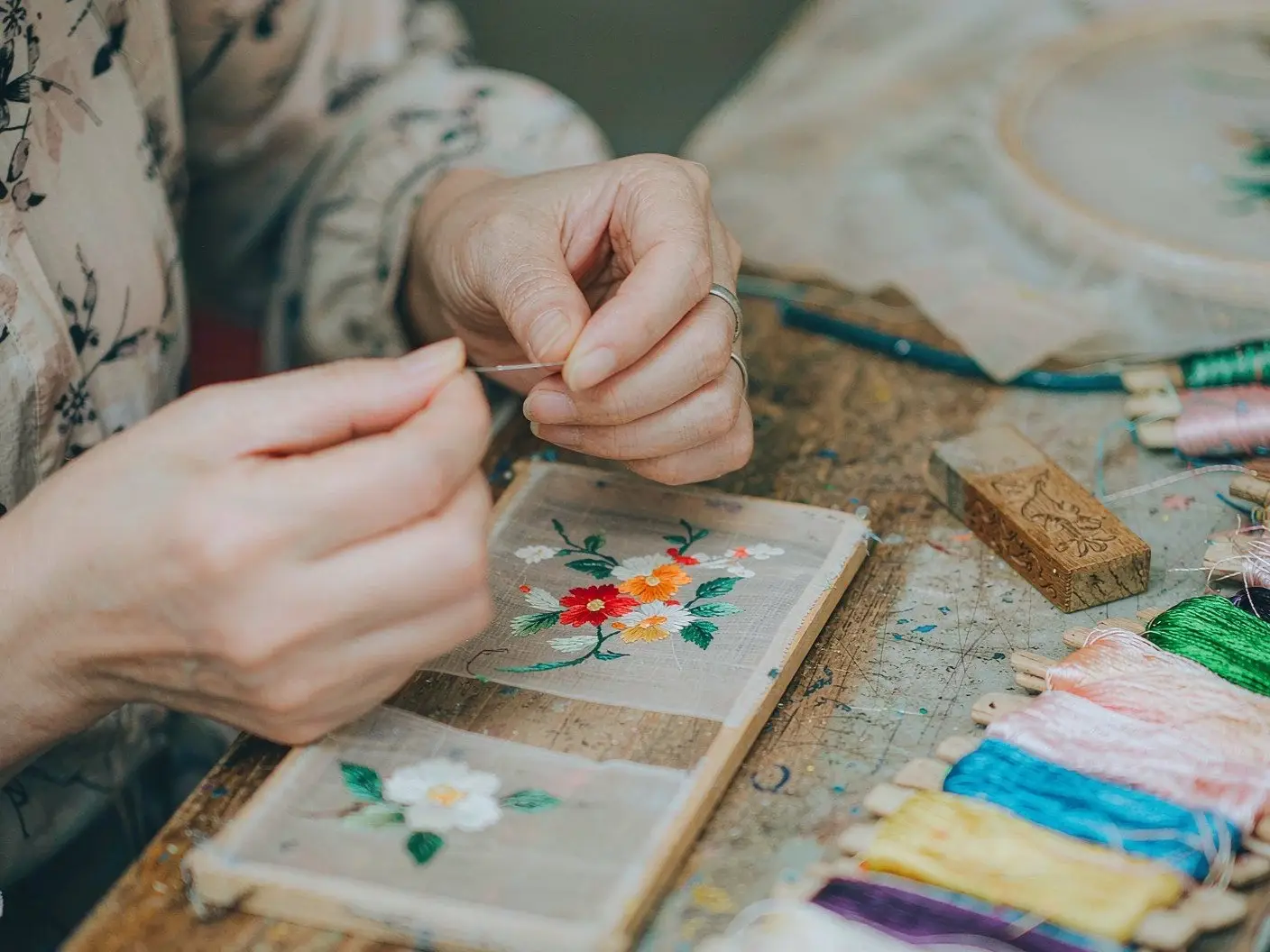
Gu embroidery and Jiading bamboo carving
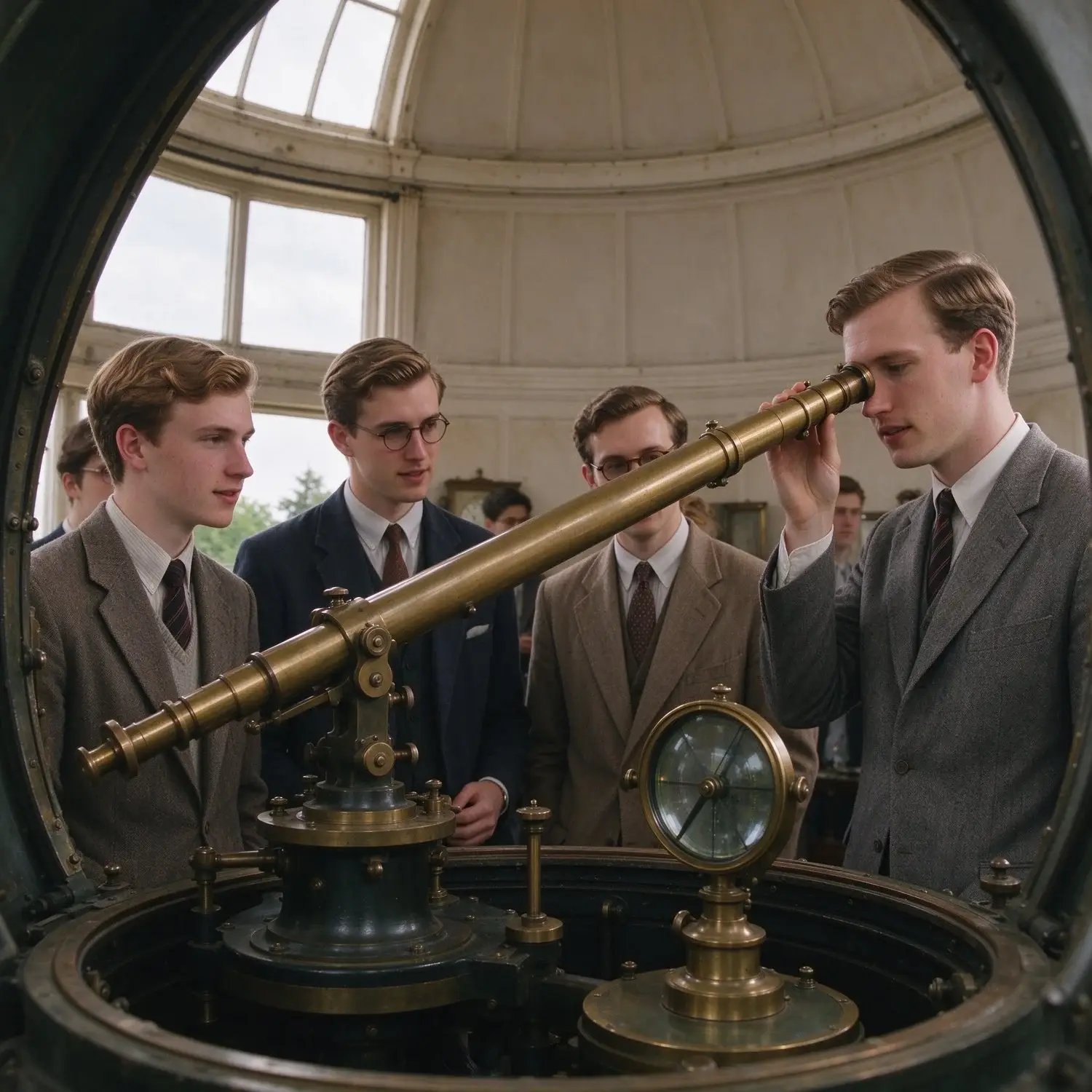
Sheshan Observatory and Shanghai Astronomical Museum
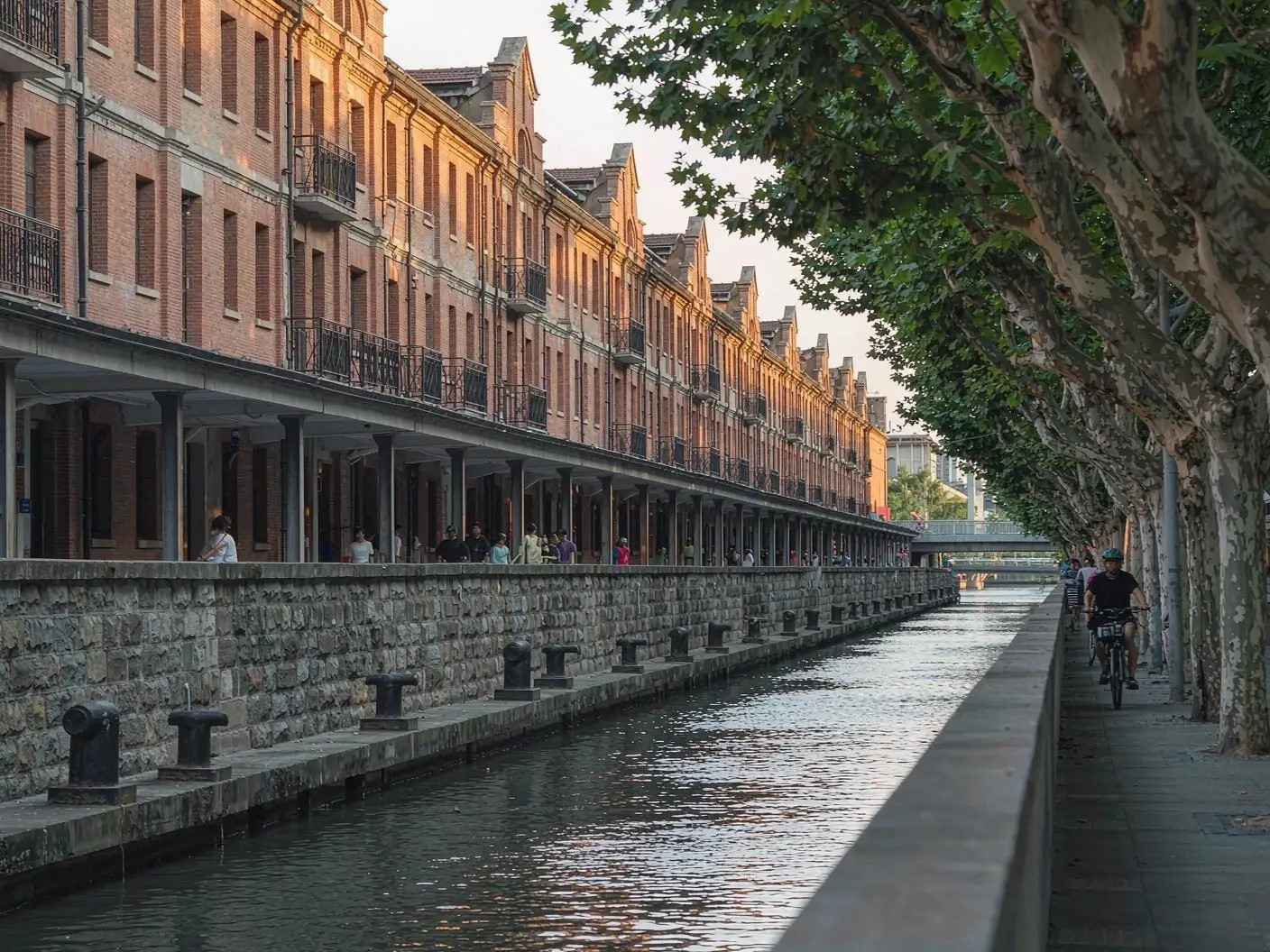
M50 creative park and Suzhou Creek industrial heritage
Creative practice and integrated skills
Projects that turn observation into original student work.
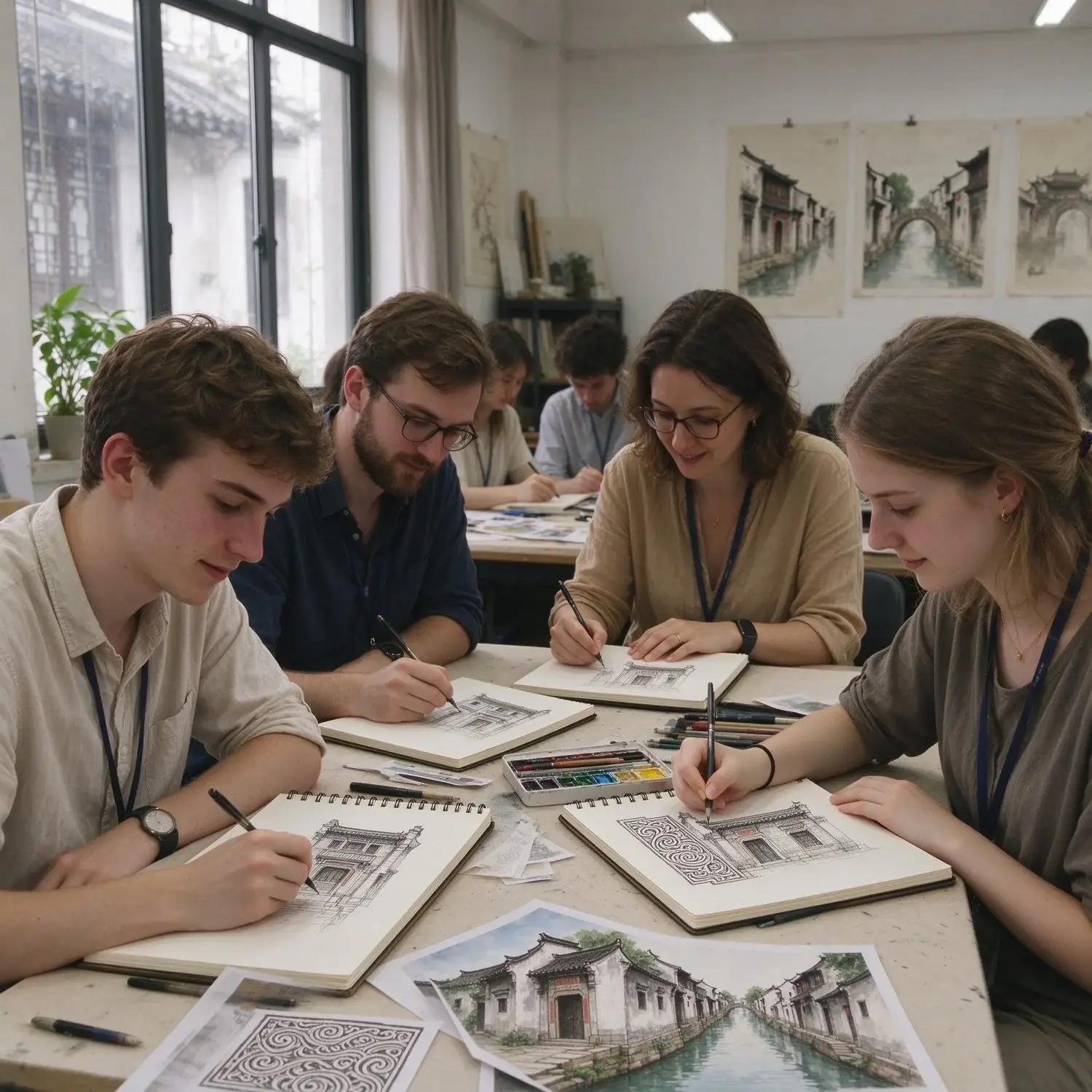
Haipai architecture and motif visual design
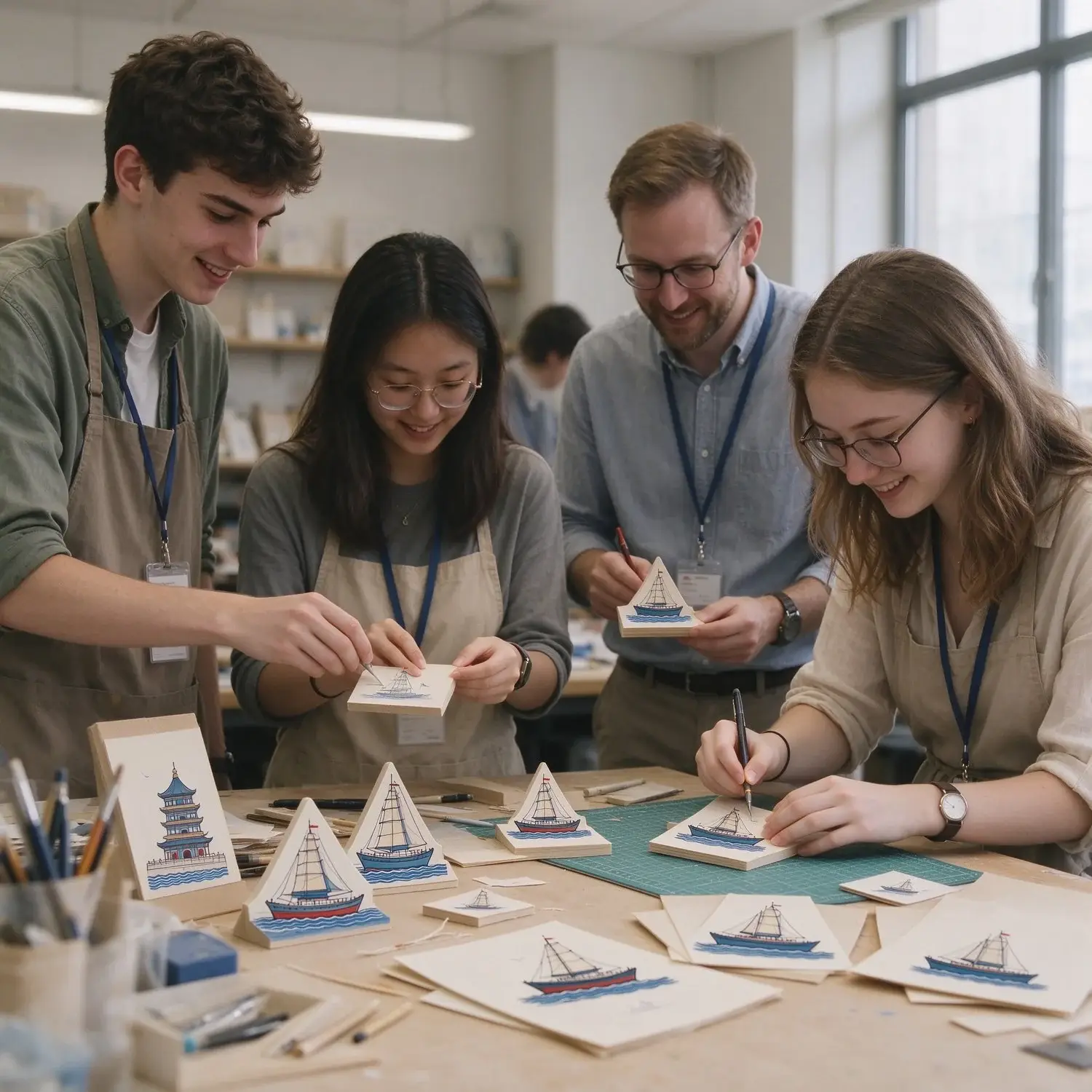
Museum cultural-creative product development
“My Shanghai Brand” project
World Heritage and cross-cultural exchange
Outcomes and practical tasks
The value of Shanghai study is not how many places are visited, but whether students truly leave behind outcomes of observation, practice, thinking and creation. Turn every resource point into a task that can be recorded, presented and reviewed.
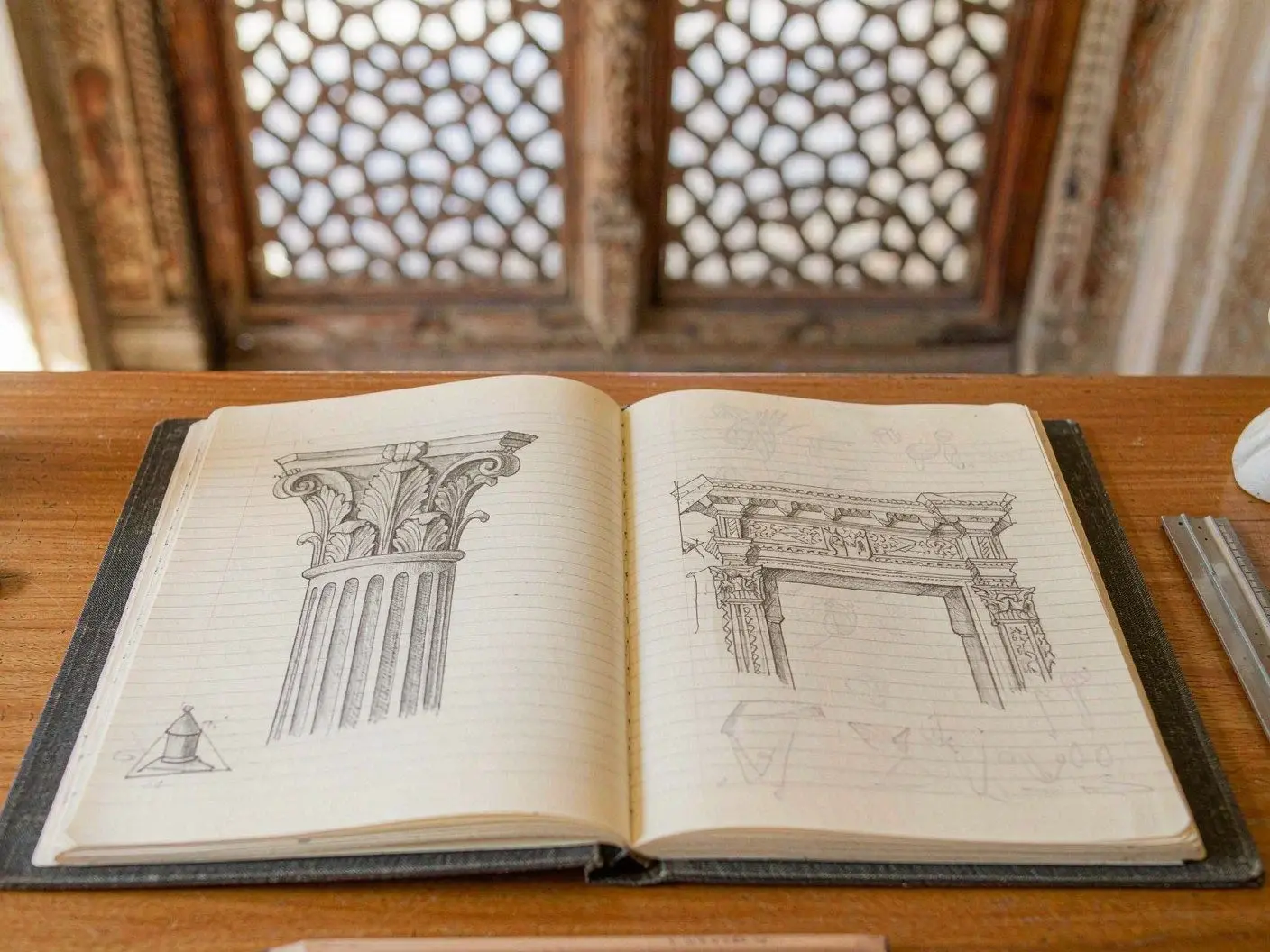
Heritage observation record
Choose one artefact, building component or hand-made piece; record material, dimensions, era, motif and location; write three unanswered questions; compile an observation card.
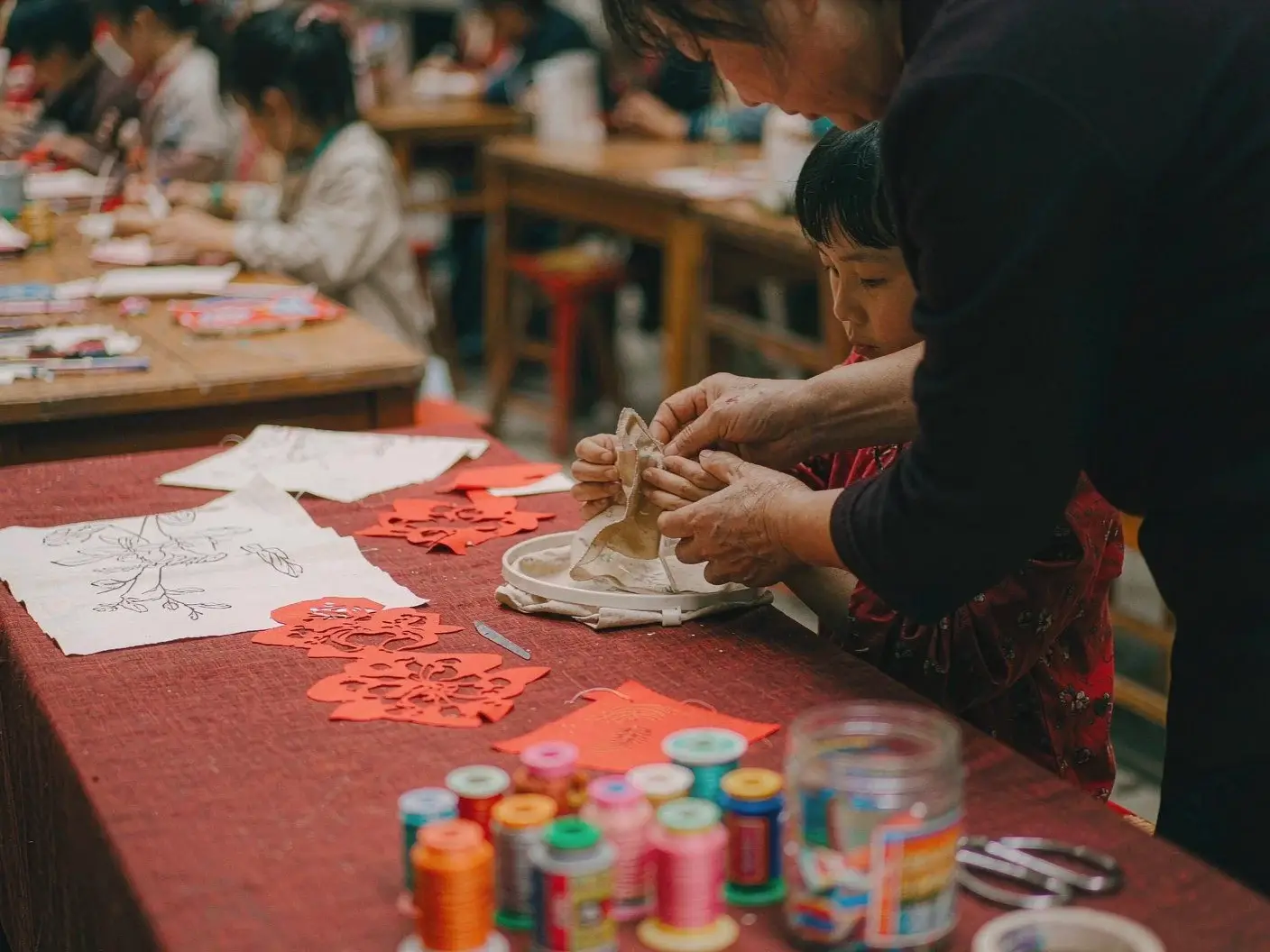
A hand-made Shanghai piece
Choose a Gu embroidery stitch, paper-cut, rubbing or simple weaving; note the hardest step, your corrections and how the result changed.
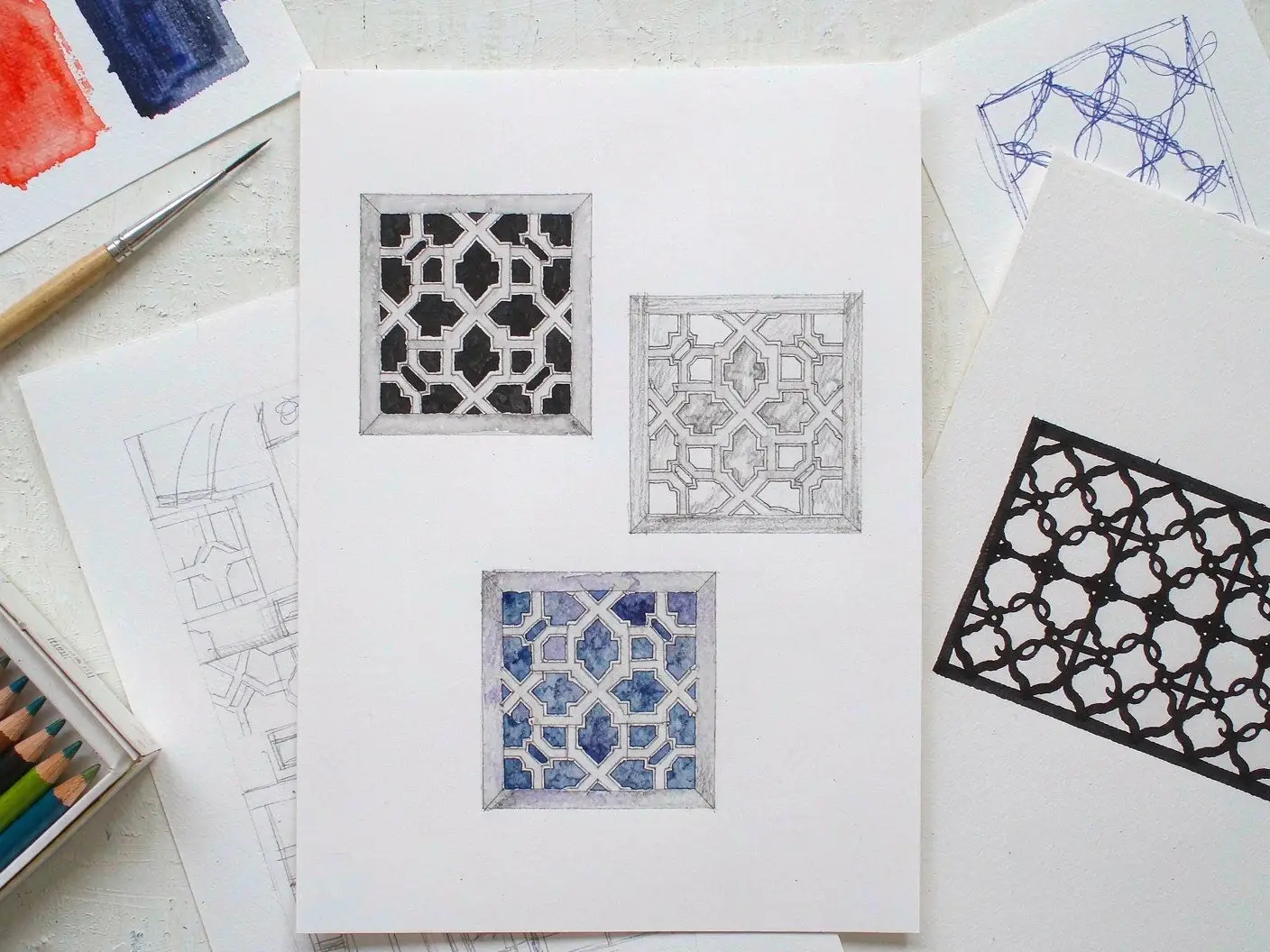
Haipai motif design
Extract structure and rhythm from a Bund facade, shikumen lintel, garden lattice or embroidery; add your own theme to make a repeating pattern with both a cultural source and your expression.

“My Shanghai Brand” group
Produce a brand name, product positioning, packaging concept and three-minute talk — taking outcomes into design and expression.
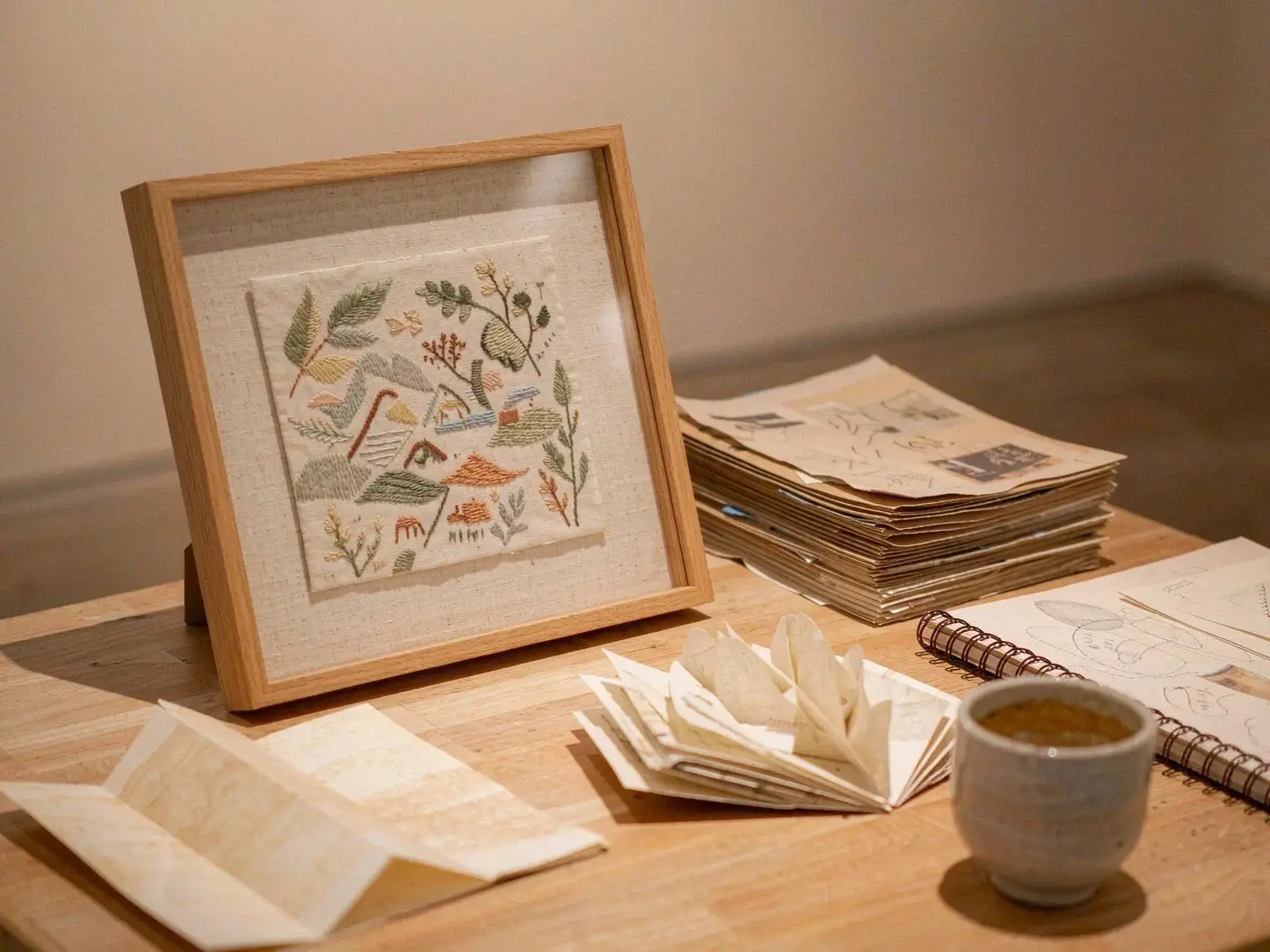
One observation card + one hand-made piece + one Haipai motif design + one group “My Shanghai Brand” presentation — joining visiting, practice, thinking and expression into a learning loop that can be shown and reviewed.
Suggested theme combinations
| Theme | Recommended combination | Audience / scenario |
|---|---|---|
| City origins & archaeology | Shanghai Museum + Guangfulin + Xujiahui Source | First study / history & architecture courses |
| Haipai craft practice | Gu embroidery + Jiading bamboo carving + Shanghai paper-cut | Junior secondary / senior secondary / families |
| Science observation & practice | Astronomy Museum + Sheshan Observatory + Maritime Museum | Science, engineering & geography |
| Architecture & craft practice | Bund + Haipai visual design + product development | Art, design & comprehensive practice |
| World heritage & city narrative | M50 + Suzhou Creek heritage + brand project + cross-cultural making | Senior secondary / university / international |
Shanghai study need not be tied to fixed days or standard routes. The truly tailored approach combines, by age, curriculum goals, interests and budget, six directions — city origins, architecture and quarters, science practice, Jiangnan craft, art and design, and international exchange — so every programme has clear learning goals and deliverable outcomes.
Ready to build your Shanghai study programme?
Share your students’ age, curriculum goals and dates. We will tailor the field studies, hands-on workshops and outcome tasks for you.
Start PlanningNanjing
Nanjing at a glance
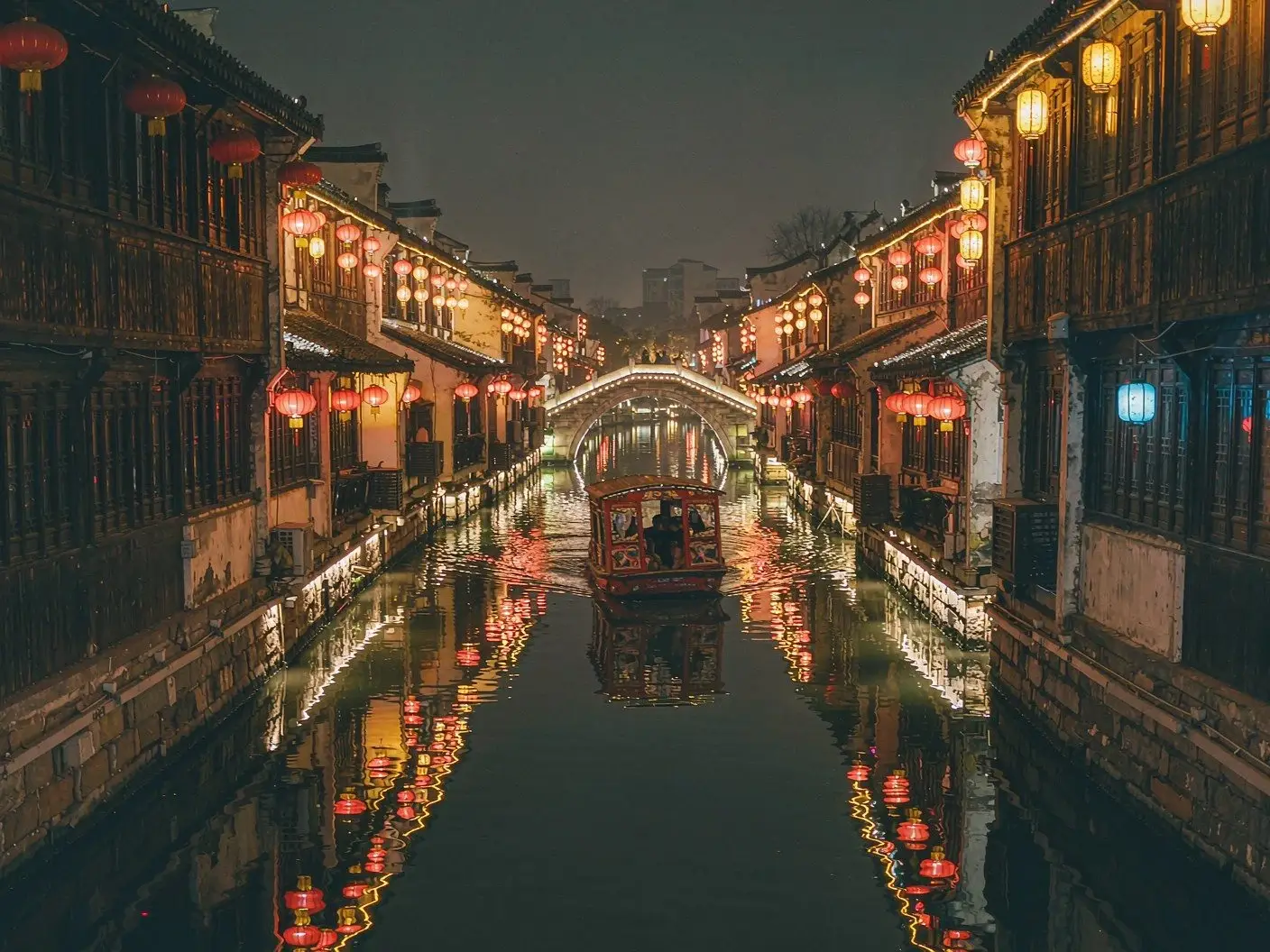
Nanjing lies in southwestern Jiangsu, on the lower Yangtze, one of China’s first national historic cities. It holds the misty air of the Six Dynasties, the Ming walls and imperial mausolea, the Ming–Qing examination halls and gardens, and the upheavals of modern China; the Qinhuai River threads literature, the imperial exam, craft and street life together.
For students, the value of the trip is not simply checking off ancient sites. Standing before real walls, stone carvings, artefacts and garden pools, they turn dynastic change, institutional shifts and literary allusions from textbooks into things they can measure, record and recount.
Think of Nanjing as an open textbook of the ancient capital and modern history — best approached through six angles: the Six Dynasties’ literary thread and stone; the Ming capital and wall system; the imperial examination and education tradition; the City of Literature and its poetic allusions; garden making and Jiangnan life; and intangible heritage and its contemporary translation.
Six study keywords worth attention
From Southern Dynasties stone carvings, epitaphs and celadon, touch the heights of Six Dynasties art and aristocratic culture.
Through the wall, palace city and Ming Xiaoling, understand the founding of early Ming capital planning and the imperial tomb system.
At the Jiangnan Examination Hall and the China Imperial Examination Museum, read the selection system that ran for 1,300 years.
Along Wuyi Lane, the Qinhuai River and literary landmarks, turn poetic allusions into a walkable route.
At Zhan Garden and other Jiangnan gardens, observe rockery, water, borrowed scenery and spatial organisation.
Meet Yunjin brocade, sutra woodblock printing, festive lanterns and paper-cut, and feel the patience in material and process.
Recommended priority
| Priority | Best for | Representative sites | Use case |
|---|---|---|---|
| A · Core intro | First-time study groups in Nanjing | Nanjing Museum, Ming Xiaoling, Nanjing City Wall | Ancient-capital history / World Heritage |
| B · In-depth practice | Learners interested in history, literature, architecture and craft | China Imperial Examination Museum, Zhan Garden, Six Dynasties Museum | Institutions & literature / gardens & archaeology |
| C · Creative extension | Secondary, university and international students | Changjiang Road museum quarter, heritage workshops, creative markets | Creative design / city narrative |
The cultural background to Nanjing study
2.1 · The six-dynasty capital and the Jinling literary thread
In 229 Sun Quan made his capital here, and for three hundred years the Eastern Jin and the Southern Dynasties of Song, Qi, Liang and Chen followed, making Jiankang the political, cultural and Buddhist centre of the south. Study can follow a line — founding the capital, the southward flight of the elite, literary self-awareness, and artistic heights — from the forceful masses and lines of Southern Dynasties tomb carvings to the daily detail of celadon, epitaphs and brick pictures, and to the Wenxin Diaolong and Zhaoming Wenxuan: a divided age that gave birth to China’s own literary and artistic consciousness.
2.2 · The Ming capital and the Nanjing city wall
In 1368 Zhu Yuanzhang made Nanjing the capital of a unified dynasty for the first time, building four concentric walls — palace, imperial, capital and outer. The capital wall ran 35.267 km and still stands 25.091 km, the longest brick-and-stone city wall in the world. Its bricks were fired in 152 counties across five provinces, about 350 million of them, each stamped with the names of the director, kiln maker and brick maker — the most tangible evidence of ancient quality management and accountability.
2.3 · Ming Xiaoling and the Ming imperial tomb system
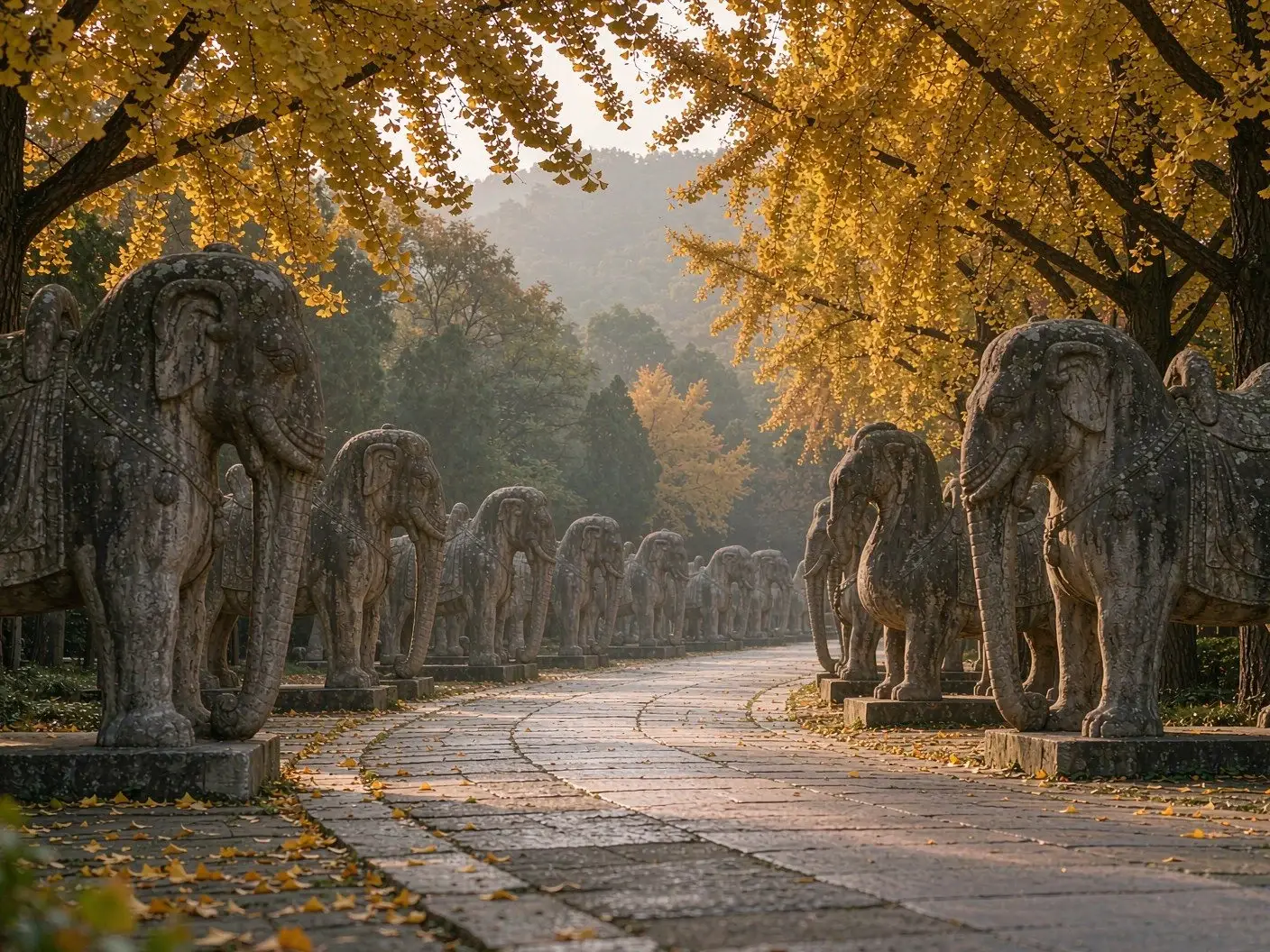
Ming Xiaoling is the joint tomb of the Hongwu Emperor and Empress Ma, begun in 1381 and inscribed in 2003 as an extension of the Imperial Tombs of the Ming and Qing. It created the layout of square front and round rear — the square court for the court of men, the round mound for the vault of heaven, the cosmology of round heaven and square earth built into the tomb. The spirit way winds around Plum Blossom Hill, with 24 stone beasts in six kinds along the 615-m Elephant Road. For the next 500 years, over 20 Ming and Qing imperial tombs followed this model.
2.4 · The imperial examination and modern upheavals
Nanjing is a key witness to the imperial examination. The Jiangnan Examination Hall, begun in 1168, was the largest provincial exam hall in the Qing, with 20,644 cells seating 20,000 candidates; over half of Ming–Qing officials came from here. The China Imperial Examination Museum sinks four storeys, 36 m deep, turning the ladder of selection into a ramp you walk down. In modern times, the Presidential Palace courtyard served in turn as an early-Ming noble mansion, a Qing governor-general’s yamen, the Taiping Heavenly Kingdom palace and the Nationalist government — a perfect sample of how architecture records the turn of eras.
2.5 · The City of Literature and urban renewal
On 31 October 2019 Nanjing joined UNESCO’s Creative Cities Network as China’s first City of Literature. Across two thousand years its literary thread has barely broken: China’s first literature library, the Wenxin Diaolong, Shipin, Zhaoming Wenxuan and Qianziwen all appeared here. Today the thread keeps growing — Changjiang Road links museums, galleries, bookshops and old buildings into a walk; the old gate east and Little West Lake quarters renew old houses while keeping their grain. Literature, heritage and daily life nest in the same streets, ideal for a field study in urban renewal.
Six core study recommendations
The six first-priority stops for a Nanjing study programme.
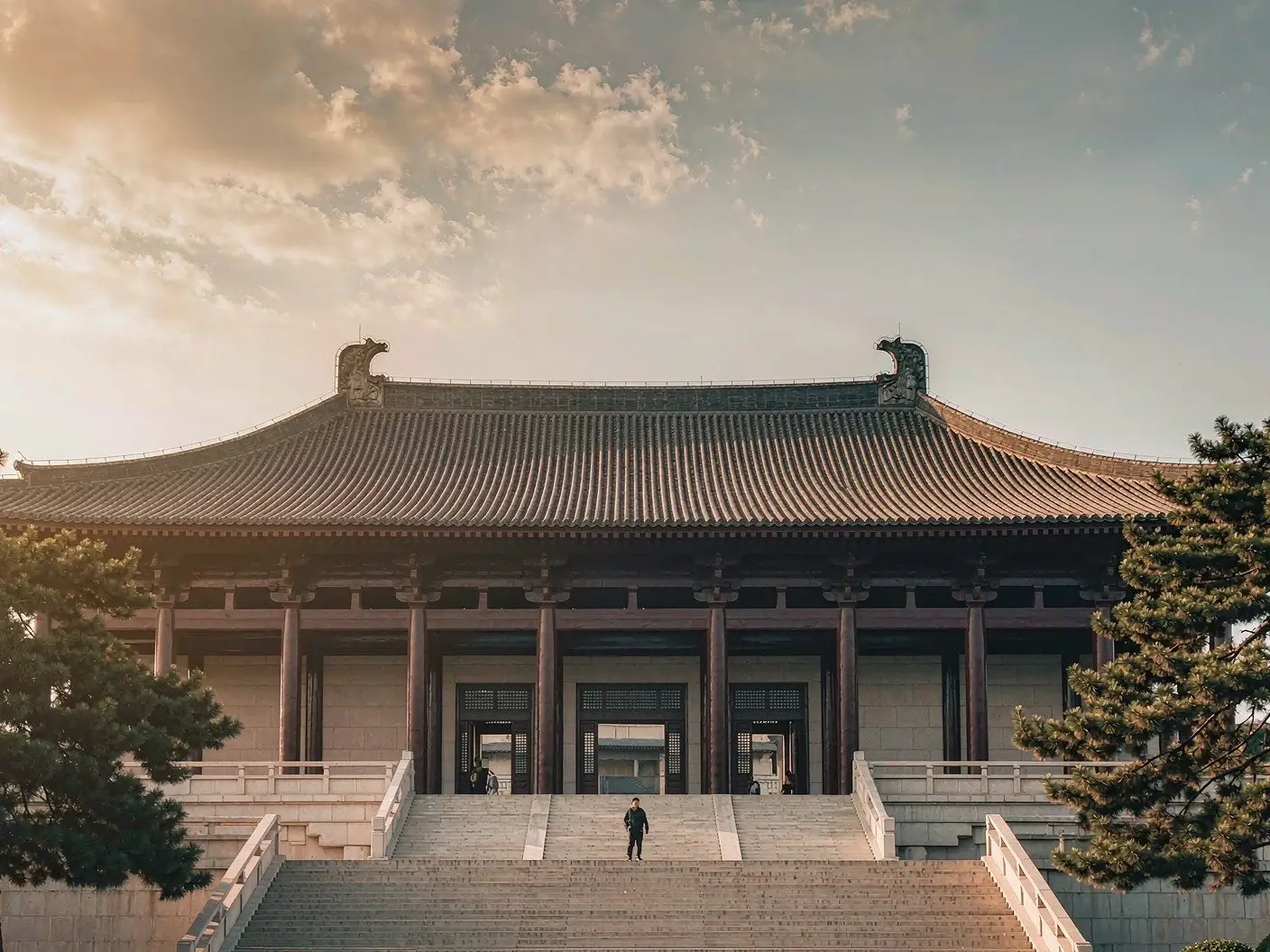
Nanjing Museum
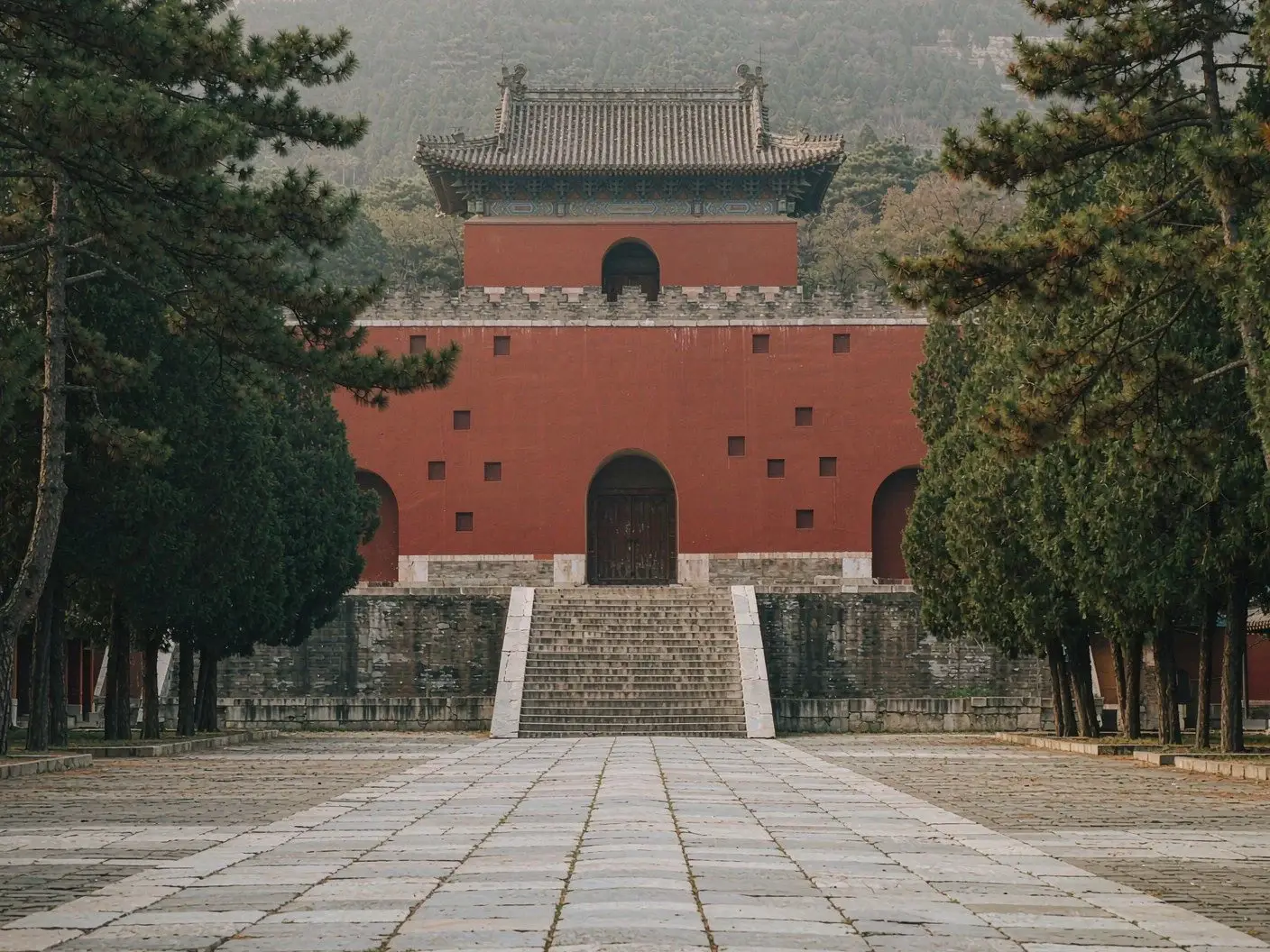
Ming Xiaoling
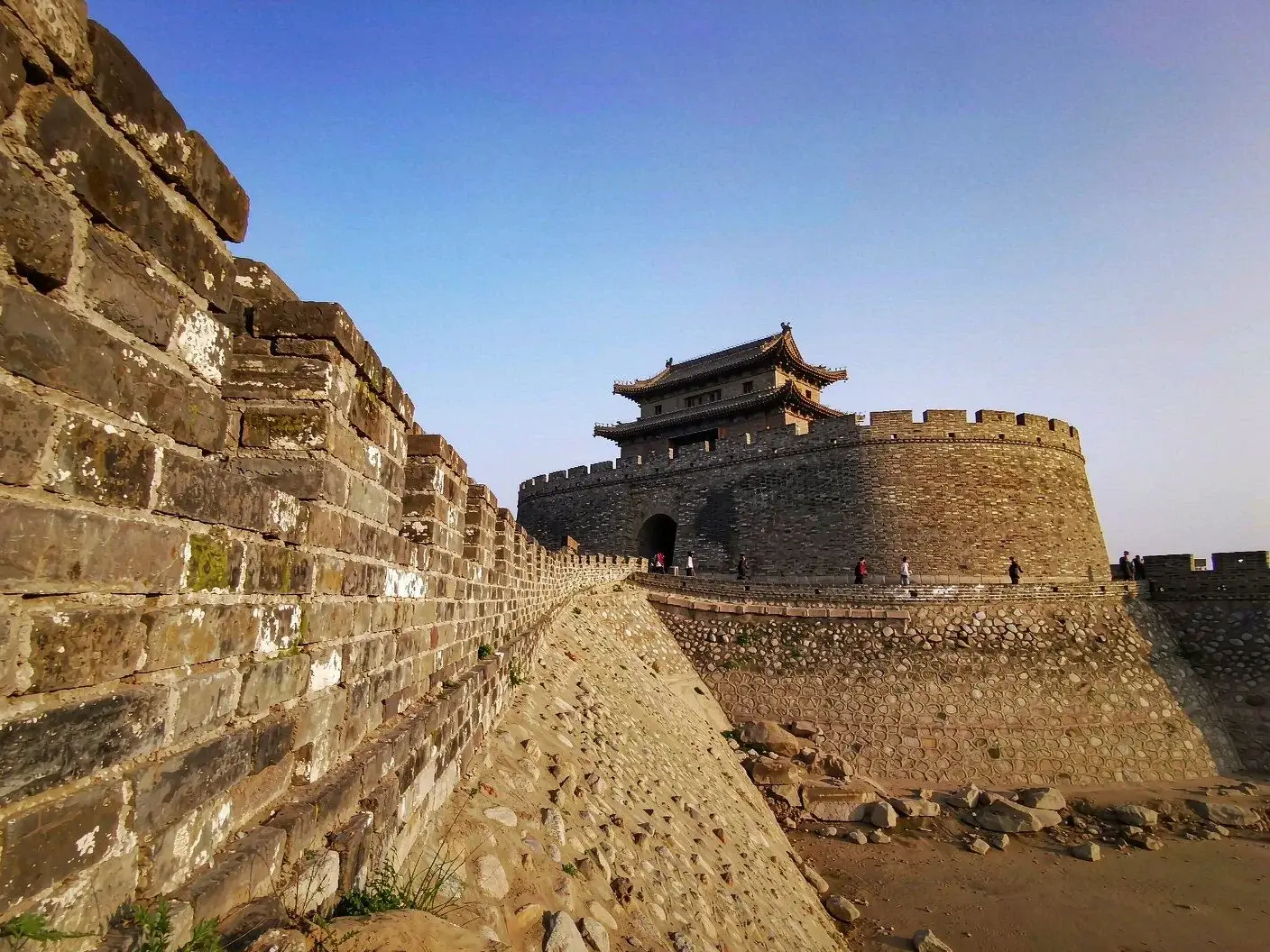
Nanjing City Wall
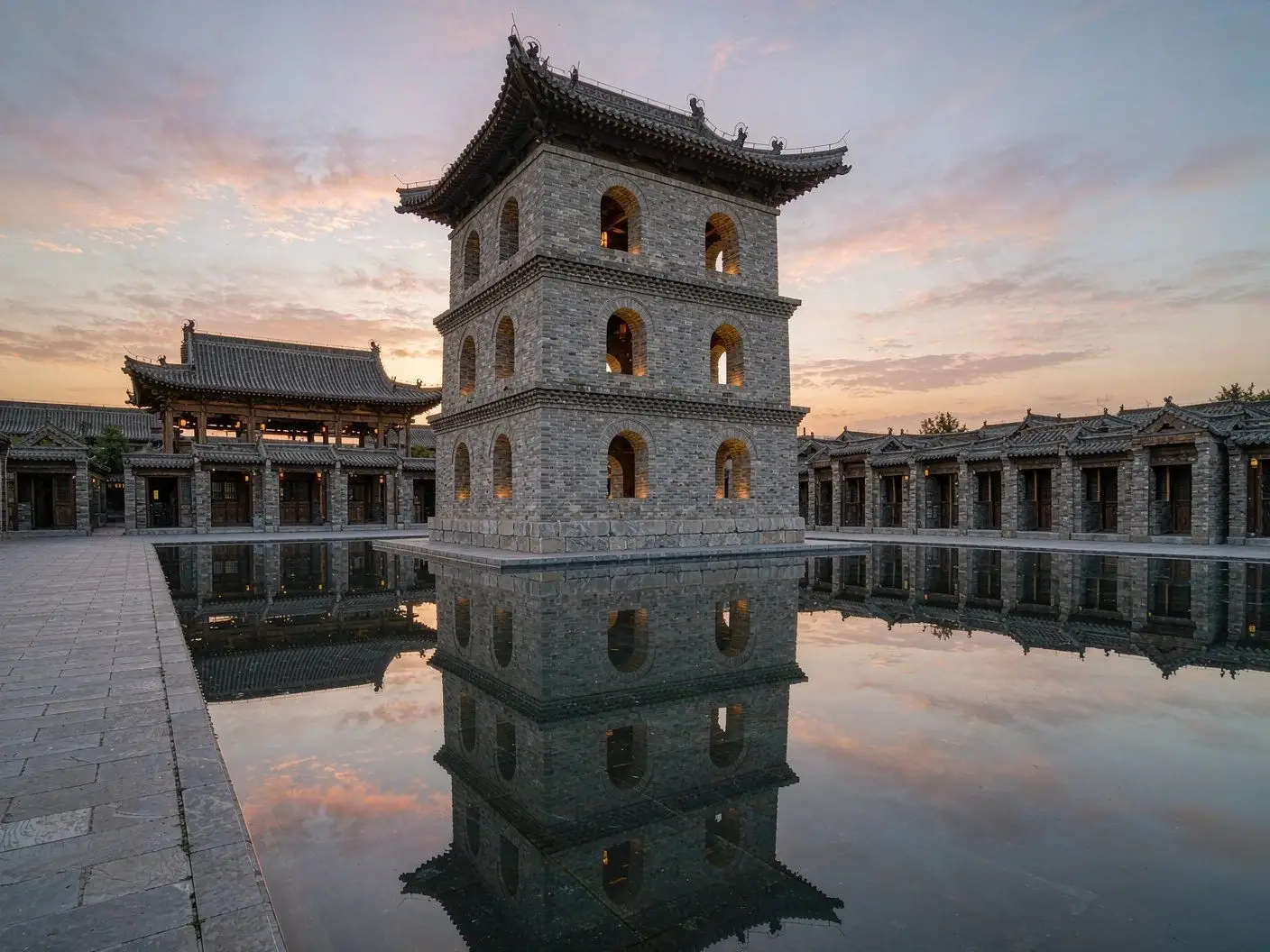
China Imperial Examination Museum
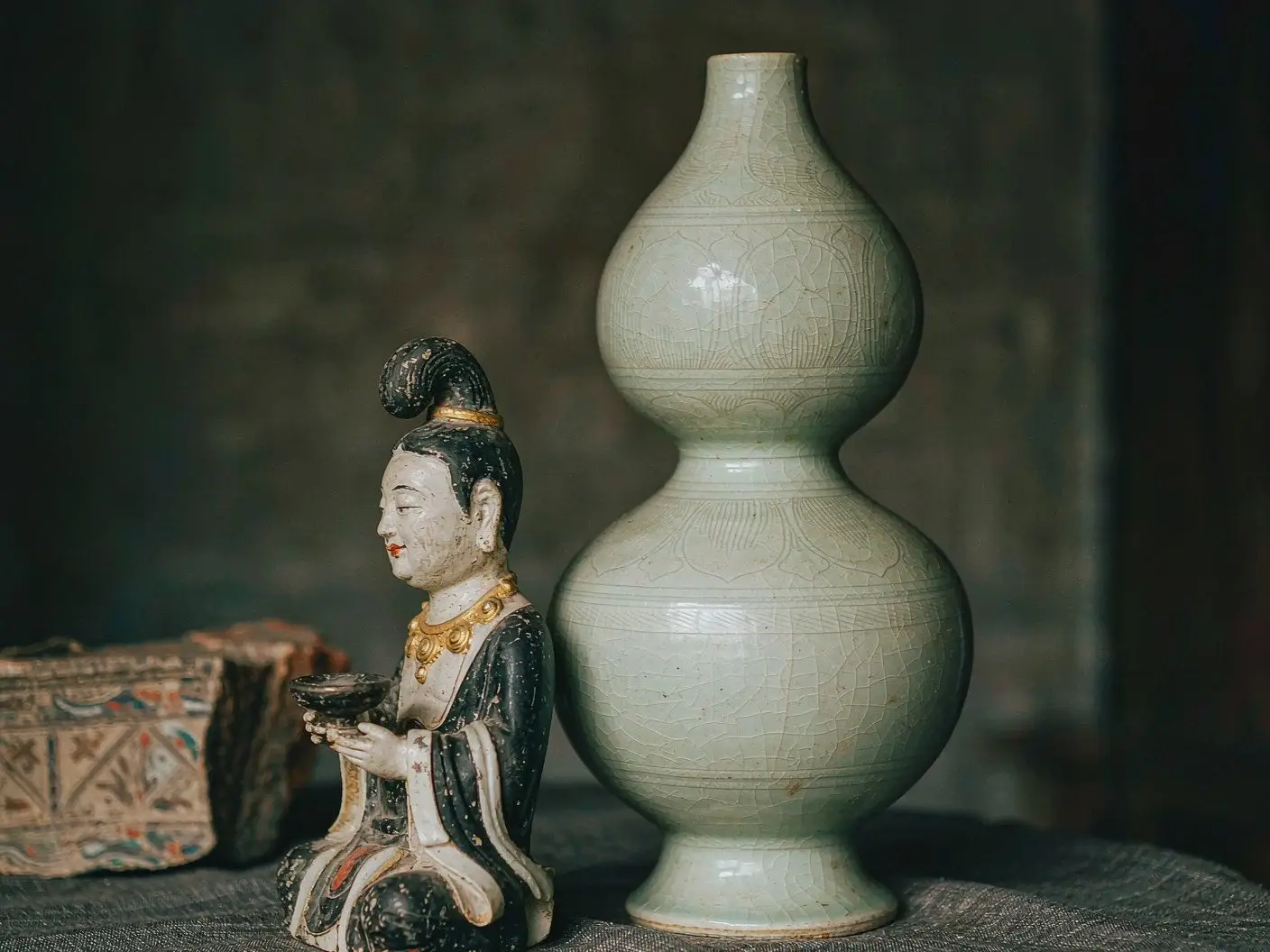
Six Dynasties Museum
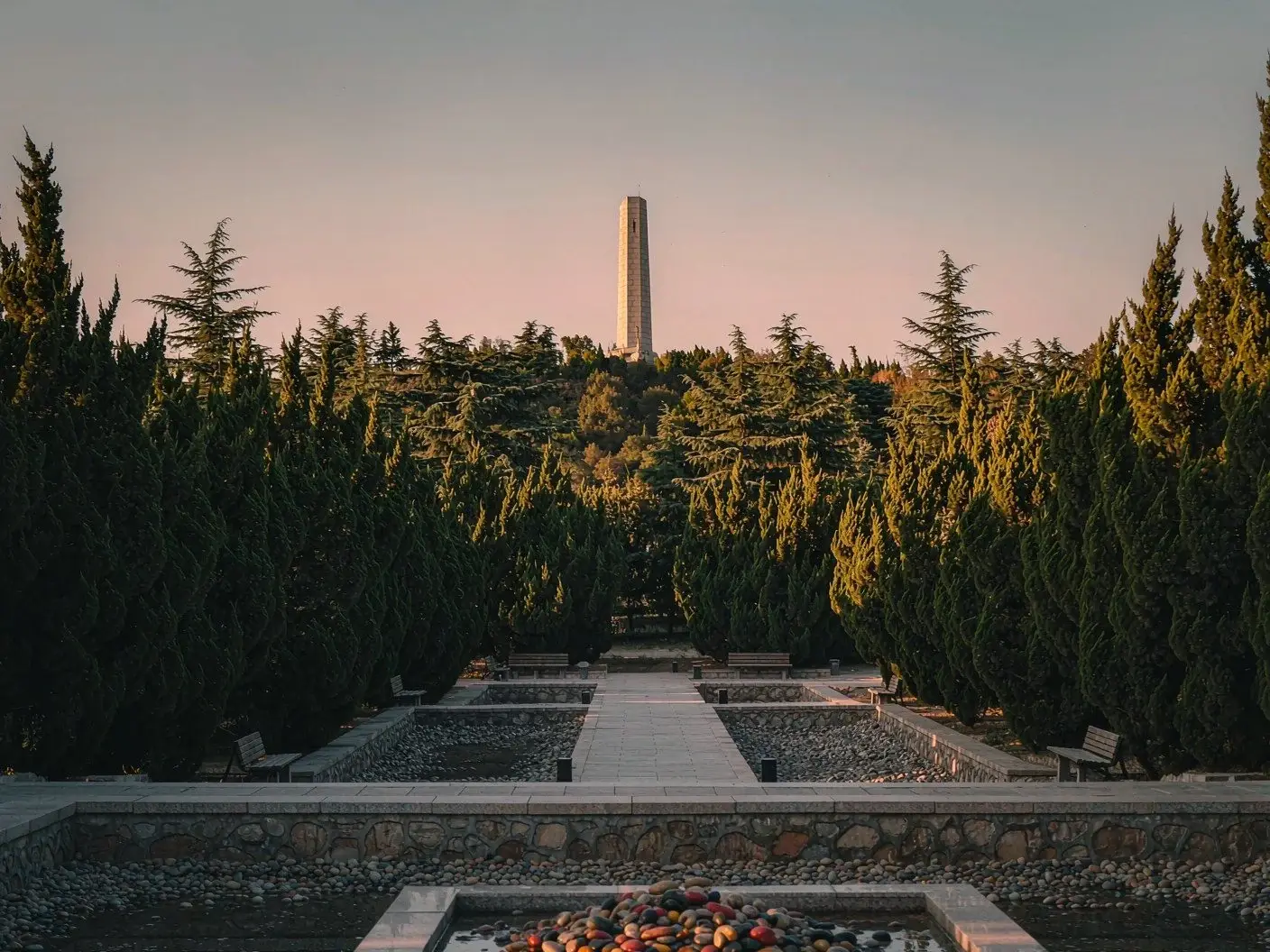
Yuhuatai scenic area
Six in-depth study extensions
Longer, more specialised studies for groups with clear interests.
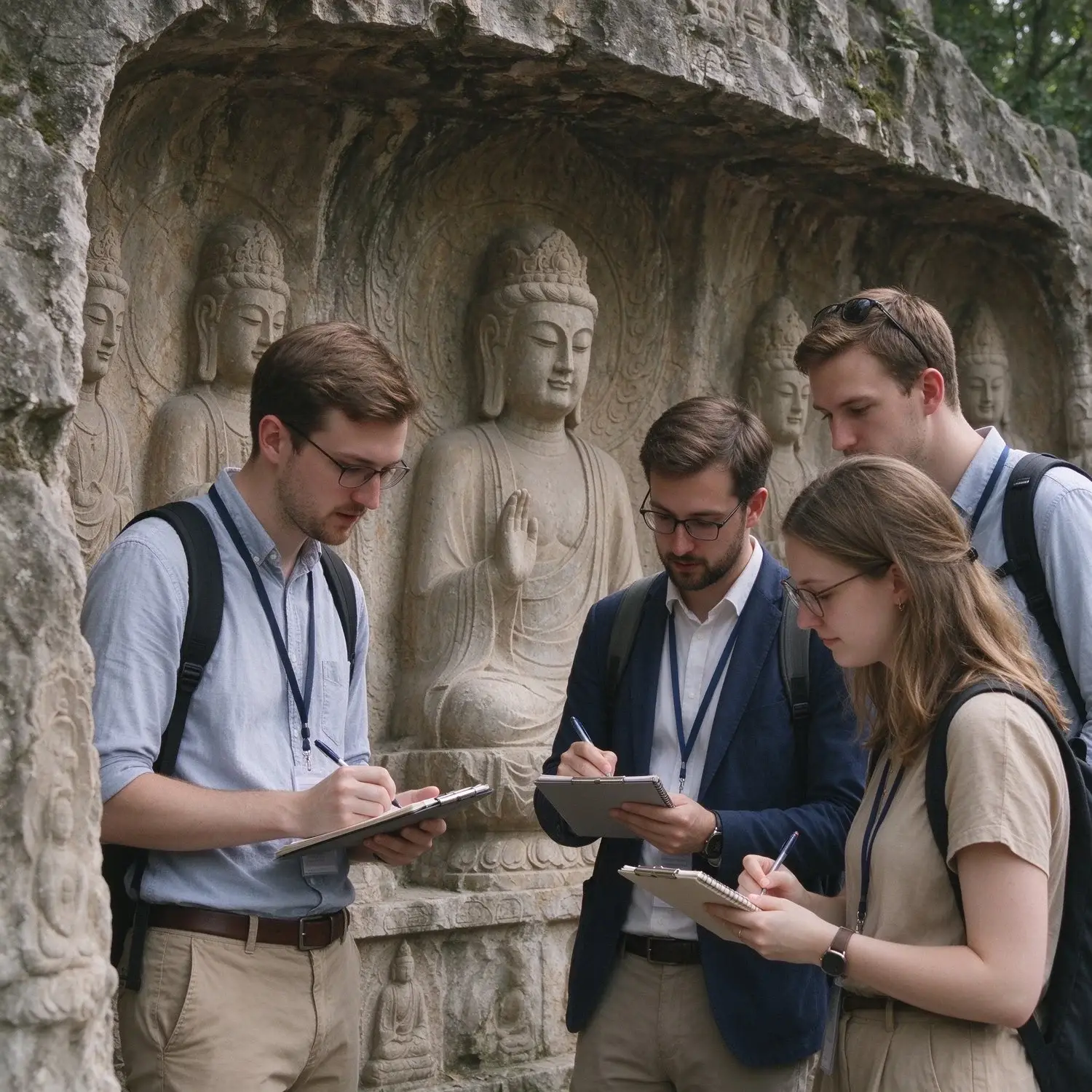
Qixia Mountain and the Thousand Buddha Caves
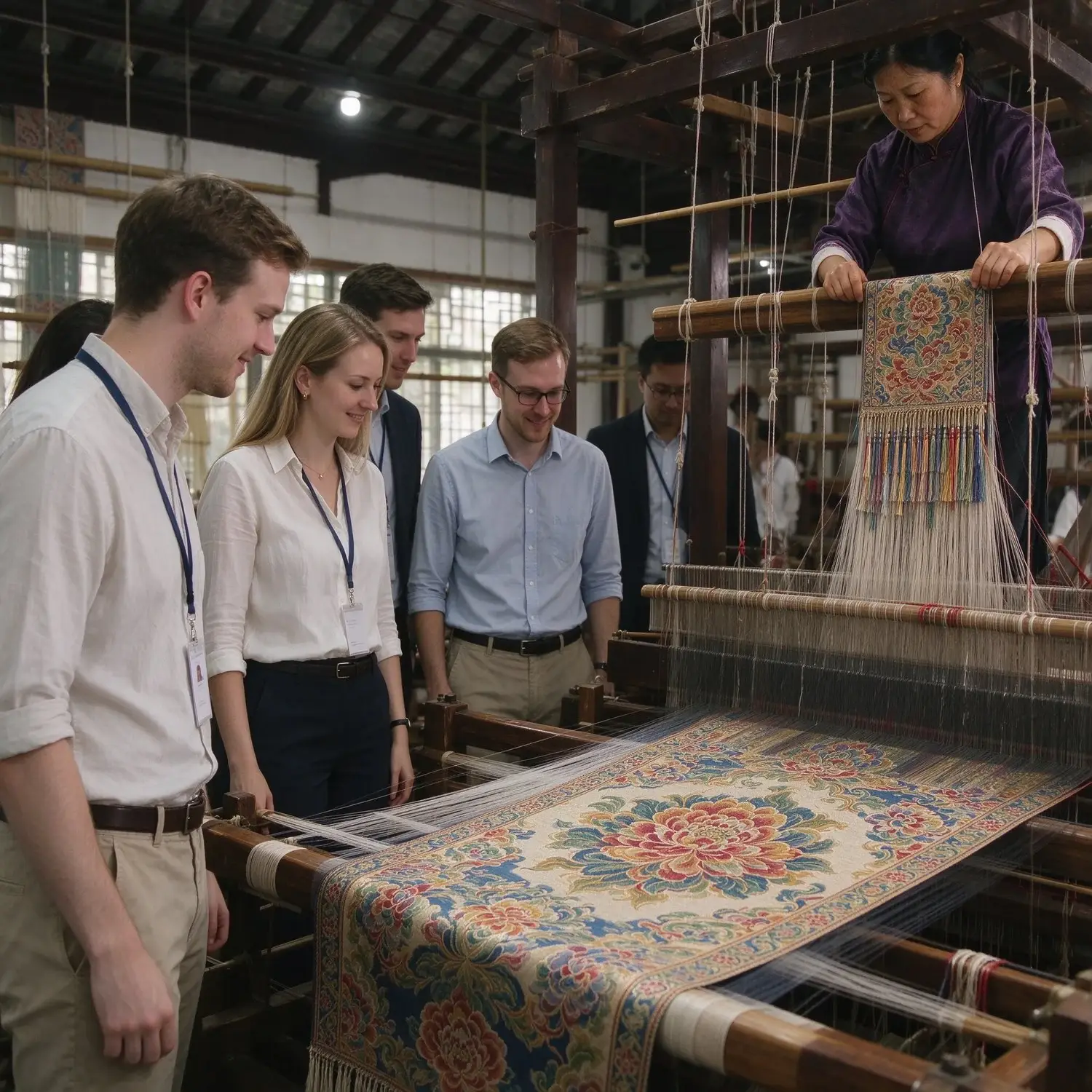
Yunjin brocade weaving and heritage workshop
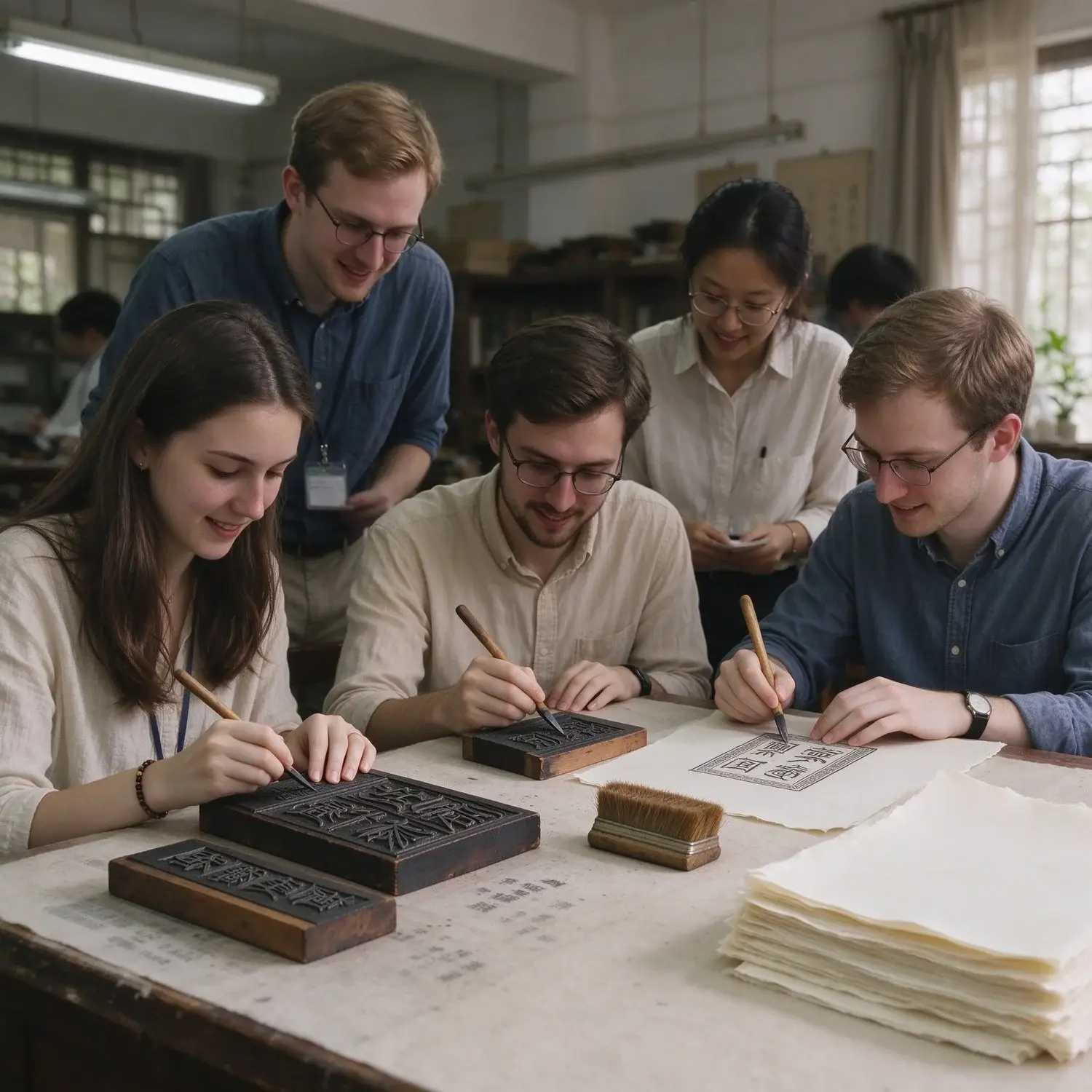
Jinling sutra woodblock printing experience
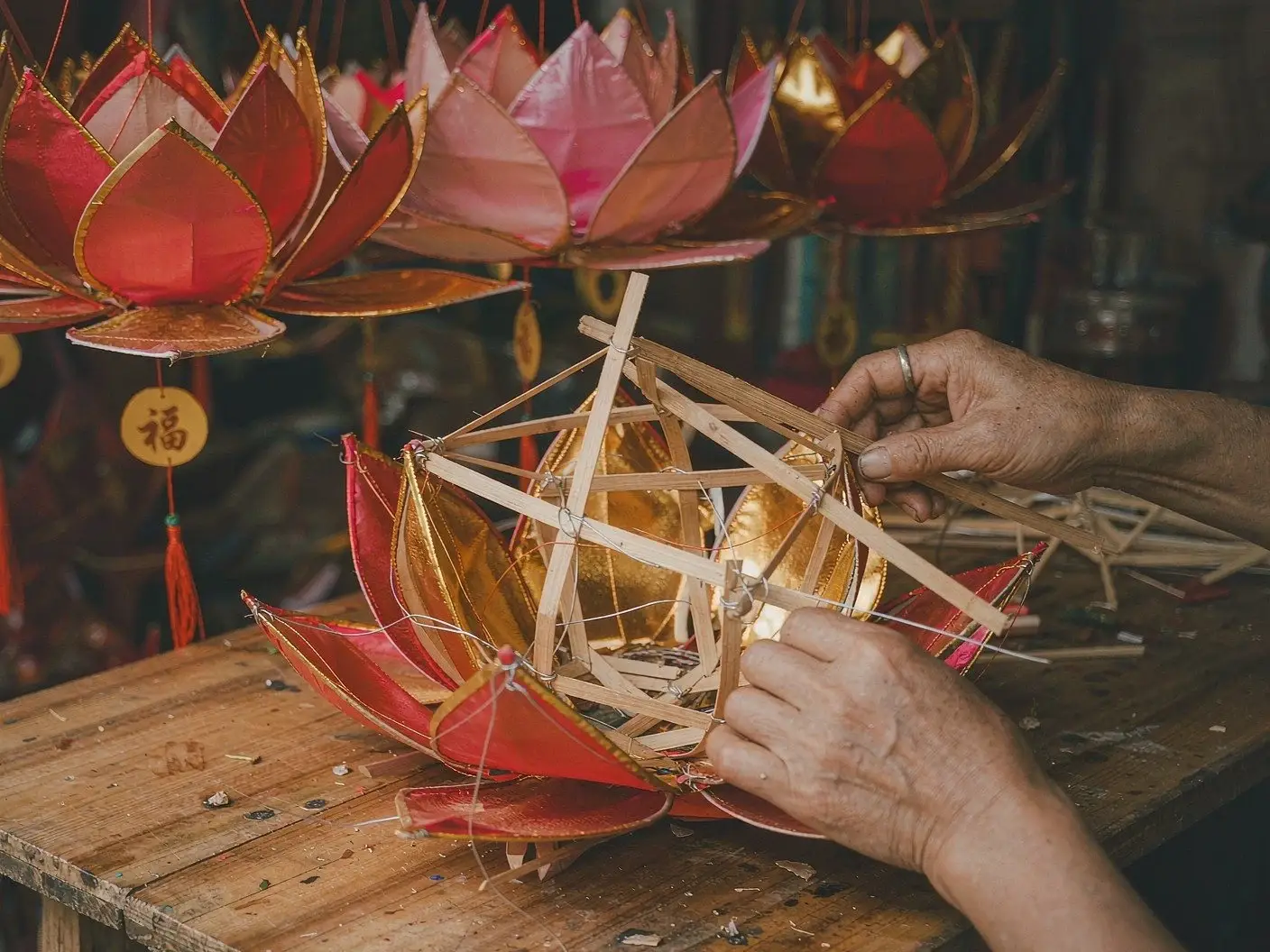
Qinhuai lanterns and Nanjing paper-cut
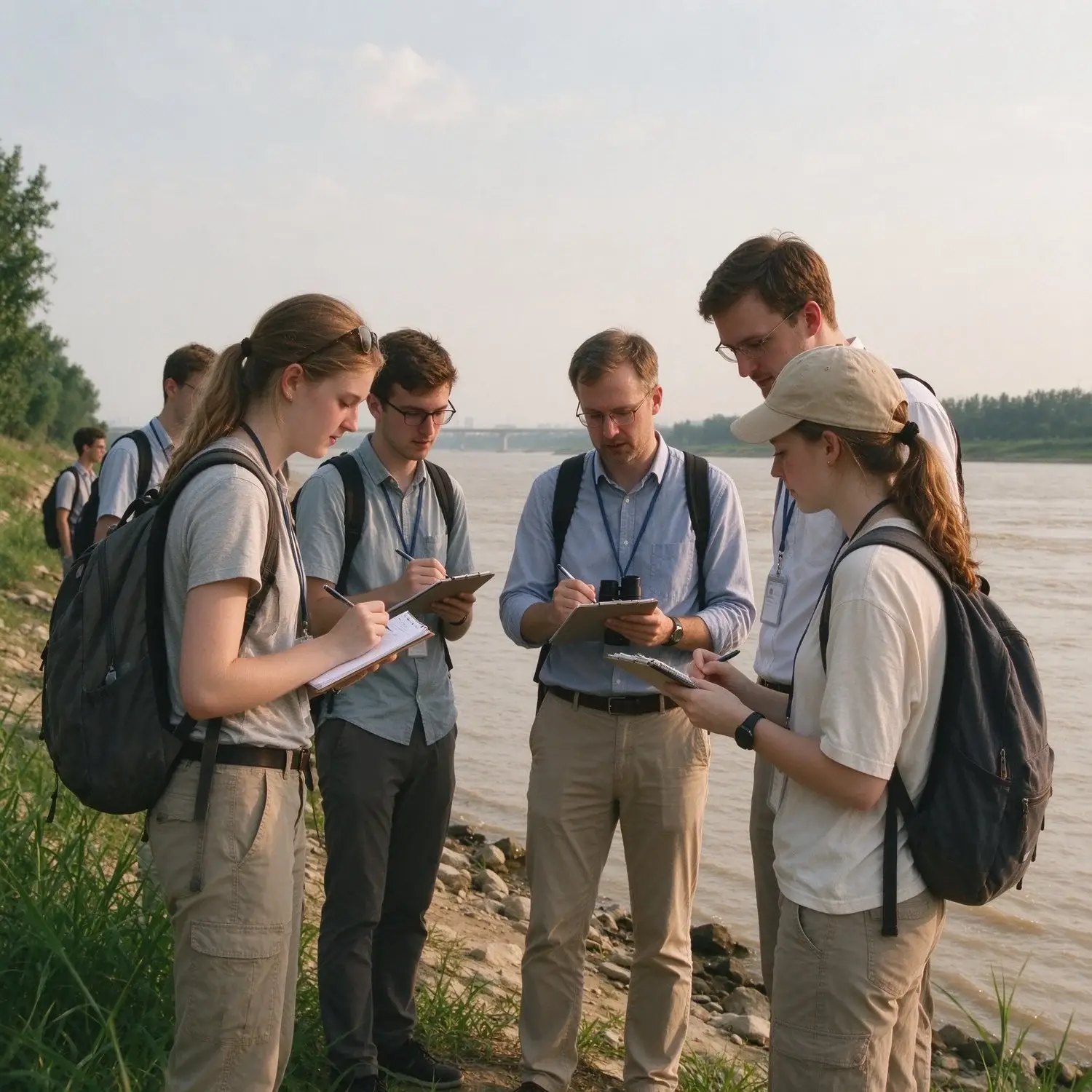
Qinhuai river system and city geography
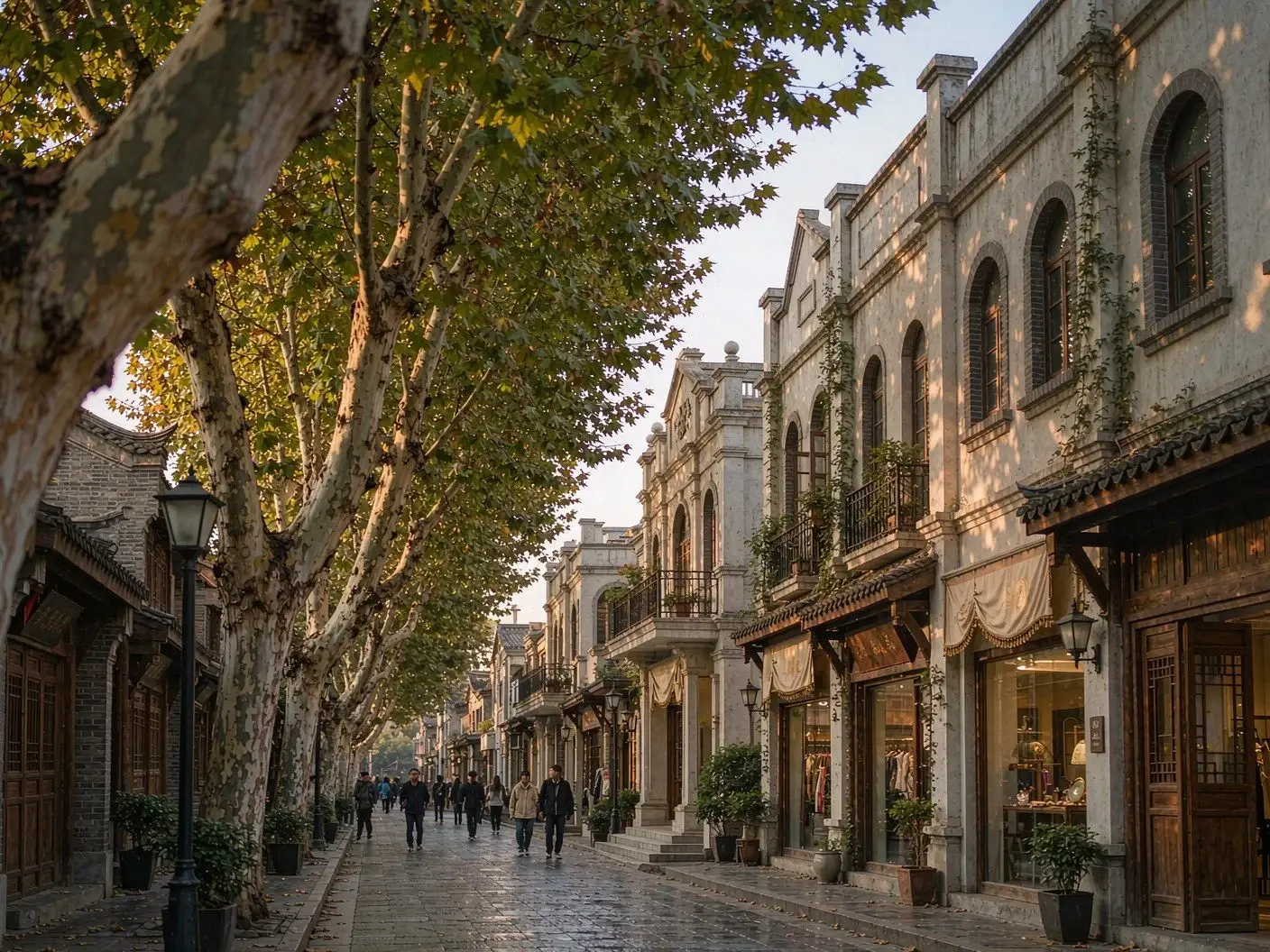
Changjiang Road museum quarter and creative observation
Creative practice and integrated skills
Projects that turn observation into original student work.
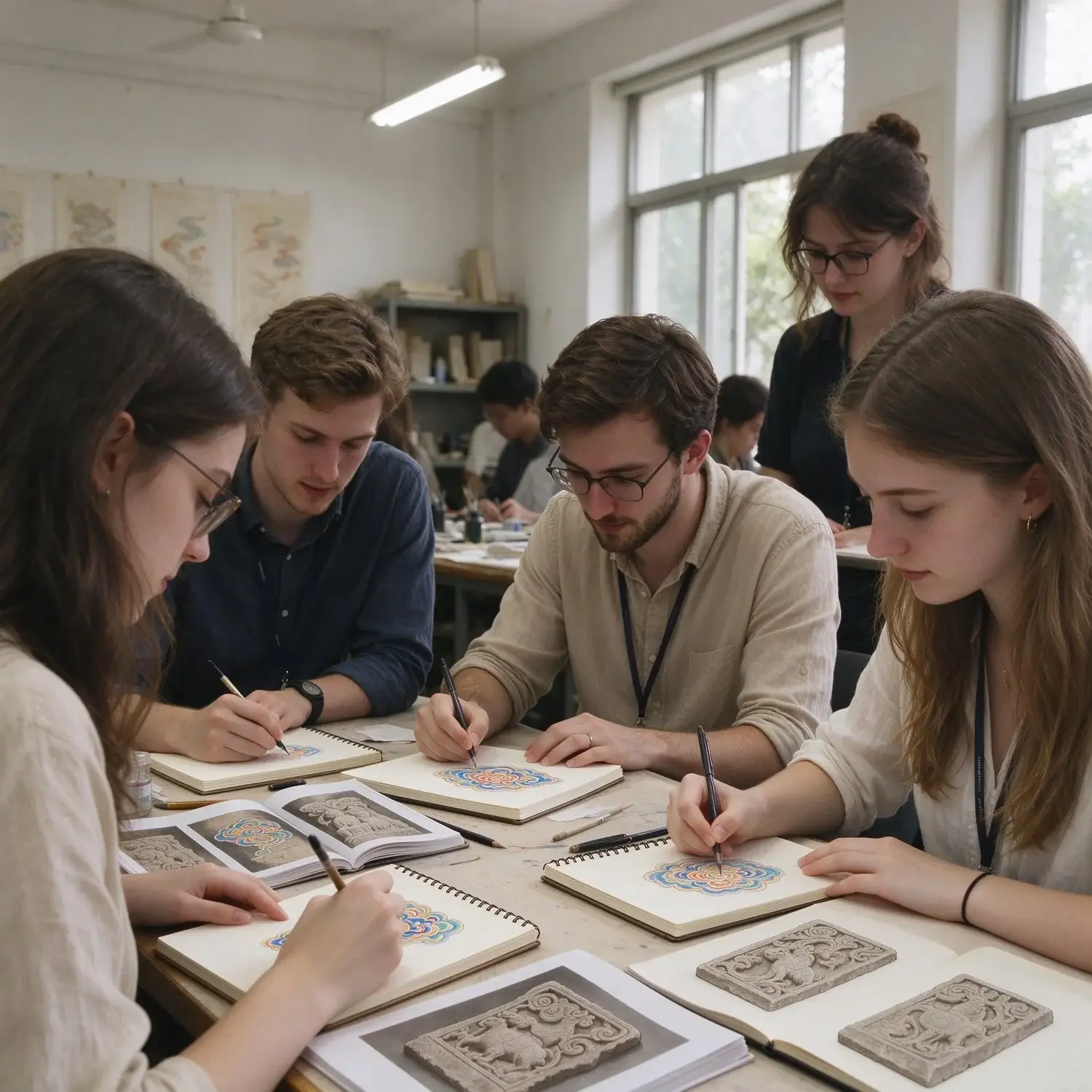
Six-dynasty motifs and visual design
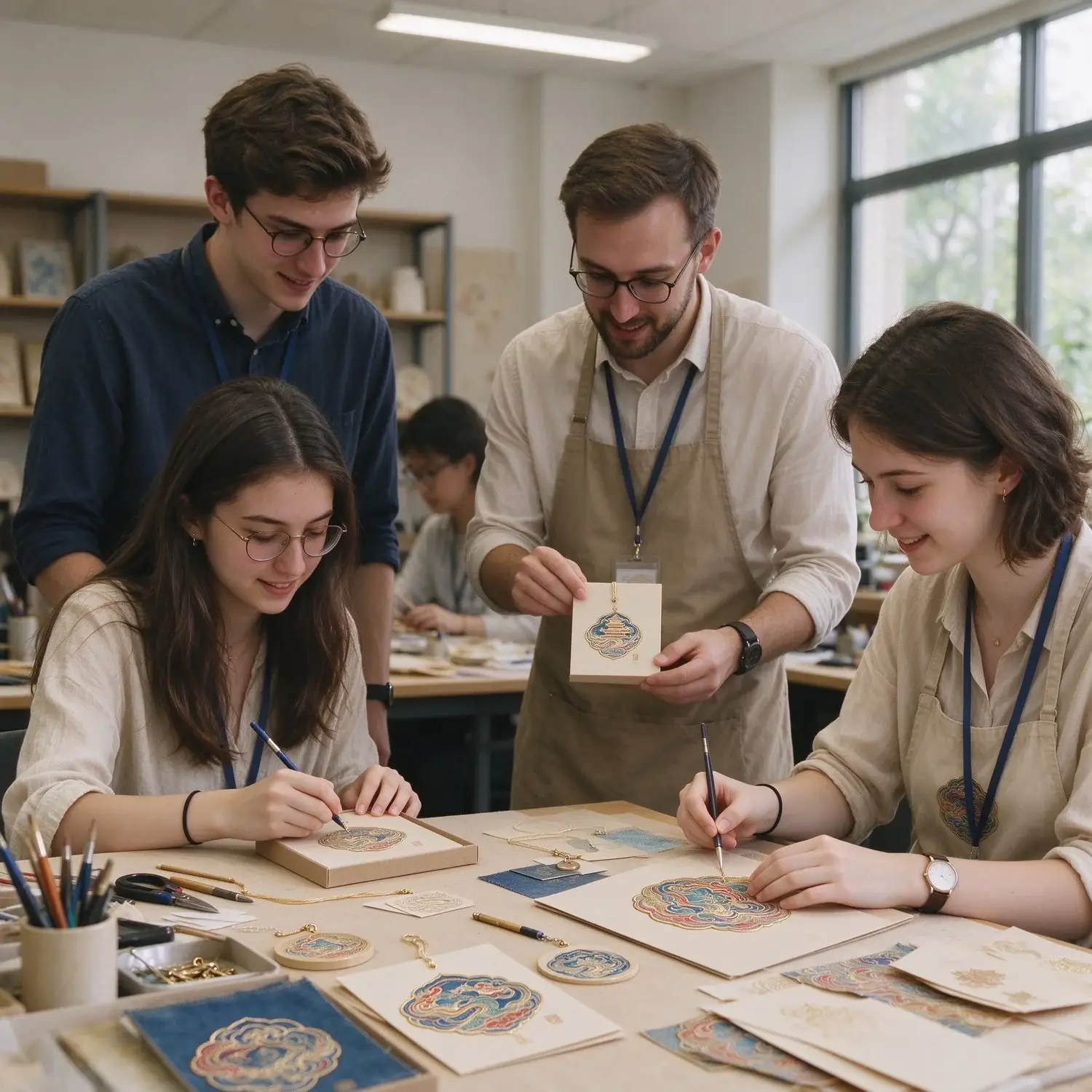
Museum cultural-creative product development

“My Jinling Brand” project
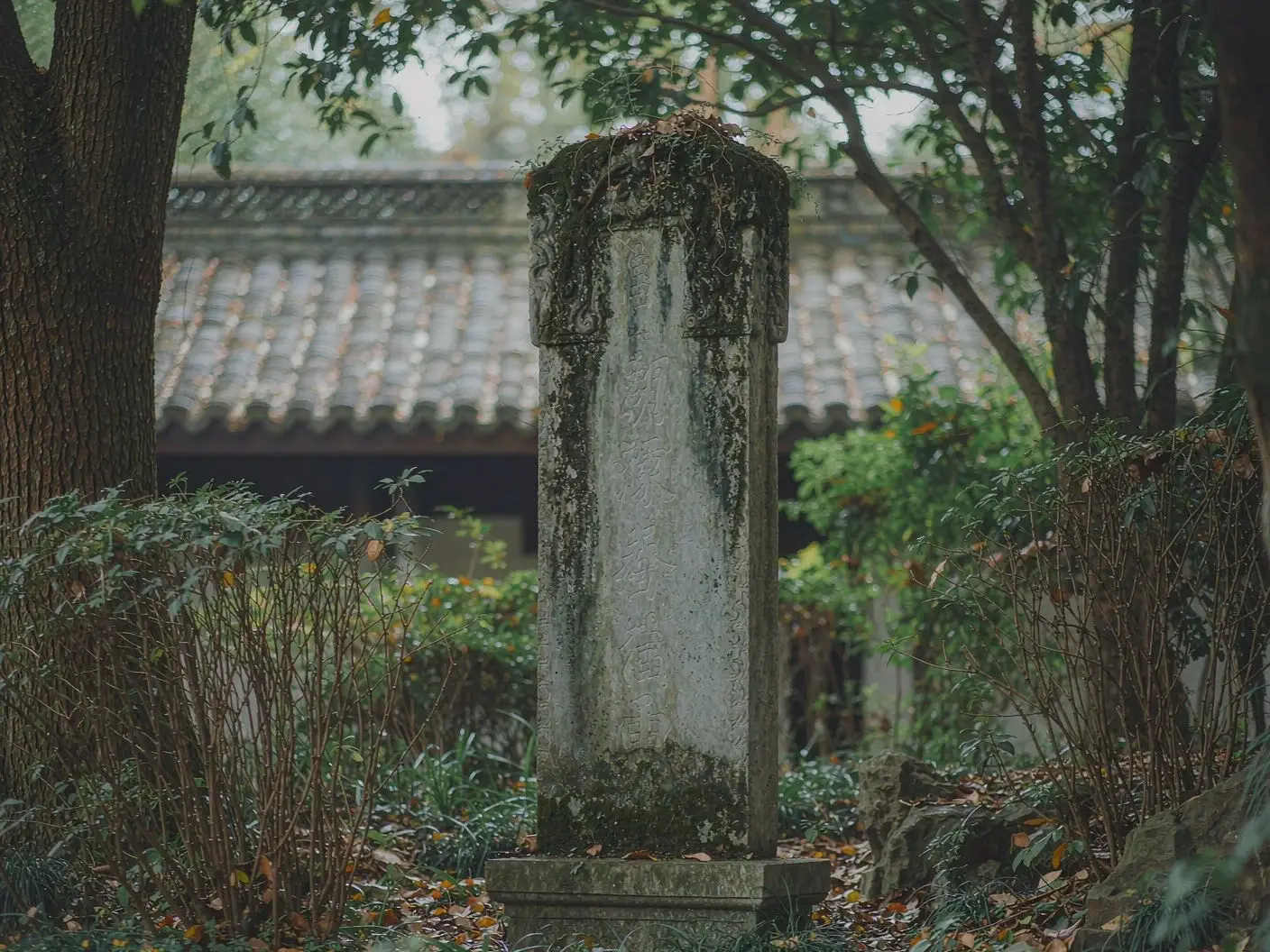
World Heritage and cross-cultural exchange
Outcomes and practical tasks
The value of Nanjing study is not how many places are visited, but whether students truly leave behind outcomes of observation, practice, thinking and creation. Turn every resource point into a task that can be recorded, presented and reviewed.
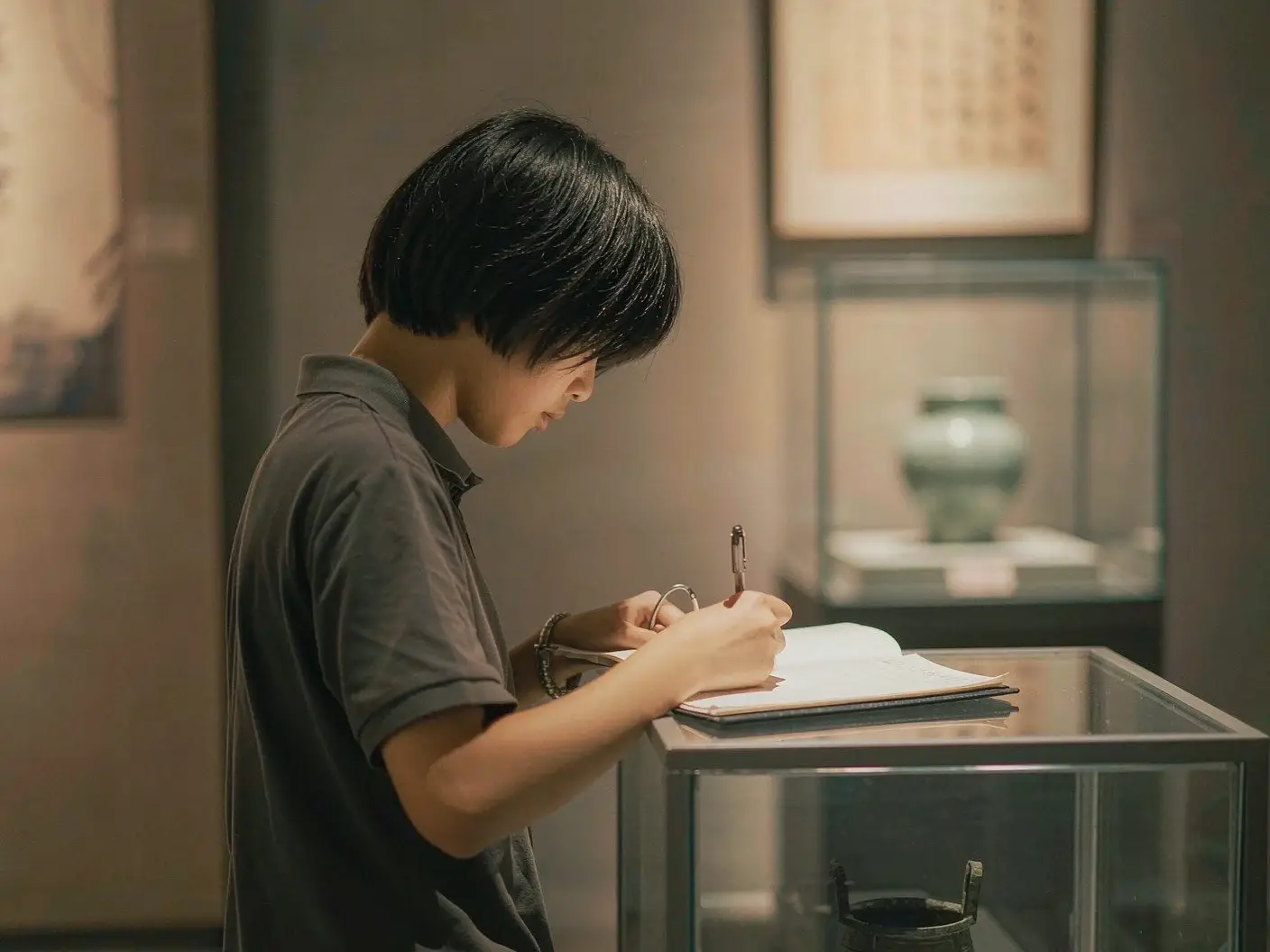
Heritage observation record
Choose one artefact, component or stone carving; record material, dimensions, era, motif and location; write three unanswered questions; compile an observation card.
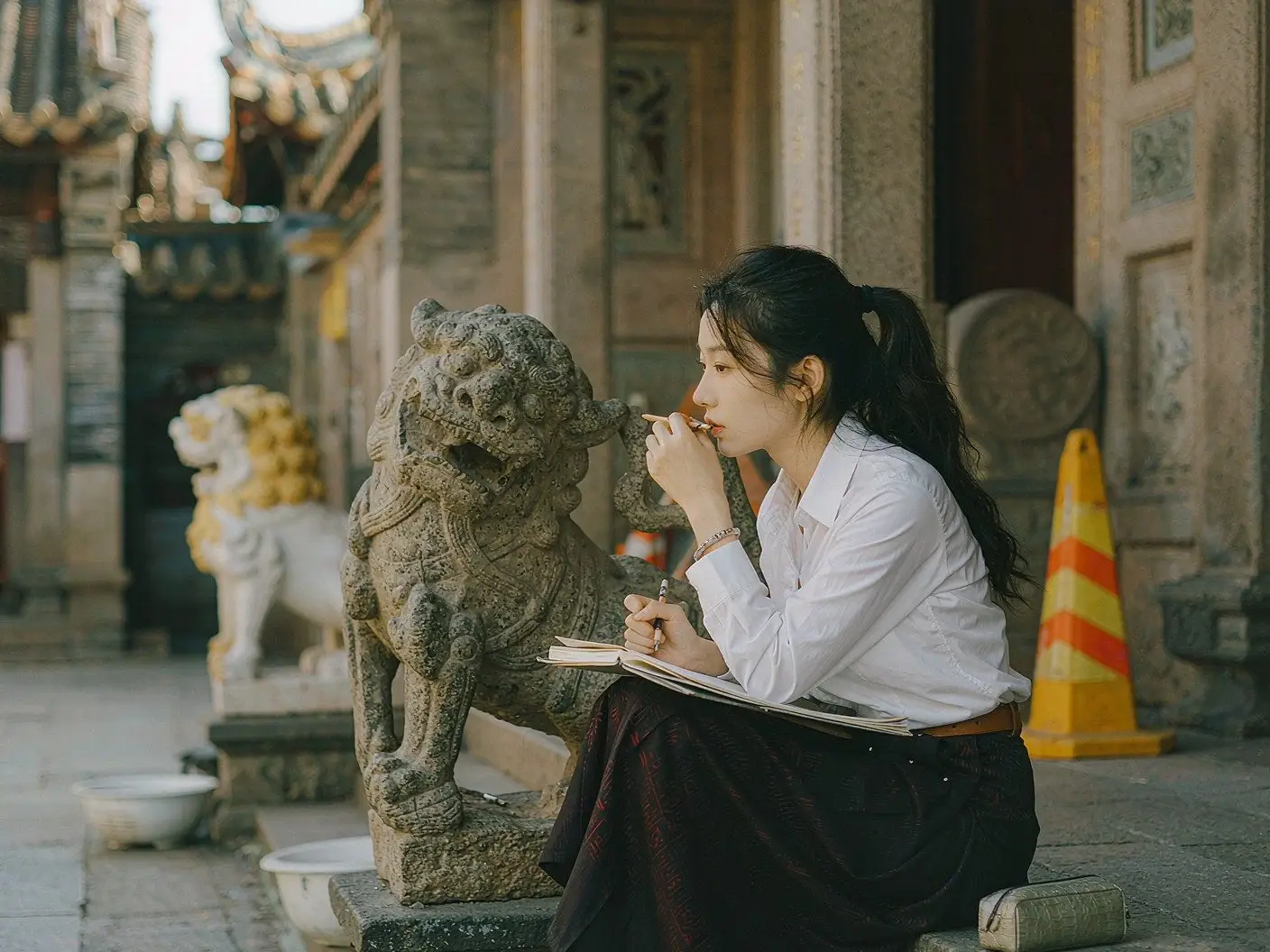
A hand-made Nanjing piece
Choose Yunjin colouring, woodblock printing or paper-cut; note the hardest step, your corrections and how the result changed.
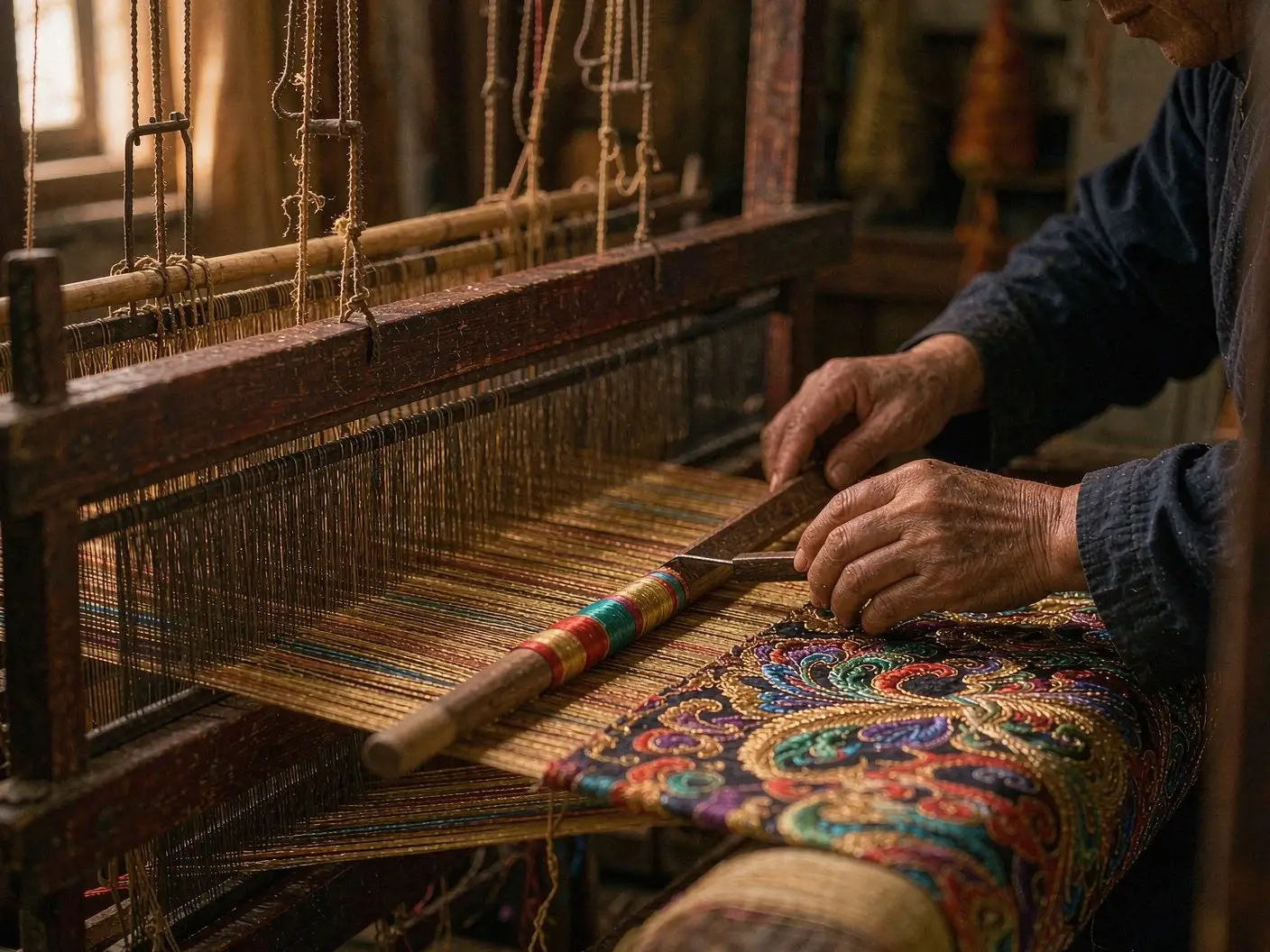
Six-dynasty motif design
Extract motif structure and rhythm from Southern carvings, epitaphs or celadon; add your own theme to make a repeating pattern with both a cultural source and your expression.
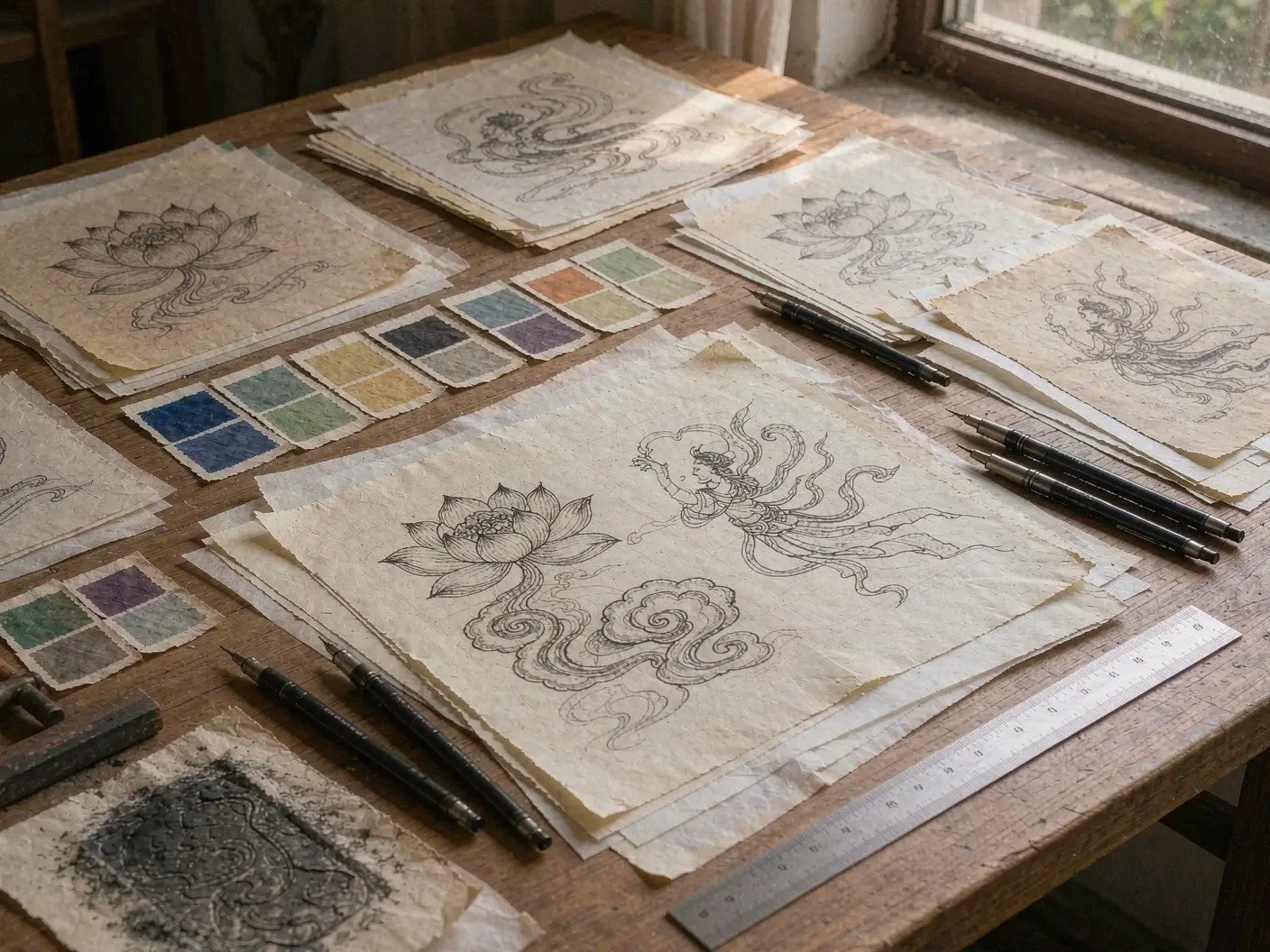
“My Jinling Brand” group
Produce a brand name, product positioning, packaging concept and three-minute talk — taking outcomes into design and expression.
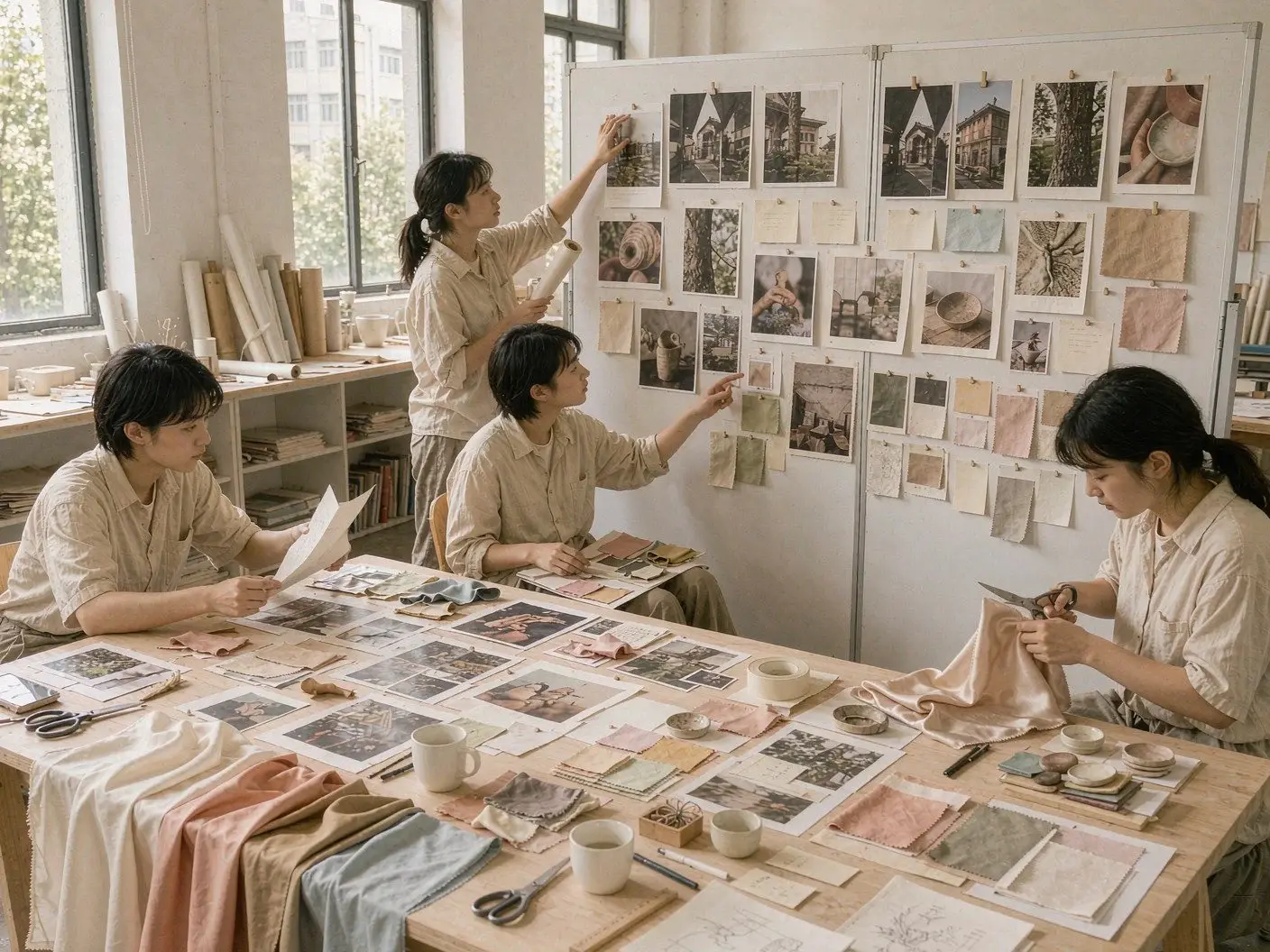
One observation card + one hand-made piece + one Six-dynasty motif design + one group “My Jinling Brand” presentation — joining visiting, practice, thinking and expression into a learning loop that can be shown and reviewed.
Suggested theme combinations
| Theme | Recommended combination | Audience / scenario |
|---|---|---|
| Six-dynasty thread | Nanjing Museum + Six Dynasties Museum + Qixia Thousand Buddha Caves | First study / history & art |
| Ming capital & defence | Ming Xiaoling + Nanjing City Wall + Zhonghua Gate barbican | Upper primary / junior secondary / families |
| River geography & engineering | Qinhuai river + wall water gates + city geography | Geography, engineering & science |
| Heritage craft & practice | Yunjin weaving + Jinling sutra printing + Qinhuai lanterns | Art, design & comprehensive practice |
| World heritage & City of Literature | Ming Xiaoling + city wall + museum quarter + brand project | Senior secondary / university / international |
Nanjing study need not be tied to fixed days or standard routes. The truly tailored approach combines, by age, curriculum goals, interests and budget, six directions — the Six Dynasties thread, the Ming capital, the exam and literature, gardens and craft, city engineering, and World Heritage — so every programme has clear learning goals and deliverable outcomes.
Ready to build your Nanjing study programme?
Share your students’ age, curriculum goals and dates. We will tailor the field studies, hands-on workshops and outcome tasks for you.
Start PlanningDatong
Datong at a glance
Datong lies in northern Shanxi, at the junction of Shanxi, Hebei and Inner Mongolia, one of China’s first national historic cities. It holds the palace memory of Pingcheng, capital of the Northern Wei; the ten thousand statues of the Yungang Grottoes; the bold Liao–Jin timber halls; the Ming walls and frontier Great Wall forts; and the geological wonder of the Quaternary volcano field.
For students, the value of the trip is not simply seeing ancient sites. Standing before real caves, halls and walls, they turn dynastic change, ethnic fusion and building craft from textbooks into things they can observe, measure and recount.
Think of Datong as a three-dimensional history of ethnic fusion and architectural evolution — best approached through six angles: grotto art and the eastward transmission of Buddhism; Liao–Jin timberwork and ancient building craft; Northern Wei Pingcheng and capital institutions; the frontier Great Wall and military defence; volcano geology and nature inquiry; and intangible heritage and folk life.
Six study keywords worth attention
From the statues and cave forms of Yungang, read the first chapter of the sinification of Buddhist art.
At Huayan and Shanhua temples, read halls, bracket sets and column-reduction against the structural wisdom of timber.
Through the capital site, tombs and artefacts, see how a dynasty linked the grasslands to the Central Plains.
From forts like Deshengpu and the walls, understand the military defence system and wall engineering.
Observe cones and basalt platforms to read Quaternary geological evidence.
Meet Guangling paper-cut, Datong brassware and local opera, and feel the crafts and sounds of the frontier.
Recommended priority
| Priority | Best for | Representative sites | Use case |
|---|---|---|---|
| A · Core intro | First-time study groups in Datong | Yungang Grottoes, Datong Museum, Huayan Temple | Grotto art / ancient-capital history |
| B · In-depth practice | Learners interested in ancient buildings, history, Buddhist art and geology | Shanhua Temple, Hanging Temple, Datong volcano field | Building survey / geology observation |
| C · Creative extension | Secondary, university and international students | Datong old city, Gulou East Street, heritage workshops | Heritage narrative / brand & cross-cultural |
The cultural background to Datong study
2.1 · Northern Wei Pingcheng and ethnic fusion
In 398 the Tuoba-Xianbei Northern Wei made Pingcheng — today’s Datong — its capital. For nearly a century it raised palaces, ancestral temples and altars, becoming the political and cultural centre of the north. Study can follow a line — migration of peoples, founding and building, institutional reform, cultural fusion — linking scattered dates into one re-tellable thread of civilisation.
2.2 · The Yungang Grottoes and the eastward transmission of Buddhism
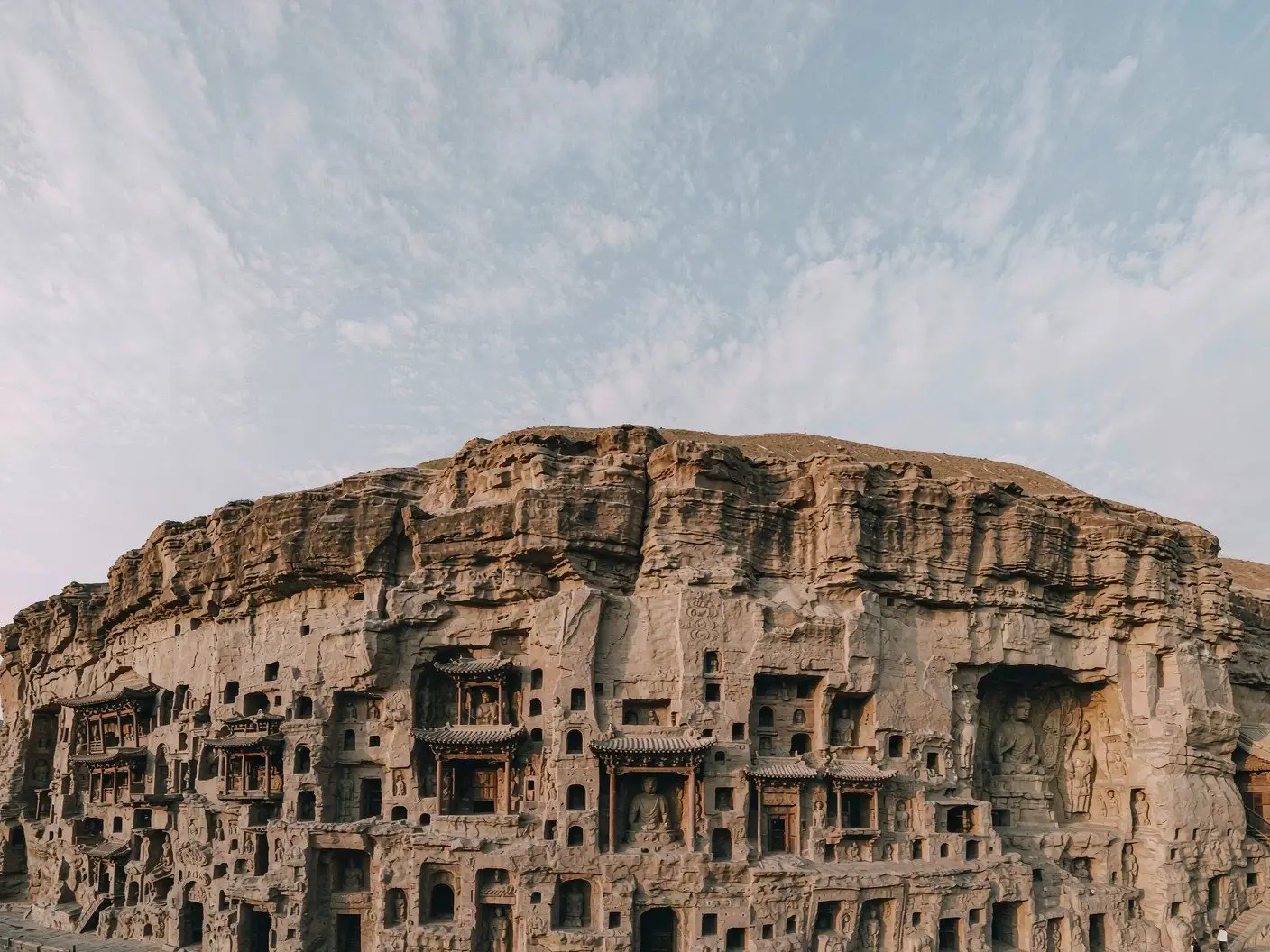
Begun in the Northern Wei under Emperor Wencheng, with most caves finished before the move to Luoyang, the Yungang Grottoes span about a kilometre. The five earliest royal caves, the Tanyao five caves, have full, round faces and deep eyes and high noses, carrying Western Regions and Gandhara flavour; the refined Cave 5 and 6 came next, and later statues grew slender and elegant. From foreign features to loose-robed grace, one corridor writes the first half of the sinification of Buddhist art.
2.3 · Liao–Jin timberwork and ancient building wisdom
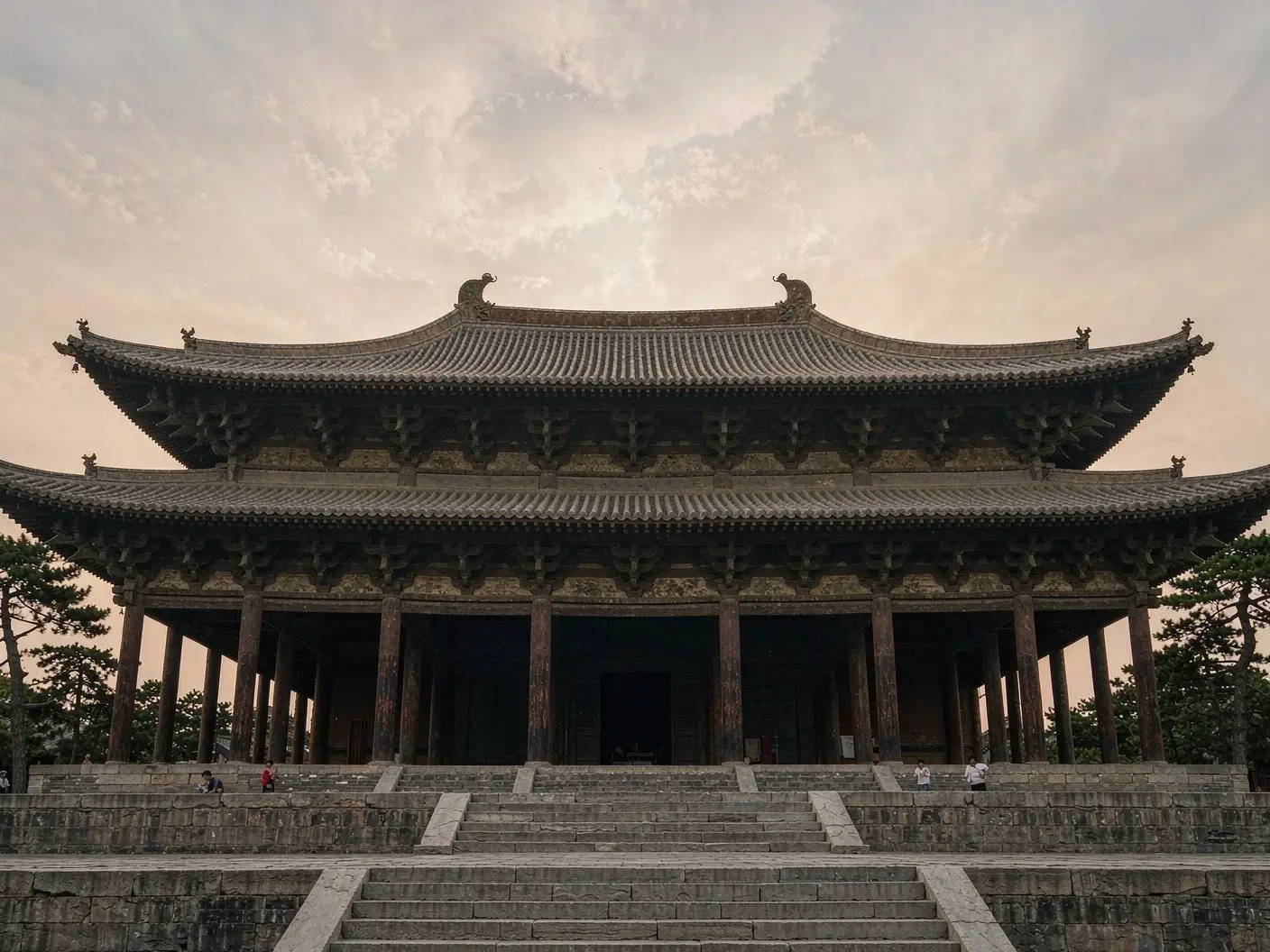
Datong was the western capital of the Liao and Jin. Huayan Temple’s Mahavira Hall, at 1,559 m², is the largest surviving Liao–Jin Buddhist hall; in its Buddhist Text Hall, the multi-storeyed wall cabinets and heavenly-palace pavilions of miniature timberwork were called by Liang Sicheng a unique treasure under heaven. Shanhua Temple, with its Jin gate, Three Sages Hall and Liao main hall in a line, is the largest and most complete Liao–Jin monastery. Reading bracket sets, frames, platforms and roofs, students map material, structure and rank together.
2.4 · The frontier Great Wall and military defence
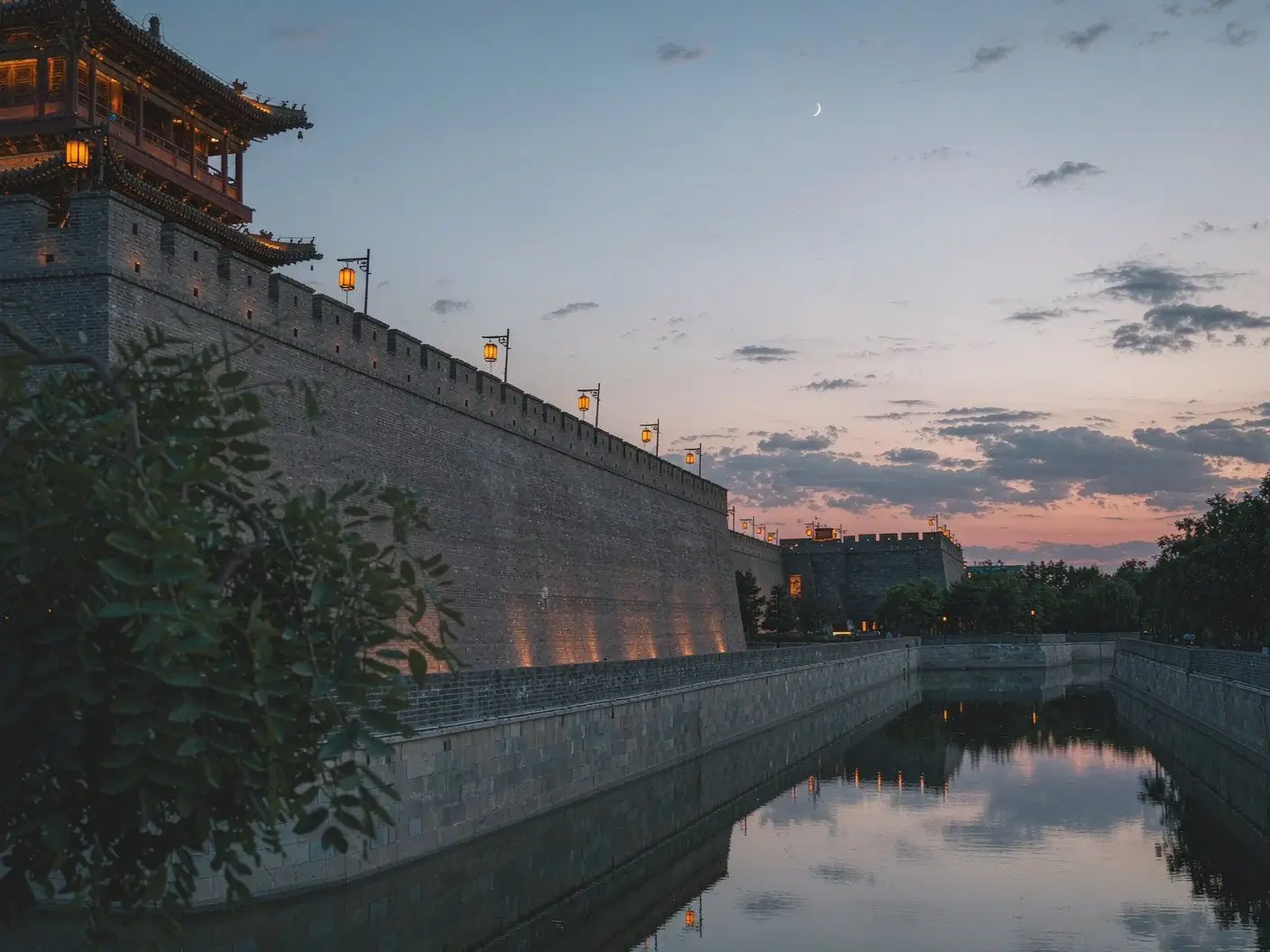
Datong has always been the gateway between the Central Plains and the grasslands, the northern lock and key. In 1372 General Xu Da raised the existing wall to 14 m high, 12 m wide on top and 18 m at the base, 7.24 km round, with barbicans, moon cities and moats; beyond the wall lay a whole system of forts and beacons like Deshengpu. Bringing terrain, distance, materials and garrisons into the site, students see the Great Wall as a complete defence system, not just a wall.
2.5 · Old-city conservation and contemporary expression
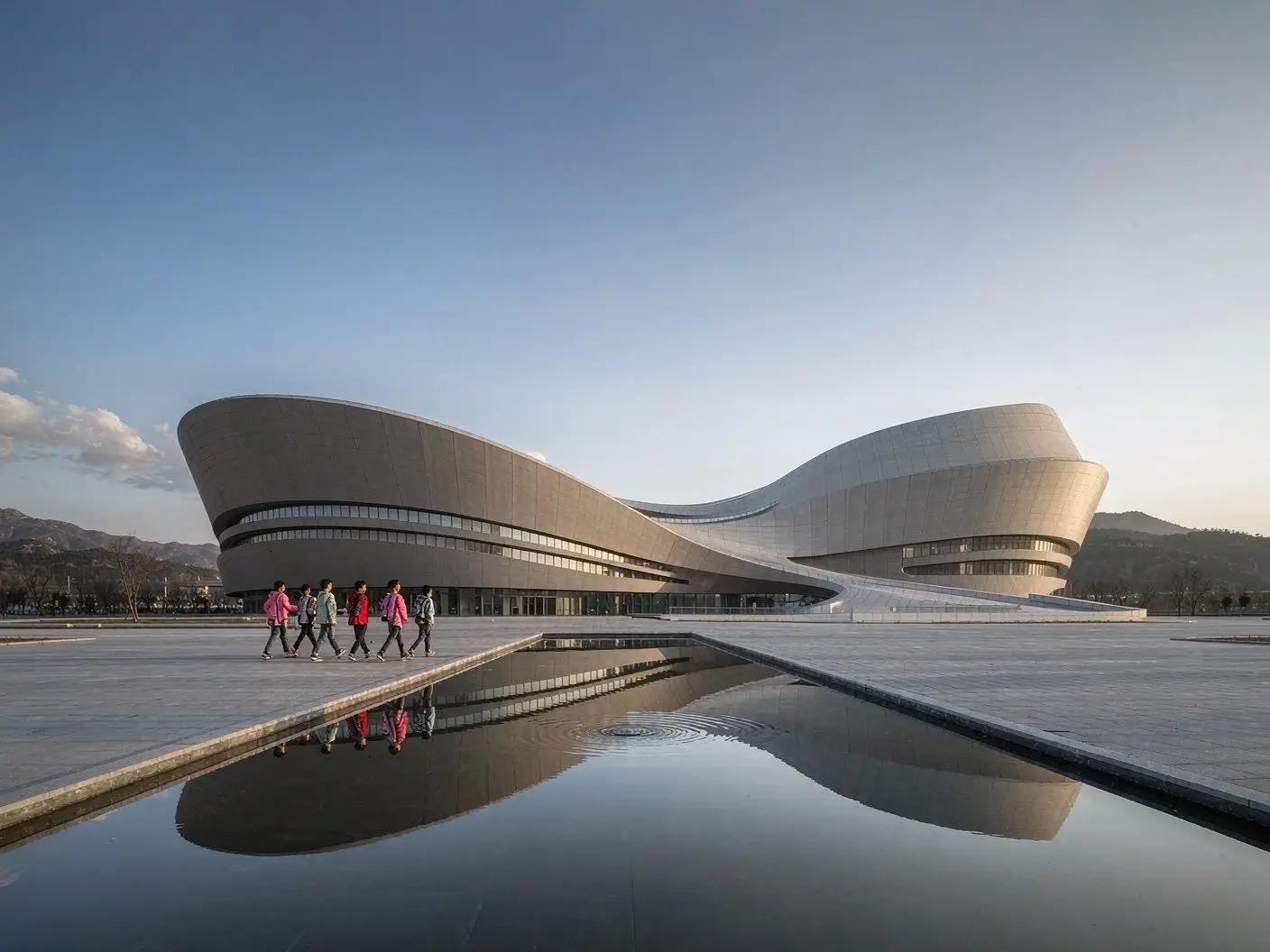
Today’s Datong safeguards Yungang, Huayan Temple and the old wall while gathering museum people, designers and young makers. The old-city conservation begun in 2008 restored walls, towers and moats on the Ming plan; the Datong Museum and its nine branch halls bring Northern Wei and Liao–Jin artefacts into modern galleries. The creative shops and heritage workshops around Gulou East Street and Huayan Square link heritage, performance and markets — ideal for watching how traditional culture keeps growing through design, brand and cross-cultural storytelling.
Six core study recommendations
The six first-priority stops for a Datong study programme.
Yungang Grottoes
Datong Museum
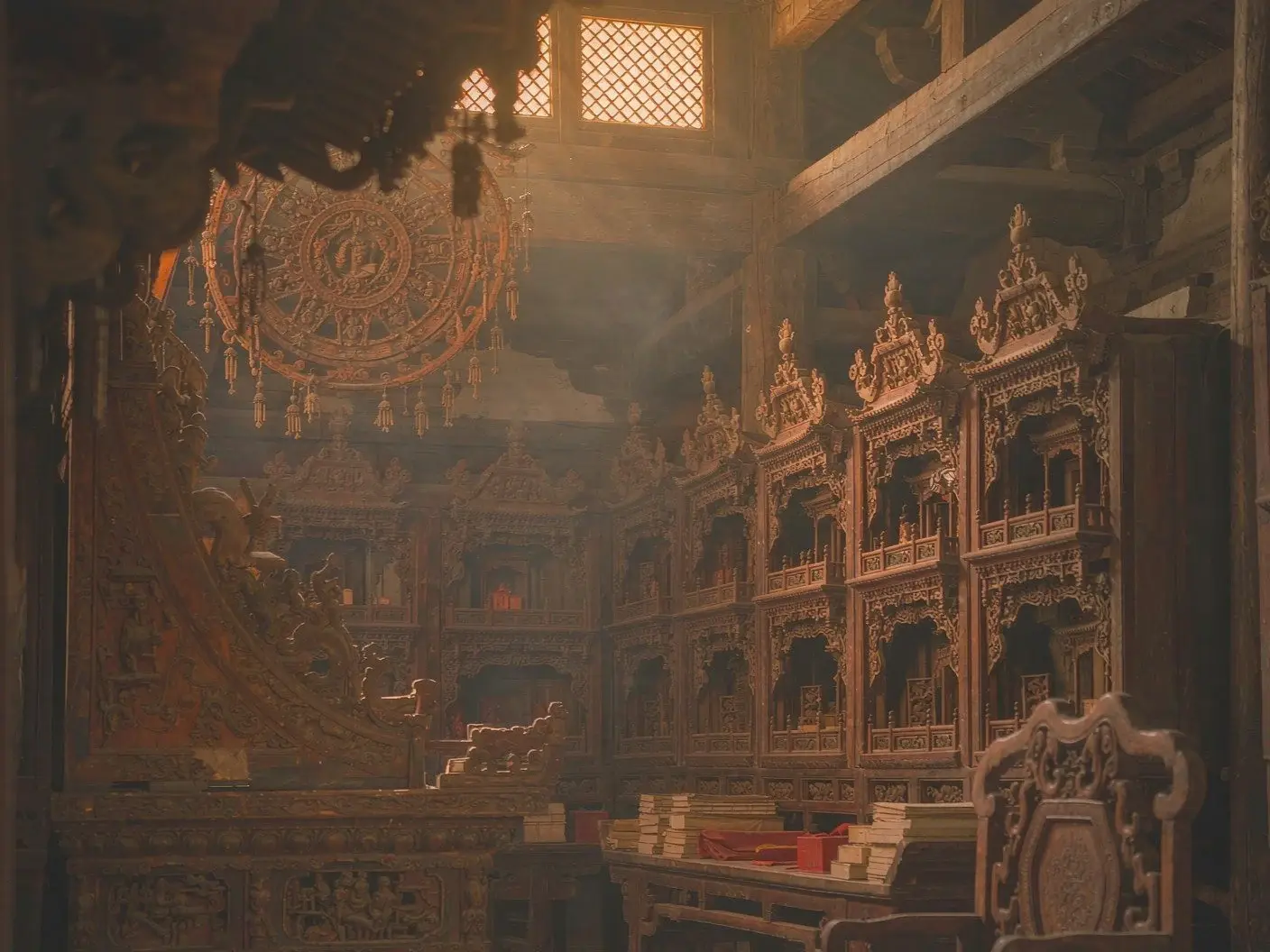
Huayan Temple
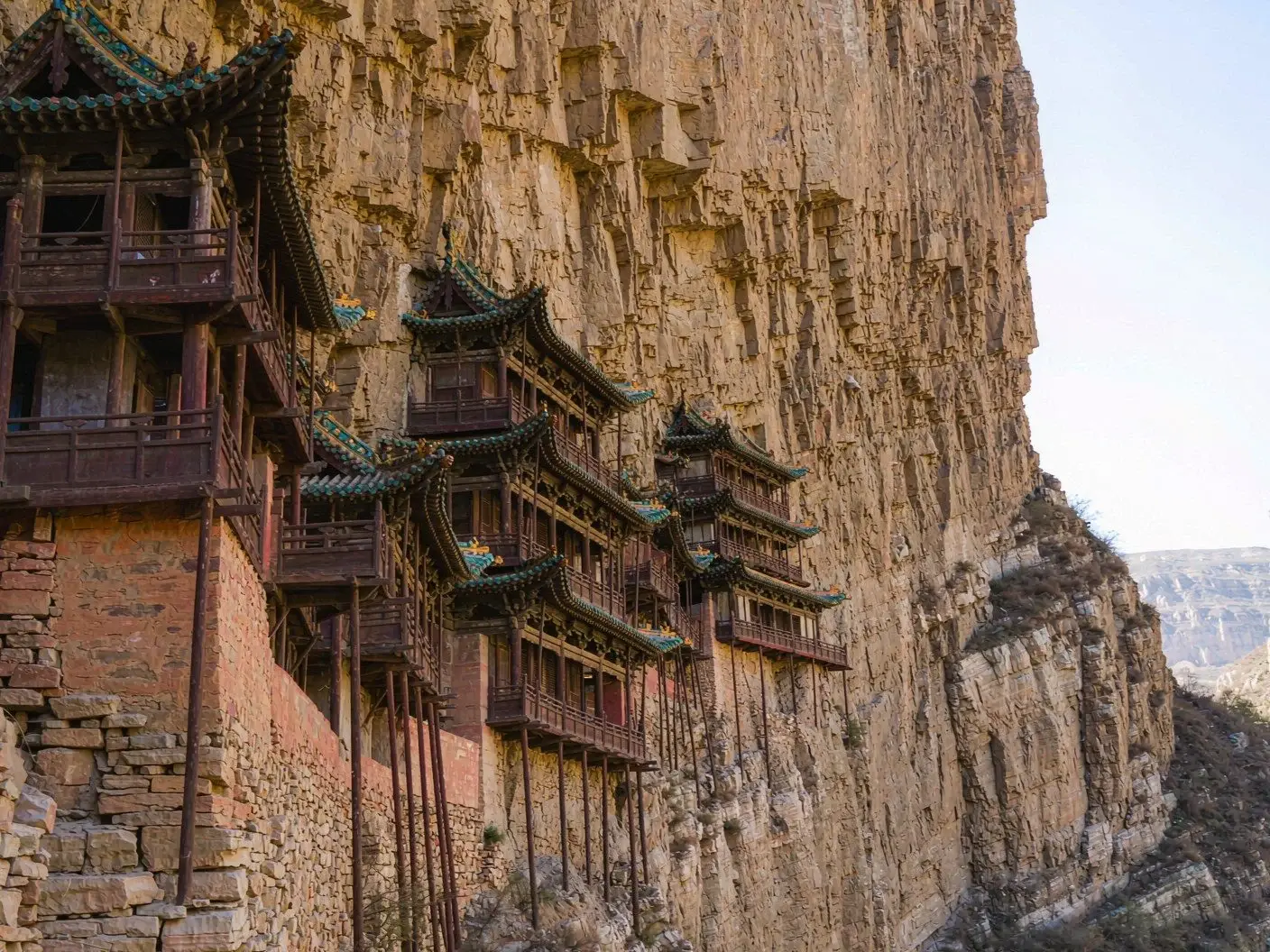
Hanging Temple
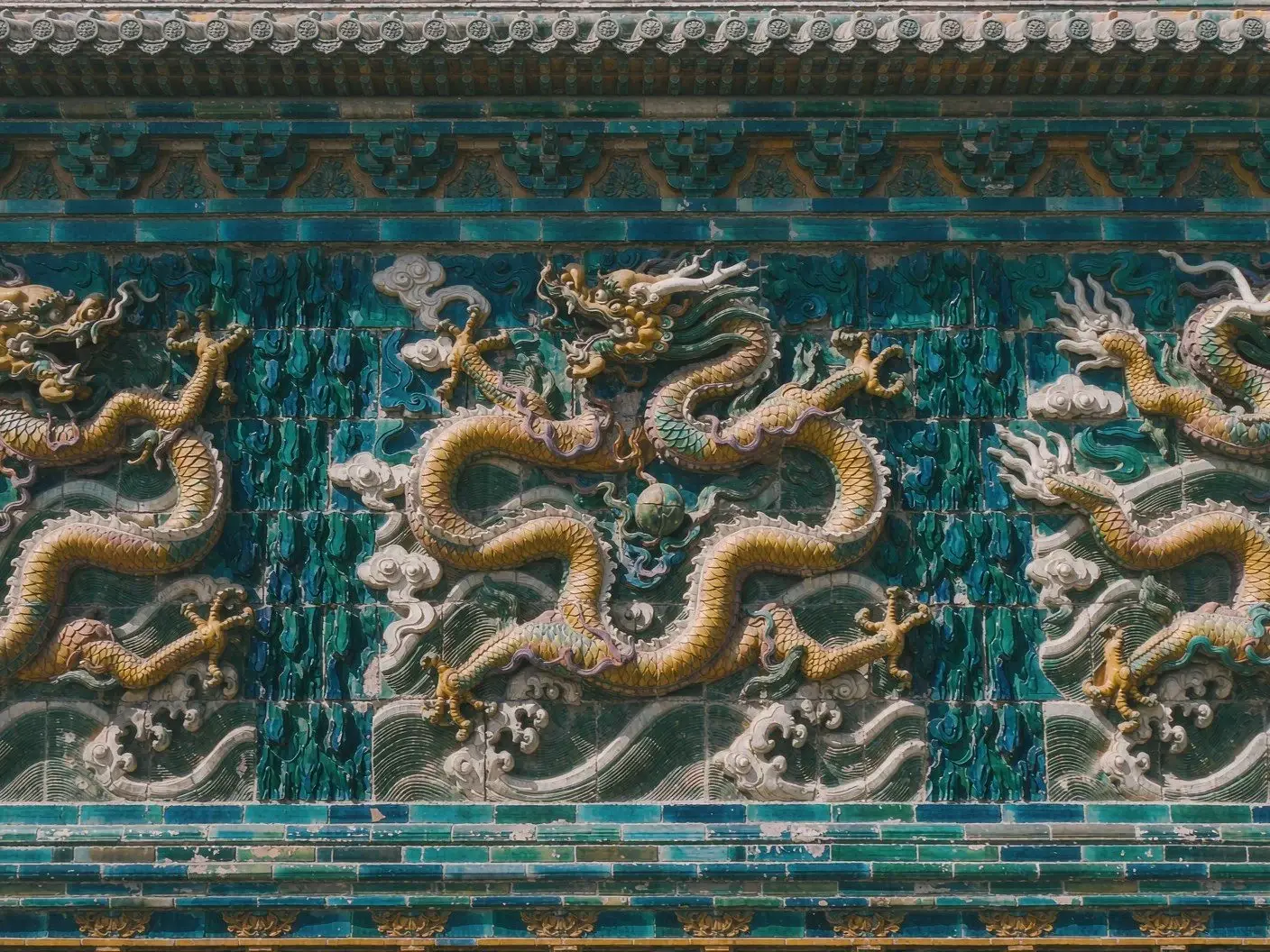
Datong old city wall and Nine-Dragon Screen
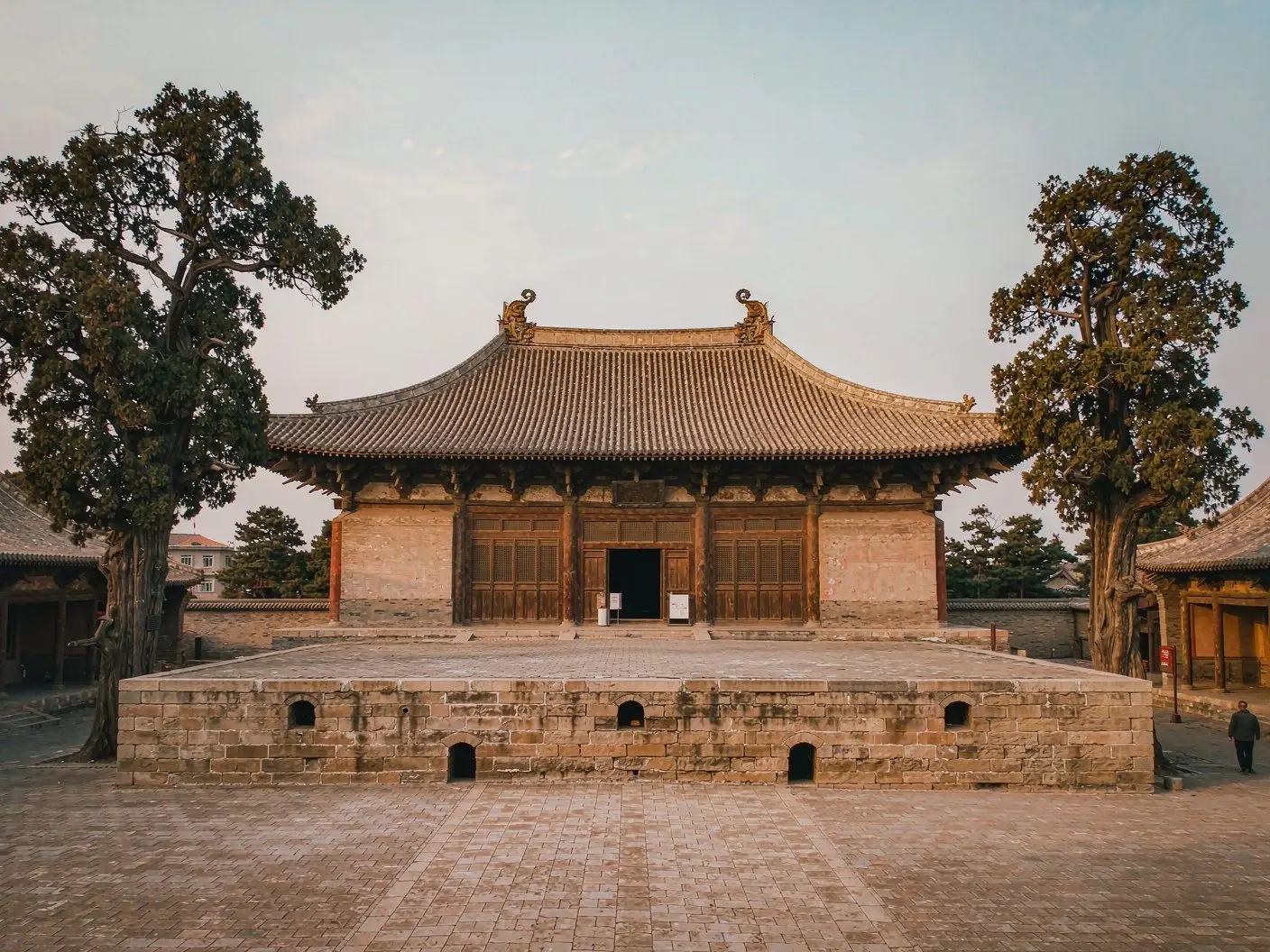
Shanhua Temple
Six in-depth study extensions
Longer, more specialised studies for groups with clear interests.
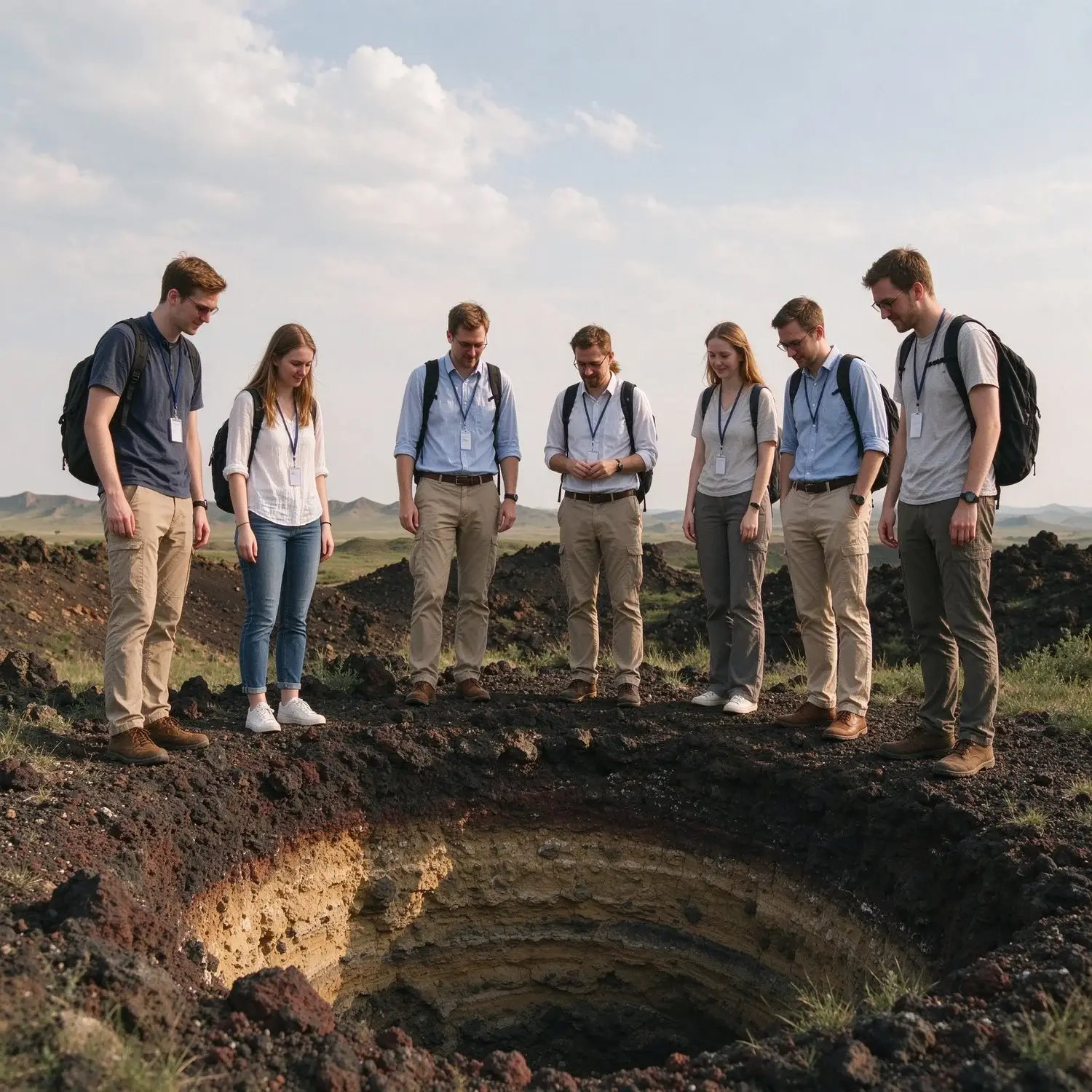
Datong Volcano Field National Geopark
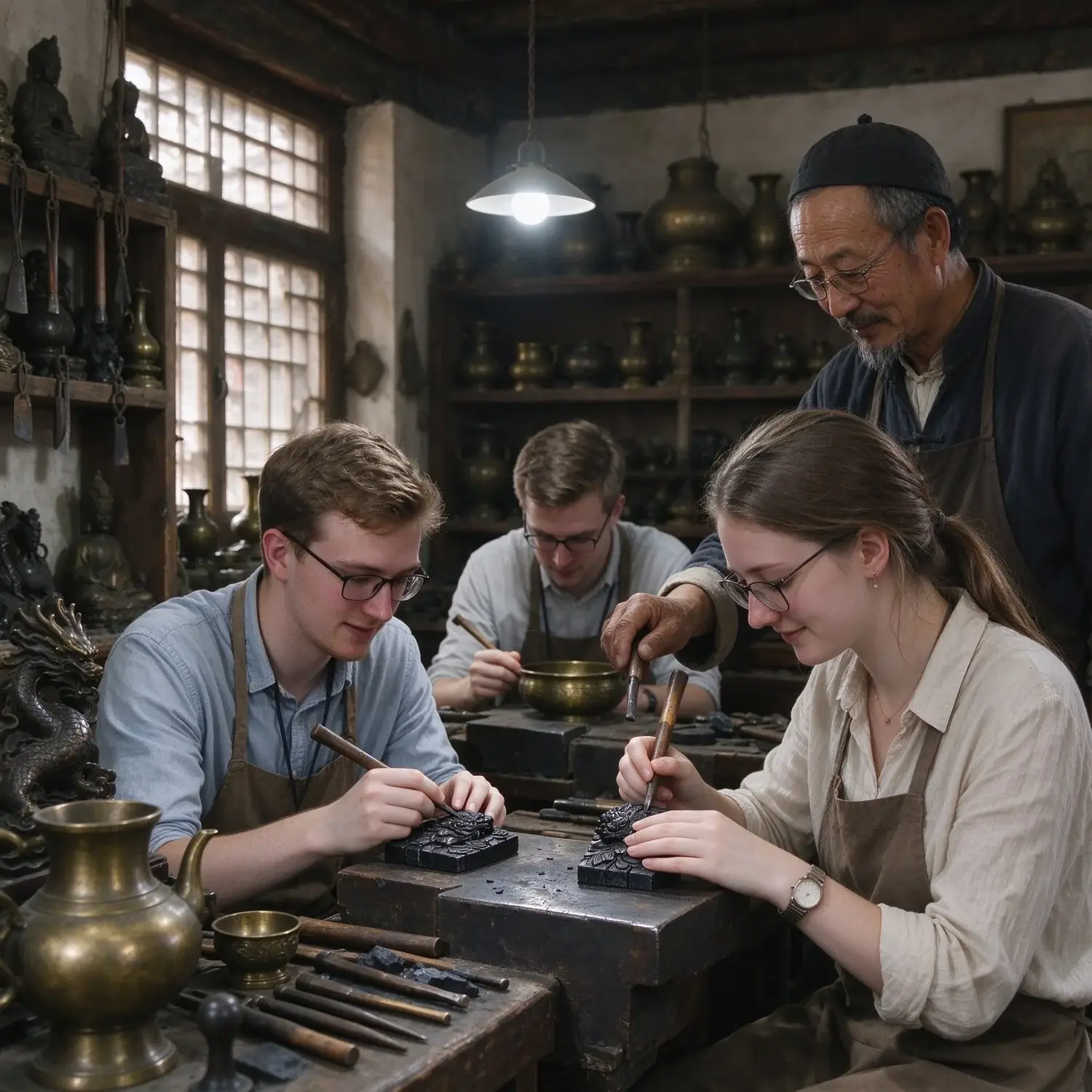
Guangling paper-cut and Datong brassware practice
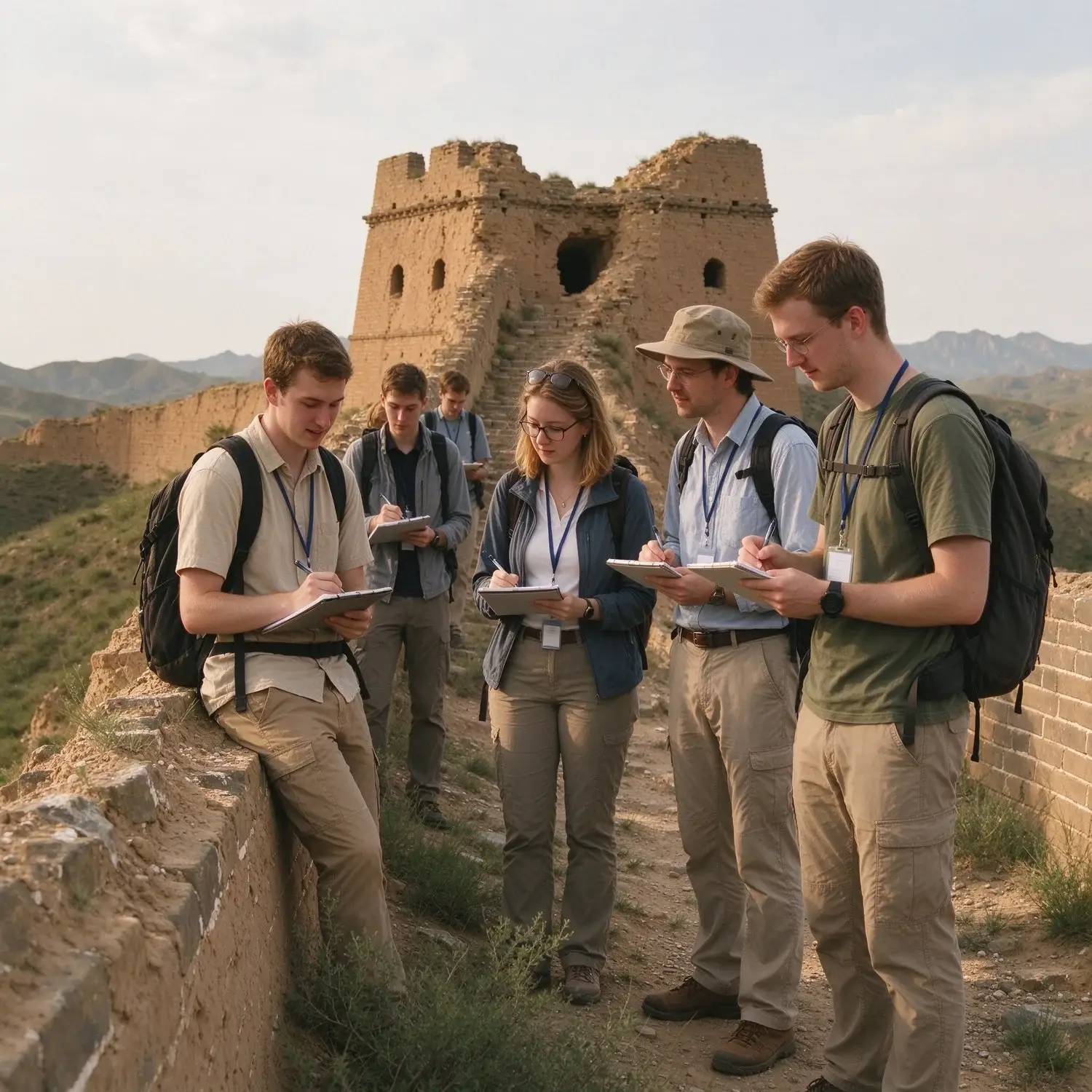
Great Wall field study at Deshengpu
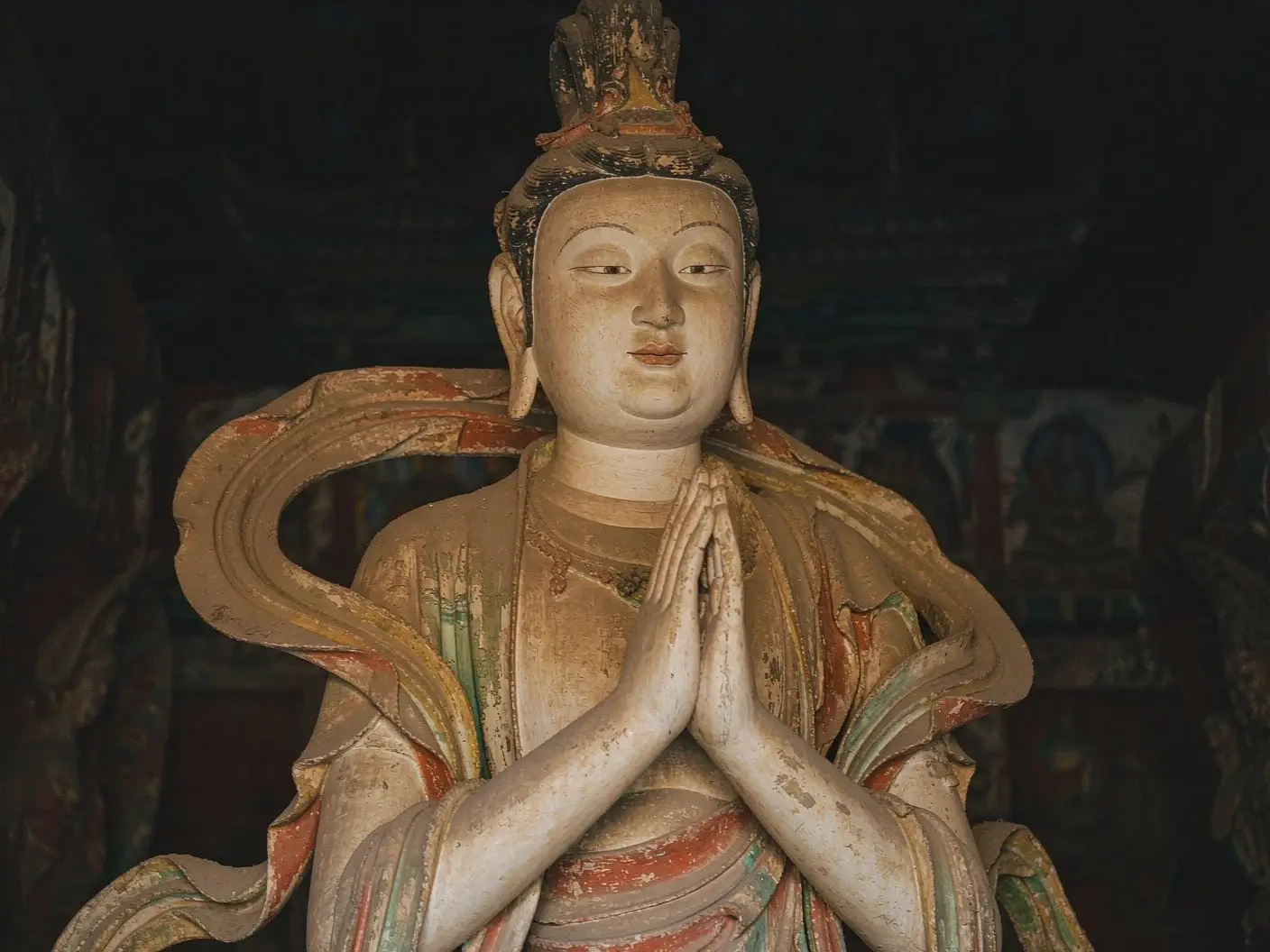
Liao–Jin painted sculpture and mural copying
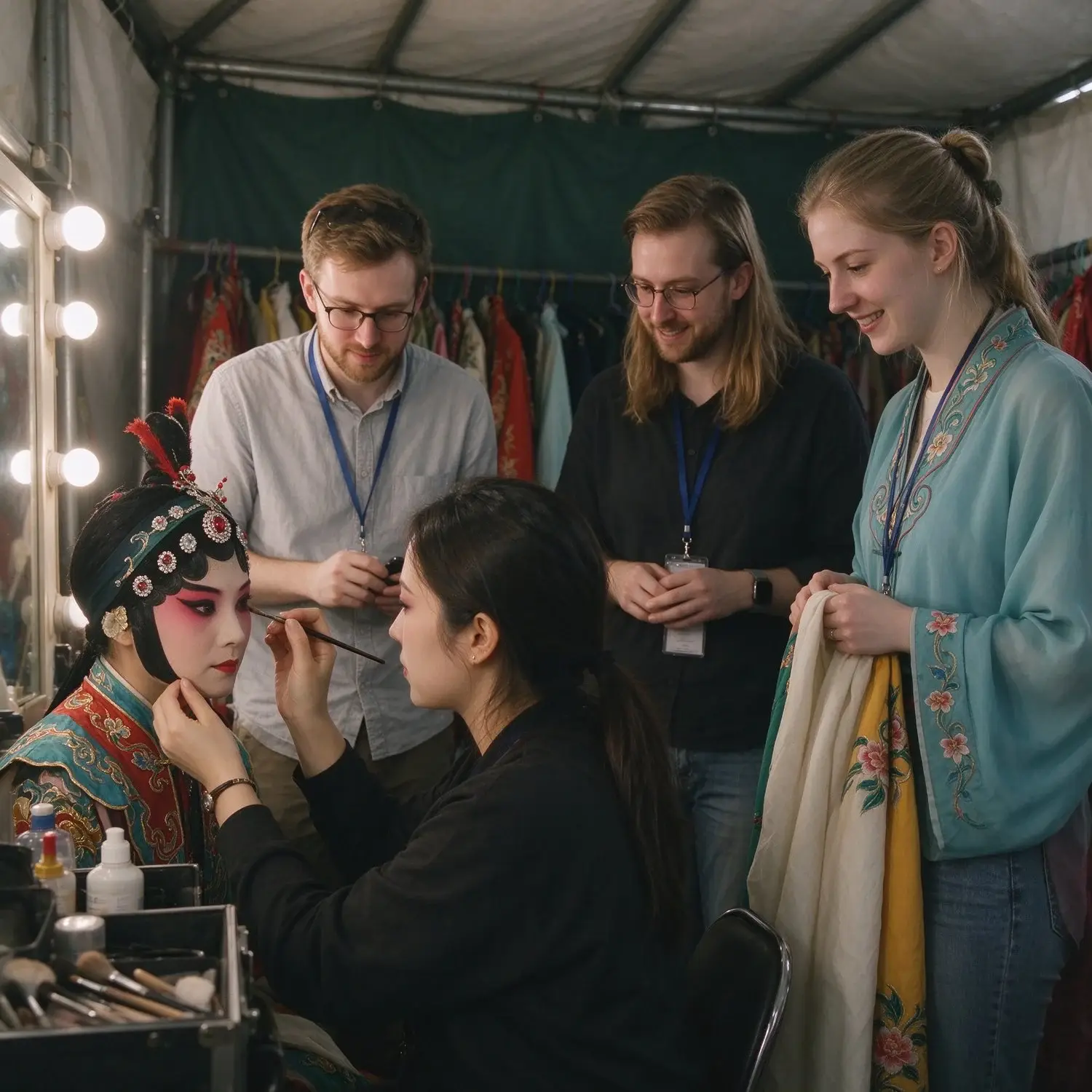
Datong local opera and folk experience
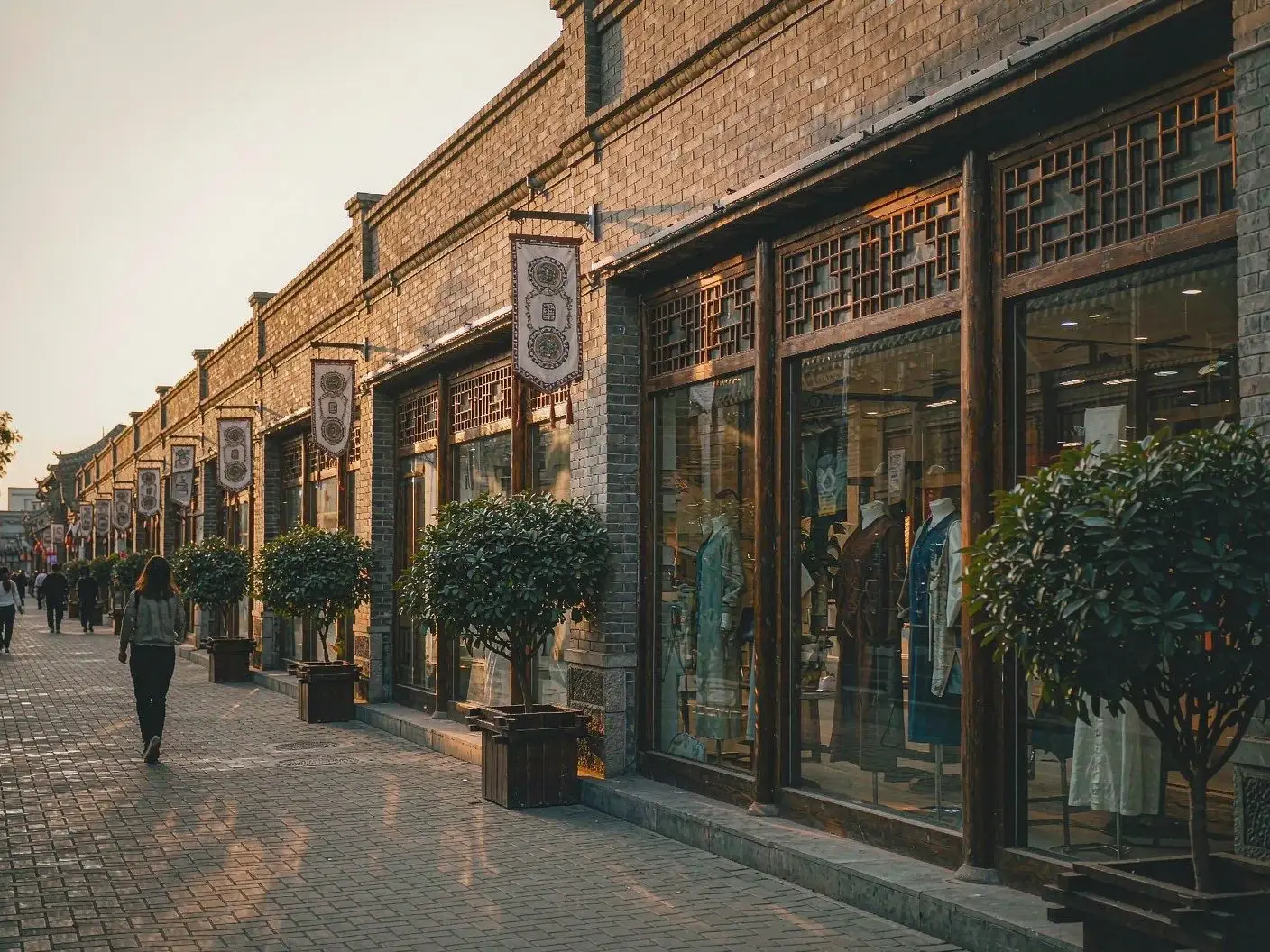
Datong old city creative quarter and brand observation
Creative practice and integrated skills
Projects that turn observation into original student work.
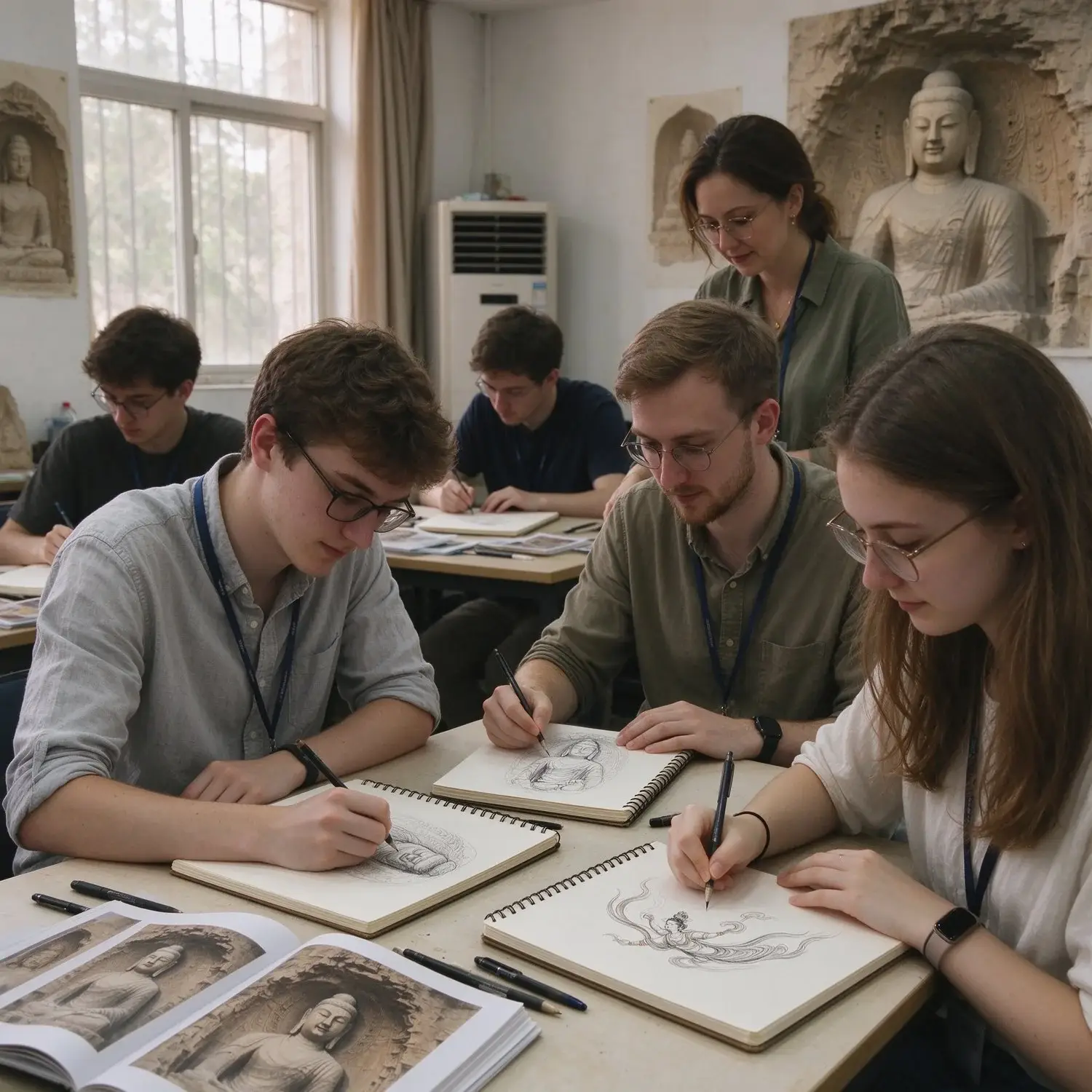
Yungang motifs and visual design
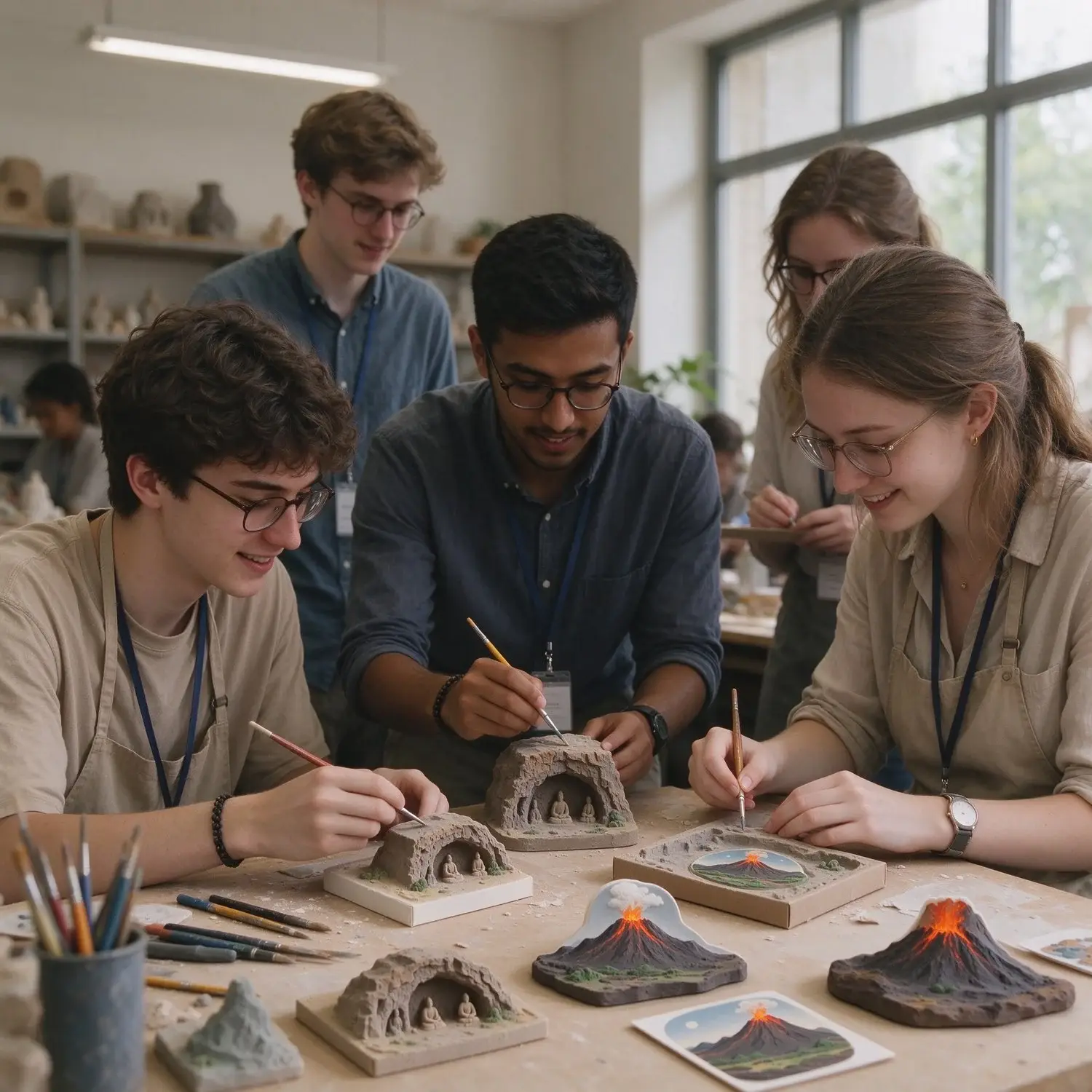
Museum cultural-creative product development
“My Datong Brand” project
World Heritage and cross-cultural exchange
Outcomes and practical tasks
The value of Datong study is not how many places are visited, but whether students truly leave behind outcomes of observation, practice, thinking and creation. Turn every resource point into a task that can be recorded, presented and reviewed.
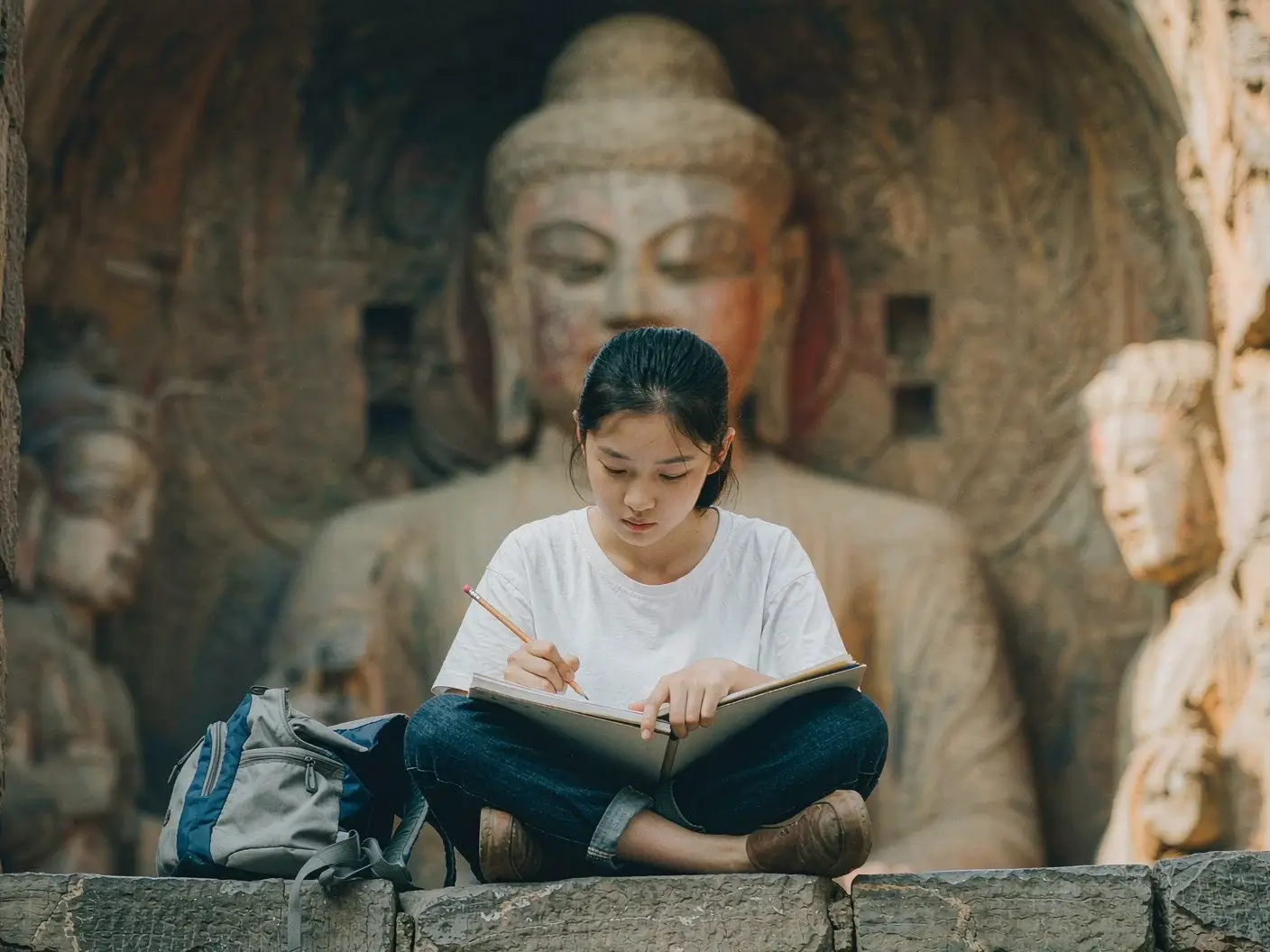
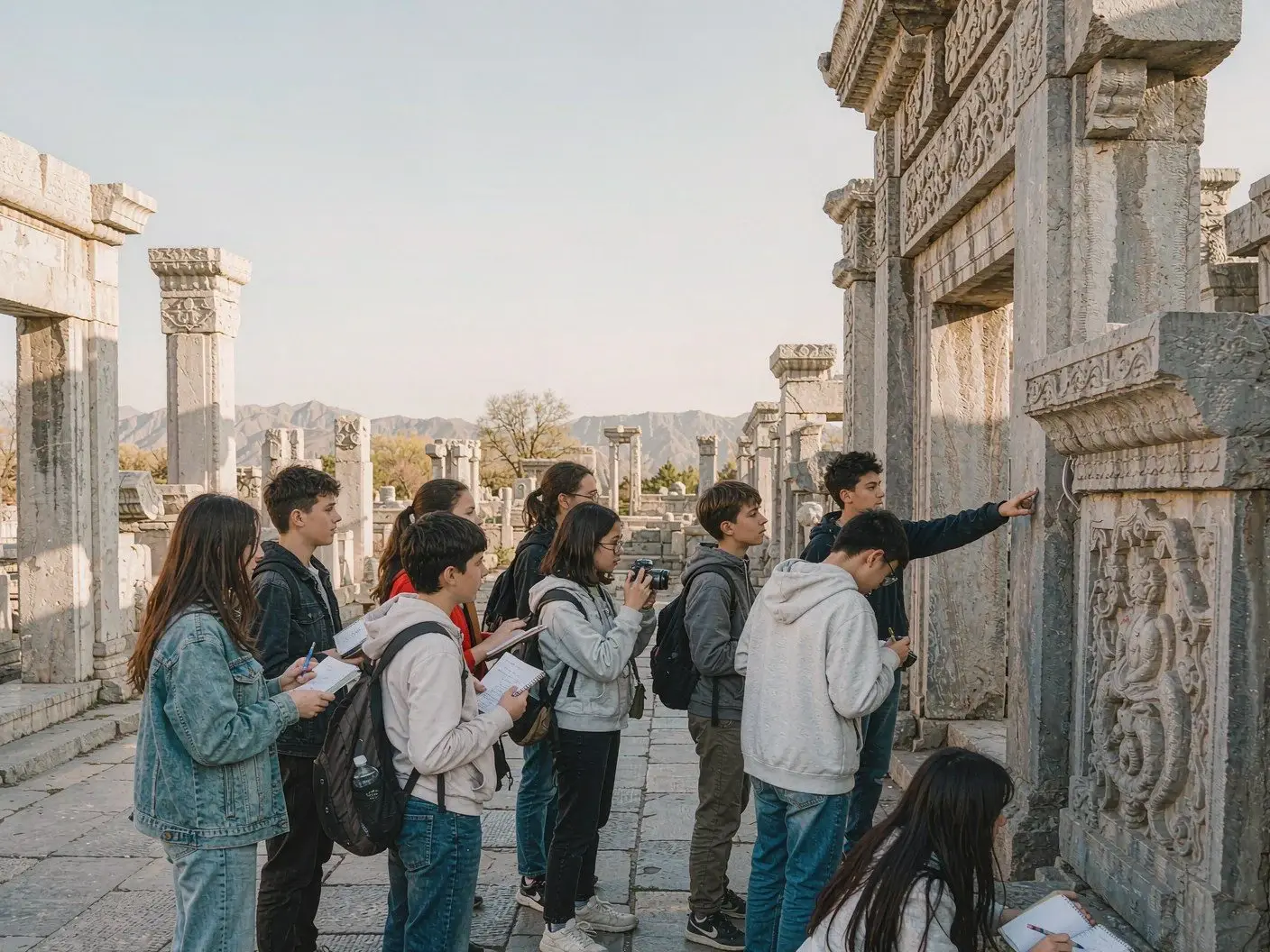
Grotto observation record
Choose one statue, component or artefact; record material, dimensions, era, motif and location; write three unanswered questions; compile an observation card.
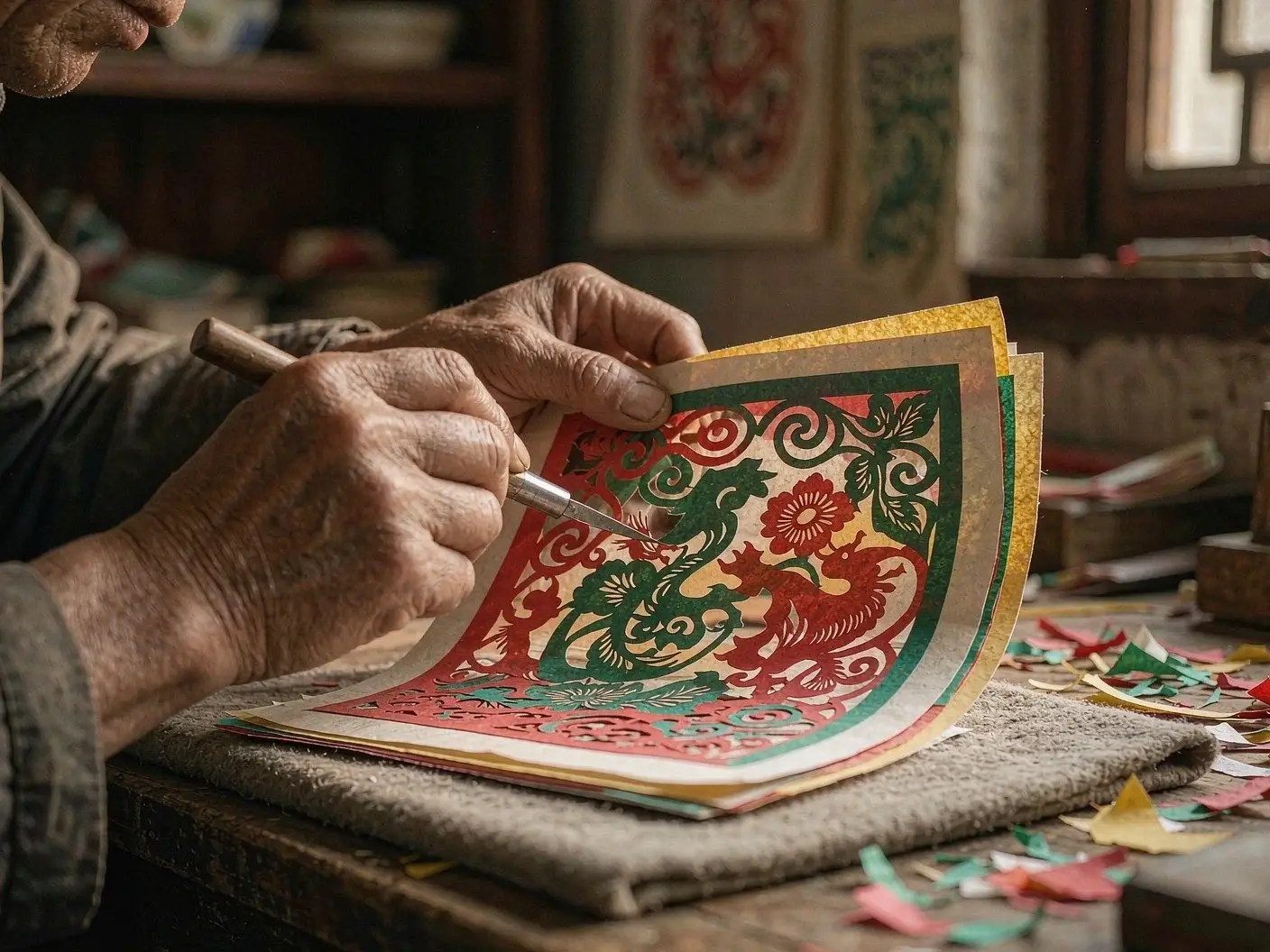
A hand-made Datong piece
Choose paper-cut dyeing, brass chasing or sculpture line drawing; note the hardest step, your corrections and how the result changed.
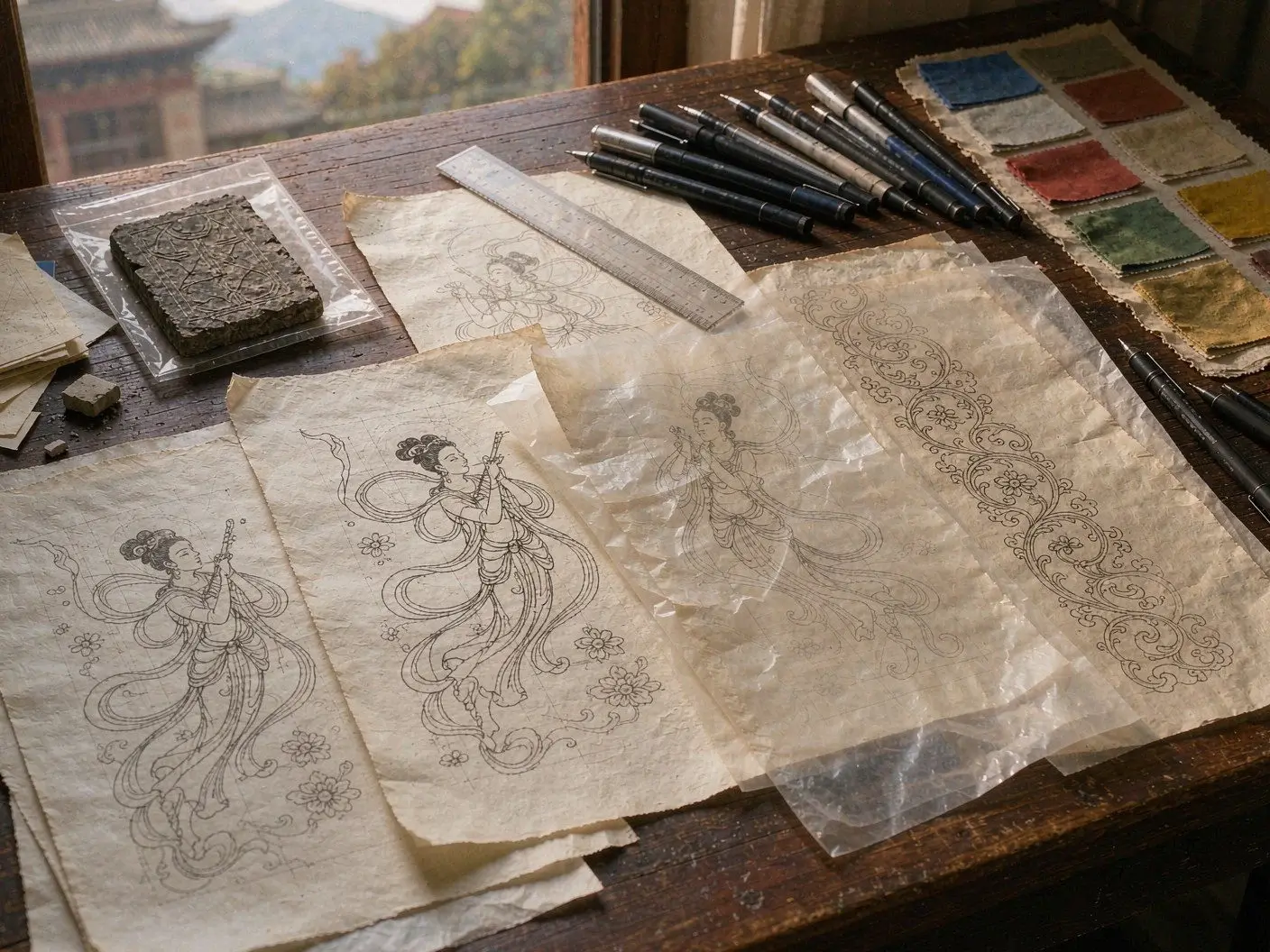
Yungang motif design
Extract motif structure and rhythm from niche arches, aureoles or painted decoration; add your own theme to make a repeating pattern with both a cultural source and your expression.
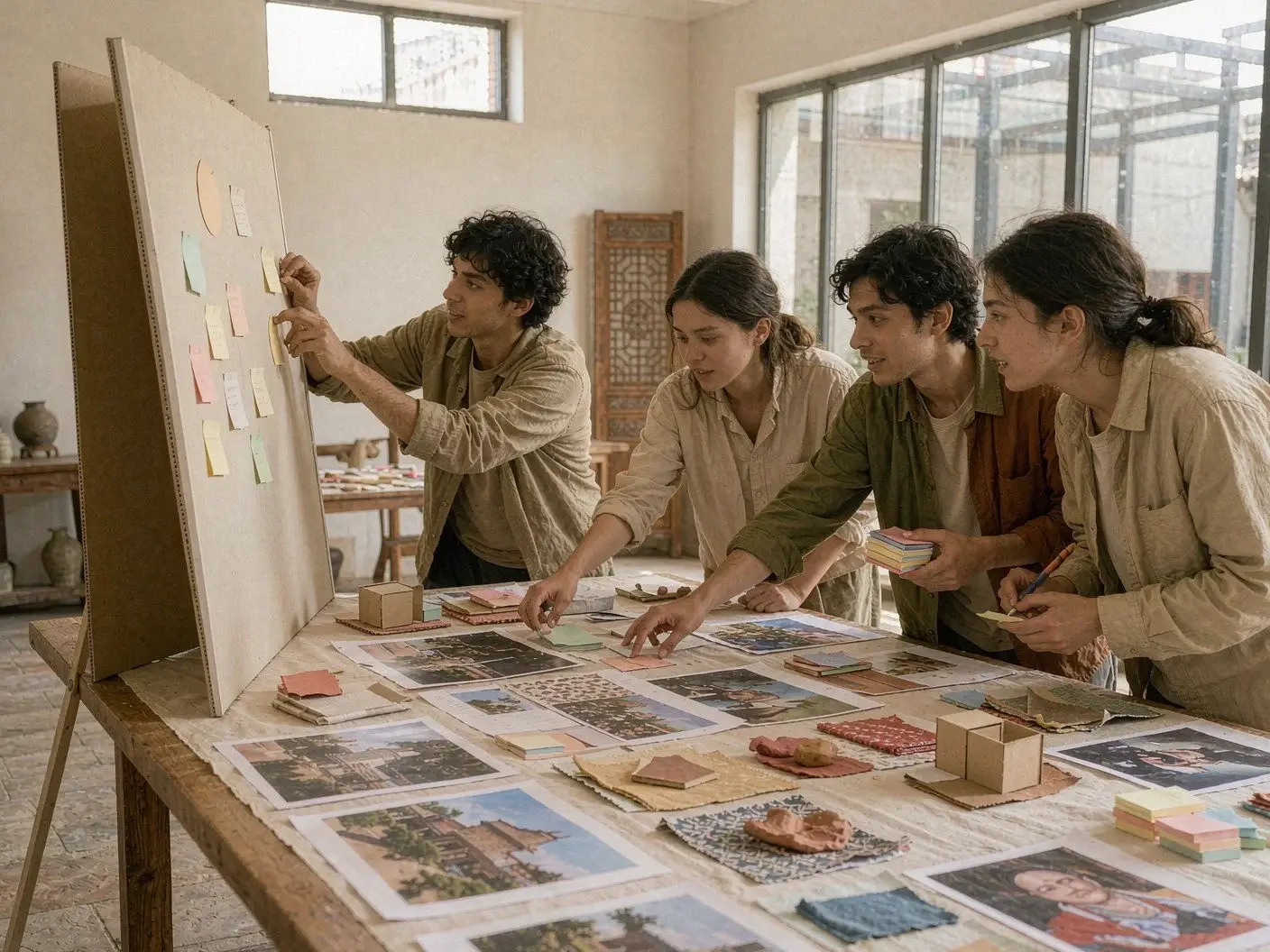
“My Datong Brand” group
Produce a brand name, product positioning, packaging concept and three-minute talk — taking outcomes into design and expression.
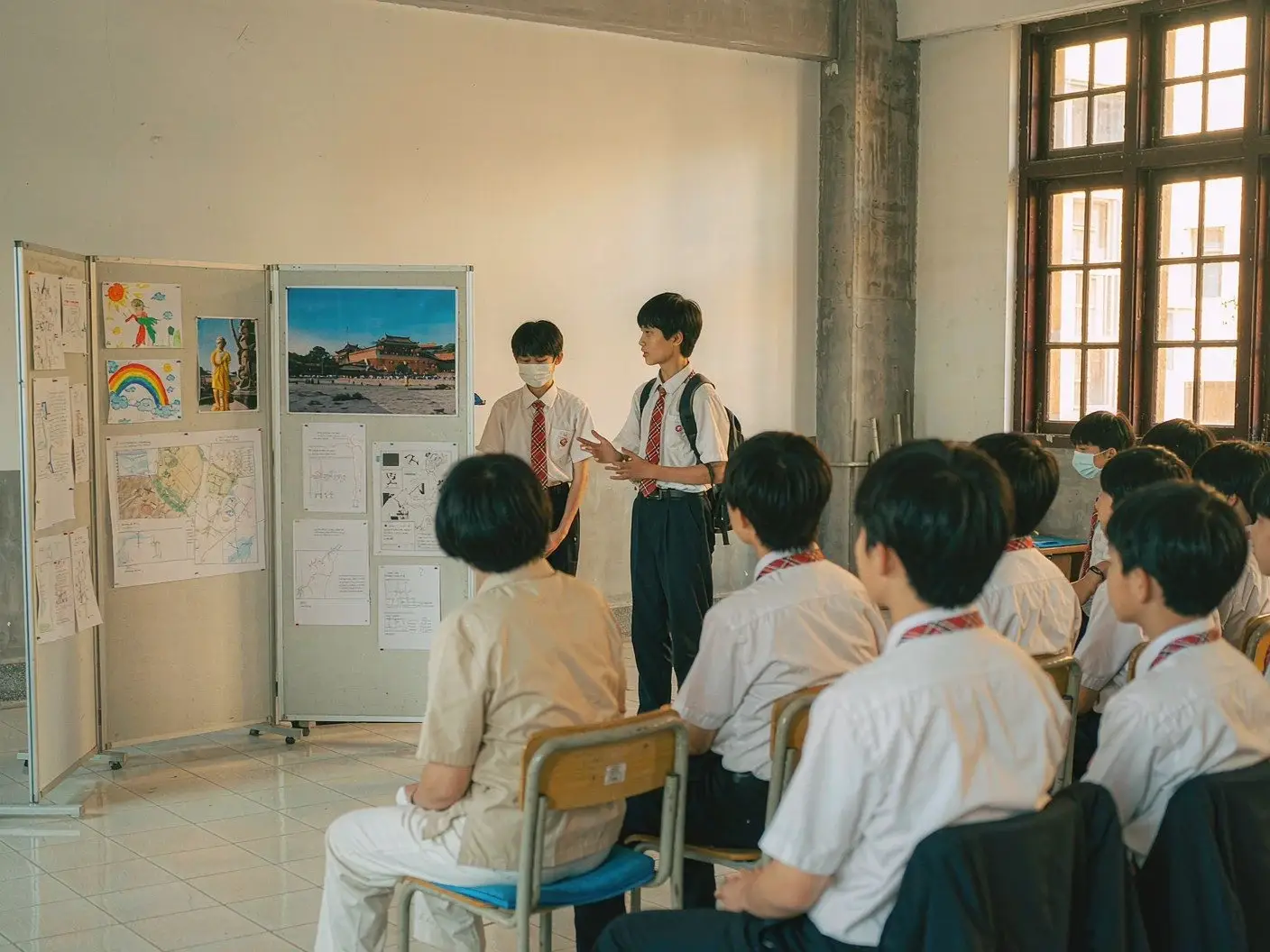
One observation card + one hand-made piece + one Yungang motif design + one group “My Datong Brand” presentation — joining visiting, practice, thinking and expression into a learning loop that can be shown and reviewed.
Suggested theme combinations
| Theme | Recommended combination | Audience / scenario |
|---|---|---|
| Grotto art | Yungang Grottoes + Yungang Museum + Datong Museum | First study / history & art |
| Liao–Jin buildings & sculpture | Huayan Temple + Shanhua Temple + Liao–Jin sculpture copying | Upper primary / junior secondary / families |
| Frontier Great Wall & engineering | Deshengpu + Datong old wall + military defence system | Geography, engineering & military history |
| Heritage craft & art expression | Guangling paper-cut + Datong brassware + Yungang motif design | Art, design & comprehensive practice |
| World heritage & nature inquiry | Yungang + Hanging Temple + volcano field + brand project | Senior secondary / university / international |
Datong study need not be tied to fixed days or standard routes. The truly tailored approach combines, by age, curriculum goals, interests and budget, six directions — grotto art, Liao–Jin buildings, the frontier Great Wall, volcano geology, intangible heritage and World Heritage — so every programme has clear learning goals and deliverable outcomes.
Ready to build your Datong study programme?
Share your students’ age, curriculum goals and dates. We will tailor the field studies, hands-on workshops and outcome tasks for you.
Start PlanningGuangzhou
Guangzhou at a glance
Guangzhou sits in central Guangdong, at the northern edge of the Pearl River Delta where the Pearl River meets the sea — the heart of Lingnan culture, a cradle of the Maritime Silk Road, and one of China’s first national historic cities of 1982. In 214 BC, after unifying Lingnan, Qin Shihuang set up Nanhai Commandery, and its commander Ren Xiao built a town at Panyu — the start of 2,200-plus years of city history. From the Han it was China’s chief port and South Sea hub, a great eastern port by the Tang and Song, home to China’s first maritime trade office; after 1757 it was the sole treaty port, and the Thirteen Hongs monopolised foreign trade.
For students, the most special thing is turning toward the sea: 2,000 years of city history, a thousand years of trade and 40 years of reform stack into one study line, joining the origins of civilisation, ocean trade, architectural aesthetics and urban renewal.
Think of Guangzhou as an open Lingnan reader — best understood through six angles: the origins of Lingnan; the Maritime Silk Road emporium; architectural character; intangible craft; ecological science; and urban creativity.
Six study keywords worth attention
From the Nanyue King’s tomb to the Southern Han mausolea, trace 2,000 years of city history and the evolution of Lingnan civilisation.
From the Temple of the South Sea and Whampoa to the Thirteen Hongs, see how ocean trade and the single-port policy shaped the city.
At the Chen Clan Academy, Shamian and Xiguan qilou streets, read the two languages of Lingnan architecture and the modern city.
Meet Cantonese opera, Canton enamel, Guang embroidery and olive-pit carving — living Lingnan crafts.
From the South China National Botanical Garden to the Pearl River banks, understand south-subtropical plant diversity and urban ecology.
From Yongqing Fang to industrial-heritage parks, see how old streets and factories are given new life.
Recommended priority
| Priority | Best for | Representative sites | Use case |
|---|---|---|---|
| A · Core intro | First-time study groups in Guangzhou | Nanyue King Museum, Chen Clan Academy, Shamian | Lingnan orientation / Maritime Silk Road basics |
| B · In-depth practice | Learners interested in archaeology, architecture, trade and the sea | Nanyue tomb, Whampoa port, Thirteen Hongs | Archaeology observation / ocean & craft |
| C · Creative extension | Secondary, university and international students | Yongqing Fang, heritage quarter, creative parks | Design & creativity / international exchange |
The cultural background to Guangzhou study
2.1 · From Ren Xiao’s town to an unchanging site
Guangzhou’s history begins with a wall. In 214 BC Ren Xiao built his town at Panyu; later Zhao Tuo founded the Nanyue kingdom. When his second king Zhao Mo’s tomb was dug into Xiangang in 1983, it held the gold Wen Di seal and the only complete silk-thread jade burial suit, mixing Nanyue, Ouluo, Qin, Han and Chu elements — proof of Lingnan’s crossroads. In the same old city lie the royal palace and garden remains, a rare double find. For 2,000 years the city site has barely moved — among the few such cities on earth.
2.2 · The Maritime Silk Road and the single-port policy
Guangzhou is a rare port that never closed. From Han times it was China’s main sea port; by Tang it was the start of the Guangzhou-to-seas route, the world’s longest sea lane. The Song set China’s first maritime trade office here; by the Yuan, trade reached 140-plus countries. After 1757, only Guangzhou remained open for 85 years; in 80 years, 5,107 foreign ships moored at Whampoa, and the Swedish Götheborg came three times. The Thirteen Hongs’ Howqua was called the world’s richest man. The Temple of the South Sea, begun in 594, is the only surviving official sea god temple, and Han Yu’s stele first used the word maritime affairs.
2.3 · Lingnan architecture and the Xiguan qilou
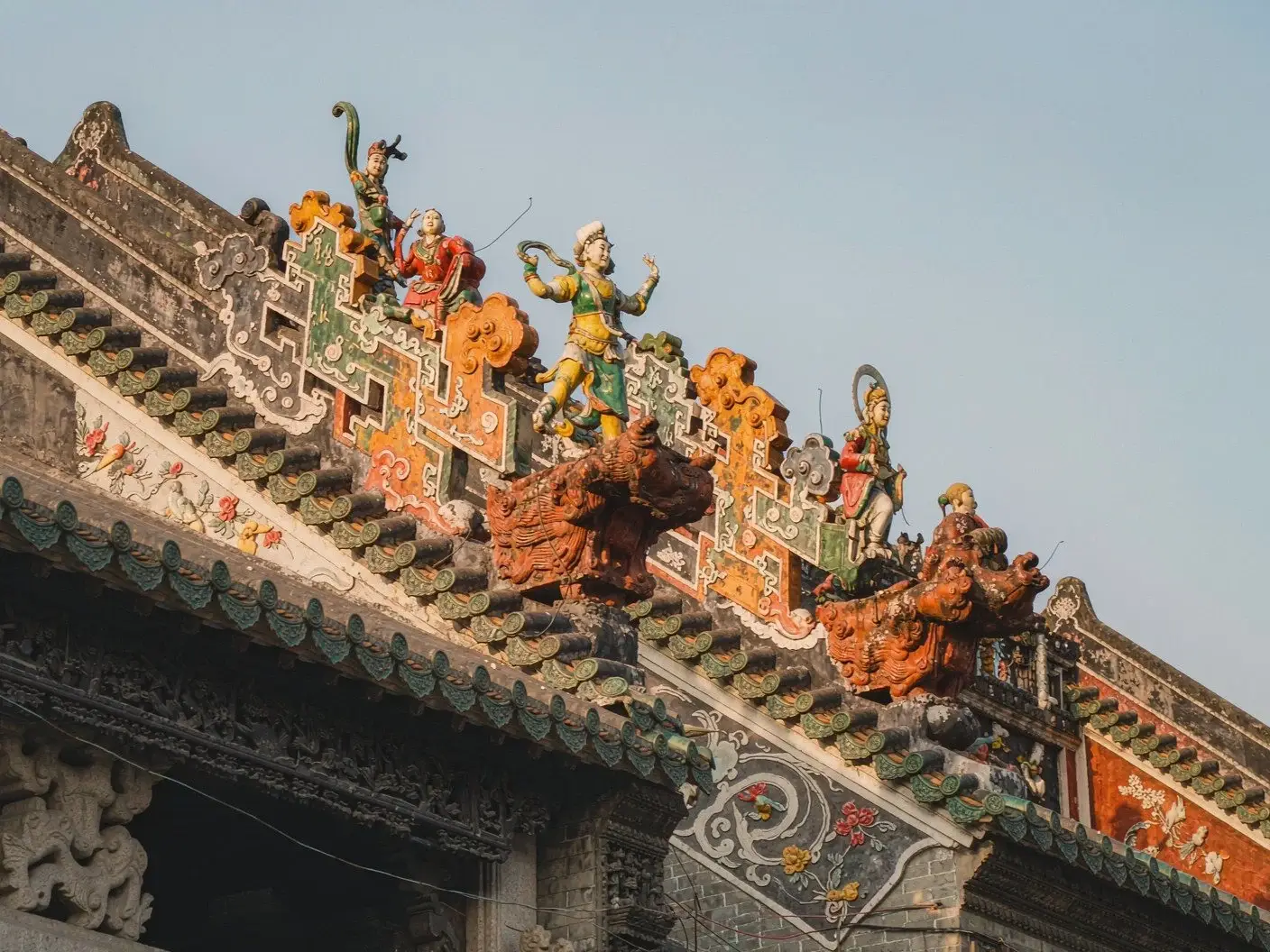
Guangzhou’s architecture speaks two languages. The first is Lingnan tradition: the Chen Clan Academy, built from 1888 by Chen clans across the province, is famed for the seven Lingnan crafts — wood, brick and stone carving, pottery, plaster, cast metal and painted decoration. Guangxiao Temple keeps halls across four dynasties. The second is the modern city: Shamian, a sandbar leased in 1861, holds 150-plus buildings in a dozen styles — a museum of world architecture. And between them stand the qilou arcades of Enning Road, colonnades that shade shoppers from sun and rain.
2.4 · Cantonese opera, Canton enamel and Guang embroidery
Guangzhou’s craft is half local, half trade. Cantonese opera, called the red bean of the south, joined UNESCO’s list in 2009. Guang embroidery is one of China’s four great embroideries, the direction of stitches becoming light. Canton enamel, fired white then painted and gilded and fired again, was the main export craft of the Hongs. Most of the pieces in the Thirteen Hongs Museum were made to order for overseas markets. Today Yongqing Fang holds Guangzhou’s first intangible-heritage street — living craft that followed trade and daily life.
2.5 · Micro-renewal of the old city and cultural creativity
Guangzhou’s way with the old city is to repair, not demolish. Enning Road, born in 1931, is the longest and best-preserved qilou street. Yongqing Fang, its micro-renewal from 2015, kept the old outline, restored tiles, grey-brick walls and plaster in traditional craft, and reopened in 2016 — Guangzhou’s first micro-renewal model. The Cantonese Opera Art Museum, built in Lingnan materials on a street where 30-plus opera stars once lived, is a deliberate return of cultural roots. Together with other renewal cases, old streets, old factories and the old city are given back to the city in three different ways.
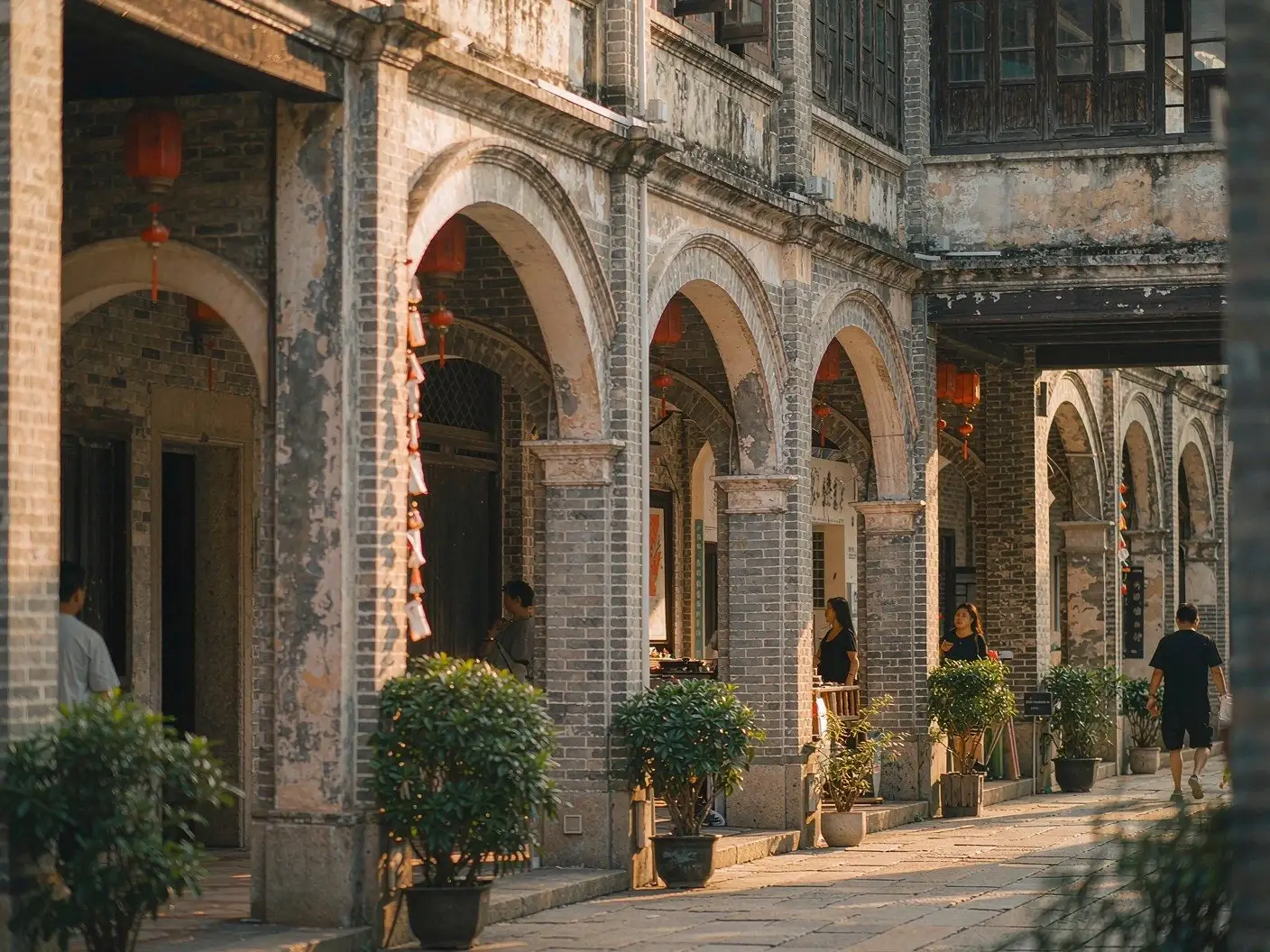
Six core study recommendations
The six first-priority stops for a Guangzhou study programme.
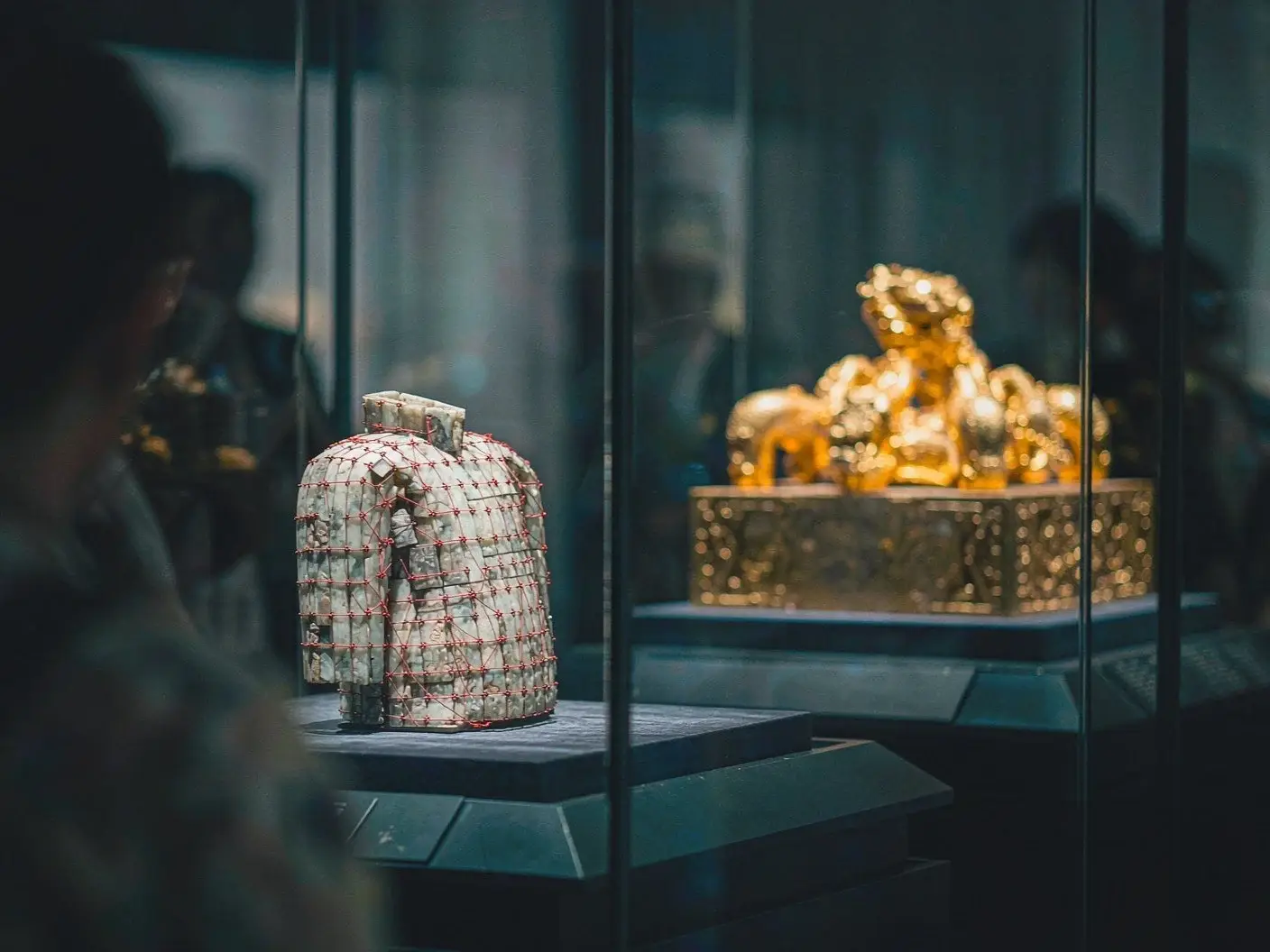
Nanyue King Museum
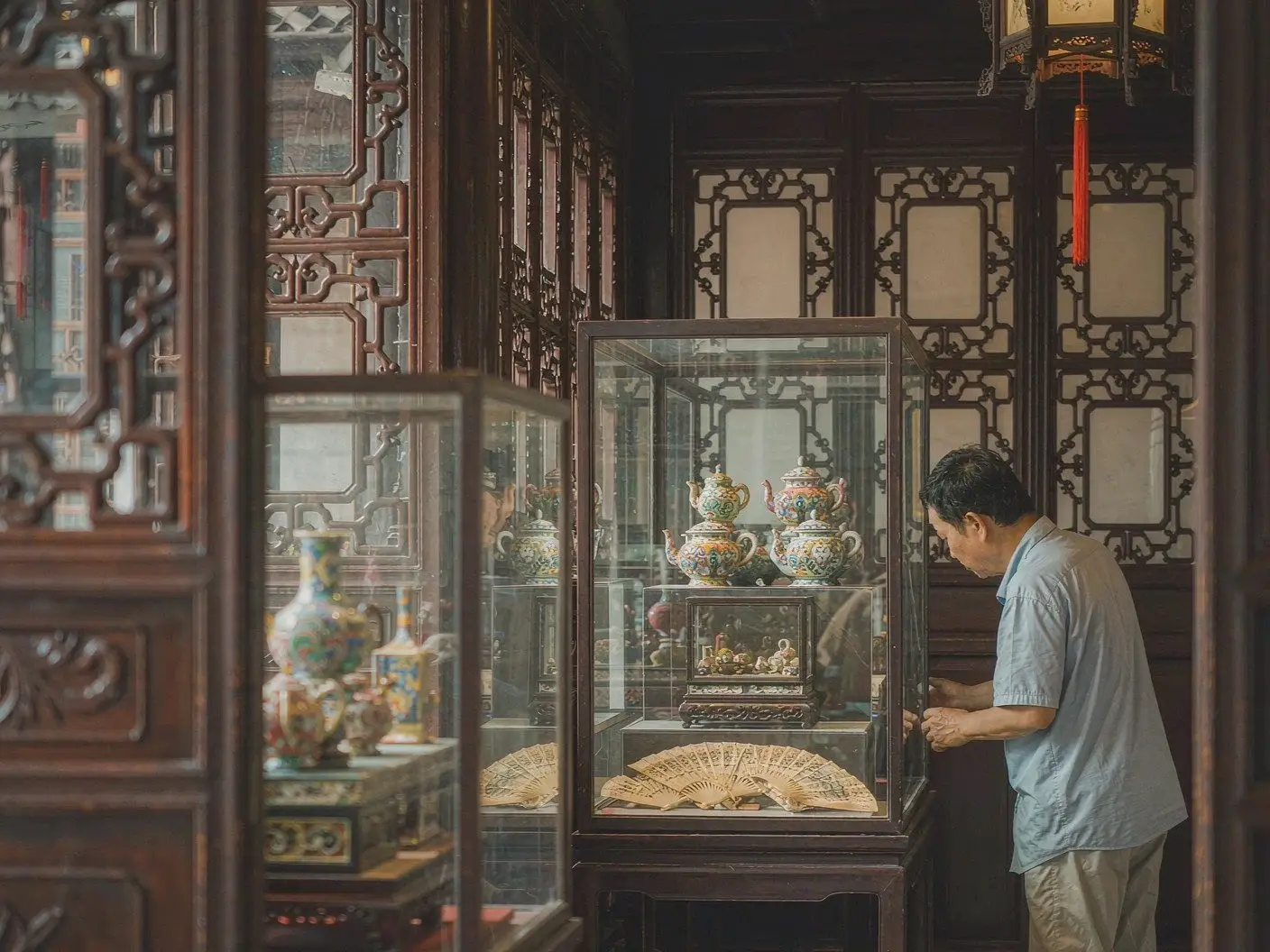
Chen Clan Academy (Guangdong Folk Art Museum)
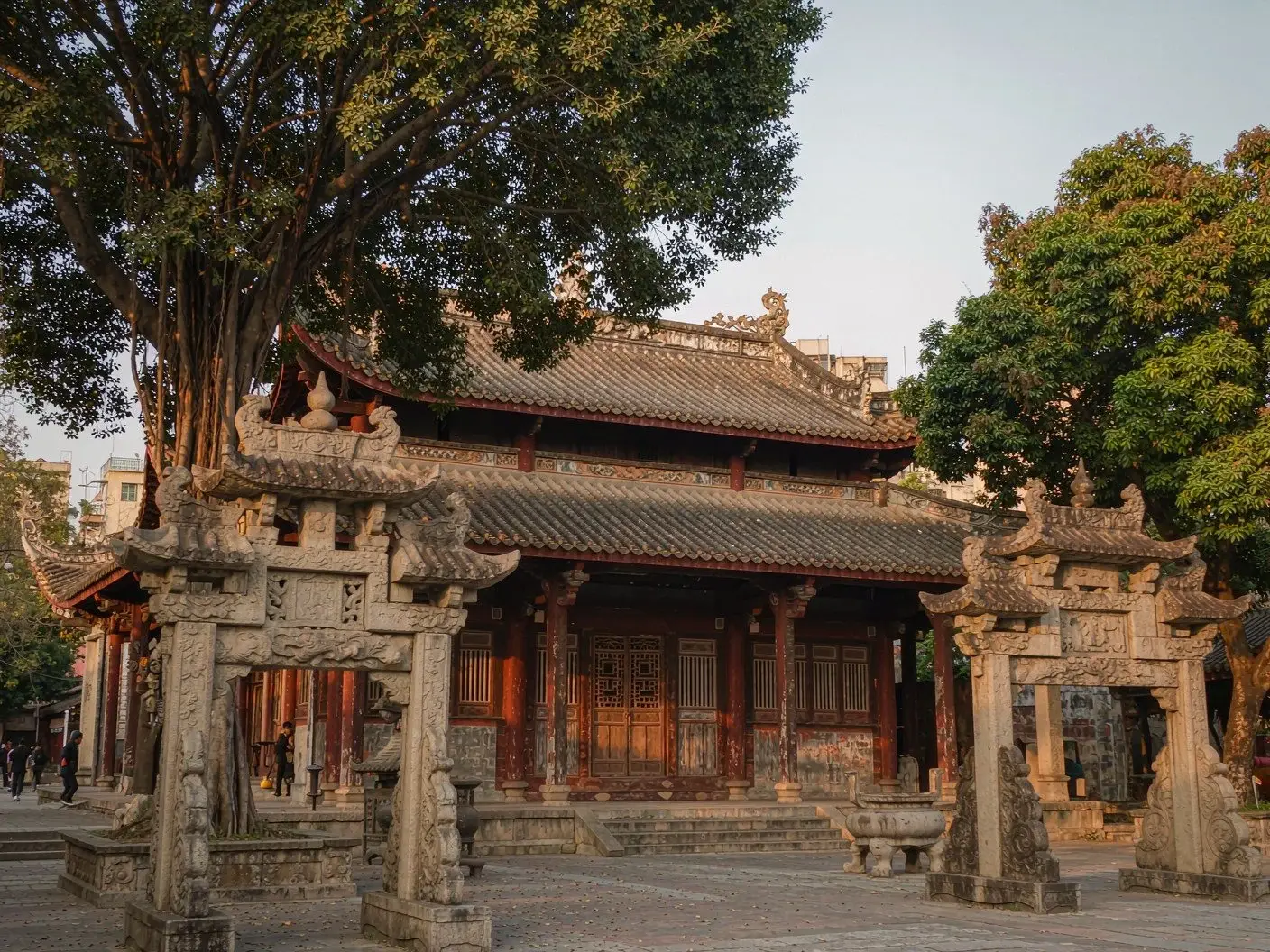
Temple of the South Sea and Guangzhou Maritime Museum
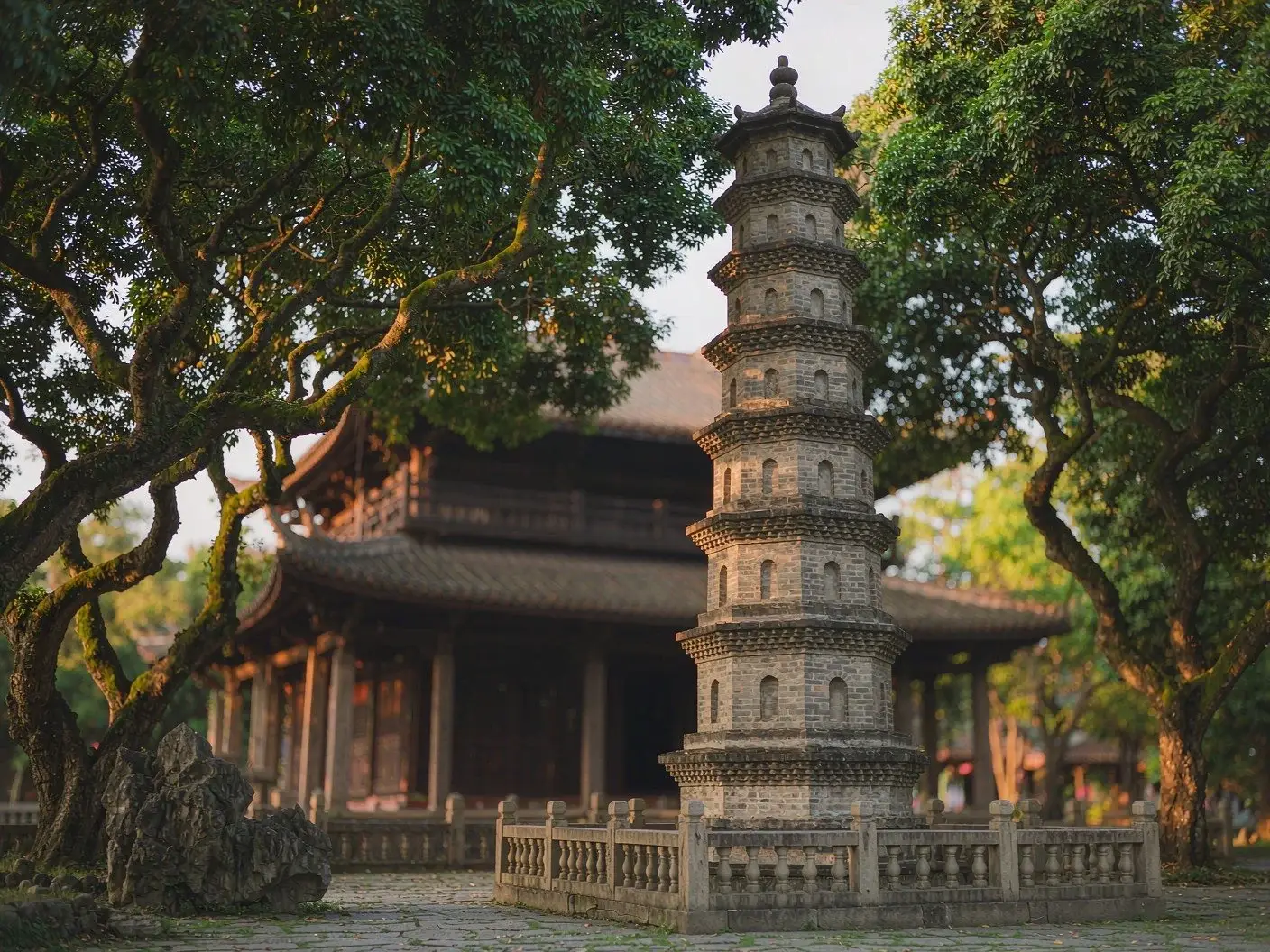
Guangxiao Temple
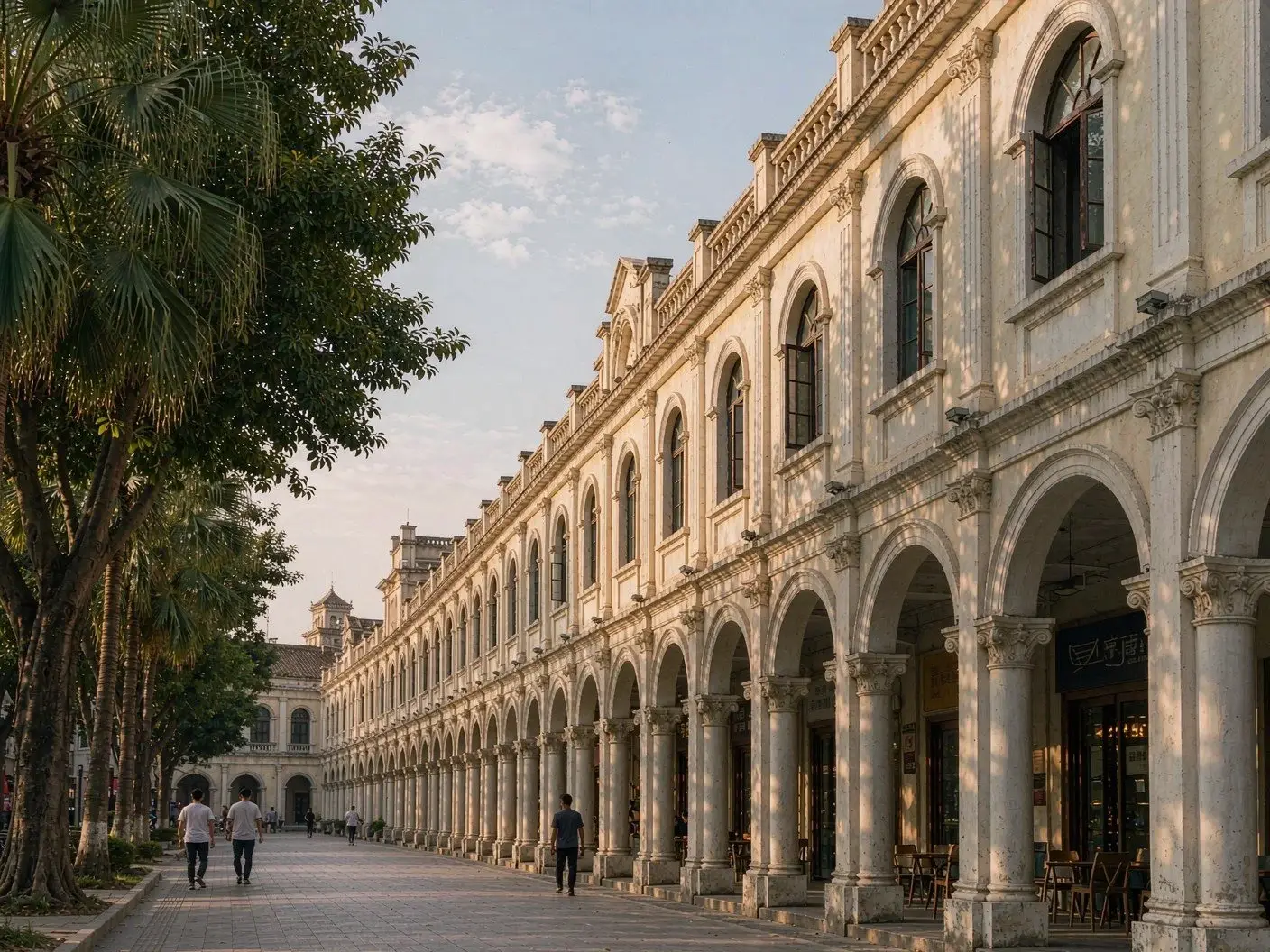
Shamian historic quarter
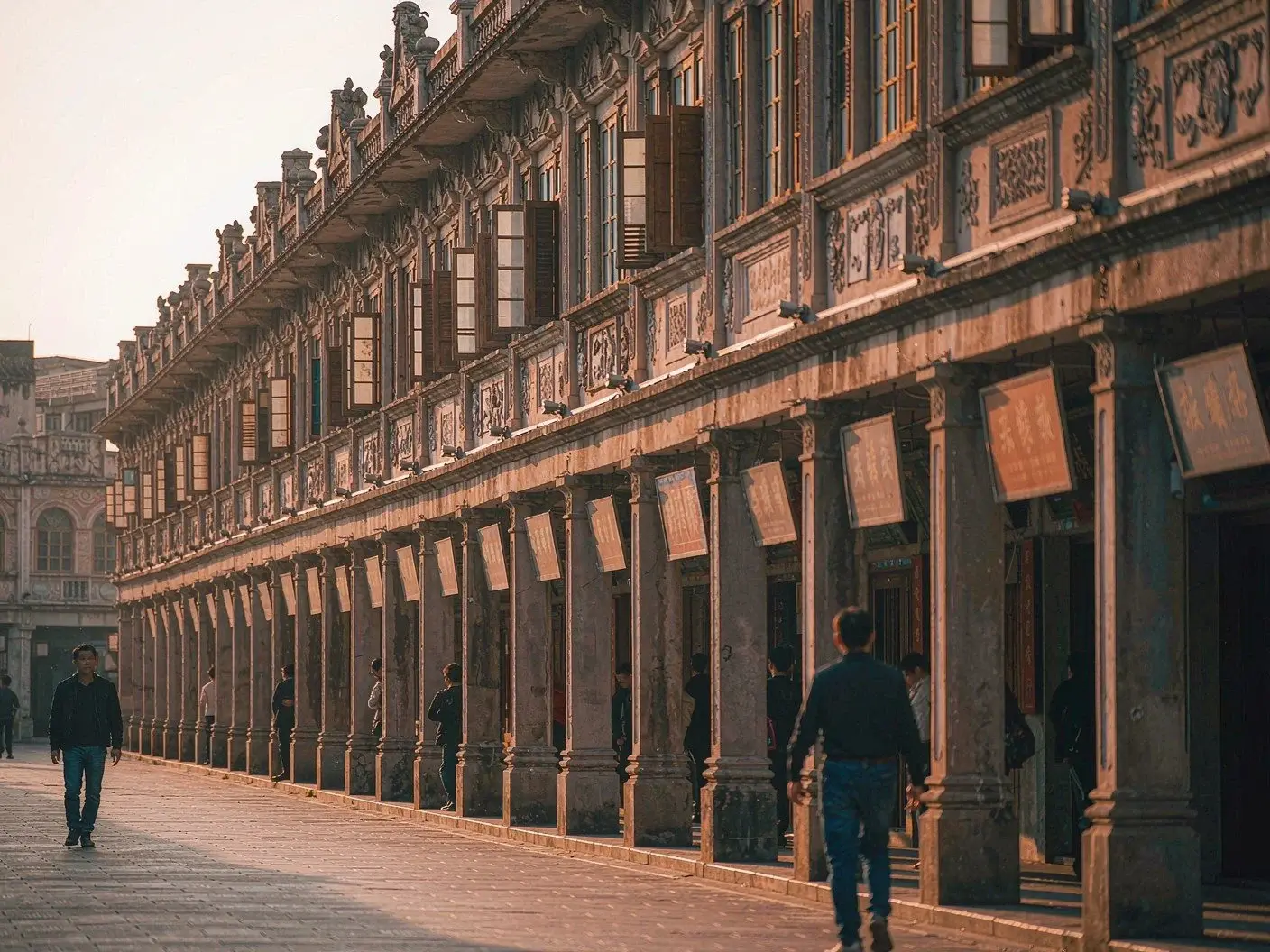
Yongqing Fang and the Xiguan qilou street
Six in-depth study extensions
Longer, more specialised studies for groups with clear interests.
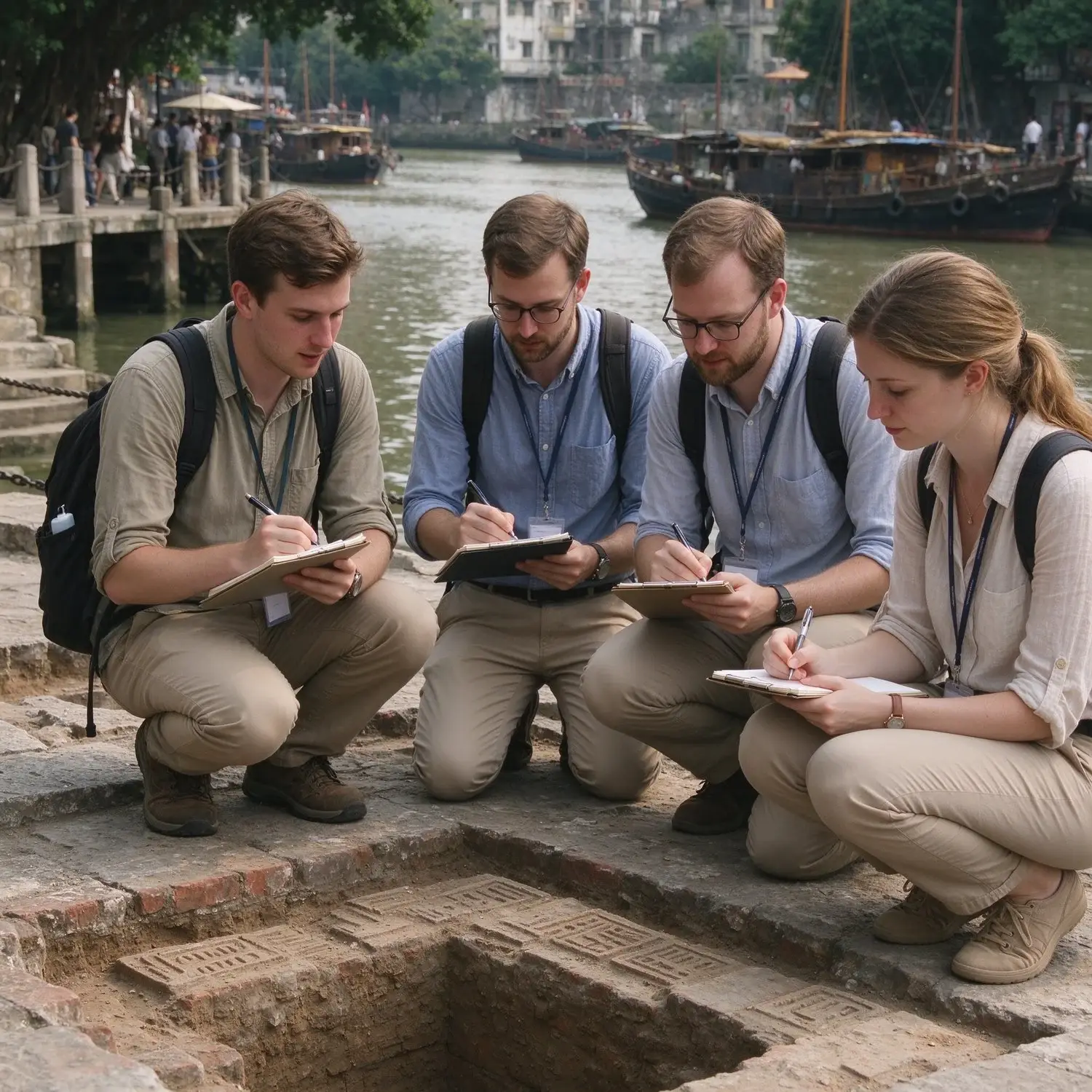
Whampoa Ancient Port and Yuehai First Pass
Guangzhou Thirteen Hongs Museum
Guangzhou Museum and Zhenhai Tower
Southern Han Two Mausolea Museum
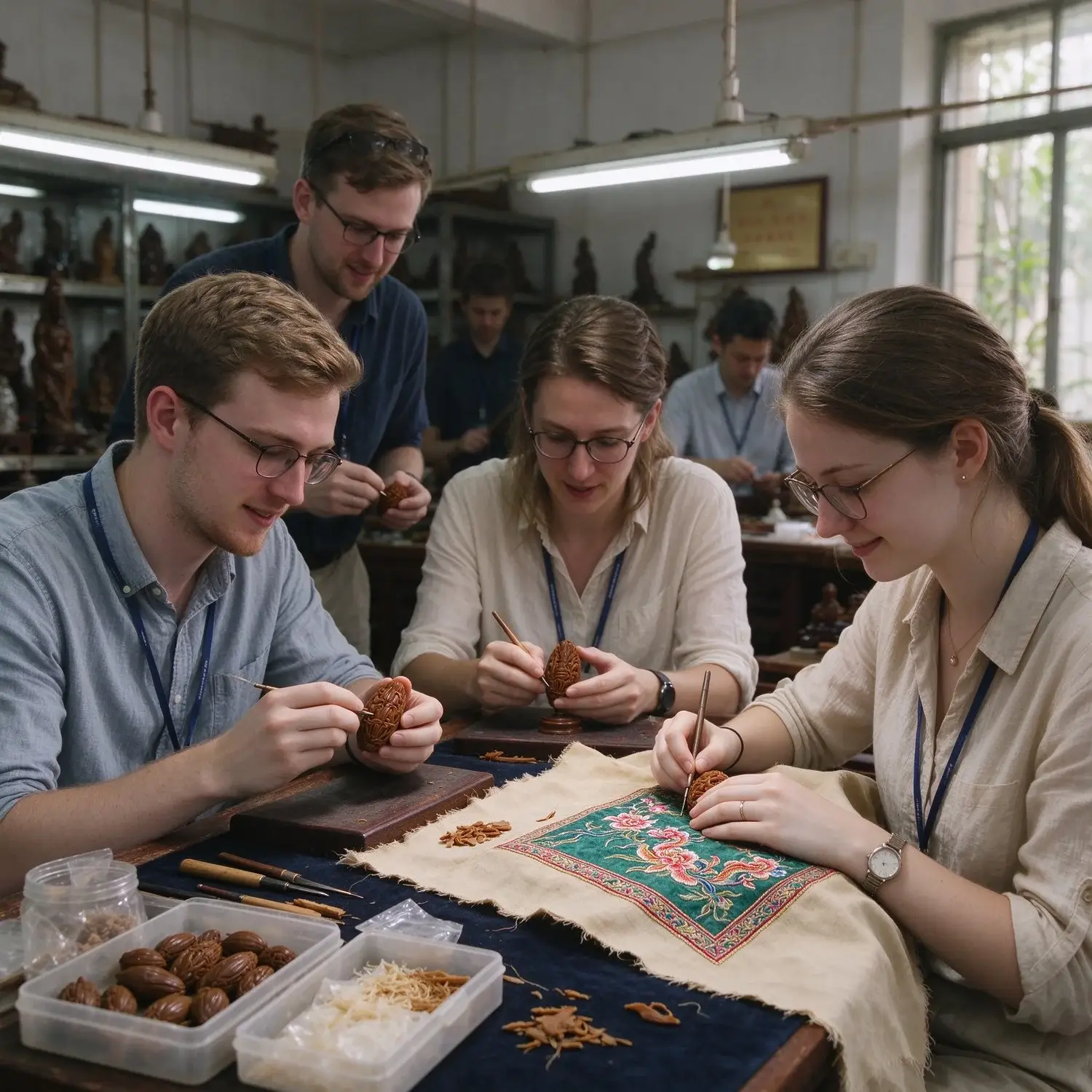
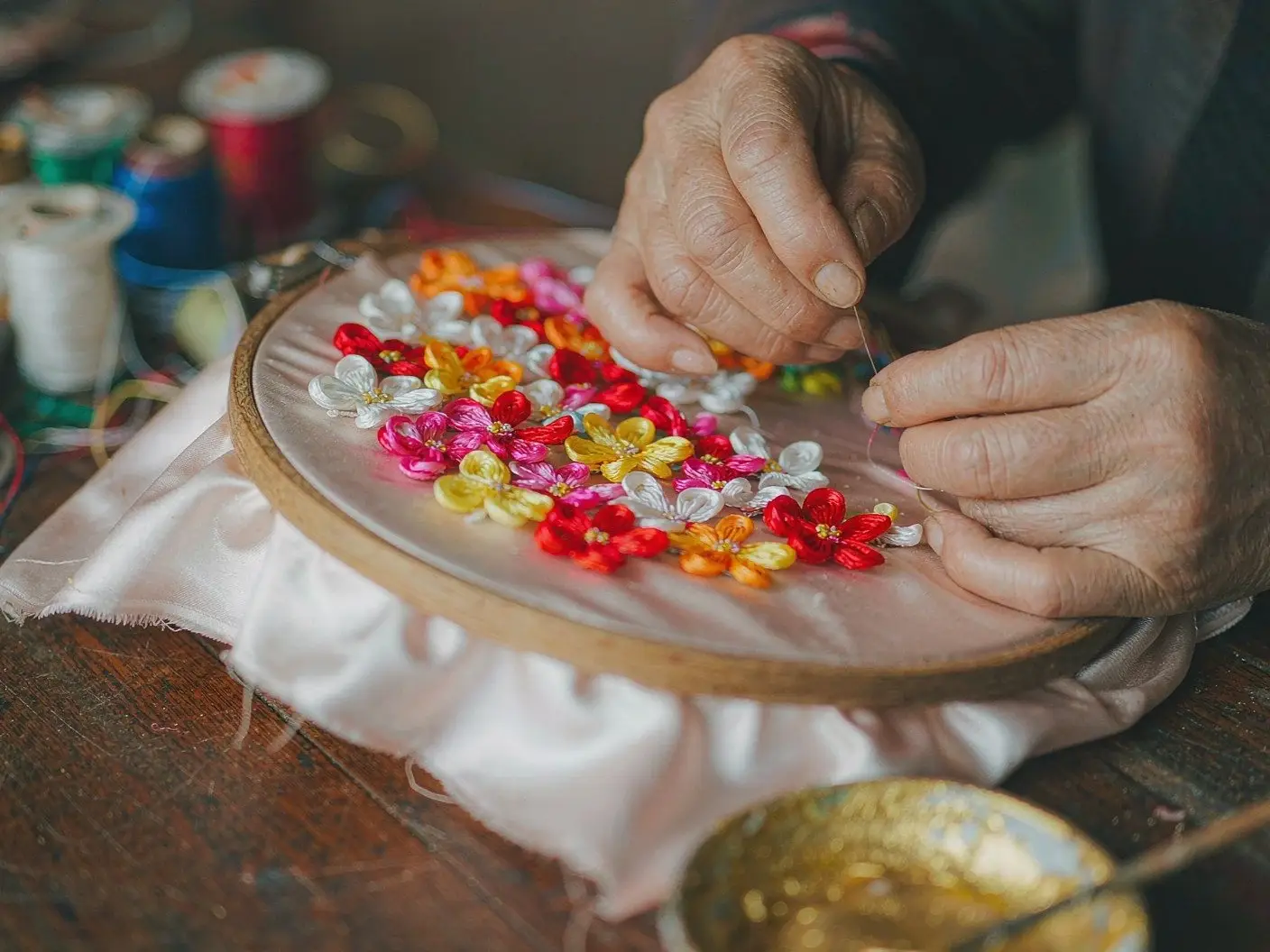
Canton enamel, Guang embroidery and olive-pit carving
South China National Botanical Garden
Creative practice and integrated skills
Projects that turn observation into original student work.
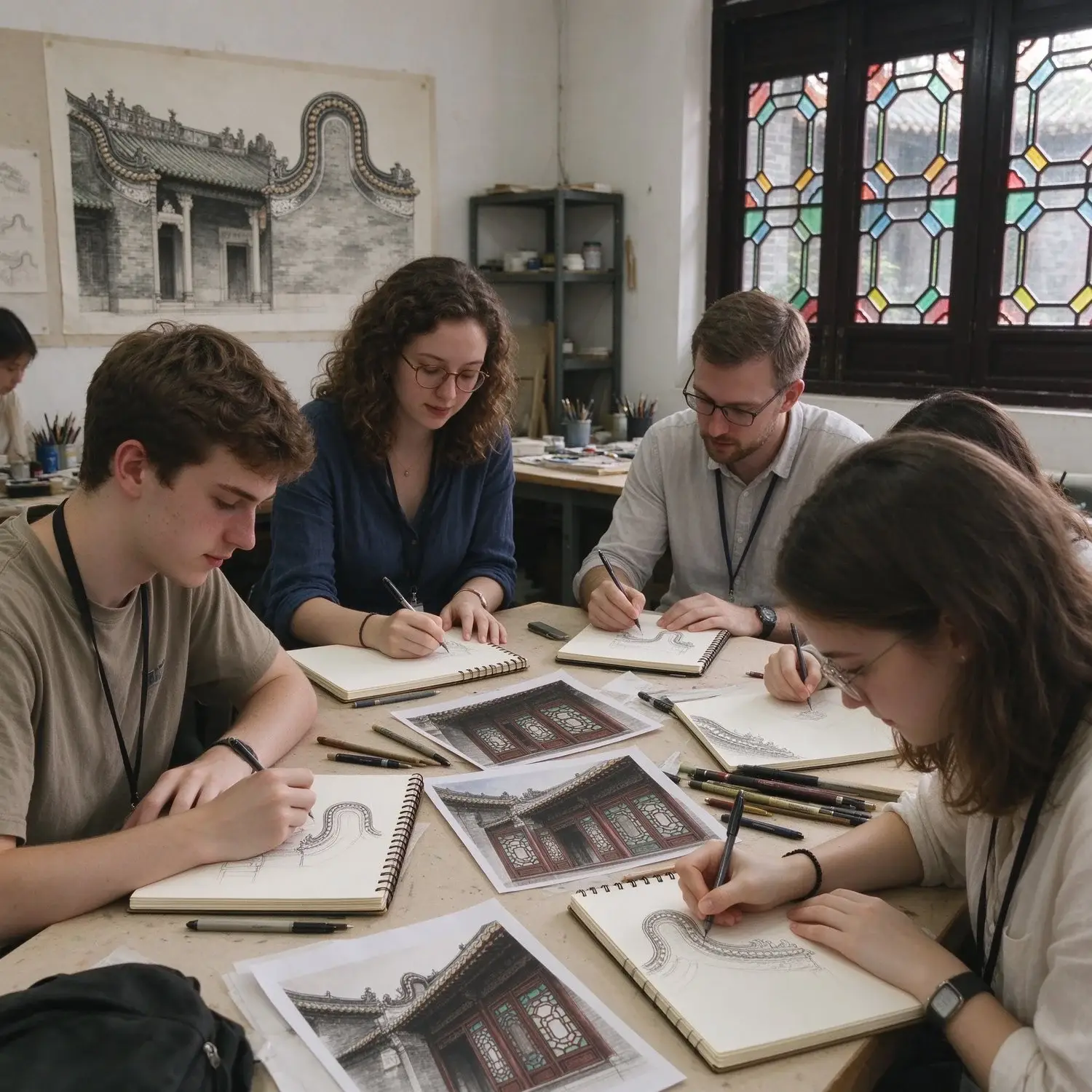
Lingnan architecture and motif visual design
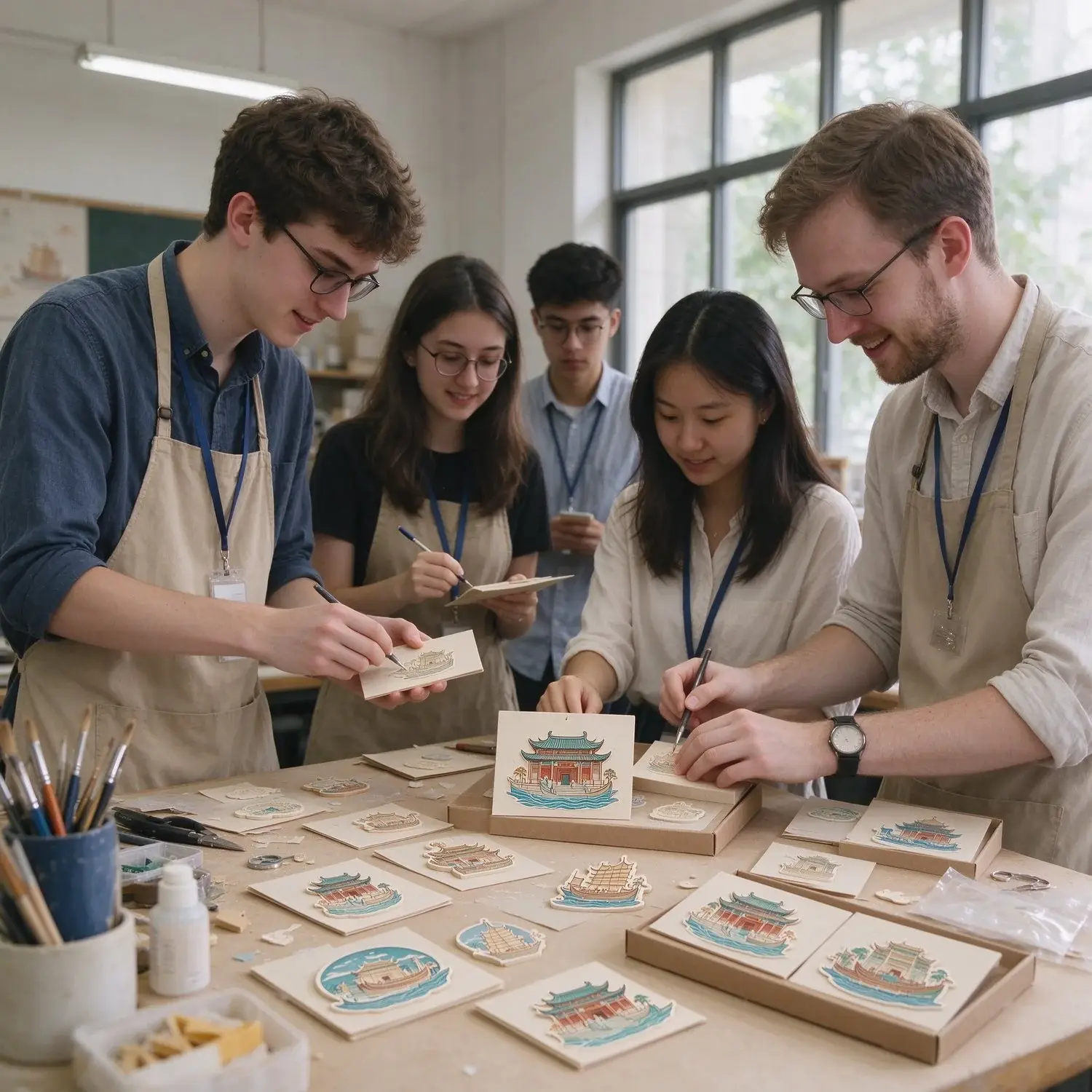
Museum cultural-creative product development
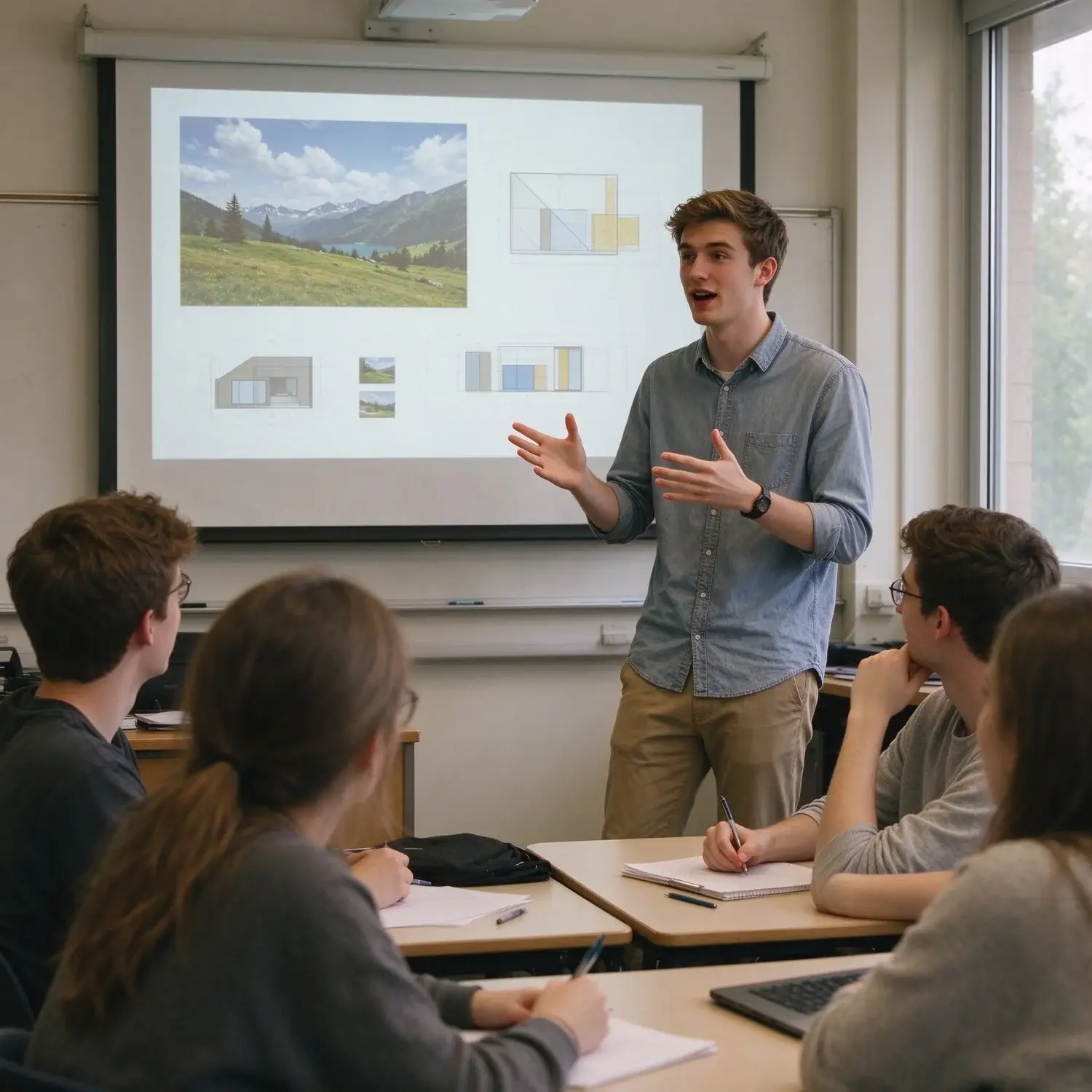
“My Guangzhou Brand” project
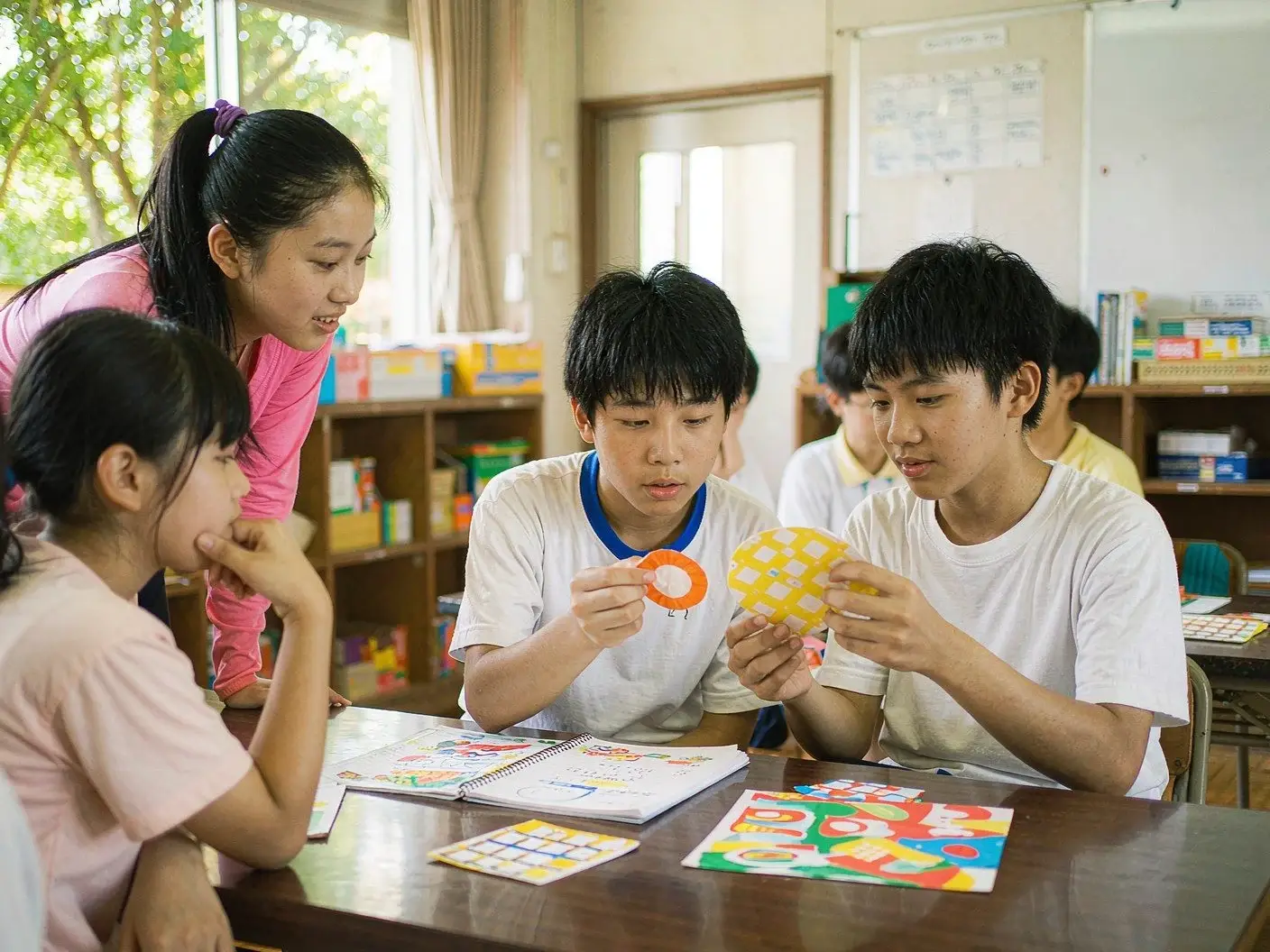
Maritime Silk Road and cross-cultural exchange
Outcomes and practical tasks
The value of Guangzhou study is not how many places are visited, but whether students truly leave behind outcomes of observation, practice, thinking and creation. Turn every resource point into a task that can be recorded, presented and reviewed.
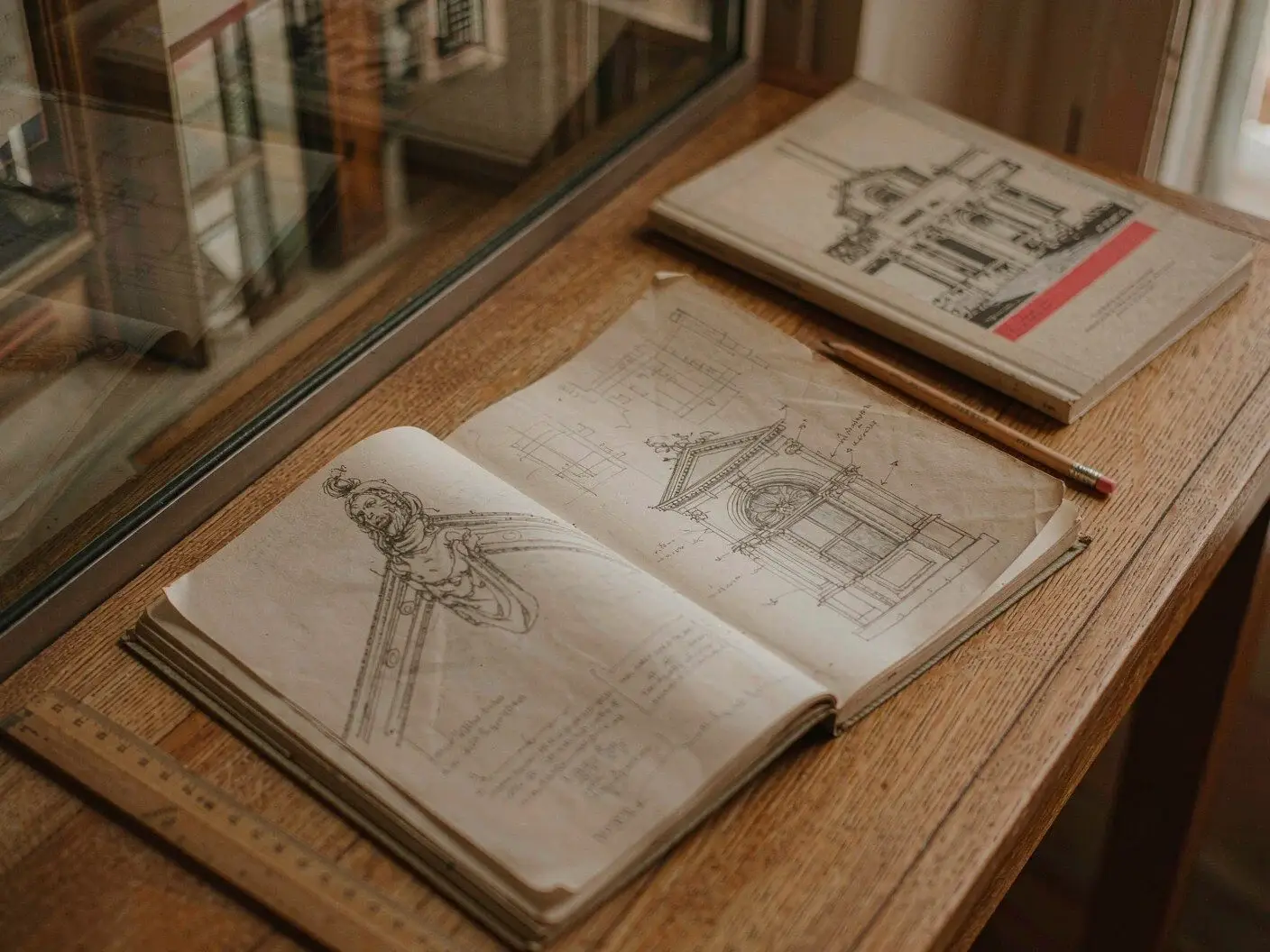
Heritage observation record
Choose one artefact, building component or hand-made piece; record material, dimensions, era, motif and location; write three unanswered questions; compile an observation card.
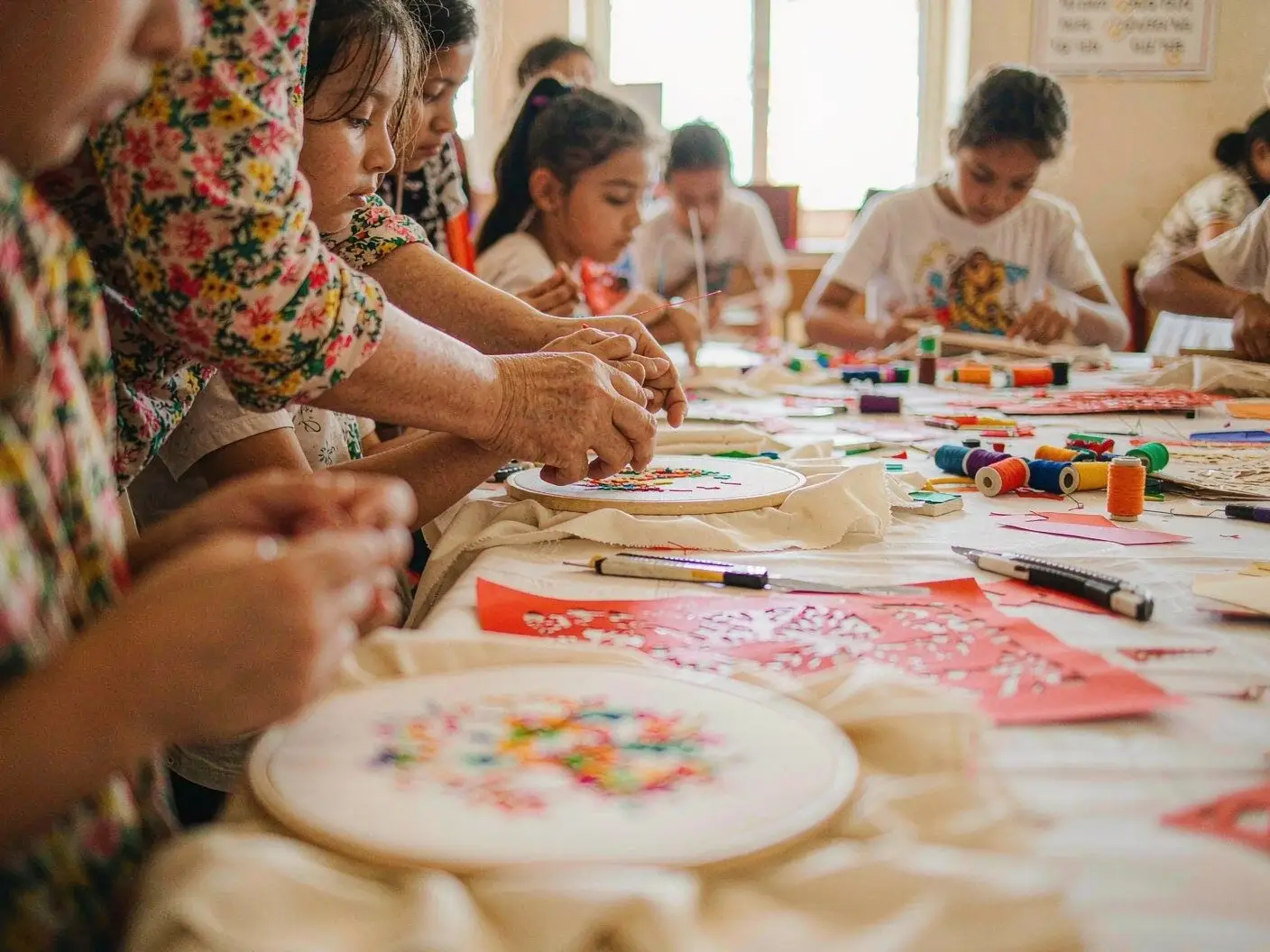
A hand-made Guangzhou piece
Choose an embroidery stitch, paper-cut, rubbing or simple weaving; note the hardest step, your corrections and how the result changed.
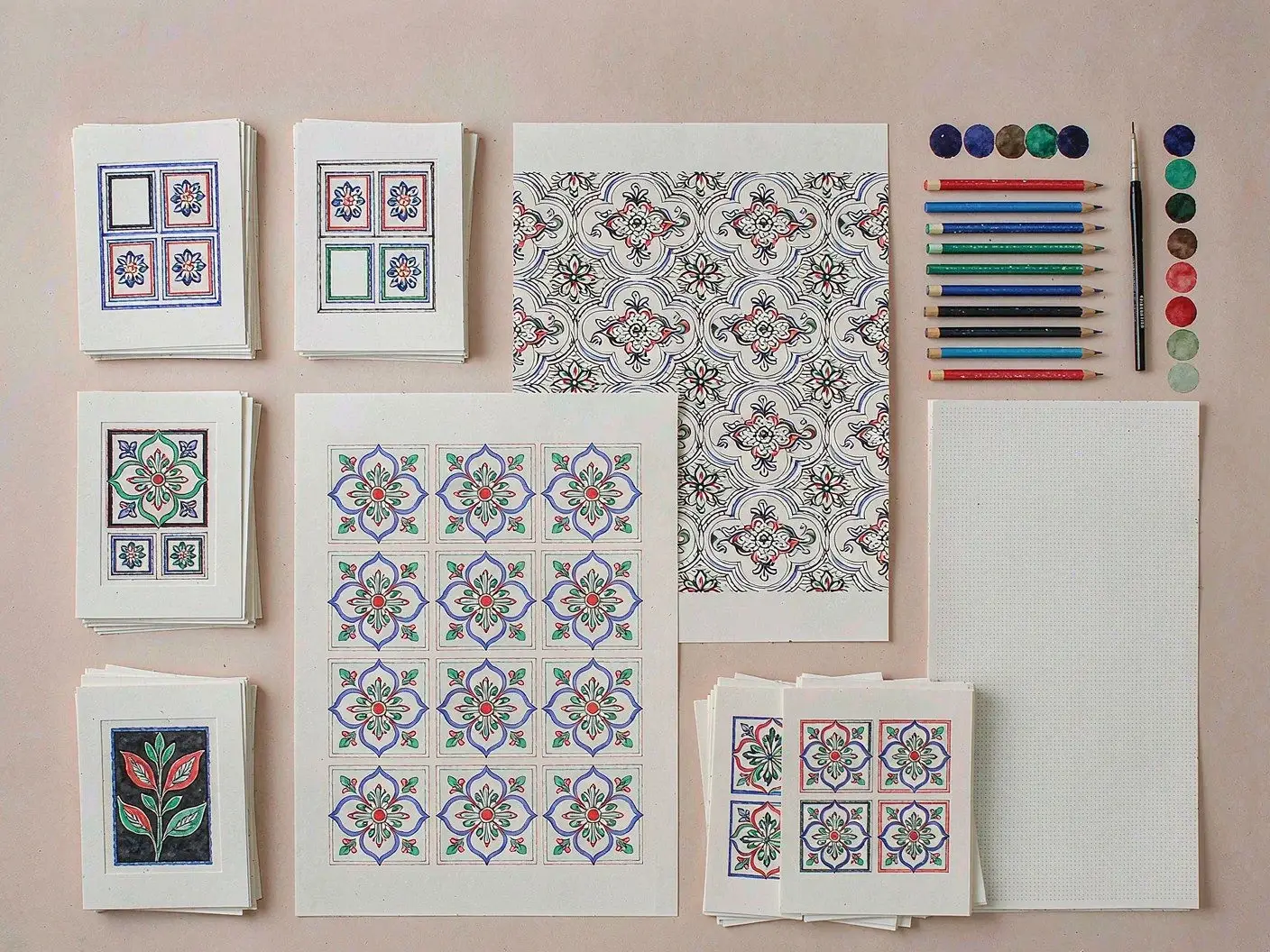
Lingnan motif design
Extract structure and rhythm from enamel or embroidery repeats, Chen Clan carving, qilou lattice or Manchu windows; add your own theme to make a repeating pattern with both a cultural source and your expression.

“My Guangzhou Brand” group
Produce a brand name, product positioning, packaging concept and three-minute talk — taking outcomes into design and expression.
One observation card + one hand-made piece + one Lingnan motif design + one group “My Guangzhou Brand” presentation — joining visiting, practice, thinking and expression into a learning loop that can be shown and reviewed.
Suggested theme combinations
| Theme | Recommended combination | Audience / scenario |
|---|---|---|
| Lingnan origins | Nanyue King Museum + Southern Han Two Mausolea + Guangzhou Museum | First study / history & archaeology |
| Maritime Silk Road emporium | South Sea Temple + Whampoa Ancient Port + Thirteen Hongs Museum | Upper primary / junior secondary / families |
| Ecology & craft observation | South China Botanical Garden + Canton enamel & Guang embroidery + Shamian | Biology, geography & architecture |
| Architecture & heritage design | Yongqing Fang + Lingnan visual design + product development | Art, design & comprehensive practice |
| Maritime heritage & city creativity | Shamian + brand project + cross-cultural making | Senior secondary / university / international |
Guangzhou study need not be tied to fixed days or standard routes. The truly tailored approach combines, by age, curriculum goals, interests and budget, six directions — Lingnan origins, the Maritime Silk Road emporium, qilou architecture, intangible craft, ecological science and international exchange — so every programme has clear learning goals and deliverable outcomes.
Ready to build your Guangzhou study programme?
Share your students’ age, curriculum goals and dates. We will tailor the field studies, hands-on workshops and outcome tasks for you.
Start PlanningZhangjiajie
Zhangjiajie at a glance
Zhangjiajie sits in northwestern Hunan. It is home to China’s first national forest park and to Wulingyuan — a World Natural Heritage site and global geopark. Quartz-sandstone peak forests, karst caves and underground rivers, Tujia and Bai folk traditions, and red-revolution sites together form a one-of-a-kind study landscape.
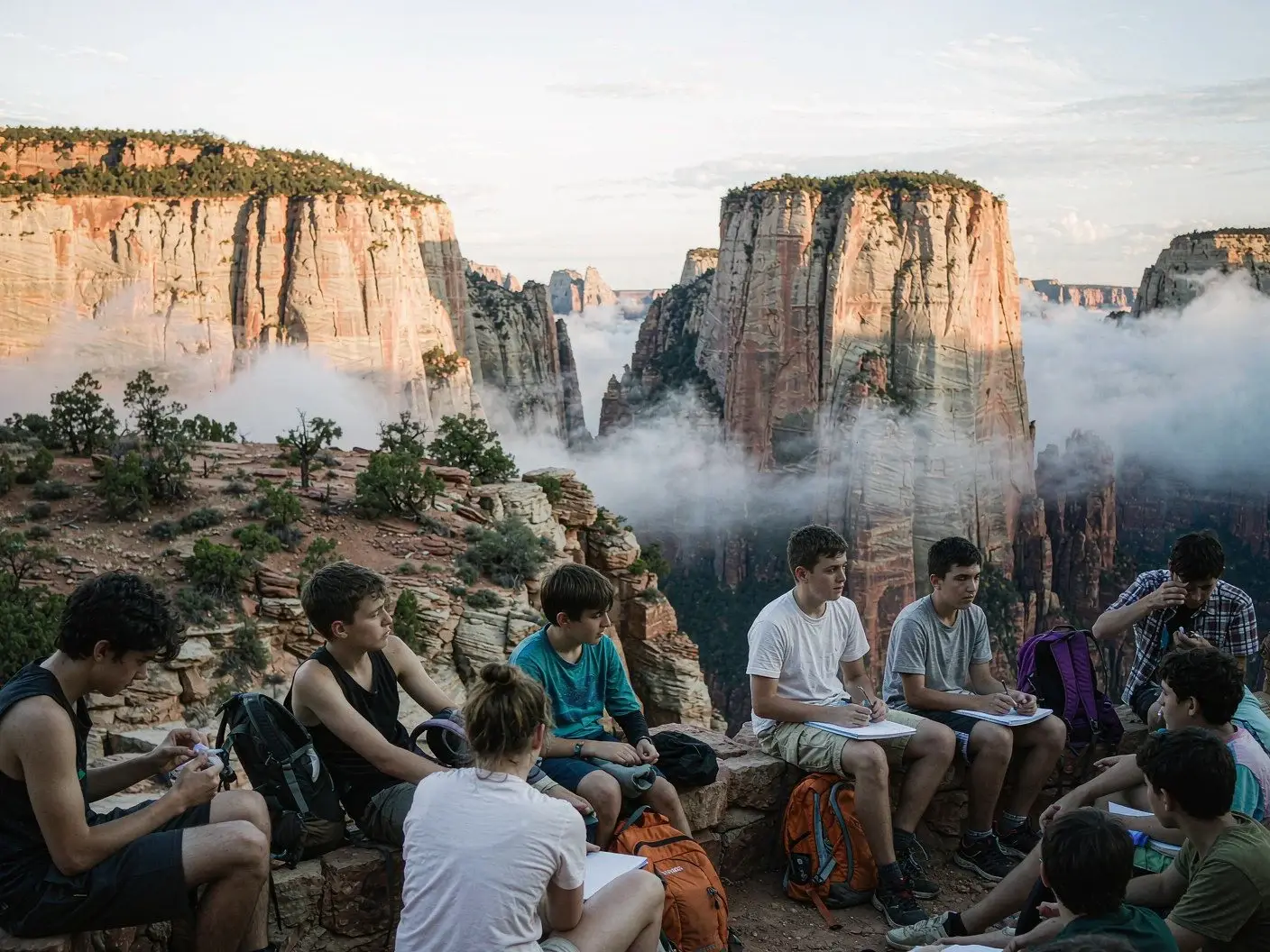
For students, the value is not simply “seeing strange peaks”. Observing, recording and experiencing turn the scenery into questions about how the landforms formed, why the ecology matters, and what the mountain peoples’ culture holds — the peaks become a living geology classroom.
Think of Zhangjiajie as an open-air geology classroom, best approached through six angles: peak-forest geology; Tujia intangible heritage; red memory; natural observation; ecological science; and creative design.
Six study keywords worth attention
Read the shape and evolution of quartz-sandstone peaks to understand how the “Zhangjiajie landform” formed.
Meet Tujia brocade, hand-waving dance, Maogusi dance and the Bai staff dance of the mountains.
Understand modern history and patriotism where the Long March set out and at revolutionary sites.
Record streams, lakes and forests to connect living things with their environment.
Read rock strata, caves, climate and vegetation to grasp the natural laws behind the scenery.
See how sandstone painting, brocade motifs and tourism products express tradition today.
Recommended priority
| Priority | Best for | Representative sites | Use case |
|---|---|---|---|
| A · Core intro | First-time study groups in Zhangjiajie | Zhangjiajie Museum, Wulingyuan core scenic area, Huanglong Cave | Landform literacy / natural basics |
| B · In-depth practice | Learners interested in geography, biology, art and folk culture | Tianmen Mountain, Golden Whip Stream, Baofeng Lake | Natural observation / ecology & geology |
| C · Creative extension | Secondary, university and international students | Tujia Folk Park, Tujia brocade, sandstone painting | Folk culture / creativity & cross-cultural |
The cultural background to Zhangjiajie study
2.1 · From Dayong to Zhangjiajie: the making of a mountain city
Zhangjiajie was long called Dayong, deep in the Wuling Mountains. In September 1982 it became China’s first national forest park; a prefecture-level Dayong City was set up in 1988 and renamed Zhangjiajie in 1994. The city’s renaming and growth are themselves a contemporary history from forestry and water works to tourism — an ideal first lesson in study.
2.2 · The Tujia and the Sangzhi Bai: roots of a mountain people
Zhangjiajie is a Tujia homeland; stilt houses, Maogusi dance, hand-waving dance and suona ensembles give it a distinct mountain culture. Sangzhi County is also home to Bai people who migrated from Dali in Yunnan at the end of the Song and start of the Yuan, their staff dance bold and vigorous. Long coexistence of many peoples gives local buildings, songs and festivals a unique mountain character.
2.3 · Quartz-sandstone peak forest: “Zhangjiajie landform”
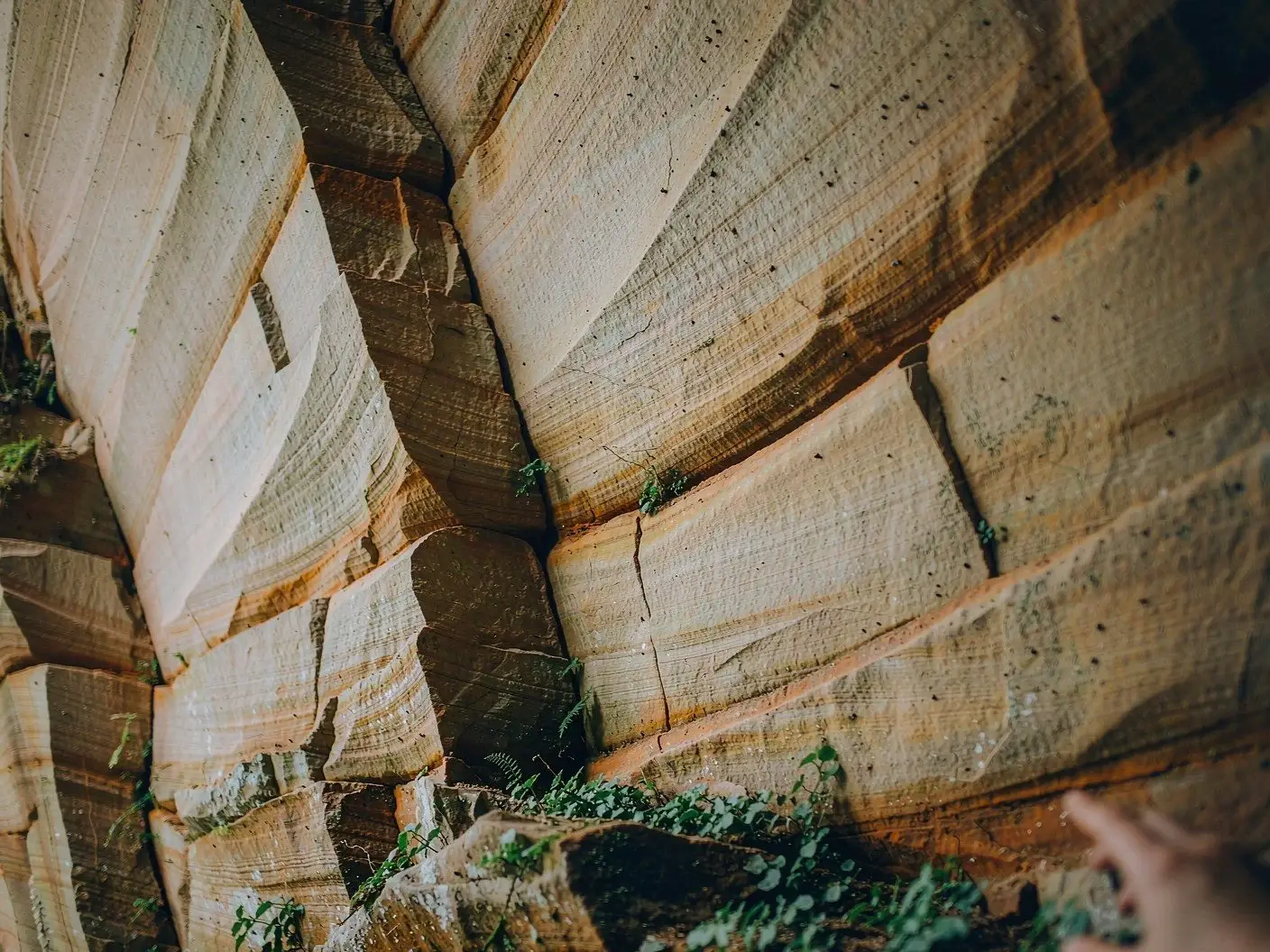
Wulingyuan’s peaks rise on massive quartz sandstone laid down about 380 million years ago. Platforms, mesas, peak walls, peak forests and residual forests record landform evolution almost in full; the International Association of Geomorphologists named it the “Zhangjiajie landform”. In 1992 Wulingyuan joined the World Heritage List for its exceptional natural aesthetic value and became the standard case for studying sandstone landforms.
2.4 · Forest, streams and biodiversity
With a mid-subtropical mountain monsoon climate, Zhangjiajie records 2,018 vascular plant species and 368 terrestrial vertebrate species. Forests, valleys and wetlands shelter wildlife, giving “seeing mountains” an added thread of observing plants, identifying birds and animals, and recording the environment.
2.5 · From scenic-area development to culture-and-tourism integration
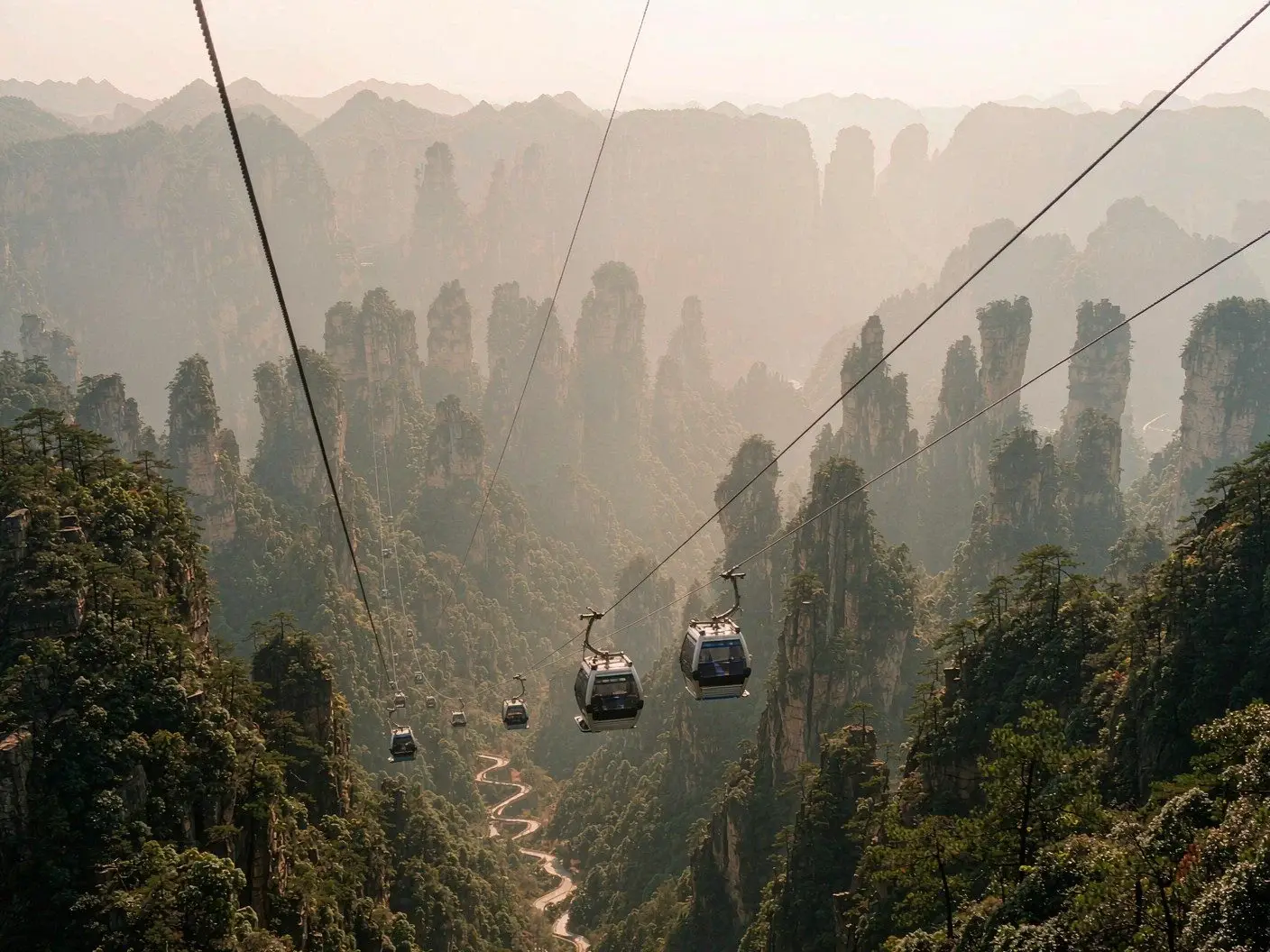
From the 1982 national forest park, to one of the first global geoparks in 2004, to today’s cableways, outdoor lifts and glass bridge, Zhangjiajie has always balanced “protection” and “use”. Watching how these facilities respond to mountain terrain is a direct way into the tourism industry and engineering technology.
Six core study recommendations
The six first-priority stops for a Zhangjiajie study programme.
Zhangjiajie Museum
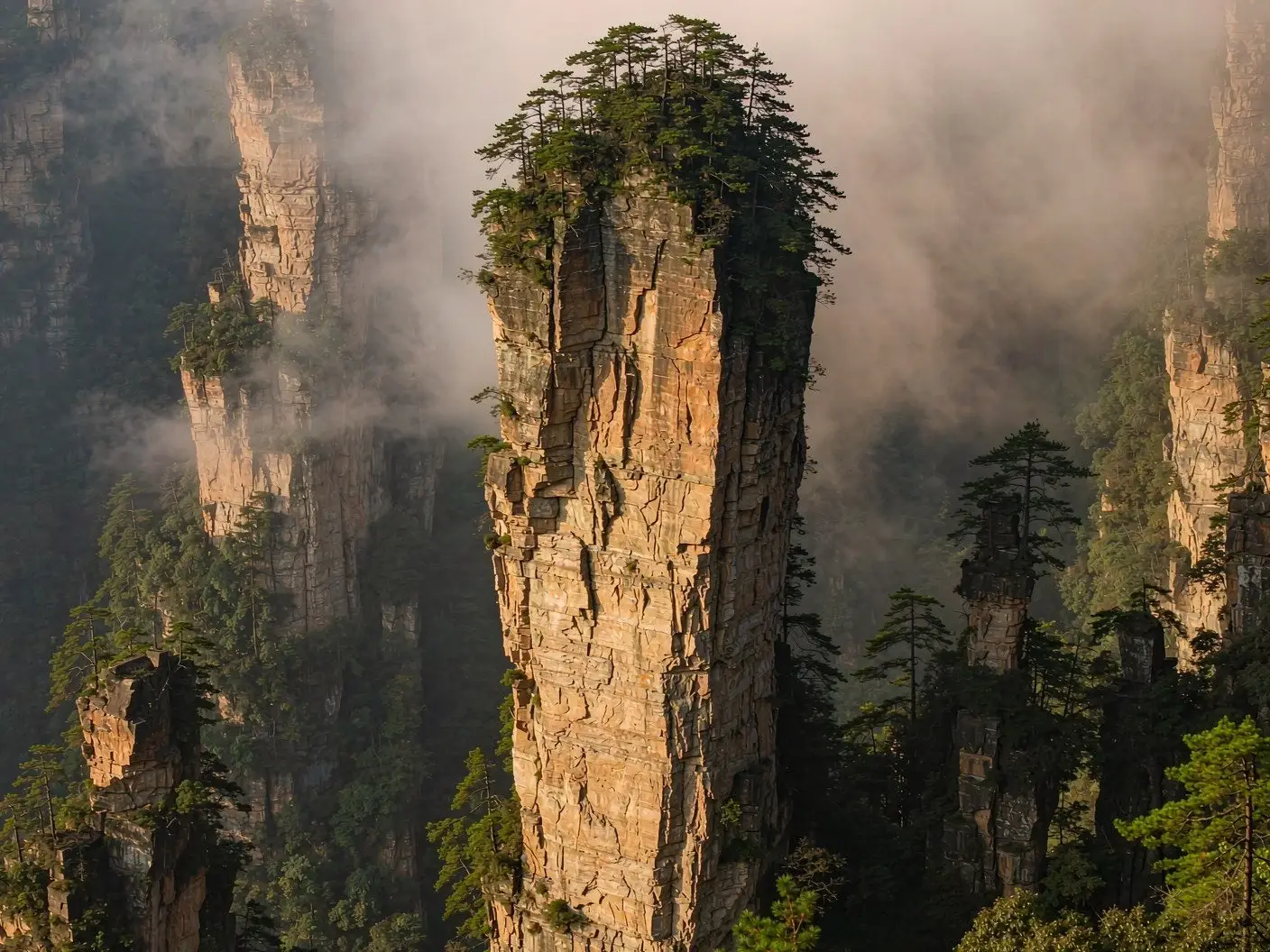
Zhangjiajie National Forest Park (Wulingyuan)
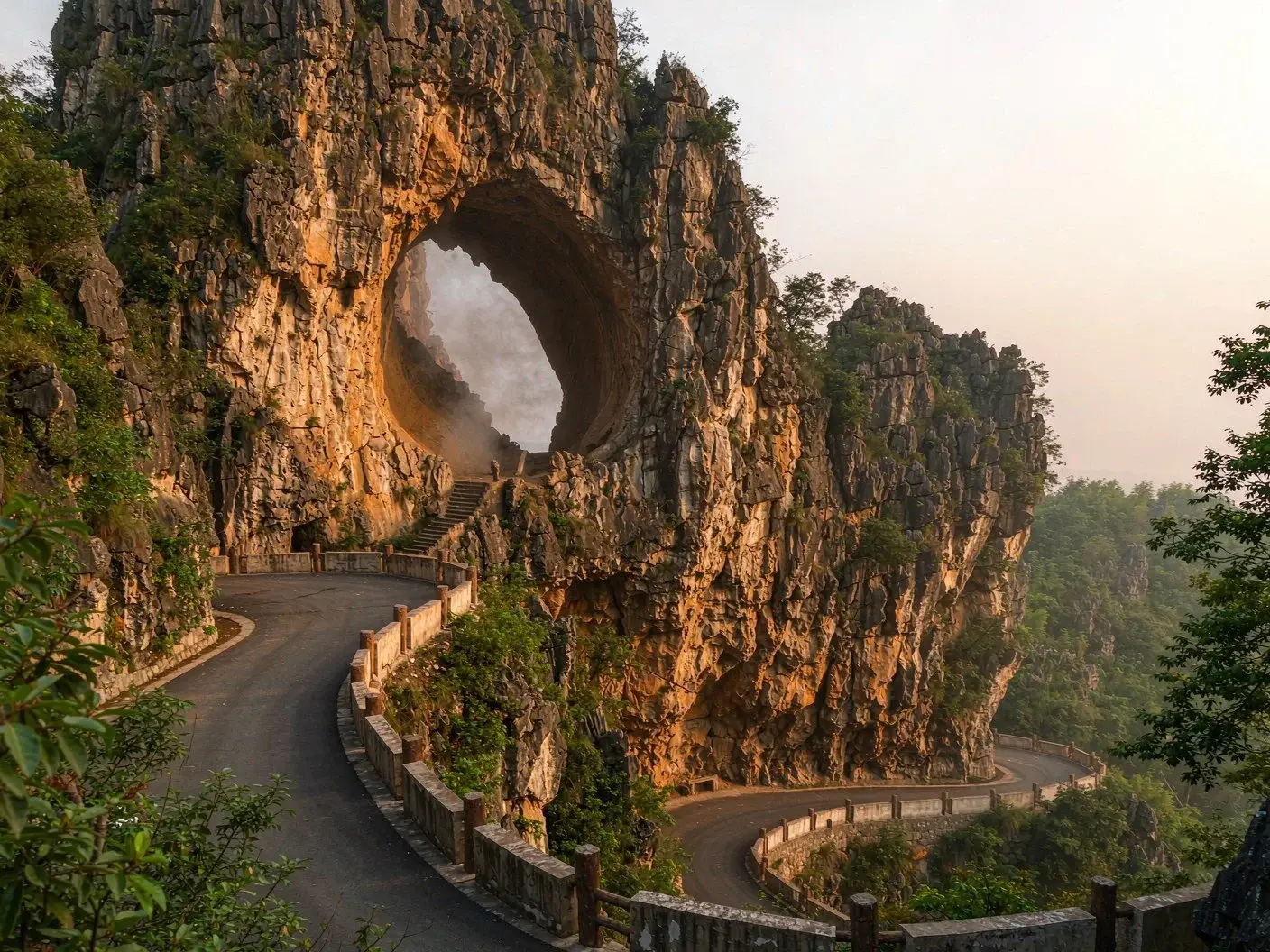
Tianmen Mountain
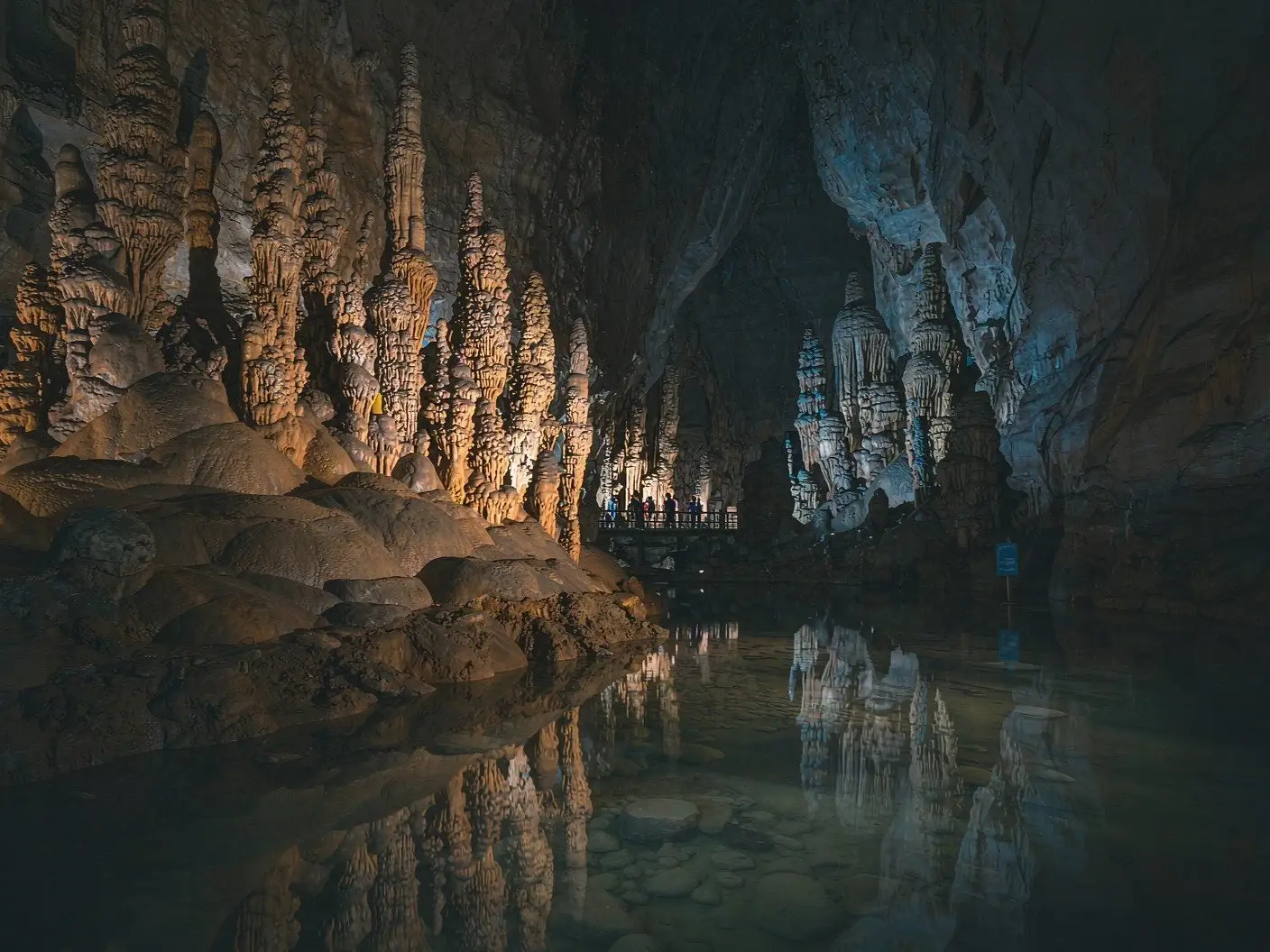
Huanglong Cave (Yellow Dragon Cave)
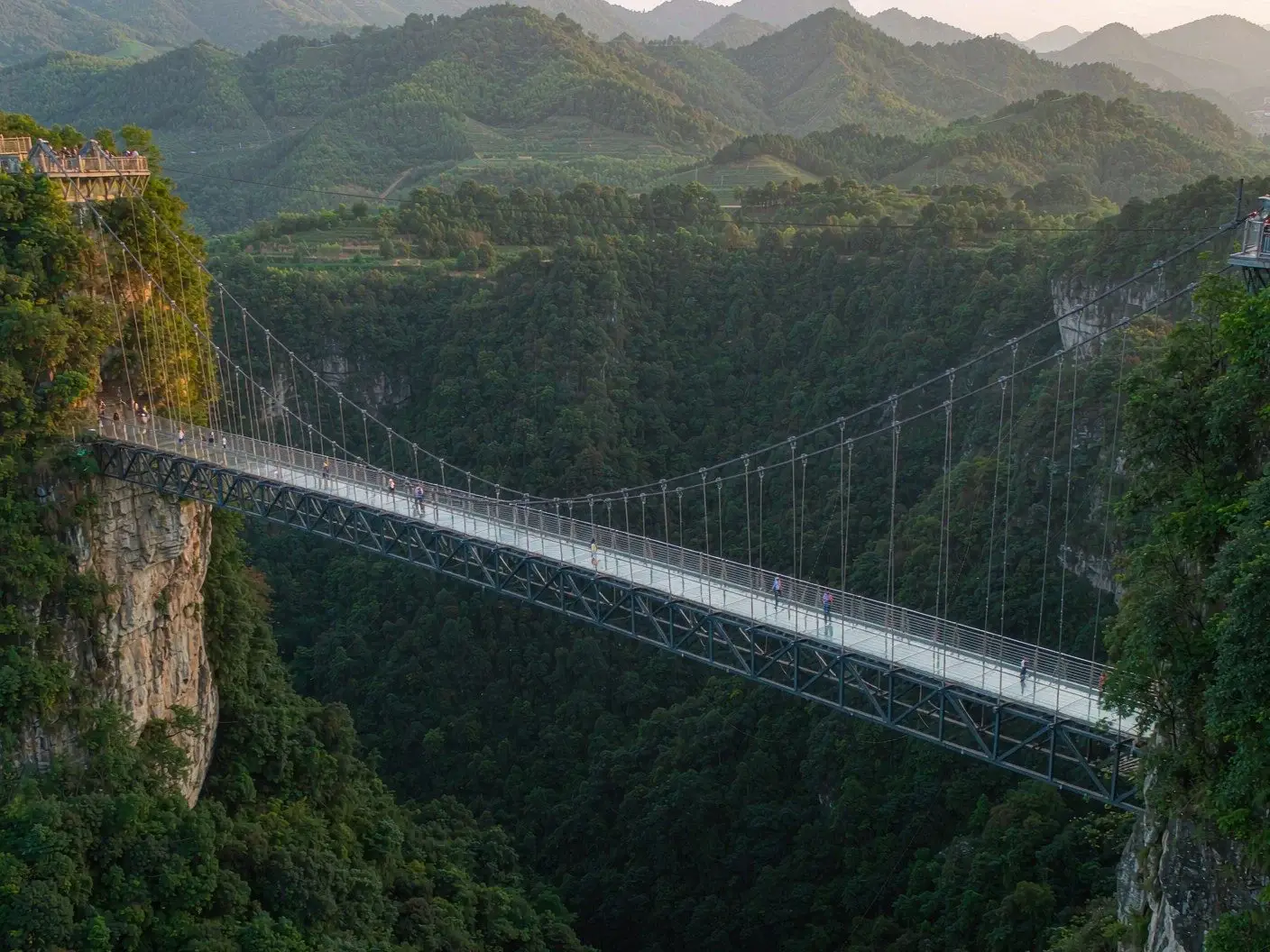
Zhangjiajie Grand Canyon Glass Bridge
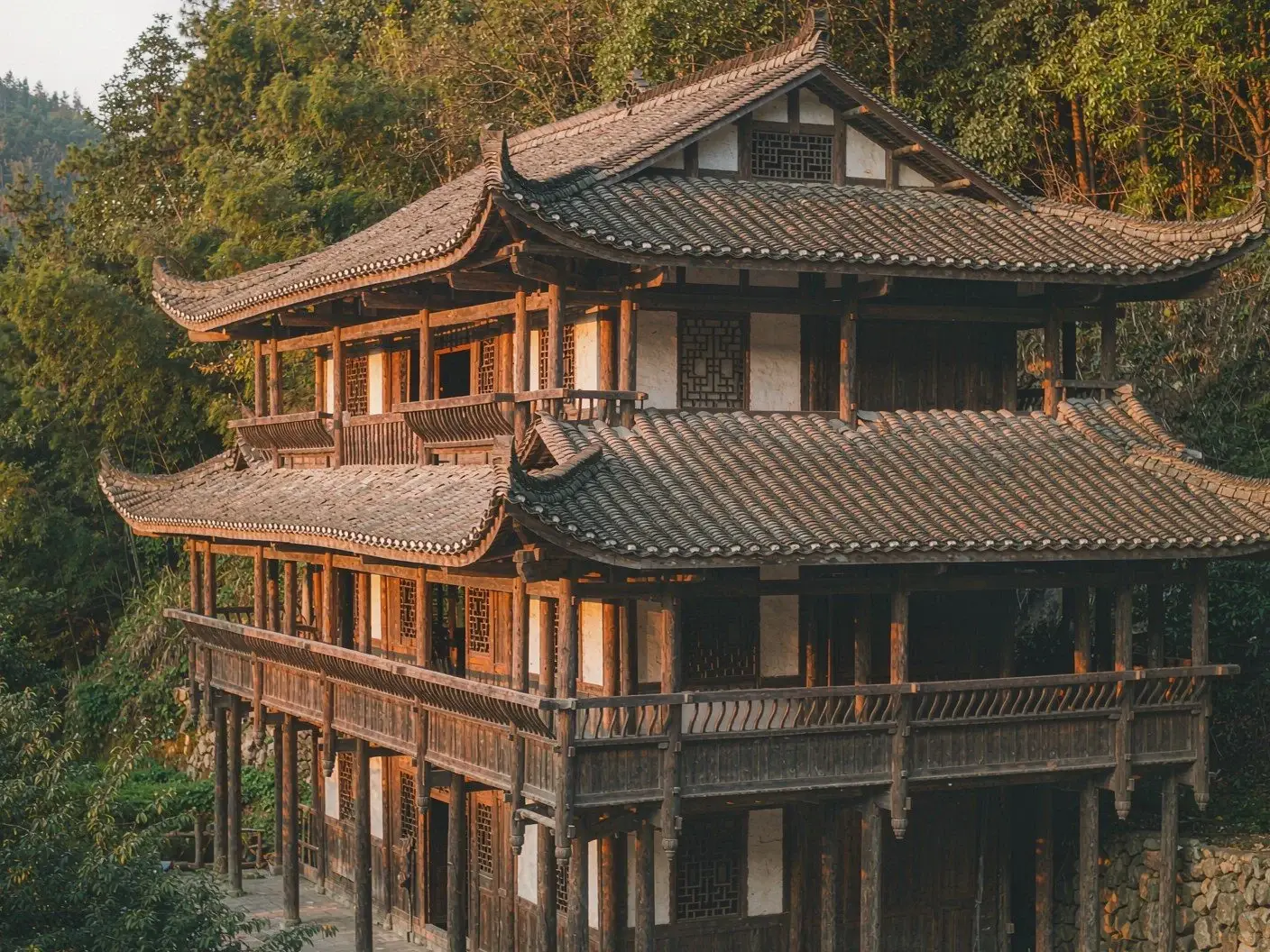
Tujia Folk Park (Yongding Tusi Walled City)
Six in-depth study extensions
Longer, more specialised studies for groups with clear interests.
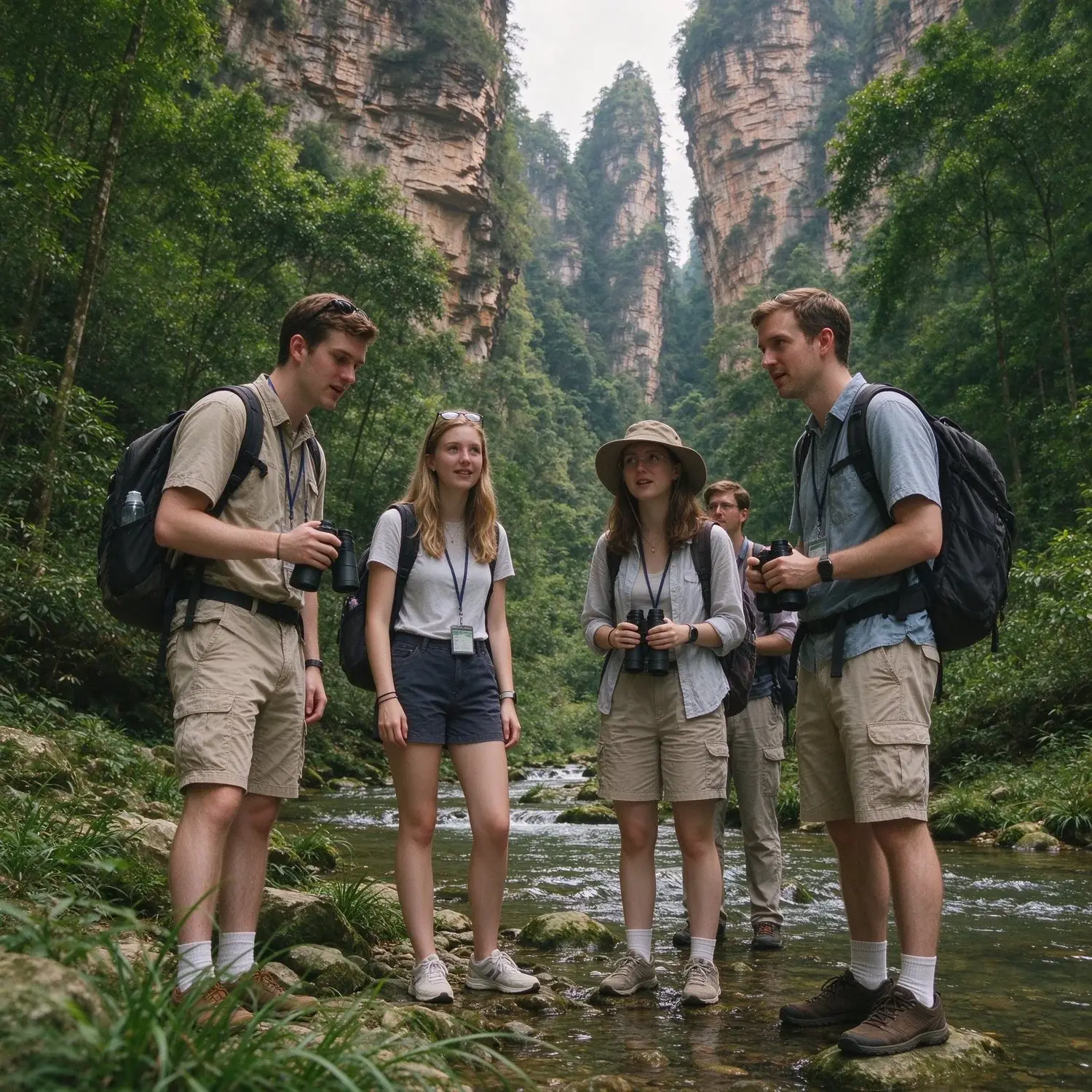
Golden Whip Stream
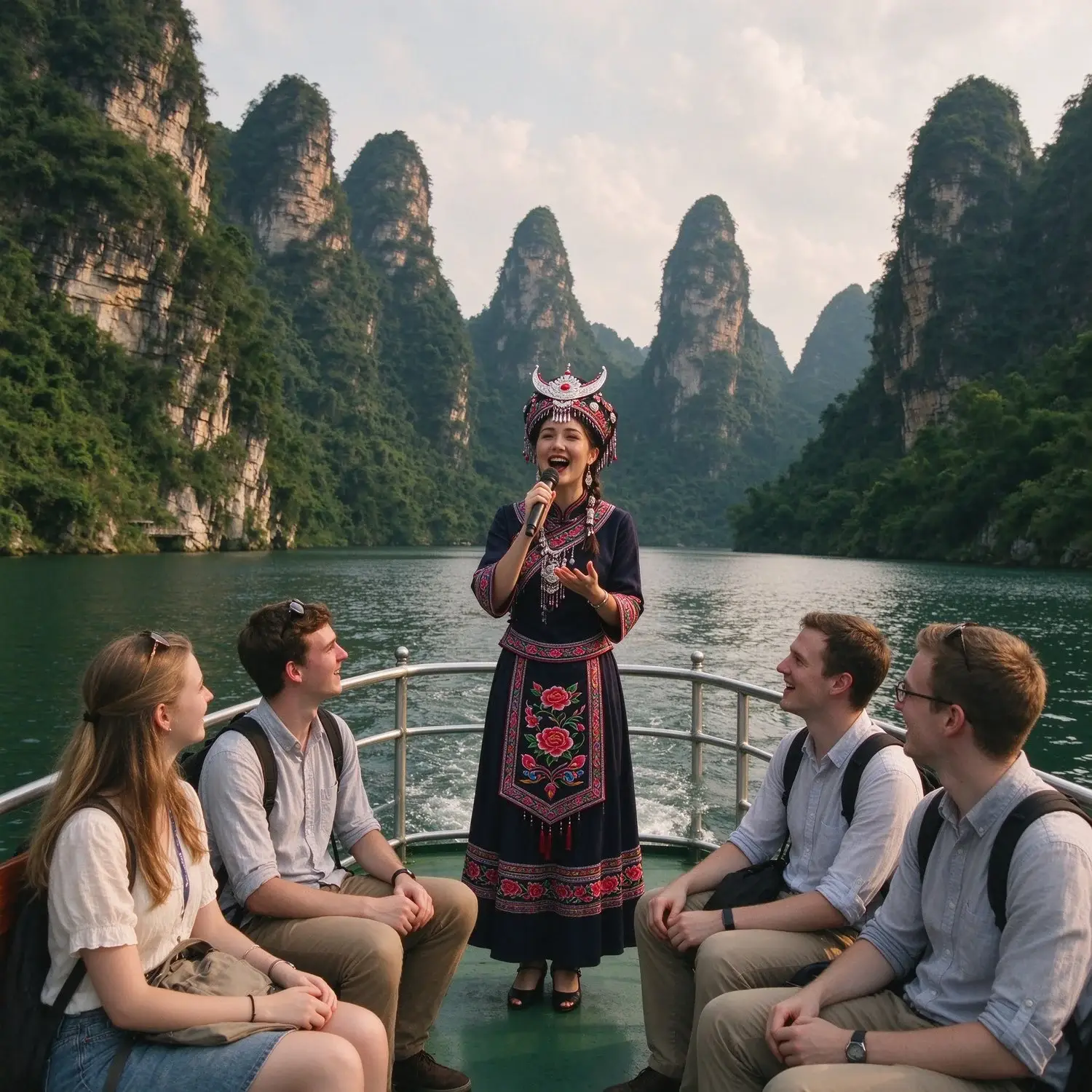
Baofeng Lake
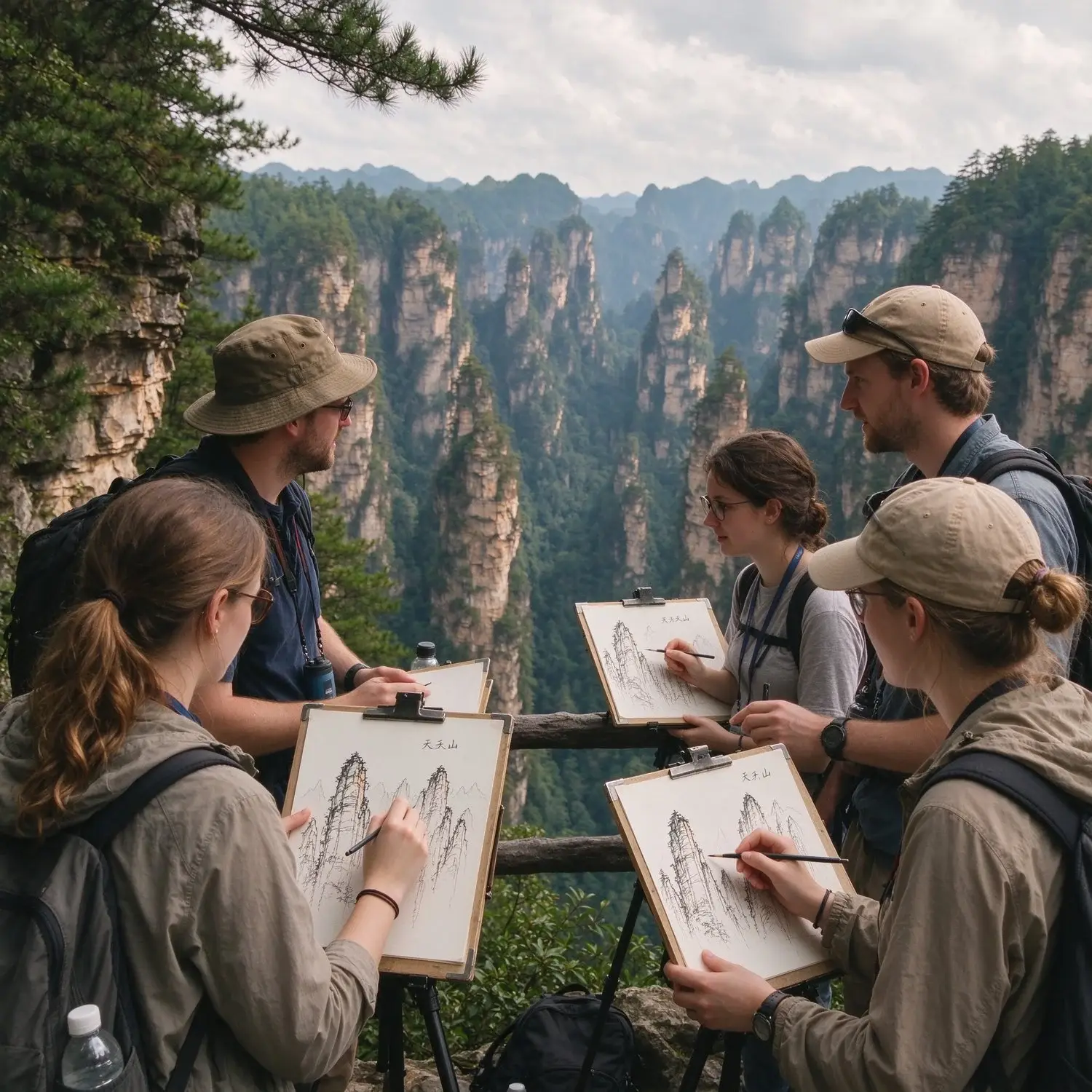
Ten-Mile Gallery
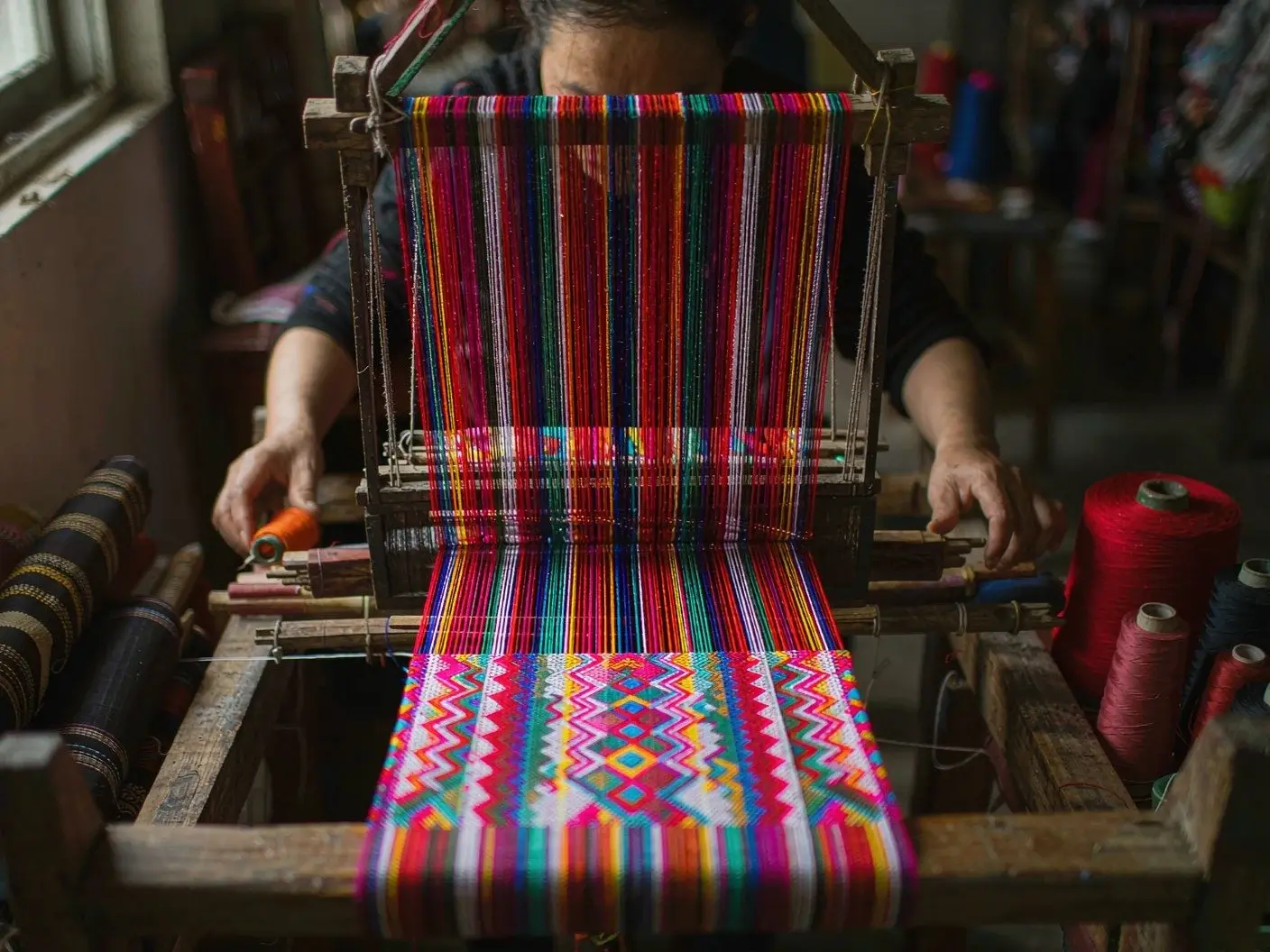
Tujia Brocade (Xilankapu) workshop
Second Front Red Army Long March departure, Sangzhi
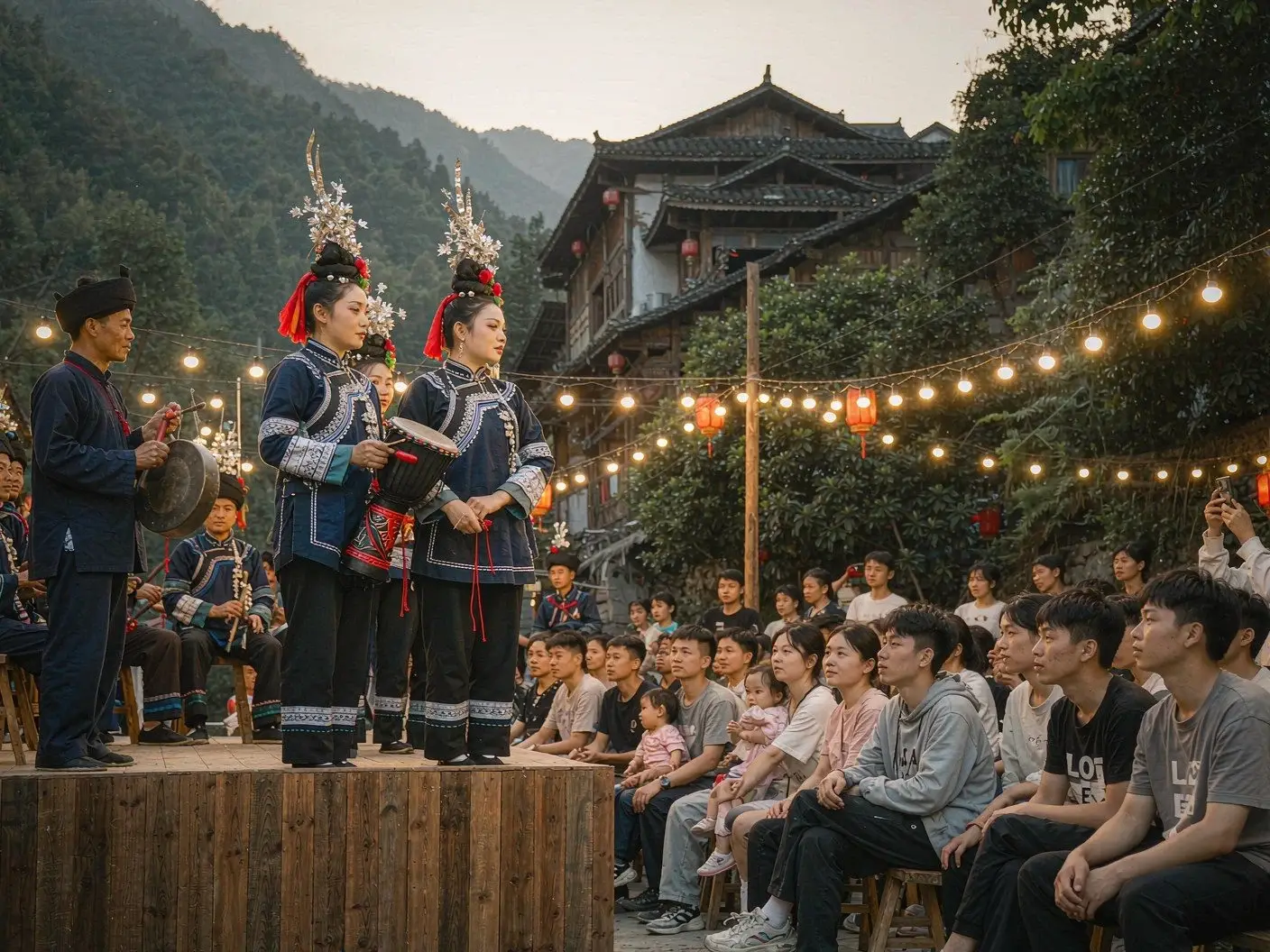
Sangzhi Folk Songs and Zhangjiajie Yang Opera
Creative practice and integrated skills
Projects that turn observation into original student work.
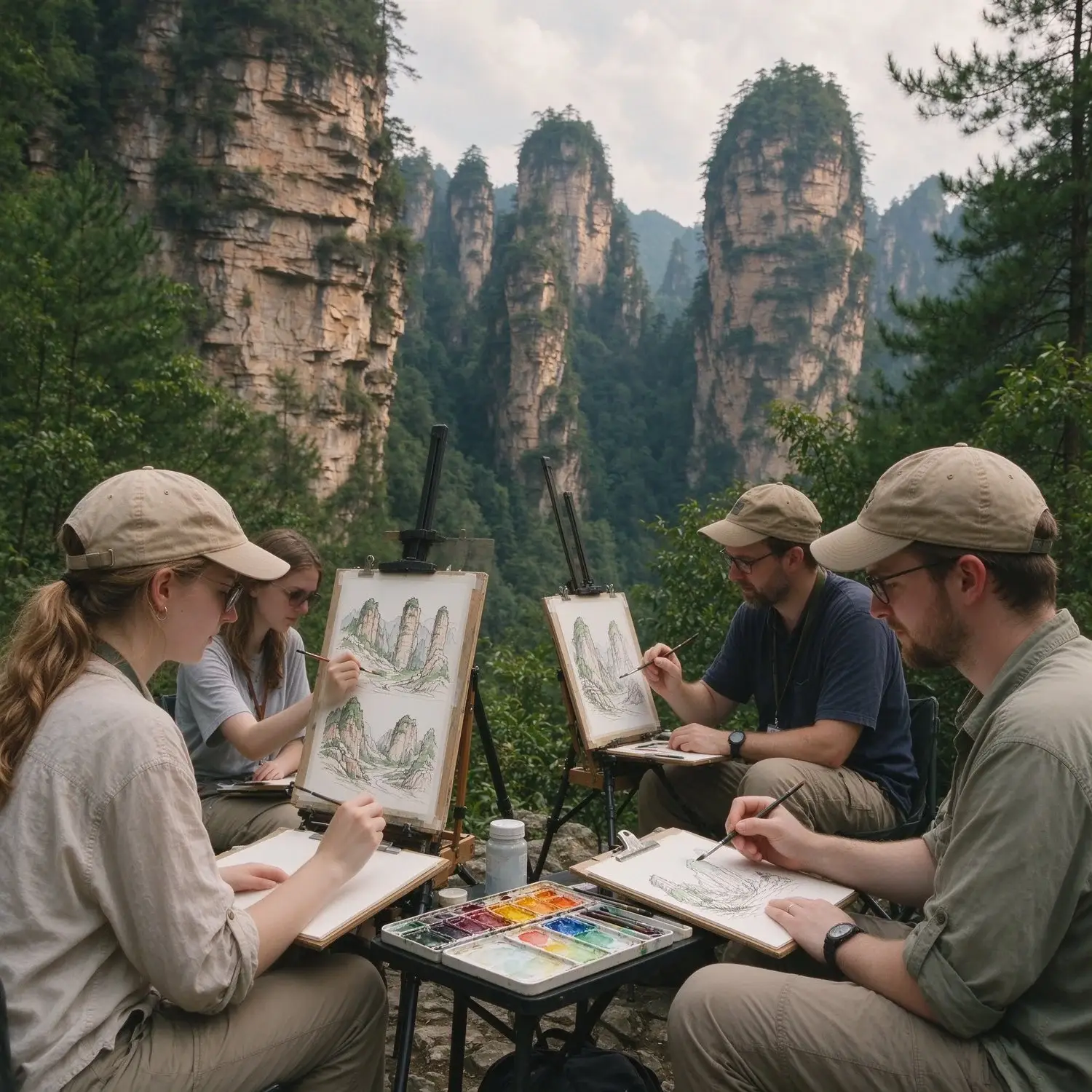
Peak-forest sketching and landform recording
Sandstone painting and local-material creation
“My Zhangjiajie Brand” project
World Natural Heritage and cross-cultural exchange
Outcomes and practical tasks
The value of Zhangjiajie study is not how many trails are walked, but whether students leave behind outcomes of observation, recording, thinking and making. Turn every resource point into a task that can be recorded, presented and reviewed.
Natural & heritage observation record
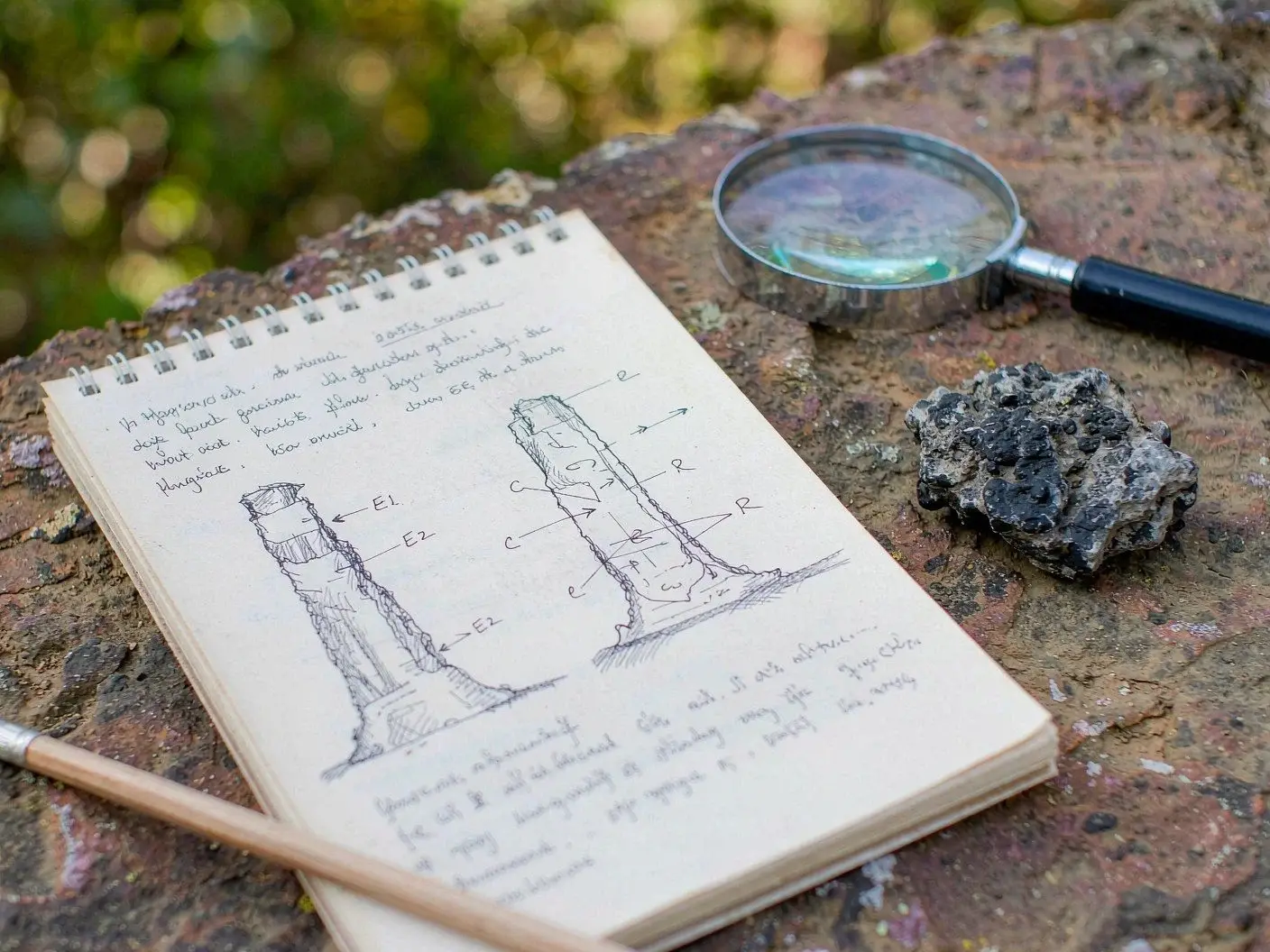
Choose one landform, object or plant at a site, museum or old village; record form, rock type, name, location and your own questions; compile an observation card.
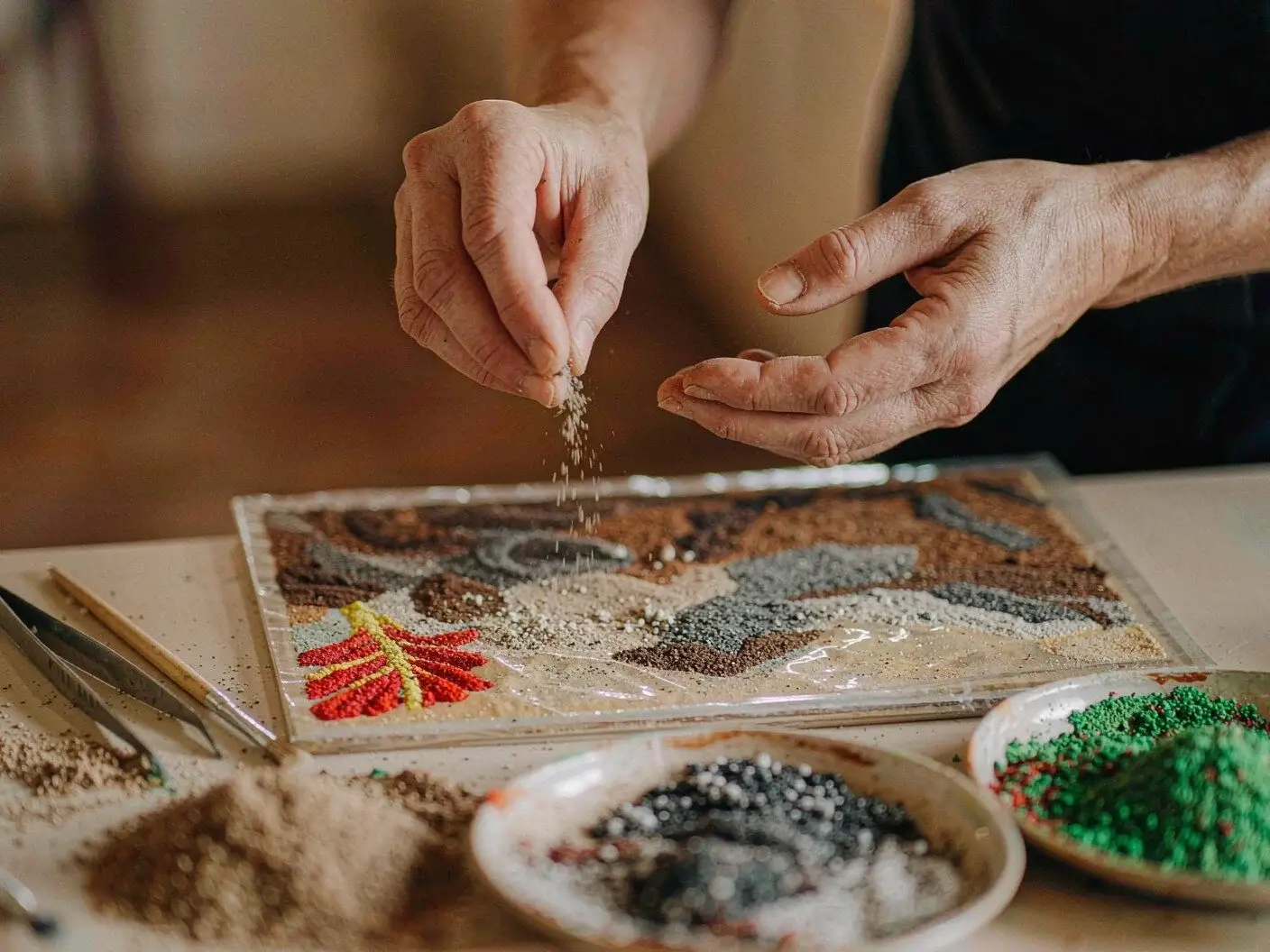
A hand-made piece
Choose sandstone painting, rubbing, a brocade sample or paper-cut and dyeing; note the hardest step, your corrections and how the result changed.
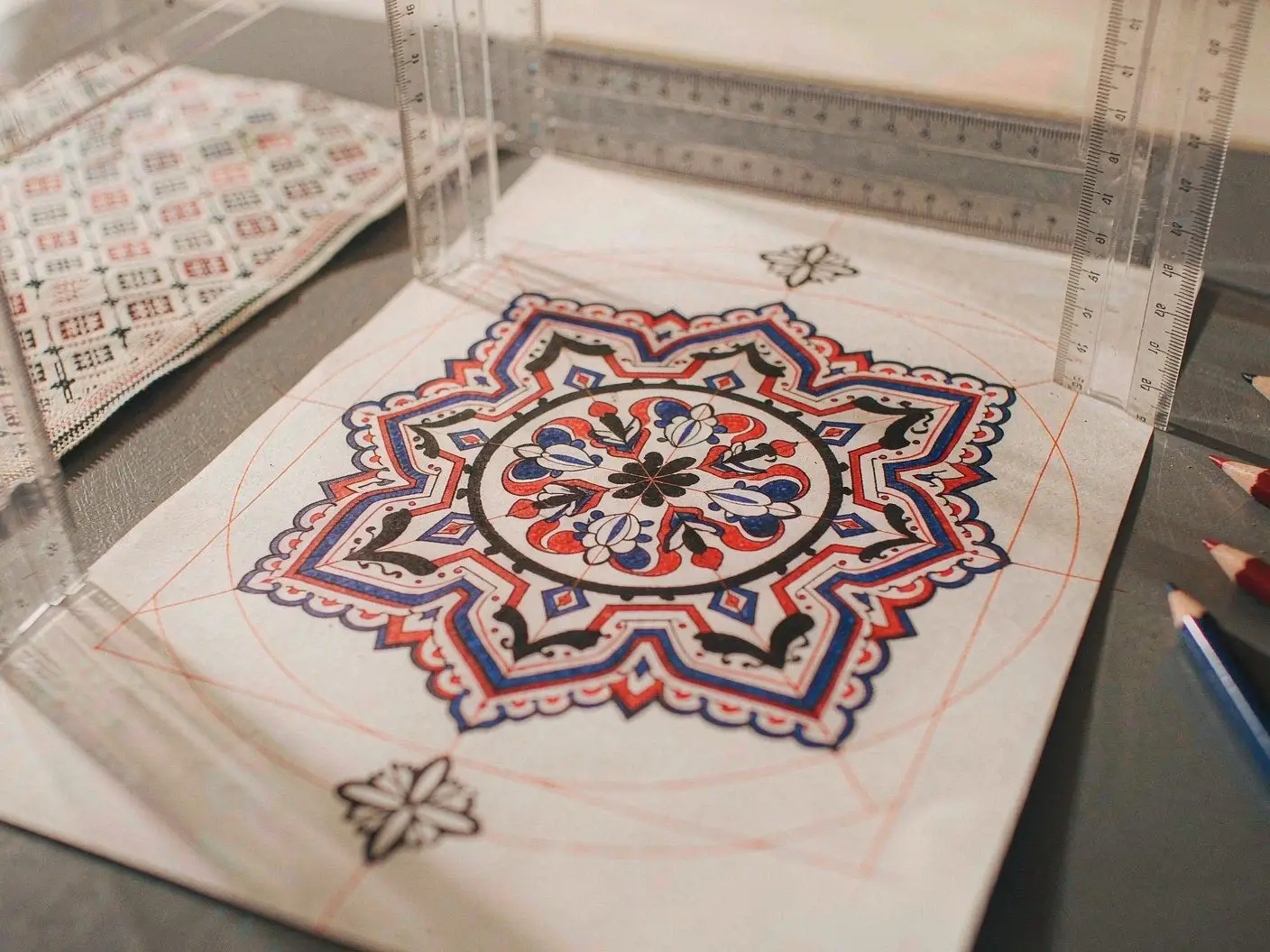
Tujia motif & visual design
Extract structure and rhythm from Xilankapu geometry, stilt-house windows and frames, Bai embroidery colours or peak outlines, then add your own theme to make a repeating pattern.
“My Zhangjiajie Brand” group
Produce a brand name, product positioning, packaging concept and three-minute talk — taking outcomes into design and expression.
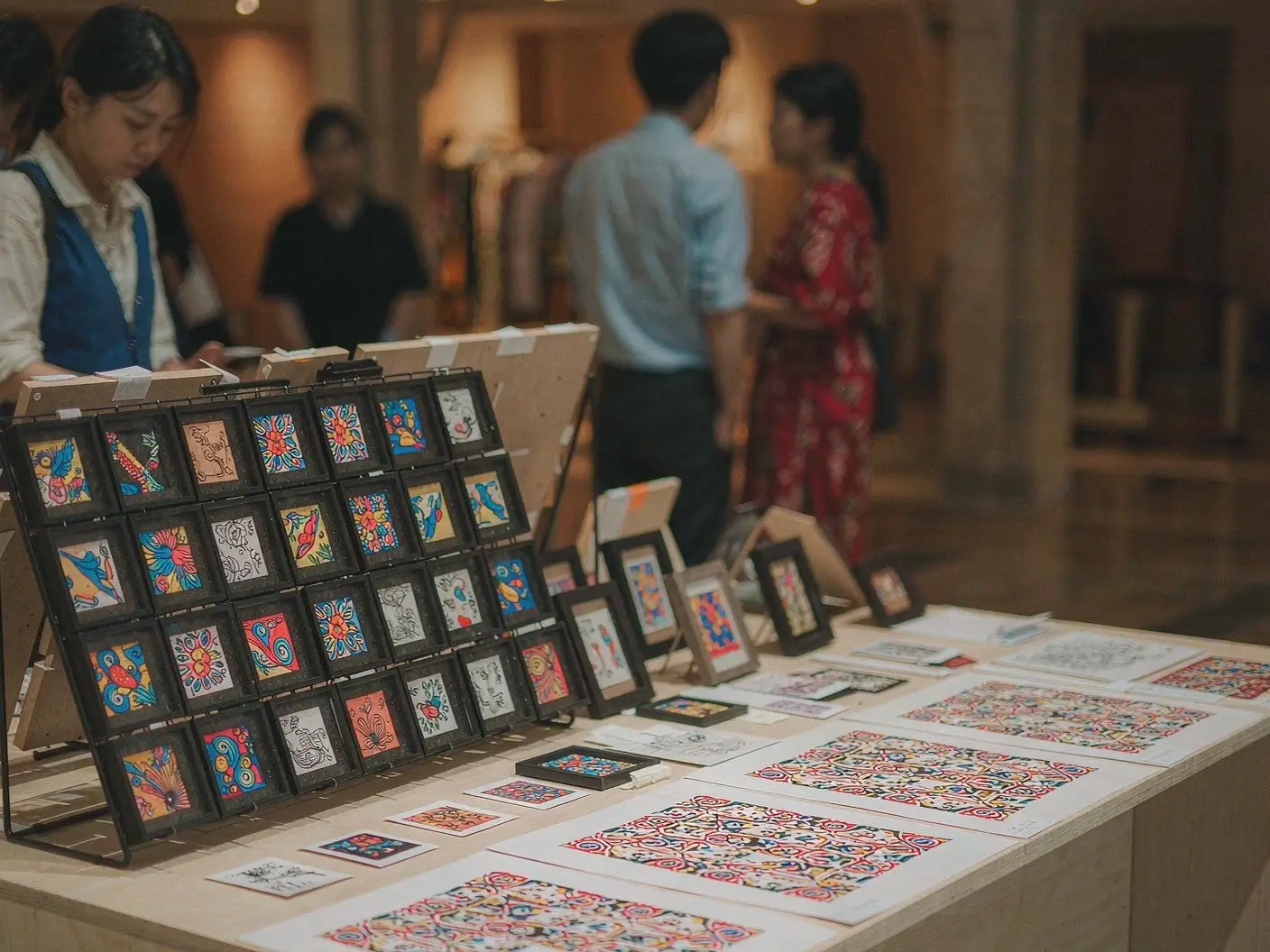
One landform-and-ecology observation record + one hand-made piece + one ethnic-motif design + one group “Zhangjiajie Brand” presentation — joining field study, hands-on practice, thinking and expression into a learning loop that can be shown and reviewed.
Suggested theme combinations
| Theme | Recommended combination | Audience / scenario |
|---|---|---|
| Peak-forest geology | Zhangjiajie Museum + Wulingyuan core + Huanglong Cave | First study / geography & nature courses |
| Tujia intangible heritage | Tujia brocade + Sangzhi folk songs + hand-waving dance | Upper primary / junior secondary / families |
| Nature inquiry | Golden Whip Stream + Baofeng Lake + Ten-Mile Gallery | STEM / secondary |
| Creative design | Sandstone painting + peak sketching + product development | Art, design & integrated practice |
| Heritage & international exchange | Tujia Folk Park + scenic research + brand project + cross-cultural making | Senior secondary / university / international |
Zhangjiajie study need not be tied to fixed days or standard routes. The truly tailored approach combines, by age, curriculum goals, interests and budget, six directions — peak-forest geology, folk culture, natural observation, red memory, creative design and international exchange — so every programme has clear learning goals and deliverable outcomes.
Ready to build your Zhangjiajie study programme?
Share your students’ age, curriculum goals and dates. We will tailor the field studies, hands-on workshops and outcome tasks for you.
Start PlanningChengdu
Chengdu at a glance
Chengdu sits in the centre of Sichuan, on the Chengdu Plain — the heart of ancient Shu civilisation on the upper Yangtze and today one of China’s national central cities. Around 4,500 years ago the ramparts of Baodun rose on the plain; later Sanxingdui and Jinsha took ancient Shu to the height of the Bronze Age. In 256 BCE Li Bing built Dujiangyan, and in the Han the brocade garrison gave the city its name “Brocade City”. Shu Han made it a capital; Du Fu lived by the Huanhua Stream for nearly four years.
What is most special for students is the word “continuous”: on the same land, prehistoric ramparts, an irrigation scheme, shrines and temples, old courtyard streets and a giant-panda reserve lie stacked in layers. One study trip can string civilisational origins, engineering, literary taste and ecological care into a single line.
Think of Chengdu as an open “book of ancient Shu”, best approached through six angles: the origins of ancient Shu; hydraulic engineering; literary heritage; intangible-heritage craftsmanship; ecological science; and urban creativity.
Six study keywords worth attention
From Baodun and Sanxingdui to Jinsha, trace the rise of ancient Shu from settlement to royal capital.
Through Dujiangyan’s three works, see how a damless diversion made the “Land of Abundance”.
At Wuhou Shrine and Du Fu Thatched Cottage, read Three Kingdoms history and the poet’s Chengdu.
Meet Shu brocade, Shu embroidery, Chengdu lacquerware and silver filigree still in practice.
From the panda base to the natural history museum, grasp species conservation and Earth evolution.
From Kuanzhai Alley to Eastern Suburb Memory, watch how old streets and old factories are reused.
Recommended priority
| Priority | Best for | Representative sites | Use case |
|---|---|---|---|
| A · Core intro | First-time study groups in Chengdu | Chengdu Museum, Jinsha Site, Dujiangyan | Ancient-Shu literacy / literary basics |
| B · In-depth practice | Learners interested in archaeology, history, literature and engineering | Sanxingdui, Wuhou Shrine, Panda Base | Archaeological observation / ecology & craft |
| C · Creative extension | Secondary, university and international students | Kuanzhai Alley, Eastern Suburb Memory, heritage workshops | Design creativity / international communication |
The cultural background to Chengdu study
2.1 · From Baodun ancient city to the Land of Abundance
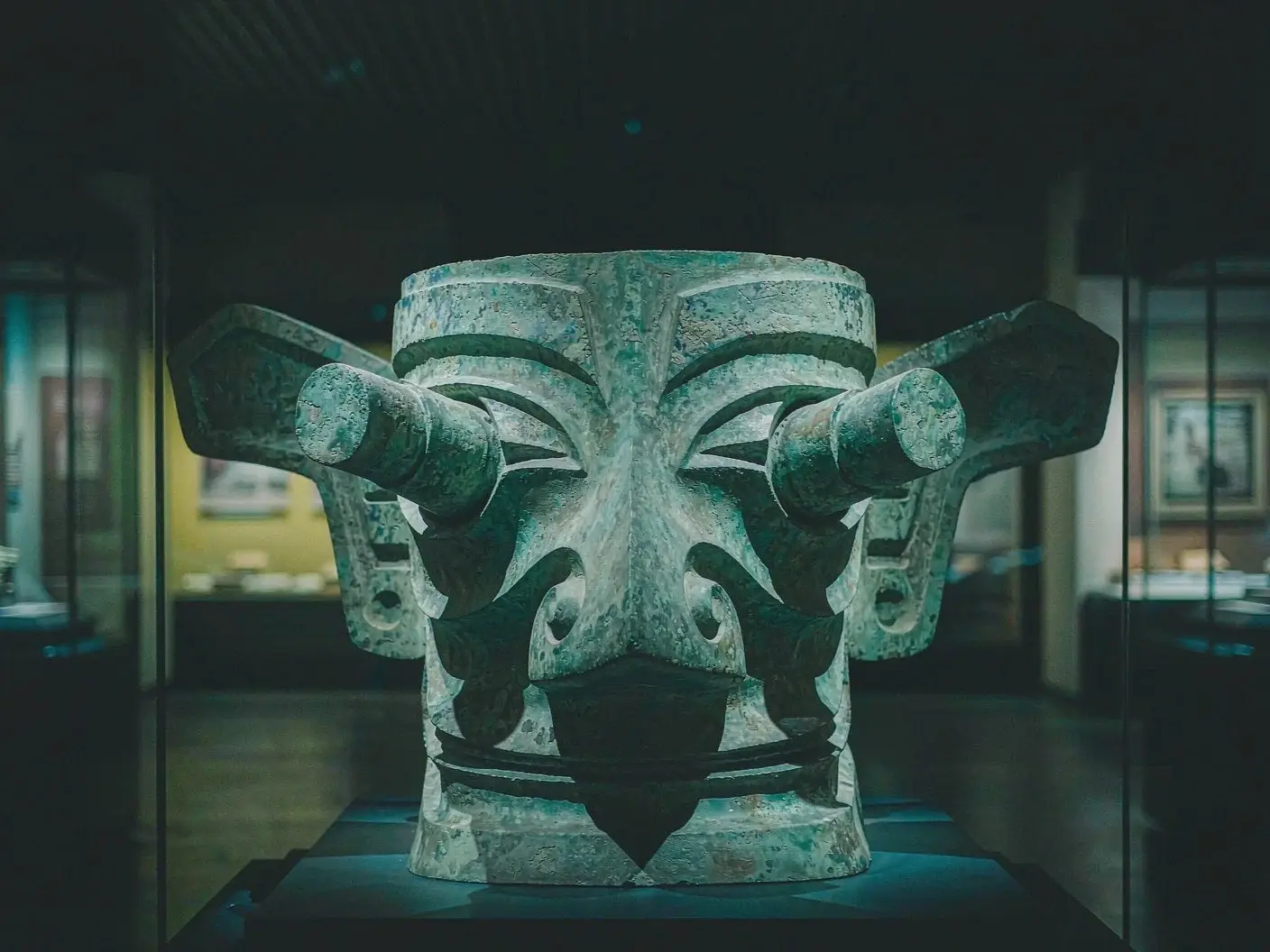
Chengdu’s history begins with recognising an “earth ridge”. In 1995 archaeologists cut into mounds locals called “Baodunzi” and found rammed-earth walls — a Neolithic city of about 4,500 years. Seven more prehistoric cities followed on the plain, together named “Baodun culture”; Baodun itself, with double walls, is the largest and highest-status prehistoric city on the upper Yangtze. Ancient Shu then peaked at Sanxingdui and continued at Jinsha, where the Sun and Immortal Bird gold ornament shows mature goldwork and a vivid sun cult. After Qin conquered Shu in 316 BCE, Zhang Yi built the “Turtle City”; Li Bing’s Dujiangyan made the plain “free from flood and drought”. Rarely for any city, Chengdu’s site and name have stayed basically unchanged for over two millennia — the Donghuamen site, stacked with Han-Sui, Tang-Song and Ming layers, proves the city “has always been here”.
2.2 · Dujiangyan and the making of the Land of Abundance
The plain became the “Land of Abundance” first of all because of water, and of the people who tamed it. Around 256 BCE Li Bing used a damless diversion to solve three problems at once: the Fish Mouth divides the river, the Flying Sand Weir spits flood and sediment back out, and the Baopingkou — an artificial channel cut through the mountain — is the system’s intake. Placed on a bend in the Min River, the three works rely on natural terrain and current, an auto-operating irrigation and sediment system with no dam at all. In 2000 Mount Qingcheng–Dujiangyan joined the World Heritage List; today the irrigation district covers eight cities and over 11 million mu, the largest in China. An engineering from 2,000 years ago still running at full load is itself the best textbook.
2.3 · Three Kingdoms relics and a poet’s shrine
Two places anchor Chengdu’s literary line. Wuhou Shrine, begun in AD 223, honours Zhuge Liang and Liu Bei and is the only temple in China where ruler and minister are worshipped together; its “Tablet of Three Wonders” — text by Pei Du, calligraphy by Liu Gongchuo, carving by Lu Jian — is a first-grade relic. Du Fu Thatched Cottage is where the poet lived from 759 and wrote over 240 poems, including “The Cottage Unroofed by the Autumn Wind”. One tells of a statesman who “gave his all”; the other of a poet who was never absent through a life of upheaval — together they give two Chinese visions of home-and-country and the poetic heart.
2.4 · Shu brocade, Shu embroidery and Chengdu craftsmanship
Chengdu’s other name is “Brocade City”. In the Han a brocade office was set up for Shu brocade — the only Chinese city named for brocade. Both Shu brocade weaving and Shu embroidery joined the first national intangible-heritage list, and the wider “Chinese sericulture and silk craft” is on UNESCO’s representative list. The Chengdu Shu Brocade and Embroidery Museum, on the site of a near-70-year-old factory, keeps small wooden drawlooms weaving on site. Shu embroidery ranks among China’s four great embroideries; alongside Chengdu lacquerware (layered natural lacquer) and silver filigree (over 1,700 years old) it forms Chengdu’s “Five Golden Flowers” of heritage — modest materials, enormous hours, astonishing precision.
2.5 · Contemporary urban renewal and cultural creativity
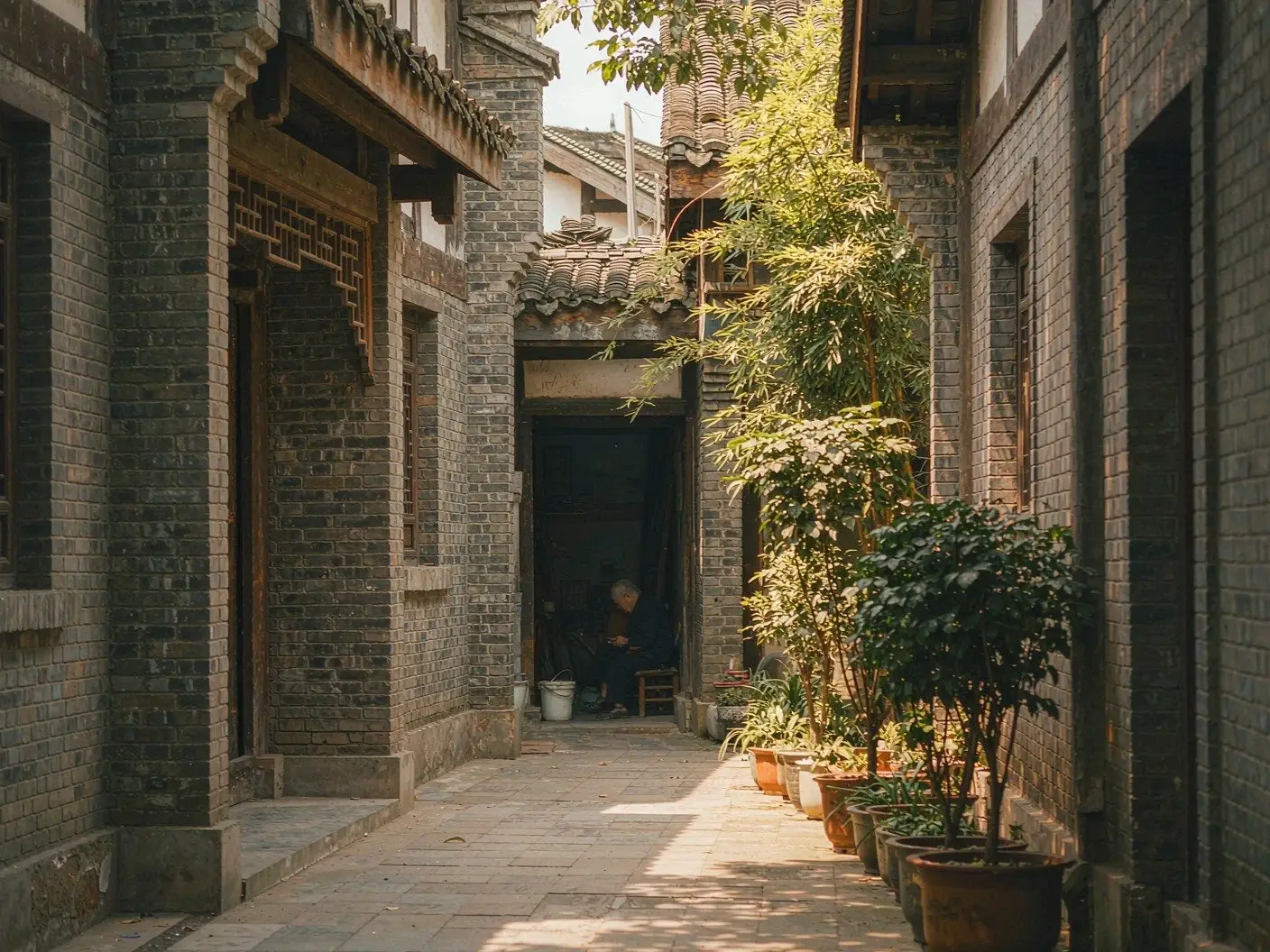
Chengdu’s answer to old space is to keep it in use. Eastern Suburb Memory grew from the state-owned Hongguang Electron Tube Factory No. 773 — which made New China’s first black-and-white, projection and colour picture tubes; workshops, chimneys, gas tanks and pipe racks were kept and turned into music, theatre and markets. Kuanzhai Alley took another road: a Manchu garrison of grey-walled courtyards from 1718, now opened into teahouses, bookshops and craft shops. Underground, the Donghuamen site stacks Han-Sui, Tang-Song and Ming layers. Industrial heritage, old streets and an archaeological site — three kinds of “old”, returned to today’s life in three ways.
Six core study recommendations
The six first-priority stops for a Chengdu study programme.
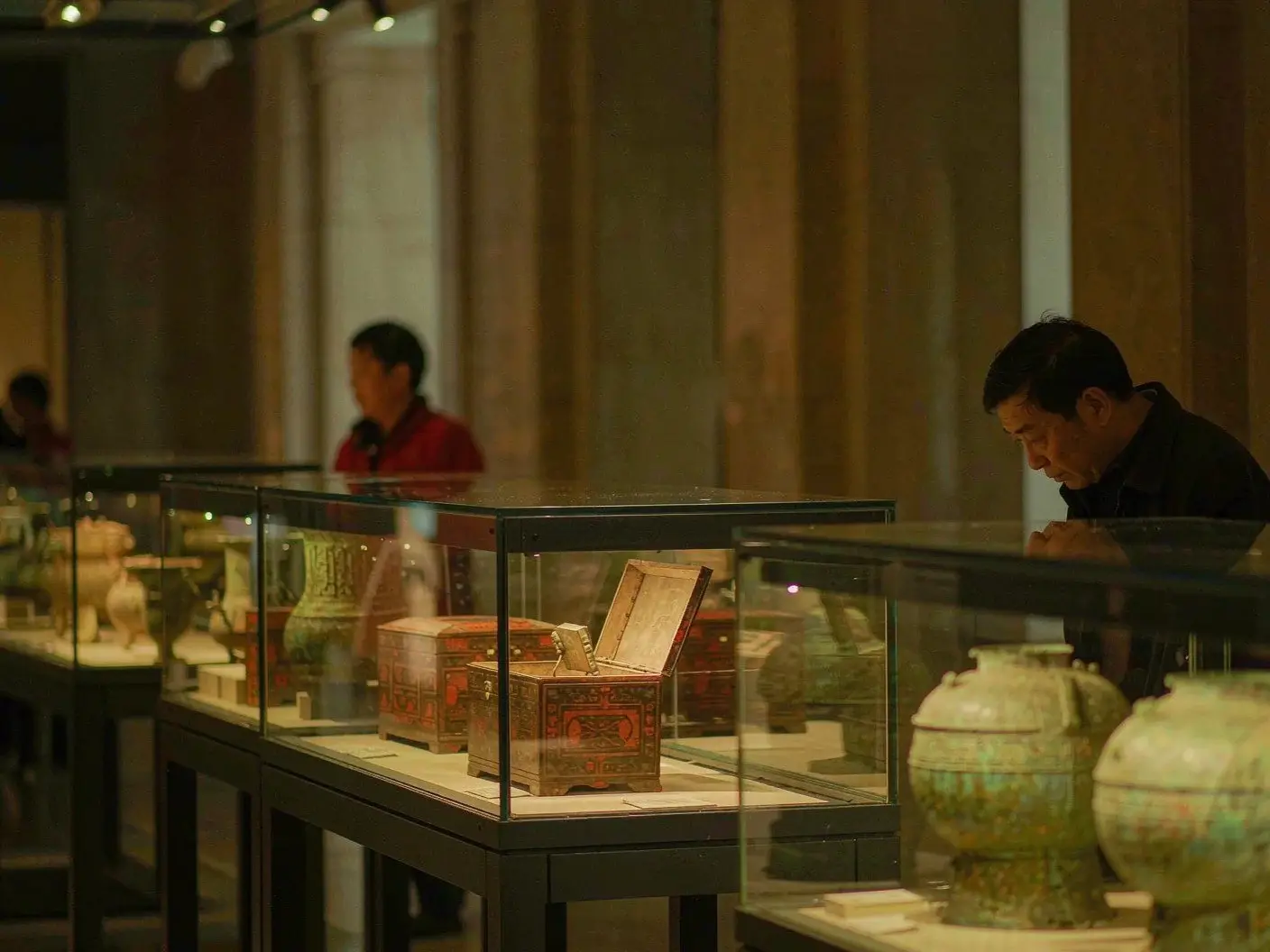
Chengdu Museum
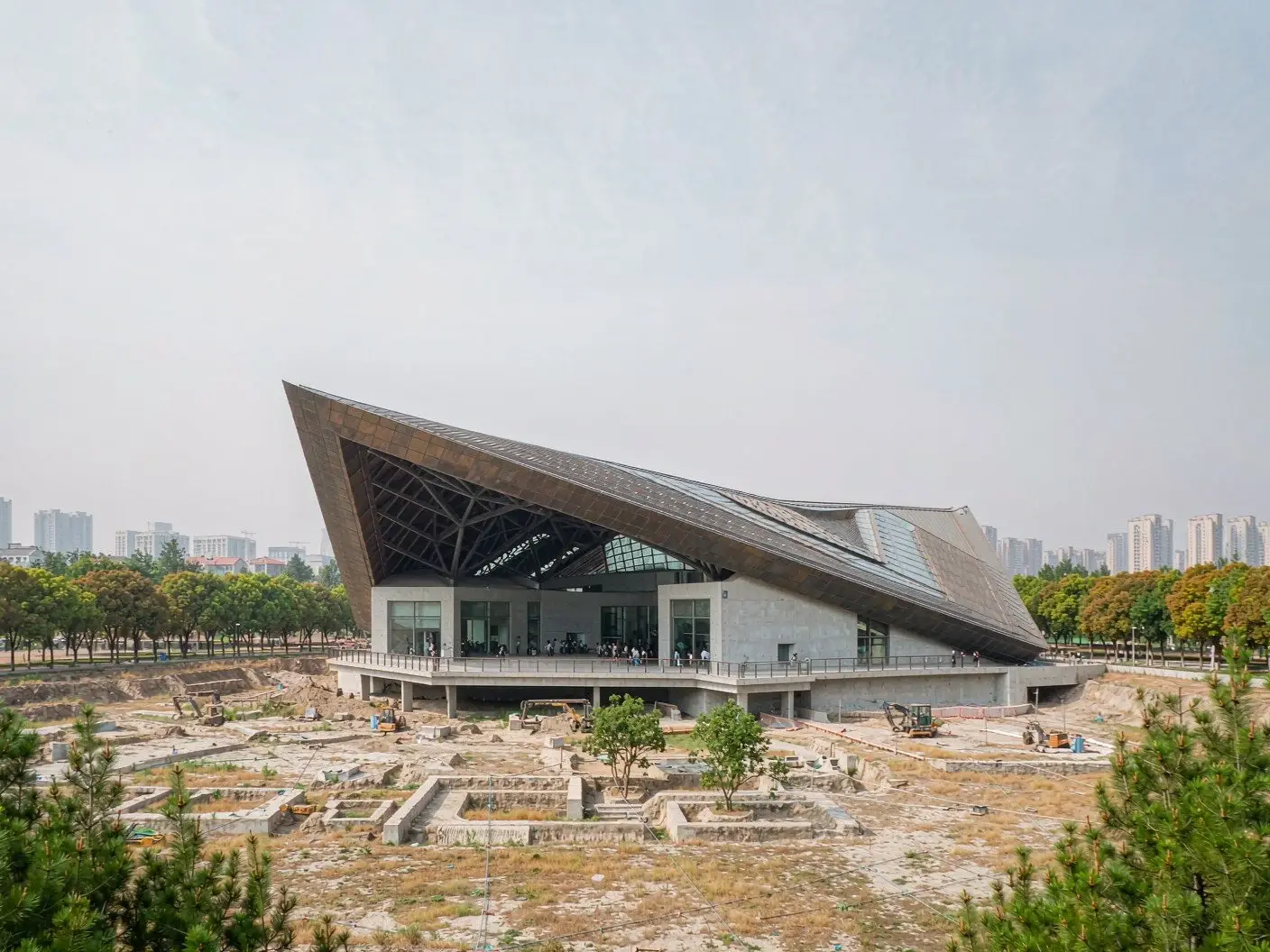
Jinsha Site Museum
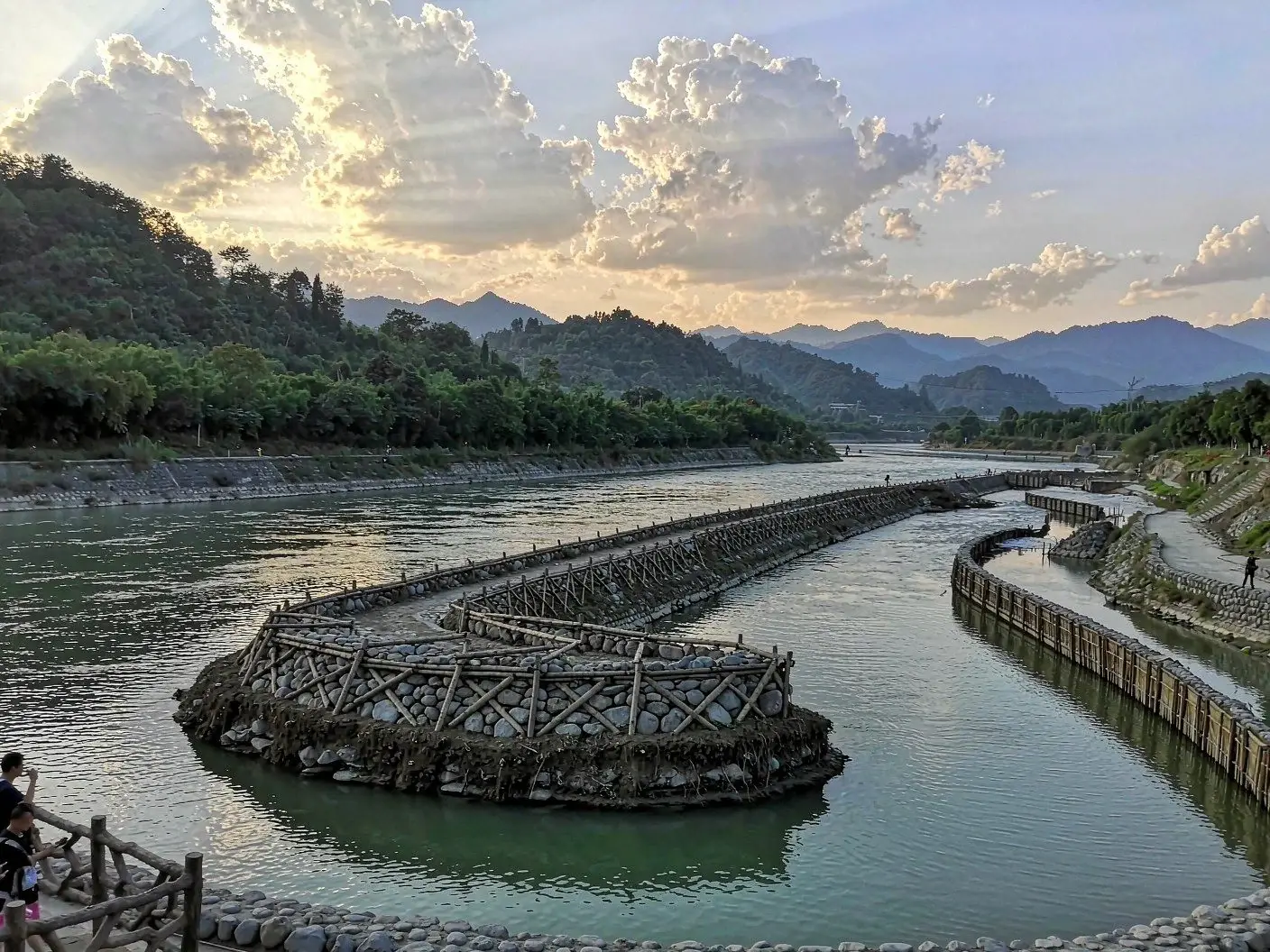
Dujiangyan Irrigation System
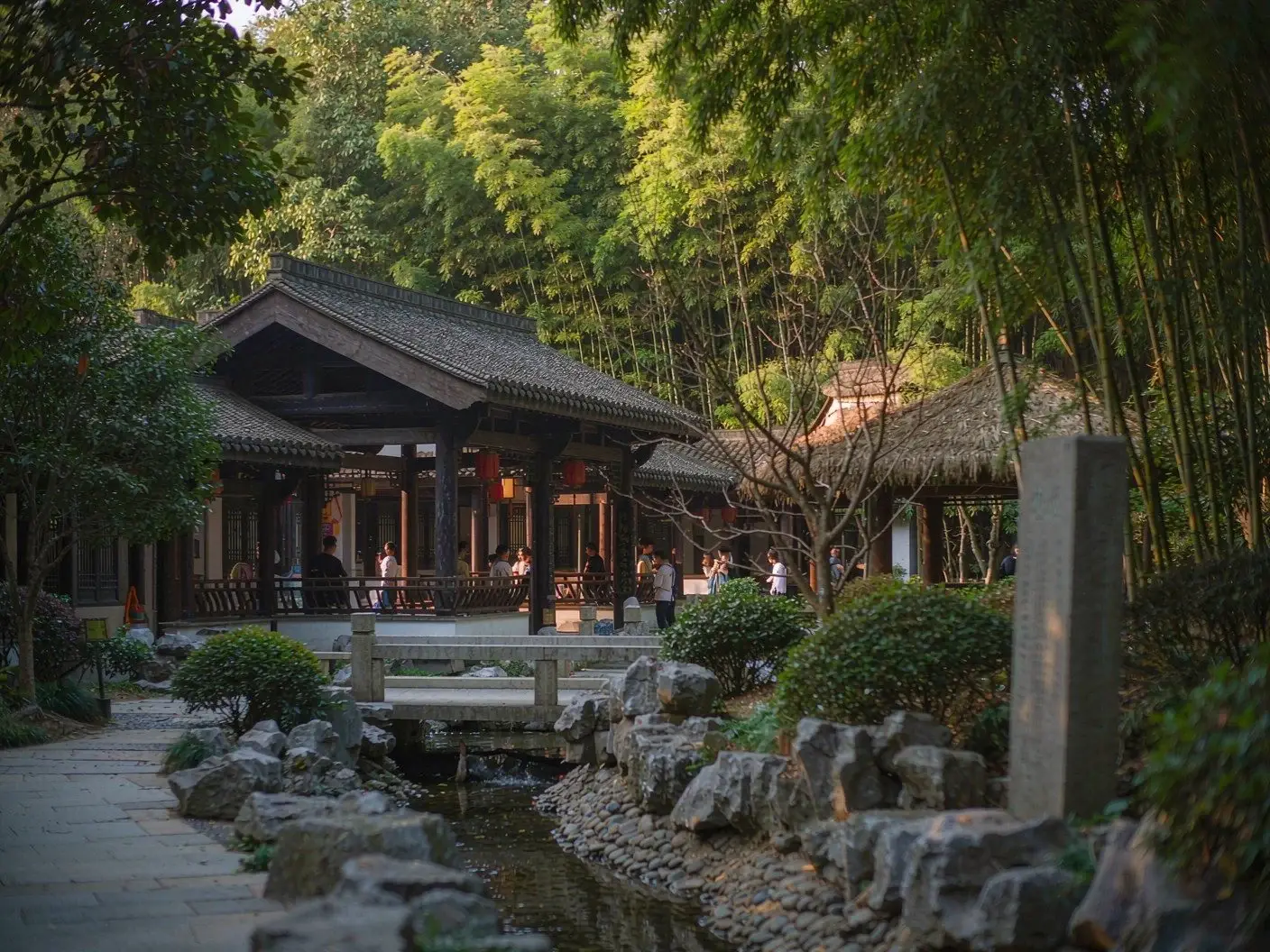
Wuhou Shrine Museum
Du Fu Thatched Cottage Museum
Kuanzhai Alley and the Lesser City blocks
Six in-depth study extensions
Longer, more specialised studies for groups with clear interests.
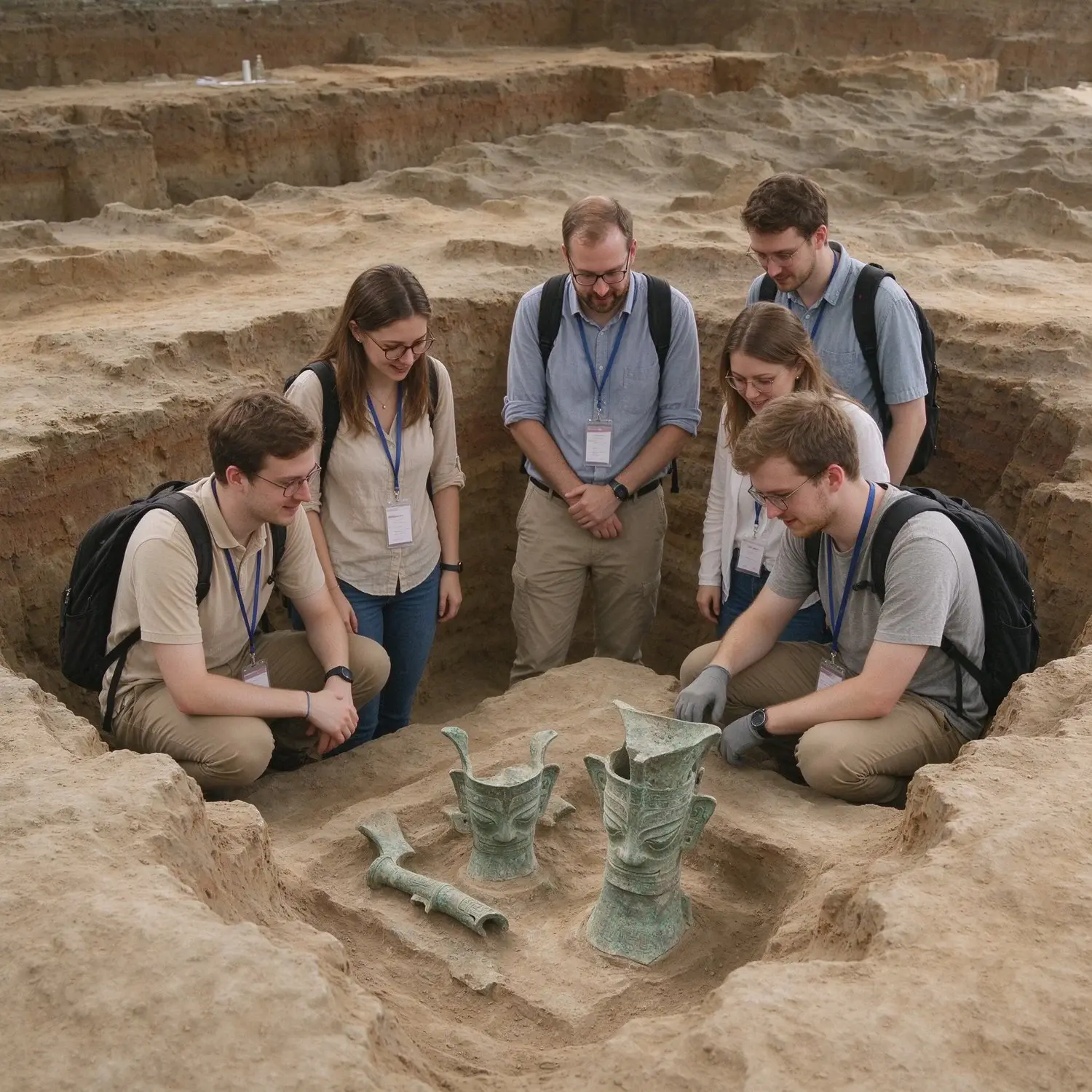
Sanxingdui Museum
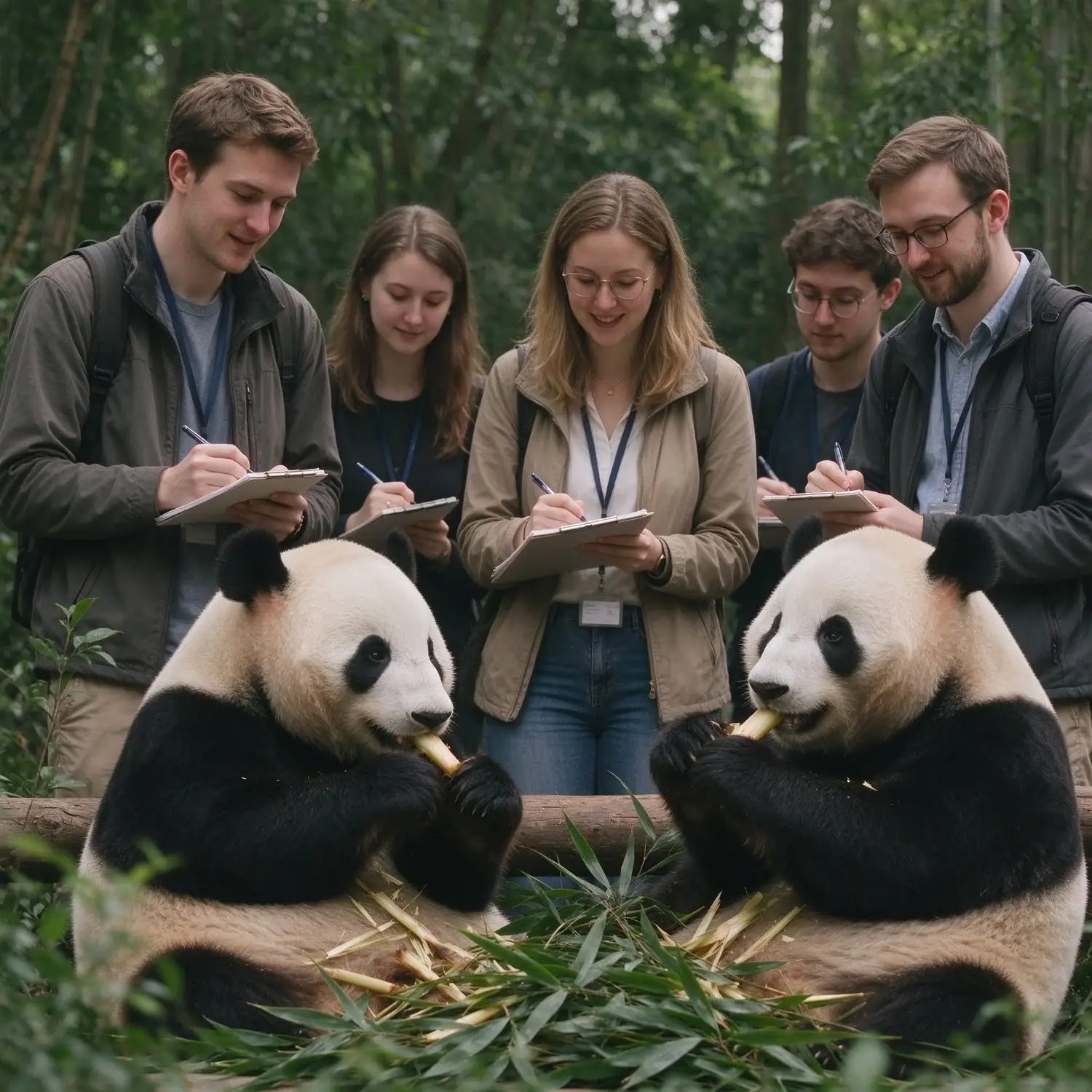
Chengdu Research Base of Giant Panda Breeding
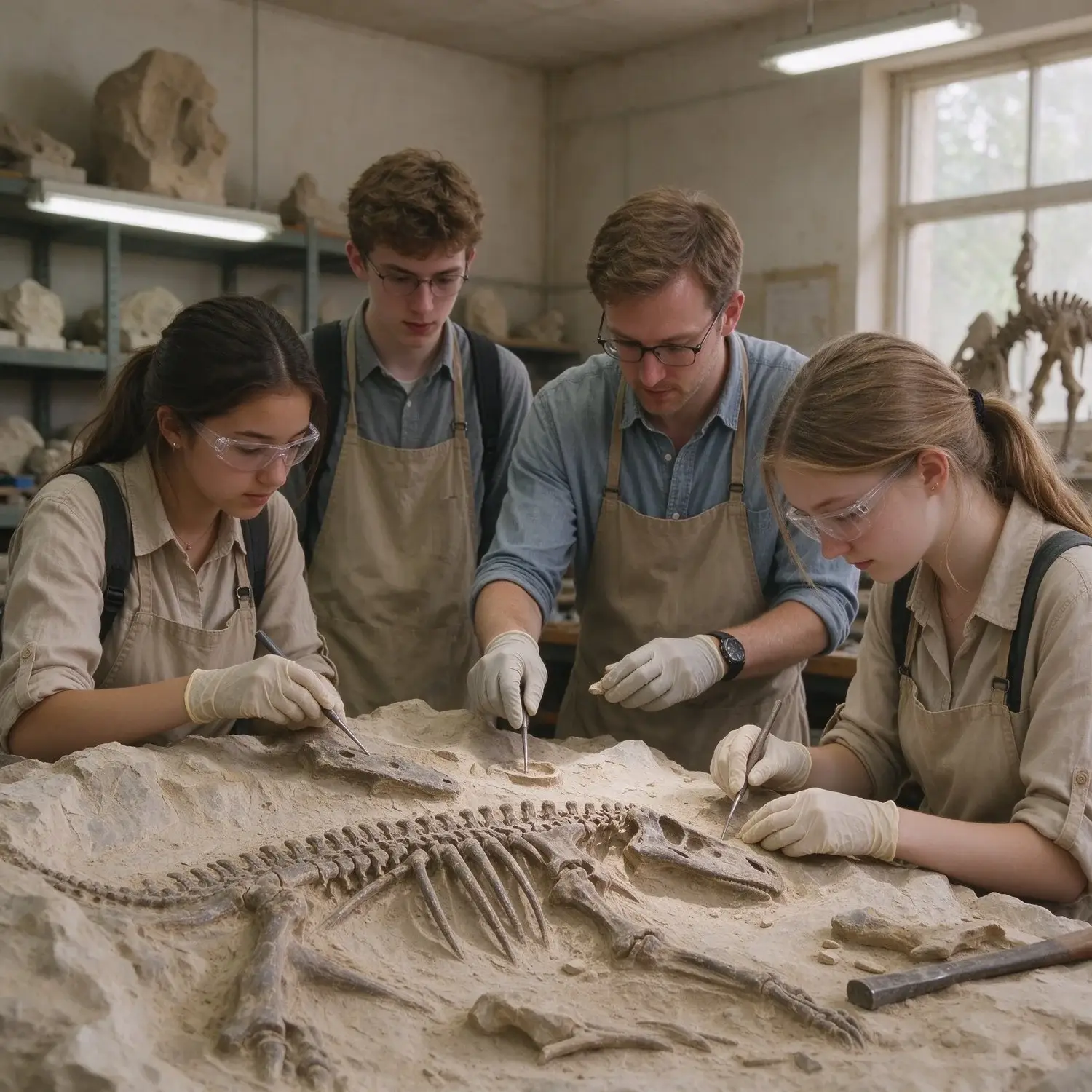
Chengdu Natural History Museum
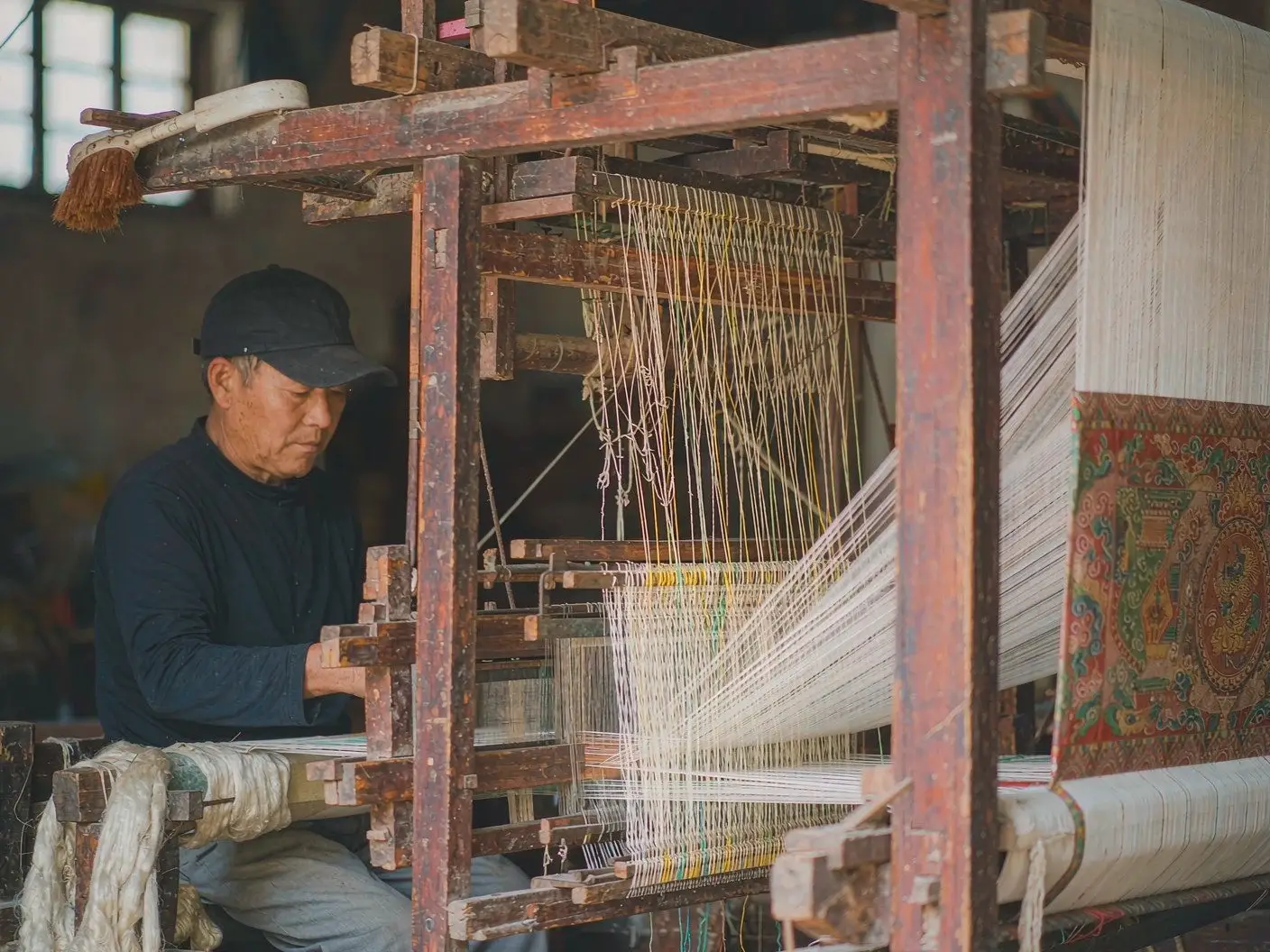
Shu Brocade, Shu Embroidery and Chengdu Lacquerware
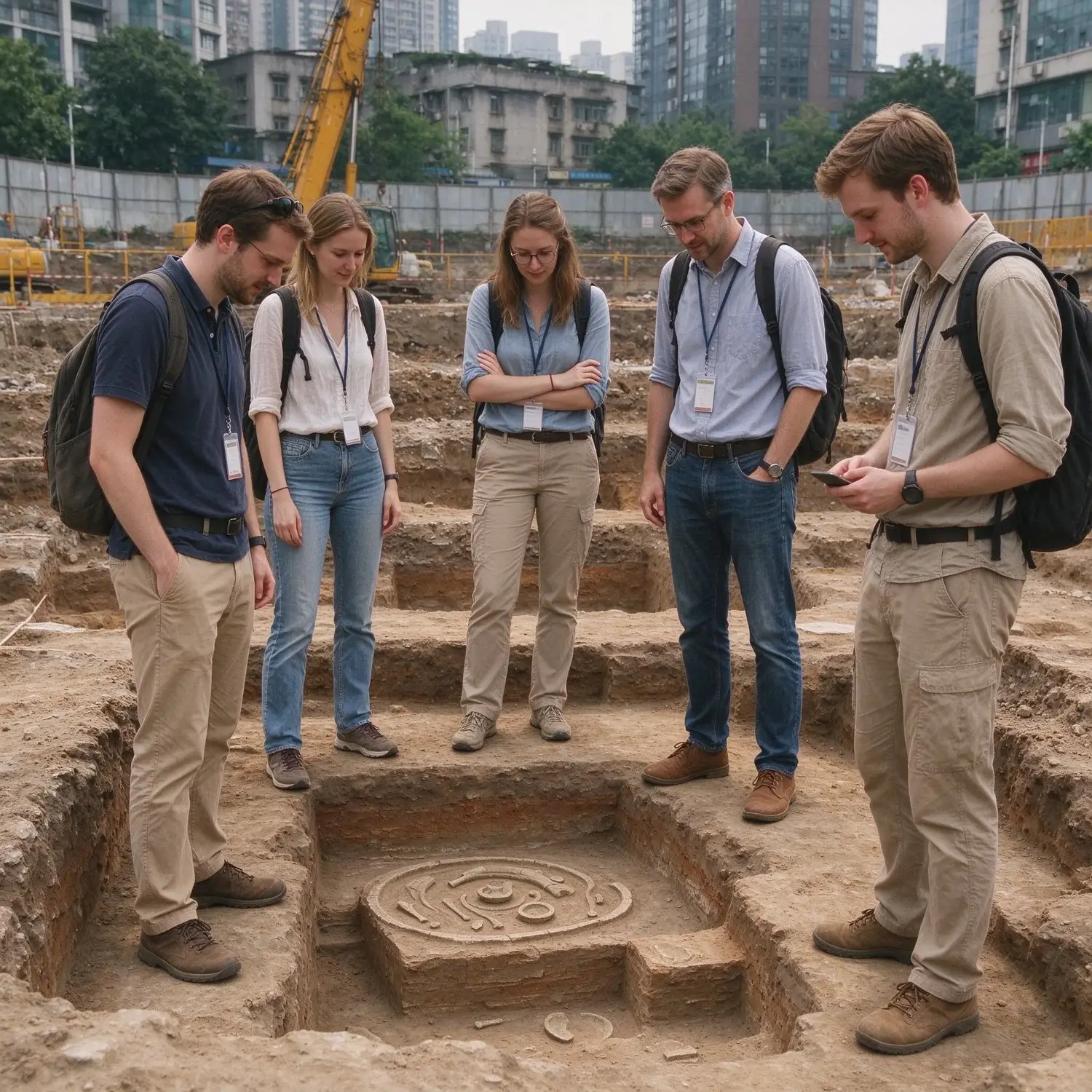
Donghuamen Site and Mohe Pond
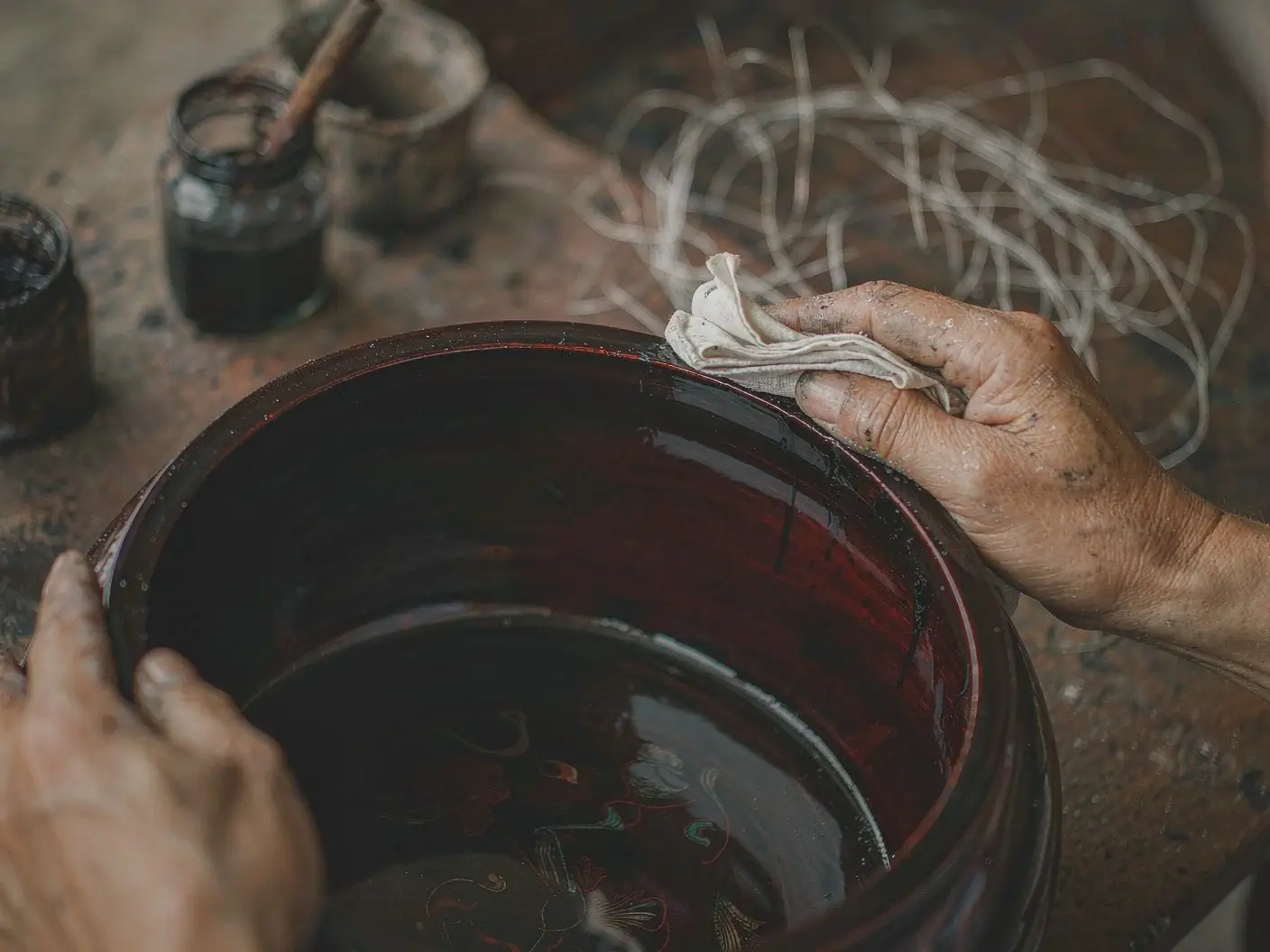
Eastern Suburb Memory creative park
Creative practice and integrated skills
Projects that turn observation into original student work.
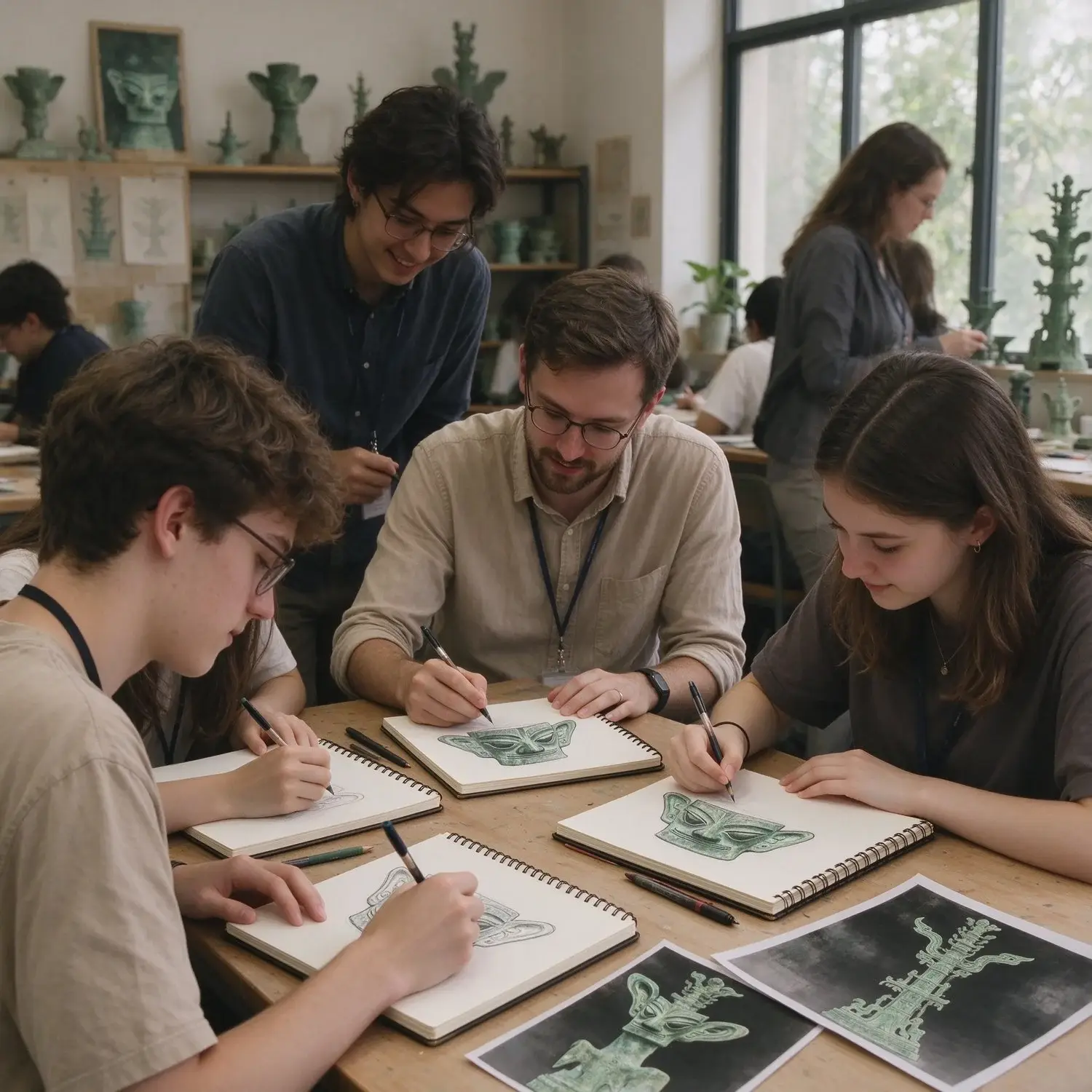
Western Sichuan architecture and motif design
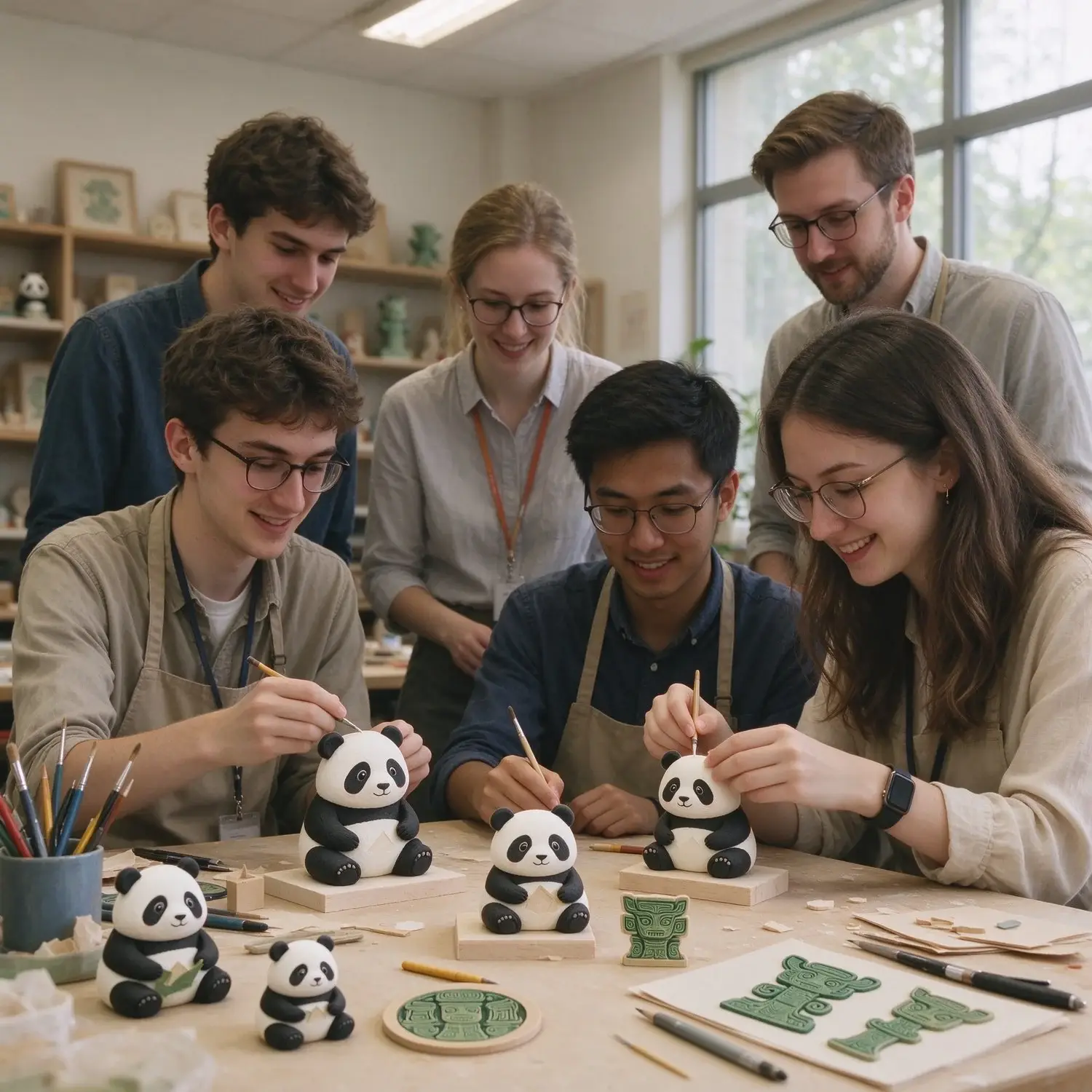
Museum cultural-creative product development
“My Chengdu Brand” project
World Heritage and cross-cultural exchange
Outcomes and practical tasks
The value of Chengdu study is not how many places are visited, but whether students truly leave behind outcomes of observation, practice, thinking and creation. Turn every resource point into a task that can be recorded, presented and reviewed.
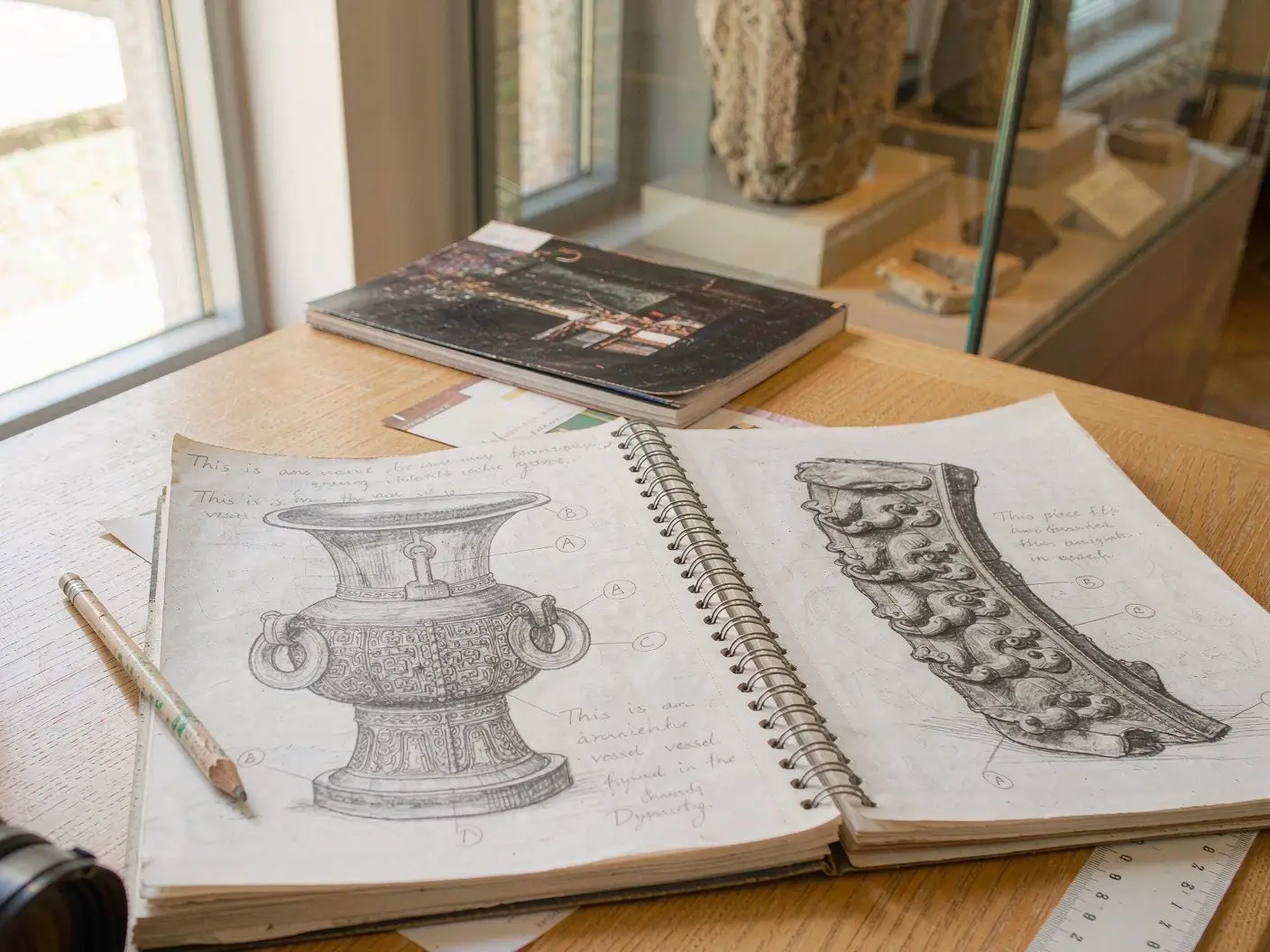
Relic & site observation record
Choose one object, building component or hand-made piece in a museum, site or workshop; record material, size, period, motif and location; write three unanswered questions; compile an observation card.
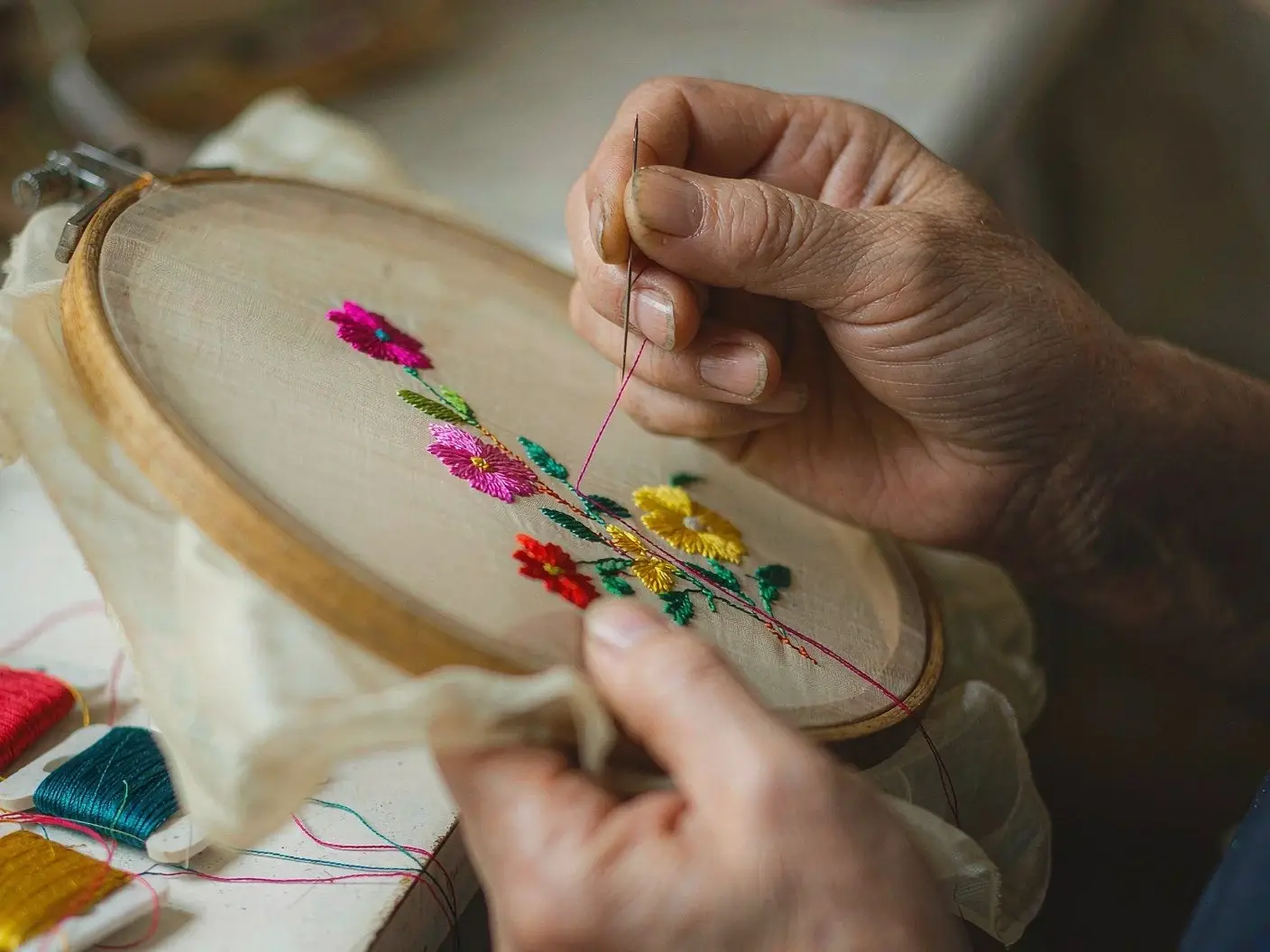
A hand-made heritage piece
Choose a basic Shu embroidery stitch, paper-cut and dyeing, stone rubbing or simple weaving; note the hardest step, your corrections and how the result changed.
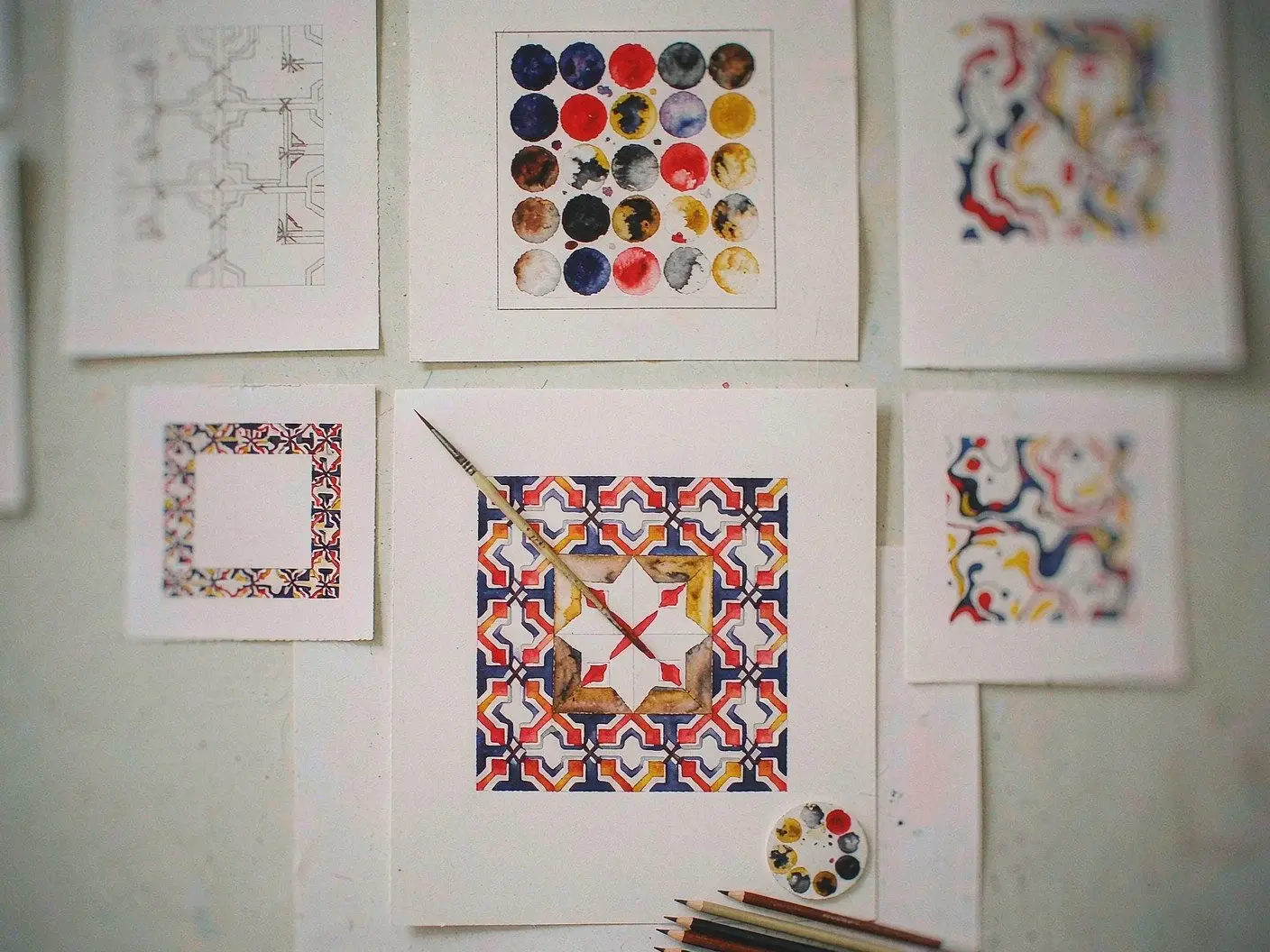
Shu-region motif design
Extract structure and rhythm from Shu brocade or embroidery, a Wuhou lattice window, a Kuanzhai door carving or lacquer decoration, then add your own theme to make a repeating pattern.
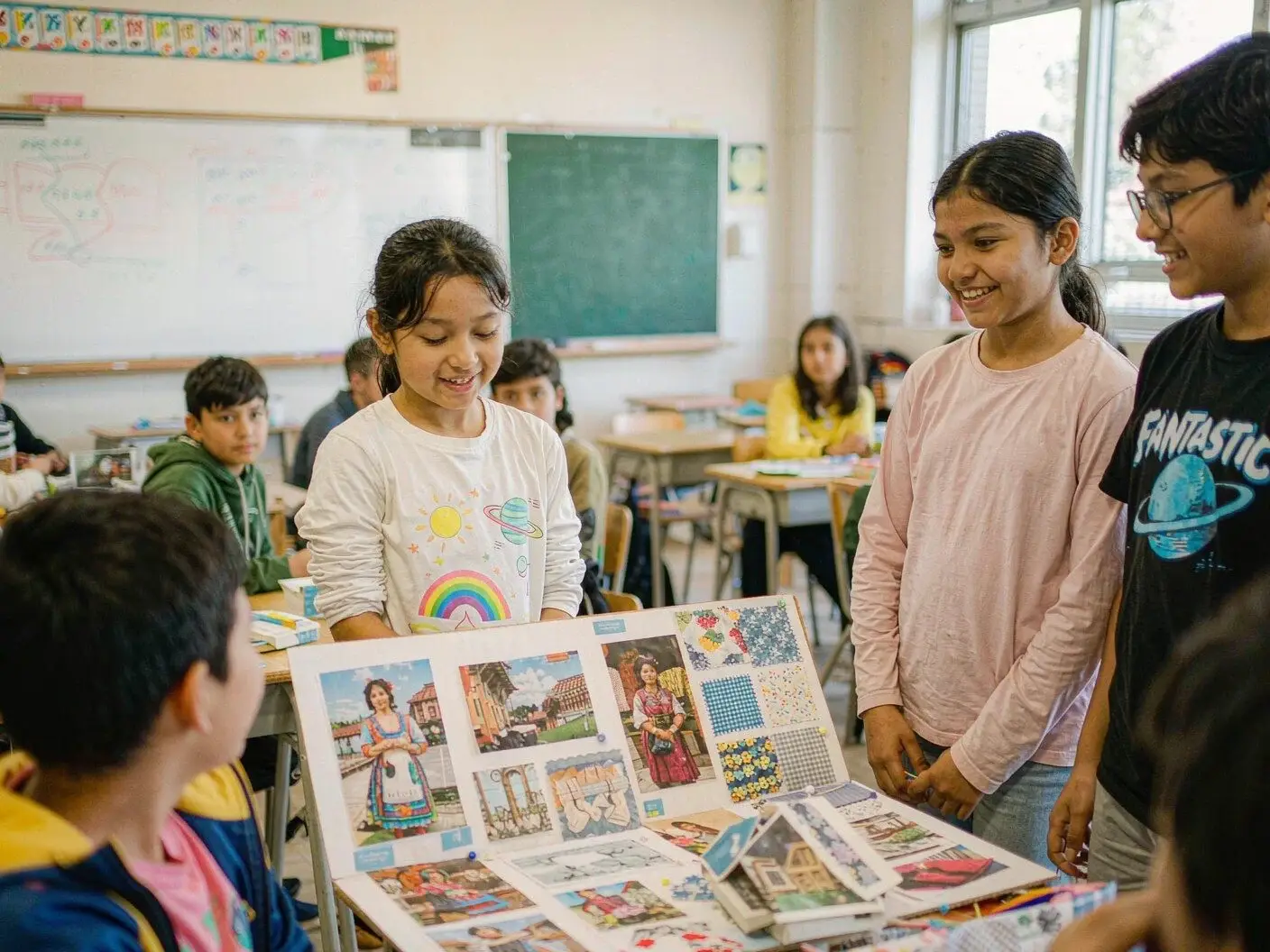
“My Chengdu Brand” group
Produce a brand name, product positioning, packaging concept and three-minute talk — taking outcomes into design and expression.
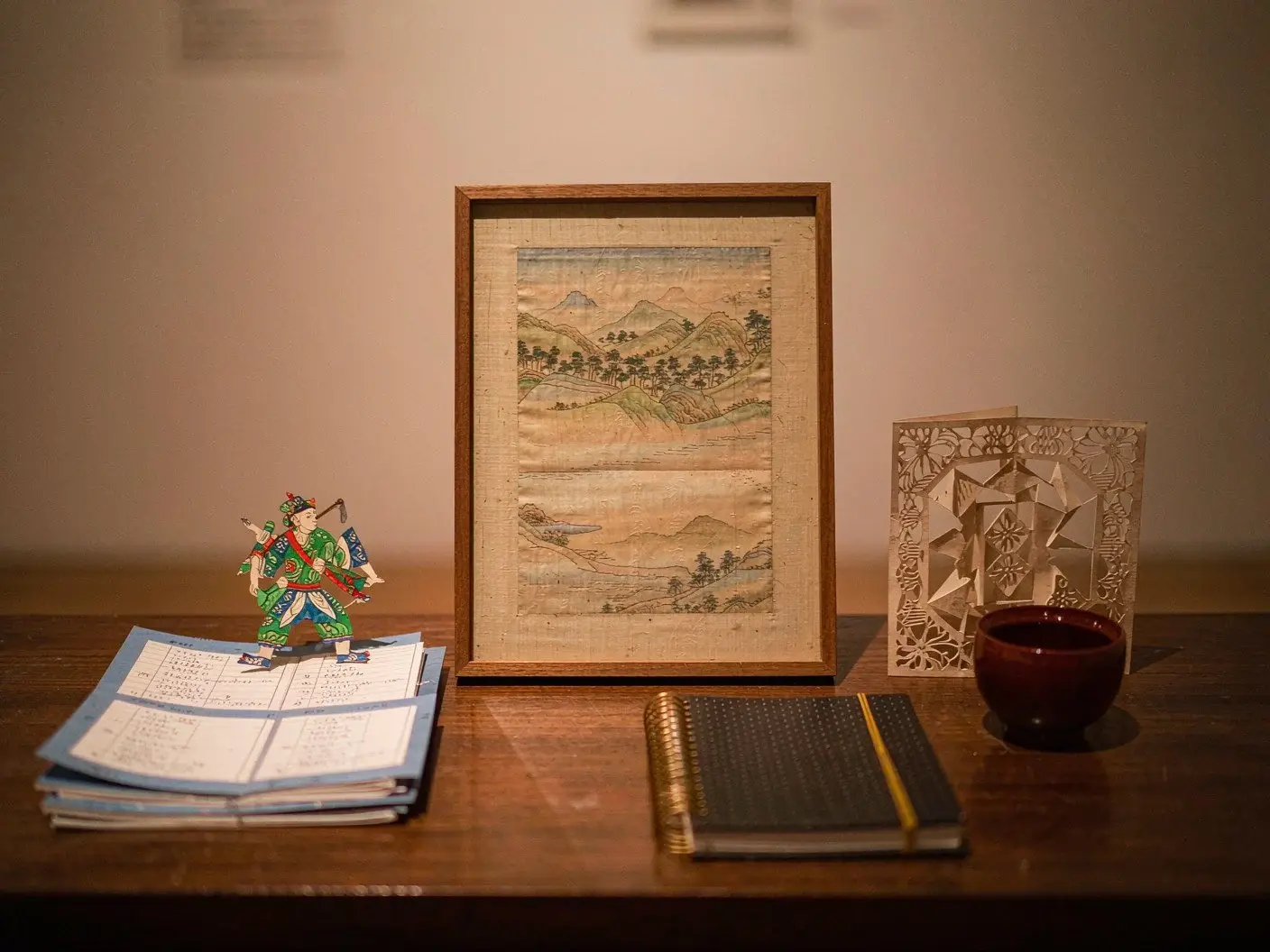
One relic-and-site observation record + one hand-made heritage piece + one Shu-region motif design + one group “Chengdu Brand” presentation — joining visiting, practice, thinking and expression into a learning loop that can be shown and reviewed.
Suggested theme combinations
| Theme | Recommended combination | Audience / scenario |
|---|---|---|
| Ancient-Shu origins | Chengdu Museum + Jinsha Site + Sanxingdui | First study / history & archaeology courses |
| Shu craftsmanship | Shu brocade & embroidery + Chengdu lacquerware + silver filigree | Upper primary / junior secondary / families |
| Science & ecology | Panda Base + Natural History Museum + Dujiangyan | Biology, geography & engineering |
| Architecture & design | Kuanzhai Alley + Western Sichuan motif design + product development | Art, design & integrated practice |
| Heritage & urban creativity | Eastern Suburb Memory + brand project + cross-cultural making | Senior secondary / university / international |
Chengdu study need not be tied to fixed days or standard routes. The truly tailored approach combines, by age, curriculum goals, interests and budget, six directions — ancient-Shu origins, hydraulic engineering, Shu craftsmanship, ecological science, art and design, and international exchange — so every programme has clear learning goals and deliverable outcomes.
Ready to build your Chengdu study programme?
Share your students’ age, curriculum goals and dates. We will tailor the field studies, hands-on workshops and outcome tasks for you.
Start PlanningJingdezhen
The porcelain capital at a glance
In northeastern Jiangxi, this city is recognised as the most emblematic place of Chinese porcelain culture. A thousand years of unbroken porcelain-making, imperial-kiln ruins, intangible-heritage handcraft, studio ceramics and today’s creative industries stack into a study resource hard to replicate anywhere else.
For students, the value is not simply “seeing porcelain”. Touching the clay, taking part in each step and finishing a piece lets them understand an object’s whole journey — from raw material to finished ware — with their own hands.
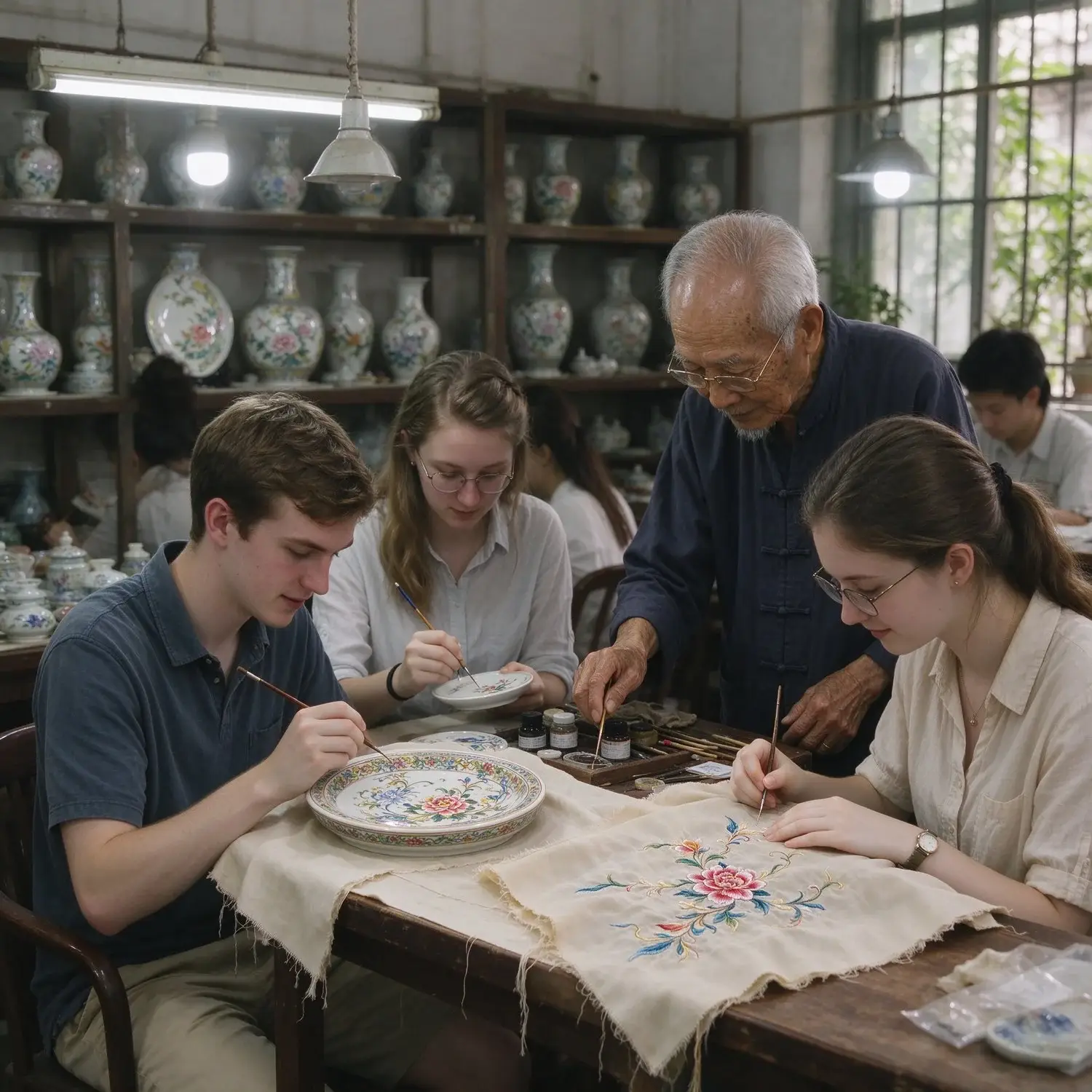
Think of this city as a wall-less ceramics classroom, best approached through six angles: porcelain history; intangible-heritage making; imperial-kiln archaeology; ceramic creation; materials science; and cultural-creative innovation.
Six study keywords worth attention
Through objects and techniques of every era, trace the whole thread of Chinese ceramic culture.
Meet throwing, trimming, painting, glazing and firing by hand.
From sites, sherds and relics, understand the Ming-Qing imperial kiln system and field methods.
Move from spectator to maker, finishing a form, motif and expression of your own.
Follow kaolin, porcelain stone, glazes and kiln temperature into the science behind the ware.
Through Taoxichuan, artist studios and creative markets, watch tradition speak today.
Recommended priority
| Priority | Best for | Representative sites | Use case |
|---|---|---|---|
| A · Core intro | First-time study groups at the porcelain capital | China Ceramics Museum, Ancient Kiln Folk Customs Area, Imperial Kiln Factory site | History literacy / heritage basics |
| B · In-depth practice | Learners interested in art, design, history and archaeology | Sanbao Ceramics Village, Imperial Kiln Museum, Gaoling & Yaoli | Making practice / archaeology & materials |
| C · Creative extension | Secondary, university and international students | Taoxichuan, ceramic studios, creative markets | Cultural-creative design / brand & cross-cultural |
The cultural background to porcelain study
2.1 · A thousand years of the porcelain capital
This city rose and was named for porcelain. Its unbroken making tradition makes it the key entry point for understanding Chinese ceramic technique, aesthetic taste and trade exchange. Study can follow four threads — form, motif, glaze colour and firing technology — into one clear historical line.
2.2 · Handcraft and intangible heritage
Throwing, trimming, refining, painting, glazing and firing form a complete, mature system here. After watching and trying these steps on site, students find “craftsman’s spirit” is not an empty phrase but a capability shaped by repeated practice, exacting precision and years of accumulation.
2.3 · The imperial kiln and its archaeological value
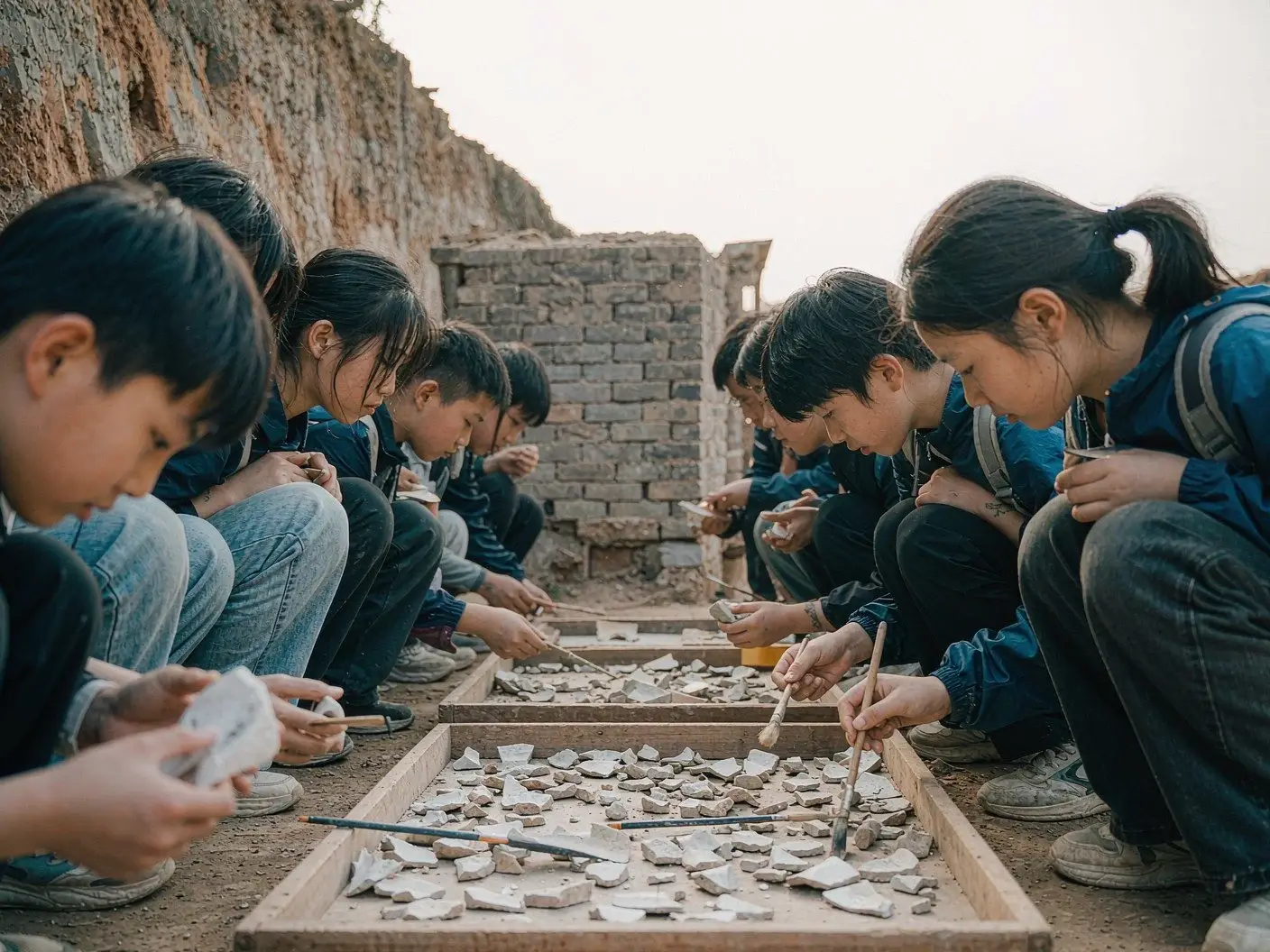
The Imperial Kiln Factory ruins and the great quantity of excavated sherds give first-hand evidence of Ming-Qing imperial production organisation, quality control and court taste. Combining site observation, sherd sorting and conservation thinking turns history into an archaeology lesson that asks students to reason and verify.
2.4 · Kaolin, kiln fire and materials science
Kaolin, porcelain stone, glaze materials and high-temperature firing are the basis of the porcelain. Study can connect geology, chemistry, physics and handcraft, so students see how raw-material ratios, kiln temperature and firing atmosphere together decide the touch and colour of a finished piece.
2.5 · Contemporary ceramics and creative innovation
Today’s porcelain capital keeps the old craft while drawing artists, designers and young makers. Spaces such as Sanbao and Taoxichuan link old factories, studios, markets and exhibitions — an ideal place, from modern design, brand operation and cross-cultural exchange, to watch traditional craft keep growing.
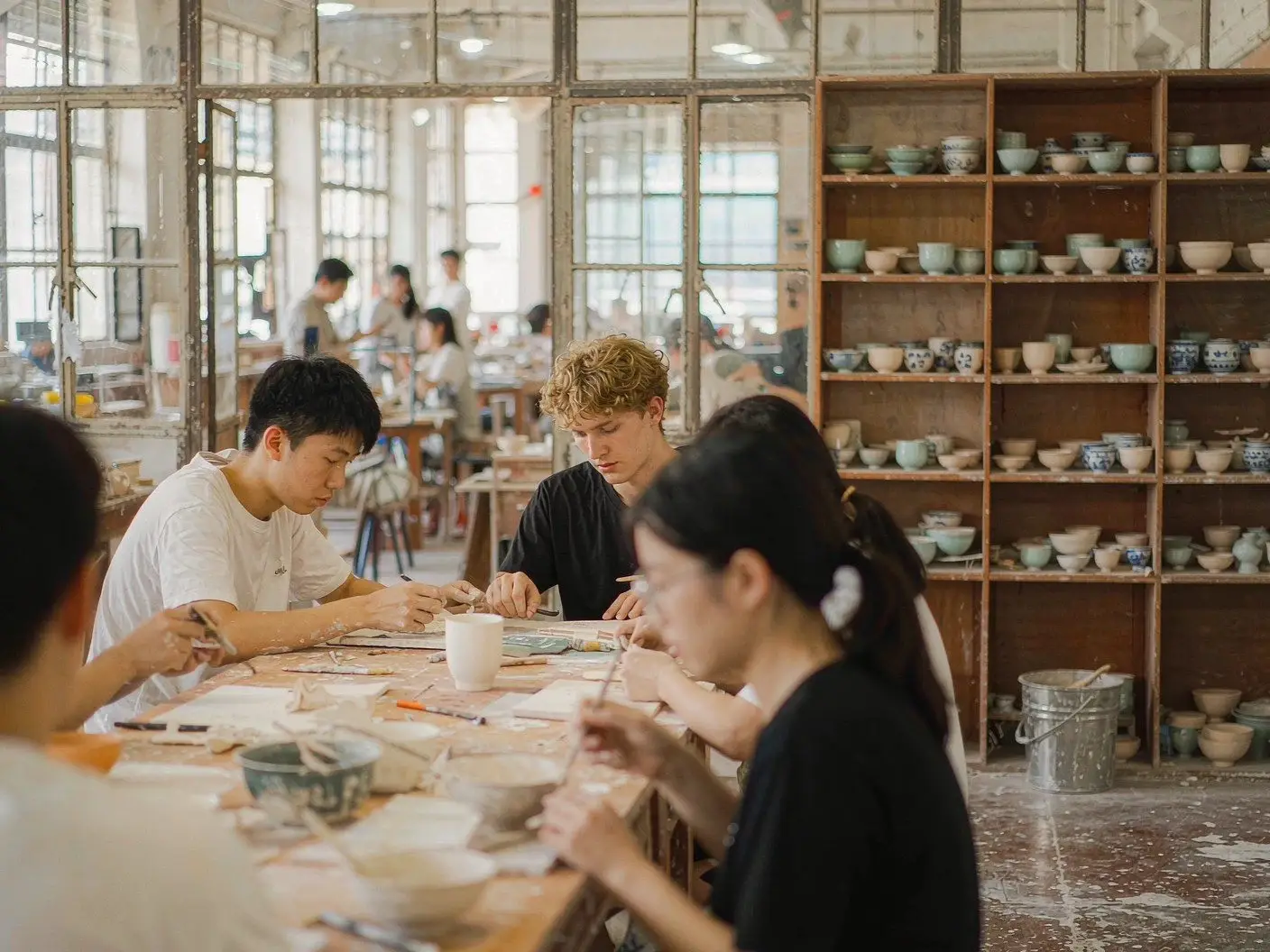
Six core study recommendations
The six first-priority stops for a porcelain study programme.
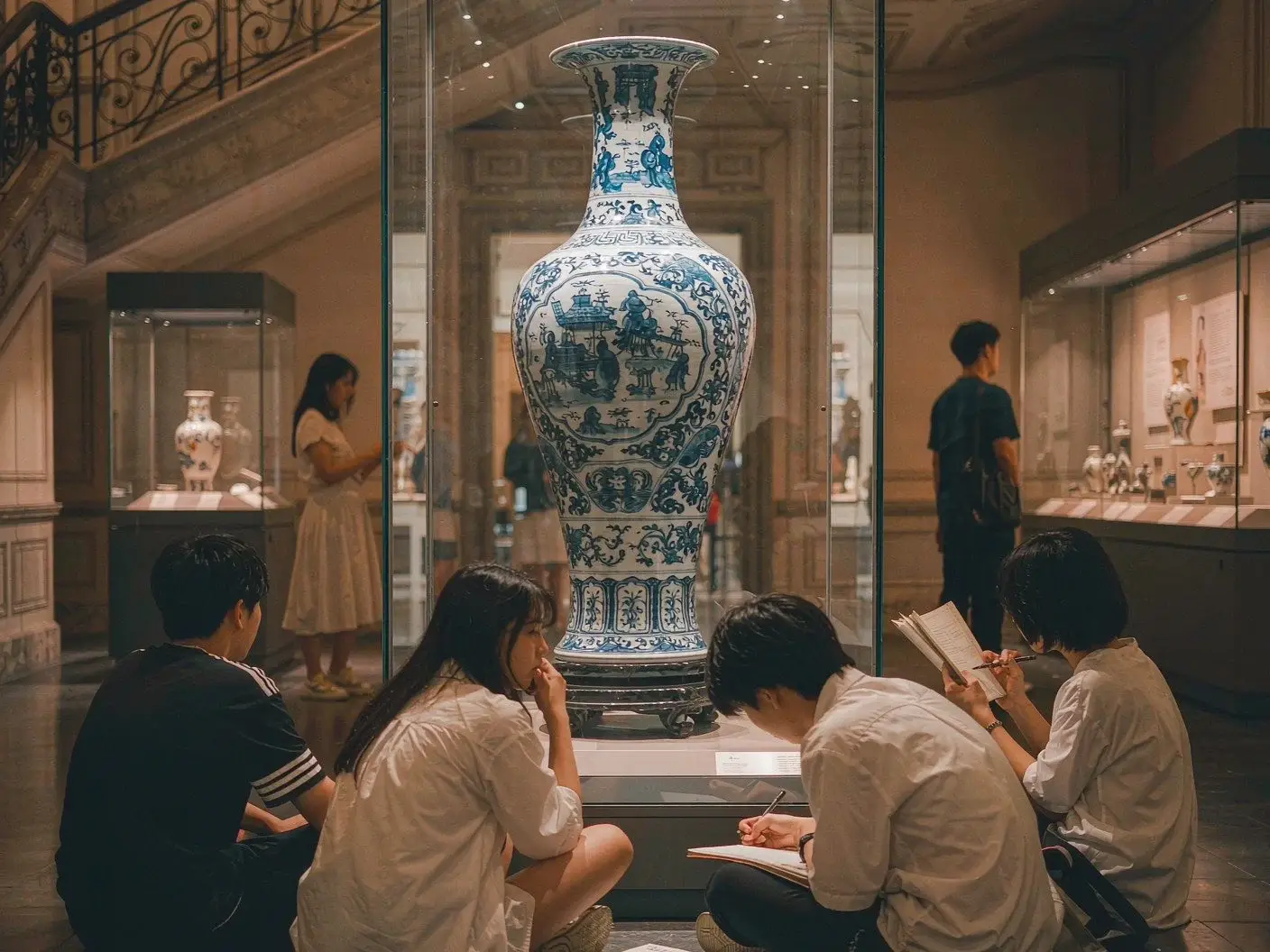
China Ceramics Museum
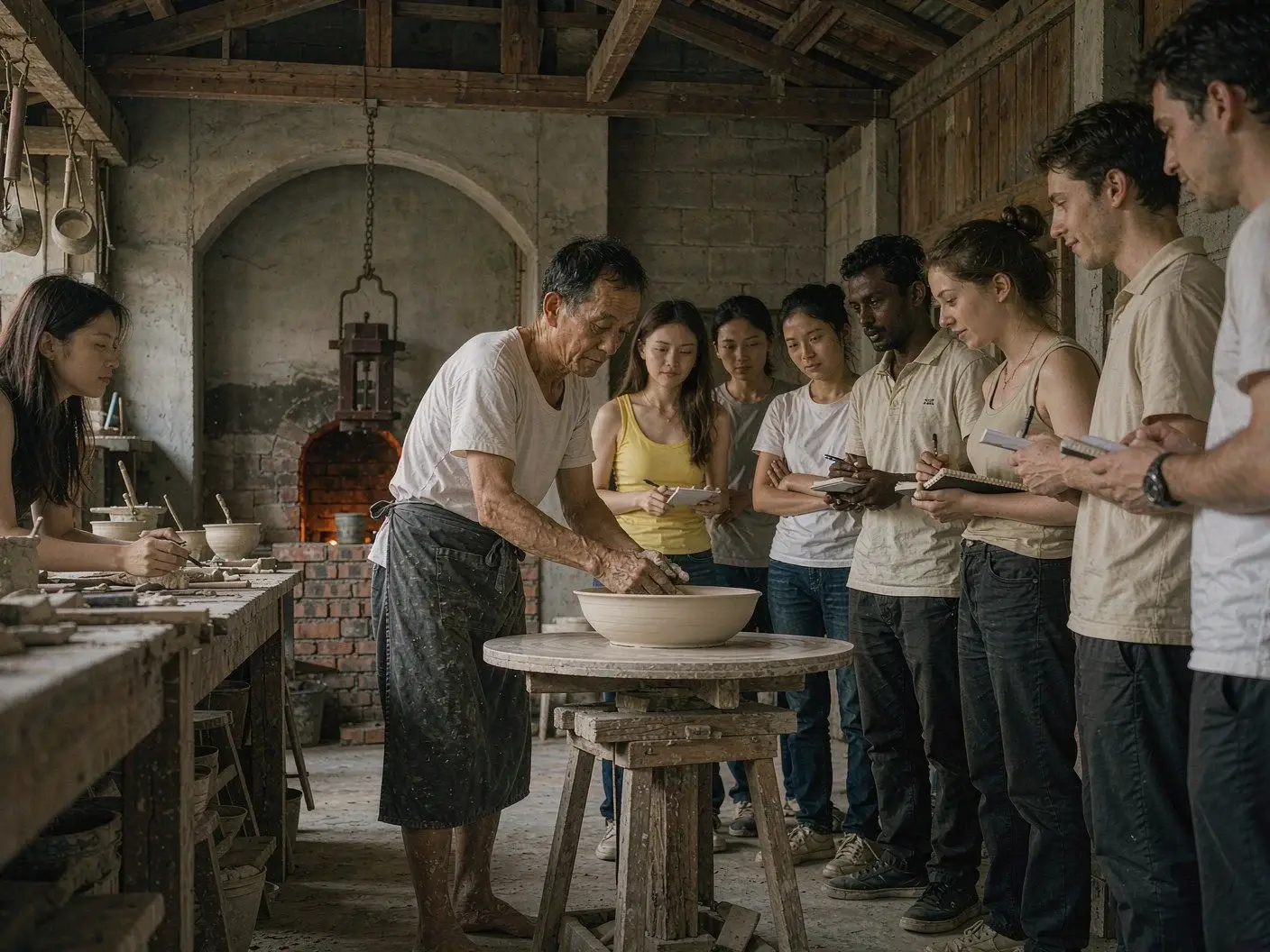
Ancient Kiln Folk Customs Expo Area
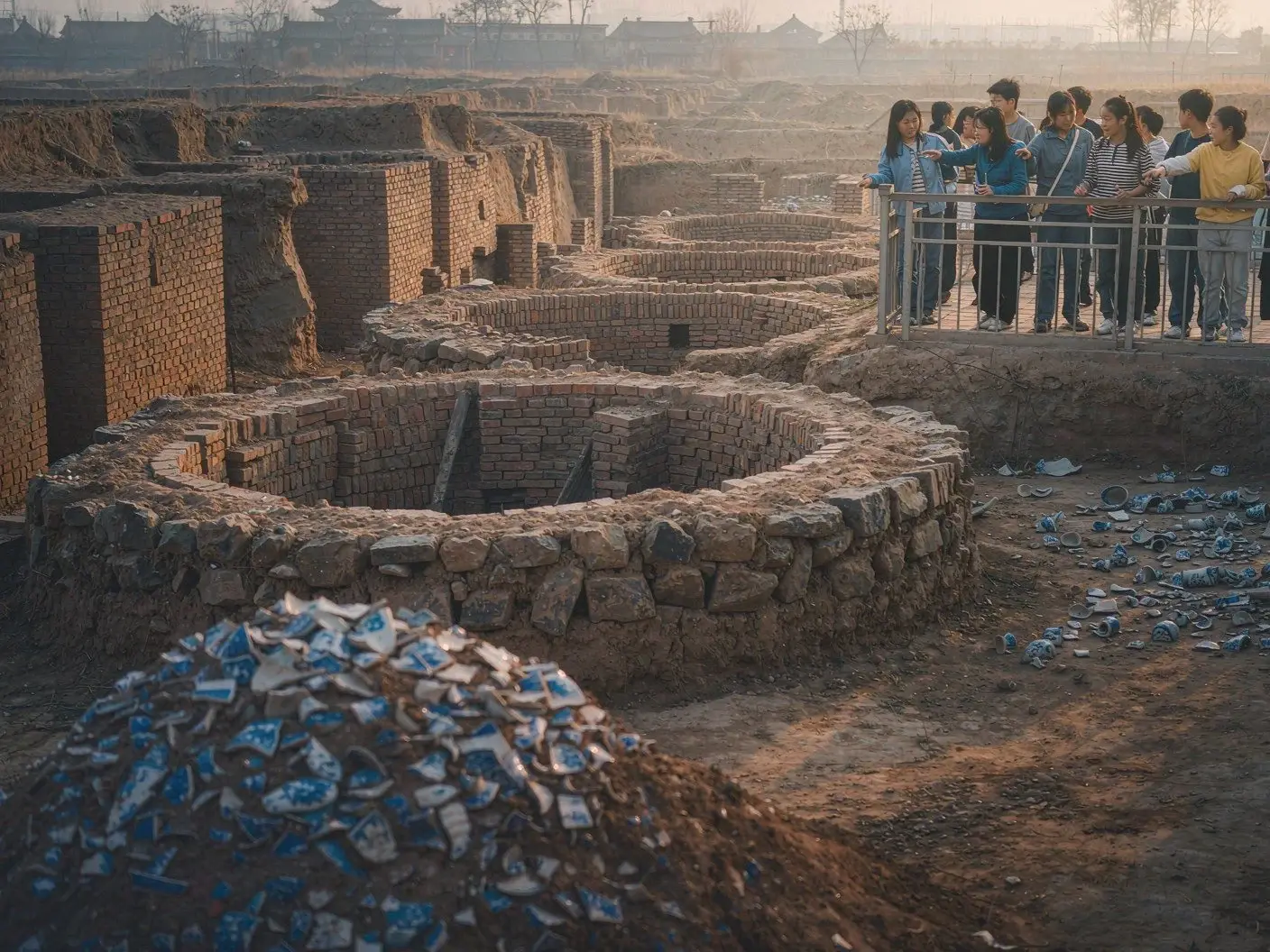
Taoyangli · Imperial Kiln Factory Site
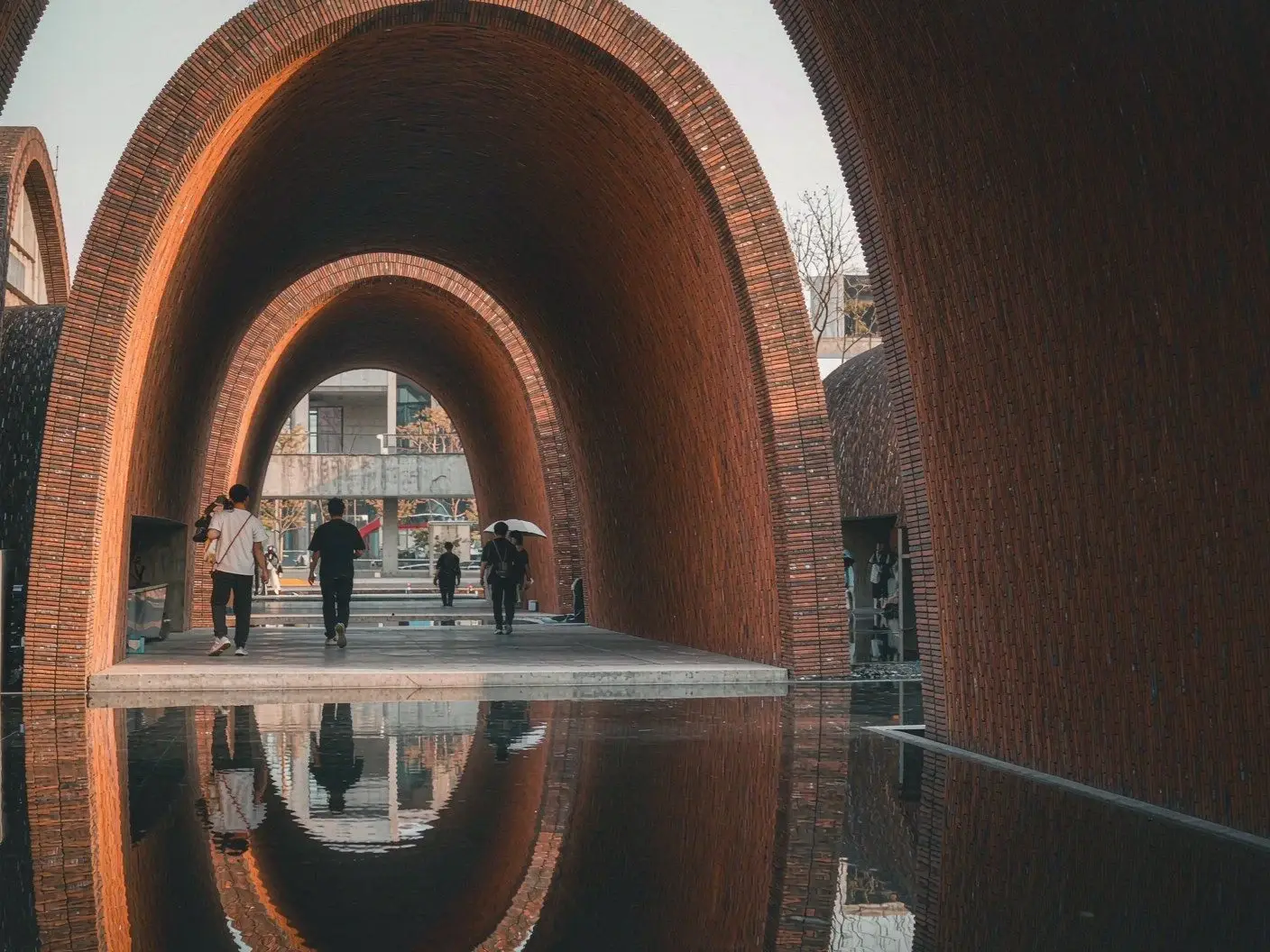
Imperial Kiln Museum
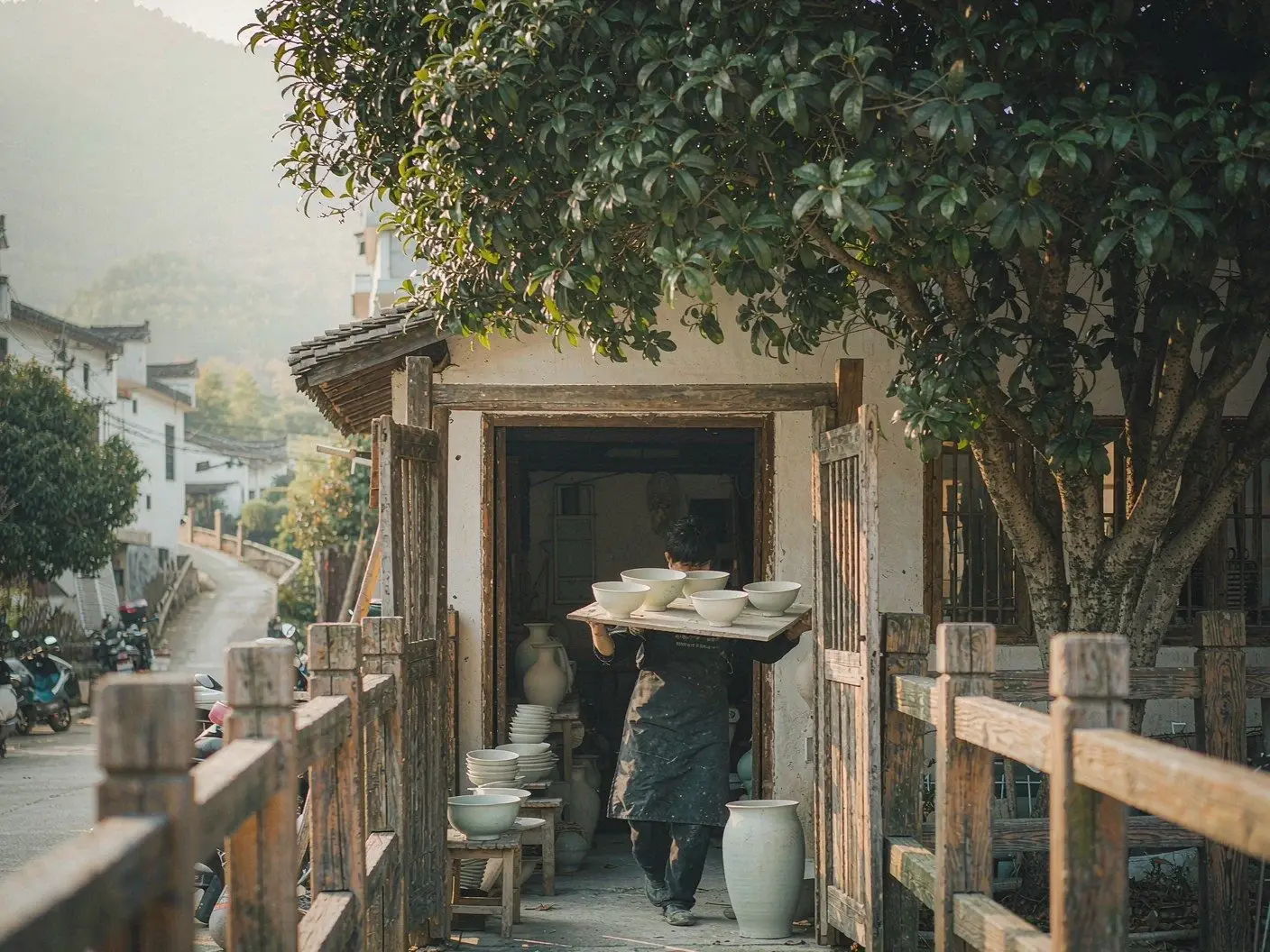
Sanbao International Ceramics Village
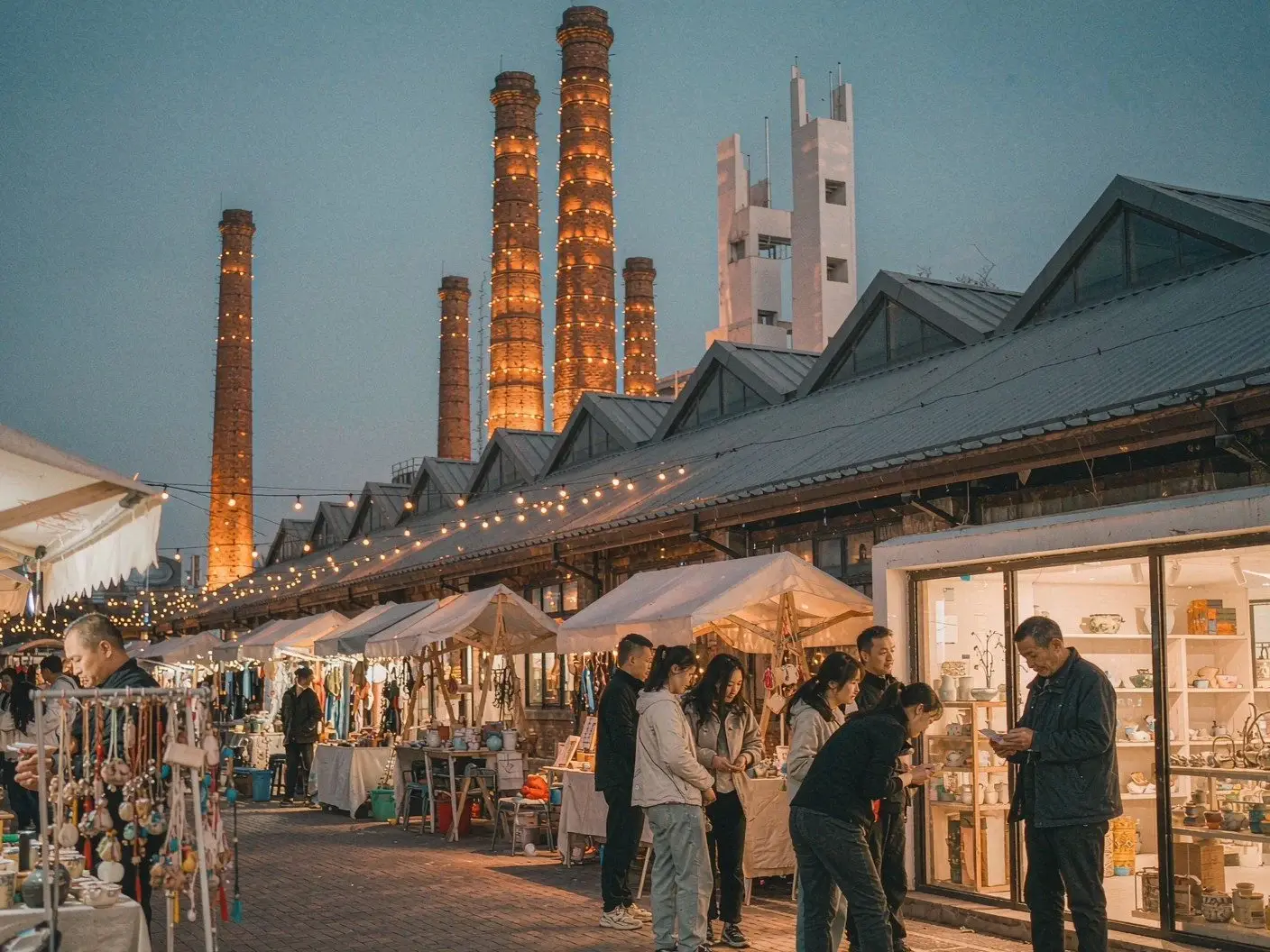
Taoxichuan Creative District
Six in-depth study extensions
Longer, more specialised studies for groups with clear interests.
Gaoling · Yaoli
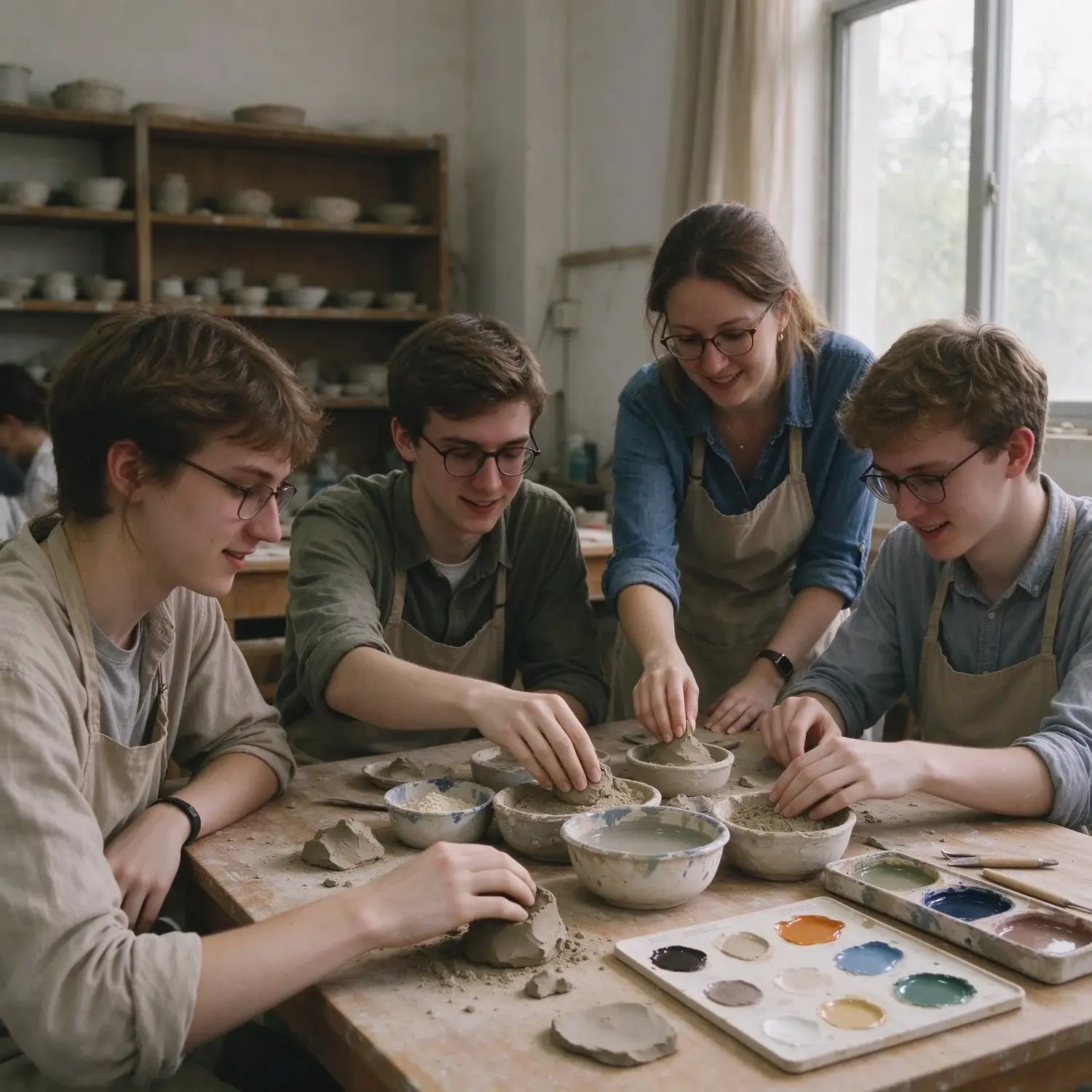
Clay body and raw-material experiments
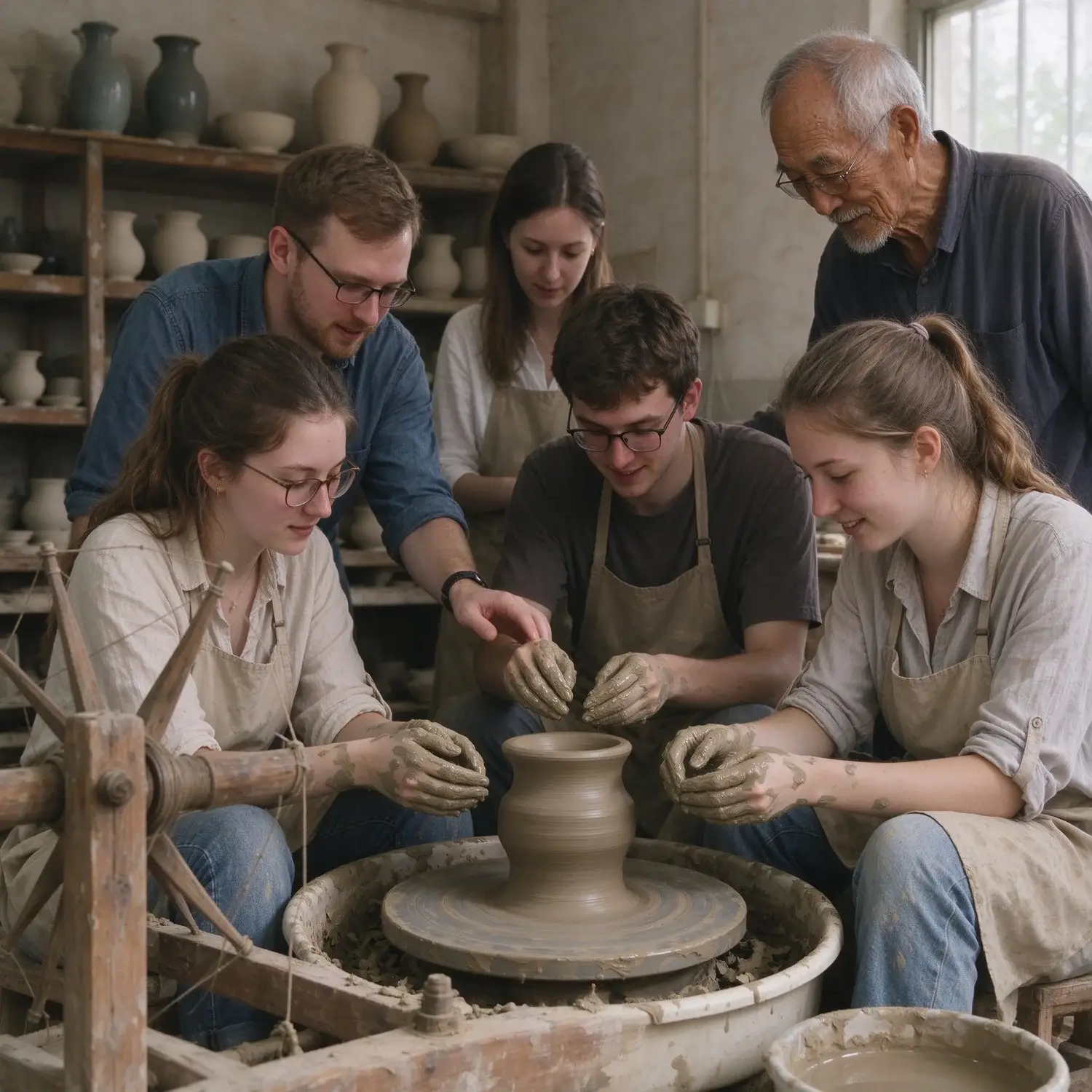
Throwing, trimming and forming
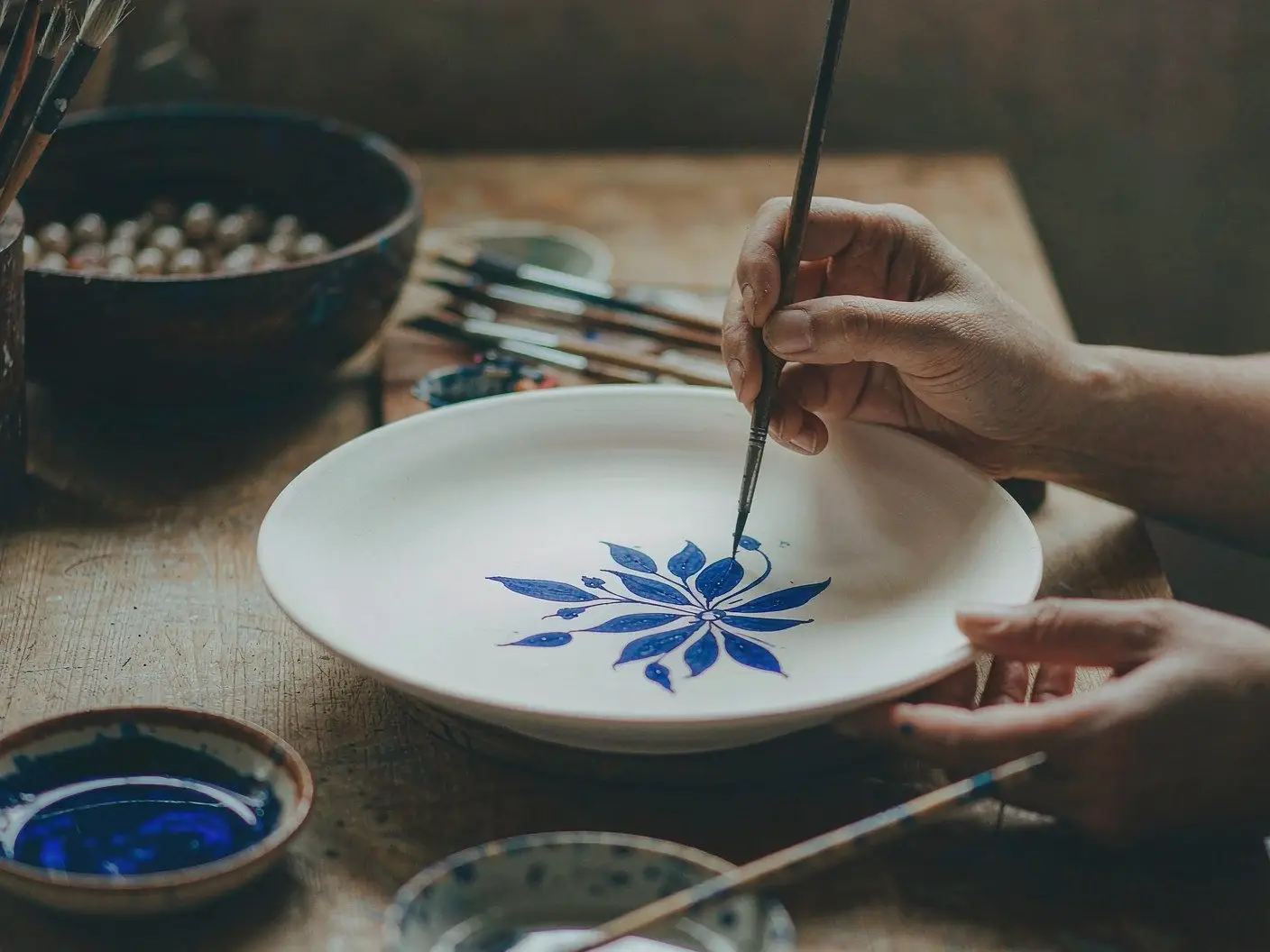
Blue-and-white painting and underglaze colour
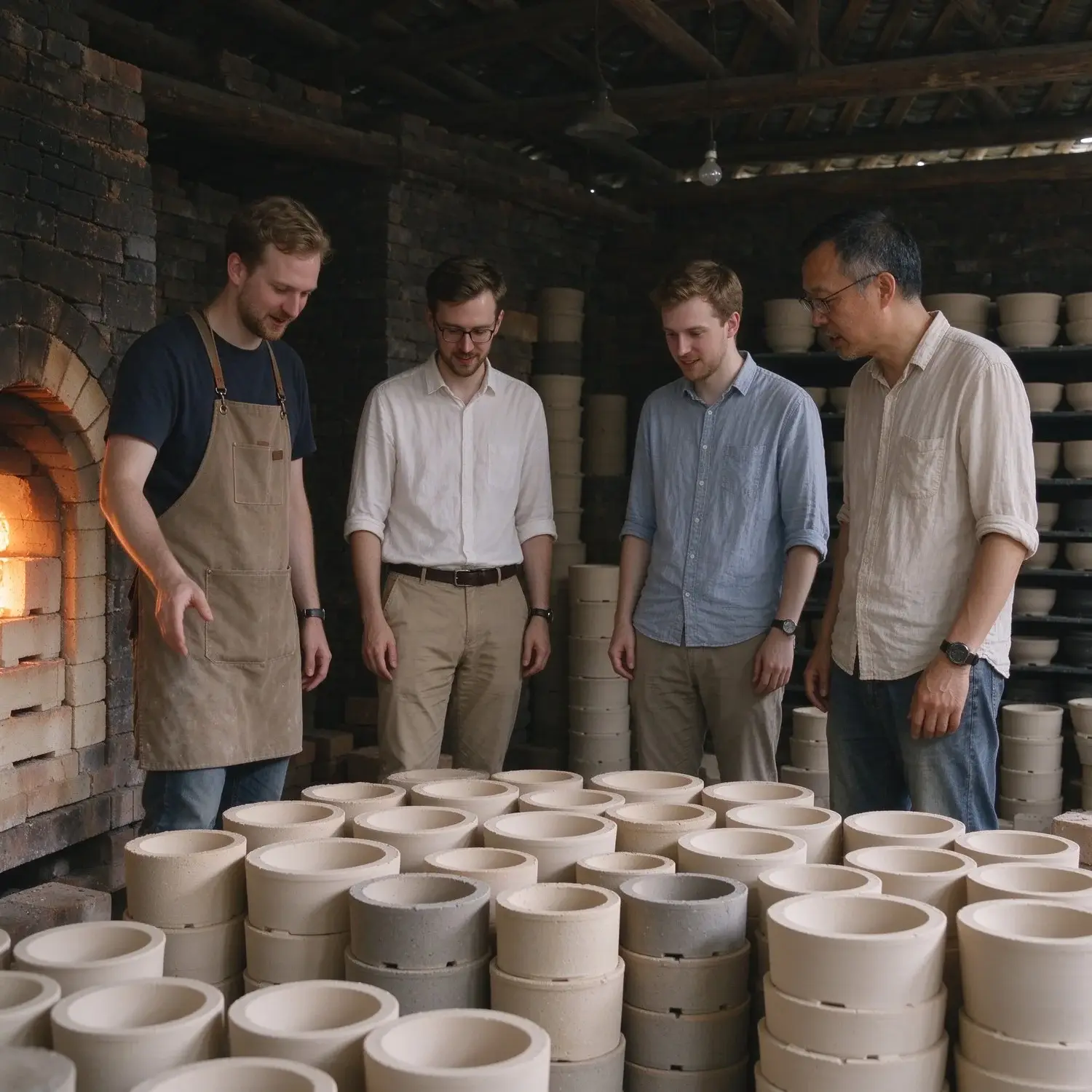
Kiln structure and firing science
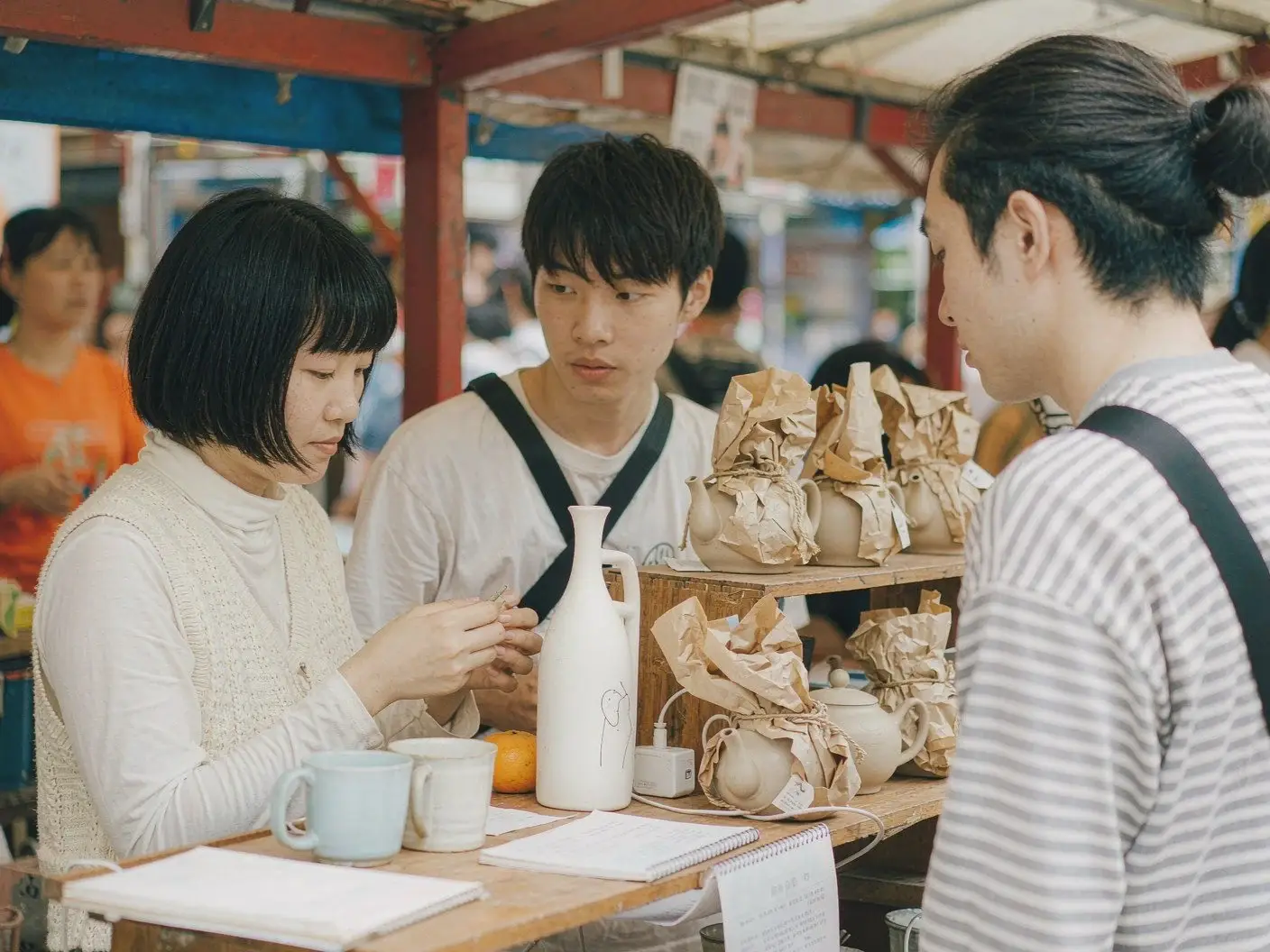
Ceramics brands and market observation
Creative practice and integrated skills
Projects that turn observation into original student work.
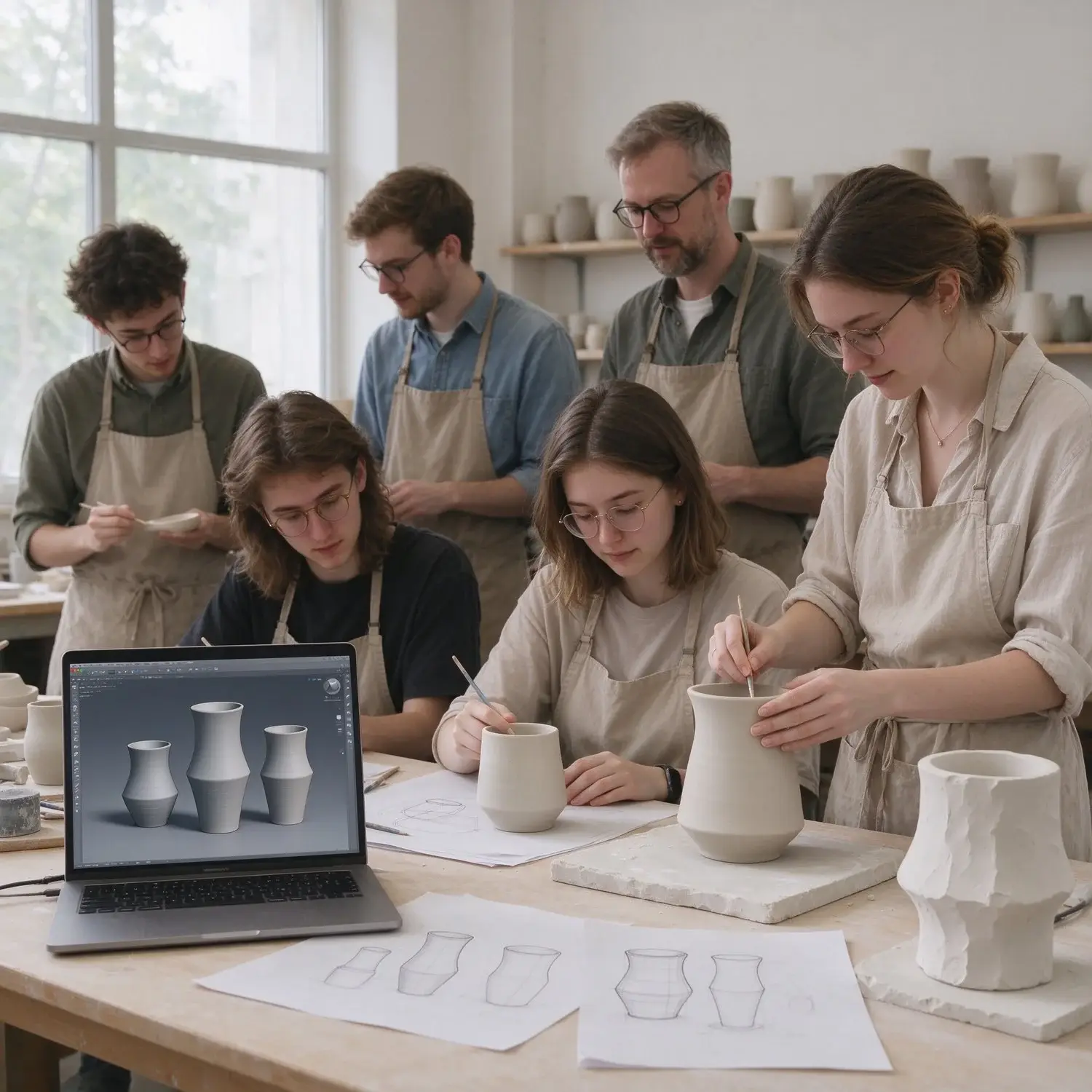
Modern ceramics design
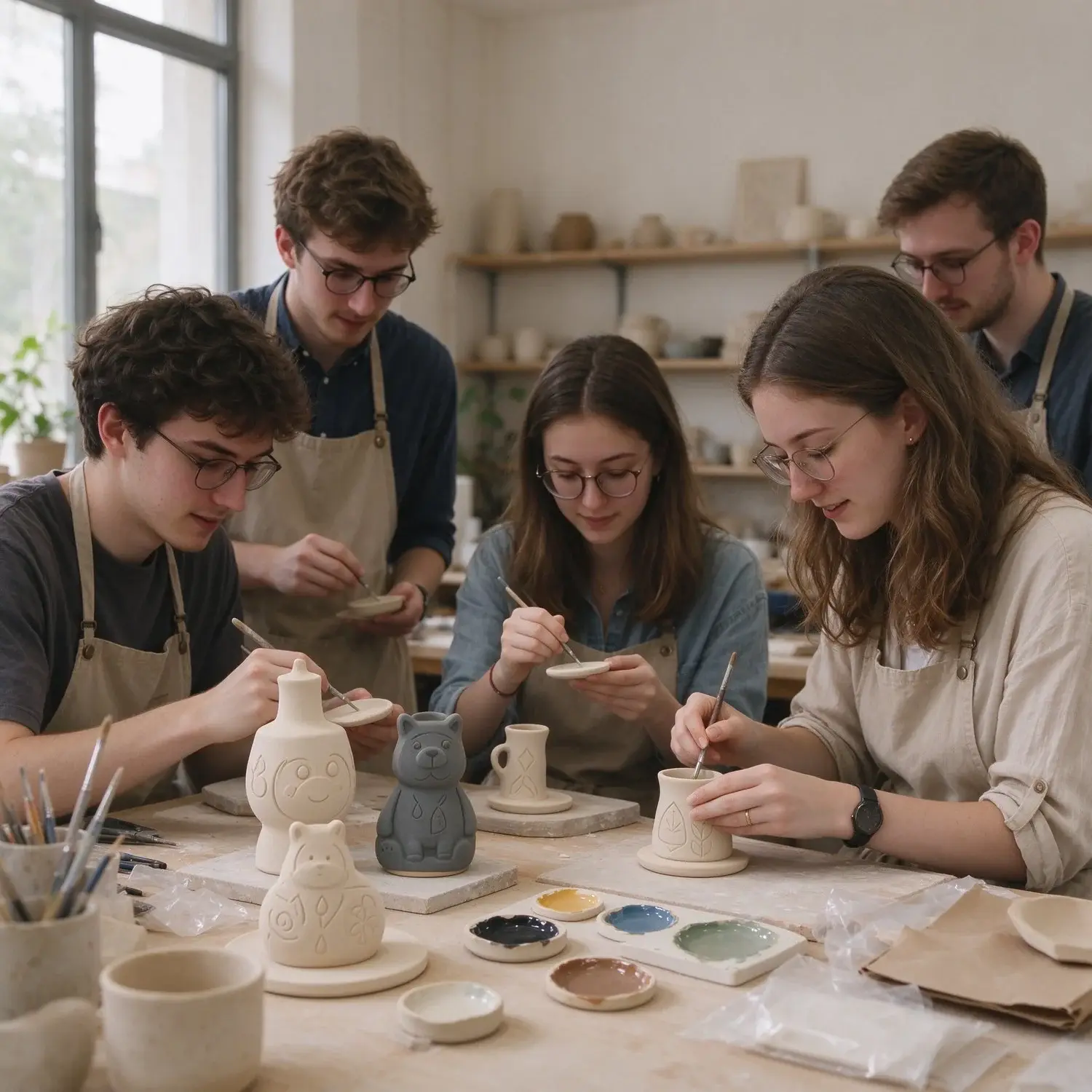
Ceramic cultural-creative product development

“My Porcelain Brand” project
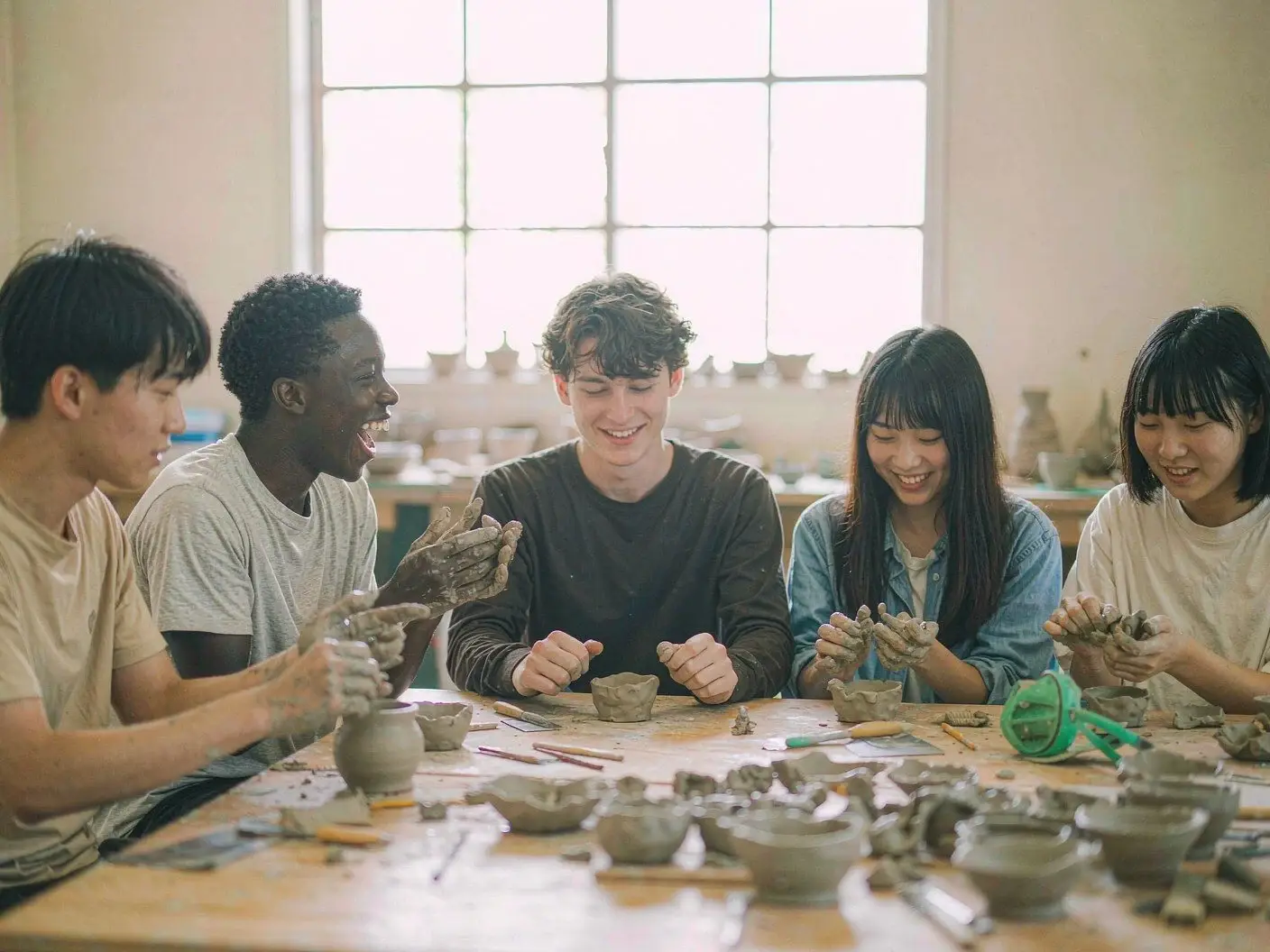
International ceramics exchange and cross-cultural expression
Outcomes and practical tasks
The value of porcelain study is not how many places are visited, but whether students truly leave behind outcomes of observation, practice, thinking and creation. Turn every resource point into a task that can be recorded, presented and reviewed.
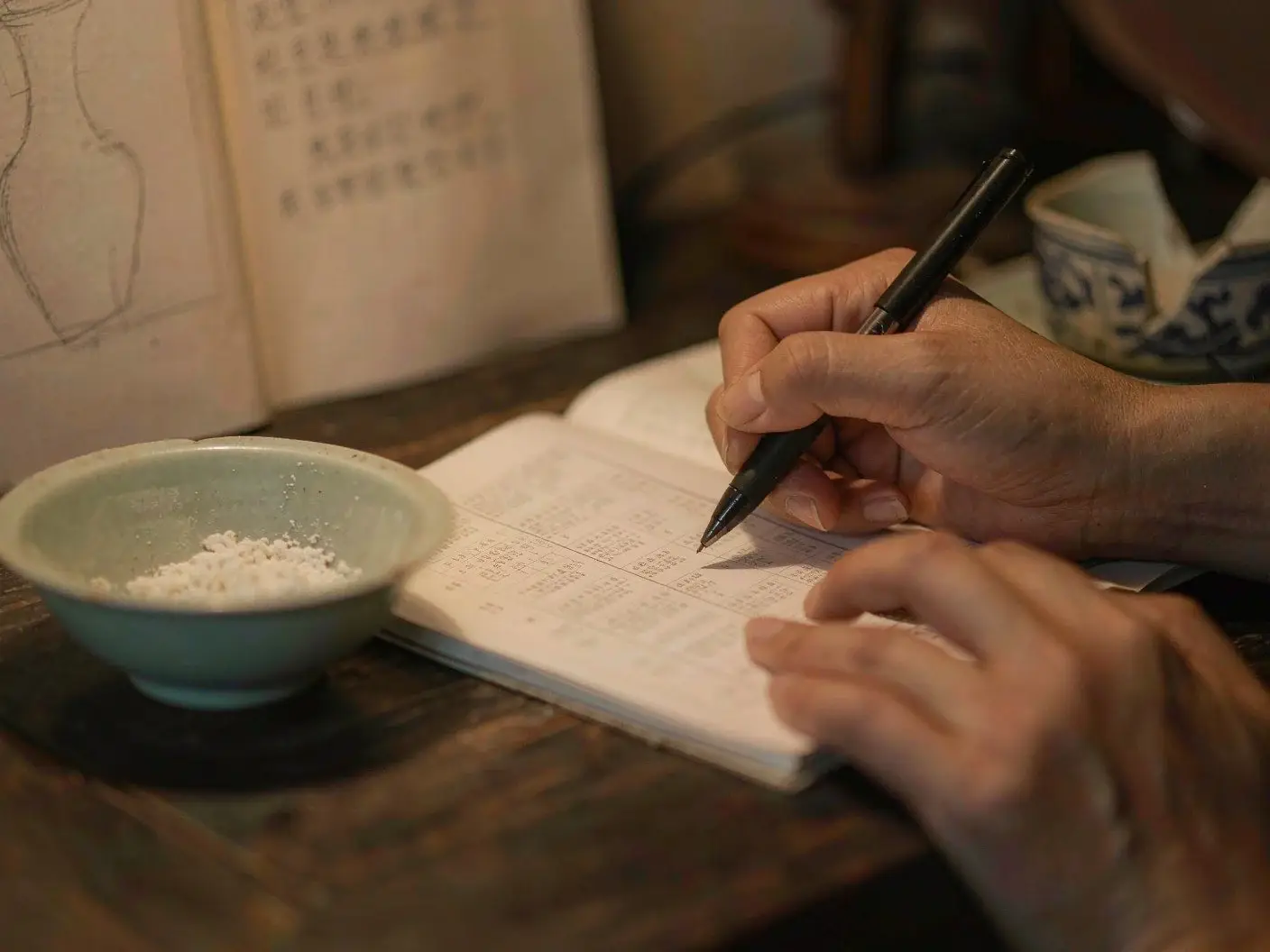
Ceramics observation record
Choose one object in a museum, site or studio; record its form, motif, glaze colour, use and your own unanswered questions; compile an observation card.
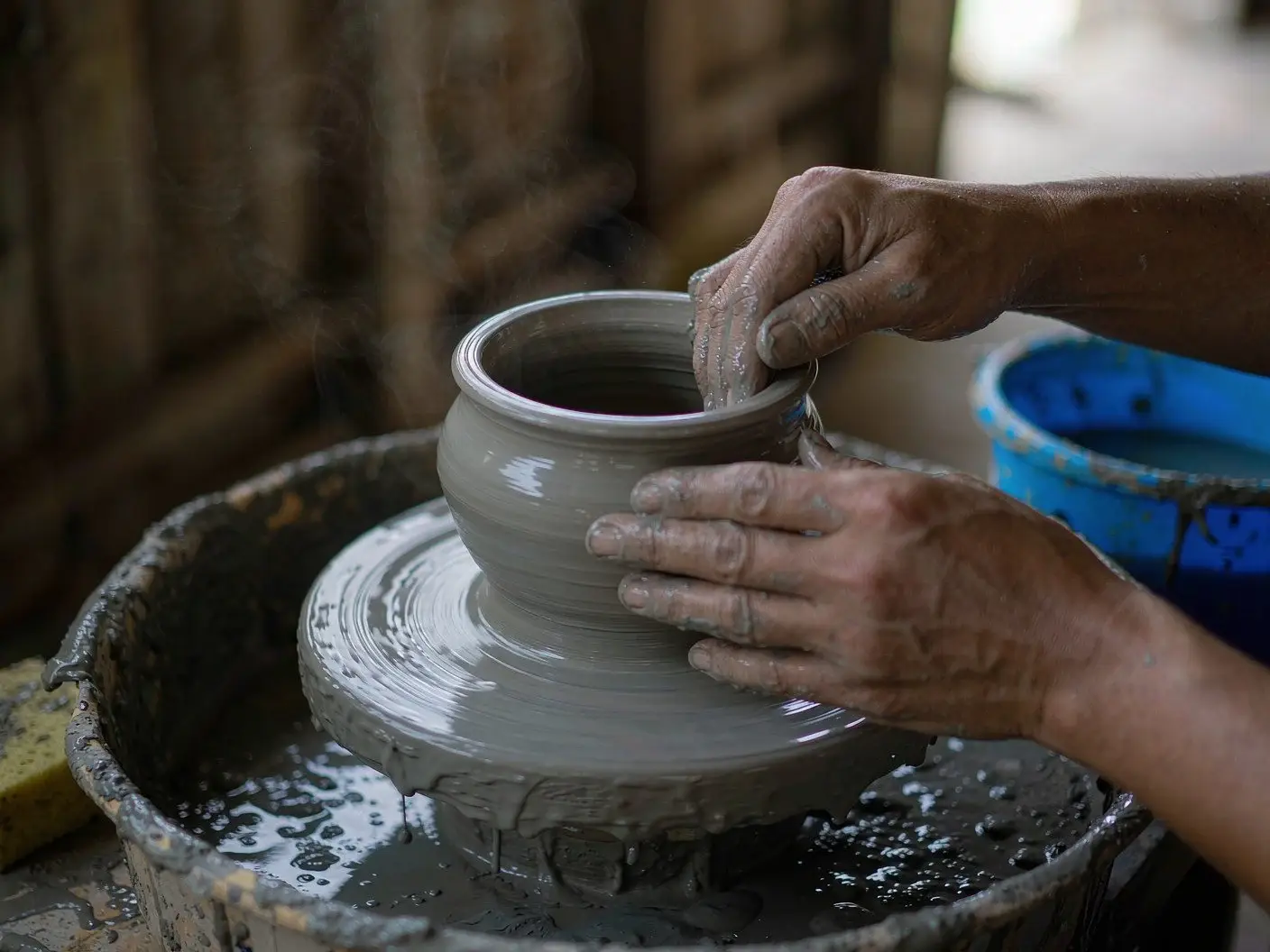
A hand-made ceramic piece
Choose throwing, clay sculpture or hand pinching; note the hardest step in forming, your corrections and how the result changed.
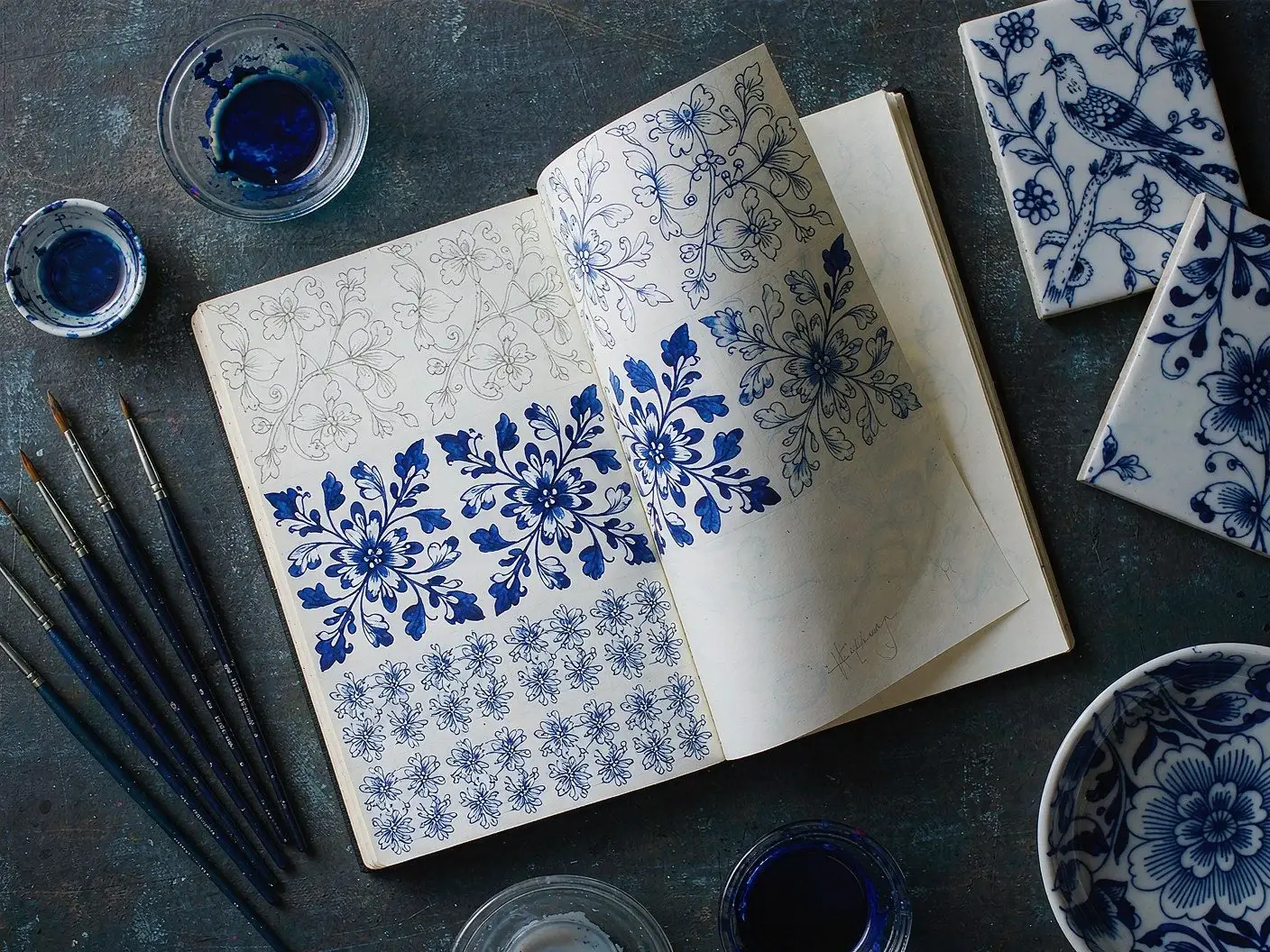
Blue-and-white motif design
Extract structure and rhythm from traditional motifs, then add your own theme to make a set of blue-and-white patterns with both a cultural source and your expression.
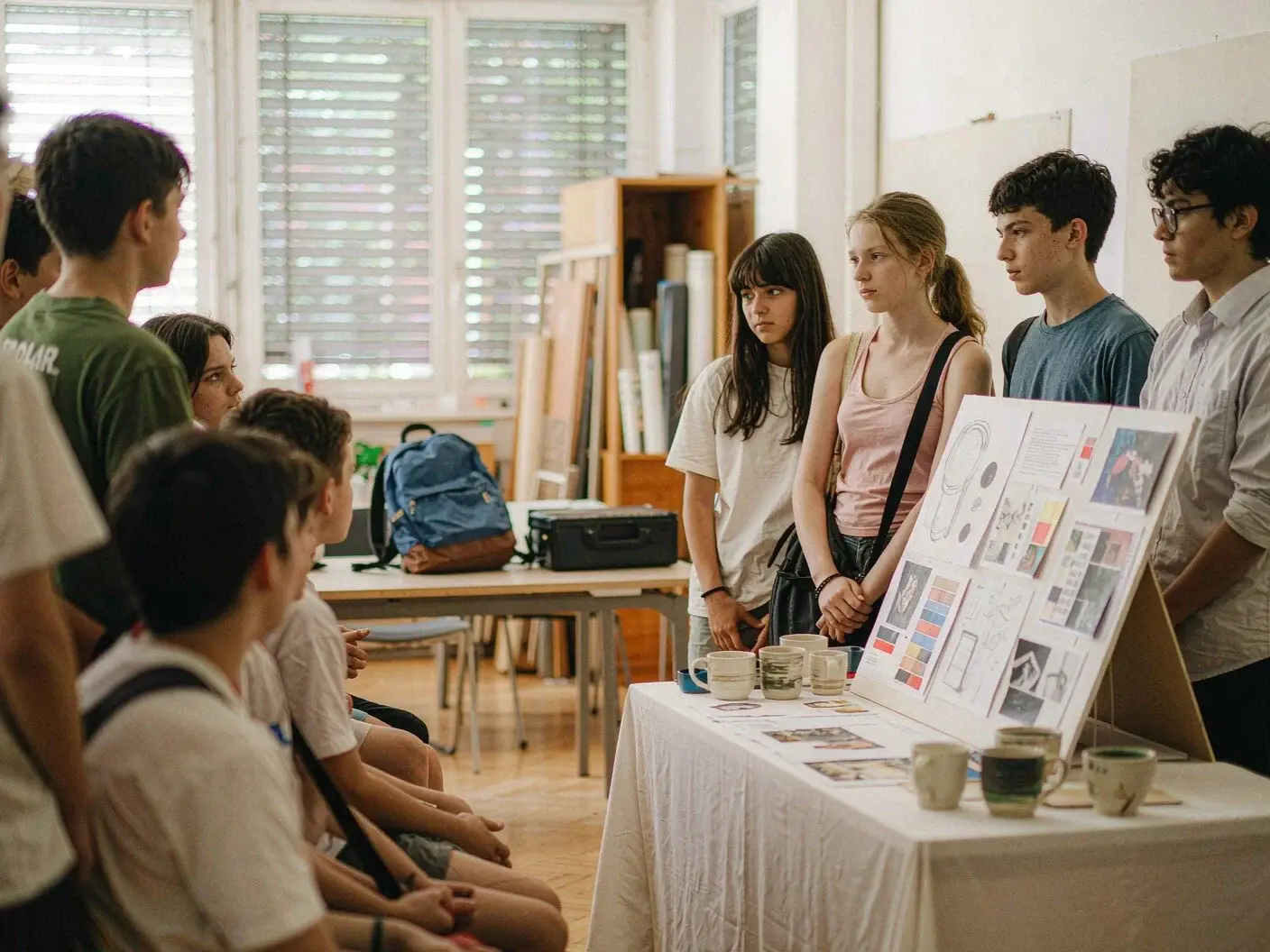
“My Porcelain Brand” group
Produce a brand name, product positioning, packaging concept and three-minute talk — taking outcomes into design and expression.
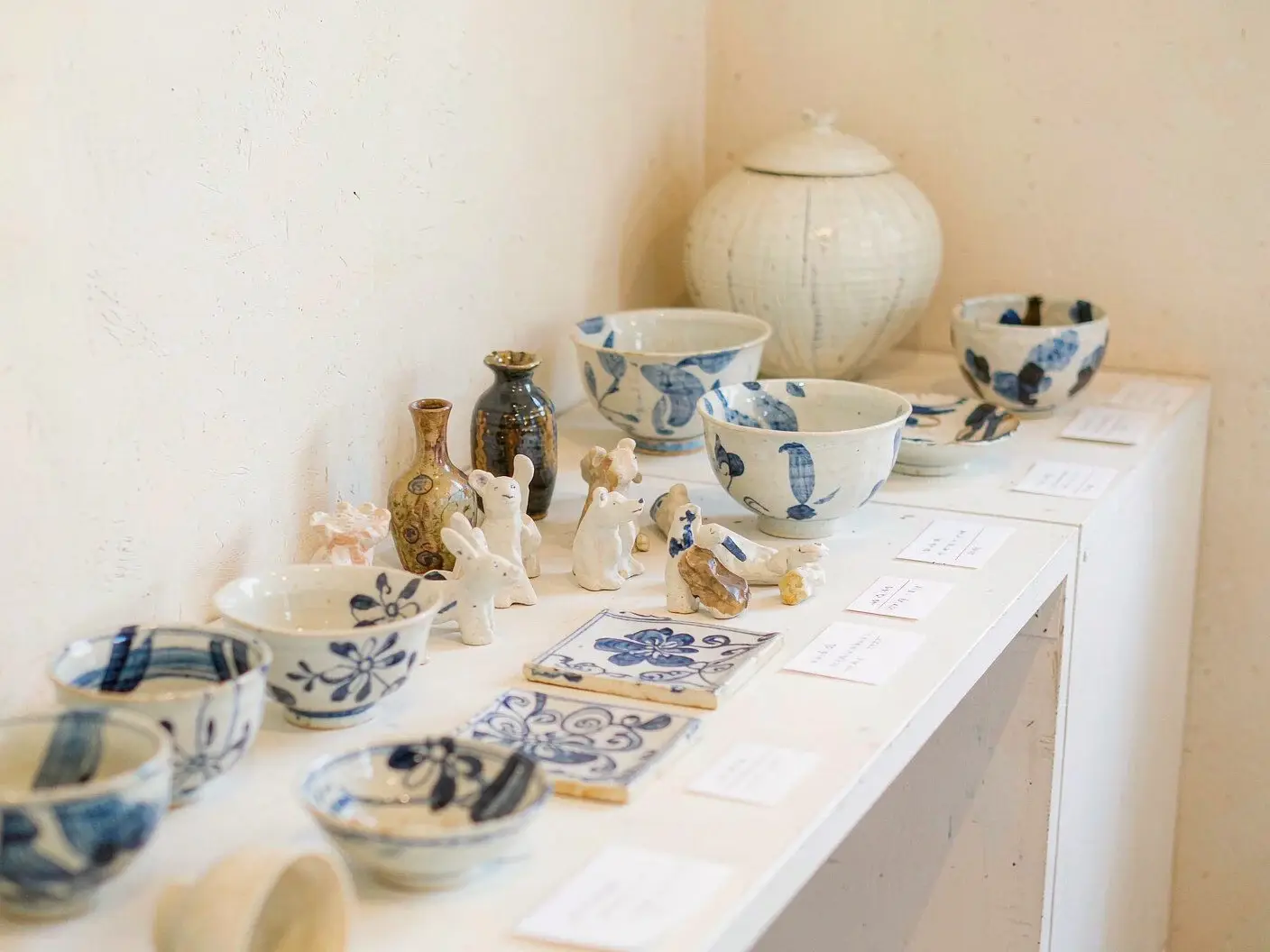
One ceramics observation record + one hand-made piece + one blue-and-white motif design + one group “Porcelain Brand” presentation — joining visiting, practice, thinking and expression into a learning loop that can be shown and reviewed.
Suggested theme combinations
| Theme | Recommended combination | Audience / scenario |
|---|---|---|
| Ceramic history | China Ceramics Museum + Imperial Kiln Factory site + Imperial Kiln Museum | First study / history & culture courses |
| Heritage craft practice | Ancient Kiln Area + throwing & trimming + blue-and-white painting | Upper primary / junior secondary / families |
| Science inquiry | Gaoling & Yaoli + clay-body experiments + kiln firing | STEM / secondary |
| Art & design innovation | Sanbao Village + modern ceramics design + product development | Art, design & integrated practice |
| Brand & international exchange | Taoxichuan + market observation + brand project + cross-cultural making | Senior secondary / university / international |
Porcelain study need not be tied to fixed days or standard routes. The truly tailored approach combines, by age, curriculum goals, interests and budget, six directions — history, heritage practice, scientific inquiry, art and design, brand innovation and international exchange — so every programme at this porcelain capital has clear learning goals and deliverable outcomes.
Ready to build your porcelain study programme?
Share your students’ age, curriculum goals and dates. We will tailor the field studies, hands-on workshops and outcome tasks for you.
Start PlanningHangzhou
Hangzhou at a glance
Hangzhou lies in northern Zhejiang, below the Qiantang River at the southern end of the Beijing–Hangzhou Grand Canal — one of China’s first national historic-cultural cities. Here are the ancient city walls and water dams Liangzhu people raised 5,000 years ago, the lake-and-hill setting of West Lake (“three sides of cloud hills, one side of city”), the still-travelling canal running north–south, and the palace sites, imperial kilns and street life of Lin’an, the Southern Song capital.
For students, the value of the trip is not simply “enjoying the scenery”. Standing before real ruins, causeways, kiln sites and museum cases, they turn civilisation’s origins, engineering, literary allusion and craft wisdom from textbooks into things they can measure, record and tell.
Think of Hangzhou as an open textbook of Jiangnan civilisation — best approached through six angles: five-thousand-year Liangzhu and the dawn of civilisation; West Lake’s landscape and Eastern aesthetics; the Grand Canal and hydraulic engineering; Southern Song Lin’an and Song-style culture; silk-and-tea craft and handwork; and urban renewal with cultural creativity.
Six study keywords worth attention
Read the evidence of China’s 5,000-year civilisation in Liangzhu’s ancient city, water system and ritual jade.
From two causeways, three isles and the Ten Scenes, grasp the aesthetic laws of Eastern landscape.
Walk the river, bridges, locks and granaries to understand tribute transport and hydraulic wisdom.
At the Deshou Palace site and rebuilt Song architecture, touch the life of the Southern Song capital.
Follow sericulture, Longjing tea roasting, silk umbrellas and fans — the care of materials and process.
From the Qiaoxi historic district and museum-creative spaces, see how tradition enters contemporary life.
Recommended priority
| Priority | Best for | Representative sites | Use case |
|---|---|---|---|
| A · Core intro | First-time study groups in Hangzhou | Zhejiang Provincial Museum, West Lake, Liangzhu Ancient City Site | Civilisation origins / World Heritage |
| B · In-depth practice | Learners interested in history, literature, craft and design | China National Silk Museum, Deshou Palace, Southern Song Guan Kiln Museum | Craft practice / Song style & archaeology |
| C · Creative extension | Secondary, university and international students | Qiaoxi historic district, arts-and-crafts museum cluster, creative markets | Cultural-creative design / city narrative |
The cultural background to Hangzhou study
2.1 · Five-thousand-year Liangzhu and the dawn of Chinese civilisation
Around 5,300–4,300 years ago, a rice-farming society with clear social hierarchy and a shared belief built Liangzhu Ancient City on the wetlands around Taihu in the lower Yangtze. The city had a concentric three-tier plan — palace area, inner city of about 3 million m² and outer city of about 8 million m²; eight of its nine gates were water gates, and people lived by the water and moved by boat. Beyond the northern wall, 11 man-made dams (high valley dams, low plain dams and a long piedmont dyke) formed a reservoir of about 13 km² holding over 46 million m³ — the earliest large-scale hydraulic works yet found in China. On 6 July 2019 it was inscribed on the World Heritage List, the sacred site that proves China’s 5,000-year civilisation. The “King of Cong” jade ritual piece from Fanshan weighs about 6.5 kg and bears the intricate deity-and-beast motif; together with bi discs and yue axes it forms the ritual system “vessels carrying ritual” — students here see the complete evidence chain left by an early regional state.
2.2 · West Lake and Eastern landscape aesthetics
West Lake began as a shallow bay joined to the Qiantang River; silt turned it into a lagoon, and centuries of dredging shaped it into what it is today. Its “three sides of hills, one side of city” setting, the two causeways and three isles (Bai Causeway, Su Causeway, and Xiaoyingzhou, Huxinting, Ruangongdun) and the “one hill, two pagodas, three isles, three causeways, five lakes” water structure form a complete Eastern landscape system. At normal level the lake covers 6.38 km², averaging about 2.27 m deep. The Ten Scenes named in the Southern Song use four-character titles to capture the seasons — Dawn on the Su Causeway, Lotus Wafting in the Curved Courtyard, Autumn Moon over the Calm Lake, Lingering Snow on the Broken Bridge — poem and painting inside each name. On 24 June 2011 “West Lake Cultural Landscape of Hangzhou” was inscribed, one of the few lake-type cultural landscapes on the World Heritage List and the only one in China. Bai Juyi and Su Shi, two “scholar-governors”, both managed the water and built causeways here — their names live on the Bai and Su Causeways. It reminds students: half the beauty of West Lake comes from the hills and water, half from how people have lived with them over centuries.
2.3 · The Grand Canal and tribute-transport engineering
First cut in the Spring and Autumn period, the Grand Canal of China runs about 1,794 km — the longest and oldest artificial canal in the world, inscribed on 22 June 2014. The Hangzhou section runs about 39 km from Tangqi in Yuhang in the north to the Qiantang River in the south, the southern end of the Jiangnan Canal and the western end of the Zhedong Canal, a transfer hub between the two systems and one of the longest-continually-used stretches of the whole canal. Today it holds 11 heritage elements: five waterways (Hangzhou Tang, Shangtang River, Zhonghe–Longshan River, Xixing Canal and others) and six sites (Gongchen Bridge, Guangji Bridge, Qiaoxi historic district, Fuyi Granary, Fengshan Water Gate ruins, Xixing Guotanghang Wharf). Gongchen Bridge, begun in 1631 and rebuilt in 1885, is a three-arch thin-pier camelback bridge and the southern marker of the Beijing–Hangzhou Canal; Fuyi Granary, built in the Guangxu reign, is one of the best-preserved ancient urban public granaries along the canal. From the “cross-barrier” sandbars and dams to the relation of granaries and wharves, one river preserves tribute transport, engineering and waterside life.
2.4 · Southern Song Lin’an and Song-style culture
In 1138 the Southern Song formally made Lin’an (today’s Hangzhou) its capital; for the next 150-plus years the city was the political, economic and cultural centre of the then Chinese world. The Southern Song imperial city rose by Phoenix Hill; the Deshou Palace, for the retired emperor, lay north of it and was called the “Northern Inner Palace”, later renamed Chonghua Palace — Emperor Gaozong, Empress Wu, Emperor Xiaozong and Empress Xie all lived there. At its peak Deshou held over 270 halls and pavilions on no less than 110,000 m², divided into four quarters with seasonal scenery — a political centre and a top imperial garden at once. Since 2001 archaeologists have excavated the Deshou site four times, uncovering nearly 7,000 m²: large palace foundations, brick roads, rockery bases and drainage works, with 6,696 artefact groups recovered, mostly Song celadon. The Southern Song Deshou Palace Site Museum, built on the original site, opened on 18 November 2022 on about 21,000 m² of land with about 12,000 m² of building and 4,590 m² of exposed ruins. Beside it, the Southern Song Guan kiln sites, the imperial street ruins and the Buddhist pagodas and stone bridges across the city together make “Song style” a cultural coordinate you can walk and examine.
2.5 · Longjing tea and the culture of hills and waters
Among the hills around West Lake, Longjing Village is the core growing area of West Lake Longjing tea. It arose in the Tang, grew famous in the Song–Yuan–Ming and flourished in the Qing, famed for “green colour, rich fragrance, mellow taste and elegant shape”. From fresh leaf to finished tea it passes through nine hand-worked stages — spreading, initial pan-firing, shaping, re-drying and final finishing. In 2008 the green-tea making craft (West Lake Longjing) was listed as a national intangible cultural heritage. Today the tea fields, the China National Tea Museum and the hill villages are linked by walking paths — ideal for a full observation loop of seeing, picking, roasting and tasting. Nearby in the West Lake scenic area, silk, silk umbrellas, fan craft and seal-carving workshops are scattered through the hills; together with the tea gardens they layer ecology, handcraft and daily life on one route. This is the most concrete way to understand “Jiangnan”: hills, water, craft and people depend on one another.
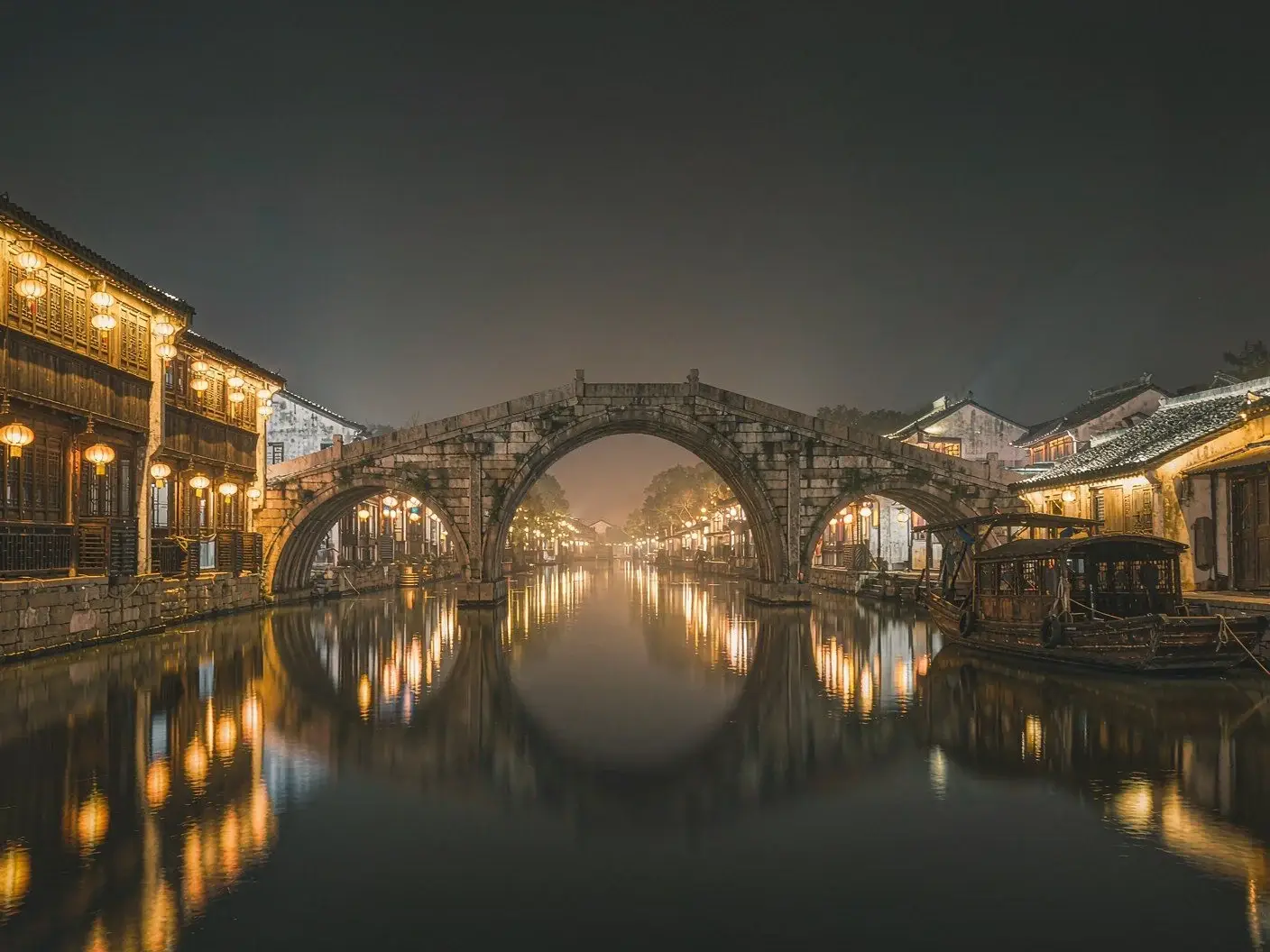
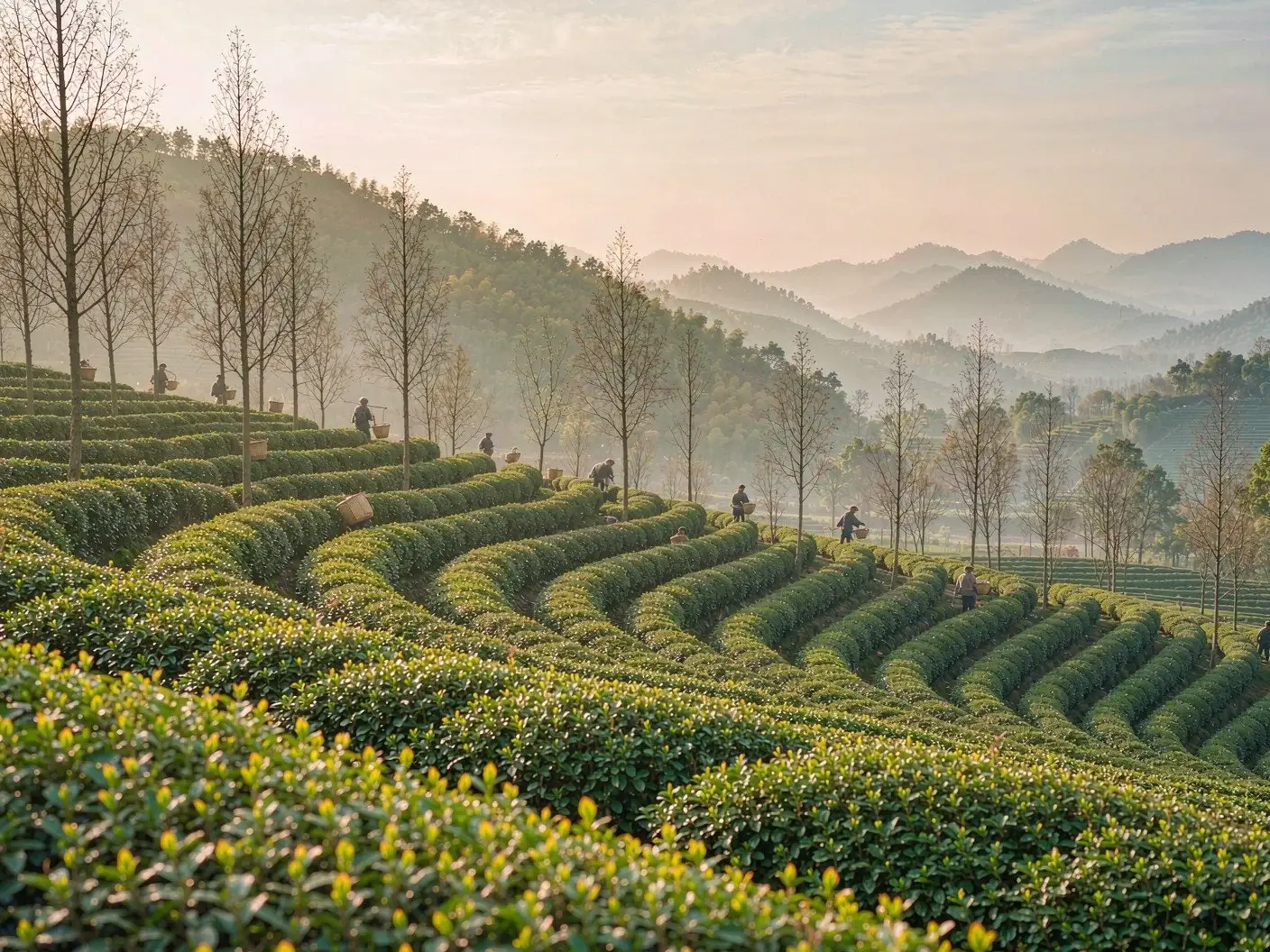
Six core study recommendations
The six first-priority stops for a Hangzhou study programme.
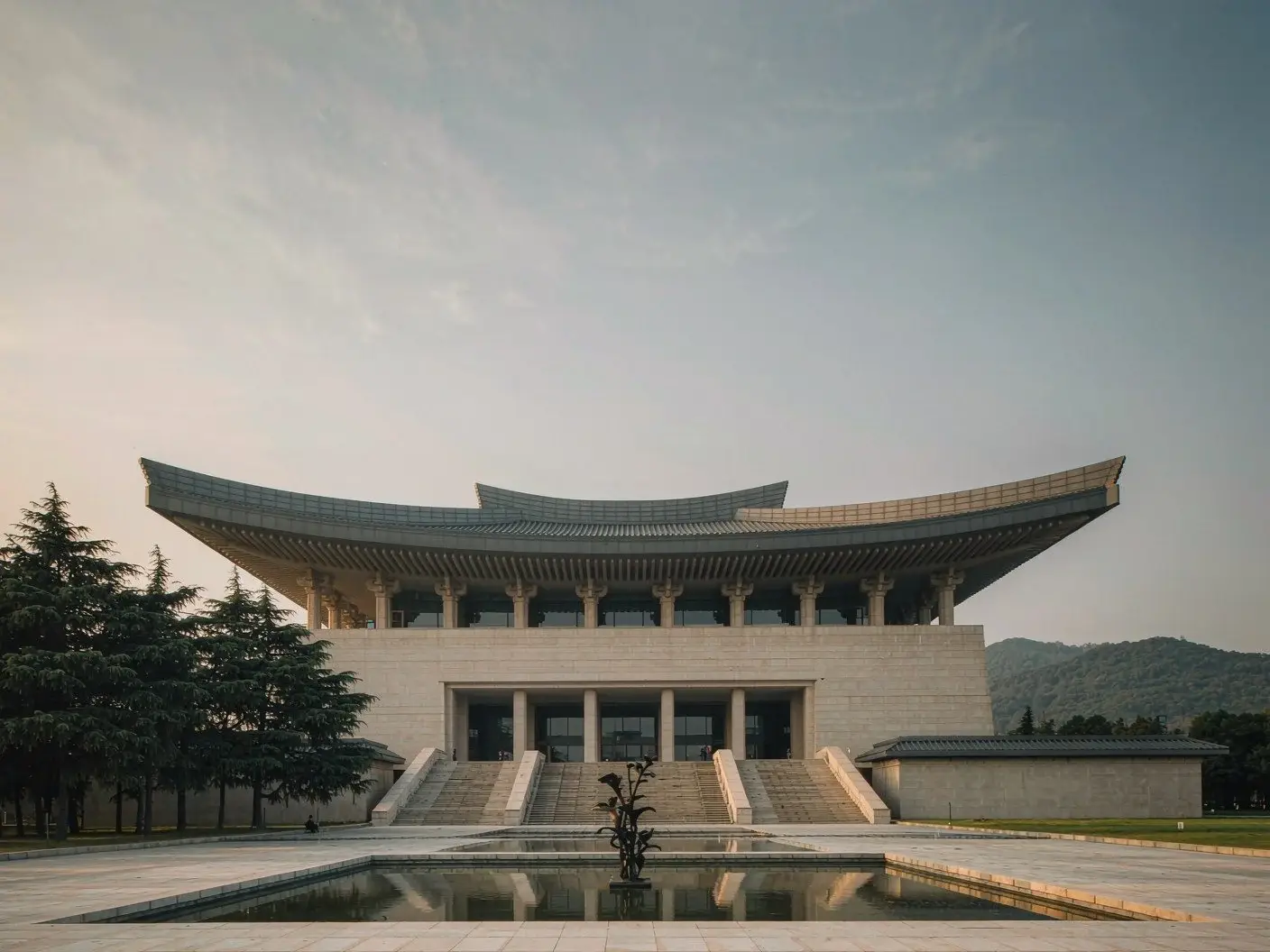
Zhejiang Provincial Museum · Zhijiang Hall
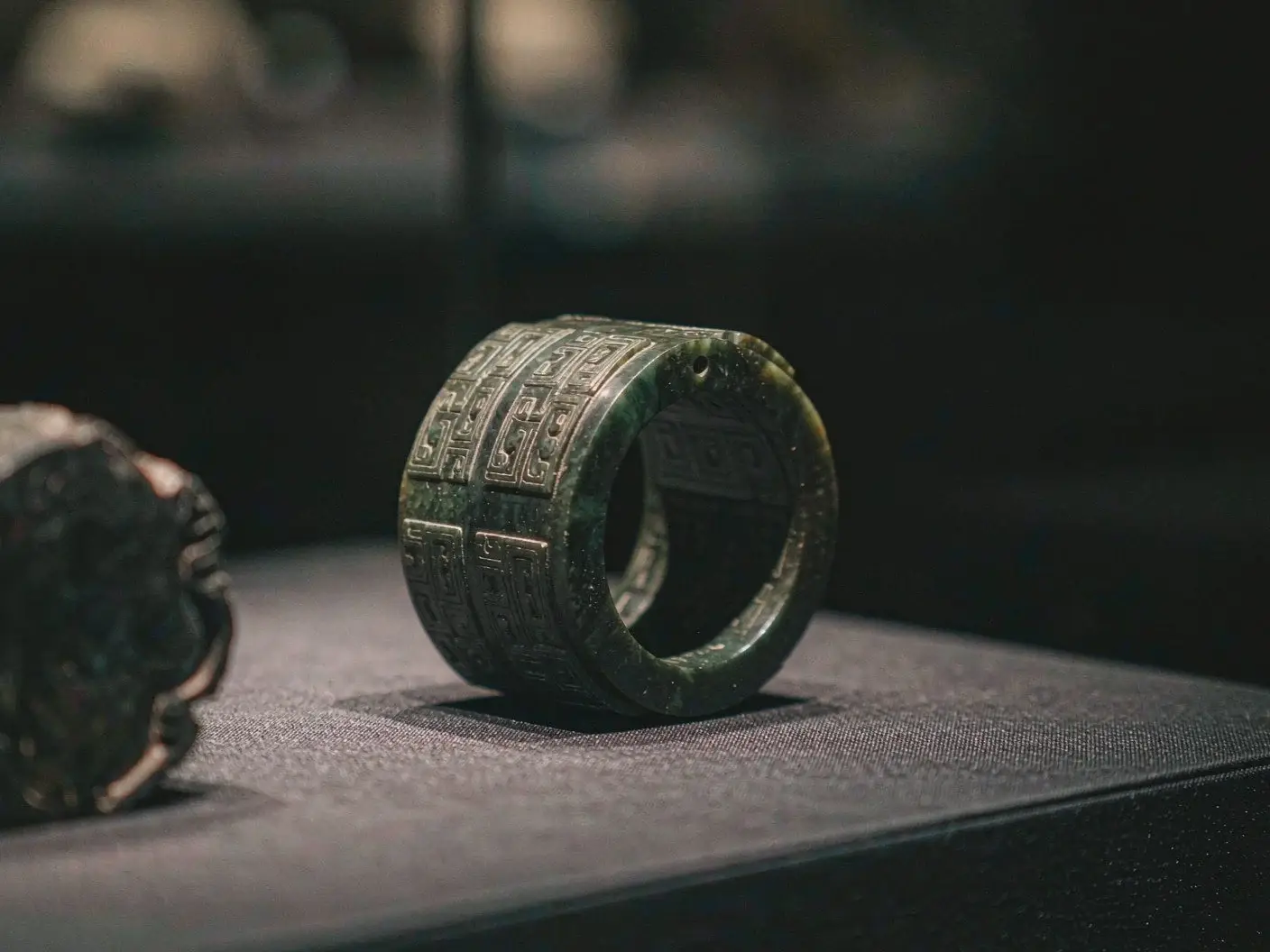
Liangzhu Ancient City Site Park & Liangzhu Museum
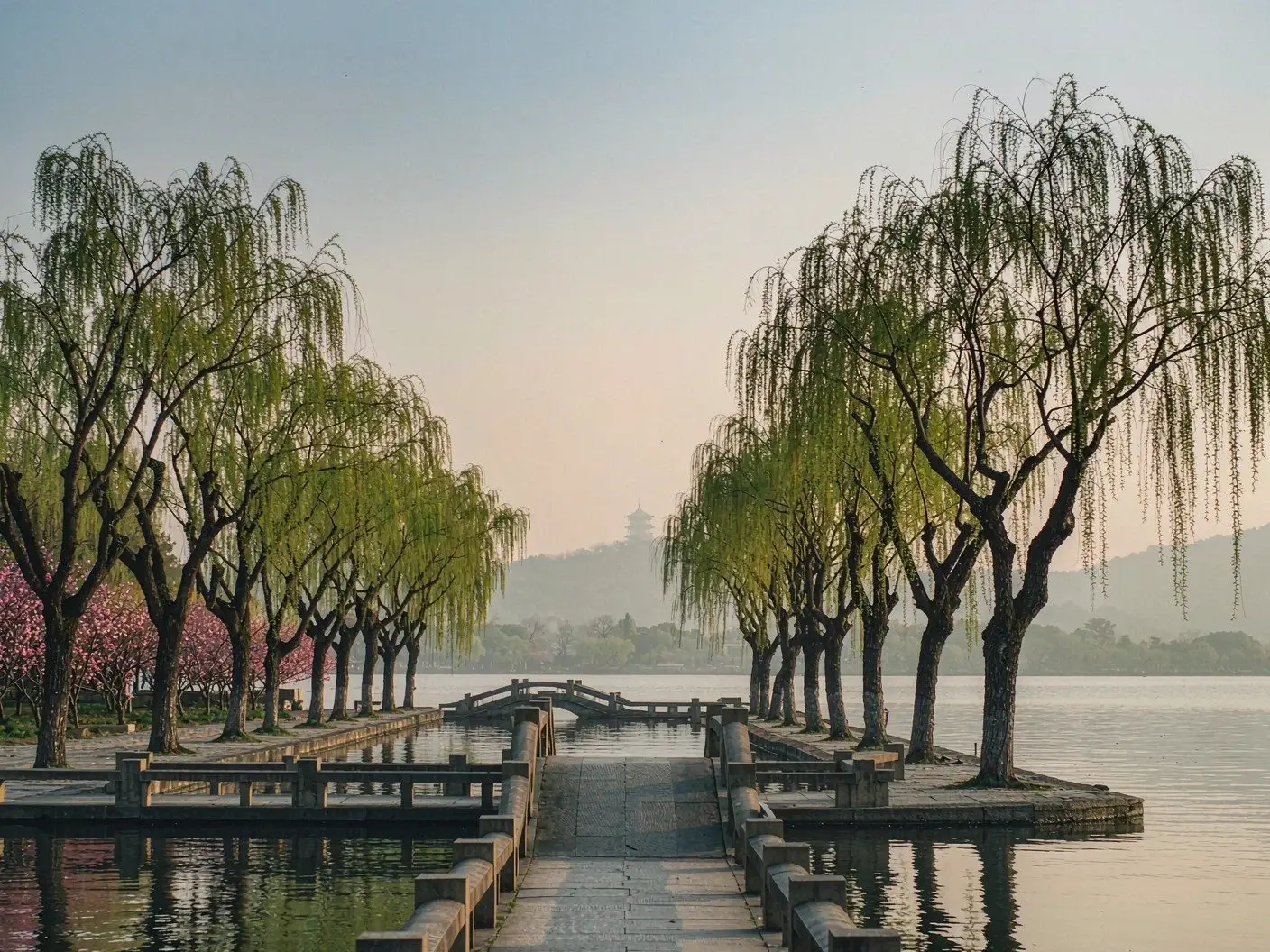
West Lake Cultural Landscape
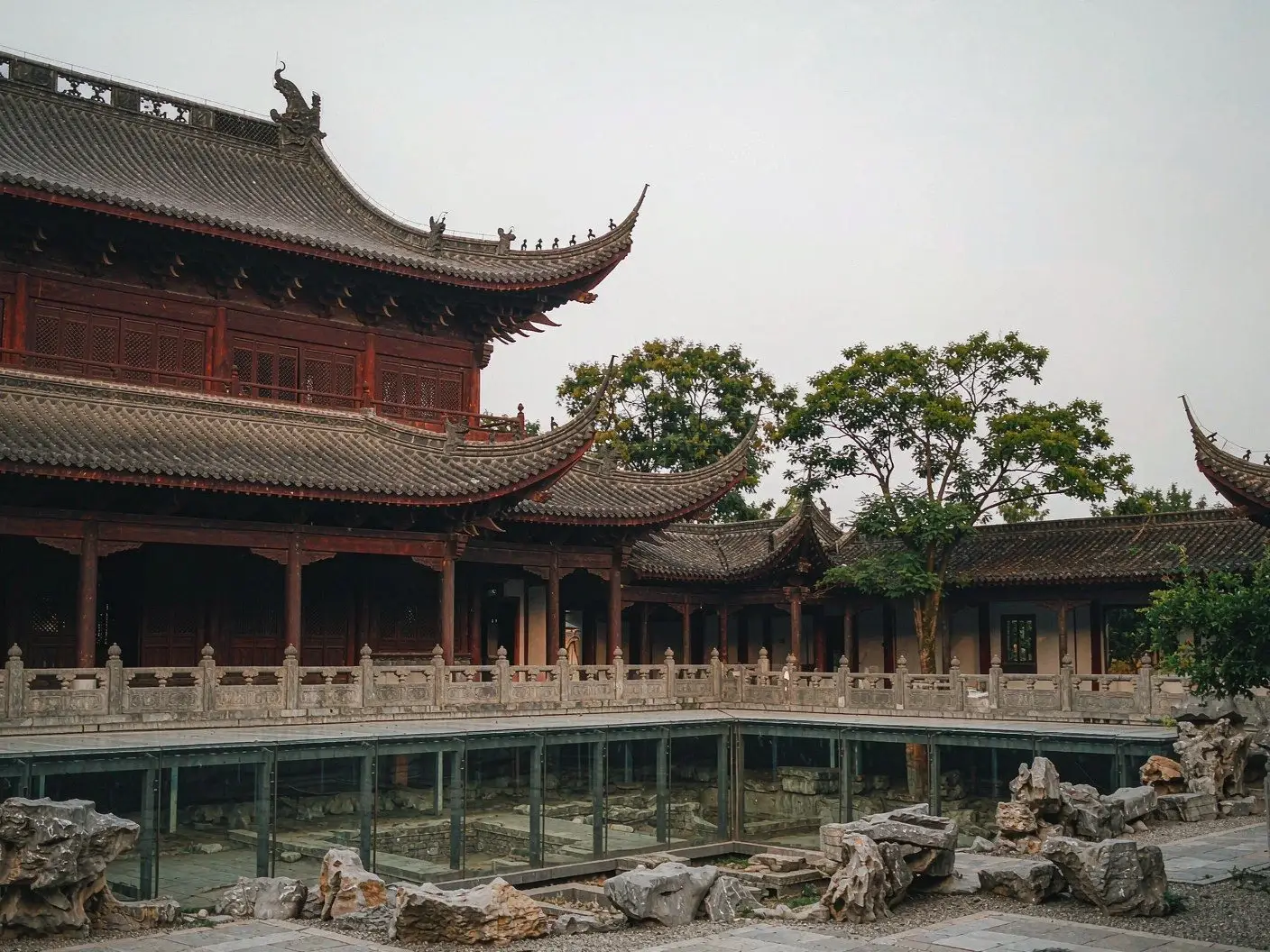
Southern Song Deshou Palace Site Museum
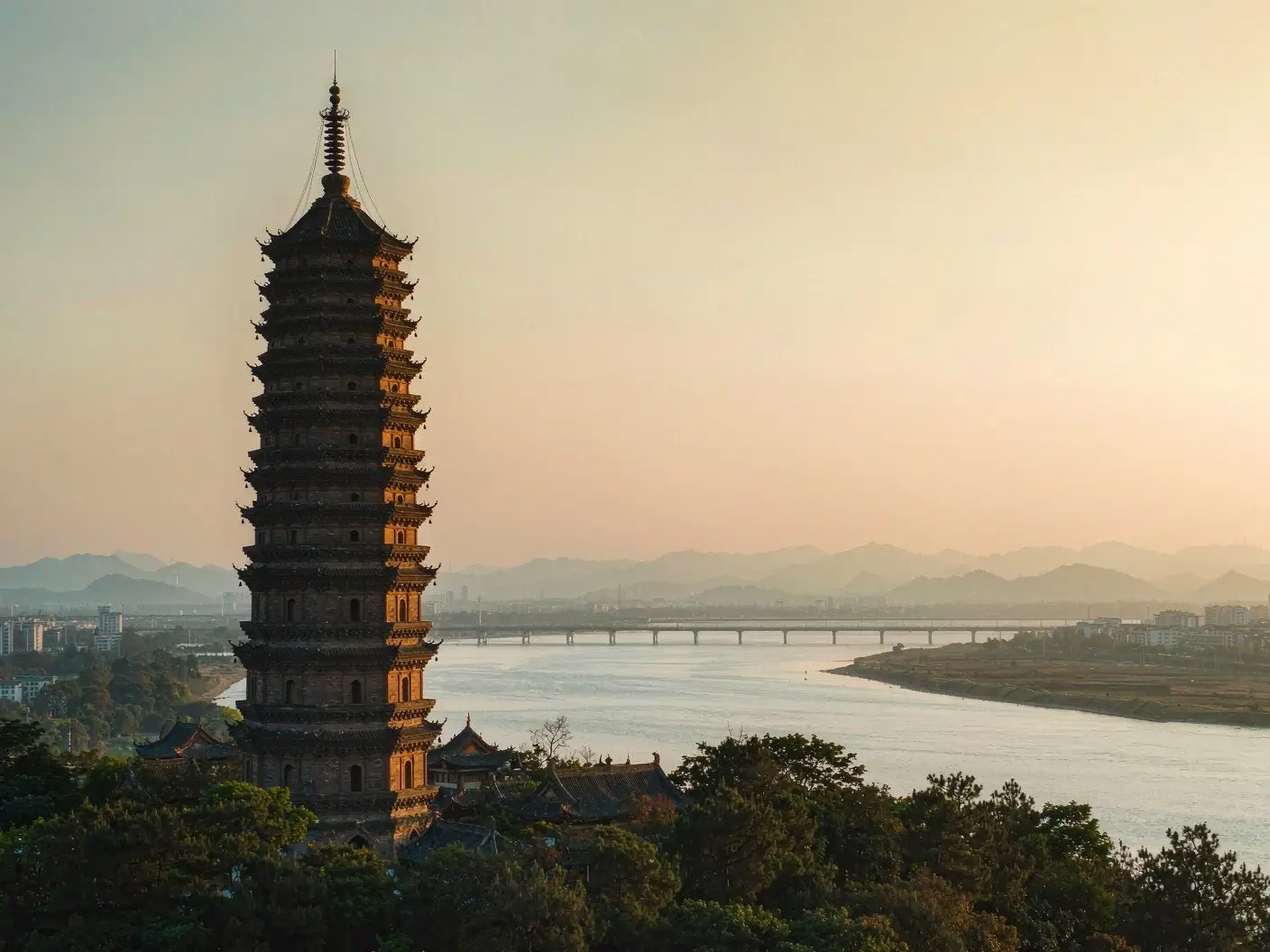
Liuhe Pagoda & the Qiantang River
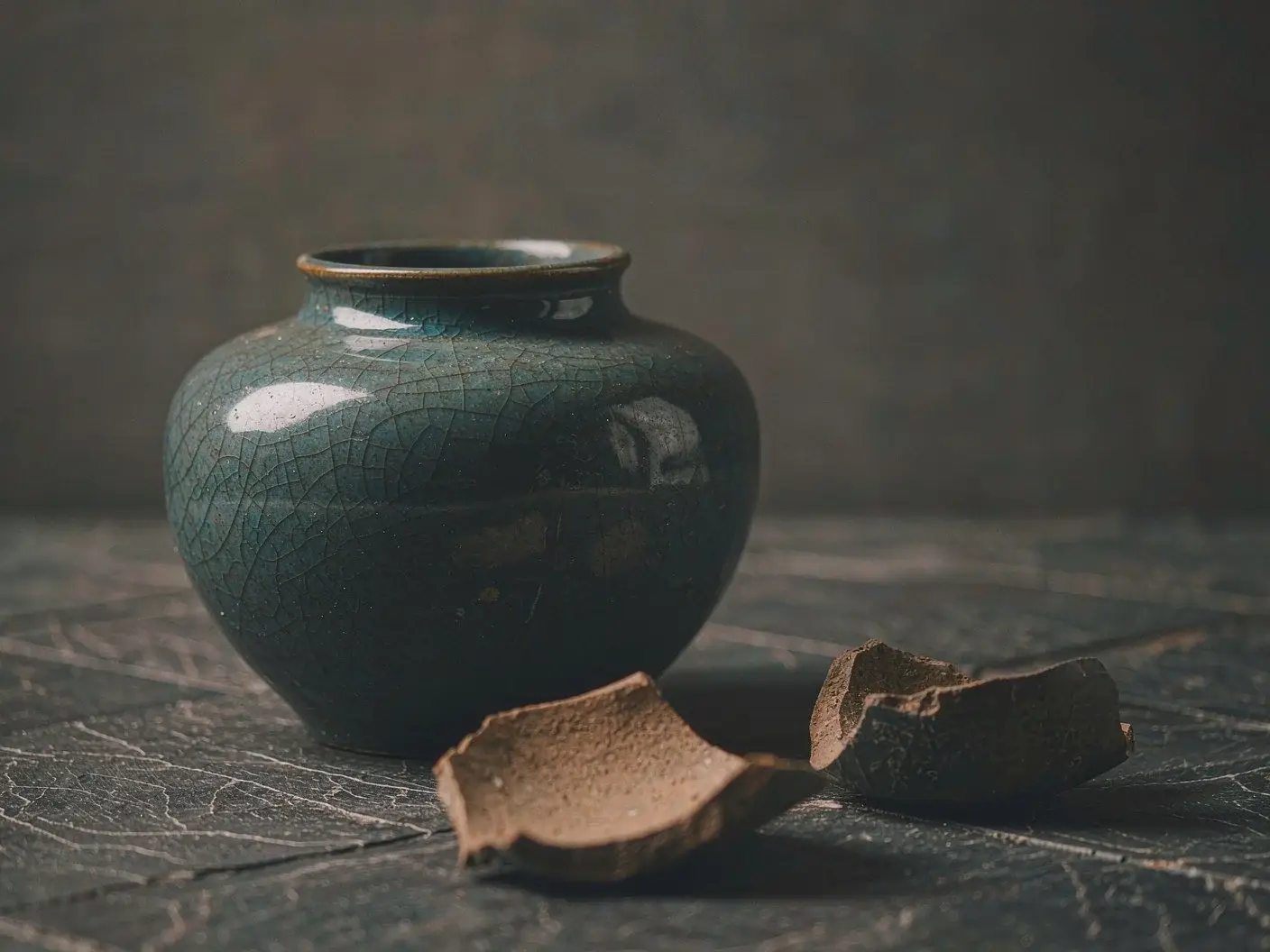
Southern Song Guan Kiln Museum
Six in-depth study extensions
Longer, more specialised studies for groups with clear interests.
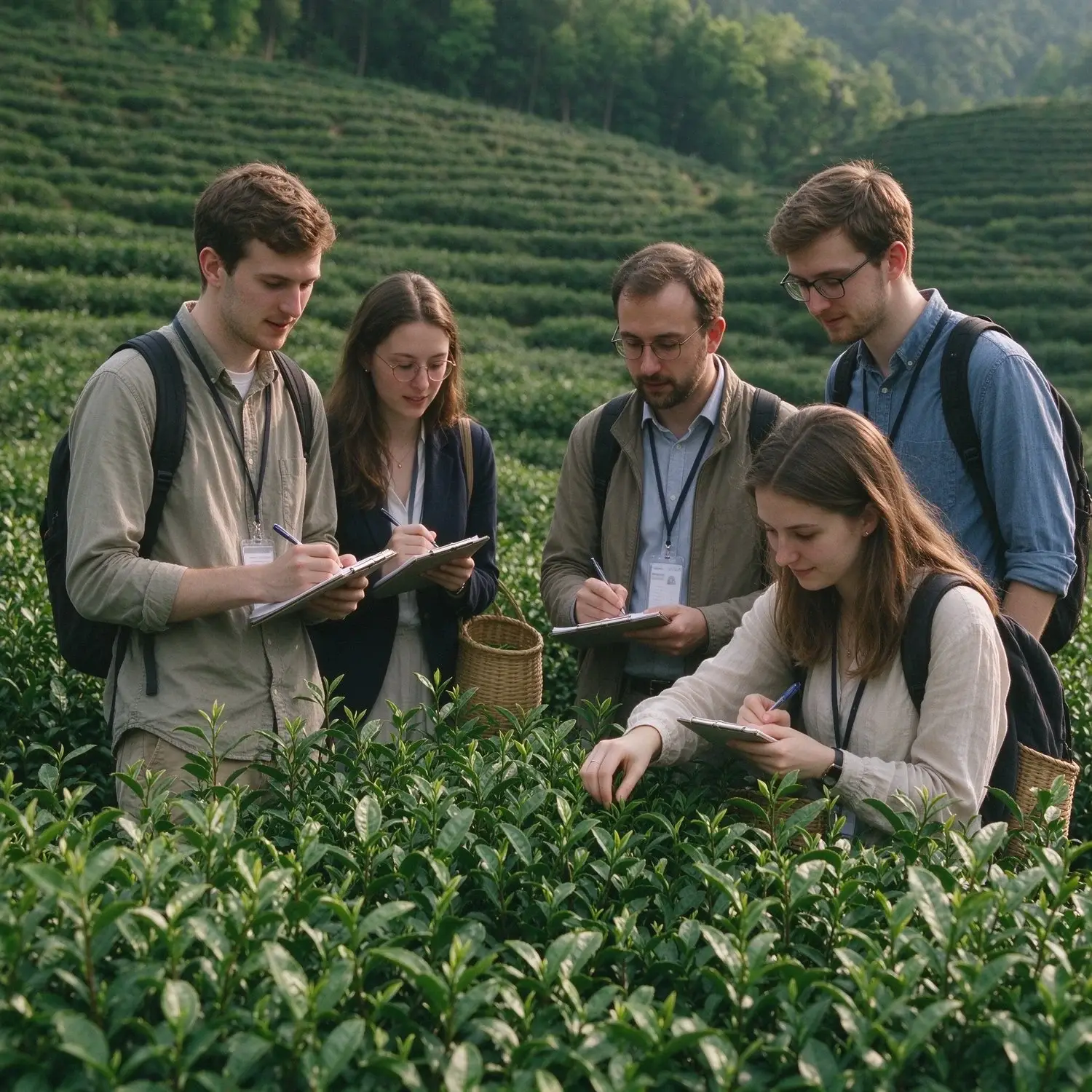
China National Tea Museum & Longjing Tea Fields
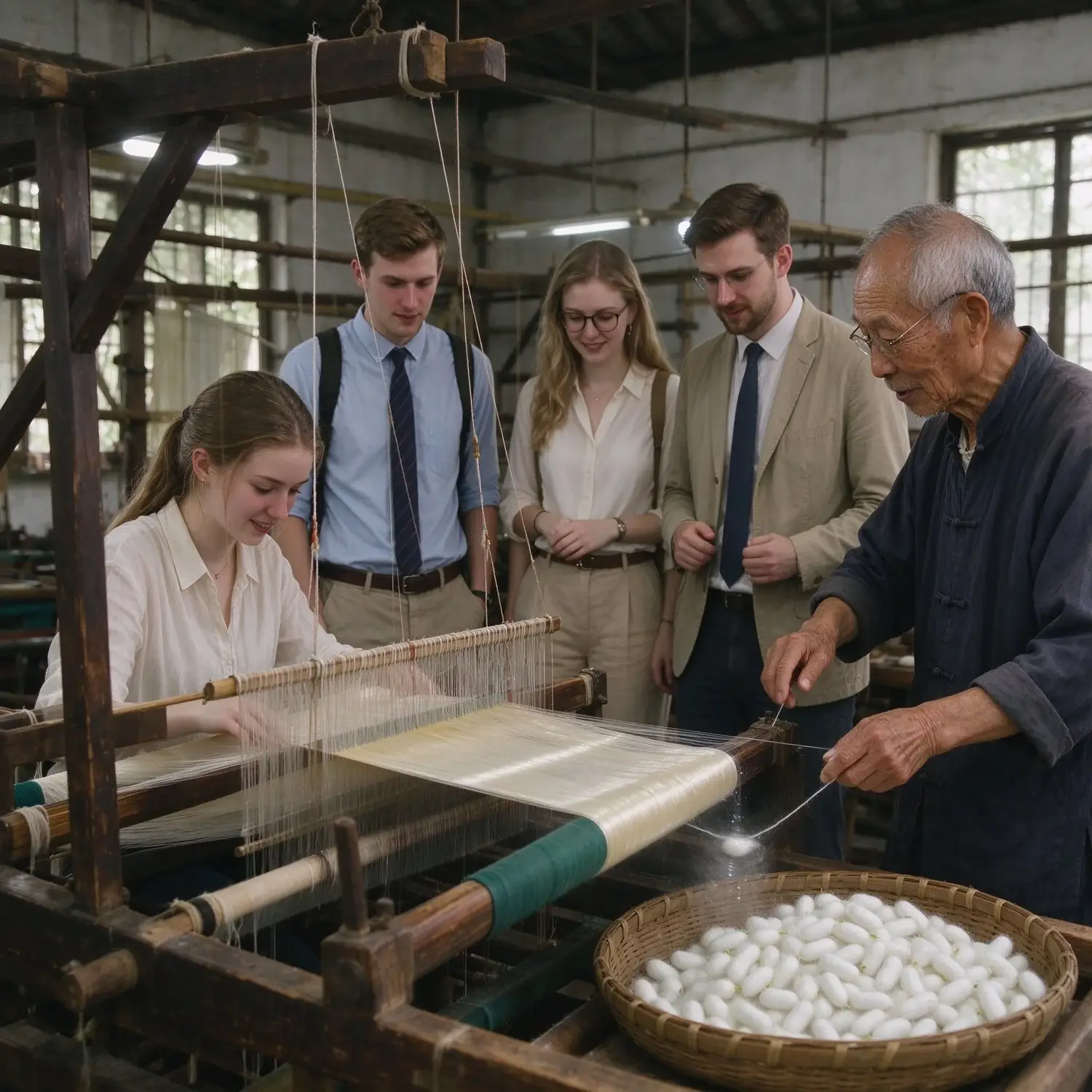
China National Silk Museum
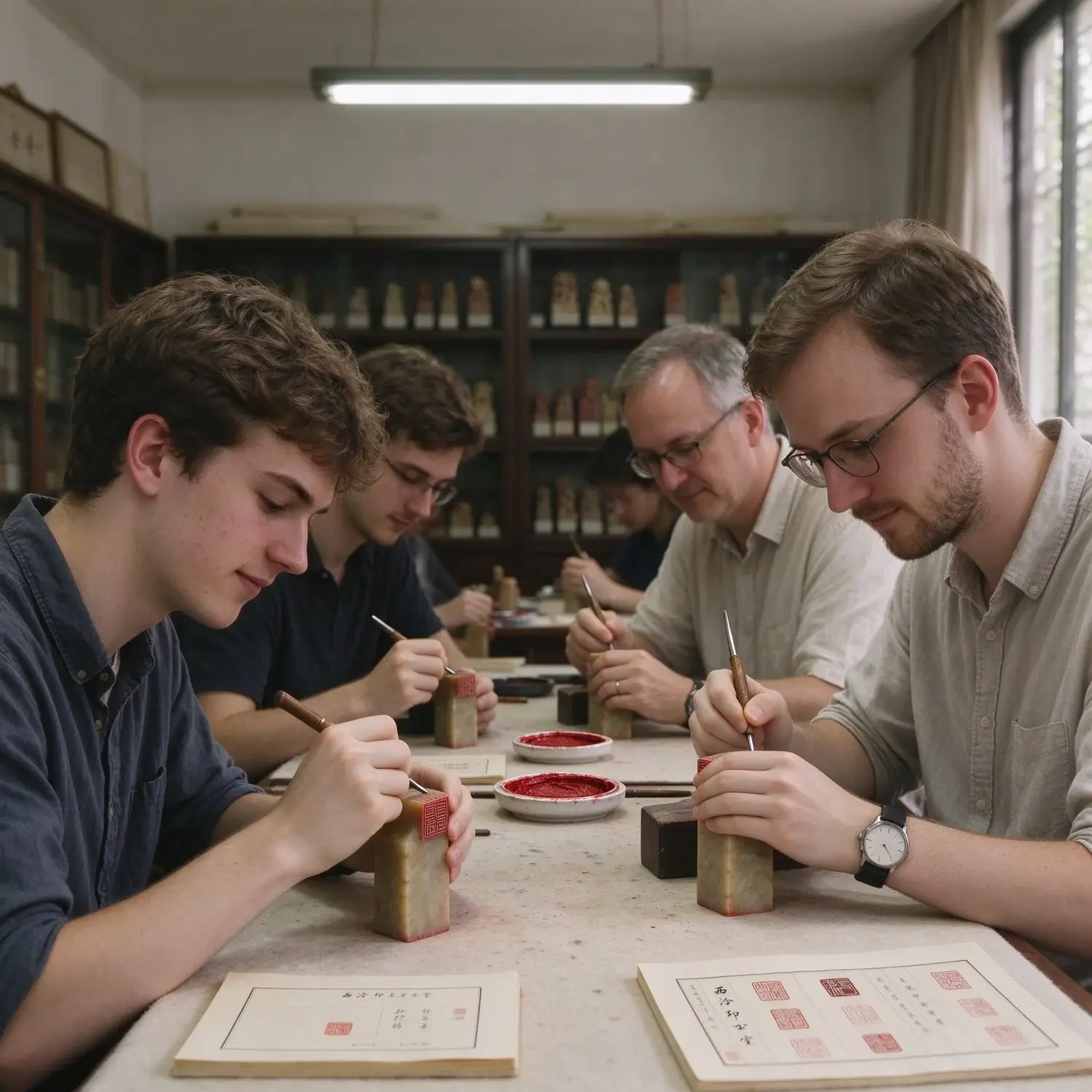
Xiling Seal Art Society & China Seal Engraving Museum
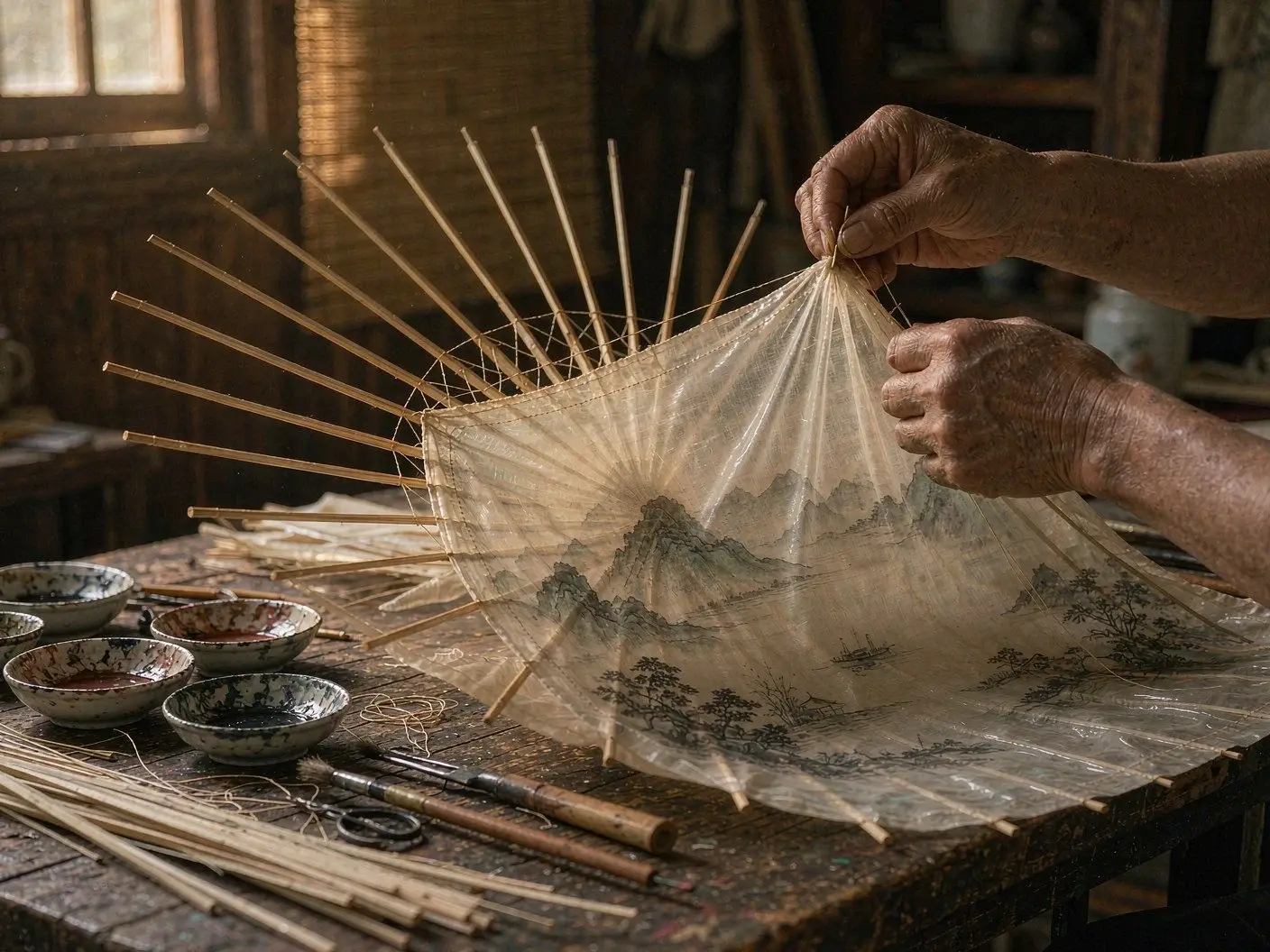
Hangzhou Arts and Crafts Museum Cluster
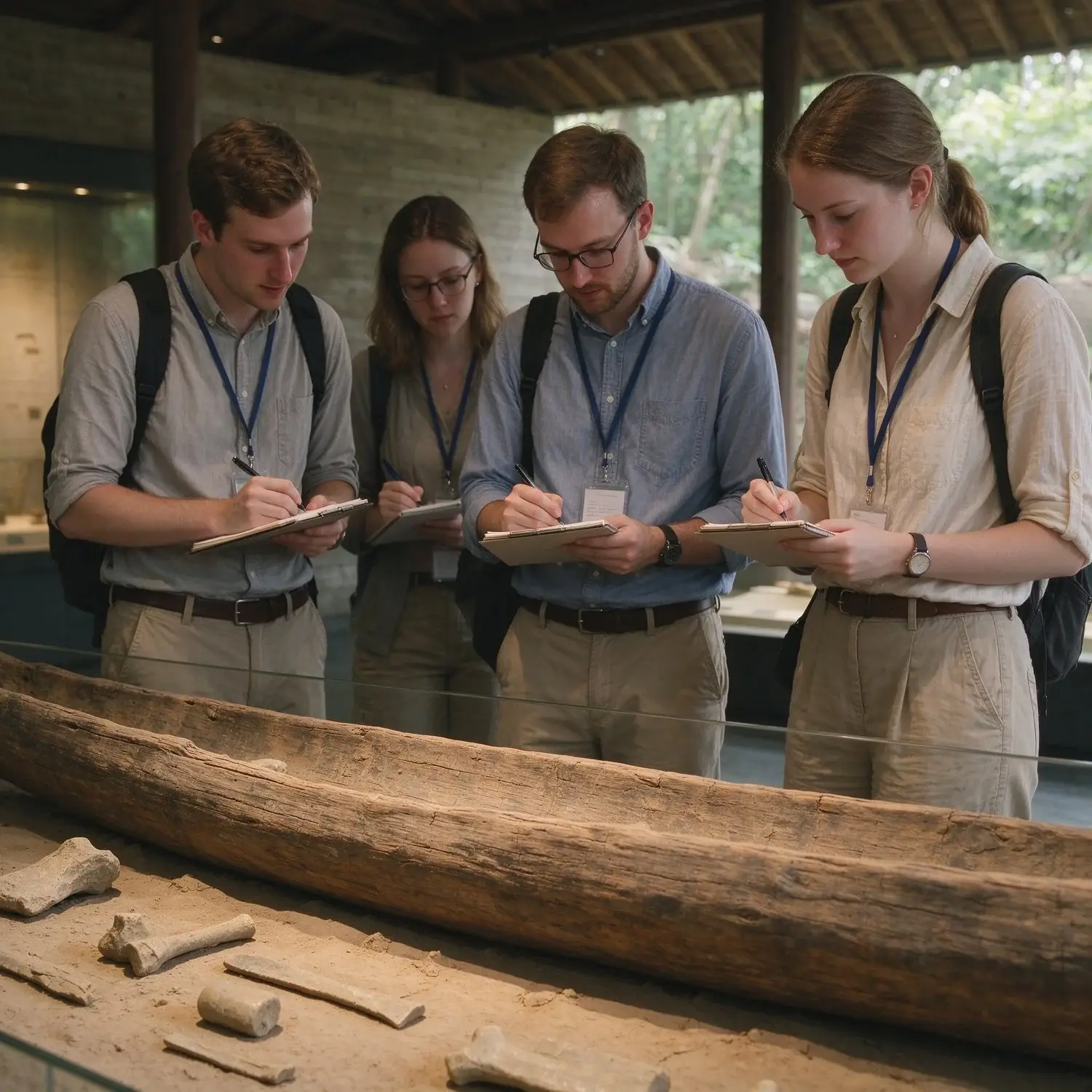
Kuahuqiao Site & Xianghu Lake
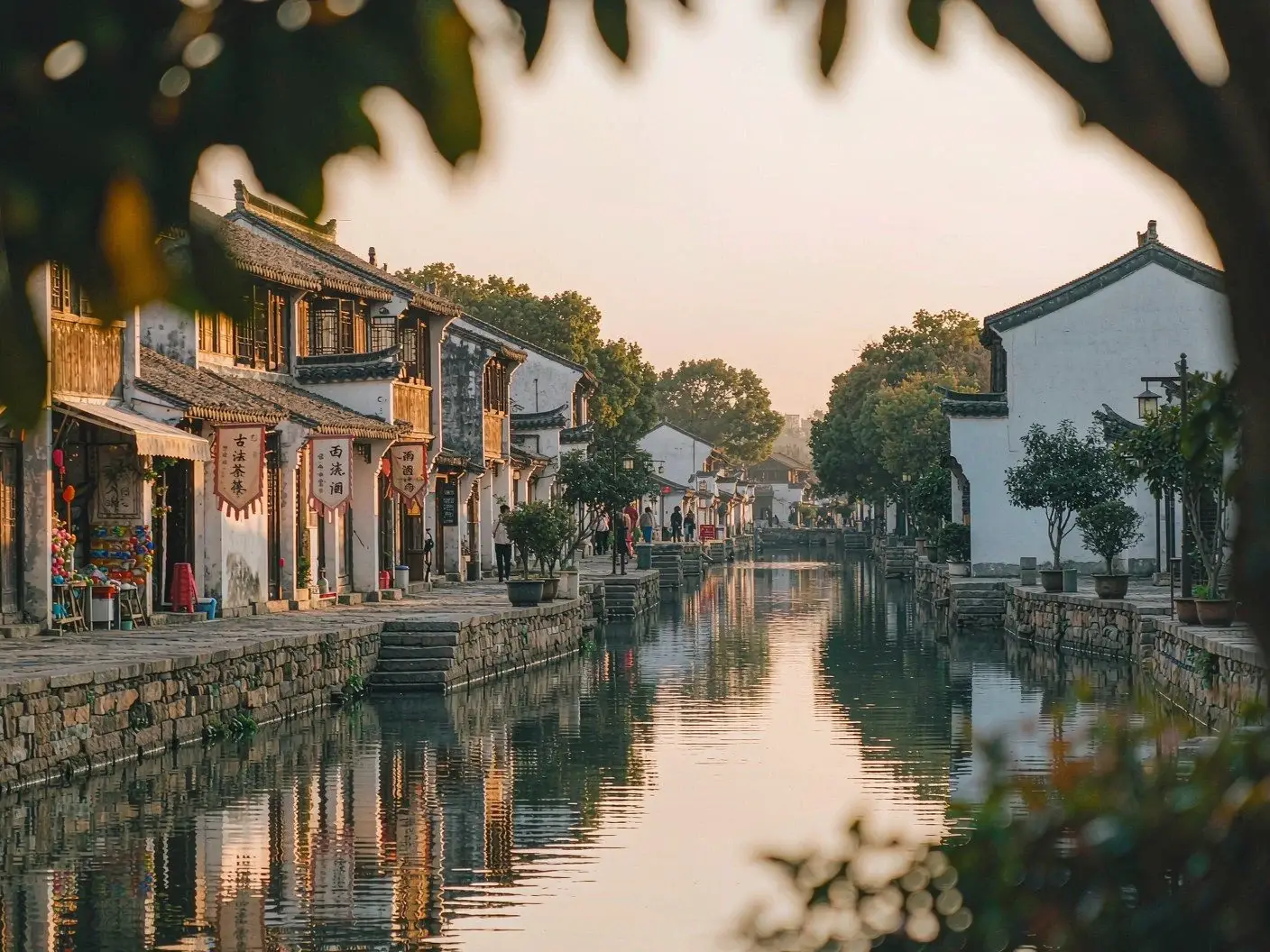
Qiaoxi Historic District & Canal Creative Observation
Creative practice and integrated skills
Projects that turn observation into original student work.
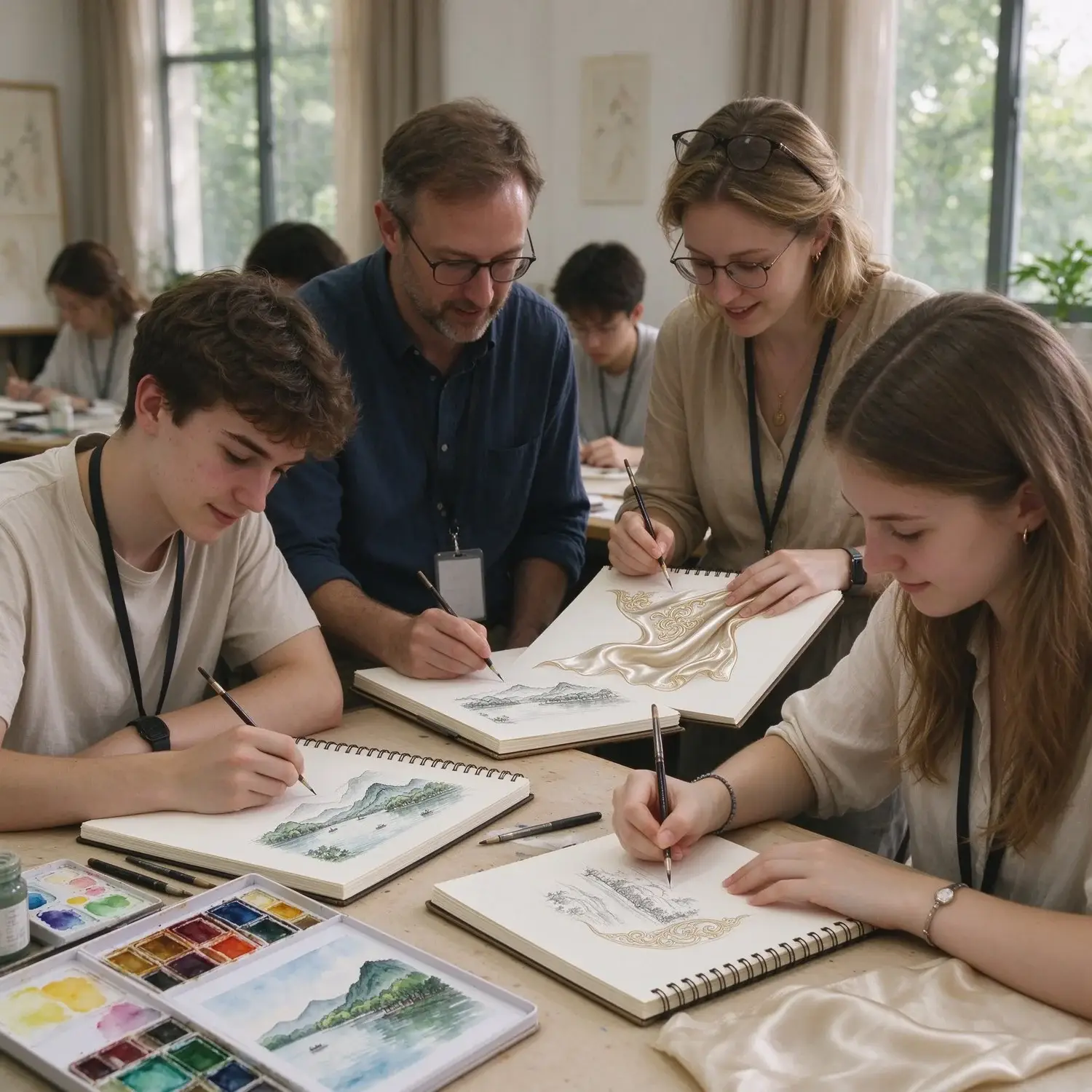
Song-style motifs & visual design
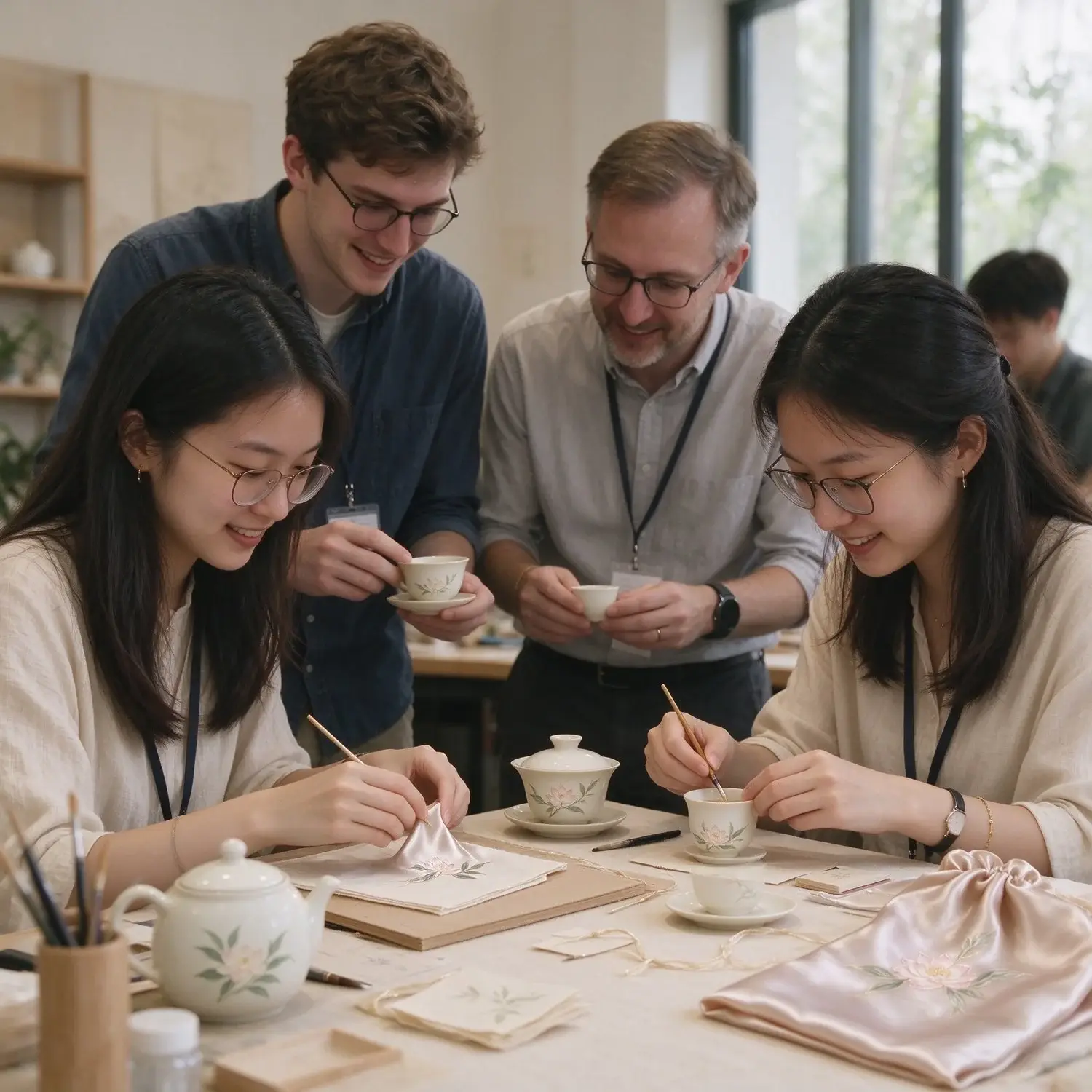
Museum cultural-creative product development
“My Qiantang Brand” project
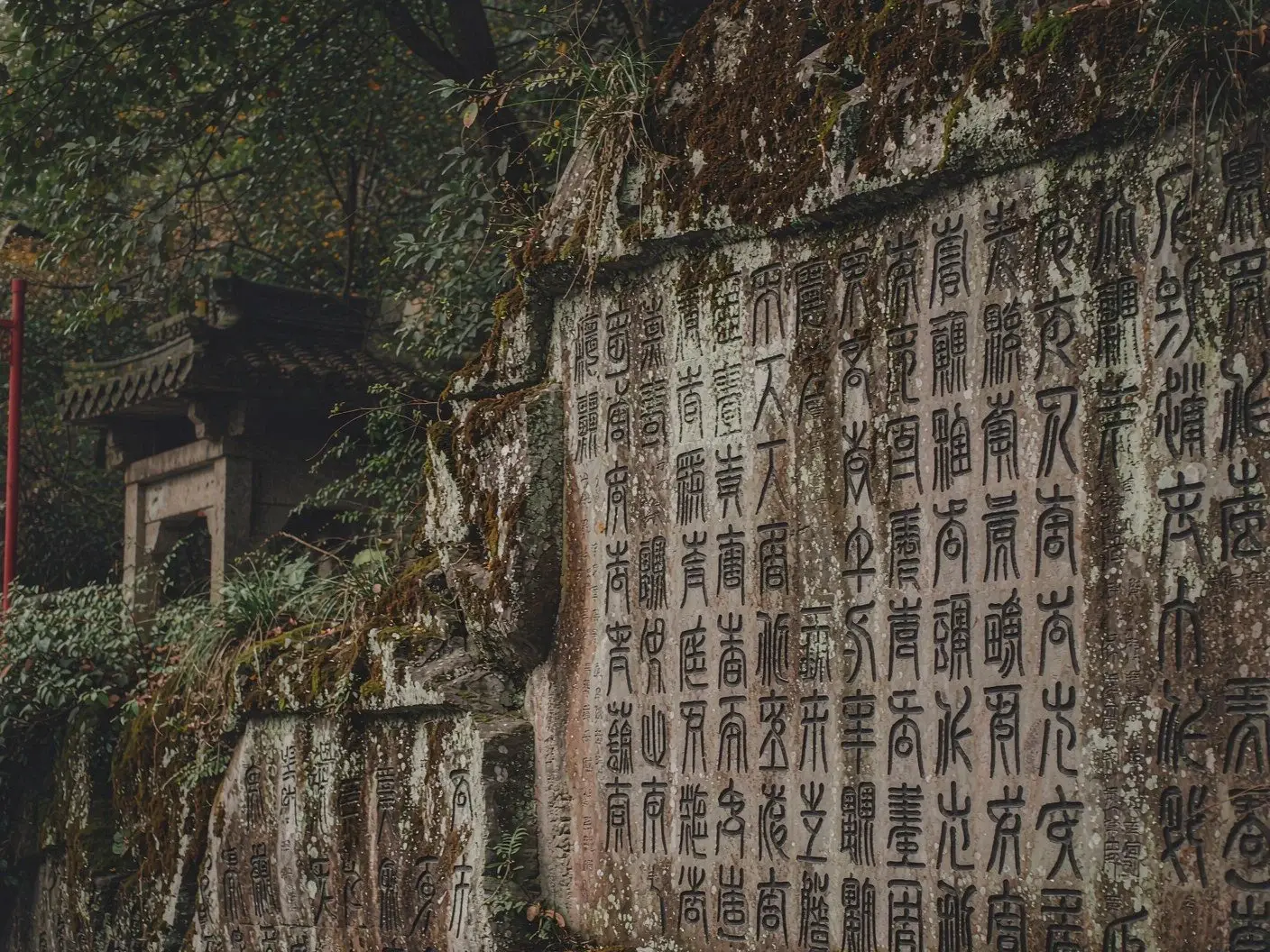
World Heritage & cross-cultural exchange
Outcomes and practical tasks
The value of Hangzhou study is not how many places are visited, but whether students truly leave behind outcomes of observation, practice, thinking and creation. Turn every resource point into a task that can be recorded, presented and reviewed.
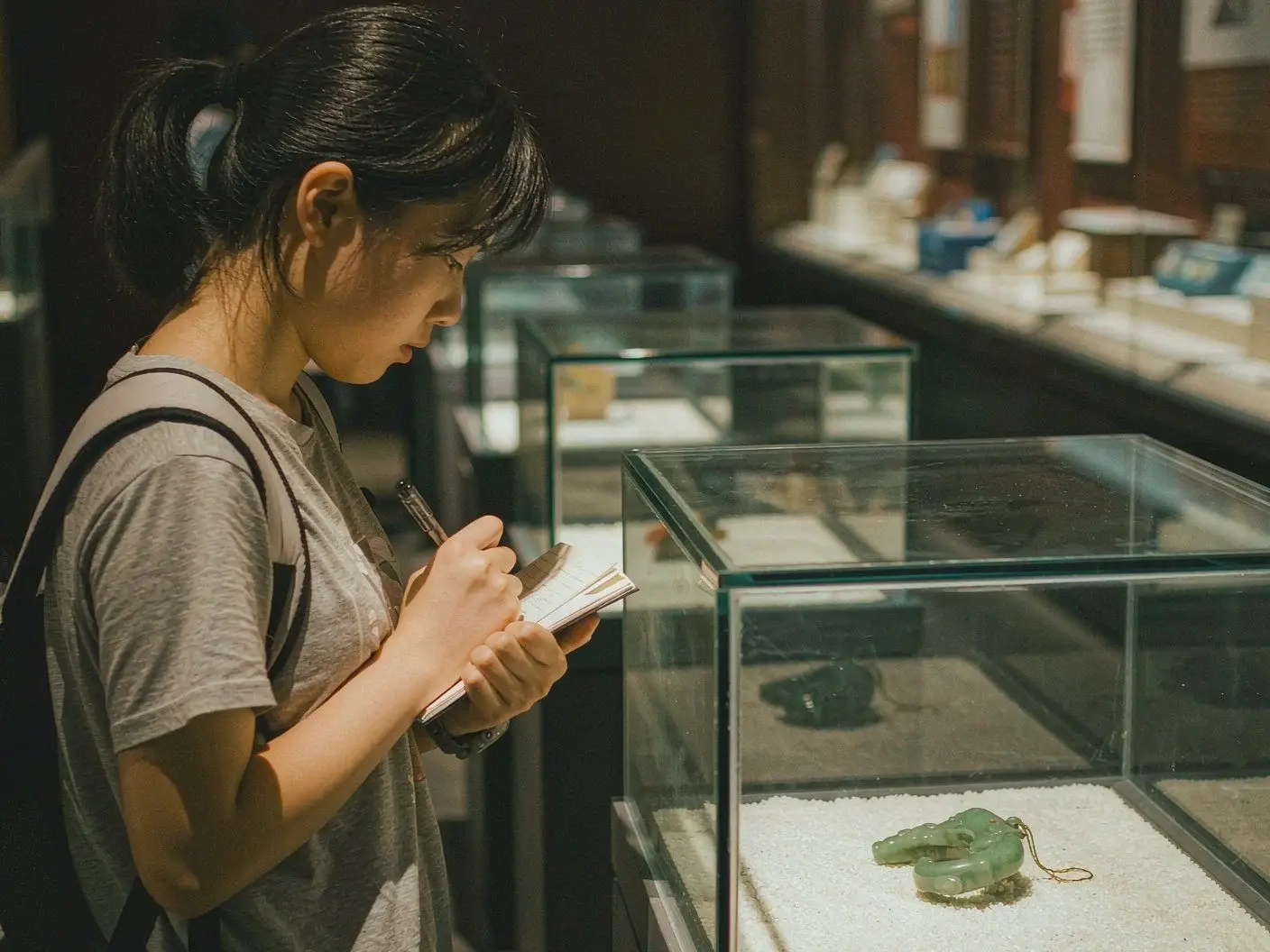
Artefact observation record
In a museum, site or tea field, choose one artefact, component or sample; record material, dimensions, period, motif and location; write three unanswered questions; compile an observation card.
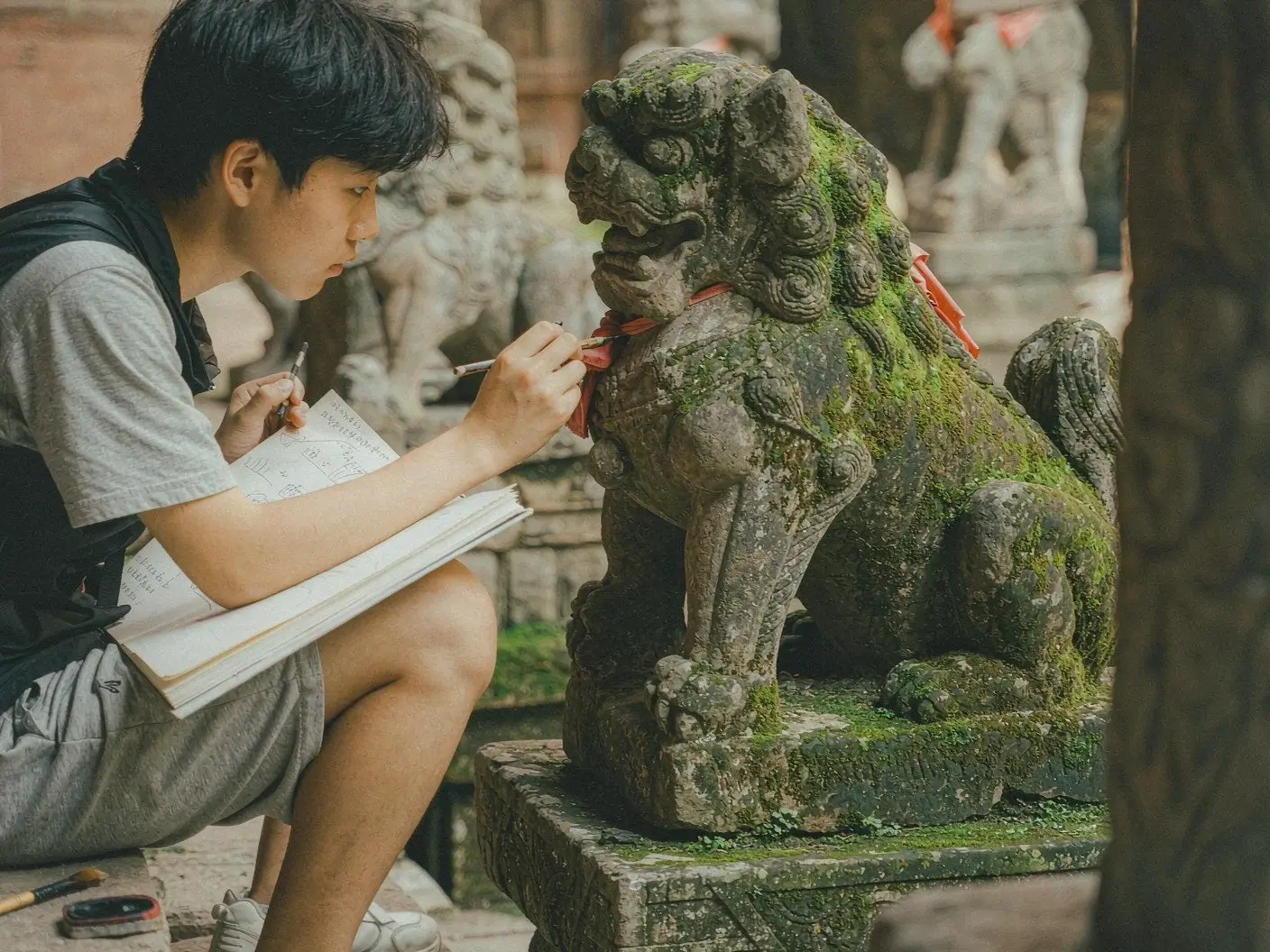
A hand-made Hangzhou piece
Choose silk weaving, silk-umbrella making, seal rubbing or paper-cut/dyeing; note the hardest step, your corrections and how the result changed.
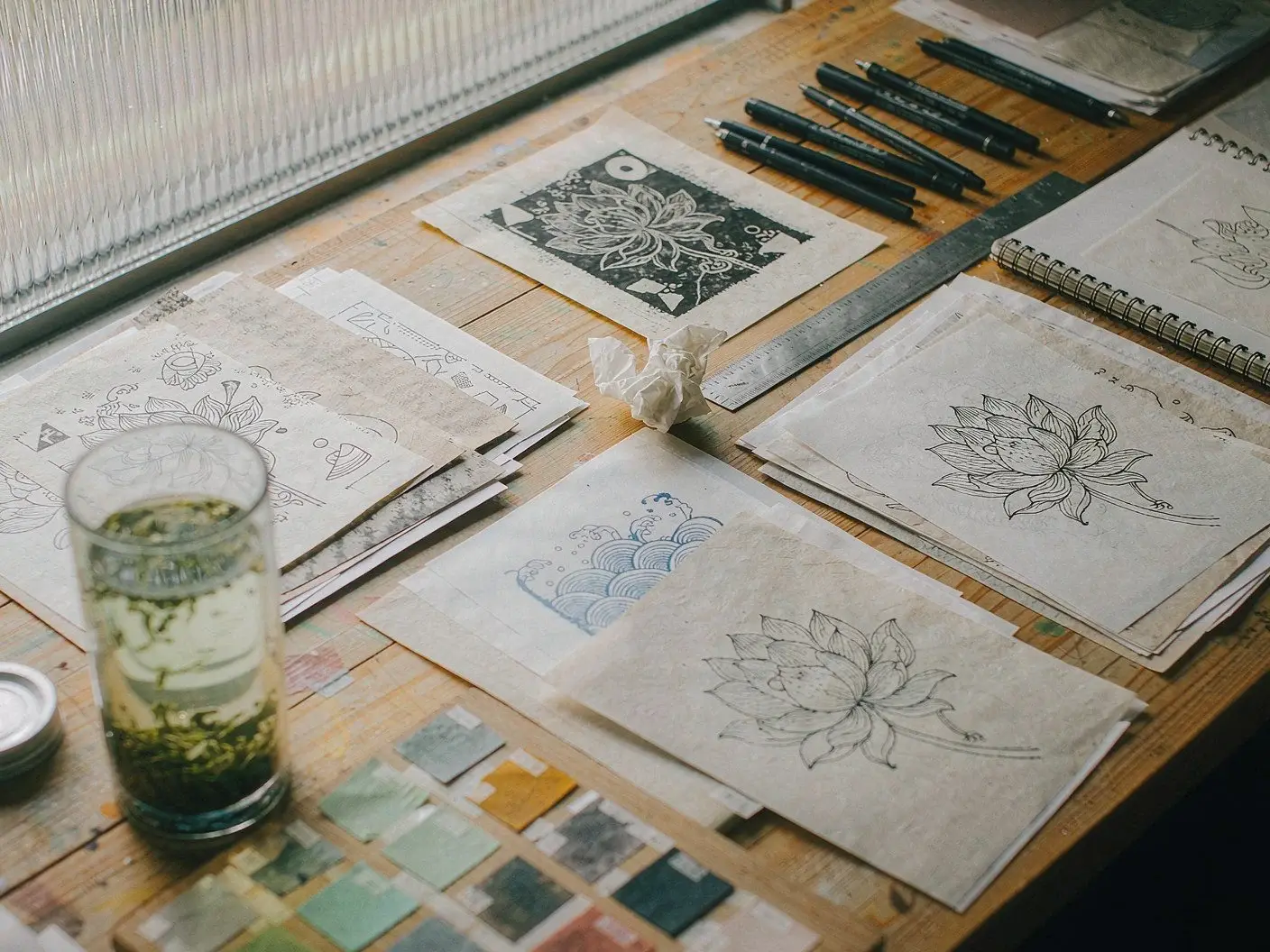
Song-style motif design
Extract motif structure and rhythm from Guan celadon, Liuhe brick carvings, eaves-tiles or tomb epitaphs, then add your own theme to make a repeating pattern with both a cultural source and your expression.
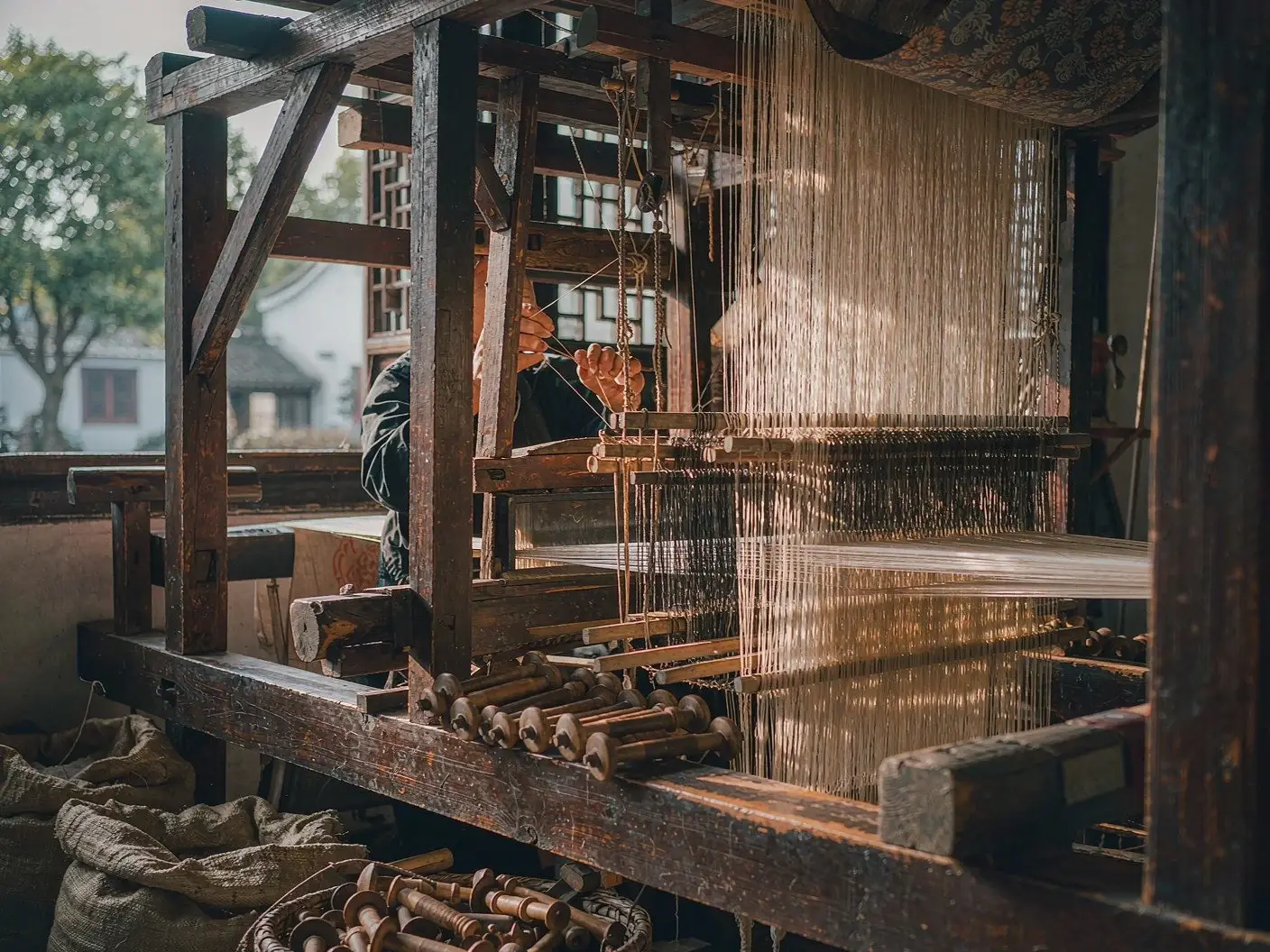
“My Qiantang Brand” group
Produce a brand name, product positioning, packaging concept and three-minute talk — taking outcomes into design and expression.

One artefact observation card + one personal intangible-heritage hand piece + one set of Song-style motif designs + one group “Qiantang Brand” presentation — joining visiting, practice, thinking and expression into a learning loop that can be shown and reviewed.
Suggested theme combinations
| Theme | Recommended combination | Audience / scenario |
|---|---|---|
| Dawn of civilisation | Zhejiang Provincial Museum + Liangzhu Ancient City Site + Liangzhu Museum | First study / history & archaeology courses |
| Intangible-heritage craft practice | China National Silk Museum + Xiling Seal Art Society + arts-and-crafts cluster | Junior / senior secondary / families |
| Estuary & hydrology inquiry | Liuhe Pagoda + Qiantang River + Kuahuqiao Site | Geography, engineering & science |
| Song-style design & practice | Deshou Palace + Song-style motif design + cultural-creative product development | Art, design & comprehensive practice |
| World Heritage & city narrative | West Lake + Grand Canal + Qiaoxi district + brand project | Senior secondary / university / international |
Hangzhou study need not be tied to fixed days or standard routes. The truly tailored approach combines, by age, curriculum goals, interests and budget, six directions — Liangzhu civilisation, West Lake landscape, canal engineering, Song-style culture, silk-and-tea craft and urban innovation — so every programme has clear learning goals and deliverable outcomes.
Ready to build your Hangzhou study programme?
Share your students’ age, curriculum goals and dates. We will tailor the field studies, hands-on workshops and outcome tasks for you.
Start PlanningGuilin
Guilin at a glance
Guilin lies in the northeast of the Guangxi Zhuang Autonomous Region and is one of China’s most typical cities of karst landscape. Peak forests and peak clusters, caves and underground rivers, prehistoric sites, Qin-dynasty waterworks and multi-ethnic culture together form a distinctive study resource. For students this is not only a place to “see hills and water” — through observation, recording and experience they can read how the landforms formed, why they matter ecologically, and the human threads running through them.
The value of the trip lies in moving past the postcard view. Standing on the river, in a cave or before a cliff inscription, students turn textbook ideas of erosion, river systems and folk craft into things they can measure, compare and explain.
Think of Guilin as an open classroom of landform and people — best approached through six angles: peak-forest karst, ethnic intangible heritage, prehistoric archaeology, landscape sketching, water conservancy and ecology, and cliff inscriptions with creative translation.
Six study keywords worth attention
From peak forests, peak clusters and caves, read how karst landforms evolve.
Meet Zhuang brocade, Red-Yao dress, Gui opera, Cai diao and Yao oil tea as living tradition.
Read South China’s early peoples through cave sites and the objects they left behind.
Move from observer to maker — composition, colour and expression.
From Lingqu, the Li River and wetlands, read ancient water wisdom and river ecology.
From cliff carvings and rubbings to creative products, see tradition speak today.
Recommended priority
| Priority | Best for | Representative sites | Use case |
|---|---|---|---|
| A · Core intro | First-time study groups in Guilin | Guilin Museum, Elephant Trunk Hill, Reed Flute Cave | Landscape awareness / geology basics |
| B · In-depth practice | Learners interested in geology, history, archaeology and ethnic culture | Zengpiyan, Lingqu, Guihai Stele Forest, Longji Terraces | Geological fieldwork / archaeology & waterworks |
| C · Creative extension | Secondary, university and international students | Yangshuo West Street, Yulong River, sketching & craft workshops | Sketching / design & cross-cultural |
The cultural background to Guilin study
2.1 · “Finest under heaven” landscape and the karst story
Guilin is in northeastern Guangxi, a typical subtropical humid karst region. Hundreds of millions of years ago it was sea, where thick limestone accumulated; after the crust rose, water and soluble rock acted on each other over time, shaping peak forests, peak clusters, caves and underground rivers. Study can build a scientific thread through landform shape, rock evidence and stages of evolution, so that “Guilin landscape” is understood, not just admired.
2.2 · Multi-ethnic settlement and living heritage
Zhuang, Yao, Dong, Miao and Han peoples have long shared the mountains and valleys of northern Guangxi, giving rise to living traditions of Zhuang brocade weaving, Red-Yao dress, Yao oil tea, Gui opera and Cai diao. Through on-site observation and hands-on experience, students understand that “craftsman spirit” is not an abstract idea but long training built from repetition, precision and experience.
2.3 · Prehistoric sites and archaeological value
The Zengpiyan cave site and its plain sand-tempered pottery, stone and bone tools give direct evidence of early-to-middle Neolithic life in South China. Combining on-site cave observation, object classification and conservation thinking turns history learning into a more reasoning-led archaeology class.
2.4 · Lingqu, the river system and water science
Guilin’s water both shapes the landscape and carries engineering wisdom. Lingqu, completed in 214 BCE, links the Xiang and Li rivers; with its plowshare, Great and Small Balances and doumen sluices it divides water, enables navigation and irrigates fields, still watering about 4,300 hectares today. Study can join geography, history and engineering, showing how people used the land to move water.
2.5 · Stele culture and today’s creativity
Today’s Guilin keeps cliff inscriptions and old villages while gathering studios, designers and young makers. The Guihai Stele Forest, East and West Alley and Yangshuo West Street connect steles, rubbings, old lanes and markets — a good place to see how calligraphic taste, design translation and cross-cultural exchange keep traditional culture growing.
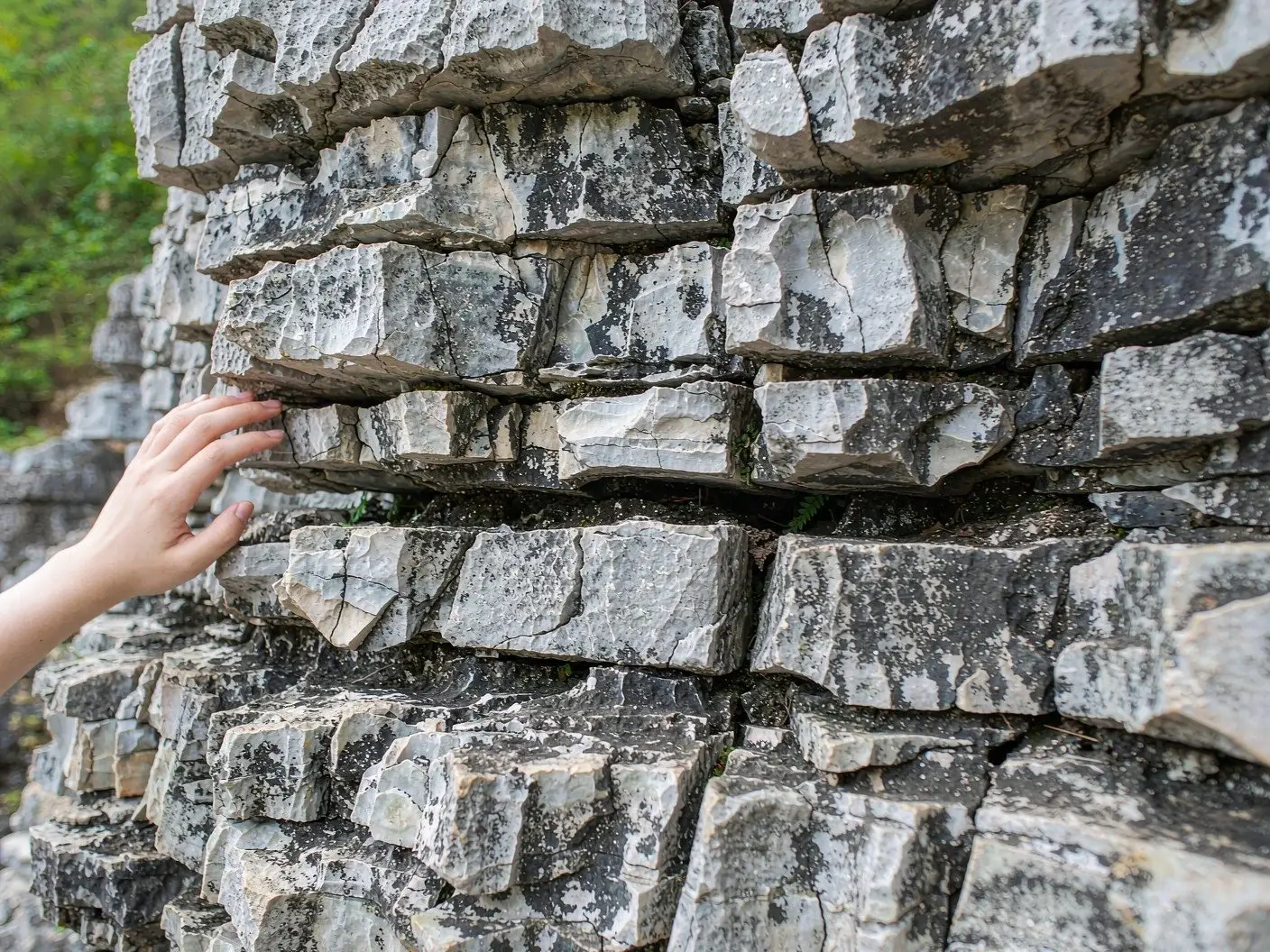
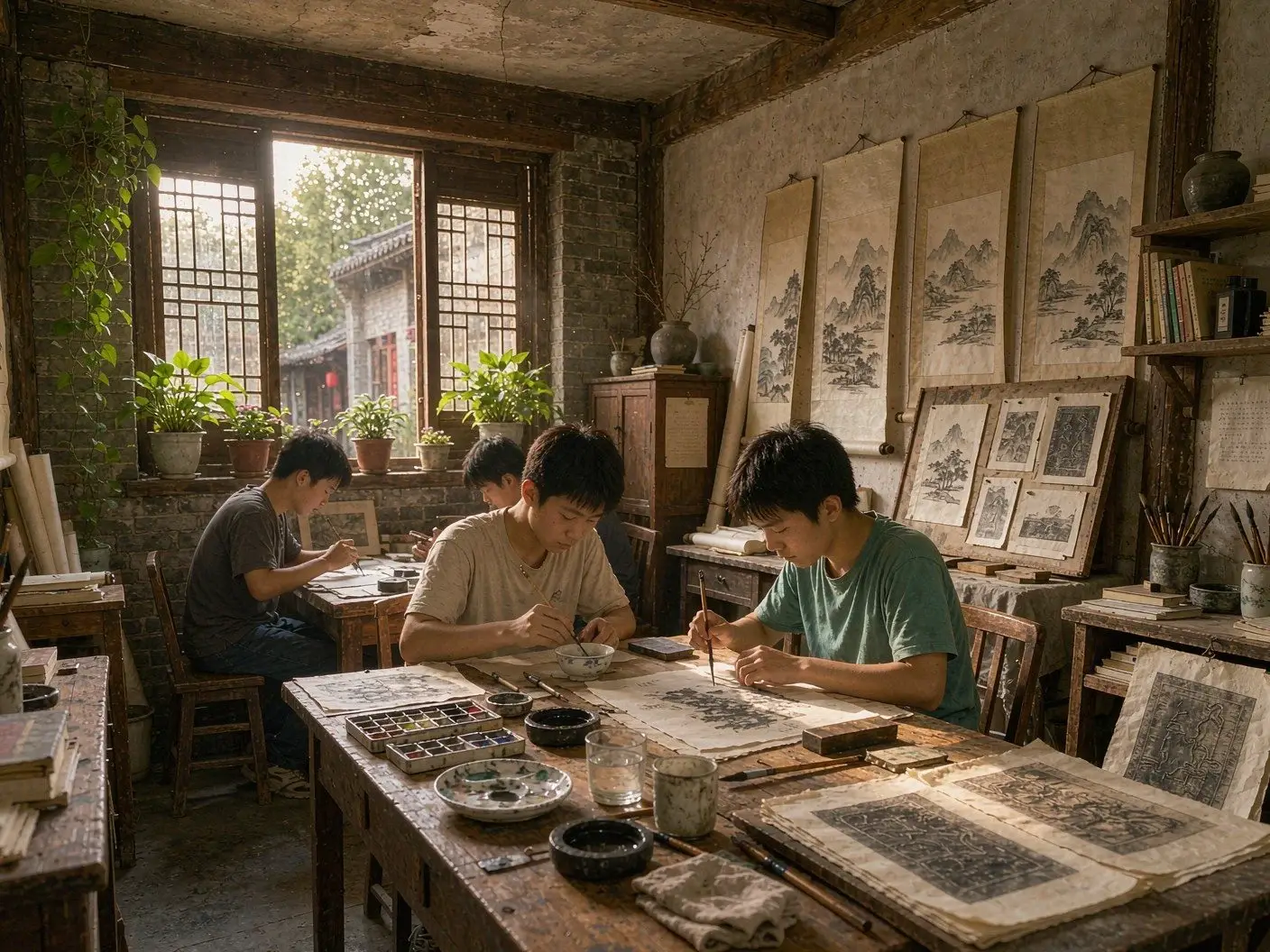
Six core study recommendations
The six first-priority stops for a Guilin study programme.
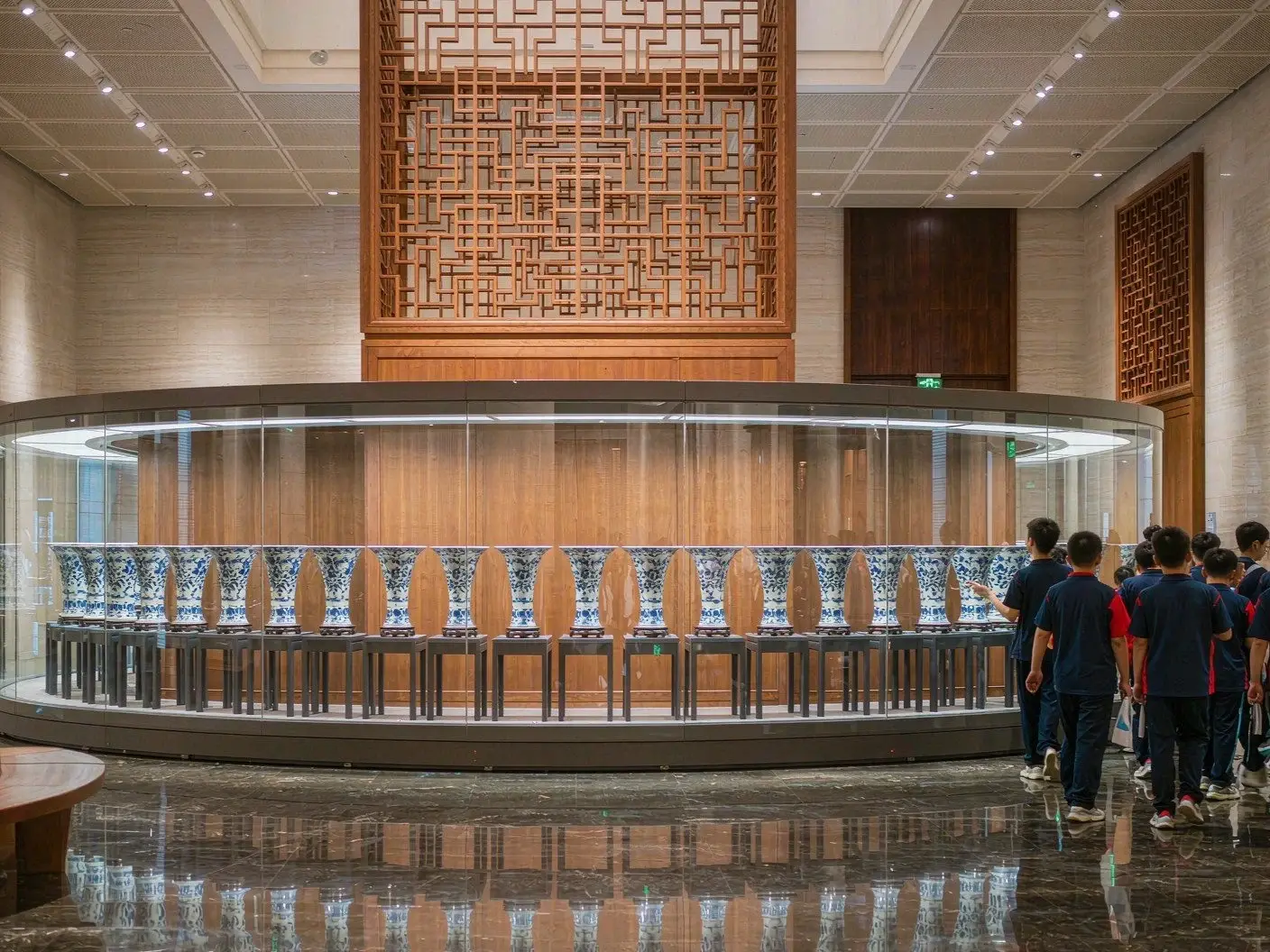
Guilin Museum
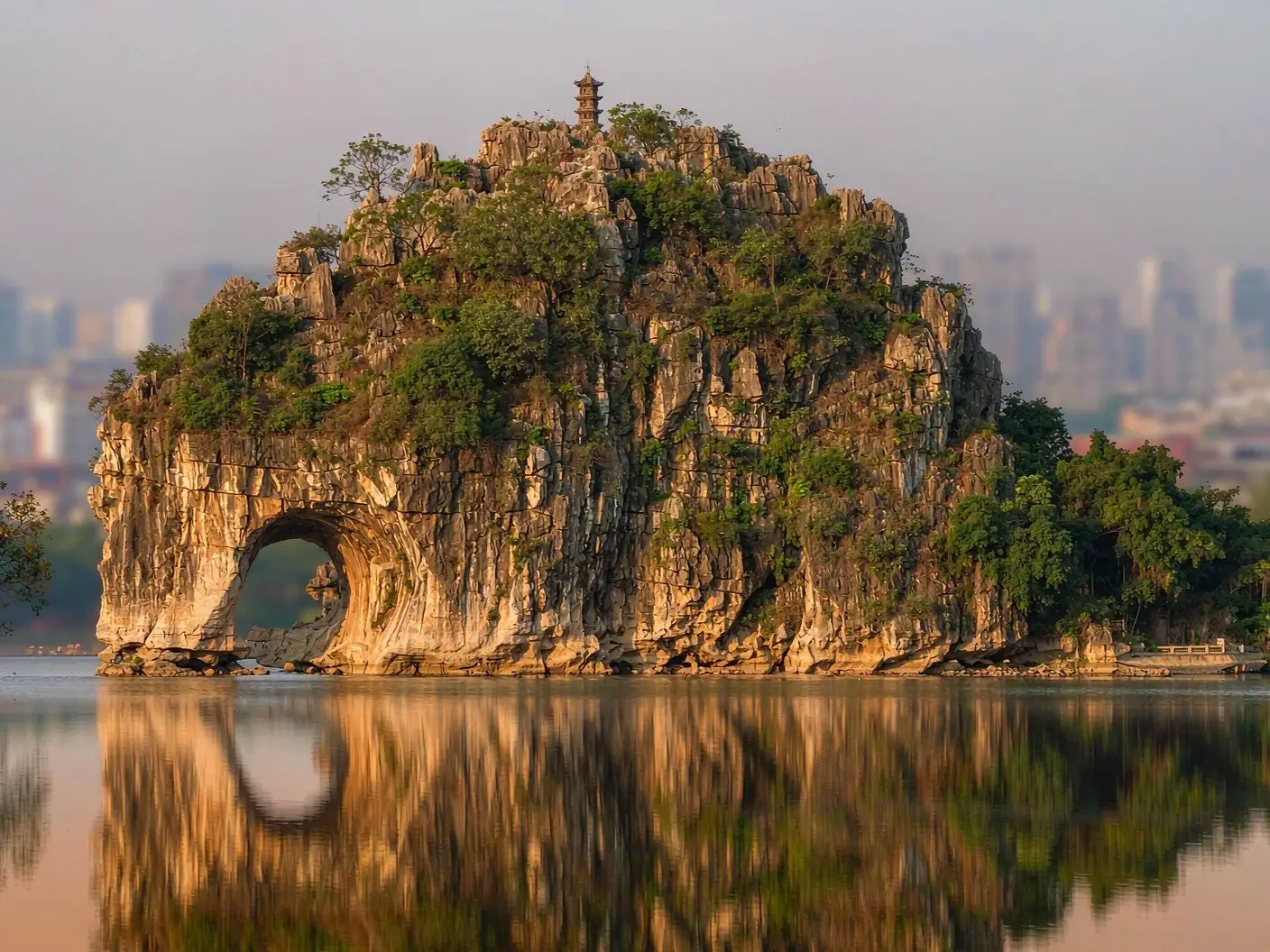
Elephant Trunk Hill · Two Rivers Four Lakes
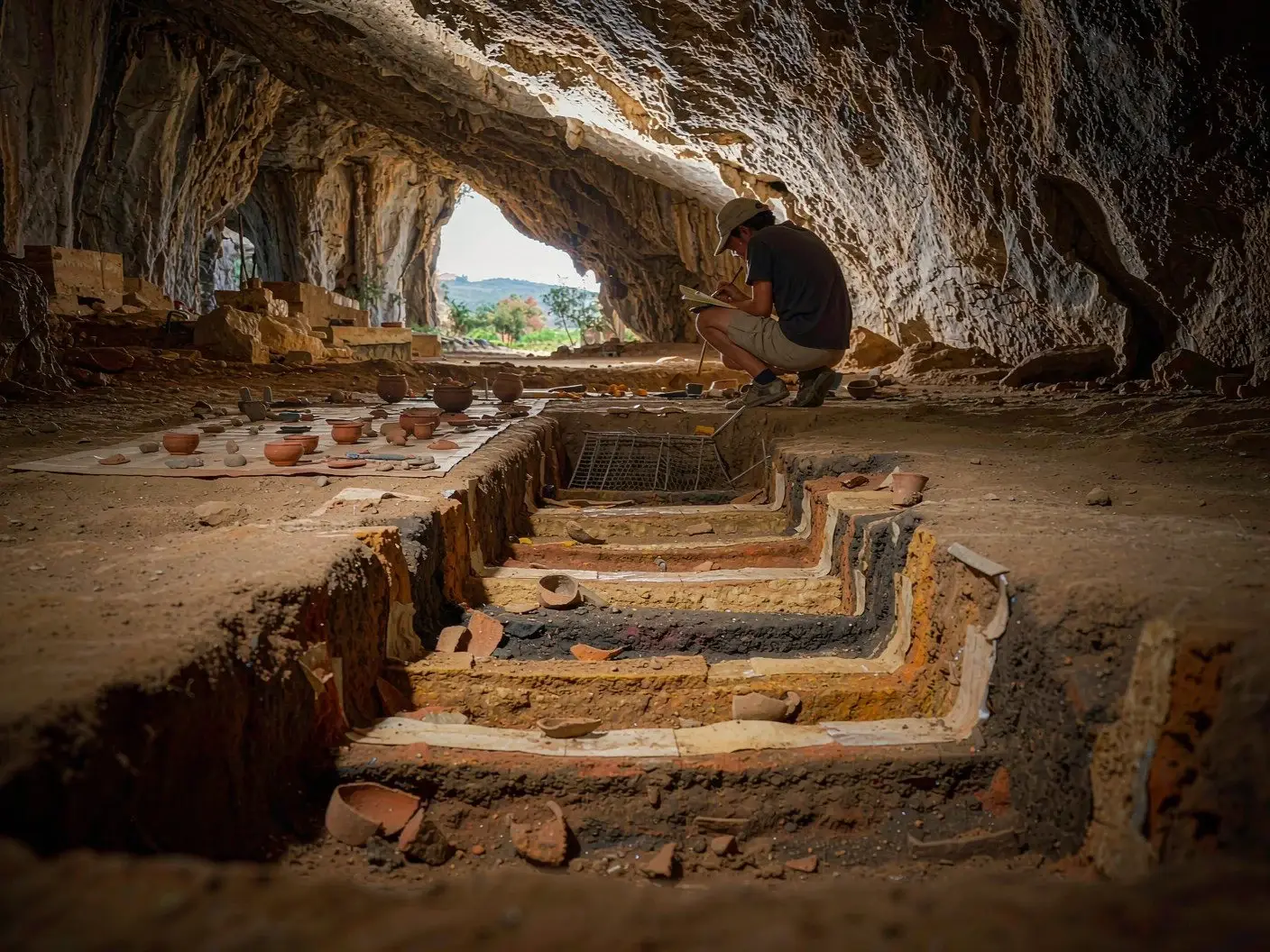
Zengpiyan National Archaeological Site Park
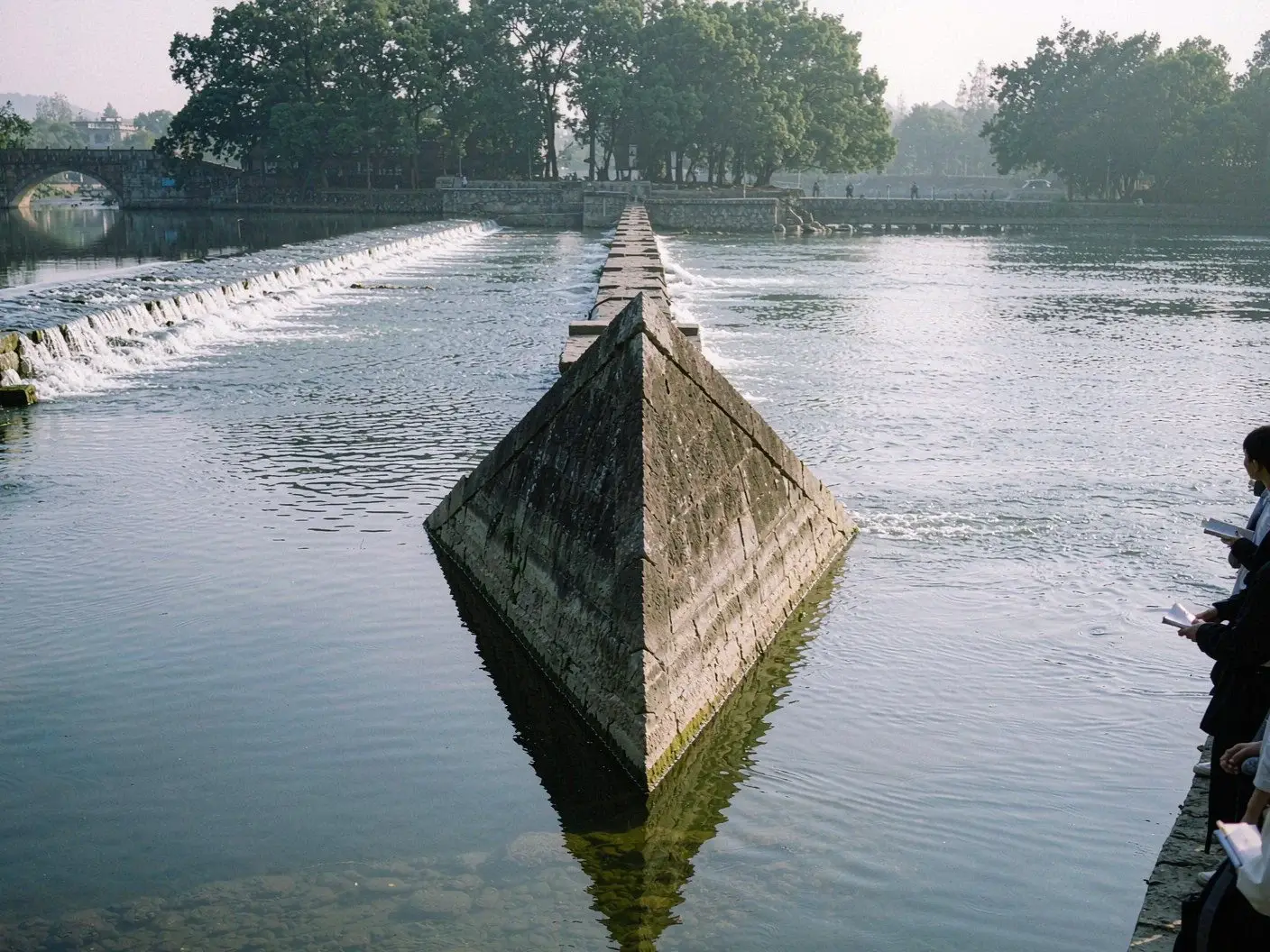
Lingqu Canal
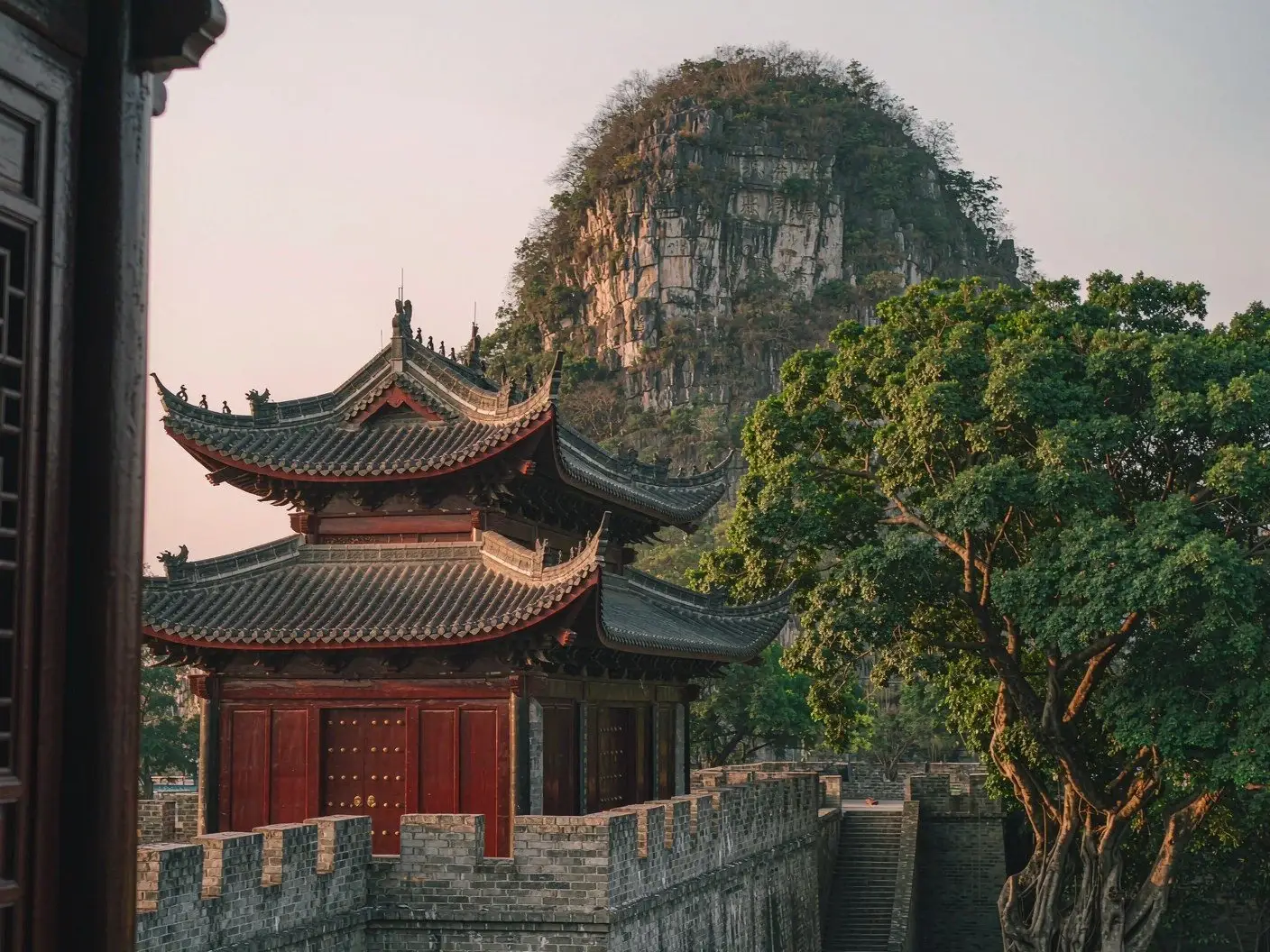
Jingjiang Prince Palace · Duxiu Peak
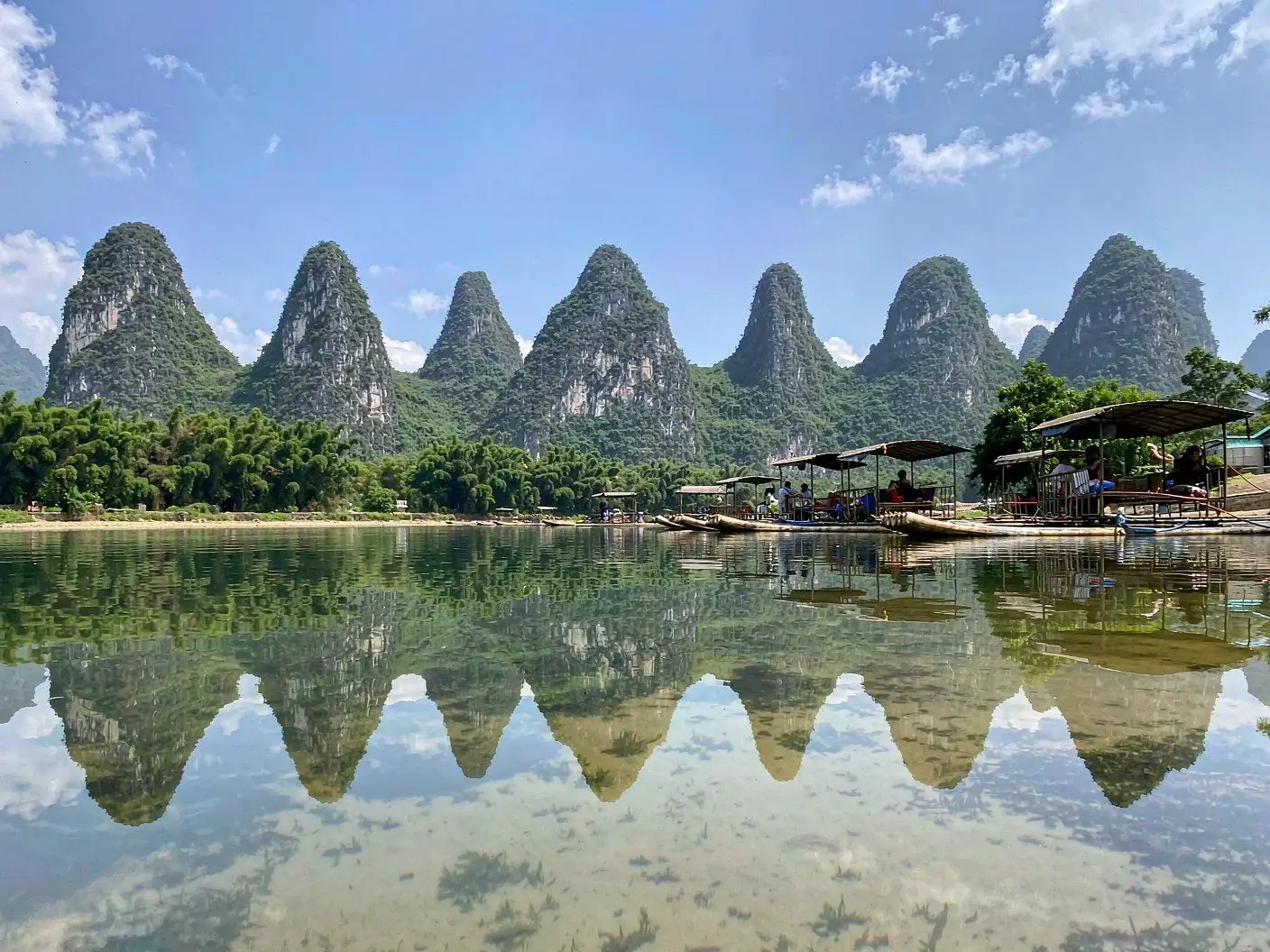
Li River · Xingping Reach
Six in-depth study extensions
Longer, more specialised studies for groups with clear interests.

Longji Rice Terraces
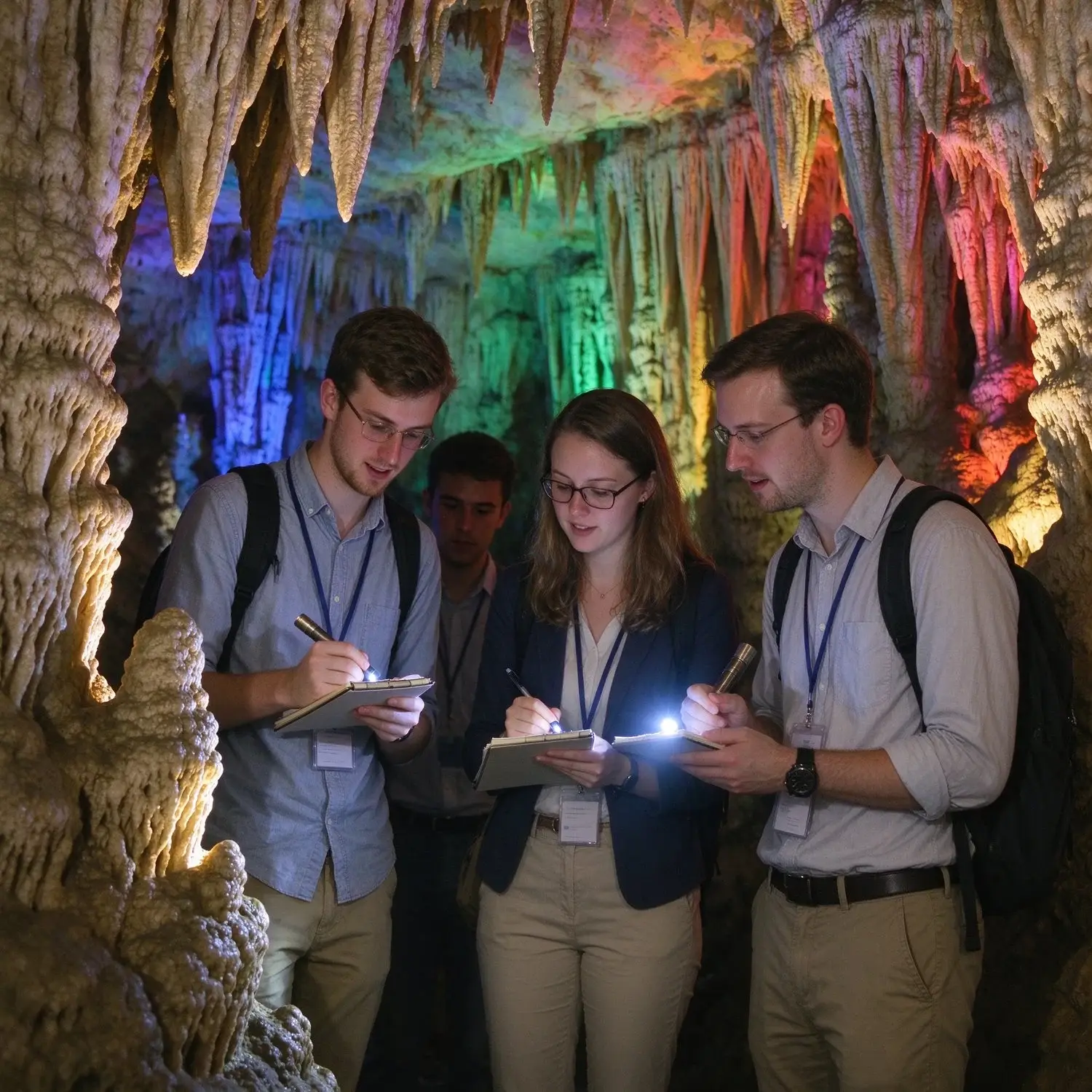
Reed Flute Cave
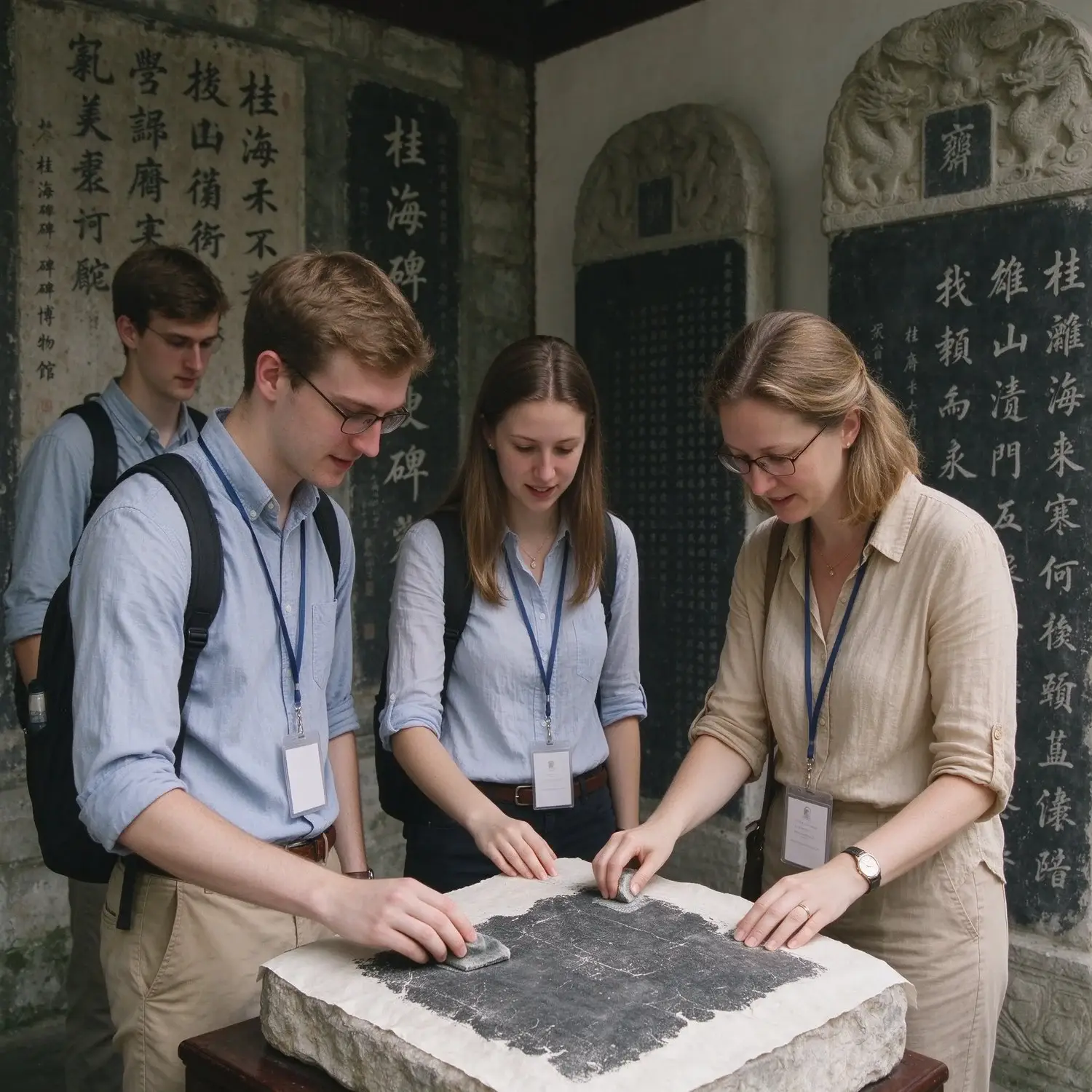
Guihai Stele Forest
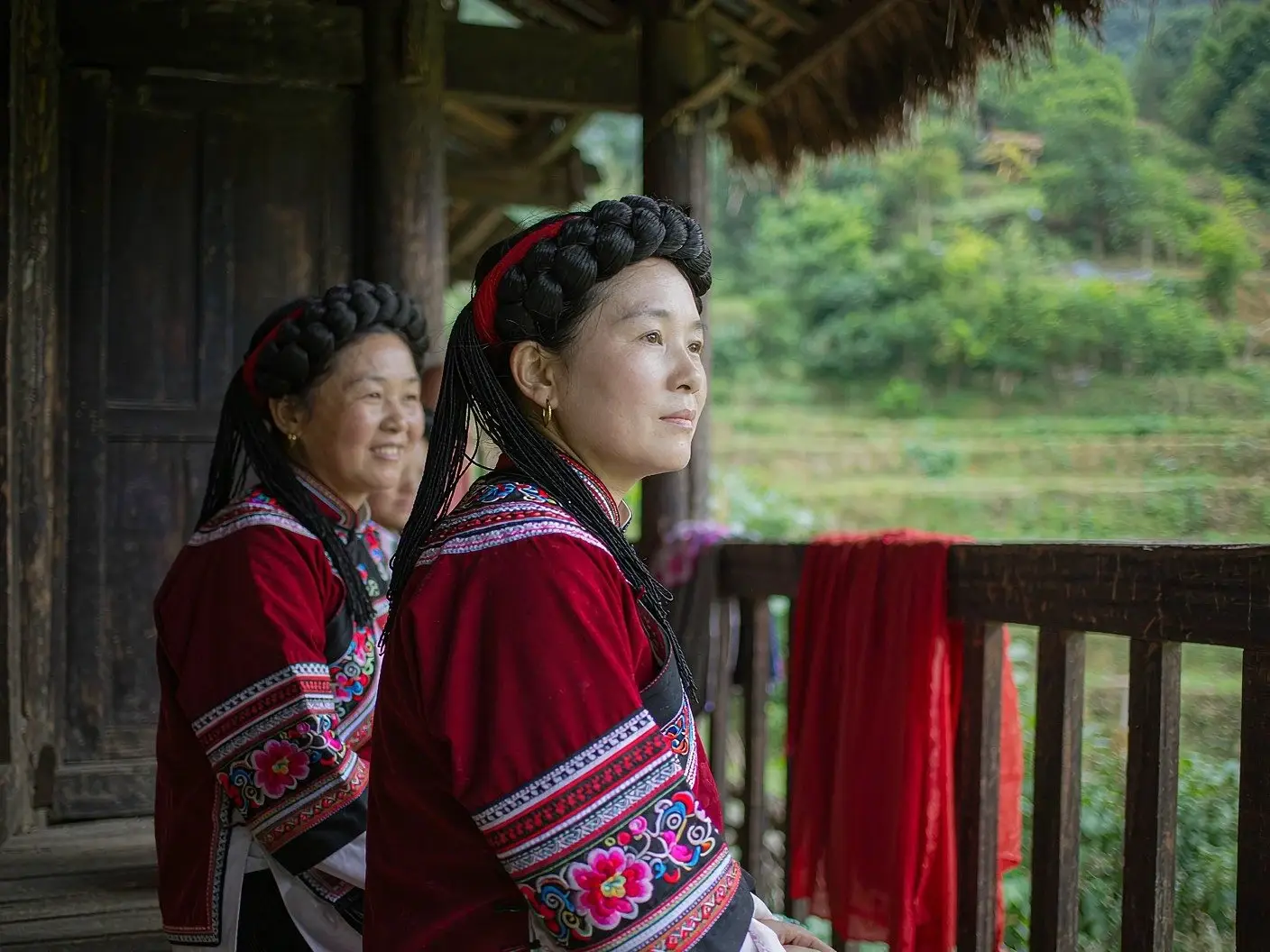
Huangluo Red Yao Village, Longsheng
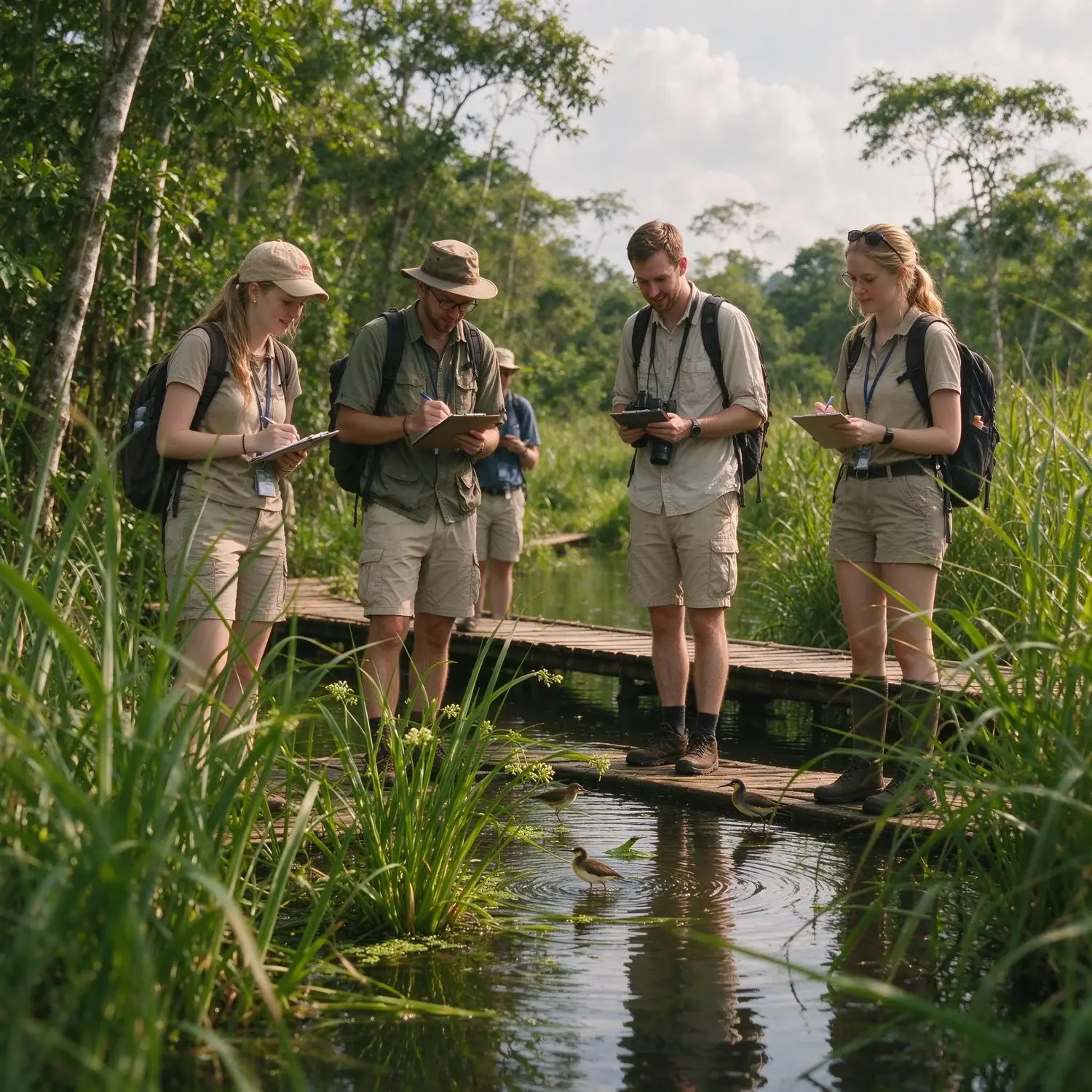
HuiXian Karst National Wetland Park
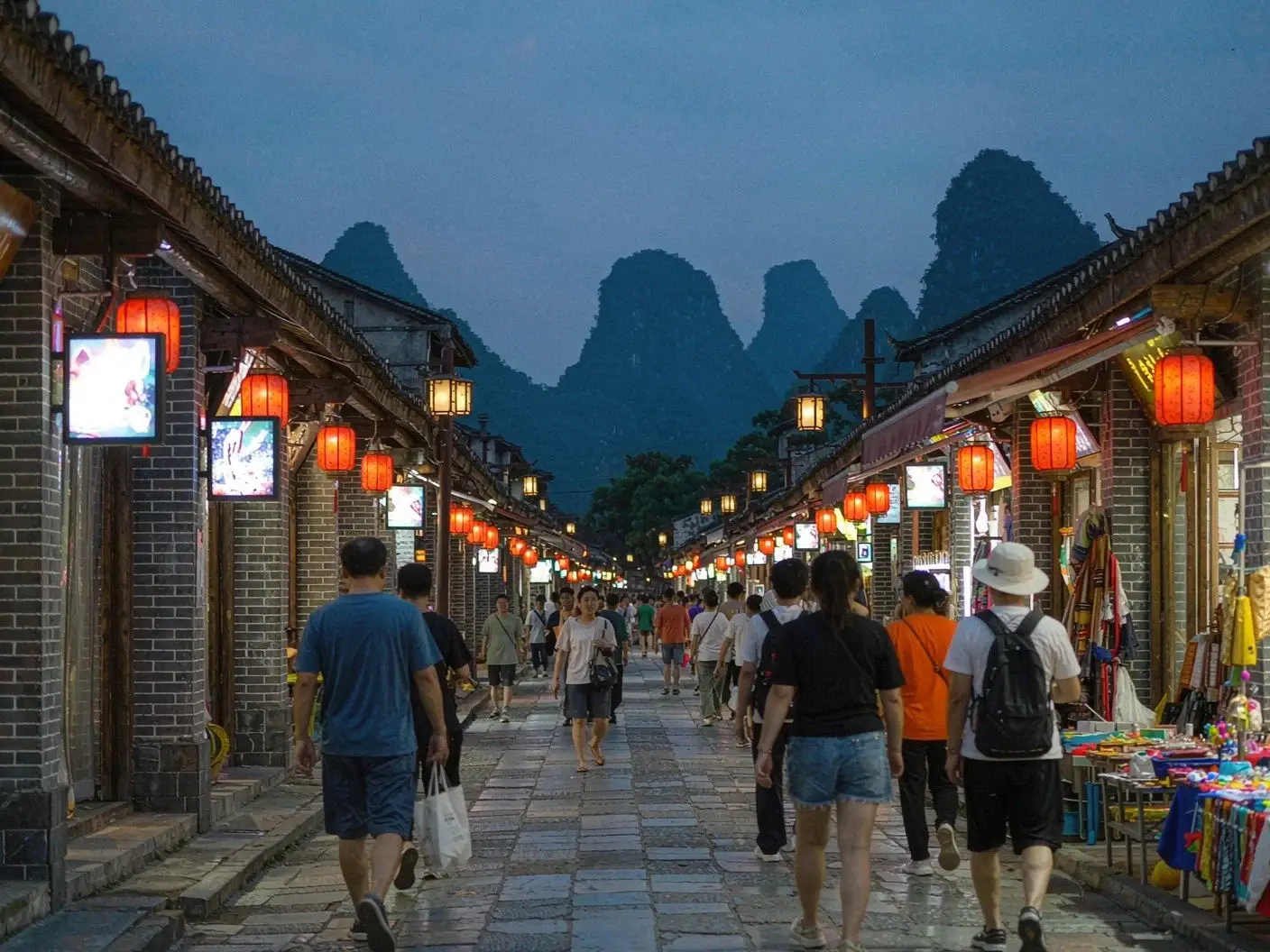
Yangshuo West Street & Creative Market
Creative practice and integrated skills
Projects that turn observation into original student work.
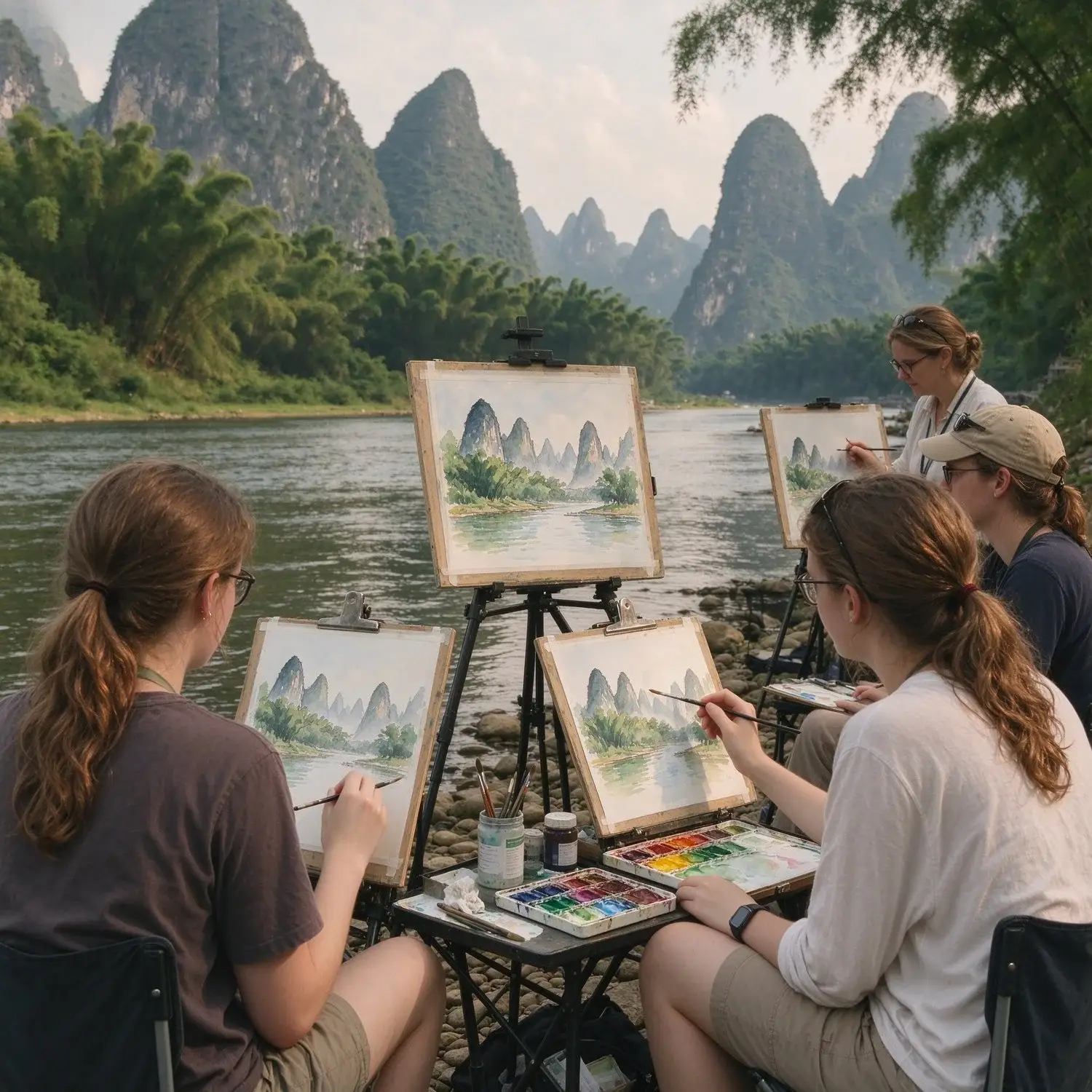
Landscape sketching and composition
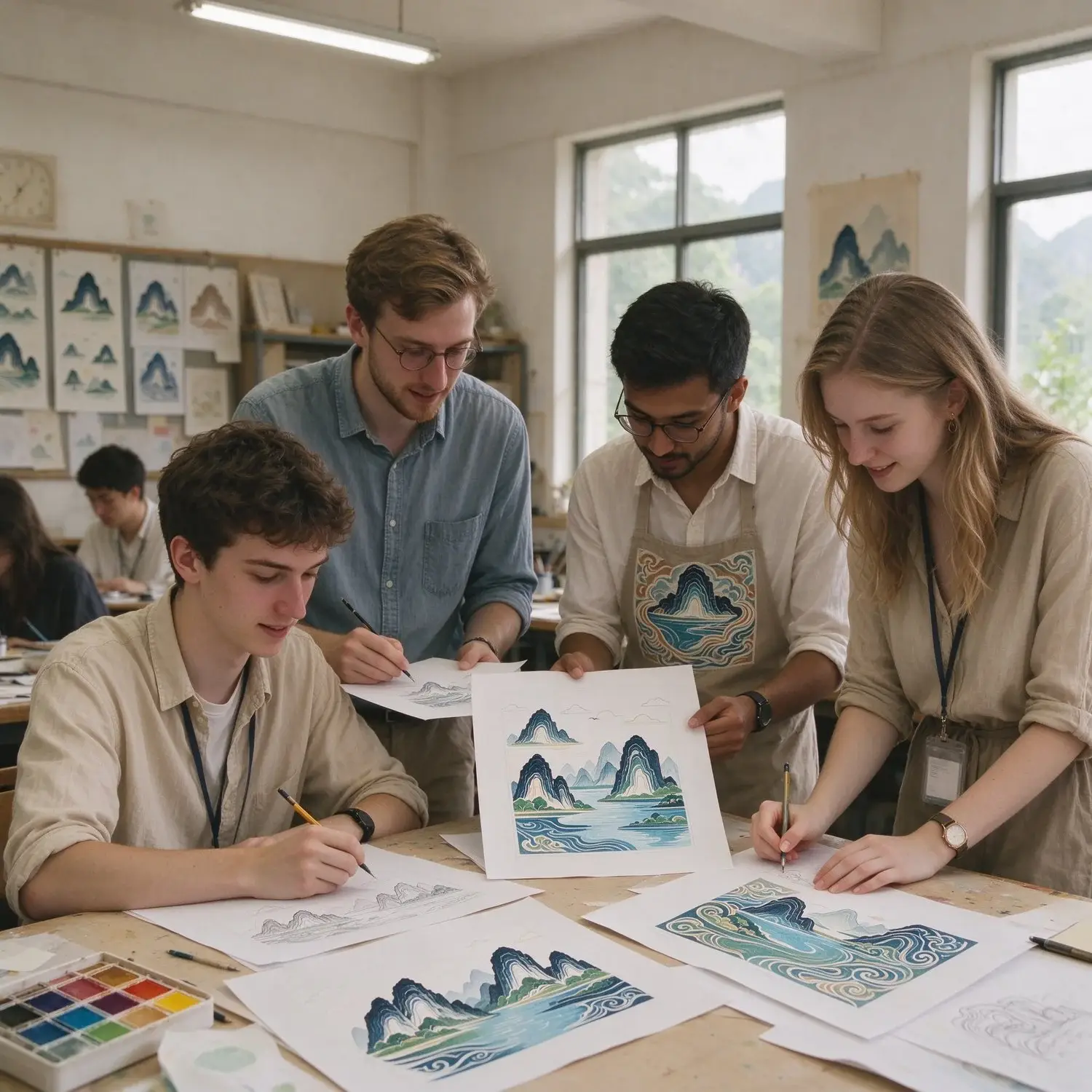
Stele and motif element translation
“My Guilin Gift” project
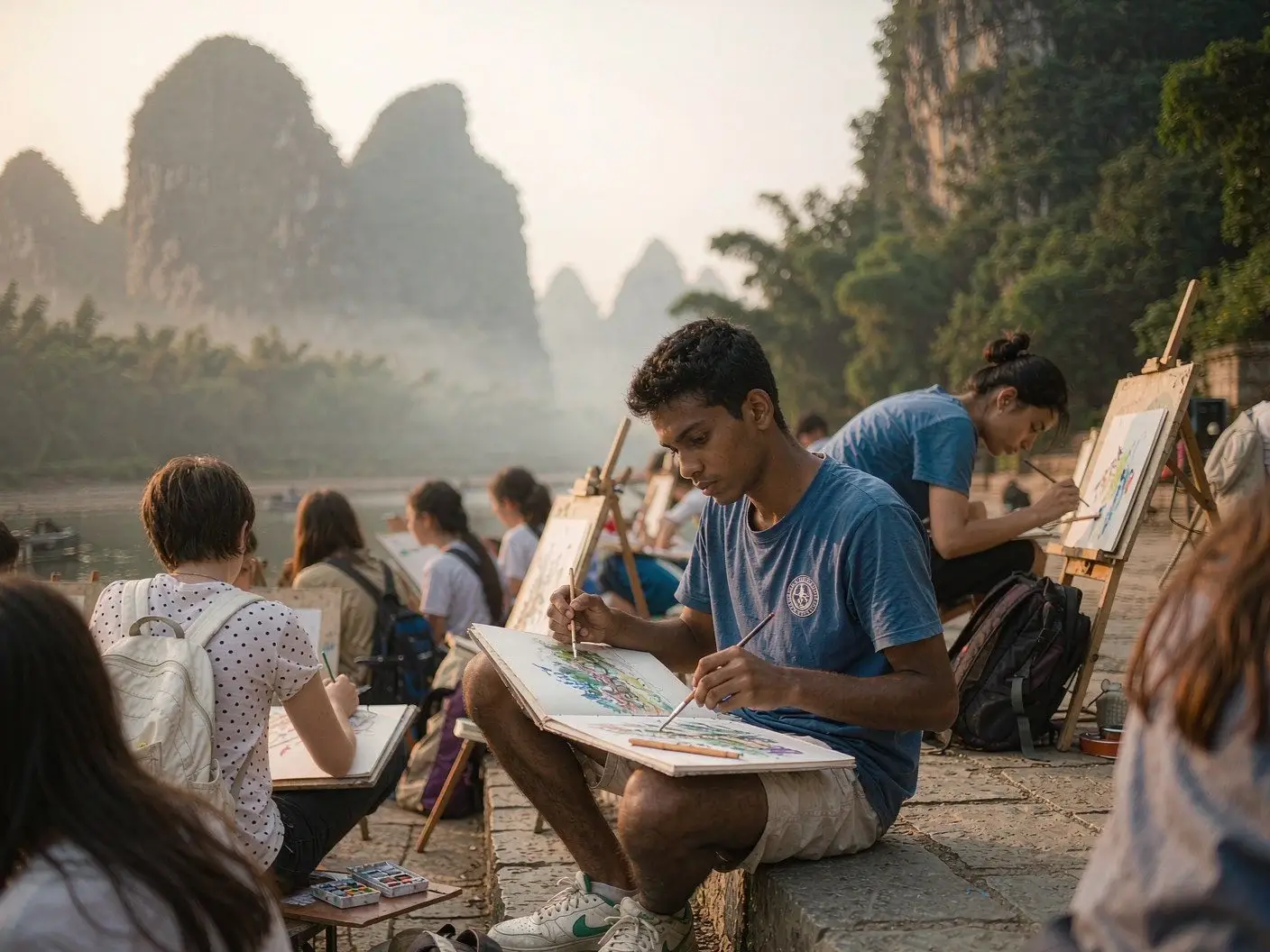
Landscape cross-cultural expression for international students
Outcomes and practical tasks
The value of Guilin study is not how many places are visited, but whether students truly leave behind outcomes of observation, practice, thinking and creation. Turn every resource point into a task that can be recorded, presented and reviewed.
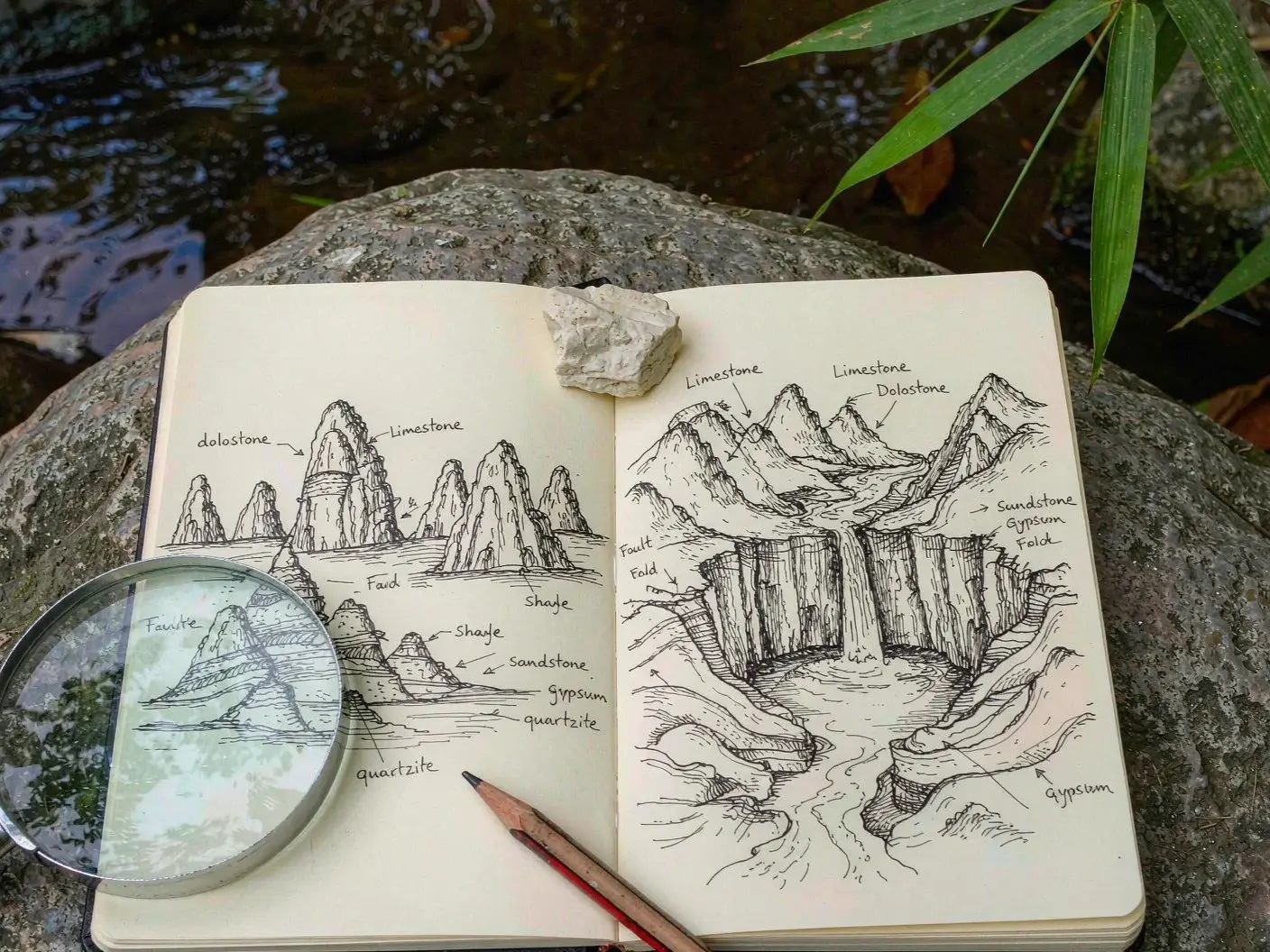
Landscape observation record
In a museum, site or riverside spot, choose one view or object; record form, direction, origin, use and your own question; compile an observation card.
A hand-made landscape sketch
Choose line drawing, light wash or quick sketch; note the hardest layer, your corrections and how the result changed.
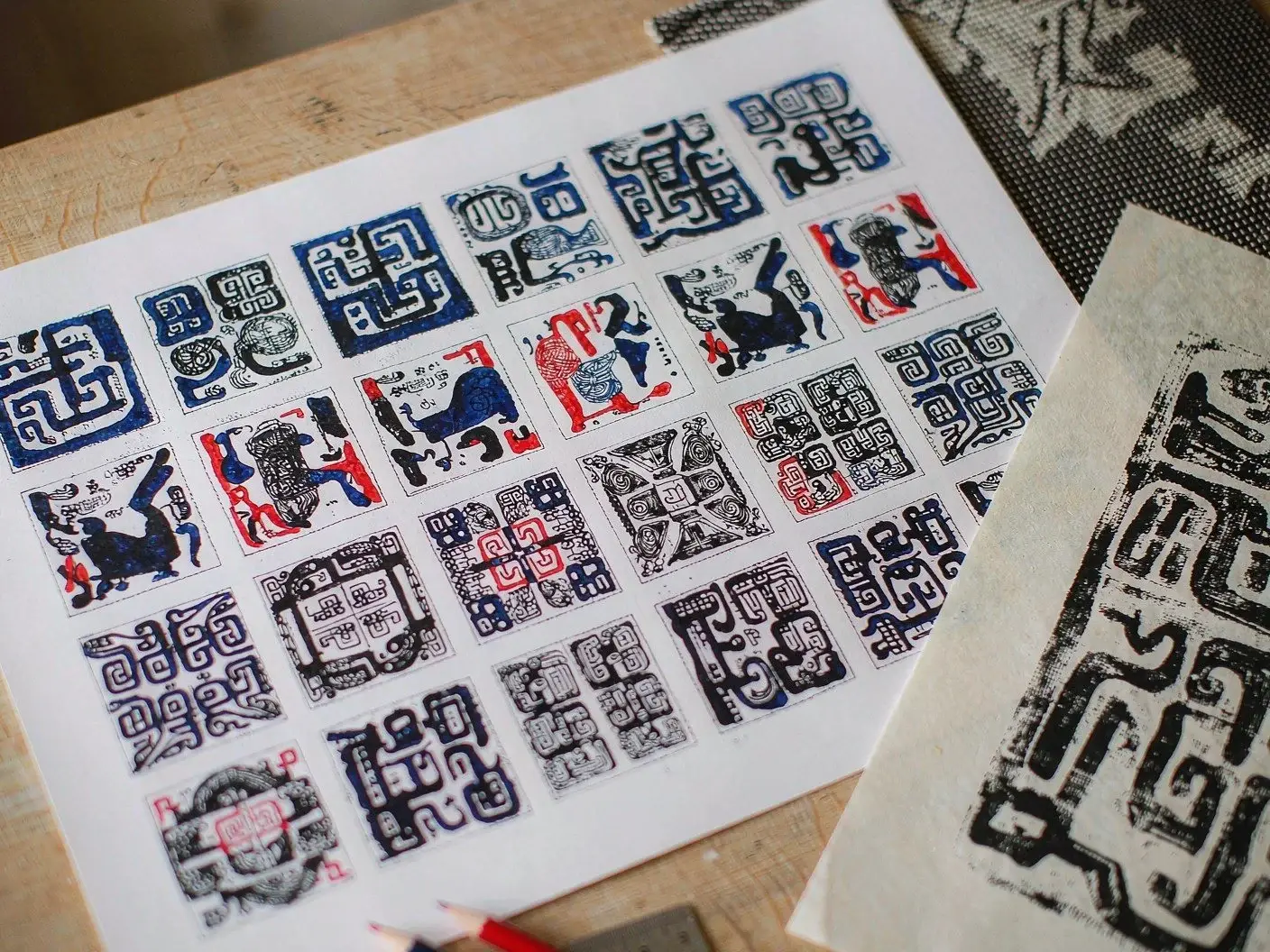
Stele or Zhuang-brocade motif design
Extract structure and rhythm from cliff inscriptions or Zhuang brocade, then add your own theme to make a pattern with both a cultural source and your expression.
“My Guilin Gift” group
Produce a name, product positioning, packaging concept and three-minute talk — taking outcomes into design and expression.
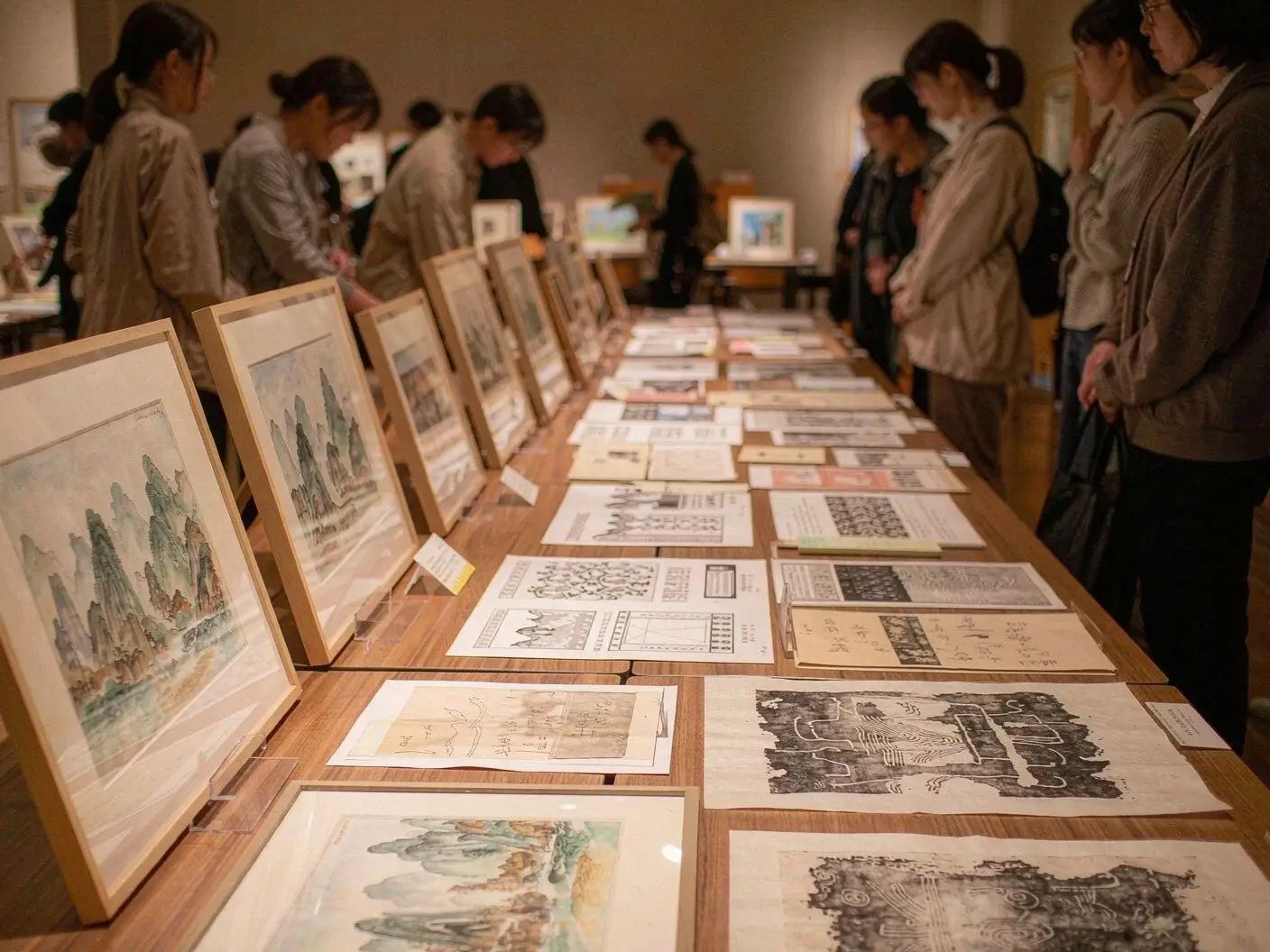
One landscape observation card + one personal sketch + one set of stele or Zhuang-brocade motif designs + one group “Guilin Gift” presentation — joining visiting, practice, thinking and expression into a learning loop that can be shown and reviewed.
Suggested theme combinations
| Theme | Recommended combination | Audience / scenario |
|---|---|---|
| Landscape & geology | Guilin Museum + Elephant Trunk Hill + Reed Flute Cave | First study / geography & science |
| Prehistory & waterworks | Zengpiyan + Lingqu + Guihai Stele Forest | Upper primary / junior secondary / families |
| Ethnic intangible heritage | Longji Terraces + Huangluo Red Yao village + rice noodles & oil tea | Junior / senior secondary / comprehensive practice |
| Sketching & creative design | Li River sketching + stele motif translation + product development | Art, design & comprehensive practice |
| Exchange & rural observation | Yangshuo West Street + Huixian wetland + cross-cultural sketching | Senior secondary / university / international |
Guilin study need not be tied to fixed days or standard routes. The truly tailored approach combines, by age, curriculum goals, interests and budget, six directions — landscape awareness, geological fieldwork, prehistoric archaeology, ethnic intangible heritage, sketching and creation, and cultural exchange — so every programme has clear learning goals and deliverable outcomes.
Ready to build your Guilin study programme?
Share your students’ age, curriculum goals and dates. We will tailor the field studies, hands-on workshops and outcome tasks for you.
Start PlanningHainan
Hainan at a glance
Hainan lies at the southernmost tip of China and is the country’s only tropical island province. Volcanic geology, tropical rainforest, Li and Miao culture, marine ecology, aerospace technology and overseas-Chinese heritage together form a distinctive study resource. For students this is not only a place to “see the sea” — through observation, experiment and making they can understand how an island’s nature and people shape each other.
The value of the trip lies in moving from postcard scenery to mechanism. Standing by a crater, in a mangrove boardwalk or before a rocket tower, students turn textbook ideas of plate motion, tidal ecology and inter-island migration into things they can measure, compare and explain.
Think of Hainan as an open island classroom — best approached through six angles: volcanic geology, Li and Miao people, marine ecology, tropical rainforest, aerospace technology, and the literary tradition of Qiongzhou.
Six study keywords worth attention
Read northern Hainan’s volcanism in craters, lava tunnels and basalt villages.
Meet Li brocade spinning, dyeing, weaving and embroidery, boat-shaped houses and the Third Lunar Month festival.
Read coastal protection through mangroves, coral reefs and the intertidal zone.
Enter Hainan Rainforest National Park for structure and species richness.
See low-latitude coastal launch and science at Wenchang Space Launch Site.
Read Hainan history and exchange through Dongpo Academy, arcade streets and Qiong opera.
Recommended priority
| Priority | Best for | Representative sites | Use case |
|---|---|---|---|
| A · Core intro | First-time study groups in Hainan | Hainan Museum, Leiqiong Global Geopark, Dongpo Academy | Historical literacy / maritime culture |
| B · In-depth practice | Learners interested in nature, sea, ethnic culture and aerospace | Baicha boat-shaped houses, Li-brocade workshops, Rainforest National Park | Ethnic culture / ecological fieldwork |
| C · Creative extension | Secondary, university and international students | Wenchang Space Launch Site, Haikou arcade streets, Yantian ancient salt fields | STEM inquiry / creative & cross-cultural |
The cultural background to Hainan study
2.1 · From Zhuya and Dan’er to the Free Trade Port
From the Han dynasty, when the commanderies of Zhuya and Dan’er were set up, Hainan entered the central state’s view. Through the Qiongzhou prefecture, provincial status and now the Free Trade Port, it has formed a distinctive line of “island – migration – openness”. Study can build a timeline from administration, migration and overseas exchange.
2.2 · A volcanic island and its geology classroom
Northern Hainan’s volcanic fields preserve activity from about 27,000 to 1,000,000 years ago; basalt plateaus, volcanic cones and lava tunnels together form a natural geological museum. Observing rock beds, vesicles and the volcanic stone used in villages shows how geology and human settlement shape each other.
2.3 · Li and Miao peoples and craft lineage
Li peoples have lived on the island for generations, building a craft system of spinning, dyeing, weaving and embroidery; boat-shaped houses, dry upland rice and the Third Lunar Month festival form a distinctive island-ethnic life. These crafts have no written record — the patterns themselves are the historical archive.
2.4 · South China Sea marine ecology and mangroves
Hainan is one of China’s richest regions in marine ecosystem types; mangroves, coral reefs, seagrass beds and intertidal flats together build the coastal system. Study can link geography, biology and conservation to show what “protection first” means in practice.
2.5 · Going south to the seas, Su Dongpo and today’s innovation
Since Su Shi was exiled to Danzhou in the Song and opened a school, Hainan has built a tradition of valuing letters and teaching; in modern times Hainanese going south brought back arcade architecture and Nanyang food. Today Wenchang spaceflight, the Boao Forum and Li brocade on international runways make Hainan an open window where tradition and frontier meet.
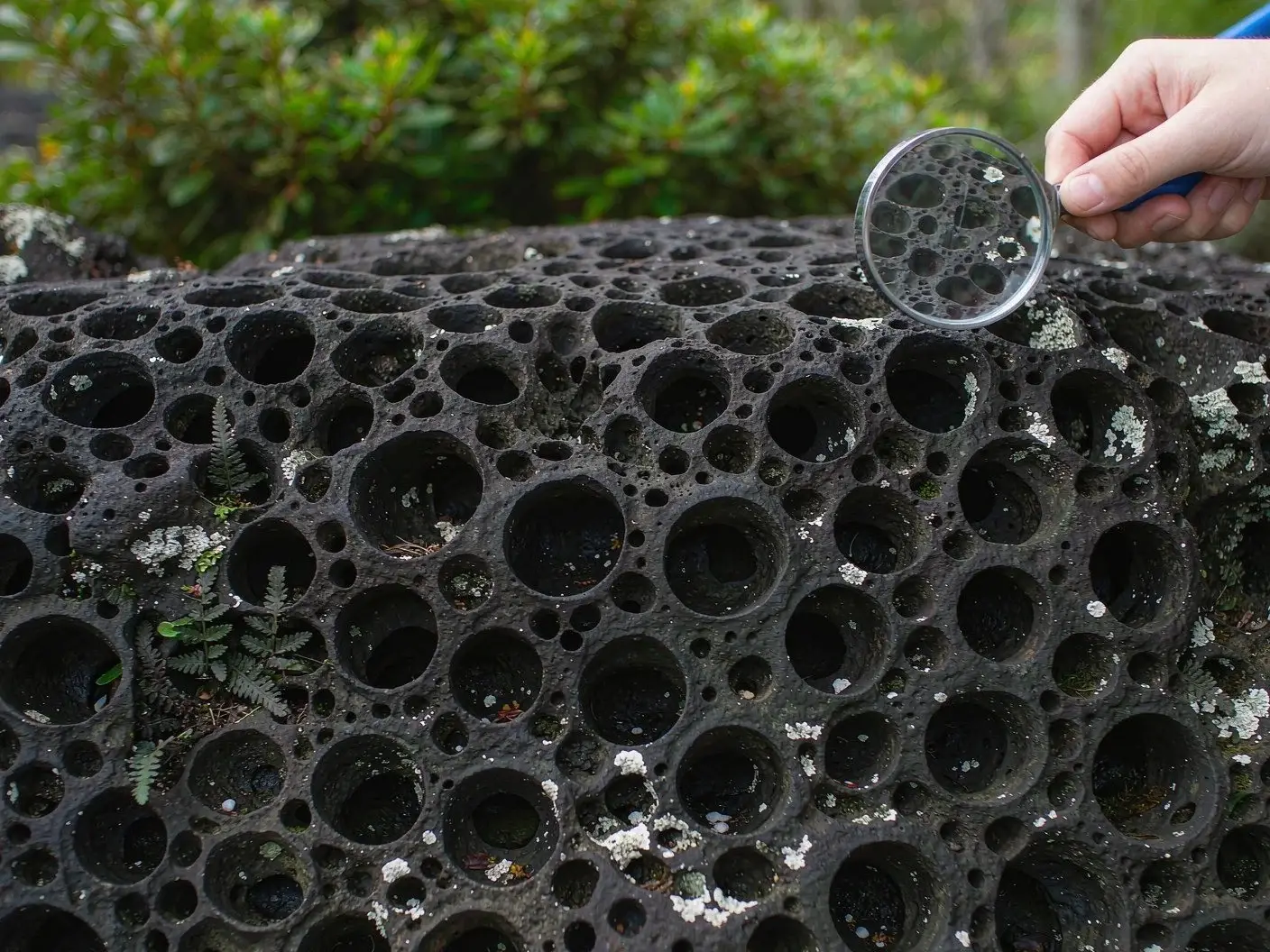
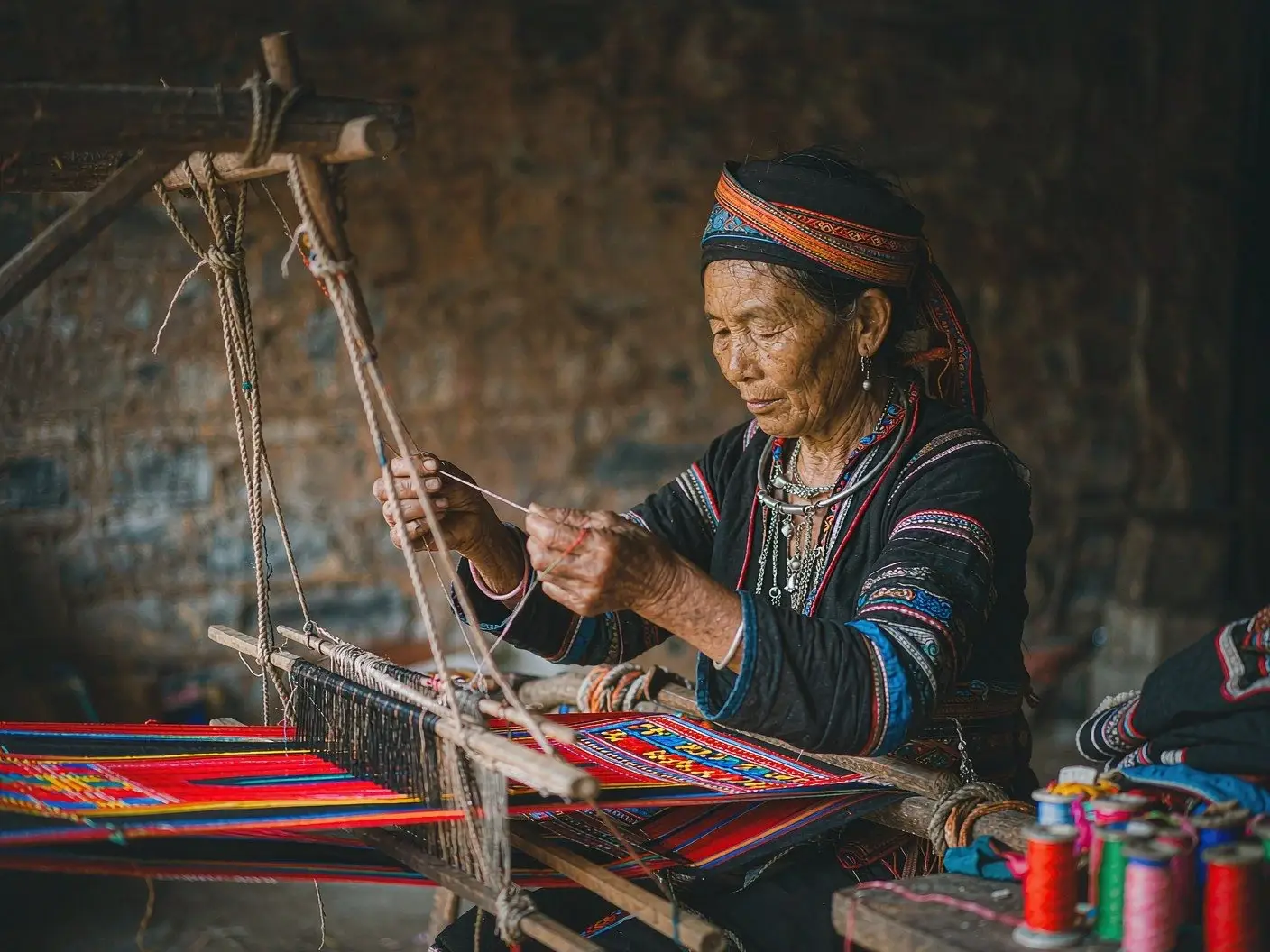
Six core study recommendations
The six first-priority stops for a Hainan study programme.
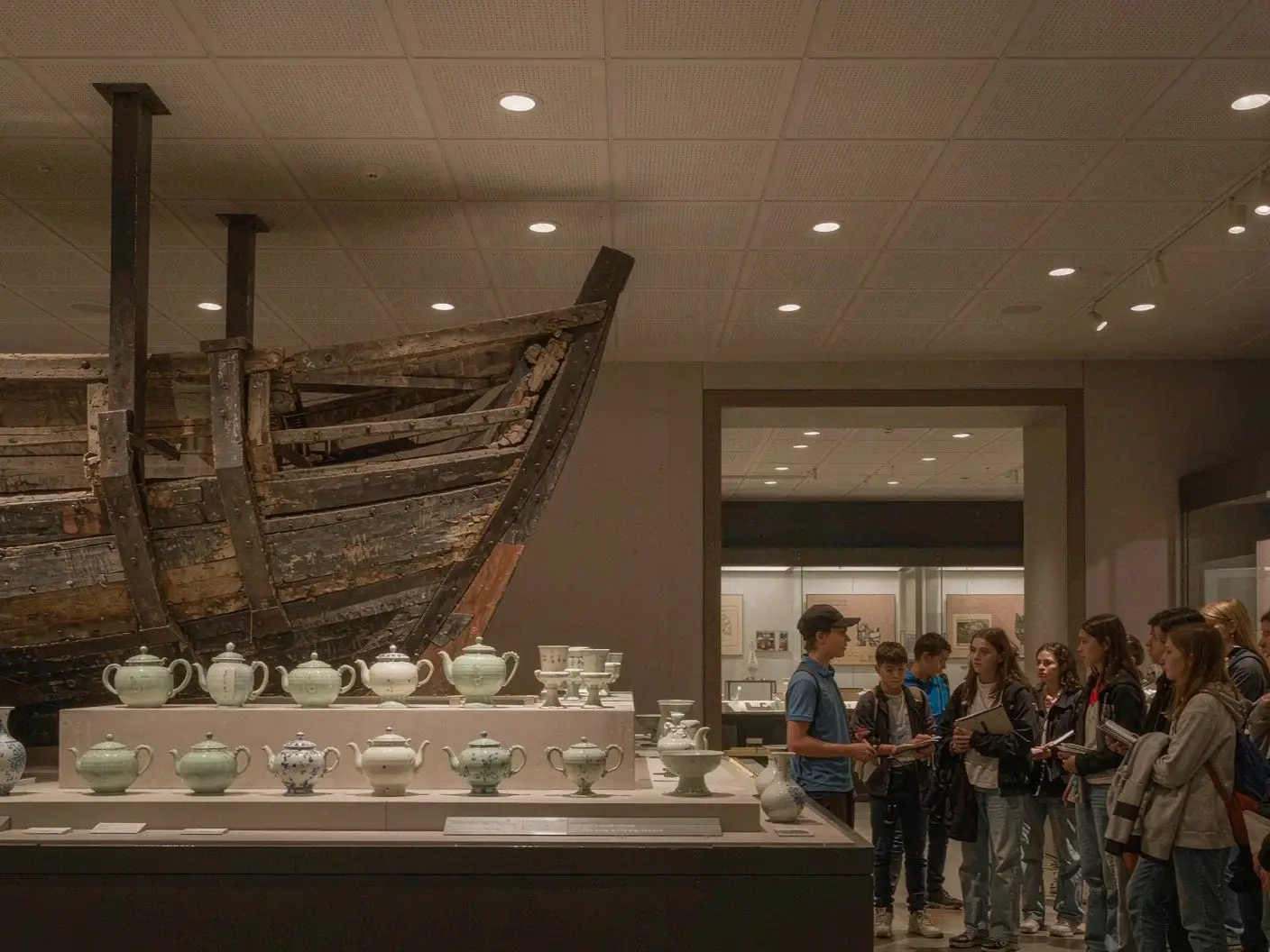
Hainan Provincial Museum
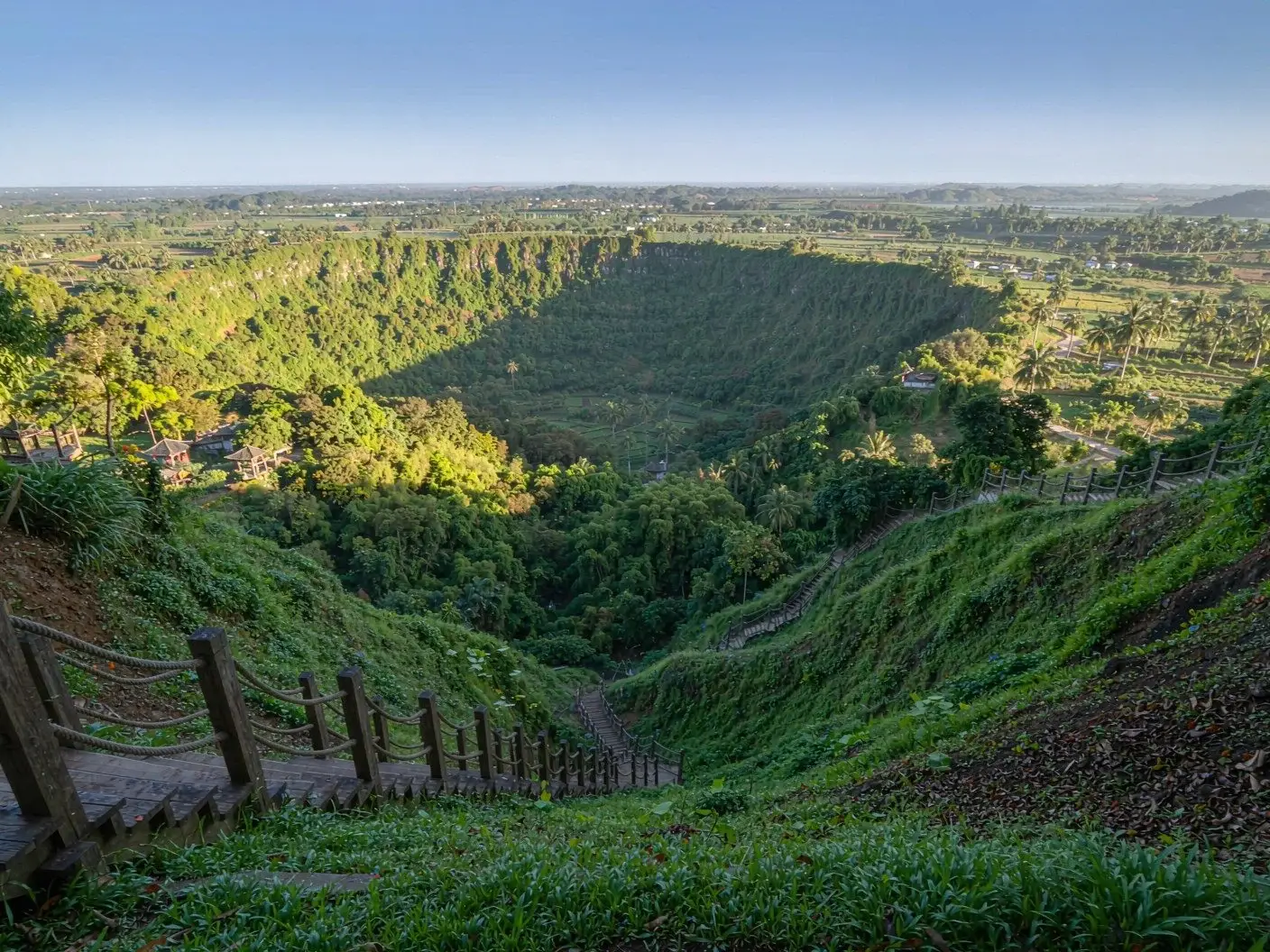
Leiqiong Global Geopark (Haikou Volcano Group)
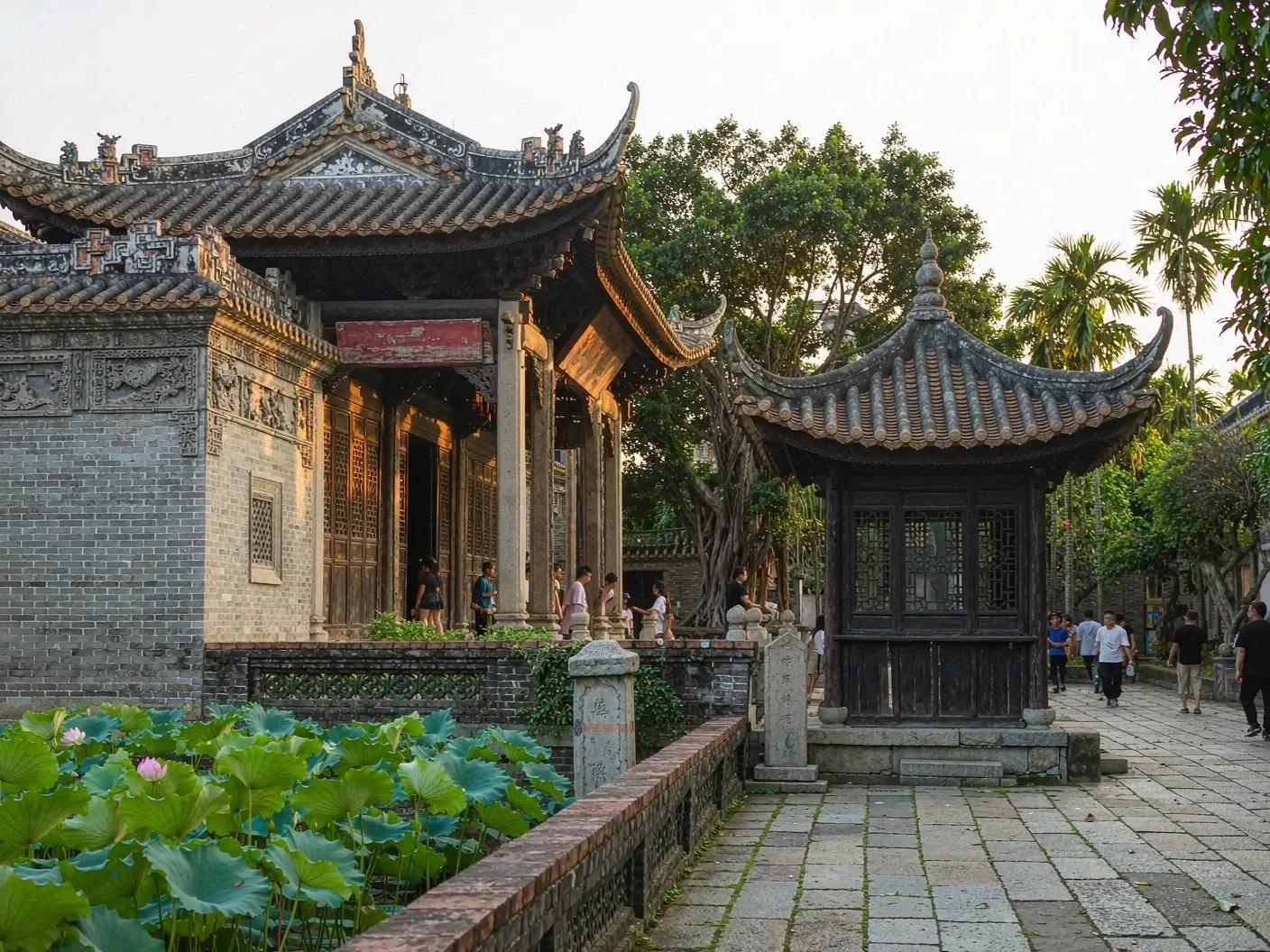
Dongpo Academy, Danzhou
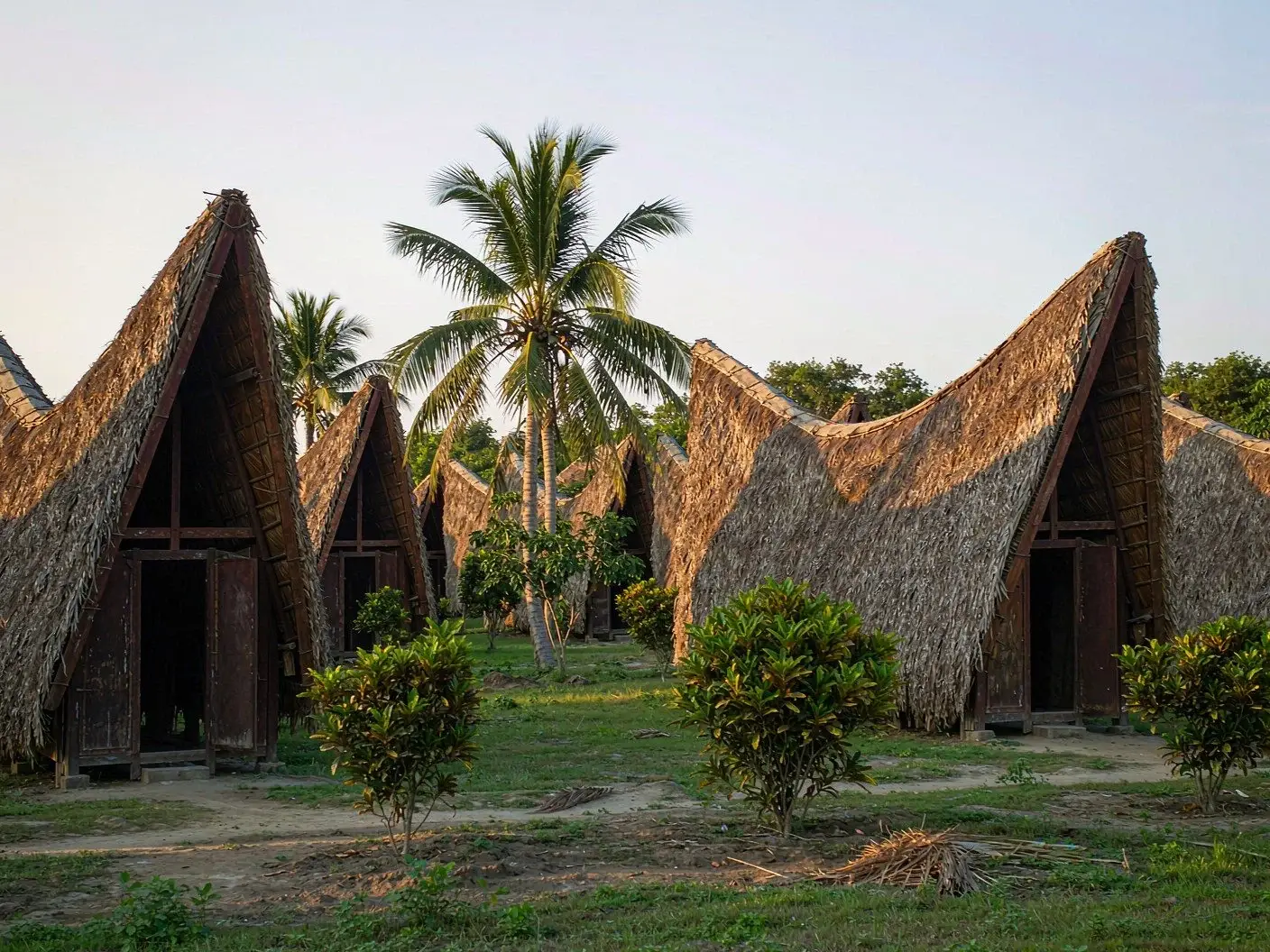
Li Boat-shaped Houses at Baicha Village, Dongfang

Wenchang Space Launch Site
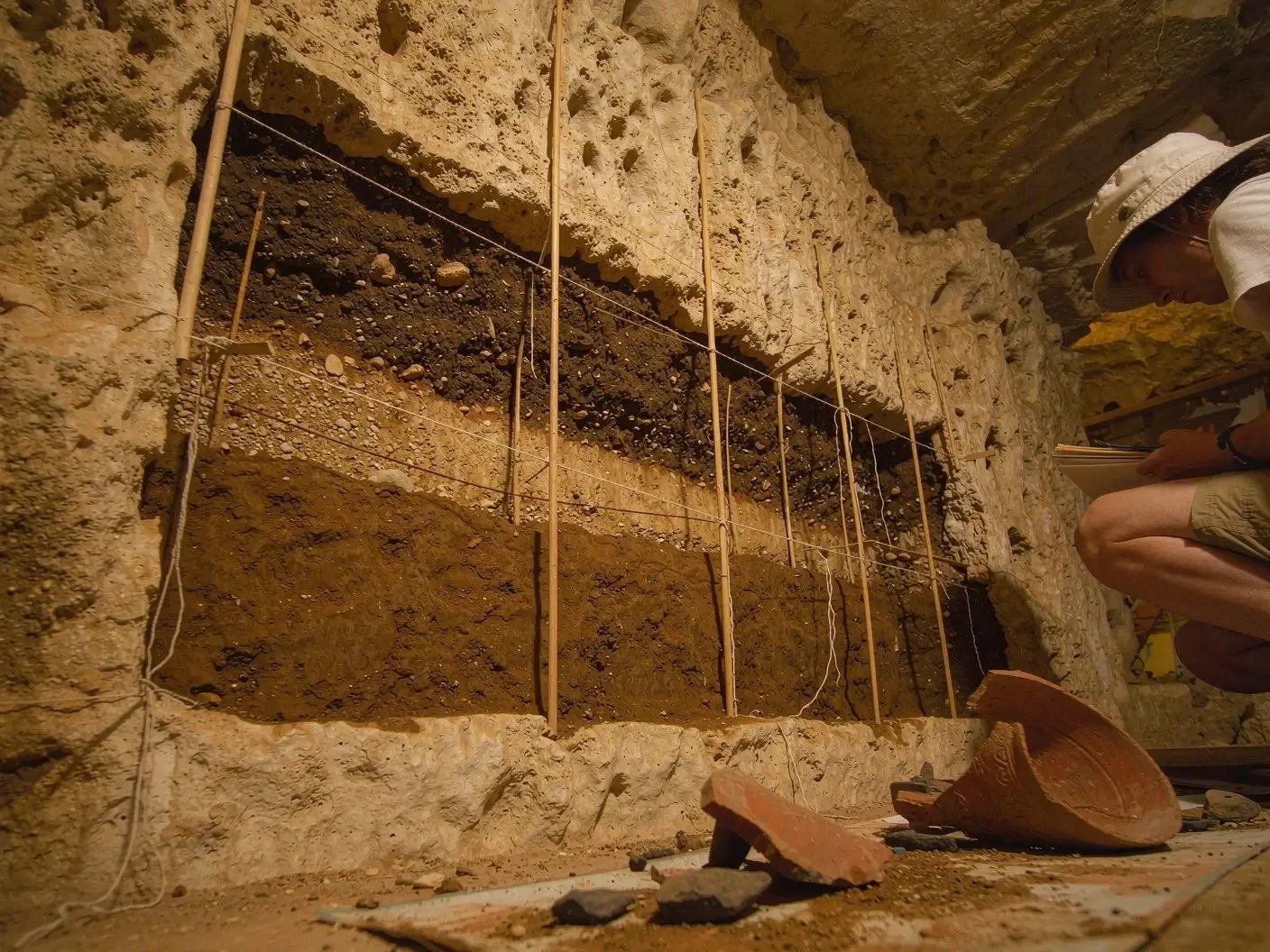
Luobidong Cave Site, Sanya
Six in-depth study extensions
Longer, more specialised studies for groups with clear interests.
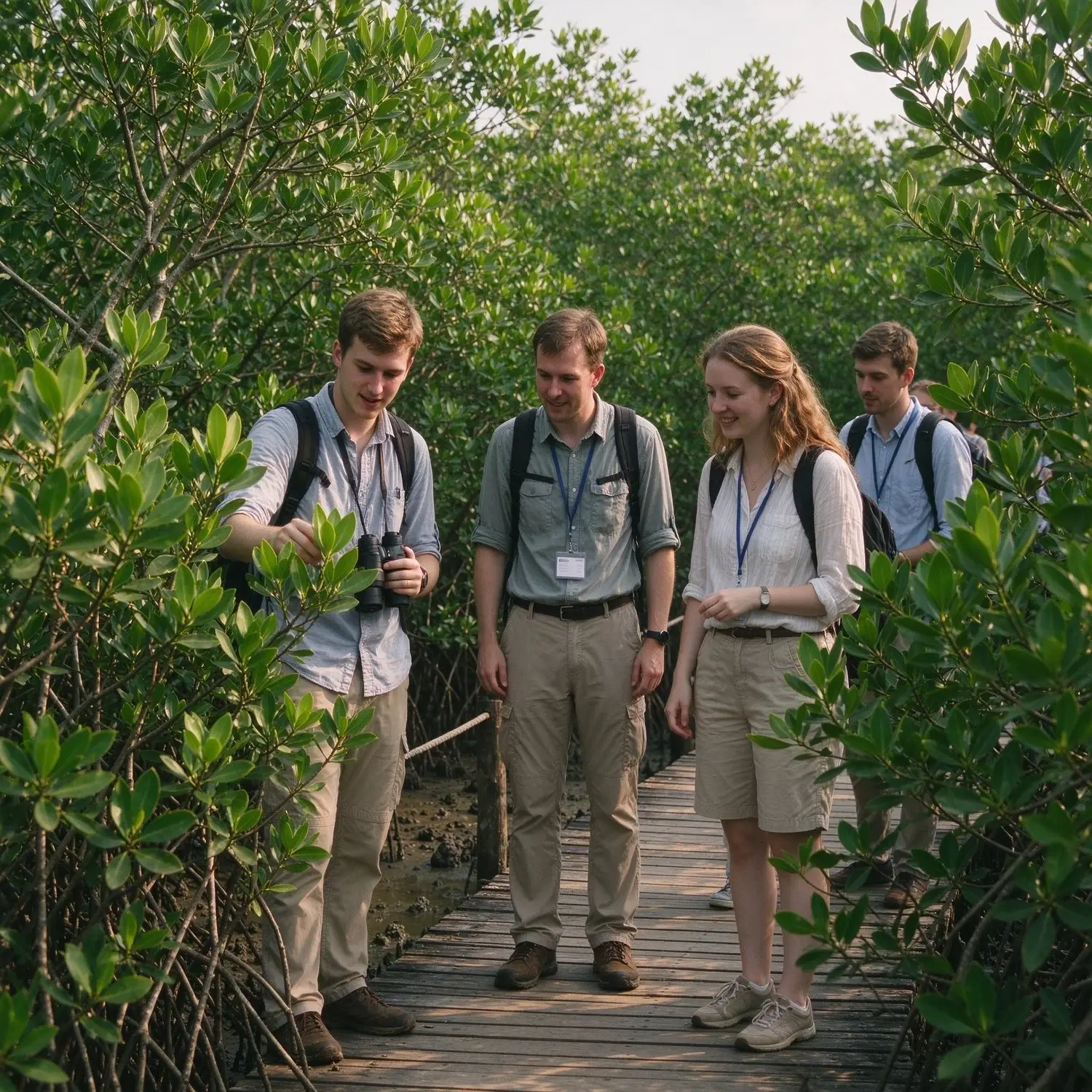
Dongzhaigang Mangrove National Nature Reserve

Sanya Coral Reef National Nature Reserve
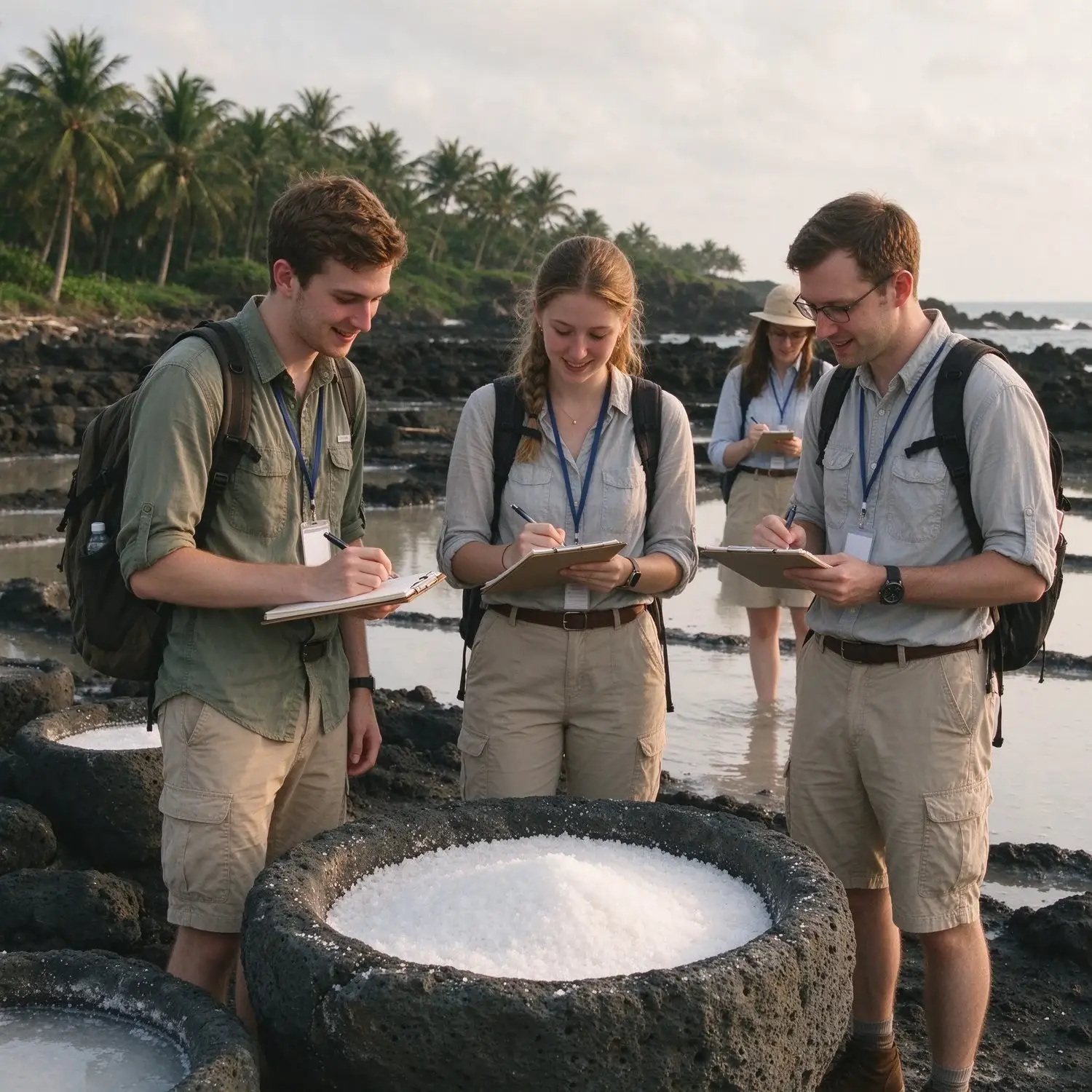
Yangpu Thousand-year Ancient Salt Fields
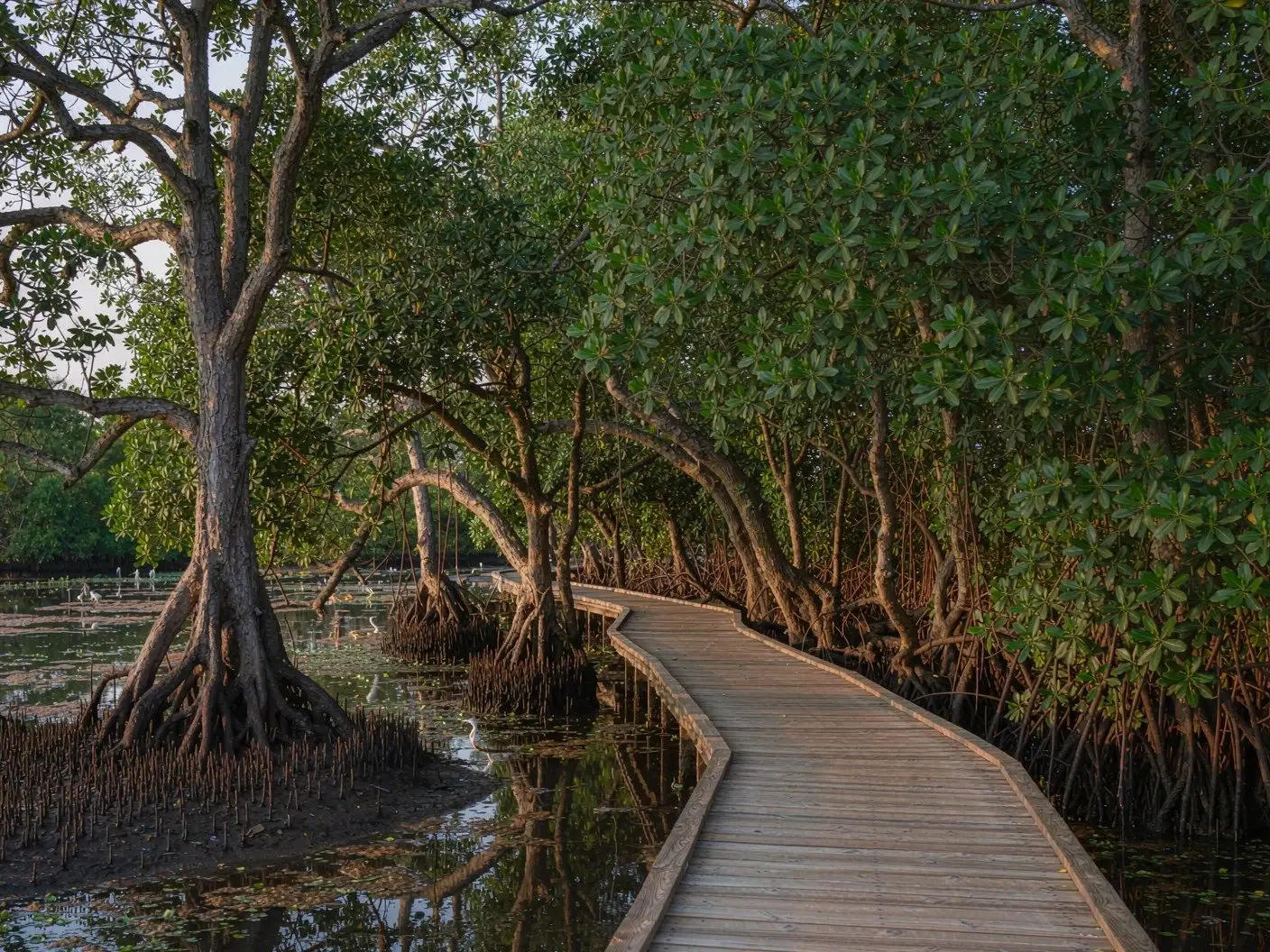
Haikou Qilou Arcade Old Street
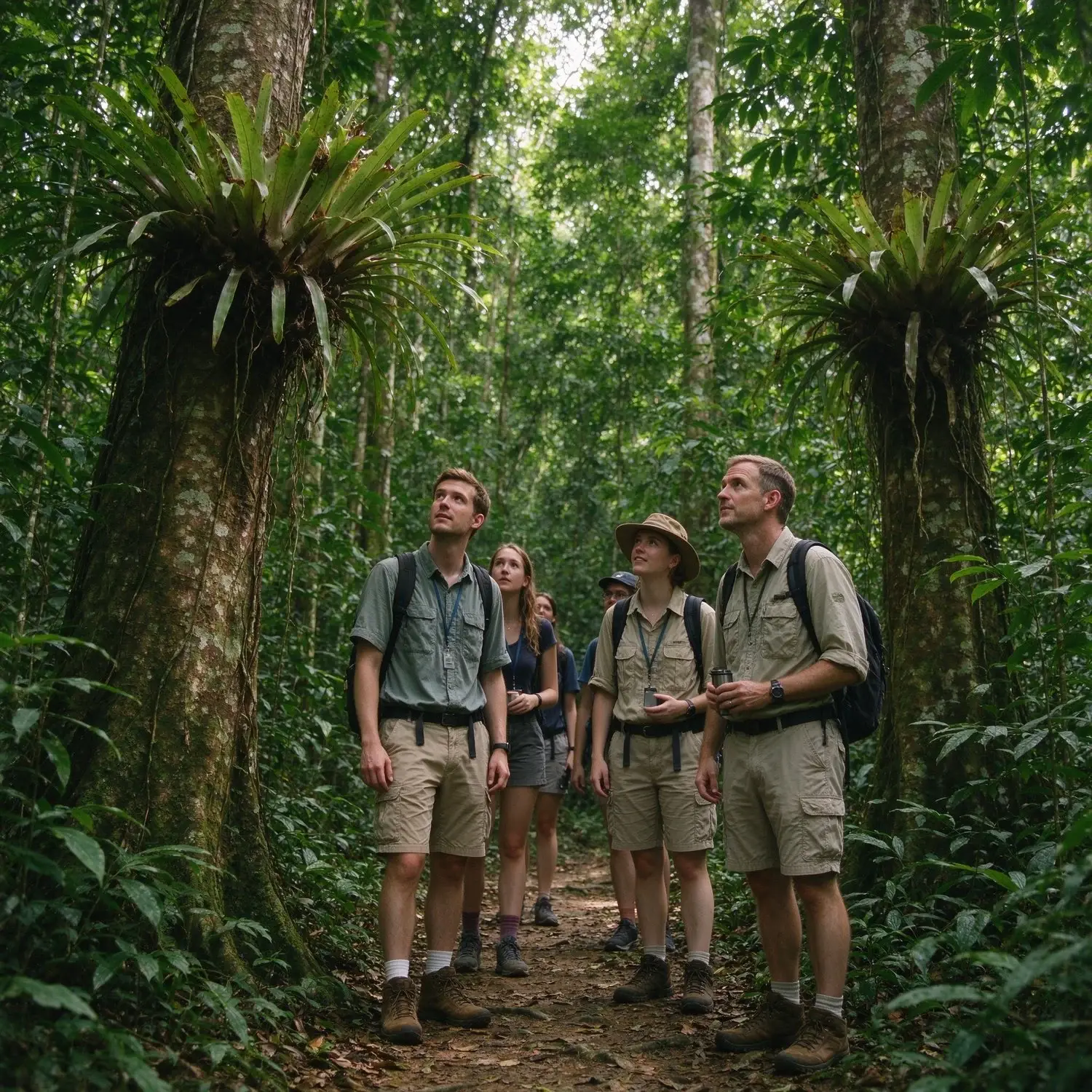
Hainan Tropical Rainforest National Park
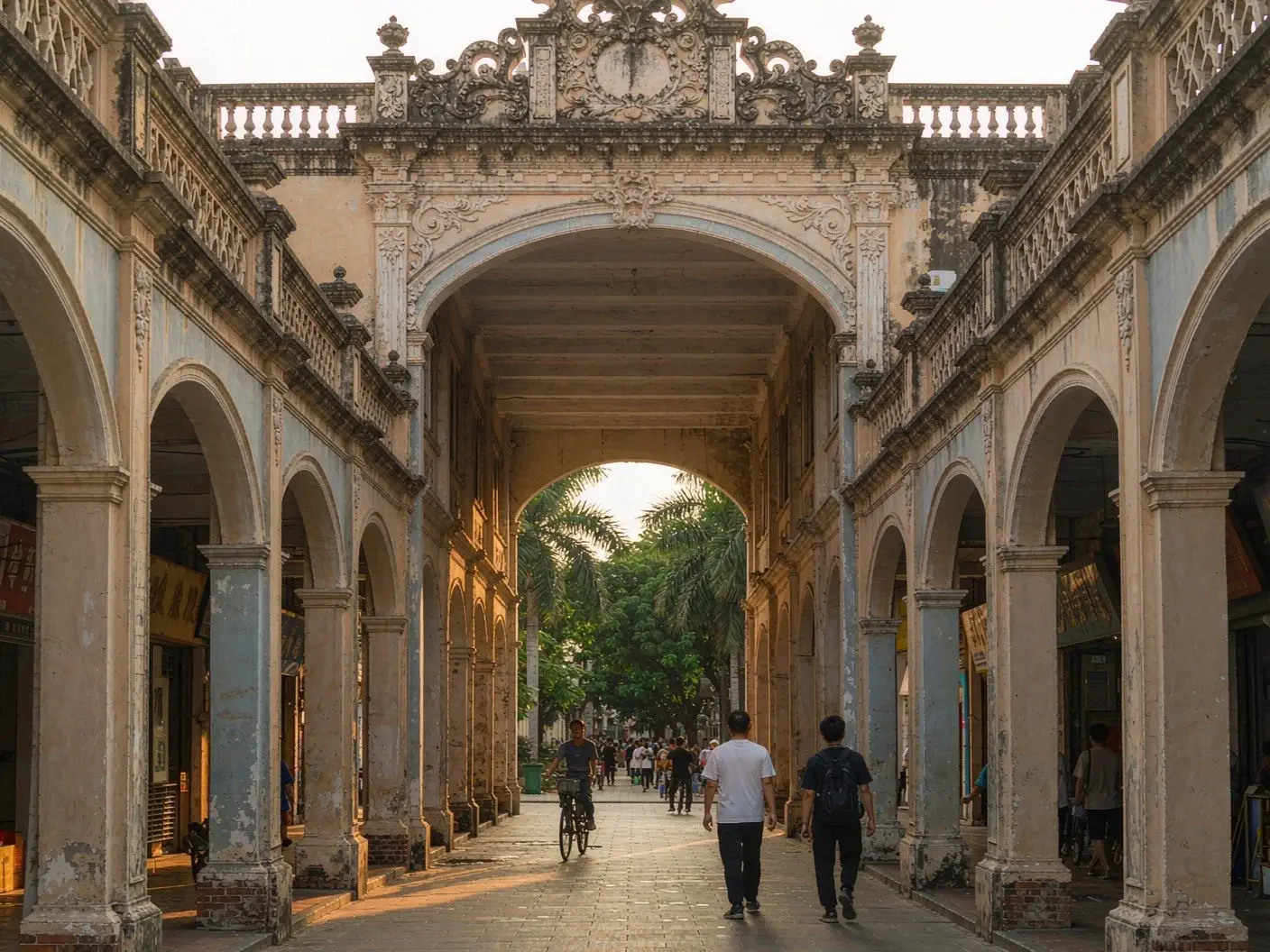
Yazhou Ancient City & Yazhou Confucian Academy
Creative practice and integrated skills
Projects that turn observation into original student work.
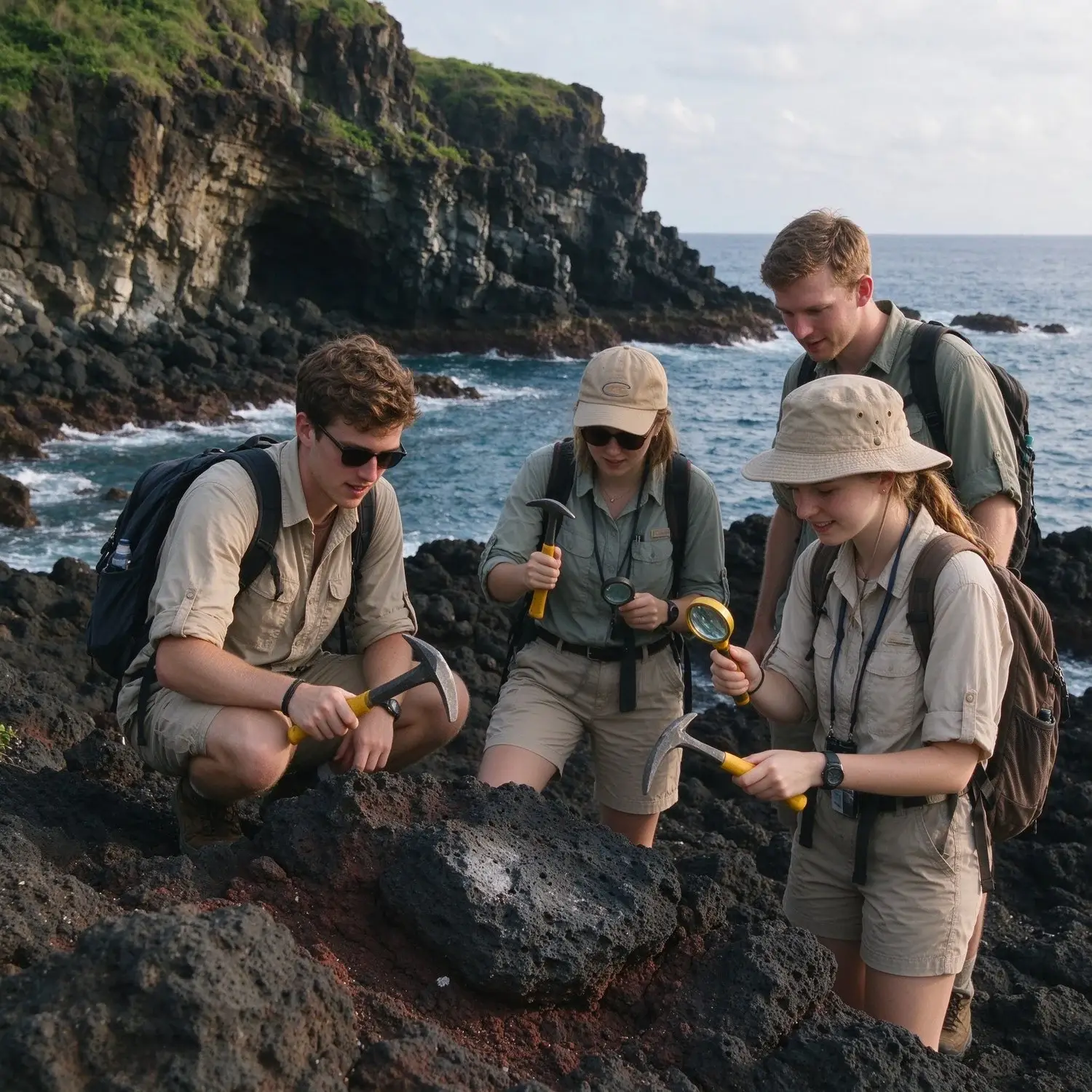
Island geology and volcano observation
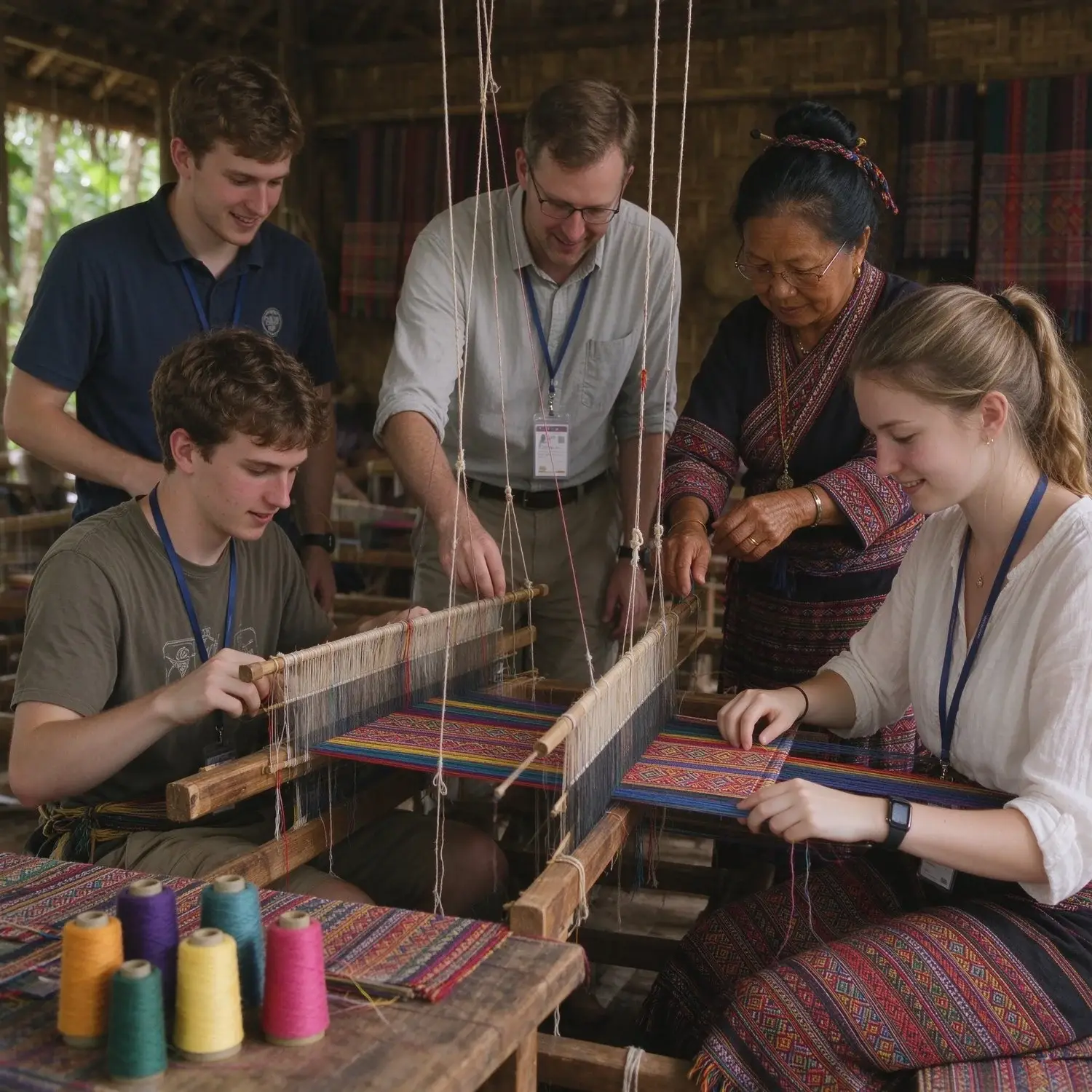
Li brocade weave and creative design
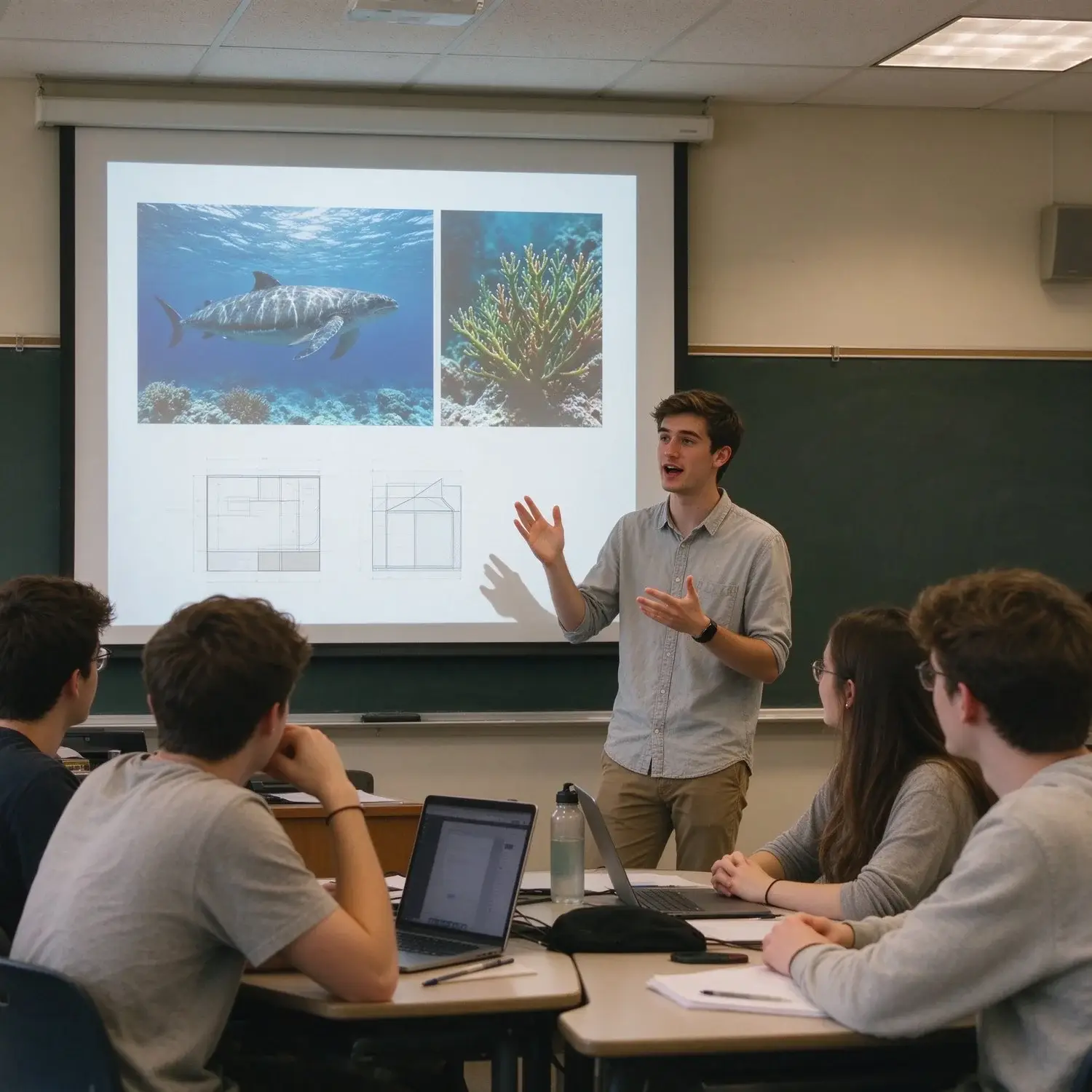
“My Hainan Gift” project
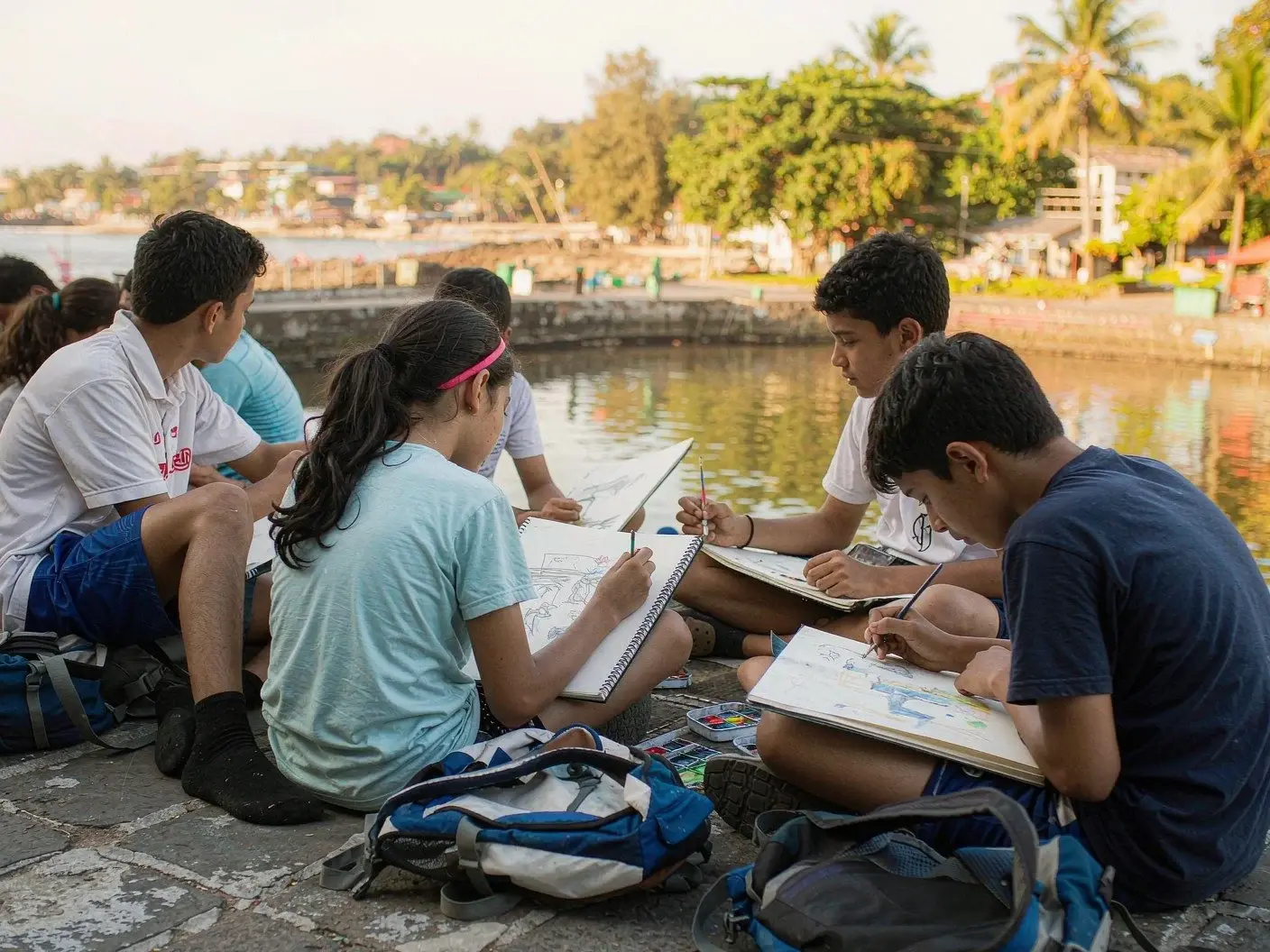
Humanity heritage & cross-cultural exchange
Outcomes and practical tasks
The value of Hainan study is not how many places are visited, but whether students truly leave behind outcomes of observation, practice, thinking and creation. Turn every resource point into a task that can be recorded, presented and reviewed.
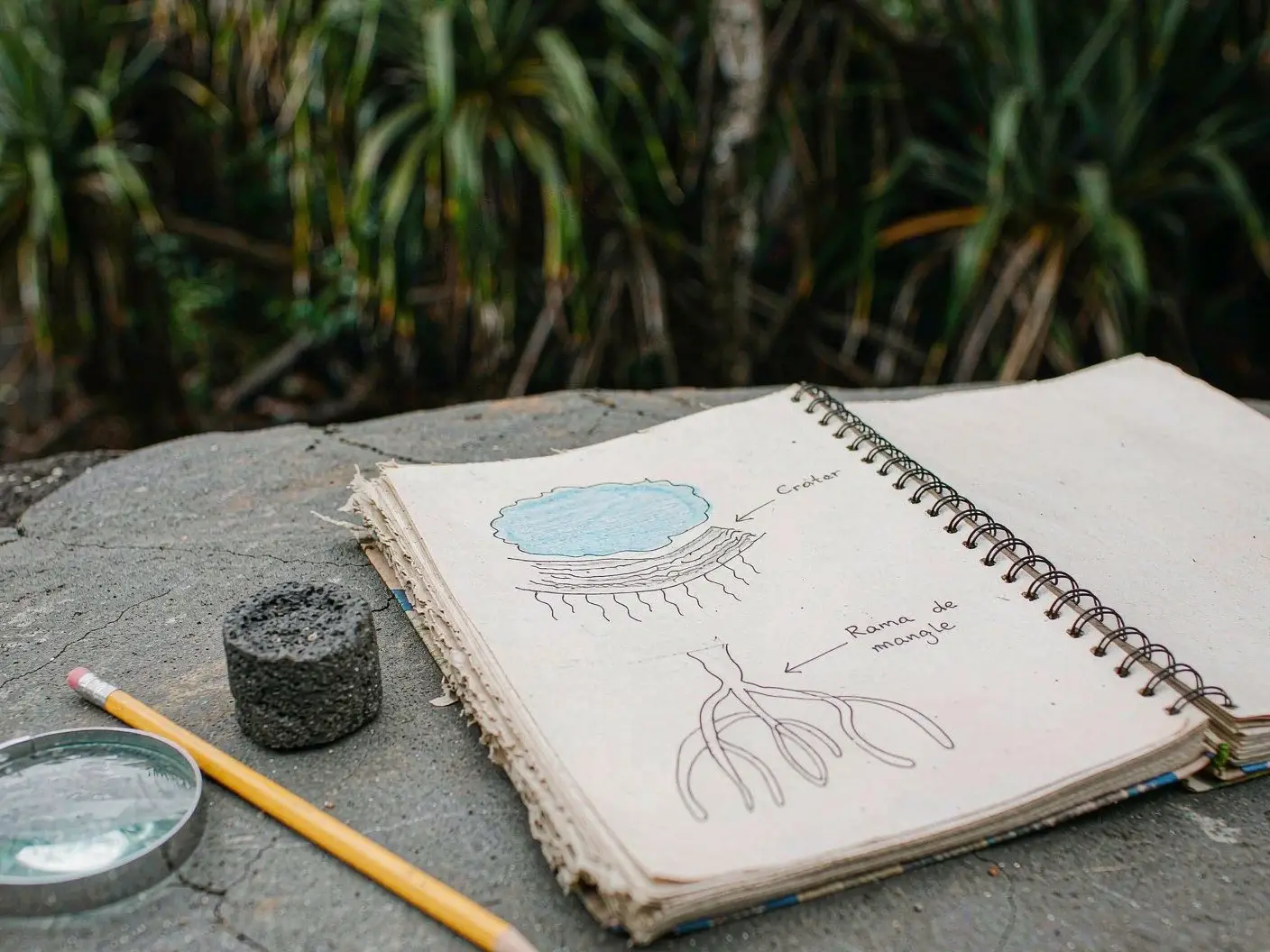
Island nature observation record
In a museum, reserve or ancient village, choose one object; record form, colour, structure and your own question; compile an observation card.
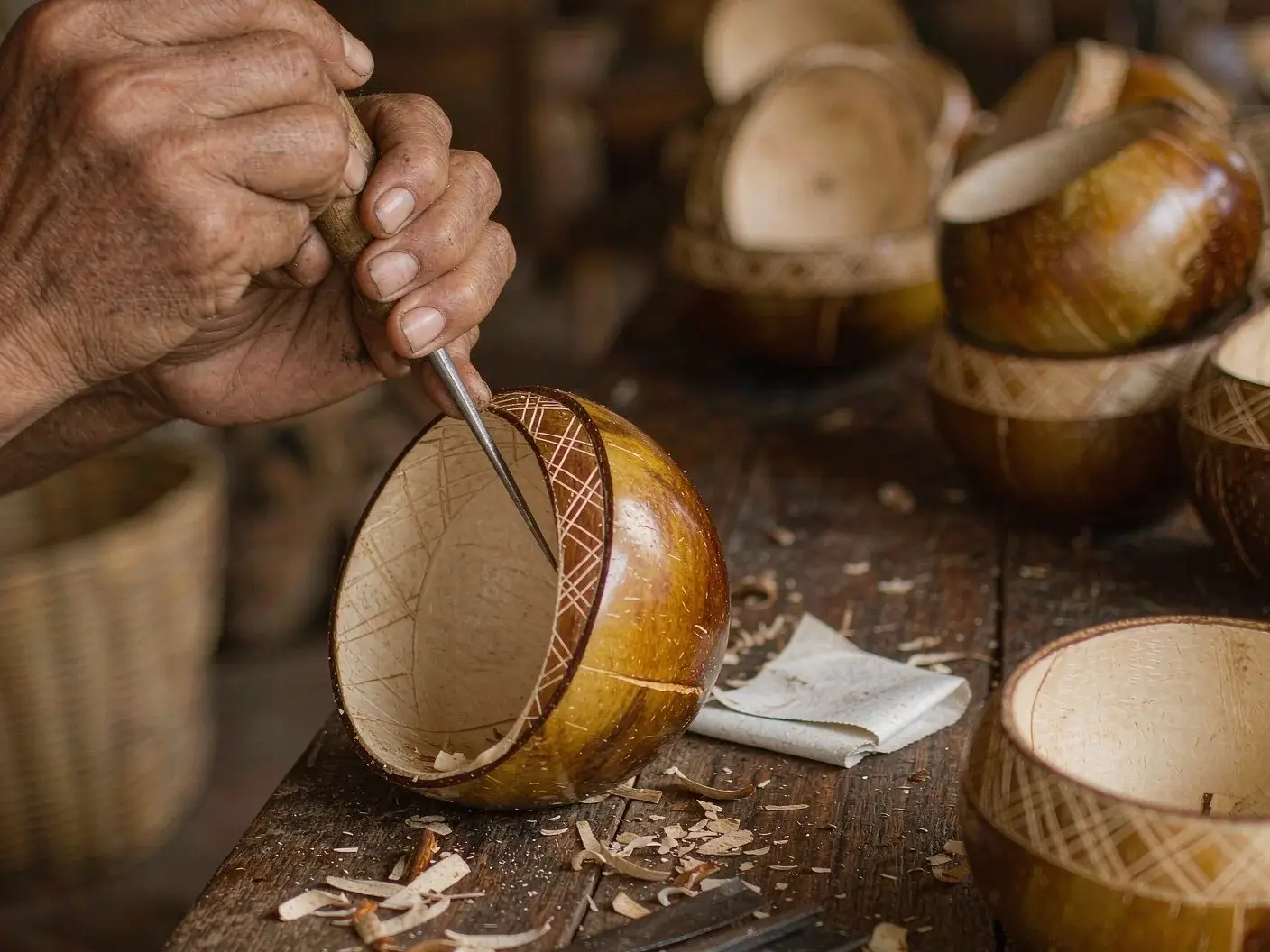
A hand-made Li brocade or coconut-carving piece
Choose Li brocade weaving, coconut carving or plant dyeing; note the hardest step, your corrections and how the result changed.
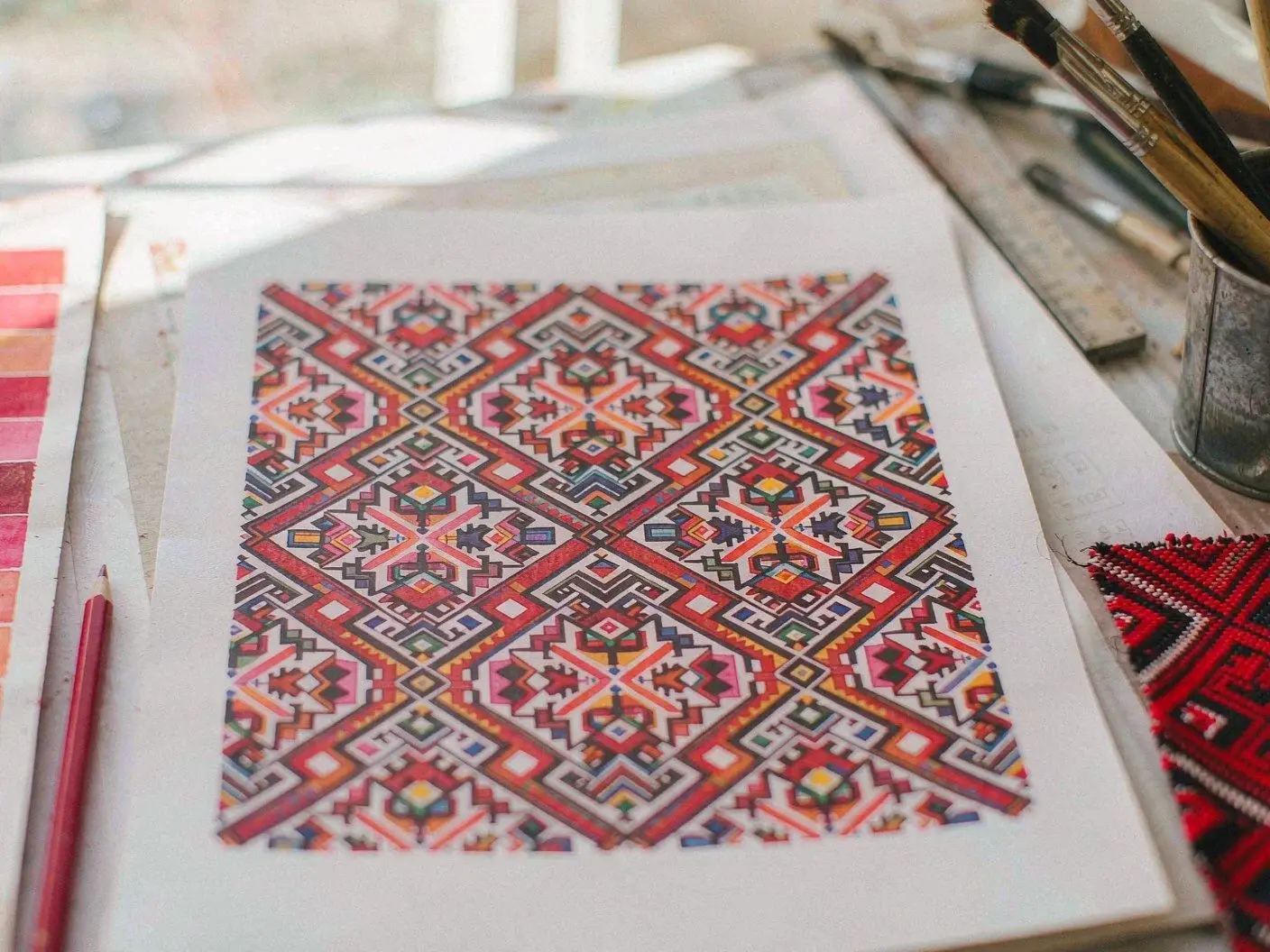
Li motif design and translation
Extract structure and rhythm from Li-brocade patterns, then add your own theme to make a set of patterns with both a cultural source and your expression.
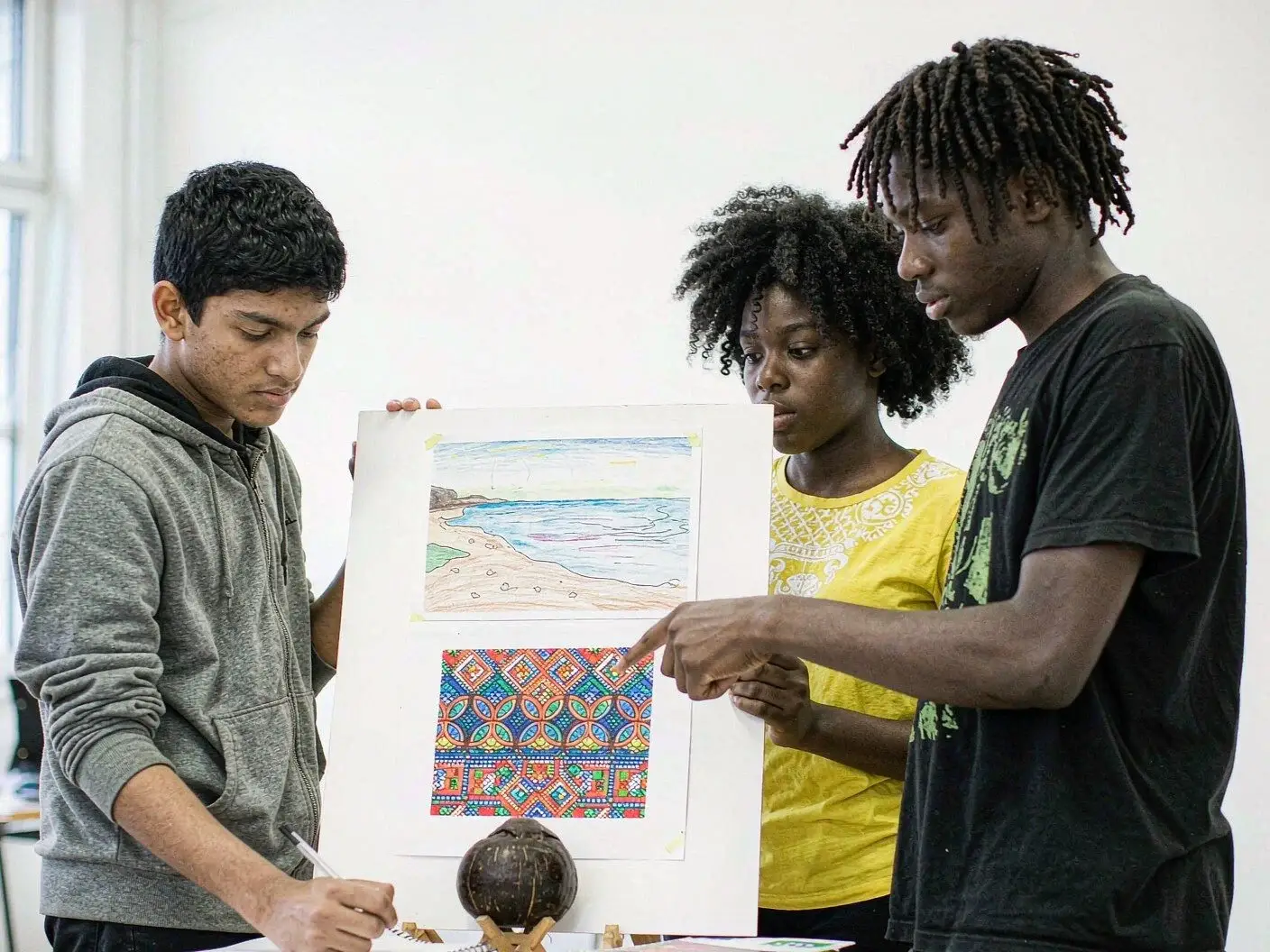
“My Hainan Gift” group
Produce a brand name, product positioning, packaging concept and three-minute talk — taking outcomes into design and expression.
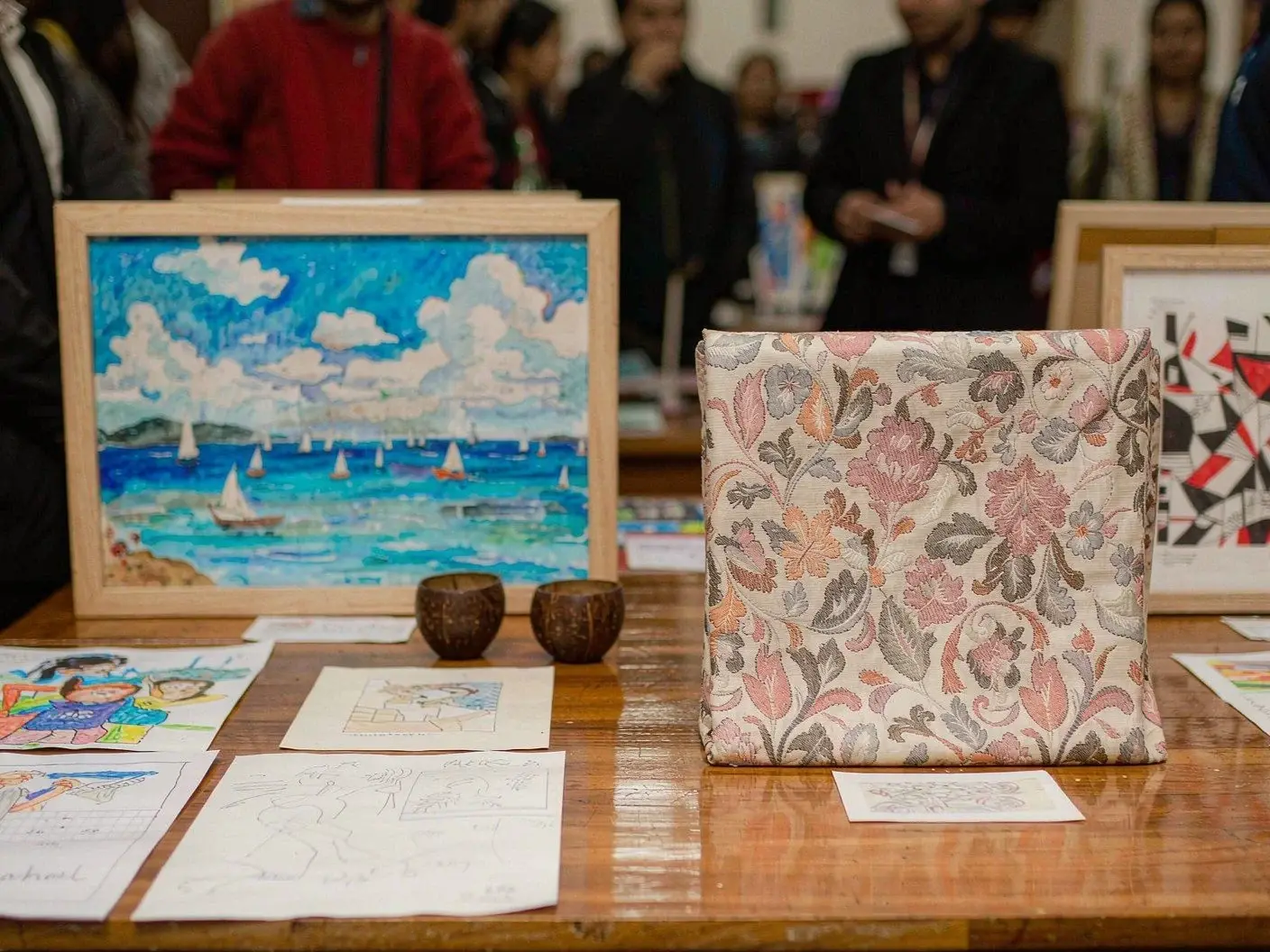
One island nature observation card + one personal Li-brocade or coconut-carving piece + one set of Li motif designs + one group “Hainan Gift” presentation — joining visiting, practice, thinking and expression into a learning loop that can be shown and reviewed.
Suggested theme combinations
| Theme | Recommended combination | Audience / scenario |
|---|---|---|
| Hainan history & maritime civilisation | Hainan Provincial Museum + Yazhou Ancient City + Luobidong Cave | First study / history & culture |
| Volcanic island & rainforest fieldwork | Leiqiong Geopark + Rainforest National Park + Dongzhaigang mangroves | Upper primary / junior secondary / families |
| Marine ecology exploration | Sanya coral reefs + Dongzhaigang mangroves + Wuzhizhou Island | STEM / secondary |
| Ethnic intangible-heritage making | Baicha boat houses + Li-brocade workshop + coconut-carving experience | Art, design & comprehensive practice |
| Aerospace & brand innovation | Wenchang Spaceport + arcade old street + Gift project + cross-cultural making | Senior secondary / university / international |
Hainan study need not be tied to fixed days or standard routes. The truly tailored approach combines, by age, curriculum goals, interests and budget, six directions — historical awareness, ethnic intangible heritage, ecological fieldwork, marine exploration, aerospace technology and international exchange — so every programme has clear learning goals and deliverable outcomes.
Ready to build your Hainan study programme?
Share your students’ age, curriculum goals and dates. We will tailor the field studies, hands-on workshops and outcome tasks for you.
Start PlanningShenzhen
Shenzhen at a glance
Shenzhen lies in southern Guangdong on the eastern shore of the Pearl River estuary, facing Hong Kong across the water. It was established as a city in 1979 and as a Special Economic Zone on 26 August 1980 — China’s “window” and “testing ground” for reform and opening-up. Yet its history reaches far beyond forty years: the Xiantouling site, discovered in 1981, pushes human activity here back about 7,000 years. Dongguan Commandery was founded in 331 AD, with its seat at today’s Nantou Old Town — nearly 1,700 years of urban history. In 1394 the Dapeng fortified town rose on the eastern coast, and in 1573 Xin’an County was established. After the 1898 Convention for the Extension of Hong Kong Territory and the 1899 Sino-British boundary survey at Sha Tau Kok, the boundary marker stones stood in the middle of the street, making Chung Ying Street the most tangible record of China’s modern border. Since 1980, Shekou fired the “opening cannon”, and Shenzhen grew from a border town into a migrant city and international metropolis.
What is most special for students is the layering — 7,000-year-old prehistoric remains, 600-year-old coastal defence forts, century-old boundary stones, and forty years of SEZ practice all overlap on less than 2,000 square kilometres. One study trip can connect prehistory, ancient history, modern history and the contemporary into a single line.
Think of Shenzhen as a living “contemporary-city specimen” being written right now — best approached through six angles: SEZ memory; coastal defence and the border; Hakka migration; ecological wetlands; technology and manufacturing; and design and creativity.
Six study keywords worth attention
From Dongguan Commandery and Xin’an County to the Special Economic Zone, see how 1,700 years of urban history and forty years of SEZ history overlap on the same land.
Between Dapeng Fortress and the Chung Ying Street boundary stones, trace how Ming–Qing coastal defence and the modern border took shape.
Walk into Crane Lake and Da Wan, and understand how walled villages organised clan, life and defence for migrant societies.
At Futian mangroves and Shenzhen Bay, meet mangrove plants, migratory birds and biodiversity growing inside the city.
From “three supplies and one compensation” to the electronics and information-industry chain, follow a manufacturing city’s path of upgrading.
From OCT-LOFT to Design Society, watch how industrial heritage, contemporary design and city life reinforce each other.
Recommended priority
| Priority | Best for | Representative sites | Use case |
|---|---|---|---|
| A · Core intro | First-time study groups in Shenzhen | Shenzhen Museum, Nantou Old Town, Dapeng Fortress | SEZ literacy / coastal-defence basics |
| B · In-depth practice | Learners interested in modern history, urban growth, ecology and design | Chung Ying Street, Reform & Opening-up Exhibition Hall, OCT-LOFT | Reform era / city and border |
| C · Creative extension | Secondary, university and international students | OCT-LOFT, Guanlan Print Village, Design Society | Design & creativity / international exchange |
The cultural background to Shenzhen study
2.1 · From Dongguan Commandery and Xin’an County to the SEZ
Shenzhen’s history is far longer than its age as a city. The 1981 cultural relics survey found the Xiantouling site on a coastal sand bar on the Dapeng Peninsula; five excavations have yielded painted pottery, white pottery and polished stone tools about 7,000 years old, making it one of the earliest known prehistoric sites in the Pearl River Delta — archaeologists named the wider culture “Xiantouling culture”. Commanded history begins in the Eastern Jin: in 331 AD Dongguan Commandery was established with its seat at today’s Nantou, starting nearly 1,700 years of urban history. In 1394 the Dongguan Garrison was built — the embryo of today’s Nantou Old Town — and in 1573 Xin’an County was founded, its name meaning “renew the old and turn danger to peace”, covering both today’s Shenzhen and Hong Kong. From the Qing coastal evacuation to the cession of Hong Kong, every era left a mark. In 1979 Shenzhen became a city; on 26 August 1980 the Special Economic Zone was formally established. The “newness” of Shenzhen did not appear from nowhere — it sits on a very long timeline.
2.2 · Coastal forts, the border and the port
Shenzhen has more than 200 kilometres of coastline and has always been the gateway to the Pearl River estuary. In 1394 the Dapeng Garrison rose on the eastern shore — 345 m east–west, 285 m north–south, about 100,000 m² — and with Nantou it formed the backbone of Lingnan’s coastal defence through the Ming and Qing. It saw action against the Portuguese and pirates in the Ming and against the British in the Qing; the Lai family produced five generals across three generations, and Shenzhen’s nickname “Pengcheng” (Peng City) comes from this fortress. The modern border began with a treaty: in 1898 Britain forced the Qing government to sign the Convention for the Extension of Hong Kong Territory, “leasing” the New Territories. From 16 to 18 March 1899, Sino-British boundary commissioners surveyed at Sha Tau Kok, driving wooden posts along the riverbed; in 1905 the Hong Kong government replaced them with twenty stone markers stretching from the sea toward Wutong Mountain, splitting Sha Tau Kok in two. Shops and houses grew on both sides of the silted riverbed, forming a small street — Chung Ying Street. In 1989 the boundary stones became a Guangdong provincial protected site; in October 2019 they were listed as a Major Historical and Cultural Site Protected at the National Level. From fortress to boundary stone, students see two different national narratives — defence and border — along one coastline.
2.3 · Hakka walled villages and migrant society
Shenzhen’s original residents are mainly Cantonese and Hakka; Longgang, Pingshan and Dapeng in the east are the core Hakka area. Migrants arrived from eastern Guangdong, western Fujian and southern Jiangxi, and to settle in unfamiliar hills and coastal terrain they organised their clans into walled villages — homes, ancestral halls, granaries and forts in one. Crane Lake New Residence in Longgang was built by Luo Ruifeng, a Hakka from Xingning, during the Qianlong reign; its main section was completed in 1817, covering about 25,000 m² with inner and outer walls nested together, known as “nine halls, eighteen wells, ten towers, a covered walkway”. It became the Longgang Hakka Folk Custom Museum in 1996 and a Guangdong protected site in 2002. Da Wan House in Pingshan was completed in 1791, also about 25,000 m² with over 400 rooms — one of the largest and best-preserved square Hakka walled villages in China. Placing the two side by side makes a concrete point: architectural form is not aesthetic preference, but the answer to clan structure, defence needs and economic conditions.
2.4 · Mangroves, wetlands and the city ecosystem
What is most remarkable about Shenzhen’s ecology is that it grows inside the city. The Guangdong Neilingding–Futian National Nature Reserve was founded in October 1984 and upgraded to national status in May 1988; it covers Neilingding Island and the Futian mangroves. Futian mangroves lie on the northeast shore of Shenzhen Bay, about 367.64 hectares — the only national nature reserve inside a city core, and the smallest, facing Hong Kong’s Mai Po across the water to form the Deep Bay wetland. In 1997 the State Council adjusted the boundary, moving Binhai Avenue 260 m north to make room for the wetland — seen as a major concession between urban growth and conservation. The reserve has 19 mangrove species across 9 families and about 200 recorded bird species, a “wintering ground, stopover and fuel station” on the East Asian–Australasian Flyway, with nearly 100,000 migratory birds resting each year. The globally endangered black-faced spoonbill count in Shenzhen Bay rose from 82 in 1994 to 328 in 2025. In 2020 and 2022 Futian mangroves were listed as a National Important Wetland and then a Wetland of International Importance. For students used to learning in galleries, this is a living classroom.
2.5 · From “three supplies and one compensation” to City of Design
Shenzhen was one of the first new China cities to take on large-scale “three supplies and one compensation” industry. In the 1980s electronics, garment and toy factories grew in the old industrial zones; as industry moved on or upgraded thirty to forty years later, the buildings remained — a special kind of urban resource. OCT-LOFT sits in the old OCT eastern industrial zone: redevelopment began in 2004, the south zone opened in May 2006, and both zones opened fully in 2011. Today it covers 150,000 m² with nearly 300 design and creative firms, and T-Street creative market, the international jazz festival and public art events have turned industrial space back into urban public life. Guanlan Print Village in Longhua took another path: it was the Hakka old village of Dashuitian and the hometown of Chen Yanqiao, a pioneer of China’s modern woodcut movement; redevelopment began in 2006, and the Guanlan Original Printmaking Base was launched in 2007, with the Print Museum opening in 2014. On 19 November 2008, UNESCO approved Shenzhen into the Creative Cities Network and named it a “City of Design” — the first in China and the sixth in the world.
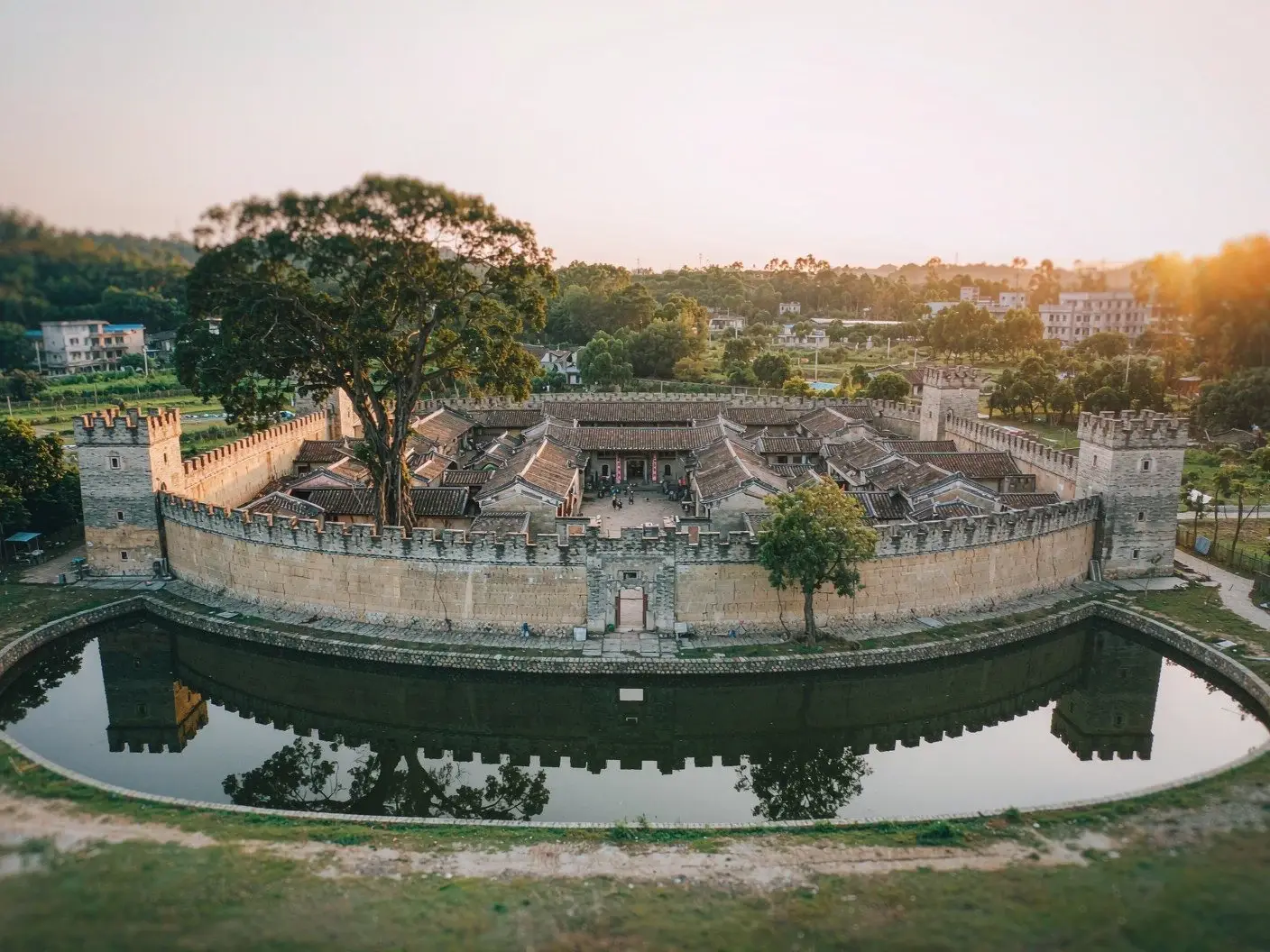
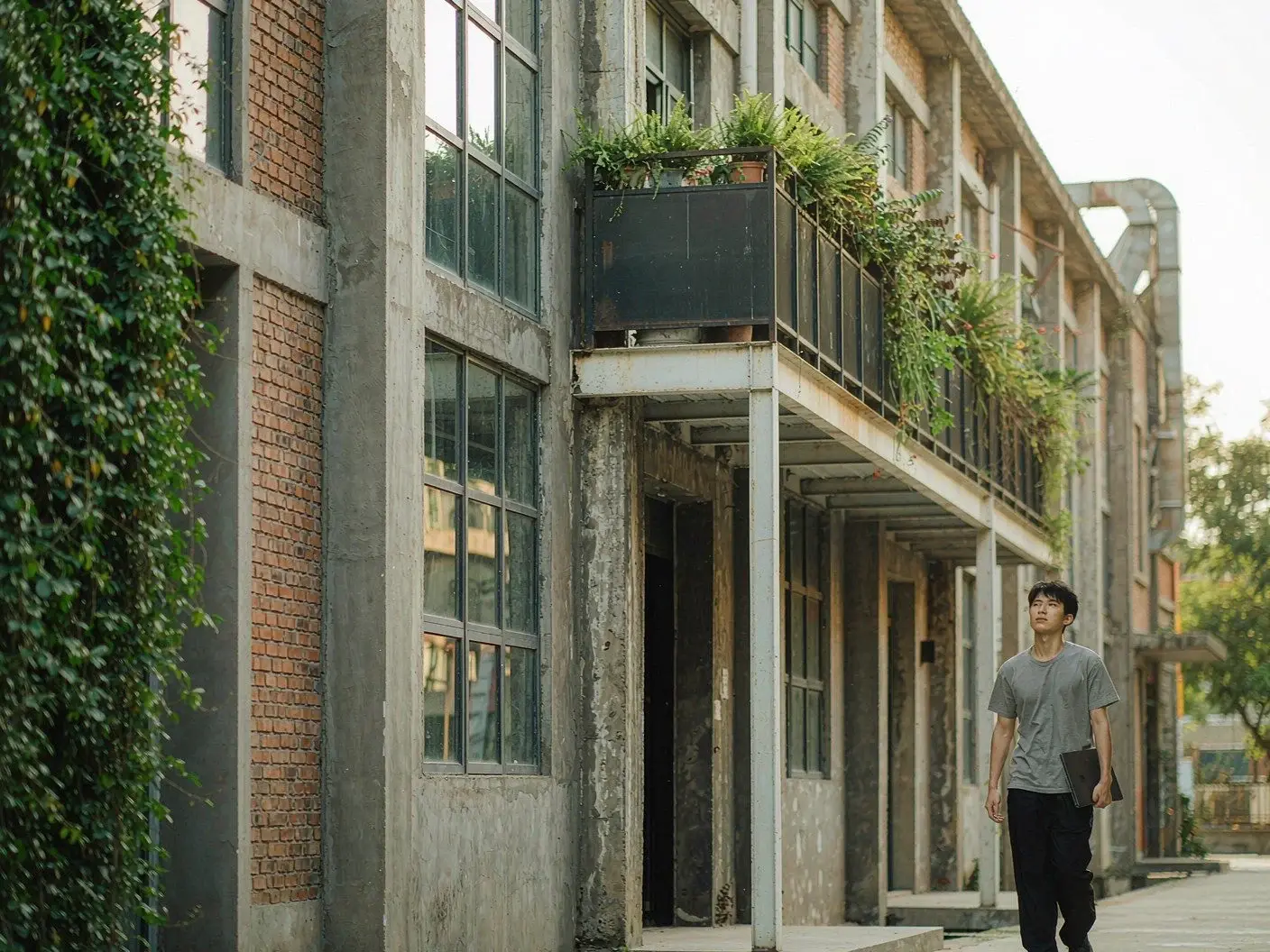
Six core study recommendations
The six first-priority stops for a Shenzhen study programme.
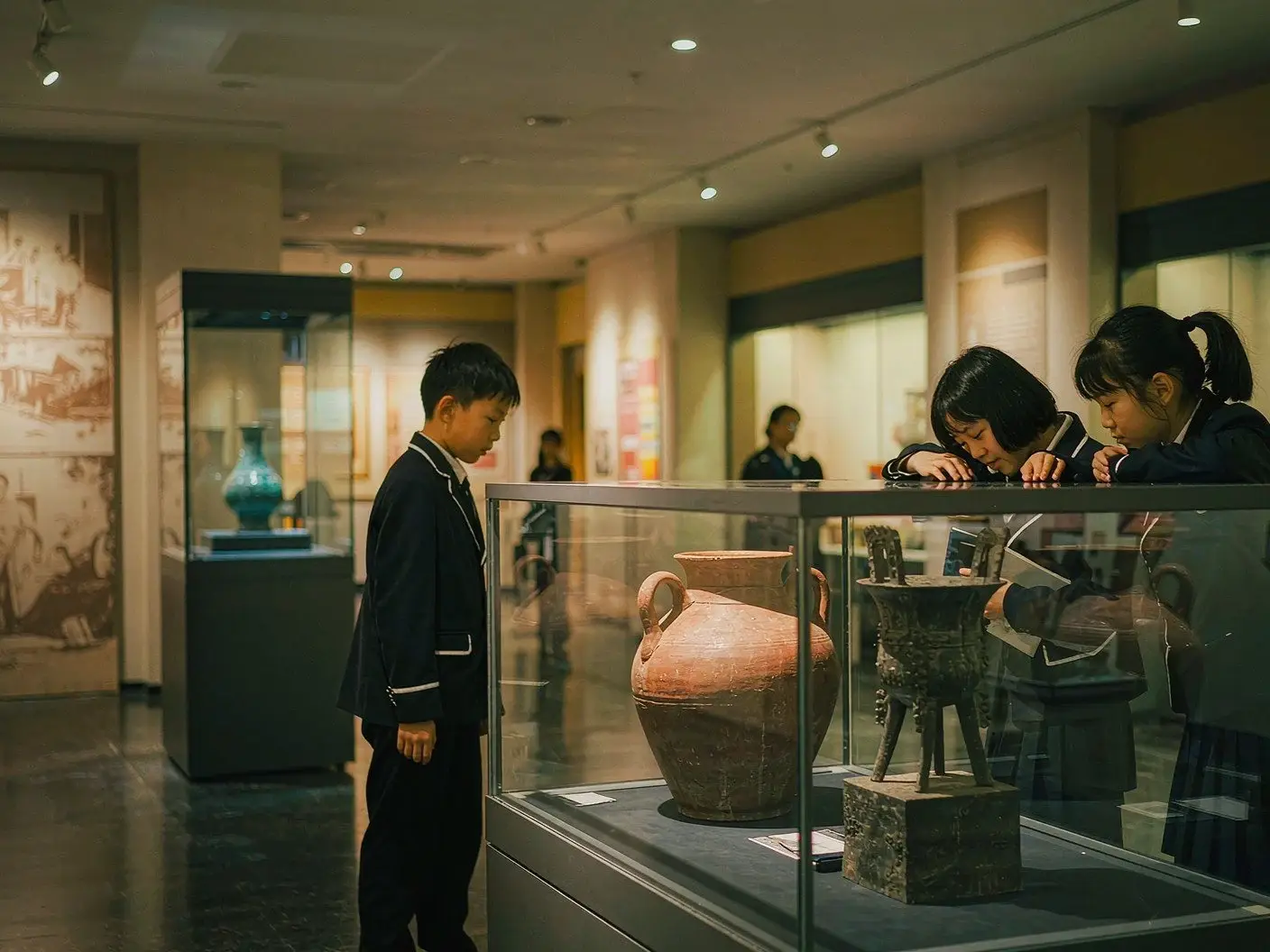
Shenzhen Museum
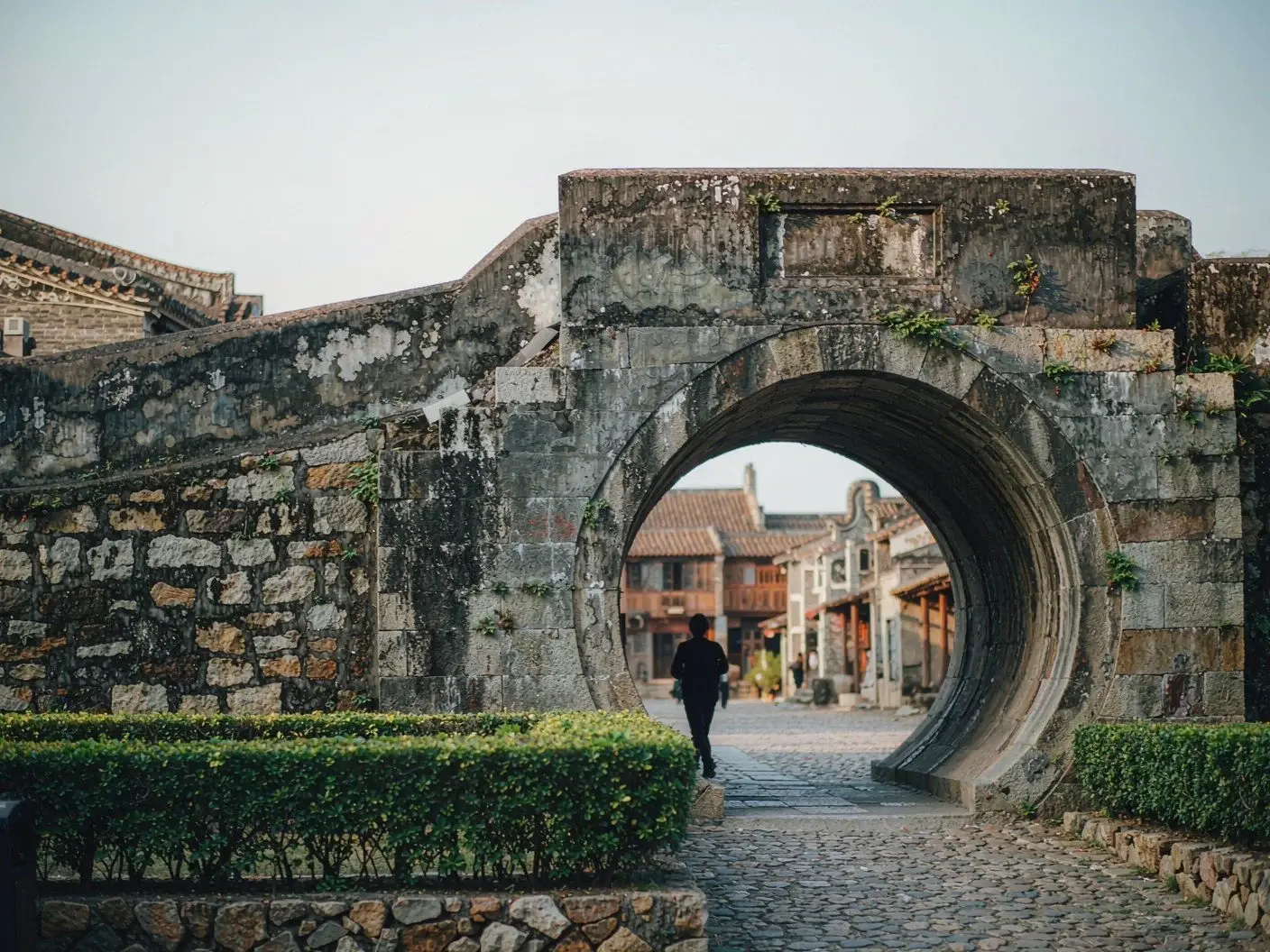
Dapeng Fortress
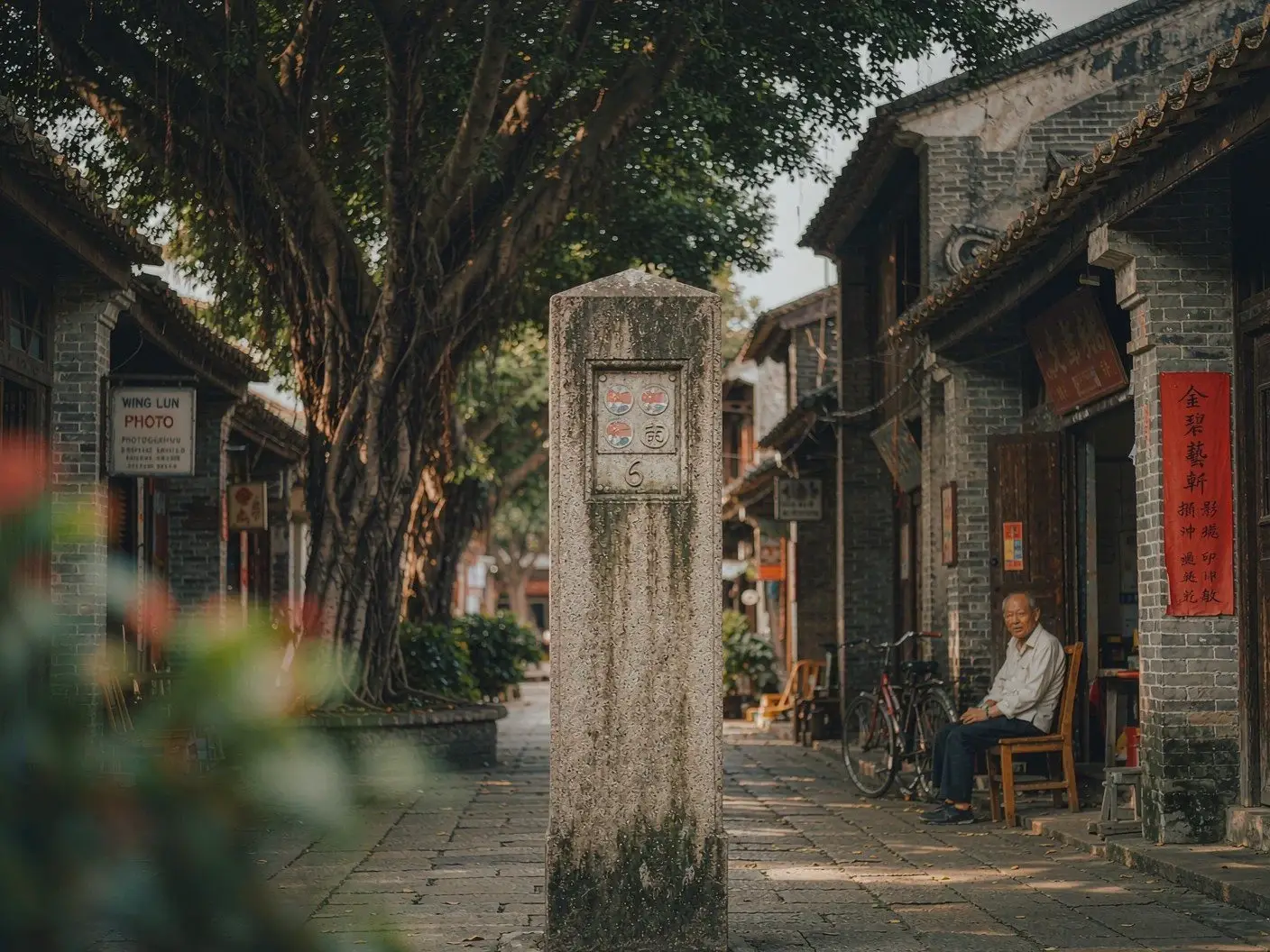
Chung Ying Street & History Museum
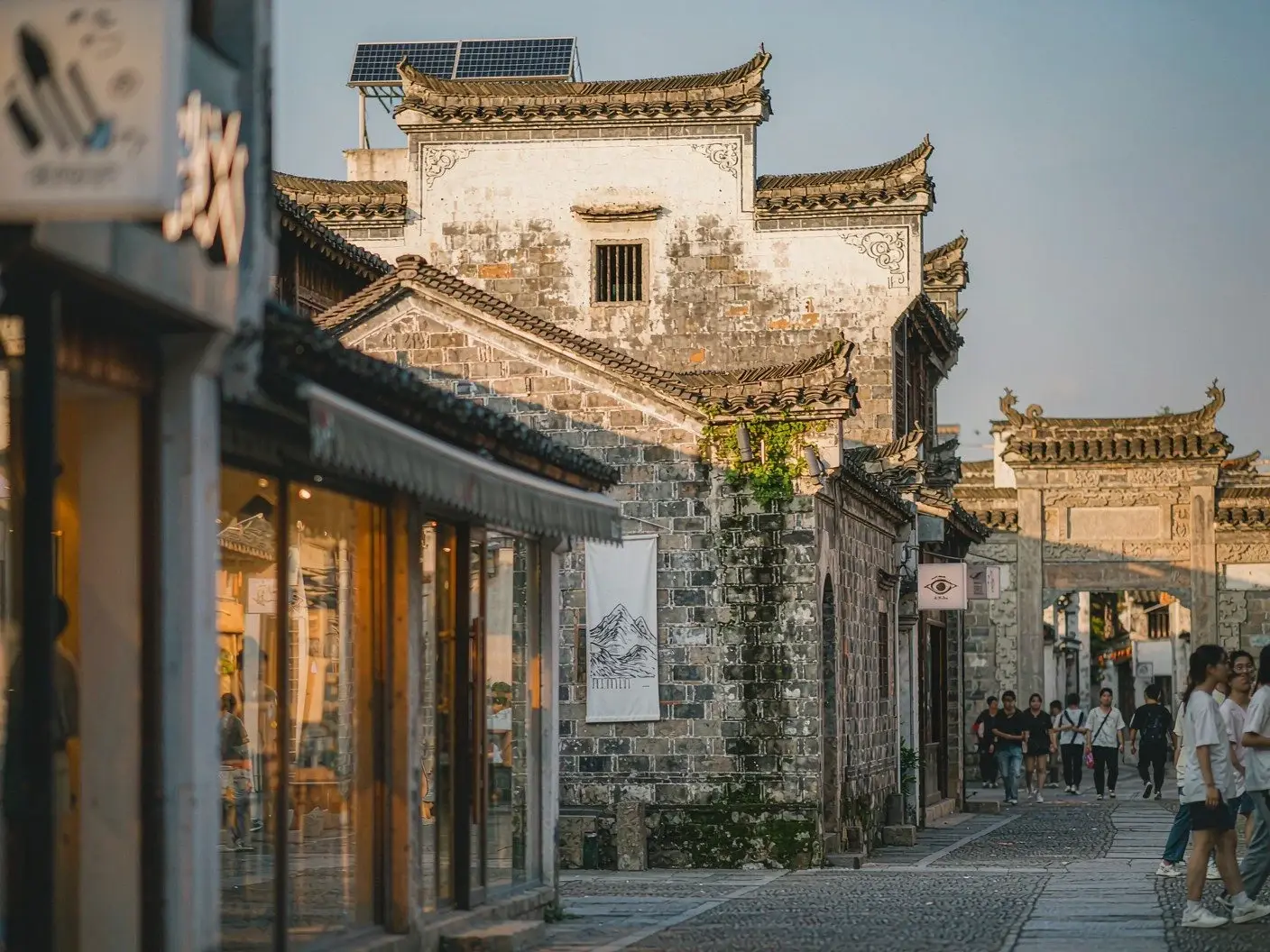
Nantou Old Town
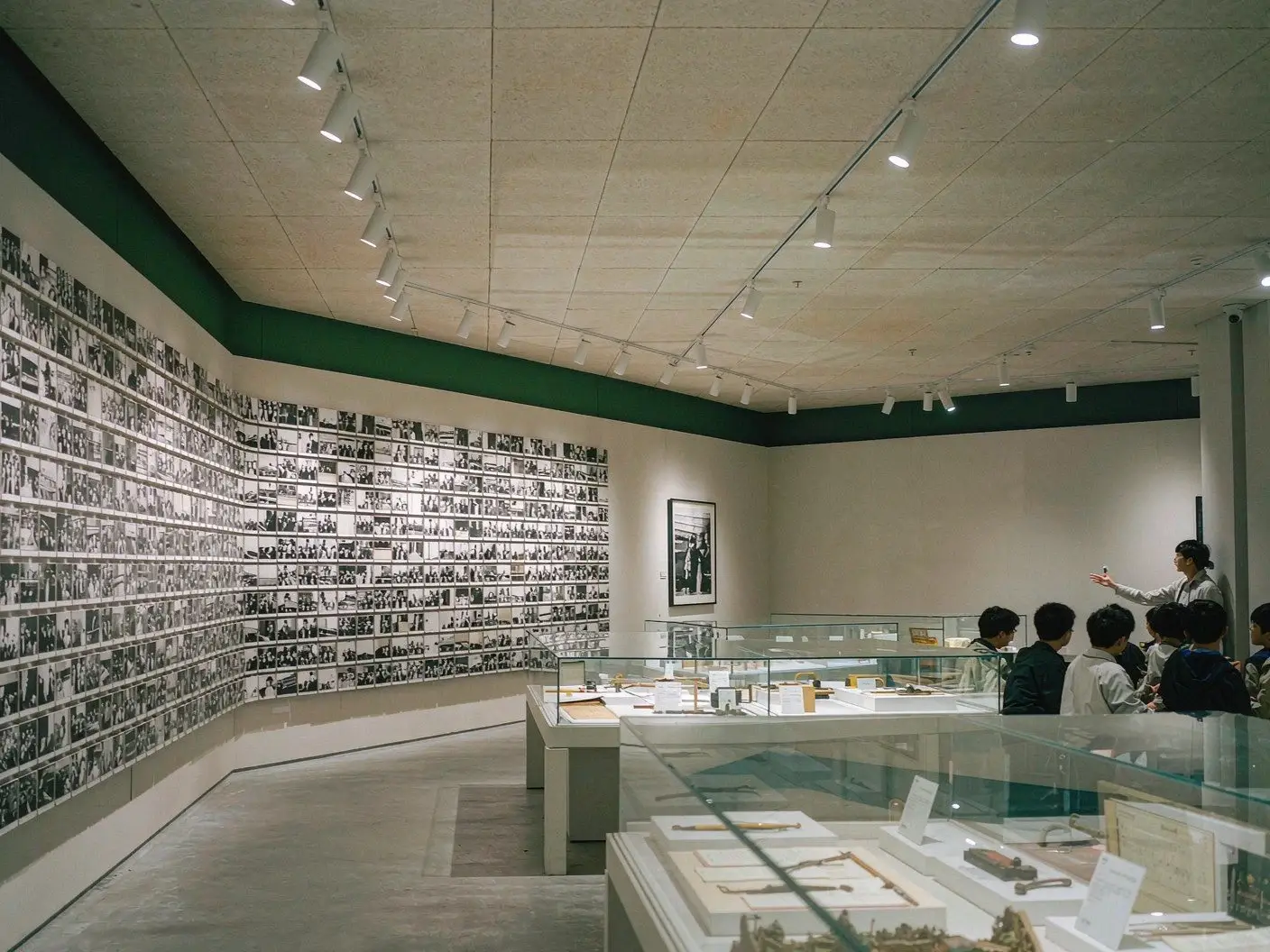
Shenzhen Reform and Opening-up Exhibition Hall
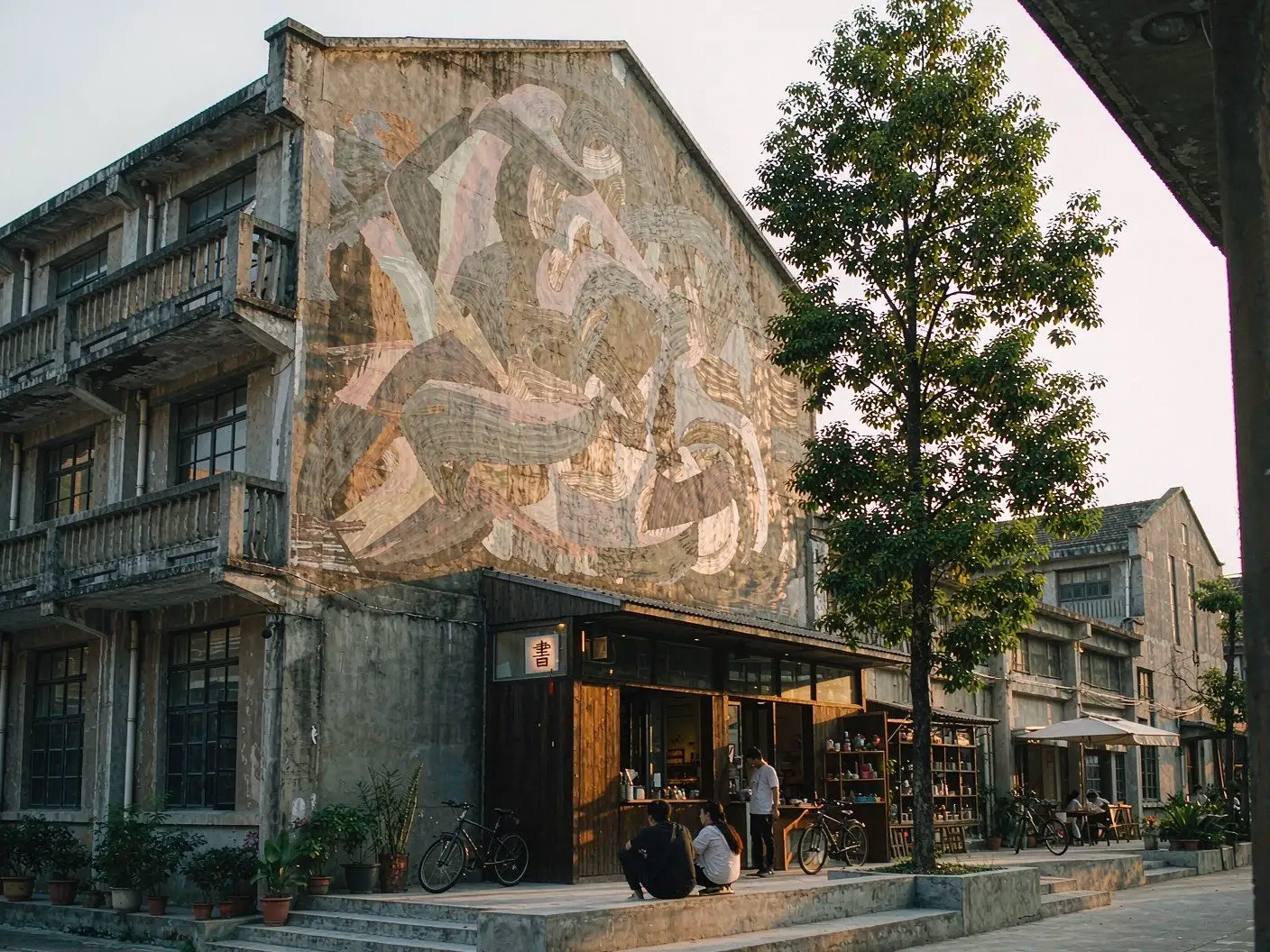
OCT-LOFT Creative Culture Park
Six in-depth study extensions
Longer, more specialised studies for groups with clear interests.
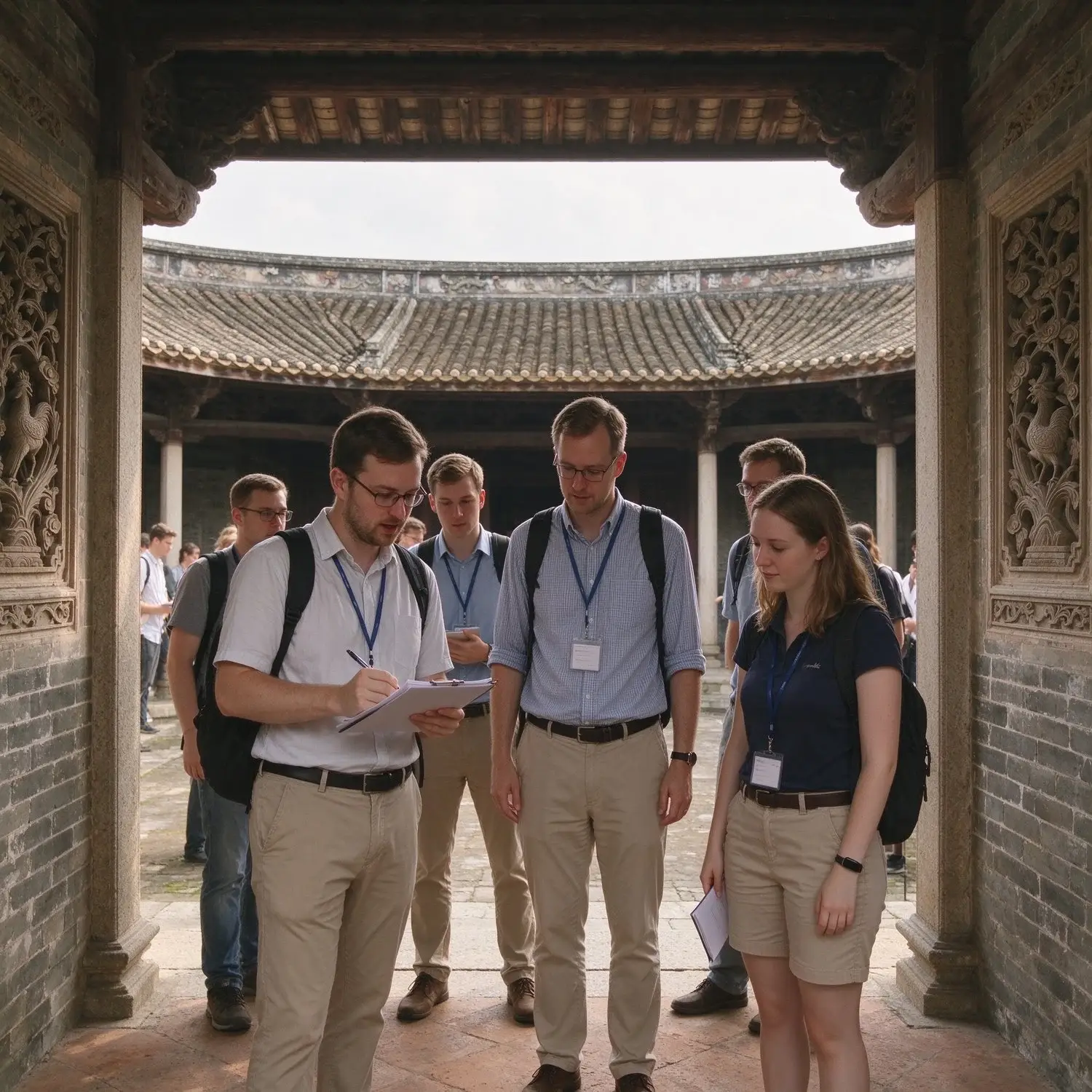
Crane Lake New Residence & Longgang Hakka Folk Museum
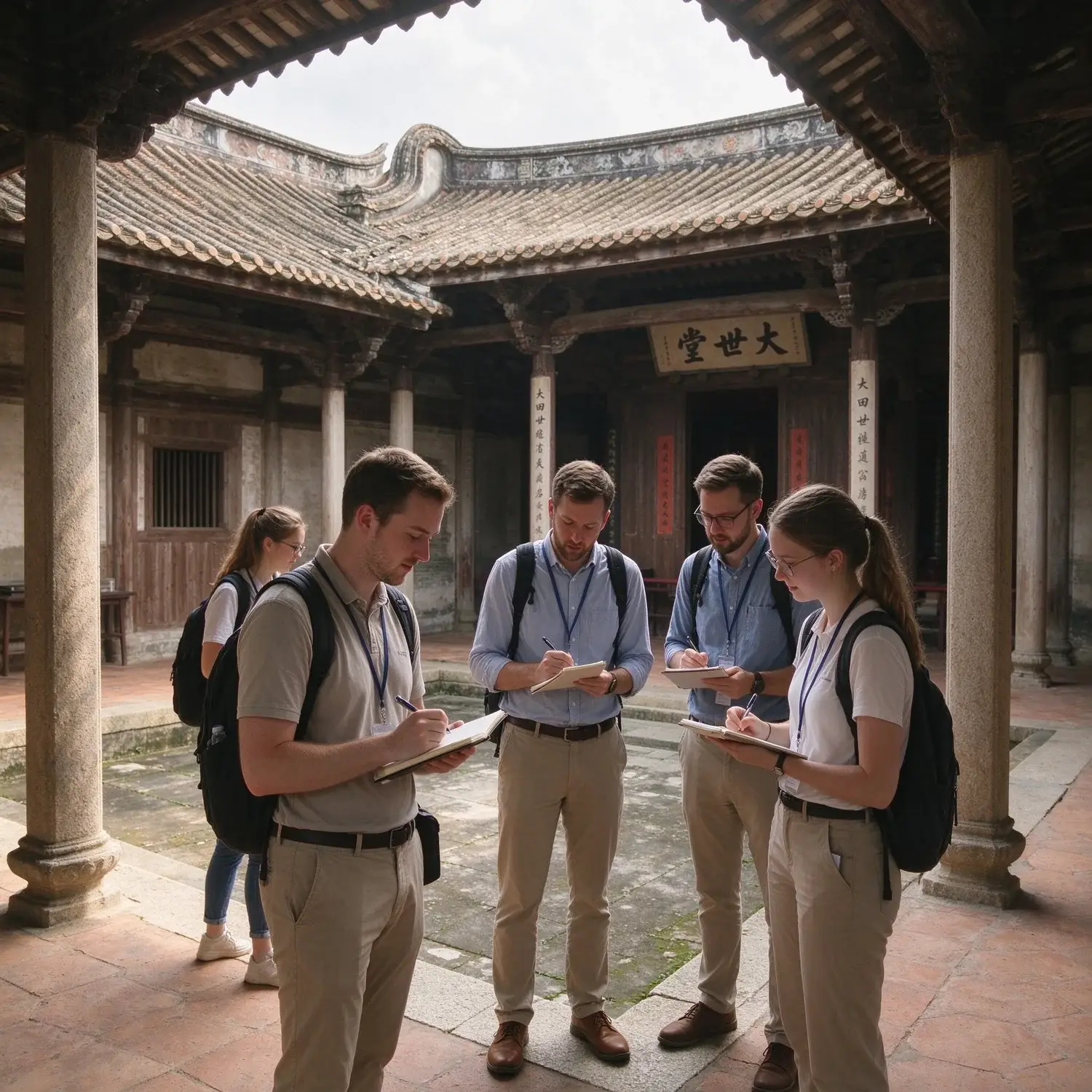
Da Wan House (Da Wanshi Ju)
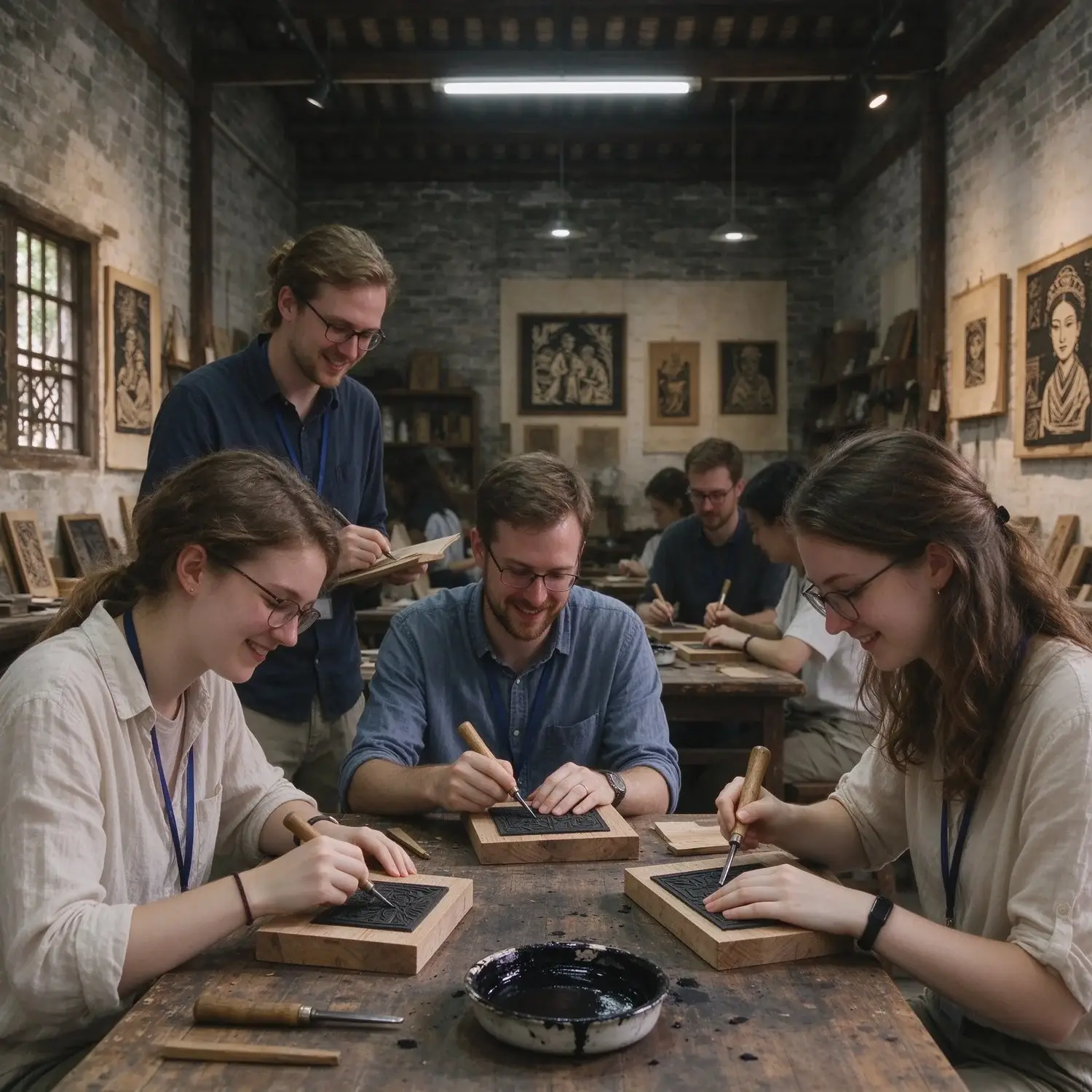
Guanlan Print Village & China Printmaking Museum
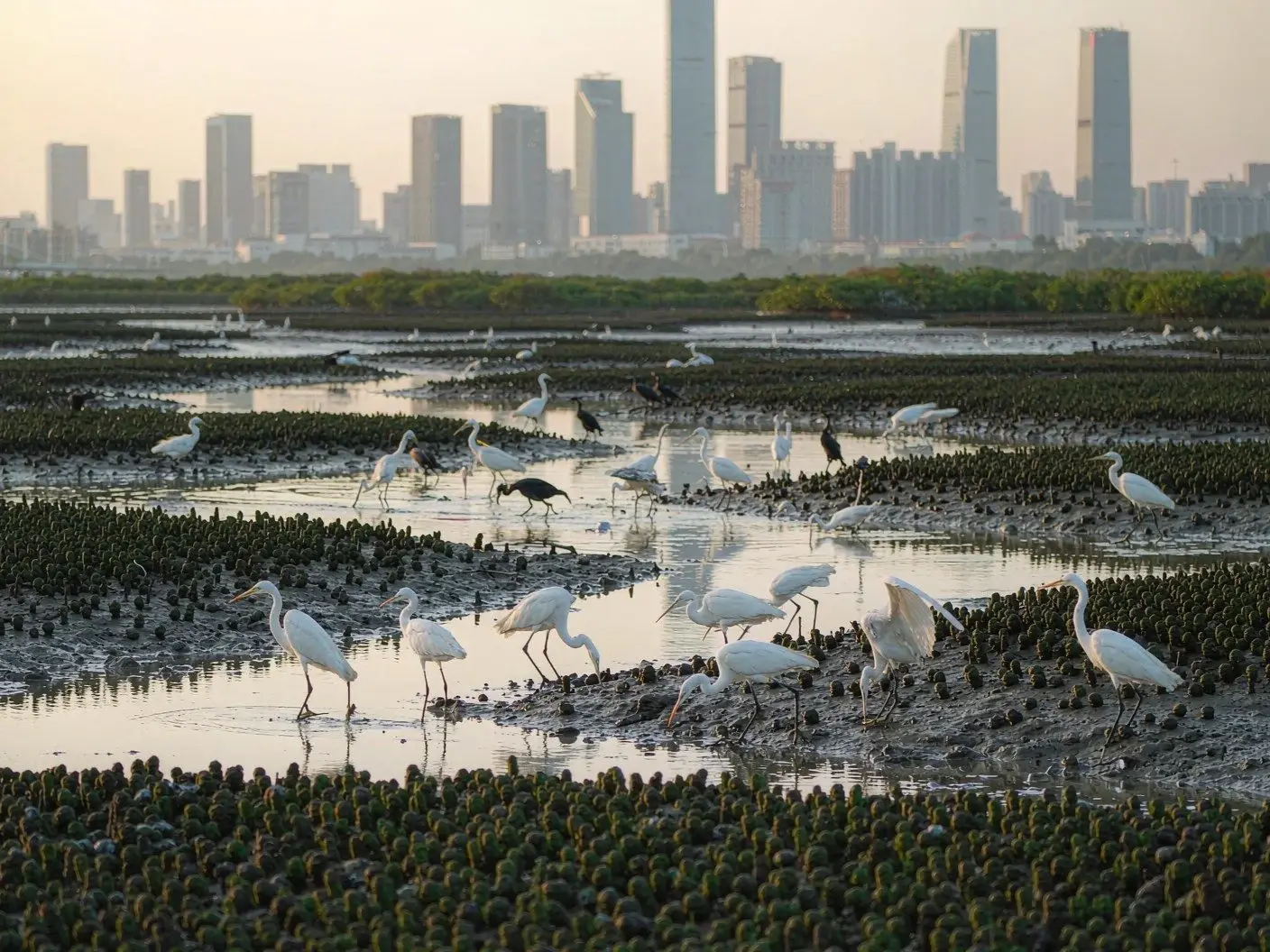
Futian Mangrove Nature Reserve
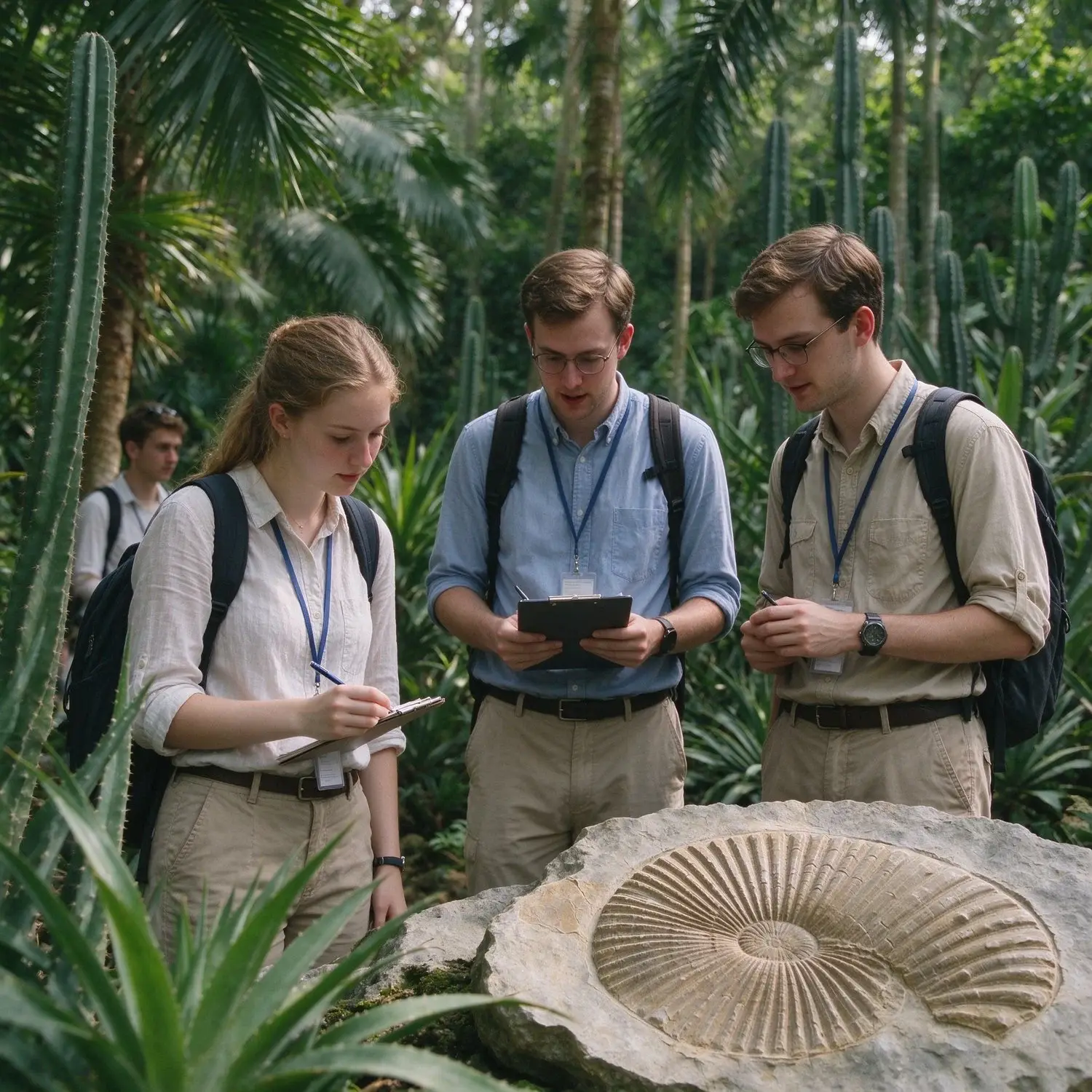
Fairy Lake Botanical Garden
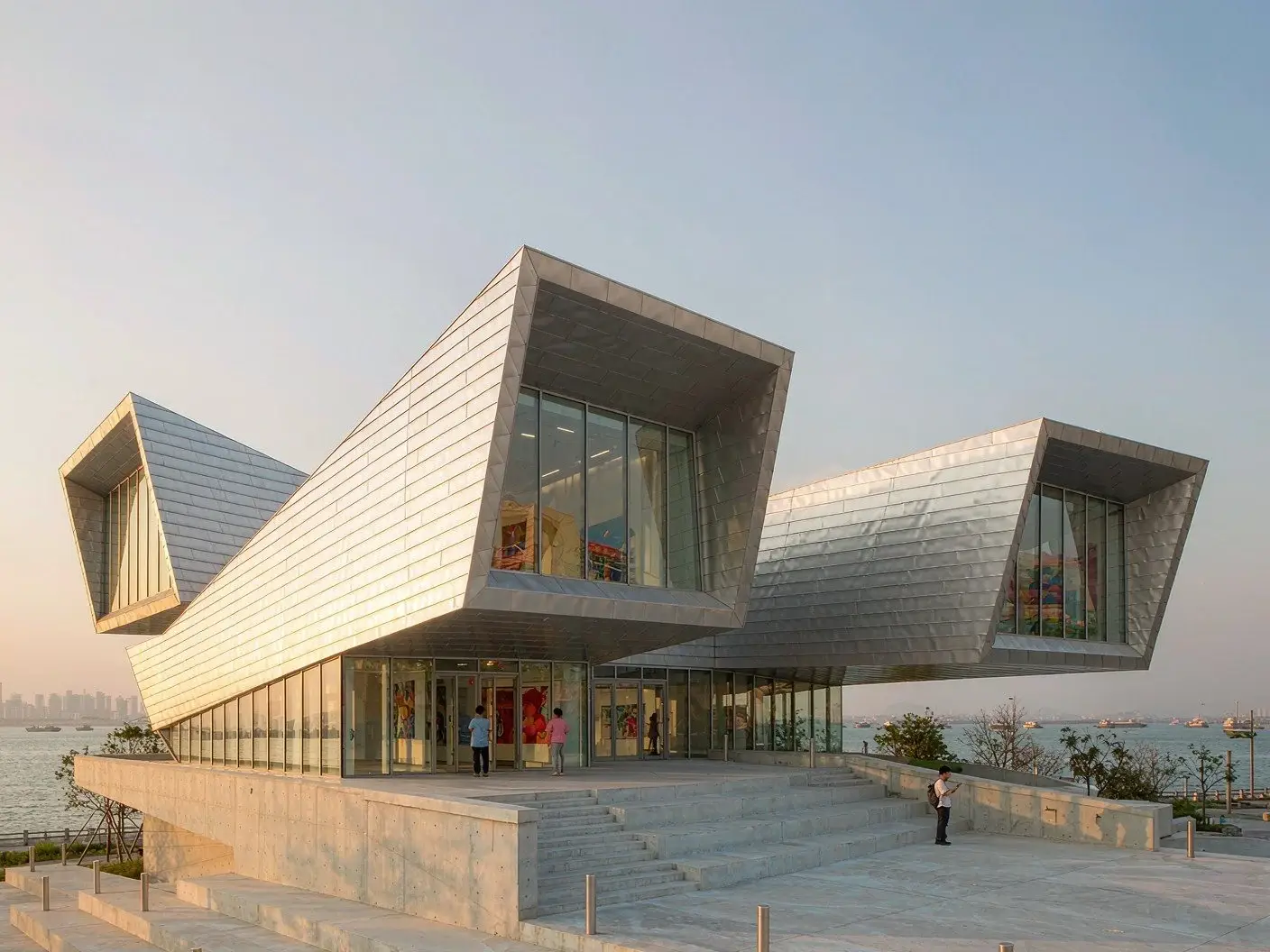
Sea World Culture and Arts Center
Creative practice and integrated skills
Projects that turn observation into original student work.
Urban design and building observation
Museum cultural-creative product development
“My Shenzhen Brand” project
City of Design & cross-cultural exchange
Outcomes and practical tasks
The value of Shenzhen study is not how many places are visited, but whether students truly leave behind outcomes of observation, practice, thinking and creation. Turn every resource point into a task that can be recorded, presented and reviewed.
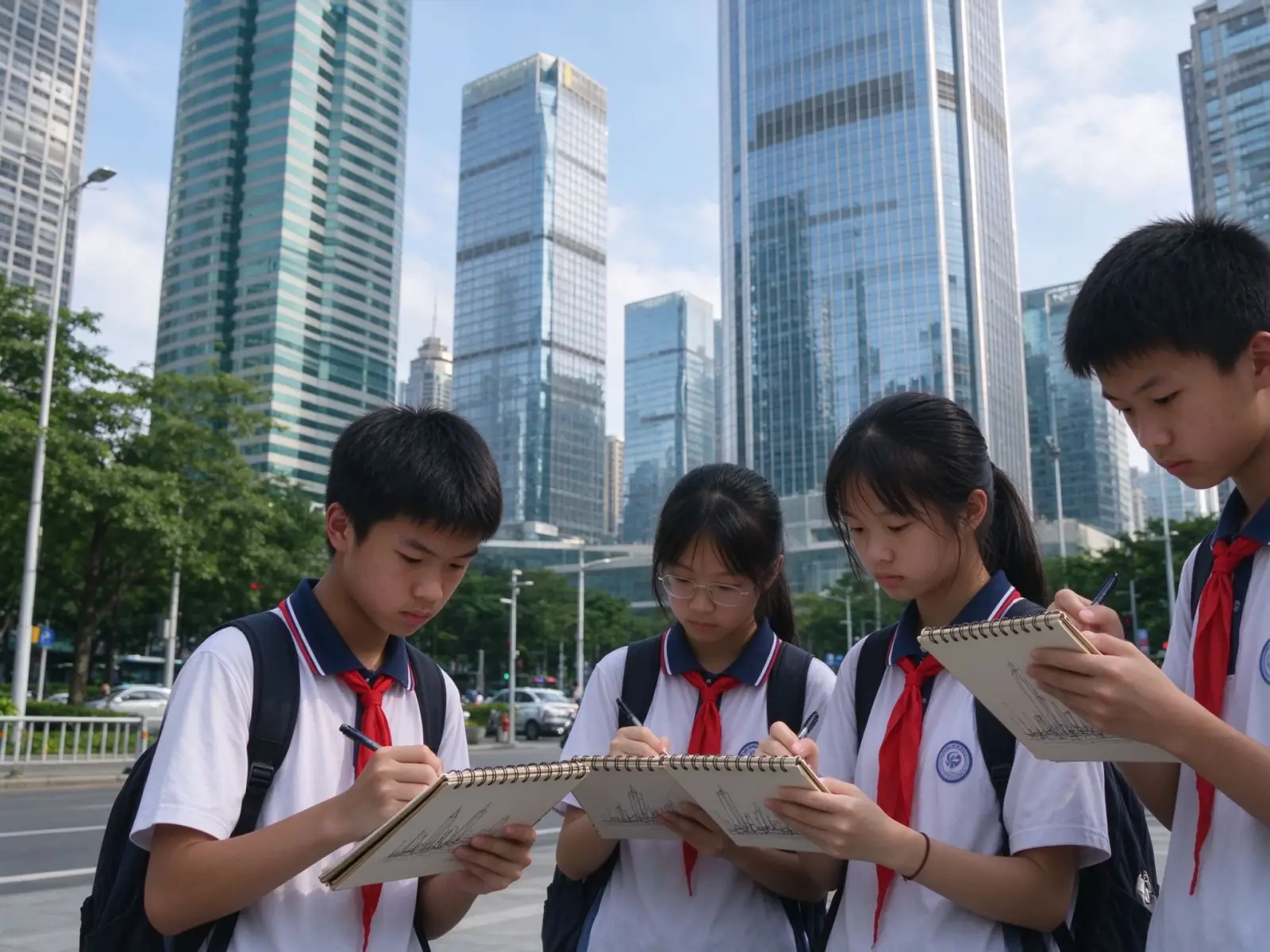
City and site observation record
Choose one artefact, building part or hand-made piece in a museum, site or old village; record material, dimensions, period, motif and location; write three unanswered questions; compile an observation card.
A hand-made Shenzhen print piece
Choose woodcut, rubbing, paper-cut/dyeing or simple weaving; note the hardest step, your corrections and how the result changed.
City motif design
Extract structure and rhythm from Hakka window lattice and beam carving, Dapeng wall bricks, Guanlan print knife work or mangrove plant forms, then add your own theme to make a repeating pattern.
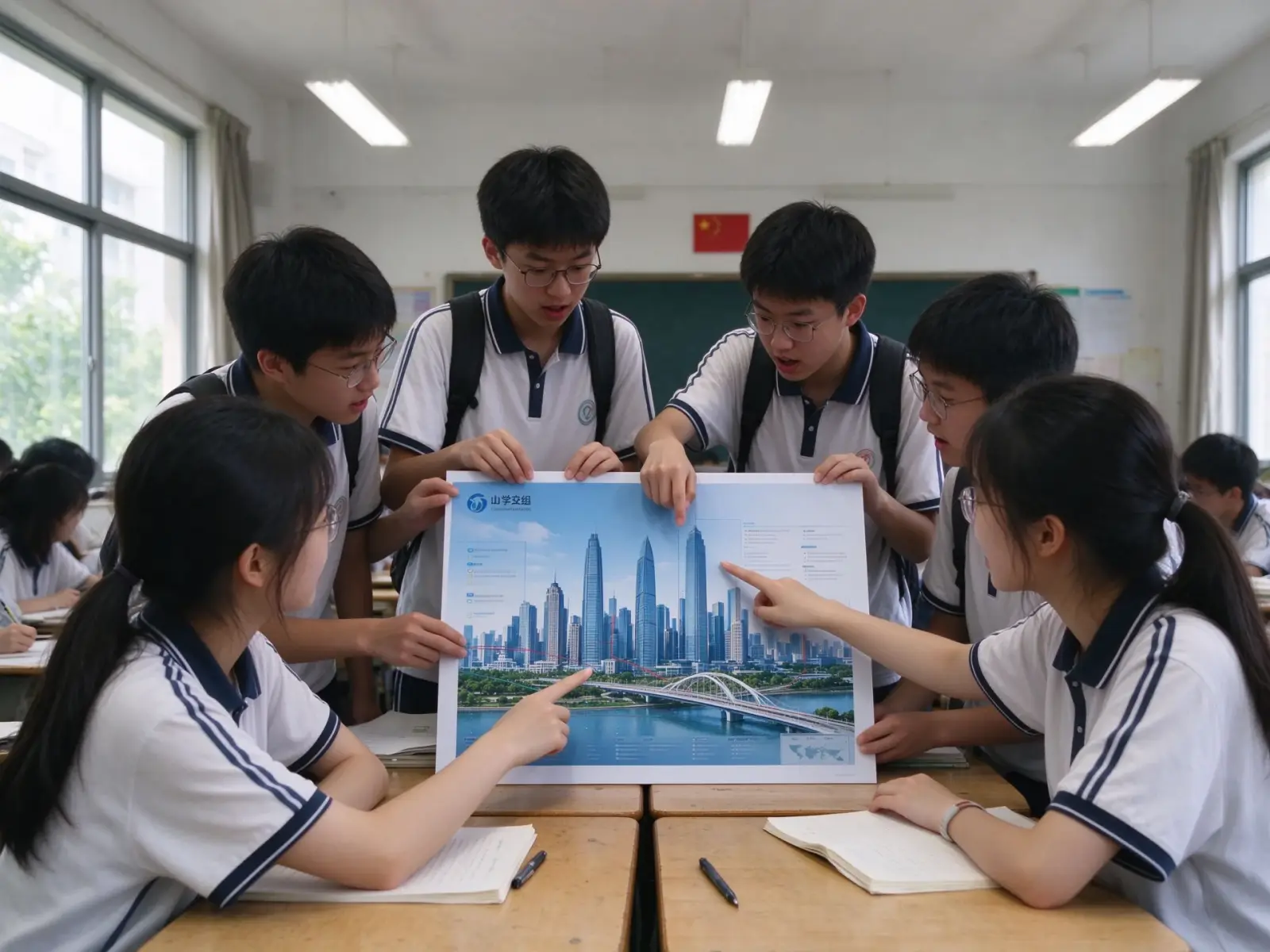
“My Shenzhen Brand” group
Produce a brand name, product positioning, packaging concept and three-minute talk — taking outcomes into design and expression.
One city-and-site observation card + one hand-made print piece + one city motif design + one group “My Shenzhen Brand” presentation — joining visiting, practice, thinking and expression into a learning loop that can be shown and reviewed.
Suggested theme combinations
| Theme | Recommended combination | Audience / scenario |
|---|---|---|
| Tracing SEZ memory | Shenzhen Museum + Nantou Old Town + Reform & Opening-up Exhibition Hall | First study / history and city courses |
| Coastal defence & border | Dapeng Fortress + Chung Ying Street boundary stones + Nantou Old Town | Upper primary / junior secondary / families |
| Hakka & ecology | Crane Lake New Residence + Futian mangroves + Fairy Lake Botanical Garden | Biology, geography & architecture |
| Industrial heritage & design | OCT-LOFT + Guanlan Print Village + cultural-creative product development | Art, design & comprehensive practice |
| City of Design & exchange | Sea World Culture and Arts Center + brand project + cross-cultural making | Senior secondary / university / international |
Shenzhen study need not be tied to fixed days or standard routes. The truly tailored approach combines, by age, curriculum goals, interests and budget, six directions — SEZ memory, coastal defence and the border, Hakka walled villages, ecological wetlands, design creativity and international exchange — so every programme has clear learning goals and deliverable outcomes.
Ready to build your Shenzhen study programme?
Share your students’ age, curriculum goals and dates. We will tailor the field studies, hands-on workshops and outcome tasks for you.
Start PlanningSuzhou
Suzhou at a glance
Suzhou lies in southeastern Jiangsu, in the heart of the Yangtze Delta plain — one of China’s first national historic-cultural cities. In 514 BC, on the order of King Helü of Wu, the general Wu Zixu “surveyed the soil, tested the water, and modelled the city on heaven and earth” and laid out the great city of Helü. For more than 2,500 years since, the city site and water-network layout have barely changed; the old city still keeps its “parallel water and land, river beside street” double-chessboard skeleton. Nine of its classical gardens are inscribed on the World Heritage List; canals, bridges, sluices and city gates have been dug and maintained since the Tang; Kunqu opera, Song brocade and kesi tapestry, the Xiangshan carpentry tradition and Taohuawu woodblock New Year prints are all living crafts; and a millennium of valuing letters and education still shapes the city.
For students, the value is not simply “visiting gardens”. Standing in real gardens, canals, bridges, pagodas and workshops, they turn spatial aesthetics, urban planning, hand craft and literary allusion from textbooks into things they can measure, record and tell.
Think of Suzhou as an open reader of the Jiangnan Chinese city — best approached through six angles: classical gardens and spatial aesthetics; old-city layout and hydraulic engineering; sericulture, silk and material craft; refined sound, letters and education; Suzhou hand craft and intangible heritage; and old-city renewal with cultural creativity.
Six study keywords worth attention
From the Humble Administrator’s Garden and Lingering Garden, understand rock-piling, water-managing, borrowed scenery and framed-view spatial laws.
Walk canals, bridges and gates to read the “parallel water and land” city plan.
Follow the chain from silkworm rearing and silk reeling to dyeing and weaving; understand the material care behind Song brocade and kesi.
Enter Kunqu and pingtan to feel the classical voice, education and Jiangnan life.
Meet Taohuawu prints, imperial kiln gold bricks and Xiangshan carpentry; understand why process and standard matter.
From Pingjiang Road, Shantang Street and the museum cluster, see how the old city stays in contemporary use.
Recommended priority
| Priority | Best for | Representative sites | Use case |
|---|---|---|---|
| A · Core intro | First-time study groups in Suzhou | Suzhou Museum, Humble Administrator’s Garden, Pingjiang Historic District | Garden literacy / World Heritage |
| B · In-depth practice | Learners interested in gardens, craft, literature and design | Lingering Garden, Suzhou Silk Museum, Tiger Hill | Craft practice / silk and architecture |
| C · Creative extension | Secondary, university and international students | Pingjiang Road, Shantang Street, museum creative spaces | Cultural-creative design / city narrative |
The cultural background to Suzhou study
2.1 · The Wu old city and the water-land double grid
In 514 BC, King Helü of Wu ordered Wu Zixu to build the city. Surveying the soil and testing the water, he laid out the great city of Helü on the lakeshore plain east of Lake Tai — the embryo of today’s Suzhou old city. For 2,500 years, through dynasties and wars, the city site and basic layout never changed — extremely rare in Chinese urban history. Its defining trait is the “parallel water and land, river beside street” double-chessboard: east–west and north–south canals run parallel to streets, two networks stitched together by bridges, forming the everyday sight of “small bridges, flowing water, homes”. The 1229 Pingjiang Map stele records walls, canals, bridges, offices and temples in detail, marking over 300 bridges — one of the most complete physical maps of an ancient Chinese city. Today’s Pingjiang Historic District still matches the map: the main street runs about 1,606 m across about 116.5 hectares, the best-preserved historic quarter. Students see not a “rebuilt old city” but one still in use — canals still drain, bridges still carry traffic, residents still live in the houses by the water.
2.2 · Classical gardens and spatial aesthetics
Suzhou’s classical gardens are “three-dimensional landscape paintings” completed jointly by literati taste and craftsman skill. On a limited plot, rock-piling, water, buildings and plants create a world to wander, view and dwell in; every choice answers one problem — how to make a space worth looking at longer. An artificial hill or screen wall at the entrance prevents a full view at once (“borrowing to suppress”); lake stones stand as peaks and shorelines bend (“rock-piling and water-managing”); leaky windows and moon gates “borrow” distant pagoda shadows and treetops into the garden (“borrowed and framed scenery”). In 1997 the Humble Administrator’s, Lingering, Master of the Nets and Mountain Villa with Embracing Beauty were inscribed; in 2000 the Surging Waves Pavilion, Lion Grove, Garden of Cultivation, Couple’s Retreat Garden and Retreat & Reflection Garden joined — nine gardens in all. The Humble Administrator’s Garden, begun in 1509 by the retired censor Wang Xianchen, covers about 52,000 m², one third water — the largest and most representative of Jiangnan’s private gardens, ranked with the Summer Palace, Mountain Resort and Lingering Garden as one of China’s four great gardens.
2.3 · The Grand Canal and the Suzhou section
The Grand Canal was first dug in the Spring and Autumn period, runs about 1,794 km, and is the world’s longest and oldest artificial waterway, inscribed on 22 June 2014. Suzhou grew up on this water route: the canal loops west of the city and connects to inner canals, where grain, silk, timber and goods were traded, making Suzhou one of China’s most important commercial cities in the Ming and Qing. The Suzhou section includes the Shantang and Shangtang canals and heritage sites — Shantang historic street, Tiger Hill Yunyan Pagoda, Pingjiang historic district, Pan Gate, Baodai Bridge and the Wujiang old towpath — one of the densest stretches on the whole canal. The Shantang canal and street were dug under the Tang poet Bai Juyi when he was governor of Suzhou, beginning in 825, running from Chang Gate to Tiger Hill, about seven li — “Seven-Li Shantang”; water on one side, shops on the other, the purest example of Suzhou’s “parallel water and land”. From bridge span to arch height to quay steps, a single canal records grain-transport institutions, engineering and waterside life all at once.
2.4 · Kunqu, pingtan and the refined Jiangnan voice
Suzhou is the birthplace of Kunqu. It arose around Kunshan in the late Yuan / early Ming and, refined by Wei Liangfu and others into the “water-rubbing” singing style, is known for its delicate melody, strict tune patterns and complete acting convention; in the Ming and Qing it was the most influential opera voice and is called “the ancestor of a hundred operas”. On 18 May 2001, UNESCO listed Kunqu among the first Masterpieces of the Oral and Intangible Heritage of Humanity — China’s first performing-arts entry. Alongside it grew Suzhou pingtan — storytelling and ballad-singing, solo or duo with sanxian and pipa, telling long tales in the Wu dialect, inscribed on the first national intangible-heritage list in 2006. Suzhou’s literary reach goes beyond opera: from the Tang and Song, academies thrived and book-collecting was a habit; in the Ming and Qing, thousands of Suzhou jinshi graduated, with Suzhou leading the country in number of zhuangyuan top scholars — “valuing letters and education” is one of the city’s clearest traits. Kunqu lyrics, pingtan scripts, library catalogues and garden plaques are all the same taste expressed in different materials.
2.5 · Suzhou craft and intangible heritage
Suzhou’s hand crafts are known collectively as “Suzhou make” — prized for being fine, delicate, elegant and clean. Sericulture and silk is the longest thread: Suzhou has been a national silk centre since the Tang and Song; in the Ming and Qing a Weaving Office supplied the court. Song brocade and kesi tapestry were inscribed on UNESCO’s intangible-heritage list in 2009 as part of “Chinese sericulture and silk weaving”. The Suzhou Silk Museum, opened in September 1991 beside Beisi Pagoda on Renmin Road, was China’s first specialist silk museum, with ancient silks and looms showing the full chain from rearing, reeling, dyeing to weaving. Another celebrated craft is Taohuawu woodblock New Year prints, rising in the late Ming and thriving in the Yongzheng–Qianlong reigns, paired with Yangliuqing as “south peach, north willow”, inscribed nationally in 2006. So too is the Suzhou imperial-kiln gold-brick craft — the “gold bricks” for Ming and Qing palaces were fired at Lumu in Suzhou, dense and ringing like metal, also a national intangible heritage. Today these crafts are preserved in museums and old workshops, and redesigned in creative spaces — the right place to understand “how tradition stays alive”.
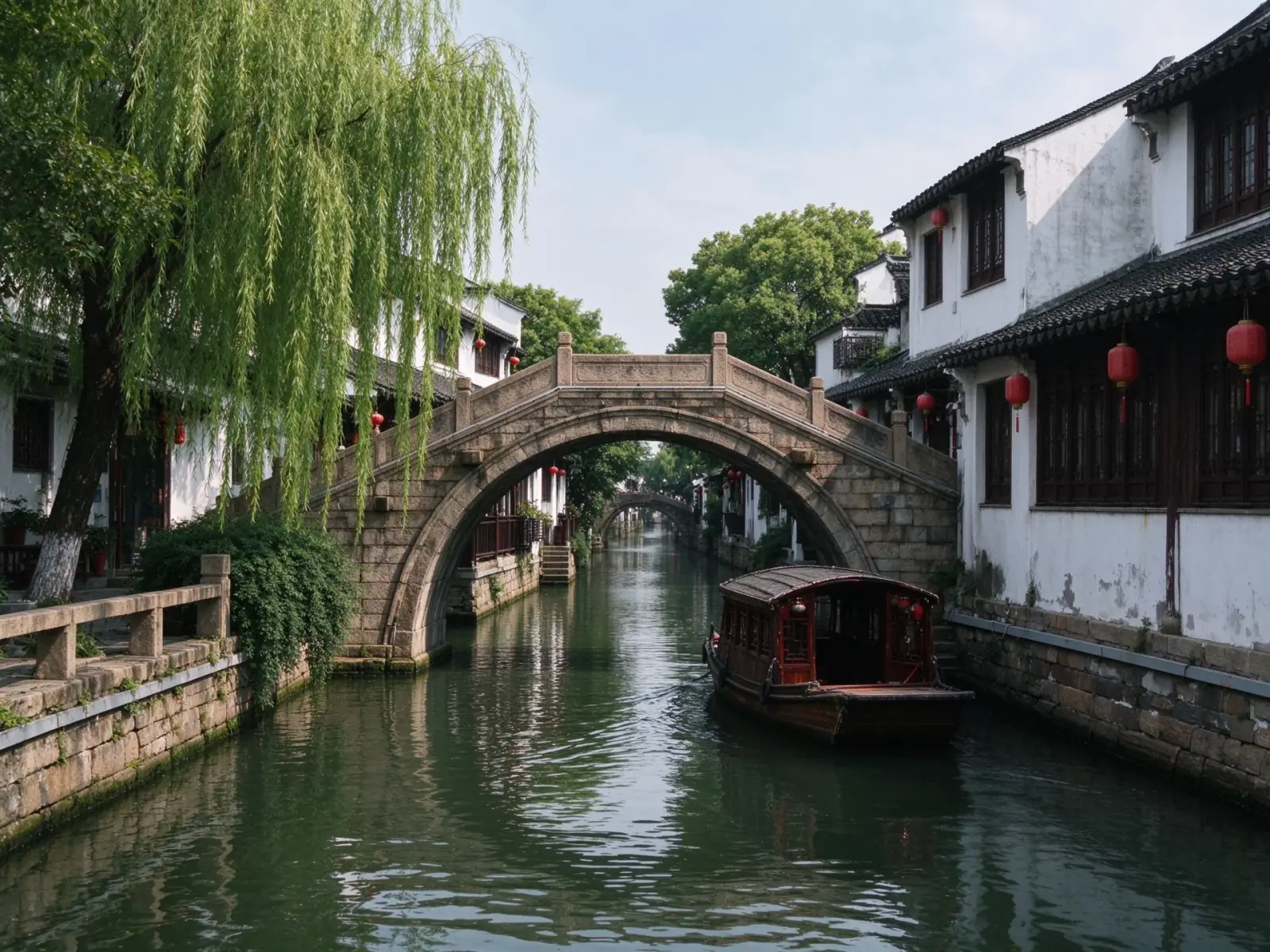
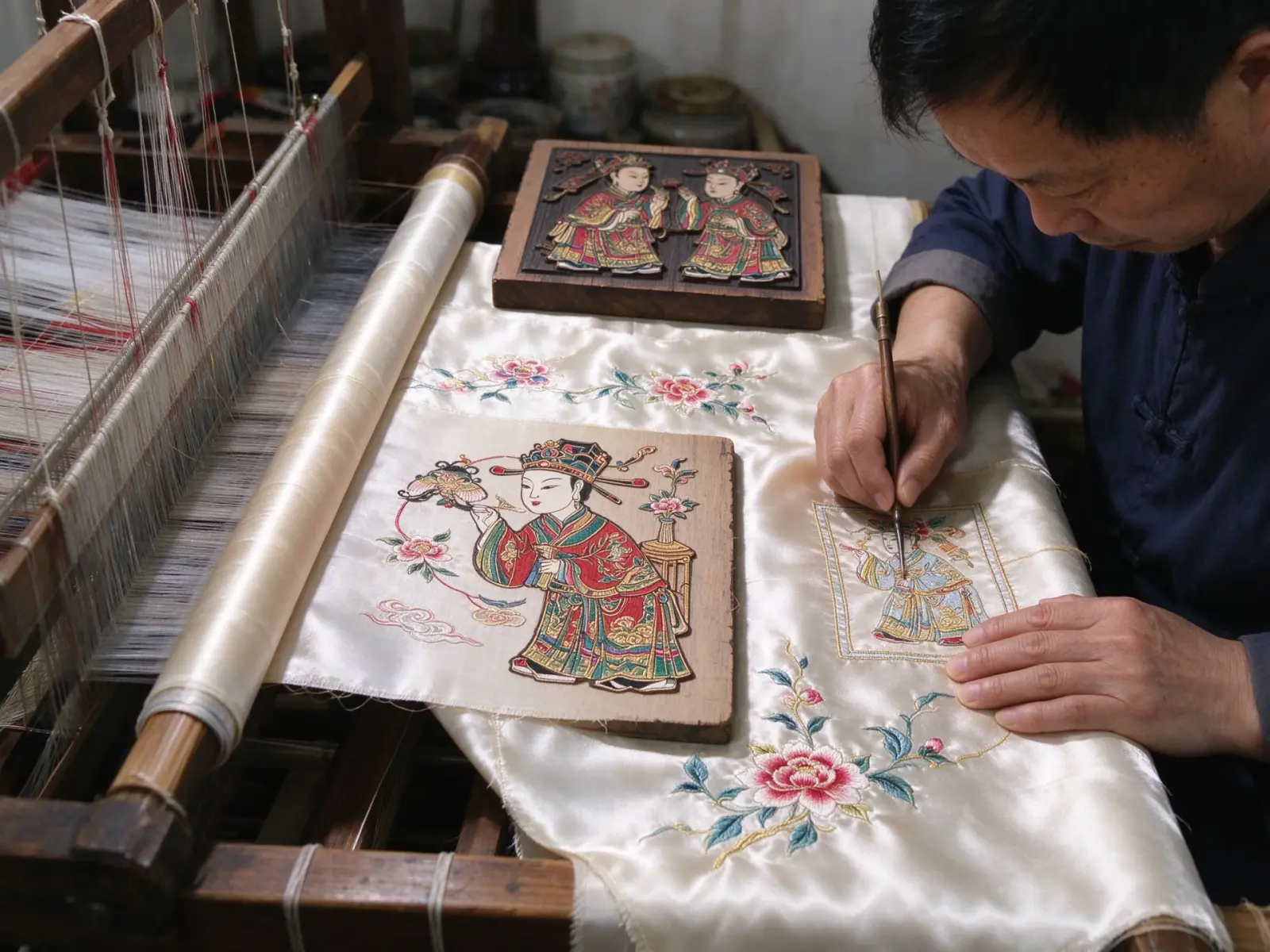
Six core study recommendations
The six first-priority stops for a Suzhou study programme.
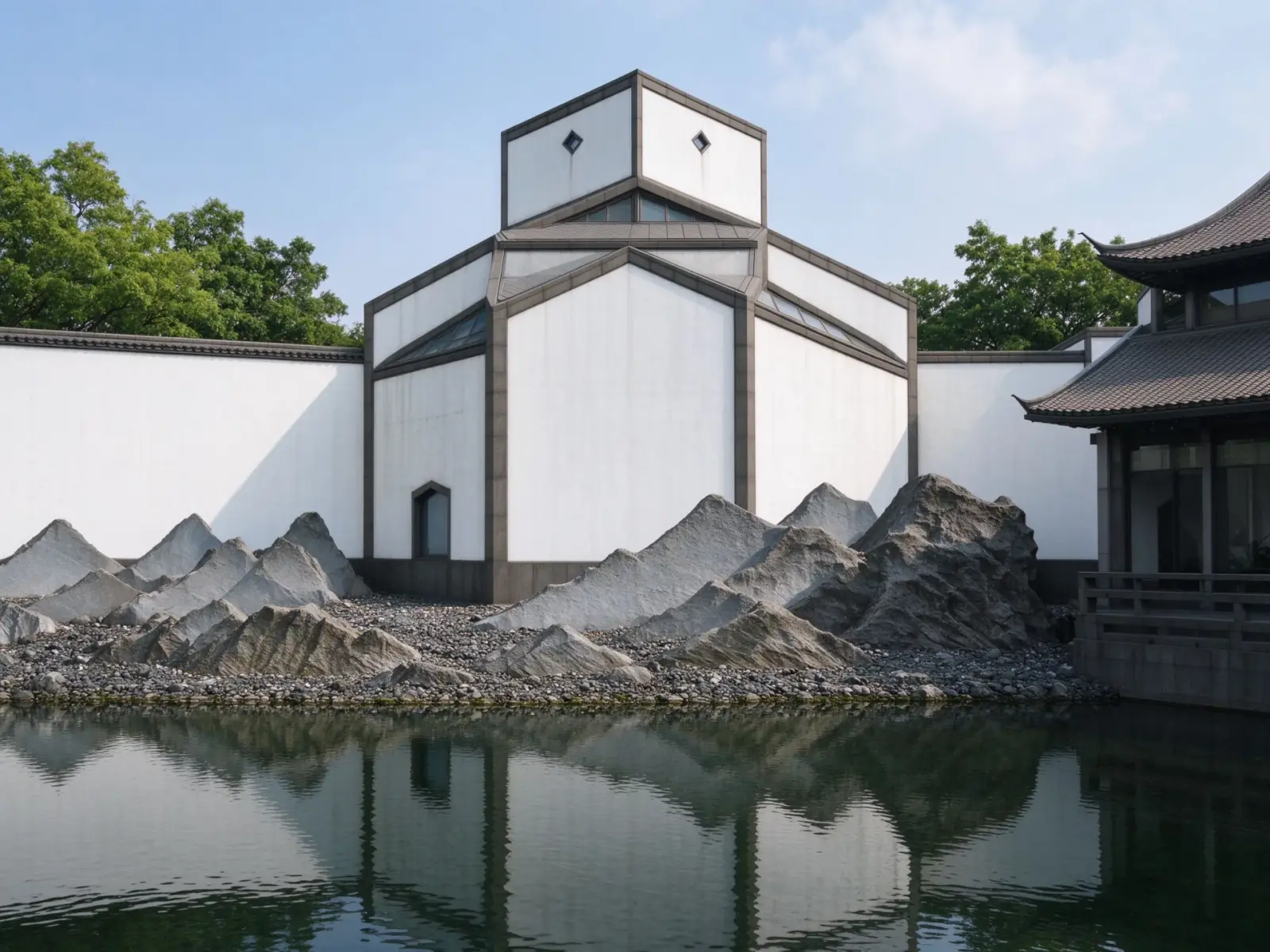
Suzhou Museum
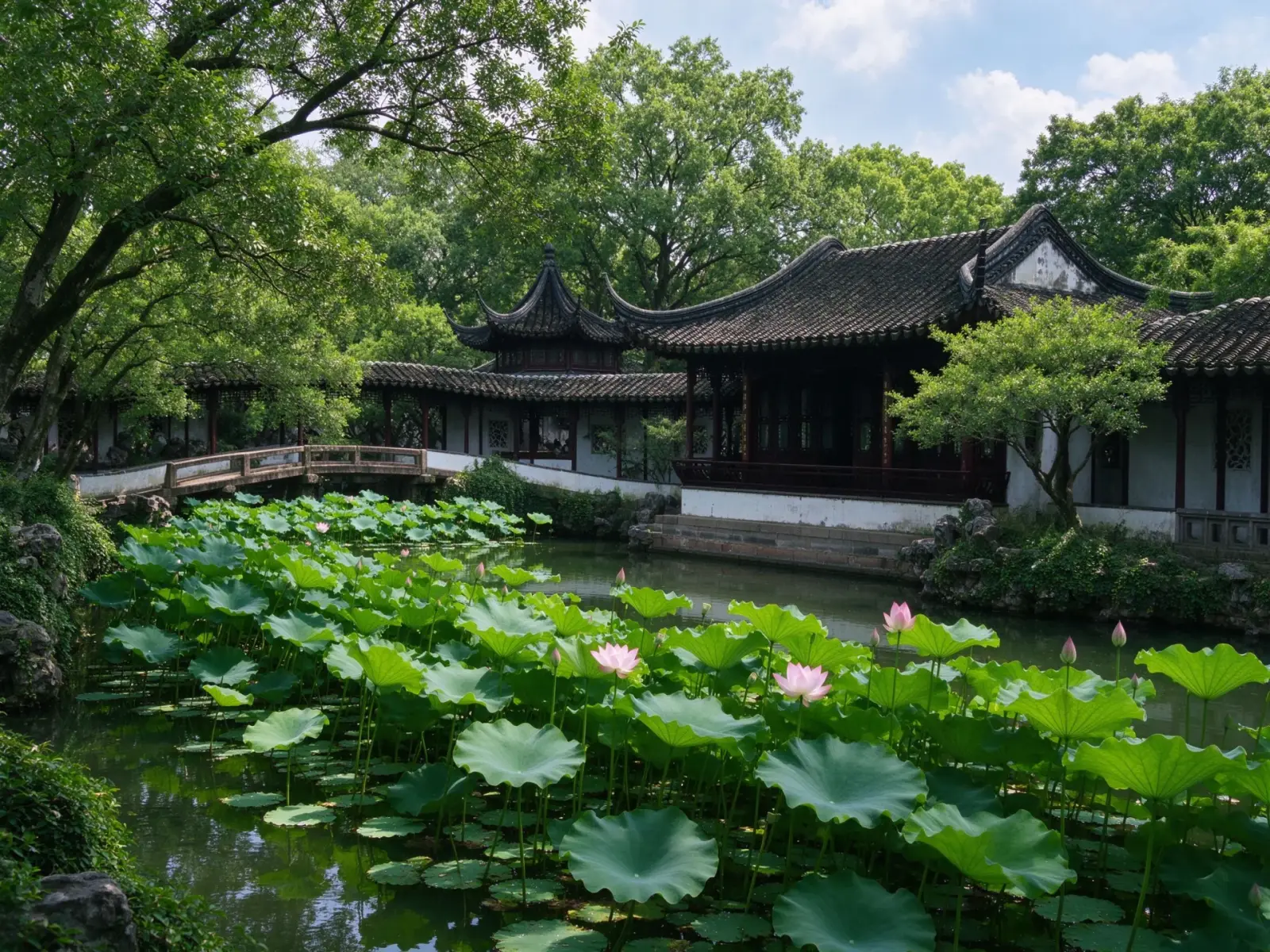
Humble Administrator’s Garden & Suzhou classical gardens
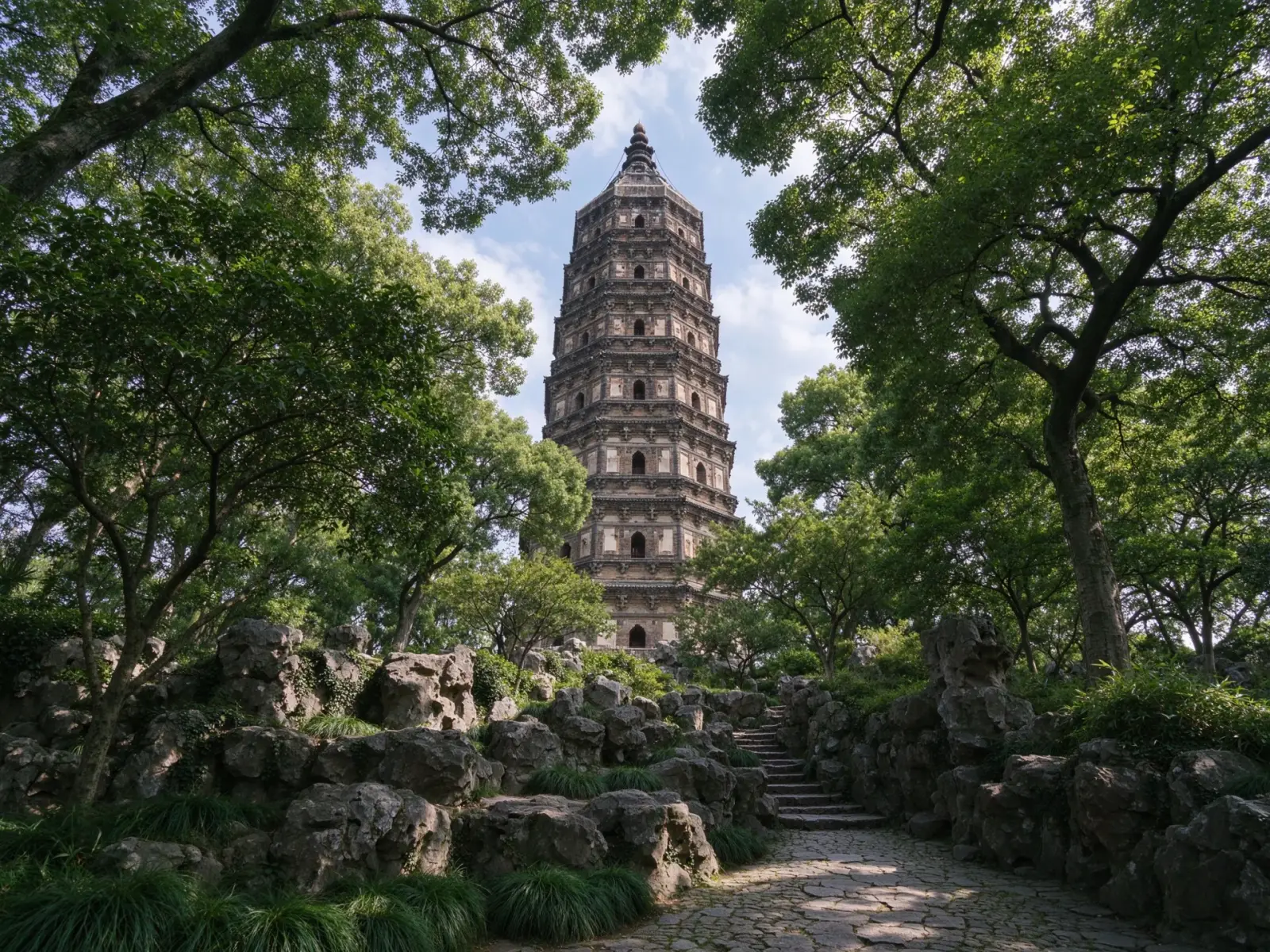
Tiger Hill & Yunyan Pagoda
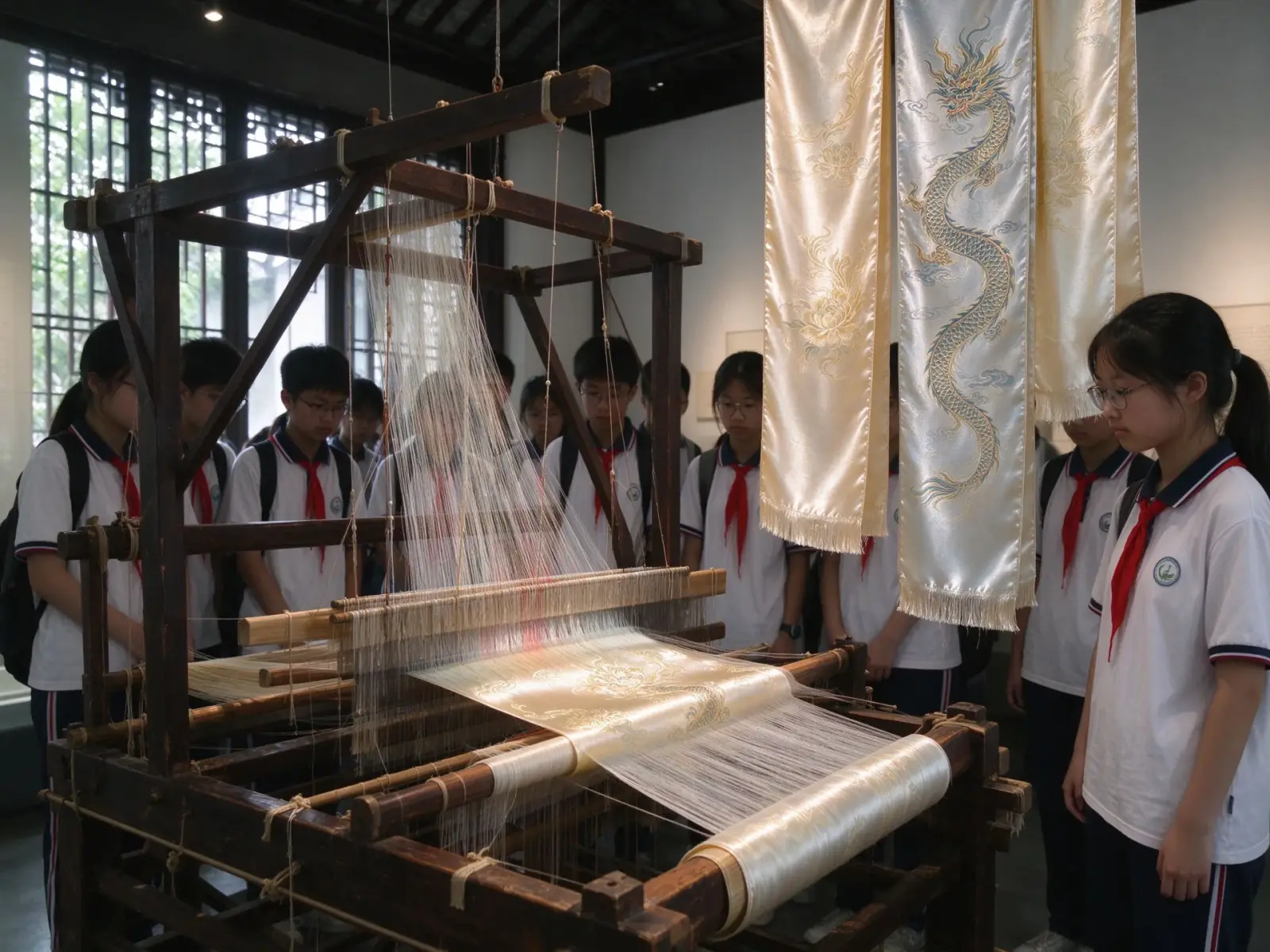
Suzhou Silk Museum
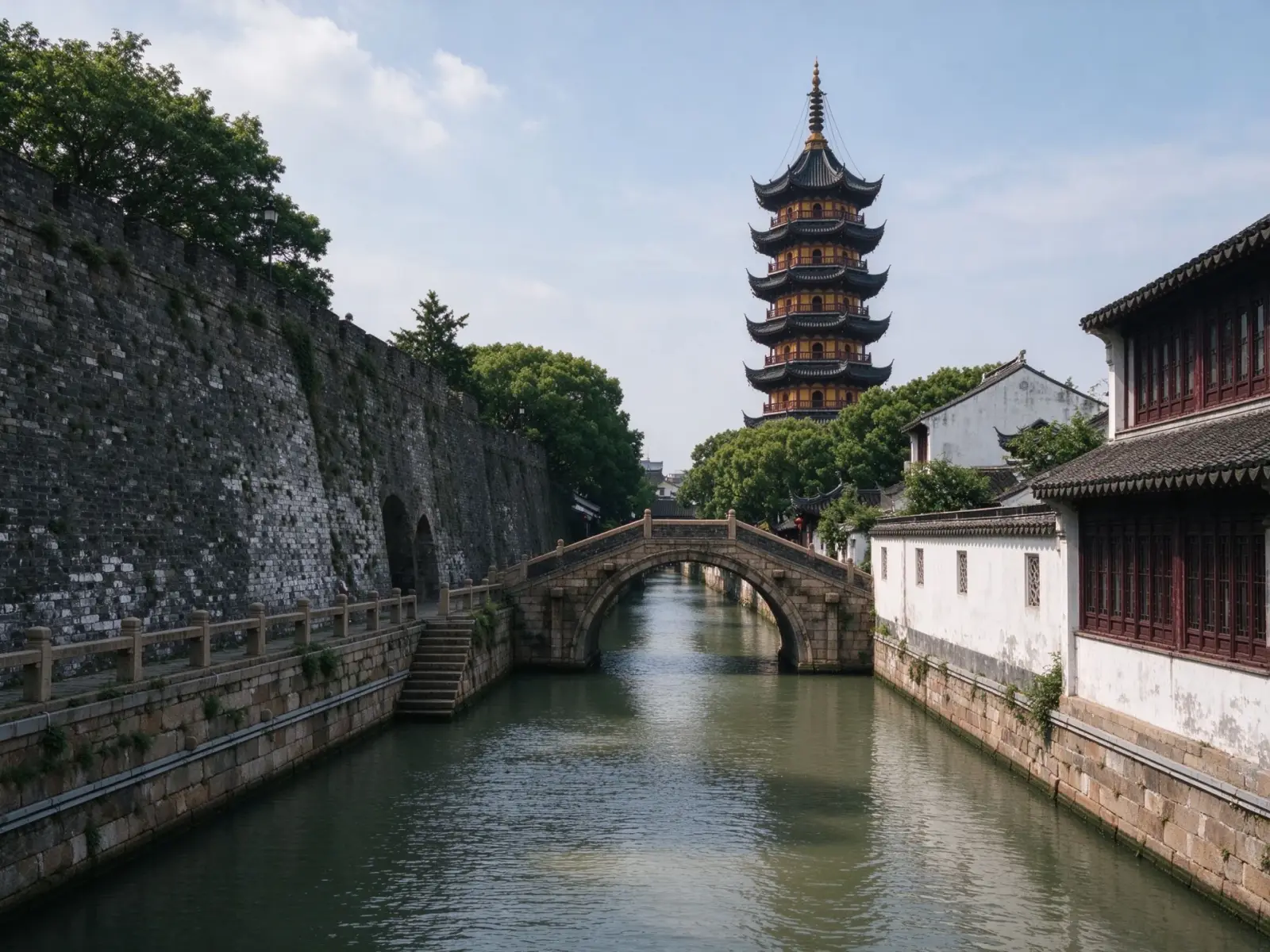
Pan Gate Scenic Area & ancient city wall
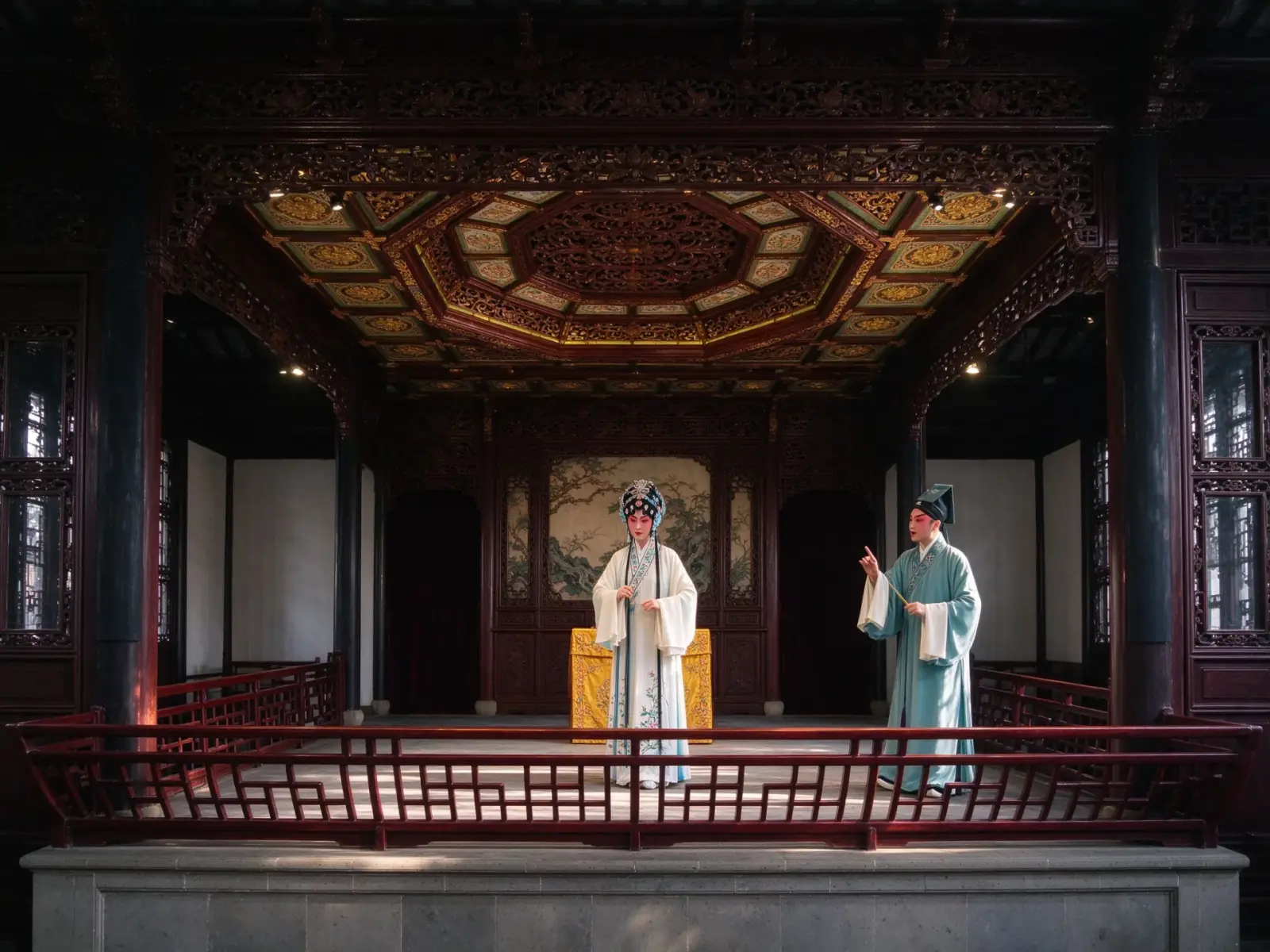
China Kunqu Opera Museum & pingtan
Six in-depth study extensions
Longer, more specialised studies for groups with clear interests.
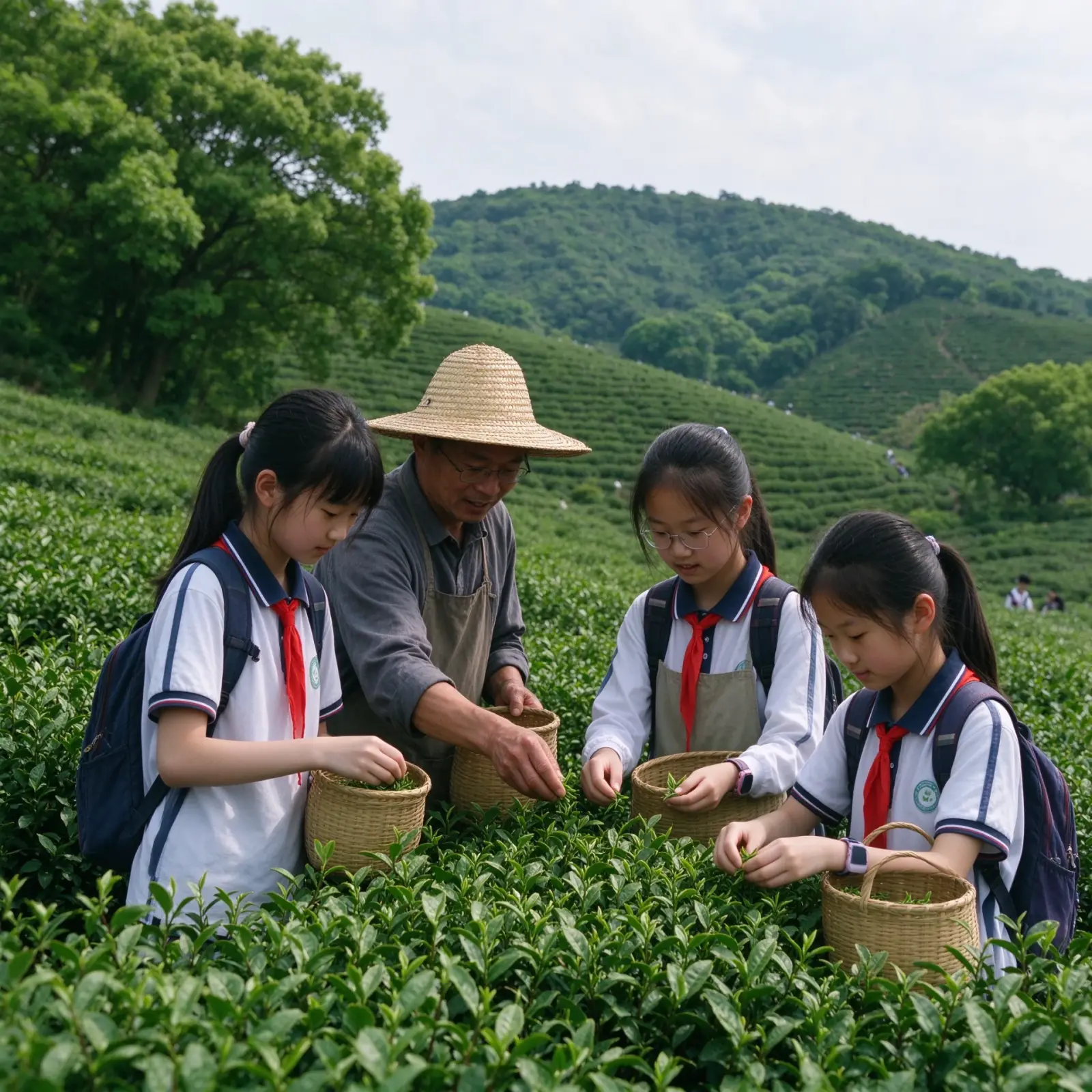
Dongshan Hill & Biluochun tea gardens
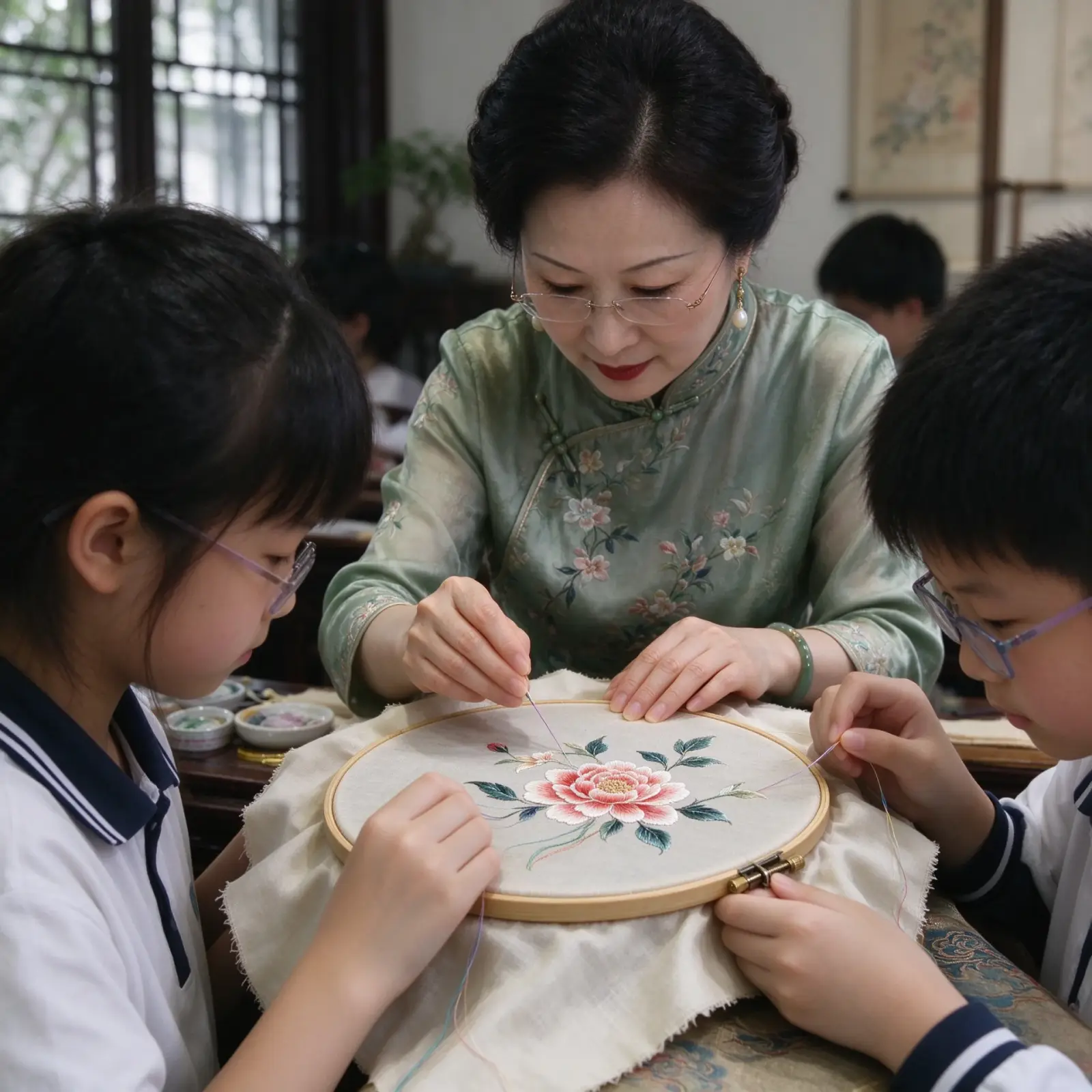
Suzhou embroidery & kesi tapestry practice
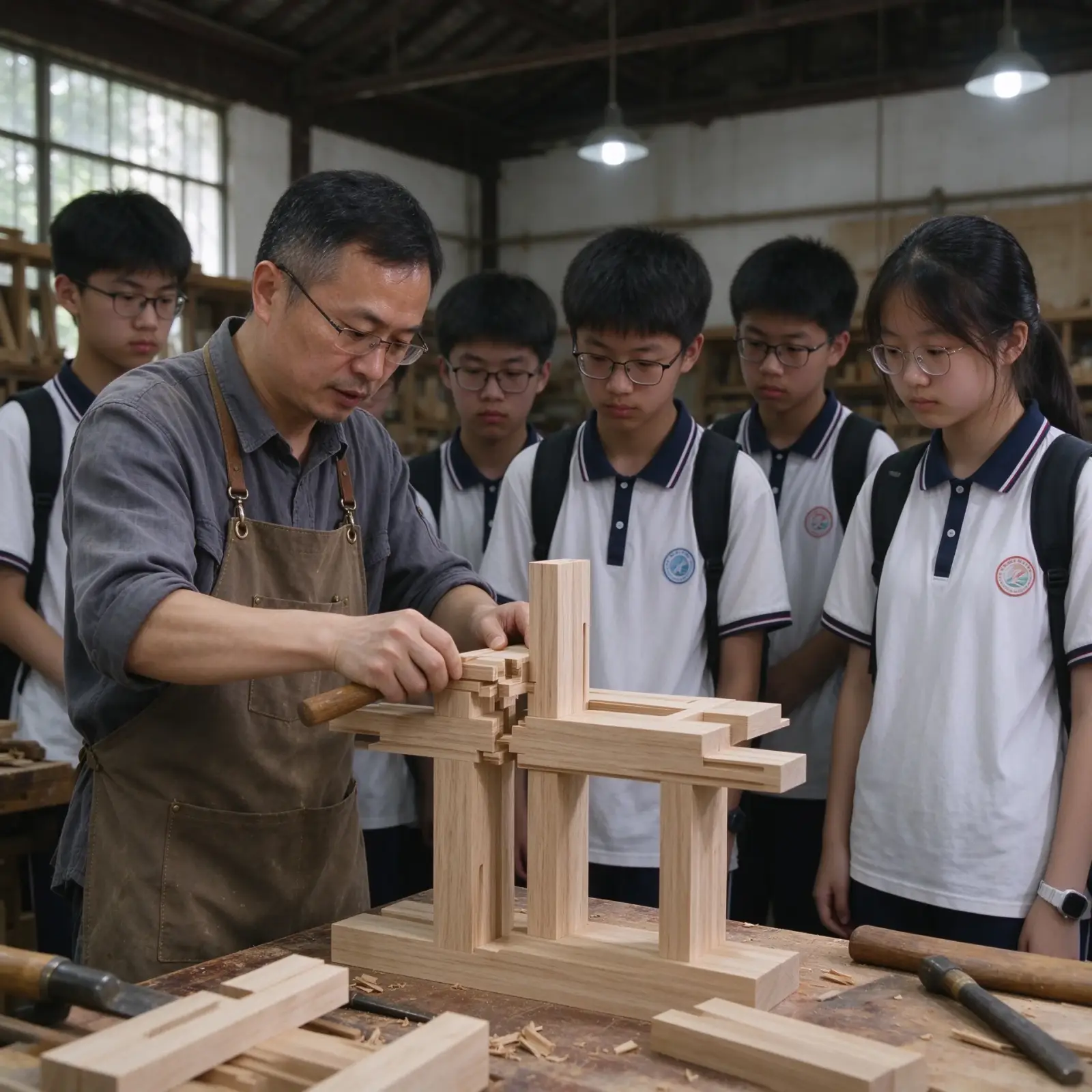
Xiangshan carpentry craft & mortise-and-tenon
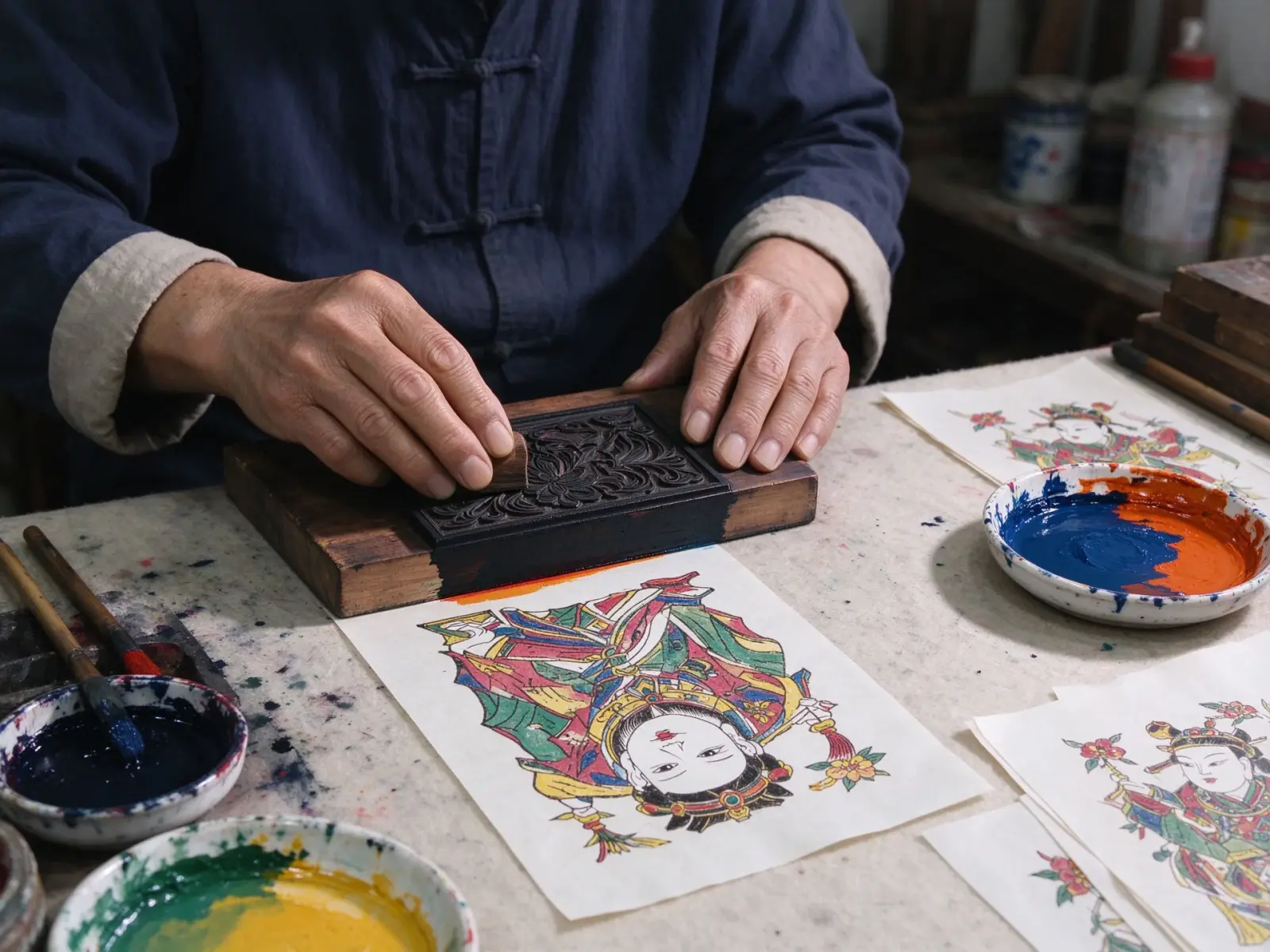
Taohuawu woodblock New Year prints
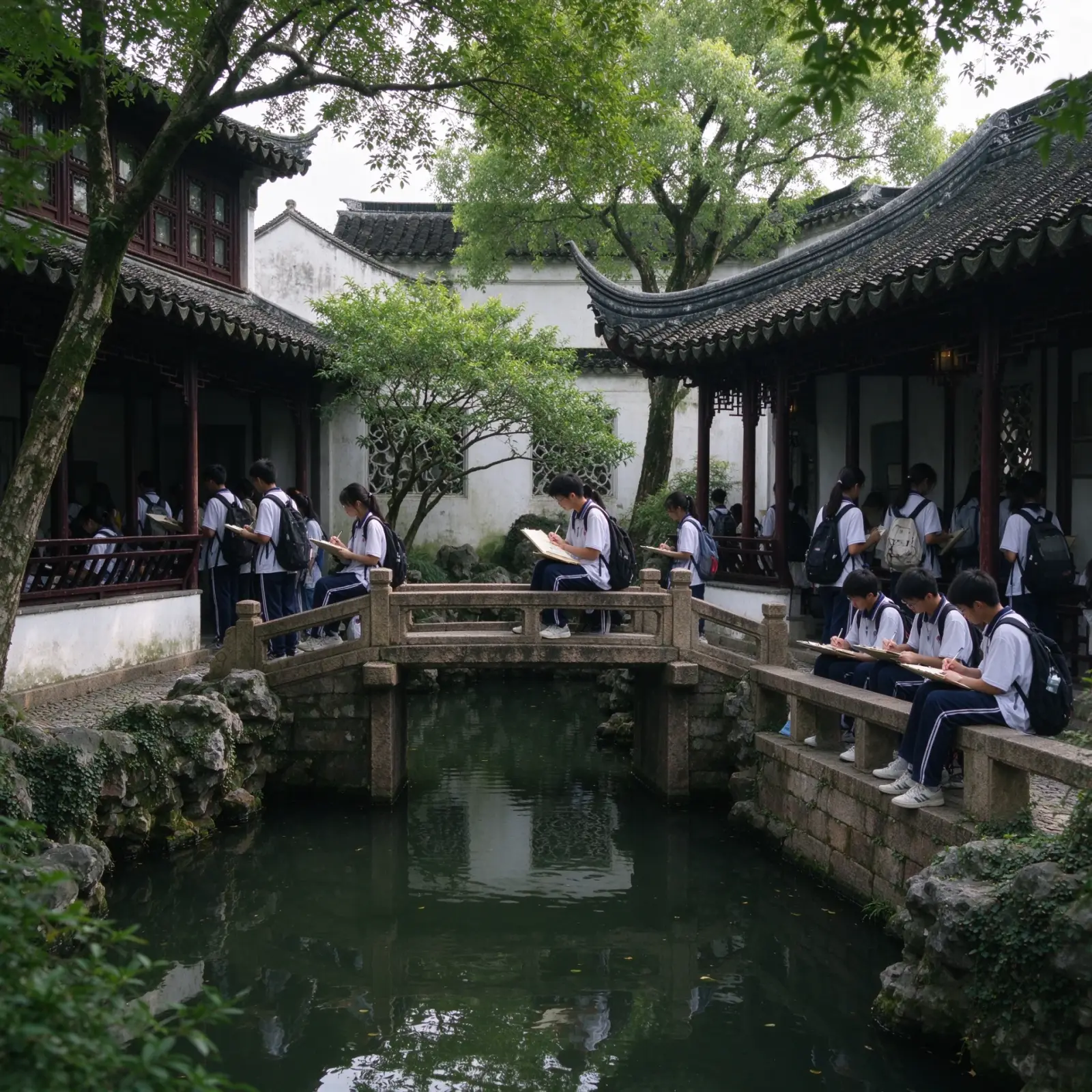
Tongli water-town & Retreat & Reflection Garden
Suzhou Imperial Kiln Gold Bricks Museum
Creative practice and integrated skills
Projects that turn observation into original student work.
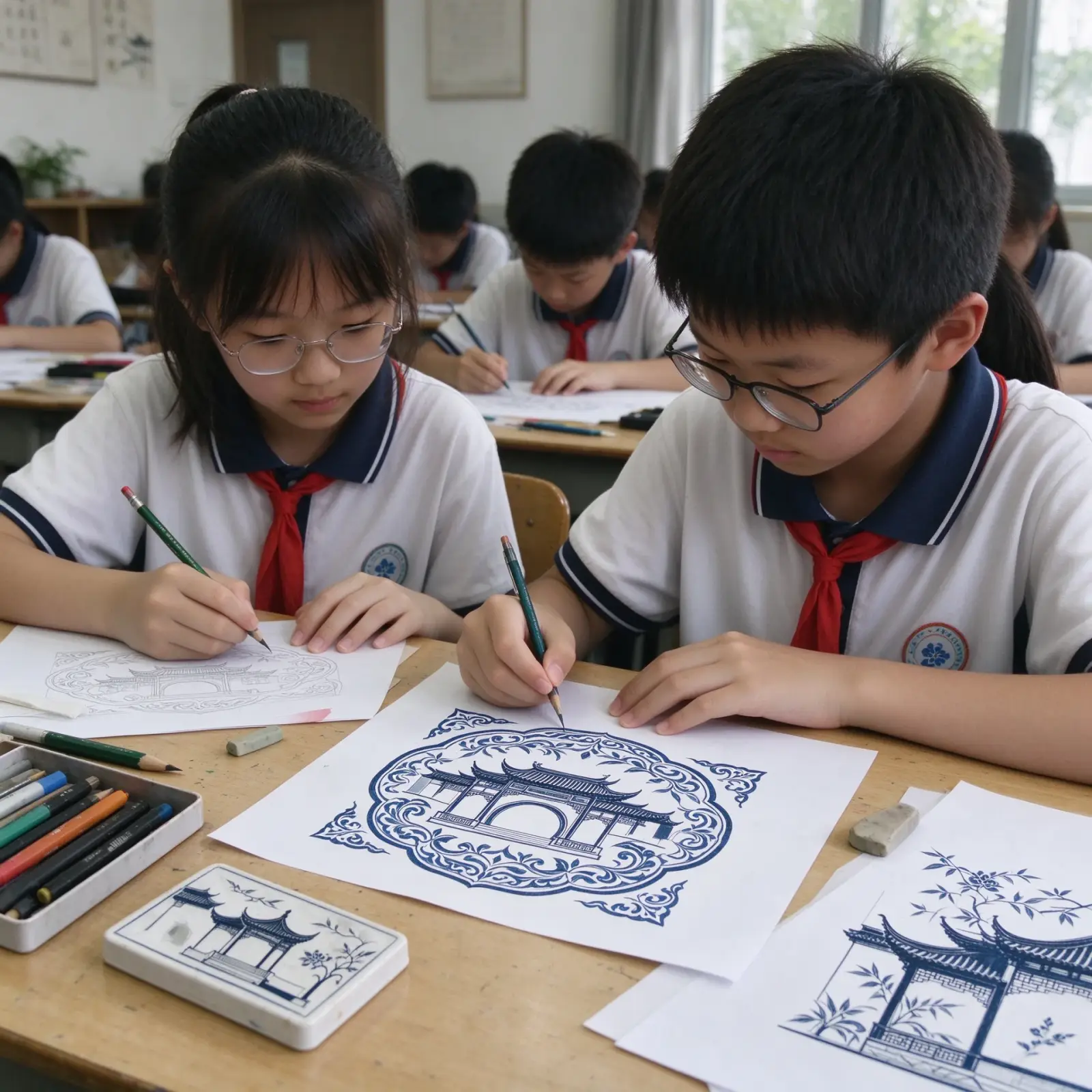
Suzhou-style motifs & visual design
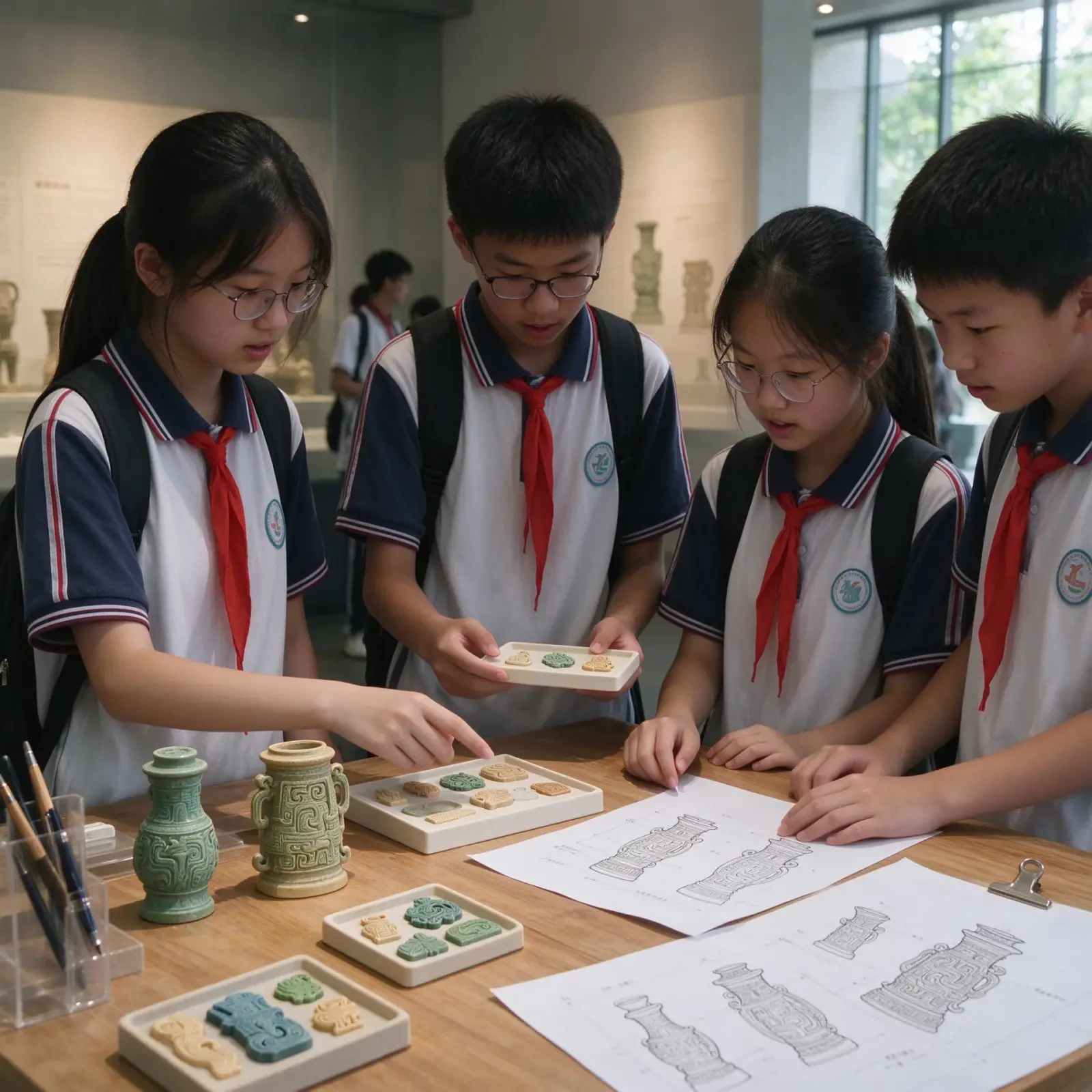
Museum cultural-creative product development
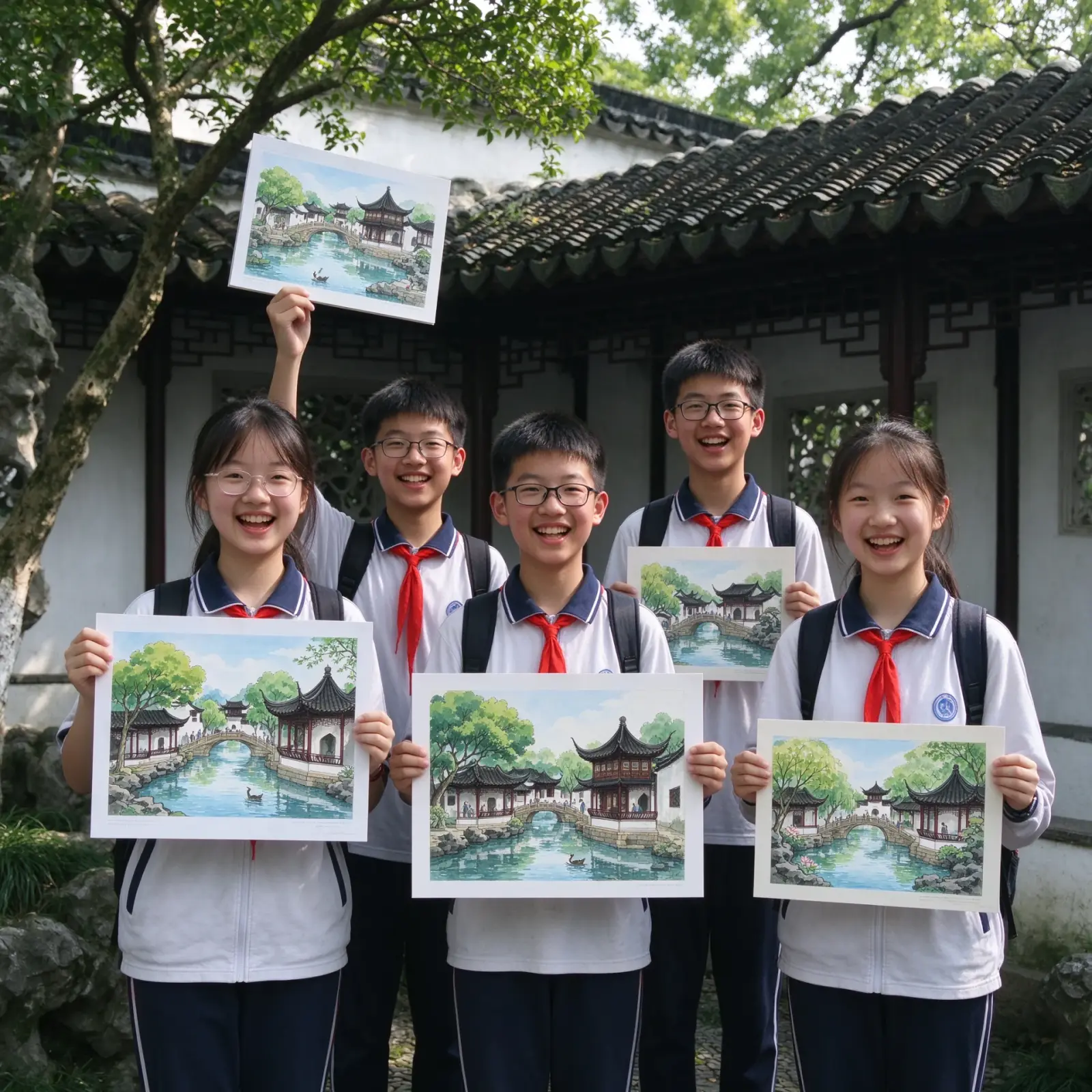
“My Gusu Brand” project
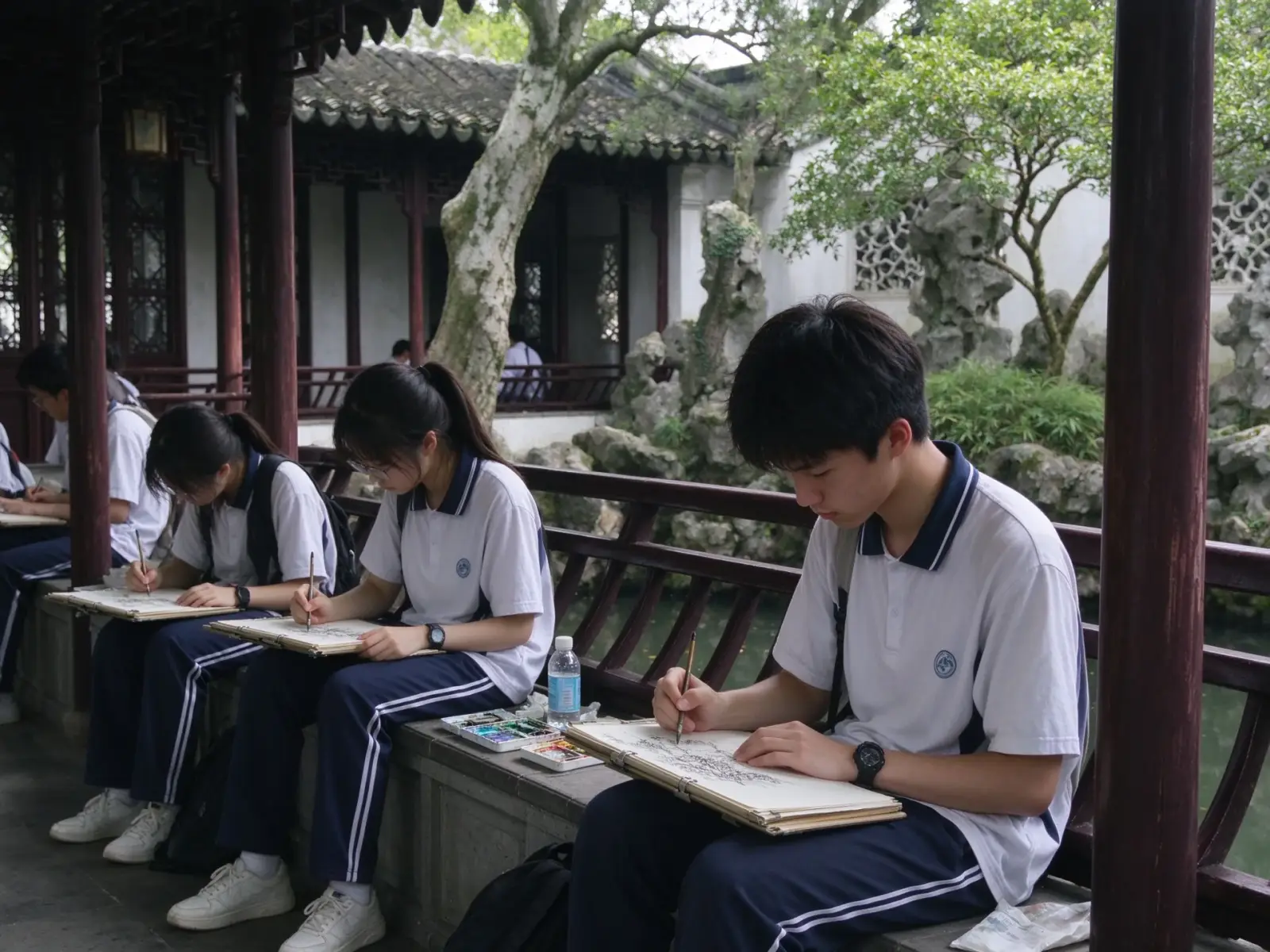
World Heritage & cross-cultural exchange
Outcomes and practical tasks
The value of Suzhou study is not how many places are visited, but whether students truly leave behind outcomes of observation, practice, thinking and creation. Turn every resource point into a task that can be recorded, presented and reviewed.
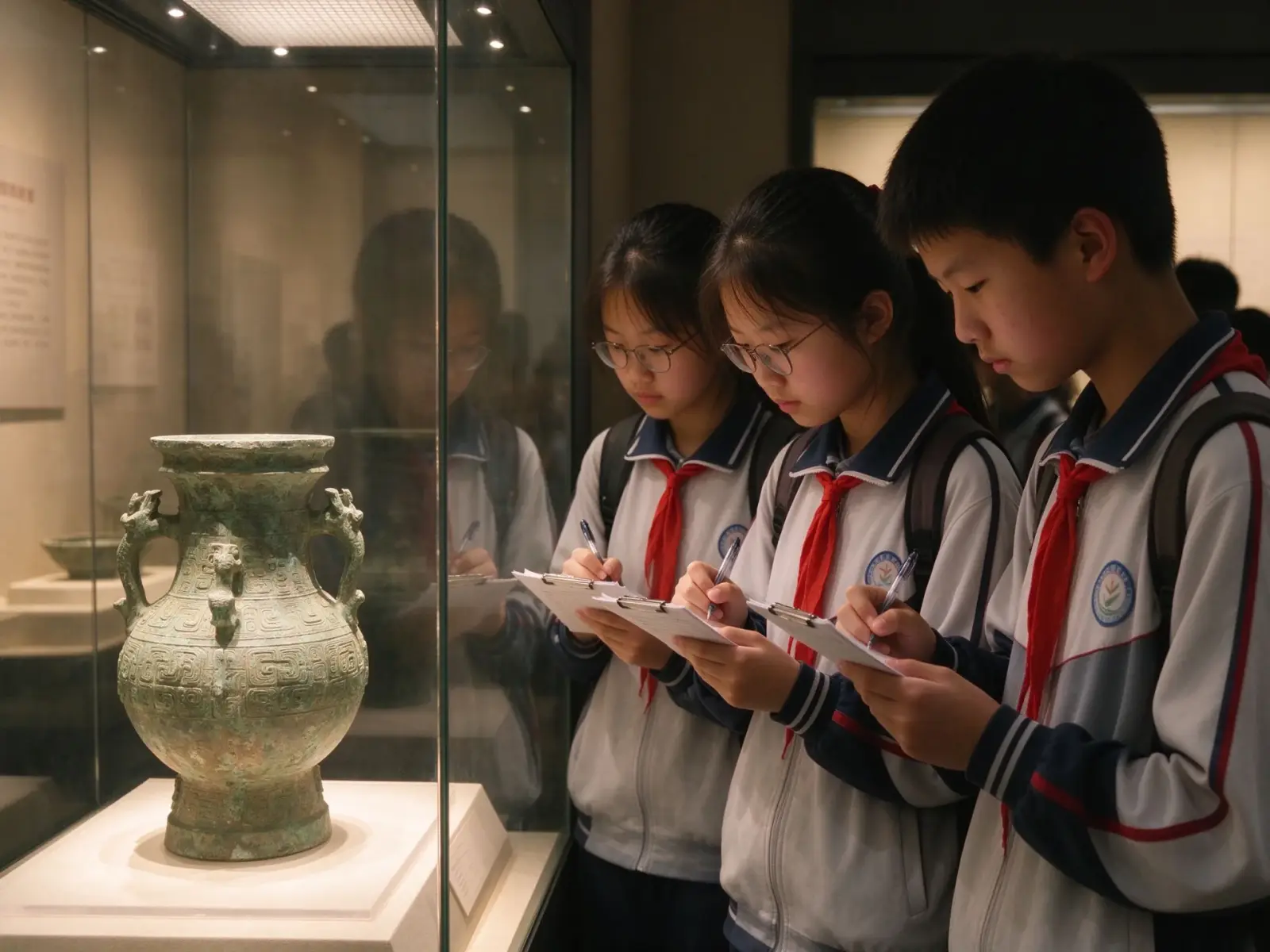
Artefact observation record
Choose one artefact, building part or hand-made piece in a museum, garden or workshop; record material, dimensions, period, motif and location; write three unanswered questions; compile an observation card.
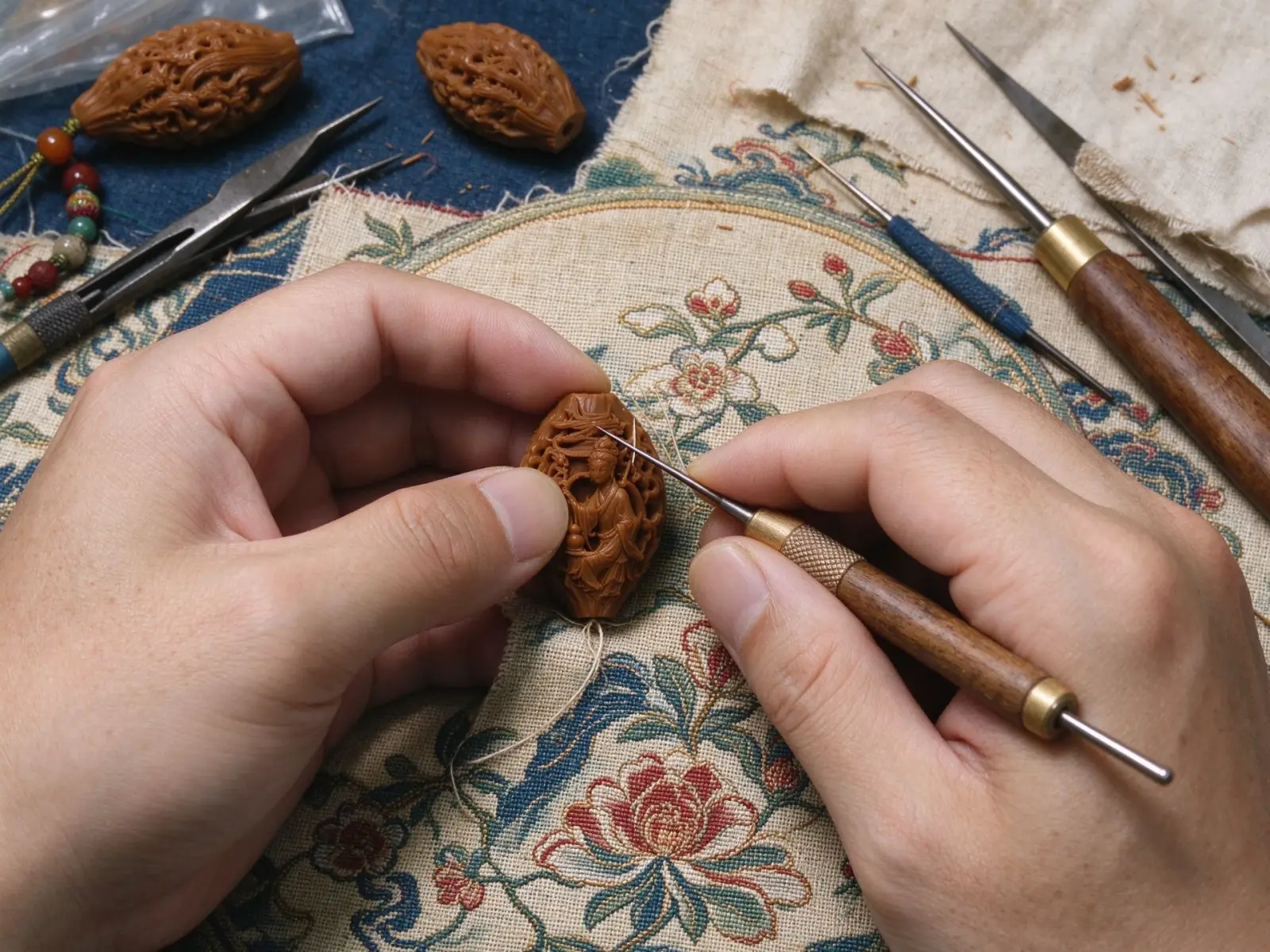
A hand-made Suzhou heritage piece
Choose woodblock print, paper-cut/dyeing, stone rubbing or simple weaving; note the hardest step, your corrections and how the result changed.
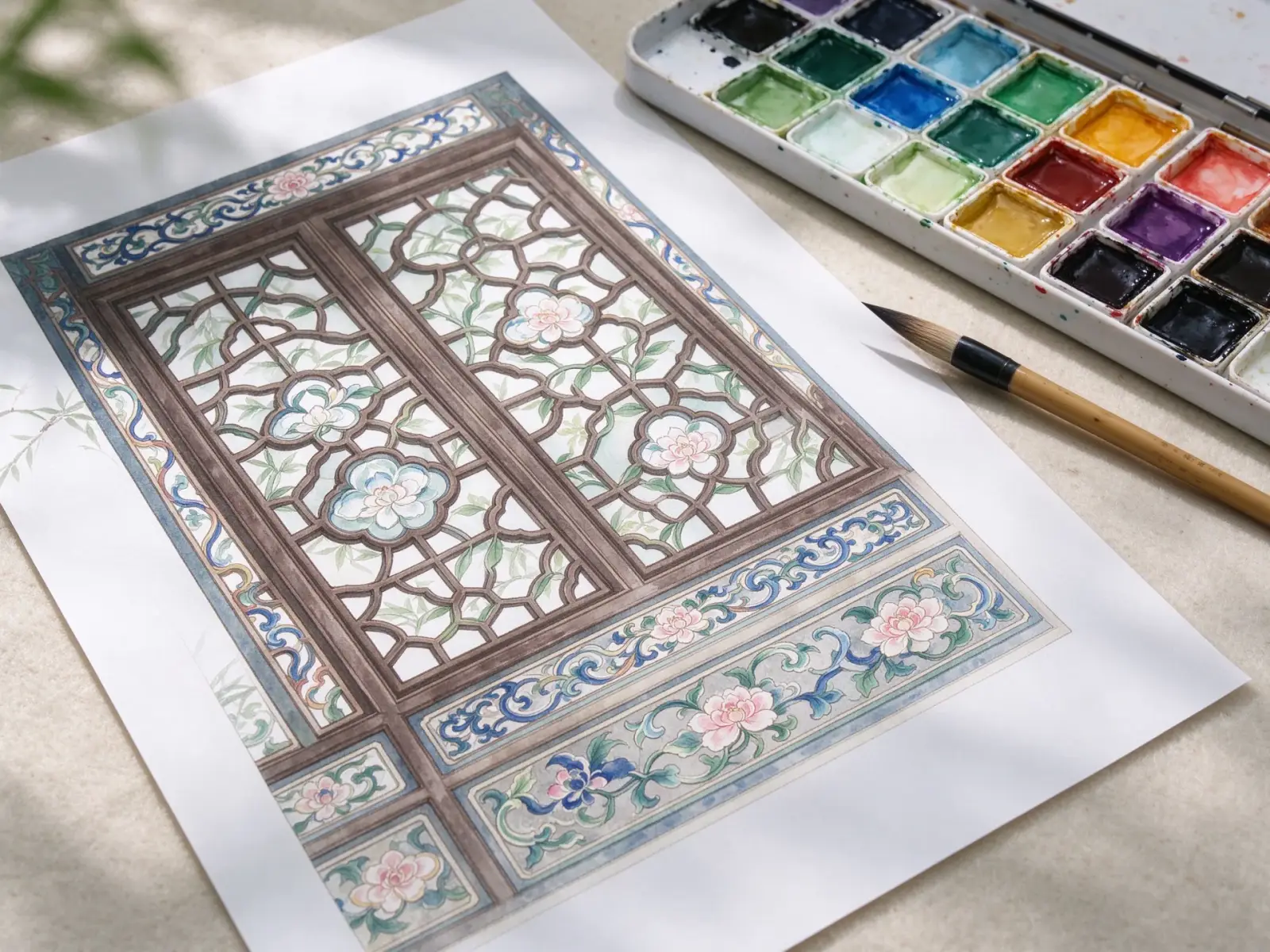
Suzhou-style motif design
Extract motif structure and rhythm from garden windows, brick carving, tile end-caps or Song brocade, then add your own theme to make a repeating pattern with both a cultural source and your expression.
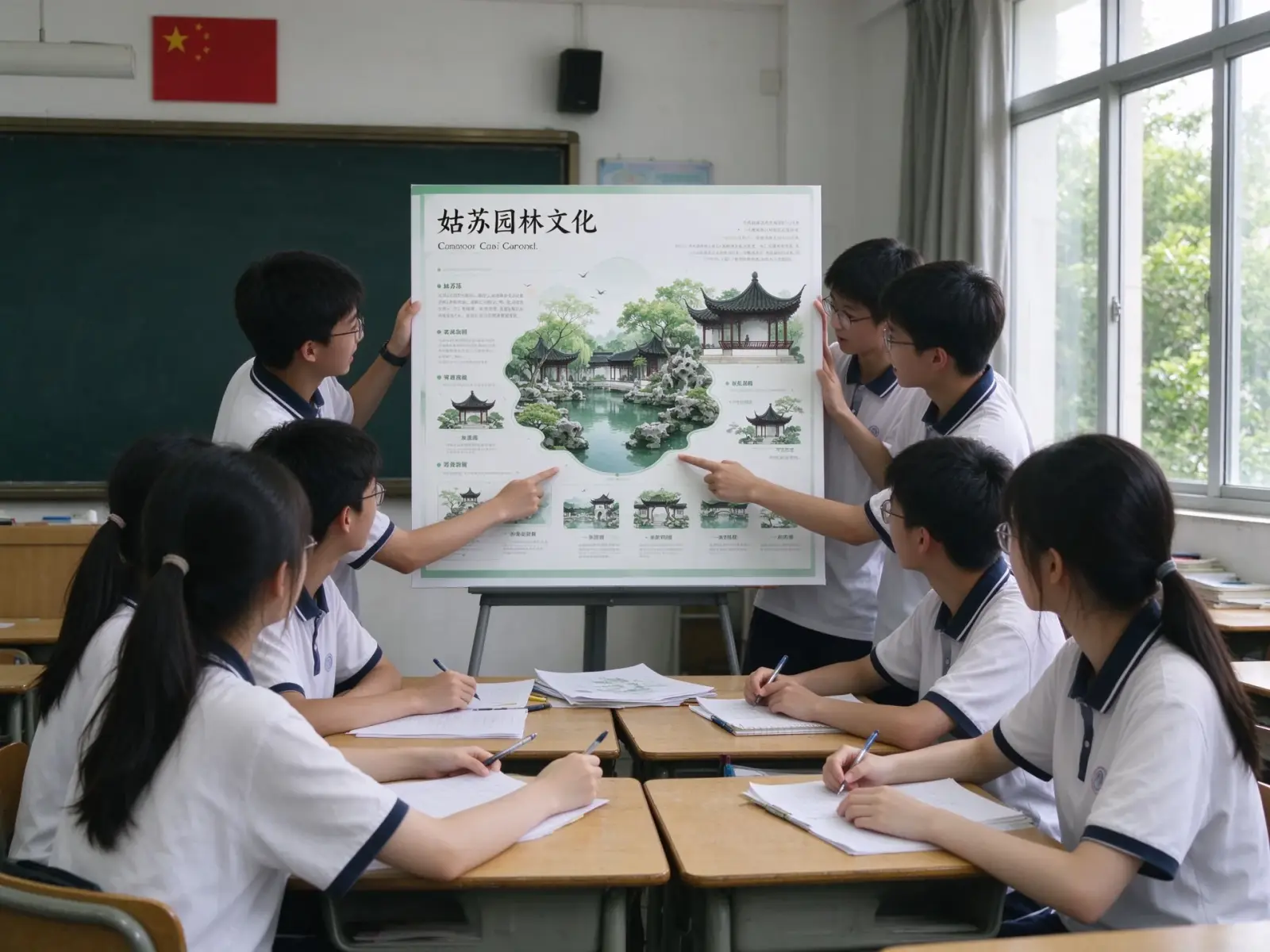
“My Gusu Brand” group
Produce a brand name, product positioning, packaging concept and three-minute talk — taking outcomes into design and expression.
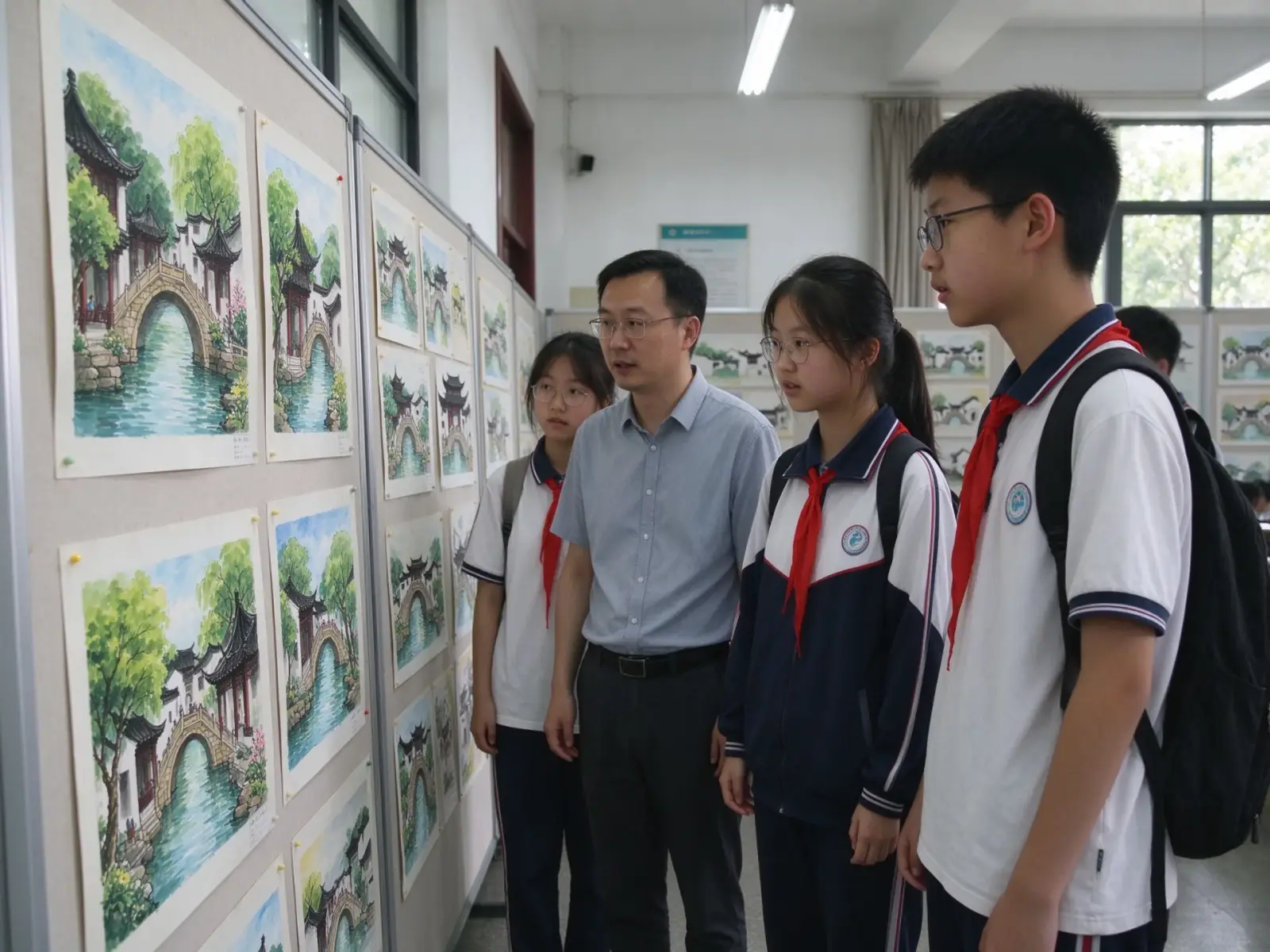
One artefact observation card + one hand-made heritage piece + one Suzhou-style motif design + one group “My Gusu Brand” presentation — joining visiting, practice, thinking and expression into a learning loop that can be shown and reviewed.
Suggested theme combinations
| Theme | Recommended combination | Audience / scenario |
|---|---|---|
| Gardens & old city | Suzhou Museum + Humble Administrator’s Garden + Pingjiang Historic District | First study / history and architecture |
| Suzhou craft practice | Suzhou Silk Museum + Su embroidery & kesi + Taohuawu prints | Junior secondary / senior secondary / families |
| Water city & engineering | Pan Gate + old-city water network + Grand Canal Suzhou section | Geography, engineering & science |
| Garden-making & craft | Humble Administrator’s Garden + Suzhou motif design + cultural-creative products | Art, design & comprehensive practice |
| World Heritage & city narrative | Pingjiang Road + Shantang Street + brand project + cross-cultural making | Senior secondary / university / international |
Suzhou study need not be tied to fixed days or standard routes. The truly tailored approach combines, by age, curriculum goals, interests and budget, six directions — gardens and the old city, water-city engineering, Suzhou craft, refined sound and letters, art and design, and urban creativity — so every programme has clear learning goals and deliverable outcomes.
Ready to build your Suzhou study programme?
Share your students’ age, curriculum goals and dates. We will tailor the field studies, hands-on workshops and outcome tasks for you.
Start PlanningXi’an
Xi’an at a glance
Xi’an lies in the central Guanzhong Plain of Shaanxi — the ancient capital that hosted the most dynasties and the longest reign in Chinese history. Zhou, Qin, Han and Tang courts all made it their seat, leaving behind capital sites, imperial tombs, religious architecture and stone inscriptions. For students, the value of the trip is not simply “seeing artefacts”. Standing before real sites and objects, they turn dynastic change, institutions and cross-border exchange from textbooks into things they can touch, reason through and tell.
Xi’an’s story runs from the early state systems of the Zhou through Qin unification, Han governance and Tang cosmopolitan splendour — one city where the whole arc of early Chinese civilisation can be read in layers, from underground tombs and rammed-earth foundations to the surviving wall and the modern city above.
Think of Xi’an as a wall-free museum of Chinese civilisation — best approached through six angles: Zhou–Qin–Han–Tang history; archaeology and conservation; capital and architecture; Silk Road exchange; intangible heritage and folk life; and museum creativity and digital interpretation.
Six study keywords worth attention
Follow the dynastic sequence to understand early state formation and the high civilisations of the age.
Meet field excavation, object restoration and preventive care; see how conclusions are built from evidence.
From walls, palace foundations and pagodas, read ancient city planning and building technique.
From Chang’an as the eastern terminus, watch goods, religions, art and technology cross Eurasia.
Meet shadow play, Qinqiang opera, paper-cut and clay sculpture — the folk arts of the central plain.
See how artefacts become exhibitions, cultural-creative products and digital experiences.
Recommended priority
| Priority | Best for | Representative sites | Use case |
|---|---|---|---|
| A · Core intro | First-time study groups in Xi’an | Mausoleum of the First Qin Emperor, Shaanxi History Museum, Xi’an City Wall | Historical literacy / artefact basics |
| B · In-depth practice | Learners interested in history, archaeology, architecture and art | Han Chang’an city site, Stele Forest, Banpo site | Field archaeology / conservation practice |
| C · Creative extension | Secondary, university and international students | Tang Everbright City, cultural-creative design, digital exhibitions | Cultural-creative design / branding & cross-cultural |
The cultural background to Xi’an study
2.1 · Thirteen dynasties and the main artery of civilisation
Known in antiquity as Chang’an, Xi’an was the seat of thirteen dynasties and is the key site for understanding early Chinese state forms, institutional systems and the high civilisations of the age. Study can follow four threads — dynasty, capital, object and institution — joining scattered facts into one re-tellable artery of civilisation.
2.2 · Underground artefacts and the archaeological tradition
Xi’an is known as an “underground museum”, with a great many finds coming from excavation and from chance discoveries during city construction. By observing excavation pits, strata, unearthed objects and restoration, students understand that archaeology is not “digging for treasure” but a rigorous method that relies on stratigraphic relation, typological comparison and cross-checking with texts to reconstruct the past.
2.3 · Capital institutions and urban archaeology
The palace cities, imperial cities and ward grids of Han Chang’an and Tang Chang’an offer direct evidence for the planning ideas, rank order and administration of ancient Chinese capitals. Layering the site plan, written records and today’s city map turns history study into a real exercise in urban reasoning.
2.4 · Rammed earth, brick and stone wisdom
Rammed-earth platforms, brick-vaulted gates, stone stelae and timber pagoda eaves record the material choices and building wisdom of different eras. Bringing material mechanics, soil properties and structural stability into the historic site helps students see why ancient buildings “look simple but are calculated everywhere”.
2.5 · Tang splendour and contemporary expression
Today’s Xi’an safeguards the Zhou, Qin, Han and Tang heritage while gathering museum professionals, designers and young makers. Tang Everbright City, the old vegetable market, and creative spaces around the Stele Forest link sites, performance, markets and exhibitions — ideal for seeing how traditional culture keeps growing through modern design, brand operation and cross-cultural communication.
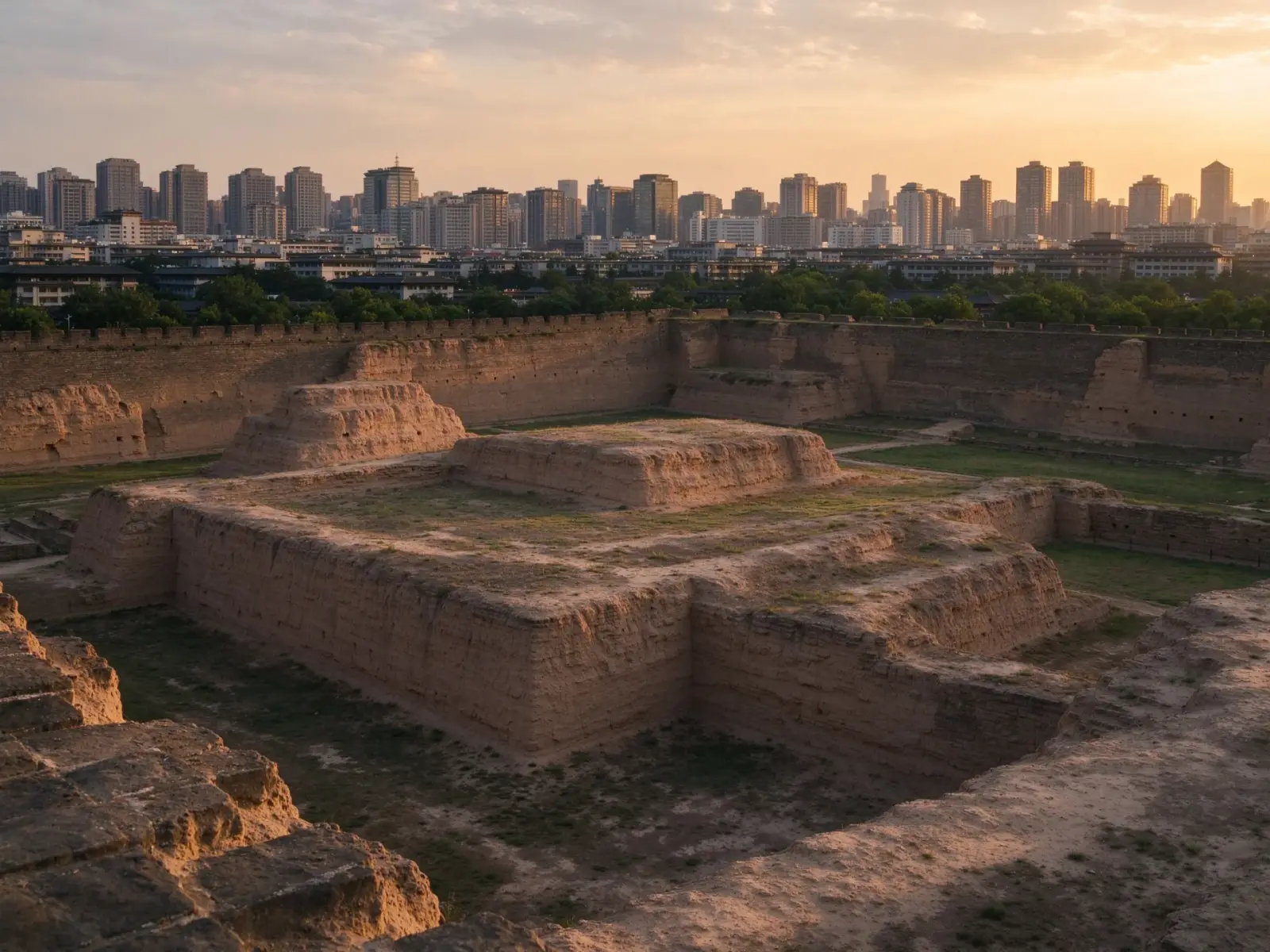
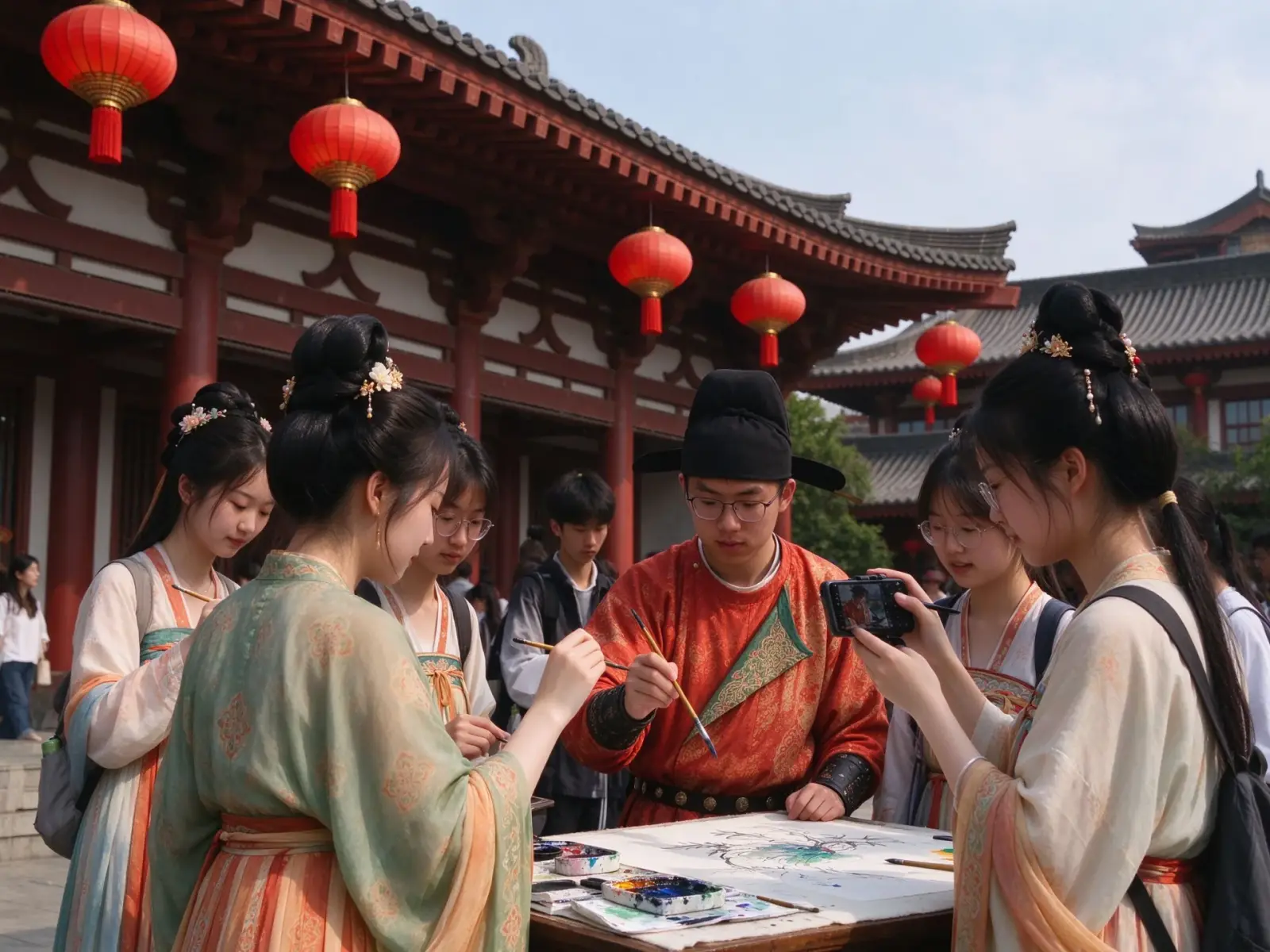
Six core study recommendations
The six first-priority stops for a Xi’an study programme.
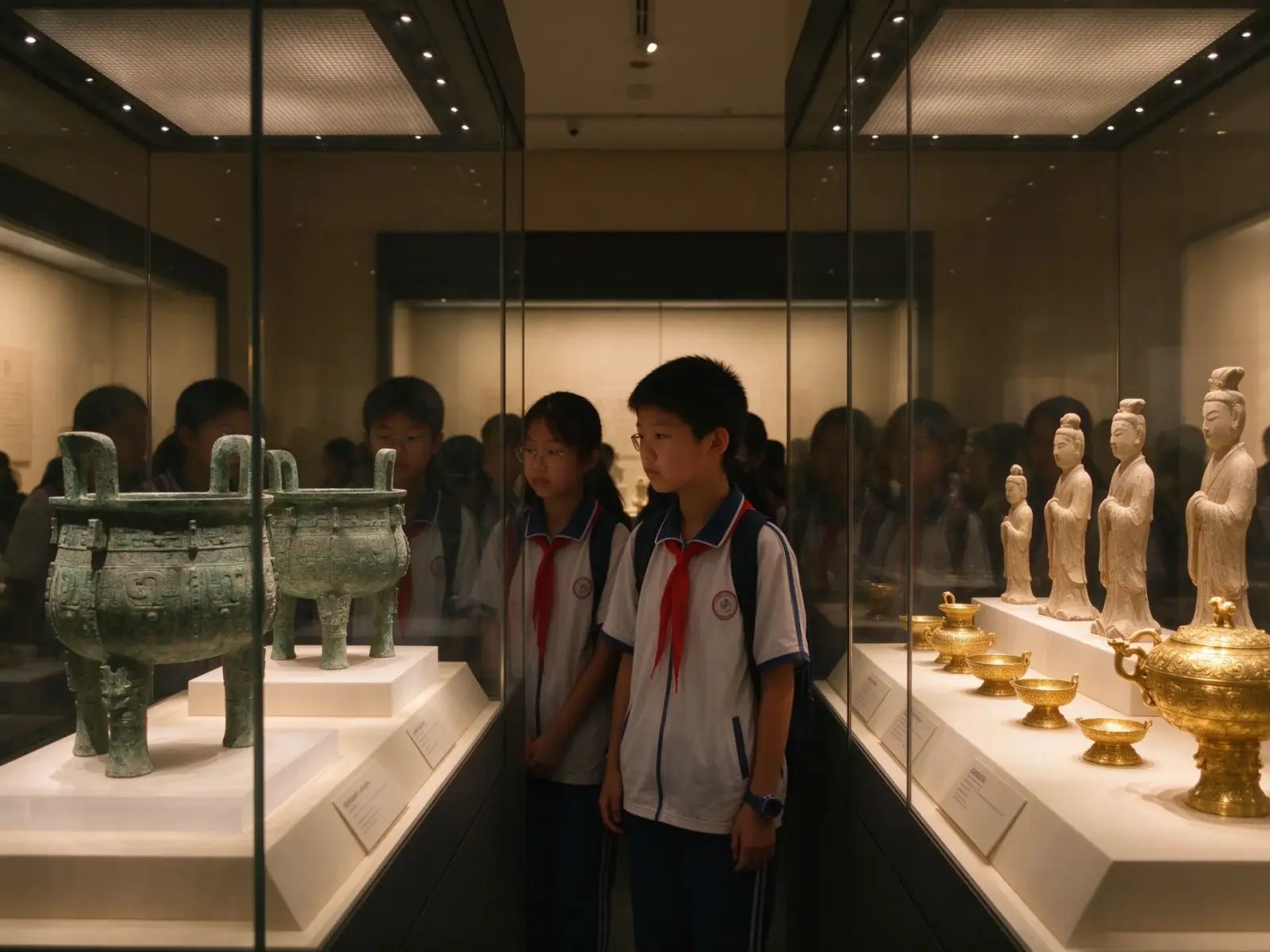
Shaanxi History Museum
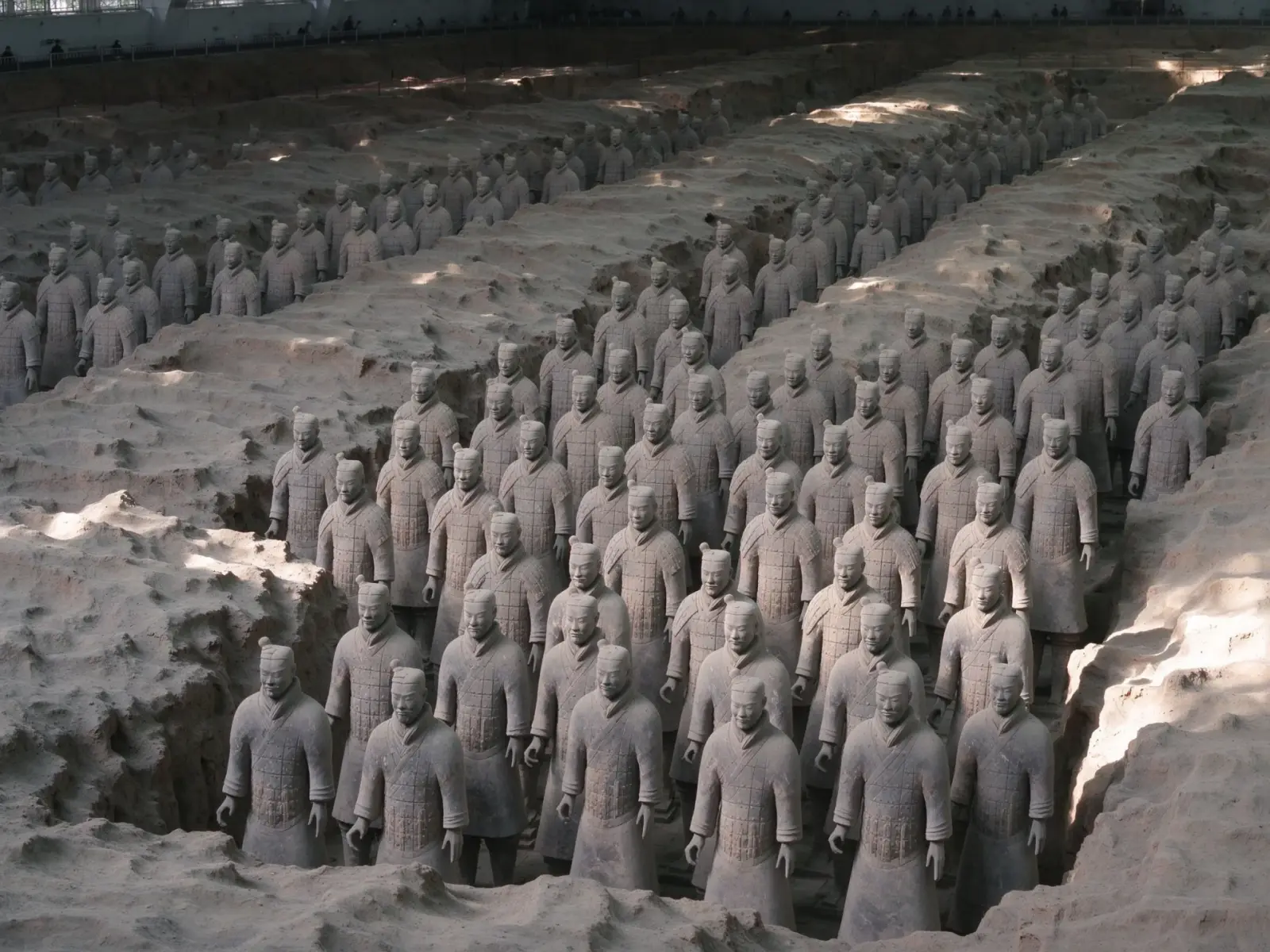
Mausoleum of the First Qin Emperor Museum
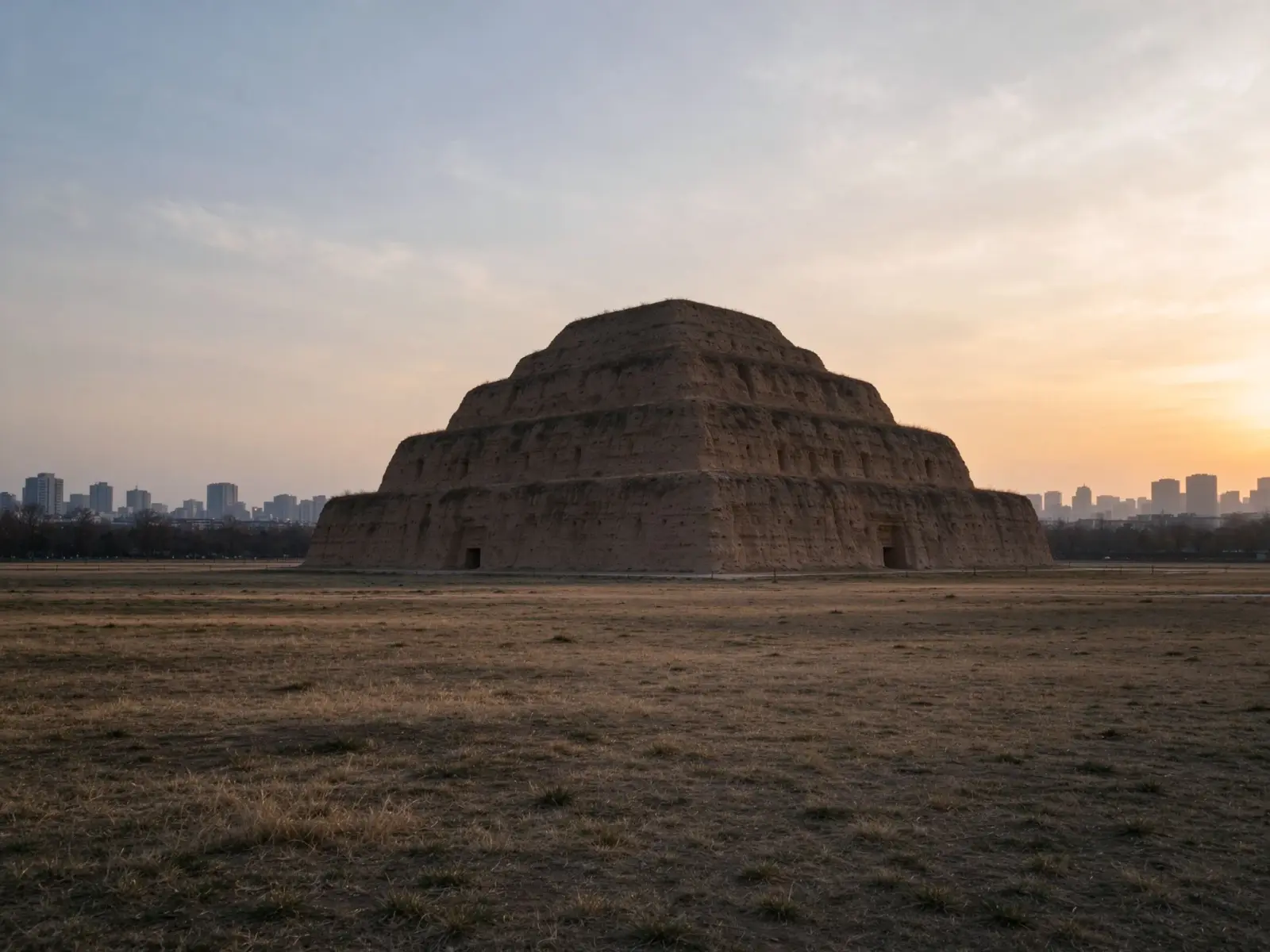
Weiyang Palace site, Han Chang’an city
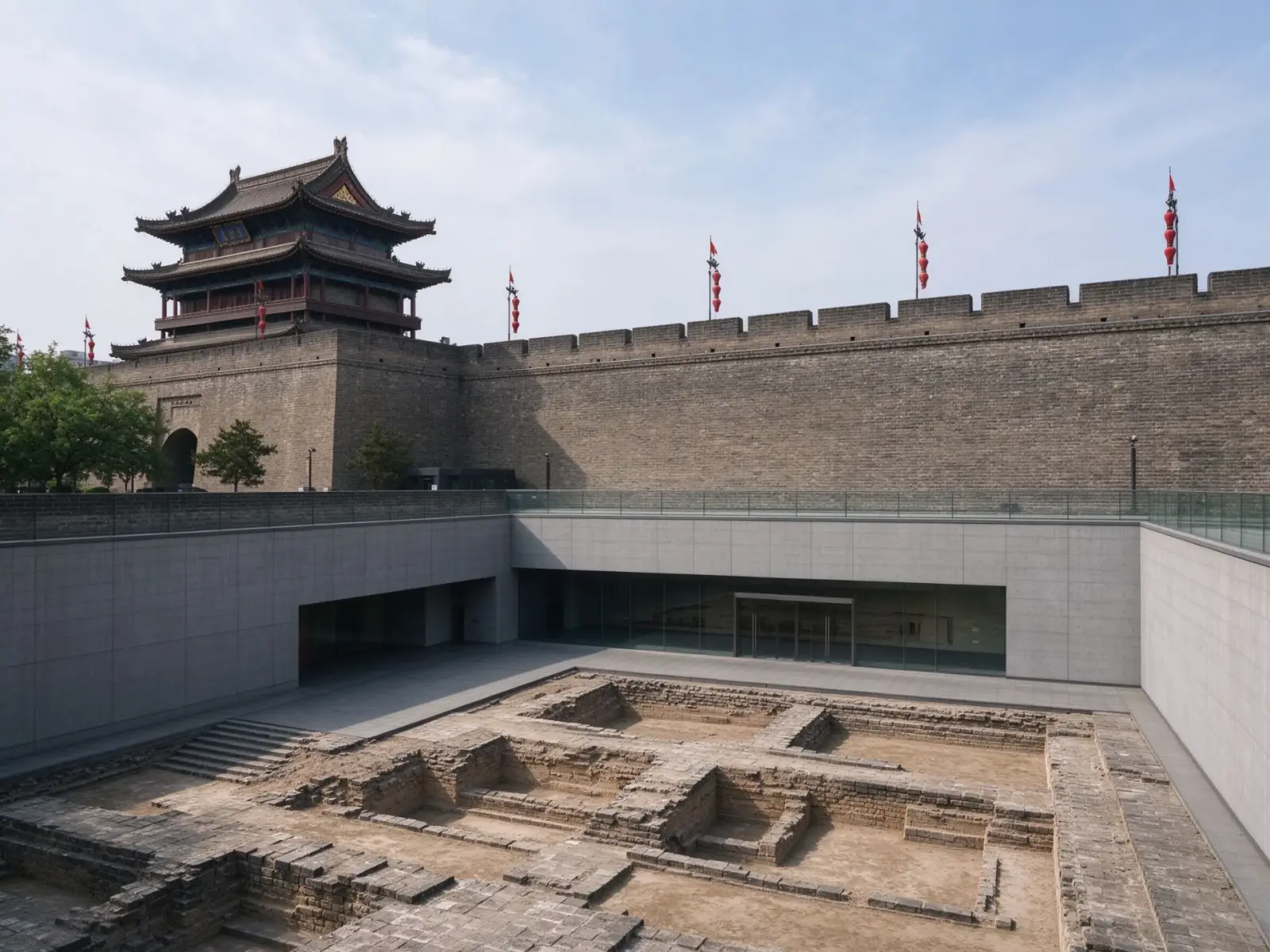
Xi’an City Wall & Hanguang Gate Site Museum
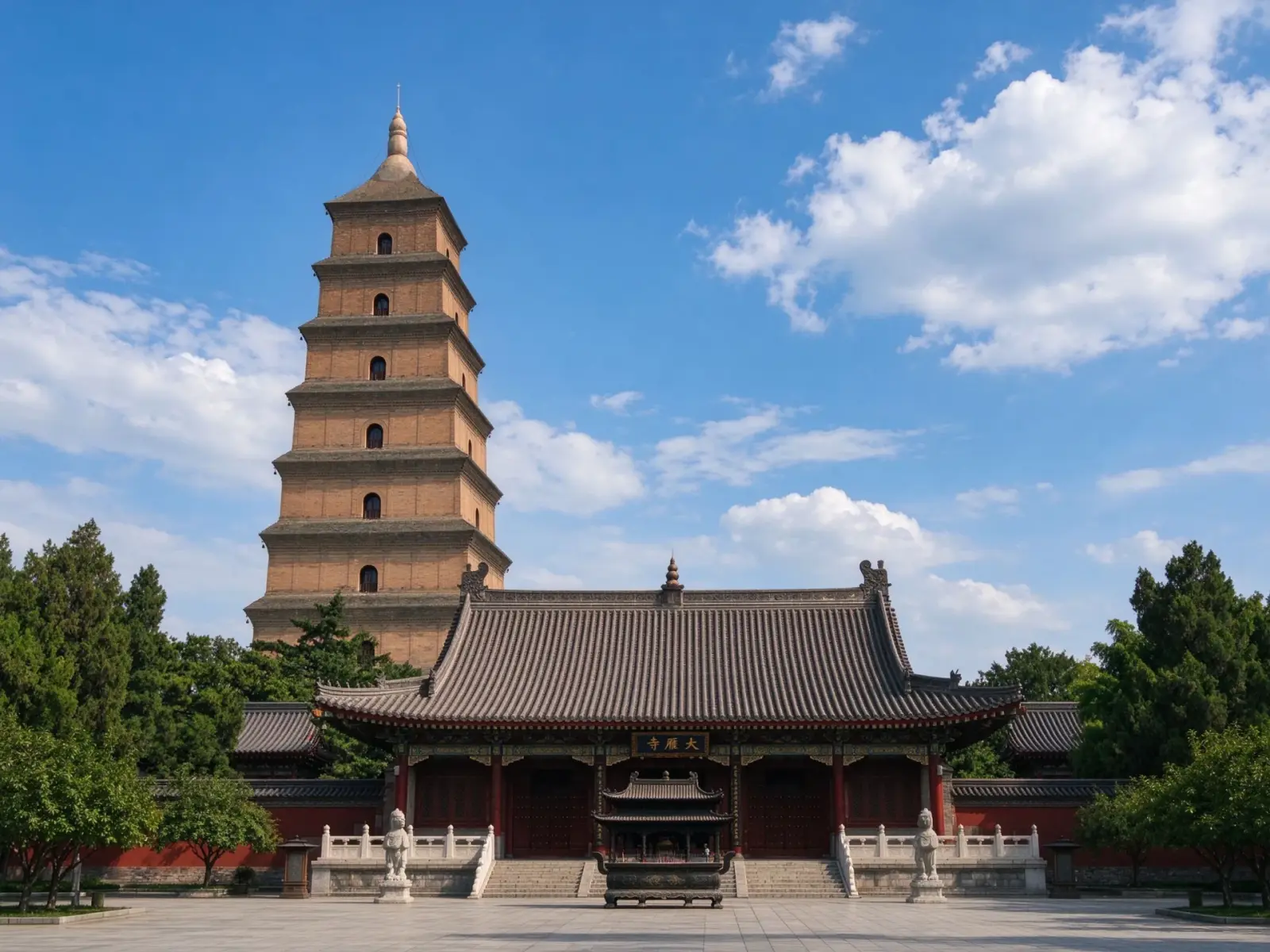
Giant Wild Goose Pagoda & Tang Chang’an Buddhist heritage
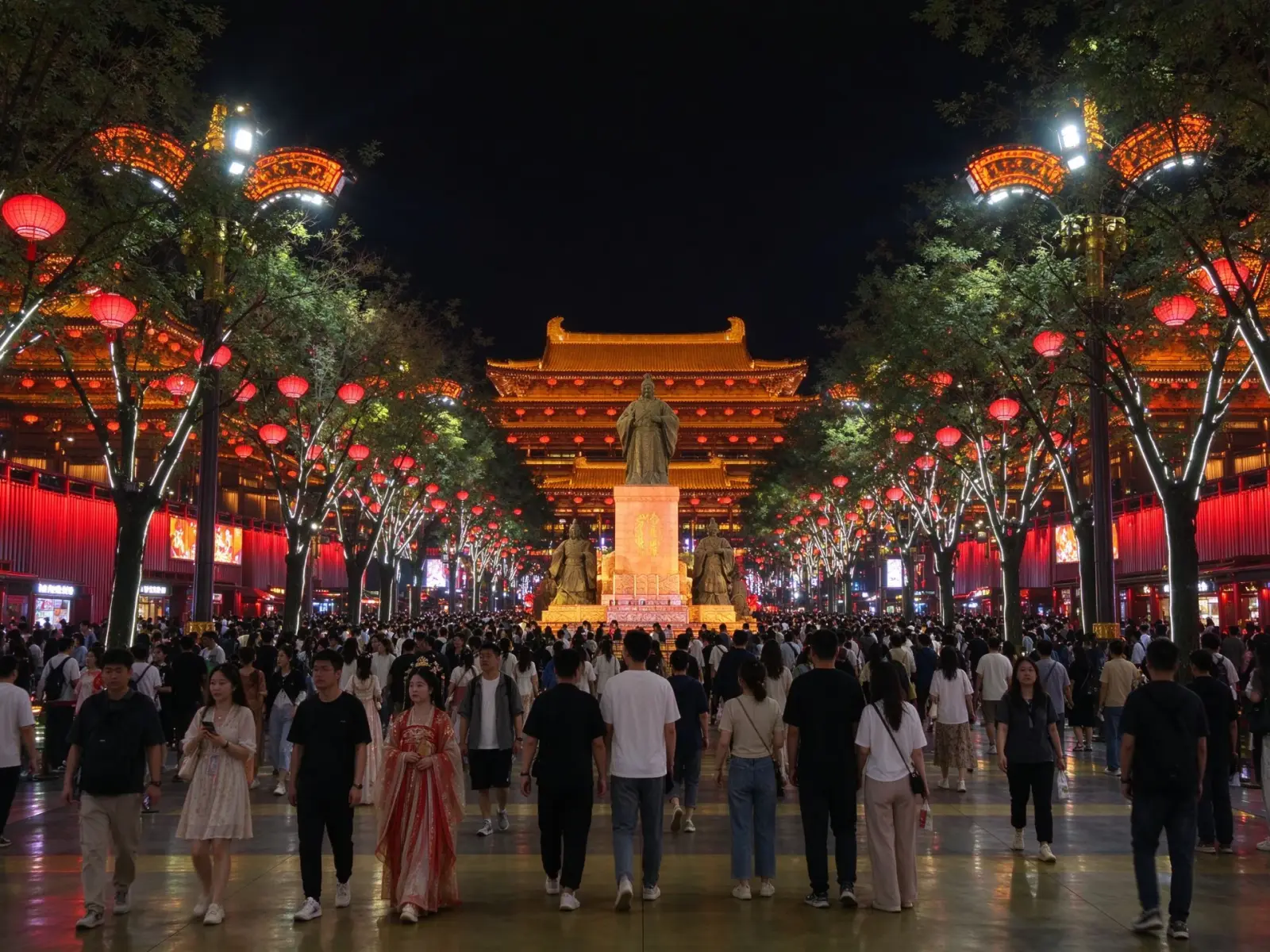
Tang Everbright City & Tang Paradise
Six in-depth study extensions
Longer, more specialised studies for groups with clear interests.
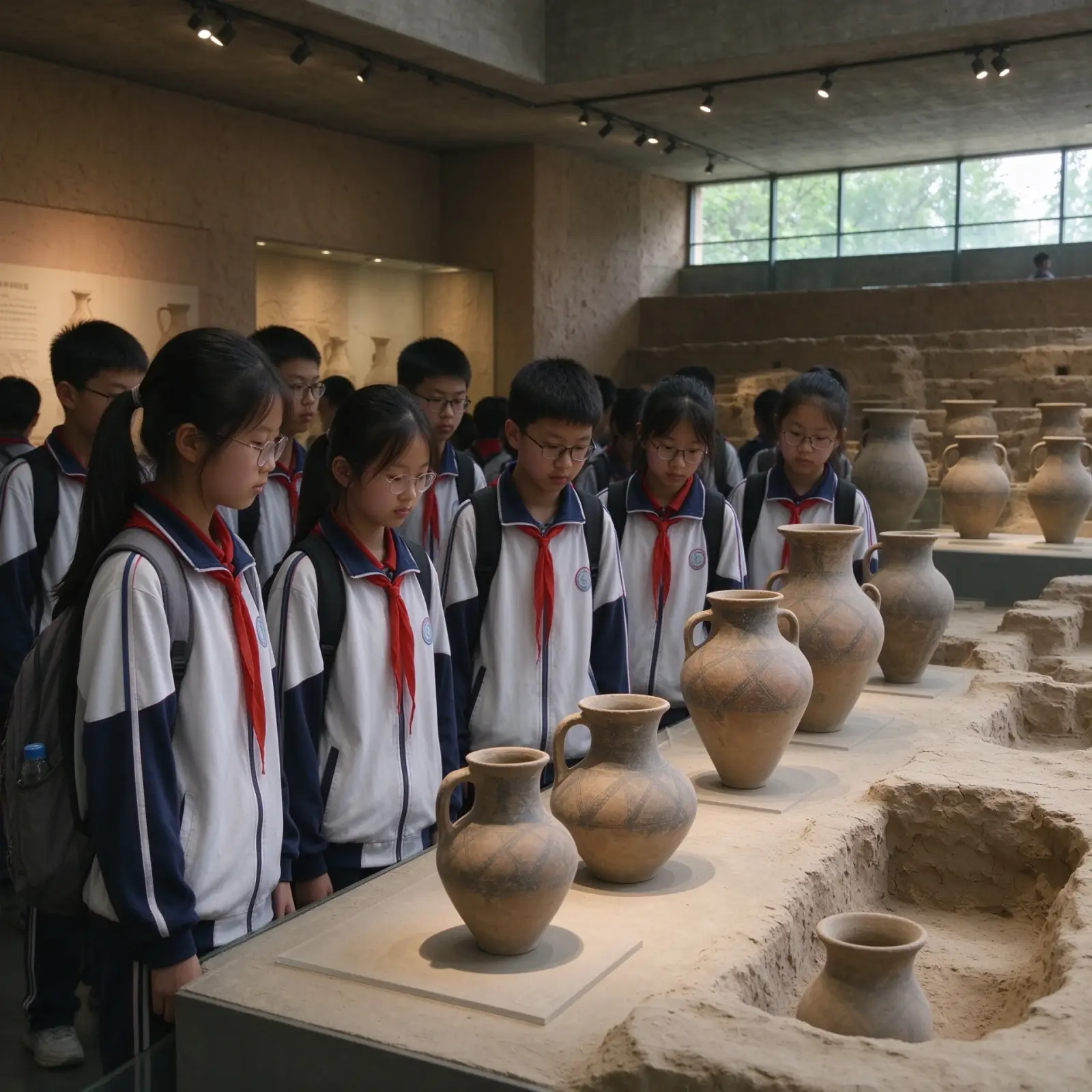
Xi’an Banpo Museum
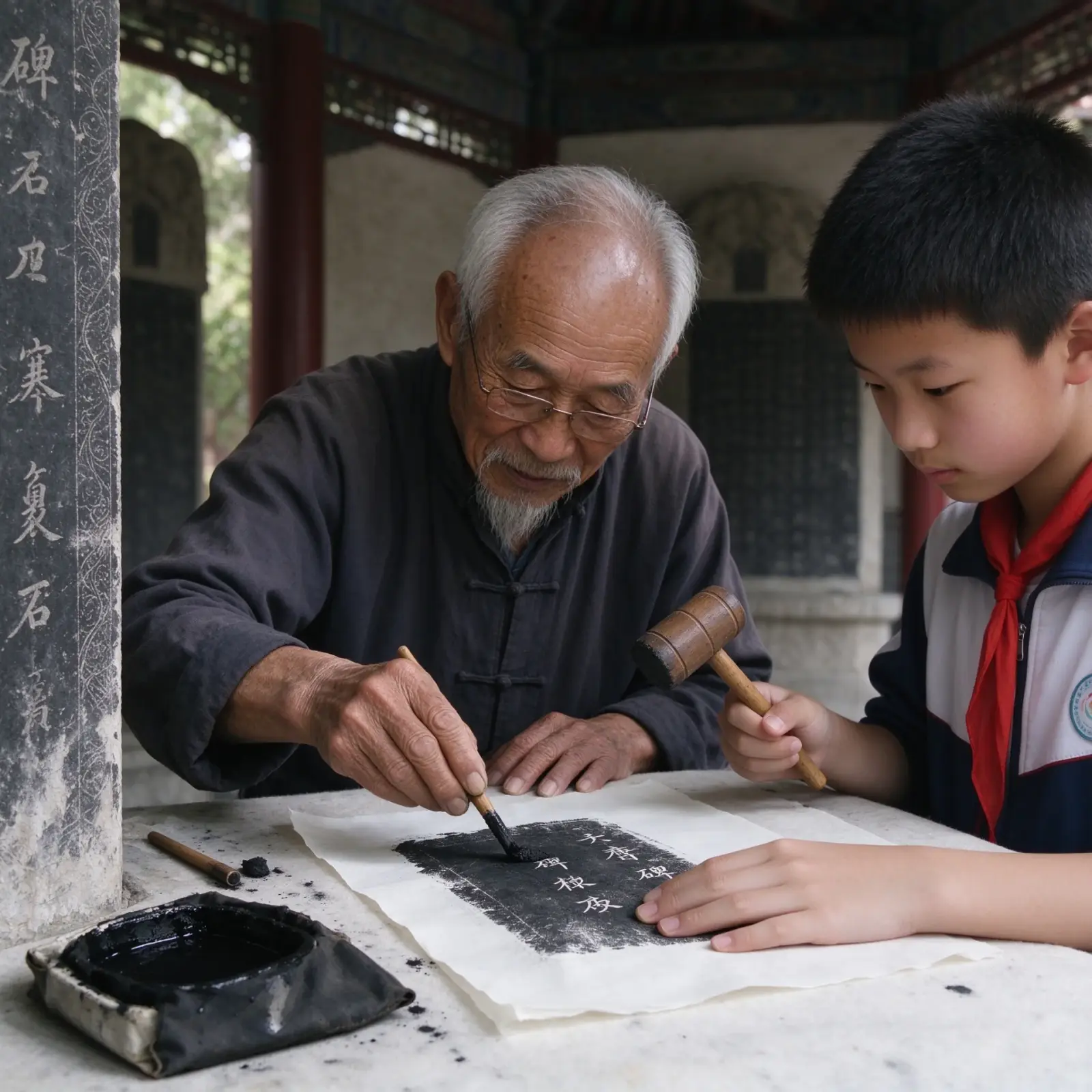
Stele Forest Museum with rubbing practice
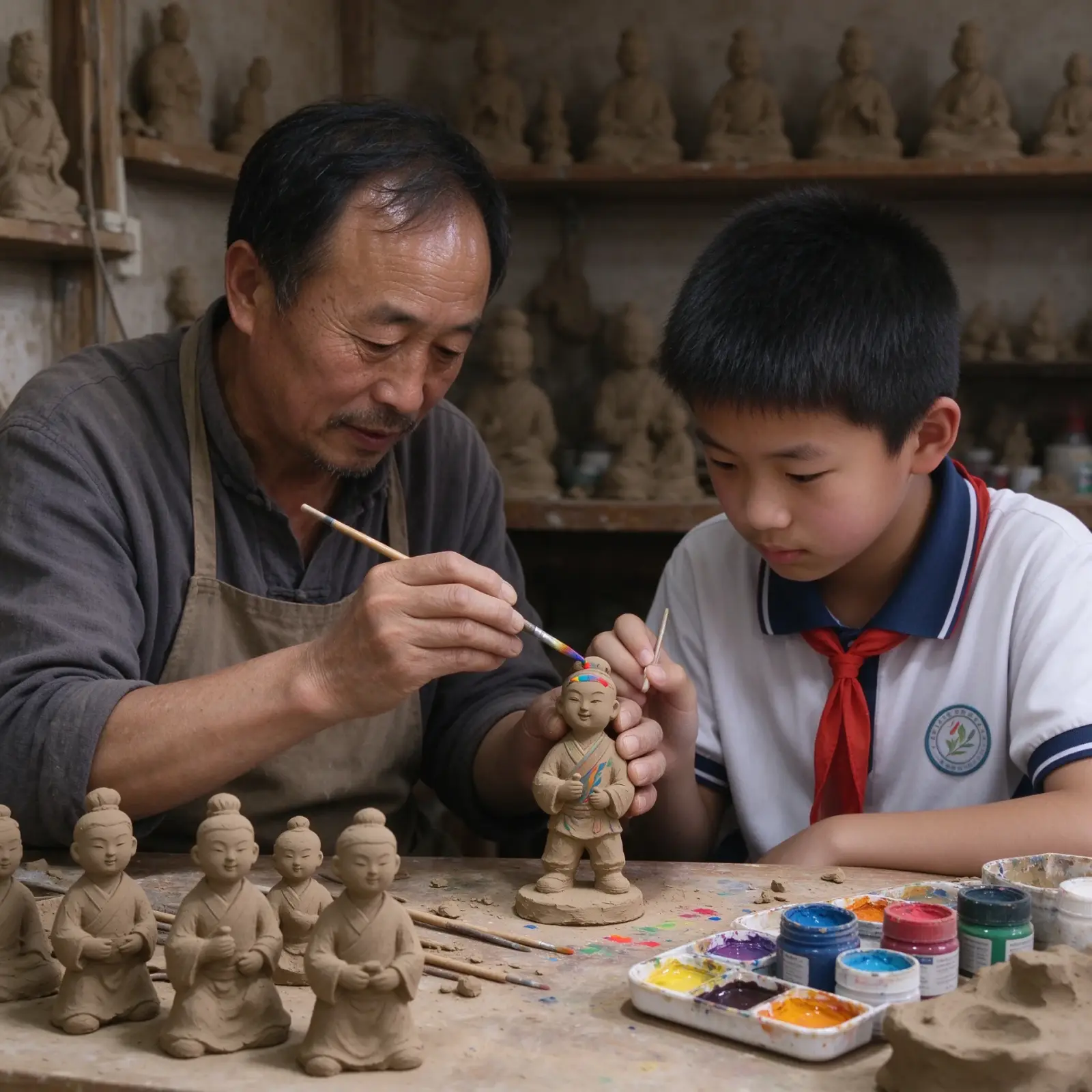
Pottery-figure making & painted restoration practice
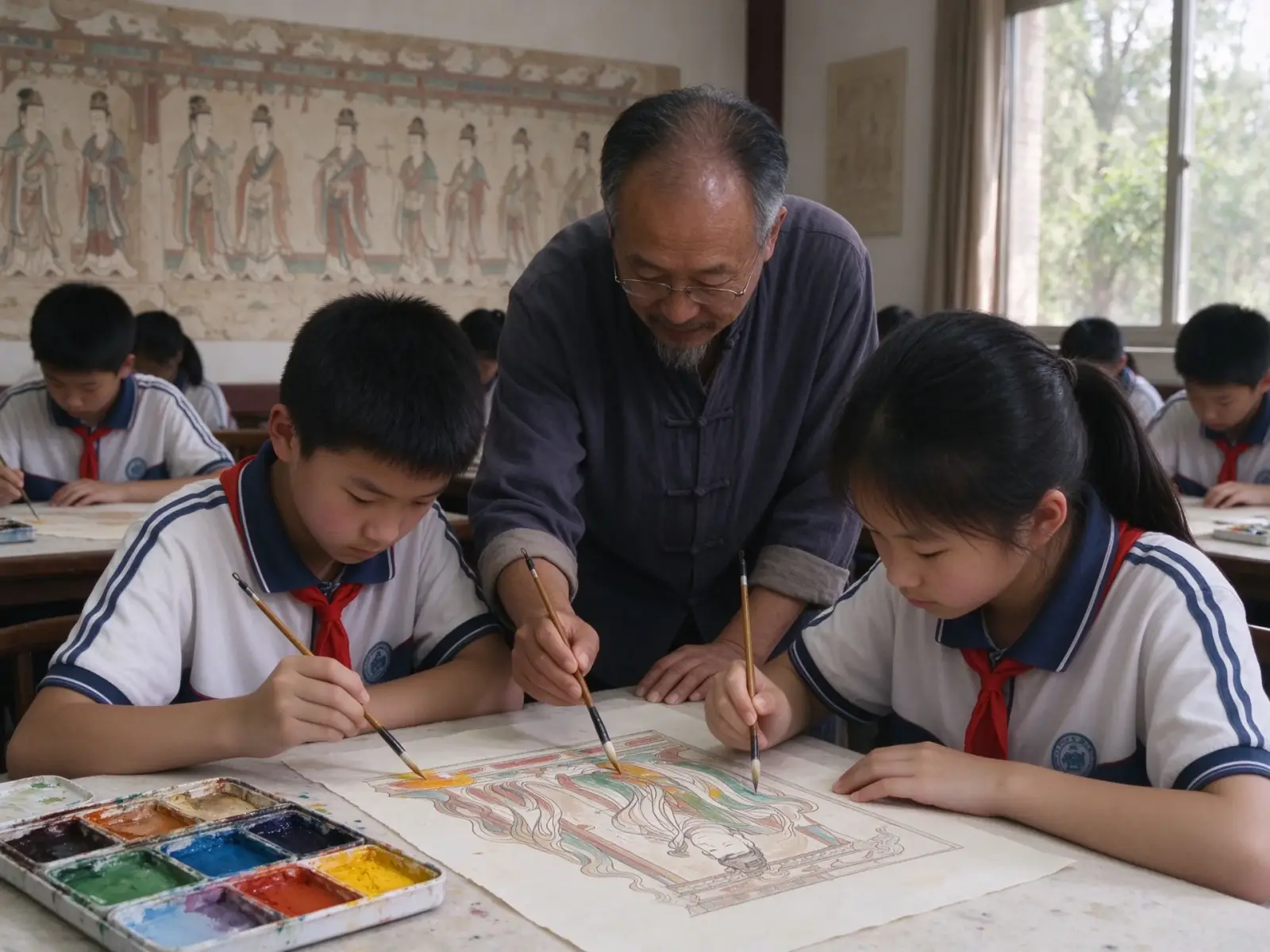
Tang tomb mural copying & mineral colour
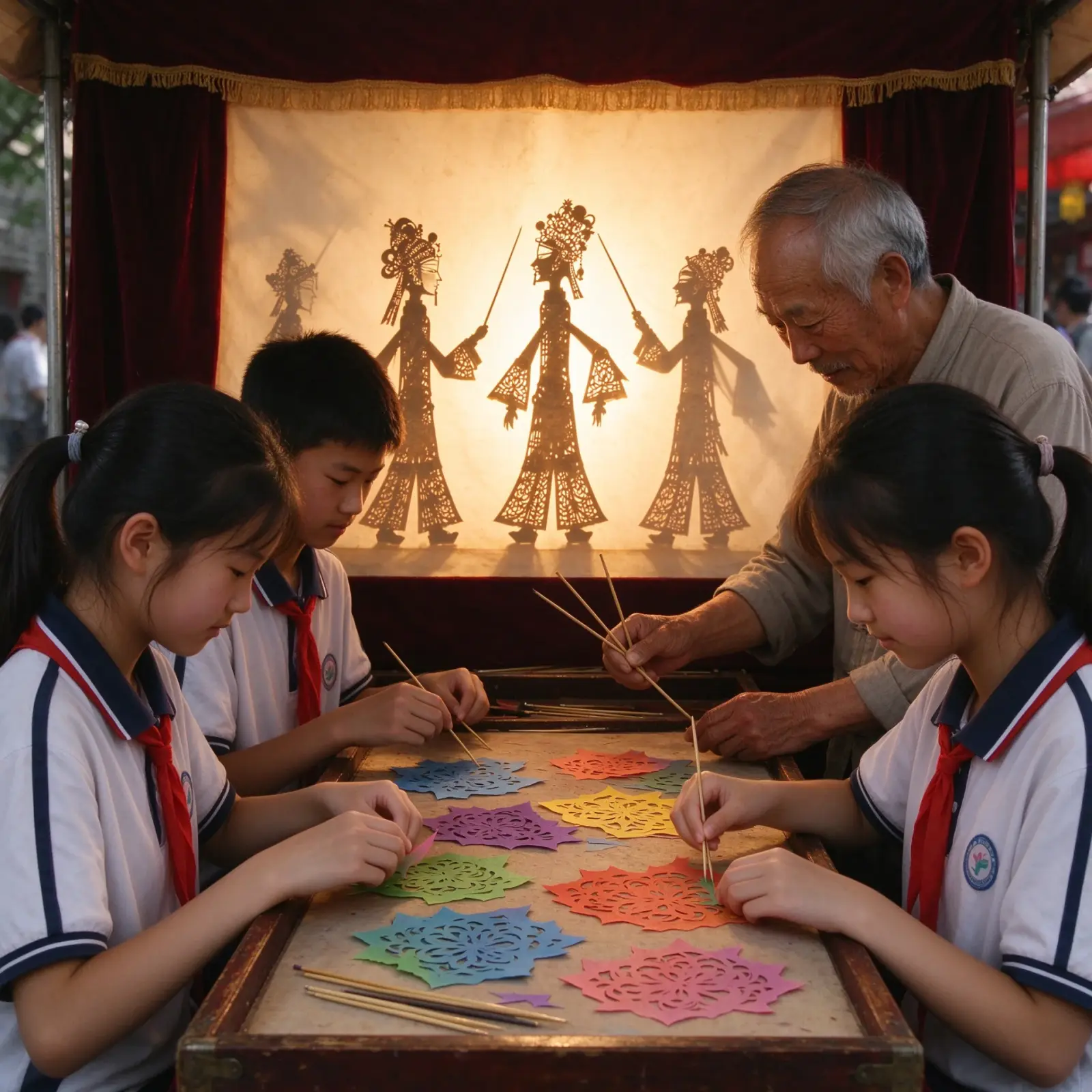
Guanzhong intangible heritage · shadow play, Qinqiang & paper-cut
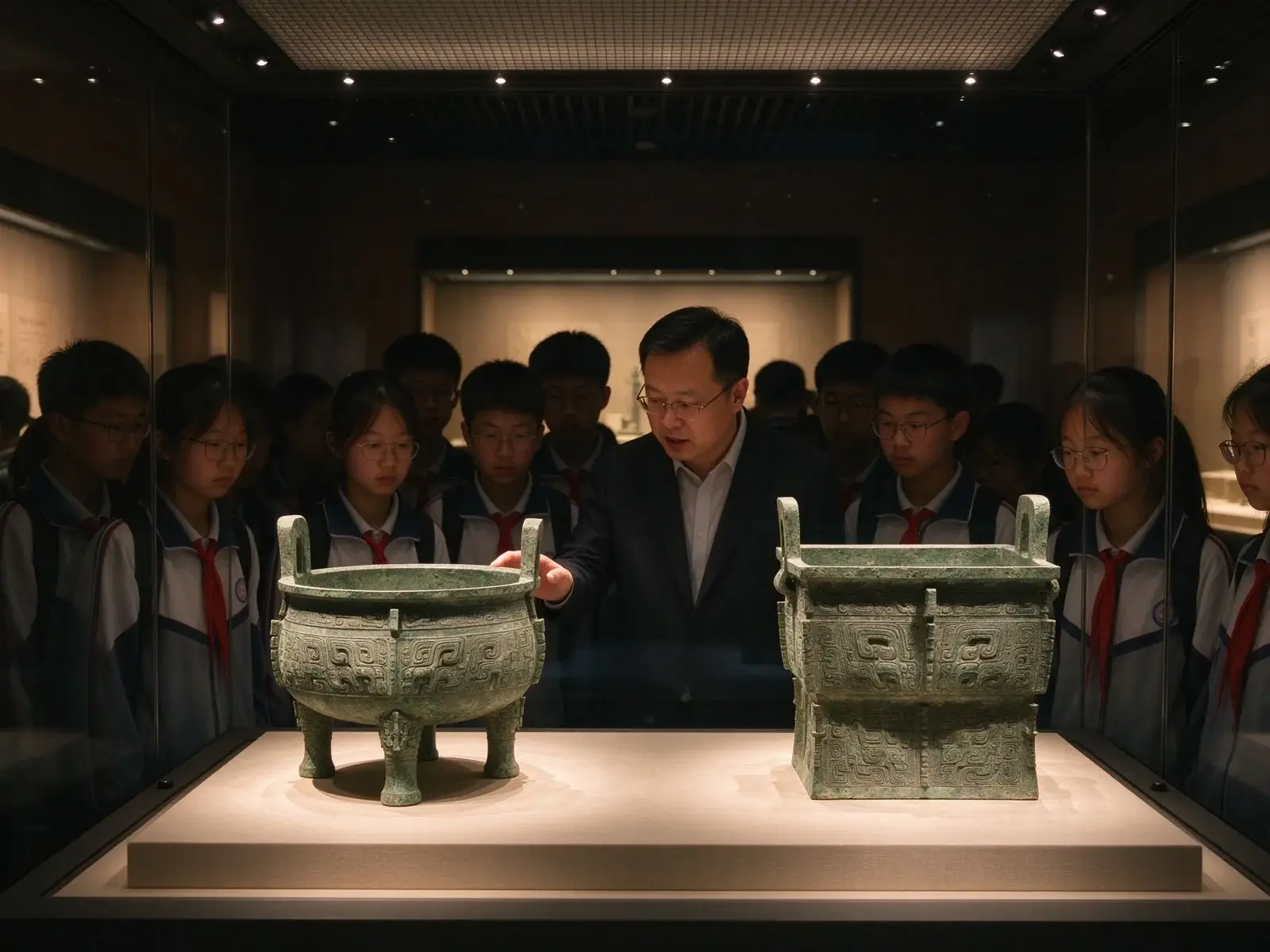
Digital museum & creative district observation
Creative practice and integrated skills
Projects that turn observation into original student work.
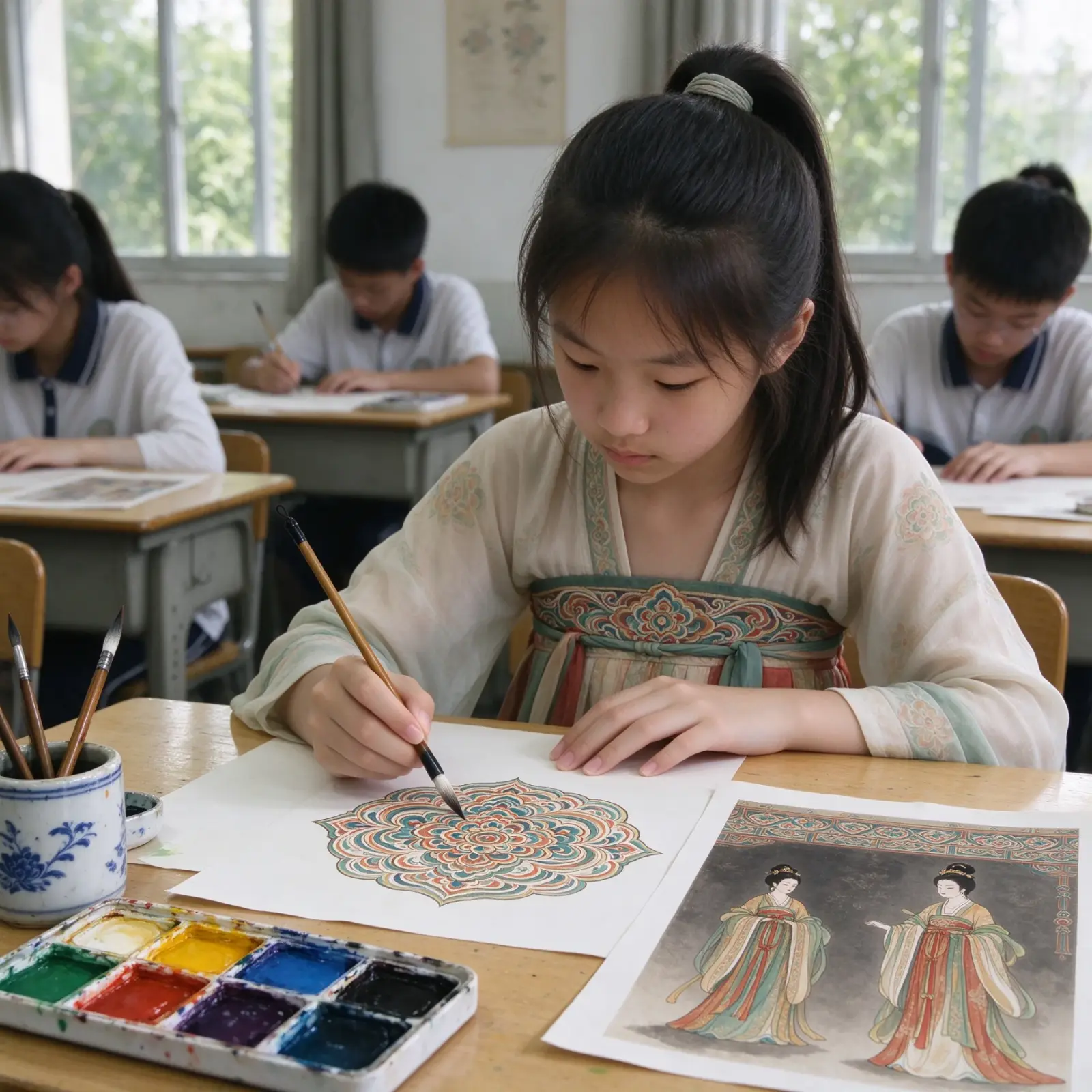
Tang motifs & visual design
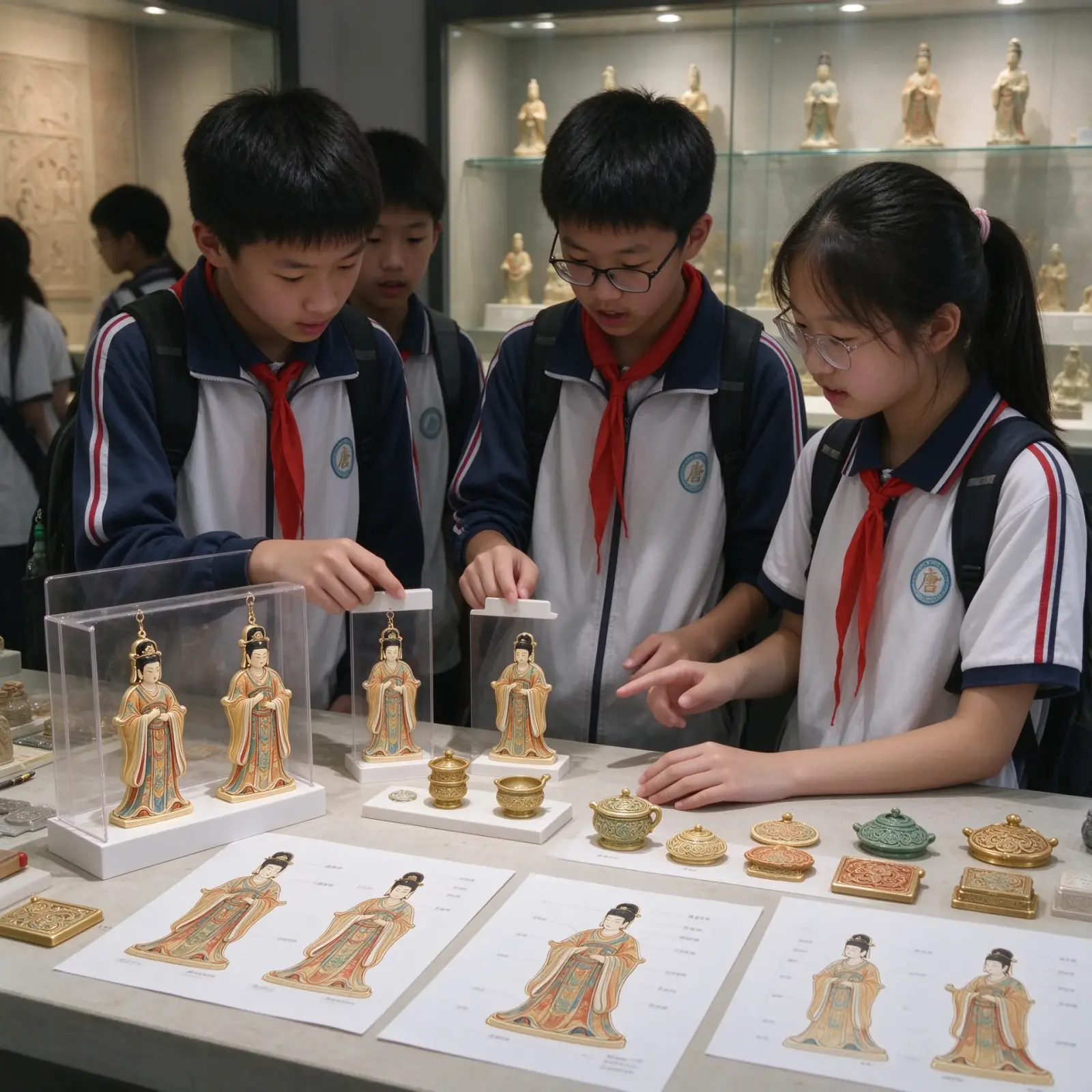
Museum cultural-creative product development
“My Chang’an Brand” project
Silk Road civilisation & international cultural exchange
Outcomes and practical tasks
The value of Xi’an study is not how many places are visited, but whether students truly leave behind outcomes of observation, practice, thinking and creation. Turn every resource point into a task that can be recorded, presented and reviewed.
Artefact observation record
Choose one artefact in a museum or site; record material, dimensions, period, motif and find context; write three unanswered questions; compile an observation card.
A hand-made Chang’an piece
Choose rubbing, clay sculpture, paper-cut or shadow-puppet making; note the hardest step, your corrections and how the result changed.
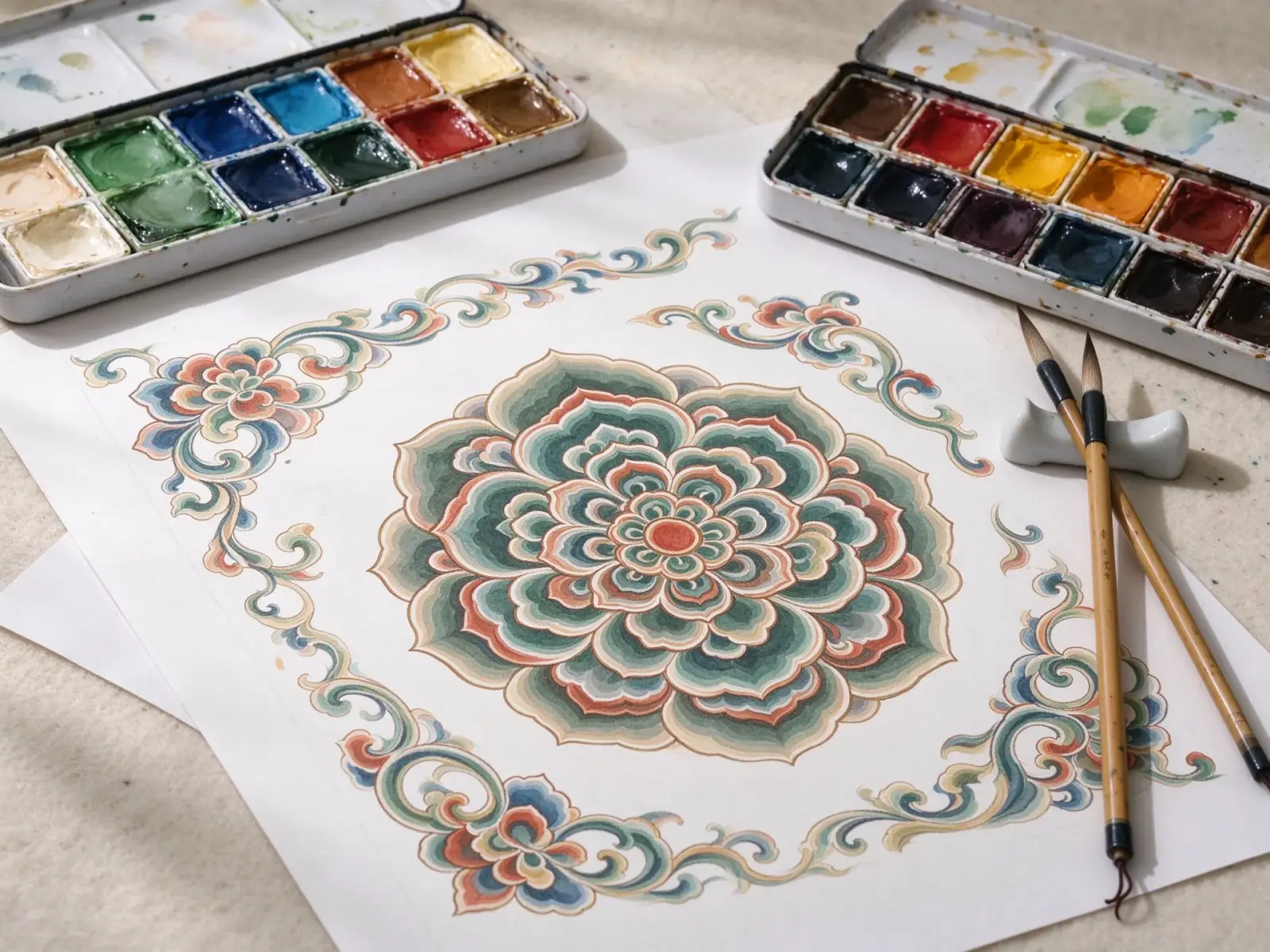
Tang motif design
Extract motif structure and rhythm from Tang objects, textiles or stelae, then add your own theme to make a repeating pattern with both a cultural source and your expression.
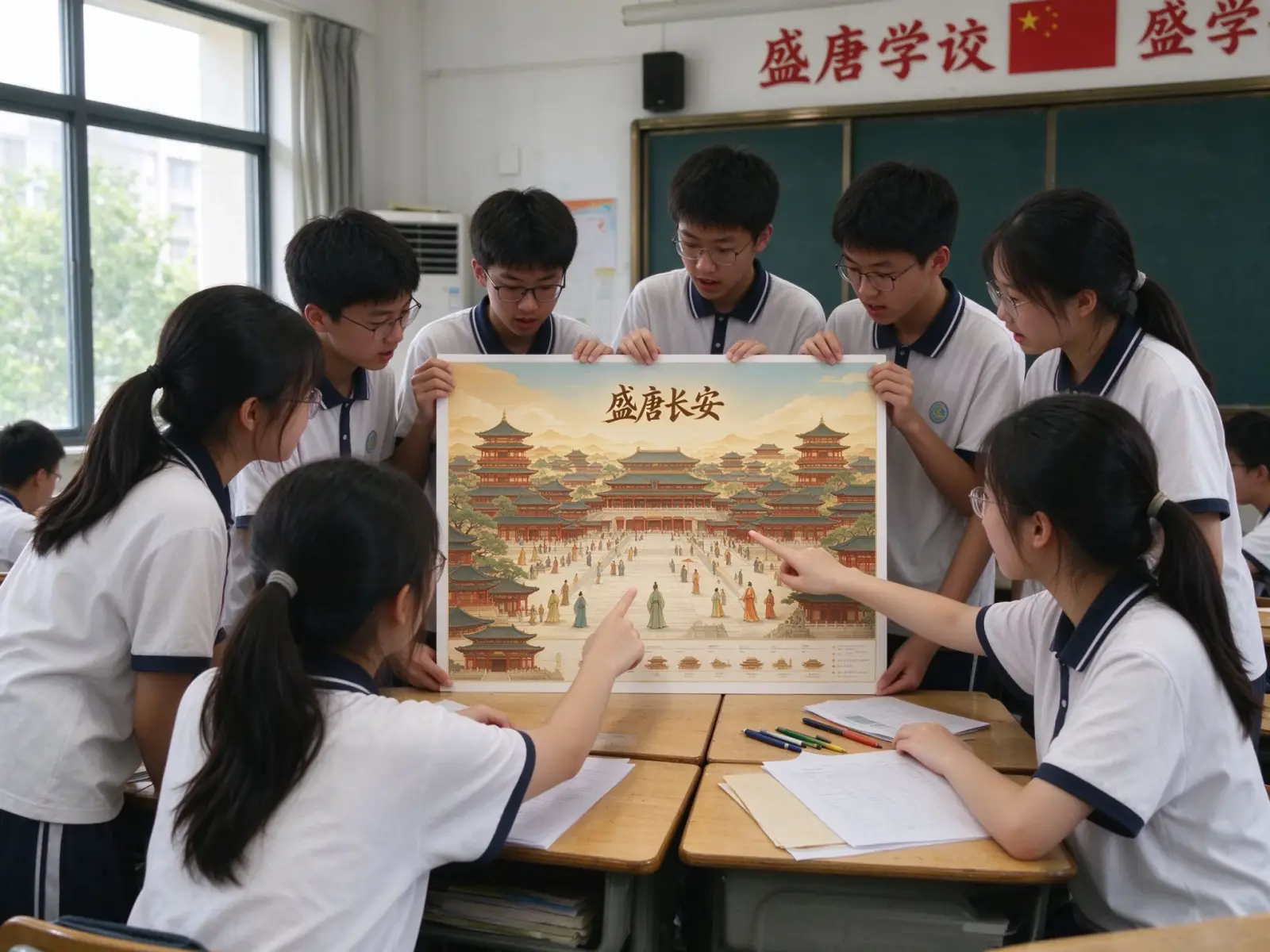
“My Chang’an Brand” group
Produce a brand name, product positioning, packaging concept and three-minute talk — taking outcomes into design and expression.
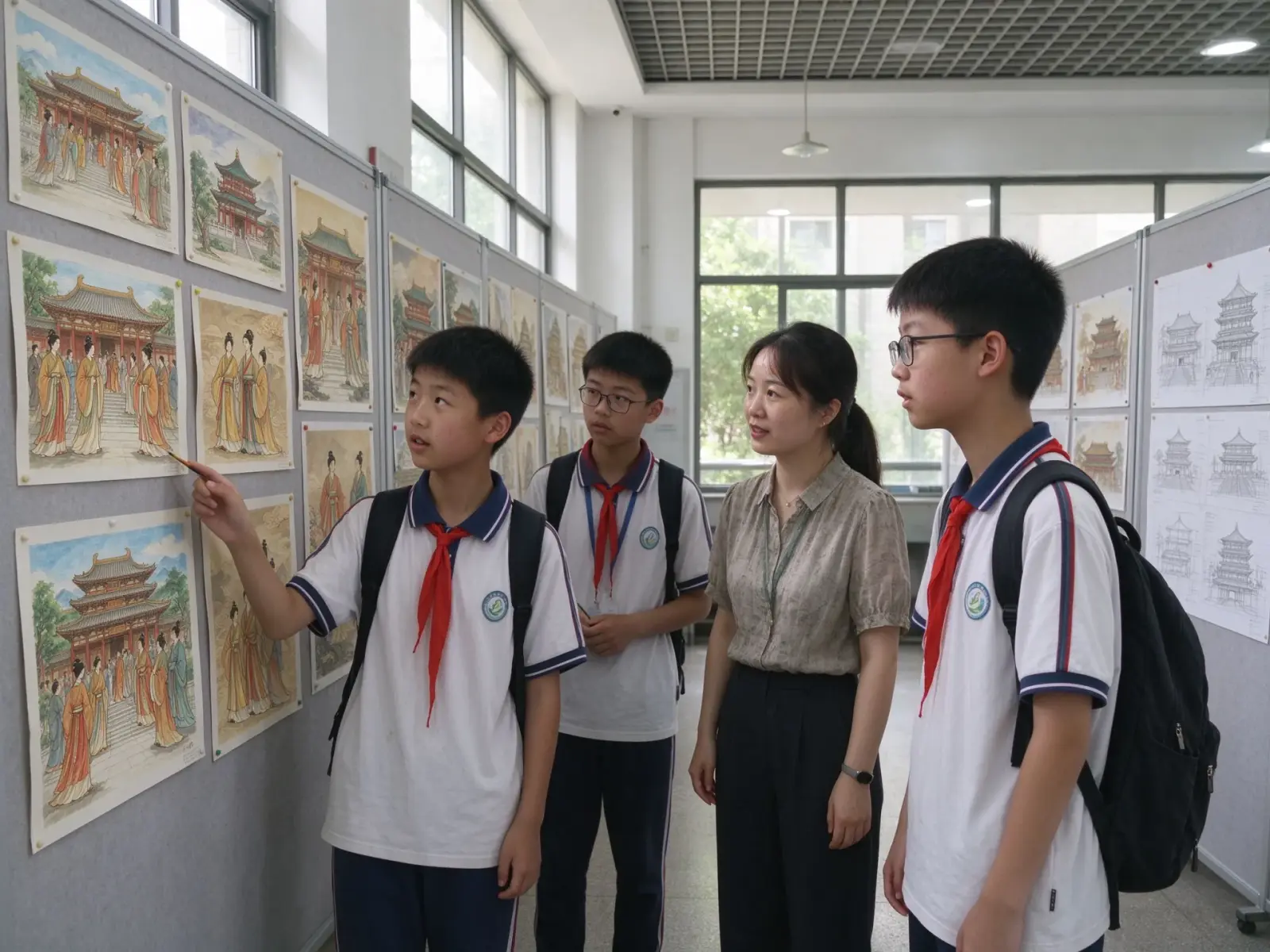
One artefact observation card + one hand-made piece + one Tang motif design + one group “My Chang’an Brand” presentation — joining visiting, practice, thinking and expression into a learning loop that can be shown and reviewed.
Suggested theme combinations
| Theme | Recommended combination | Audience / scenario |
|---|---|---|
| Zhou–Qin–Han–Tang history | Shaanxi History Museum + Mausoleum of the First Qin Emperor + Han Chang’an city site | First study / history and culture courses |
| Archaeology & conservation | Terracotta Army + Banpo site + pottery restoration + mural copying | Upper primary / junior secondary / families |
| Architecture & the city | Xi’an City Wall + Giant Wild Goose Pagoda + Hanguang Gate site | Geography, engineering & urban planning |
| Heritage & art expression | Stele Forest rubbing + shadow play & Qinqiang + Tang motif design | Art, design & comprehensive practice |
| Silk Road & museum innovation | Silk Road heritage + digital museums + creative products + brand project | Senior secondary / university / international |
Xi’an study need not be tied to fixed days or standard routes. The truly tailored approach combines, by age, curriculum goals, interests and budget, six directions — historical literacy, archaeology and conservation, architecture and the city, heritage art, museum innovation and international exchange — so every programme has clear learning goals and deliverable outcomes.
Ready to build your Xi’an study programme?
Share your students’ age, curriculum goals and dates. We will tailor the field studies, hands-on workshops and outcome tasks for you.
Start Planning