
Beijing
BeijingThe Imperial Capital & Living History
Where imperial grandeur meets living heritage
Beijing is China’s capital and the city best suited to showing foreign visitors the historical depth and cultural layers of the country. From imperial palaces and ritual architecture to the Great Wall, hutong lanes, Peking opera and contemporary art districts, Beijing condenses almost everything representative of Chinese civilisation. For first-time visitors, Beijing is not merely a destination — it is a key to understanding China.
Six cultural keywords worth collecting
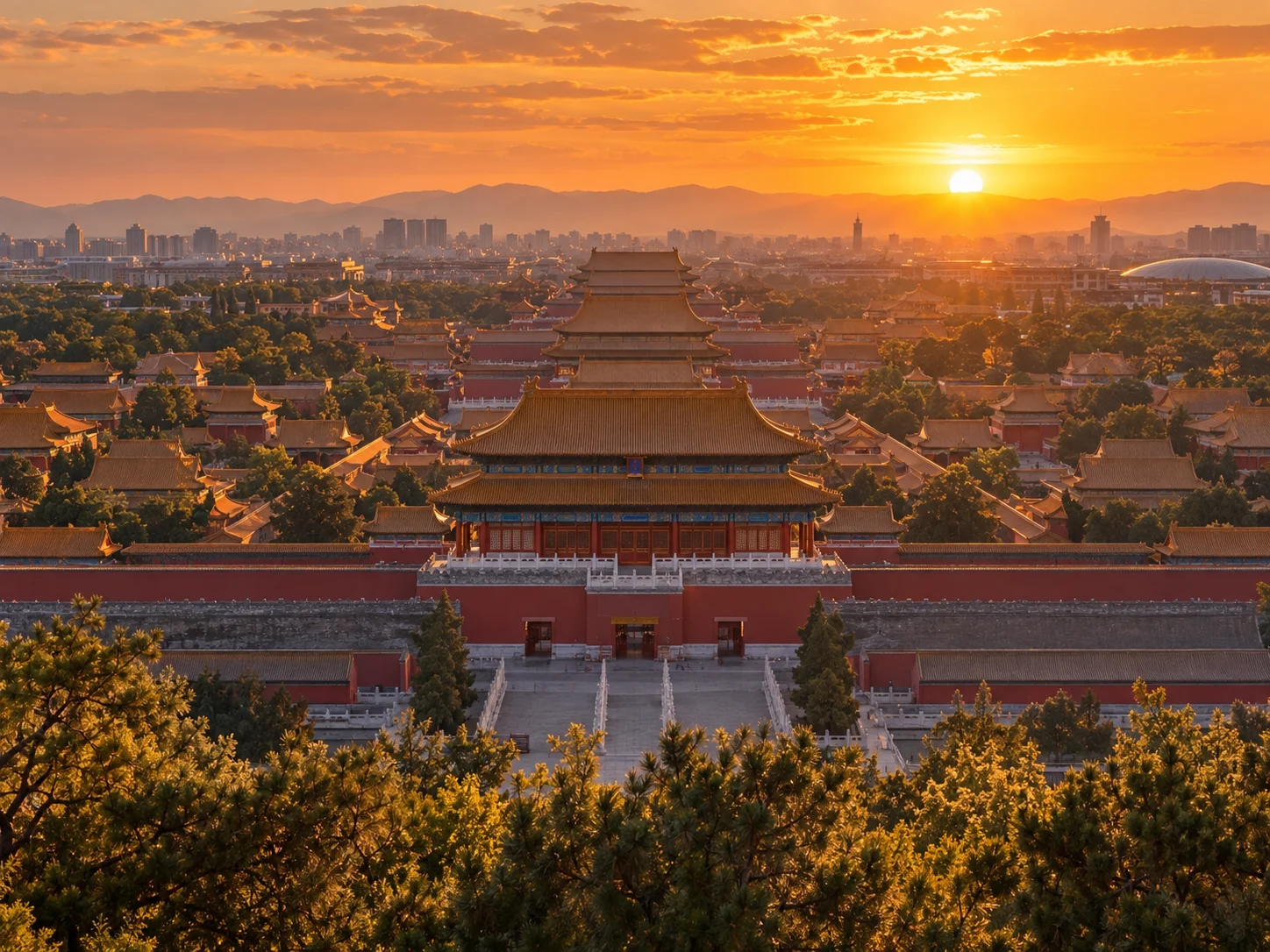
Beijing has served as China’s political centre for centuries, forming a complete imperial system of palaces, ritual sites and capital order.
The Forbidden City, Temple of Heaven and Summer Palace together reveal how power, ritual and aesthetics shaped an imperial capital.
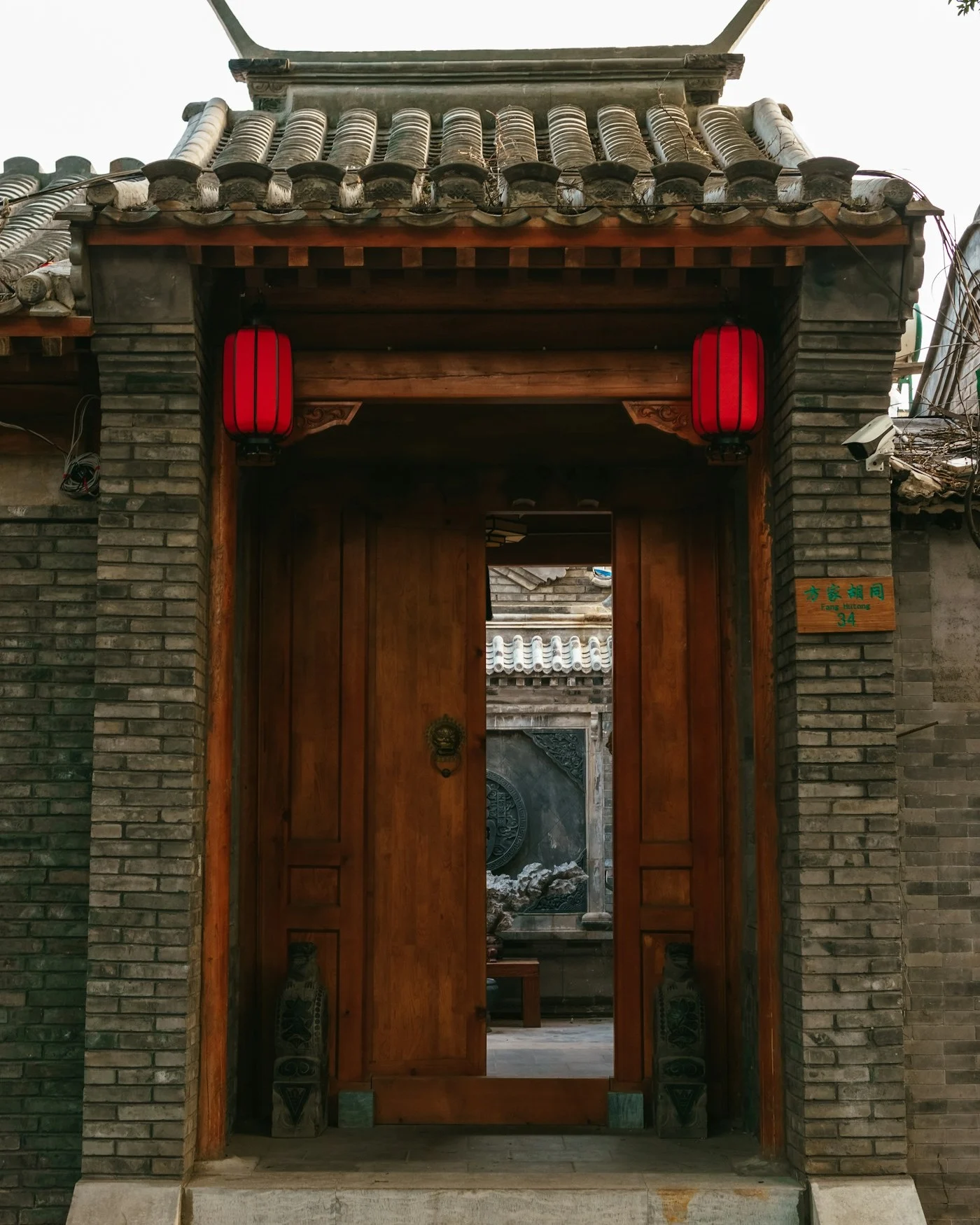
Grey-brick walls, red gates, tree shadows, bicycles and corner shops form the most everyday, warmest side of old Beijing.
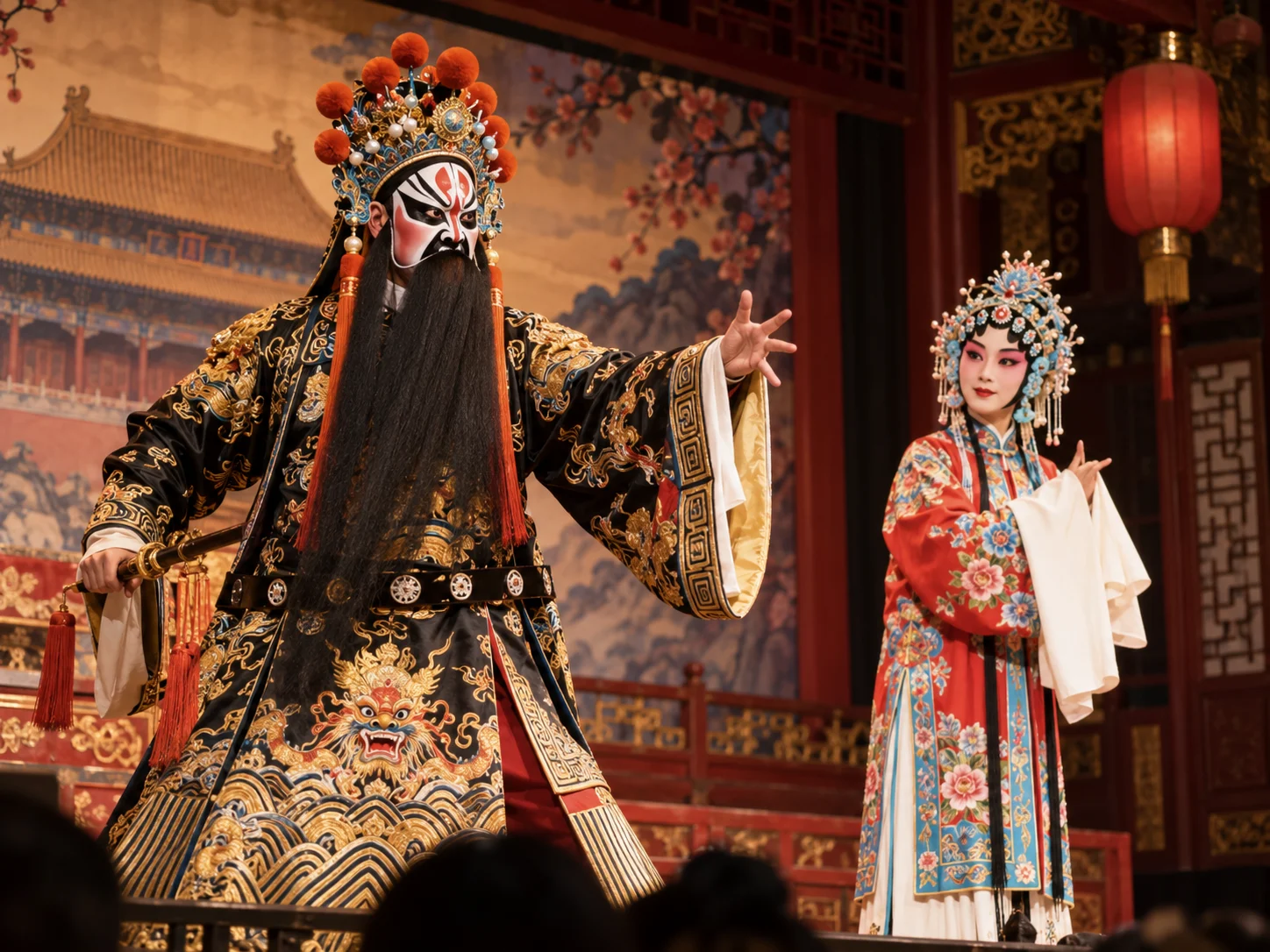
Singing, speech, movement and combat, painted faces and embroidered costumes — Beijing is the great stage of Chinese opera.
The Forbidden City, the Great Wall, the Temple of Heaven and the Summer Palace give Beijing an extraordinary density of world heritage.
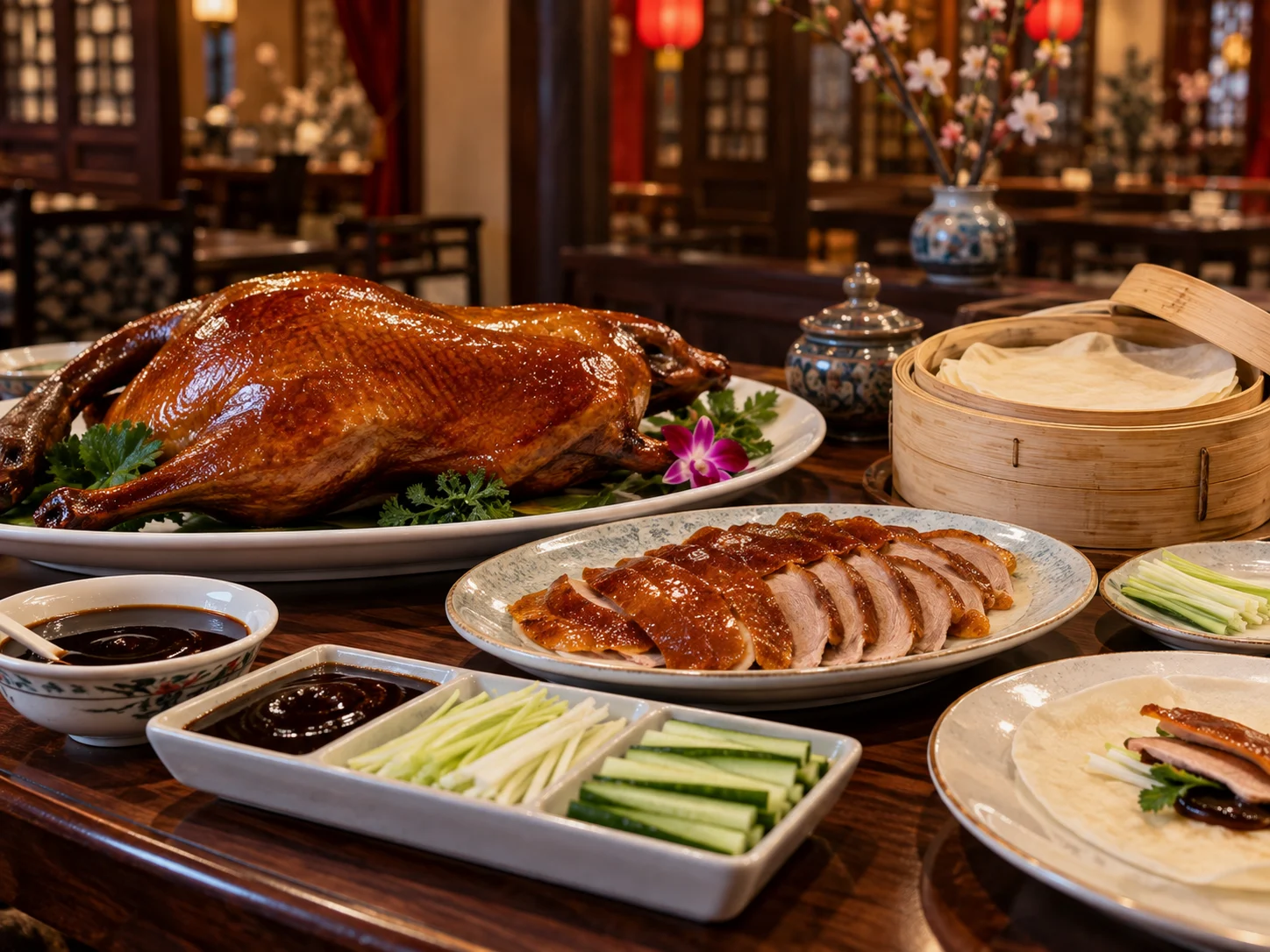
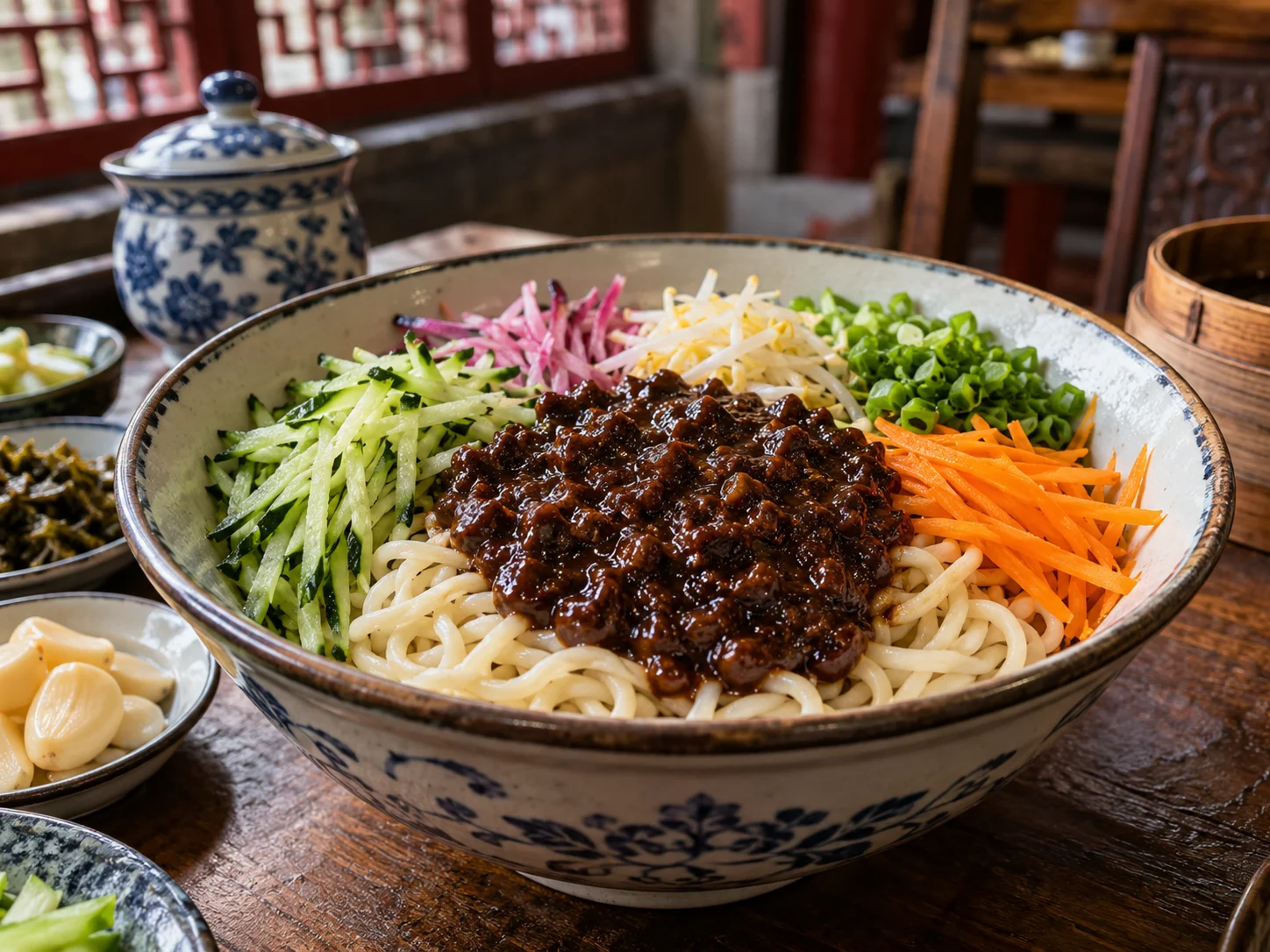
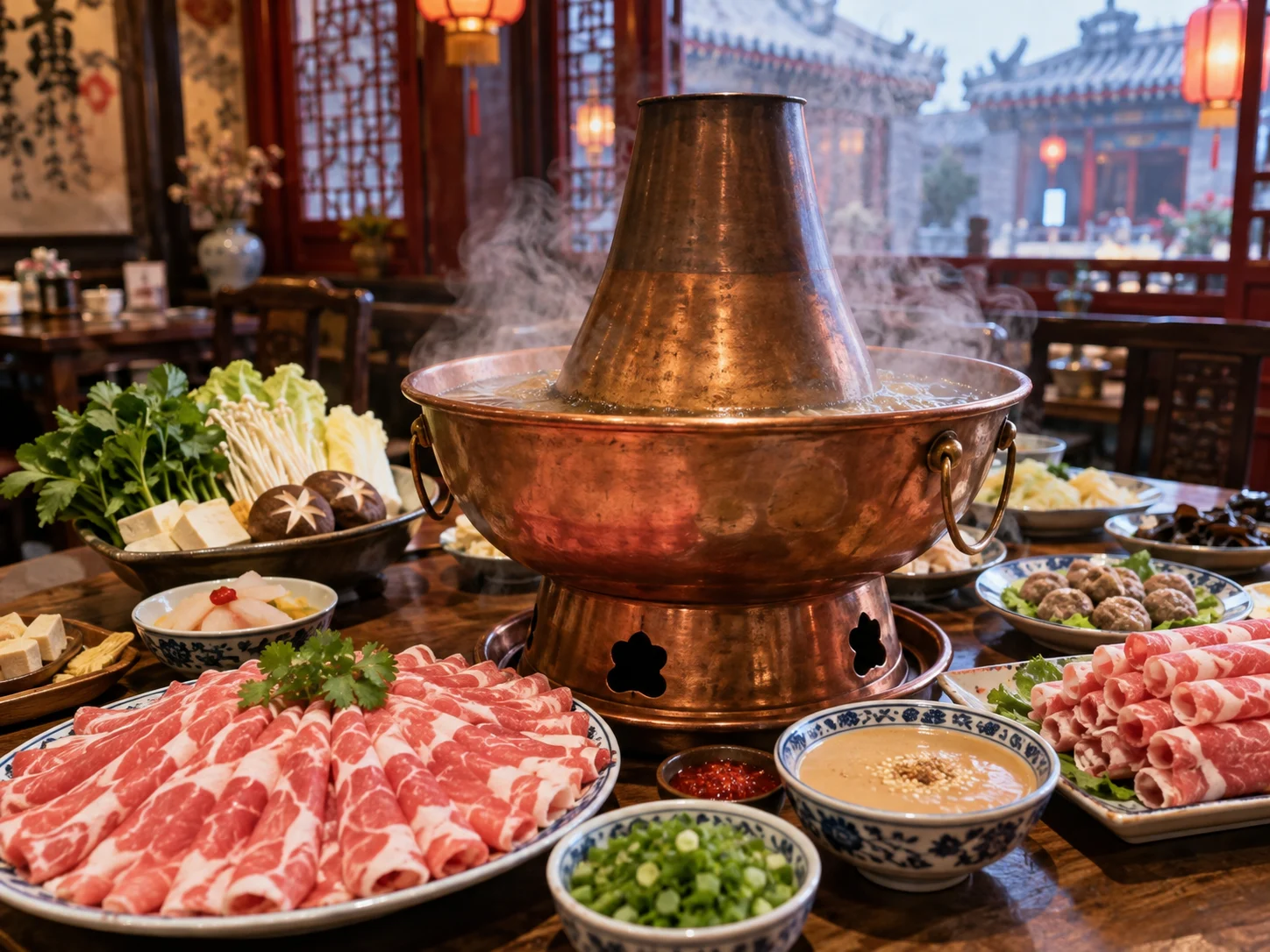
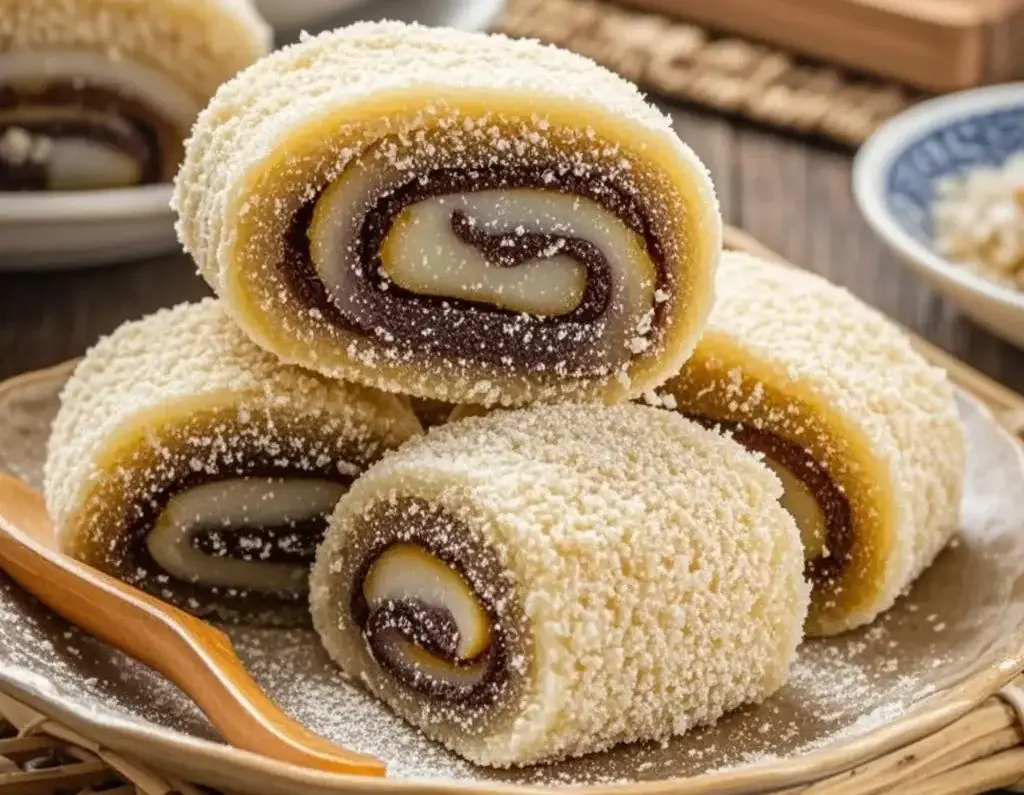
Peking duck, zhajiang noodles, copper-pot hotpot and old-Beijing snacks map the capital’s taste — imperial banquets and hutong warmth at once.
Three depths of discovery
City Essentials
Core city profile · Classic recommendations- The Palace Museum
- Temple of Heaven
- Great Wall
- Summer Palace
- Nanluoguxiang
Cultural Deep Dives
Cultural background · In-depth experiences- Jingshan Park & the Central Axis
- Hutong walks
- Peking opera theatre
- Laoshe Teahouse
- Old-Beijing snack streets
Modern City Experience
Contemporary capital · Lifestyle experience- 798 Art District
- Sanlitun
- Guomao CBD skyline
- Olympic Park
- Wangfujing night walk
Seven currents that made the capital
Royal Culture & the Ritual Order of the Capital
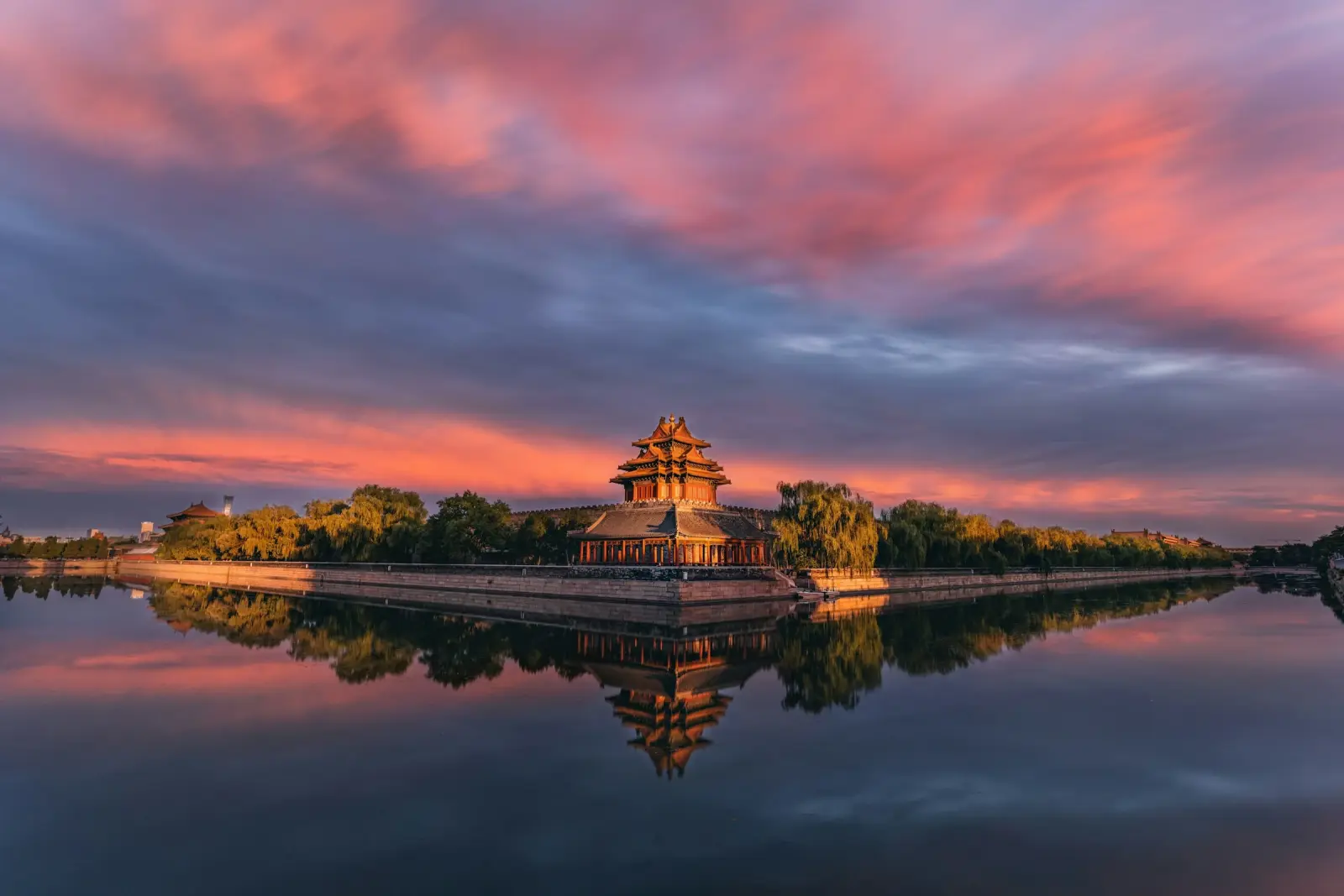
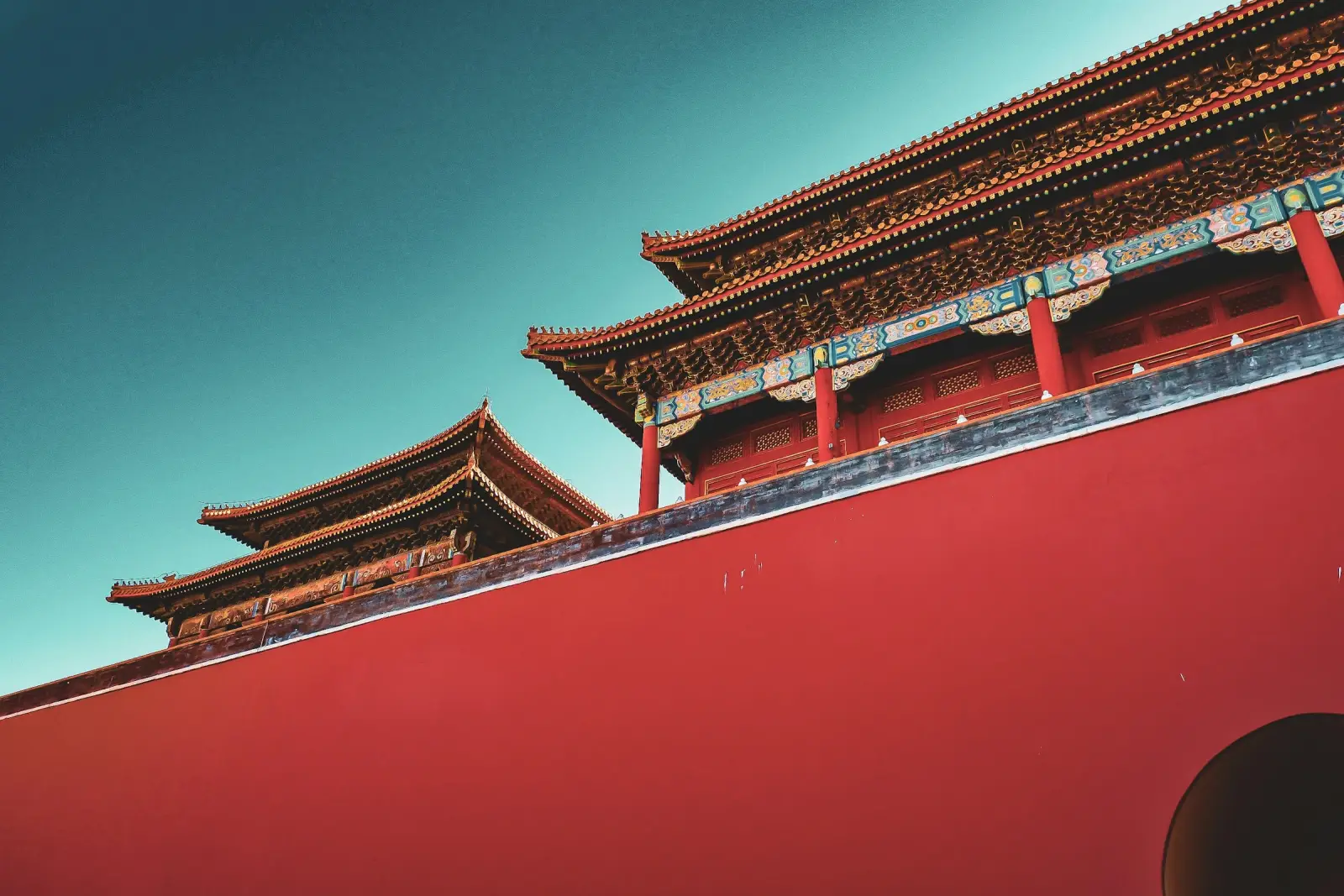
As China’s political centre for centuries, Beijing formed a complete royal cultural system. The Forbidden City represents court order and the centre of imperial power, the Temple of Heaven embodies the state ritual of sacrificing to heaven for good harvests, the Summer Palace expresses imperial pleasure and garden aesthetics, and the central axis organises all of these into a clear capital order. Foreign visitors are, in effect, reading how an ancient imperial capital expressed power and civilisation through architecture, space and ritual.
The Central Axis & Ancient City Planning
The Beijing central axis is the most important key to understanding the city. It is not simply a sightseeing concept but a tangible expression of classical Chinese capital planning — symmetry, hierarchy, ritual order and spatial control. Walking from Tiananmen through the Forbidden City to Jingshan Hill makes the “ceremonial rhythm of a capital” directly visible.
Hutongs, Courtyards & Old Beijing Life
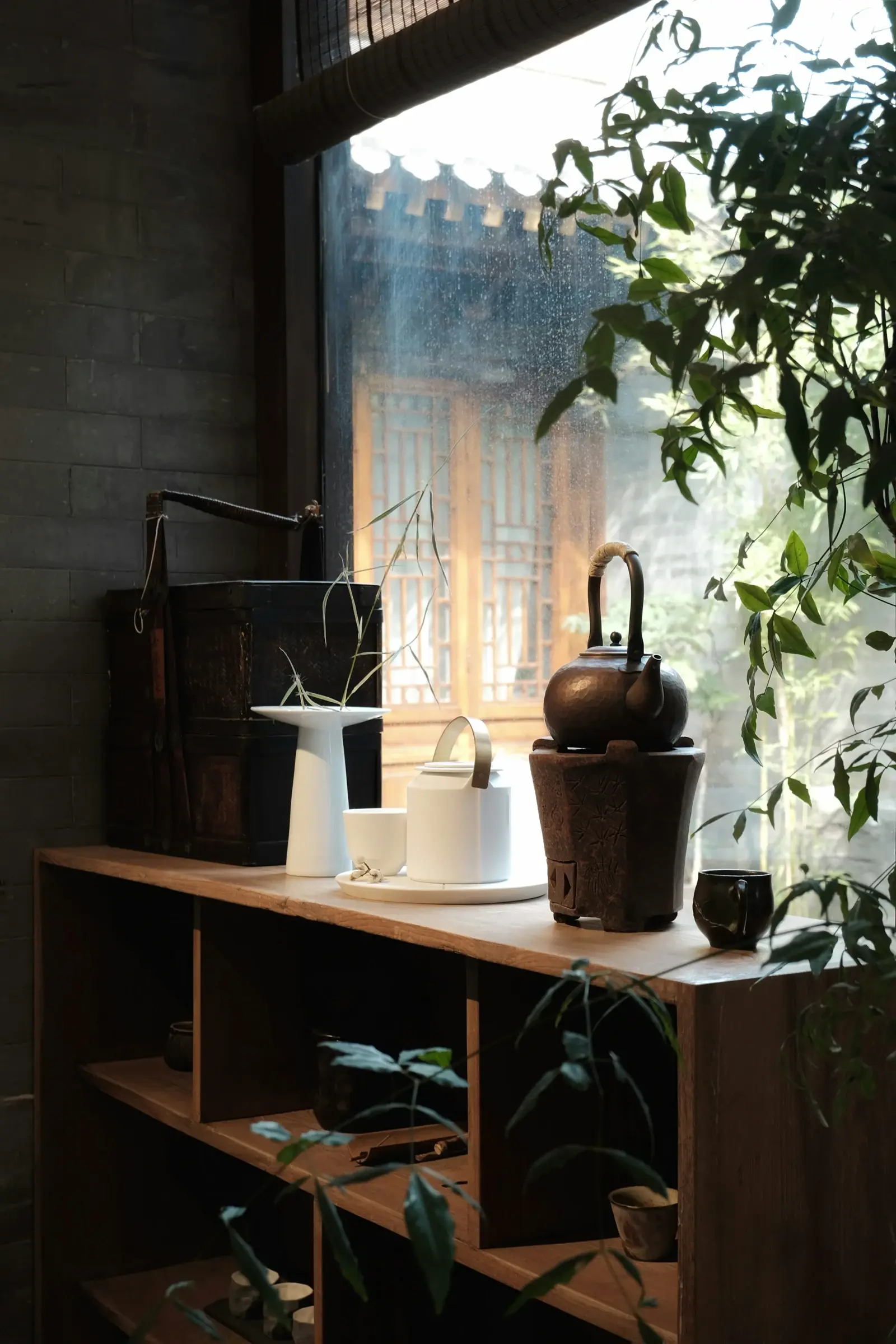
Unlike the grandeur of imperial architecture, hutongs represent the most everyday and warmest side of Beijing. Grey-brick walls, red gates, tree shadows, birdcages, bicycles, neighbourly chat and small lane shops together compose the picture of old-Beijing life. Hutongs are not merely “old houses” — they carry urban memory and community relationships, and for foreign visitors they are walkable, observable and interactive spaces that often move travellers more than monuments alone.
The Great Wall & Mountain Memories
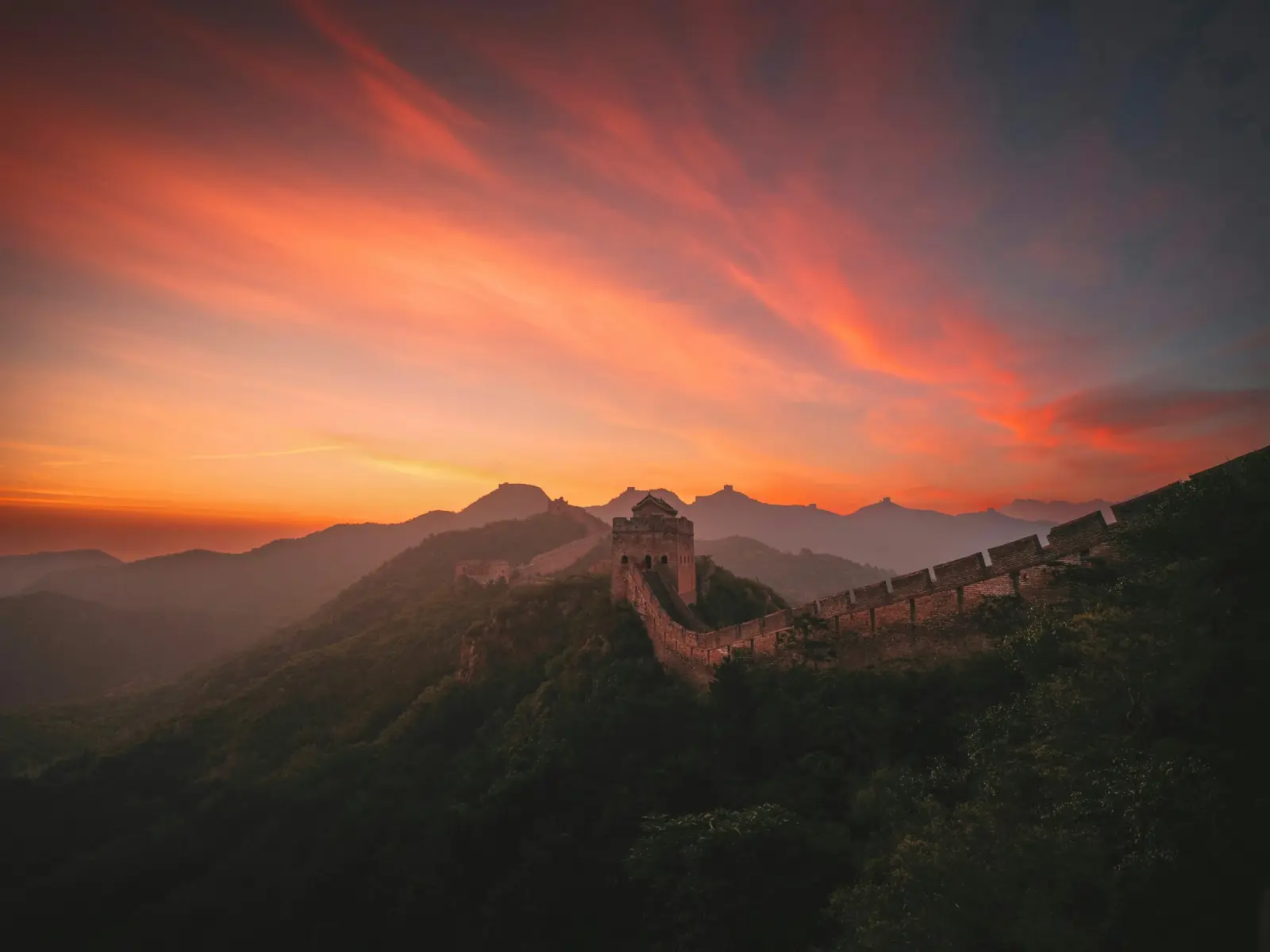
The Great Wall around Beijing is one of China’s most symbolic cultural landscapes. It demonstrates ancient Chinese engineering while binding national defence, natural mountain forms and historical memory together. Whether for first-time visitors or seasoned culture travellers, the Great Wall is usually one of the most powerful experiences Beijing can offer.
Beijing Flavour: Food, Teahouses & Urban Warmth
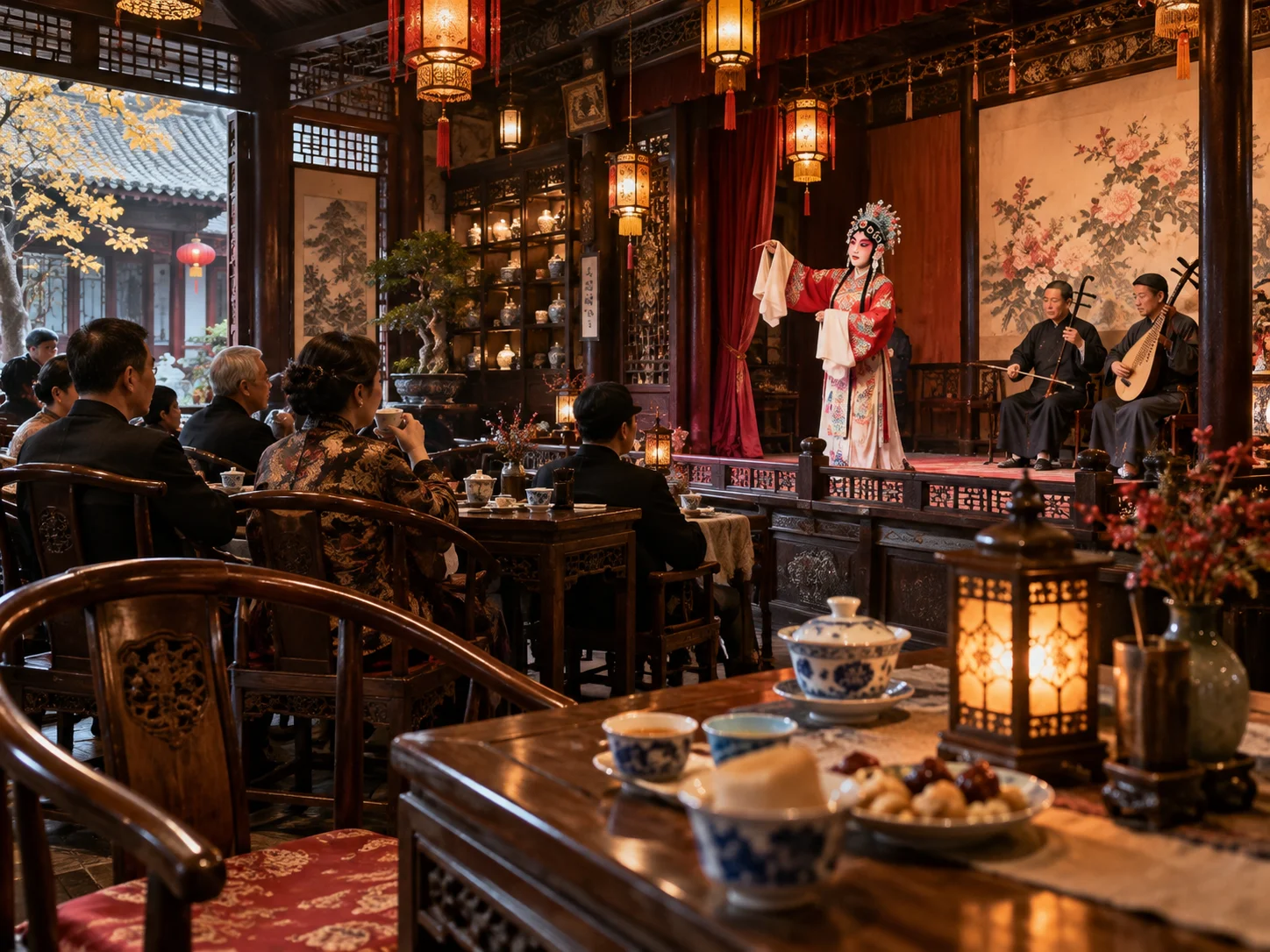
Beijing’s appeal does not come from imperial buildings alone, but also from the daily life genuinely happening in a capital city: time-honoured roast duck, hutong noodle shops, steaming copper-pot mutton hotpot in winter, storytelling and cross-talk in teahouses, and breakfast stalls along the streets. This coexistence of “historical weight” and “everyday intimacy” is exactly what touches foreign visitors about Beijing.
Peking Opera & Traditional Theatre
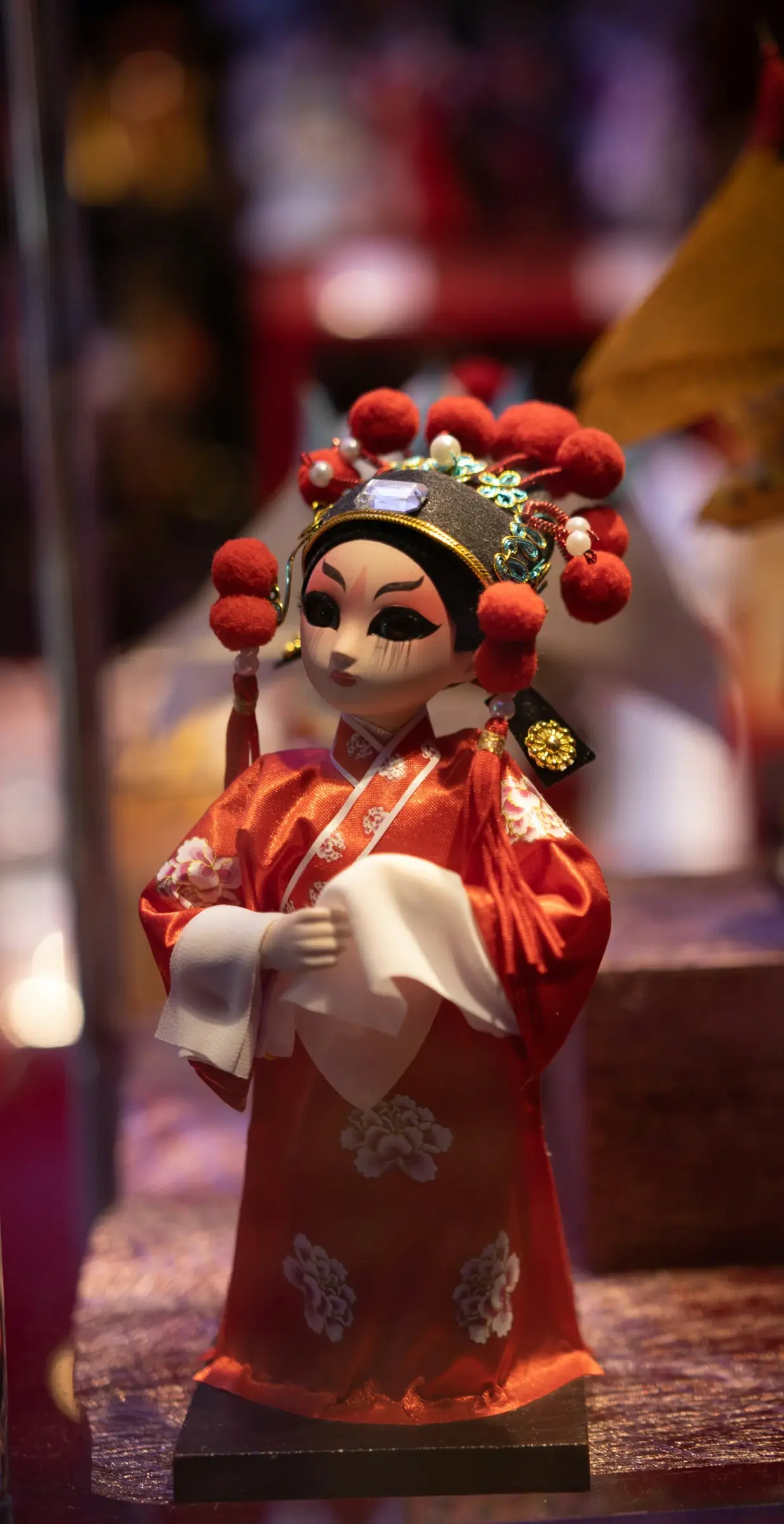
Peking opera is one of China’s most representative traditional theatres, and Beijing is its most important stage and centre of transmission. The performance system of singing, speech, movement and combat, together with painted faces, costumes, postures and the rhythm of gongs and drums, forms a stage art of rich oriental aesthetics. For foreign visitors, Peking opera is not just a show — it is a rapid, intuitive way to sense the temperament of traditional Chinese art.
A Modern Capital
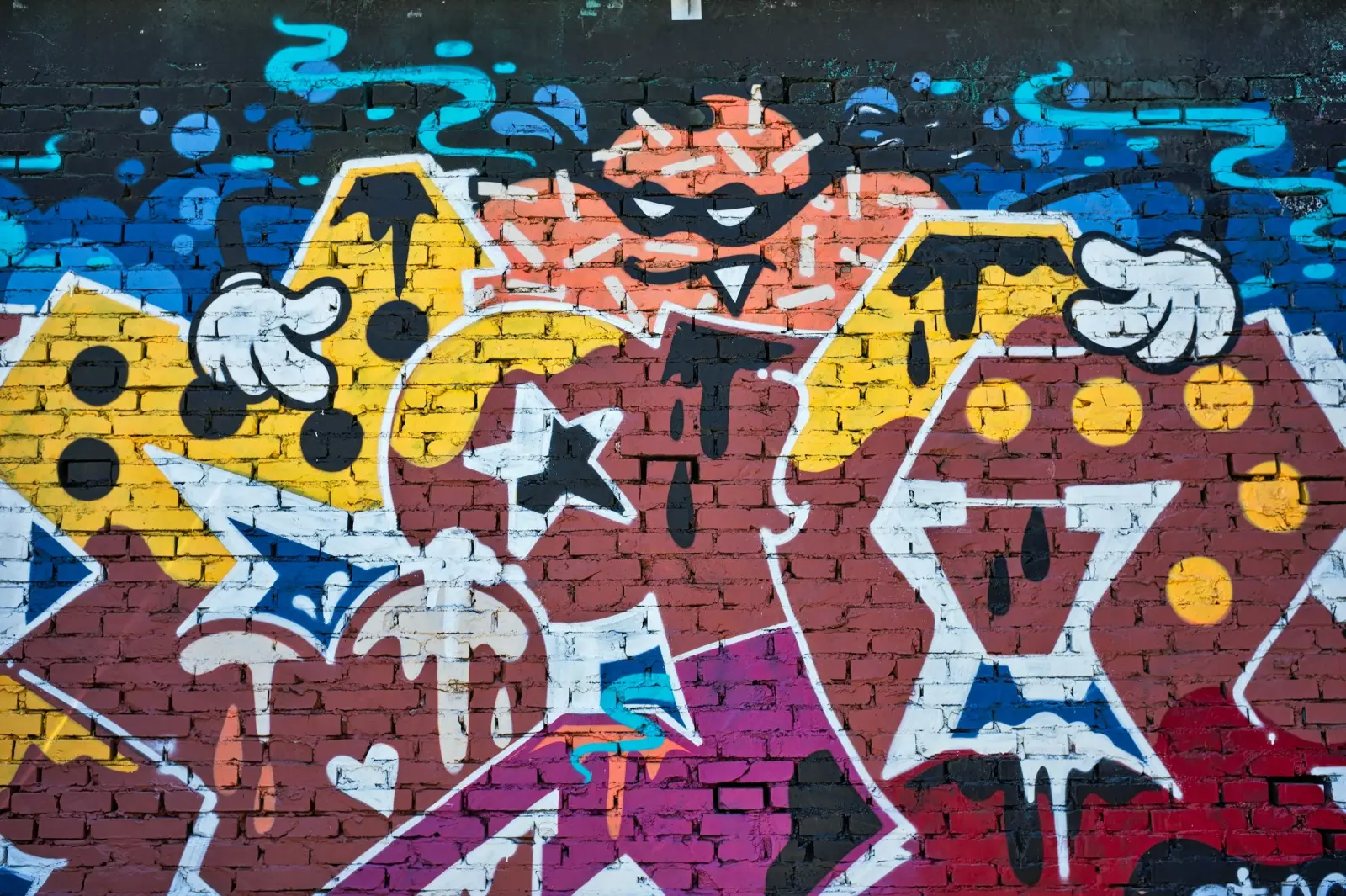
Today’s Beijing is also an international city in continuous renewal. The 798 Art District, Sanlitun, the Guomao CBD and the Olympic Park let visitors see that Beijing holds not only ancient monuments but also a vivid contemporary urban energy — a capital where history and the present stand side by side.
Where to begin
Six places that together carry the essence of Beijing — the imperial palace of the Forbidden City, the ritual space of the Temple of Heaven, the Great Wall in the northern mountains, the garden world of the Summer Palace, the courtyard lanes of Nanluoguxiang and the lakeside rhythm of Shichahai.
History, memory & heritage
For travellers who want to go past the postcards: the panoramic central axis from Jingshan, the monumental line of Tiananmen and the Forbidden City, unhurried hutong walks, a night at the Peking opera, storytelling and tea at Laoshe Teahouse, and the creative renewal of the 798 art quarter.
The city beyond tradition
A converted industrial art district, the youthful international pulse of Sanlitun, the skyline of the Guomao CBD and the public spaces of the Olympic Park — Beijing at leisure, beyond the monuments.
The taste of imperial & everyday Beijing
Six tastes of local life
The charm of Beijing food is not only whether a single dish is delicious, but the strong cultural and scenic feeling behind it. It carries both the banquet tradition of a capital and the everyday warmth of the hutongs — you can dine on roast duck in a time-honoured restaurant, or taste genuine “home-style Beijing” in a bowl of noodles from a hutong shop.
How to eat the city
Watch the carving ceremony and wrap the crisp skin yourself.
The plainest, most genuine taste of everyday Beijing.
Share the winter ritual of mutton and sesame sauce.
Sip tea and let old Beijing perform around you.
Five ways to walk the capital
Beijing is not only historical weight, and it is not only capital aura. What truly moves visitors is the layering of royal civilisation, the ancient city’s fabric, hutong warmth, everyday food, opera culture and the vitality of a modern capital — all standing in one city. 北京不只是历史厚重,也不只是首都气场。它真正动人的地方,在于皇家文明、古都肌理、胡同烟火、美食日常、戏曲文化与现代城市活力共同构成的层次感。
Start Your Journey