
Chengdu
ChengduThe City of Pandas & Slow Living
Where ancient Shu culture meets slow city life
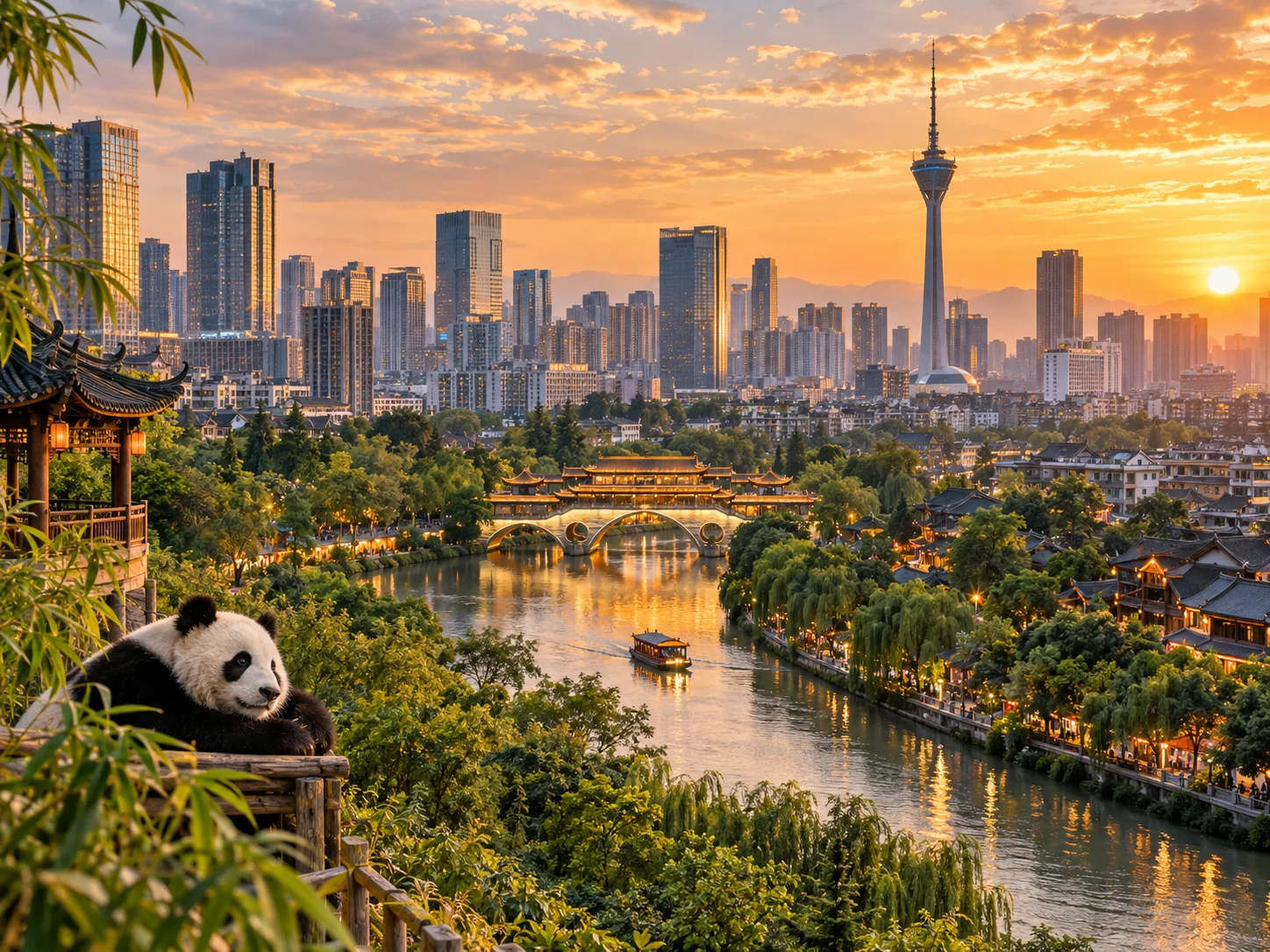
Chengdu lies in the western Sichuan Basin and is one of the most representative cities of Southwest China — and one of the best city samples through which foreign visitors can understand “Chinese lifestyle travel.” It possesses the historical depth of ancient Shu civilisation and Three Kingdoms culture, and an unmistakable urban temperament of giant pandas, teahouses, Sichuan cuisine, nightlife and slow-paced neighbourhoods.
Six cultural keywords worth collecting
Chengdu carries the legacy of ancient Shu civilisation and the Bashu local tradition — an important entrance to the history, folklore and local character of Sichuan.
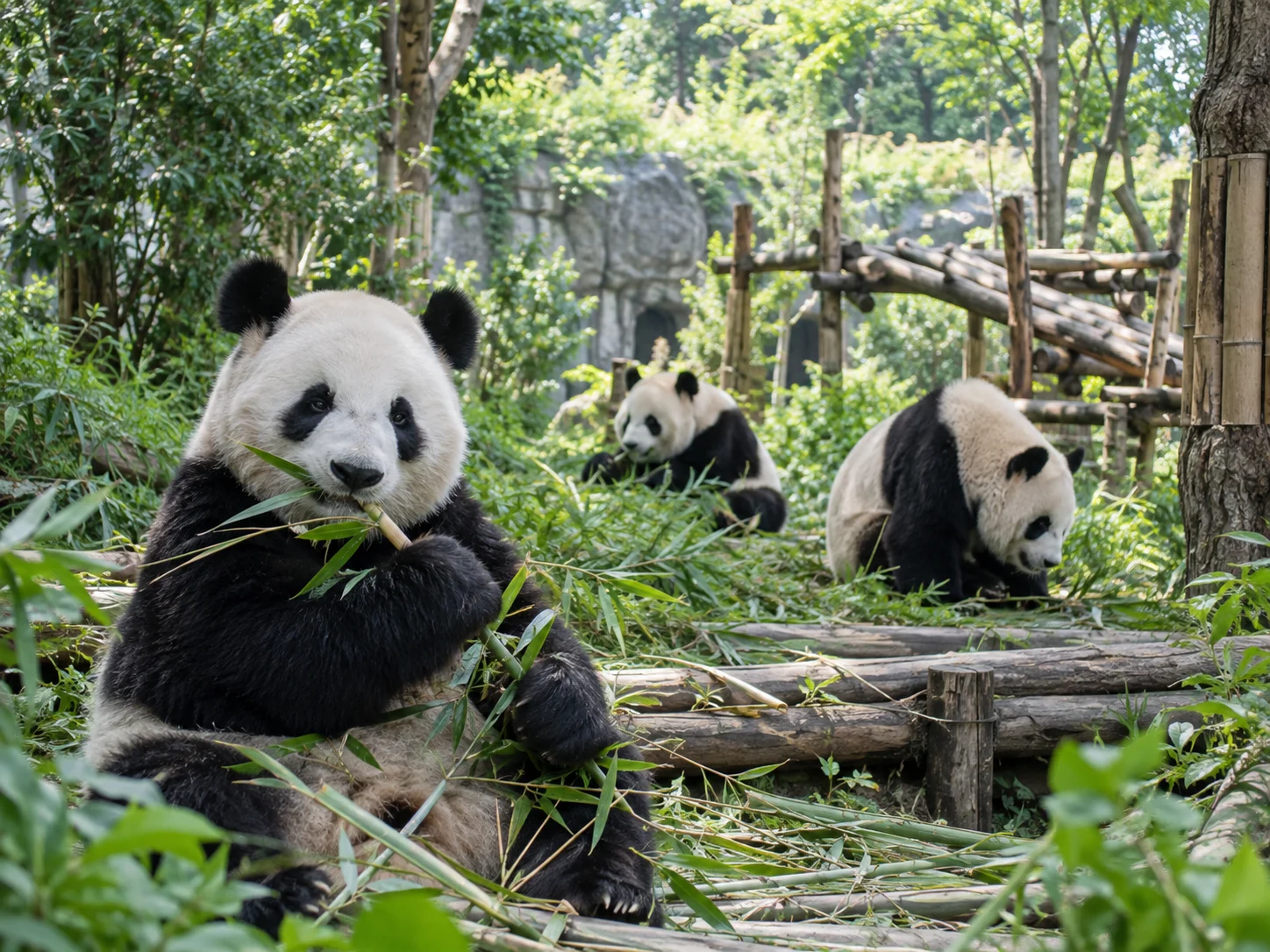
The giant panda has become Chengdu’s most recognisable calling card to the world, giving the city a natural warmth and affinity.
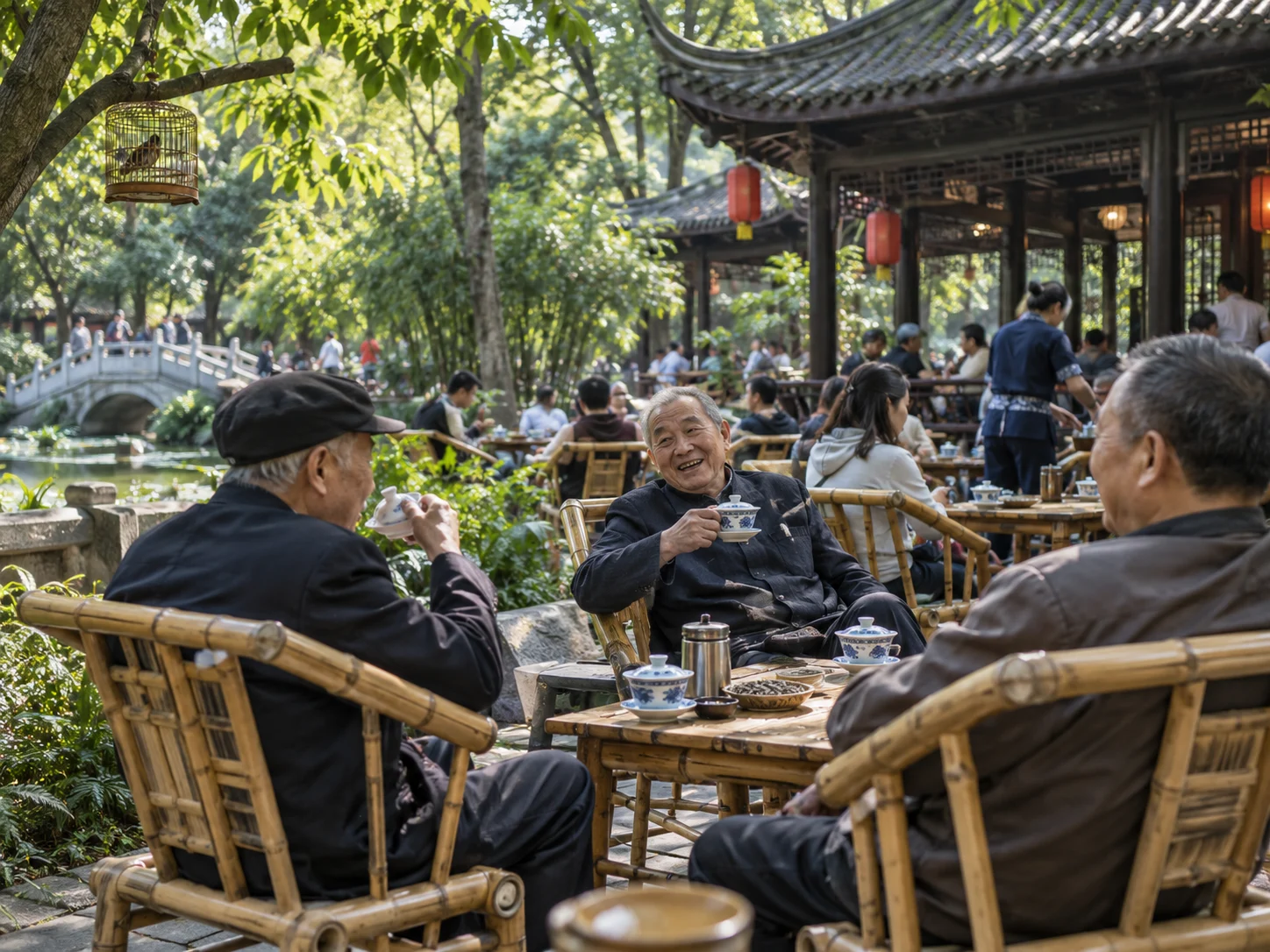
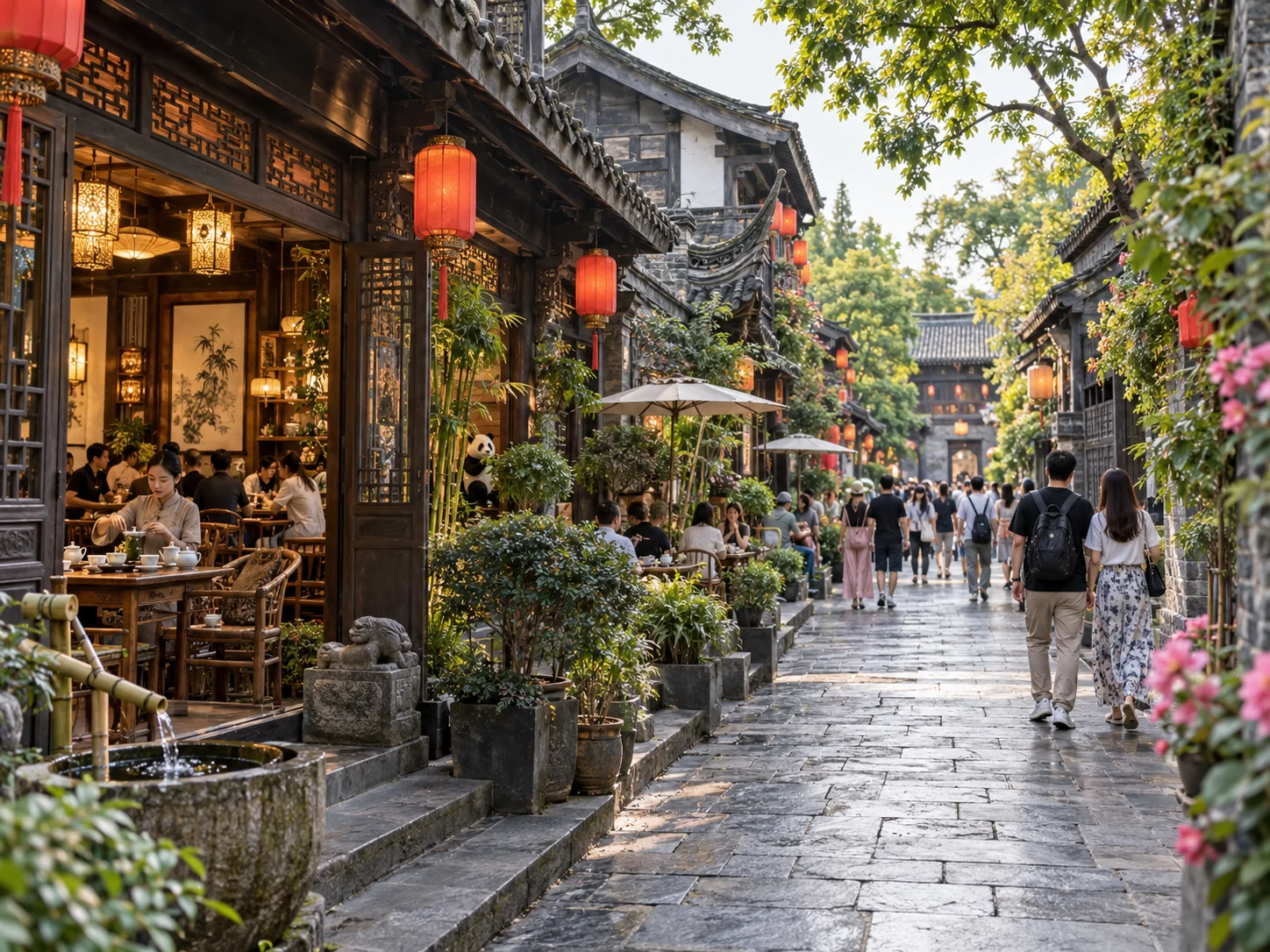
Teahouses, lanes, parks and nightlife together form Chengdu’s “slow down” urban experience — the city’s greatest charm.
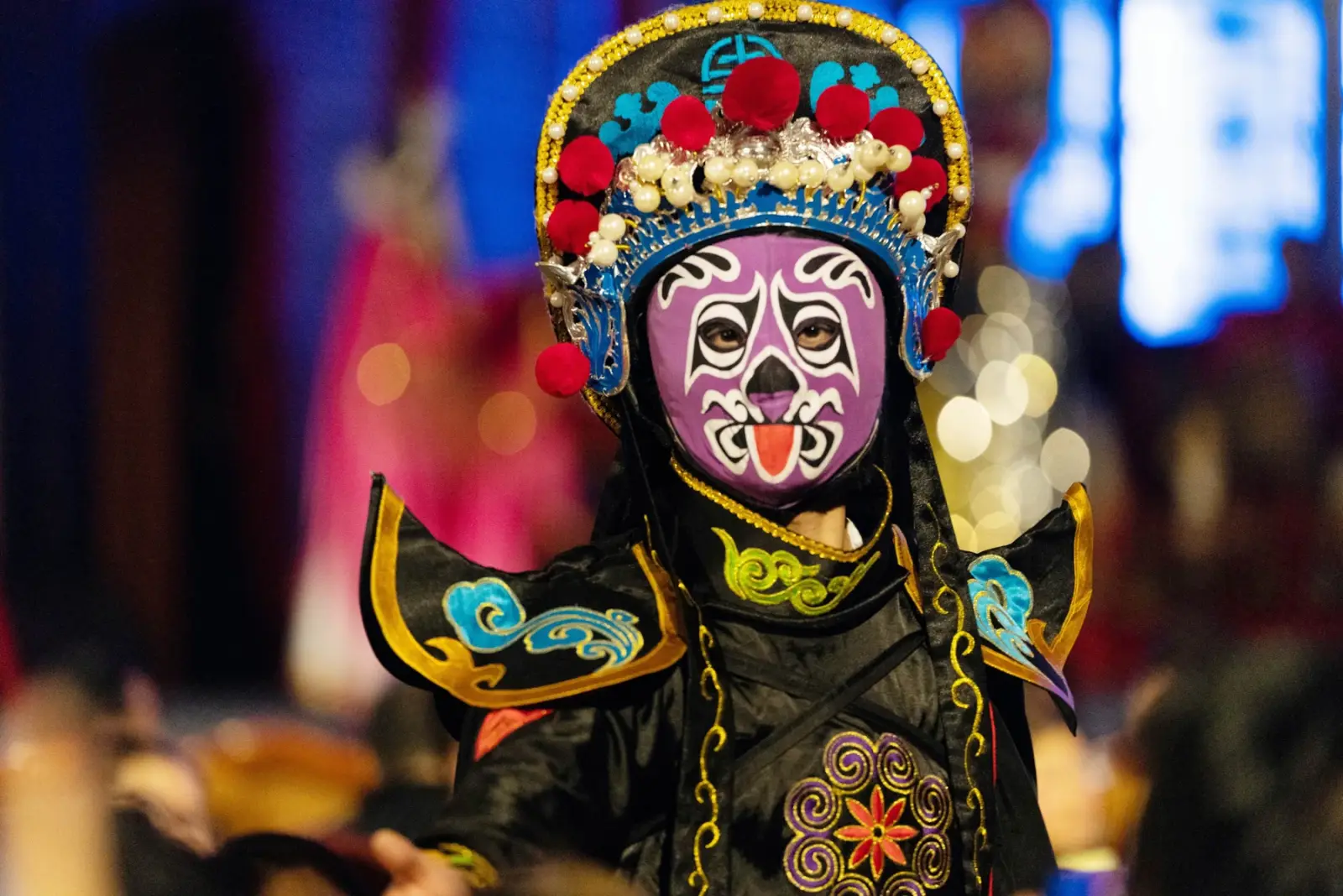
Face-changing and fire-spitting are among the traditional stage arts that foreign visitors can most intuitively enjoy.
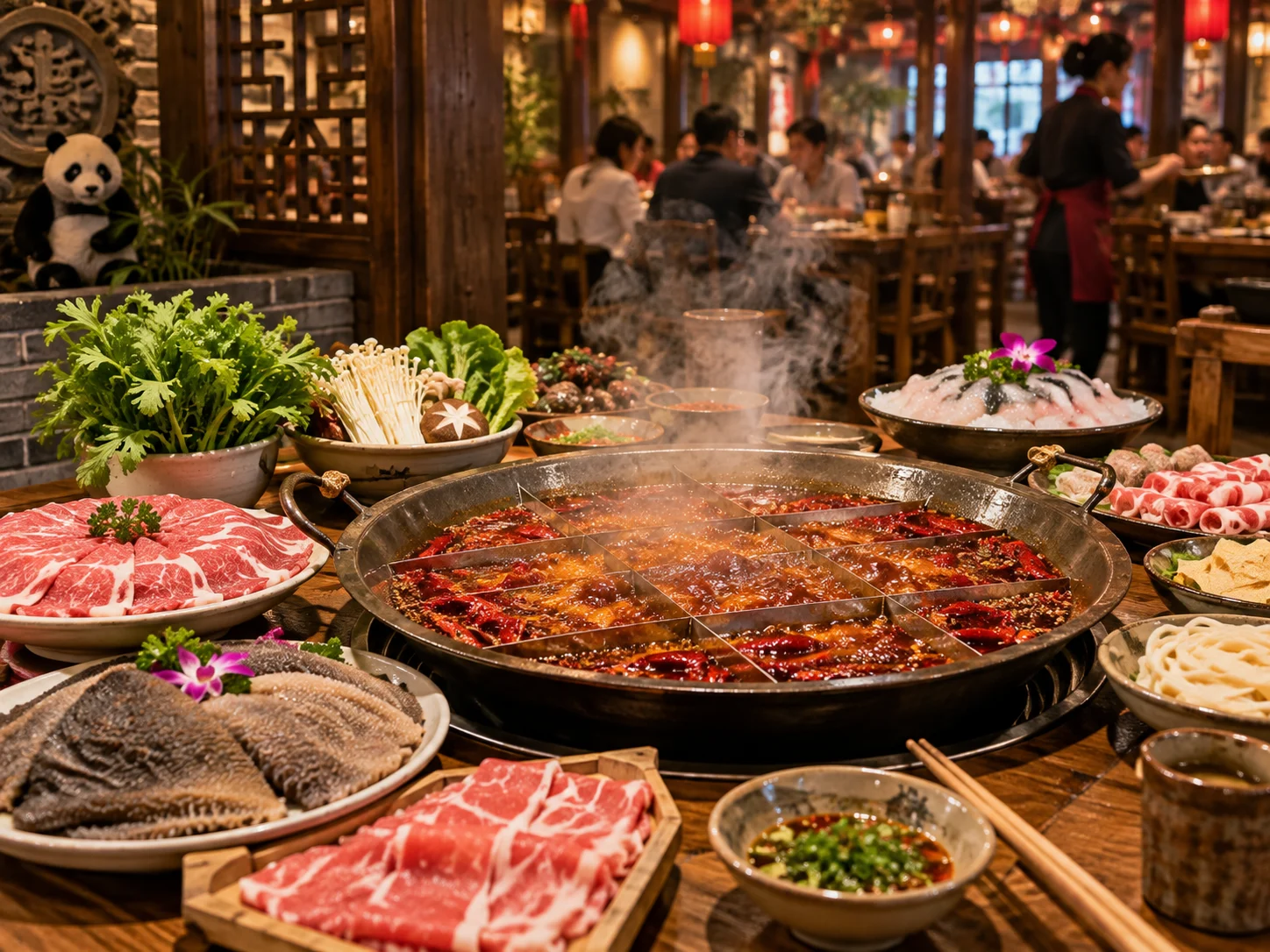
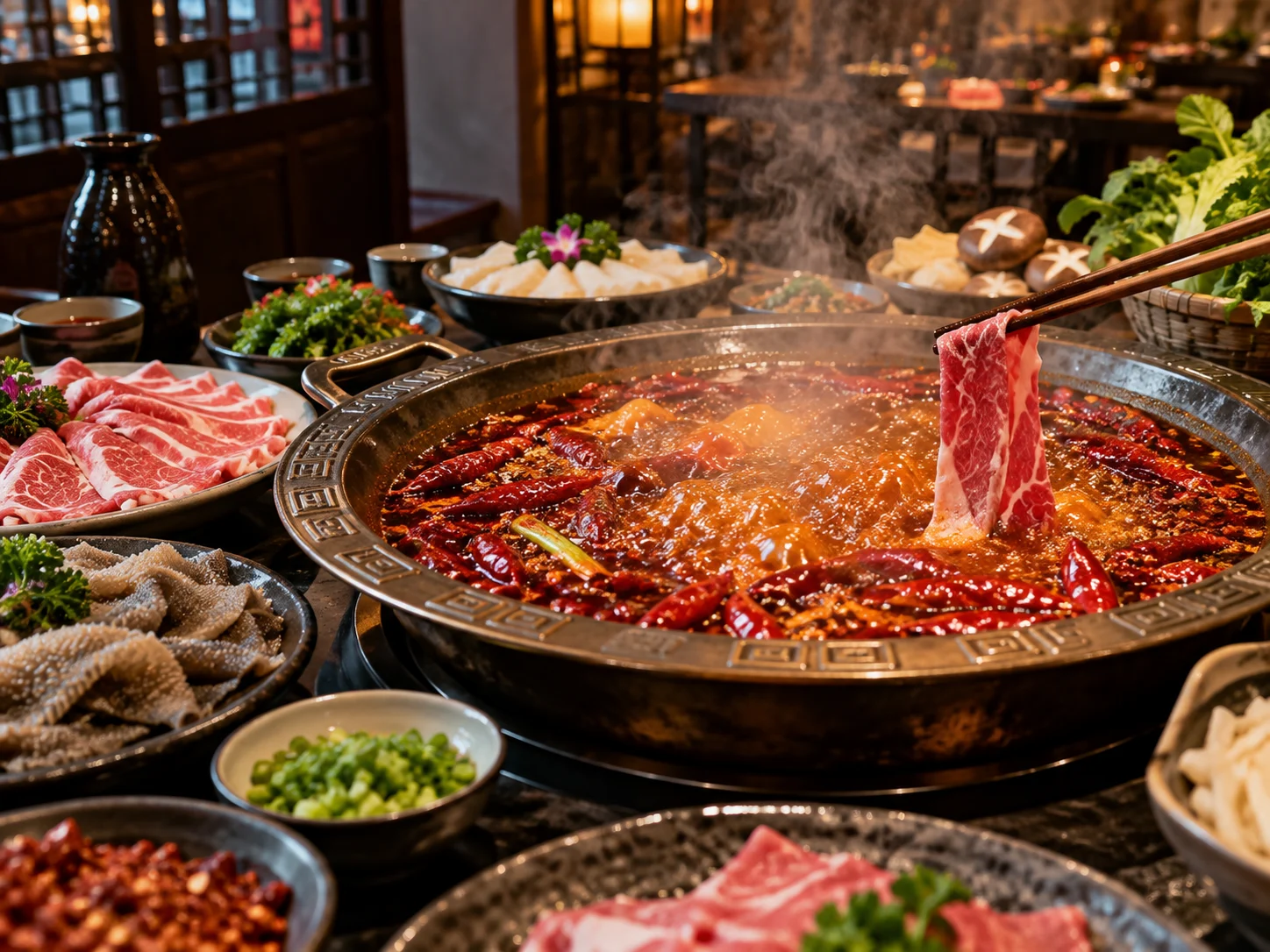
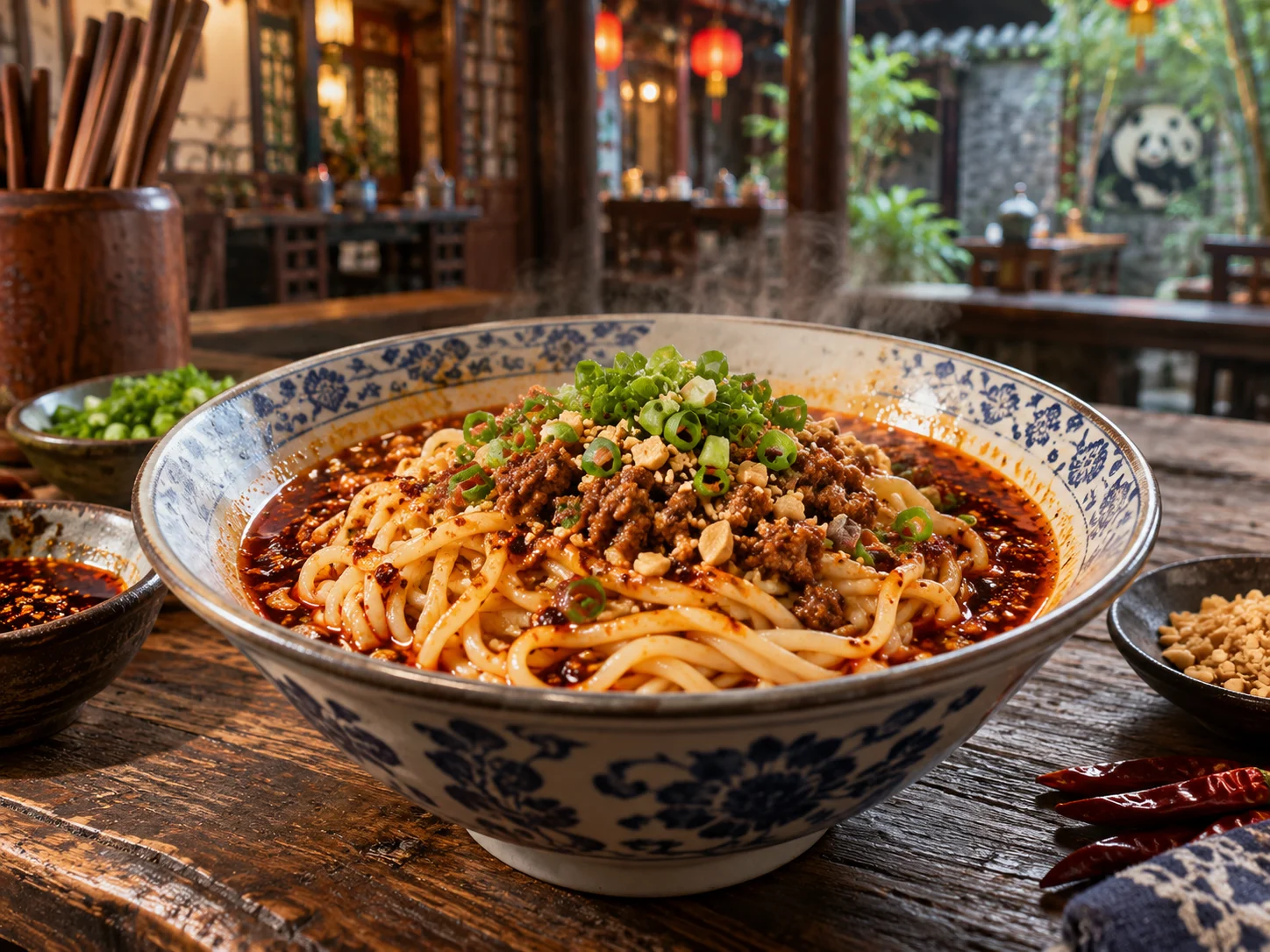
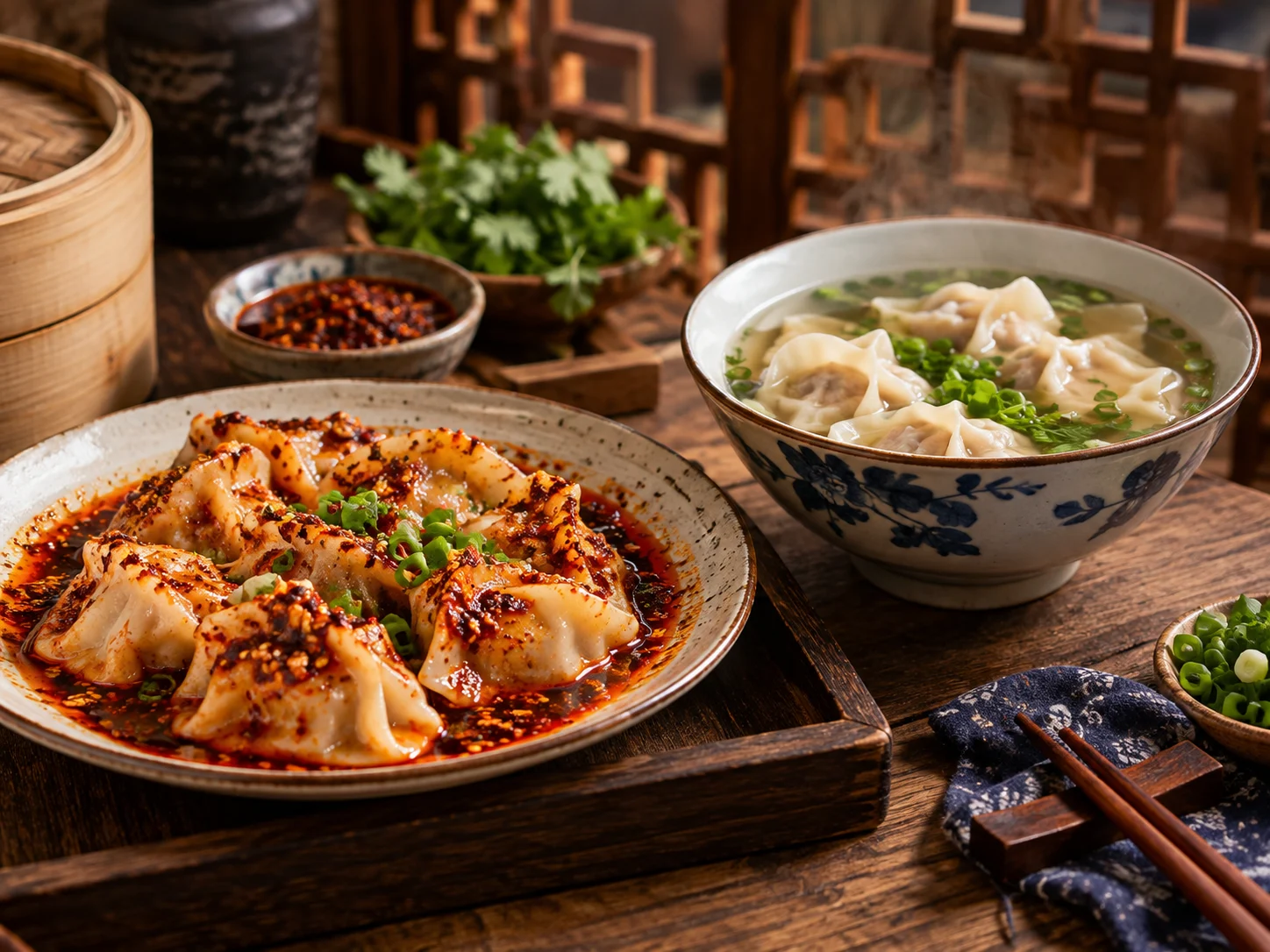
Hot pot, dan dan noodles, Zhong dumplings, long chaoshou and chuanchuan skewers make up the everyday Chengdu that visitors fall in love with most easily.
Dujiangyan, Mount Qingcheng, the Jinjiang River and city parks let a Chengdu trip move beyond culture into relaxation.
Three depths of discovery
City Essentials
Core city profile · Classic recommendations- Panda Base
- Wuhou Shrine
- Kuanzhai Alley
- Jinli Ancient Street
- People’s Park
Cultural Deep Dives
Cultural background · In-depth experiences- Du Fu Thatched Cottage
- Jinsha Site Museum
- Wenshu Monastery
- Sichuan Opera performance
- Old-teahouse experience
Nature & Modern Life
Mountain & river leisure · Lifestyle experience- Dujiangyan
- Mount Qingcheng
- Taikoo Li
- Chunxi Road
- Jinjiang night views
Five currents that made the city
Bashu Civilisation & the History of Chengdu
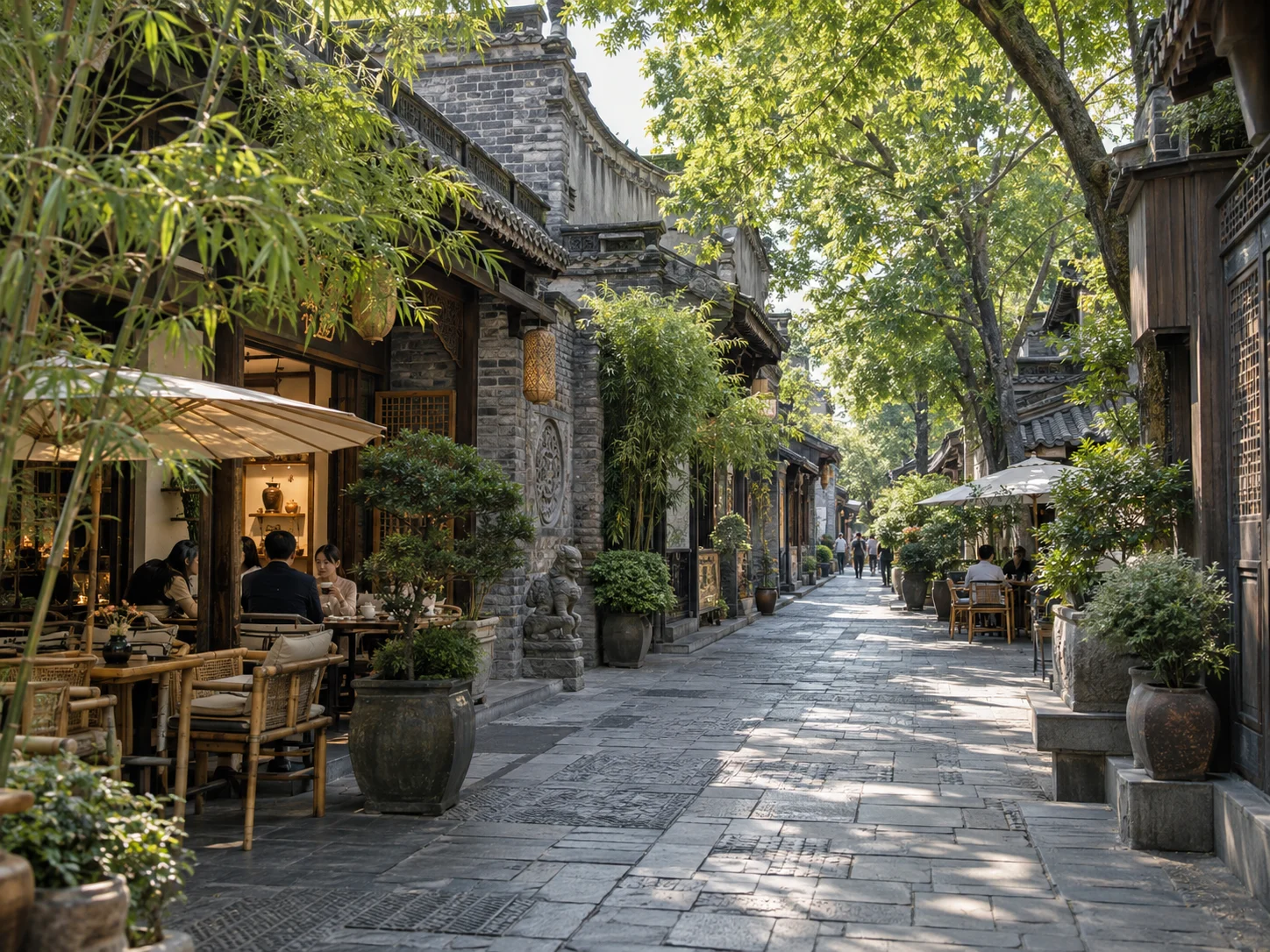
Chengdu rests on a very deep Bashu cultural foundation. The ancient Shu civilisation, the Jinsha Site, the geography of the Sichuan Basin and a long history of stable plains living together shaped the city’s historical character. Unlike many cities whose story centres on imperial narratives, Chengdu grew out of regional civilisation and everyday life — it has both cultural depth and a strong sense of place.
Panda Culture & the City’s Warmth
The giant panda gives Chengdu exceptional international appeal. It is not merely a protected animal but a cultural symbol that makes visitors feel goodwill toward the city before they even arrive. For many travellers, Chengdu is a place they want to visit because of the panda — and then stay for the teahouses, the food and the rhythm of city life.
Teahouse Culture & the Slow Way of Living
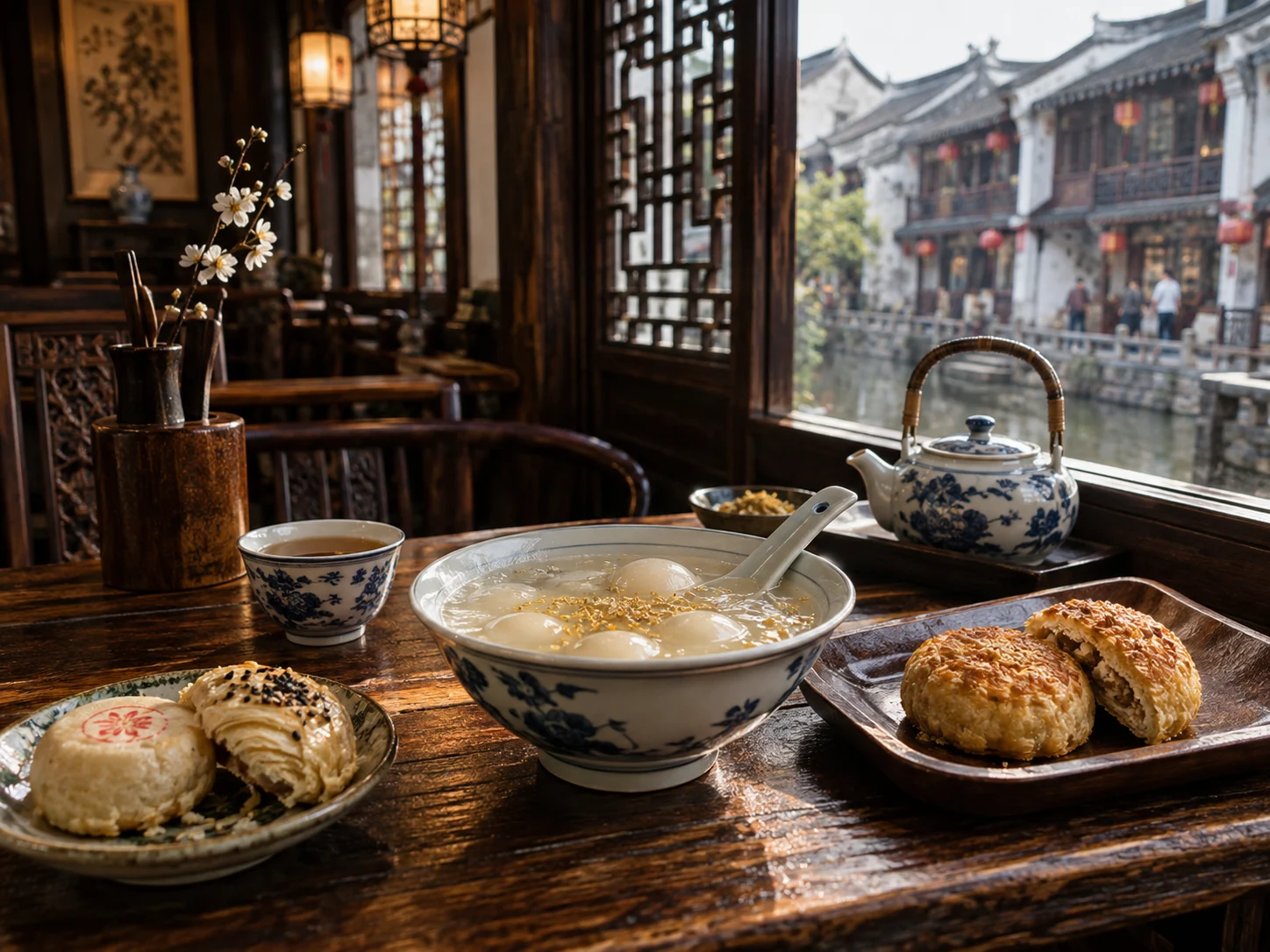
Chengdu’s teahouses mean far more than “drinking tea.” Old teahouses, People’s Park, covered-bowl tea, casual chat, games, ear-cleaning and street-side seating together form an unmistakable Chengdu way of life. For visitors who want to experience a real urban daily rhythm, a teahouse is often more memorable than a major attraction.
Sichuan Opera, Folk Arts & Theatricality
Sichuan opera is one of Chengdu’s most expressive traditional arts — face-changing, fire-spitting and the visual drama of the stage are especially compelling to foreign visitors. It works well as an evening performance, and it explains why Chengdu is not only about slow living but also about remarkable performance energy.
Food & the Urban Way of Life
Chengdu’s appeal also lies in its very strong everyday urban experience: hot pot houses, chuanchuan skewer shops, noodle stalls, dumpling shops, late-night snack streets and small coffee shops together map the city’s taste. Visitors can easily read the city’s character through its food — hot, open, highly social, and thoroughly lived-in.
Where to begin
Six places that together carry the essence of Chengdu — the world-famous panda base, the old lanes of Kuanzhai, the lively folk street of Jinli, the Three Kingdoms memorial of Wuhou Shrine, the everyday calm of People’s Park, and the fashionable modern core of Chunxi Road and Taikoo Li.
History, memory & heritage
For travellers who want to go past the postcards: the ancient Shu treasures of Jinsha, the poetry garden of Du Fu, the quiet monastery of Wenshu, the wisdom of Dujiangyan, the Daoist mountains of Qingcheng, and the night-time river life of Jiuyanqiao.
The city beyond tradition
A converted industrial creative quarter, the city’s public culture hub around Tianfu Square, panda-friendly family experiences, and the open lakeside spaces of Jincheng Lake — Chengdu at leisure.
The taste of slow-city days
Four tastes of local life
Chengdu’s food appeal is not only about what you eat, but how you eat, with whom, and in what atmosphere. Hot pot houses, chuanchuan shops, noodle stalls, dumpling shops, late-night snack streets and teahouses together form the part of Chengdu visitors love most directly — food as the city’s way of life.
How to eat the city
Gather around a shared pot for the social Chengdu meal.
A quick street bite that carries the everyday flavour.
Pause and let the city slow down around you.
Eat as you stroll through the lanes and night streets.
Five ways to walk the slow city
Chengdu is not only pandas, and it is not only hot pot. What truly makes it enchanting is the layering of Bashu culture, slow living, food-centred social life, the warmth of the city, and the surrounding mountains and rivers. 成都不只是熊猫,也不只是火锅。它真正迷人的地方,在于巴蜀文化、慢生活、美食社交、城市温度与周边山水共同构成的旅行层次感。
Start Your Journey