
Suzhou
SuzhouGardens, Canals & the Poetry of Jiangnan
Six windows into Suzhou’s Jiangnan world
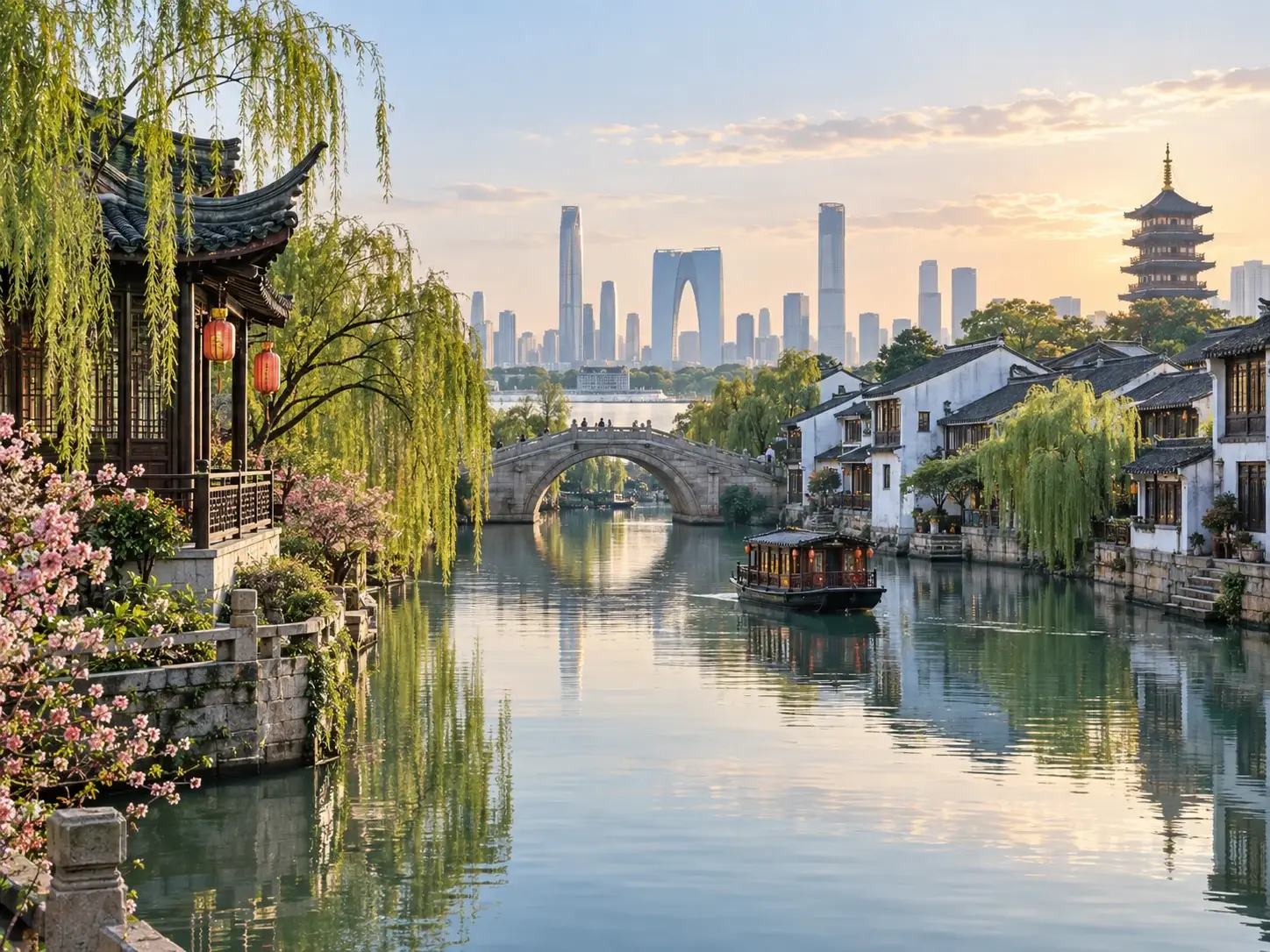
Suzhou is not a single garden but an entire Jiangnan world you can “enter”: stroll a classical garden of lotus and rockery, glide under a stone bridge in a wooden boat, lose yourself in old lanes and water towns, and watch the sun set over a glittering modern lake.
Six cultural keywords worth collecting
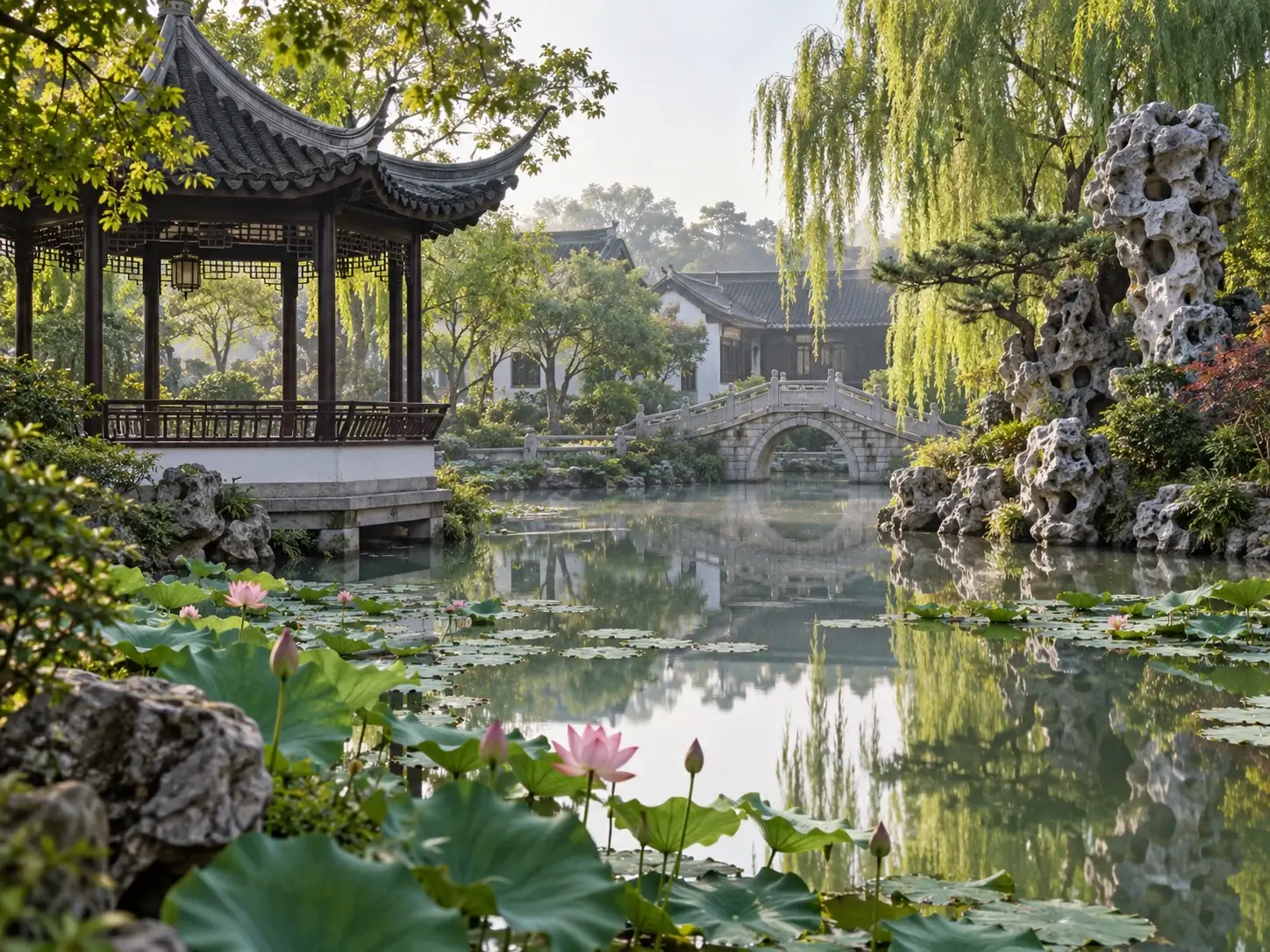
The classical gardens are masterpieces of borrowed scenery, framing, contrast and layered space — the model of Eastern garden aesthetics.
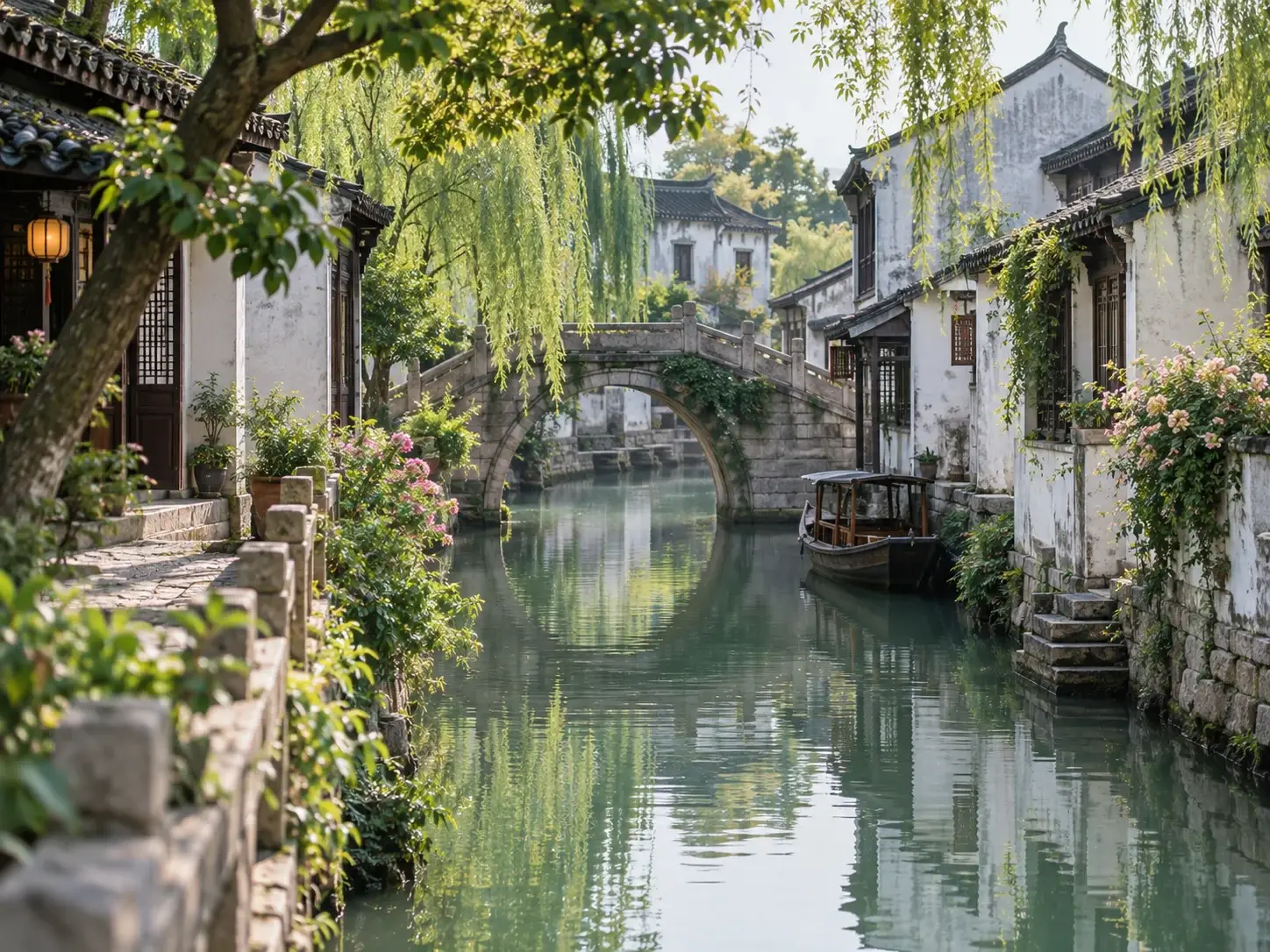
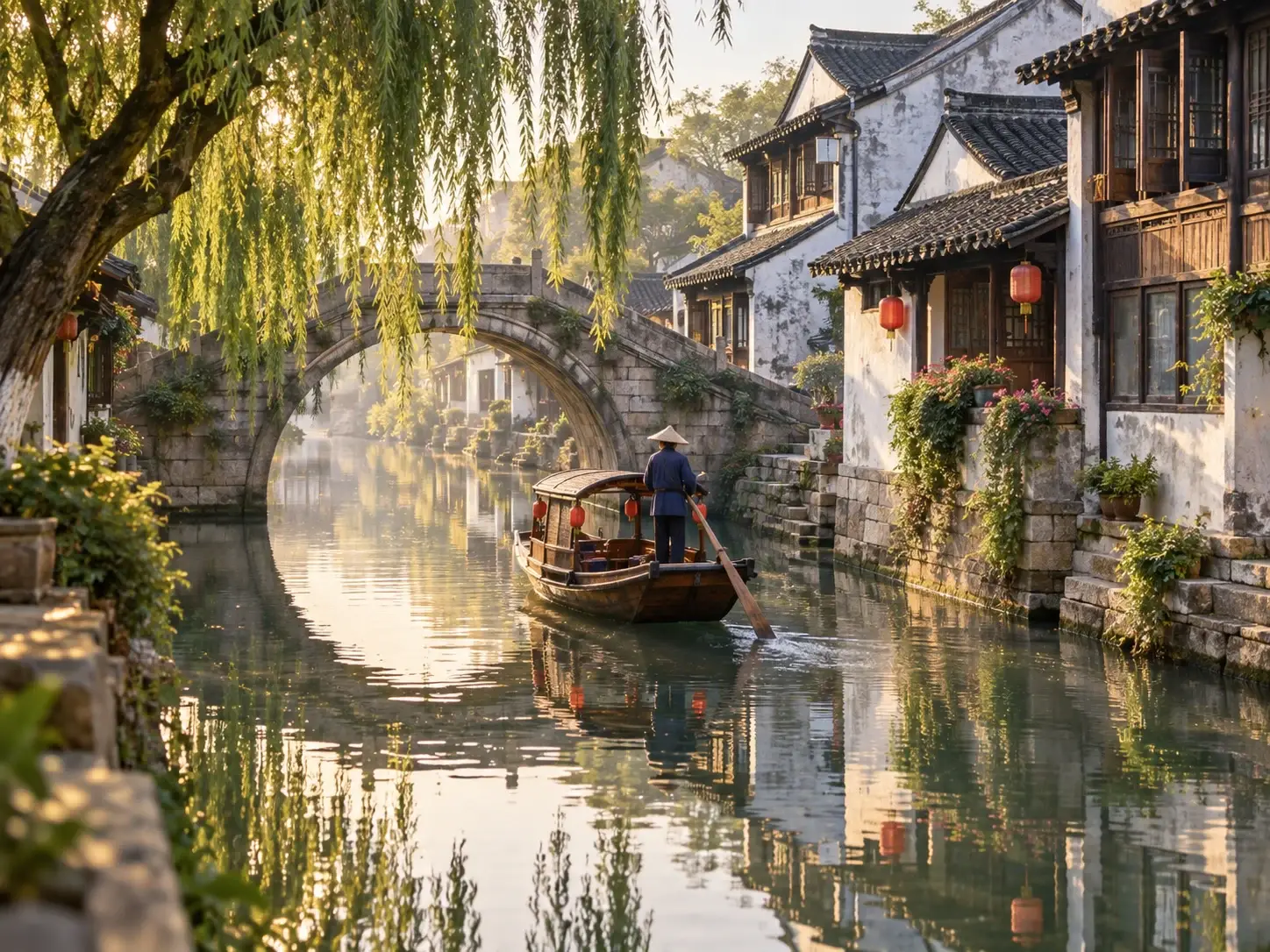
Canals, stone bridges, white walls with dark tiles and sculling boats form Suzhou’s most recognisable Jiangnan imagery.
Suzhou is a major birthplace of Wu culture, with profound historical roots and humanistic traditions that endure to this day.
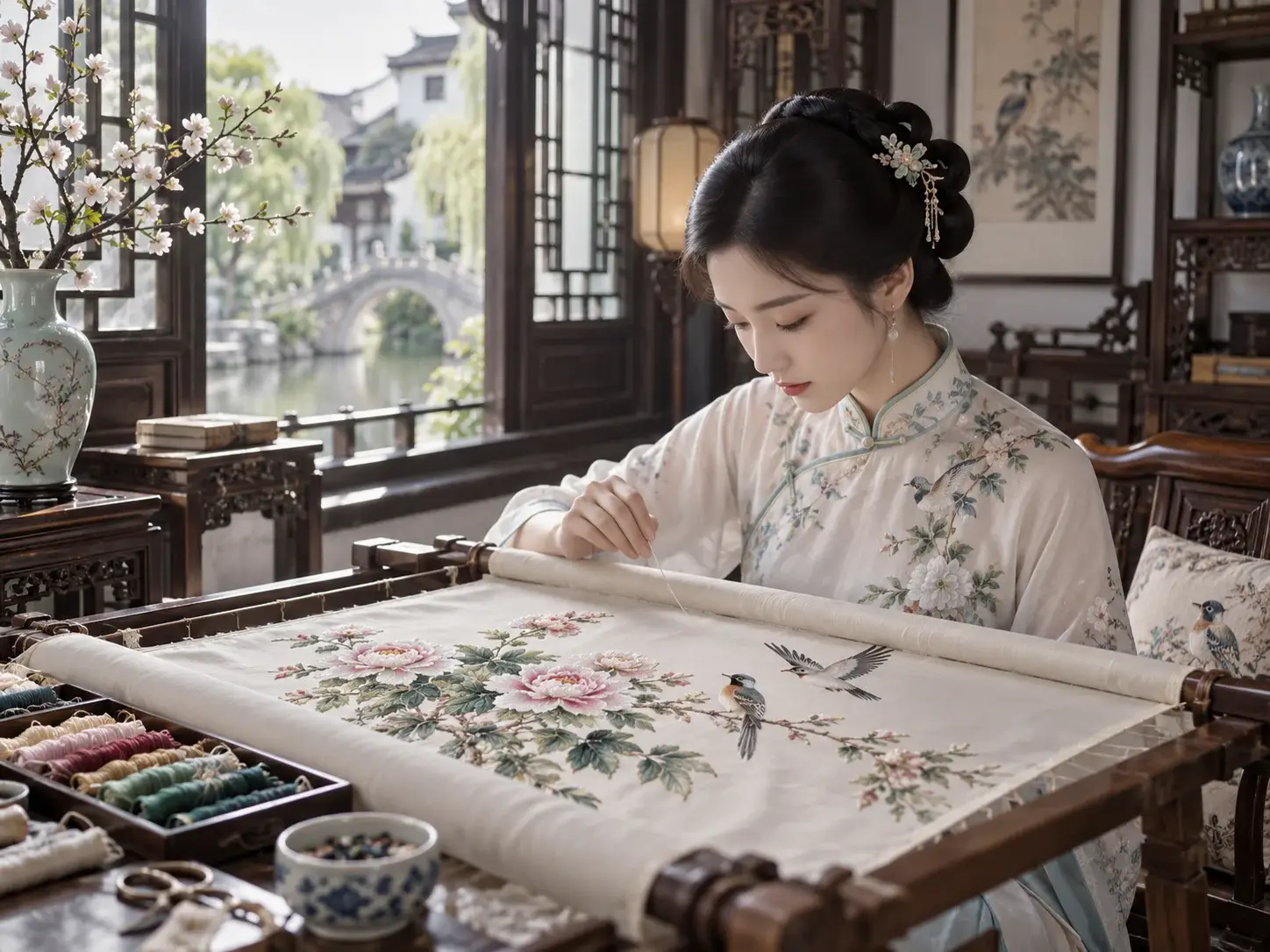
Suzhou embroidery, carving, Kunqu opera and tea ware reveal a finely tuned taste and the traditional elegant life.
From Pingjiang Road and Tiger Hill to Jinji Lake and modern waterfront spaces, Suzhou holds both classical and contemporary charm.
Strolling gardens, exploring bridges and lanes, savouring tea and snacks and listening to Kunqu is the most natural way to know Suzhou.
Three depths of discovery
Classic Gardens & Water Towns
First-time visitors / the essential first impression- Humble Administrator’s Garden & Pingjiang Road
- Tiger Hill & Zhouzhuang
Heritage, Art & Kunqu
Travellers into Jiangnan culture & traditional aesthetics- Suzhou Museum & Suzhou embroidery
- Kunqu opera & old-town lanes
Lakes, Lanes & Slow Days
Families, couples & photography lovers- Tongli & Jinji Lake
- Garden waterfront walks
Four currents that shaped the Jiangnan soul
Wu Culture & Jiangnan Civilization
Suzhou is a leading city of Wu culture, with a history reaching back to the Spring and Autumn period. It has long been known for its unbroken literary lineage, strong scholar-official tradition and refined taste in everyday life — a major centre of commerce and handicraft, and a city remembered for literature, painting, opera and gardens.
Garden Art & Eastern Aesthetics
The Suzhou gardens are a key part of the World Heritage. They create boundless mood within a bounded space through the subtle interplay of pavilions, terraces, towers, rocks, water and trees, forming an experience steeped in Eastern poetic feeling.
Water-Town Life & a Slow Rhythm
Canals, stone bridges, white walls, dark tiles and waterside homes together shape Suzhou’s everyday beauty. Here travel is not simply “seeing sights” but entering a gentle, unhurried, detail-conscious Jiangnan way of living.
Traditional Craft & the Elegant Life
Suzhou embroidery, Kunqu opera, Suzhou storytelling, Biluochun tea and Suzhou dim sum form the city’s most representative cultural symbols, making Suzhou not only a city of scenery but a place to savour culture and beauty slowly.
Where to begin
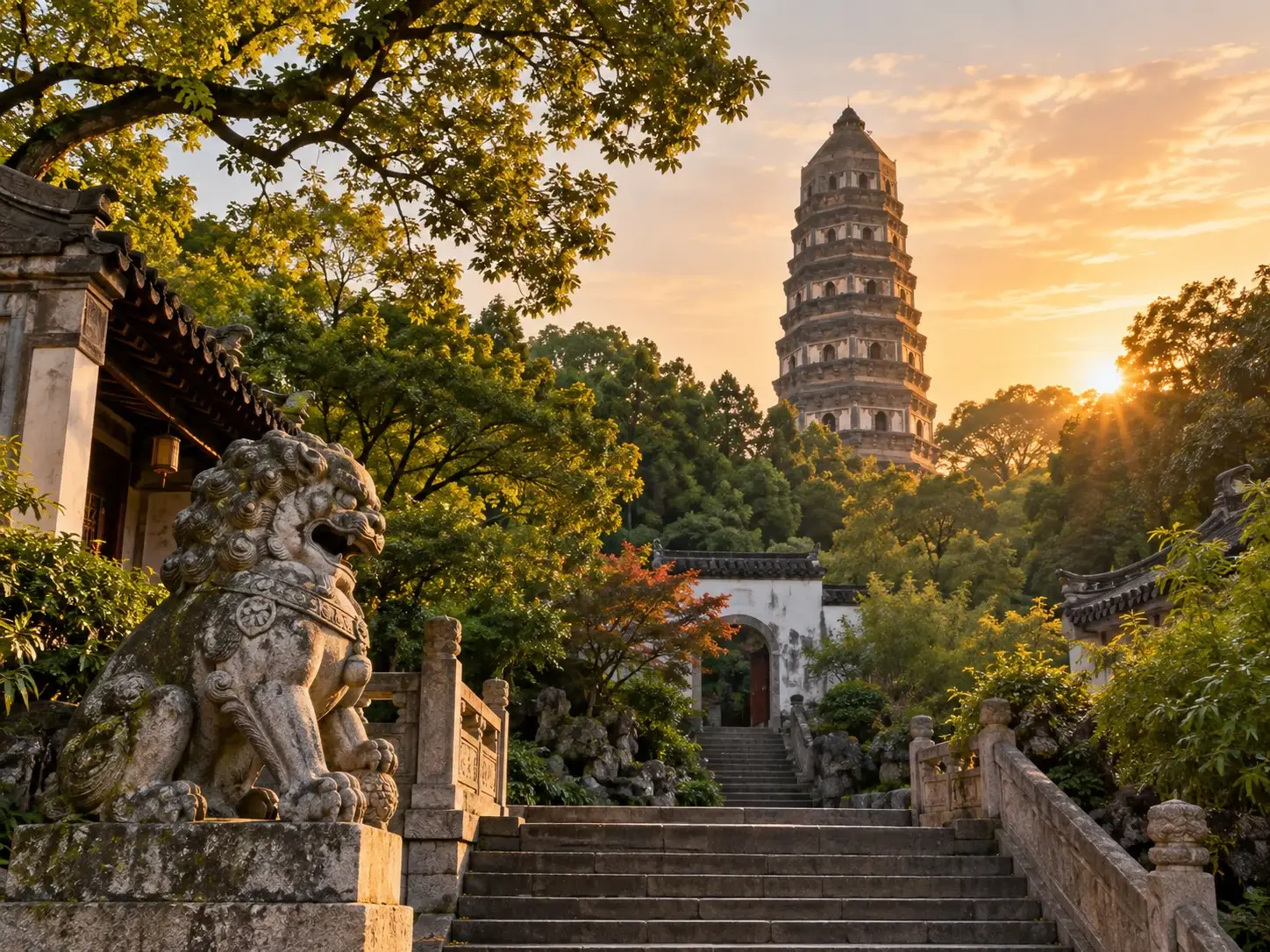
Six places carry the essential Suzhou: the Humble Administrator’s Garden for classical garden art, the Suzhou Museum for old-meets-new architecture, Pingjiang Road for old-town life, Tiger Hill for ancient history, and Zhouzhuang and Tongli for the water-town dream.
Deep culture & local life
For travellers who want more than the six icons: the living art of Suzhou embroidery, and the complete aesthetic of garden life — Kunqu opera, tea, gardens, fine objects and the slow walk through old lanes that makes the city unmistakable.
The contemporary & lakeside Suzhou
Suzhou belongs not only to classical gardens and historic lanes. Around Jinji Lake, modern waterfront spaces, contemporary commerce and a glittering night skyline reveal the city’s more international, relaxed side.
Life along canal and lane
A City with a Gentle Tempo
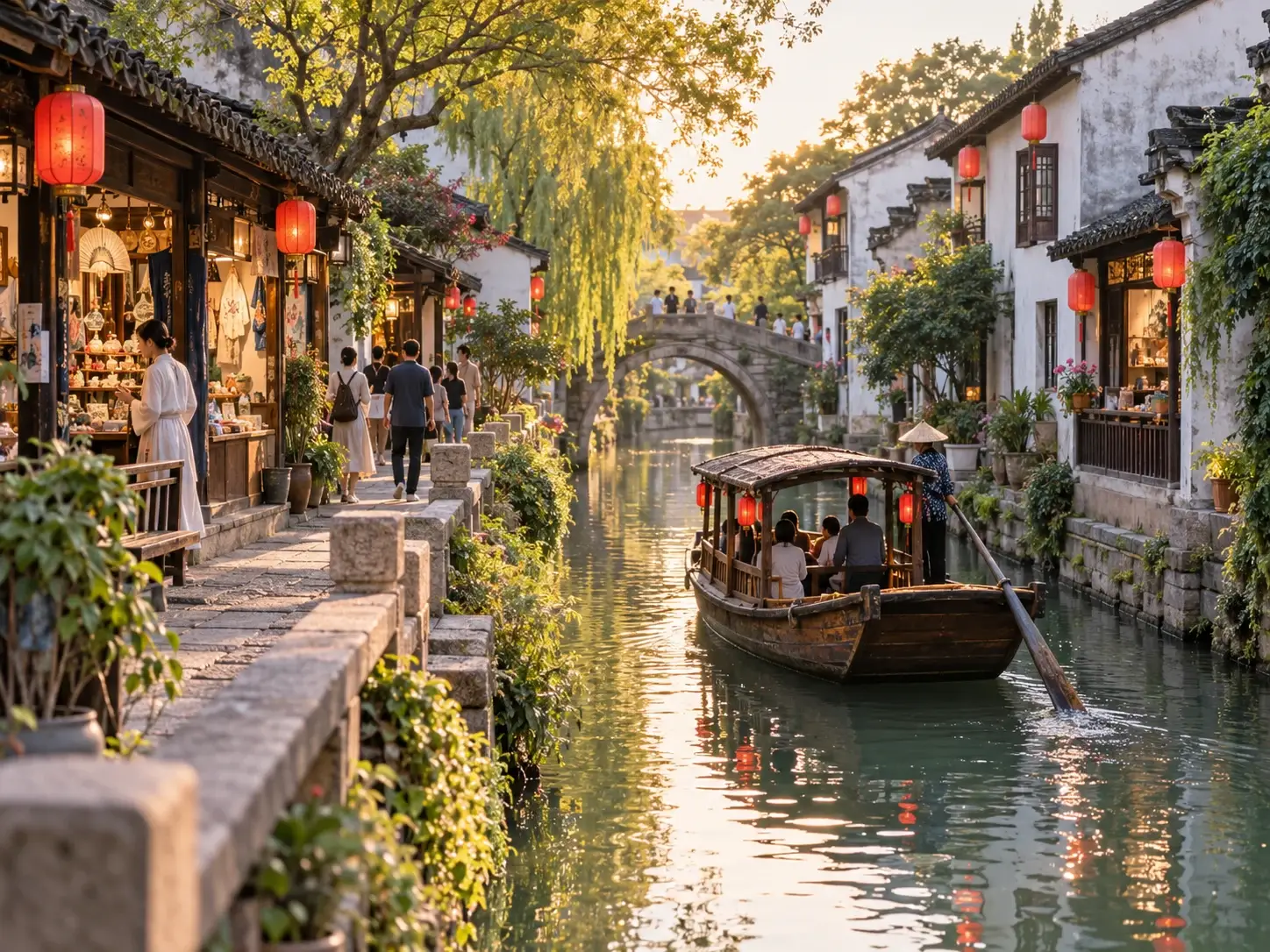
Suzhou’s charm is not only in its scenery. Morning tea by the water, boats slipping beneath stone bridges, elders playing chess and families gathering at dusk are all part of the city’s character — a place where the past and everyday life meet along the canal.
Loom, Stage and Teahouse
In the studios, silk is embroidered stitch by stitch; on small stages, Kunqu singers trace water-sleeves through ancient love stories; and in the teahouses, Biluochun is poured cup after unhurried cup. These living traditions give the lanes a memory far older than the skyline.
How to Plan the Slow Hours
Keep one open slot each day: a slow morning in a garden, an afternoon over tea or embroidery, and an unhurried dinner followed by a lantern-lit walk along the water.
Gentle, seasonal & exquisitely Jiangnan
Five signatures of Suzhou taste
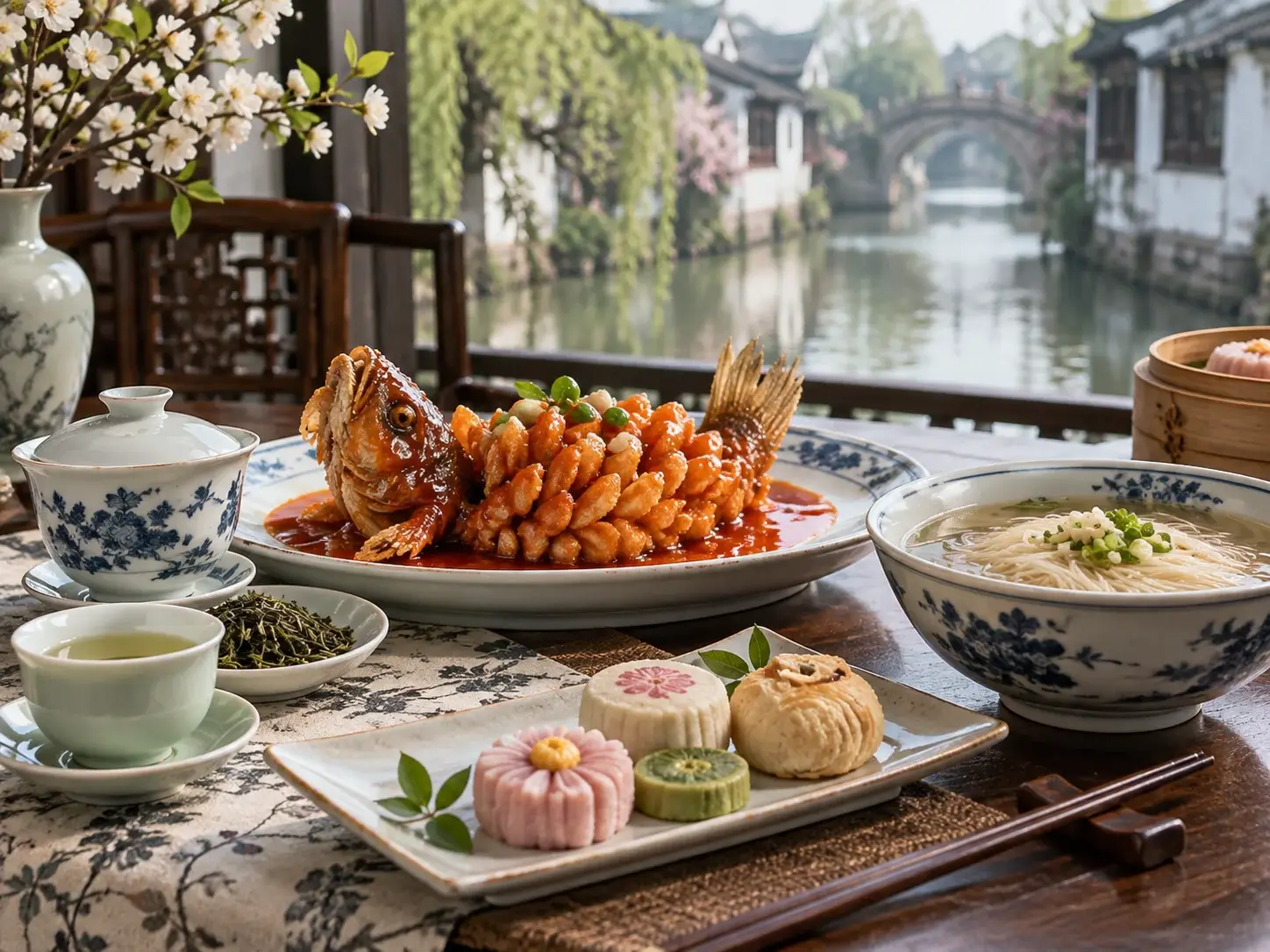
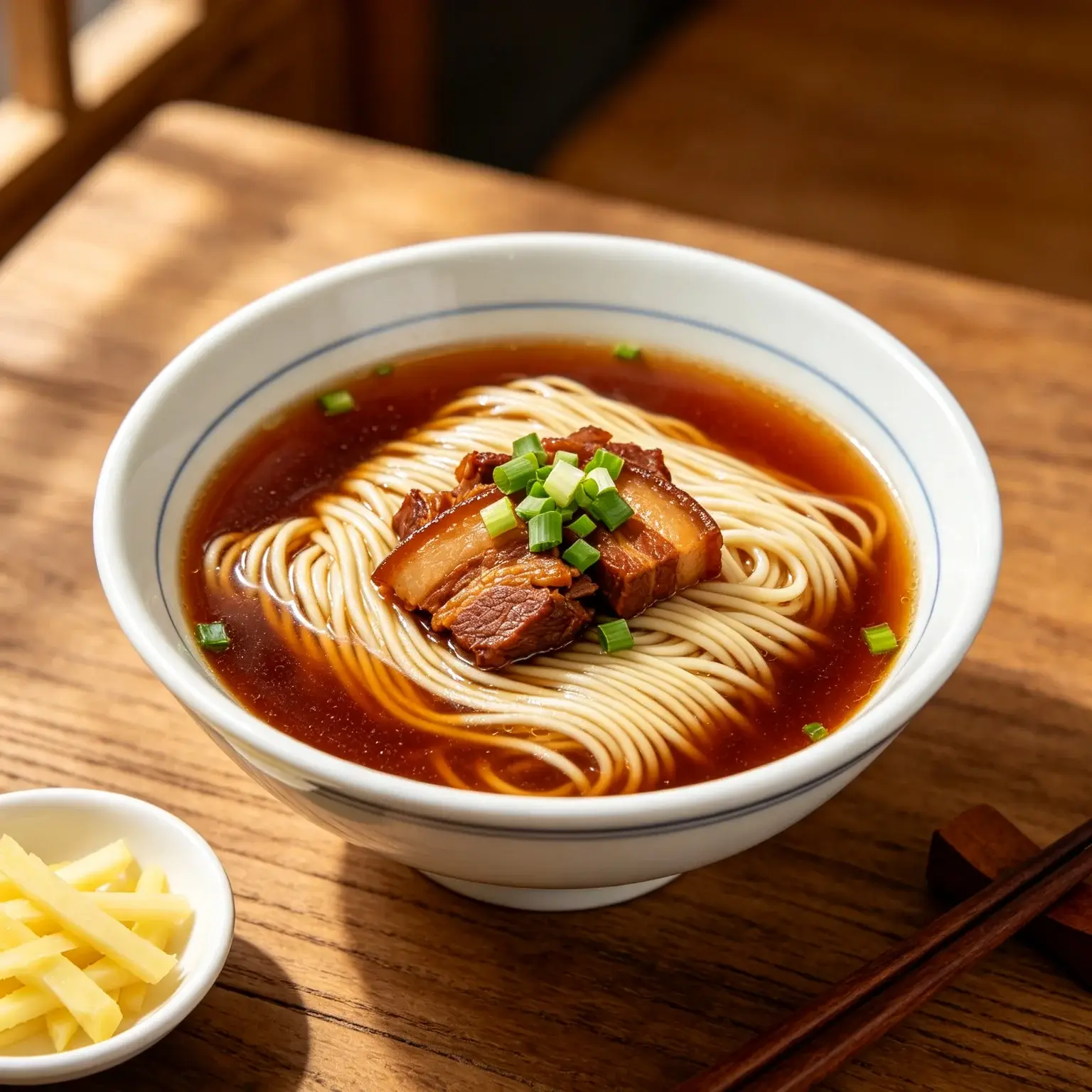
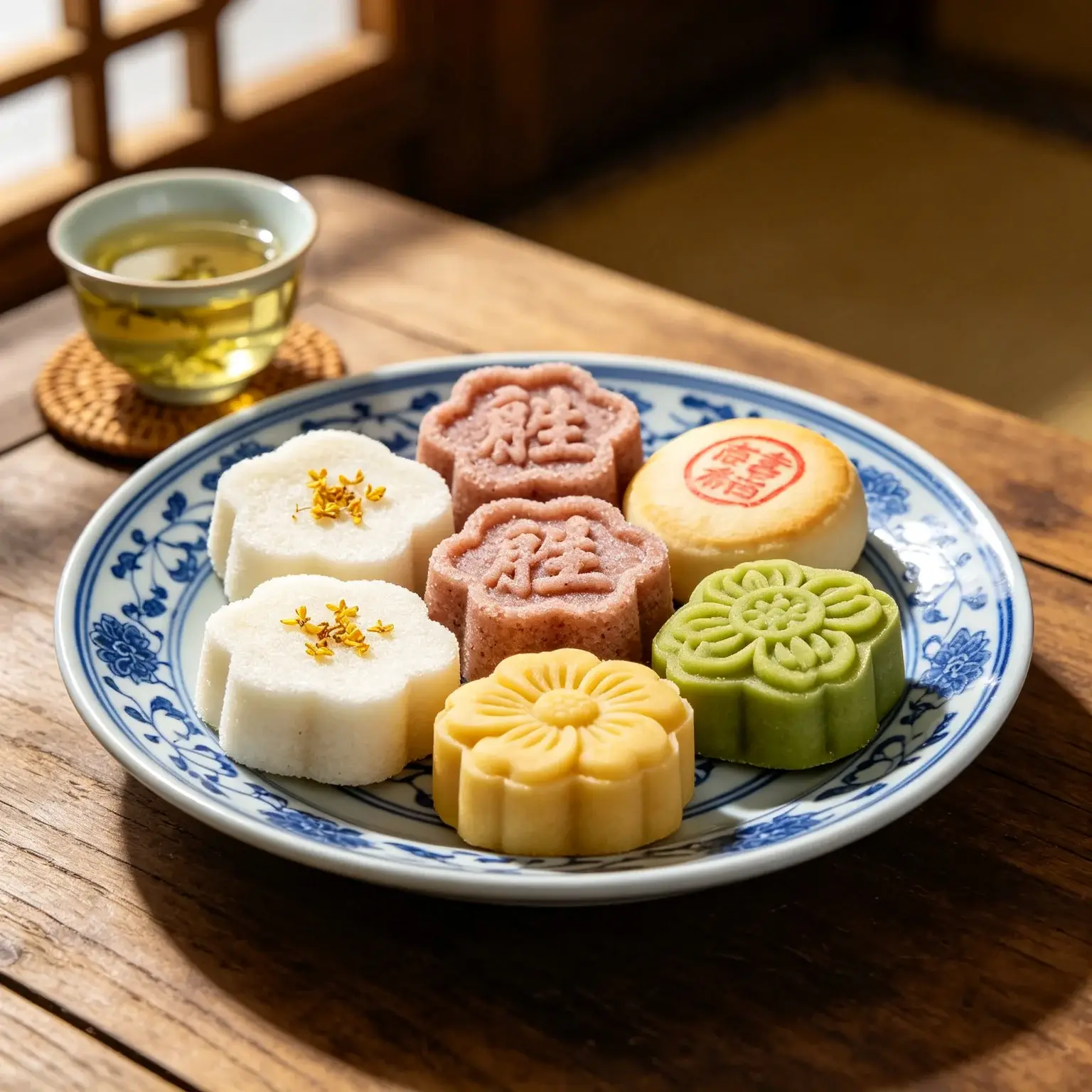
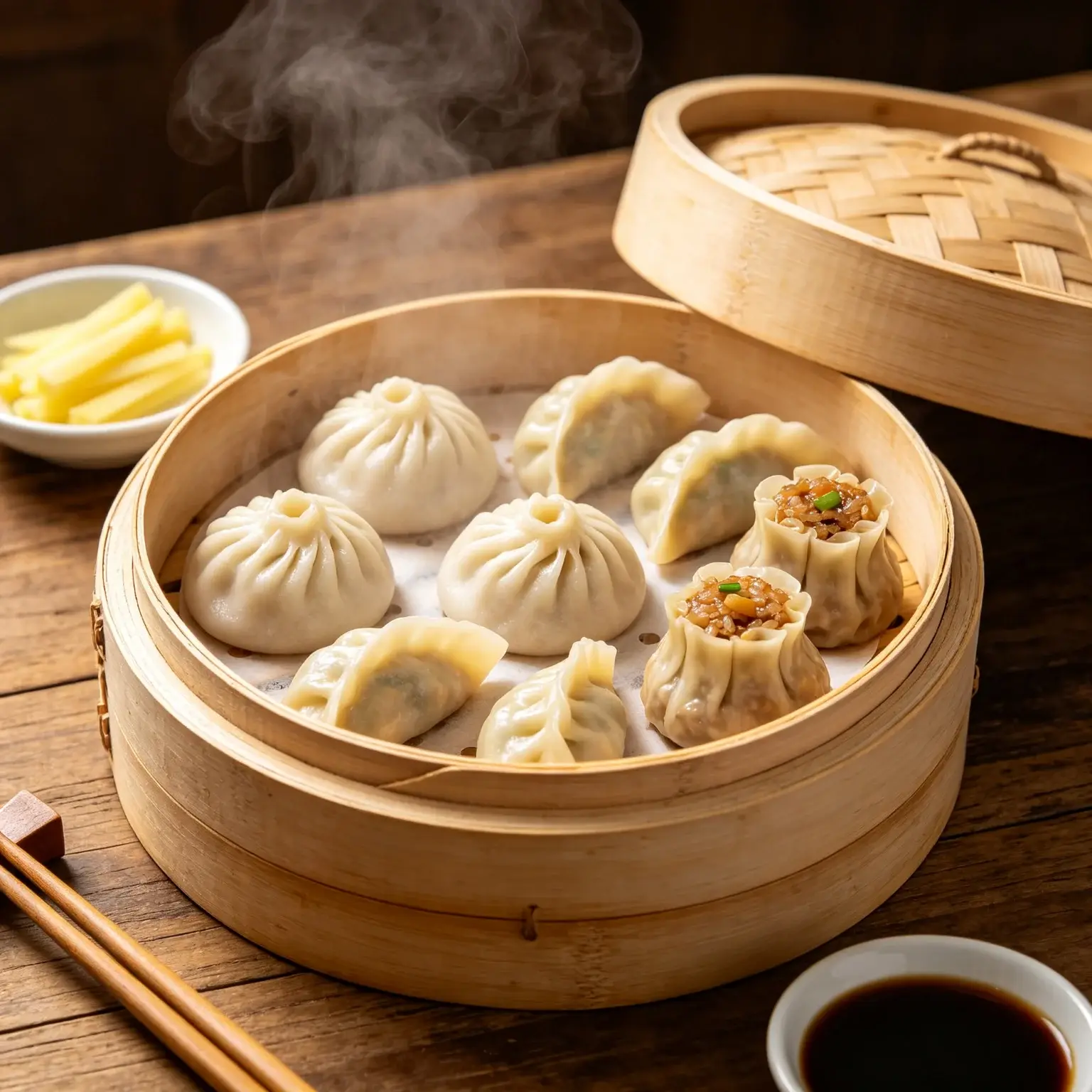
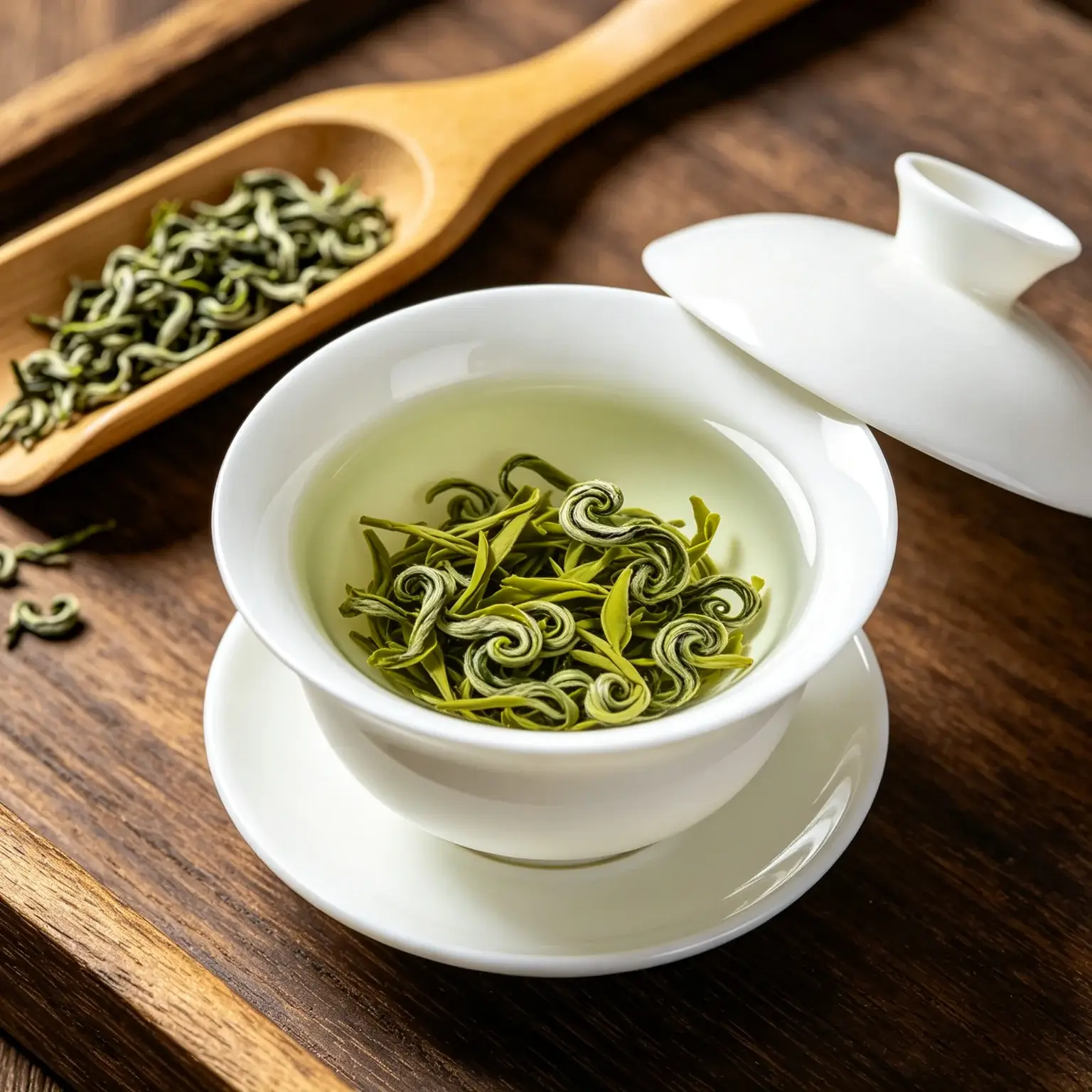
Suzhou’s flavours carry the gentleness and refinement of Jiangnan. Unlike the bold cooking of inland cities, they reveal a distinct aesthetic in detail, season and presentation. For visitors, Suzhou food is not only taste but a way of entering the city’s temperament.
A balanced day of Suzhou food
Begin with a bowl of clear red-soup noodles and a pot of early tea.
A classic Suzhou meal built around squirrel mandarin fish and seasonal dishes.
Pastries and Biluochun by the canal as the light softens.
Wander the old streets sampling small bites one at a time.
The ideal trio is one classic Suzhou meal, one waterside tea hour and one snack ramble through the lanes — together they reveal the city’s warmth and refinement.
Plan by season, live by the canal
Best Season
Spring (March to May) and autumn (September to November) are ideal — mild temperatures, blossoms or autumn leaves, and gardens at their most beautiful. Summer is hot and humid with occasional rain; winter is cool but quiet and lower-priced.
Getting There
Suzhou is served by Suzhou, Suzhou North and Suzhou Industrial Park railway stations, with frequent high-speed trains from Shanghai (under 30 minutes), Nanjing and Hangzhou. Nearby airports include Shanghai Pudong and Hongqiao and Sunan Shuofang; the metro and ride-hailing cover the city.
Where to Stay
Stay near Pingjiang Road or Guanqian Street for the old town, gardens and canals; choose Suzhou Industrial Park by Jinji Lake for modern hotels, lakeside views and nightlife. Water towns offer atmospheric inns for an overnight beyond the city.
Daily Rhythm
Visit the gardens early to beat crowds and heat, use the middle hours for museums, embroidery studios or a long tea lunch, and reserve late afternoon for canals, boat rides and old-lane walks. Water towns are most serene at dawn and dusk.
Garden & Canal Tips
Book garden tickets online in advance, especially at weekends and holidays. Wear soft-soled shoes for cobbled lanes and stone steps, carry a light umbrella or rain layer, and keep an eye on boat schedules when visiting the water towns.
Families & Couples
Gentle boat rides, hands-on craft sessions and easy museums suit families, while lantern-lit lanes, garden pavilions and Jinji Lake sunsets suit couples. Slow tea hours and quiet corners keep every age happy without a rushed schedule.
Five ways to shape the journey
Suzhou is not merely a Jiangnan city that is "good for photographs", nor simply a collection of famous sights. Its true charm lies in the layered whole formed by gardens, water towns, Wu culture, handicraft and modern city life. The best way to travel is not to rush from garden to viewpoint, but to give the city enough time: for the morning mist over the lotus pond, for tea and embroidery in the slow afternoon, and for a lantern-lit canal evening to become the journey itself. 江南好,风景旧曾谙;苏州等你来。
Start Your Journey