
xi‘an
Xi’anAncient Capital, Silk Road & Living History
Six words for China’s ancient capital
Beijing represents China’s political and imperial culture; Shanghai its modern international glamour. Xi’an is the city that best explains where Chinese civilisation came from, how it grew and why it feels so weighty. A first-time visitor does not just see ruins here — they touch the complete arc from empire to golden age to everyday life.
Six cultural keywords worth collecting
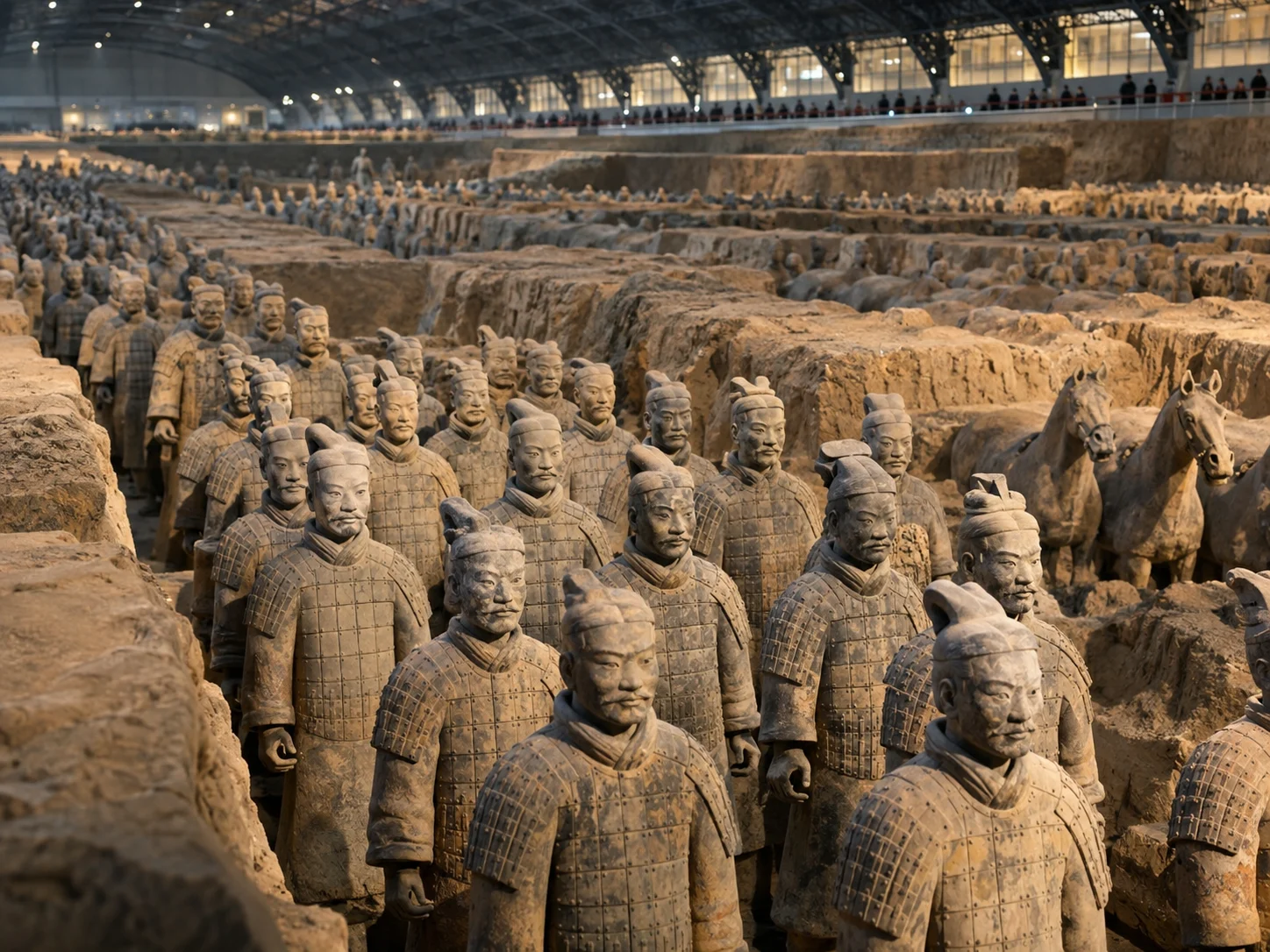
The Terracotta Army marks the beginning of China’s unified imperial order.
A world-class metropolis of prosperity, openness and international exchange.
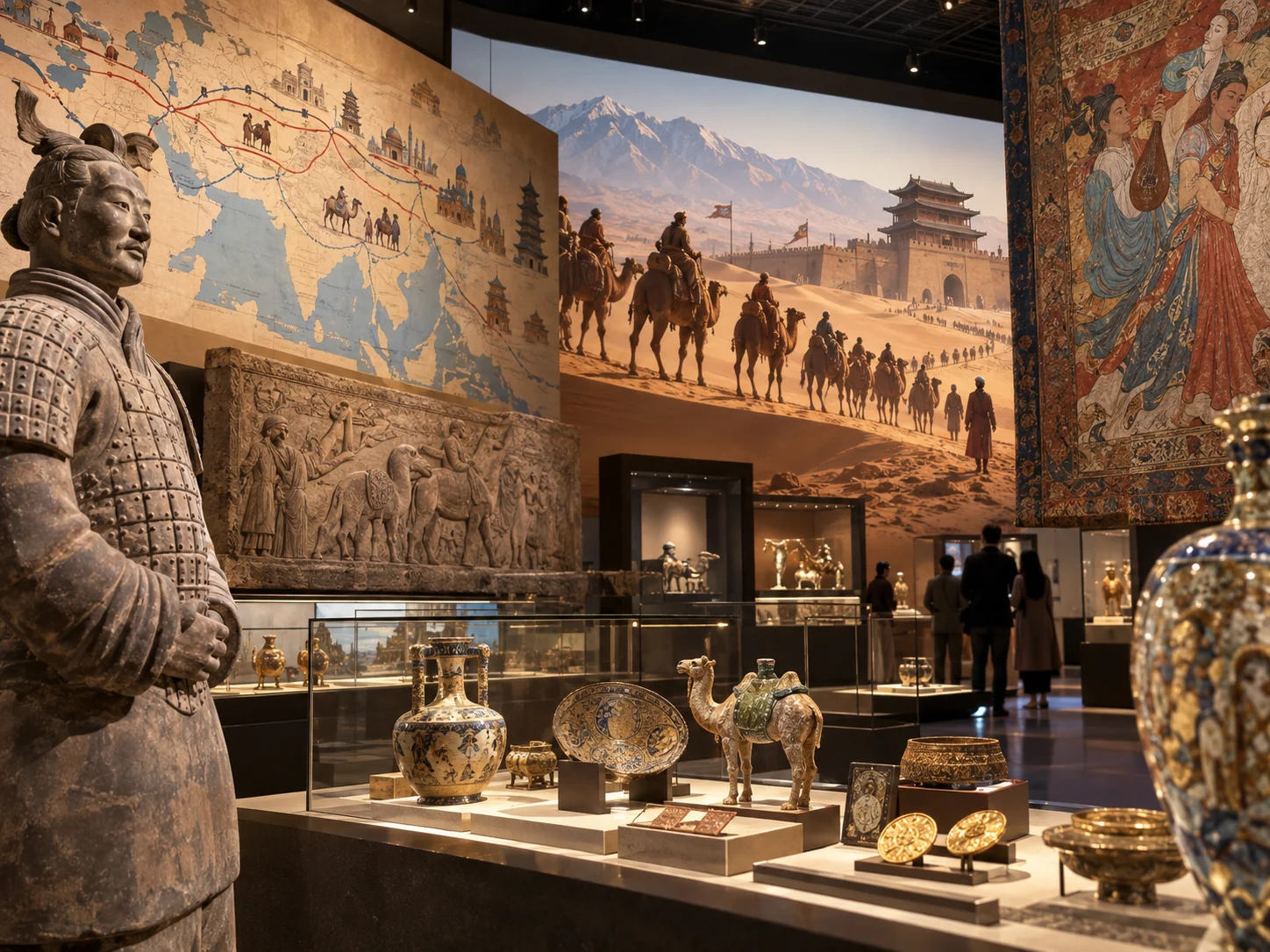
Xi’an as the starting point of ancient Eurasian exchange and openness.
Walls, bell and drum towers, old lanes, night markets and street food.
Shaanxi’s soaring, passionate traditional opera expressing the Northwest.
Roujiamo, lamb paomo, biangbiang noodles and liangpi as everyday memory.
Three ways to enter Xi’an
Imperial Xi’an
First-time China visitors / history lovers- Terracotta Army, City Wall, Giant Wild Goose Pagoda
Living Old City
City life / local character- Bell & Drum Towers, Muslim Quarter, old lanes, night views
Civilisation Deep Dive
Understanding Chinese civilisation- Shaanxi History Museum, Silk Road story, Qinqiang opera
Five currents behind the ancient capital
Qin & Han Civilisation, the Imperial Origin
If you want to explain to foreign visitors why China became a unified and continuous civilisation, Xi’an is the key city. Qin Shi Huang’s unification and the Terracotta Army make this grand narrative concrete: organised ranks, distinct faces, intricate craft — the organisational power and historical ambition of the Qin empire.
Tang Chang’an & World Exchange
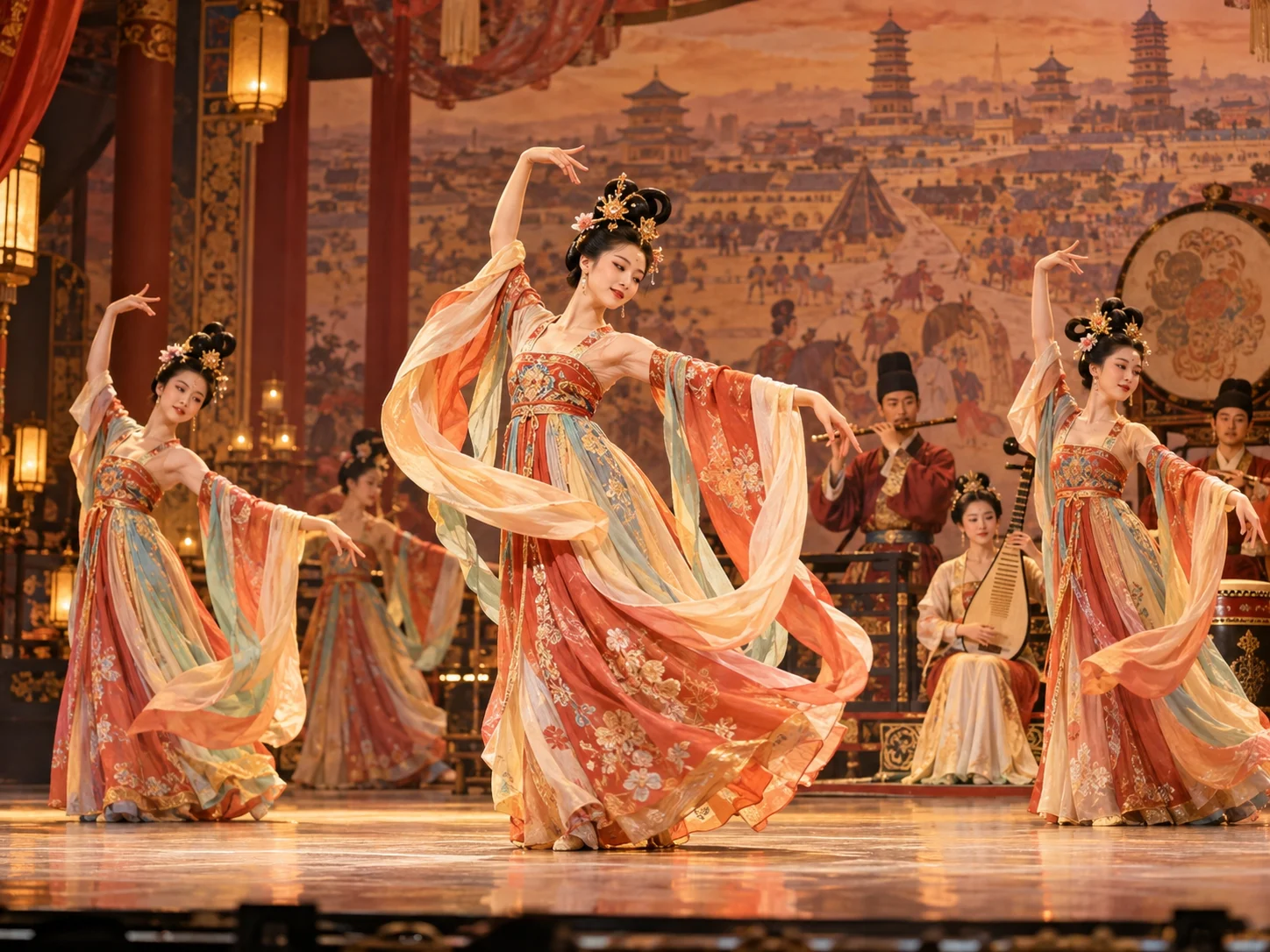
Tang-dynasty Chang’an was one of the world’s greatest cities — politically prosperous, culturally open, with merchants, envoys, monks and art from Central and West Asia converging here. The Giant Wild Goose Pagoda, Tang performances and the Tang Everbright City all carry the echo of a cosmopolitan capital.
The Silk Road & Urban Openness
Xi’an is not merely an inland Chinese city; it was a key starting point of the ancient Eurasian exchange network. Silk, spices, religion, art, craft and people met here, forming an open urban temperament that lets visitors connect Xi’an with world history they already know.
City Wall, Old District & City Life
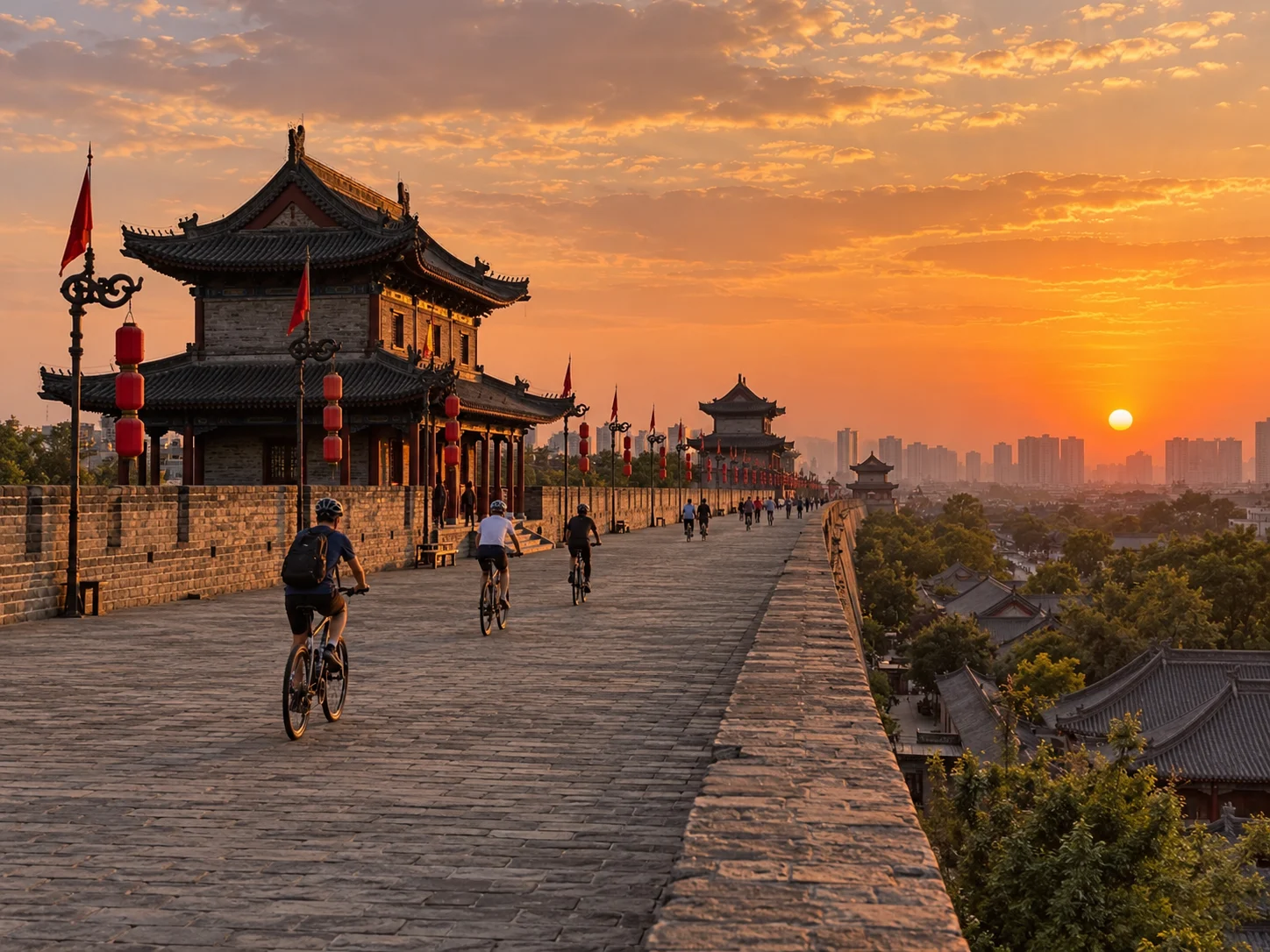
Xi’an belongs not only to museums and ruins. The City Wall frames the old city; the Bell and Drum Towers mark its centre; the Muslim Quarter and side lanes give it warmth. Like Beijing’s hutongs or Shanghai’s shikumen, the old city lets visitors understand Xi’an through street scale, food smells and night atmosphere.
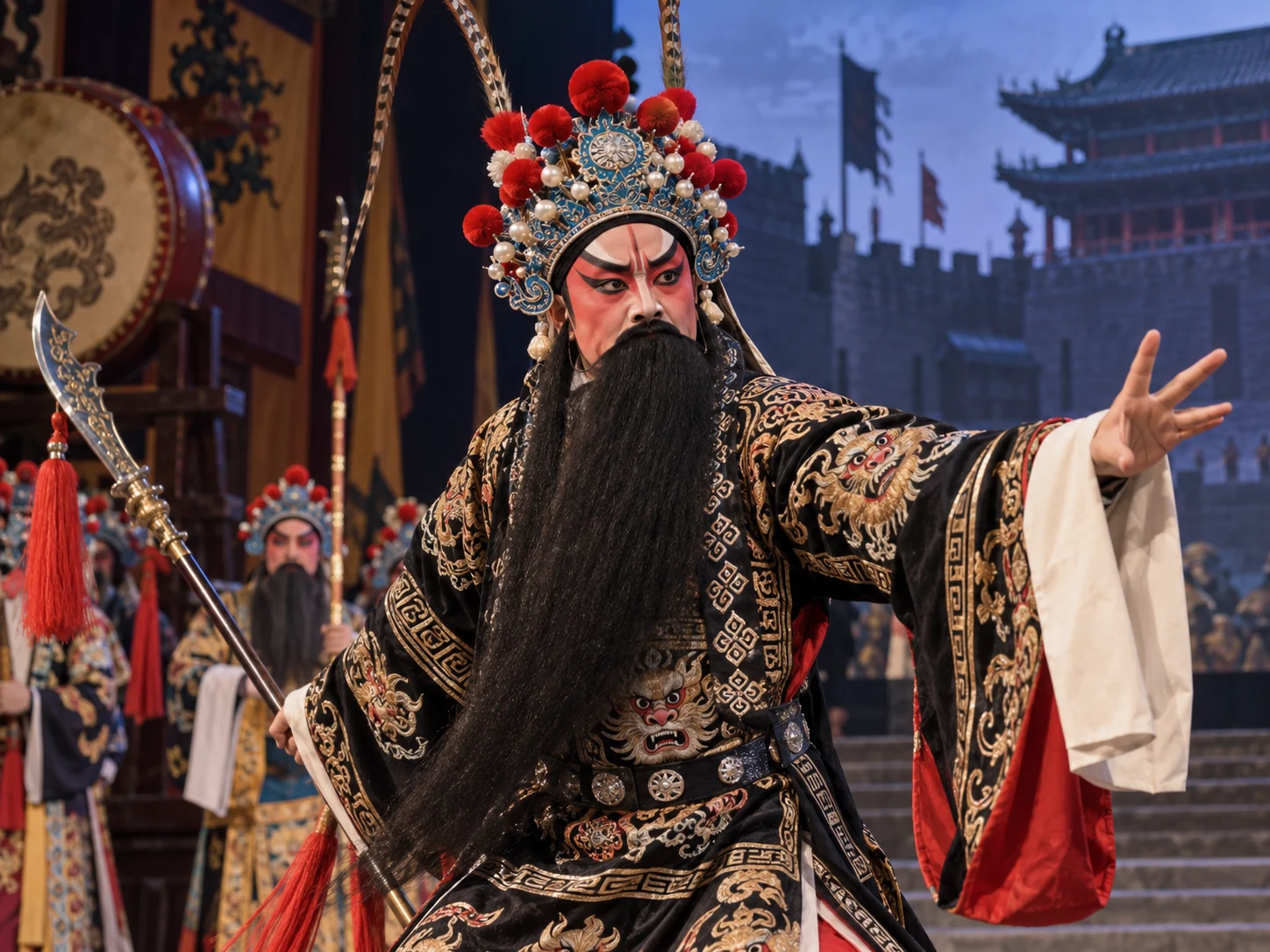
Qinqiang Opera & Shaanxi Art
Where Beijing has Peking Opera, Xi’an has Qinqiang — soaring, rhythmically sharp and emotionally direct, full of the Northwest’s character. It is a cultural extension rather than a must-see, but after the Terracotta Army and the Wall, an opera stage makes Shaanxi’s people and feelings fully three-dimensional.
Where to begin
Four places that carry the essential Xi’an: the Terracotta Army as the empire’s opening statement, the City Wall as the old city’s frame, the Giant Wild Goose Pagoda as Tang Chang’an’s icon, and the Tang Everbright City as tonight’s living Tang dream.
Beyond the four icons
For travellers who want more: the Muslim Quarter’s living street food, the Shaanxi History Museum’s full chronological sweep, Huaqing Pool’s Tang imperial garden, and the Bell and Drum Towers anchoring the old city centre at night.
Visual Tang, food streets & contemporary city
Xi’an is not a museum town. Tang Paradise’s lakes and evening shows, the quiet Little Wild Goose Pagoda, Yongxingfang’s Shaanxi food street, and the Qujiang district with hanfu nights show a city that keeps renewing itself.
Beyond ruins, living Shaanxi
Why Qinqiang Belongs in the Itinerary
Most visitors do not search for Qinqiang on their own — which is exactly why a travel advisor should offer it. It adds a living cultural layer beyond ruins and snacks, showing that Shaanxi’s art did not stop in the Tang dynasty.
How to Present It
Keep it light: tell visitors Qinqiang is Shaanxi’s most representative opera, soaring and emotionally direct. For those who love traditional art, a short theatre or teahouse experience often becomes a surprise highlight.
Framing It for Travellers
Describe Qinqiang as a bonus of Xi’an culture, not a mandatory item. That keeps the depth while matching how most visitors actually travel.
Bread, noodles & the taste of Shaanxi
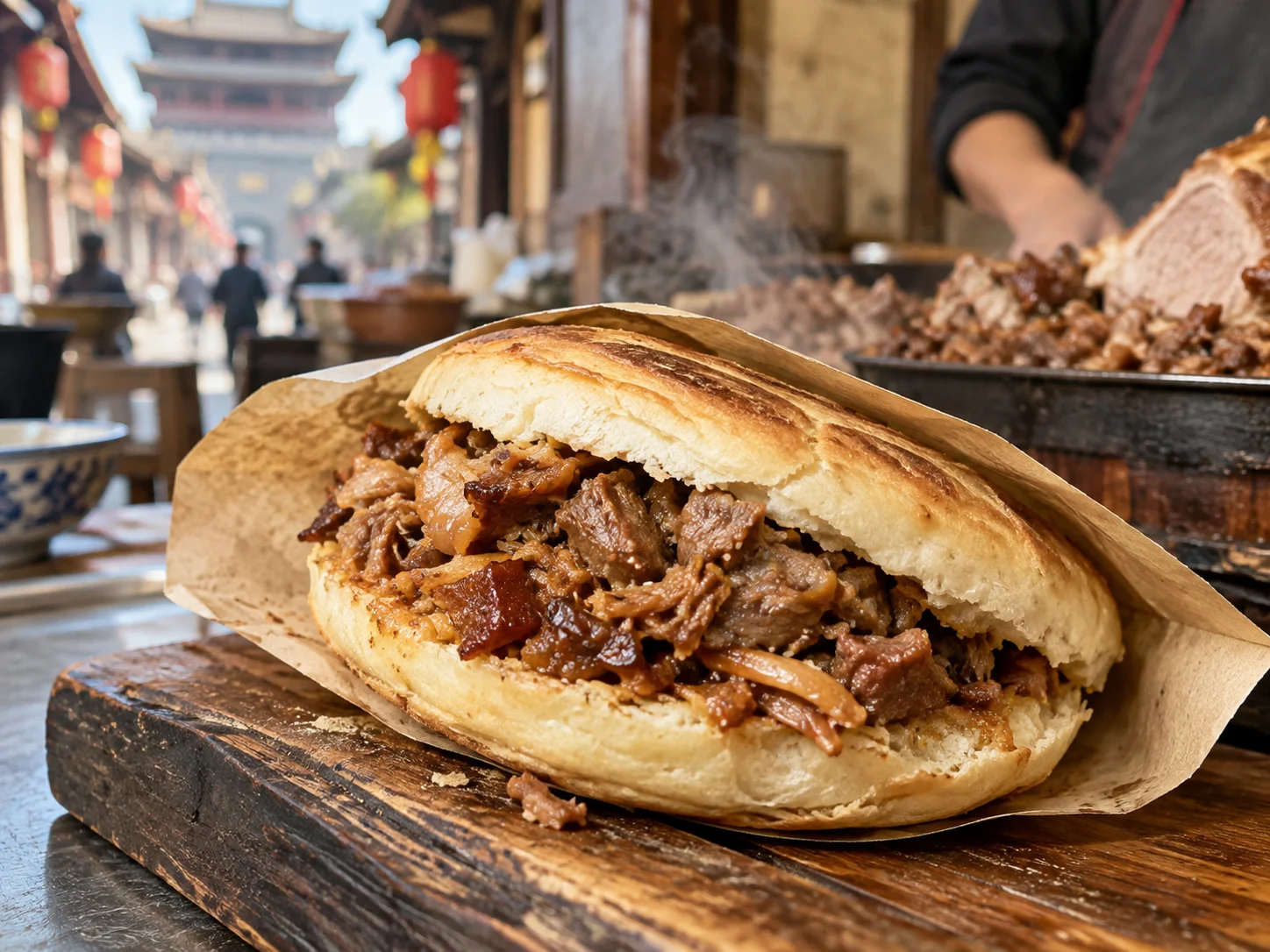
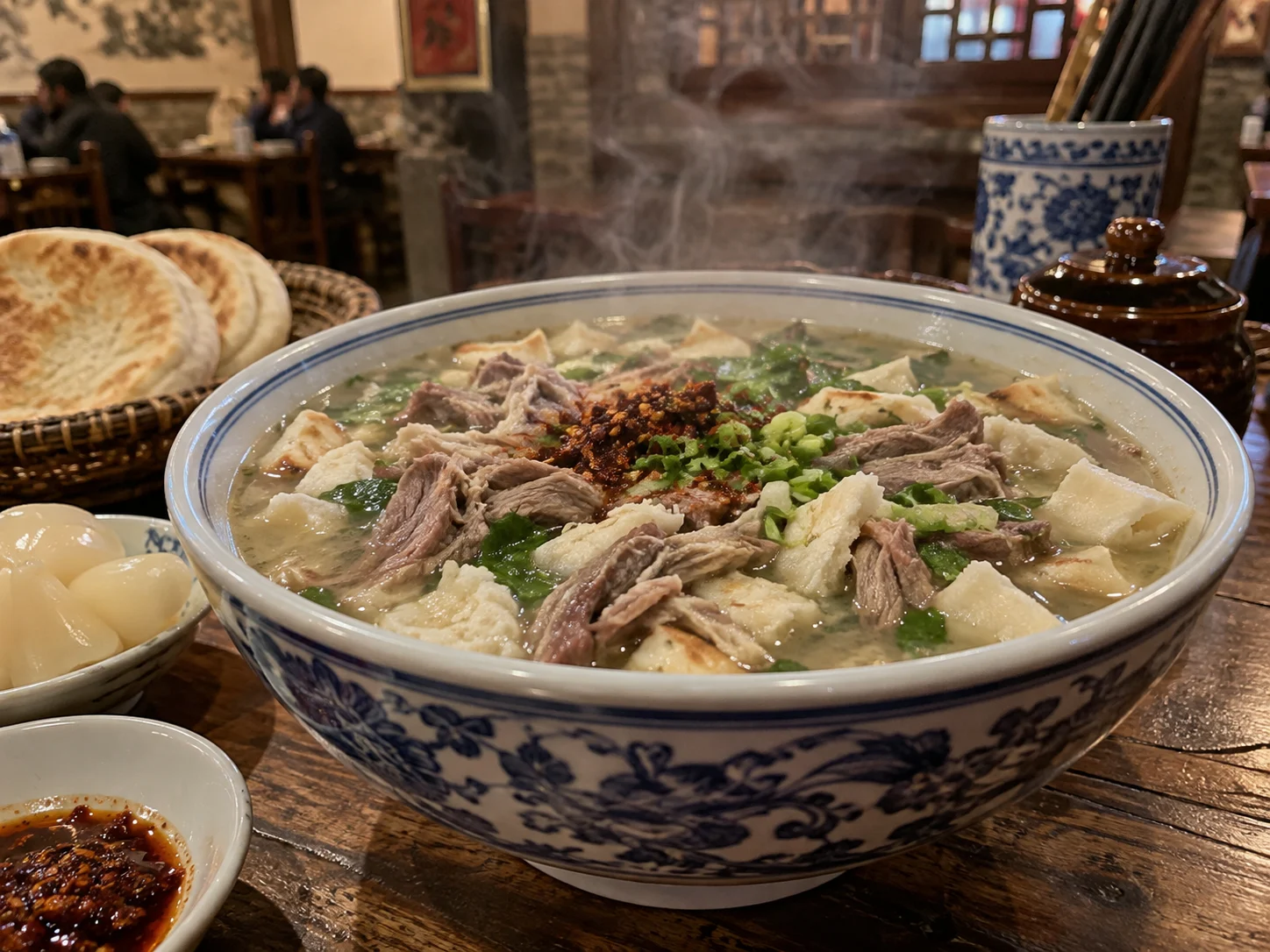
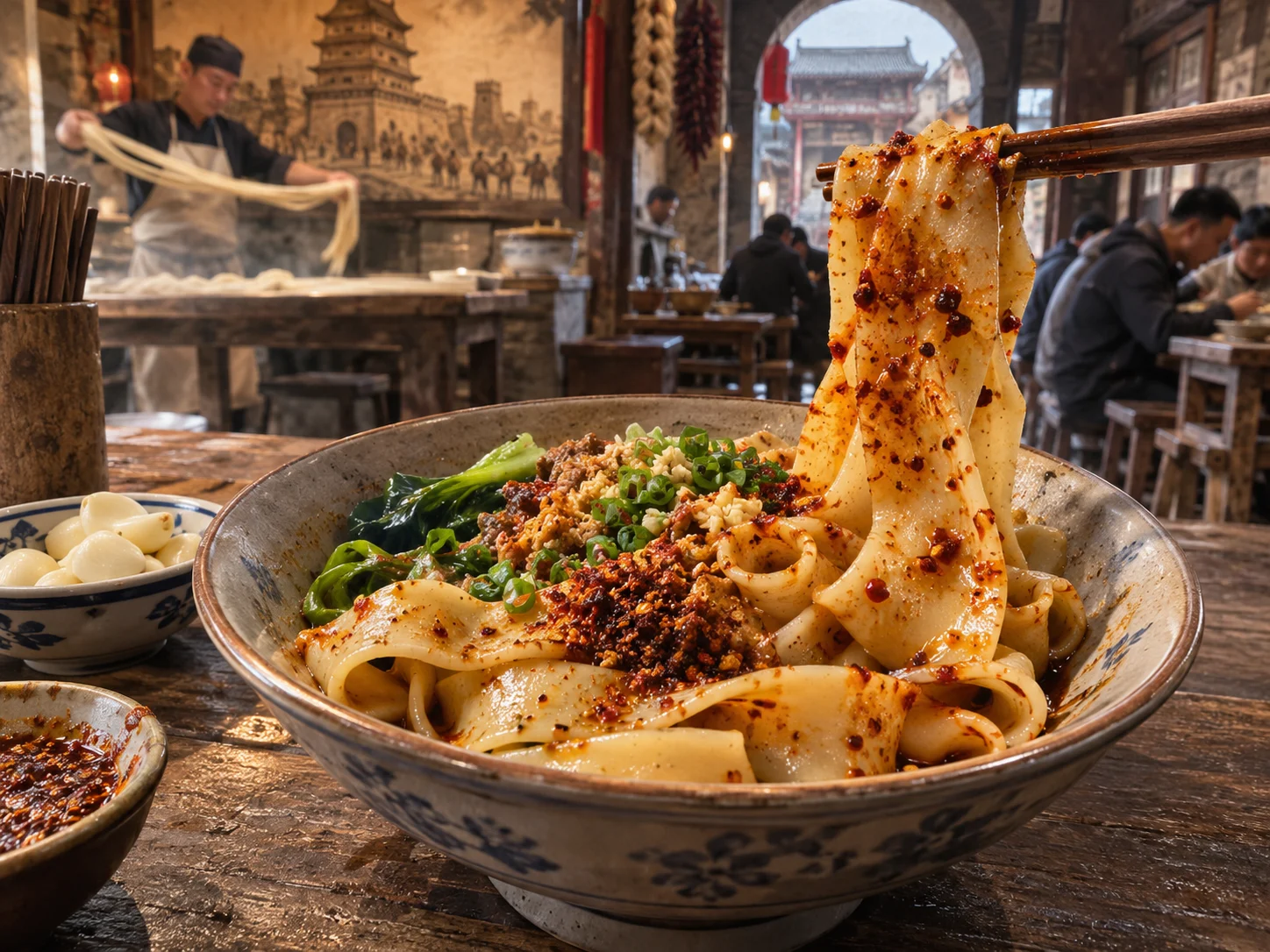
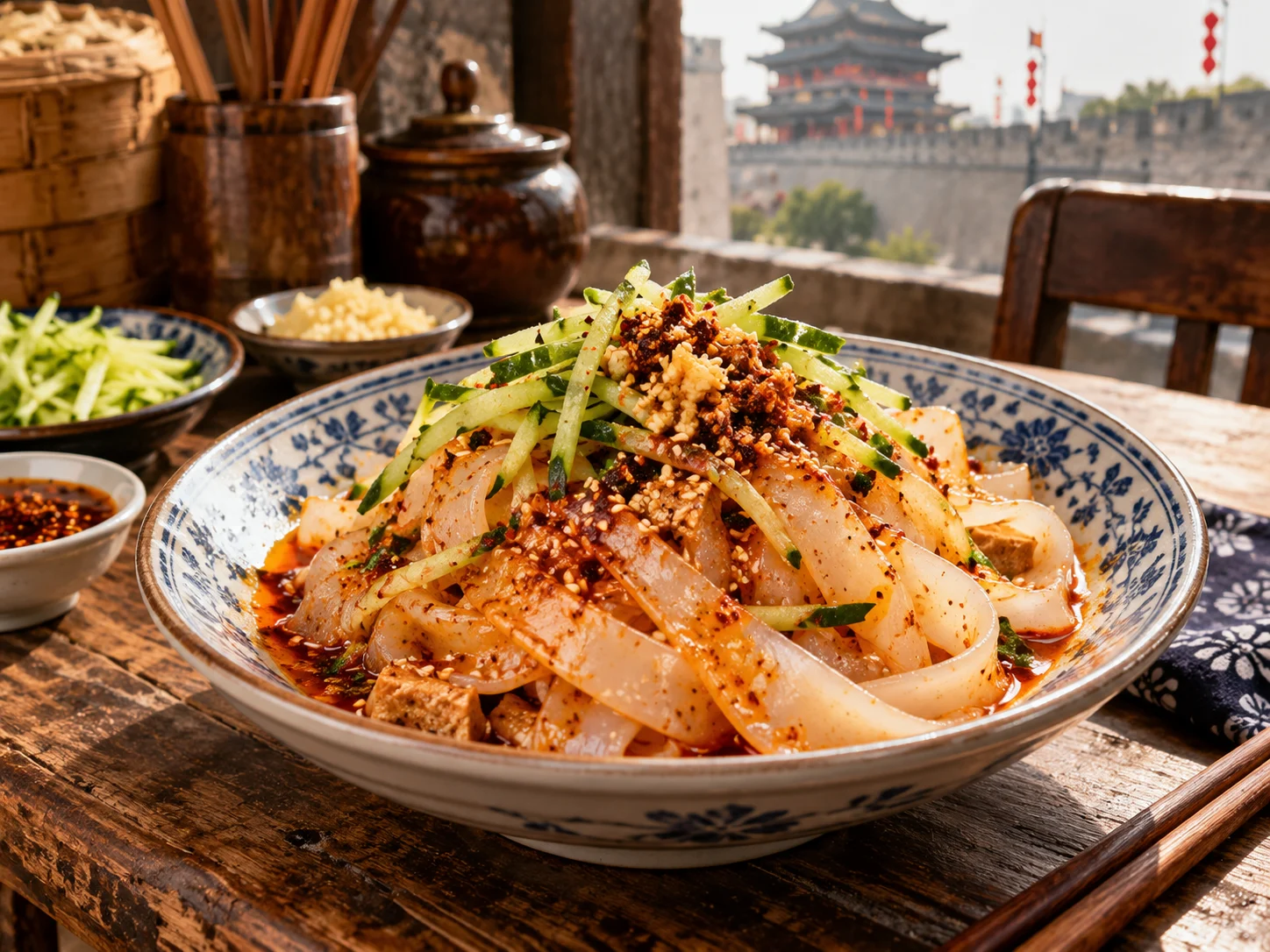
Five tastes of Xi’an
Xi’an is not only about ruins. Its cuisine is highly local and instantly memorable — mo bread, noodles, soup, snacks and night markets form one of China’s most distinctive food personalities. For foreign visitors, the food often leaves a stronger memory than the museums.
A balanced Xi’an day
City Wall walk or cycle, Bell and Drum Towers, old lanes.
Lamb paomo or biangbiang noodles in a traditional restaurant.
Shaanxi History Museum, Giant Wild Goose Pagoda, Little Wild Goose Pagoda.
Wander the food streets, then Tang Everbright City’s lights and hanfu crowds.
In the Muslim Quarter, eat small and walk around — a few bites at several stalls beats one heavy meal. Yongxingfang is the systematic place to sample Shaanxi snacks across the province.
Plan smart, taste deep
Best Season
Spring (Apr–May) and autumn (Sep–Oct) are ideal — mild weather, clear skies on the wall and comfortable days for museums.
Terracotta Army Logistics
The site is in Lintong, about an hour out of town. Reserve a half-day, hire a guide or audio guide — understanding the pits makes the visit far more valuable.
Book Ahead
The Shaanxi History Museum and Terracotta Army require advance reservations, especially in peak season. Book online early — tickets sell out fast.
Where to Stay
Choose near the Bell Tower, South Gate (City Wall) or the Giant Wild Goose Pagoda. These keep old city walks and evening routes on foot or one metro stop.
Dining Tips
Eat small in the Muslim Quarter rather than chasing one big meal. For a full Shaanxi overview, Yongxingfang lets you sample many regional snacks in one walkable space.
Slow Travel Philosophy
Xi’an rewards lingering: a cycle on the wall at sunset, an hour in the Muslim Quarter, a quiet tea house — the city’s history is felt more slowly than ticked off.
Four ways to walk the ancient capital
Xi’an is not a city only for ruins, nor only for history lovers. Its real value is explaining Chinese civilisation with rare clarity: from the Qin empire’s beginning, through cosmopolitan Tang Chang’an, to the Silk Road, the City Wall’s everyday life, Qinqiang’s stage, the Muslim Quarter’s night, and the taste of roujiamo and lamb paomo. 厚重历史,可感生活。
Start Your Journey