
Chaoshan
ChaoshanWhere Tea, Temples & the Sea Meet
A culture still in daily use
Chaoshan is best understood through six dimensions: gongfu tea, the old town of Chaozhou, the overseas-Chinese and treaty-port culture of Shantou, the density of intangible heritage, a complete food system, and a maritime way of life. If Guangzhou speaks of modern metropolitan life in Lingnan, then Chaoshan is more like a regional cultural encyclopaedia still running: the Chaozhou old town embodies history and ritual, Shantou carries the temperament of an opened port and ocean city, and Jieyang preserves deep ancestral halls, academies and folk traditions.
Six cultural keywords worth collecting
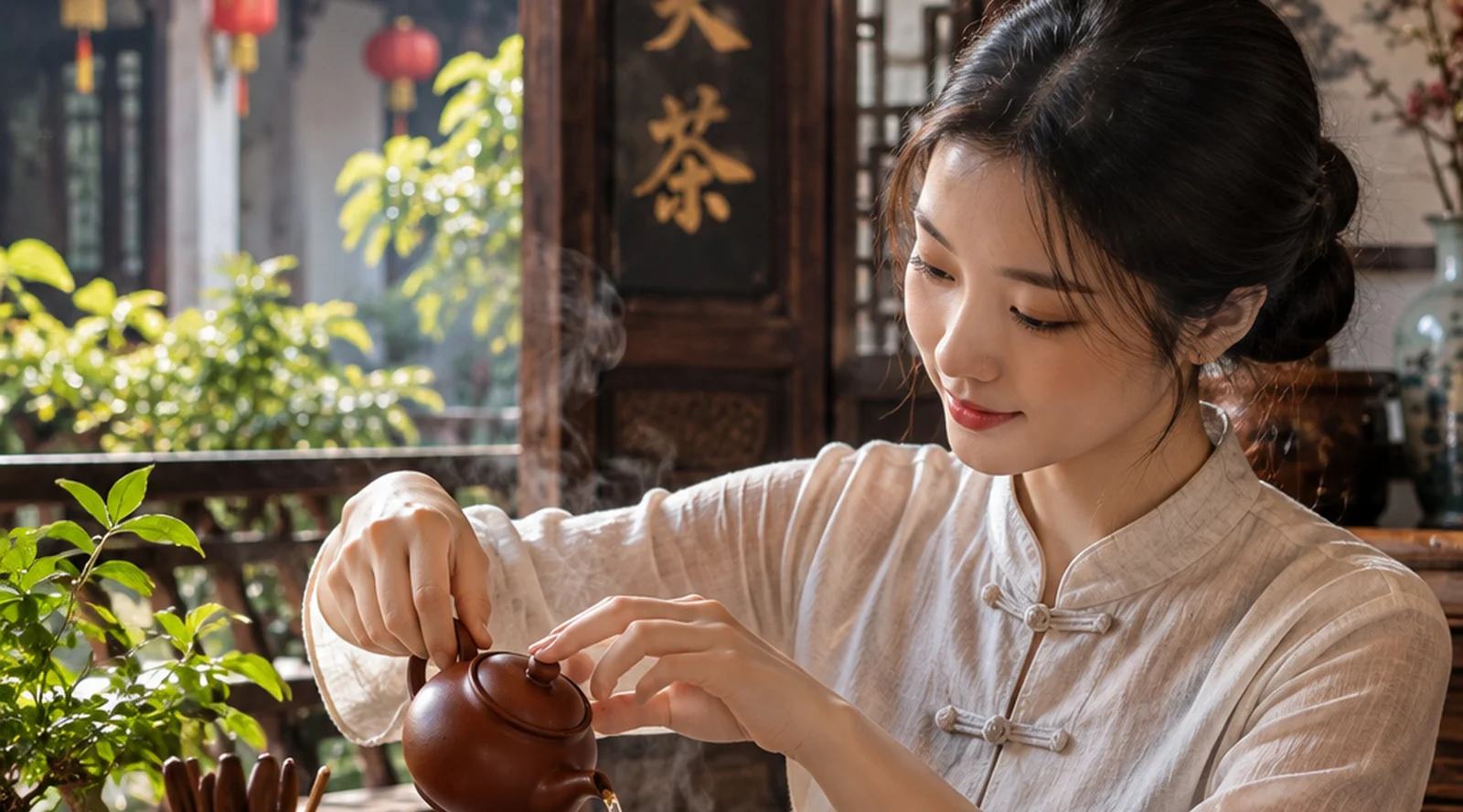
Not simply drinking tea — a complete etiquette of hospitality, teaware aesthetics and social exchange.
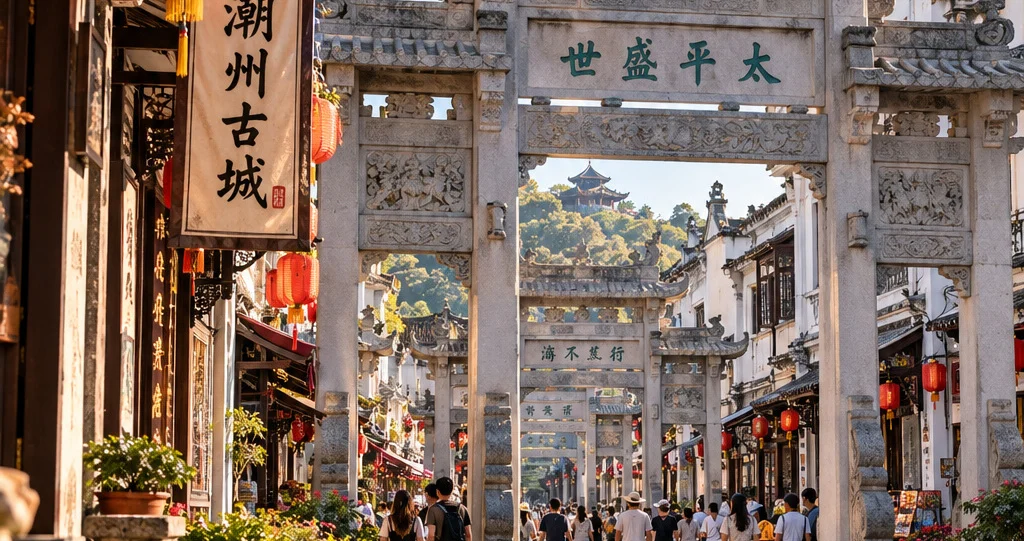
Guangji Bridge, Paifang Street, Kaiyuan Temple and the old lanes together form the historical core of Chaoshan.
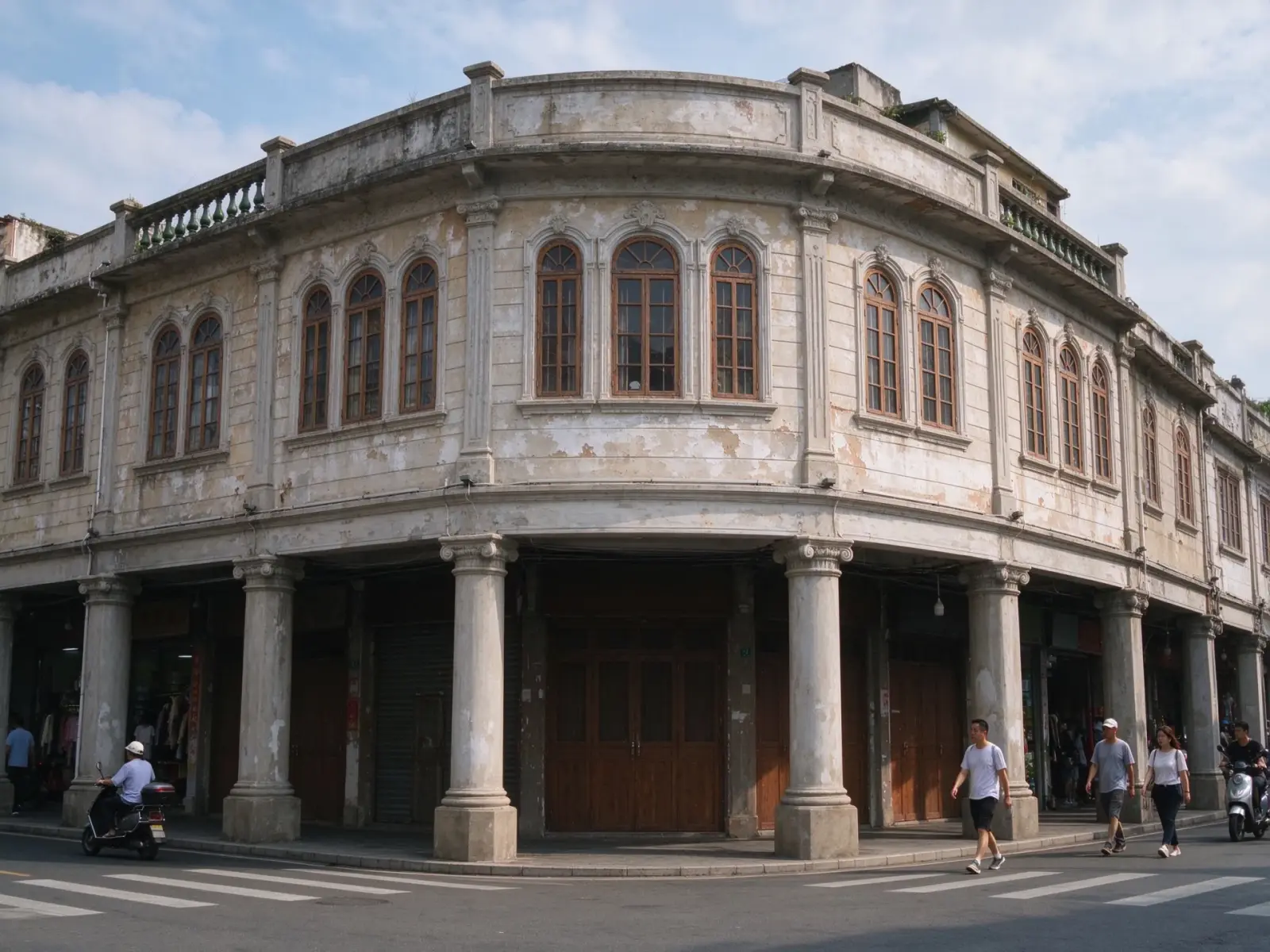
Shantou’s arcaded buildings, qiaopi letters and port history connect the region to Southeast Asia and overseas Teochew people.
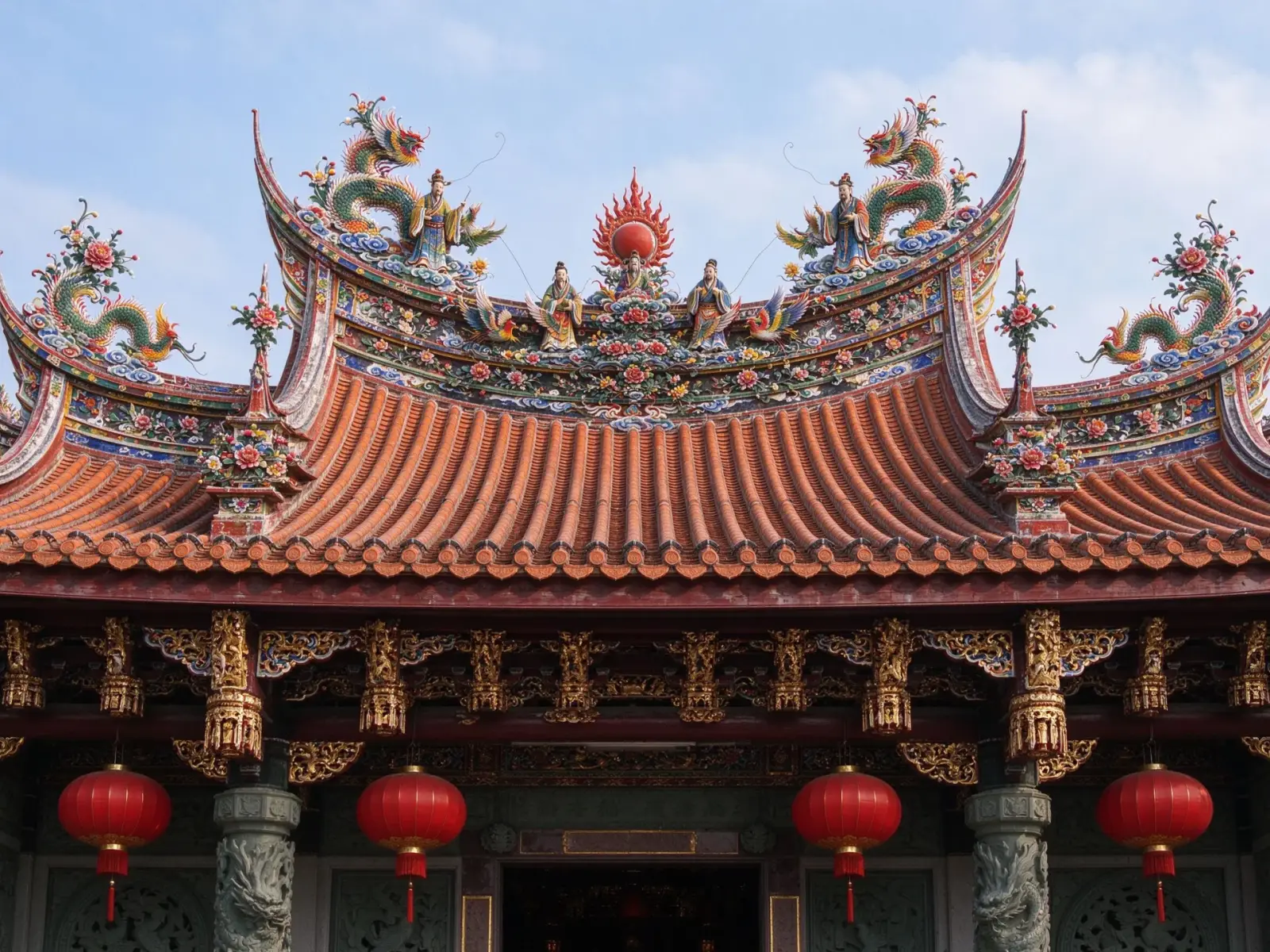
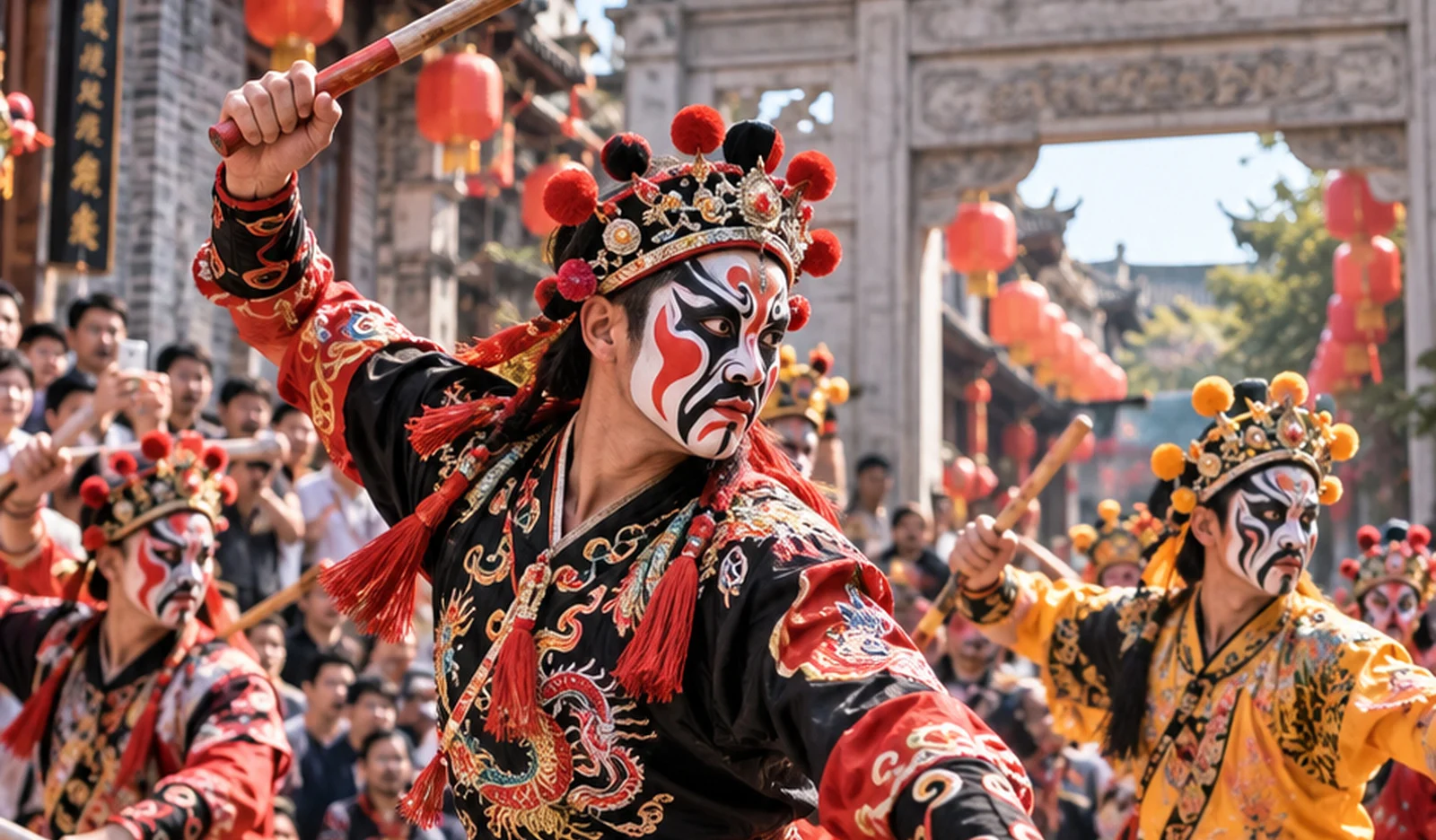
Teochew opera and music, wood carving, ceramic inlay, embroidery and yingge dance all carry strong local identity.
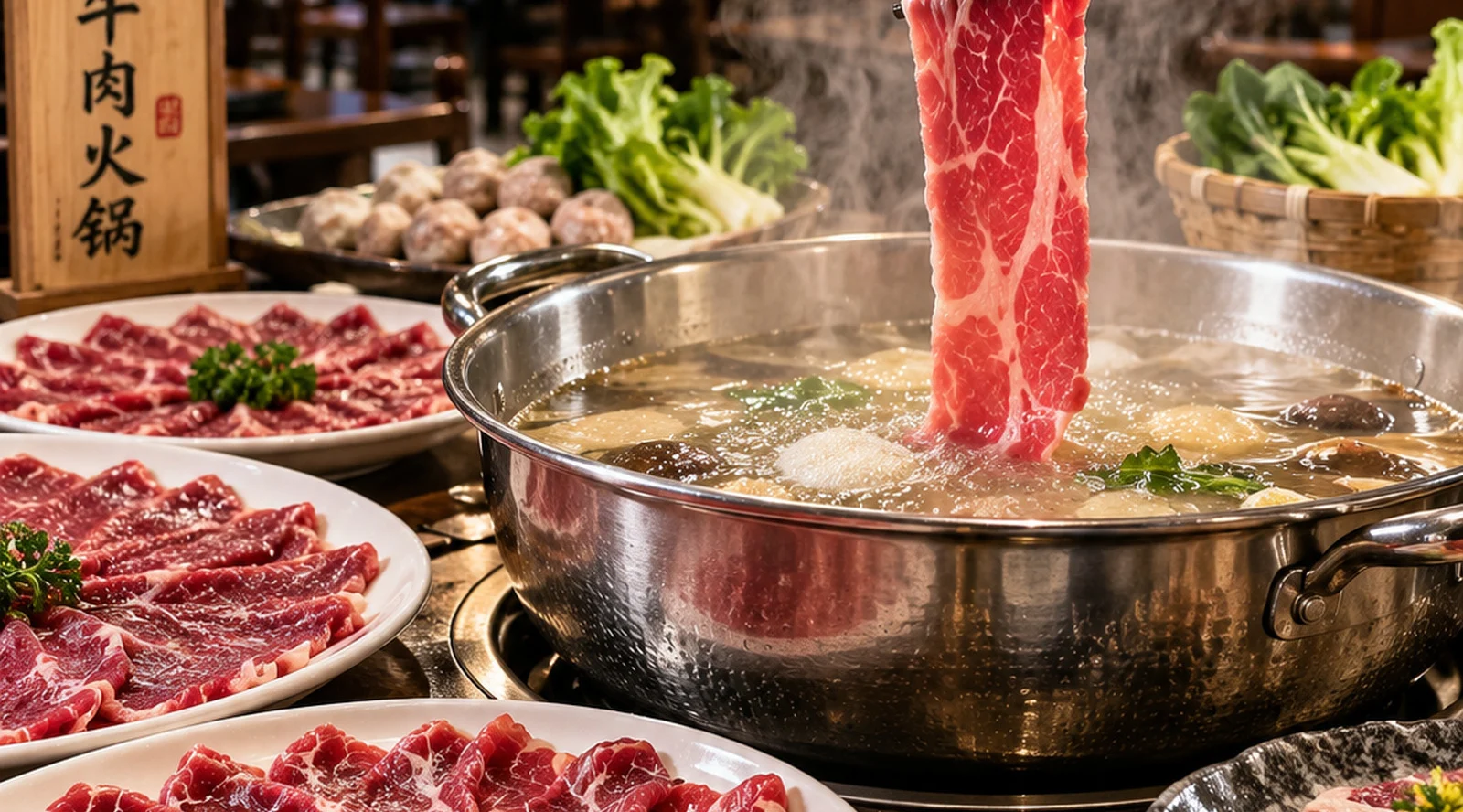
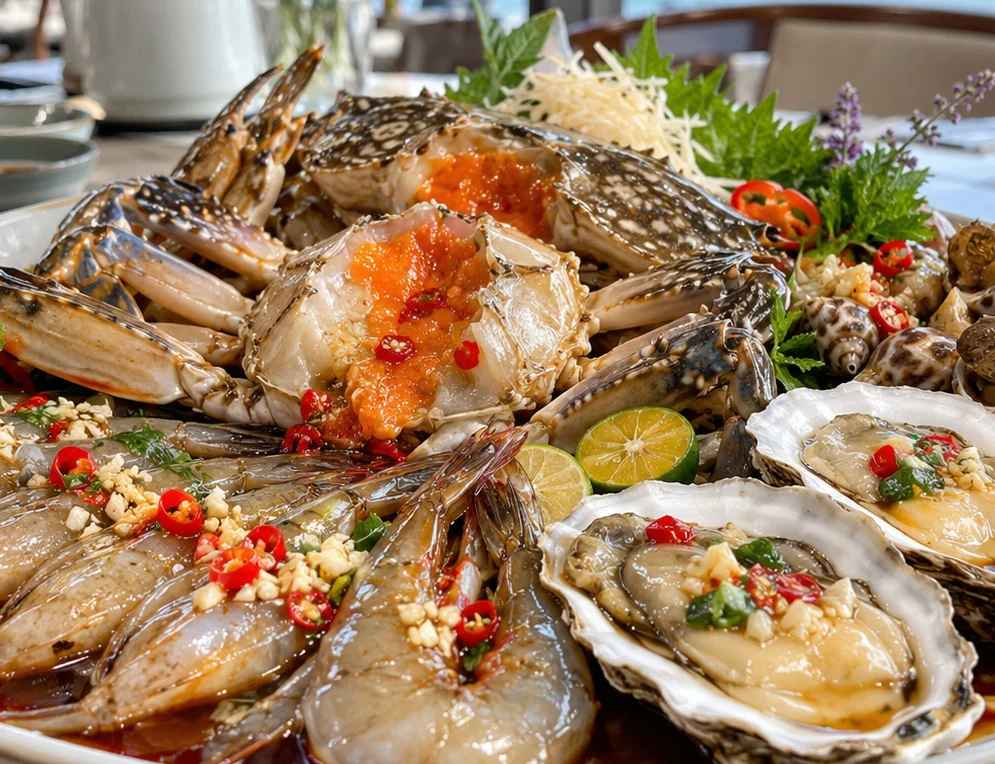
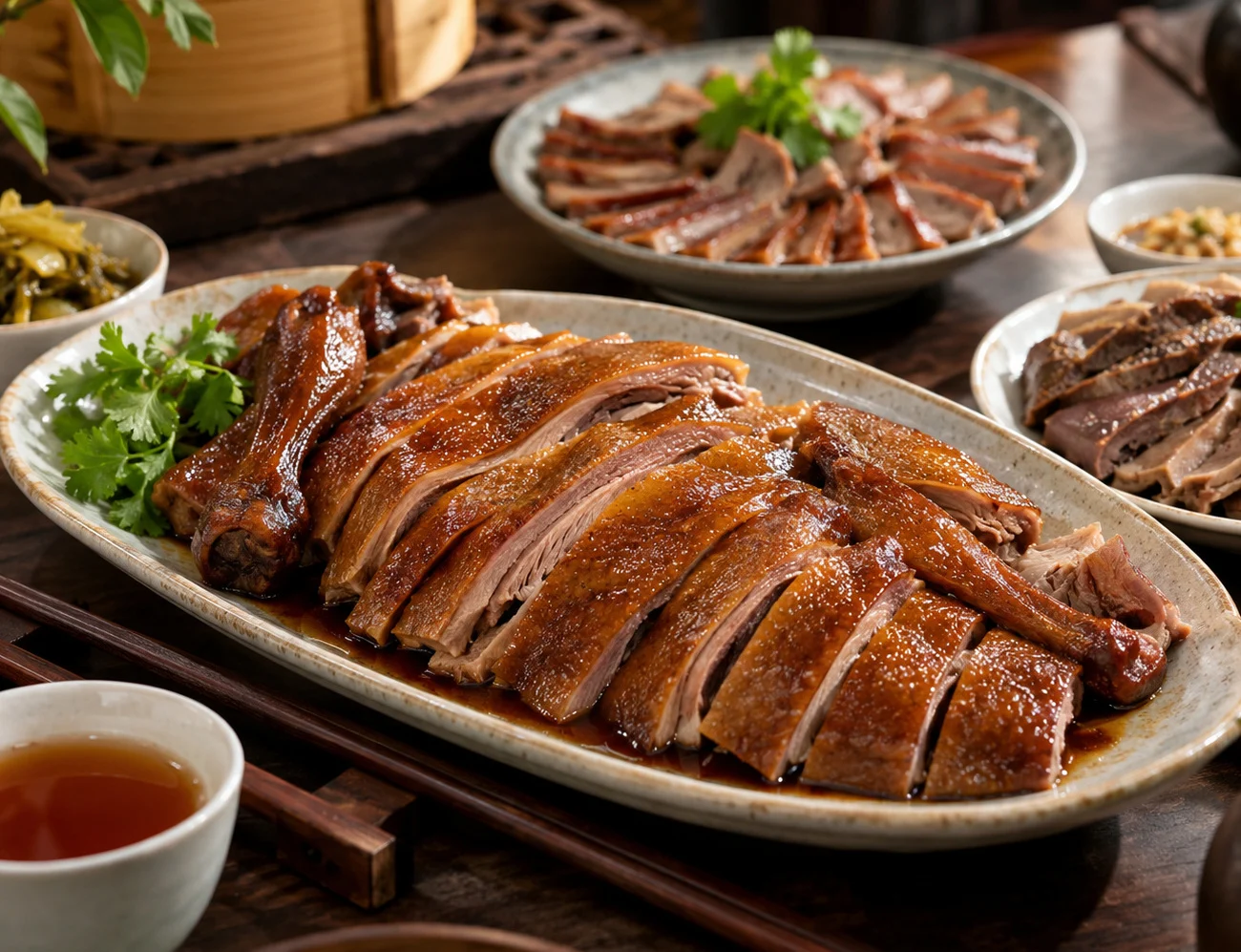
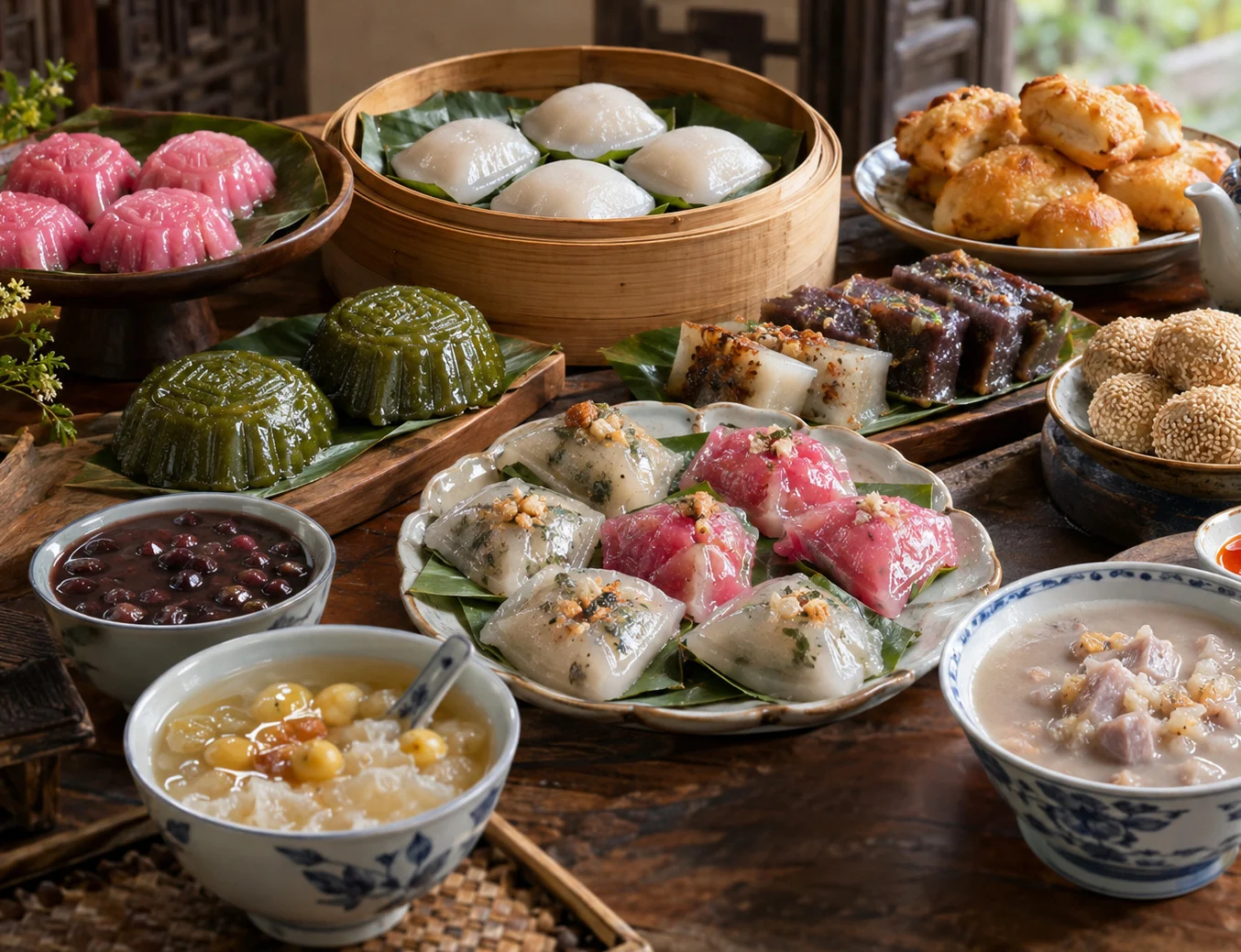
Beef hot pot, raw marinated seafood, braised goose, gui rice cakes, fish rice, clay-pot congee and sweet soups form one complete local cuisine.
Nan’ao Island, fishing harbours, seafood markets and coastal villages reveal the region’s seafaring character.
Three depths of discovery
Classic Essentials
Regional profile · Classic recommendations- Chaozhou Old Town
- Guangji Bridge
- Paifang Street
- Shantou Xiaogongyuan
- Nan’ao Island
Cultural Immersion
Cultural background · Deep experiences- Kaiyuan Temple
- Jieyang Confucian Academy
- Ancestral halls
- Teochew opera
- Yingge dance
- Gongfu tea
Food & Slow Living
Lifestyle · Family-friendly experiences- Beef hot pot
- Markets & seafood
- Teahouses
- Islands & beaches
- Old streets
Five currents that shaped the living encyclopaedia
Chaoshan Culture & Local Society
Chaoshan culture has an unusually continuous local character. Clans, kinship networks, folk belief, ritual and dialect together form the social foundation, and give architecture, food, opera and festivals a deeply local quality. Visitors quickly feel that this is a community still using its tradition.
Architecture, Ancestral Halls & Decorative Arts
The most striking thing about Chaoshan traditional architecture is not scale but detail. Ceramic inlay on ridges, wood carving, stone carving, painted beams and ancestral-hall space fuse craftsmanship with ritual order. Much decoration is not merely ornamental — it is tied directly to family memory, auspicious meaning and local belief.
The Sea, the Diaspora & the Open Port
The opening of Shantou as a treaty port, Teochew merchants going overseas and the networks of the diaspora kept Chaoshan on the exchange belt between the southeast coast of China and the wider world. Arcaded streets, qiaopi letters, overseas-Chinese buildings and the spread of its food all carry traces of this history.
Yingge Dance, Teochew Opera & Festivals
Chaoshan performance culture is strongly public. Yingge dance is fierce in rhythm and bold in formation, often seen at festivals and folk events; Teochew opera and music are more delicate, carrying language, vocal tradition and local aesthetics. The two — one dynamic, one refined — form the two most representative faces of Chaoshan culture.
Gongfu Tea & the Art of Hospitality
Gongfu tea is the best door into Chaoshan social relations. A small pot, tiny cups, repeated infusions and sitting together in conversation make tea a part of daily socialising, hospitality and family life. For foreign visitors it is an easy, memorable culture to join.
Where to begin
Six places that together carry the essence of Chaoshan — the Chaozhou old town and Guangji Bridge, the Guangji Gate tower, Paifang Street, Kaiyuan Temple, the Shantou Xiaogongyuan treaty-port district, and the Xidi old-harbour waterfront.
Islands, academies & living craft
For travellers who want to go past the postcards: Nan’ao Island’s coast, the bay view from Queshi, the Confucian academy of Jieyang, the old city gate and lanes of Jieyang, the wood carvers of Chaozhou, and the ceramic-inlay ridge art of temples and ancestral halls.
Opera, festivals & hands-on craft
Beyond the sites: Teochew opera and music, temple fairs and lion dances, a slow gongfu tea session, and workshops where you watch wood carvers, ceramic inlay artists and embroiderers at work — heritage experienced with the senses.
The sea is not a backdrop — it is a way of life
Morning Markets & the Rhythm of the Coast
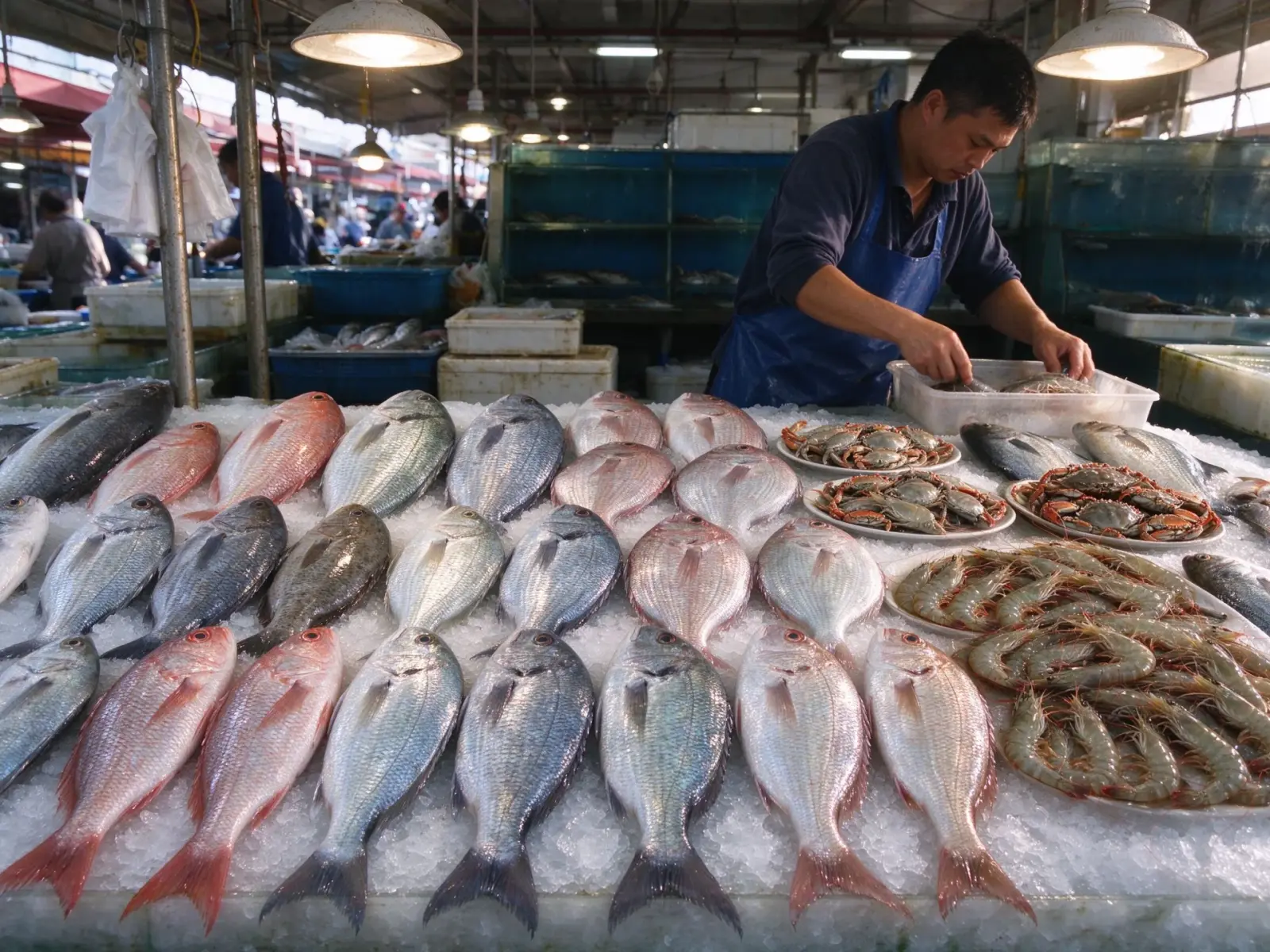
The sea shapes Chaoshan’s food, work and city character. Fishing harbours, seafood markets, fish rice, marine processing and island life let visitors see a more direct, labour-rooted side of the region beyond the old towns.
The morning market is one of the most effective places to read Chaoshan food: fish, shellfish, vegetables, gui rice cakes, braised goods and dried produce appear in dense variety, and much of the table culture can be traced back here.
Go in the morning and need not stay long. The point is not to photograph unusual ingredients but to understand how locals choose food, talk with stallholders, and how the ingredients reach the family table.
A complete system, not a few famous dishes
Five tastes of local life
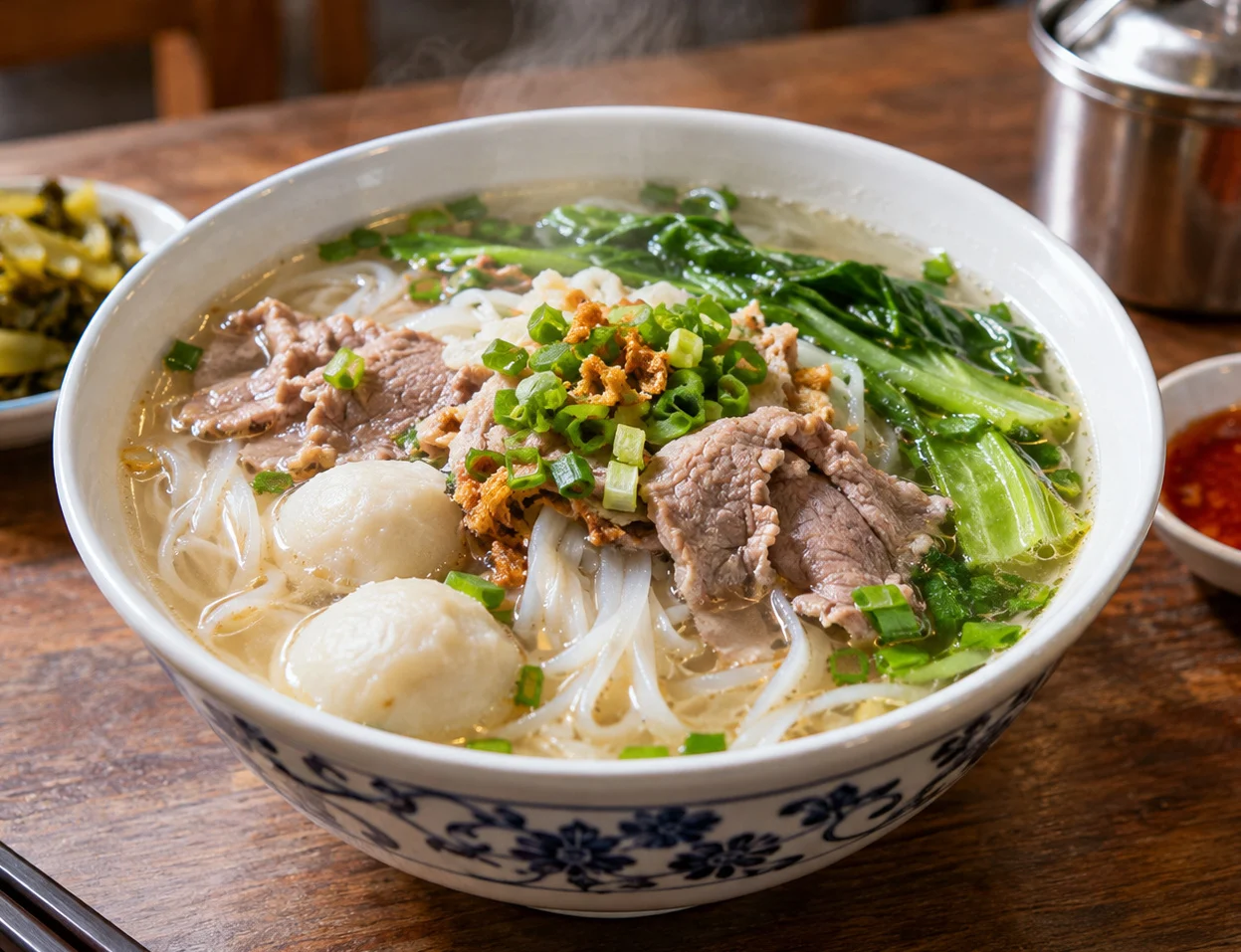
Chaoshan food is not a collection of “internet-famous” dishes but a complete system: extremely sensitive to freshness, precise about cuts, slicing and dips, and always connected to tea, night snacks, markets and the family table. For foreign visitors it is one of China’s best regions for understanding a local culture through food. A balanced rhythm: one beef hot pot, one seafood or braised meal, then lighter noodles, gui and tea — not a heavy feast at every meal.
How to taste the region
Start light with a bowl of rice-noodle soup, the most everyday Chaoshan breakfast.
Wander Paifang Street with small eats, gui cakes and a round of gongfu tea.
The main dinner: fresh cuts in clear broth, or a harbour-side seafood meal.
Finish with sweet soup or desserts, then a slow walk through the lamplit old town.
Plan the journey well
Best Season
From autumn through early spring the region is most comfortable for city walking and food travel. Summer brings the strongest island experience, but with intense heat and sun, and the possibility of typhoons and heavy rain.
How Long to Stay
For a first visit plan 3–5 days. In 3 days: Chaozhou old town + Shantou old city + Nan’ao Island. With 4–5 days add Jieyang, gongfu tea, craft workshops and a fuller food experience.
Getting Around
The Chaoshan high-speed rail station sits between Chaozhou, Shantou and Jieyang and works well as the regional entry point. Between the three cities and to Nan’ao Island, combine rail with ride-hailing or a hired car.
Travel Etiquette
In temples, ancestral halls, festivals and community spaces, respect local order. Ask before photographing people or rituals, and never interrupt religious or family activities for a photo.
Five ways to walk the layers
What makes Chaoshan truly fascinating is not simply that it tastes good — it is that food, ritual, the old town, the harbour and human warmth are all connected. Slow down, share a round of gongfu tea, walk an old street, then sit down for a meal — that is the most complete Chaoshan experience. 潮汕真正迷人的地方,不只是“好吃”,而是饮食、礼俗、古城、港口和人情味彼此连在一起。慢下来,喝一轮茶,走一段老街,再坐下来吃一顿饭,才是最完整的潮汕体验。
Start Your Journey