
Jingdezhen
JingdezhenWhere Kiln Fire Meets Living Craft
A handcraft city that is still in motion
If Beijing represents China’s historical depth and Shanghai its metropolitan modernity, then Jingdezhen is best understood from six dimensions: a millennium of porcelain, the imperial-kiln system, blue-and-white aesthetics, the handcraft process, kiln-fire and old-city memory, and contemporary ceramics and creative renewal. Unlike many historical cities that keep only monuments, Jingdezhen’s ceramic tradition has never been interrupted — today’s urban life, commercial structure and travel character are still shaped by the porcelain industry.
Six cultural keywords worth collecting
An entire city shaped by its porcelain industry — its formation, trade and identity all revolve around ceramics.
The Ming and Qing court kilns pushed Jingdezhen’s craft standards — materials, forms, decoration and firing — to an extremely high level.
The blue-and-white palette became one of the most internationally recognised visual symbols of China.
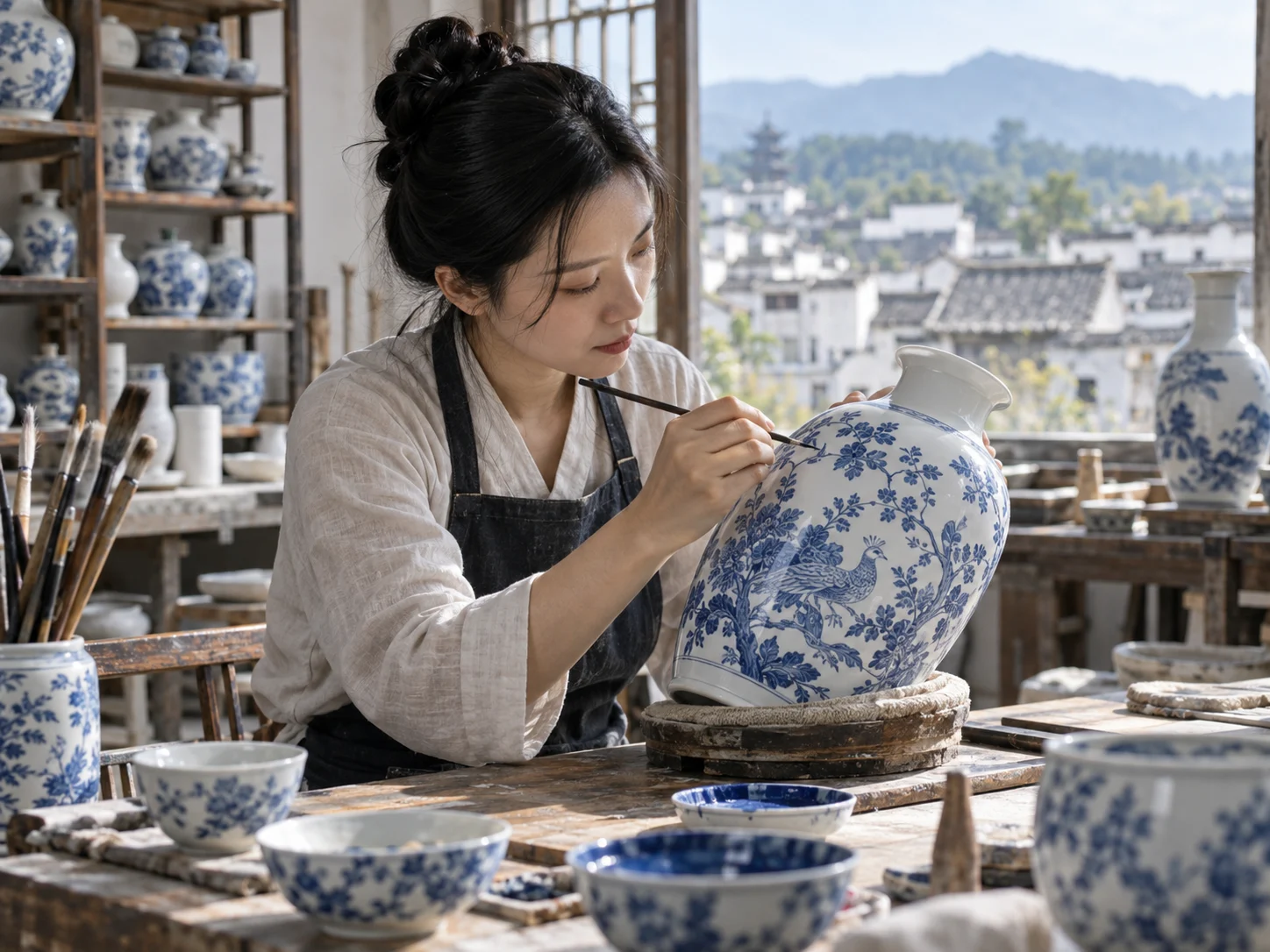
Throwing, trimming, painting, glazing and firing — every stage of the craft is worth watching in the workshops.
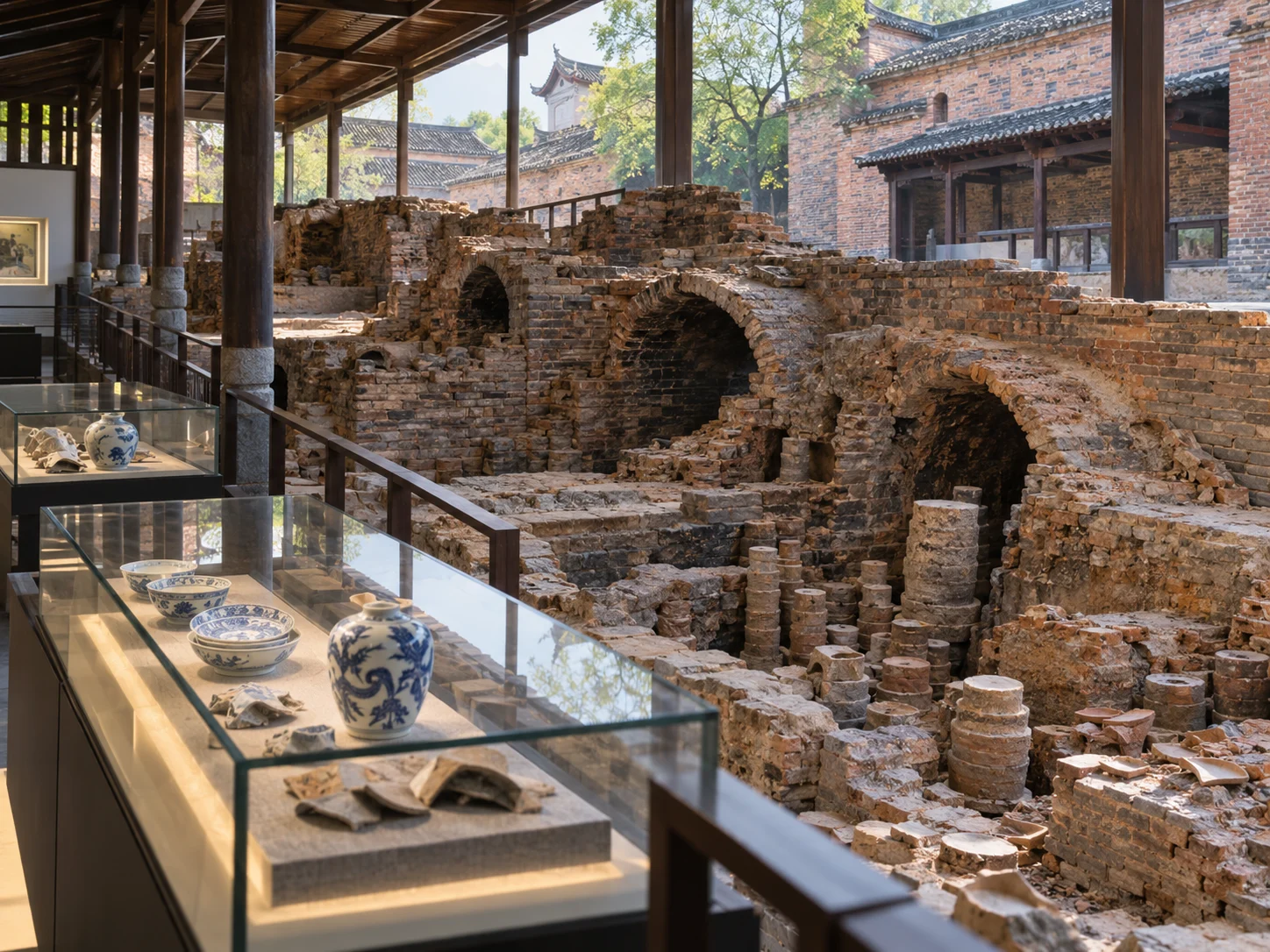
Old kilns, porcelain shards, brick walls and workshop spaces together make up the historical texture of the city.
Taoxichuan and Sanbao Village, with countless studios and resident artists, keep Jingdezhen continuously growing.
Three depths of discovery
Classic Essentials
City profile · Classic recommendations- Taoyangli Imperial Kiln Site
- China Ceramics Museum
- Ancient Kiln Folk Customs Area
- Taoxichuan Creative District
Cultural Immersion
Cultural background · Deep experiences- Sanbao International Ceramic Art Village
- Handcraft workshops
- Old-town porcelain streets
- Fuliang Ancient County Office
Slow Living & Countryside
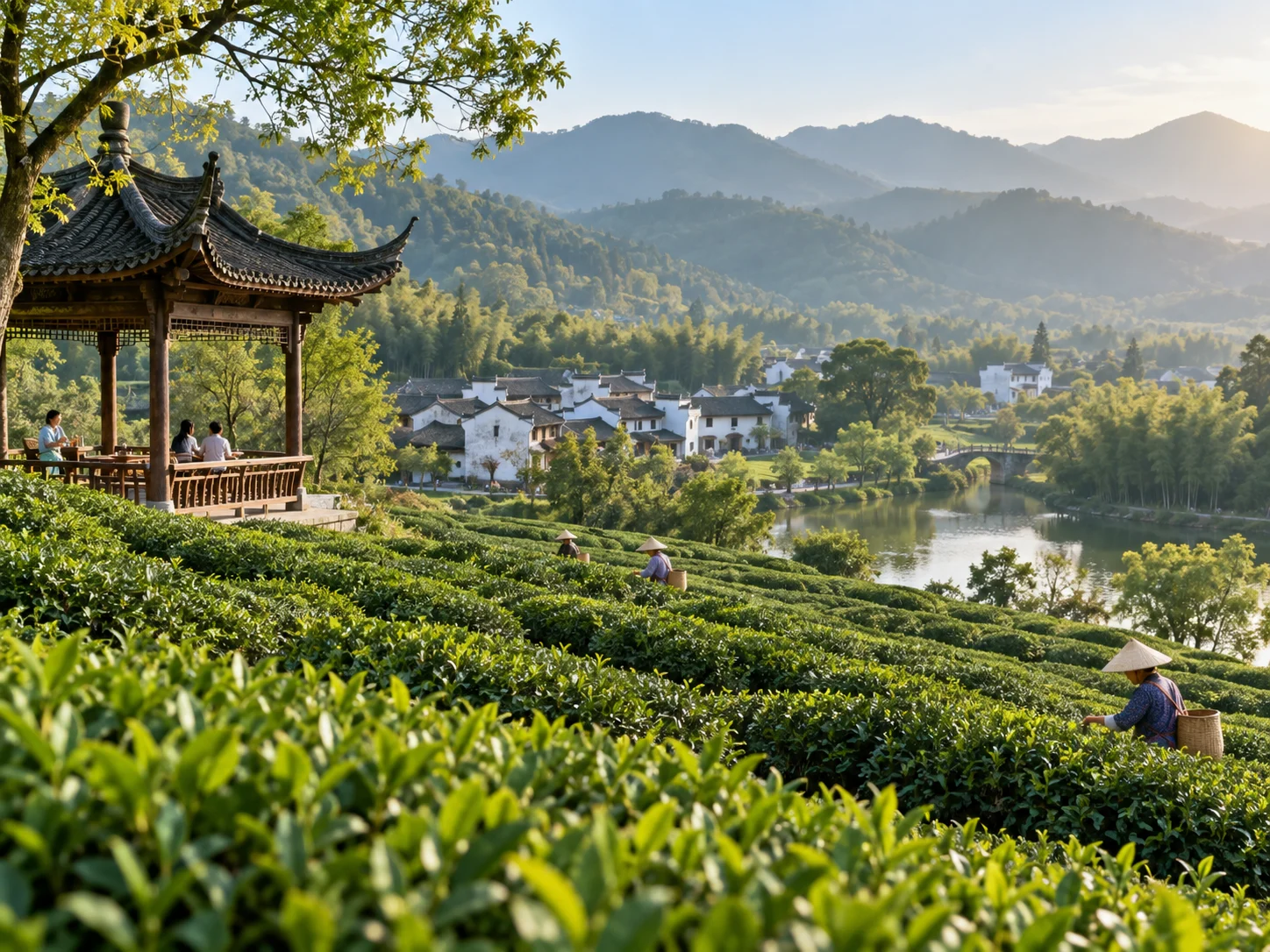
Lifestyle · Family-friendly experiences- Yaoli Ancient Town
- Tea hills & countryside
- Night markets & bazaars
Five currents that shaped the porcelain capital

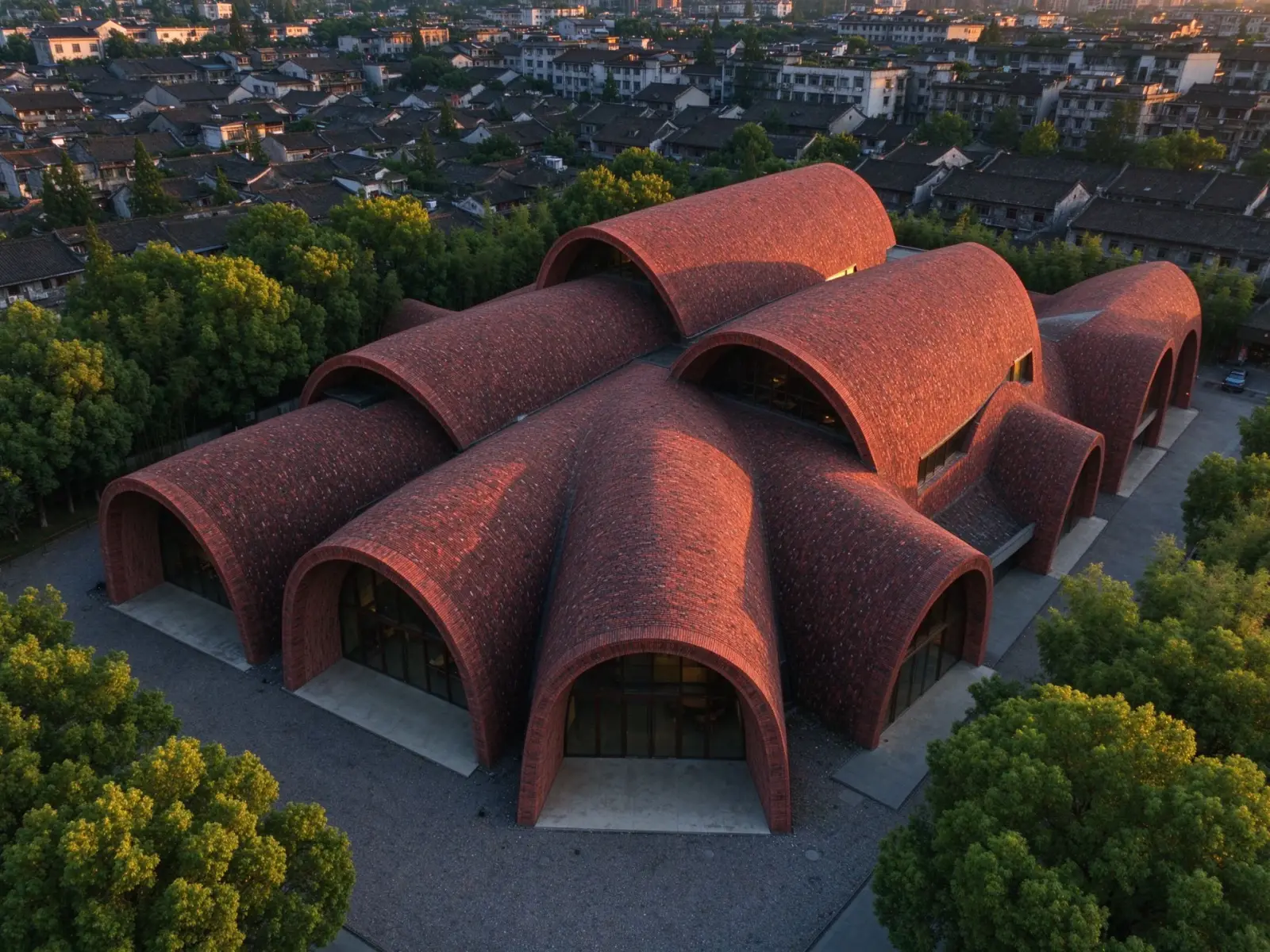
A Millennium of Porcelain & the Shaping of a City
Jingdezhen’s pattern of “standing on ceramics” took shape in the Song and Yuan dynasties and reached its height in the Ming and Qing. Unlike many historical cities that keep only ruins, Jingdezhen’s ceramic tradition has never stopped — today’s urban life, business structure and travel character are all still shaped by the porcelain industry.
The Imperial Kiln System & Craft Standards
The court-kiln system of the Ming and Qing set extremely high standards for materials, forms, decoration, firing and quality control. Because of that long accumulation, Jingdezhen became one of the most mature and systematic centres of Chinese ceramic craft.
Blue-and-White Porcelain & Its World Spread
From Yuan blue-and-white to the Ming and Qing court kilns and export porcelain, Jingdezhen ware was long China’s most important cultural calling card abroad. It is memorable worldwide not only for its striking blue-and-white contrast, but because it naturally unites painting, utility and an Eastern aesthetic.
Kiln Fire, Old Town & Everyday Memory
What moves visitors most is not only the museum masterpieces but the kiln memory kept in old-town space: old workshops, brick-kiln remains, shard fragments, street-side porcelain shops and a steady flow of craftsmen. These details show a city where production and life really happen — not an abstract cultural noun.
Contemporary Ceramics & Urban Renewal
Today Jingdezhen is not only a traditional porcelain centre but a continuously renewing art city. Taoxichuan has turned old factory areas into creative districts, Sanbao Village draws workshops and resident artists, and young creators keep entering — forming a parallel development of tradition, contemporary design and daily consumption.
Where to begin
Six places that together carry the essential Jingdezhen: the Taoyangli Imperial Kiln Site, the China Ceramics Museum, the Ancient Kiln Folk Customs Area, the Taoxichuan Creative District, Sanbao International Ceramic Art Village and the riverside ancient town of Yaoli.
Beyond the classic postcards
For travellers who have seen the classic sites and want to understand how Jingdezhen continues to grow outside its tradition: the Fuliang county office, the weekend ceramics market, the sculpture factory district, the old-town porcelain streets, a hands-on workshop, and the tea hills and villages of Fuliang.
A living ceramic museum, not a stage set
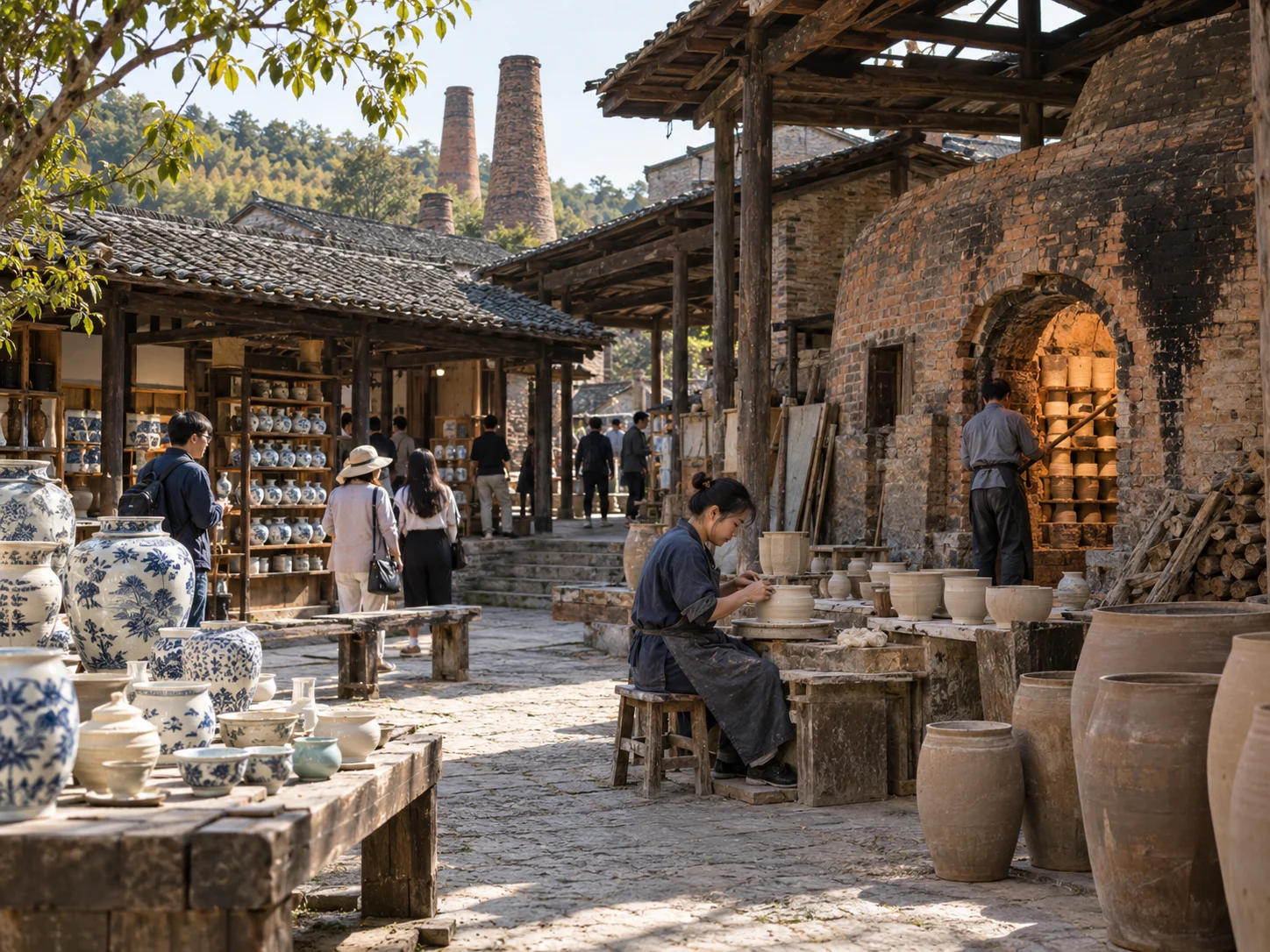
Old Kiln Courtyards & the Daily Life of Craftsmen
The human charm of Jingdezhen comes largely from spaces that are still working: kiln courtyards, workshops, drying grounds, trimming tables, shelves stacked with objects, and the steady flow of craftsmen. Step into such a space and you understand why Jingdezhen is called a “living ceramic museum”.
The Artistic Village Atmosphere of Sanbao
Sanbao’s appeal is not density but quietness, nature, studios and an artistic way of life — white walls, bamboo courtyards, scattered objects and constantly working creators. For younger, artistic or design-oriented travellers it is almost a must: it explains why Jingdezhen keeps international artists for long stays.
From Watching Craft to Doing It Yourself
Compared with one-way sightseeing, Jingdezhen suits participatory experience. Throwing, pinching, painting and underglaze classes extend the stay and turn “ceramic culture” into bodily memory — an interaction of “understand, do, take away” that leaves a deeper impression than shopping alone.
Plain, hot and close to daily life
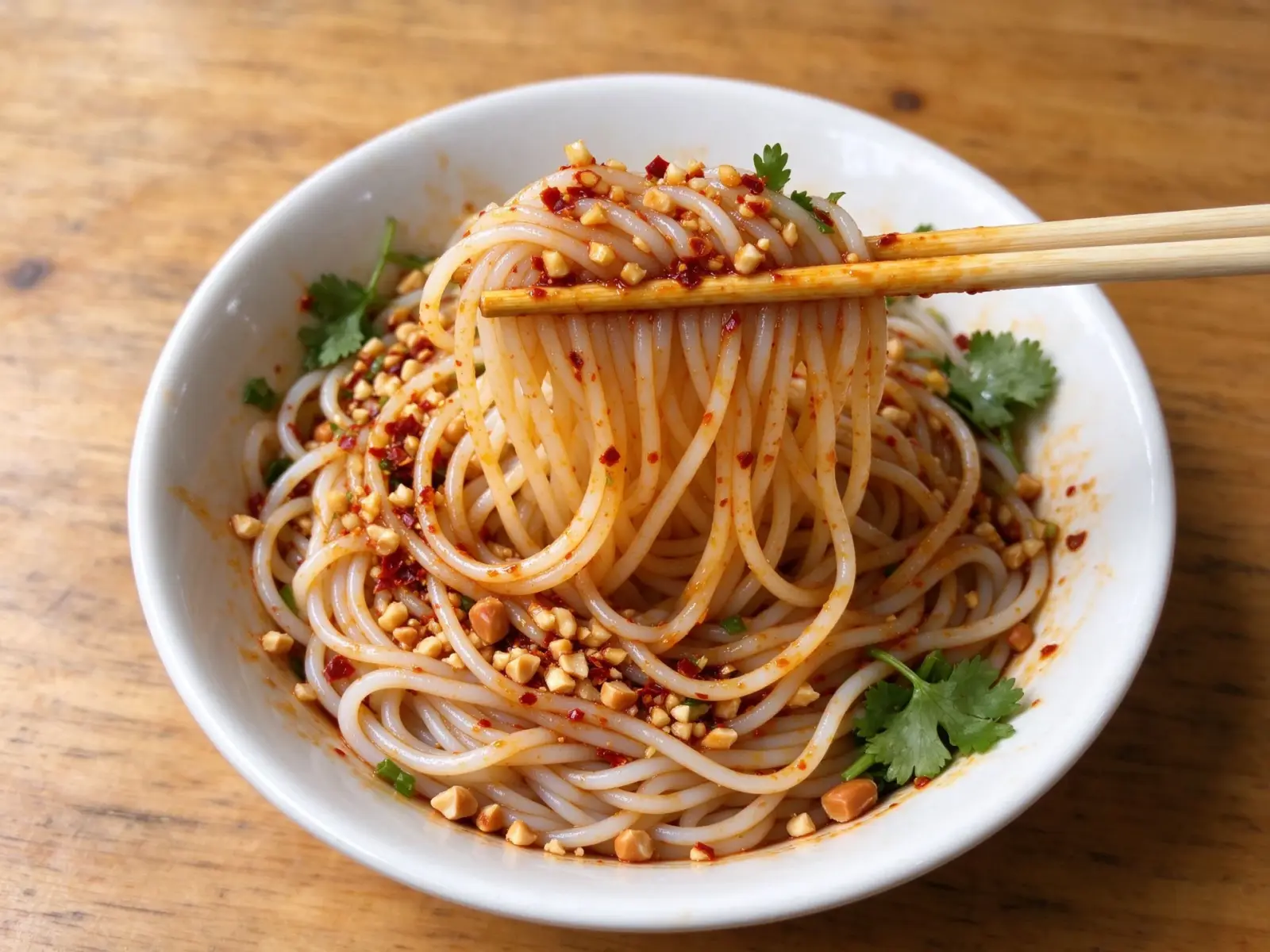

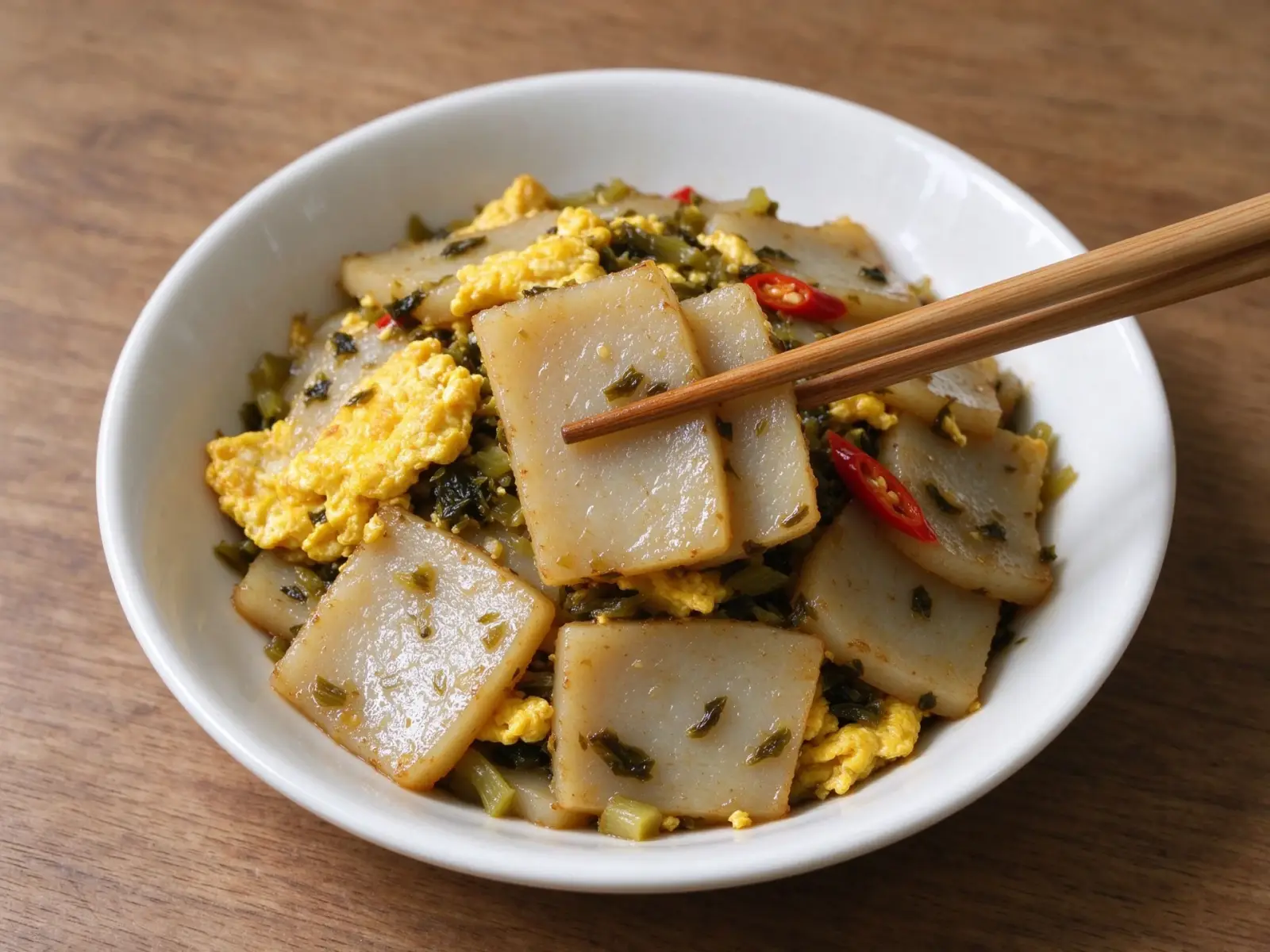
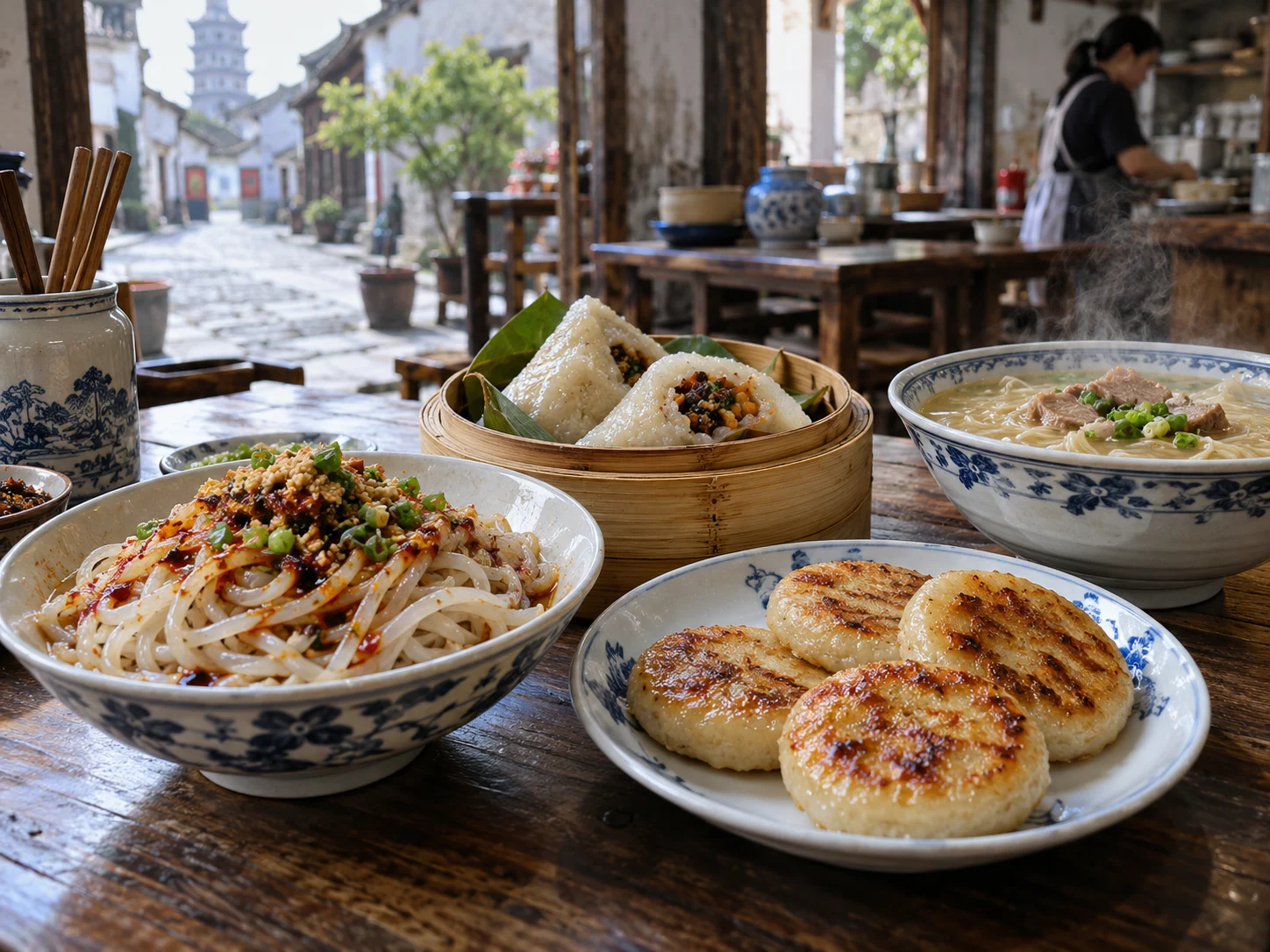
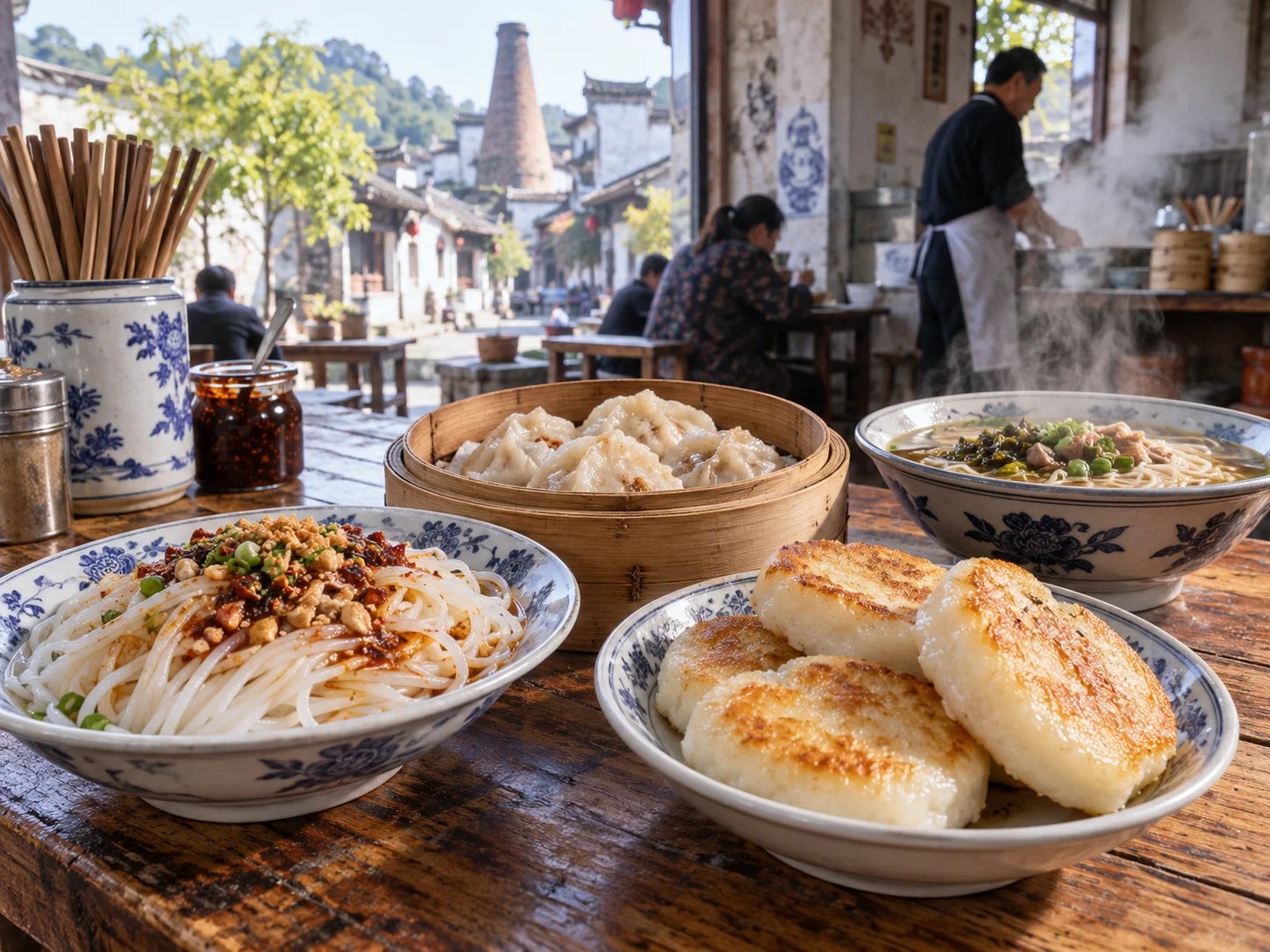
Five tastes of local life
The food charm of Jingdezhen is not a “huge number of famous dishes” but a plain, hot, everyday local cuisine. What visitors remember most are street breakfasts, staple meals in old eateries, and snacks full of life. For foreign guests, food here works best as a cultural supplement woven into the itinerary — a breakfast, a small restaurant, a street-side stall — rather than a separate high-density food tour.
How to taste the city
Start with cold noodles, jiaozi ba or a noodle soup — the most everyday Jingdezhen breakfast.
Sit in an old restaurant with craft temperament; order a warm staple and a home-style dish.
After browsing the market, close with a light meal or tea, letting porcelain, street life and food connect naturally.
Plan well, and choose porcelain well
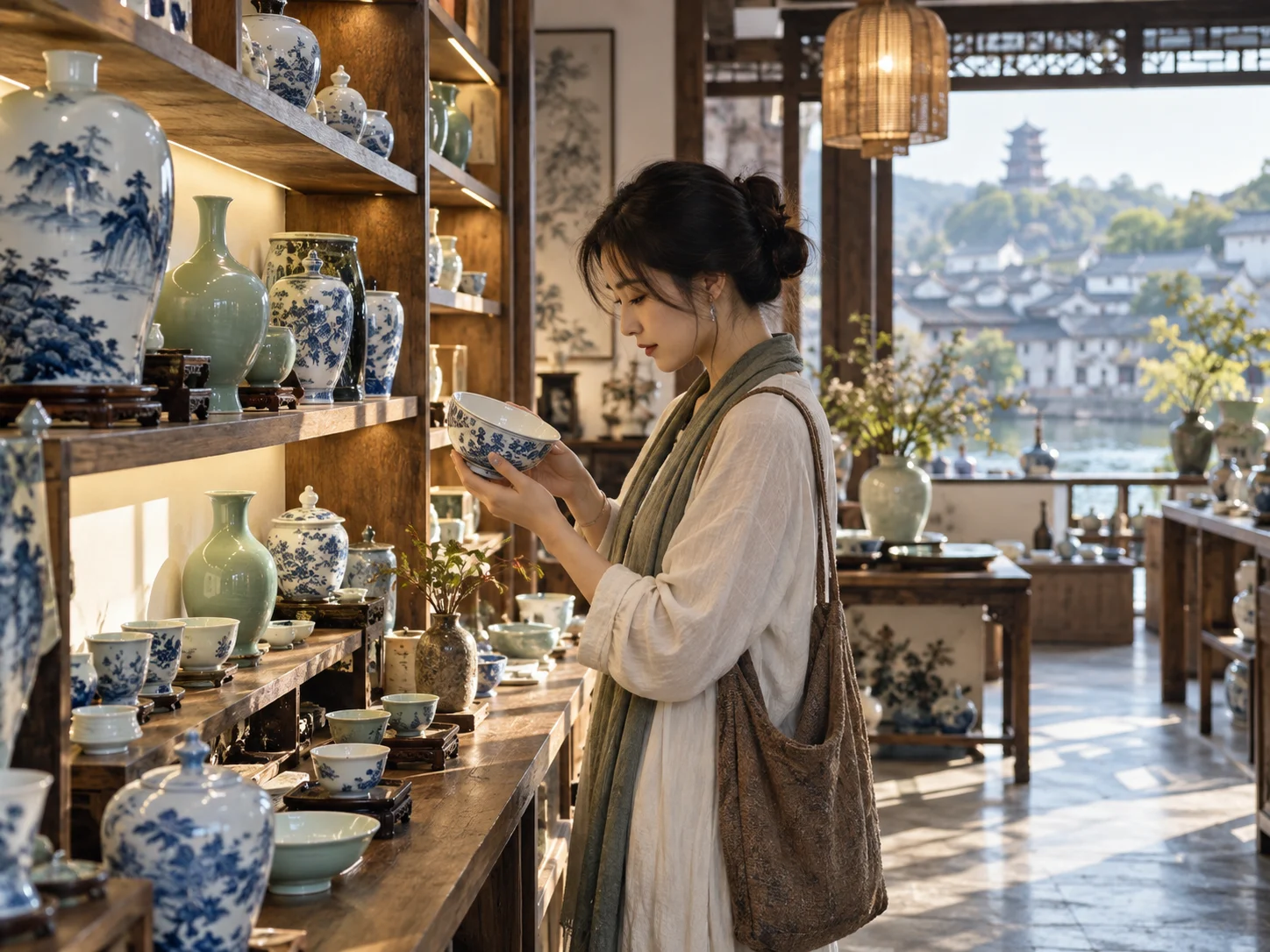
What to Look At When Buying Porcelain
Buy after visiting the museum or workshops, so you can tell which forms, glazes and styles you really prefer. Instead of chasing “cheap”, consider use, feel, and whether you will genuinely live with the piece.
Cup, bowl, plate or display piece — does it fit your daily habits?
Weight in hand, rim feel, proportion and stability all matter.
Throwing marks, glaze layering, painting detail and overall harmony.
Judge value only after you understand the differences between pieces.
Best Season
Spring and autumn are best for deep visits: spring suits the ancient towns and countryside, autumn has stable weather for street walking and photography. Summer is greenest but humid and hot in the afternoon, with showers.
Who It Suits
Culture travellers, craft lovers, designers, photographers, young couples and families. It is not a high-stimulation destination — it rewards those who look slowly, buy slowly and feel slowly.
How Long to Stay
One day: museum or imperial kiln + Taoxichuan. Two days: add the ancient kiln area or a handcraft class. With three or more days, extend to Sanbao, Fuliang tea hills and Yaoli Ancient Town.
Practical Reminder
If buying many pieces, allow time in the plan for packing, shipping or courier help; for high-value or fragile ware, professional packing by the shop is safer.
Five ways to walk the layers
Jingdezhen is not merely a place to buy porcelain — it is an entire handcraft city that is still growing. What truly fascinates here is the layered character formed together by kiln-fire history, craft processes, street life, countryside extensions and the aesthetics of porcelain. 景德镇不只是“买瓷器”,更是一整座仍在生长的手工艺城市。它真正迷人的地方,在于窑火历史、工艺流程、街区生活、乡野延展与器物美学共同构成的城市层次感。
Start Your Journey