
Yunnan
YunnanA Whole Travel World in One Province
Six windows into Yunnan’s layers
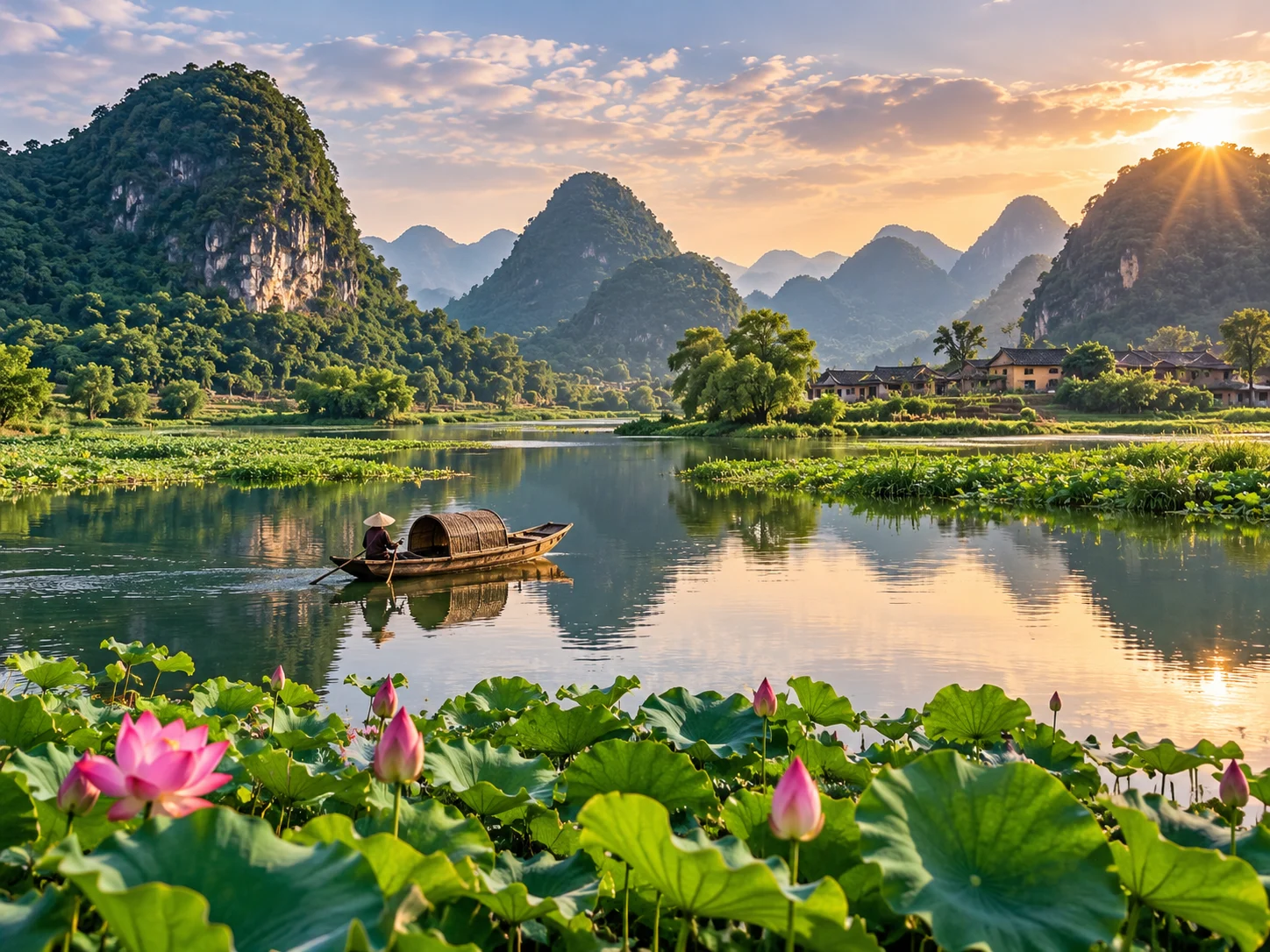
Yunnan is best understood not as one destination but as a single province holding many climates and cultures: the northern plateaus carry snow mountains and Tibetan heritage, the centre holds highland lakes and relaxed old towns, and the south extends into tropical rainforests, Dai temples and border-town atmosphere. This layered geography makes Yunnan one of the most rewarding places in China for travellers who want both natural spectacle and cultural depth in one journey.
Six cultural keywords worth collecting
Snow mountains, gorges, lakes and highland basins form Yunnan’s strongest natural identity.
Bai, Naxi, Tibetan, Dai, Hani and Yi peoples together shape an extraordinary variety of ways of living.
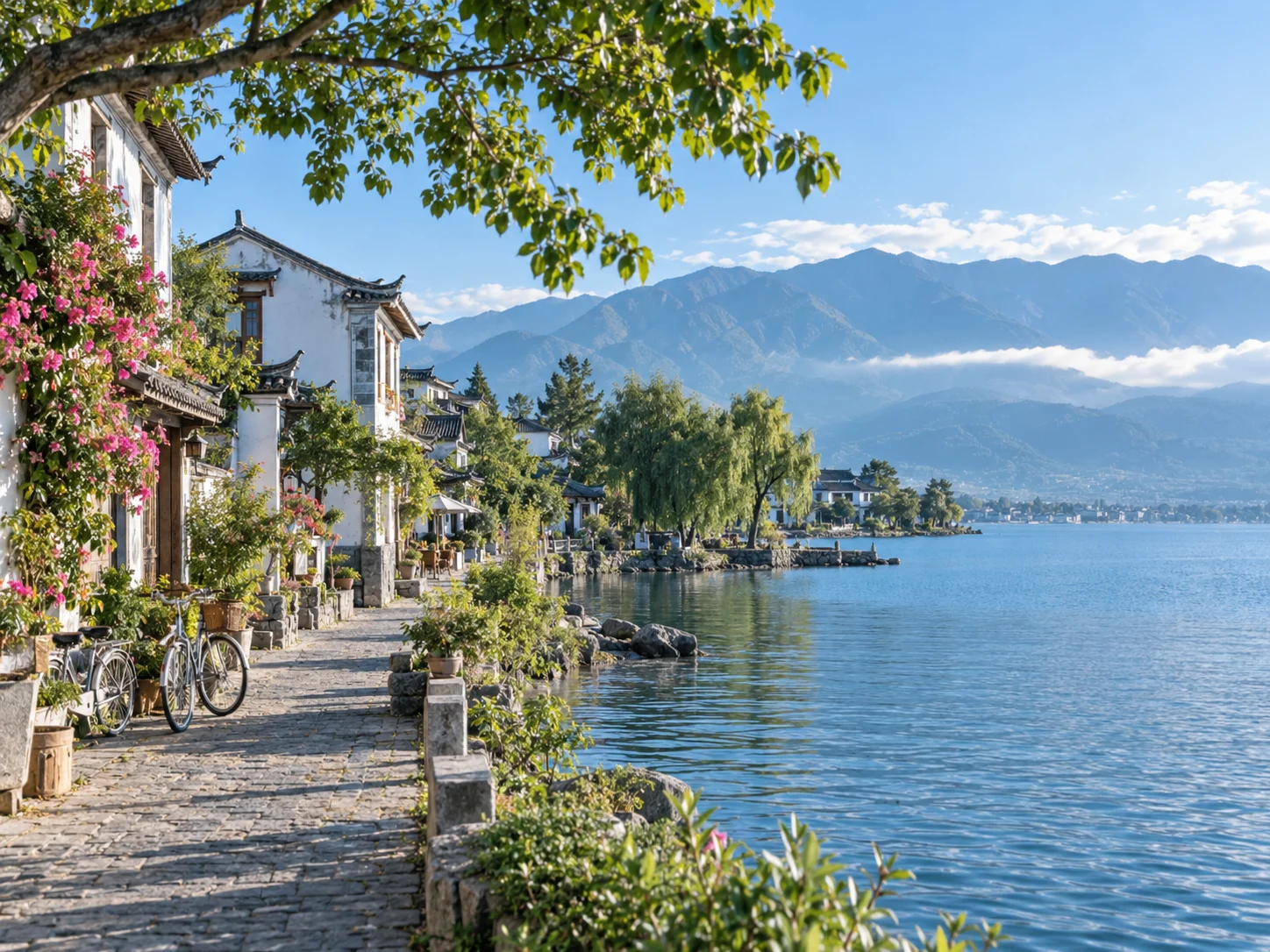
Dali, Lijiang and their neighbours combine traditional streets, contemporary commerce and a relaxed travel rhythm.
Highland monasteries, Theravada temples and local beliefs give Yunnan a distinctive spiritual character.
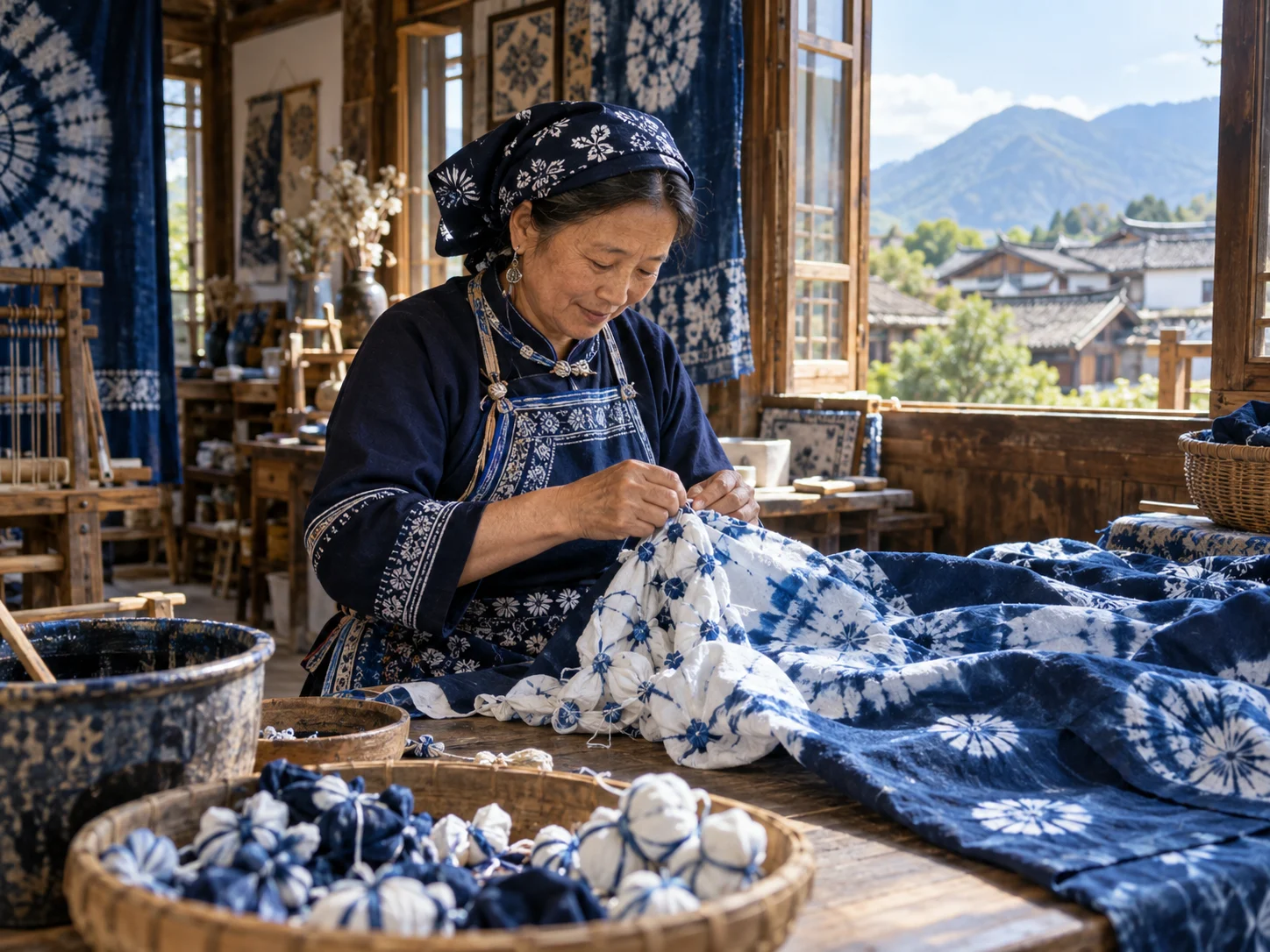
Tie-dye, embroidery, silverwork and woodcraft translate naturally into interactive experiences.
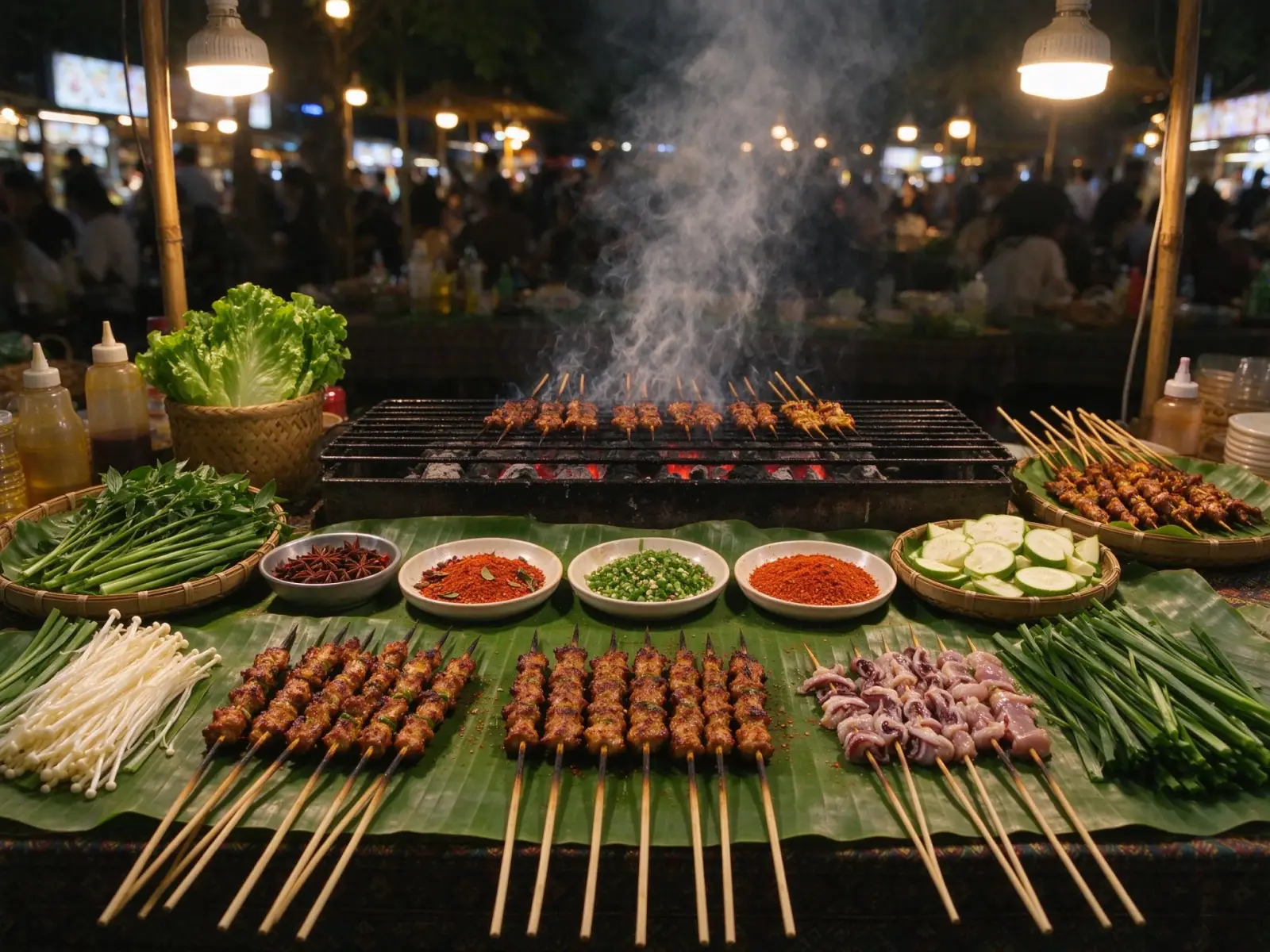
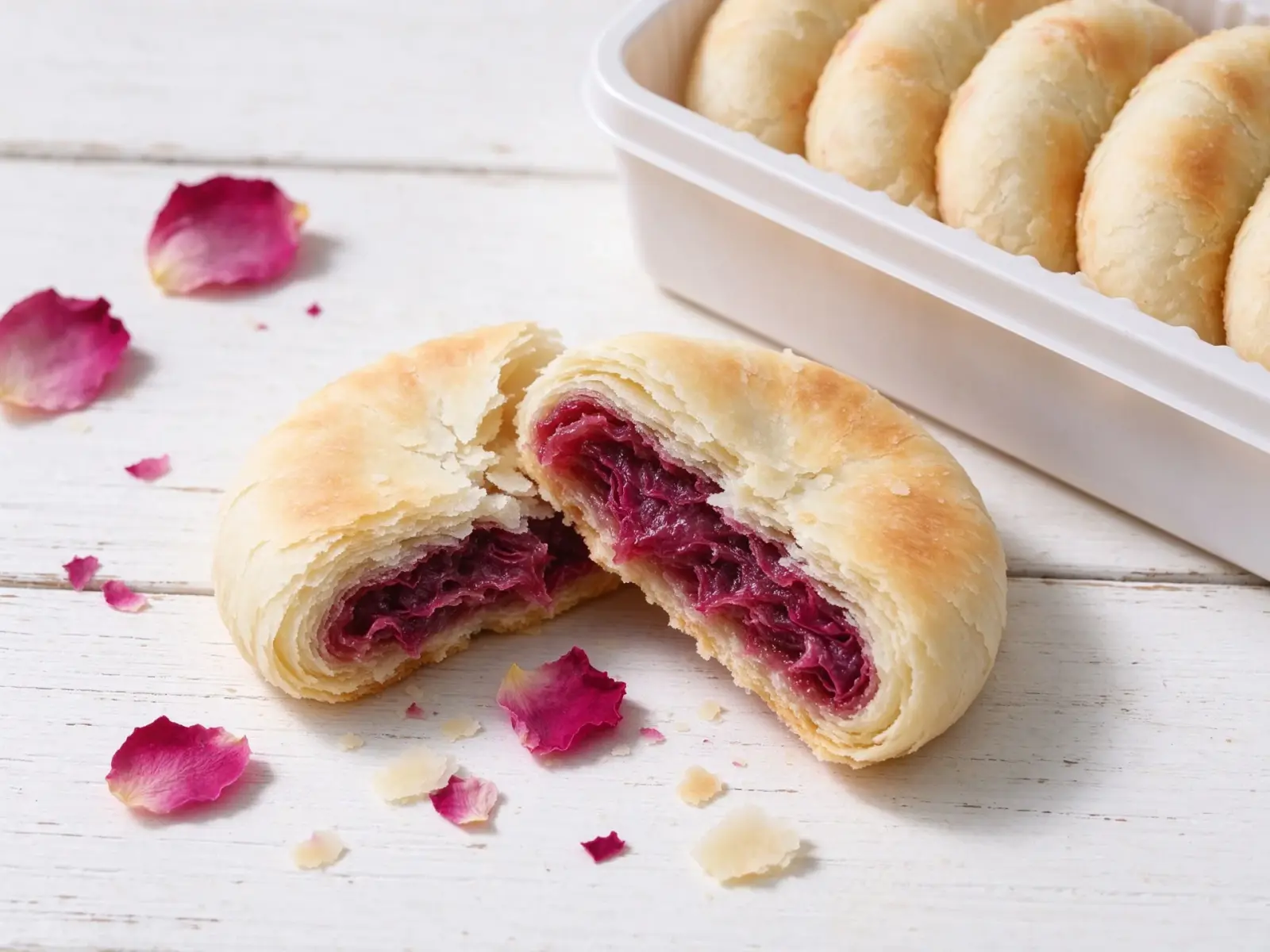
Rice noodles, wild mushrooms, flowers, grills and regional flavours make food a core part of the Yunnan journey.
Three depths of discovery
Classic Essentials
Building a first overall impression · The classic entry- Kunming
- Dali
- Lijiang
Cultural Immersion
Ethnic & cultural background deepening- Shangri-La
- Bai villages
- Naxi old towns
Landscape Themes
Natural scenery & thematic routes- Yuanyang rice terraces
- Xishuangbanna
- Lugu Lake
Five currents that shaped the province

Many Peoples, One Province
Yunnan has long been a society of many ethnic groups living side by side. Different peoples keep distinct clothing, architecture, festivals, beliefs, food and handicrafts, so Yunnan works especially well as a “culture-comparison” journey rather than a single-sight trip.
The Tea-Horse Road & Regional Exchange
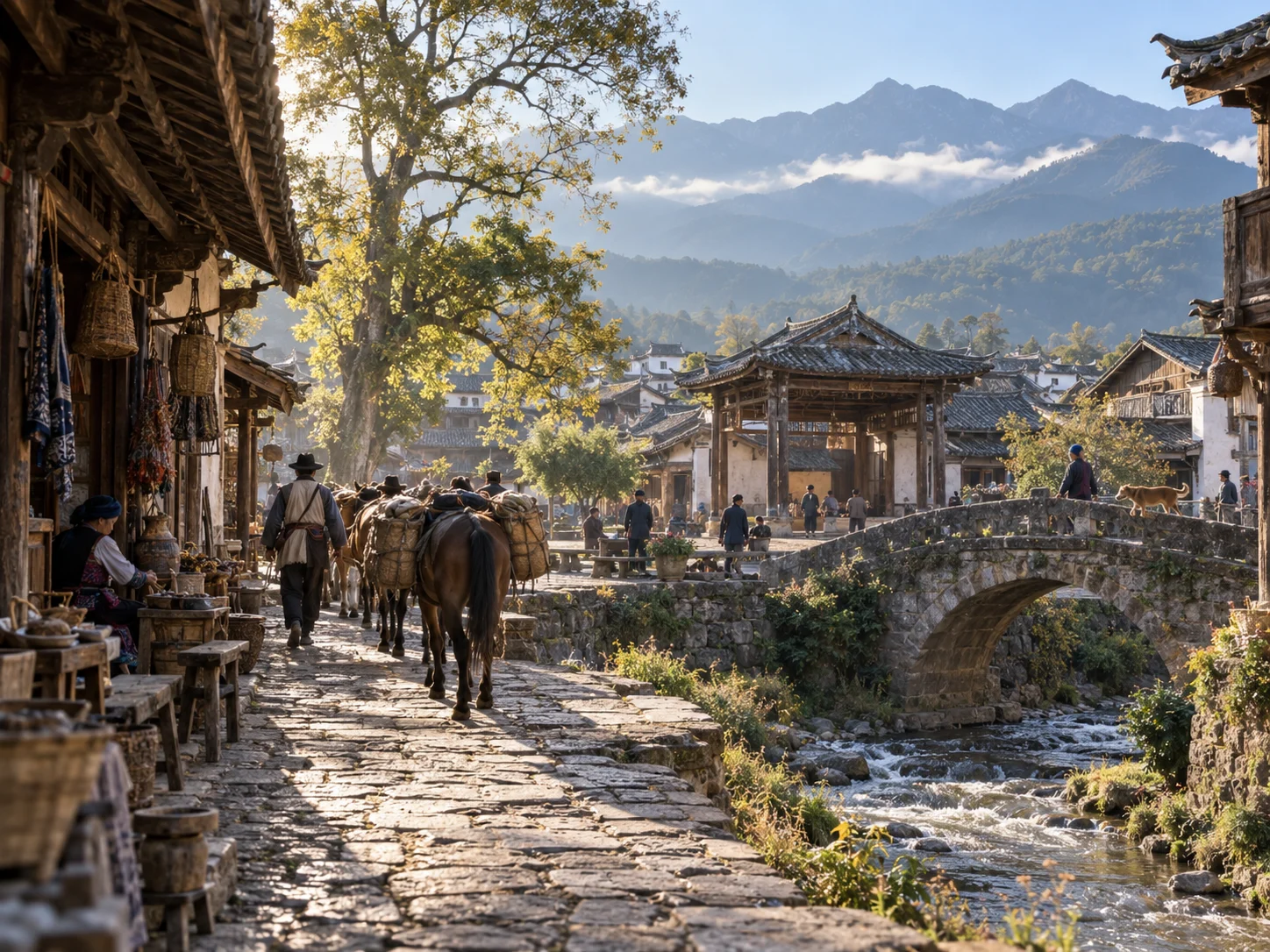
Historically, Yunnan sat on an important corridor of southwestern China. Tea, horses, salt, medicinal herbs and handicrafts moved along mountain routes, gradually forming cross-regional cultural interaction — traces of which still appear in ancient towns, trading memories and market atmosphere today.
Landscape & Ways of Living
The villages beside Erhai Lake, the water-lane streets of Lijiang, the terraced settlements of Yuanyang and the tropical gardens of Xishuangbanna all show that Yunnan’s natural scenery and human life were never separate. Living with the landscape is itself part of the culture.
Religious Spaces & Spiritual Character
Tibetan Buddhist monasteries in Shangri-La, Theravada temples in Xishuangbanna and local ritual traditions give Yunnan travel a clear sense of ceremony. For foreign visitors, these spaces often leave a deeper memory than architecture alone.
Handicrafts, Markets & Contemporary Renewal
Tie-dye, embroidery, silverwork, woodcarving and ethnic patterns keep entering today’s shops, guesthouses, markets and creative brands. Yunnan’s traditional culture is not kept in display cases — it continues to be used and redesigned in contemporary life.
Where to begin
Eight places that together carry the essential Yunnan: the Stone Forest, Kunming’s garden-city life, Dali Old Town with Erhai Lake, the Bai villages of Xizhou and Zhoucheng, Lijiang Old Town, Jade Dragon Snow Mountain, Songzanlin Monastery and the highland town of Dukezong.
Beyond the classic postcards
For travellers who want to step off the “Kunming — Dali — Lijiang” single line: Shaxi on the tea-horse road, ethnic night markets, Lugu Lake, the karst lakes of Puzhehei, heritage craft villages and the tea hills and coffee estates of the countryside.
Light outdoor life & family-friendly Yunnan
The modern value of Yunnan is combining nature, slow living, light outdoor time and local culture — without filling every day with sights. Xishuangbanna’s temples and rainforest, Erhai cycling and graded highland hikes suit couples, families and younger travellers alike.
A living human landscape, not a stage set
Handicrafts — the Most Accessible Cultural Entry
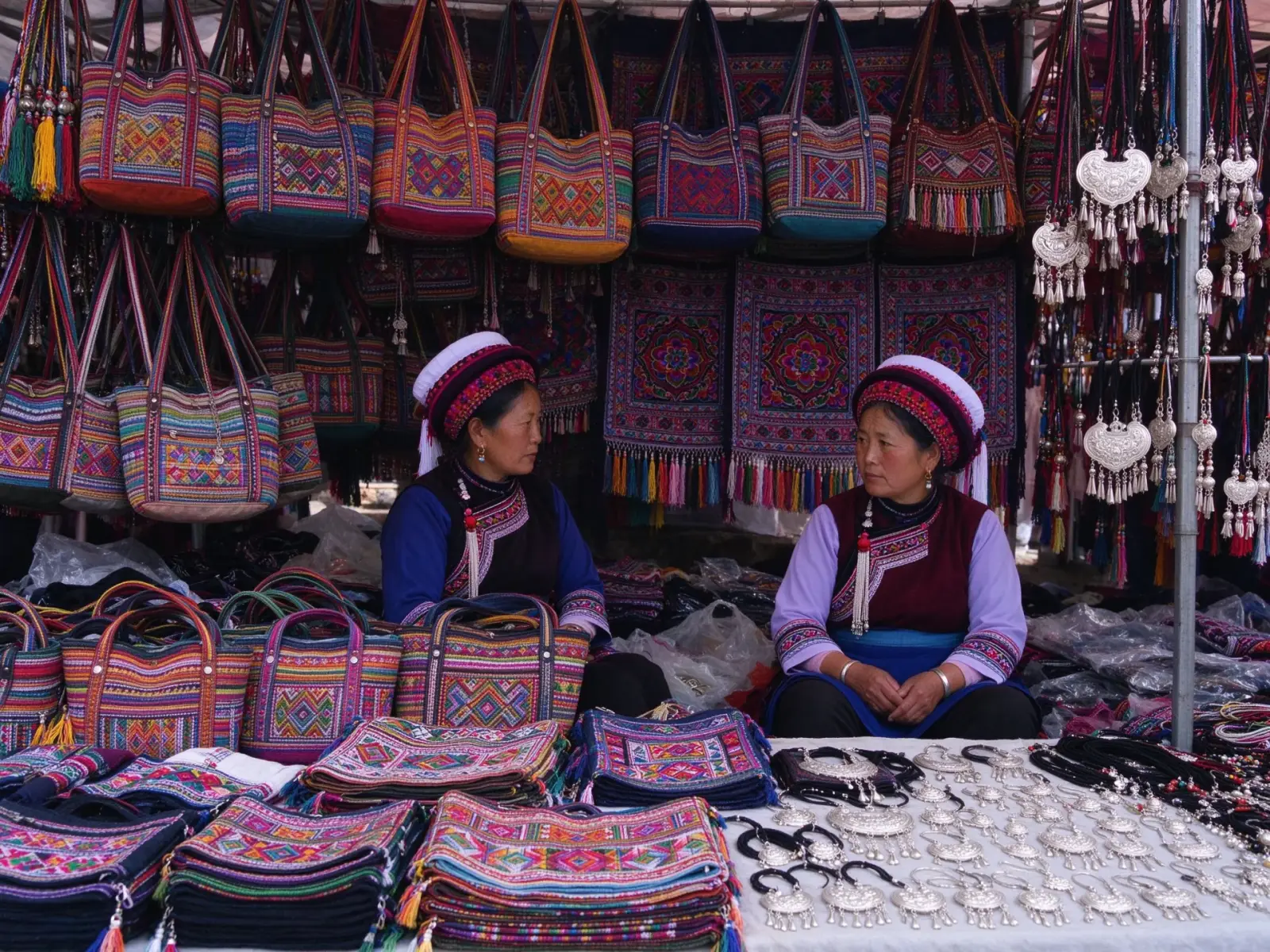
Compared with complex historical narratives, tie-dye, embroidery, weaving and silverwork let visitors “understand immediately”. Colour, material, pattern and process are all visually attractive, and they combine naturally with shopping and hands-on experiences.
Respect Real Life, Not Performance
Yunnan’s ethnic cultures should not be treated as a “photo backdrop”. The better approach is to introduce real villages, crafts, festivals, food and the logic of daily life, helping visitors understand how different cultures continue to exist today.
Yuanyang Terraces — Nature & Farming Civilisation Together
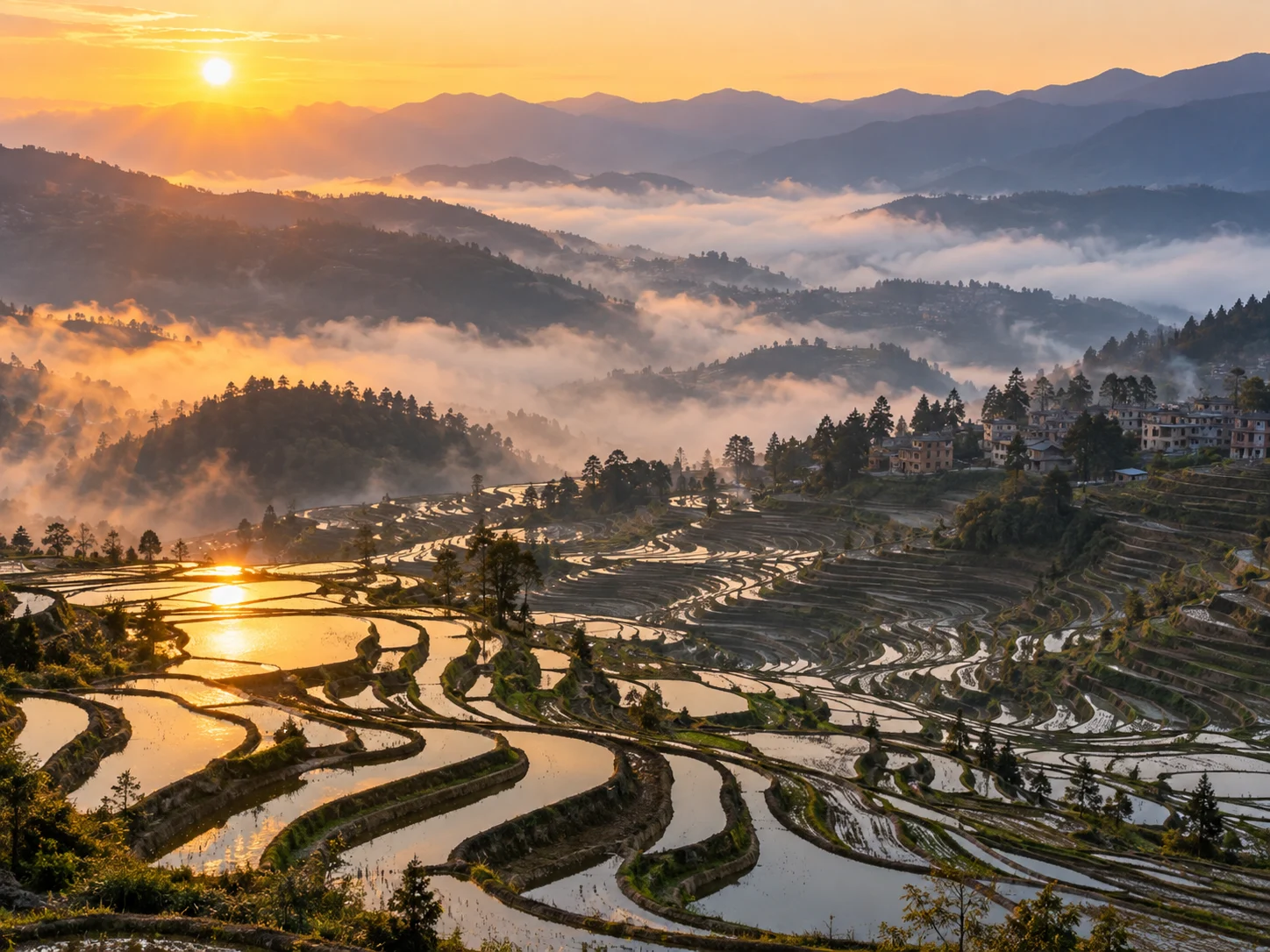
Yuanyang is one of Yunnan’s most striking landscapes, but its value goes beyond photography: layered terraces, mountain water systems, villages and the long-term farming of the Hani people together form a complete human-land system. Allow more than one night; dawn and dusk are the main shooting times, and the reflective water and cloud seas of winter and spring are the most spectacular — leave flexibility for weather. Best for photographers, nature lovers and deep travellers who want to see Yunnan’s agricultural civilisation beyond the classic old towns.
Highly regional, deeply seasonal
Four families of local taste
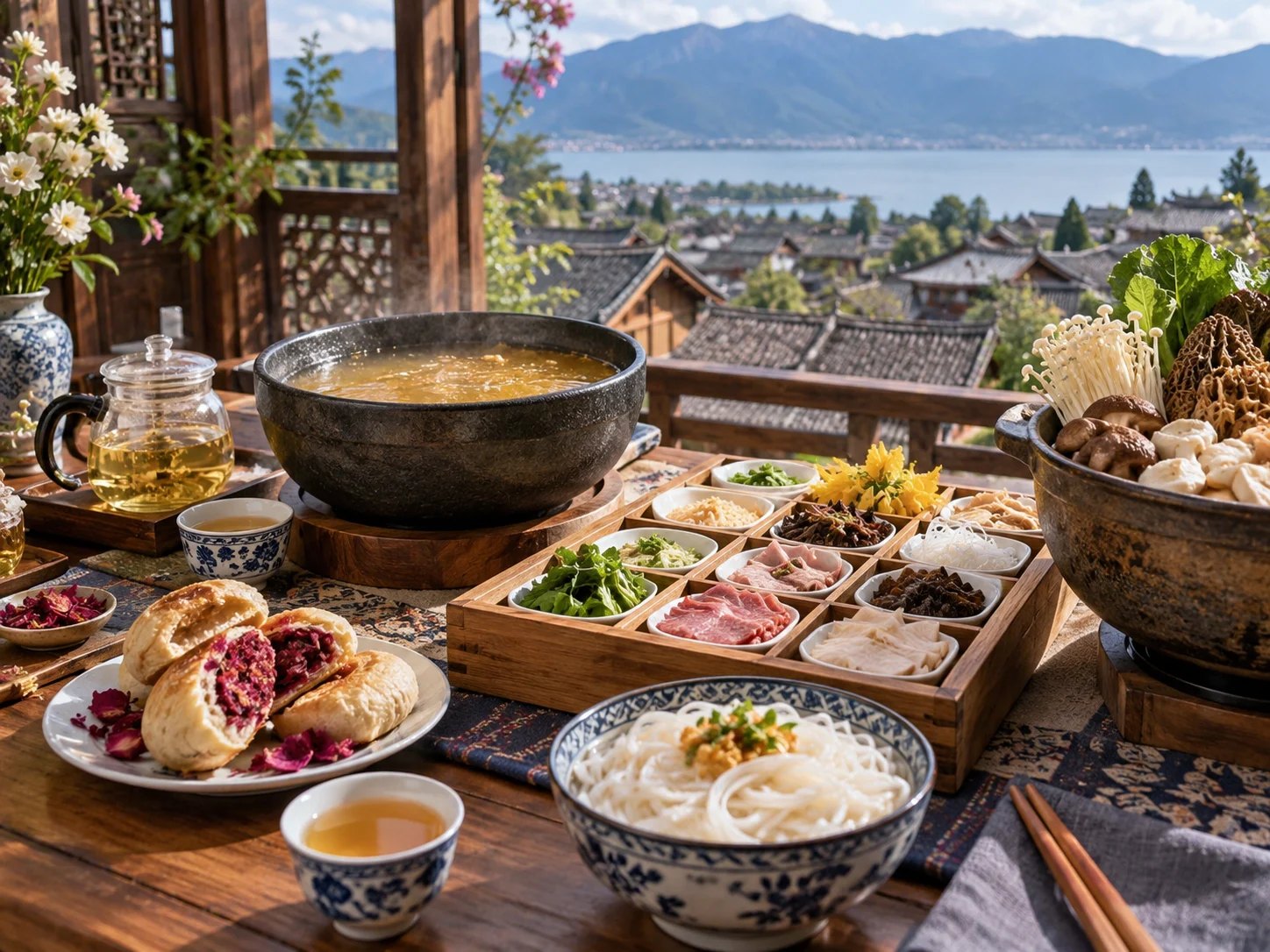
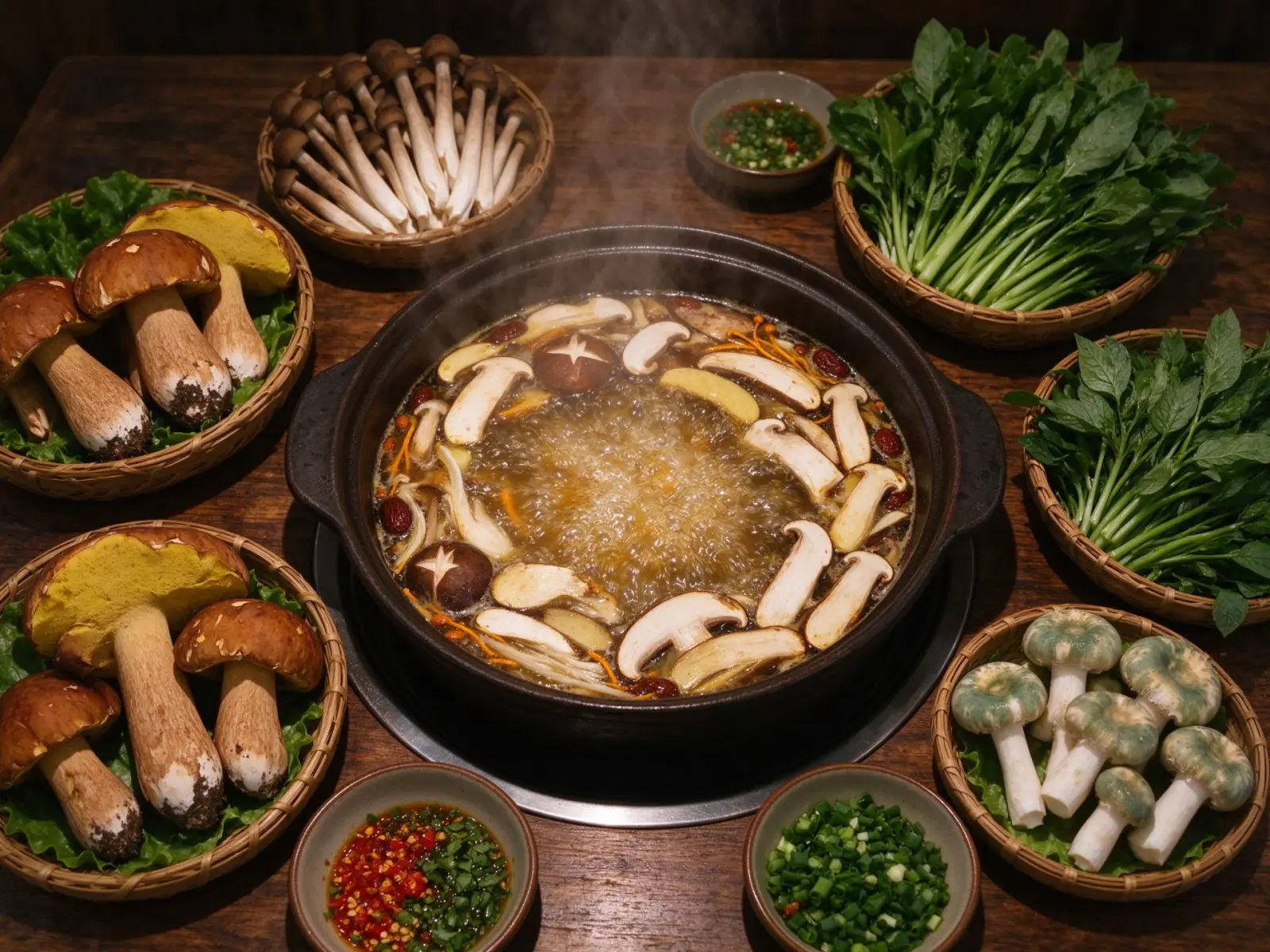
Yunnan food is not a single “famous-dish system” but a set of highly regional cuisines: Kunming and central Yunnan are fresh and balanced, Dali and Lijiang mix home-style cooking with tourist friendliness, Shangri-La carries a richer highland character, and Xishuangbanna brings tropical spices and fruit. What attracts visitors is freshness, locality and seasonality more than fine plating.
A balanced day of Yunnan food
Start with crossing-the-bridge noodles, er-si or a rice cake — the everyday entry into Yunnan’s rice culture.
Choose a single destination-bound meal: mushrooms, Bai home cooking, Tibetan flavours or Dai style.
Let grilled skewers, street snacks and market strolling close the day with light, social energy.
Finish with a rose-flower pastry or a cup of local tea as an easy, memorable ending.
Plan one signature meal per day and let the rest be simple meals, snacks and free choice — Yunnan’s own relaxed rhythm suits light and heavy eating alternately.
Plan the altitude, keep the rhythm
Best Season
Spring and autumn suit most classic routes; winter is ideal for Xishuangbanna warmth and Yuanyang terrace viewing; summer is the greenest but rainier in places. Because altitude and climate vary widely within Yunnan, pack in layers.
How Long to Stay
First-time visitors: 5–7 days for the classic Kunming, Dali and Lijiang line. Add Shangri-La or Xishuangbanna for 7–10 days. Yuanyang and Lugu Lake work best as dedicated extensions.
Highland Acclimatisation
Shangri-La and other high areas should not be over-scheduled. On arrival day, reduce strenuous activity, rest well and adjust intensity to your own condition.
Transport Logic
Kunming is the main gateway in and out; Dali and Lijiang are well connected. For farther places — Shangri-La, Xishuangbanna, Yuanyang — combine high-speed rail, flights or private cars according to the route.
Pacing the Product
Yunnan does not suit “many sights every day”. Leave free time in each region for walking, coffee, markets, photos and chance encounters — often more valuable than adding one more viewpoint.
Five ways to walk the layers
Yunnan is not just scenery — it is a whole layered experience of life, culture and nature. What truly fascinates here is the travel world formed together by snow mountains, lakes, ancient towns, terraced fields, temples, markets and the daily life of many ethnic groups. 云南不只是风景,而是一整套层次丰富的生活、文化与自然体验。它真正迷人的地方,在于雪山、湖泊、古城、梯田、寺院、市集与多民族日常共同构成的旅行世界。
Start Your Journey