
Luoyang
LuoyangWhere Thirteen Dynasties Meet the Peony City
Six windows into Luoyang’s layers
Luoyang is best understood not as a single historic site but as a city where thirteen dynasties, Buddhist art, Silk Road exchange, peony culture, archaeology and everyday street life all overlap. The history is grand, but the travel experience is never heavy: ruins and grottoes by day, city gates and old streets at dusk, then lanterns and soup houses after dark — the shift between ancient and modern feels completely natural.
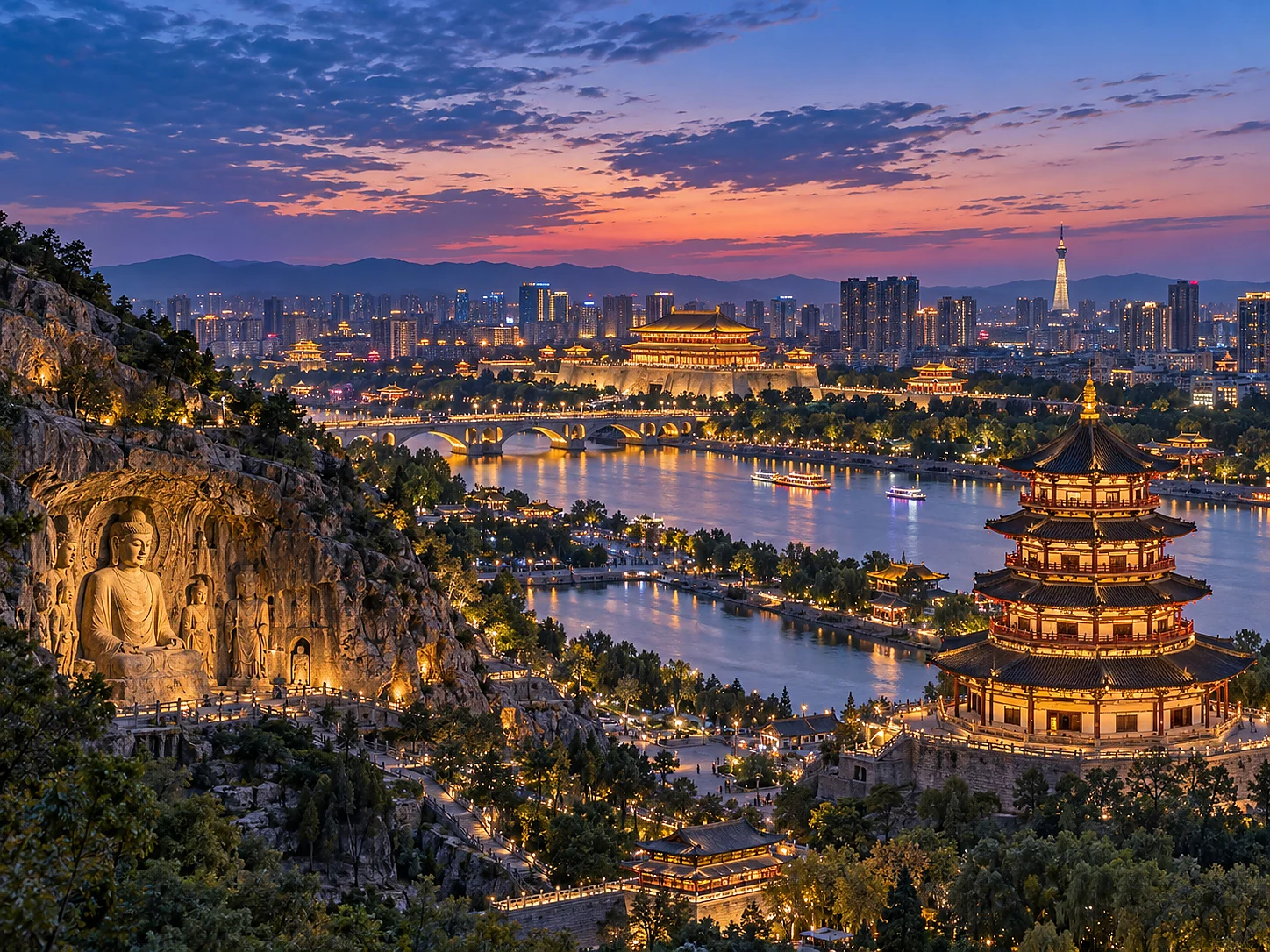
Six cultural keywords worth collecting
From the Xia and Shang to the Sui and Tang, Luoyang long stood at the centre of China’s political and cultural map.
Longmen Grottoes and White Horse Temple form two of China’s most important coordinates in Buddhist art and transmission.
Luoyang was a major node of ancient East-West exchange, carrying a clear openness and international character.
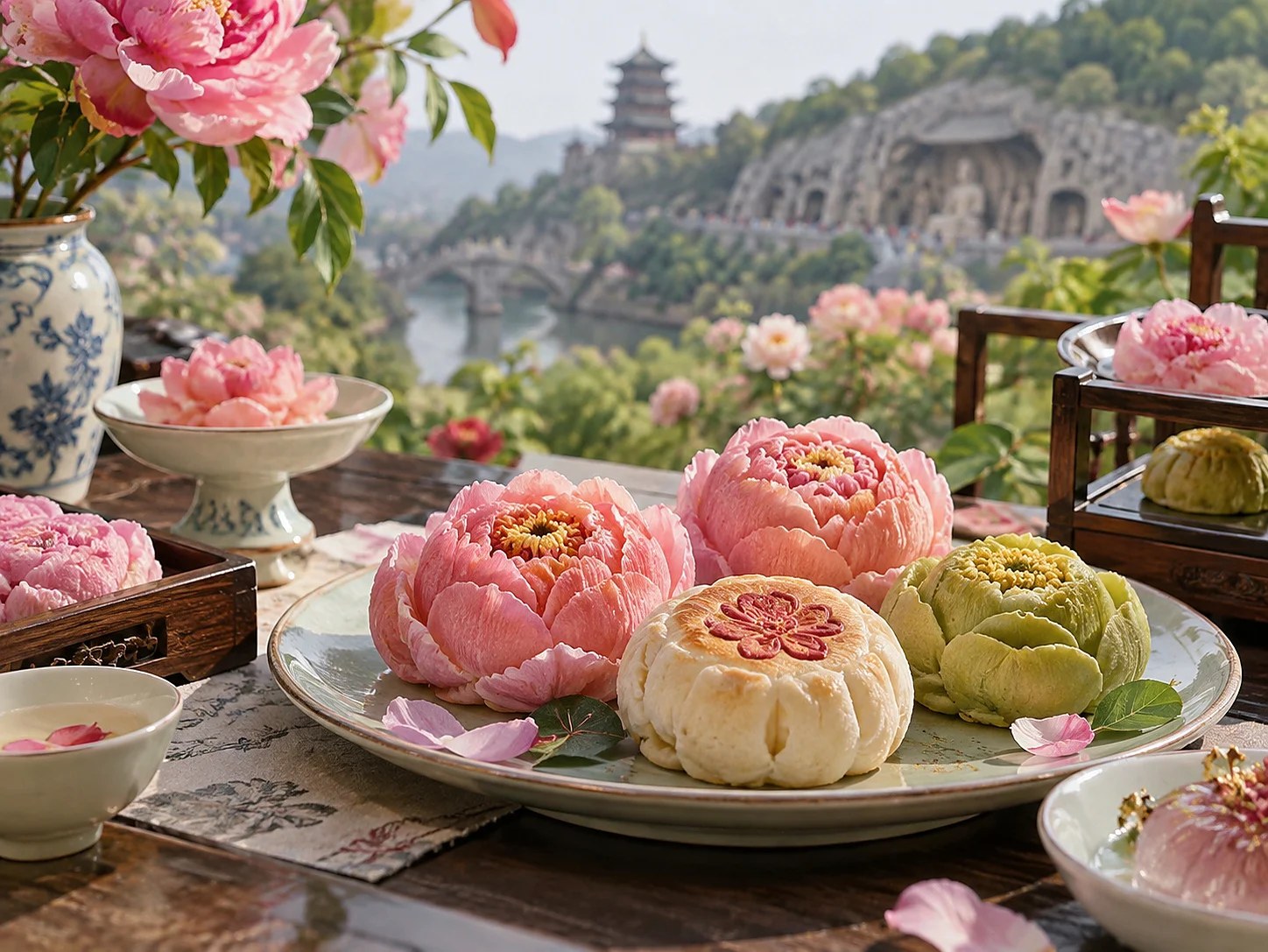
“Luoyang peonies are the finest under heaven” gives the city its most recognisable spring visual symbol.
Capital ruins, tombs and countless excavated artefacts make Luoyang a strongly “archaeological city”.
Old Town Cross Street, soup houses, night markets and hanfu experiences bring deep history into contemporary daily life.
Three depths of discovery
Classic Essentials
Building a first overall impression · The classic entry- Longmen Grottoes
- White Horse Temple
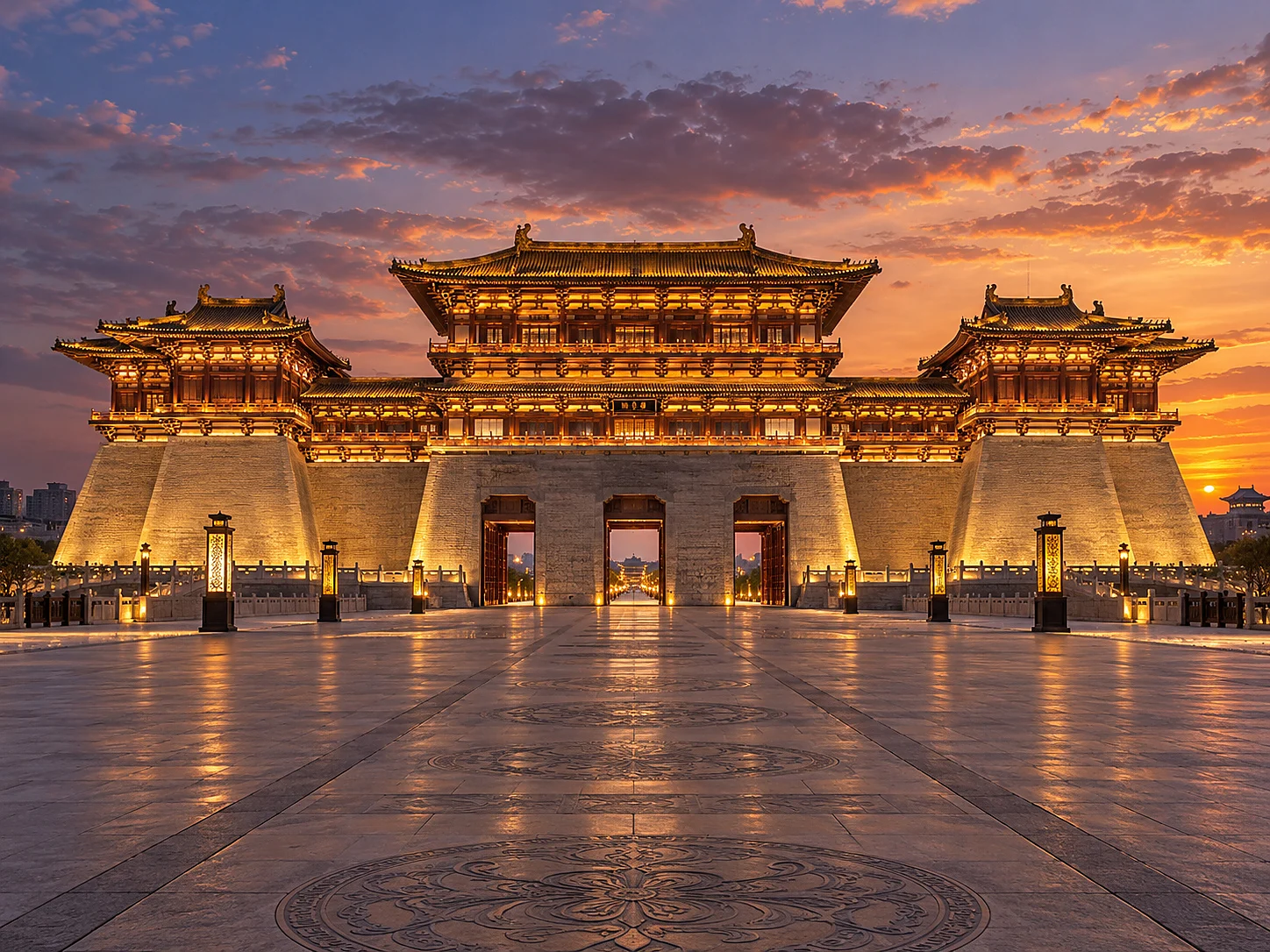
- Yingtian Gate
Cultural Immersion
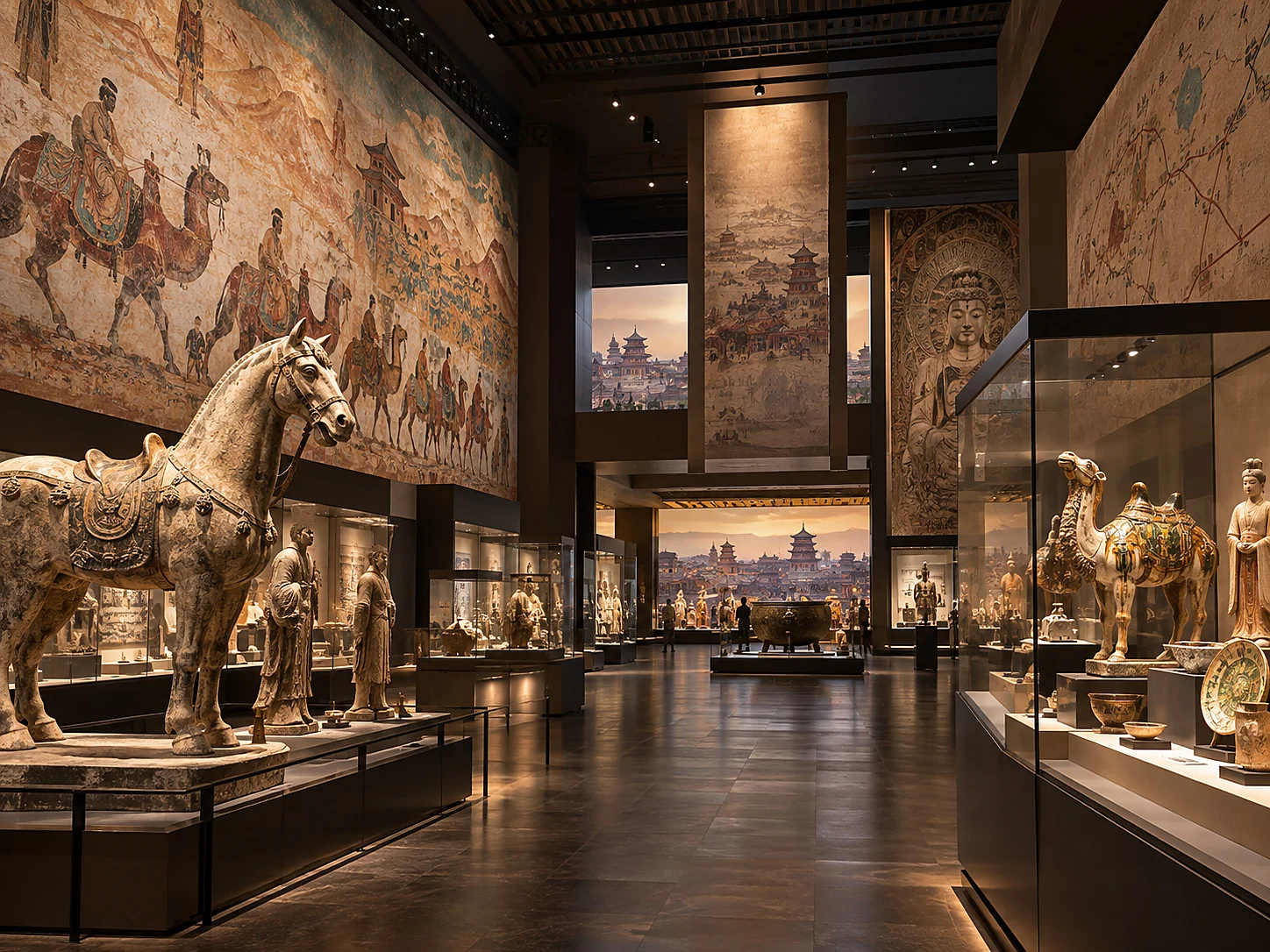
Capital history & museum deepening- Luoyang Museum
- Son of Heaven Chariot Museum
- Sui-Tang Luoyang Ruins
Seasonal Themes
Peony season, hanfu & night photography- Peony Gardens
- Luoyi Old Town
- Old Town night streets
Four currents that shaped the capital
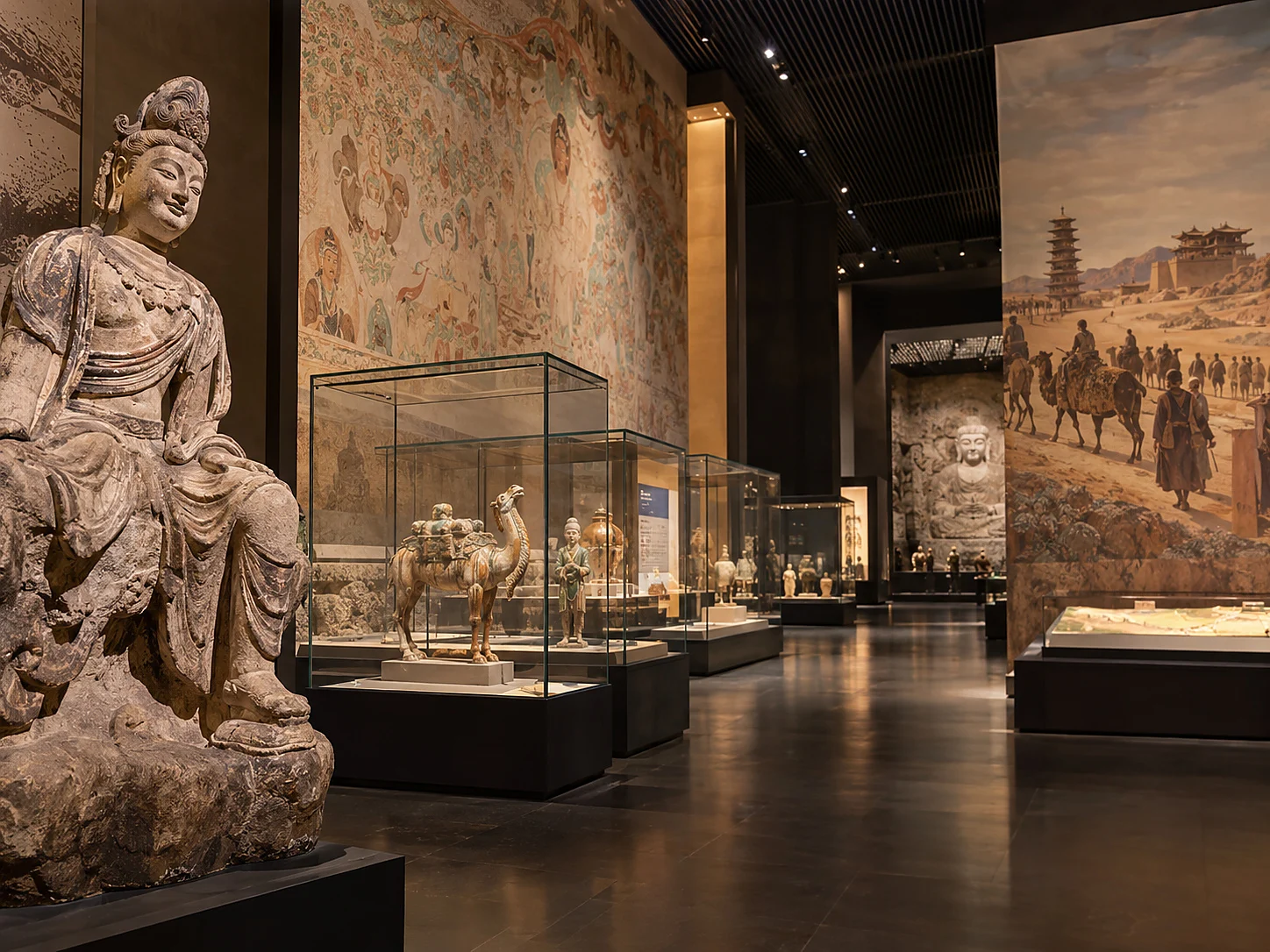
Thirteen Dynasties & Capital Civilisation
Zhou, Han, Wei-Jin, Sui, Tang and many other important dynasties built capitals here, forming a city structure of gates, palace cities, wards, gardens and ritual spaces connected to one another. The question for travellers is not a dynasty timeline but why so many dynasties chose this place: central plains, convenient transport, complete mountains-and-rivers geography, and a hub position between east, west, north and south.
Heluo Culture & Chinese Civilisation
“Heluo” is both a geographical term and a long-standing shorthand for the deep civilisational tradition of the central plains. Ancient capital ruins, ritual traditions, classical learning, literary memory and folk beliefs around Luoyang together form a richly layered cultural foundation.
Buddhist Transmission & the Peak of Art
Luoyang is one of the most important cities in Chinese Buddhist history. White Horse Temple is often seen as a symbol of the early transmission of Buddhism into China, while Longmen Grottoes pushed Buddhist sculptural art to a highly mature stage — especially the Northern Wei and Tang sculptures, which reveal religious faith alongside the political aesthetics, dress and carving techniques of different eras.
The Silk Road & Multicultural Exchange
Ancient Luoyang long connected the Guanzhong, North China and Southeast regions, and was a key node in the Silk Road network. The flow of merchants, envoys, monks and goods gave Luoyang a strong openness. Reading Longmen, White Horse Temple, the museums and capital ruins together makes clear that Luoyang was never a closed “ancient capital” but an exchange city that long absorbed outside cultures.
Where to begin
Four places that carry the essential Luoyang: Longmen Grottoes where Buddhist art meets river and mountain, White Horse Temple for the early spread of Buddhism, Yingtian Gate for the scale of a Sui-Tang capital, and Luoyi Old Town for the living night culture of today.
Beyond the classic postcards
For travellers who want more than the four icons: peony gardens in spring, the archaeological narrative of Luoyang Museum, the ritual scale of the Son of Heaven Chariot Museum and Sui-Tang ruins, and the real night-time energy of Old Town Cross Street.
Light experiences & contemporary Luoyang
The modern value of Luoyang lies in combining history with participation: hanfu dress-up in ancient settings, lantern-lit night walks, the city’s river and skyline, and peony-season photography — experiences that suit couples, families and younger travellers alike.
A living ancient capital, not a stage set
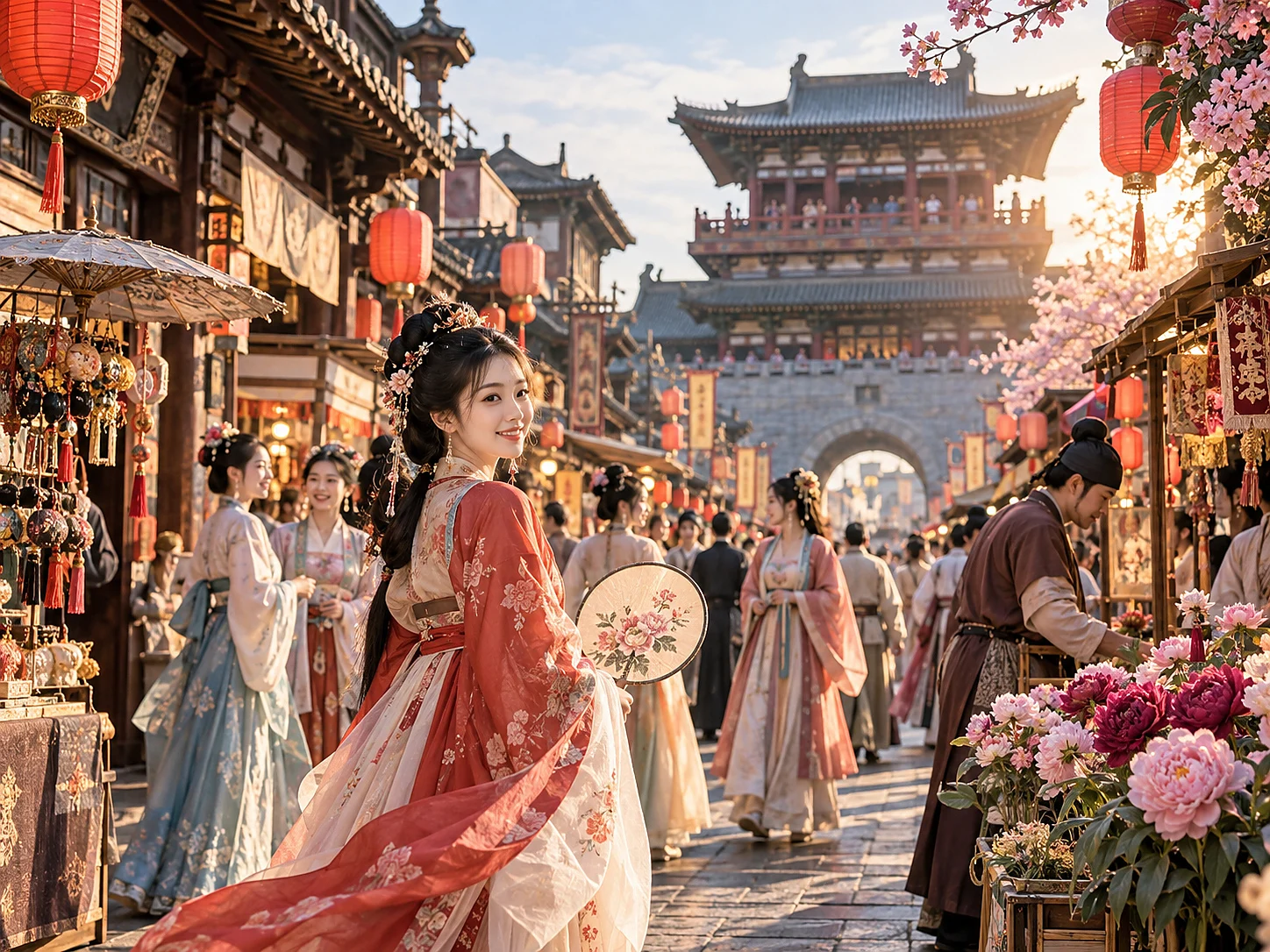
Hanfu & the Ancient Capital Scene
Luoyang has developed a very mature hanfu travel experience. Rather than a simple costume change, the better approach is to let the clothing relate to the setting: Yingtian Gate suits the grand Sui-Tang architectural backdrop, Luoyi Old Town suits lantern lanes and night views, and peony season suits gardens and traditional parks.
Old Town Cross Street & Night Energy
The appeal of Luoyang’s old town is not only the ancient buildings but the street atmosphere that truly “comes alive” at night. Soup houses, snack stalls, time-honoured shops, lanterns and dense crowds bring visitors from the grand capital narrative back to a more intimate local life.
How to Plan the Old Town
Place the old town in the second half of the itinerary: after a day of grottoes, temples or museums, the evening no longer pursues knowledge density but focuses on walking, eating, photography and experiencing local life. Book hanfu styling in advance to avoid spending too much time in queues.
Soup is the soul, water banquet is the ceremony
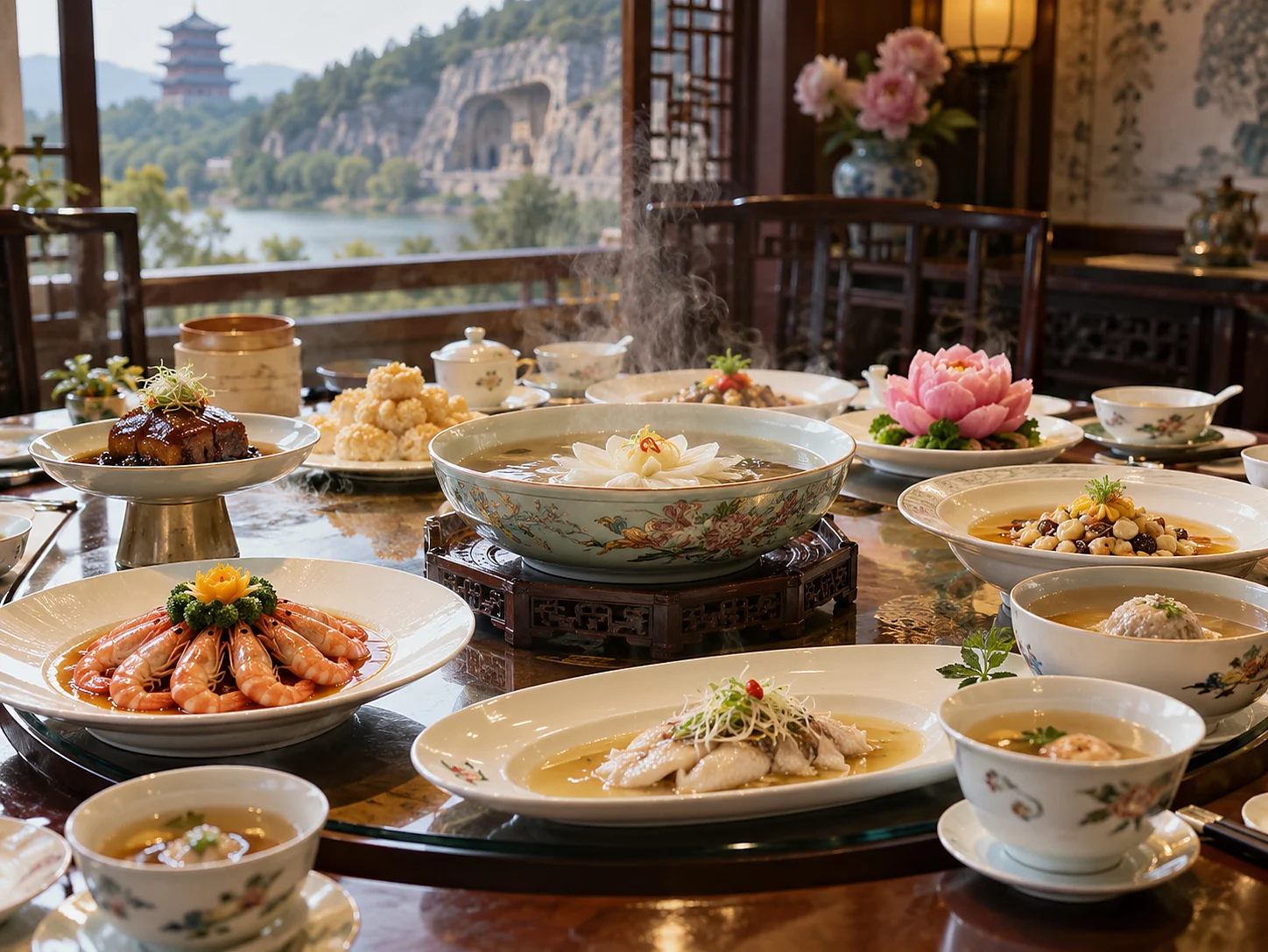
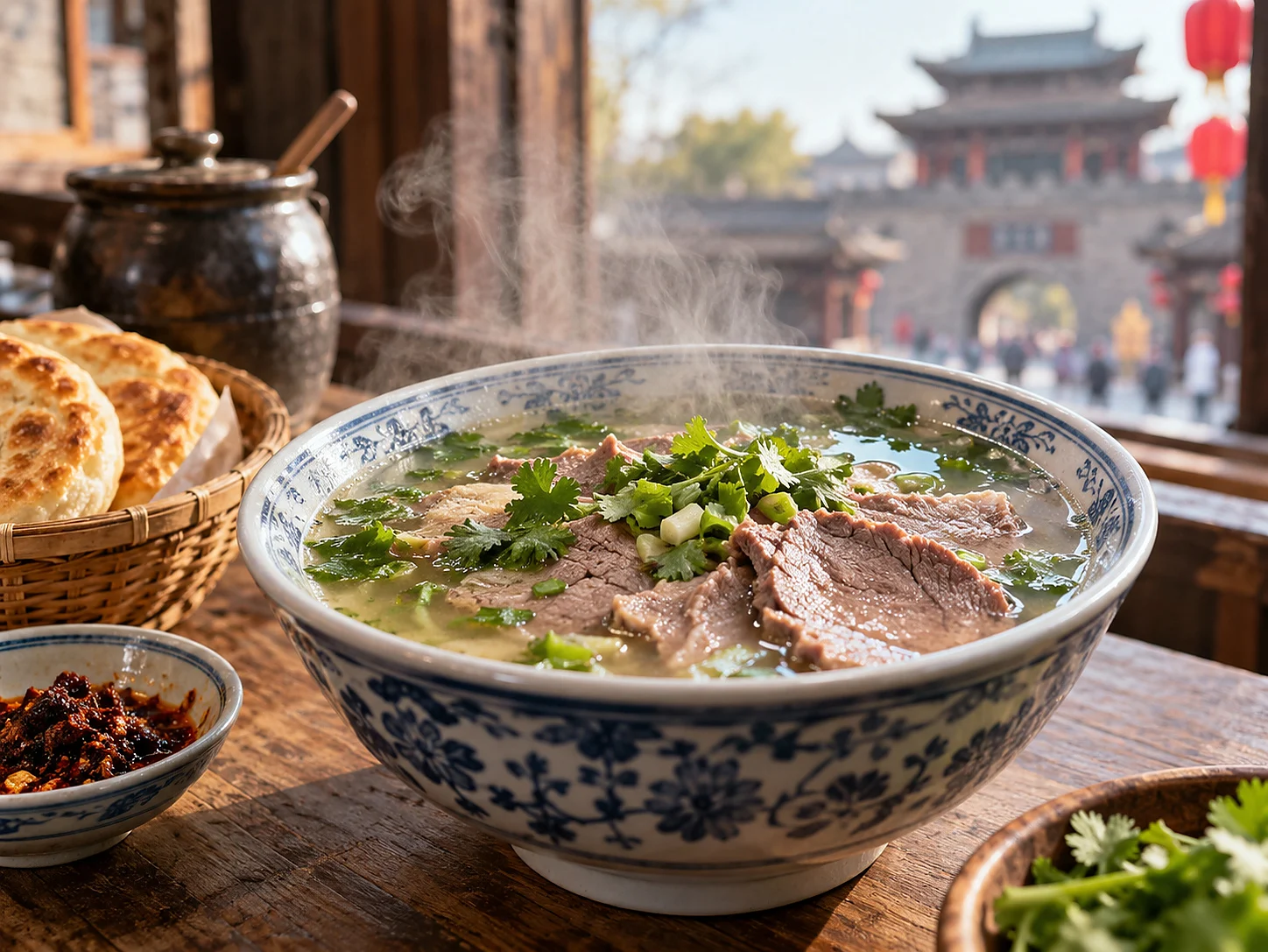
Four families of local taste
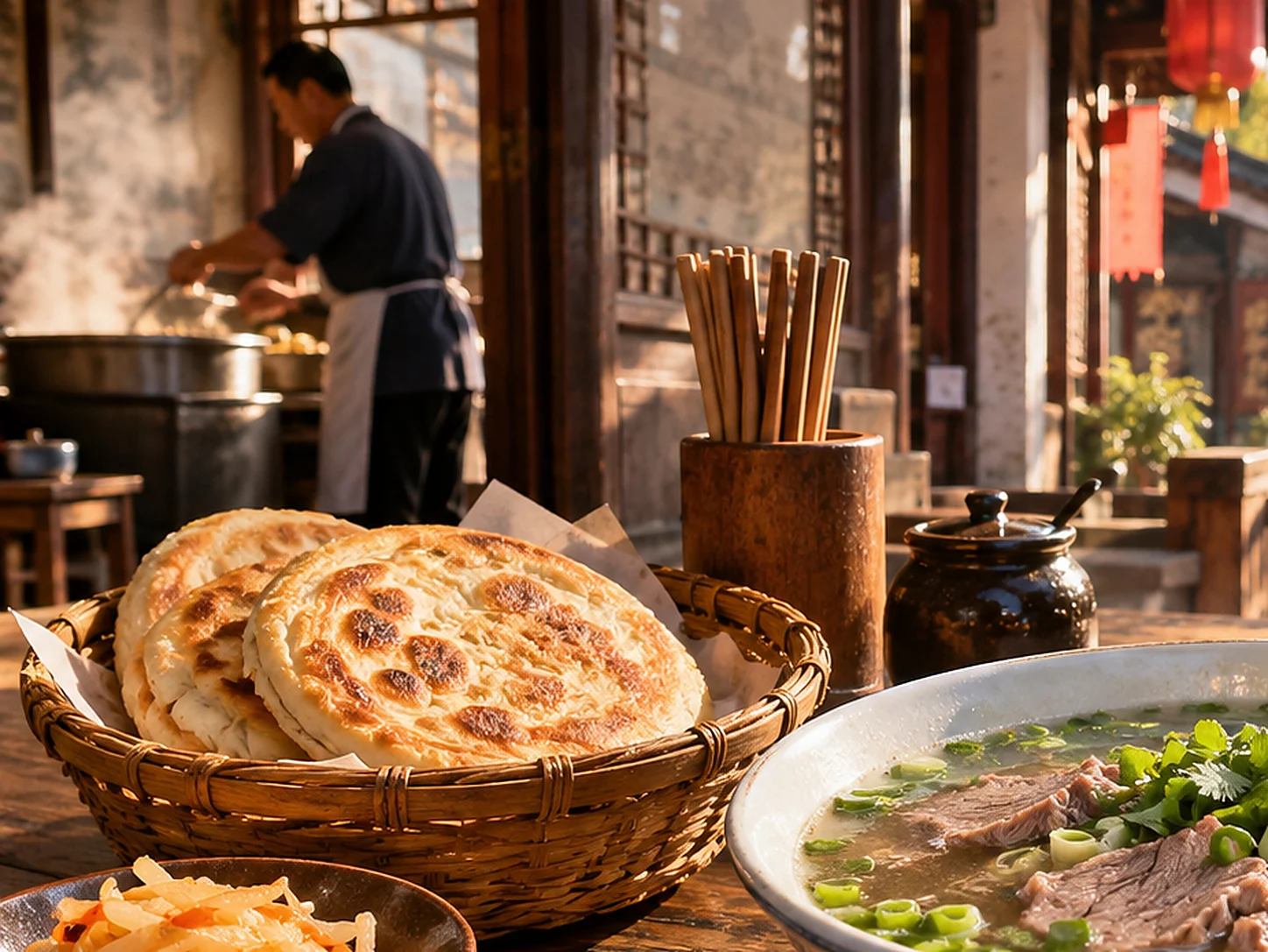
The core keyword of Luoyang food is “soup”. Locals rely on soup houses every day: beef soup, donkey soup, mutton soup and unfan soup are closer to real life than any banquet. The Luoyang Water Banquet then offers a completely different formal dining experience — together they form the city’s full culinary hierarchy.
A balanced day of Luoyang food
Start the day the local way: beef soup with baked bing, simple, hot and direct — the rhythm of a Luoyang breakfast.
Choose a cultural-style formal meal: the peony swallow dish, sour-spicy soups and warm hot dishes of the Water Banquet, or a local home-style lunch.
Wander Cross Street and the night market: eat while walking, let snacks and street energy close the day.
Finish with a flower-themed pastry or a cup of local tea as an easy, memorable ending.
Do not pile up every famous dish. The point is to let visitors feel the real rhythm: soup in the morning, local dishes at noon, and a snack street in the evening.
Plan by season, move by district
Best Time to Visit
Spring, especially April, is Luoyang’s most distinctive season for peony-themed travel. Autumn has comfortable weather for ruins, grottoes and city walking. Midday in high summer is hot; winter suits culture, museums and old-town night tours.
Transport Logic
The core sights are not all clustered: Longmen Grottoes is south of the city, White Horse Temple is to the east, and the old town and Yingtian Gate are in the central city. Plan by district to avoid criss-crossing the city several times in one day.
Where to Stay
For a first visit, stay in the old town, near Yingtian Gate or in a well-connected metro area for a better night-walking experience. If the itinerary focuses on Longmen Grottoes and high-speed rail, consider the area around Luoyang Longmen Station.
Practical Tips
Longmen involves a lot of walking — wear comfortable shoes. Peony season and holidays bring noticeably larger crowds, so visit core sights off-peak. Book hanfu styling in advance. With Luoyang’s high information density, arrange at least one professional guide or museum docent tour.
Four ways to walk the capital
Luoyang is more than an ancient city — it is a journey through a thousand years of Chinese civilisation. From Longmen Grottoes to a morning bowl of beef soup, history ultimately returns to real life. 洛阳,不止是一座古城,更是一段跨越千年的中国文明旅程。从龙门石窟到一碗清晨牛肉汤,历史最终会回到真实生活。
Start Your Journey