
Changsha
ChangshaWhere Hunan Culture Meets the Nightlife Soul
Six windows into Changsha’s layers
What makes Changsha most charming is that historical depth and young life happen almost simultaneously: by day you can understand Hunan culture in a thousand-year-old academy and museum, stroll along the Xiang River at dusk, then step into old streets, snacks and a lively urban life at night. The city’s charm is not only in its landmarks but in the everyday warmth of tea houses, street-side tables and streets still busy after dark.
Six cultural keywords worth collecting
An urban forest with academies, pavilions, temples and woodland — Changsha’s best space for slow walking.
A long island in the Xiang River that naturally connects the river surface, city skyline and Yuelu Mountain views.
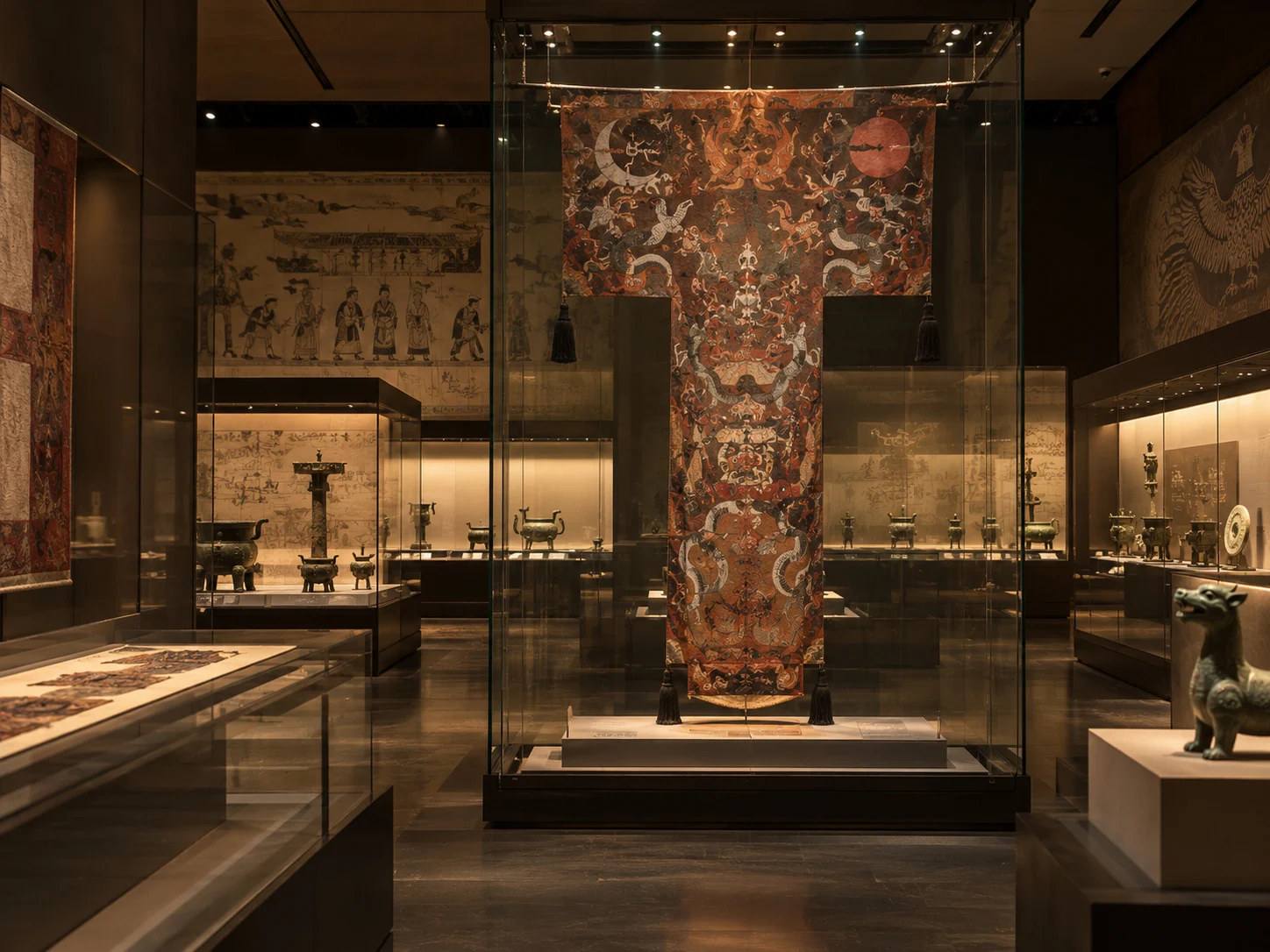
The Mawangdui Han tombs display makes a two-thousand-year-old living world concrete and perceptible.
Preserves the scale of Changsha’s old city while gathering snacks, shops and urban nightlife.
Bold, fresh and spicy — from a morning bowl of rice noodles to late-night crayfish, food is the city’s rhythm.
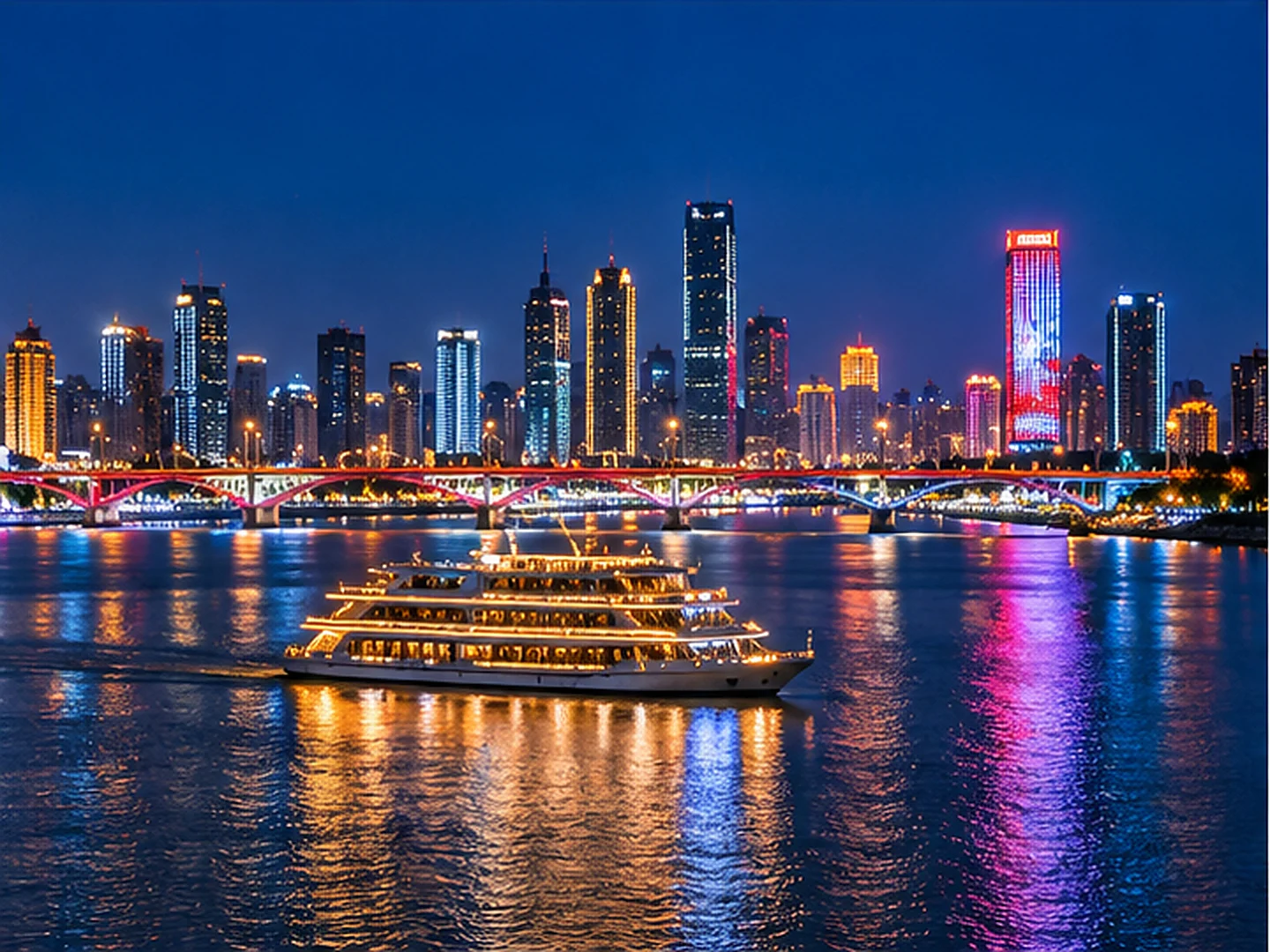
Bridges, river cruises and modern towers form a complete night cityscape that extends into the streets.
Three depths of discovery
Classic Essentials
Building a first overall impression · The classic entry- Yuelu Mountain
- Orange Isle
- Hunan Museum
Cultural Immersion
Academy, Mawangdui & ceramics- Yuelu Academy
- Mawangdui Tombs
- Tongguan Kiln
Lifestyle & Nightlife
Old streets, river night & night markets- Taiping Street
- Xiang River Night
- Night Markets
Three currents that shaped the Hunan soul
Hunan Intellectual Tradition & City Character
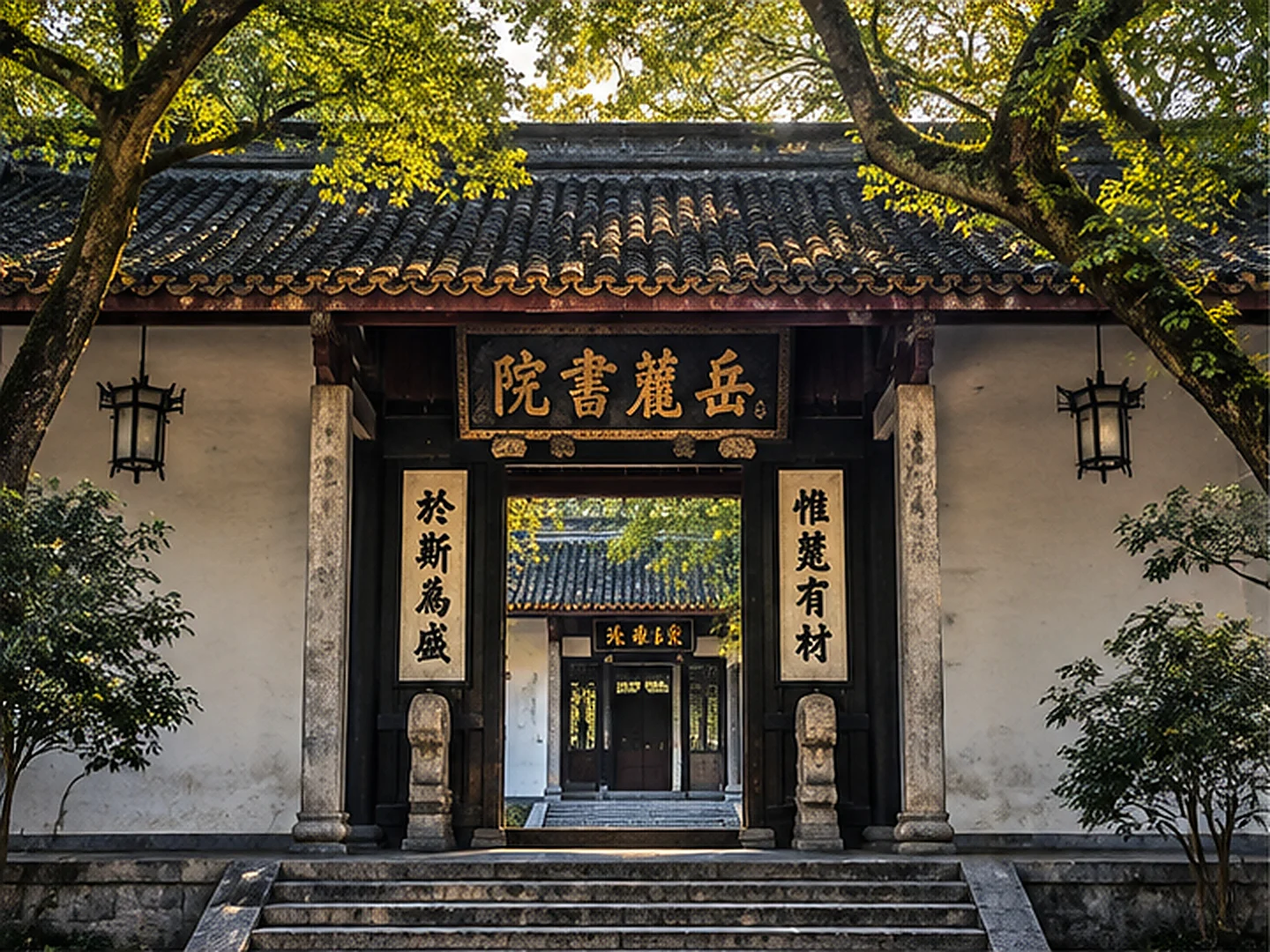
Changsha has long been an important political, cultural and commercial centre of Hunan. Its urban culture holds both the educational spirit represented by the academy tradition and the openness and directness accumulated from Xiang River transport, old-city commerce and civic life.
Han Civilisation & the Mawangdui Tombs
Artefacts from the Mawangdui Han tombs are an important window for understanding Changsha’s history. Lacquerware, silks, silk paintings and daily objects reveal a highly mature craft and living world in the Changsha region more than two thousand years ago.
Mountain, Water, Isle & City
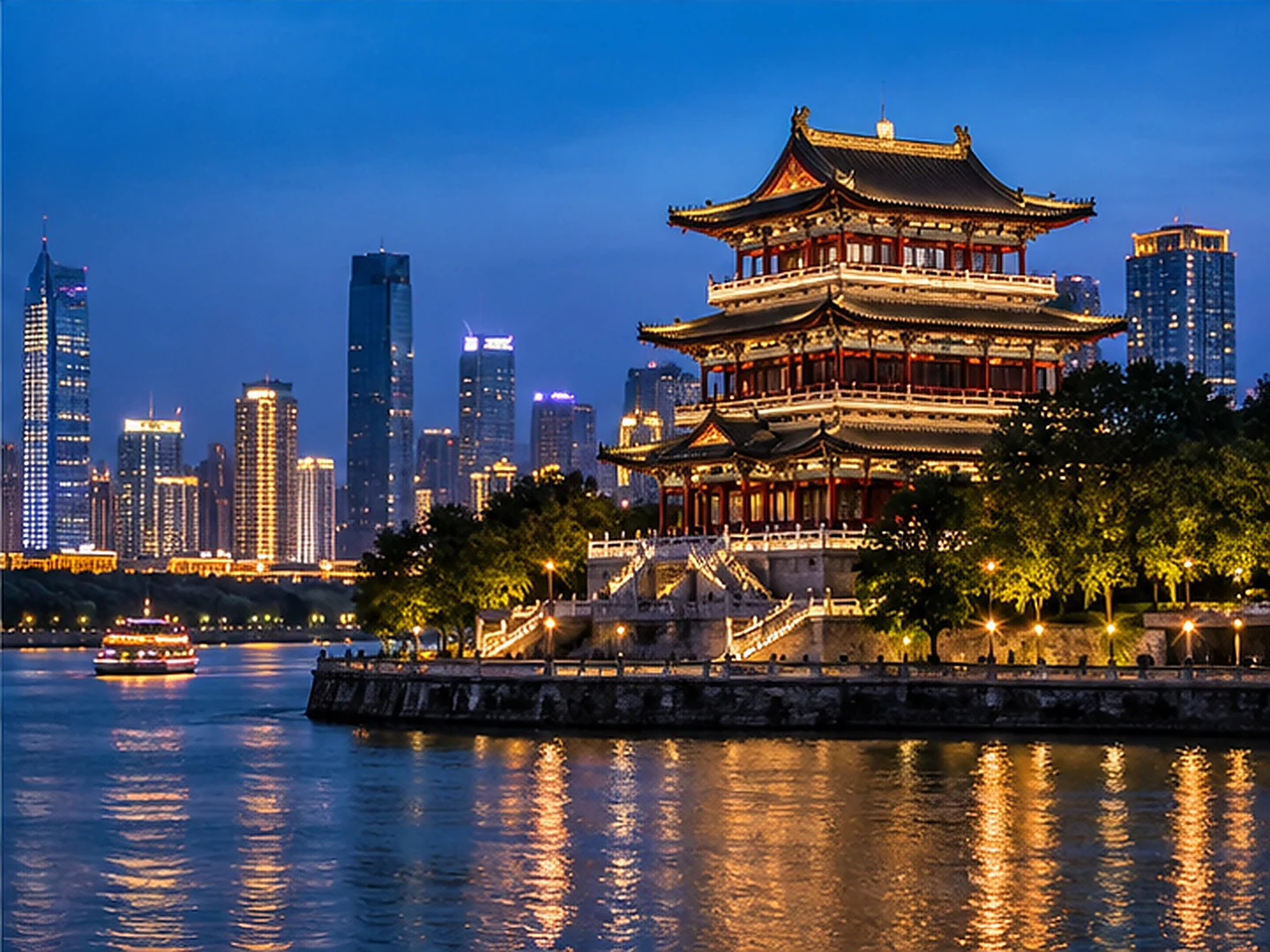
Yuelu Mountain, the Xiang River and Orange Isle are not separate attractions but a set of mountain, water, isle and city structures that together define Changsha’s spatial temperament. This geography is the reason the city feels both natural and intensely urban.
Where to begin
Four places that carry the essential Changsha: Yuelu Mountain where academies meet forest, Orange Isle in the middle of the Xiang River, the Hunan Museum for the Mawangdui world, and Taiping Old Street for the city’s most authentic night energy.
Beyond the classic postcards
For travellers who want more than the four icons: the thousand-year-old Yuelu Academy, the autumn-red Aiwan Pavilion, the ceramic craft of Tongguan Kiln, and Du Fu Pavilion where traditional architecture meets the modern skyline.
Night energy & contemporary Changsha
The modern value of Changsha lies in its youthful vitality: the illuminated Xiang River nightscape, the busy old streets and Wuyi Square, the slow rhythm of old tea houses, and a bold Xiang cuisine experience — a city that rewards staying out late.
A city of street-side warmth
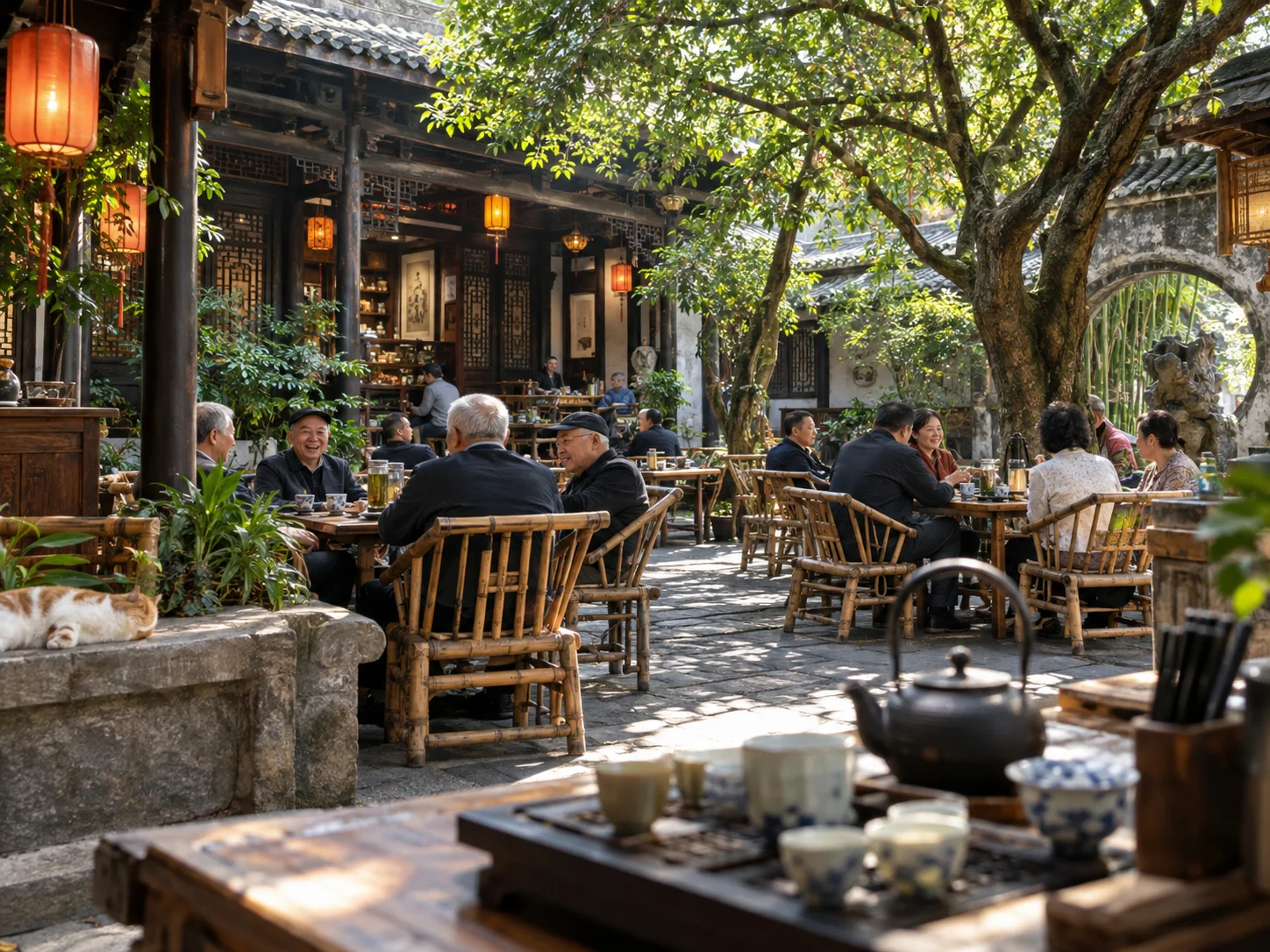
Tea Houses & Courtyards
The charm of Changsha is not only in its landmarks. Tea houses, street-side tables, conversations under tree shade and streets still busy at night are what truly let visitors feel the everyday warmth of the city. A slow tea house is the best place to observe local life.
Old Streets at Night
Taiping Street and Pozi Street weave together shopping, food and alley life. After dusk, lanterns, snack stalls and crowds create the most authentic “fireworks” atmosphere of Changsha — the city’s nightlife extends naturally from public space into dining culture.
How to Plan the Slow Hours
Leave one “blank slot” every day: sit in a tea house for a while, stroll along the Xiang River, or eat a slow meal in an old street. Changsha’s appeal often lies in these times with no specific sightseeing goal.
Bold, spicy & made for the night
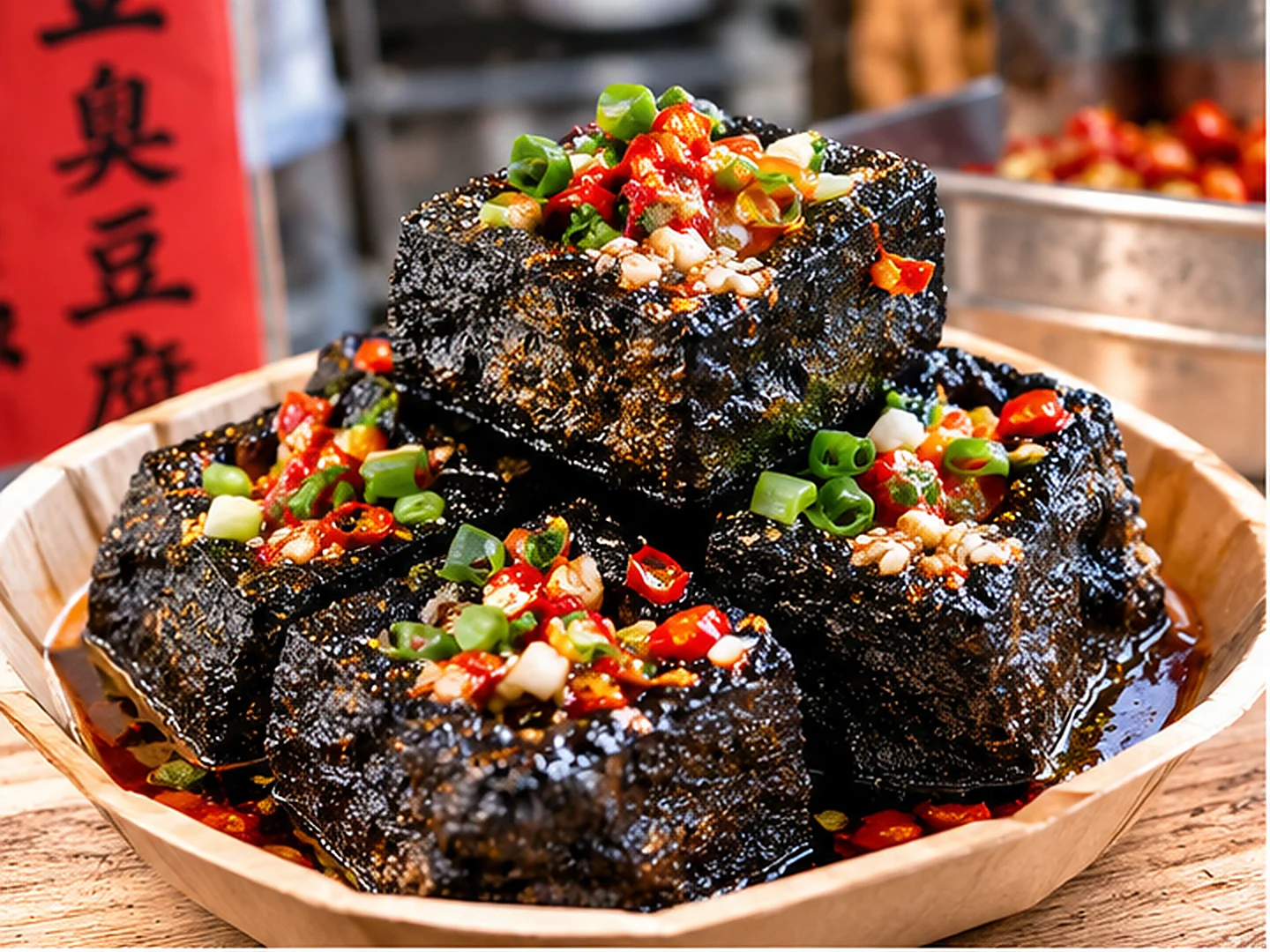
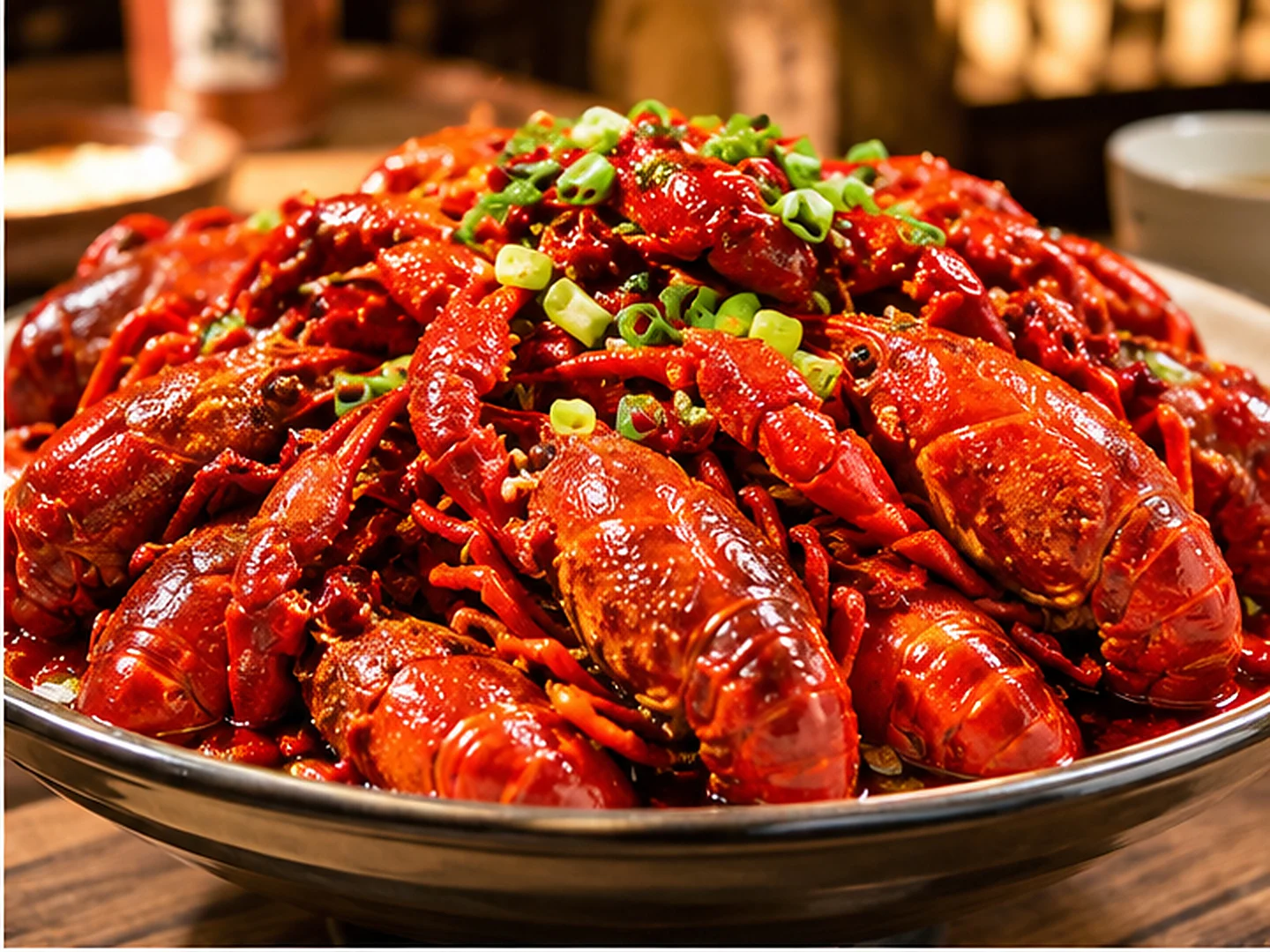
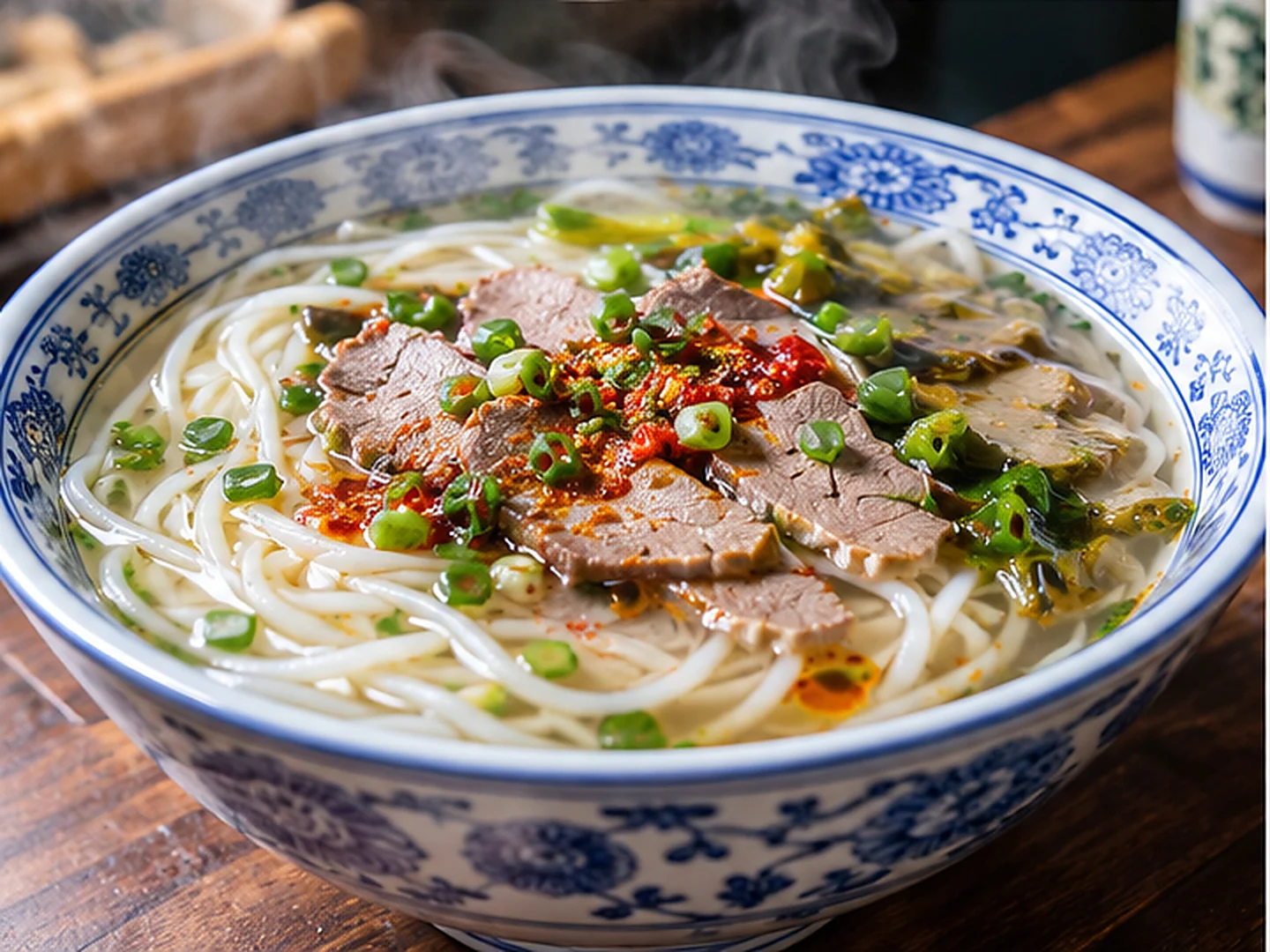
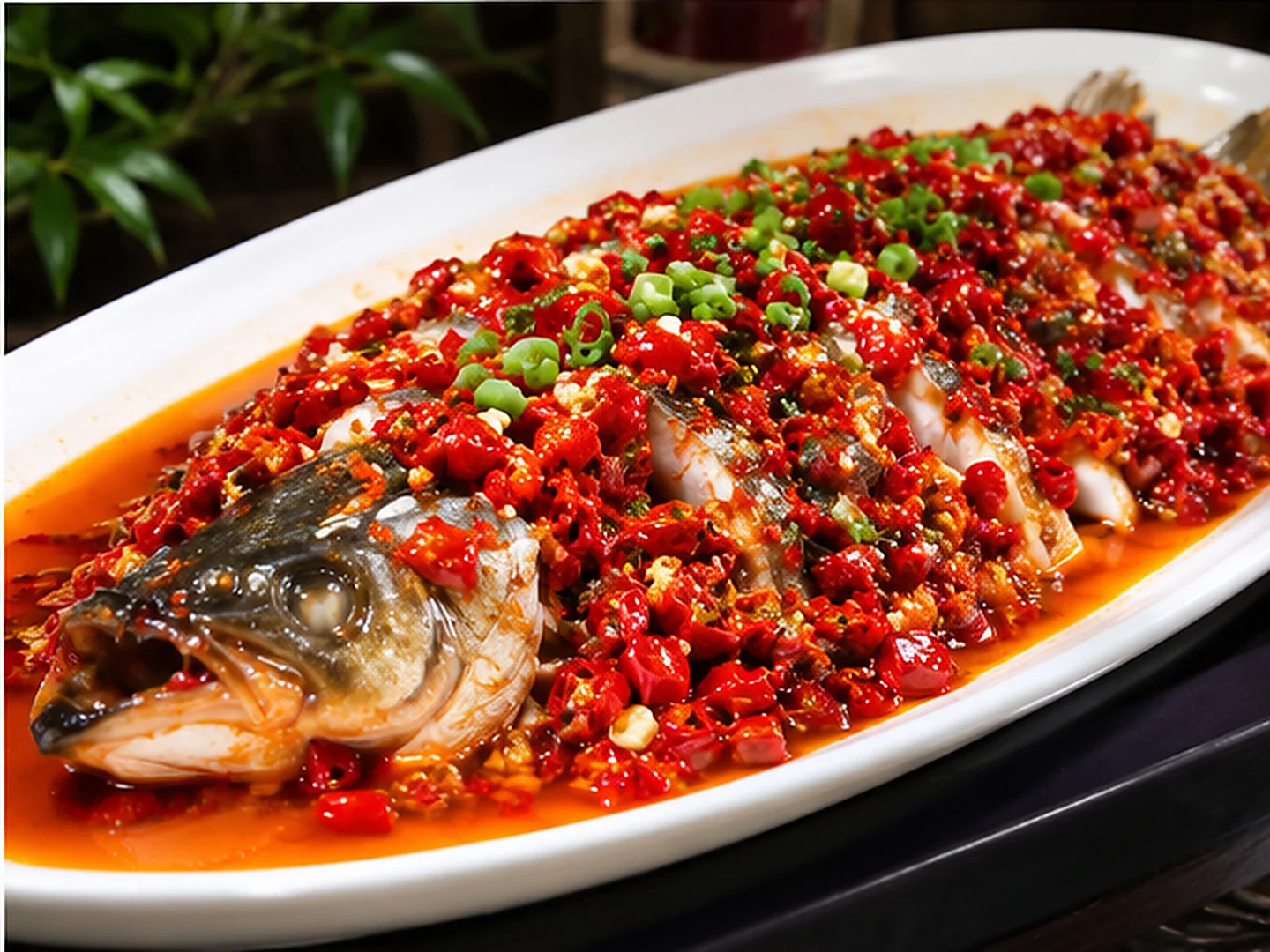
Four families of local taste
One of the biggest characteristics of Changsha food is its bold flavour, relaxed rhythm and deep connection to nightlife. Stinky tofu, spicy crayfish and sugar-oil cakes can be tasted quickly, and they also fit perfectly into old-street and night-market walks. Beyond snacks, the morning rice noodles and the bold Xiang cuisine form two completely different dining scenes.
A balanced day of Changsha food
Start the day the local way: a steaming bowl of rice noodles with beef or pork, simple and direct.
Choose a full Xiang-style lunch: steamed fish head with chillies, smoked pork or other classic dishes.
Wander Taiping and Pozi streets, picking one or two snacks at a time rather than checking everything off.
Finish with a plate of spicy crayfish — the most authentic Changsha late-night experience.
Do not “ticket-stamp” too many snacks at once. Walk slowly through the old streets, choose one or two items each time, and leave room for a proper Xiang meal.
Plan by season, move by district
Best Season
Spring and autumn are best for walking and mountain-and-water sightseeing. Summer is hot and humid — put outdoor sights in morning and evening. Winter is damp-cold but has fewer visitors.
Transport
Changsha has high-speed rail, an airport and a complete metro network. Core areas such as Yuelu Mountain, Orange Isle and Wuyi Square connect easily by metro and on foot.
Where to Stay
For a first visit, choose Wuyi Square, the east bank of the Xiang River or a metro-connected area. For quieter stays, consider the Yuelu Mountain side.
Food Tips
Xiang cuisine and late-night food are rich and spicy — mention your preferred spice level proactively. Popular restaurants can have long queues, so do not over-tighten the schedule.
Photography Tips
Early morning suits Yuelu Mountain and the academy; evening suits Orange Isle and the Xiang River; blue hour is best for Du Fu Pavilion, bridges and the city nightscape.
Slow Travel Philosophy
Leave one blank slot each day: a tea house, a riverside walk or a slow meal in an old street. Changsha’s appeal is often in times with no specific goal.
Four ways to walk the Xiang city
Changsha is more than a popular city of eating, drinking and nightlife. A truly layered journey lets the thousand-year academy, Han-dynasty artefacts, Xiang River landscape, old-street night and a bowl of spicy Xiang cuisine connect naturally. Rather than chasing sightseeing numbers, give the city a little time. 山水洲城,相约长沙。
Start Your Journey