
Dunhuang
DunhuangWhere the Silk Road Meets a Thousand Years of Buddhist Art
Six windows into Dunhuang’s layers
Dunhuang is not a single-attraction destination but a city that must be understood through four lines at once: history, art, nature and life. Visit the Mogao Caves to understand civilisational exchange, walk the desert to feel natural scale, read the frontier passes to understand the Silk Road, then return to the night market and urban life.
Six cultural keywords worth collecting
Dunhuang once connected the Central Plains with the Western Regions, a key node for transport, trade and cultural exchange.
Caves, murals and painted sculptures together form a world-class artistic heritage spanning more than a millennium.
Mingsha Mountain and Crescent Spring place extreme desert nature and an oasis wonder in the same frame.
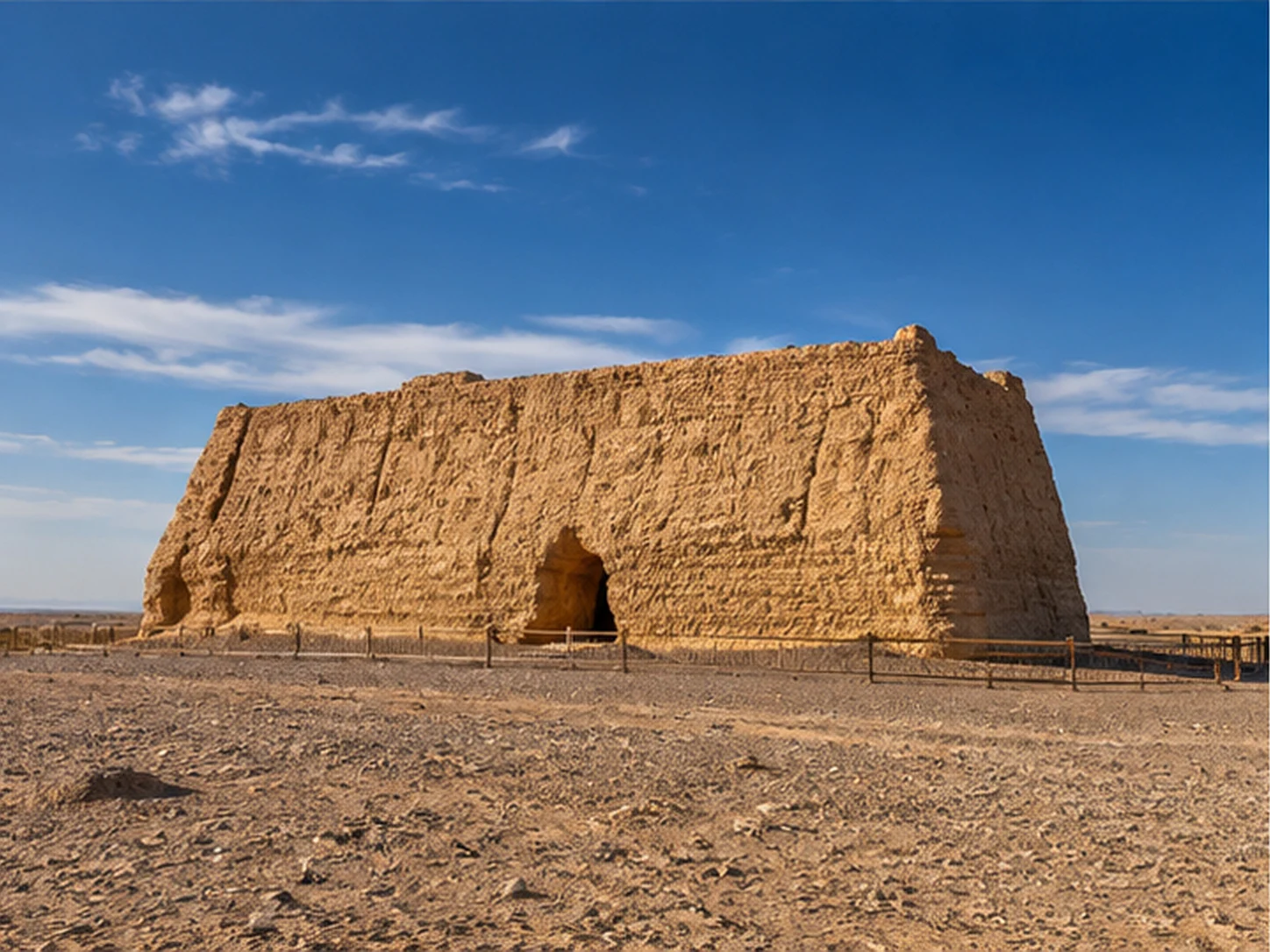
Yumen Pass and Yangguan make ancient transport systems and frontier defence visible and tangible.
Buddhism, commerce, languages and artistic traditions converged in Dunhuang over centuries.
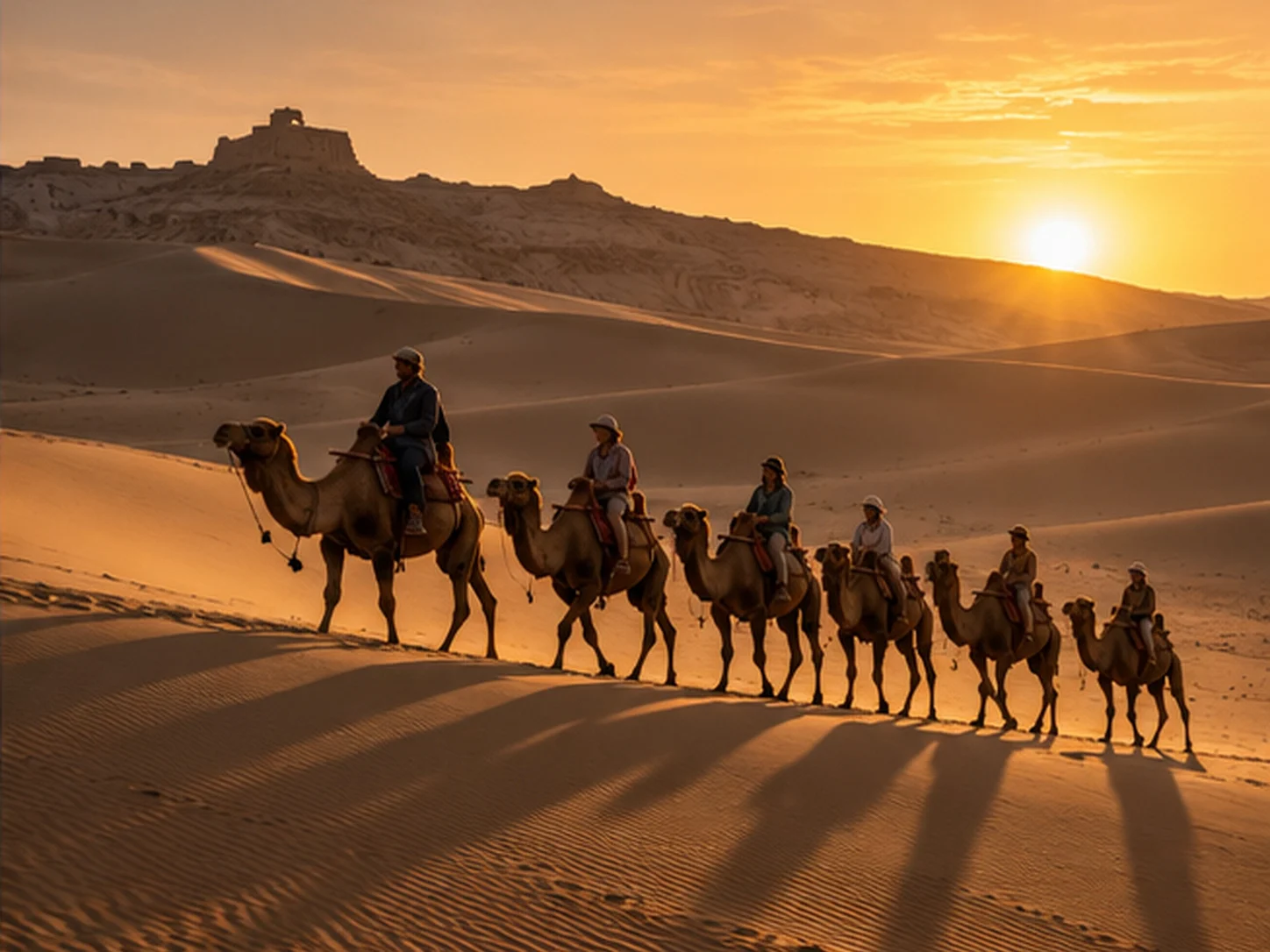
Sunsets, camel caravans, starry skies and vast landforms form Dunhuang’s strongest travel memory.
Three depths of discovery
Classic Essentials
Building a core impression of Dunhuang- Mogao Caves
- Mingsha Mountain & Crescent Spring
Silk Road Deep Dive
Passes, museums & manuscripts- Yumen & Yangguan Passes
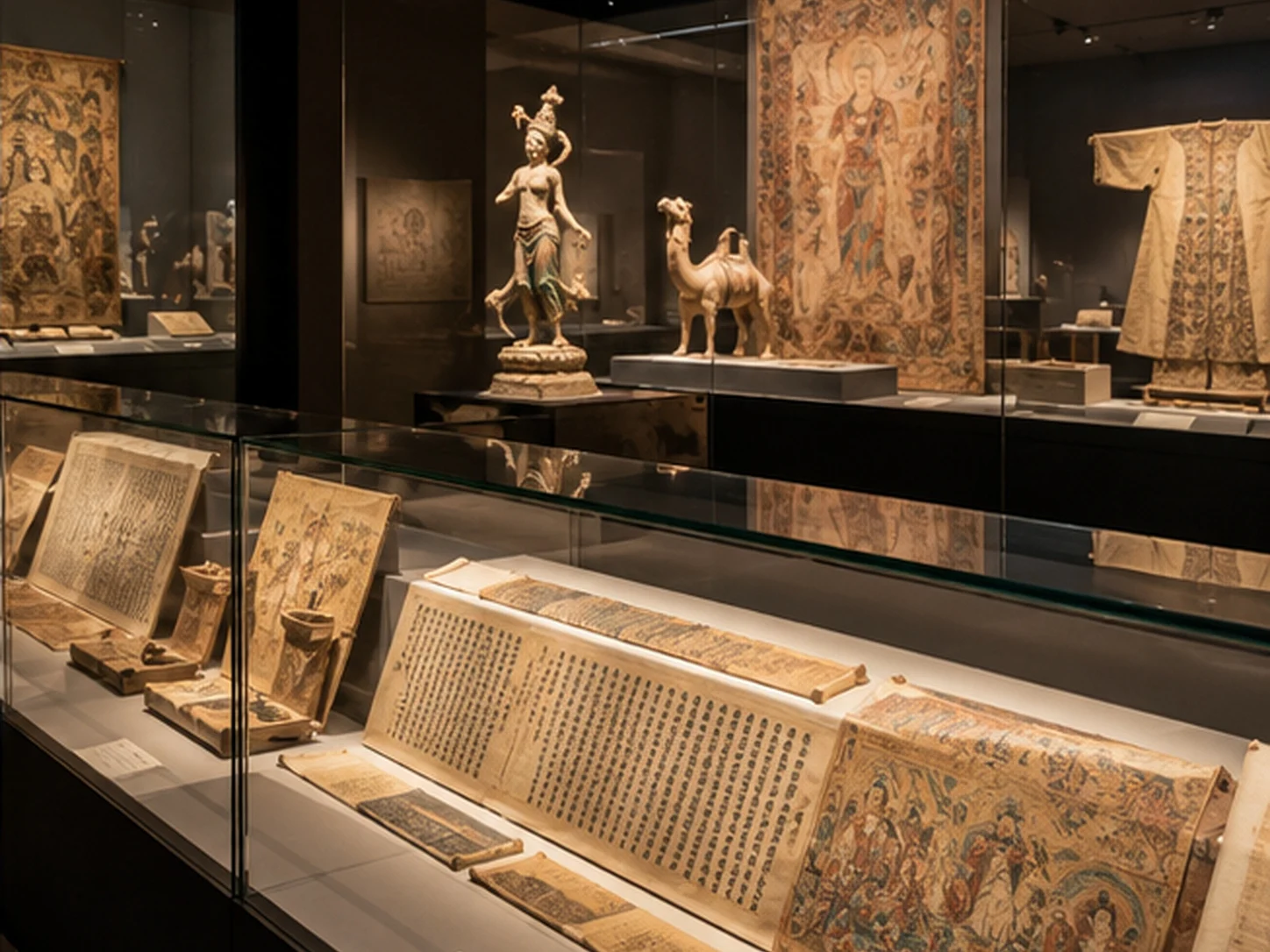
- Museum / Manuscripts
Desert & Landform
Yardang, sunset, stars & desert- Yardang Landform
- Sunset & Starry Sky
Three currents that shaped the Silk Road soul
Hexi Corridor & Silk Road Node
Dunhuang sits at the western end of the Hexi Corridor, historically connecting the Western Regions to the west and the Central Plains to the east. Merchants, envoys, monks and different ethnic groups passed through, giving Dunhuang a long-lasting openness and cross-cultural character.
Evidence of Cultural Exchange
Dunhuang manuscripts, religious art, costume images, music, dance and daily objects provide extraordinarily rich material for understanding ancient cross-regional exchange. They turn the “Silk Road” from a mere route into a concrete, visible living world.
From Frontier to Living City
Today’s Dunhuang both preserves ancient cultural heritage and remains a continuously living and renewing oasis city. Combining heritage sites with urban life makes Dunhuang easier to understand than visiting single attractions in isolation.
Where to begin
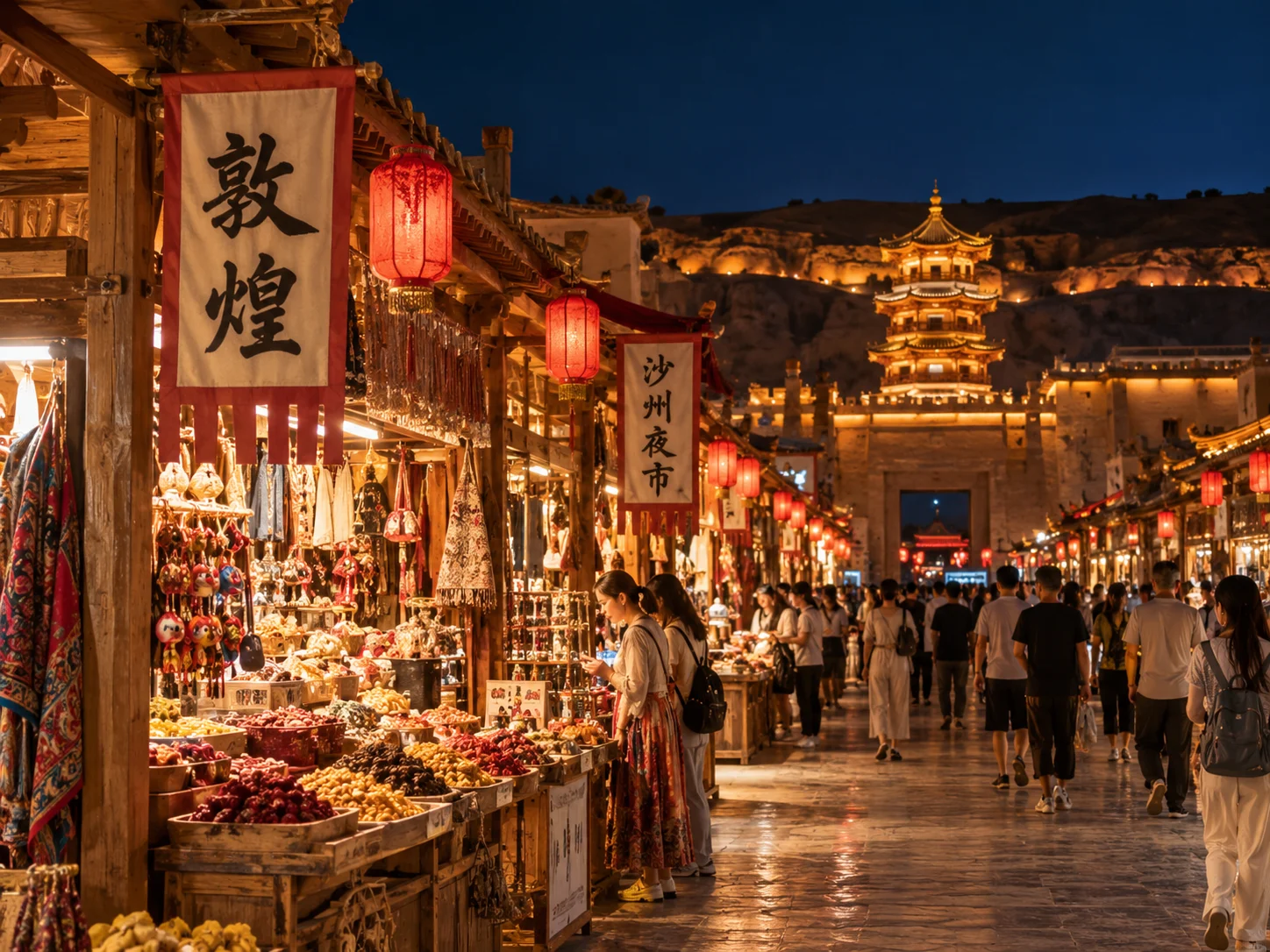
Four places that carry the essential Dunhuang: the Mogao Caves where a thousand years of Buddhist art lives in the cliff, Mingsha Mountain and Crescent Spring where desert meets oasis, Yumen Pass where the frontier becomes tangible, and Shazhou Night Market where the city returns to everyday warmth.
Beyond the classic postcards
For travellers who want more than the four icons: the mural art of the Mogao Caves, the wind-sculpted Yardang landform, the poetic Yangguan Pass, and the museum and manuscript collections that make Silk Road history concrete.
Vast landscapes & contemporary Dunhuang
The modern value of Dunhuang lies in its experiential depth: desert sunsets with camel caravans, starry skies over the Gobi, a bold Northwest meal, and hands-on mural copying workshops — a city that rewards slowing down and staying late.
An oasis of everyday warmth
Desert Oasis & Daily Life
The charm of Dunhuang is not only in its heritage sites. Desert oases, street-side meals, dried fruits, apricot drinks and conversations under the shade are what truly let visitors feel the everyday warmth of this oasis city.
Night Market & Local Warmth
Shazhou Night Market gathers Northwest snacks, dried fruits, drinks, handicrafts and travel souvenirs. It is the natural transition from “heritage and desert” back to contemporary urban life — the city’s most authentic “fireworks” atmosphere.
How to Plan the Slow Hours
Leave one “blank slot” each day: a long lunch, a sunset walk in the dunes, or a slow evening at the night market. Dunhuang’s appeal often lies in these times with no specific sightseeing goal.
Wheat, lamb & apricot refreshment
Four families of local taste
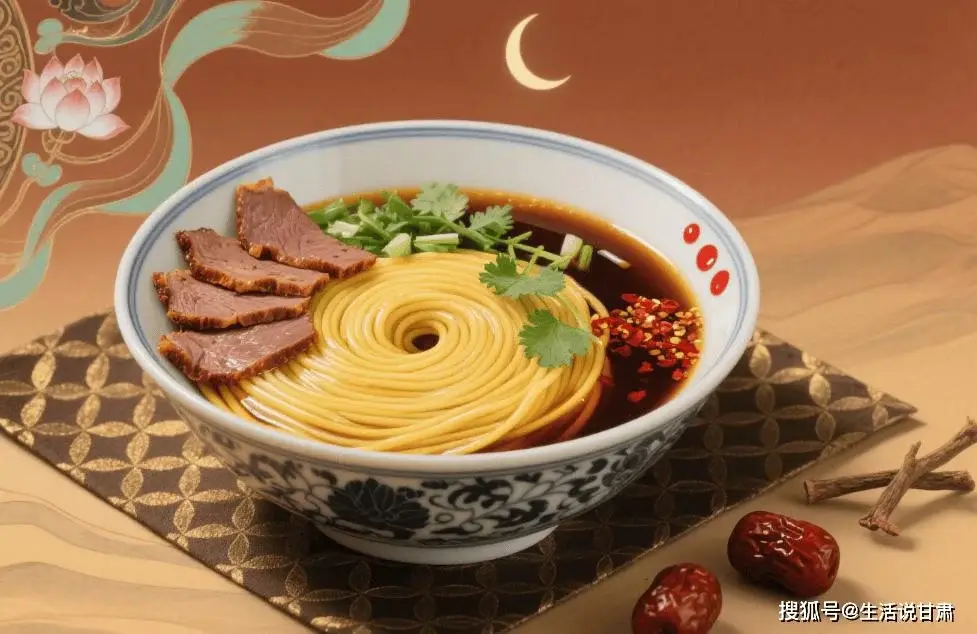
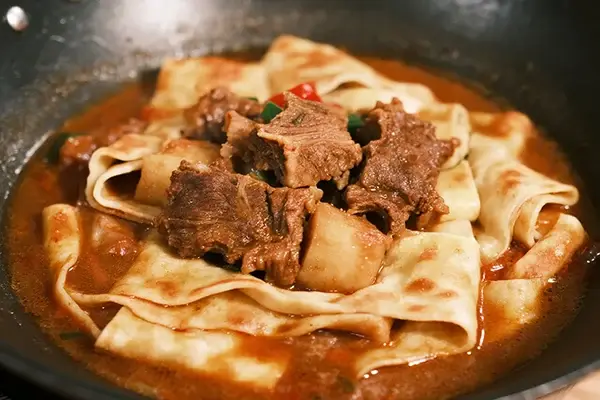
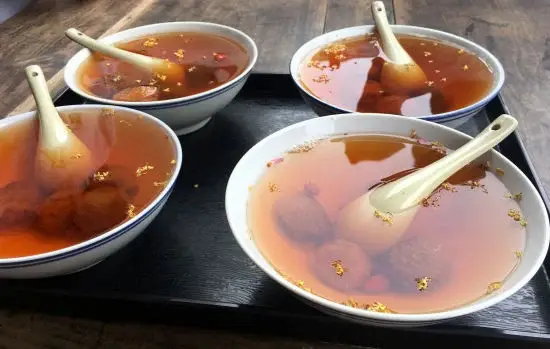
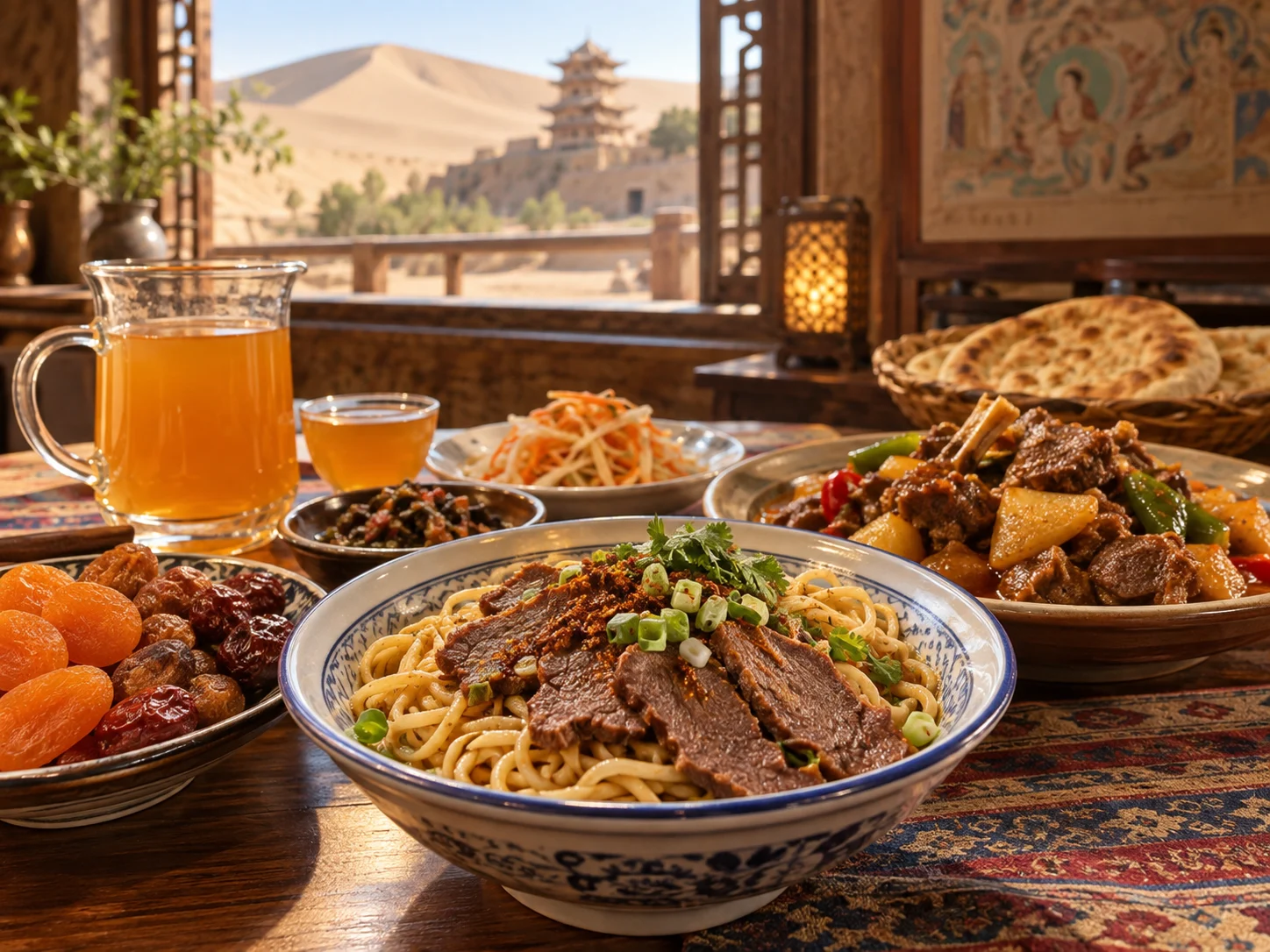
Dunhuang cuisine combines Northwest wheat noodles, lamb flavours, dried fruits and oasis produce. The food is worth understanding beyond “spicy or not” — focus on noodle texture, meat cooking methods, apricot drinks and the local ingredients shaped by a dry climate.
A balanced day of Dunhuang food
Start the day the local way: a bowl of Northwest noodles or a glass of refreshing apricot peel drink.
Choose a full Northwest lunch: lamb stew with flatbread, grilled meat or other classic dishes.
Wander Shazhou Night Market, picking one or two snacks at a time rather than checking everything off.
Finish with lamb skewers and a handful of dried fruits — the authentic Dunhuang late-night experience.
Do not “ticket-stamp” too many snacks at once. Walk slowly through the night market, choose one or two items each time, and leave room for a proper Northwest meal.
Plan by season, move by distance
Best Season
April–June and September–October are usually best for outdoor travel. Summer has strong sun and large day-night temperature differences; winter is cold but has fewer visitors.
Transport
Reach Dunhuang by Mogao International Airport, rail or road. The western passes and Yardang are far from the city — best visited by charter car or a compliant group tour.
Where to Stay
For a first visit, choose Dunhuang city centre for dining and night-market convenience. Experience-focused travellers can choose distinctive accommodation closer to the scenic areas.
Sun Protection & Hydration
Dunhuang has strong sunlight and dry air. Hats, sunglasses, sunscreen, lip balm and drinking water should all be daily essentials.
Heritage Protection
Follow the visiting rules at Mogao Caves and all heritage sites. No flash photography, and do not touch murals, sculptures or historic building surfaces.
Slow Travel Philosophy
Leave transition time between history, art and nature. After the Mogao Caves you need a little quiet; after the passes you need to feel distance again; a desert sunset is worth a full evening.
Four ways to walk the Silk Road
Dunhuang is not a destination to “finish seeing” — it is an encounter with a thousand years of history and vast heaven and earth. The truly suitable way to travel is not to pack every site into one day, but to leave enough transition time between history, art and nature. 丝路不远,敦煌一直在等你。
Start Your Journey