
jiuzhaigou
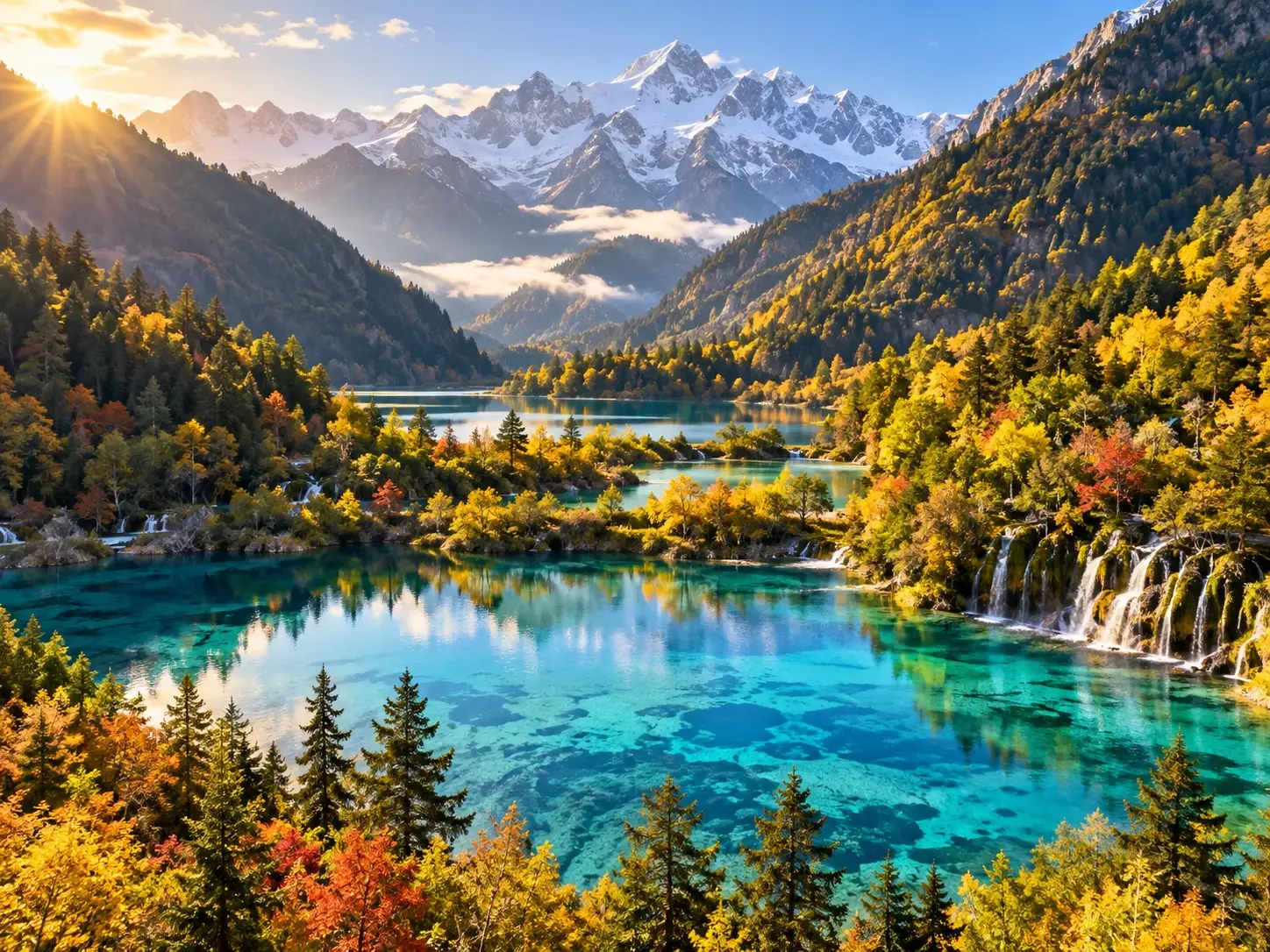
JiuzhaigouThe Valley of Crystalline Turquoise Lakes
Six windows into Jiuzhaigou's layers
Jiuzhaigou is not a single scenic spot but an entire valley you can "enter": walk along boardwalks past turquoise lakes, listen to thundering waterfalls, wander through ancient Tibetan villages, and watch the snow-capped peaks change colour with the light.
Six cultural keywords worth collecting
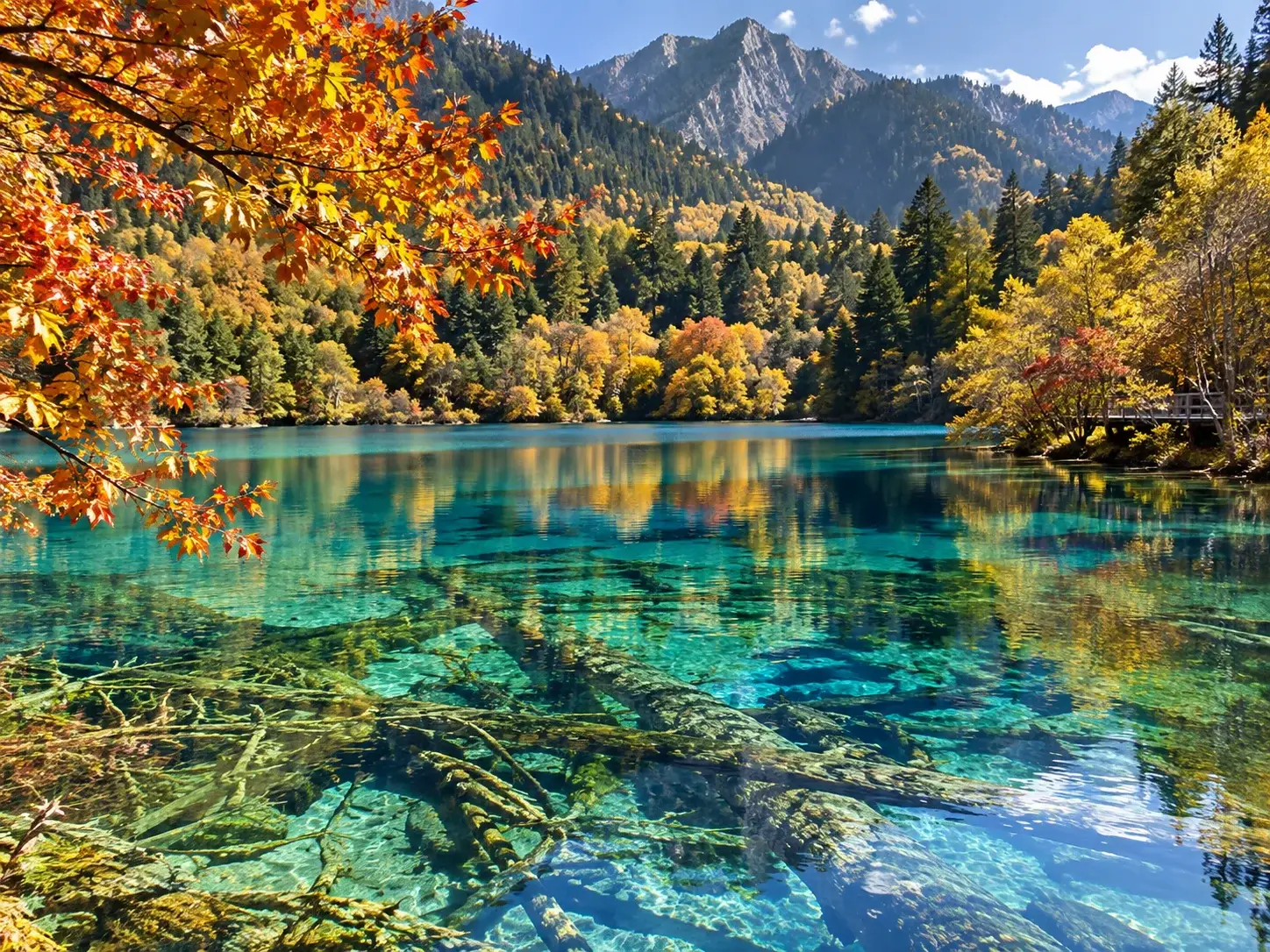
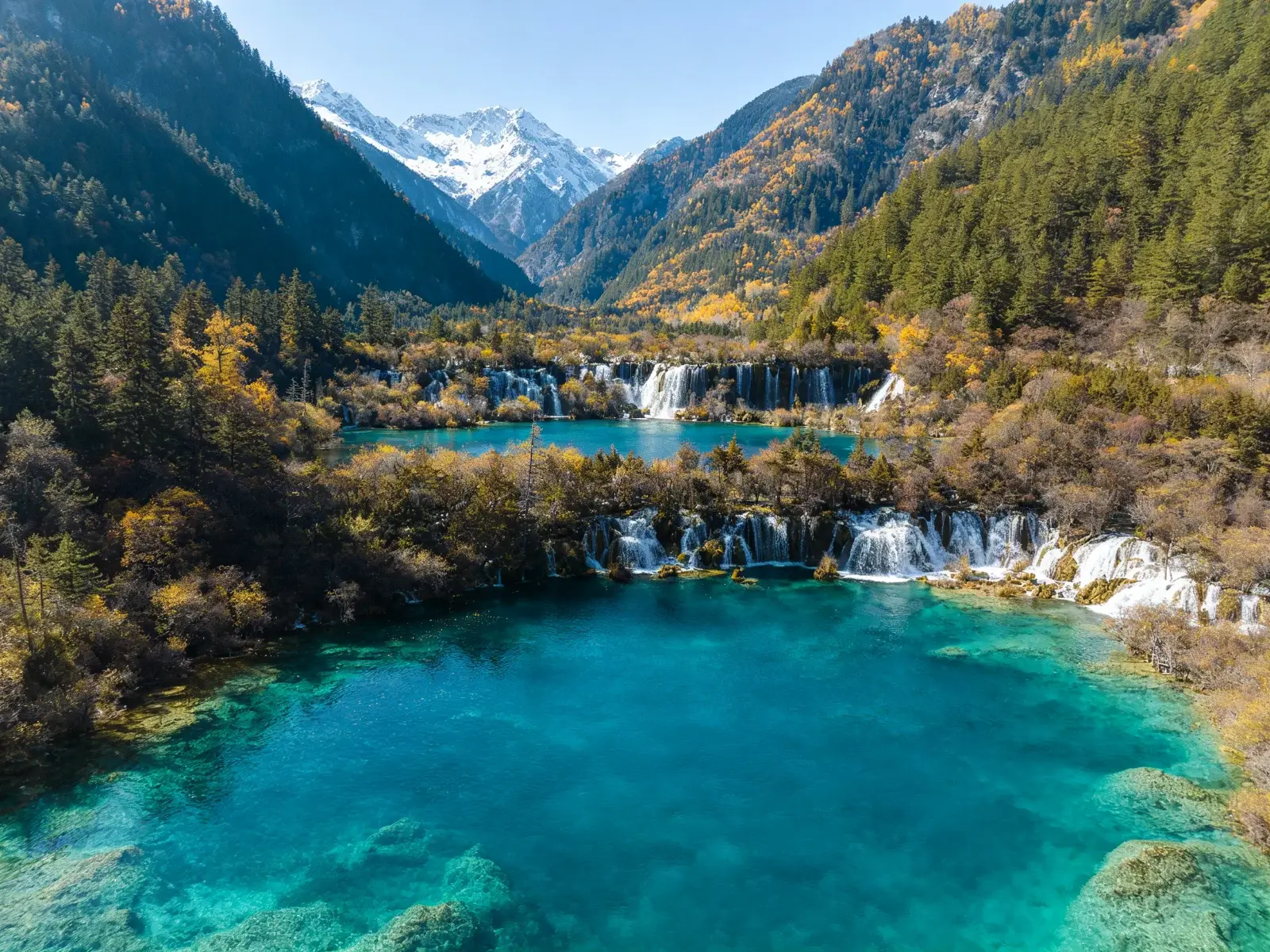
Jiuzhaigou's most photographed lake — crystal clear water showing submerged tree trunks in vivid turquoise and sapphire tones.
One of China's widest travertine waterfalls, cascading over a broad cliff face surrounded by dense forest.
The largest and highest lake in Jiuzhaigou, nestled between snow-capped peaks with deep blue water and silent forests.
A series of 19 cascading lakes connected by small waterfalls, with Tibetan villages hidden among the trees.
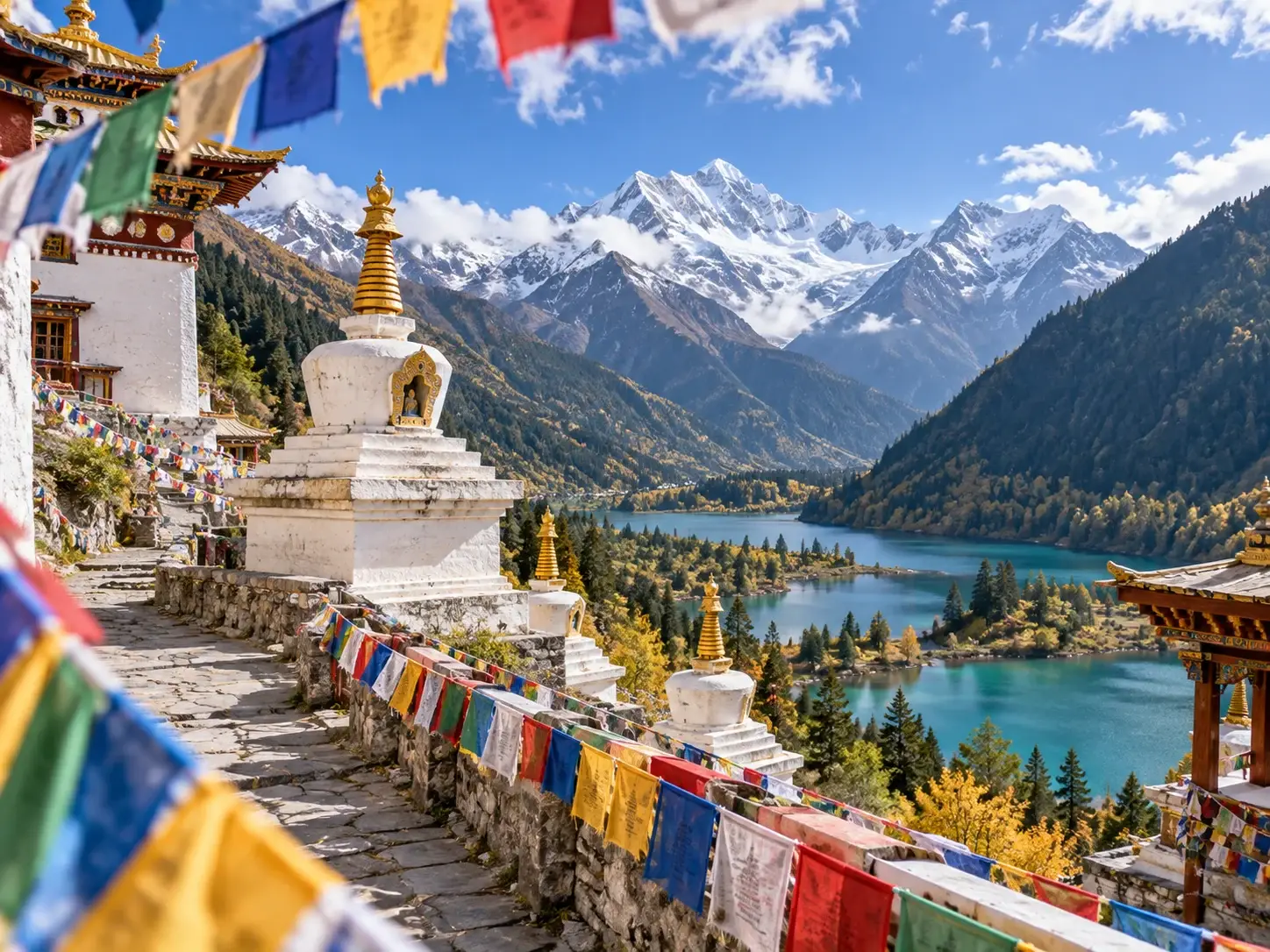
Ancient Tibetan hamlets within the valley — white-walled houses, prayer flags, mani stones and a living plateau culture.
The snow-capped mountain range that shelters Jiuzhaigou, shaping its climate, lakes and unique alpine ecosystem.
Three depths of discovery
Classic Lakes & Waterfalls
First-time visitors / photography- Five Flower Lake & Pearl Shoal
- Nuorilang Waterfall & Shuzheng Lakes
Alpine & Tibetan
Long Lake, Tibetan villages & monasteries- Long Lake & Five-Coloured Pond
- Tibetan Villages & monasteries
Valley Highlights
Lower valley, boardwalk walks, photo spots- Shuzheng Valley main highlights
- Nuorilang Centre & short walks
Three currents that shaped the valley soul
Alpine Ecology & Natural Wonders
Jiuzhaigou's natural beauty comes from its unique high-mountain gorge ecosystem. Abundant water, travertine geology, primeval forest and high-altitude climate combine to create crystal-clear lakes with layered colours, making it a globally renowned natural heritage destination.
Tibetan Culture & Mountain Life
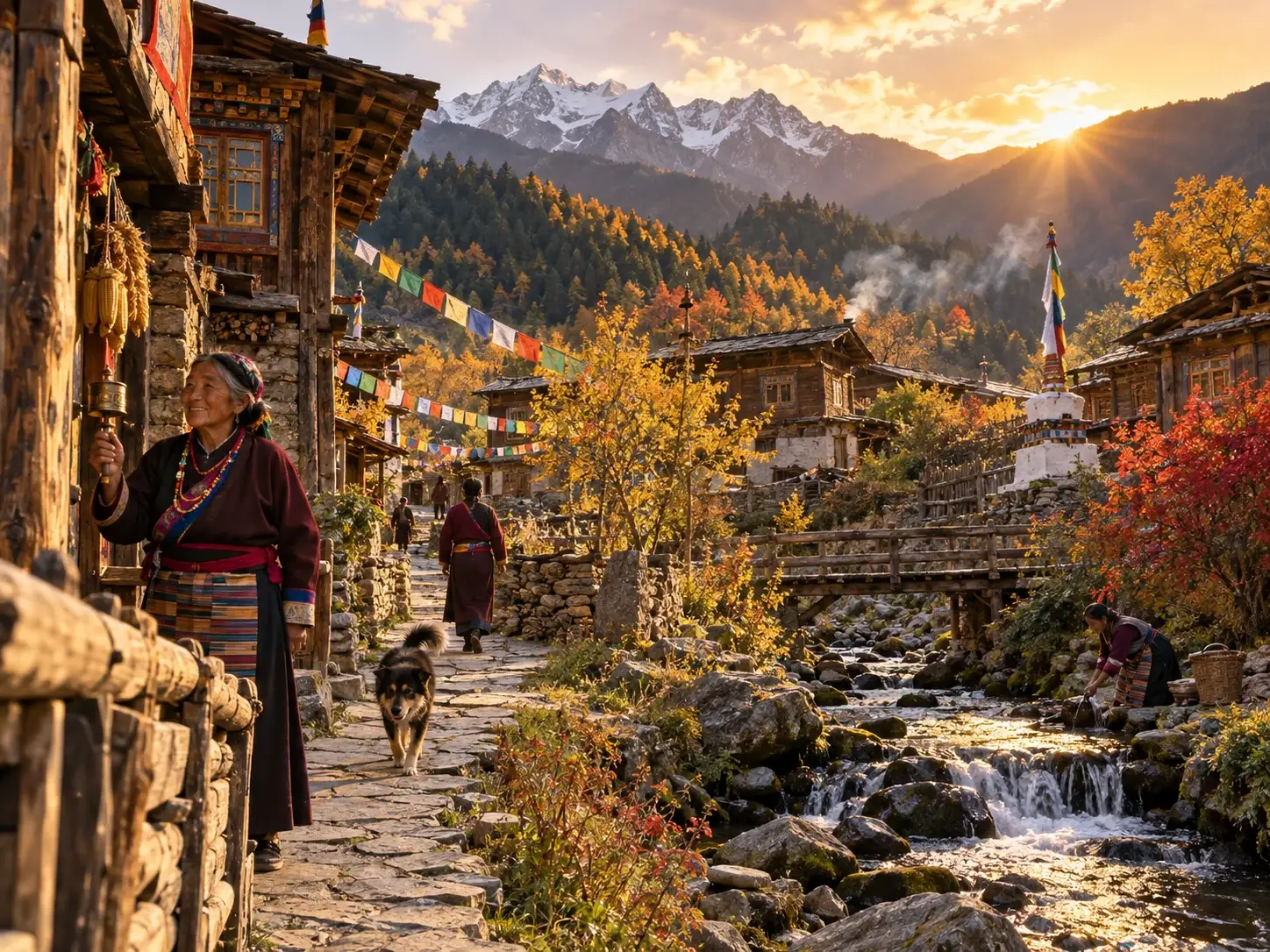
Beyond the scenery, the surrounding Tibetan villages, monasteries, blessing traditions and traditional lifestyle are equally important. Wooden houses, colourful costumes, prayer flags and spinning prayer wheels give Jiuzhaigou a distinctive highland cultural character.
Pure, Quiet & Slow Travel
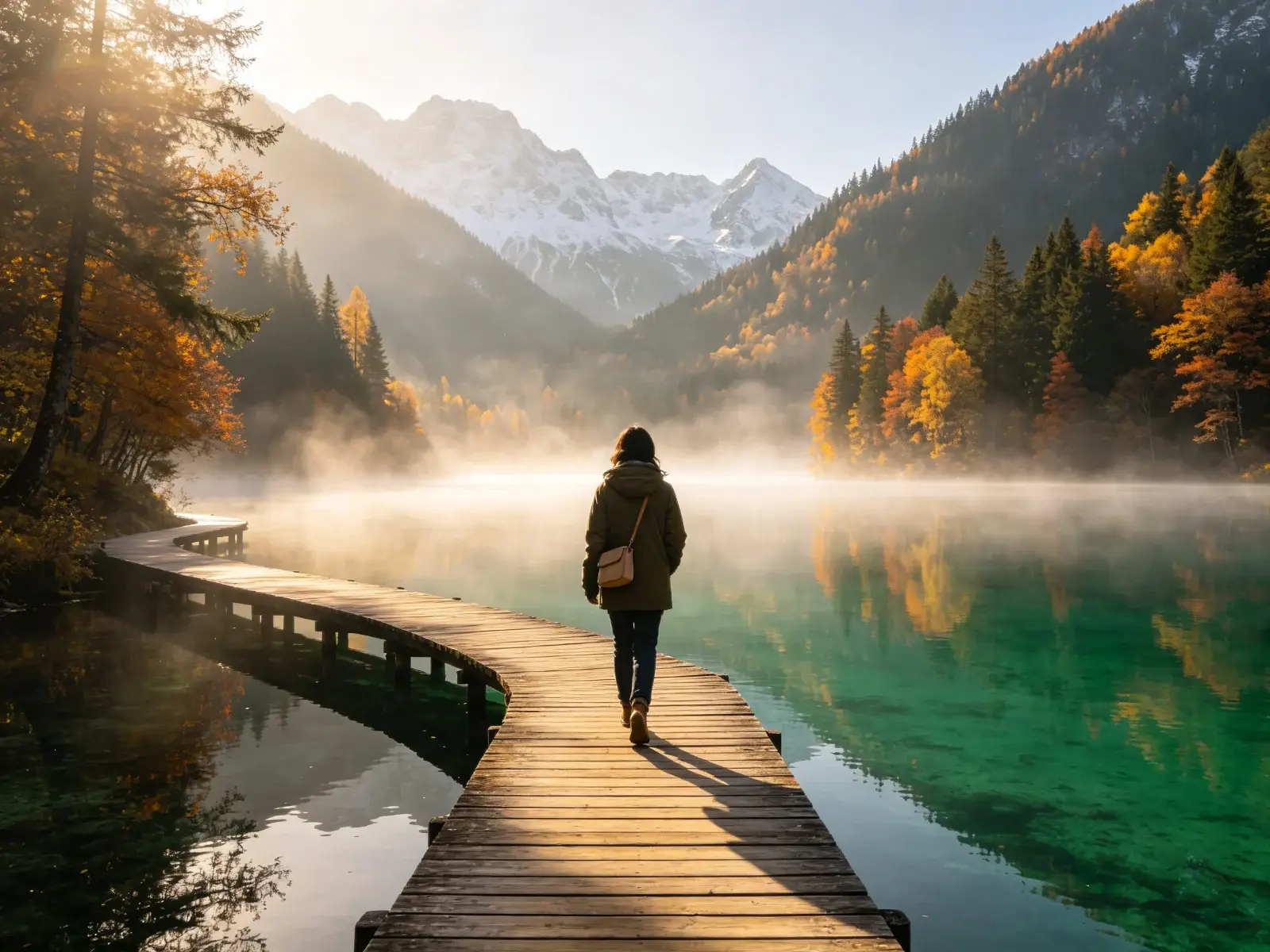
Unlike city tourism, Jiuzhaigou is best experienced slowly: pausing by the lake, hiking the boardwalk, stopping before the waterfalls, feeling the quiet daily life in Tibetan villages. This sense of distance and tranquillity makes it an exceptionally healing travel destination.
Layered Landscape: Snow, Forest & Gorge
Jiuzhaigou is best viewed in layers: from nearby coloured pools and trees, to mid-ground waterfalls and wooden boardwalks, to distant snow peaks and gorges. This complete landscape hierarchy makes it spectacular in every season.
Local Belief & Blessing Spaces
Monasteries, prayer flags, white stupas and prayer wheels are not just religious spaces — they are windows into understanding the highland way of life and spiritual world. This dimension is well worth adding to any deep Jiuzhaigou itinerary.
Where to begin
Four places that carry the essential Jiuzhaigou: Five Flower Lake where colours merge into the water, Nuorilang Waterfall for its grand cascade, Long Lake for its alpine serenity, and Shuzheng Lakes for the classic valley chain.
Deep culture & hidden corners
For travellers who want more than the four icons: Pearl Shoal's shallow turquoise bed, Five-Coloured Pond's miniature perfection, the Tibetan villages' quiet life, and the monasteries' spiritual atmosphere.
Enter the valley & contemporary Jiuzhaigou
The most suitable way to travel Jiuzhaigou is to move from "viewing scenery" to "entering scenery": walk the boardwalks at your own pace, sit by a lake, watch light change on the peaks, and slow down with a bowl of butter tea.
A landscape of quiet spirituality
Valley in the Mountains
Jiuzhaigou's charm is not only in its lakes. White-walled houses, barley fields, yaks grazing and the distant sound of chanting are all part of the valley's character. This is a place where nature and faith live side by side.
Village Life & Pilgrimage
Walking through the Tibetan villages, you will see pilgrims circumambulating, old people turning prayer wheels, and children playing by the mani stones. These everyday scenes give Jiuzhaigou its soul beyond the scenery.
How to Plan the Slow Hours
Leave one "blank slot" each day: sit by Five Flower Lake, watch mist lift from the water, let the bus go without you, and let a bowl of butter tea and a sunset become part of the journey.
Butter tea, barley & Tibetan plateau cuisine
Six families of local taste
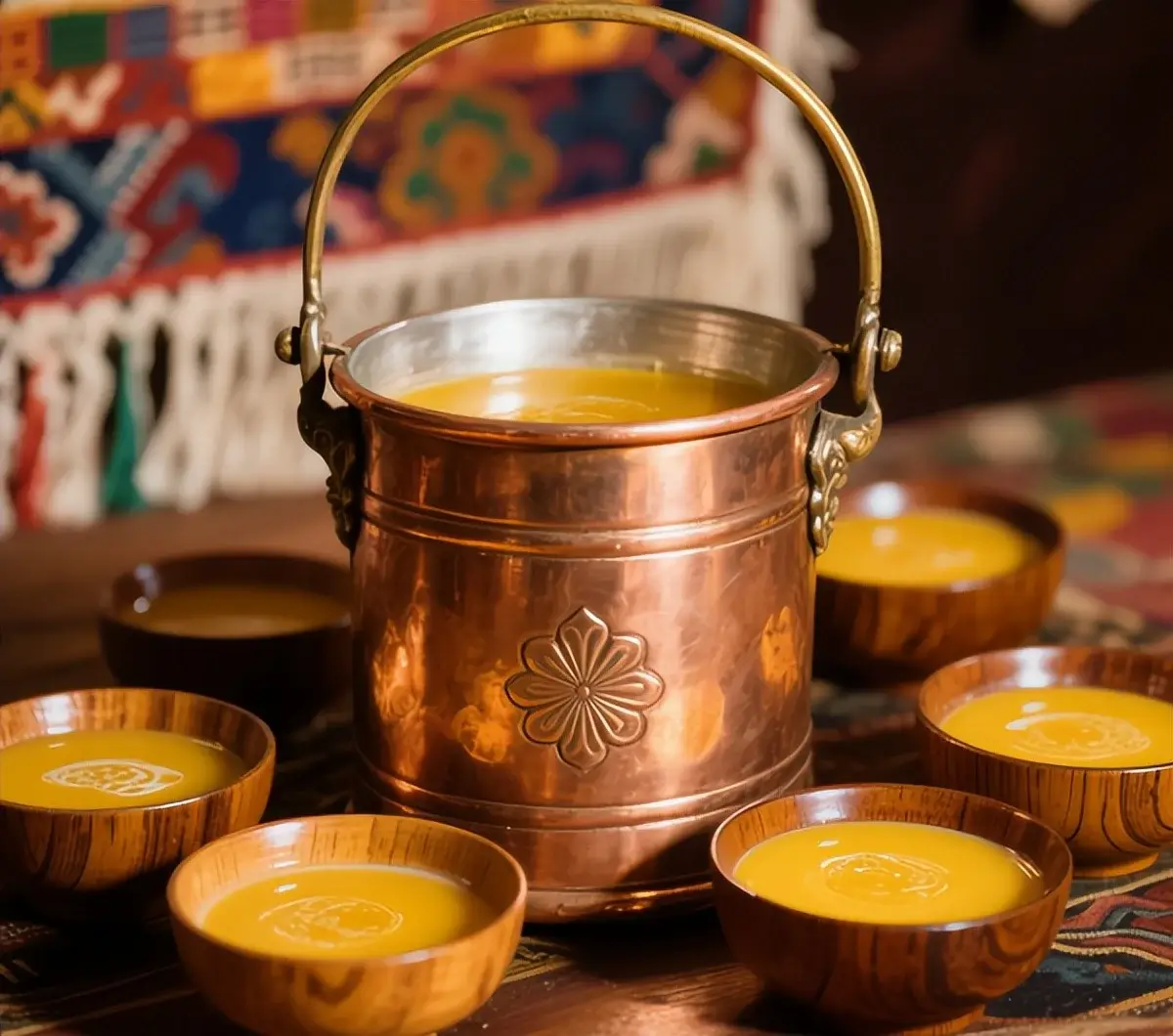
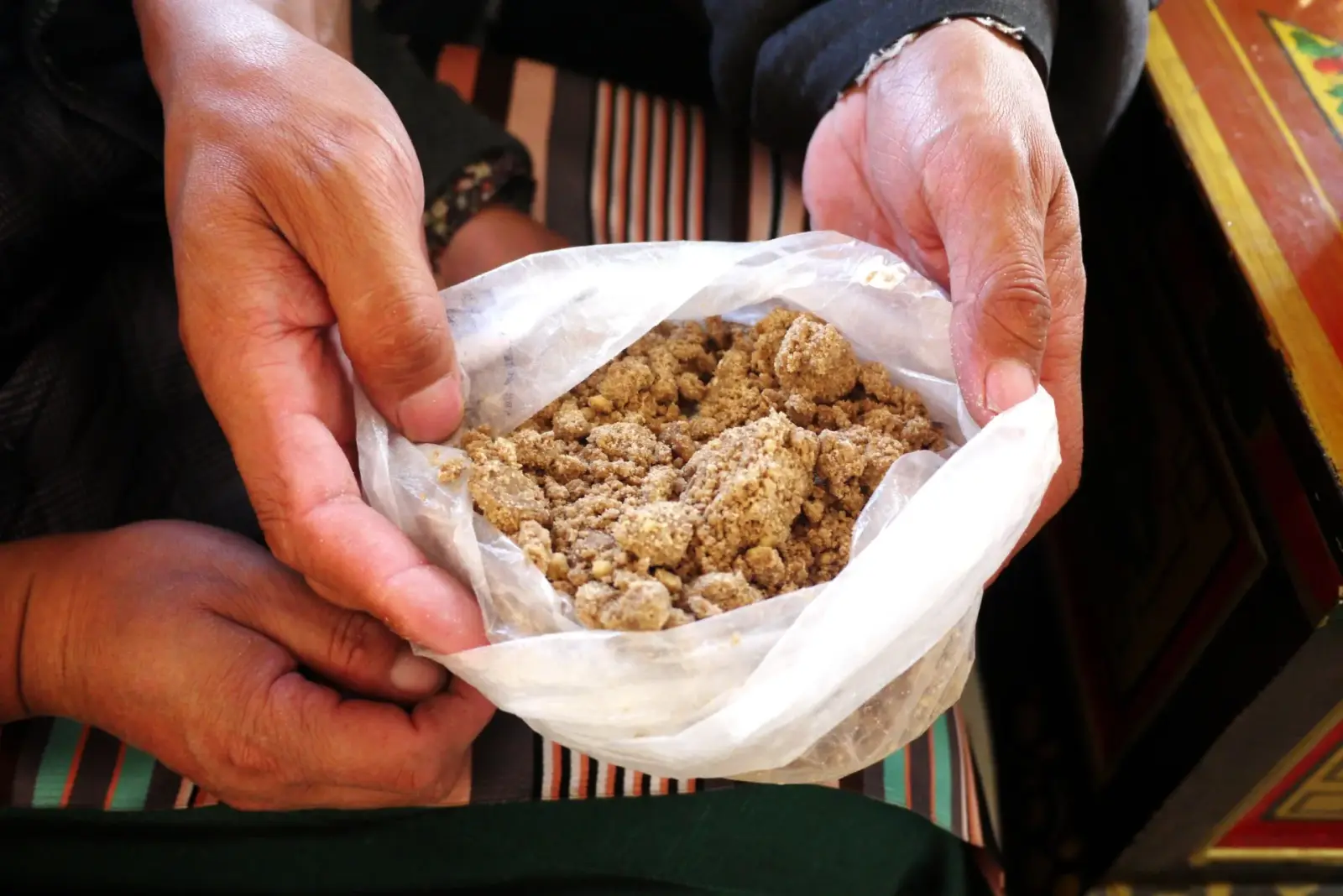
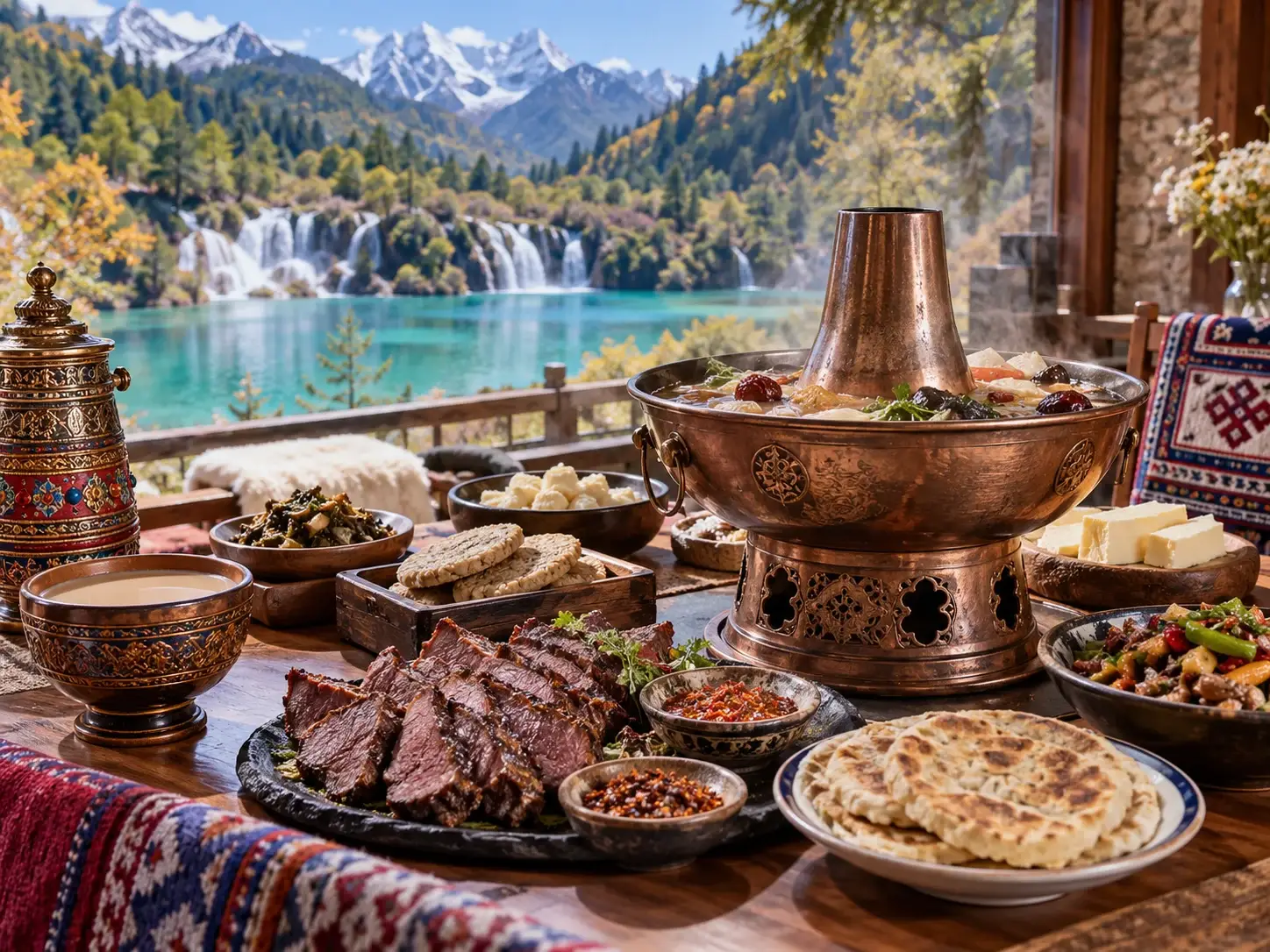
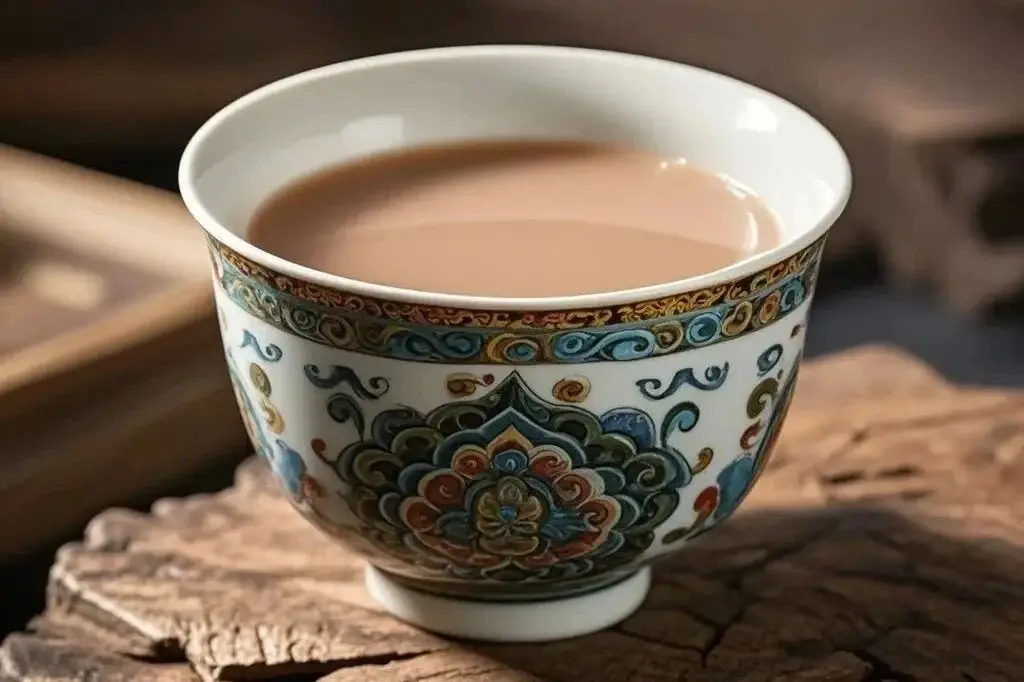
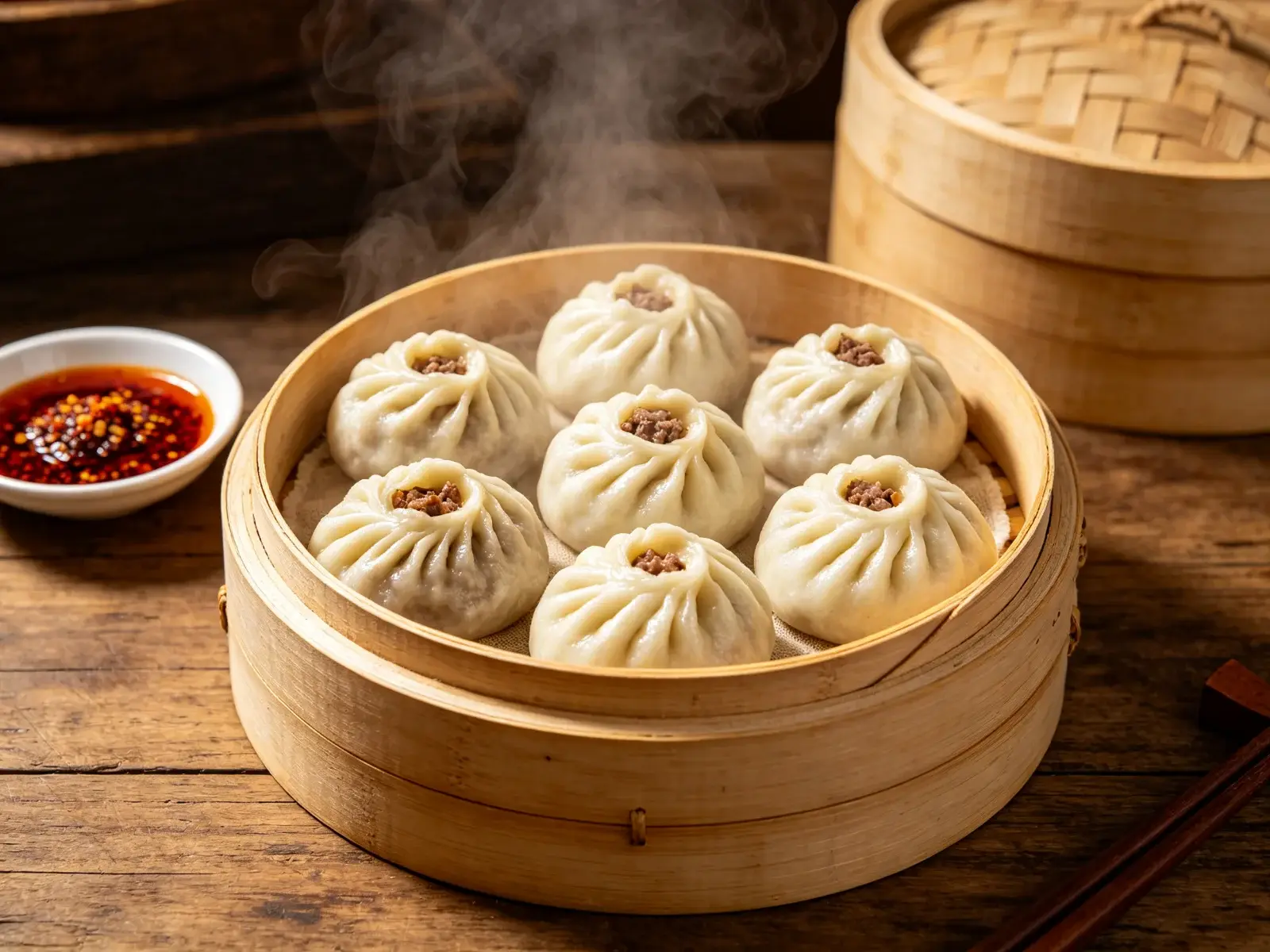
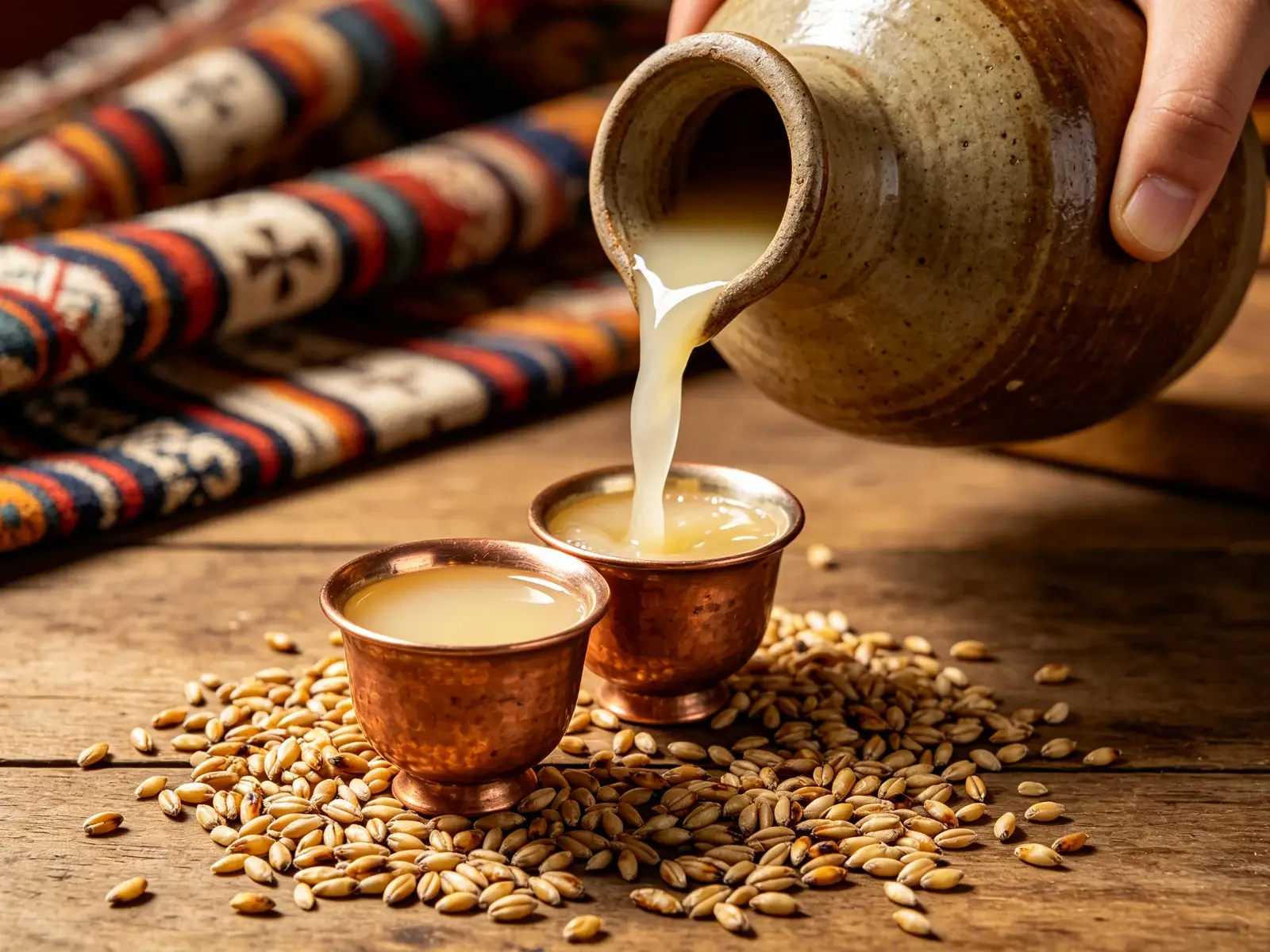
Jiuzhaigou cuisine is the hearty, warming food of the Tibetan plateau: butter tea to fight the altitude, tsampa as the daily staple, yak meat for protein and energy, and sweet tea as a social afternoon ritual. Rather than a list of "grand dishes", plateau food is best experienced slowly, with warmth and hospitality.
A balanced day of Jiuzhaigou food
Start the day the local way: butter tea with roasted barley flour, warm and energising for the altitude.
Choose a hearty plateau meal: yak meat hot pot, yak skewers or Tibetan bread with cheese.
Rest at a teahouse: sweet tea with fried dough, dried cheese and local cookies.
Finish with a hot pot or stew by the valley, paired with mountain air and a clear sky.
Do not rush through your meals. Plateau food is meant to be enjoyed slowly — give yourself time to warm up, rest and absorb the altitude comfortably.
Plan by season, move by altitude
Best Season
Autumn (September–October) is the most beautiful season: the lakes are at their clearest, the forests turn golden and red, and the sky is bluest. Spring has fresh green and fewer visitors; winter is snowy and magical but very cold. Summer is lush but rainy.
Altitude & Health
Jiuzhaigou sits at 2,000–3,100m. Take it easy the first day — drink plenty of water, avoid alcohol, and let your body acclimatise. Bring layers: the temperature changes quickly between sun and shade.
Transport
Most visitors arrive via Jiuzhaigou Huanglong Airport (JZH) or by bus from Chengdu. Inside the park, free shuttle buses connect the major sites — plan your route around the bus schedule to save time and energy.
Where to Stay
Stay in the Jiuzhaigou Valley town near the park entrance for convenience. For a more cultural experience, choose a Tibetan-style guesthouse in one of the nearby villages. Book well in advance during peak season.
Travel Rhythm
Jiuzhaigou needs at least 1–2 full days inside the park. Do not try to see everything in one rushed day — pick one valley per day, walk the boardwalks, and leave time to sit and absorb the landscape.
Photography Tips
Early morning is best for reflections and mist on the lakes. Midday light is harsh on the water — use a polarising filter. Autumn colours peak in mid-October. Bring a wide-angle lens for the landscapes and a telephoto for mountain details.
Four ways to walk the valley
Jiuzhaigou is not a place to "check off" — it is a valley where water holds the sky and the mountains hold their breath. The truly suitable way to travel is not rushing from lake to lake, but giving the landscape enough time: for the mist to lift from the water, for the colours to shift with the light, for a prayer flag to flutter in the wind, and for a bowl of butter tea and a sunset to become the journey. 九寨归来不看水,等风也等你。
Start Your Journey