
Tianjing
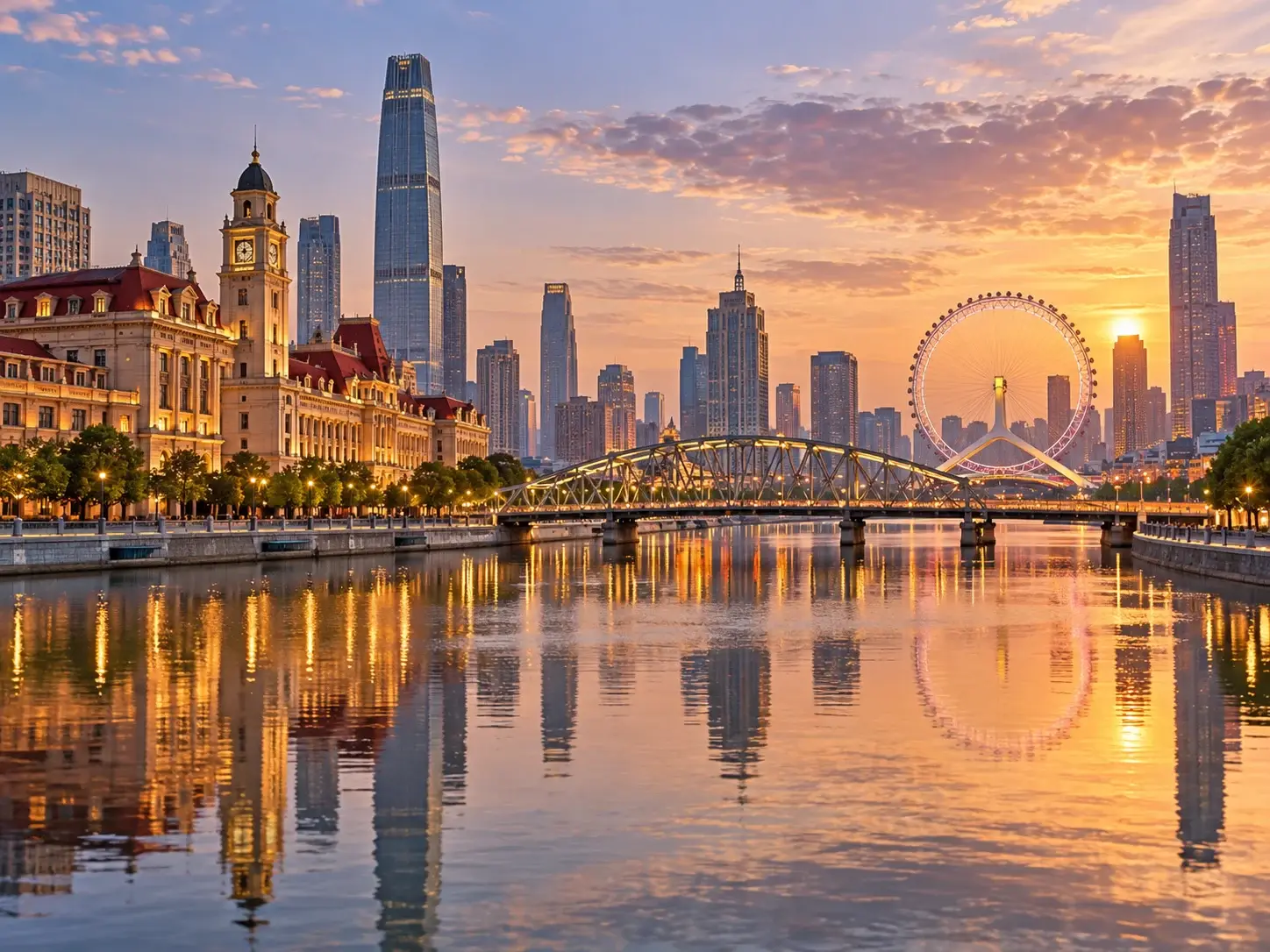
TianjinThe Hai River, Historic Streets & the Flavour of North China
Six windows into Tianjin’s riverside world
Tianjin cannot be reduced to a single landmark. Its appeal lies in a composite experience — the river, the architecture, the historic streets, the folk arts, the food and the everyday life of the city — where European villas and traditional memorial archways stand only a short walk apart along the water.
Six travel keywords worth collecting
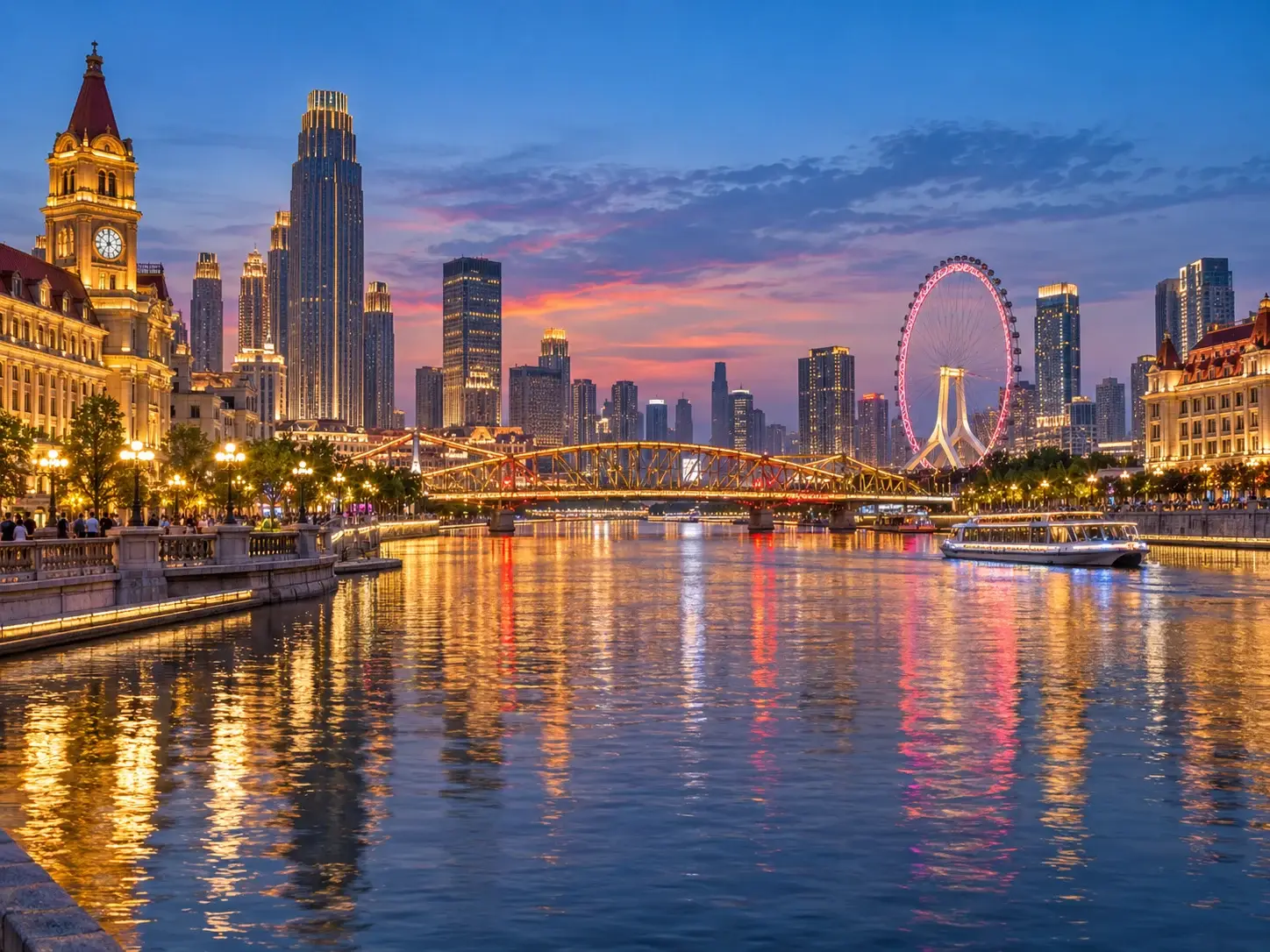
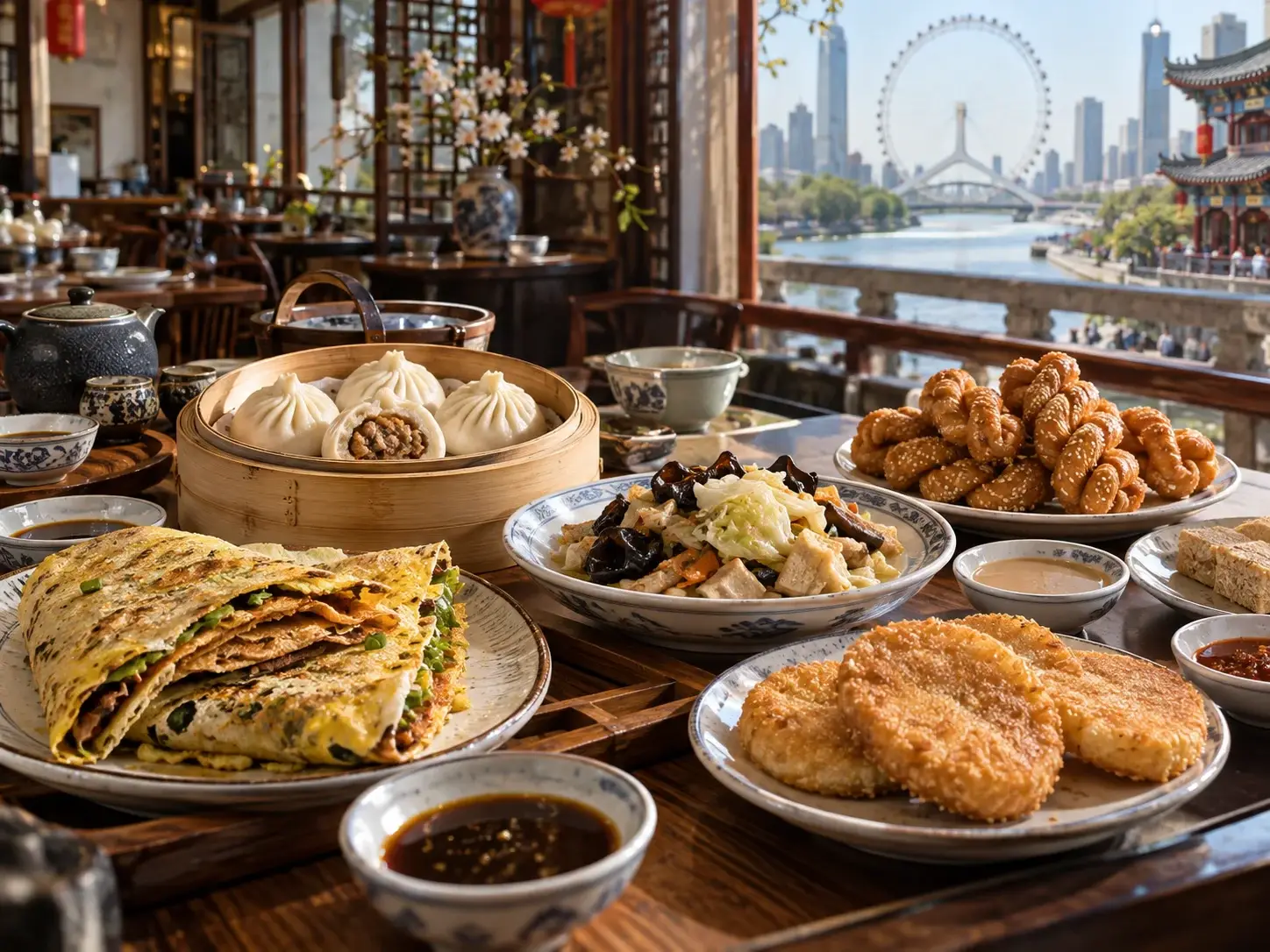
The Hai River runs through the city centre; its bridges, old buildings, night views and cruise boats together form Tianjin’s most representative urban landscape.
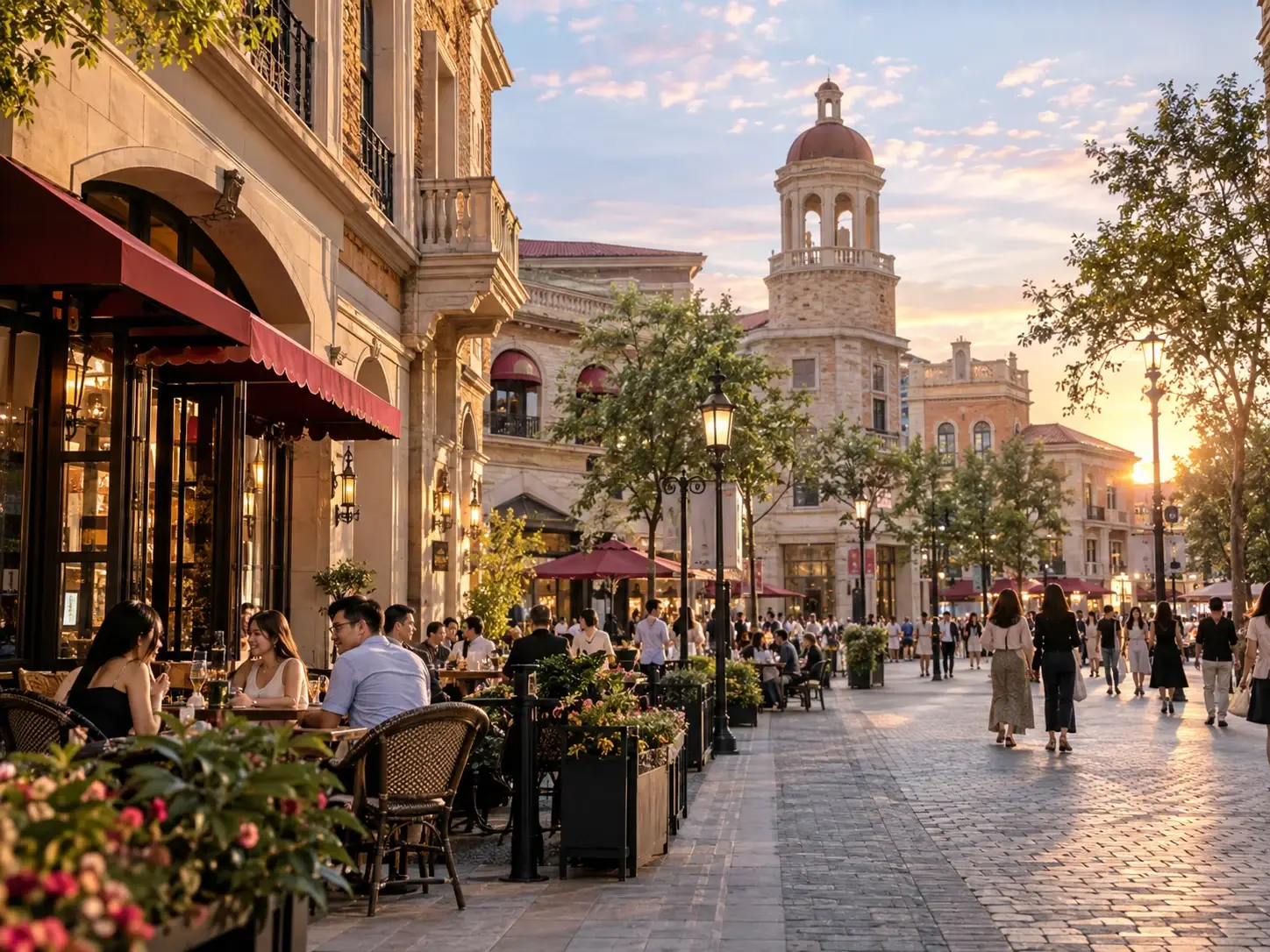
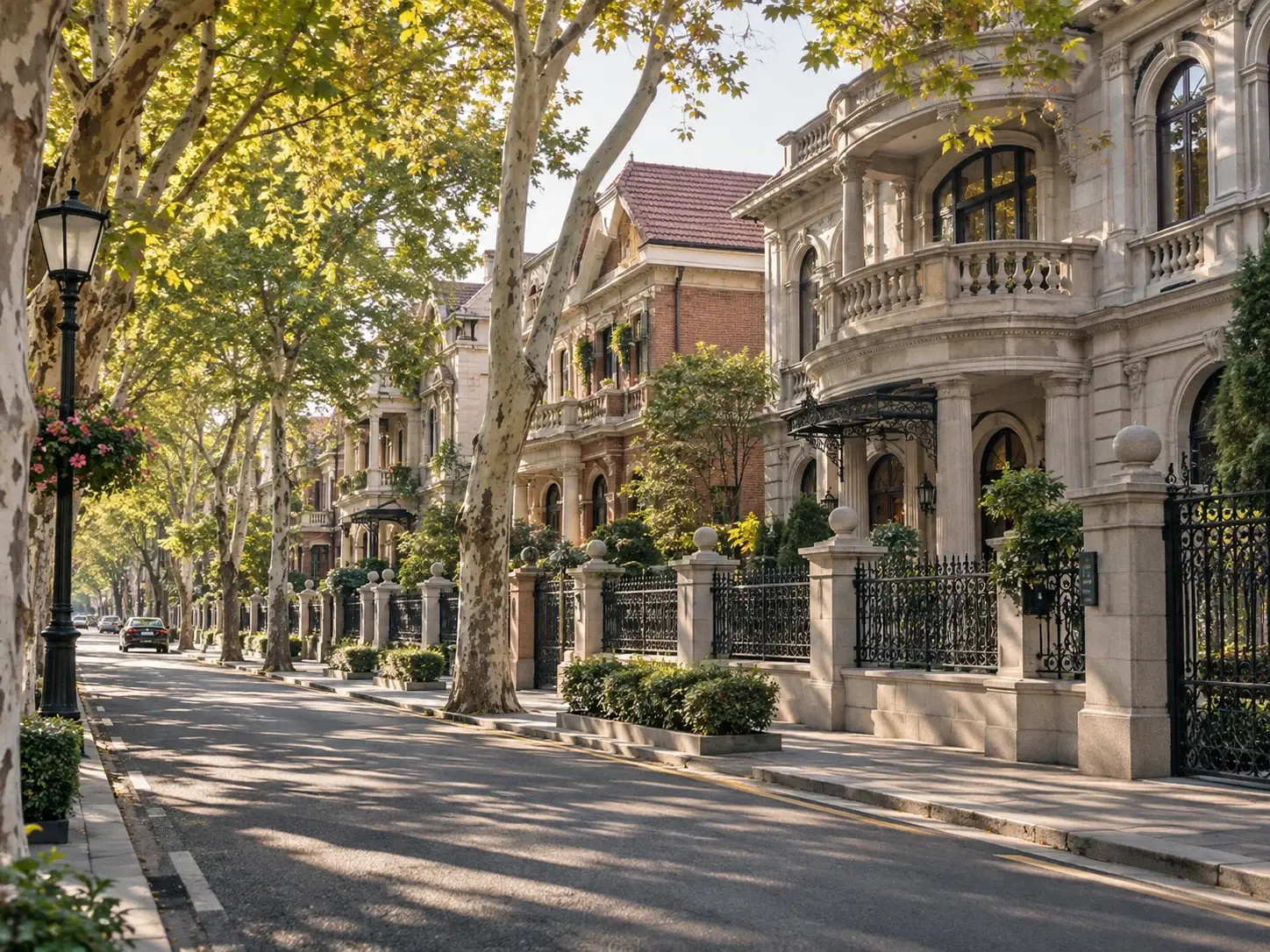
The Five Great Avenues, the Italian Style Town and many historic districts are the finest window onto Tianjin’s modern urban development.
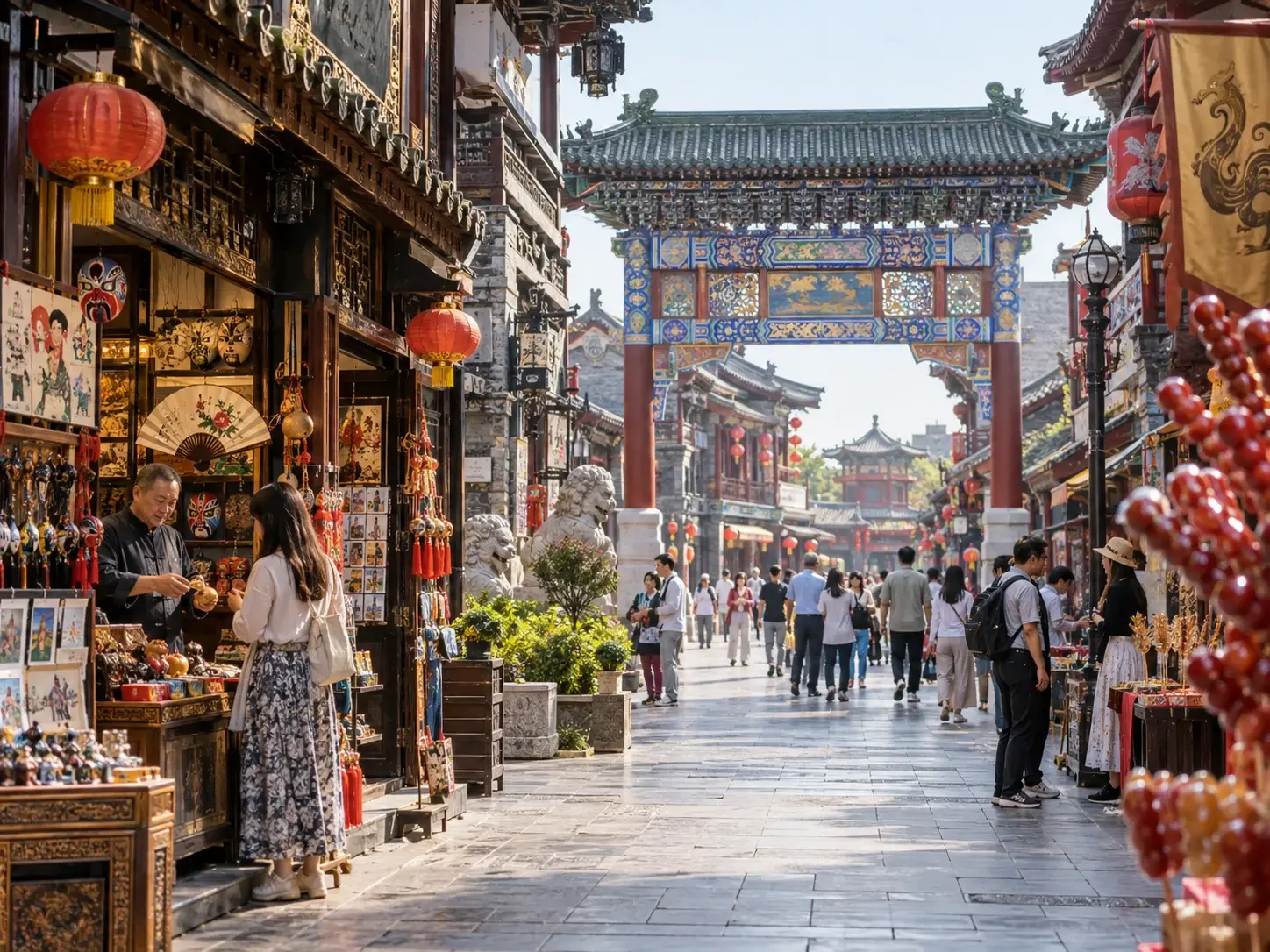
Tianjin’s expression holds both European mansions and traditional archway lanes, creating a striking sense of cultures placed side by side.
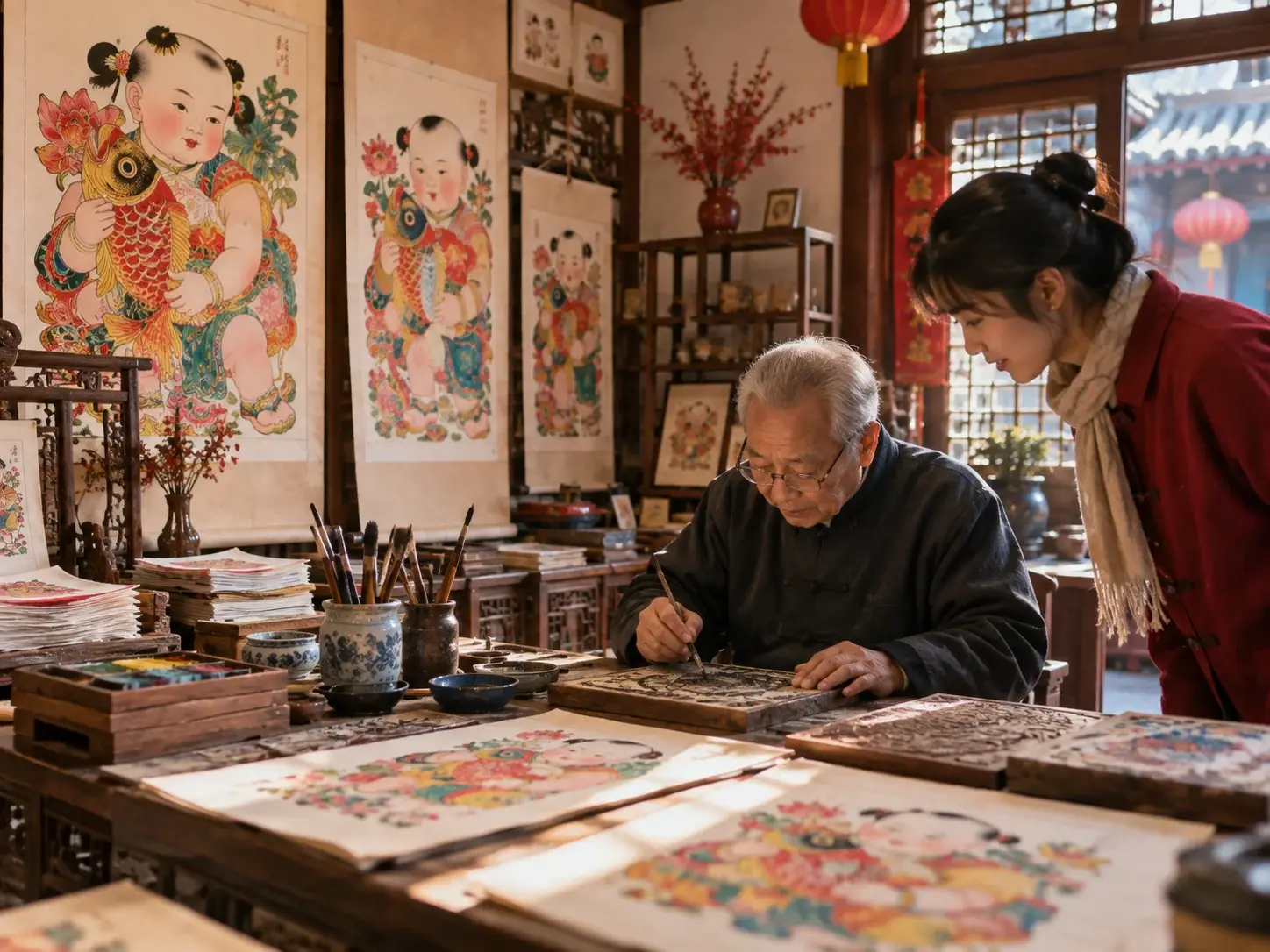
Yangliuqing New Year paintings and the Clay Figure Zhang add a deeper humanistic layer to a Tianjin journey.
Crosstalk, teahouses and the everyday life of the old streets are cultural symbols that set Tianjin apart from other large cities.
Jianbing, steamed buns, mahua twists, fried cakes and home-style northern dishes shape the city’s vivid table.
Three depths of discovery
Five Great Avenues & the Hai River
First-time visitors / the essential first impression- Five Great Avenues & Hai River scenic belt
- Tianjin Eye & Ancient Culture Street
Concessions, Villas & Porcelain
Lovers of urban history, architecture & street rambles- Italian Style Town & Porcelain House
- Historic buildings along the Hai River
Folk Art, Quyi & Old Flavours
Travellers into craft, performance & local life- Yangliuqing New Year paintings
- Teahouse crosstalk & time-honoured food
Four currents that shaped the Tianjin soul
Hai River Culture & City Growth
The Hai River is far more than an urban waterway — it is the central thread that shaped Tianjin’s layout and commercial civilisation. Port trade, bridges and transport, riverside architecture and life along the banks together established the city’s open, mobile and inclusive temperament.
East-West Architecture & Modern Memory
Tianjin holds a unique place in the urban history of modern China. Areas such as the Five Great Avenues preserve European mansions, garden villas and eclectic architecture, letting visitors clearly feel the meeting of Chinese and Western cultures within the fabric of the city.
Jinpai Culture & Folk Art
Yangliuqing New Year paintings, the Clay Figure Zhang, crosstalk and teahouse culture are Tianjin’s most locally distinctive humanistic content. They give the city not only scenery but cultural memories that can be seen, heard and taken home.
City Life & Northern Street Vitality
From street breakfast stalls to old-lane snacks, from Hai River strolls to cafe leisure, Tianjin’s everyday life is vivid. This blend of modern-century charm and contemporary life is precisely what makes visitors want to linger.
Where to begin
Six places carry the essential Tianjin: the Five Great Avenues for concession-era architecture, the Hai River belt for the city’s defining waterway, the Tianjin Eye for the modern landmark, Ancient Culture Street for folk tradition, the Porcelain House for bold creativity, and the Italian Style Town for relaxed European-style leisure.
Deep culture & local life
For travellers who want more than the six icons: the living, humorous world of Tianjin crosstalk in a traditional teahouse, and the bright, auspicious folk art of Yangliuqing New Year paintings — two experiences that reveal the city’s voice, humour and hand.
The contemporary & waterside Tianjin
Tianjin’s modern charm lies not only in its towers and bridges but in its waterfront nightlife and relaxed cafe culture. Night cruises, riverside dining and promenade walks reveal a younger, easier side of the city beyond its historic weight.
A city with a warm, witty tempo
Open, Grounded & Sociable
Tianjin’s character is written in its streets: early breakfast stalls steaming in the cold air, neighbours chatting over tea, families strolling the riverbank at dusk and friends laughing through a long meal. It is a city that feels easy, sociable and firmly down to earth.
Stage, Studio & Teahouse
In the teahouses, crosstalk turns everyday life into quick, warm humour; in the workshops, woodblocks and clay figures are shaped by hand; and along the old lanes, folk artists keep the city’s memory louder and livelier than its skyline.
How to Plan the Slow Hours
Keep one open slot each day: a slow breakfast at a street stall, an afternoon in a teahouse or craft studio, and an unhurried dinner followed by a lantern-lit walk along the Hai River.
Hearty, savoury & full of street warmth

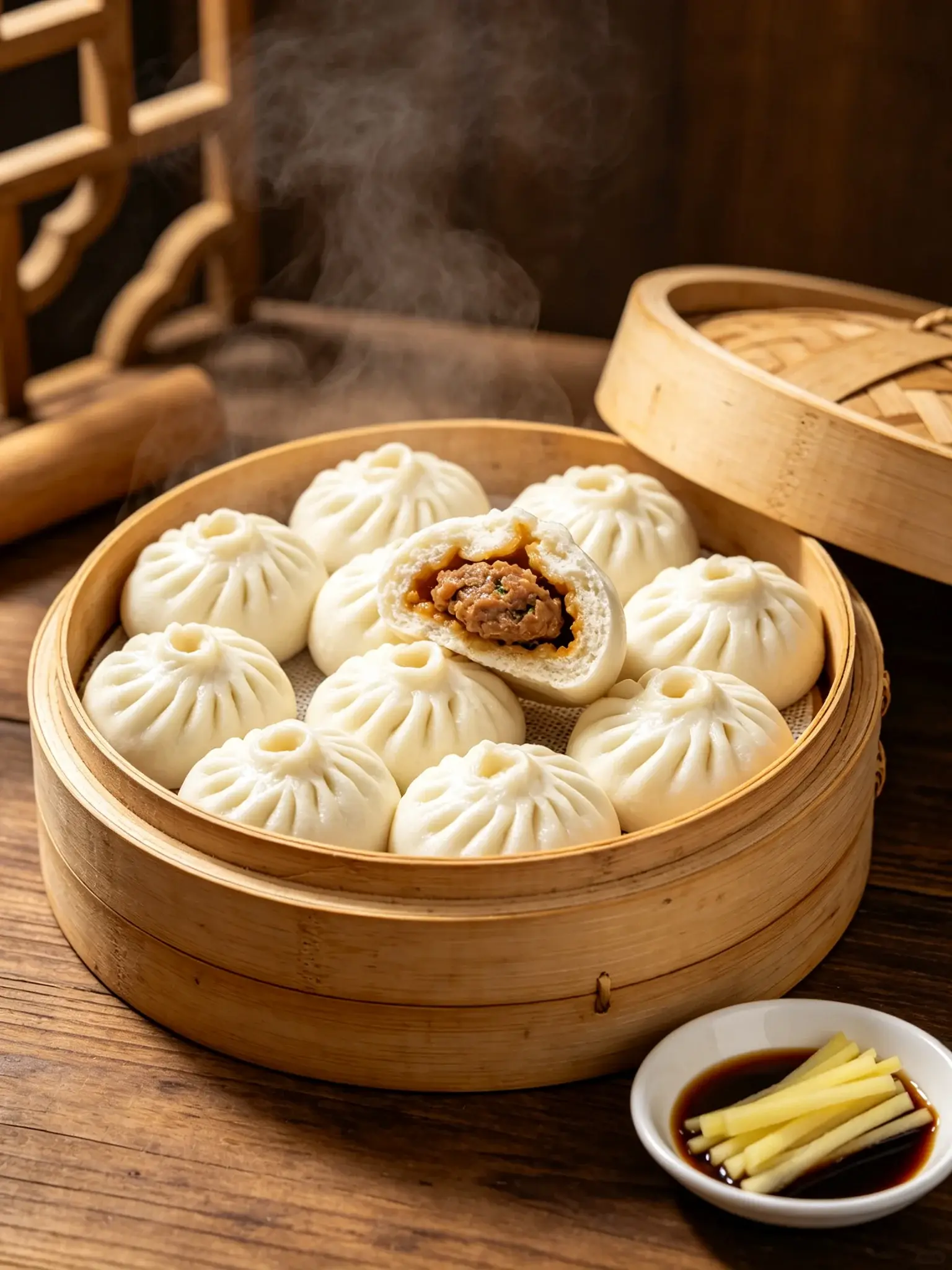
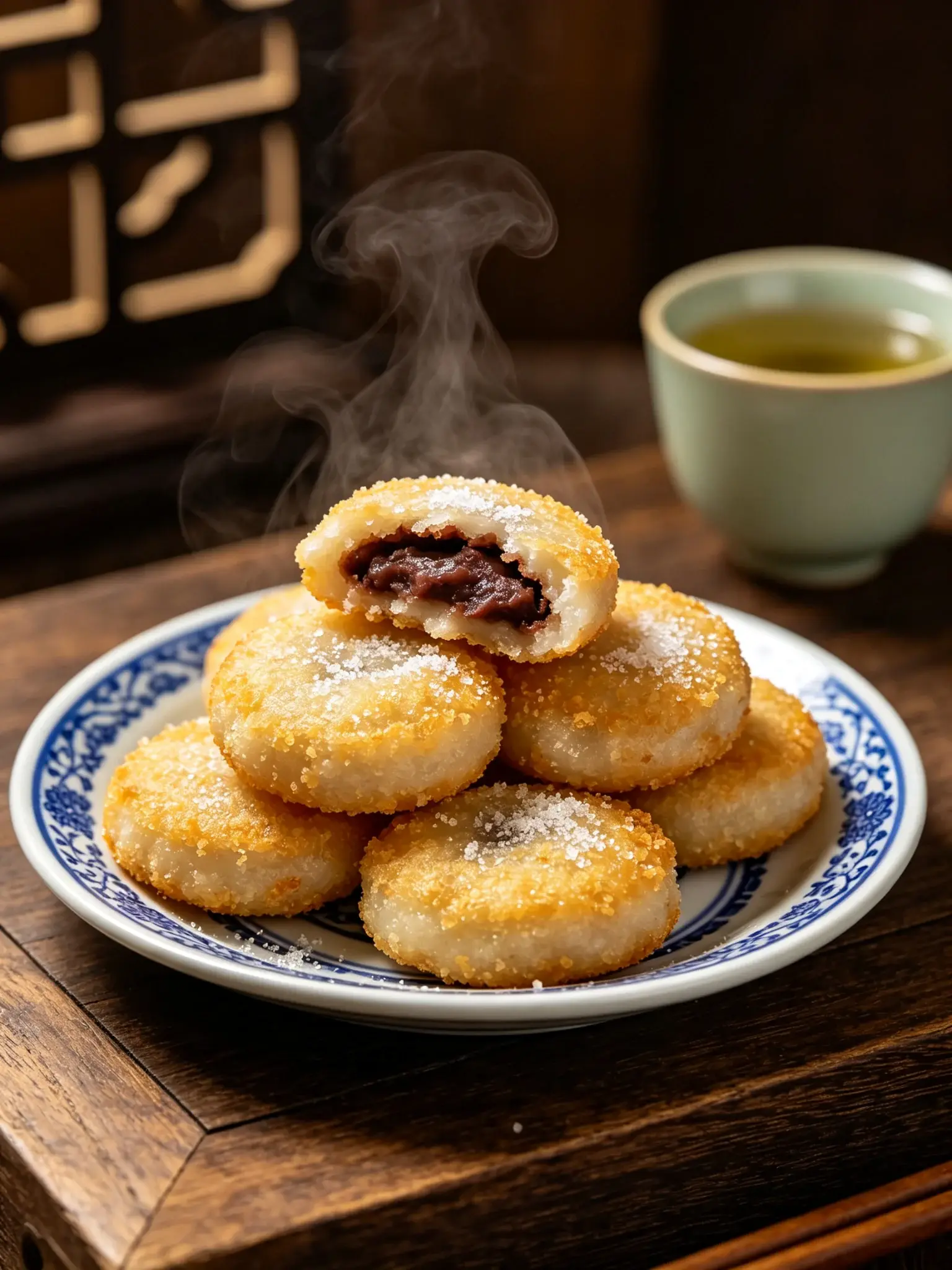
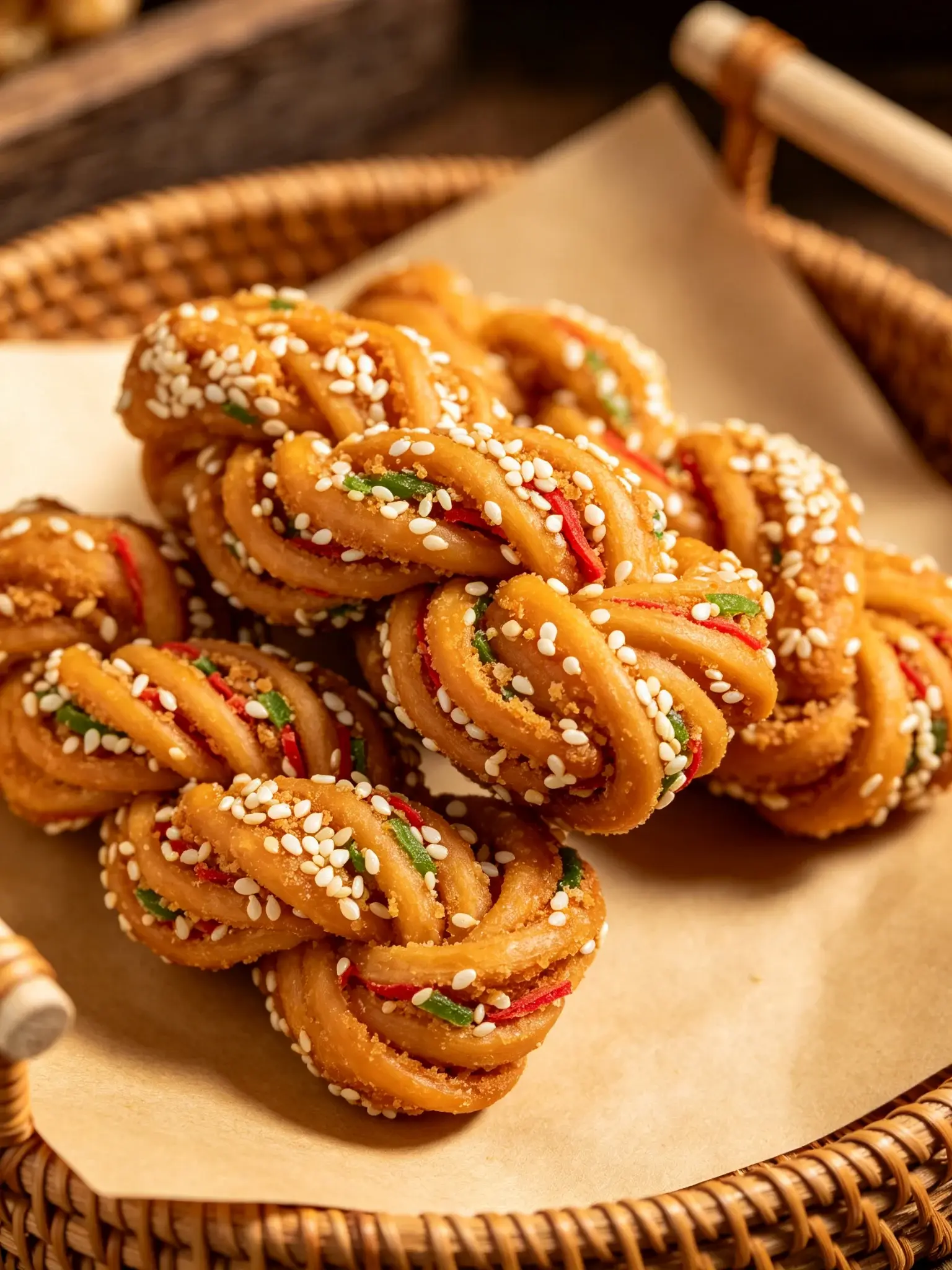
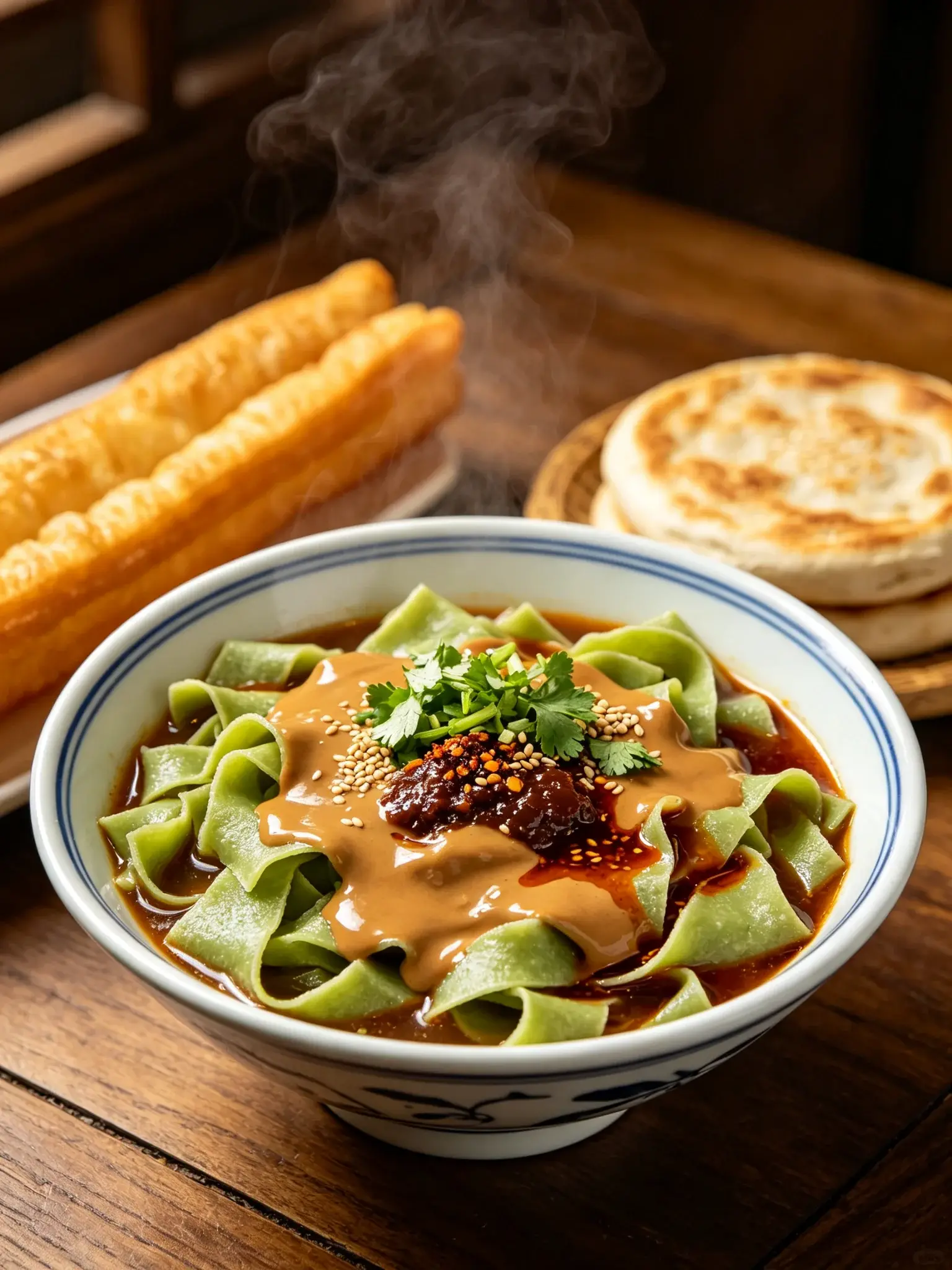
Five signatures of Tianjin taste
Tianjin’s flavours carry a strong local identity — the warmth of a street breakfast and the remembered comfort of time-honoured snacks. For visitors, the food is not only what you eat but a way into the city’s everyday life through breakfast stalls, teahouses and neighbourhood tables.
A balanced day of Tianjin food
Begin with a freshly griddled jianbing guozi from a street stall.
Graze on buns, fried cakes and mahua as you wander the old streets.
A hearty northern meal along the Hai River as the lights come on.
End with tea, sweets and a little crosstalk to close the day.
The ideal trio is one street breakfast, one old-lane snack ramble and one riverside dinner — together they reveal the city’s warmth, humour and northern vitality.
Plan by season, live along the river
Best Season
Spring (April to May) and autumn (September to October) are ideal — mild, dry and comfortable for walking. Summer is hot and humid with occasional rain; winter is cold and breezy but crisp, quiet and lower-priced, with hearty street food to warm you.
Getting There
Tianjin is served by Tianjin, Tianjin West and Binhai railway stations, with frequent high-speed trains from Beijing (around 30 minutes). Tianjin Binhai International Airport connects the city widely, and the metro, taxis and ride-hailing cover both the old centre and Binhai.
Where to Stay
Stay near the Hai River, Nanshi or the Five Great Avenues for easy walks to historic streets and night views; choose the Italian Style Town for cafes and atmosphere, or Binhai for the port, coastal areas and modern business district.
Daily Rhythm
Start early with a street breakfast, use the middle hours for museums, concession streets and craft studios, and reserve late afternoon and evening for the Hai River — boat rides, promenade walks and the lit bridges are best after dusk.
Architecture & Streets
Wear soft-soled shoes for long walks over cobbles and stone lanes, carry a warm outer layer in winter and a light rain layer in summer, and keep some cash handy for small breakfast stalls and old-shop snacks.
Families & Couples
The Tianjin Eye, easy museums and river cruises suit families, while the Italian Style Town, lit riverside terraces and night views suit couples. Teahouse crosstalk and slow snack walks keep every age entertained without a rushed schedule.
Five ways to shape the journey
Tianjin is neither a collection of single landmarks nor simply another large city of northern China. Its true charm lies in the layered whole formed by Hai River nights, modern-century architecture, traditional streets, folk arts and vivid everyday life. The best way to travel is not to rush from one sight to the next, but to give the city enough time — for a steaming street breakfast, for humour in a teahouse, and for a lantern-lit riverside evening to become the journey itself. 九河下梢天津卫,天津等你来。
Start Your Journey