
Ningxia
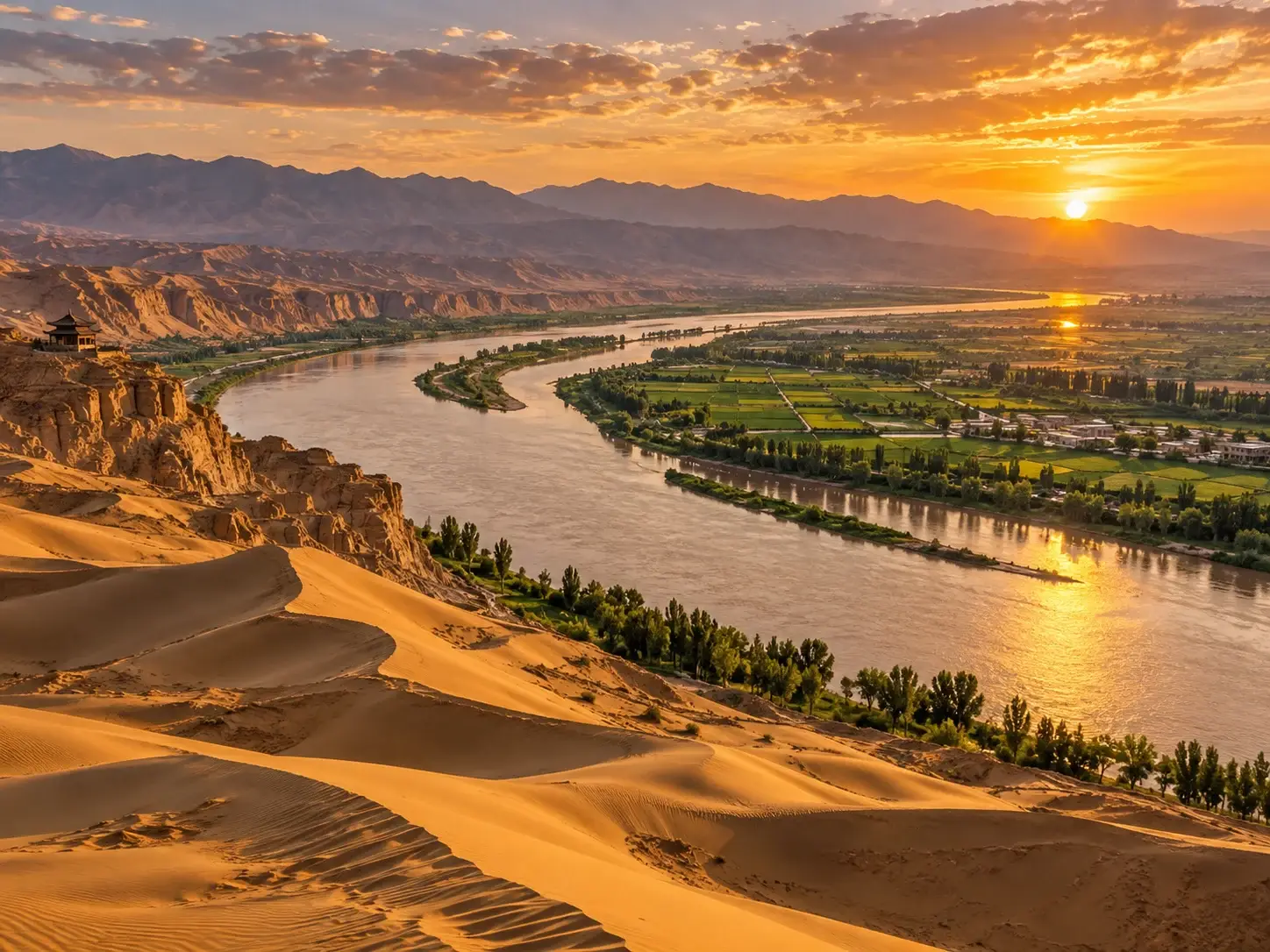
NingxiaWhere the Yellow River Meets the Desert
Six windows into Ningxia’s frontier world
Ningxia cannot be reduced to a single desert or a single ruin. Its appeal lies in a layered experience — the Yellow River, the oases, the desert, the mountains, the Hui quarter and the memory of the Western Xia — where vast dunes, green irrigated fields and ancient frontier towns all sit within a short journey of one another.
Six travel keywords worth collecting
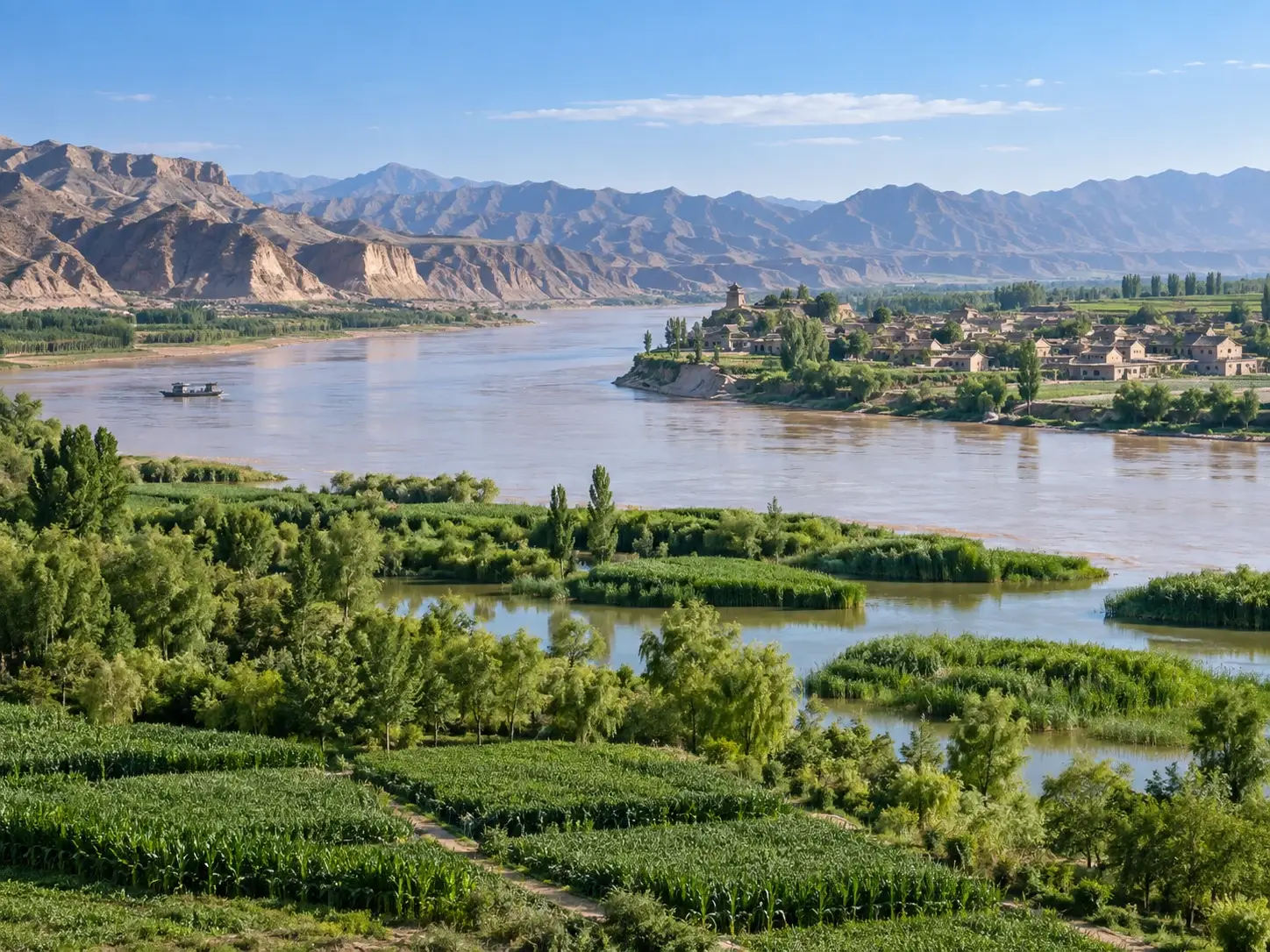
Ningxia’s plains, oases and farmland depend on river irrigation — the “frontier south” is its defining image.
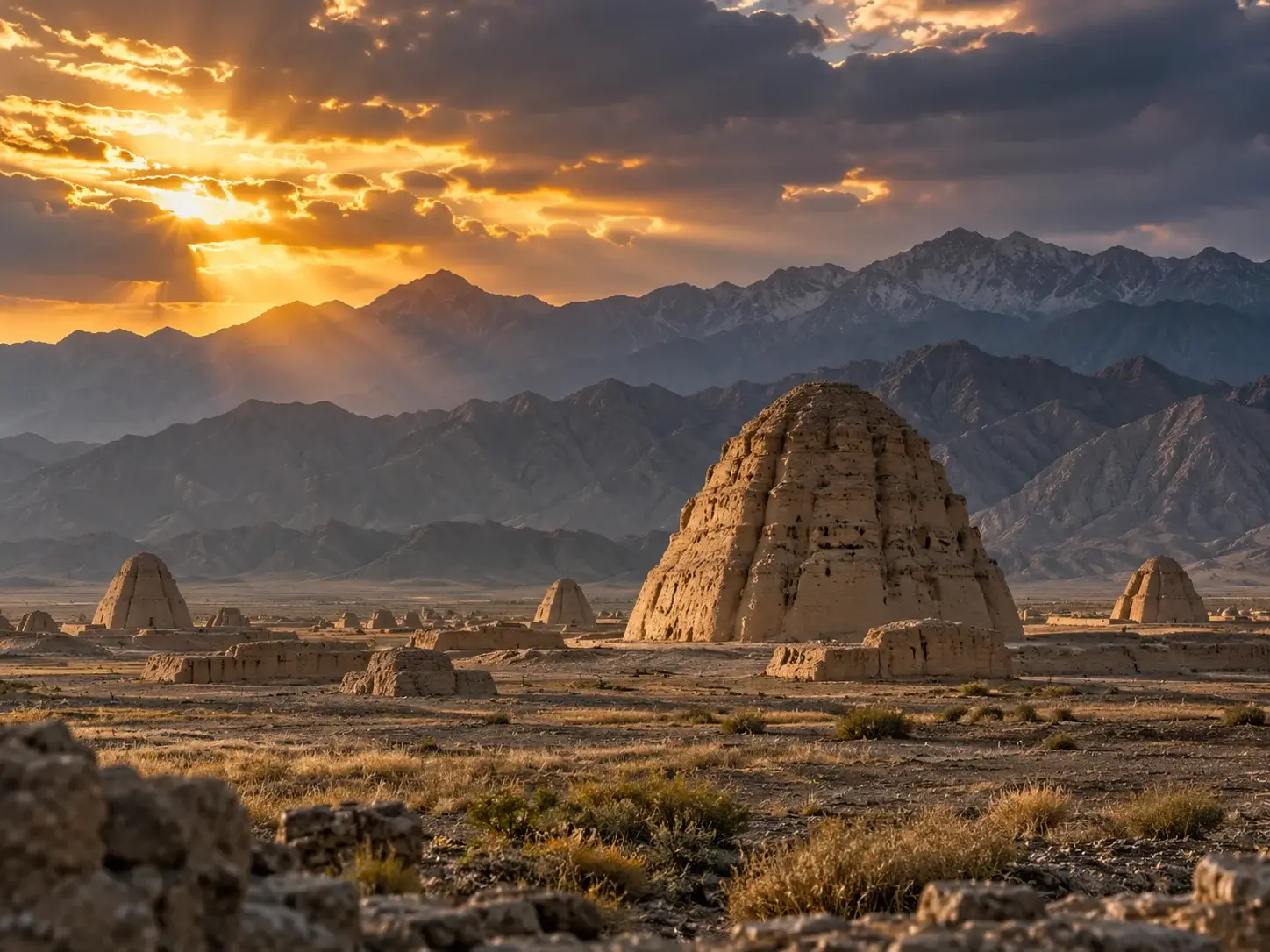
The imperial tombs and related relics give Ningxia a distinctive, weighty memory of a lost dynasty.
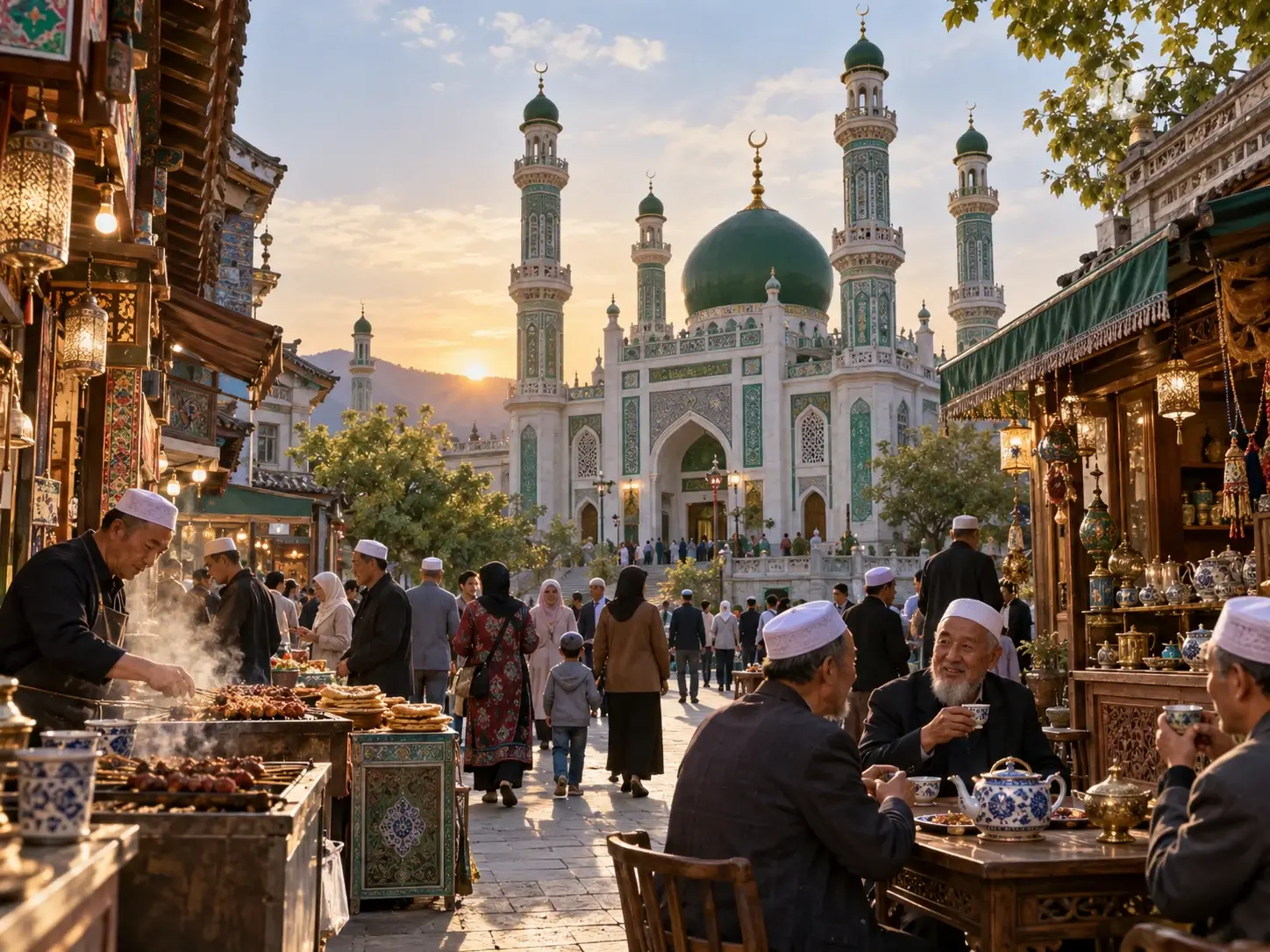
Halal architecture, quarter life, food customs and tea culture form a vital ethnic dimension of Ningxia.
The grand desert here is not barren; the river and oases bring a vivid ecological contrast and visual tension.
Mountains, rock faces, desert plateaus and wine country together form Ningxia’s more three-dimensional scenery.
Lamb, eight-treasure tea, markets, river villages and camping under the stars add warmth and adventure.
Three depths of discovery
Desert, River & the Frontier
First-time visitors / the essential first impression- Shapotou & the Yellow River
- Zhenbeibao film city
Western Xia & the Hui Quarter
Lovers of history, ethnic culture & depth- Western Xia tombs
- Hui mosques, markets & tea
Mountains, Dunes & Starry Camps
Families, couples & adventure seekers- Helan Mountains & Tengger desert
- Starry camping & overlanding
Four currents that shaped the Ningxia soul
Yellow River & the Frontier South
The Ningxia plain has long been nourished by the Yellow River, whose irrigation systems shaped a landscape of wetlands, farmland, villages and oases woven together. That is why, although it lies in the north-west, Ningxia holds the gentle, fertile impression of a “frontier south.”
Western Xia Civilization & Relics
Ningxia is an important home of Western Xia civilization. The imperial tombs, the desert ruin complexes and the historic spaces beneath the Helan Mountains fill the land with the mystery of a lost dynasty and the culture of the frontier.
Hui Culture & Ethnic Life
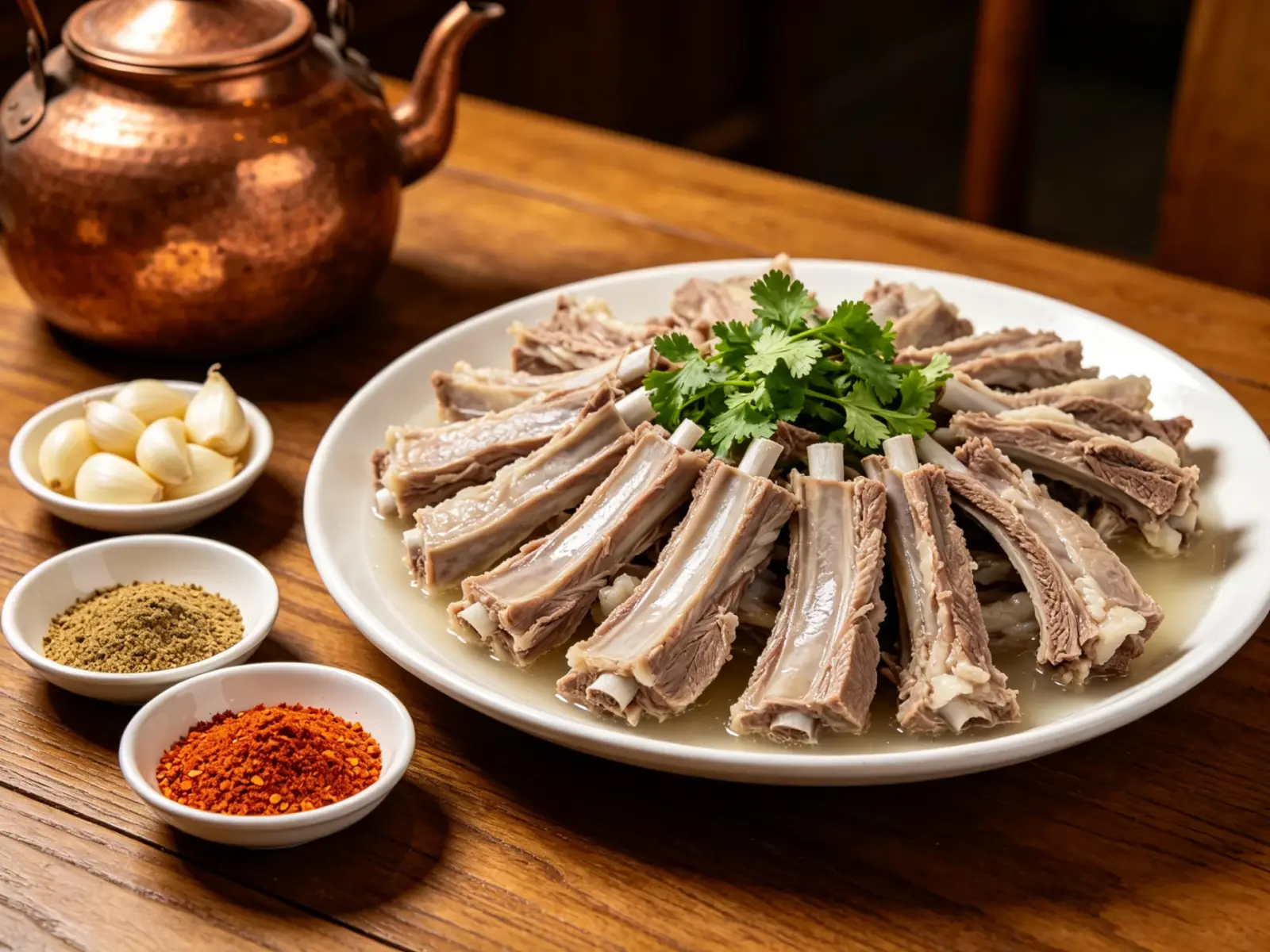
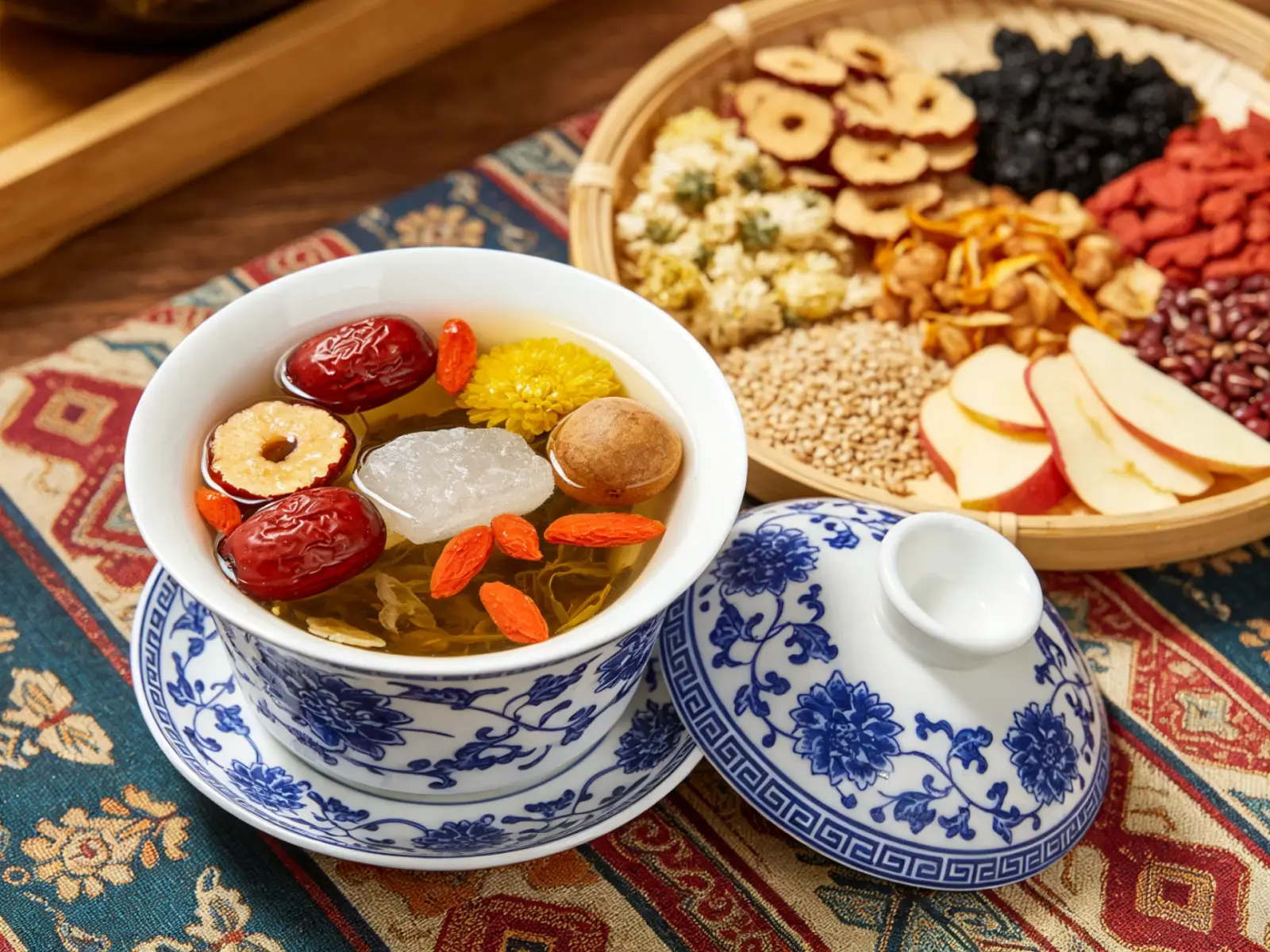
Hui culture is an important part of Ningxia’s urban and rural life. Halal architecture, ethnic markets, hand-grab lamb and eight-treasure tea are not merely visual symbols but an everyday way of life.
Desert Ecology & Silk Road Imagination
Ningxia is also where Silk Road civilization meets desert ecology. The Yellow River and dunes, oases and camel trains, ancient cities and frontier stories together form a highly imaginative picture of north-western travel.
Where to begin
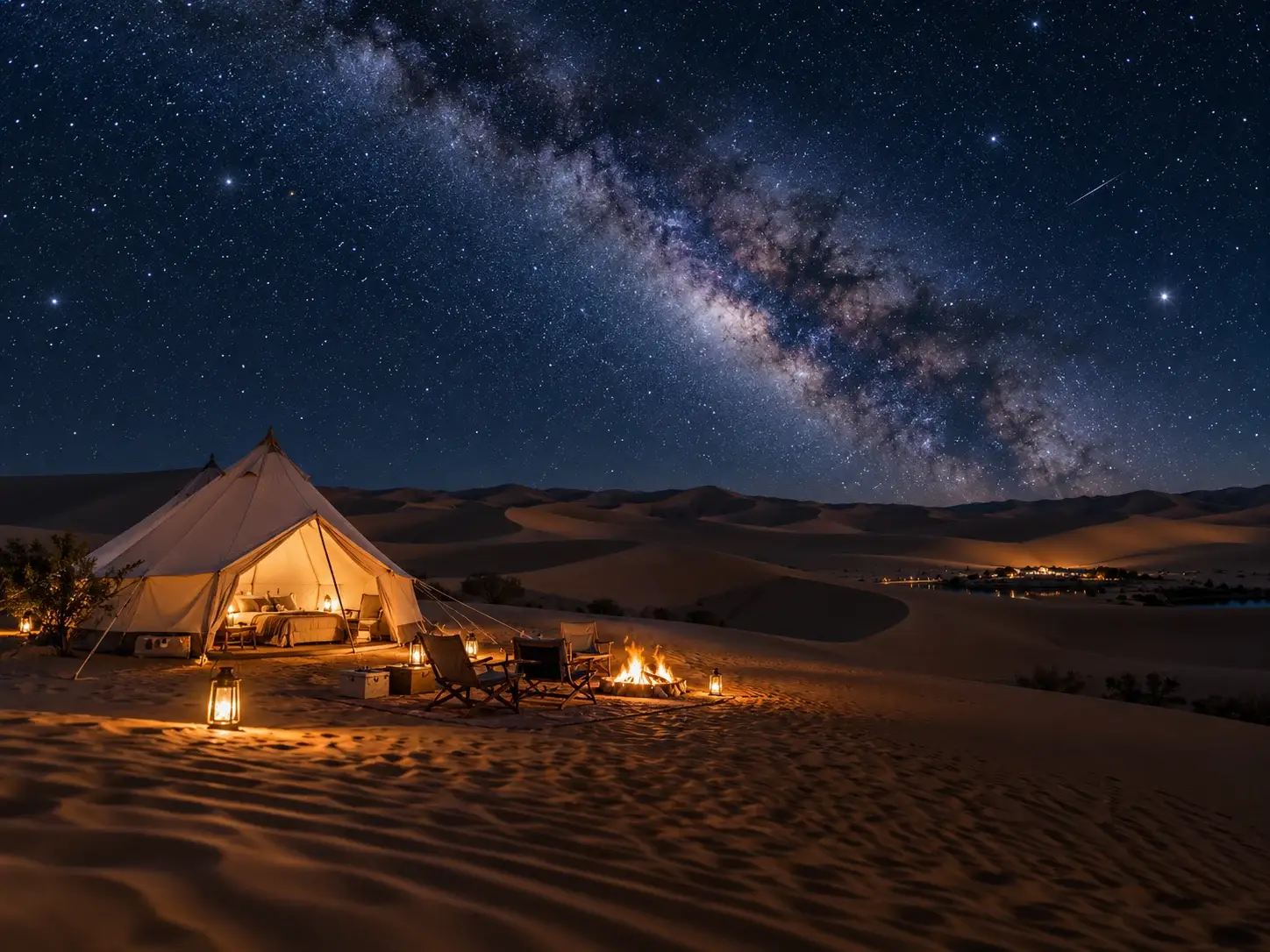
Six places carry the essential Ningxia: Shapotou for desert meeting the Yellow River, Zhenbeibao for frontier film-set scenes, the Western Xia tombs for dynastic mystery, the Helan Mountains for rugged grandeur, the Tengger Desert for starry nights, and the Zhongwei river villages for the gentle “frontier south.”
Deep culture & frontier life
For travellers who want more than the six icons: the layered history and memory of the Western Xia, and the long Silk Road story of multi-ethnic exchange — two experiences that reveal the depth, openness and fusion at the heart of this frontier land.
The contemporary & starry Ningxia
Today’s Ningxia suits not only history and grand scenery but modern outdoor leisure — desert camping, starry-sky photography, river-valley camping, Yellow River rafting and self-drive travel — making it feel lighter and more participatory among north-western destinations.
A frontier that feels vast yet welcoming
Open, Warm & Hospitable
Ningxia’s character is written along the river and the market: morning tea poured for guests, neighbours bargaining at the stalls, families sharing a big plate of lamb, and friends lingering over eight-treasure tea as the light softens over the mosque.
Old Fields, Old Water
For centuries the Yellow River’s irrigation has shaped how people here relate to land, water and oasis. In the river villages, that quiet farming logic still gives the wide north-western landscape a gentle, lived-in warmth.
Tea by the River
Keep one open slot each day: a slow lamb breakfast, an unhurried afternoon of eight-treasure tea and easy conversation, and a long dinner followed by a walk as the lights come on across the valley.
Fragrant lamb, hearty noodles & gentle tea
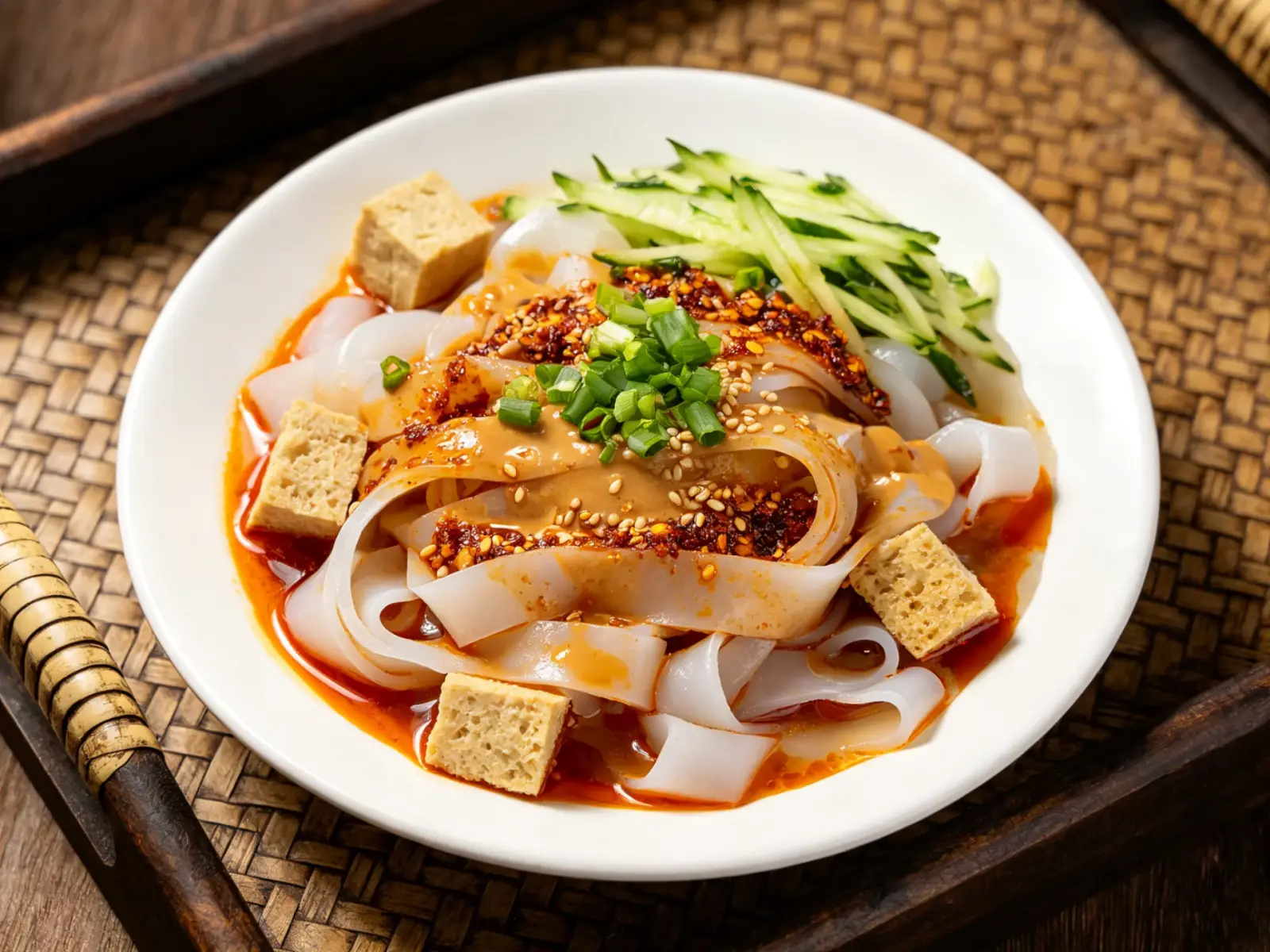
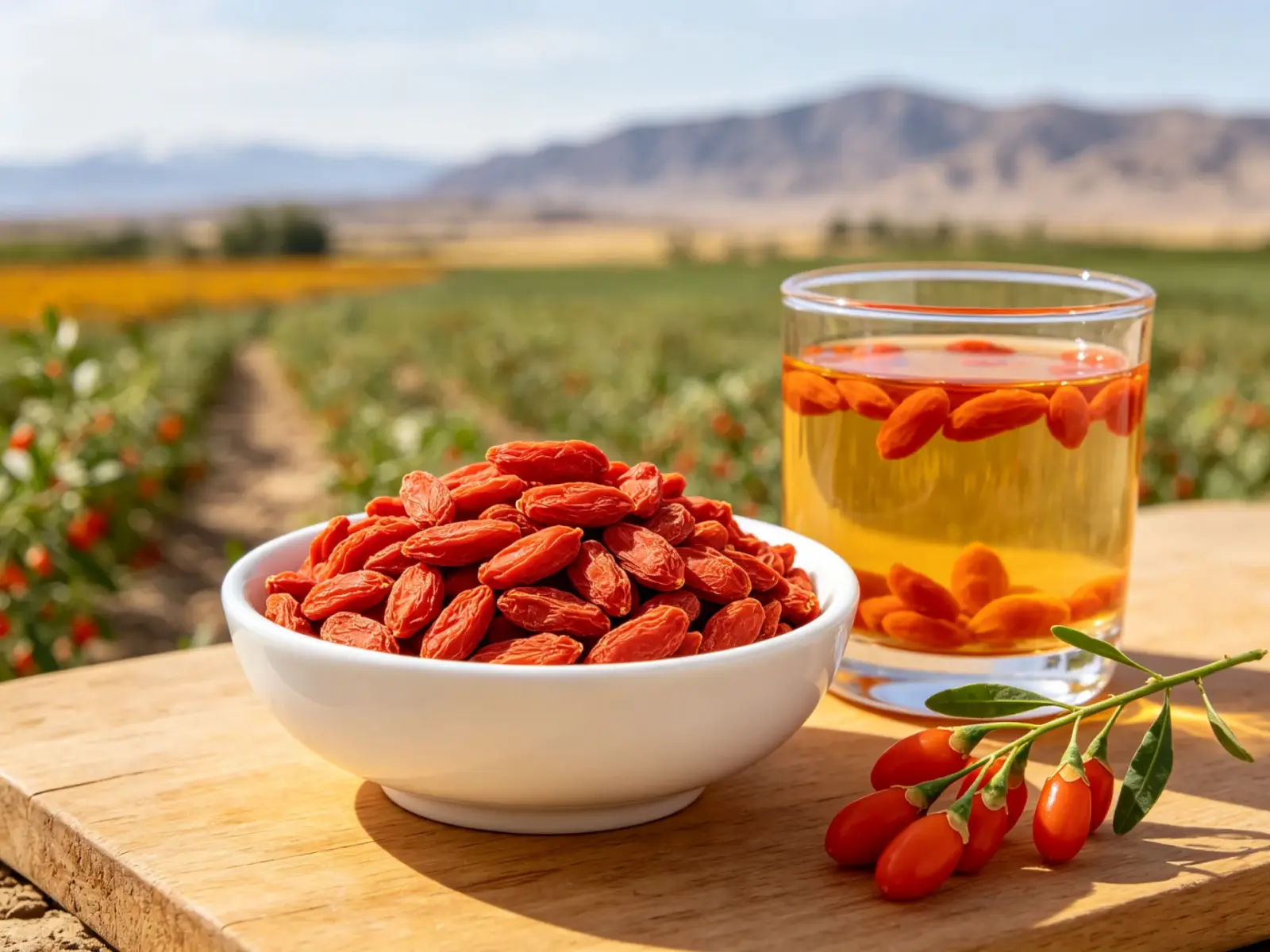
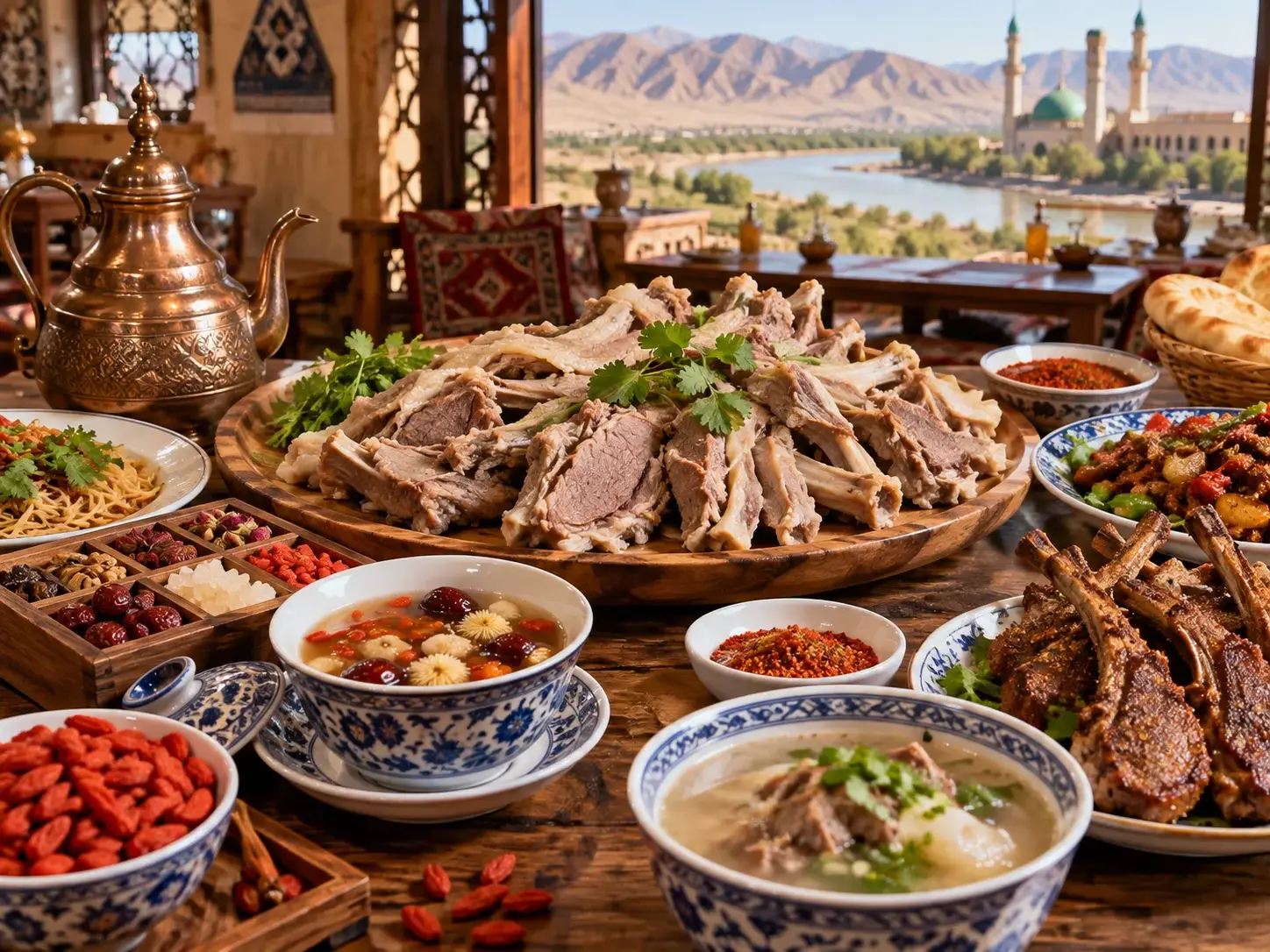
Five signatures of the Ningxia table
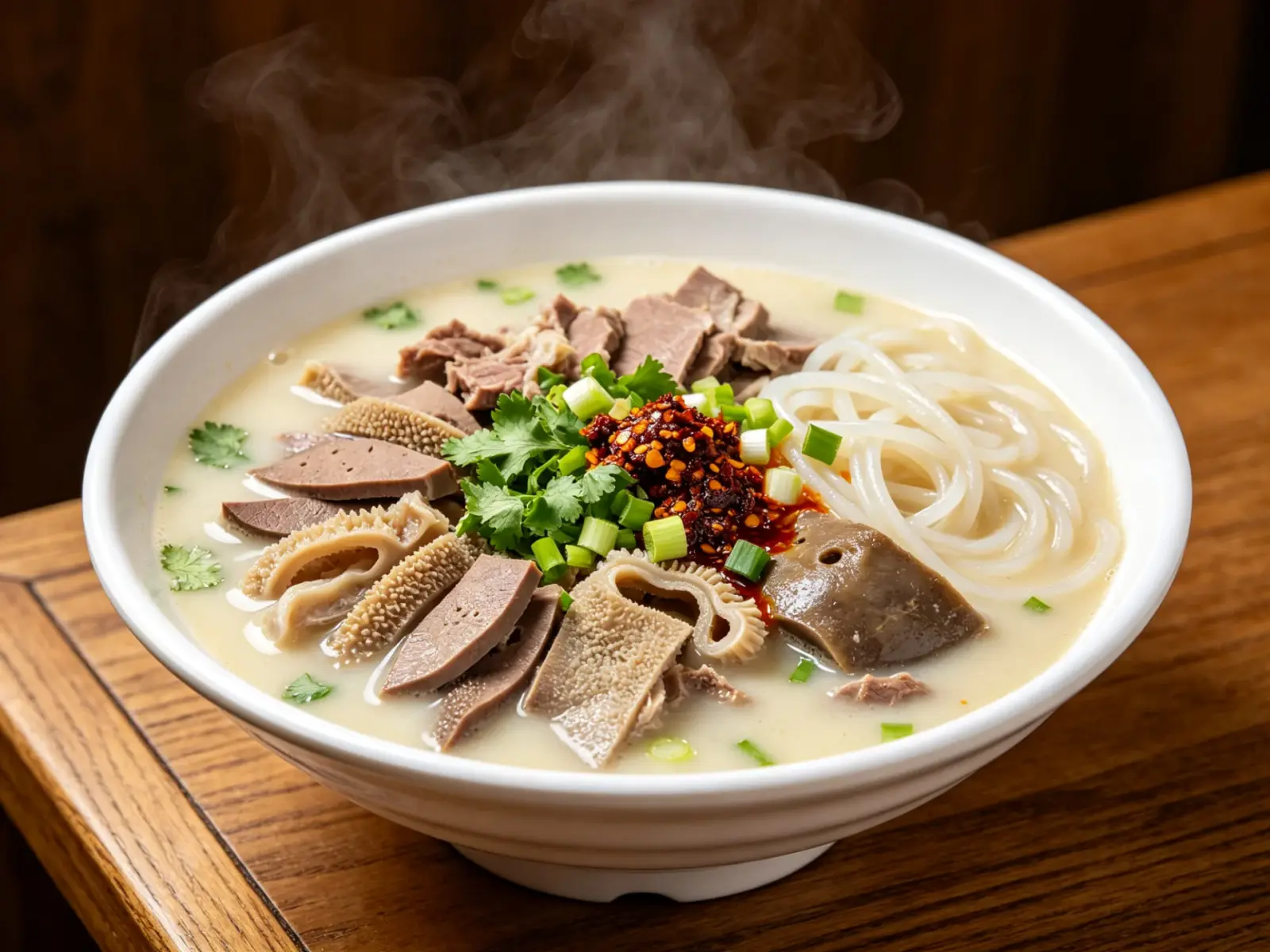
Ningxia’s table carries the clear flavours of the north-west and the Hui people — fragrant lamb, substantial noodles, mellow tea and abundant ingredients. For travellers, the food is not simply “eating well” but an important doorway into local ethnic culture, ways of life and the customs of hospitality.
A balanced day of Ningxia food
Begin with a warming bowl of lamb offal soup.
Graze liangpi, naan and small halal bites.
Slow tea with goji, dates and conversation.
A relaxed hand-grab lamb dinner by the river.
The ideal trio is one classic hand-grab lamb meal, one halal-quarter snack ramble and one eight-treasure tea hour — together they reveal the region’s warm, hospitable character.
Plan by season, pace by the river
Best Season
Autumn (September to October) is ideal — clear skies, comfortable days and the best light over desert and mountains. Late spring (May to June) is mild and green; summer is warm with long days and occasional storms; winter is cold, dry and quiet, with stark landscapes and fewer visitors.
Getting There
Yinchuan Hedong International Airport and Yinchuan railway station connect Ningxia widely, with high-speed trains along the Yellow River corridor. Regional buses and self-drive travel link the scenic areas; desert and river experiences are often arranged as guided half-day or overnight trips.
Where to Stay
Stay in Yinchuan for city comforts, the Hui quarter and easy access to the Western Xia tombs and Helan Mountains; choose Zhongwei for Shapotou and river villages, or a desert camp near the Tengger for an overnight stay under the stars.
Daily Rhythm
Start early for markets and clear morning light, use the middle hours for tombs, museums and mountain drives, and reserve late afternoon and evening for the desert — sunset dunes, campfires and the night sky are the region’s most memorable moments.
Desert & Weather
Carry sun protection, a wind layer and plenty of water for the dunes, and dress in warm layers for cool desert nights. Desert camping and glass or high-altitude activities may be adjusted in wind, storms or extreme temperatures, so keep plans flexible.
Families & Couples
Camel rides, river experiences and interactive museums suit families, while desert camps, vineyards and starry nights suit couples. Slow tea hours and quiet river villages keep every age happy without a rushed schedule.
Five ways to shape the journey
Ningxia is neither merely a desert destination nor a simple layering of historic ruins. Its true charm lies in the layered whole formed by Yellow River civilization, Western Xia history, Hui culture, desert ecology, oasis villages and the north-western way of life. For international visitors, the best way to travel is not to rush from one site to the next, but to give this land enough time — for a slow lamb meal, for tea by the river, and for a starry desert night to become the journey itself. 塞上江南宁夏川,黄河大漠等你来。
Start Your Journey