
Datong
DatongThe Northern Wei Capital of Buddhist Art
Six windows into Datong's ancient capital
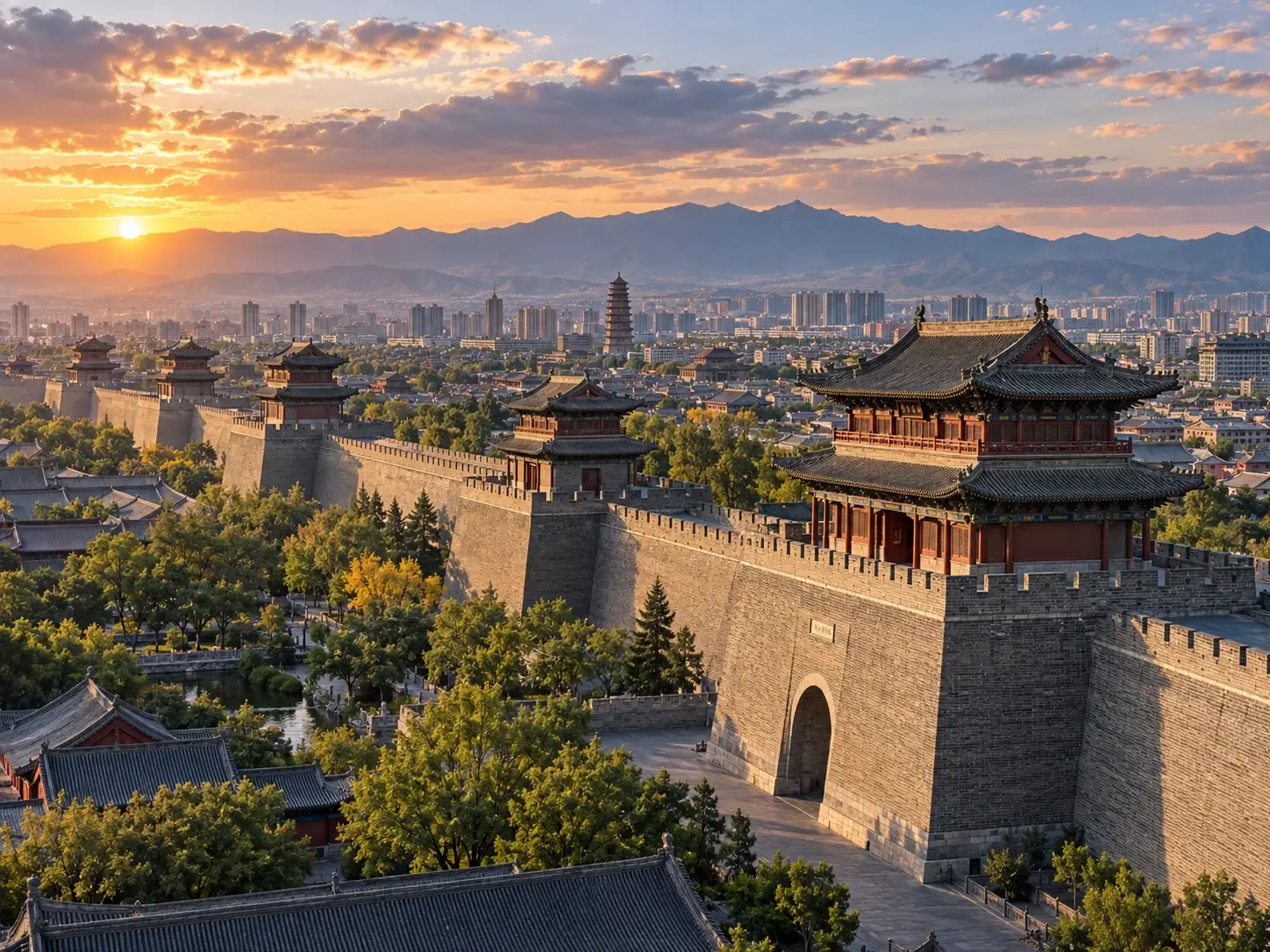
Datong is a historic city you can "read slowly": stand before the cliff-carved Buddhas of the Yungang Grottoes, walk a temple that seems to hang in mid-air, follow the great grey walls of the old city, and look out over the northern mountains of Shanxi.
Six cultural keywords worth collecting
Datong was Pingcheng, the Northern Wei capital, holding a key place in ethnic fusion and the history of northern regimes.
The Yungang Grottoes are Datong's foremost cultural calling card and a peak of Chinese Buddhist carving.
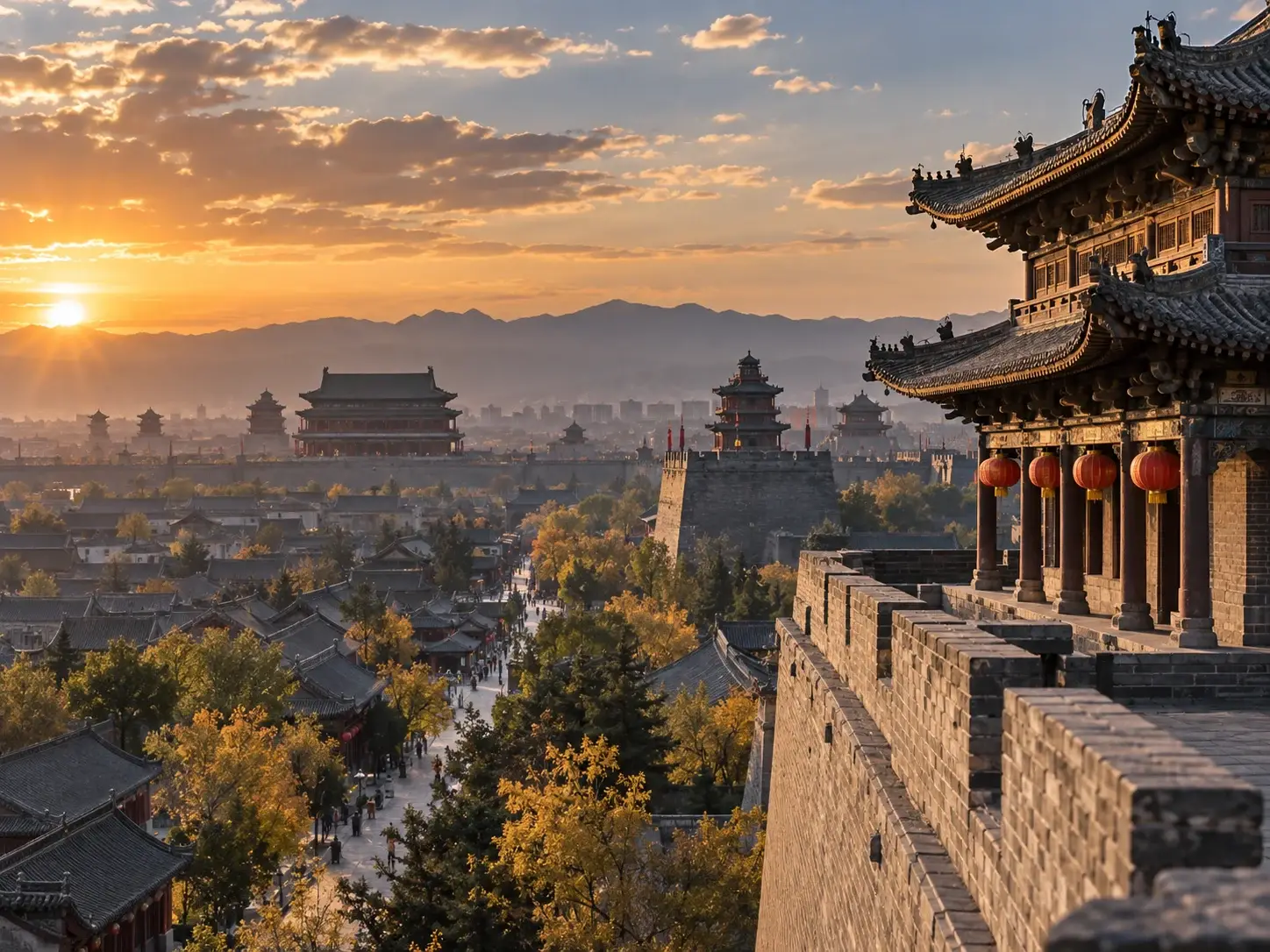
Walls, gates, lanes and temple architecture together preserve Datong's distinctive historic cityscape.
The Hanging Temple and Mount Heng extend the journey beyond the city into grander mountain spaces.
As a northern ancient city, Datong holds the bold, stark spatial sense of frontier and pass history.
Knife-cut noodles, yellow cake, lamb soup, night walks and lane life make Datong a city to experience.
Three depths of discovery
Art & Heritage First
First-time visitors / the essential first impression- Yungang Grottoes & Huayan Temple
- Datong Ancient City & the city walls
Mountains & Cliff Temples
Scenery & photography travellers- Hanging Temple & Mount Heng
- Datong Tulin earth pillars
Slow City Life
Culture & food wanderers- Ancient city night walk & lantern lanes
- Old noodle shops & the northern table
Four currents that shaped the ancient capital
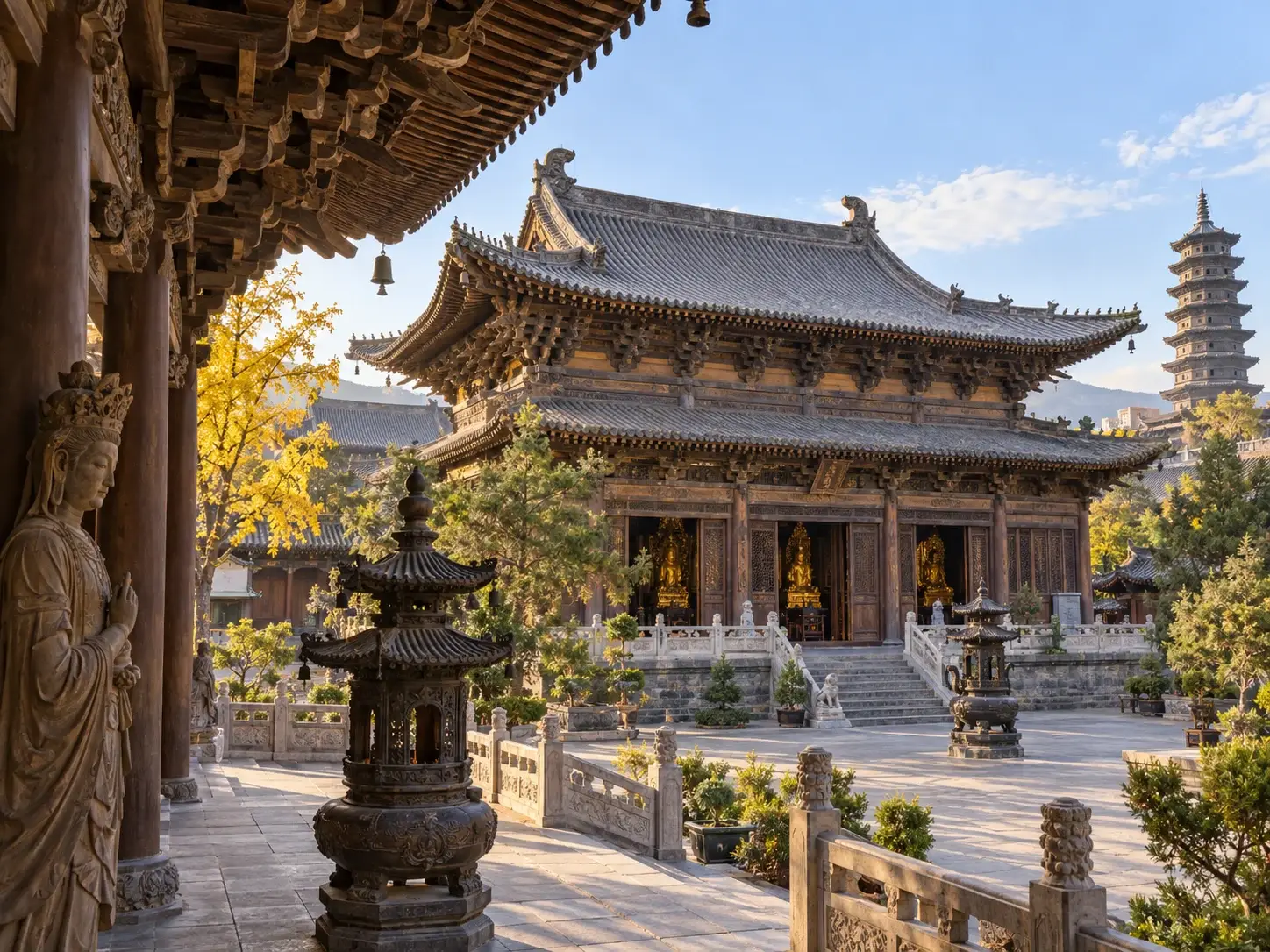
Northern Wei Civilisation & Historical Memory
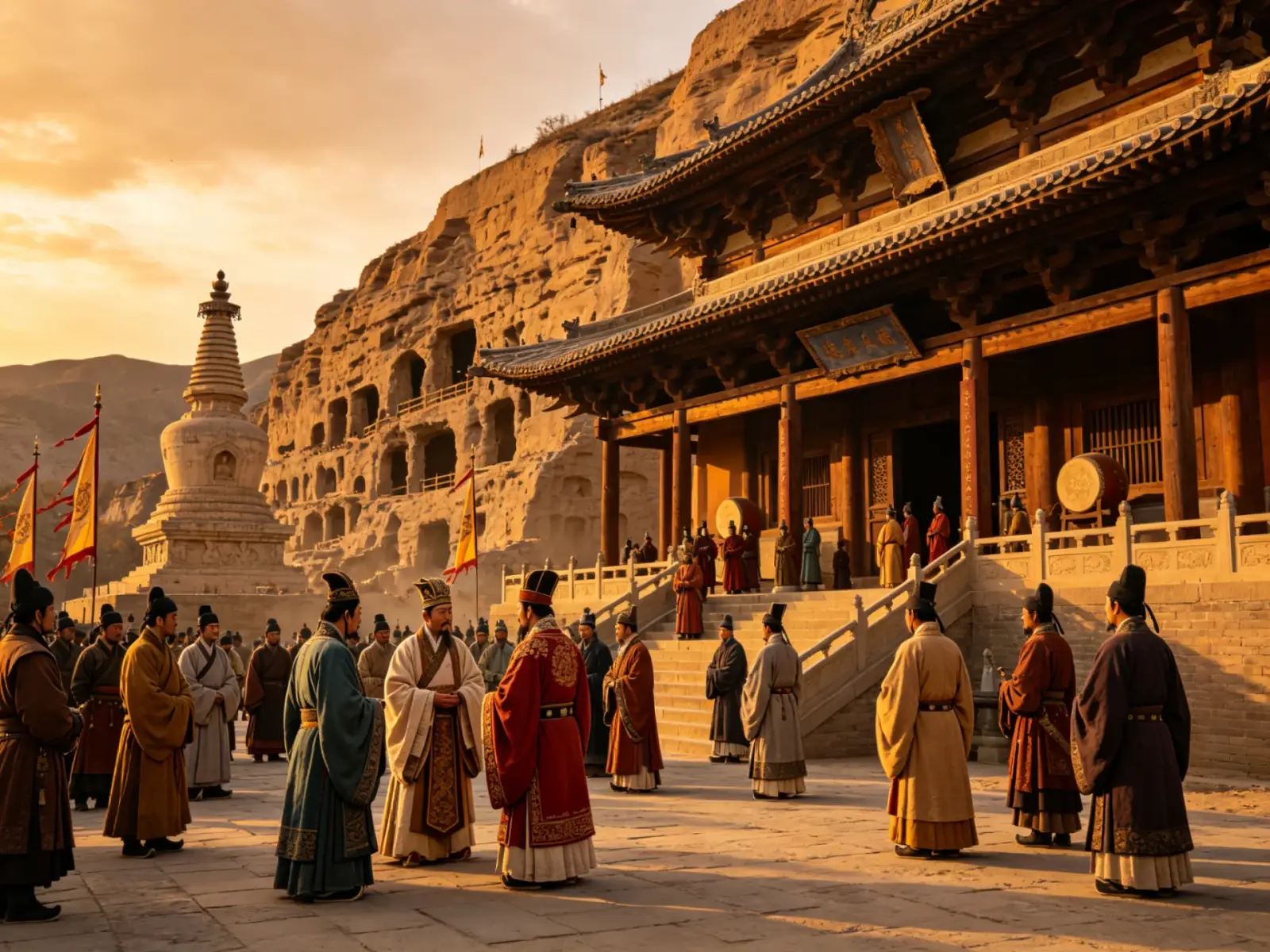
Datong long served as Pingcheng, capital of the Northern Wei dynasty, witnessing a key chapter of northern regimes, ethnic fusion and capital civilisation. It is this history that gives Datong a depth and scale beyond that of an ordinary old city.
Buddhist Art & Grotto Culture
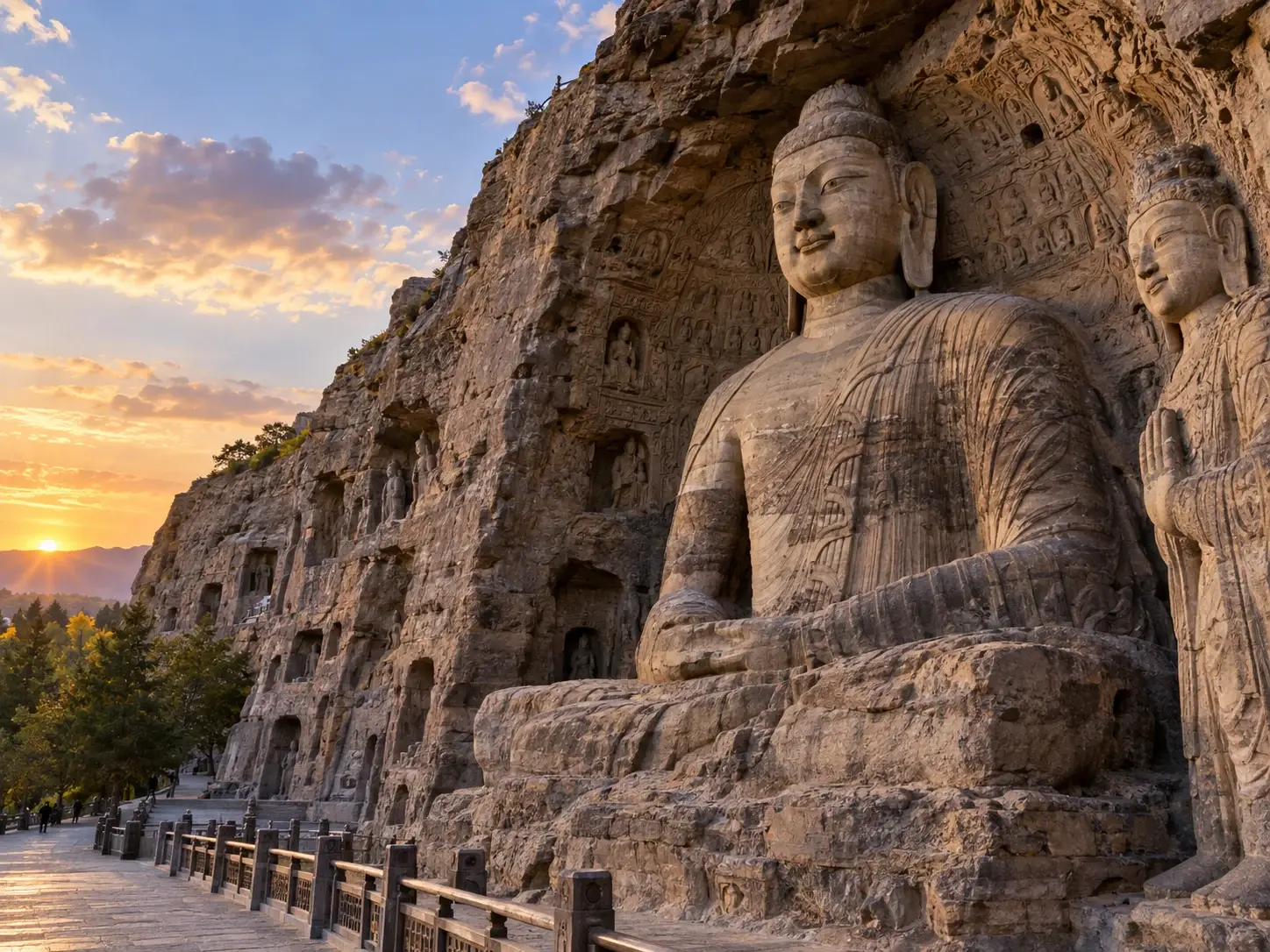
The Yungang Grottoes are Datong's most dazzling heritage. Its many Buddha statues, cliff carvings and cave complexes embody the high point of Buddhist-art transmission and localisation during the Northern Wei period.
Ancient Architecture & Northern Shanxi Culture
Ancient complexes such as Huayan Temple and Shanhua Temple display the distinctive charm of northern timber architecture and temple culture since the Liao and Jin dynasties, giving Datong exceptional architectural-aesthetic value.
Frontier Spirit & the Northern City
As a major northern stronghold, Datong carries a clear frontier character. Walls, passes, old streets and the stark plateau landscape together form the bold, open temperament that runs through the city's history.
Six places that define Datong
Six places carry the essential Datong: the Yungang Grottoes for cliff-carved Buddhas, the Hanging Temple for gravity-defying timber halls, Datong Ancient City for walls and lanes, Huayan Temple for Liao-Jin architecture, Mount Heng for sacred mountain scenery, and Datong Tulin for eroded earth pillars.
Deep culture & historical currents
For travellers who want more than the six icons: the centuries-long story of how the Northern Wei fused Xianbei and Han worlds, and how Buddhist art travelled the Silk Road, took root in the grottoes and shaped an entire era of faith and craftsmanship.
The contemporary & living Datong
Today's Datong turns history into an unhurried urban experience: lantern-lit walls after dark, quiet temple courtyards, old lanes for photography and a gentle night-time rhythm best enjoyed on foot.
The folk life of northern Shanxi
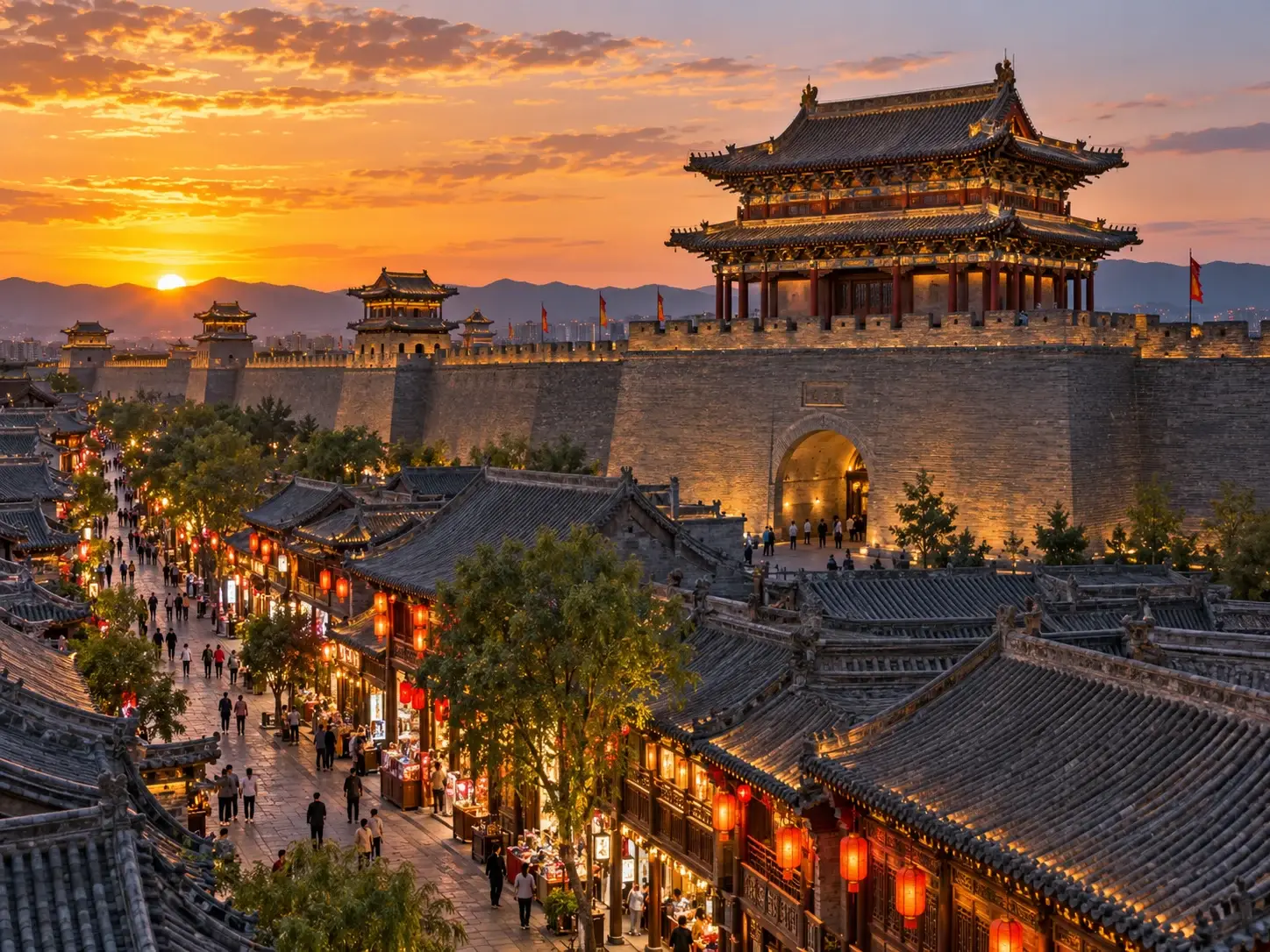
A City with a Human Tempo
Step into the old lanes, the streets around the temples and the local dining tables, and a truer Datong appears. Noodle dishes, long-established shops and a plain yet warm northern way of life make up the city's temperature, far beyond the famous monuments.
The Shape of a Day
Mornings begin with a steaming bowl of noodles, afternoons are for old shops and quiet courtyards, and evenings return to the lantern-lit lanes. Rather than ticking off landmarks, Datong is best travelled as a slow cultural journey.
The Datong Locals Know
It is unhurried, hearty and genuine, where every bowl and every doorway carries the memory of the northern frontier — a place of solid flavours and steady, welcoming people.
Noodles, millet & northern Shanxi cuisine
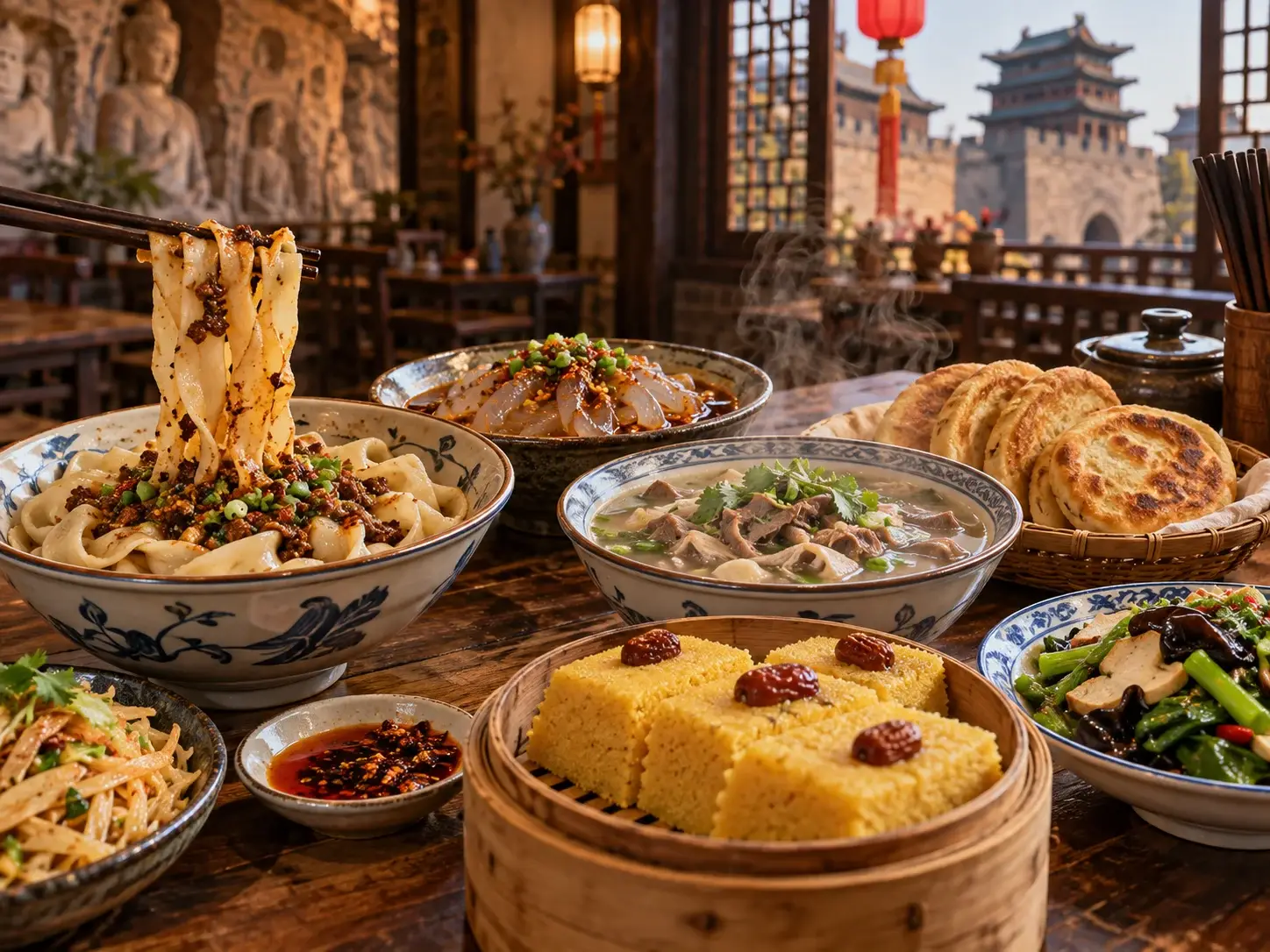
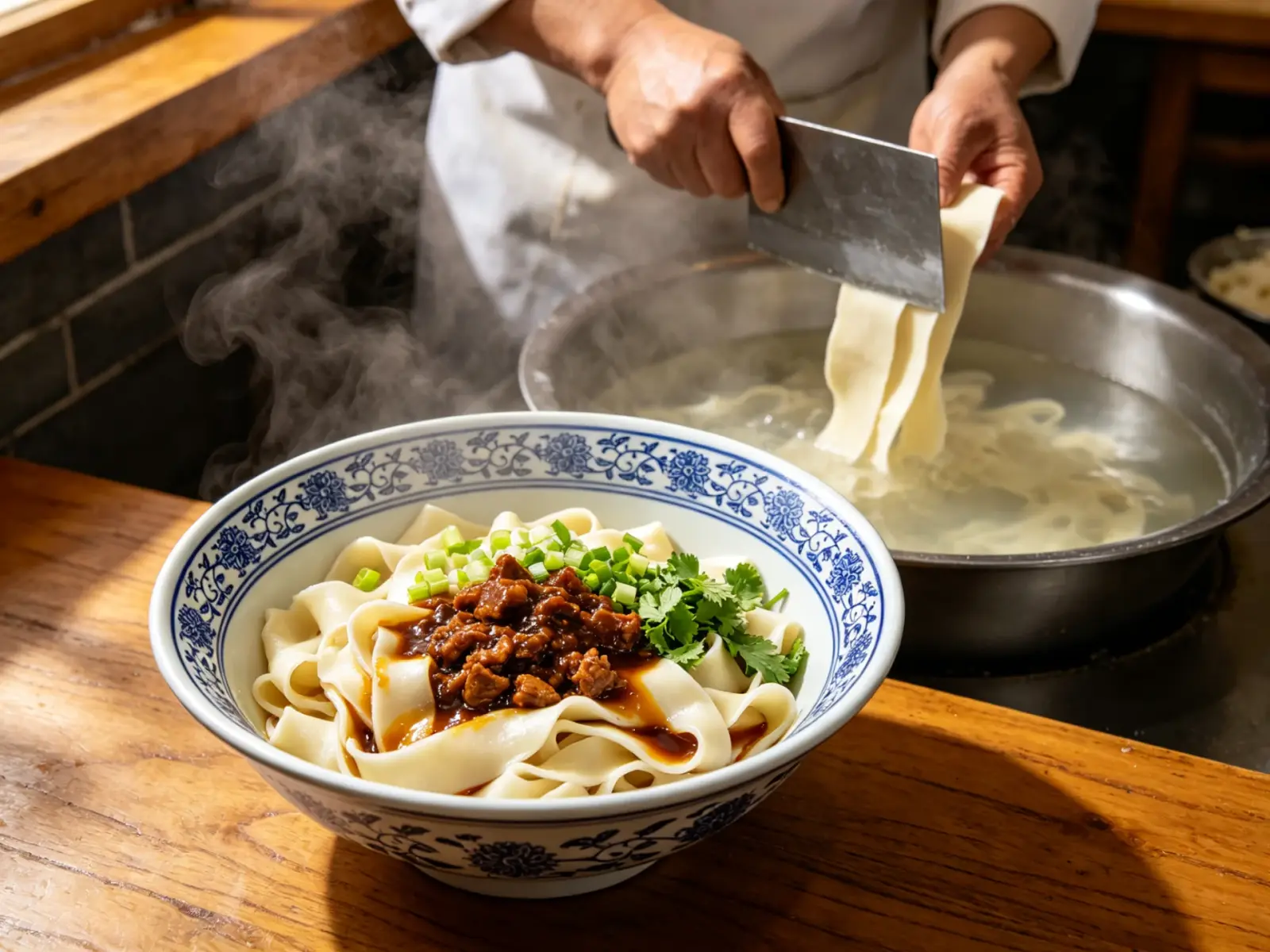
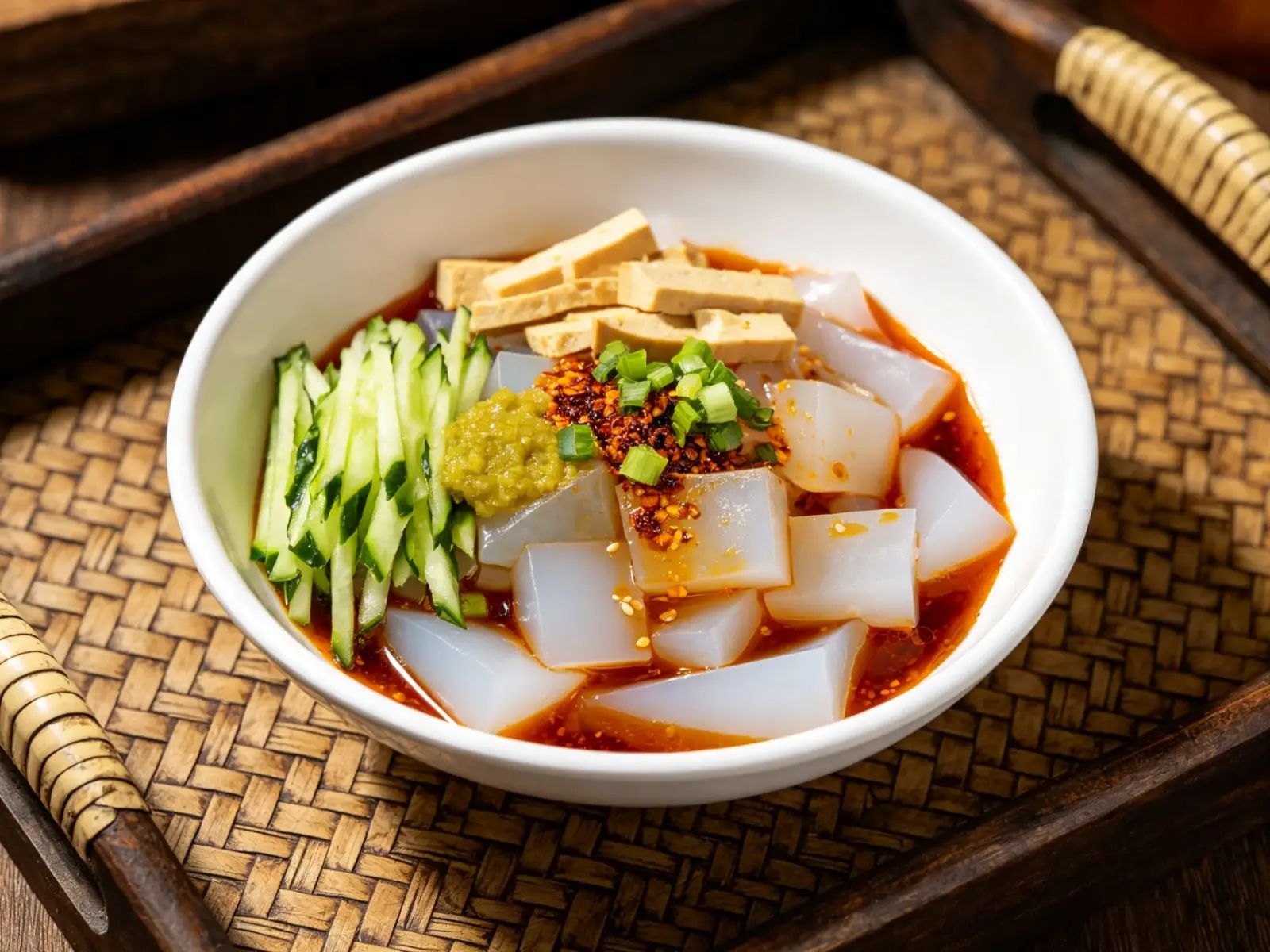
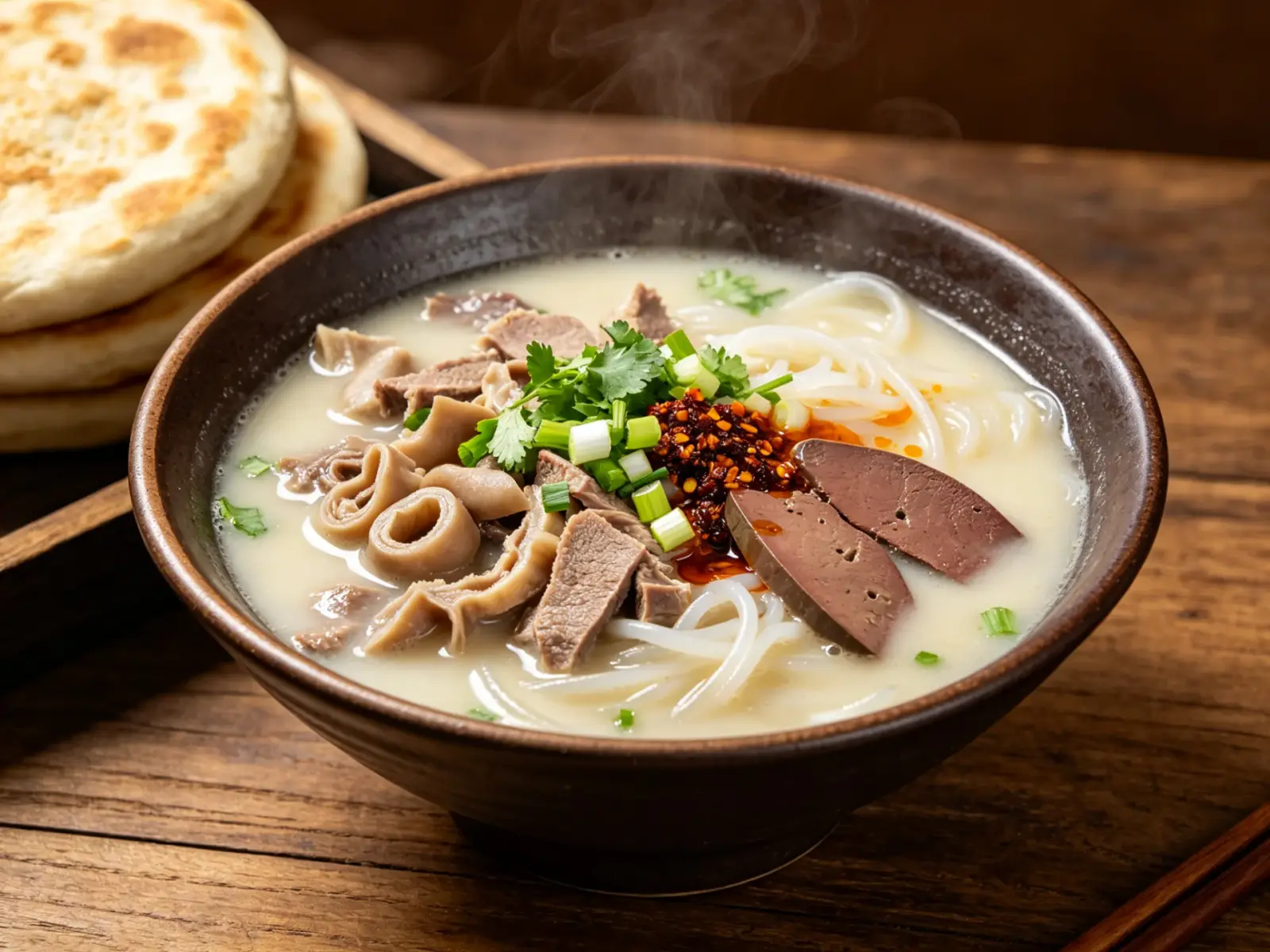
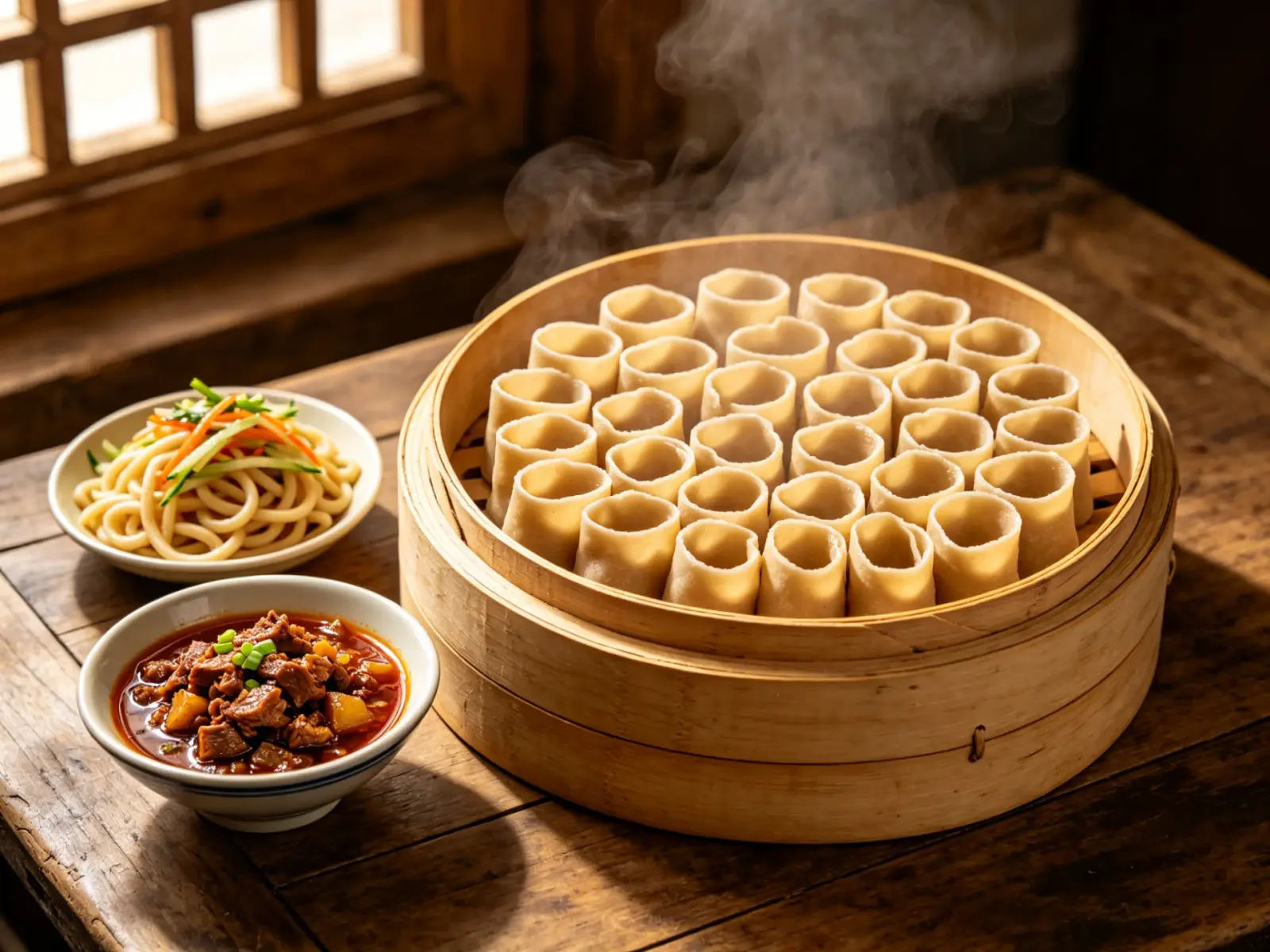
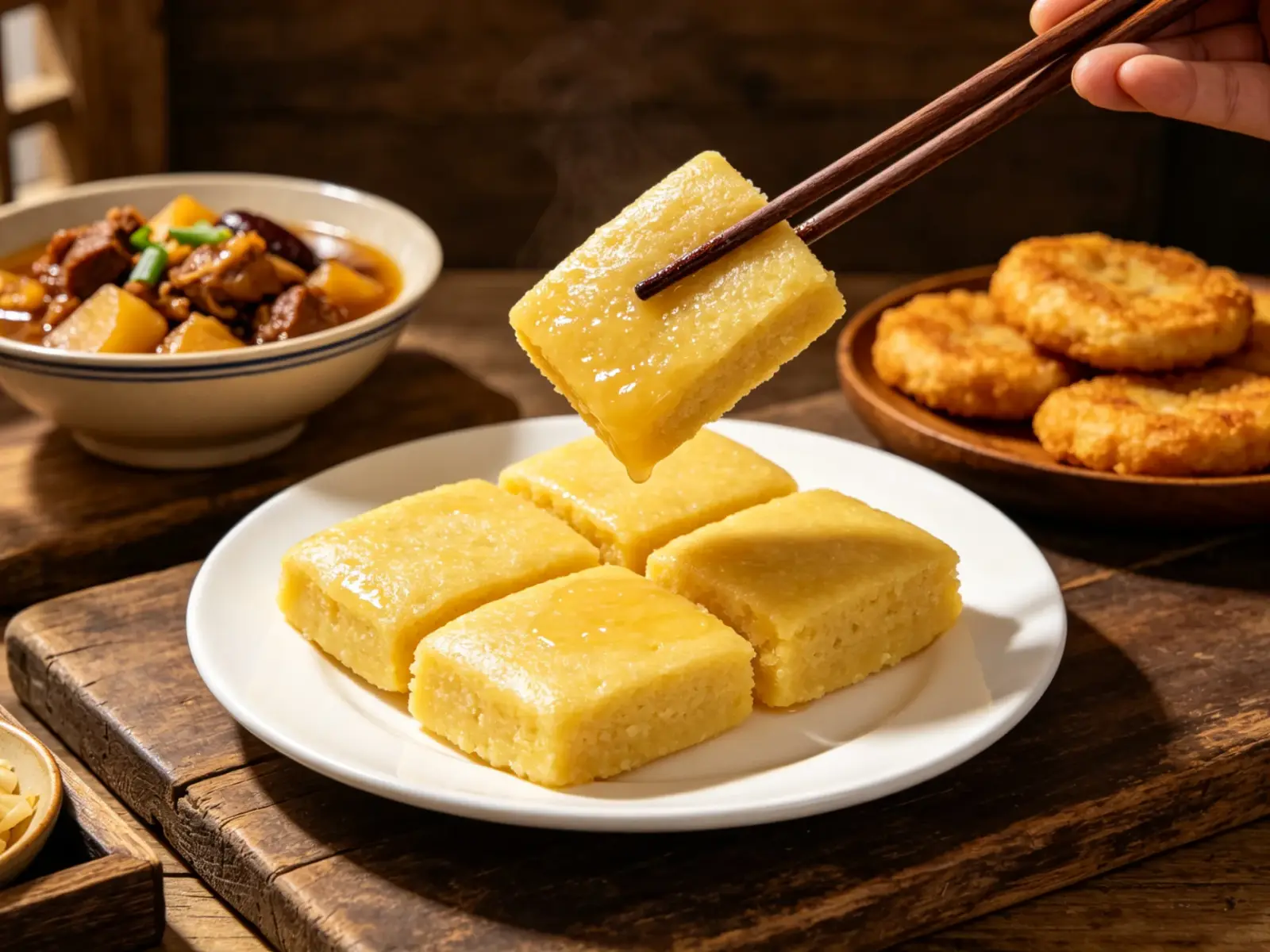
Six families of local taste
Datong's flavours are solid, plain and steaming, carrying a strong sense of the northern plateau. More than a meal, a Datong table is a hearty, shared occasion — wheat in many shapes, millet, lamb and the bold, simple comfort of frontier cooking.
A balanced day of Datong food
Start with a bowl of wide, chewy shaved noodles and a splash of vinegar from an old shop.
A hot, milky bowl of lamb and glass noodles fortifies you against the plateau wind.
Cool down with springy jelly dressed in chilli oil, cucumber and mustard.
Share soft yellow cake, oat rolls and stews at a lantern-lit Datong table.
Do not rush through meals. Northern food is made to warm and fill you — give yourself time to rest from the wind and eat slowly.
Plan by season, walk the old capital
Best Season
Autumn from September to October offers the clearest, most comfortable weather and rich light for the grottoes, tulin and walls. Summer on the plateau is cool and pleasant, spring is dry and windy, and winter is cold but quiet with snowy old-city scenes.
Getting There
Datong Yungang Airport (DAT) connects to major Chinese cities, and Datong South railway station has high-speed trains to Beijing and Taiyuan. Taxis and ride-hailing apps make the city, grottoes and mountain sites straightforward; hire a car for the Hengshan day.
Where to Stay
Stay inside or beside the ancient city for the walls, lantern lanes and night walks, with easy access to temples and noodle shops. Choose a grotto-side hotel for early-morning visits, and book early during Chinese public holidays.
Daily Rhythm
Visit the Yungang Grottoes in soft morning light, use the middle hours for temples and the old city, and reserve evenings for the walls and lantern lanes. Pair the Hanging Temple and Mount Heng on the same day.
Sun, Wind & Dry Air
The plateau sun is strong and the air dry and windy — use sunscreen and a hat, drink plenty of water and carry lip balm and layers. Wear sturdy, comfortable shoes for the city walls, tulin paths and mountain stairways.
Families & Slow Travellers
Gentle city walks, temple courtyards and hand-shaved noodles suit every age, while the mountain day suits active travellers. Keep the schedule unhurried and allow time simply to wander the lanes and watch local life.
Five ways to shape the journey
Datong is more than a city of famous grottoes and a few old temples, and more than a single sample of the ancient northern Chinese city. Its true charm lies in the layered whole formed by Northern Wei civilisation, Buddhist art, the ancient city, frontier spirit, mountain scenery and the northern Shanxi way of life. The most fitting way to travel is not rushing from monument to viewpoint, but giving this old capital enough time — for the morning Buddhas to settle into quiet, for the golden walls to glow at dusk, and for a steaming northern table to become the journey itself. 北魏古都大同城,石窟古寺等你来。
Start Your Journey